Introduction
This research was conducted as part of the ‘Transport Innovation Gender Observatory - TInnGO’ project (https://www.tinngo.eu/), funded under the European Union’s Framework Programme for Research and Innovation - Horizon 2020 - between 2018 and 2021. Its overall objective was to promote gender equality in the Transport Business Ecosystem (TBE) by creating mechanisms for sustainable changes in employment, education, transport design and sex disaggregated mobility data collection. This paper focusses on women’s workplace experiences in the transport sector.
During the project, 10 national hubs were set up in the United Kingdom, Germany, France, Scandinavian and Baltic regions, Italy, Spain, Romania, Portugal, and Greece to collect and disseminate information related to mobility, gender, and diversity from local and national sources and deliver this to the on-line TInnGO Observatory. Following this approach, each hub used a similar research protocol to understand the barriers and enablers senior businesswomen and female entrepreneurs experienced in the transport sector.
Literature and state of the art review
Why we need more women in the workforce
Gender equality is an intrinsic value and right, and instrumental in achieving economic growth and poverty reduction. In terms of UN Sustainability Goals, women are seen as playing a critical role as economic agents and in transforming societies and economies. Governments are encouraging women to enter the workforce – to reduce unemployment, increase the economy, fill vacancies, increase the talent pool and act as a catalyst for innovative thinking about complex issues.
A report by the McKinsey Global Institute stated that 12 billion dollars could be added to the global GDP by 2025 by promoting gender equality1. Increasing workplace diversity helps companies focus on sustainability and how they can adapt in a global business environment2,3. Diverse teams, when professionally managed, increase job satisfaction, creativity, and lead to improved end products4–6.
In the Europe Union (EU), gender equality is progressing slowly with marked disparities in key industries and among member states7. Women continue to face social, cultural, and economic barriers in the labour market, and their formal rights are not always respected. For example, in the EU, in 2014, women accounted for only 34.4% of the self-employed and 30% of start-up entrepreneurs despite forming 52% of the population8.
In 2019, the overall gender employment gap in the EU was 11.7% with 67.3 % of women being employed compared to 79% of men (EU27 data). In 2022, Eurostat showed the gender pay gap was 14.1%9 with the largest differences observed in Latvia (22.3 %), Estonia (21.1 %), Austria (18.9 %) and Germany (18.3 %), and the smallest differences found in Luxembourg (0.7 %), Romania (2.4 %) and Slovenia (3.1 %)10.
Why we need more women in transport
Ostry et al.11 argued that making the transport sector more attractive to women was critical for welfare gains, productivity, business, and economic growth for all. Gender workforce diversity creates benefits through, for example, the inclusion of new skills, differences in risk preference and response to incentives. This requires the whole transport sector to be examined (hence the term ‘Transport Business Ecosystem’) including transport policy, planning, implementation, customer facing functions, operation and maintenance of vehicles.
The World Bank (2016) (cited by Christen12) noted that the transport infrastructure has been traditionally orientated towards the male gender, “with little attention appearing to have been paid to women’s needs in transport”. This has led to transport systems which do not consider or cater for the needs of females or those from more diverse groups. For example, until recently women’s transport journeys were not even recorded, even though it is widely recognised that their journeys are different from men’s because of gendered societal roles13. Inclusive transport services cannot be developed if mobility data from half the population is excluded.
Women also have a stronger interest in sustainability (for example, see the review by Meinzen-Dick et al.14). As such it is argued, for example in Kronsell et al.15, that they could act as change agents, challenging the dominant male norms and trigger changes in transport policies for greater levels of sustainability. This argument overlooks one key issue, that they are expected to act as catalysts and take on leadership roles, whilst working in a sector that is largely hostile to them.
The TInnGO project argued that greater workplace diversity in the transport sector will lead to a greater understanding and recognition of the transport needs of women and traditionally ‘hard to reach groups‘ (such as those from minority groups, aged and disabled groups). This in turn will lead to more inclusive transport systems.
Women can rise to the challenge of making transport safer, more inclusive, and sustainable. However, it must recognized that they are expected to accomplish this whilst facing the challenges of working in a traditional, male dominated workplace which conspires to exclude them and make their working lives difficult. The following section briefly outlines these known challenges.
What the gender gap in transport looks like
The European Institute for Gender Equality16 defines a gender gap as the unequal outcomes experienced between women and men in the workforce, and women’s restricted access to rights and assets. The gap is most common in male-dominated sectors where women form less than 25% of the employees17. These are normally more traditional workplaces - created, maintained, and controlled by men18. In such industries closing the gender gap is a slow process. Transport, as a traditionally male-dominated sector, has multiple gender gaps across all levels of the workforce19 irrespective of type of organisation, location, job type or mode of transport. There is a danger that the smart mobility sector will merely replicate the previous pattern of male dominance because the industry is rooted in STEM disciplines (Science, Technology, Engineering and Manufacturing) and considered as being physically challenging, dirty, with long and inflexible working hours, poor safety and security and a hostile place for women. These stereotypes are still prevalent, but no longer appropriate, accurate or relevant for the smart mobility sector, and new forms of transport-related occupations. However, mobility itself remains highly gendered20,21.
The EU transport sector is formed of approximately 1.2 million private and public companies and employs around eleven million people22. Women form 22 – 27% of the workforce23. Europe has one of the highest rates of female participation in the sector. However, analysis of data and grey literature conducted by the TInnGO project showed that employment figures hide national, modal and workplace variations. For example, in terms of modal distribution across the EU, 42% of people working in air transport in 2021 were women, compared with 21.9% for water transport and 15.2 % for land transport24. In the urban public transport sector, women account for approximately 18% of total employees on average, ranging from between 5% to 31%, but represent less than 10% of drivers25. In the railway industry in the UK in 2015, although 47% of the national workforce was female, only 16% of the workforce on the rail industry was female26. In 2021, the highest number of female workers in transport was in Malta at 25.1 % and the lowest share was 9.7 % in Romania; the EU average was 17.1%24. Fewer women are found in managerial positions, occupying less than 20% of top executive positions across all sectors in global supply chains and logistics27. Their jobs have less job security and lower pay28,29.
Women’s journeys have only recently started to be counted in travel census figures. Sex disaggregated mobility data is scarce leading to profound inequalities in the design of transport systems and services30. Gender disaggregated data is even scarcer.
The historically low representation of women across the sector creates and perpetuates gender-biased attitudes and barriers, discriminating work environments and conditions31,32 – including poor working environments, safety and health concerns, lack of facilities, including decent sanitation facilities, violence and harassment from colleagues and passengers, gender pay gaps and lack of access to career development26,28,29,32,33. As fewer women rise to senior managerial levels, they cannot effect meaningful change within their company or the wider sector or provide sufficient role models to inspire young women to enter the profession.
Aims and objectives
Despite the perceived benefits of gender equality in the transport workforce and the statements by the Working Paper of the International Labour Office32 regarding the “imperative to close the gender gap in the transport sector and to better design and implement policies that will do so” and the recognition that “women must often perform better than men in a male-dominated working environment, usually just to ‘fit in’ and be accepted, and certainly if they want to progress and realise their career aspirations”, the International Association of Public Transport (UITP)25 concluded that women in the sector face seven broad challenges, including: 1) work organisation (e.g., opportunity to do part-time work, or teleworking); 2) work-life balance (e.g., parental leave, childcare); 3) health and safety at the workplace; 4) working culture; 5) wages; 6) career, qualification and training and 7) recruitment.
Alongside schemes to train and encourage young women to work in the transport sector, steps need to be taken to ensure that the workplace they enter is fair and inclusive and that the known challenges have been addressed. This requires understanding the experiences of female employees (and entrepreneurs) and considering what steps they would take to improve gender equality. Building on the work of WISE25, Turnbull32 and TRANSGEN34 amongst others, the aims of this research were:
1. To provide a contemporary account of the problems faced by women across the sector,
2. To understand the strategies that have developed to dealt with the challenges,
3. To outline organisational transformations needed to create gender equality in the transport workplaces.
Methods
Given the need to understand the experiences of women employed in transport, a mixed method approach was used. Each hub followed a standard protocol designed by INTECO as WP leaders (and approved by Coventry University’s Ethical Approval panel) to aid in the standardisation and collation of information from the European hubs. This included:
• conducting desktop surveys to understand national gender inequalities in transport employment and entrepreneurship in particular,
• developing a list of potential respondents from national and local transport businesses. Shortlisted potential respondents were invited to take part in the study either during meetings or through existing network channels,
• using purposive sampling to select interviewees,
• conduct of in-depth interviews with 14 ‘distinguished entrepreneurs’35. The interviews were mostly held remotely, due to covid restriction, at a time, and using a method, convenient to the participant e.g. teams. Interviews were recorded, transcribed, translated (where appropriate) and verified for accuracy by the interviewees.
The aim of the phenomenological study was to learn about, and benefit from, the experiences of women who had long term experience of working in the transport sector – either through achieving a prominent position, or as a female entrepreneur. Such women are resilient36 meaning that they have experienced and overcome the challenges of working in male dominated environments, will have shattered glass ceilings and taken advantage of opportunities in a rapidly evolving industry. A ‘respected entrepreneur’, regardless of gender may be defined as “an innovator; a visionary; a person who predicts and shapes the future; takes initiatives; accepts change, risk and failure; learns from it; and sees what others do not see.”
Elizabeth Pollitzer37 recognized that women are the largest untapped entrepreneurial and leadership potential in Europe, stating that the ambition should be to “create female-friendly designs and production to increase women’s engagement and participation, and improve female representation in STEM.” To achieve this, we need to take advantage of the experience and recommendations of those working in the sector.
The research was conducted in five stages across 10 sites concurrently (i.e., United Kingdom, Germany, France, Sweden, Italy, Spain, Romania, Portugal, Baltic Countries and Greece). This included preparation of the activities, planning, data gathering, analysis, drawing up conclusions and making recommendations.
In stage 1 an Activity Plan was drawn up by Integral Consulting (INTECO) as the Work package leader. This comprised document templates and a research protocol to allow each hub to work independently to generate information which could be easily synthesized once collated. Ethical approval was obtained for all parts of the project by Coventry University, as lead partner.
The interview protocol, used across the consortium, comprised 14 open ended questions, and one which required participants to assess 8 issues which would contribute to better integration of gender issues in smart mobility. These could be completed online or used as a basis for a semi-structured interview according to the preference and availability of the participant and Covid restrictions. Open ended questions were used as prompts for discussion. These related to 3 areas:
1. Background details of the respondent e.g. length of employment in transport design and motivations for choosing this career, details of the organisation and their role within it, how they have managed to climb the career level or set up their own business, key factors to the professional success
2. Perception of gender biases within transport e.g. gender balance within your organisation, personal experience of difficulties and challenges in employment and levels of support; attributes women need to succeed in smart mobility
3. Development of smart mobility, such as examples of successful programmes and their personal /organisational contributions; what measures at EU and organisational levels are necessary to develop gender smart mobility. To guide answers to this question, participants were given the opportunity to discuss the following issues;
• legal provisions to eliminate barriers and promote gender employment opportunities in transport and related activities.
• Improvement of knowledge of transport related subjects from primary to postgraduate education.
• Research and innovation in support of meeting the gender- related requirements.
• The role of female entrepreneurship in the domain of developing smart gender mobility.
• Mentorship for the women having newly entered the smart mobility ecosystem.
• Creation of organizations / networks of successful / entrepreneur women to provide counsel / militate for gender issues.
• Strategies, action plans, activities conducted by the local / regional authorities with a view to developing smart gender mobility.
• Development of a conceptual framework of smart gender mobility.
The bespoke questionnaire included 15 questions relating to the professional life of the participant – their motivations, transport related career choices and progression, challenges, opportunities, success factors and recommendations for new entrants into the profession. The questionnaires could be filled in online or used as a basis for a semi-structured interview according to the preference and availability of the participant. When completed online, it would take on average 15 minutes to complete, interviews would usually take longer as they allowed greater elaboration of issues. Follow up ‘conversations with purpose’ were used to create more detailed and nuanced motivational portraits, or narrative sketches of successful women – who met the criteria of “distinguished entrepreneurs”. A total of 15 participants were selected from across Europe to represent the different national hubs, career paths, and transport modes of transport. The conversations were conducted by the nominating partner and were designed to draw out critical incidents and reflections on professional careers.
All interactions with participants included an initial written or verbal briefing. This follows a GDPR compliant format which included an introduction to the project, the purpose of this particular study in relation to the whole project, why the respondent had been selected, details about confidentiality, anonymity, withdrawal from the study and the use, storage and destruction of data. Participants were required to acknowledge they had read and understood the Participant Information Sheet (or verbal equivalent) and give their consent to take part in the study (either verbally or in writing). Where verbal consent was given, this was recorded as part of the interview transcript.
In Stage 2, hubs created individual Action or Operational Plans to gather material in a timely and efficient manner. This included sourcing of national documents relating to employment statistics and legislation and recruiting potential participants including distribution of Participation Information Sheets to those who had been identified as possible participants and follow up verbal of written consent forms.
In Stage 3, each hub collated relevant employment data, conducted interviews, translated, and sent anonymized transcripts to INTECO. Motivational portraits or narrative sketches of successful women who could function as role models for those wishing to enter the profession are included here.
In Stage 4, INTECO analysed and consolidated the results from each hub. Content and thematic analysis was conducted by hand with each set of data. The results triangulated well enabling them to be combined to provide a phenomenological account of women’s experiences in the transport industry in each country and across Europe.
Data collection and participants
Female participants were recruited based on recommendations, desktop research, and existing networks of consortium members. Inclusion criteria were level of seniority and experience in the TBE (including planning, operations, design, manufacture, and education) either through holding senior posts, running their own business or acting as industry consultants. Exclusion criteria related to unavailability to participate in interviews in the time period, not being part of the TBE, or not working in the EU.
The operationalization of data gathering was left to each hub. The desktop research was collated into a series of national reports summarising gender gaps in employment and entrepreneurship especially in the transport sector. The collation and analysis of primary data by the authors of this paper, enabled comparisons to be made about women’s employment in the transport sector. Subsequently individual hubs used the information with members of their local transport business ecosystems, for example to develop gender equality plans, improve gender equality in local transport services or provide mentorship schemes. Further examples of the work of the hubs and how they used the information can be found at https://www.tinngo.eu/observatory/national-hubs/.
Limitations of data collection
The research was scheduled to occur in 2021. It was extended into 2022, giving each team 6 months to collect the data. All aspects of the project were negatively affected by the coronavirus disease 2019 (COVID-19) pandemic. For example, project staff worked from home, had COVID-19 and/or caring responsibilities, were placed on furlough or covered for other staff absentees – meaning that the amount of time they could spend on the task, and the data sources they could access were limited. Interviews and case studies could not be held as planned due to restrictions on travel and face to face meetings. These restrictions may have reduced the rapport between interviewer and interviewee, leading to less disclosure.
Although a clear plan had been made to conduct data collection in a timely and organised manner, the restrictions on working capacity meant delays, and material being sent in different formats. This made management of data collection and subsequent analysis and consolidation difficult. Generally (i.e., not just in this study), over the Covid period we found that fewer people wished to engage with non-essential work-related tasks, perhaps to conserve personal energy and resources38.
Through the desktop research it became clear that limitations in the collection of sex disaggregated, national employment data across Europe made detailed comparisons of workforce statistics difficult. Illustrative employment statistics have been provided in Section “Literature and state of the art review” to set the context of the work. These are sufficient to show that the transport sector is highly masculine. The following sections provide examples of the everyday experiences of female employees, the qualities needed to succeed in the industry and recommendations for change.
Gender discrimination in transport organizations
A total of 90 semi-structured interviews were conducted by the national hubs in native languages. Details are shown in Table 1. Success in recruitment varied between hubs and was affected significantly by covid. Differences in sample size also reflect the distinct roles partners had in the project (some had a primary interest in employment and entrepreneurship).
Table 1. Respondent details.
| Hub | Number of participants | Respondent details |
|---|
| Romania | 11 | Aged over 30 and included university graduates (18%) with a modal level of experience of 15 years. 36% owned or ran their family business. Participants included an international business director for a rail company, CEO of a freight business, and a city manager. |
| Spain | 7 | • 4 from private companies,
• 1 from administration,
• 1 from a public company
• 1 from a political field specialized in transport.
One was a CEO, the others held senior positions in maritime, rail, urban mobility, road, and last mile delivery. |
| UK | n/k | Participants from Coventry City Council included project managers, consultants, and a head of vehicle development |
| Italy | 6 | • 2 senior government officials responsible for transport planning and infrastructure and commissions
• 2 women who lead SMEs (small to medium sized enterprises) relating to female security, mechanical and technological services for vehicles,
• a planning director,
• transport consultant with expertise in gender and mobility. |
| Sweden | 10 | Respondents drawn from networks in national transport entrepreneurship and gender equality in the transport sector. |
| France | 40 | Participants included:
• founders and presidents of start-ups working to improve the transport sector – e.g., carpooling, electric scooters or electric vehicles, an experienced independent consultant working in sustainable mobility.
• three participants occupied leading positions in major companies in the French transport sector: a large city transport operator, and a global leader in product testing and vehicles safety inspections. |
| Germany | 4 | Professional women who had 20 – 40 years professional experience. They included:
• market research and strategic marketing office in the Department of Transport.
• head of mobility requirements and framework planning in a transport and mobility planning division
• freelance traffic planner and lecturer.
• freelance traffic planner and owner of a municipal planning and consulting company. |
| Baltic | 3 | • city transport planner
• board member of an air navigation company responsible in charge of development plans, training process maintenance, international co-operation coordination and monitoring
• Senior member of Business Process Management team for Baltic airports |
| Portugal | 3 | • a senior academic in mobility.
• a senior researcher within a transport institute,
• Senior member of Applied Intelligence and Analytics |
| Greece | 4 | All participants had a tertiary level education. They included:
• CEO and founder of a Start-up SME in the mobility arena
• senior academics in smart mobility
• Founder and CEO of an SME in the agro-transport sector who has experience in EU funded projects. |
All participants had worked for a significant period in the transport sector and had risen to a level of seniority within their host or own companies. In all cases, they confirmed they were happy with their career choices, did not suffer from gender discrimination in their current position but could easily recollect instances of gender discrimination either to themselves or colleagues.
The phenomenological interviews39 provided participants with opportunities to discuss how gender issues had affected their work, the characteristics and support women needed to succeed in the industry and the steps needed to improve gender and diversity in the transport workplace. The results triangulated well across the national hubs and the research methods, revealing a common experience across the sector which can be discussed in terms of recurrent themes. As this is a phenomenological study, unattributed quotes have been included from all hubs pointing to systemic workplace failures.
Results
The gendered workplace
With women occupying less than 27% of most transport workforces, and rarely occupying influential positions, gender stereotypes and misogynistic cultures may go unchecked. This may be partly attributed to social and cultural issues, a lack of interest in gender equality (in some countries) and prevalent sex-based roles relating to nurturing and caring duties.
Gender barriers and stereotypes in Romania were attributed to “human nature (big egos, envy, misogynism)” or scepticism regarding women’s capacity, for example, “I often heard remarks like ‘Hadn’t you better stay at home and do the cooking?’ or ‘This is not a suitable job for women, as it is dangerous.’”
Nonverbal and verbal communication
Spanish participants reported that they had to endure “macho” comments regarding their physical appearance or clothing, such as “Here she comes, the beautiful face of the entity,” whilst a participant from Romania shared “I often hear them calling me the blonde from marketing” and that her colleagues did not take her seriously. Such comments were seen as devaluing and belittling. This was a common experience from all participants and was viewed as undermining everyday activities.
In Spain, participants reported that male employees treated their female colleagues as if they were in a close, familial relationship, for example by using diminutive and familiar names. Similarly in Italy, one participant recalled situations where men and women in the same job role were referred to as, “Engineer” and “Miss”.
Lack of gender diversity in the workplace
In Spain, most participants admitted that they had suffered barriers in their careers due to gender stereotypes, and although appreciated in their current position, they reported that climbing the career ladder had not been easy. They reiterated the need to demonstrate their worth daily through strong abilities and competences. For example. “As the sector is male dominated, workers and older people in the company did not understand how a young girl is giving them orders. It is a bit frustrating that you must prove that you are worth it or that what you say is based on reasoning and it is the best for the company.” (Spanish participant)
Results from all hubs confirm the hardships of being a woman in the transport sector in terms of professional relationships and career development. For example, “In the transport sector there are few women and as a rule of thumb you can find almost always men, led by men, whereas women are initially rejected just for being a woman.”
French participants spoke of ‘’male chauvinism’’ and men dominating top managerial positions as major obstacles. With men being overrepresented in meetings, informal networks, at public events and investor’s companies, women find it hard to be heard, impose their authority, be acknowledged for their position and work, and even to be integrated in the company. One participant shared that she was often mistaken for the secretary and that during meetings people referred only to her male colleague, even though she was CEO.
Career progression, the glass ceiling, and its effects
Although all participants acknowledged that the situation is improving, women continue to suffer gender discrimination or everyday sexism from colleagues, investors, and retailers. This indicates a systemic problem across the TBE. Most frequently mentioned were significant gender pay gaps with women receiving lower payment and different work conditions for the same job, not being treated as an equal, career progression hindered by double standards, and the need to work harder to prove their worth and skills. Men were chosen over female colleagues even when the female had better skills. “I was clearly told that I could not apply for a vacant position because I was a woman. And I saw how men were given the opportunity, and in some cases those people were less qualified than I.” (Spanish participant)
While some companies provide training for female workers, they seldom offer opportunities to grow within the company.
“The bosses tend to sponsor young male engineers. At another company, the boss was betting on another boy rather than on me, even though the other boy had no skills in dealing with customers and improving customer relations (mandatory skills required for the position).” (Spanish participant)
A common experience was that competence was measured differently between men and women and women always have to do better. “You have to be a little better as a girl. You should talk more about what you can […] To dare to take your place and implement what you want” (Swedish participant).
Being overlooked for promotion effected the women’s sense of value. They did not feel they were well enough qualified for their jobs (imposter syndrome) and needed to sacrifice family for career (Italy). Moreover, the skills developed were not recognized. “In the end you reach a limit that marks you and even if you show that you are evolving, you are not rewarded.”
In such cases, participants left their organisations to find opportunities where their capabilities would be valued, perhaps in their own business. This represents a serious loss to companies at a time when workplace diversity across the sector is seen as a key strategy for developing safer, more inclusive, and sustainable mobility solutions,
Lack of recognition of differing approaches to management
Most participants agreed that women have a different way of working – fostering teamwork, confidence and collaboration and avoiding hierarchical relations. This can create a better work environment in which employees feel more involved and satisfied. However, in a male dominated workplace, it is difficult for women to establish a different mind-set. One interviewee explained that: “It was also difficult for her team to take seriously her way of working, away from the hierarchy and close to teamwork. She was working with a different kind of interaction; it was very difficult for her to implement this alternative point of view. Collaborative work was confused with lack of exigency in the execution of the work.” (Spanish participant)
Another interviewee explained: “Every time I started a new job I prefer to reorganize and restructure the unit, putting in place a new order and protocols to be respected.” (Spanish participant)
Gender inequalities in response to global event
Interviewees in Spain highlighted that difficult situation such as COVID-19 or the economic crisis in 2008 affected women more than men. During the economic crisis one interviewee explained that “men were offered to move out of Spain to continue working in the company while women were not offered this. They often have more difficulties, when asked to change country.”
Work life balance
One interviewee from Spain remarked that family-work balance was an extra obstacle to leadership. She needed to be connected 24/7 and was regularly required to work away from home. This required a well-organized and optimized working schedule to avoid working all day.
In many transport sectors, shift work is the norm. This is not family friendly but is felt more severely by women. French participants mentioned family and maternity as main barriers to employment in the sector, stating that the professional world is not adapted to family rhythms and responsibilities. According to one respondent, maternity has been an overt discriminating factor throughout her whole career. However, two respondents stated that that they had not found any difficulties related to being a woman during their careers or in their positions. For example, participants noted that a research career in Portugal was equally difficult for both men and women, but the requirement of women to combine work- and family- related tasks was an additional difficulty.
Personal characteristics
All interviewees agreed that the transport sector is constantly changing; so, keeping up to date is a key factor to succeed. They agreed that women required more stamina, and strength of character and needed to employ a wide range of skills to deal with people at work effectively - tenacity, decisiveness, conscientiousness, flexibility, proaction, empathy, temperance, and a global vision. Several respondents said it was necessary to have ‘’skin on your nose’’ (or a thick skin) when working in a male dominant workplace. “Have a clear goal and go for it. Having enthusiasm in life is the motivational engine to achieve everything you set out to do,” (Spanish participant)
However, the following experience was often expressed, “I have experienced that I have not been listened to. Even if you have good ideas, it feels like you are not being heard in the same way as if a man makes the proposal. It is very clear and is so even today. I have to be very prepared and even invited to a meeting, I think that’s actually sad.” (Swedish participant)
Age and gender
Also, gender and age were linked to discrimination against older workers, with women having a harder time proving their value. For example, a participant expressed that “It is clear that a female traffic controller was only allowed to be 35 while a male 45 years, when they recruited new staff.”
Power and control of finances
Although young women and men do not see female leadership as something unusual or complicated, Holmström and Ahlström et al.40,41 noted that fewer women have the opportunity to start a business due to a lack of finances, or that the husband or male relative(s) (as co-owners) provided the money. In family-owned businesses, which are quite common in the Swedish transport sector42, women often have less power and perform menial tasks (e.g., doing paperwork as secretary and economy assistant).
Discrimination in Science, Technology, Engineering and Mathematics
German participants confirmed the male domination of the transport sector industry and discussed times when there had been open discrimination against women particularly those with children or single parents, who were not considered capable of training in STEM.
Professional work
One participant in the Baltic states reflected on the greater time and energy she spent to gain trust and co-operation from colleagues, executives and partners. Another agreed that it took time to overcome the scepticism and sexist attitudes of male colleagues, which meant it took longer for her to establish herself. A UK participant claimed she felt like she had entered a “boys club” and had left because of that.
Portuguese women remained underrepresented in their organisations with the main difficulties relating to gender barriers and stereotypes such as lack of employment stability, stereotypical and depreciative comments from superiors and colleagues, doubts about their future work in relation to their families, internal bureaucracy associated with maternity leave, and lack of consistent support in professional development.
Greek participants agreed that female presence and career promotion was limited ‘'because men tend to undermine women’s work and their self-confidence.’’ Participants from this hub pointed to similar challenges such as the need to convince their male peers of their knowledge and skills, lack of opportunities for career development and the gender pay gap. A women entrepreneur declared that ‘’sometimes, it is difficult to be the only woman in the room.’’ She has to speak and act as a man, and this is the biggest challenge she faces all the time.
Female entrepreneurs in transport
Incentives for women to start their own businesses included the urge to do things better, remove oneself from hostile workplaces or follow one’s passion. Whilst this removed some of the workplace challenges, female entrepreneurs faced cultural, socio-economic and financial barriers, including feelings of intimidation and being overwhelmed when they were ‘the only woman at the table’’, having to face men’s prejudices and scepticism, and the lack of confidence and reluctance in developing relationships with partners, collaborators, or clients at the start of their business. For instance, a female French entrepreneur said: “The investors and investor angels asked me very misogynist questions referring to my product and capacities in the field” and another commented that: “for women, it is more difficult to save the money, conclude partnerships, and hire top talents.” A participant from Spain commented on the difficulties she faced in getting the necessary financing. Some admitted that getting ahead in business was not easy. It took a lot of hard work and giving up their private life. An entrepreneur from Romania stated: “As a young entrepreneur, I realized that a lot of personal sacrifices are needed, particularly regarding time, in order to be successful.”
Success factors
Analysis of the responses from the interviews revealed the key factors required to succeed in the transport sector (summarized in Figure 1). These relate to personal attributes (resilience, ambition, perseverance, hard work, tough attitude, self-respect), mastery of technical and soft skills related to the organization and the ability to manage human resources efficiently. Advice offered by the participants include: “Be resilient. Be persistent”; “Don’t be afraid to have your opinions, ideas, doubts heard”; “Surround yourself with people that support you and also support and be mindful of your team members”; “being hard-working and showing high technical skills is the first step to success”; “Dealing with barriers will be part of the career path, but perseverance will help succeed”.
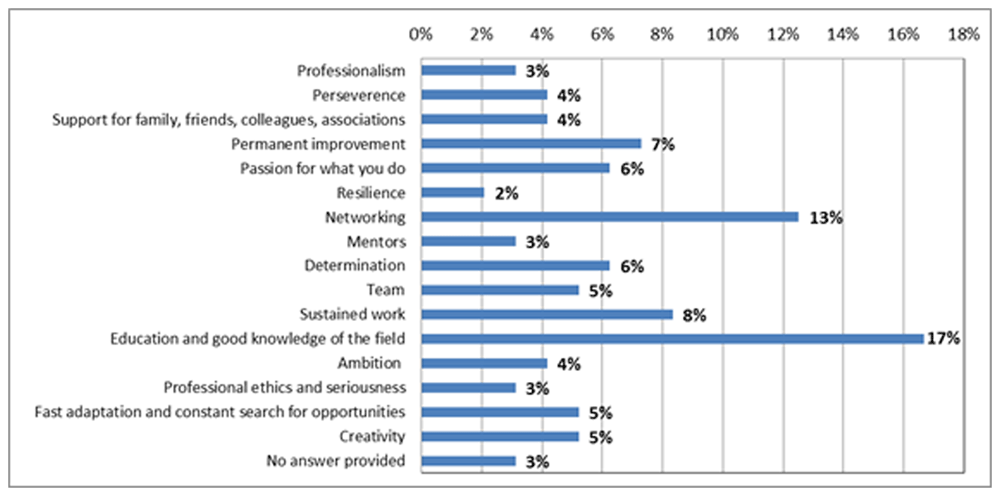
Figure 1. Qualities needed to succeed in the transport industry.
Regarding the challenges in the transport sector participants referred to: convincing their male peers of their knowledge and skills, opportunities for career development and the gender pay gap. Each respondent pinpointed a combination of factors which contributed to a successful business and career. These can be divided into personal attributes (goal-driven, positive attitude, well-aware and knowledgeable of the field, persistence, adaptability, self-dependent, self-empowerment, logic-over-emotion, hard work, determination, flexibility, cultural and personal attitude toward achieving goals and success), professional skills (such as technology awareness and competences, innovative thinking, professionalism).
Major factors to professional success according to the participants included having a strong support network, being in the right place at the right time, being part of groups and teams that offer new and broad opportunities and visibility.
A general conclusion was that “professional success is the result of hard work and the attitude that I can do things at least as well as a man”.
Summary and limitations
It is clear from this small, but contemporary, pan European study of the experience of women in transport, that there is a systemic issue of gender discrimination across the sector. The research builds on previous studies by confirming that the TBE remains rooted in misogynistic attitudes, undervaluing women’s technical capacities and ideas. The male hierarchy is preserved through gender harassment, gender biases in recruitment, gender pay gaps, tokenism, lack of family friendly work practices, lack of inclusion of women at senior, decision making levels and barriers to women’s integration in professional networks and professional development.
A clear limitation to the research was that it was conducted with limited resources during the pandemic. Some key respondent background details are missing, which could not be retrieved at a later stage. However, Table 1 indicates that participants were drawn from across Europe, transport modes and worked at senior levels within the industry, especially the smart mobility sector. This gives power to their testimonies and recommendations.
Discussion
The results may be interpreted as indicating that the drive to increase the number of women employed in the transport sector is not being accompanied by changes in working practices. Coping with gender discrimination not only affects women’s psychological wellbeing but the contributions they can make to new transport measures.
The experiences related in the Results section are forms of gender harassment43. This includes disparaging verbal and non-verbal behaviours, scrutiny of work or workplace behaviours; giving colleagues or staff the ‘silent treatment’ and refusing to comply with an opposite-gender supervisor's directives44. Researchers have described gender harassment as being more common than sexual harassment but can prove equally damaging to victims' physical and mental wellbeing45–47 and career success. It is perpetrated and reinforced by the actions of workplace actors (managers and peers), as well as by actors outside of the employment relationship (customers and clients). The comments in this paper clearly indicate that women employed in the transport sector still suffer from gender harassment.
Such behaviour may be motivated by the harassers’ desire to enhance their own status and power within occupational contexts. It signals that women are unwelcome and will never be ‘one of the boys.’ Such behaviours not only diminish women's ability to be taken seriously within their chosen occupations, but also have a deleterious effect on their confidence and sense of belonging. It may be argued that the undue stresses these places on them reduces their ability to thrive and lead the industry in its wider ambitions to create sustainable and inclusive transport systems.
Foley et al.43 concluded that “significant work needs to work to be done to establish organizational and legal norms recognizing gender harassment as a form of sex-based harassment constituting unlawful sex discrimination”.
This research has shown that the new smart mobility sector of the TBE has inherited the gender biases of the wider transport sector and is not female friendly. Women constantly face gender related challenges in employment, which takes a toll on them. In some cases, they leave their jobs or the sector entirely. Women cannot make the impact to inclusivity, sustainability and innovations expected of them within the transport sector, if they are worn out from fighting for equality and recognition at work.
The more in-depth interviews with the ‘respected entrepreneurs’ highlighted the personal qualities needed to succeed. This includes sustained work and effort, continuous updating of knowledge and skills, passion, creativity, an appropriate and innovative approach to changes, working with the right people, irrespective of whether they are business partners or employees. A participant from Portugal argued that “the performance to a high standard in a profession requires, not only the required technical skills, but also soft skills related to organization, perseverance, ability to manage human resources efficiently and capacity to focus on essential problems.”
Women may find it difficult to keep up to date with professional knowledge if they experience time and mobility poverty (because they need to spend more time on unpaid, homemaking and caring duties) and when opportunities for professional development are denied to them. Additionally, they need to find opportunities to show and defend their capabilities in everyday work.
Many participants stressed the importance of support from family members in enabling them to work flexibly and adjust their work life balance to dedicate more time to their careers. Some female entrepreneurs and start-up companies developed from family businesses or with their financial support. Additionally, participants stressed the need for time management and organisational skills to meet work and familial commitments. Speaking about her success in business, a Romanian entrepreneur admitted she owes a lot to the people in her team: “I strongly believe in surrounding myself by professionals who are well versed in each facet of the business and have the appropriate skills to help me along the way.”
The concluding section outlines recommendations offered by the participants and the consortium to address gender inequality in the sector.
Recommendations to address gender discrimination in the transport sector
Participants were mostly in agreement about the steps needed to address the lack of gender and diversity in the sector – except in terms of the legislation and quota systems. Here it was believed that this may work, in certain circumstances and in certain countries, but some participants argued for a more holistic approach in terms of societal and organisational change, proaction and development of personal skills.
Legislation
In some countries, gender equality principles are enshrined in state documents leading to policies, legislation, strategies, declarations, and internal policies of private organizations. However, no specific material has been produced to enable gender mainstreaming in the transport sector. Such efforts are fragmentary and may be seen as discriminatory. Programmes for transport developments do not mention gender/diversity mainstreaming or related aspects. There is a clear gap between policy and practice42.
However, good practice examples do exist, and if replicated could contribute to accelerating the progress of gender and diversity mainstreaming in the sector. For example, the Swedish government48 is developing a more equity-based transport system, which takes into consideration women’s and men’s transport needs. Here both women and men will be involved in the decision-making bodies, and have equal opportunities to influence the creation, design, and management of the transport system.
Legislation can have positive effects, but respondents felt that additional strategies were needed to create a wider paradigm shift which tackled underlying societal and cultural issues.
STEM effects
Many ‘traditional’ jobs within transport require competence in STEM related subjects such as engineering and IT skills. Given the poor uptake of STEM subjects by women, a lack of such qualifications has been an entry barrier to the profession. This is changing in two ways: firstly, initiatives to encourage young women into STEM is slowly reducing employment gender gaps; secondly, transport has become more mobility and service oriented, requiring new skill sets49 e.g., in relation to urban planning, sustainability, micro- mobility. The change in emphasis may account for increases in female employees and entrepreneurs, who bring in different disciplines and skill sets. However, this change has been brought about by external factors, i.e., technological innovation and policies to make transport inclusive, sustainable, and accessible. Unfortunately, our results indicate that across Europe, men hold senior positions, many of whom are hostile to women and make their working lives uncomfortable, if not unbearable. This is repeatedly evidenced in accounts of women in most of our sample – who face negativity, hostility, belittlement, gender pay gaps, recruitment bias and lack of advancement.
As more women gain STEM and other qualifications, and the industry is forced to modernise to meet city, national and global changes, more women will enter the profession, bringing new thinking, ways of working and start breaking down barriers. The following sections, based on participants’ comments, outline the steps which need to be taken to better support women working in transport and their working lives improved.
To encourage and support diversity, one of the UK participants proposed a simple formula: “Don’t just talk the talk, don’t be lazy recruiters, look hard for new talent, look outside your normal sources, and advertise or talk in different channels. Ask your staff to talk about work, outside of work: you can’t be what you can’t see. Support your local schools or youth clubs if you can; just mixing with youngsters opens their eyes to different career paths.”
Universities are required to develop, publicize and act on Gender Equality Plans48. Not having such plans, may disqualify them from accessing certain funding. Likewise, major transport infrastructure projects need to consider social impact assessment, which should involve elements of community participation50.
There is a clear need for transport organizations to develop Gender and Diversity Action Plans (GaDAPs)51 or apply Gender Equality Plans Industry. This should include:
• A survey of employees across the company to understand where the gender imbalances are and their effects.
• Development of SMART Key Performance Indicators (KPIs) and targets, accompanied by a GADAP to achieve measurable outcomes and continue to evaluate progress/create new KPIs.
KPIs in relation to human resources could be developed to ensure equal pay, and fairer m/paternal leave to address the motherhood penalty. Marketing, recruitment, and human resource functions should have gender and diversity sensitive policies and practices e.g., in relation to the images/language used in corporate/advertising material, when and how recruitment takes place, use of redacted applications, ensure equality in staff appraisals; increase representation of women and those from other ‘excluded’ groups on influential boards and senior management; use of CPD Continuous Professional Development) coaching, mentorship, and networking opportunities for female staff.
Managers are extremely influential in setting the departmental norma and culture. They should be trained in diversity and equality issues and able to apply these to everyday situations to breakdown “macho” culture and promote fairness in staff progression and opportunities.
At regional and national level, dedicated projects should be supported which promote and provide economic and fiscal advantages for those oriented (companies and public and private associations) towards gender equality.
Policy recommendations
Striving towards gender equality must continue as an EU political priority, for example in terms of the gender pay gap, equality in maternity/paternity leave, recognition of need for flexible working to reduce dual burden of women and making gender harassment an offence. EU policies should focus on cultivating a gender balanced and inclusive mentality in educational institutions that prepare young women to aim at a career path, for example, by developing further training and initiatives to attract women into STEM - related professions.
Projects supported by EU funding should be evaluated in terms of their contributions to gender and diversity, not only in the makeup of the project team, but also in terms of gender and diversity sensitive outputs and sex disaggregated data sets. A task force with dedicated projects and experiments could be created at an EU level with ring fenced financing to address at entrepreneurship and SMEs.
Looking at transport in particular, standardised data and open data sets are needed looking at gender in the transport sector, proposals of new transport measures should include a stated and measurable requirement to provide a gender and intersectional impact assessment.
Support for entrepreneurs
Universities and colleges should provide courses in entrepreneurship by establishing innovative activities (e.g., hackathons, challenges) to highlight problems and motivate entrepreneurship and innovation in this field, and by promoting an entrepreneurial culture in society especially within the national education systems and by supporting mechanisms to form and develop entrepreneur abilities and capacities in school as well as throughout life. For example, the University of Copenhagen in Denmark runs a long-standing international summer school for students and businesses.
Supporting women in the workplace
There are many ways in which women can be better supported in the workplace, bearing in mind that a holistic approach is needed. This can start with a gender audit as the basis for the development of a gender equality plan, with firm Key Performance indicators which can be reviewed and evaluated on an annual basis. This could include items such as gender sensitive recruitment policies, developing a career pathway for all new employees, with reviews to assess and remove barriers e.g., in terms of family friendly, flexible working; training for managers to enable them to develop more positive workplace cultures and ensuring a fair division of labour, incentivization schemes, training, promotion opportunities and reporting procedures. Additionally specific training could be provided for female employees e.g., on dealing with gender harassment, creating a work -life balance and access to mentors, powerful networks, and role models.
Conclusions
The research has addressed the under-representation of women in the transport industry in Europe by providing a contemporary, phenomenological account of the experience of senior women and entrepreneurs in the sector. Gender differences in rates of employment show women are underrepresented in certain sectors, and are mainly found in support and administrative services, with few holding technical, manufacturing, managerial or operational positions. With an increase in women gaining STEM qualifications and a technological and cultural shift in the sector to focus on mobility the gender gaps may not way decrease.
However, our findings show that across Europe, and even in more gender equality aware countries, the transport sector remains unwelcoming to women. This is repeatedly demonstrated through accounts of misogynistic attitudes, male dominated hierarchies and networks, gender biases in recruitment, promotion and renumeration, reluctance to acknowledge a female employee’s strengths, contributions, and values. All women speak of their need to work harder and be stronger to advance their careers and earn the respect of their colleagues, and the dual burdens they experience as an employee and homemaker.
All these contribute to the under-representation of women in transport and mobility. It may be argued that if women and those from diverse groups are not part of the workforce, the development of transport will remain skewed in outlook and innovation, as there is little empathy or understanding of the needs of all transport users.
In this research the TBE is portrayed as an environment in which women are not allowed to contribute their best and may be put under undue stress and pressure. TInnGO’s interviews with “respected entrepreneurs” in the sector shows the occupational resilience36,52 and leadership skills they have acquired. To support this, the TInnGO project developed a range of resources to support women https://transportgenderobservatory.eu/) and their employers in the transport sector. These include gender and diversity action plans, and inspirational portraits, and training material.
In closing, we would like to reassert that transport is an important, innovative, and influential sector which needs to be fed with the best talent to meet current challenges (e.g., carbon neutrality, congestion, inclusivity). This has been taken up by POLIS in their Toolkit for Gender Equitable Employment in Transport in which Watson stressed that 'the failure to capitalise on the extraordinary talents and abilities of the many women at work at all levels in the transport sector is not only a terrible waste of talent and resource but also potentially undermines wider work on sustainability'53.
Catherine Trautmann1 asserted: “The more women are aware of their role in the various modes of mobility and the associated usage patterns, the more they will choose to play an active role working for and running these networks. I believe that for the transport industry, women are a true source of innovation and creativity in new services.”54.
However, insufficient attention is being placed on the steps which need to be taken before such visions can be realized. Young women are being sold a dream which their everyday work experiences will not allow them to fulfil. In their accounts, resilience emerges as a key capacity in negotiating career pathways. It is built by overcoming barriers. With career resilience52, strong women leaders will emerge who can deliver better transport futures. The question remains as to whether an ‘ordeal by fire’ is the best and only way this can happen.
Future work is needed to encourage all stakeholders in the TBE to adopt fairer working practices and create Gender and Diversity Action Plans. This aspect of the work in continuing across transport and other sectors as part of the EU Horizon funded GILL (Gender Innovation Living Labs) (https://gi-ll.eu/). A more intersectional approach is required to comprehensibly address discrimination against all employees in the transport sector and to collect gender disaggregate data.
Ethics and consent
As Principal Investigator of the project, Coventry University provided training and support for members of the project team without connections to universities. Approval for this study was provided by Coventry University Ethics Committee - numbers P88379, P107490 and P122067 in 2021 following submission of the project and study details, the interview protocol, specimen Participant Information Sheet (PIS) and Consent Forms (CFs). All participants were fully informed about the project and the purpose of the study. In cases where did they not given written informed consent; verbal informed consent was recorded at the start of the interview. Where participants were unwilling or unable to follow written ethical consent procedures (conducted via email exchanges), verbal consent was obtained and recorded as part of the interview, after a discussion of the issues raised in the PIS. The need to adapt procedures to the needs of the participants was understood. The need to use verbal approval rarely arose and was mostly related to the protracted nature of document exchanges or misconceptions about the nature of GDPR and was approved by the ethics committee.








