Introduction
Climate change is radically altering aquatic ecosystems modifying the distribution and productivity of marine and freshwater species (Cubillo et al., 2021). Consequently, the impact on fisheries and aquaculture is cause for concern. The combination of climatic variables, including ocean acidification, rainfall variation, global warming, floods, droughts, sea-level rise, and salinity, poses a growing threat to the entire aquaculture production (Ahmed et al., 2019). Farmed species’ tolerance to environmental stressors will protect the aquaculture sector from the consequences of climatic fluctuations (Jaume, 2008; Zaksek et al., 2009). Among the environmental parameters, salinity plays a crucial role for aquatic organisms, including fish. The changes in water salinity are caused by a number of climate change-related processes, including ice melting, river runoff, rainfall variation and increased evaporation (Barange & Perry, 2009) that have a dramatic effect on aquaculture productivity, especially in coastal aquaculture (De Silva & Soto, 2009). In this scenario, stenohaline organisms, which tolerate a small range of salinity, will be heavily affected, whereas euryhaline fish, which tolerate a broader salinity range due to osmoregulatory plasticity, can rapidly adapt to the new environmental conditions (Kültz, 2015).
Barramundi (Lates calcarifer) is an euryhaline species attracting an increasing interest from the aquaculture sector (Vij et al., 2020). This is a carnivorous fish native to the Indo-Pacific region (Boonyaratpalin, 1997; Boonyaratpalin & Williams, 2002) that thrives in warm water, and it is known for its ability to live in environments characterized by different salinities. This species has established a strong market presence in countries such as Australia, Indonesia, Malaysia, Philippines, Taiwan, China, and Thailand (Anil et al., 2010; Venkatachalam et al., 2018) as it can be farmed in freshwater, marine, and brackish environments (Ganzon-Naret, 2013; Sorphea et al., 2019). This adaptability also creates opportunities for integrated farming systems, where this species can be combined with other aquaculture species or utilized in multi-trophic aquaculture systems, leading to resource efficiency, diversification and production sustainability.
However, limited information is available about the effect of salinity changes on growth and other parameters of barramundi, particularly during the grow-out stage. Salinity can affect growth performance and feed conversion efficiency of Barramundi (Dunstan, 1959; Sorphea et al., 2019). Moreover, it can affect important quality attributes, including flesh texture, flavour and pigmentation (Howgate, 2004; Percival et al., 2008). The variation of salinity, in conjunction with factors such as hypoxia, pH fluctuations, and nutrient loads, can potentially have detrimental impacts on fish health, well-being, and growth rate (Birnie-Gauvin et al., 2017; Chowdhury & Saikia, 2020; Lushchak, 2011). Salinity can also affect the gut bacteria and the microbiota community of water.
Salinity is one of the most determining factors also for aquatic microbial composition (Herlemann et al., 2011). Although microbial biodiversity is increasingly being considered a prerequisite for resilience and resistance in sustainable aquaculture (Kim et al., 2022; Tarnecki & Guttman, 2023), little is known about the interplay between osmoconformer fishes, such as barramundi, and their surrounding or digestive tract microbial diversity. To the best of our knowledge, only one study has been published characterizing the microbial composition of barramundi digestive tract under freshwater and seawater conditions (Zheng et al., 2019). Otherwise, one recently related study went a step further in Asian Sea bass aquaculture, finding correlations between changes in intestinal microbiota, salinity and cytokine gene expression (Morshed et al., 2023)
Potential negative effects of changes in salinity could be counter-balanced by supplementation of natural antioxidants in the diet like phytochemicals, which exhibit a wide array of beneficial effects such as growth-promoting, antioxidant, immune stimulating and anti-inflammatory effects (Lillehoj et al., 2018; Terzi et al., 2021). The pigments contained in microalgae have often antioxidant properties, and the vitamins and immunostimulants in their cells can contribute to the health of aquatic species (Prabha et al., 2020; Zhou et al., 2019). The use of algae-supplemented diets has been positively tested in barramundi to reduce the effect of environmental stressors, transportation and handling (Van Vo et al., 2020), however, the antioxidant activity of microalgae on fish experiencing osmotic stress has not been largely documented and requires further research. Moreover, no combined studies have been carried out to test the effect of algae supplementation on fish reared at different salinities.
In line with these considerations, the present study aims to compare the growth, body quality traits and microbiome of barramundi reared in Recirculating Aquaculture System (RAS) at two different salinities. Additionally, the study aims to assess the ability of Microchloropsis gaditana liquid extract supplemented in fish diet to reduce the negative effects of osmotic stress.
The study contributes to the knowledge of growth and quality parameters of barramundi cultured at different salinities, providing information about the resilience of this species to osmotic changes, and investigating the potential mitigation of stress provided by algal supplementation.
Methods
Experimental set up and rearing conditions
Barramundi (Lates calcarifer) post-larvae, weighing approximately 0.2 g, were obtained from the hatchery Nam Sai International Co.,Ltd, Thailand and transported to the experimental facility, at AquaBioTech Group, Mosta, Malta. The fish were initially reared in freshwater until the target size was reached.
After two months, a gradual acclimation process to brackish water (BW, 14±2 ppm) was initiated. After one week, half of the fish were transferred to seawater (SW, 38±2 ppm). After two weeks, the fish were fully acclimated to their respective environments (BW and SW), marking the start of the experiment.
The study was conducted in two independent Recirculating Aquaculture Systems (RAS), one with BW and one with SW. Each system was composed of 6 tanks of 500L each, three used to the test of the effect of the algal supplementation and three for the control. The systems included a protein skimmer (ClarityTM CL 3), a drum filter (Ratz Base Drum 15), an UV sterilization (Bio UV TTPE 870 HO), ozone sterilization and biofilter. Throughout the trial, a light regime of 12 hours light and 12 hours darkness (12:12 L/D) was maintained; water temperature was 28.1±1.3°C; pH was 7.35±0.23, and dissolved oxygen was kept above 6.5 mg/l. NH4+, NO2- and NO3- in the water were monitored daily.
Fish of 64.9 ± 0.1g were randomly divided into tanks at an initial density of 50 animals per tank (initial stocking density of 6.4 kg/m3; final stocking density of 26.4 kg/m3).
In both systems, fish were fed four times a day (9:00, 12:00, 14:30, and 16:30) until satiation, and any uneaten pellets were removed and counted. The feed (Aller Nova ex Float, 4.5 mm) was provided by Aller Aqua A/S. A diet supplemented with Microchloropsis gaditana liquid extract (ALG), top coated at 3% (w/v) and a control diet (CTRL) without algae supplementation were tested in triplicates in each of the two systems (BW and SW system). The composition of the microalgae extract is presented in Table 1.
Table 1. Declared proximate composition of the diet tested at both salinities.
| Aller Nova ex Float |
|---|
| Crude protein (%) | 51.0 |
| Crude Fat (%) | 12.0 |
| NFE (%) | 19.70 |
| Ash (%) | 9.80 |
| Fibre (%) | 2.50 |
| P (%) | 1.40 |
| Gross energy (MJ) | 20.60 |
| Digestible energy (MJ) | 17.40 |
Statement of ethical considerations and welfare measures
The experiment was conducted in line with the license granted to AquaBioTech Group by the ministry for Agriculture, Fisheries, Food and animal rights, Animal welfare Department in Malta, in date 07/2021 based on Legal Notice 161 of 2017.
We confirm that all efforts were made to minimize the suffering of fish during the trial, in accordance with ethical guidelines and best practices for animal welfare.
To achieve this:
Humane Handling – Fish were handled with care to minimize stress, using appropriate nets and techniques to reduce physical injury.
Optimal Environmental Conditions – Water quality parameters, including temperature, oxygen levels, and pH, were carefully monitored and maintained within species-specific tolerances.
Minimization of Stress – Handling time was minimized, and fish were acclimated before the trial to prevent undue stress.
Monitoring and Intervention – Fish were regularly observed for signs of distress, and any individuals showing undue suffering were promptly removed and humanely euthanized if required.
By implementing these measures, we ensured that fish welfare was a priority throughout the trial.
Microalgae extract
The microalgae supplement extracted from Microchloropsis gaditana was provided by the Norwegian Research Centre (NORCE) as broken cells (90% disruption efficiency by bead milling, powder form). The composition of the antioxidant supplement in liquid form is showed in Table 2.
Table 2. Nutritional composition of the liquid antioxidant supplement extracted from M.gaditana powder.
| M. gaditana liquid extract |
|---|
| Nutrition values | |
| Moisture (%) | 91.64 |
| Crude protein (%) | 4.23 |
| Crude Fat (%) | <0.10 |
| NFE (%) | 2.10 |
| Ash (%) | 1.53 |
| Fibre (%) | 0.50 |
| P (mg/kg) | 1845 |
| Gross energy (Kcal/100g) | 26 |
| Sugars (%) | |
| Fructose | <0.50 |
| Glucose | 1.30 |
| Sucrose | <0.50 |
| Maltose | <0.50 |
| Lactose monohydrate | <0.50 |
| Minerals and heavy metals (mg/kg) | |
| S | 674 |
| Cd | <0.005 |
| Ca | 238 |
| Co | 0.20 |
| Cu | <0.50 |
| P | 1845 |
| Fe | 8.20 |
| Mg | 682 |
| Mn | 5.50 |
| Ni | <0.50 |
| Pb | <0.005 |
| K | 2354 |
| Na | 3134 |
| Zn | <0.50 |
| Amino acid (%) | |
| Aspartic acid | 0.33 |
| Glutamic acid | 0.40 |
| Serine | 0.14 |
| Histidine | 0.01 |
| Glycine | 0.17 |
| Treonine | 0.18 |
| Arginine | 0.18 |
| Alanine | 0.26 |
| Tyrosine | 0.11 |
| Valine | 0.21 |
| Methionine | 0.01 |
| Phenylalanine | 0.13 |
| Isoleucine | 0.13 |
| Leucine | 0.25 |
| Lysine | 0.15 |
| Hydroxyproline | <0.04 |
| Proline | 0.55 |
| Tryprophan | 0.04 |
| Total | 3.33 |
Growth data, bio-morphometric and body quality traits analysis
At the end of the 10-week trial, Fish was euthanised using an overdose of anaesthesia (800 mg/l; tricaine methanesulfonate MBW22, Sigma-Aldrich, St. Louis, MO, USA) and the total weight of the full biomass of all replicates was measured. The growth data obtained were used to calculate performance indexes (n=5/replicate) as follow:
Feed conversion ratio (FCR) = total feed supplied (g)/WG (g)
Specific growth rate (SGR, % day-1) = [(lnFBW − lnIBW)/number of days] × 100
Survival rate (%) = 100 − [(number of dead fish/number of fish at start) × 100]
Feed intake (FI) = total amount of feed consumed (g)
Daily feed intake (DFI, %biomass day− 1): = total amount of feed consumed (g, DM)/((final number of fish + initial number of fish)/2)/days
Additionally, various health and biometric parameters including the condition factor (K), hepatosomatic index (HSI), viscerosomatic index (VSI), spleen somatic index (SSI), and fillet yield (FY), were determined as follow:
K = [fish weight (g)/(body length)3 (cm)] × 100
HSI (%) = [liver weight (g)/fish weight (g)] × 100
VSI (%) = [gut weight (g)/fish weight (g)] × 100
SSI (%) = [spleen weight (g)/fish weight (g)] × 100
FY (%) = [fillet weight (g)/fish weight (g)] × 100
Furthermore, the intensity of the fillet colour was assessed on the skinless left fillet on three different sections: close to the head, midway between head and tail and close to the tail. The measurements were recorded above the lateral line using a Minolta Chroma Meter (CR-400 Minolta, Japan). The colour intensity was expressed as the mean of nine reading per fish in terms of L* (lightness; 0 = black, 100 = white); a* represents the intensity of the red colour, and b* represents the intensity of the yellow colour.
Additionally, the fatty acid profile in terms of SAFA (saturated fatty acids), MUFA (monounsaturated fatty acids), and PUFA (polyunsaturated fatty acids) of the fillet was determined using a combined direct transesterification and solid-phase extraction method. Fatty acid methyl esters were separated and quantified by a high resolution gas chromatograph (Shimadzu GC 2010 Plus; Shimadzu, Kyoto, Japan) equipped with a flame-ionisation detector, and a CP-Sil 88 capillary column (100m×0.25 mm ID, 0.20 m film thickness; Varian Inc., Palo Alto, CA, USA). Injections were made in on-column mode and the injection volume was 0.5 L. The temperatures of the injector and the flame-ionisation detector were maintained at 250 and 280°C, respectively. The column temperature was held at 45°C for 5 min, then raised 20°C min−1 up to 195°C and maintained for 65 min. Peaks were identified by comparing retention times to pure standards (Restek Corporation, Bellefonte, PA, USA) and by comparison with published chromatograms (Alves et al., 2008). Quantification was assessed by using heptadecanoic acid (C17:0) as internal standard. All analytical determinations were performed in triplicate.
DNA extraction for microbiota characterization
Samples of fish digesta (n=71; called faeces, gut or digesta indifferently across the study), sludge (n=30), surrounding and inlet water (n= 30 each), and the biofilter (n=18; called biomedia across this paper) were collected at the beginning of the trial (T0), after 5 weeks (T1) and at the end of the experiment (T2) to evaluate the extent to which the microbiota is influenced by environmental condition and feed supplement. Faecal samples (1g of faecal matter from three fish for each treatment and timepoint) were collected through stripping and preserved using 1ml RNA later (RO901, Sigma Aldrich, St. Louis, MO, USA), in sterile 2mL Eppendorf vials. Water and sludge related samples (150 ml of each tank in triplicate) were collected and filtered using nitrocellulose filters (0.2 µm pore size). Biomedia pieces were vortexed at maximum speed for 1 minute in PBS (Phosphate buffered saline, P4474 Sigma Aldrich, St. Louis, MO, USA) 1X solution, and the resulting cells pellet was processed. All samples, were stored at -20ºC and sent to Leitat (Barcelona, Spain) for DNA extraction.
DNA extraction and Sequencing library preparation
The total DNA was extracted from samples using a commercial DNA extraction kit (D4300, ZymoBIOMICS DNA Miniprep, Zymo Research, Irvine, Canada), following manufacturer’s indications. Once the DNA was extracted, it was quantified with QubitTM 4 Fluorometer and the kits Qubit™ dsDNA Quantification Assay (Q32854, Invitrogen). DNA amplicon libraries were generated using the primer pair 341F (5’- CCTACGGGNGGCWGCAG -3’) and 805R (5’- GGACTACHVGGGTWTCTAAT- 3’) to amplify the V3V4 hypervariable region of the 16S rRNA gene. The sequencing was performed using Illumina MiSeq PE300 (© 2024 Illumina, Inc. All rights reserved) platform by Genome Québec Inc. (Centre d’expertise et de services Génome Québec, Montréal (Québec), Canada), following the recommandations of Illumina Inc. Sequencing.
The bioinformatic software QIIME2™ 2 version 2021.2 28 was used to process raw sequencing data (Bolyen et al., 2018). In short, pair-end reads were merged using fastq-join (Aronesty, 2013). Chimeric sequences detection and deletion, followed by Amplicon Sequence Variant (ASV) assignment was performed with DADA2. This error model software package incorporates quality information, quantitative abundances, and infers identical sequences by processing each sample independently (Callahan et al., 2016). Taxonomy was assigned at a 99% similarity level using the q2-feature-classifier QIIME2™ plugin, with the SILVA 132 database (version 2019.10.0) (Quast et al., 2013), using the Multinomial Naive-Bayes algorithm. In short, It calculates the probability of each sequence for a given sample and then gives the taxonomy with the highest probability as output. Amplicon sequencing run resulted in a total of 1,225,346 paired-end quality checked reads which were clustered into 21,859 amplicon sequence variants (ASVs). The rarefaction analysis based on observed features (ASVs), confirmed that all samples reached a plateau between 1,000 and 2,500 counts, thereby the sequencing run sufficiently captured the bacterial diversity in each sample type.
Statistical analysis
The results are presented as mean ± SD. A two-way ANOVA was performed to analyse the effect of salinity and type of feed, and their interaction, on all the parameters observed in the study. The results were analysed using RStudio Desktop (64-bit). Statistical significance was considered when p< 0.05.
For the microbial community study, all statistical analyses and plot visualizations were conducted using R software (Version 4.1.2), based on the normalized ASV abundances table. Estimates of alpha diversity were calculated from the using the diversity function from the vegan R package, which quantifies different aspects of diversity in a community, such as species richness and evenness, based on species abundance or count data (Oksanen et al., 2020). Statistical significance differences in Shannon diversity index values, which combine species richness and evenness with higher values indicate a more diverse community., were obtained using ANOVA tests with TukeyHSD adjustment from the stats R package. For beta-diversity analysis, the Bray-Curtis dissimilarity index was calculated using the vegdist function from the vegan R package (Version 2.6-4), based on a dissimilarity (or distance) matrices calculation from the species - ASVs abundance table. Multivariate statistical significance analysis was performed using one-, two-, and three-way PERMANOVA (Permutational Multivariate Analysis of Variance, adonis2) and pairwise PERMANOVA (pairwise.adonis) with 999 permutations (Anderson, 2001; Martinez Arbizu, 2020). These are non-parametric statistical test that evaluates differences between groups based on any distance or dissimilarity measure, often used for ecological or community composition data. To gain a deeper understanding of the taxonomic composition, phylum and genus relative abundances were represented using bar plots under the microeco R package (Version 0.20.0, Gao et al., 2021). Differential abundance test to determine community differences at phylum and genus level across salinities and diets, were carried out with the random forest and non-parametric ADEx2 test, implemented boththrough microeco R package and based on An et al., 2019. The first is a machine learning algorithm based on an ensemble of decision trees. useful to identify key taxa that distinguish between sample groups. Meanwhile the ADEx2 test is a compositional data analysis tool that uses Bayesian methods to infer technical and statistical error.
Working at the highest resolution possible in terms of microbial entities within this dataset, the most dominant ASVs by sample type (>20% of total abundance) that best correlated with sample disposition into the two main axes of Principal Coordinates Analysis (PCoA) were calculated using the envfit R package. This is a correlation-based test done between the of environmental variables with the ordination axes and finds directions in the ordination plot where the environmental variables vary the most.
To investigate the relationship between salinity, microbiota composition and fish productivity, we first performed a causal mediation approach (Sohn & Li, 2019), considering the salinity as the exposure variable, the final fish weight as the response, and the faeces microbiota structure (two principal components of the PCoA) as the mediator. For this we applied the following formulas in R:
fit.total effect= lm(weight~Salinity,df)
fit.PCoA= lm(PCoA~Salinity)
fit.weight= lm(weight~Salinity+PCoA,df)
results = mediate (fit.PCoA, fit.weight, treat='Salinity', mediator=PCoA, boot=T)
Secondly, feed conversion ratio (FCR) and the relative abundance of ASVs of faeces, sludge and water, after 5 (T1) and 10 (T2) weeks by each tank, were correlated through Spearman´s rank test (Zar, 2014) using the corr.test function from the psych R package (Version 2.2.5). The Spearman correlation measures the strength and direction of association between two ranked variables (FCR and ASV abundances, in this case), and without assume linear relationships, which is optimal for this microbiome data. Correlations were considered significant when the p-value < 0.05, and moderate or strong when rho > 0.5 or rho > 0.7, respectively (Schober et al., 2018).
Results
Growth data, biometrics and body quality traits analysis
At the end of the trial, the average weight of the fish was assessed. Throughout the four treatments, the fish weight varied between 257.83±7.57 (BW, CTRL) and 272.3±9.21g (SW, CTRL) (Table 3). No significant interaction between salinity and type of feed was highlighted by the two-way ANOVA, for any of the parameters observed.
Table 3. Trial performance of fish reared in seawater (SW) and brackish water (BW).
| CTRL (SW) | ALG (SW) | CTRL (BW) | ALG (BW) |
|---|
| Initial weight (g) | 64.93 ± 0.12 | 64.93 ± 0.08 | 64.91 ± 7.57 | 64.93 ± 0.12 |
| Final weight (g) | 272.30 ± 9.21 | 268.51 ± 9.28 | 257.83 ± 7.57 | 263.19 ± 4.75 |
| 1SGR (%/day-1) | 2.02 ± 0.05 | 2.00 ± 0.05 | 1.94 ± 0.04 | 1.97 ± 0.02 |
| 2FCR | 0.93a ± 0.02 | 0.94a ± 0.01 | 0.89b ± 0.01 | 0.90b ± 0.01 |
| Feed intake (kg) | 9.62a ± 0.25 | 9.53a ± 0.47 | 8.59b ± 0.28 | 8.94ab ± 0.13 |
| 3DFI (%biomass day−1) | 1.88a ± 0.02 | 1.89a ± 0.05 | 1.73b ± 0.02 | 1.78b ± 0.02 |
| Survival (%) | 99.33 ± 1.15 | 99.33 ± 1.15 | 99.33 ± 1.15 | 99.33 ± 1.15 |
| 4K | 1.46 ± 0.08 | 1.43 ± 0.06 | 1.34 ± 0.04 | 1.34 ± 0.07 |
| Fillet Yield % | 43.26 ± 0.95 | 44.58 ± 0.18 | 45.37 ± 2.12 | 43.42 ± 2.07 |
| 5VSI | 10.19a ± 0.82 | 10.14a ± 0.48 | 8.92b ± 0.42 | 8.98b ± 0.47 |
| 6HSI | 1.91 ± 0.24 | 2.07 ± 0.18 | 1.78 ± 0.10 | 1.62 ± 0.11 |
| 7SSI | 0.04 ± 0.01 | 0.04 ± 0.01 | 0.06 ± 0.01 | 0.06 ± 0.01 |
| 8L* | 42.58 ± 0.74 | 42.51 ± 0.92 | 42.30 ± 1.59 | 42.87 ± 2.25 |
| 9a* | 0.19 ± 0.41 | 0.08 ± 0.17 | 0.19 ± 0.84 | 0.43 ± 0.50 |
| 10b* | 3.77 ± 0.95 | 4.12 ± 0.78 | 3.33 ± 0.83 | 3.90 ± 1.00 |
The analysis of the single main effects did not highlight differences between final weights of fish reared at different salinity. The SGR varied between 1.94±0.04 (SW, CTRL) and 2.02±0.05 (BW, CTRL) %·d-1 and, similarly to final weight, the treatments were not significantly different. The survival rate of the fish was above 99% for all the treatments.
Salinity affected the FCR, with fish reared in SW having a significantly higher (p<0.001) FCR (0.93 ±0.02 and 0.94±0.01 in the CTRL and ALG diet respectively) than treatments reared in BW (0.89±0.01 and 0.90± 0.01).
The feed intake was also affected by salinity with fish reared in SW having a higher (p=0.001) feed intake (kg) (9.62a±0.25 and 9.53a±0.47) than fish reared in BW (8.59b±0.28 and 8.94b±0.13).
Detailed values for HSI, SSI, K, L, a and b are reported in Table 3. No statistically significant differences were found among treatments for these parameters. However, the VSI of fish reared in SW had a significantly (p=0.001) higher value (10.19±0.82 and 10.14±0.48) than fish reared in BW (8.92±0.42 and 8.98±0.47).
The analysis of fatty acid composition in the fillet was also assessed (Table 4). Fillets from fish reared in SW had a content of SAFA (%) significantly lower (p=0.05) than fish reared in BW (CTRL= 28.70a±0.36 and ALG= 28.8±0.2 versus CTRL= 29.13±0.2 and ALG=29.3±0.35). MUFA (%) content was also affected by salinity (p=0.05) with the content being higher in SW (36.3a±0.35 and 35.87a±0.67, CTRL and ALG respectively) than in BW (34.94b±0.65 and 34.7±1.48, CTRL and ALG respectively).
Table 4. Fatty acids profile of fish reared in seawater (SW) and brackish water (BW).
| Treatment | CTRL (SW) | ALG (SW) | CTRL (BW) | ALG (BW) |
|---|
| 1SAFA | 28.70a±0.36 | 28.80a±0.20 | 29.13b±0.21 | 29.30b±0.35 |
| 2MUFA | 36.30a±0.35 | 35.87a±0.67 | 34.94b±0.65 | 34.70b±1.48 |
| 3PUFA | 34.96±0.70 | 35.33±0.81 | 35.90±0.82 | 36.03±1.33 |
| Trans FA | 1.10a±0 | 1.07a±0.06 | 0.87b±0.06 | 0.83b±0.06 |
| Omega 3 | 23.60±0.61 | 24.30±0.92 | 24.87±0.86 | 25.20±1.65 |
| Omega 6 | 10.50±0.20 | 10.17±0.23 | 10.40±0 | 10.23±0.42 |
| Omega 9 | 26.27±0.32 | 26.13±0.58 | 25.90±0.30 | 25.73±0.85 |
| Omega3/6 | 2.25±0.07 | 2.40±0.14 | 2.39±0.08 | 2.47±0.25 |
| 4DHA | 12.60±0.26 | 13.6±0.92 | 14.27±0.96 | 14.67±1.70 |
| 5EPA | 5.27±0.29 | 5.17±0.40 | 5.13±0.12 | 5.17±0.23 |
| DHA/EPA | 2.39a±0.08 | 2.64a±0.24 | 2.78b±0.19 | 2.83b±0.21 |
| PUFA/SAFA | 1.22±0.04 | 1.23±0.04 | 1.23±0.04 | 1.23±0.04 |
Trans FA (%) of fish reared in SW were also significantly higher (p<0.01) than in fish reared in BW (1.10a±0 and 1.07a±0.06 versus 0.87b±0.06 and 0.83b±0.06). PUFA (%) ranged between 34.97 and 36.03.
The salinity and the type of feed did not significantly affect the content of ω3, ω6, ω9, as well as the ω3/ω9 ratio, DHA and EPA. The values for these parameters can be found in detail in Table 4. However, DHA/EPA was significantly higher (p=0.05) in fish reared in BW (2.78±0.19 and 2.83±0.21) than in fish reared in SW (2.39±0.08 and 2.64±0.24).
Bacterial diversity across the system
The alpha diversity assessment of the bacterial communities within the system pointed out no general significant differences between sample type, salinities, or diets. However, samples of faeces from SW at T0 or T1 of fish fed the algae supplemented diet, showed high variability between individuals and were significantly less diverse than the rest. The alpha diversity assessment of the bacterial communities within the RAS system showed no significant differences between sample type, salinities, or diets. This is true for all the conditions except for the faeces from SW at T0 and T1 under algae supplemented diet, which showed high variability between individuals and were significantly less diverse than the rest. Despite the alpha diversity results, significant differences were observed between the most dominant bacterial taxa found in the fish gut compared to the rest of sample types (Figure 1A). At phylum level, Firmicutes (57 – 29%) and Proteobacteria were consistently dominant in faeces (32 – 20%) samples across timepoints and salinities, while Proteobacteria (66 – 34%) and Bacteroidetes (32 – 13%) dominated the inlet and tank waters, the tank sludge and the biomedia (Figure 1A). Moreover, the higher presence of Chlamydiae (12 – 2%) in faeces compared to other system parts (<1%), contrasted with the arguably high relative abundance of Verrucomicrobia (17-2%) and Chloroflexi (24 – 2%) in within the system, except faeces (<2%). At a higher taxonomic resolution, the microbial communities studied were majorly dominated by the genera Clostridium sensu stricto 7 in faeces and Muricauda, Ruegeria, Nautella and Nitrospira in the rest of sample types, with variations depend on the condition.
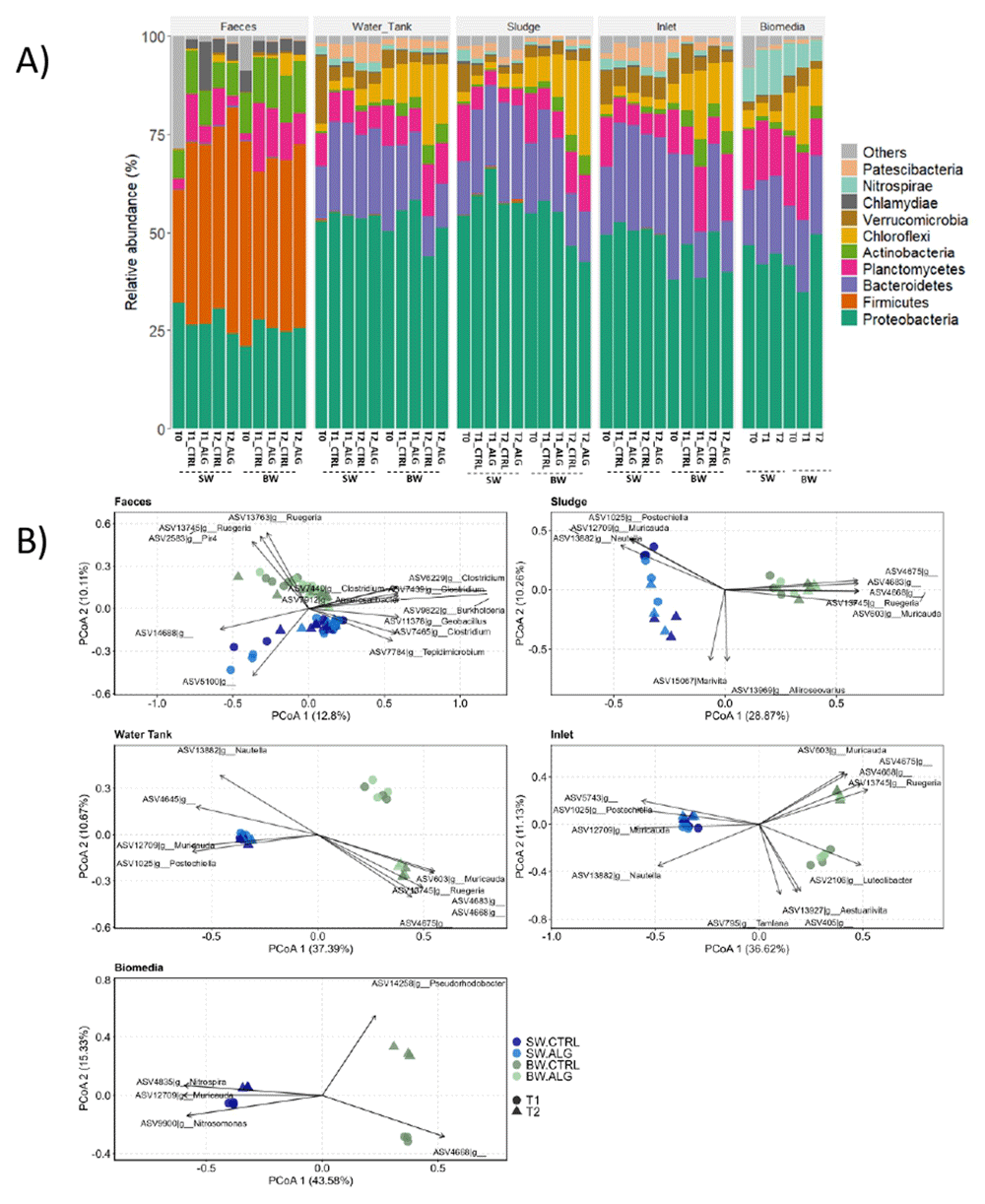
Figure 1. Global composition analysis of microbial communities under different salinities, timepoints and diets.
Legend: A) Taxonomical composition of the microbial communities at phylum level. Average relative abundance of top 15 most abundant phyla by sample type, timepoint, salinity and diet. Bars have been colored depending on corresponding taxa. B). Salinity and diet effect at beta diversity level. Beta diversity Principal Coordinate Analysis (PCoA) computed upon the Bray-Curtis index, divided by sample type. From left to right: faeces, sludge, water tank, inlet and biomedia. All samples have been colored and grouped by the interaction of salinity and diet. Shape of samples is dependent on the timepoint. Significant correlated ASVs (r > 0.5; p.adjusted fdr < 0.1) with PCoA scores were represented by arrows.
Impact of salinity and diet on the bacterial diversity of the RAS systems
At the community structure level, multivariate analysis of beta diversity confirmed the sample type as most strong driver of microbial community composition under our study. Thus, considering only timepoints where both diets and salinity are included (T1, T2), three-way PERMANOVA analysis of beta diversity revealed a significant impact of salinity in all the samples (p = 0.001). It can be noted the higher variability explained by salinity in environmental related samples, from 28% of microbial variability in sludge to 43% in the Biomedia, compared to the 8% observed in faeces related samples. Salinity effect was dependent on timepoint in all sample types (p < 0.01), with no significant impact by diet implementation independently of salinity or timepoint (p > 0.05; explaining 1%).
The sample ordination of the Bray-Curtis dissimilarity matrix through PCoA, shows the clustering of the bacterial communities of the different samples according to salinity, and the high overlap between diets under the same salinity (Figure 1A). Moreover, the impact of time on microbial structure varies depending on the sample type and salinity. Faeces and sludge are less clearly affected by time, whereas inlet, outlet, and biomedia samples under brackish water (BW) conditions show more dispersion between times along the second axis of the PCoA. To understand main taxa that explain the variation observed across the two main axis of the PCoA, dominant ASVs (total rel.abundance >20%) were correlated with the ordination disposition by by sample type. Consistent across fish and environment, except for biomedia samples, the ASV13745 belonging to the genus Ruegeria was key to ordinate the BW samples. Focus on the sludge, water tank, and inlet water related samples, the differentiation was mainly influenced by the abundance of ASVs belonging to Nautella and Postechiella in SW, and several unclassified ASVs at the genus level in BW, apart from the previously mentioned from Ruegeria genus. Particularly in the Biomedia, ASVs from Nitrospira, Nitrosomonas, and Muricauda fitted into the SW samples, while one unclassified ASV fit under BW at T1, and one from Pseudorhodobacter into BW at T2 (Figure 1B).
Dynamics of potential pathogenic bacteria genera
Following with the taxonomic analysis, several amplicon sequence variants (ASVs) belonging to potential pathogenic genera were found under both types of salinities across the system (Figure 2), except for the biofilter (Relative abundance < 0.1%). Although their abundance appears to be displaced by the previously mentioned most dominant genera it can be observed the prevalence and abundance of Mycobacterium (0.1-11.5%, 63 out of 71), Legionella (0.1 – 4.32%, 47 out of 71), Pseudomonas (0.1 – 4.12%, 68 out of 71) and Streptococcus (0.1 – 1.64%, 56 out of 71) in faeces, and Vibrio (0.1 - 4.3%, 83 out of 90 samples) within the RAS system (Figure 2B). Meanwhile the other genera found such as Aeromonas, Tenacibaculum and Francisella remained marginal across conditions (Relative abundance < 0.5%). Similar faeces related samples, an increase of the genera Mycobacterium and Legionella under BW compared to SW was observed in environmental-related bacterial communities (tank/inlet water, sludge), but with no statistical significance between conditions. Otherwise, an increase of Vibrio genus was observed at the end of the experiment in faeces from SW and ALG diet compared to the rest of the conditions. Inlet, tank, or sludge-associated microbiota showed no statistical differences between potential pathogenic genera.
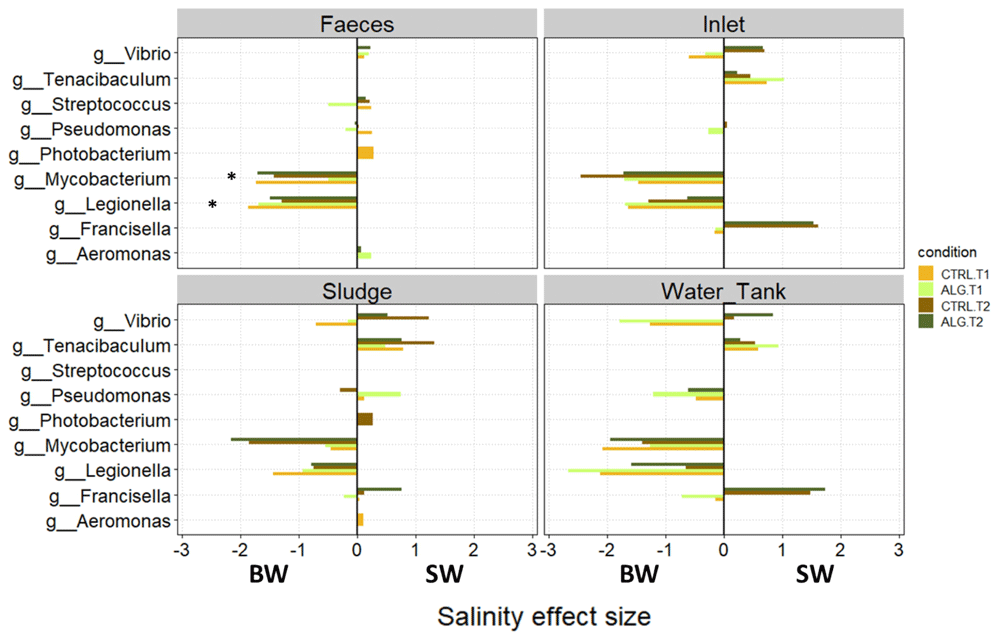
Figure 2. Dynamic of potentially pathogenic genera on the barramundi gut across conditions.
Legend Barplots for each potential pathogenic genera prevalence across sample type, salinity, timepoint and diet are shown (biomedia was removed because of low prevalence of these genera - < 0.1% relative abundance). Mean effect of salinity was calculated byADEx2 test. Conditions and showed using different colours. Significance effect by salinity is showed with an asterisk (p value >< 0.05).
Links of microbiota composition across the system and fish performance
After confirming salinity impacts on microbial community structure, we assessed the potential mediating effects on individual fish weight. Using a mediation approach based on sequential linear modelswe found that significant changes in beta diversity (Axis1 and Axis2 of PCoA) did not impact fish weight. Thus, salinity-induced changes in barramundi microbiota did not lead to weight loss.
Moreover, to increase the understanding of potentially relevant bacteria in the FCR outcome by tank, relationship between the relative abundance of each microbial entity identified across this RAS system (ASVs) and fish performance were assess through Spearman correlations. Correlations were computed independently by salinity and led to a total of 1, 20 and 14 ASVs in faeces, water tank, and sludge, respectively, with strong significative correlations (Figure 3, r= |0.8 - 0.9|, p value < 0.05). In general terms, no significative correlations were found between barramundi associated ASVs and FCR by tank, except for one ASV belonged to Hyphomicrobium which was negatively correlated with FCR under SW. As for the environmental related samples (sludge and water tank) under SW, several ASVs belonged to Vibrio, Leucothrix, Postechiella, Marinomonas, Bauldia, Muricauda, Caldilineaceae (family) and Micavibrionaceae (family) had a strong positive correlation with FCR. It can be noted the opposite trend followed by several ASVs from Roseibacillus, Taeseokella, Novispirillum, Portibacter, Amylibacter, Kordiimonadales (order) and Candidatus Kaiserbacteria (order). In Commonly between sludge and sludge, two ASVs belonged to Vibrio, one form Leucothrix and another from Candidiatus Kaiserbacteria (order) showed similar significative correlations with FCR among both environmental related samples. In terms of BW condition, ASVs belonged to Pir4 lineage, Fluviicola, Amphilicatus, Caldilineaceae (family), Microtrichaceae (family), Rhodobacteraceae (family) and Saprospiraceae (family) were found positively correlated with FCR. On the other hand, one ASV from Rhodobacter and one unclassified at genus level from Bradymonadales order showed negative strong correlations.
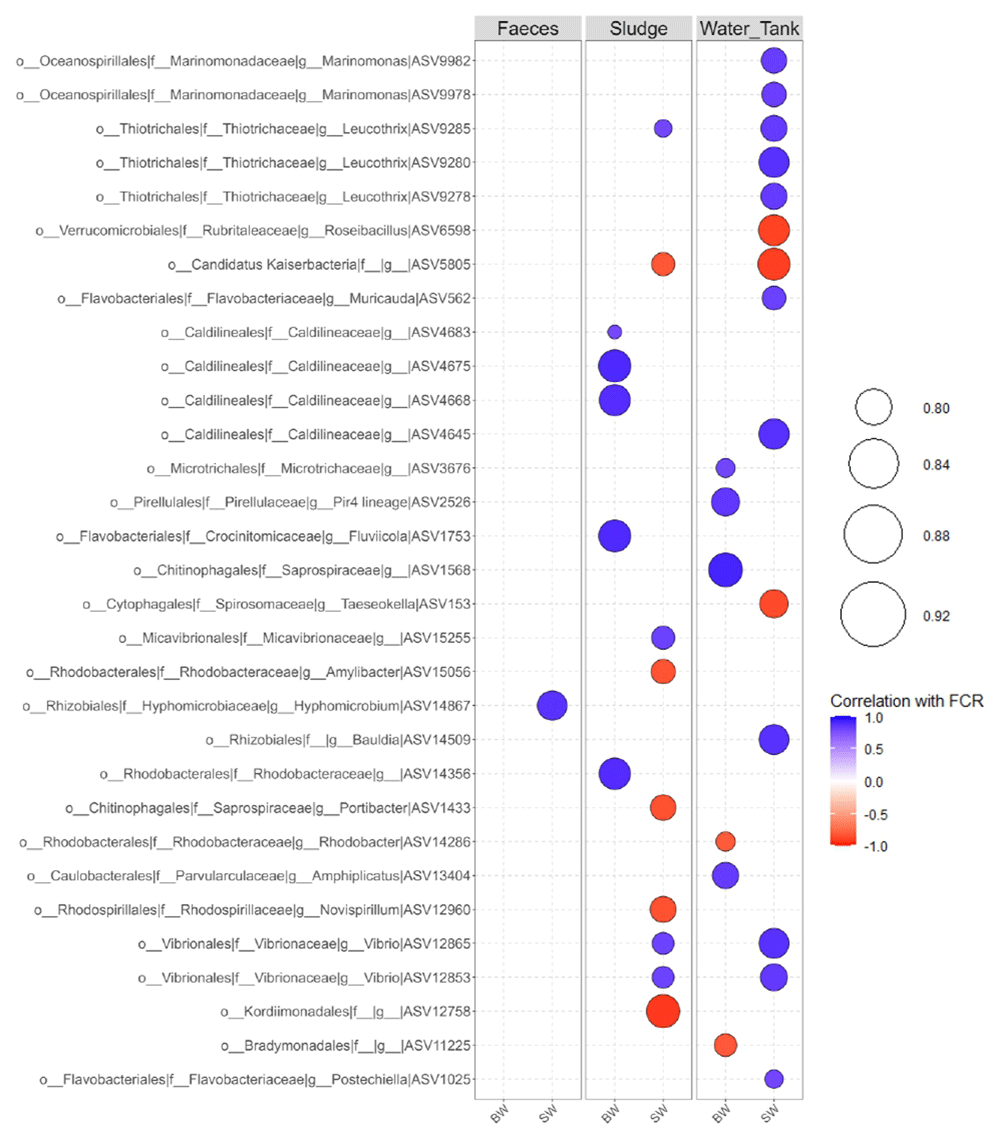
Figure 3. Main strong correlations between ASVs abundance and FCR, divided by sample type.
Legend: Circle heatmap plotted from Spearman ranks correlation tests. From left to right: faeces, sludge and water tank. Each circle represents the significative strong correlations (p < 0.05, rho > 0.7), with the size proportional to the strength of the correlation coefficient (rho). Warm colors representing negative correlations and cool colors representing positive correlations.
Discussion
Euryhaline species such as barramundi, have the physiological ability to move between waters of various salinities and is often exposed to rapid changes in ionic gradients that may alter acid–base homeostasis (Weakley et al., 2012). Water salinity may influence the stimulation of osmoregulatory hormones linked to growth, leading to different growth rates at different salinities (Canosa & Bertucci, 2023).
However, the present study demonstrated that the reduced salinity of fish reared in brackish water did not affect the final mean weight and the SGR in barramundi. Sen et al., 2019 found that Asian seabass fingerlings reared at 10 ppm displayed higher body weight at all weighing intervals compared to fish reared at 20 and 30 ppm.
The results of the present study do not align to those observed in other euryhaline species, such as European seabass (Eroldoğan & Kumlu, 2002; Eroldoğan et al., 2004; Goda et al., 2019), gilthead seabream (Laiz-Carrion et al., 2005), golden-line sea bream (Woo & Kelly, 1995), black sea bream (Kelly et al., 1999), red seabream (Vargas-Chacoff et al., 2011), and turbot (Imsland et al., 2001). In those studies, the use of salinity ranging from 10 to 20ppt enhanced the growth through the reduction of the metabolic demand for osmoregulation and potentially directing more energy toward growth.
In the present study, a reduced feed intake (FI) at lower salinity (BW), resulting in a lower FCR, was also observed. The higher FCR recorded in SW compare to BW aligns with the findings reported for barramundi juveniles by Mozanzadeh et al., 2021 and in black bream (Acanthopagrus butcheri) by Partridge and Jenkins, 2002. This can be attributed to changes in the evacuation rate, low retention of nutrients, and high excretion of metabolites in hyperosmotic environments (Barman et al., 2005; Lambert et al., 1994).
The results observed in the present study do not align with the outcomes presented for juvenile cobia, Atlantic cod and black bream by Chen et al., 2009; Lambert et al., 1994, and Partridge and Jenkins, 2002 respectively. However, these findings are in agreement with the results of Klaoudatos and Conides, 1996 and Lambert et al., 1994, where gilthead sea bream showed a higher food intake and better feed conversion at 28 ppm and Atlantic cod exhibited improved conversion efficiency at 14 ppm but showed no differences in food intake across salinities.
Regarding the somatic indexes, they were not significantly affected by reduced salinity, with the exception of the VSI, which was significantly higher in fish reared in SW. This contrasts with the findings of Mozanzadeh et al., 2021, where juveniles of barramundi reared at different salinities did not show any difference in the somatic indexes among the treatments.
The overall survival rate observed in the present study, was not affected by salinity, exceeding 99% in all treatments. This aligns with the data reported by Boonyaratpalin, 1997, where Asian seabass adapted well to seawater and lower salinity once they reached a size of 13.9 – 17.7 mm.
As part of this study, the effect of a microalgae extract on fish growth and health was investigated at both salinities. The inclusion of microalgae in aquafeed in previous studies showed a beneficial effect due to its capacity to enhance growth, improve physiological activity, stress response, disease resistance, and flesh quality (Abdel-Tawwab et al., 2008; Ansari et al., 2021; Güroy et al., 2007). However, in the present study, the inclusion of a M. gaditana liquid extract top-coated at 3% w/v did not enhance the growth performance, in line with the findings of Ayala et al., 2020, where a low inclusion level of M. Gaditana at 2.5% and 5% in the diets did not affect the growth, and daily feed intake of juvenile gilthead seabream. Conversely, Sørensen et al., 2016 and He et al., 2018 found that the inclusion of Phaeodactylum tricornutum at 3% and I. Galbana at 4.8% had a positive effect on the growth performance of Atlantic salmon and T. Ovatus, respectively. In these two studies mentioned, the supplementation of microalgae was done by inclusion of either powder or paste into the feed extrusion process, while in the present study a liquid solution was sprayed on the feed already extruded. The lack of effect of the microalgal extract might be due to a lack of absorption of the solution into the feed, leading to the leaking of the extract into the water and to a reduced quantity adsorbed by the fish.
Fatty acids profile
The fatty acid profile of muscle was found to be similar in all diets, confirming previous findings in certain species where the tissue fatty acid profile largely reflects the dietary fatty acid profiles (Bell et al., 2001; Francis et al., 2007; Jobling et al., 2008; Xue et al., 2006).
However, the impact of salinity on fatty acid composition has been investigated by Tocher et al., 1994, 1995, revealing effects on saturated fatty acids (SAFA), docosahexaenoic acid (DHA), DHA/EPA ratio, and trans fatty acids. Other studies have also demonstrated that salinity influences the tissue fatty acid profile (Bautista et al., 1991; Haliloglu et al., 2004). In certain migratory fishes (Plecoglossus altivelis and Oncorhynchus masou), differences in the ω6/ω3 fatty acid ratio in response to salinity changes have been observed (Ota & Tagaki, 1977; Ota, 1976). Our study revealed a significantly higher DHA/EPA ratio in BW compared to SW, which contrasts with the findings of Kheriji et al., 2003 in mullet. Additionally, EPA did not show a significant difference, yielding different results compared to Xu et al., 2010; Steffens, 1997, and Hunt et al., 2011, where EPA and DHA contents were higher in SW than at lower salinities in Japanese seabass (Lateolabrax japonicus) and European seabass (Dicentrarchus labrax).
However, the TFA was higher in the fish reared in SW. The authors of the present study did not find similar studies on barramundi to compare the results observed. Comparison was only possible with similar studies with different species. Fallah et al., 2013, for example, observed that the content of total saturated fatty acids (SFAs) in C. damascina was not significantly different with increasing salinity, while EPA and DHA were significantly increased by salinity.
The final coloration of the fillets was also not affected by salinity, as the lack of significant difference in the parameters L*, a* and b* suggests. A similar coloration of the fillets is a positive observation as differences in colour could be associated to reduced consumers’ acceptance. The present study did not assess the organoleptic characteristics of fish reared at different salinities. These should be assessed in future studies to confirm the quality of this species produced in BW.
Bacterial diversity in barramundi RAS systems and salinity effects
As a consequence of the raising awareness of the microbial diversity role in a more resilient and sustainable aquaculture industry (Tarnecki & Guttman, 2023), salinity impacts on microbial biodiversity have been extensively discussed across a wide variety of captive species and systems. These go from salmonids in laboratory tanks (Morales-Rivera et al., 2022) or flow through commercial hatcheries (Dehler et al., 2017) to juvenile shrimps in commercial farms (Chaiyapechara et al., 2022). Under our study, we contribute to this field offering a thorough characterisation of bacterial communities dynamics in barramundi RAS systems, evaluating the diet effect under different salinities. Overall, our aquaculture system presented similar high bacterial alpha diversity across all types of samples but different bacterial composition. In line with previous studies in the barramundi gut microbiota (Morshed et al., 2023) or other fish species (Sánchez-Cueto et al., 2023; Schmidt et al., 2015), our results reinforce the view of the fish gut as a selective habitat. There a series of conditions allow more adapted bacteria to proliferate and dominate this space, Clostridiales in our case, despite others being the most dominant in the surrounding environment, such as Rhodobacterales, Flavobacteriales or Nitrospirales in our case. This identification of care members and its dynamics, in turn, should enhance our ability to isolate microbes that can thrive under varying environmental pressures, such as temperature and salinity, while also competing for niche space within the host's mucosal areas. Linked to our study, Zheng et al., 2019 reported no changes in microbial alpha diversity of barramundi gut due to changes in water salinity. This is in line with our results, where we found similar alpha diversity values for samples from different water salinities. Albeit some studies described higher values of alpha diversity by being associated with a healthy status of fish species (Miyake et al., 2020; Mougin & Joyce, 2023; Wang et al., 2018; Xavier et al., 2024), other contradict these statements (Bozzi et al., 2021; Mondal et al., 2022; Vasemagi et al., 2017). In our study, we do not link this index with any health parameter. However, the observation of stable alpha diversity, among both salinities and sample types, suggests the maintenance of microbial equilibrium when shifting from seawater to brackish water.
Although this alpha diversity stability between salinities can contradict the previous observations in different RAS compartments (Bakke et al., 2017) or in the gut of catfish juveniles (Hieu et al., 2022), our results reinforce the framework of salinity as a strong environmental driver of microbial community composition. Impacts at beta diversity levels and taxa distribution are even clearer for the environmental related samples (tank/inlet water, sludge and biomedia) compared to the barramundi digestive tract. Which can be attributed to the more protected niche that encompass euryhaline fish digestive tract, where physiological changes keep the plasm and intestinal fluids salinity keep relatively constant ~7 ppm no matter external salinities (Scott et al., 2008).
Unravelling the effect of microalgal supplementation on gut microbiota, no significant differences were observed in terms of bacterial community composition under both salinities. Although other feeding test experiments in barramundi enhanced the abundance of several gut genera such as Clostridium, Lactobacillus, and Ruminococcus (Chaklader et al., 2021), the absence of significant changes by new ingredients in the diet may indicate a harmless effect of M. gaditana on barramundi gut microbiota, providing room for testing higher concentrations.
Bacterial dynamics on the water and sludge
The strong shifts in sludge, water tank and inlet bacterial communities structure were mainly mediated by an increase of Ruegeria and unclassified ASVs from Caldilineaceae family under BW tanks, being concomitantly with the decrease of Nautella and Muricauda genus compared to SW ones. These genera belong to Rhodobacteriaceae and Flavobacteriaceae families, which are two of the most prevalent prokaryotic families in the water column of RAS system, (Moschos et al., 2022). Both Nautella and Ruegeria, are closely related genera from the Roseobacter clade, a widespread group of marine bacteria encompassing several strains proposed as potential probiotics in aquaculture (Prado et al., 2009; Sonnenschein et al., 2021). In addition, members from Muricauda genus were found in other aquaculture RAS systems under different salinities (Hüpeden et al., 2020). Species from this genus have been linked with the fish innate immune responses activation and protection against potential pathogens such as Vibrio (Tang et al., 2015) or to the nitrification and denitrification process in the environment or aquaculture systems (Hu et al., 2012; Marchant et al., 2018). On the other hand, the Caldilineaceae family (Chloroflexi phylum) literature in aquaculture system is scarce, with a recent association of this family with antibiotic resistance genes transfer (ARGs) (Deng et al., 2023) or to be significantly increased in the intestines of tilapia under a beta-glucan supplemented diet with lower salinity (Xu et al., 2020). Overall, our results suggest that these bacteria groups may have a competitive advantage in the water or sludge against the other microbes as the salinity fluctuates. In addition, previous findings in literature suggest these genera as beneficial for both salinities systems functioning, without putting at risk the barramundi production.
Bacterial dynamics on the gut: special attention on potential pathogens
The same dynamics of Ruegeria genus between salinities in the faces (as in water/sludge), highlights the interrelationship between host and surrounding environment microbiota. Moreover, the potential pathogenic genera Mycobacterium and Legionella, suggest a favorable niche developed under BW conditions, consistent with patterns observed in the sludge, inlet and tank water samples. Previous studies in vitro have been shown that higher salinity concentrations reduced their ecological niche in host-adapted strains (Asmar et al., 2016) or their pathogenicity (Catrenich & Johnson, 1989), but no clear associations have been made regarding aquaculture systems. These genera which are associated with pathogenic strains for both fish and humans (Hashish et al., 2018; Wang et al., 2021), were not documented to cause outbreaks in barramundi. This may indicate that the presence of Mycobacterium and Legionella in the system not necessarily pose a hazard to fish health.
Besides these two genera, we show the dynamics of another 8 potential pathogenic genera previously found in aquaculture systems (Haenen, 2017). Among all, the most damaging documented for barramundi aquaculture were: Vibrio spp. (such as Vibrio harveyi and Vibrio anguillarum) because of its capacity to cause vibriosis and account for about 7% of barramundi production costs (Mohd Yazid et al., 2021), Streptococcus (Streptococcus iniae) characterized by septicemia, meningitis (Agnew & Barnes, 2007), Photobacterium as responsible of pasteurellosis and high mortality rate in barramundi (Korun & Timur, 2005) and Aeromonas which can cause motile aeromonad septicemia (Al Khaziri et al., 2019). The results of the present study indicate that Streptococcus and Pseudomonas are present in the microbiota of faeces under all conditions studied (0.1–1.8%). Meanwhile Vibrio is the genus with higher prevalence across the other sections of the RAS sampled (appeared 83 out of 90 samples, 0.04% to 4.32% relative abundance), except for the biomedia which remained free of potential pathogens. Although these genera have been widely identified in other disease-free individuals (Siddik et al., 2022; Zheng et al., 2019), monitoring these potential pathogens over time is crucial for controlling dysbiosis and preventing disease outbreaks.
Bacteria dynamics on the biofilter: special attention on nitrifiers
In terms of the biofilter, an opposite trend was noted for bacteria involved in nitrogen/ammonia removal processes depending on the salinity. Specifically, there was a significant increase in the Pseudorhodobacter genus, a denitrifying phosphorus bacteria group (Chao et al., 2020), and a decrease in Nitrospira, which is a key group of aerobic nitrifying bacteria. This suggests that salinity may impact the denitrification process carried out by the biofilter. Previous studies have reported that abrupt salinity changes significantly affect nitrifying bacteria diversity and ammonia/nitrite oxidation steps of the nitrification process (Kinyage et al., 2019). Therefore, it is crucial to further understand biofilter biological dynamics to optimize biofiltration at different salinities.
Relevant bacteria from a productivity point of view
In the current context where the aquaculture industry is facing increasing pressure to meet the animal protein demands under a sustainable way, there is growing evidence that bacterial dysbiosis is associated with decreased productivity (Infante-Villamil et al., 2021; Wang et al., 2021). Despite both systems in our study maintaining acceptable productivity levels, we have provided a promising proof of concept that the relative abundance of specific bacterial entities (ASVs) within the system can be linked to one of the main productivity indexes measured in the aquaculture industry, the FCR.
The consistently strong positive relationship observed between members belonging to Vibrio and Leucothrix genera suggests them as negative environmental bacterial biomarkers for productivity under SW conditions. While Vibrio and Leucothrix include opportunistic pathogenic strains in host guts (Dahle, 2022; Sanches-Fernandes et al., 2022), this study highlights the possibility of an association between less productive systems and their abundance, even in the absence of pathogenic events. On the other hand, members from Roseibacillus and Candidatus Kaiserbacteria, or Rhodobacter, are suggested to be positive biomarkers under SW or BW systems, respectively. These taxa have been described in various aquaculture systems and are sensitive to environmental factors such as water temperature, light exposure, salinity, or organic matter content (Jiang et al., 2020; Kyritsi et al., 2023; Wang et al., 2020). Moreover, members from Rhodobacter have been widely used in ecological restoration to remove pollutants from the environment and have been discovered to play a role in boosting the immunity of aquatic animals (Luque-Almagro et al., 2017). Therefore, we propose members of this genus and Roseibacillus, to track in environmental-related samples. Only one member from Hyphomicrobium was positively correlated with FCR in gut microbiome under SW. This was primarily related to denitrification processes (Ju et al., 2014), with healthy zebra fish (Chen et al., 2018), differential metabolites in the gut microbiota (Wang et al., 2020), but no previous information was collected on the role of this genus in barramundi fish guts. Overall, further studies should be conducted to fully understand the relationship between environmental/host-related microbial communities and system optimization, potentially involving daily or weekly sampling to capture bacterial diversity fluctuations more precisely, including in productive vs. unproductive systems.
Conclusions
The present study indicates that farming barramundi in BW is an efficient alternative to SW rearing. The reduced salinity does not lead to a reduced productivity and, overall, the quality of the meat produced in SW and BW is comparable. Moreover, BW led to lower feed intake and FCR.
The dominance of well-known bacterial taxa previously observed in other healthy aquaculture systems under all sampling points, and the absence of diversity decrease under both salinities suggest that the growth of barramundi under different salinities is viable also from a microbiological point of view. However, the presence of Mycobacterium, Legionella, and Nitrospira genera should be further monitored when barramundi is produced in low salinity waters. Albeit our sample size is limited, members from Vibrio and Leucothrix are suggested not only as potential pathogens, but also as potential negative indicators for productivity reduction under this study. Otherwise, members from Roseibacillus and Roseobacter as positive ones. Dynamics between probiotics and potential pathogenic strains in waters with widely varying salinities should be conducted to ensure the safety of culturing euryhaline species.
Faculty Opinions recommendedReferences
- Abdel-Tawwab M, Abdel-Rahman AM, Ismael NEM:
Evaluation of commercial live bakers’ yeast, Saccharomyces cerevisiae as a growth and immunity promoter for Fry Nile tilapia, Oreochromis niloticus (L.) challenged in situ with Aeromonas hydrophila.
Aquaculture.
2008; 280(1–4): 185–189. Publisher Full Text
- Agnew W, Barnes AC:
Streptococcus iniae: an aquatic pathogen of global veterinary significance and a challenging candidate for reliable vaccination.
Vet Microbiol.
2007; 122(1–2): 1–15. PubMed Abstract
| Publisher Full Text
- Ahmed N, Thompson S, Glaser M:
Global aquaculture productivity, environmental sustainability, and climate change adaptability.
Environ Manage.
2019; 63(2): 159–172. PubMed Abstract
| Publisher Full Text
- Al Khaziri B, Al Sulimani A, Al Mandhari N, et al.:
Bacterial infection in Farmed Barramundi Juveniles, Lates calcarifer.
Journal of Agricultural and Marine Sciences [JAMS].
2019; 23: 76–80. Publisher Full Text
- Alves SP, Cabrita ARJ, Fonseca AJM, et al.:
Improved method forfatty acid analysis in herbage based ondirect transesterification followed by solid-phase extraction.
J Chromatogr A.
2008; 1209(1–2): 212–219. PubMed Abstract
| Publisher Full Text
- An J, Liu C, Wang Q, et al.:
Soil bacterial community structure in Chinese wetlands.
Geoderma.
2019; 337: 290–299. Publisher Full Text
- Anderson MJ:
A new method for non-parametric multivariate analysis of variance.
Austral Ecol.
2001; 26(1): 32–46. Publisher Full Text
- Anil MK, Santhosh B, Jasmine S, et al.:
Growth performance of the seabass Lates calcarifer (Blotch) in sea cage at Vizhinjam Bay along the south-west coast of India.
Indian J Fish.
2010; 57(4): 65–69. Reference Source
- Ansari FA, Guldhe A, Gupta SK, et al.:
Improving the feasibility of aquaculture feed by using microalgae.
Environ Sci Pollut Res Int.
2021; 28(32): 43234–43257. PubMed Abstract
| Publisher Full Text
- Aronesty E:
Comparison of sequencing utility programs.
The Open Bioinformatics Journal.
2013; 7(1): 1–8. Publisher Full Text
- Asmar S, Sassi M, Phelippeau M, et al.:
Inverse correlation between salt tolerance and host–adaptation in mycobacteria.
BMC Res Notes.
2016; 9: 249. PubMed Abstract
| Publisher Full Text
| Free Full Text
- Ayala MD, Galián C, Fernández V, et al.:
Influence of low dietary inclusion of the microalga Nannochloropsis gaditana (Lubián 1982) on performance, fish morphology, and muscle growth in juvenile gilthead seabream (Sparus aurata).
Animals (Basel).
2020; 10(12): 2270. PubMed Abstract
| Publisher Full Text
| Free Full Text
- Bakke I, Åm AL, Kolarevic J, et al.:
Microbial community dynamics in semi-commercial RAS for production of Atlantic salmon post-smolts at different salinities.
Aquacult Eng.
2017; 78(Part A): 42–49, S0144860916301844–. Publisher Full Text
- Barange M, Perry RI:
Physical and ecological impacts of climate change relevant to marine and inland capture fisheries and aquaculture.
Climate change implications for fisheries and aquaculture: overview of current scientific knowledge.
FAO Fisheries and Aquaculture Technical Paper.
2009; 530. : 7–106. Reference Source
- Barman UK, Jana SN, Garg SK, et al.:
Effect of inland water salinity on growth, feed conversion efficiency and intestinal enzyme activity in growing grey mullet, Mugil cephalus (Linn.): field and laboratory studies.
Aquacult Int.
2005; 13: 241–256. Publisher Full Text
- Bautista MN, del Valle MJ, Orejana FM:
Lipid and fatty acid composition of brackishwater-and freshwater-reared milkfish (Chanos chanos Forskal).
Aquaculture.
1991; 96(3–4): 241–248. Publisher Full Text
- Bell JG, McEvoy J, Tocher DR, et al.:
Replacement of fish oil with rapeseed oil in diets of Atlantic salmon (Salmo salar) affects tissue lipid compositions and hepatocyte fatty acid metabolism.
J Nutr.
2001; 131(5): 1535–1543. PubMed Abstract
| Publisher Full Text
- Birnie-Gauvin K, Costantini D, Cooke SJ, et al.:
A comparative and evolutionary approach to oxidative stress in fish: a review.
Fish Fish.
2017; 18(5): 928–942. Publisher Full Text
- Bolyen E, Rideout JR, Dillon MR, et al.:
QIIME 2: reproducible, interactive, scalable, and extensible microbiome data science. (No. e27295v1).
PeerJ Preprints.
2018; 6: e27295v2. Publisher Full Text
- Boonyaratpalin M:
Nutrient requirements of marine food fish cultured in Southeast Asia.
Aquaculture.
1997; 151(1–4): 283–313. Publisher Full Text
- Boonyaratpalin M, Williams K:
Asian sea bass, Lates calcarifer. In: Nutrient requirements and feeding of finfish for aquaculture. Wallingford UK: CABI Publishing, 2002; 40–50. Reference Source
- Bozzi D, Rasmussen JA, Carøe C, et al.:
Salmon gut microbiota correlates with disease infection status: potential for monitoring health in farmed animals.
Anim Microbiome.
2021; 3(1): 30. PubMed Abstract
| Publisher Full Text
| Free Full Text
- Callahan BJ, McMurdie PJ, Rosen MJ, et al.:
DADA2: high-resolution sample inference from Illumina amplicon data.
Nat Methods.
2016; 13(7): 581–583. PubMed Abstract
| Publisher Full Text
| Free Full Text
- Canosa LF, Bertucci JI:
The effect of environmental stressors on growth in fish and its endocrine control.
Front Endocrinol (Lausanne).
2023; 14: 1109461. PubMed Abstract
| Publisher Full Text
| Free Full Text
- Catrenich CE, Johnson W:
Characterization of the selective inhibition of growth of virulent Legionella pneumophila by Supplemented Mueller-Hinton medium.
Infect Immun.
1989; 57(6): 1862–1864. PubMed Abstract
| Publisher Full Text
| Free Full Text
- Chaiyapechara S, Uengwetwanit T, Arayamethakorn S, et al.:
Understanding the host-microbe-environment interactions: intestinal microbiota and transcriptomes of black tiger shrimp Penaeus monodon at different salinity levels.
Aquaculture.
2022; 546: 737371. Publisher Full Text
- Chaklader MR, Howieson J, Foysal MJ, et al.:
Transformation of fish waste protein to Hermetia illucens protein improves the efficacy of poultry by-products in the culture of juvenile barramundi, Lates calcarifer.
Sci Total Environ.
2021; 796: 149045. PubMed Abstract
| Publisher Full Text
- Chao C, Zhao Y, Keskar J, et al.:
Simultaneous removal of COD, nitrogen and phosphorus and the tridimensional microbial response in a sequencing batch biofilm reactor: with varying C/N/P ratios.
Biochem Eng J.
2020; 154: 107215. Publisher Full Text
- Chen L, Guo Y, Hu C, et al.:
Dysbiosis of gut microbiota by chronic coexposure to titanium dioxide nanoparticles and bisphenol A: Implications for host health in zebrafish.
Environ Pollut.
2018; 234: 307–317. PubMed Abstract
| Publisher Full Text
- Chen G, Wang Z, Wu Z, et al.:
Effects of salinity on growth and energy budget of juvenile cobia, Rachycentron canadum.
J World Aquac Soc.
2009; 40(3): 374–382. Publisher Full Text
- Chowdhury S, Saikia SK:
Oxidative stress in fish: a review.
Journal of Scientific Research.
2020; 12(1): 145–160. Publisher Full Text
- Cubillo AM, Ferreira JG, Lencart-Silva J, et al.:
Direct effects of climate change on productivity of European aquaculture.
Aquac Int.
2021; 29: 1561–1590. Publisher Full Text
- Cusimano GM:
IFN01_RawDataset Lates calcarifer [Data set]. Zenodo. 2024. http://www.doi.org/10.5281/zenodo.14389073
- Dahle SVW:
Microbial community dynamics in water and biofilm of Recirculating Aquaculture Systems (RAS). 2022. Reference Source
- Dehler CE, Secombes CJ, Martin SA:
Environmental and physiological factors shape the gut microbiota of Atlantic salmon parr (Salmo salar L.).
Aquaculture.
2017; 467: 149–157. PubMed Abstract
| Publisher Full Text
| Free Full Text
- Deng Y, Jiang J, Huang Y, et al.:
Hypoxia triggers the proliferation of Antibiotic Resistance Genes in a marine aquaculture system.
Sci Total Environ.
2023; 859(Pt 1): 160305. PubMed Abstract
| Publisher Full Text
- De Silva SS, Soto D:
Climate change and aquaculture: potential impacts, adaptation and mitigation. Climate change implications for fisheries and aquaculture: overview of current scientific knowledge. FAO Fisheries and Aquaculture Technical Paper, 530. 2009; 151–212. Reference Source
- Dunstan DJ:
The barramundi Lates calcarifer (Bloch) in Queensland waters. 1959. Publisher Full Text
- Eroldoğan OT, Kumlu M:
Growth performance, body traits and fillet composition of the European sea bass (Dicentrarchus labrax) reared in various salinities and Fresh Water.
Turk J Vet Anim Sci.
2002; 26(5): 993–1001. Reference Source
- Eroldoğan OT, Kumlu M, Aktaş M:
Optimum feeding rates for European sea bass Dicentrarchus labrax L. reared in seawater and freshwater.
Aquaculture.
2004; 231(1–4): 501–515. Publisher Full Text
- Fallah AA, Nematollahi A, Saei-Dehkordi SS:
Proximate composition and fatty acid profile of edible tissues of Capoeta damascina (Valenciennes, 1842) reared in freshwater and brackish water.
J Food Composit Anal.
2013; 32(2): 150–154. Publisher Full Text
- Francis DS, Turchini GM, Jones PL, et al.:
Effects of Fish Oil substitution with a mix blend Vegetable Oil on nutrient digestibility in Murray cod, Maccullochella peelii peelii.
Aquaculture.
2007; 269(1–4): 447–455. Publisher Full Text
- Ganzon-Naret ES:
Growth response and feed intake of Lates calcarifer to four different dietary protein levels with green pea (Pisum sativum) under controlled laboratory condition.
Anim Biol Anim Husb.
2013; 5(2): 137–144. Reference Source
- Gao C, Xia J, Zhou X, et al.:
Viral characteristics of the warm Atlantic and cold Arctic water masses in the Nordic Seas.
Appl Environ Microbiol.
2021; 87(22): e0116021. PubMed Abstract
| Publisher Full Text
| Free Full Text
- Goda AM, Srour TM, Mansour AT, et al.:
Assessment of stresful ambient water salinity on growth, feed utilization and hematological indices of European sea bass, Dicentrarchus labrax, juveniles.
Aquac Aquar Conserv Legis.
2019; 12(2): 553–563. Reference Source
- Güroy BK, Cirik Ş, Güroy D, et al.:
Effects of Ulva rigida and Cystoseira barbata meals as a feed additive on growth performance, feed utilization, and body composition of Nile tilapia, Oreochromis niloticus.
Turk J Vet Anim Sci.
2007; 31(2): 91–97. Reference Source
- Haenen O:
Major bacterial diseases affecting aquaculture. In: Proceedings of the Aquatic AMR Workshop. (Mangalore, India), 2017. Reference Source
- Haliloǧlu Hİ, Bayir A, Necdet Sirkecioǧlu A, et al.:
Comparison of fatty acid composition in some tissues of rainbow trout (Oncorhynchus mykiss) living in seawater and freshwater.
Food Chem.
2004; 86(1): 55–60. Publisher Full Text
- Hashish E, Merwad A, Elgaml S, et al.:
Mycobacterium marinum infection in fish and man: epidemiology, pathophysiology and management; a review.
Vet Q.
2018; 38(1): 35–46. PubMed Abstract
| Publisher Full Text
| Free Full Text
- Herlemann DPR, Labrenz M, Jürgens K, et al.:
Transitions in bacterial communities along the 2000 km salinity gradient of the Baltic Sea.
ISME J.
2011; 5(10): 1571–1579. PubMed Abstract
| Publisher Full Text
| Free Full Text
- He Y, Lin G, Rao X, et al.:
Microalga Isochrysis galbana in feed for Trachinotus ovatus: effect on growth performance and fatty acid composition of fish fillet and liver.
Aquacult Int.
2018; 26: 1261–1280. Publisher Full Text
- Hieu DQ, Hang BTB, Lokesh J, et al.:
Salinity significantly affects intestinal microbiota and gene expression in striped catfish juveniles.
Appl Microbiol Biotechnol.
2022; 106(8): 3245–3264. PubMed Abstract
| Publisher Full Text
- Howgate P:
Tainting of farmed fish by geosmin and 2-methyl-iso-borneol: a review of sensory aspects and of uptake/depuration.
Aquaculture.
2004; 234(1–4): 155–181. Publisher Full Text
- Hu Z, Lee JW, Chandran K, et al.:
Nitrous oxide (N2O) emission from aquaculture: a review.
Environ Sci Technol.
2012; 46(12): 6470–6480. PubMed Abstract
| Publisher Full Text
- Hunt AÖ, Özkan F, Engin K, et al.:
The effects of freshwater rearing on the whole body and muscle tissue fatty acid profile of the European sea bass (Dicentrarchus labrax).
Aquacult Int.
2011; 19: 51–61. Publisher Full Text
- Hüpeden J, Wemheuer B, Indenbirken D, et al.:
Taxonomic and functional profiling of nitrifying biofilms in freshwater, brackish and marine RAS biofilters.
Aquac Eng.
2020; 90: 102094. Publisher Full Text
- Imsland AK, Foss A, Gunnarsson S, et al.:
The interaction of temperature and salinity on growth and food conversion in juvenile turbot (Scophthalmus maximus).
Aquaculture.
2001; 198(3–4): 353–367. Publisher Full Text
- Infante-Villamil S, Huerlimann R, Jerry DR:
Microbiome diversity and dysbiosis in aquaculture.
Rev Aquac.
2021; 13(2): 1077–1096. Publisher Full Text
- Jaume D:
Global diversity of spelaeogriphaceans & thermosbaenaceans (Crustacea; Spelaeogriphacea & Thermosbaenacea) in freshwater.
Hydrobiologia.
2008; 595: 219–224. Publisher Full Text
- Jiang W, Ren W, Li L, et al.:
Light and carbon sources addition alter microbial community in biofloc-based Litopenaeus vannamei culture systems.
Aquaculture.
2020; 515: 734572. Publisher Full Text
- Jobling M, Leknes O, Sæther BS, et al.:
Lipid and fatty acid dynamics in Atlantic cod, Gadus morhua, tissues: influence of dietary lipid concentrations and feed oil sources.
Aquaculture.
2008; 281(1–4): 87–94. Publisher Full Text
- Ju F, Xia Y, Guo F, et al.:
Taxonomic relatedness shapes bacterial assembly in Activated Sludge of globally distributed Wastewater Treatment Plants.
Environ Microbiol.
2014; 16(8): 2421–2432. PubMed Abstract
| Publisher Full Text
- Kelly SP, Chow IN, Woo NY:
Alterations in Na+–K+–ATPase activity and gill chloride cell morphometrics of juvenile black sea bream (Mylio macrocephalus) in response to salinity and ration size.
Aquaculture.
1999; 172(3–4): 351–367. Publisher Full Text
- Khériji S, El Cafsi M, Masmoudi W, et al.:
Salinity and temperature effects on the lipid composition of mullet sea fry (Mugil cephalus, Linne, 1758).
Aquac Int.
2003; 11: 571–582. Publisher Full Text
- Kinyage JPH, Pedersen PB, Pedersen LF:
Effects of abrupt salinity increase on nitrification processes in a freshwater moving bed biofilter.
Aquac Eng.
2019; 84: 91–98. Publisher Full Text
- Kim SK, Song J, Rajeev M, et al.:
Exploring bacterioplankton communities and their temporal dynamics in the rearing water of a biofloc-based shrimp (Litopenaeus vannamei) aquaculture system.
Front Microbiol.
2022; 13: 995699. PubMed Abstract
| Publisher Full Text
| Free Full Text
- Klaoudatos SD, Conides AJ:
Growth, food conversion, maintenance and long-term survival of gilthead sea bream, Sparus auratus L., juveniles after abrupt transfer to low salinity.
Aquac Res.
1996; 27(10): 765–774. Reference Source
- Korun J, Timur G:
The first pasteurellosis case in cultured sea bass (Dicentrarchus labrax l.) at low marine water temperatures in Turkey.
Isr J Aquac.
2005; 57(3): 197–206. Publisher Full Text
- Kültz D:
Physiological mechanisms used by fish to cope with salinity stress.
J Exp Biol.
2015; 218(Pt 12): 1907–1914. PubMed Abstract
| Publisher Full Text
- Kyritsi M, Tsoureki A, Koukaras K, et al.:
Seasonal dynamics of marine bacterial communities in aquaculture farms: the case of the Northern Ionian coastal ecosystem (Mediterranean Sea).
J Mar Sci Eng.
2023; 11(7): 1332. Publisher Full Text
- Laiz-Carrión R, Guerreiro PM, Fuentes J, et al.:
Branchial osmoregulatory response to salinity in the gilthead sea bream, Sparus auratus.
J Exp Zool A Comp Exp Biol.
2005; 303(7): 563–576. PubMed Abstract
| Publisher Full Text
- Lambert Y, Dutil JD, Munro J:
Effects of intermediate and low salinity conditions on growth rate and food conversion of Atlantic cod (Gadus morhua).
Can J Fish Aquat Sci.
1994; 51(7): 1569–1576. Publisher Full Text
- Lillehoj H, Liu Y, Calsamiglia S, et al.:
Phytochemicals as antibiotic alternatives to promote growth and enhance host health.
Vet Res.
2018; 49(1): 76. PubMed Abstract
| Publisher Full Text
| Free Full Text
- Luque-Almagro VM, Manso I, Sullivan MJ, et al.:
Transcriptional and translational adaptation to aerobic nitrate anabolism in the denitrifier Paracoccus denitrificans.
Biochem J.
2017; 474(11): 1769–1787. PubMed Abstract
| Publisher Full Text
| Free Full Text
- Lushchak VI:
Environmentally induced oxidative stress in aquatic animals.
Aquat Toxicol.
2011; 101(1): 13–30. PubMed Abstract
| Publisher Full Text
- Marchant HK, Tegetmeyer HE, Ahmerkamp S, et al.:
Metabolic specialization of denitrifiers in permeable sediments controls N2O emissions.
Environ Microbiol.
2018; 20(12): 4486–4502. PubMed Abstract
| Publisher Full Text
- Martinez Arbizu P:
pairwiseAdonis: pairwise multilevel comparison using adonis. R package version 0.4. 2020.
- Miyake S, Soh M, Azman MN, et al.:
Insights into the microbiome of farmed Asian sea bass (Lates calcarifer) with symptoms of tenacibaculosis and description of Tenacibaculum singaporense sp. nov.
Antonie Van Leeuwenhoek.
2020; 113(6): 737–752. PubMed Abstract
| Publisher Full Text
- Mohd Yazid SH, Mohd Daud H, Azmai MNA, et al.:
Estimating the economic loss due to Vibriosis in net-cage cultured Asian seabass (Lates calcarifer): evidence from the east coast of Peninsular Malaysia.
Front Vet Sci.
2021; 8: 644009. PubMed Abstract
| Publisher Full Text
| Free Full Text
- Mondal HK, Maji UJ, Mohanty S, et al.:
Alteration of gut microbiota composition and function of Indian major carp, rohu (Labeo rohita) infected with Argulus siamensis.
Microb Pathog.
2022; 164: 105420. PubMed Abstract
| Publisher Full Text
- Morales-Rivera MF, Valenzuela-Miranda D, Nuñez-Acuña G, et al.:
Atlantic Salmon (Salmo salar) transfer to Seawater by Gradual Salinity Changes exhibited an increase in the intestinal microbial abundance and richness.
Microorganisms.
2022; 11(1): 76. PubMed Abstract
| Publisher Full Text
| Free Full Text
- Morshed SM, Chen YY, Lin CH, et al.:
Freshwater transfer affected intestinal microbiota with correlation to cytokine gene expression in Asian sea bass.
Front Microbiol.
2023; 14: 1097954. PubMed Abstract
| Publisher Full Text
| Free Full Text
- Moschos S, Kormas KA, Karayanni H:
Prokaryotic diversity in marine and freshwater recirculating aquaculture systems.
Rev Aquac.
2022; 14(4): 1861–1886. Publisher Full Text
- Mougin J, Joyce A:
Fish disease prevention via microbial dysbiosis-associated biomarkers in aquaculture.
Rev Aquac.
2023; 15(2): 579–594. Publisher Full Text
- Mozanzadeh MT, Safari O, Oosooli R, et al.:
The effect of salinity on growth performance, digestive and antioxidant enzymes, humoral immunity and stress indices in two euryhaline fish species: Yellowfin seabream (Acanthopagrus latus) and Asian seabass (Lates calcarifer).
Aquaculture.
2021; 534: 736329. Publisher Full Text
- Oksanen J, Blanchet FG, Friendly M, et al.:
Vegan: community ecology package. R package version 2.5-7, 2020. Reference Source
- Ota T:
Lipids of masu salmon, 4: changes of lipid composition and fatty acid composition in flesh lipids of juvenile masu salmon in the early stage of sea water life. Bulletin of the Faculty of Fisheries. Hokkaido University, 1976. Reference Source
- Ota T, Takagi T:
A comparative study on the lipid class composition and the fatty acid composition of sweet smelt, Plecoglossus altivelis, from marine and fresh-water habitat.
北海道大學水産學部研究彙報.
1977; 28(1): 47–56.
- Partridge GJ, Jenkins GI:
The effect of salinity on growth and survival of juvenile black bream (Acanthopagrus butcheri).
Aquaculture.
2002; 210(1–4): 219–230. Publisher Full Text
- Percival S, Drabsch P, Glencross B:
Determining factors affecting muddy-flavour taint in farmed barramundi, Lates calcarifer.
Aquaculture.
2008; 284(1–4): 136–143. Publisher Full Text
- Prabha SP, Nagappan S, Rathna R, et al.:
Blue biotechnology: a vision for future marine biorefineries. In: Refining Biomass Residues for Sustainable Energy and Bioproducts. Academic Press, 2020; 463–480. Publisher Full Text
- Prado S, Montes J, Romalde JL, et al.:
Inhibitory activity of Phaeobacter strains against aquaculture pathogenic bacteria.
Int Microbiol.
2009; 12(2): 107–14. PubMed Abstract
| Publisher Full Text
- Quast C, Pruesse E, Yilmaz P, et al.:
The SILVA ribosomal RNA gene database project: improved data processing and web-based tools.
Nucleic Acids Res.
2013; 41(Database issue): D590–D596. PubMed Abstract
| Publisher Full Text
| Free Full Text
- Sánchez-Cueto P, Stavrakidis-Zachou O, Clos-Garcia M, et al.:
Mediterranean Sea heatwaves jeopardize greater amberjack’s (Seriola dumerili) aquaculture productivity through impacts on the fish microbiota.
ISME Commun.
2023; 3(1): 36. PubMed Abstract
| Publisher Full Text
| Free Full Text
- Sanches-Fernandes GMM, Sá-Correia I, Costa R:
Vibriosis outbreaks in aquaculture: addressing environmental and public health concerns and preventive therapies using gilthead seabream farming as a model system.
Front Microbiol.
2022; 13: 904815. PubMed Abstract
| Publisher Full Text
| Free Full Text
- Schmidt VT, Smith KF, Melvin DW, et al.:
Community assembly of a euryhaline fish microbiome during salinity acclimation.
Mol Ecol.
2015; 24(10): 2537–2550. PubMed Abstract
| Publisher Full Text
- Schober P, Boer C, Schwarte LA:
Correlation coefficients: appropriate use and interpretation.
Anesth Analg.
2018; 126(5): 1763–1768. PubMed Abstract
| Publisher Full Text
- Scott GR, Baker DW, Schulte PM, et al.:
Physiological and molecular mechanisms of osmoregulatory plasticity in killifish after seawater transfer.
J Exp Biol.
2008; 211(Pt 15): 2450–2459. PubMed Abstract
| Publisher Full Text
- Sen S, Terai A, Sreyrum P, et al.:
Growth performance of fry and fingerling Asian Seabass (Lates calcarifer) from Cambodian brood stock reared at different salinities. 2019; 31(3): 39. Reference Source
- Siddik MAB, Foysal MJ, Fotedar R, et al.:
Probiotic yeast Saccharomyces cerevisiae coupled with Lactobacillus casei modulates physiological performance and promotes gut microbiota in juvenile barramundi, Lates calcarifer.
Aquaculture.
2022; 546: 737346. Publisher Full Text
- Sohn MB, Li H:
Compositional mediation analysis for microbiome studies.
Ann Appl Stat.
2019; 13(1): 661–81. Publisher Full Text
- Sonnenschein EC, Jimenez G, Castex M, et al.:
The Roseobacter-group bacterium Phaeobacter as a safe probiotic solution for aquaculture.
Appl Environ Microbiol.
2021; 87(5): e0258120. PubMed Abstract
| Publisher Full Text
| Free Full Text
- Sørensen M, Berge GM, Reitan KI, et al.:
Microalga Phaeodactylum tricornutum in feed for Atlantic salmon (Salmo salar)—Effect on nutrient digestibility, growth and utilization of feed.
Aquaculture.
2016; 460: 116–123. Publisher Full Text
- Sorphea S, Terai A, Sreyrum P, et al.:
Growth performance of fry and fingerling Asian Seabass (Lates calcarifer) from Cambodian brood stock reared at different salinities.
Livestock Research for Rural Development.
2019; 31(3): 39. Reference Source
- Steffens W:
Effects of variation in essential fatty acids in fish feeds on nutritive value of freshwater fish for humans.
Aquaculture.
1997; 151(1–4): 97–119. Publisher Full Text
- Tang K, Su Y, Brackman G, et al.:
MomL, a novel marine-derived N-acyl homoserine lactonase from Muricauda olearia.
Appl Environ Microbiol.
2015; 81(2): 774–782. PubMed Abstract
| Publisher Full Text
| Free Full Text
- Tarnecki AM, Guttman L:
Microbial diversity as a prerequisite for resilience and resistance in sustainable aquaculture.
Front Mar Sci.
2023; 10: 1227795. Publisher Full Text
- Terzi E, Kucukkosker B, Bilen S, et al.:
A novel herbal immunostimulant for rainbow trout (Oncorhynchus mykiss) against Yersinia ruckeri.
Fish Shellfish Immunol.
2021; 110: 55–66. PubMed Abstract
| Publisher Full Text
- Tocher DR, Castell JD, Dick JR, et al.:
Effects of salinity on the growth and lipid composition of Atlantic salmon (Salmo salar) and turbot (Scophthalmus maximus) cells in culture.
Fish Physiol Biochem.
1994; 13(6): 451–461. PubMed Abstract
| Publisher Full Text
- Tocher DR, Castell JD, Dick JR, et al.:
Effects of salinity on the fatty acid compositions of total lipid and individual glycerophospholipid classes of Atlantic salmon (Salmo salar) and turbot (Scophthalmus maximus) cells in culture.
Fish Physiol Biochem.
1995; 14(2): 125–137. PubMed Abstract
| Publisher Full Text
- Van Vo B, Siddik MAB, Fotedar R, et al.:
Progressive replacement of fishmeal by raw and enzyme-treated alga, Spirulina platensis influences growth, intestinal micromorphology and stress response in juvenile barramundi, Lates calcarifer.
Aquaculture.
2020; 529: 735741. Publisher Full Text
- Vargas-Chacoff L, Calvo Á, Ruiz-Jarabo I, et al.:
Growth performance, osmoregulatory and metabolic modifications in red porgy fry, Pagrus pagrus, under different environmental salinities and stocking densities.
Aquac Res.
2011; 42(9): 1269–1278. Publisher Full Text
- Vasemägi A, Visse M, Kisand V:
Effect of environmental factors and an emerging parasitic disease on gut microbiome of wild salmonid fish.
mSphere.
2017; 2(6): e00418–17. PubMed Abstract
| Publisher Full Text
| Free Full Text
- Venkatachalam S, Kandasamy K, Krishnamoorthy I, et al.:
Survival and growth of fish (Lates calcarifer) under integrated mangrove-aquaculture and open-aquaculture systems.
Aquac Rep.
2018; 9: 18–24. Publisher Full Text
- Vij S, Purushothaman K, Sridatta PSR, et al.:
Transcriptomic analysis of gill and kidney from Asian Seabass (Lates calcarifer) acclimated to different salinities reveals pathways involved with euryhalinity.
Genes (Basel).
2020; 11(7): 733. PubMed Abstract
| Publisher Full Text
| Free Full Text
- Wang H, Wang C, Tang Y, et al.:
Pseudoalteromonas probiotics as potential biocontrol agents improve the survival of Penaeus vannamei challenged with Acute Hepatopancreatic Necrosis Disease (AHPND)-causing Vibrio parahaemolyticus.
Aquaculture.
2018; 494: 30–36. Publisher Full Text
- Wang C, Zhao Y, Jin Y:
The emerging PFOS alternative OBS exposure induced gut microbiota dysbiosis and hepatic metabolism disorder in adult zebrafish.
Comp Biochem Physiol C Toxicol Pharmacol.
2020; 230: 108703. PubMed Abstract
| Publisher Full Text
- Wang Q, Zhang Y, Yang Q, et al.:
One health pathogen surveillance demonstrated the dissemination of gut pathogens within the two coastal regions associated with intensive farming.
Gut Pathog.
2021; 13: 47. PubMed Abstract
| Publisher Full Text
| Free Full Text
- Weakley JC, Claiborne JB, Hyndman KA, et al.:
The effect of environmental salinity on H+ efflux in the euryhaline barramundi (Lates calcarifer).
Aquaculture.
2012; 338–341: 190–196. Publisher Full Text
- Woo NYS, Kelly SP:
Effects of salinity and nutritional status on growth and metabolism of Spams sarba in a closed seawater system.
Aquaculture.
1995; 135(1–3): 229–238. Publisher Full Text
- Xavier R, Severino R, Silva SM:
Signatures of dysbiosis in fish microbiomes in the context of aquaculture.
Rev Aquac.
2024; 16(2): 706–731. Publisher Full Text
- Xu C, Suo Y, Wang X, et al.:
Recovery from hypersaline-stress-induced immunity damage and intestinal-microbiota changes through dietary β-glucan supplementation in Nile tilapia (Oreochromis niloticus).
Animals (Basel).
2020; 10(12): 2243. PubMed Abstract
| Publisher Full Text
| Free Full Text
- Xu J, Yan B, Teng Y, et al.:
Analysis of nutrient composition and fatty acid profiles of Japanese sea bass Lateolabrax japonicus (Cuvier) reared in seawater and freshwater.
J Food Compost Anal.
2010; 23(5): 401–405. Publisher Full Text
- Xue M, Luo L, Wu X, et al.:
Effects of six alternative lipid sources on growth and tissue fatty acid composition in Japanese sea bass (Lateolabrax japonicus).
Aquaculture.
2006; 260(1–4): 206–214. Publisher Full Text
- Zakšek V, Sket B, Gottstein S, et al.:
The limits of cryptic diversity in groundwater: phylogeography of the cave shrimp Troglocaris anophthalmus (Crustacea: Decapoda: Atyidae).
Mol Ecol.
2009; 18(5): 931–946. PubMed Abstract
| Publisher Full Text
- Zar JH:
Biostatistical Analysis (5th ed.). Pearson, 2014.
- Zheng X, Yang R, Hu J, et al.:
The gut microbiota community and antioxidant enzymes activity of barramundi reared at seawater and freshwater.
Fish Shellfish Immunol.
2019; 89: 127–131. PubMed Abstract
| Publisher Full Text
- Zhou X, Jin W, Tu R, et al.:
Optimization of microwave assisted lipid extraction from microalga Scenedesmus obliquus grown on municipal wastewater.
J Clean Prod.
2019; 221: 502–508. Publisher Full Text