Introduction
Cognitive control, or executive functions, are crucial aspects of human cognition that enable us to adjust the way we process and select appropriate stimuli, pass information to other cognitive functions, and make decisions based on specific conditions and contexts (Goschke, 2000). This ability to adjust our thinking and behavior to changing circumstances at the service of our goals is essential for successful functioning in a rapidly changing world.
One important aspect of cognitive control is the ability to balance the current goal (or goal-related information) against competing goals (or information related to them) and constantly evaluate which to prioritize in order to achieve optimal performance. This is known as the persistence-flexibility dilemma (Goschke, 2000). Hommel (2015; Hommel & Colzato, 2017a) proposed that humans can adopt more persistent or more flexible styles of processing depending on current task demand, an ability known as metacontrol. When in a more persistent mode, the current goal or task is shielded from alternative goals or tasks, whereas a more flexible mode allows for flexibly switching to alternative goals or tasks. Crucially, metacontrol is thought to be sticky, in the sense that any adjustment of processing mode in response to changing circumstances, takes time. This stickiness is likely to result in transfer of processing style across tasks.
Similar transfer effects have been suggested for global and local processing by Förster and Dannenberg (2010) in their GLOMOsys theory. Global processing refers to a holistic, big-picture approach that involves taking in the overall context and understanding the broader patterns and structures. Local processing, in contrast, focuses on the finer details and individual components, analyzing each element separately. The global-local dichotomy is thus reminiscent of the persistence-flexibility dilemma in that a global processing mode takes into account task-irrelevant context information just like the flexible processing style and a local processing mode involved the suppression of such task-irrelevant context information just like the persistent processing style.
Given these conceptual similarities between metacontrol modes on the one hand and GLOMOsys processing modes on the other, De Luca et al. (2022a) studied the degree to which GLOMOsys processing modes would transfer between different tasks, where the prime task was always a Navon (1977) type Global/Local task (in which participants respond to the global or local level of large symbols created from small symbols). Metacontrol states were previously found to show transfer, such as from creativity tasks that are likely to induce a more persistent vs. more flexible metacontrol state to the degree to which tasks are processed in parallel in a dual-task situation (Fischer & Hommel, 2012). If GLOMOsys processing modes would function like metacontrol states, so De Luca et al. (2022a) reasoned, they should also show transfer from a prime task on a probe task. In the prime task, participants were required to focus on either the global or local level of a stimulus and identify whether it was a square or a rectangle as quickly and accurately as possible. This task was adapted from Navon's (1977) Global/Local Task (GLT) and functioned to prime participants into a specific processing mode. Each trial began with a fixation cross followed by the GLT trial, and participants responded by pressing corresponding keys. The stimuli were either congruent or incongruent shapes.
The probe task followed the prime task and was designed to measure the transfer effect of the processing mode induced by the prime task. In this task, participants identified target letters (H or S) presented either at the global or local level of a compound stimulus. This setup allowed the researchers to examine whether the primed global or local processing mode would influence the performance on the probe task, indicating a transfer of processing mode. To maximize the likelihood of transfer, the temporal gap between prime and probe trials was minimized by embedding them within a dual-task framework. The probe tasks were designed to closely resemble the prime task or, at a minimum, retain key features such as modality and attentional demands. This approach led to significant transfer effects between highly similar visual global/local tasks, regardless of the level of cognitive conflict involved. However, no substantial evidence was found for transfer to more distinct visual tasks, such as the flanker task or the attentional blink task. Hence, the transfer of global/local processing modes was limited to very similar, almost identical tasks. This might mean that global/local processing modes do not qualify as metacontrol states, or at least function very differently. Alternatively, however, it might imply that metacontrol parameters are rather task-specific and may be easily overridable when tasks are sufficiently different, because such parameters can become part of the corresponding task set (Dignath et al., 2019; Jiang et al., 2014; Schumacher & Hazeltine, 2016; Spapé & Hommel, 2010; Waszak et al., 2003). This in turn might mean that transfer effects can only be demonstrated under special, not yet fully understood circumstances.
The present study was motivated by an attempt to better understand these circumstances. More specifically, we were focusing on individual differences, as a possible source of variability in metacontrol or processing-mode policies. Indeed, both intra- and inter-individual differences have been considered as possible moderators of global/local processing modes and their transfer. For instance, intra-individual variability in mood has been shown to covary with both global/local processing (Vanlessen et al., 2016) and metacontrol (for an overview, see Hommel & Colzato, 2017a), and thus might have influenced transfer in De Luca et al. (2022a). However, while earlier studies pointed to a connection between mood and global/local processing (Domachowska et al., 2016; Gable & Harmon-Jones, 2008), we were repeatedly unable to replicate these findings in a recent study (De Luca et al., 2022b).
In the current study, we studied the possible impact of inter-individual variability, as assessed by the popular Big Five personality construct (Fiske, 1949). The Big Five personality construct represents the presumably most widely accepted framework for understanding individual differences in personality. The five postulated personality traits include: Agreeableness, which refers to a person's level of cooperativeness, likability, and tendency to avoid conflict; Conscientiousness, which refers to a person's level of organization, responsibility, and dependability; Extraversion, which refers to a person's level of sociability, assertiveness, and outgoingness; Neuroticism, which refers to a person's level of emotional instability, anxiety, and moodiness; and Openness (to experience), which refers to a person's willingness to consider new and varied experiences, and to be open to new ideas and perspectives.
Interestingly for our purposes, DeYoung (2006) and others have argued that these five traits converge on two higher-order (or meta-) traits, which turned out to be rather robust: stability and plasticity (Digman, 1997; Feist, 2019). In particular, DeYoung et al. (2002) found that Agreeableness, Conscientiousness, and (negative) Neuroticism were significantly correlated with stability, while Extraversion and Openness were correlated with plasticity. Given the semantic commonalities between the processing modes of GLOMOsys on the one hand and the Big-Five metatraits on the other, one might expect that stability is more closely related to the local processing mode, whereas plasticity is more closely related to the global mode. If so, one might expect that people with high scores in Agreeableness, Conscientiousness, and negative Neuroticism (i.e., low scores in Neuroticism) are more leaning towards a local processing mode, whereas people with high scores in Extraversion and Openness a more leaning towards a global mode. Previous research did provide some evidence for a relationship between Big-Five traits and processing modes, but the available findings are inconsistent. For instance, some studies have identified a negative correlation between Neuroticism and global thinking style (Batey & Furnham, 2006), while others have found a positive association (Batey et al., 2010) or no significant relationship (King et al., 1996). Similarly, studies have found that Agreeableness, Conscientiousness, and Neuroticism are associated with a more persistent, local thinking style (Batey & Furnham, 2006; Guo et al., 2017; Kaspar & König, 2011), while other research has demonstrated that individuals with a promotion-oriented motivation style, which is linked to the traits of Conscientiousness and Openness (Lanaj et al., 2012), tend to have a pronounced global processing mode (Hüttermann & Memmert, 2015).
It has to be noted that the tasks being used in these studies were often rather different in character from the Navon Global/Local task used in De Luca et al. (2022a; 2022b), but the fact that at least some kind of relationship was found encouraged us to try using the Big-Five construct to see whether the degree of processing-mode transfer might be predicted by personality traits. In Experiment 1, we thus replicated the task configuration that in De Luca et al. (2022a) generated the most transfer between prime and probe task and used the Big-Five personality trait scores to predict the Global/Local effect and the amount of transfer. As described above, we expected that that individuals with high scores in Agreeableness, Conscientiousness, and negative Neuroticism (i.e., low scores in Neuroticism1) tend to show a relative preference for local processing, whereas individuals with high scores in Extraversion and Openness should tend to show a stronger preference for global processing. This in turn should allow predictions with respect to the global/local effect size. The generic finding is that people are faster in responding to global stimuli than to local ones (Navon, 1977), so that the global-local effect consists in the relative delay of processing/responding to local stimuli as compared to processing/responding to global stimuli. A preference for global processing should increase this effect, because it further boosts the advantage of global processing, whereas a preference for local processing should reduce it. Accordingly, we expected that the scores in Agreeableness, Conscientiousness, and negative Neuroticism (or Emotional Stability) should be negatively correlated with the global/local effect, whereas the scores in Extraversion and Openness should tend to show a positive correlation with this effect. A second prediction refers to the transfer between the prime and the probe task. A global processing mode should facilitate such a transfer, whereas a local processing mode should tend to prevent it. If so, one would expect that the score is in Agreeableness, Conscientiousness, and negative Neuroticism (or Emotional Stability) should be negatively correlated with the transfer effect, whereas the scores in Extraversion and Openness should tend to show a positive correlation with this effect.
To anticipate, personality traits failed to predict the amount of transfer, but they did predict the global/local effect size. Given that Experiment 1 was designed to facilitate transfer but suboptimal to assess the global/local effect, we attempted to replicate our observations on the global/local effect in Experiment 2, which was designed to optimize the assessment of the global-local effect while neglecting the possibility of transfer.
Methods
Participants
As the online system did not allow to close registration after a particular number of participants, we accepted all participants who registered in the first wave. This resulted in 106 participants in total. From these, participants who quit (12) or showed an accuracy below 65% (3) were excluded from the analyses. We thus analyzed data of 91 participants with a mean age of 31.17 years (SD = 11.32; 19–78 range; 56 males; 35 females); 41 native English speakers, 33 students, 29 workers, 17 unemployed (and job seeking) and 12 who did not specify their status. All participants reported being in good mental and physical health and were naive about the purpose of the experiment. We conducted a proper post-hoc power analysis using G*Power 3.1.94. We performed a post-hoc power analysis for our 2x2 repeated measures ANOVA with priming and level (global vs. local) as within-participants variables. Using an effect size of f = 0.25 (medium), an alpha error probability of 0.05, and our total sample size of 91 participants, the analysis revealed a power of 0.9998. This indicates that our study was sufficiently powered to detect an effect size of 0.25 with a power level well above the conventional threshold of 0.80. This robust power level ensures the reliability of our findings and the adequacy of our sample size in detecting significant effects. Participants received a reward of £9.
Approval was obtained from the local ethics committee (CEP reference number: number 2022-07-20- Bernhard Hommel-V3-4069). All participants signed informed consent forms on Qualtrics, read the information sheet, agreed with each section of the consent form, and then continued with the experiment.
Apparatus
Data collection was conducted via Qualtrics (http://www.qualtrics.com/), Open Sesame (Mathôt et al., 2012) and Just Another Tool for Online Studies (JATOS, https://www.jatos.org/) server. Open Sesame (https://osdoc.cogsci.nl/) controlled online stimulus presentation and data collection and adapted the display to the participant's screen. As it is impossible to measure an individual's visual angle without knowing its viewing distance and display size, we will report OpenSesame codes instead of visual angles of the stimuli. Qualtrics was used for the questionnaires (https://www.qualtrics.com/) and the JATOS server was used for data collection.
Procedure
Participant recruitment was conducted online by the online platform Prolific. After initial screening, informing the participants, and agreeing to the informed consent, each participant received their participant ID, which served as a unique, anonymous identifier.
The experiment consisted of two sessions. In one session, participants were to respond to the global stimuli in the prime task (global priming session), and the local stimuli in the other session (local priming session), the order was counterbalanced. This setup allowed us to manipulate global versus local priming as a within-participant variable. The second session was run no earlier than seven days after the first and was followed by debriefing and compensation.
In the first session, participants filled in the Big-Five Inventory (John et al., 1991), a publicly available personality assessment tool that does not require a copyright license for research use. They were then instructed on the task. Both sessions consisted of four blocks of 48 pairs of prime and probe trials, wherein each prime trial was followed by a probe trial (one block contains 48 prime and 48 probe trials, i.e., 48 trial pairs). Before each session started, 24 practice trials were presented. Each pair of trials consisted of a prime trial, a fixation cross for 300 ms, and a probe trial. The entire experimental task took about 20 minutes per session.
Big Five Inventory. The Big Five Inventory (BFI) is a self-report questionnaire designed to assess five core personality traits: Agreeableness, Conscientiousness, Extraversion, Neuroticism, and Openness. The inventory consists of 44 statements, each rated on a 5-point Likert scale ranging from 1 (Strongly Disagree) to 5 (Strongly Agree). Each statement is framed as "I am someone who...", followed by a descriptive trait-related phrase. Participants indicate how well each statement represents them, allowing researchers to quantify their dispositional personality traits.
Prime Task. An adapted version of Navon’s (1977) Global/Local Task (GLT) functioned as the priming task (De Luca et al., 2022a). The GLT is a widely used cognitive paradigm in psychological research and does not require a copyright license for academic use. During this GLT, participants had to pay attention and respond either to the local or global level of a stimulus (depending on the session). Participants were instructed to identify as quickly and accurately as possible whether the stimulus was a square or a rectangle on the level they were paying attention to and press the “v” key or the “m” key accordingly (mapping was counterbalanced). Each trial began with a black fixation cross presented for 300 ms (horizontal coordinates: x1=-6 x2=6 y1=0 y2=0 z_index=0; vertical coordinates: x1=0 x2=0 y1=-6 y2=6 z_index=0) and was followed by the GLT trial, which stayed on for 1,200 ms (OpenSesame codes: draw image center=1 file="GV.bmp" scale=1 show_if=always x=-288 y=0 z_index=0; draw image center=1 file="GR.bmp" scale=1 show_if=always x=288 y=0 z_index=0; draw image center=1 file="[primeImage]" scale=1 show_if=always x=0 y=0 z_index=0). All stimuli were red and presented on a white background. The response was followed by feedback presented for 300 ms in the form of a colored (red/ green) fixation cross (draw line color=green (or “red”) penwidth=2 show_if=always x1=-6 x2=6 y1=0 y2=0 z_index=0; draw line color=green penwidth=2 show_if=always x1=0 x2=0 y1=-6 y2=6 z_index=0), which also encouraged central fixation for the next trial. The red fixation cross was kept during the experimental procedure in order to reflects errors. The trials were 50% congruent (a large square consisting of small squares or a large rectangle consisting of small rectangles) and 50% incongruent (a large square consisting of smaller rectangles or a large rectangle consisting of smaller squares). Both accuracy and reaction times (RTs) were recorded.
Probe Task. During this GLT version, global-local letter task, participants were to identify one of the target letters, which could appear either on the local or global level and press the corresponding key. In particular, they were to detect Ss and Hs as quickly and accurately as possible and indicate these by pressing “v” and “m”. In each trial (OpenSesame codes: draw image center=1 file="[probeImage]" scale=1 show_if=always x=0 y=0 z_index=0), the actual target letter was an H or S, while the letter at the other level was the neutral letter O or X (Figure 1). Thus, our stimuli were a global H and S made of local Os and Xs, respectively, and local Ss and Hs making a global X and O. All stimuli were black presented on a white background in Times New Roman. The specific target was varied randomly and presented for 1,200 ms, followed by a 300-ms fixation cross that turned green (right) or red (error) during the training part.
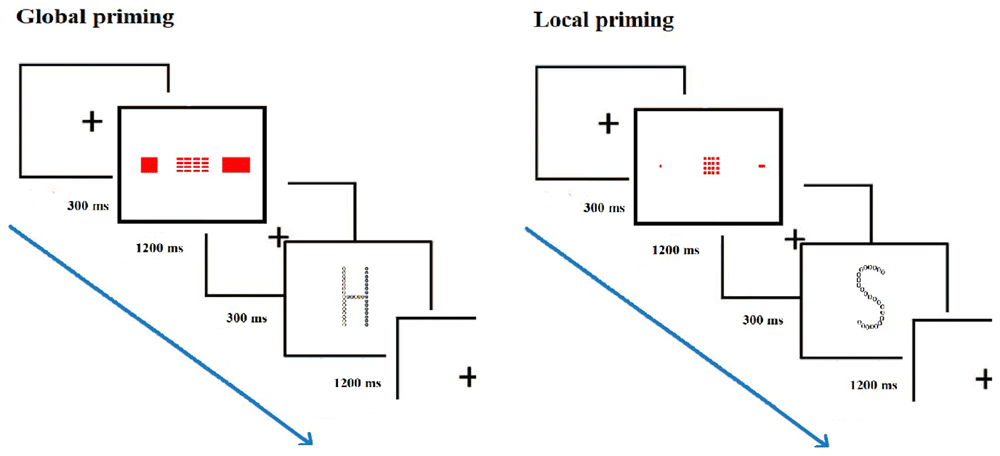
Figure 1. Experimental Procedure in Experiment 1.
Note. The prime task (e.g., global or local priming) was presented before the probe task (GLT) to induce global or local processing modes. In the probe task, participants identified one of two target letters (H or S), which appeared within a compound stimulus. Each stimulus was structured so that the target letter was presented at either the local level (smaller elements) or the global level (larger overall shape).
Data handling
We implemented a 2x2 design with priming and level (global vs. local) as within-participants variable. We only considered probe trials followed by correct prime trials, prime trials with RTs between 200 and 1,200 ms. Furthermore, probe trials were excluded with RTs less than 200ms or more than 1200ms (De Luca et al., 2022a; Gable & Harmon-Jones, 2008). Also, RTs and percentages of errors (PEs) above and below a range of three standard deviations below and above the mean of that participant were excluded. Lastly, practice trials and incorrect experimental trials were excluded from the analysis. Global Precedence effect (Navon, 1977) scores were calculated for RTs and PEs by subtracting RTs and PEs in the global trials from those in the local trials. The degree of transfer of global and local processing modes (which would be indicated by an interaction between the relevant [global or local] level in the prime task and the relevant level in the probe task) was calculated by subtracting the average of the RTs or PEs for the conditions with the same level in the two tasks (global priming/global probe level and local priming/local probe level) from the average for the conditions with different levels (global priming/local probe level and local priming/global probe level).
To calculate BFI scores, we applied a reverse-scoring procedure for items that were negatively keyed. Specifically, the following items were reverse-scored: Agreeableness (2, 12, 27, 37), Conscientiousness (8, 18, 23, 43), Extraversion (6, 21, 31), Neuroticism (9, 24, 34), and Openness (35, 41). Reverse scoring was performed by subtracting each response from 6, so that a score of 1 became 5, 2 became 4, 3 remained unchanged, 4 became 2, and 5 became 1.
After reverse-scoring, we computed the scale scores for each Big Five trait by averaging the respective items:
Agreeableness: 2R, 7, 12R, 17, 22, 27R, 32, 37R, 42
Conscientiousness: 3, 8R, 13, 18R, 23R, 28, 33, 38, 43R
Extraversion: 1, 6R, 11, 16, 21R, 26, 31R, 36
Neuroticism: 4, 9R, 14, 19, 24R, 29, 34R, 39
Openness: 5, 10, 15, 20, 25, 30, 35R, 40, 41R, 44
(This method was also used in Experiment 2).
To examine the relationship between personality traits and the Global Precedence effect, we performed a linear regression analysis. Supplementary data for this study are available at https://osf.io/kubr4/.
Results
Prime task
Given that the prime task merely served to draw attention to global or local stimuli and given that this manipulation was carried out in a blocked fashion (which works against the global-local effect that the GLT is known for), the outcomes of this task are of minor theoretical relevance. Therefore, we only present RTs and PEs for the interested reader but did not analyze these data. In the global priming session, participants responded to congruent and incongruent trials in 587 and 608 ms, respectively, with corresponding error rates of 3.5% and 6.3%. In the local priming session, they responded to congruent and incongruent trials in 594 and 606 ms, respectively, with corresponding error rates of 3.5% and 5.6%.
Probe task
The probe data were analyzed using mixed-model repeated measures ANOVAs using priming (priming: global vs. local) and probe level (global probe vs. local probe) as within-participant factors. The ANOVAs revealed a significant main effect of probe level on RTs F(1,90) = 235.55, = .72, p < .001, and on PEs, F(1,90) = 30.70, = .25, p < .001, indicating that participants were faster and more accurate when responding to global probes. Most importantly for our purposes, probe level interacted with priming in RTs, F(1,90) = 7.38, = .07, p =.008, and PEs, F(1,90) = 8.39, = .08, p =.005 (Figure 2). Separate one-tailed t-tests showed that the priming effect was significant for global probes, t(90)=1.78, p=.04, but not for local probes, t(90)=0.32, in RTs, and significant for local probes, t(90)=1.69, p=.047, but not quite for global probes, t(90)=1.57, p=.06, in PEs. Hence, the priming effect affected RTs more than error rates with global targets, while the opposite was true for local targets.
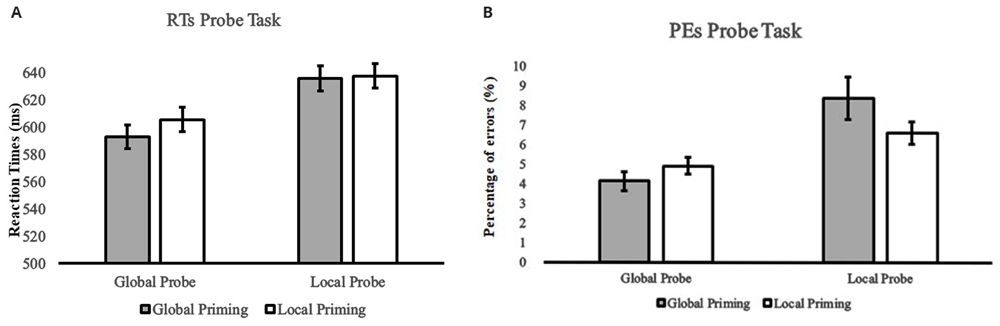
Figure 2. Experiment 1. RTs and PEs in Probe Task, as a Function of Priming and Relevant Level in Probe Task.
Note. Error bars show standard errors.
Correlations
The main goal of the experiment was to study the possible links between Big Five traits on the one hand and the global/local effect and near transfer of global and local processing modes (De Luca et al., 2022a) on the other. We thus Pearson-correlated the global/local effect scores and the transfer effect scores (calculated as described above) with the Big Five trait scores (Neuroticism again reversed to Emotional Stability). As Table 1 shows, the overall pattern reveals two important observations: First, there is not a single indication that any of the Big Five scales successfully predicts transfer; all relevant correlations are indeed very far from significance (also suggesting that a possible lack of power does not account for this null finding). Second, Conscientiousness successfully predicts the Global Precedence effect in RTs, r(89) = -.28, p = .006, showing that participants who scored higher on the Conscientiousness trait of the BFI tended to a lesser problem in processing local as compared to global information. In other words, they seem better able to concentrate on the instructed task. The remaining correlations are either non-significant or to be expected, such as those between the scores of the BFI scales (which are known to share enough variance to generate metatraits: DeYoung et al., 2002; Poropat, 2009), and between the global/local effect and the transfer effect that party relies on the global/local effect.
Table 1. Experiment 1. Correlations between Big Five traits and global/local processing measures.
| M | SD | 1 | 2 | 3 | 4 | 5 | 6 | 7 | 8 |
|---|
| 1) Agreeableness | 3.81 | .66 | - | | | | | | | |
| 2) Conscientiousness | 3.75 | .7 | .510** | - | | | | | | |
| 3) Extraversion | 2.98 | .8 | .210* | .353** | - | | | | | |
| 4) Neuroticism (unreversed) | 2.85 | .89 | -.421** | -.358** | -.451** | - | | | | |
| 5) Openness | 3.64 | .6 | .048 | .101 | .259* | .071 | - | | | |
| 6) RT GL Effect | 37.28 | 22.62 | -.045 | -.285** | .111 | -.024 | .166 | - | | |
| 7) PE GL Effect | .02 | .05 | .049 | .012 | .045 | .096 | .149 | .133 | - | |
| 8) RT Transfer Effect | 5.56 | 19.52 | .014 | .051 | .060 | .031 | .090 | .031 | .293** | - |
| 9) PE Transfer Effect | .01 | .04 | .055 | -.012 | .105 | -.044 | .055 | -.002 | .619** | .312** |
Discussion
The experiment aimed to replicate the near-transfer of global-local processing as found by De Luca et al. (2022a) and to see whether the amount of transfer can be predicted by trade expressions related to the BFI. On the one hand, the results show again that global and local processing modes can transfer to another task. This fully replicates the evidence for near transfer of global and local processing modes reported by De Luca et al. (2022a), and extends this effect to error rates. On the other hand, however, we were unable to find any evidence that personality traits are related to the amount of transfer, as there was indeed not a single significant correlation between the Big Five traits and the priming effect in RTs or PEs.
However, we did find an effect of Conscientiousness on the Global Precedence effect in RTs. The particular pattern of this effect, which shows a smaller effect size for individuals scoring high in Conscientiousness, is exactly as predicted. Even though the Global Precedence effect is likely to be so strong that no one can really escape it entirely (as implied by Navon, 1977, and later research), highly conscientious individuals, which we assume to be biased towards metatrait stability and metacontrol persistence, can be expected to concentrate more effectively on what is currently relevant—like the local level of stimuli in the respective trials. This should reduce the difference in performance on local and global stimuli, which corresponds to a smaller precedence effect.
Experiment 2
The outcome of Experiment 1 did not fully confirm our expectations. On the one hand, we found no evidence for any predictive capacity of personality traits as assessed by the BFI to account for intraindividual variability in the transfer between processing modes. Given that the transfer effect as such was solid and in agreement with our previous observations (De Luca et al., 2022a), and given that the correlations were far from significance despite the reasonable sample size, we concluded that further attempts to find a connection between traits and transfer effects are likely to be futile. On the other hand, however, we did find evidence for a role of personality traits in predicting interindividual variability in the Global Precedence effect. On the one hand, there are good reasons not to jump to conclusions on the basis of this observation. For one, we found only one of 10 possible correlations (considering the five scales and the two effect measures) to be significant, which may simply be a spurious finding. For another, our task design was tailored to optimize transfer and can hardly count as a classical GLT. On the other hand, however, using a more classical GLT might provide a clearer empirical picture regarding the relationship between personality traits and global/local processing. Accordingly, we decided to try replicating our observations regarding the impact of personality trait on the Global Precedence effect in a more classical GLT. In Experiment 2, we thus dropped the dual-task design of Experiment 1 and used the more conventional version of the Navon task developed by Colzato et al. (2008) instead. Predictions regarding the precedence effect and its relationship to the BFI scales were the same as in Experiment 1.
Method
Participants
For Experiment 2, we wanted to have a sample size of at least 80 participants as planned in the Experiment 1, and so we accepted all 93 participants that registered in the first wave. From these, we excluded 4 participants who performed less than 70% of all trials and one more with an accuracy level below 65%. This left a final sample size of 88 participants, with a mean age of 28.95 years (SD=9.76; age range 19–61; 51 males; 36 females; 1 did not specify gender, 20 native English speakers, 37 students, 45 workers, 6 who did not specify their employment status). We conducted a proper post-hoc power analysis using G*Power 3.1.94. We performed a post-hoc power analysis for our 2x2 repeated measures ANOVA with priming and level as within-participants variables. Using an effect size of f = 0.25 (medium), an alpha error probability of 0.05, and our total sample size of 88 participants, the analysis revealed a power of 0.9999. This indicates that our study was sufficiently powered to detect an effect size of 0.25 with a power level well above the conventional threshold of 0.80. This robust power level ensures the reliability of our findings and the adequacy of our sample size in detecting significant effects. All received a reward of £3.75.
Apparatus
This was the same as Experiment 1.
Procedure
The procedure was similar to that in Experiment 1. Participants first completed the BFI and were then instructed on the procedure of the GLT. The experiment consisted of three blocks of trials, two training blocks, in which the instruction (global or local) was constant across all trials, followed by the experimental block, in which global and local trials were randomly distributed. The order of the training blocks was randomized across participants and each block consisted of 50 trials. The third (experimental) block consisted of 160 trials. Participants were presented with cues indicating to which stimulus (global or local) they should respond. The entire experimental task took about 30 minutes (Figure 3).
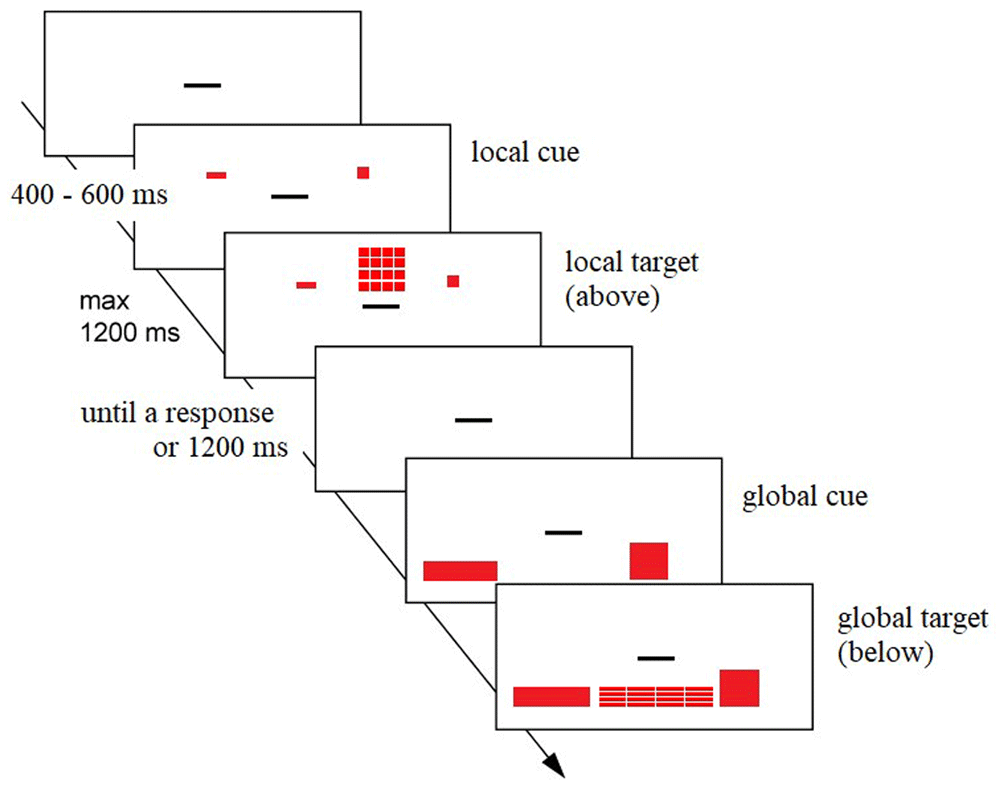
Figure 3. Experimental Procedure in Experiment 2.
Global-Local Task
The task, adapted from Colzato et al. (2008) and Steenbergen et al. (2015), required participants to respond using the "v" or "m" keys on a QWERTY keyboard, pressing the assigned key with their left or right index finger. The task stimuli consisted of hierarchical geometric shapes, where larger (global) rectangles (187x45 pixels) or squares (93x93 pixels) were composed of 16 smaller (local) rectangles (46x9 pixels) or squares (21x21 pixels). The spacing between local elements was 3 pixels both horizontally and vertically.
Each trial presented one of four possible target stimuli, which included a rectangle or square composed of either smaller rectangles or squares. The required response was determined by a spatial mapping scheme, which was counterbalanced across participants. The position of the stimulus on the screen indicated whether the participant should focus on the global or local level: stimuli in the upper part of the screen signaled a response based on the local level, while those in the lower part of the screen signaled a response based on the global level.
To guide participants, a cue appeared 400–600 ms before the target stimulus. These cues were large or small geometric shapes placed beside the target, visually indicating whether the focus should be on global or local features. Both the cue and target stimuli were displayed in red on a white background and remained visible until a response was recorded or 1200 ms elapsed.
Each trial was followed by an interval of 900–1100 ms before the next cue appeared. The task included a single experimental block of 160 trials, equally divided between global and local trials. Half of the trials were congruent (e.g., a large square made up of smaller squares), while the other half were incongruent (e.g., a large square composed of smaller rectangles). Before the experimental block, participants completed two training blocks of 50 trials each, where they consistently responded to either global or local features. The order of the training blocks was counterbalanced across participants, ensuring that half of them started with the local condition and the other half with the global condition.
Data handling
RTs and PEs were analyzed using ANOVA with the within-participants factors of target level (global vs. local) and congruency between stimuli on the two levels (congruent vs. incongruent). Trials with RTs less than 200ms or greater than 1200ms were excluded (Colzato et al., 2017). Additionally, outliers in RTs and PEs that deviated more than three standard deviations from the mean for each participant were also removed. A significance level of p < .05 was used for all statistical tests. Global Precedence effects and BFI scores were calculated as in Experiment 1.
Results
Global-Local Task
First, the ANOVAs showed a significant effect of level (global vs. local) on RTs, F(1,87) = 124.34, η 2= .58, p < .001, and on PEs, F(1,87) = 4.24, η 2p = .047, p = .042. The RT effect reflected the well-established Global Precedence effect (Navon, 1977); that is, responses were faster (538 vs. 587 ms) to globally than locally defined targets. However, the error rates showed the opposite pattern, with more errors for global than local targets (10.7% vs 7.8 %). Given the sizable RT effect, this indication of a certain speed-accuracy trade-off is unlikely to account for the entire effect on the reaction times. Second, the effect of congruency on RTs, F(1,87) = 53.67, η 2p = .38, p < .001, and PEs, F(1,87) = 113.22, η 2p = .56, p < .001, was due to that RTs were faster (549 vs. 577 ms) and responses more accurate (1.8% vs. 16.8 %) on congruent than on incongruent trials. Third, level did not interact with congruency on RTs, p > .8, but on PEs, F(1,87) = 5.14, η 2p = .05, p = .026. Separate one-tailed t-tests showed that the level effect on PEs was significant in incongruent trials, t(87)=2.18, p=.016, but non-significant in congruent trials, t(87)=1.21, p=.114.
Correlations
Pearson correlations between the Big Five traits and the Global Precedence effect did not replicate the correlation between Conscientiousness and the precedence effect, but there was a significant correlation between the precedence effect and reversed Neuroticism on RTs, r(86) = .25, p = .016. Considering that this involved the reversal of the Neuroticism score, this finding means participants who scored higher on Neuroticism tended to show more comparable performance on local and global targets. In other words, neuroticism reduces the Global Precedence effect. These and all other (nonsignificant) correlations between the Big Five and the Global Precedence effect can be found in Table 2.
Table 2. Experiment 2. Correlations between Big Five traits and global precedence effects.
| M | SD | 1 | 2 | 3 | 4 | 5 | 6 |
|---|
| 1) Agreeableness | 3.63 | .62 | - | | | | | |
| 2) Conscientiousness | 3.56 | .70 | .396** | - | | | | |
| 3) Extraversion | 2.88 | .75 | .152 | .379** | - | | | |
| 4) Neuroticism (reversed) | 2.92 | .88 | -.153 | -.434** | -.348** | - | | |
| 5) Openness | 3.61 | .64 | .030 | .286** | .201 | -.021 | - | |
| 6) RT GL EFFECT | 48.21 | 36.31 | .029 | .049 | .031 | .255* | .082 | - |
| 7) PE GL EFFECT | -.02 | .13 | .077 | .071 | .083 | -.050 | .080 | .340** |
Discussion
In Experiment 2, Our study revealed a sizable reaction time (RT) effect that can't be fully explained by the speed-accuracy trade-off, where faster responses tend to be less accurate, and vice versa. Several factors contribute to this RT effect. Global processing is more cognitively demanding and leads to longer RTs compared to the quicker local processing. Switching focus between global and local features can cause delays, increasing RTs. Global processing requires organizing elements into a whole, which is more time-consuming than recognizing individual elements in local processing. Participants with higher cognitive control manage tasks more efficiently, resulting in faster RTs, while those with lower control exhibit longer RTs. Additionally, global and local processing involve different brain regions, with global processing engaging slower higher-order areas. Finally, more experienced participants develop strategies to process global and local features more efficiently, reducing RTs. We sought to replicate the association between Conscientiousness and the Global Precedence effect observed in Experiment 1 in a more classical GLT. This replication failed, meaning that this association could not be confirmed in a more suitable task version. Instead, however, we found a negative correlation between (unreversed) Neuroticism and the Global Precedence effect on RTs. On the one hand, the pattern of this finding was not in the expected direction. High neuroticism should work against metatrait stability or metacontrol persistence, so if persistence reduces the global/local effect, high Neuroticism would be expected to boost this effect. However, other interpretations are possible. Individuals with high Neuroticism levels are more likely to adopt maladaptive techniques to control their emotions and to have more negative mood (Yoon & Barker Steege, 2013). Given that positive mood has been associated with a lack of stability and persistence (Akbari Chermahini & Hommel, 2012; Dreisbach & Goschke, 2004) and a more global orientation (Schwarz & Clore, 2007), negative mood might be linked to a more local/persistent processing mode (Hommel & Colzato, 2017a). This would not necessarily contradict the prediction that more stability/persistence can reduce the precedence effect, as observed in Experiment 1, but it could be that a high degree of Neuroticism achieves the same effect in other ways than well-functioning stability/persistence would.
Conclusions
In conclusion, the results of our two experiments provide (admittedly very preliminary) evidence for a relationship between global/local processing modes and the Big Five personality traits. In Experiment 1, we used a prime-probe task and found a near-transfer effect of global and local processing modes on RTs and PEs, indicating that the effect is replicable. However, the study did not find any significant correlation between the Big Five traits and the near-transfer. Instead, however, we found that Conscientiousness, a trait associated with stability, was negatively correlated with the Global Precedence effect on RTs, suggesting that individuals high in Conscientiousness tend to have a more local processing mode. Experiment 2 could not replicate this effect with a more classical GLT, but instead found a negative correlation between Neuroticism and the Global Precedence effect, indicating that individuals high in Neuroticism might have a relative bias towards local processing. These findings suggest that stability and plasticity, as represented by the Big Five personality traits, may be related to global/local processing modes. However, a potential issue arises when considering the interaction of high scores in both Conscientiousness and Extraversion. Conscientiousness is typically associated with a preference for structure and detail, which aligns with local processing. Extraversion, on the other hand, is associated with a broader, more holistic approach to information processing, which aligns with global processing (Batey & Furnham, 2006; Guo et al., 2017; Kaspar & König, 2011).
To address this potential contradiction, it is important to consider that personality traits do not operate in isolation but interact in complex ways. High levels of Conscientiousness might drive an individual to focus on details and organize their tasks meticulously, promoting local processing. Simultaneously, high Extraversion could enhance their social engagement and openness to broader experiences, facilitating global processing.
In practical terms, an individual with high scores in both traits might exhibit a flexible processing style, adapting their focus based on the context. For example, in a structured task requiring attention to detail, their Conscientiousness may dominate, leading to more local processing. Conversely, in social or dynamic environments, their Extraversion may come to the forefront, promoting global processing.
This interaction suggests that the observed processing mode at any given time could be the result of a dynamic balance between these traits, influenced by situational demands and individual goals. Further research is needed to explore how these traits interact in different contexts and how they collectively influence cognitive processing styles. More research is needed to establish causality and understand the underlying mechanisms that link personality traits with global-local processing. Neuroimaging studies could provide deeper insights into how brain regions associated with specific traits influence cognitive processing modes. It would also be beneficial to examine how situational factors and context influence the relationship between personality and cognitive processing. In any case, we advocate more and broader theoretical and empirical attention to interindividual variability and its role in moderating even basic effects tapping into human cognition (Hommel & Colzato, 2017b). Trying to account for individual variability can help us to gain a better understanding of the underlying mechanisms that drive individual differences in cognitive control and processing styles.
Ethics and consent
Approval for this study was granted by Leiden University ethics committee (CEP reference number: 2022-07-20-Bernhard Hommel-V3-4069) on July 21, 2022. All participants provided written informed consent before participating in the study. The consent process was conducted electronically via Qualtrics, where participants first read a detailed information sheet explaining the study’s purpose, procedures, risks, and their right to withdraw at any time. They were then required to explicitly agree to each section of the consent form before proceeding to the experiment. No participants were included in the study without providing consent.
Since consent was collected in written form through Qualtrics, there was no need for verbal consent. The ethics committee approved this procedure as part of the study’s ethical review.









