Introduction
Health inequalities persist across European Member States, exhibiting substantial variation based on education, occupation, and income levels. Although socioeconomic conditions and overall health have considerably improved in Europe over the last decades, these enhancements remain unevenly distributed, largely shaped by inequalities in income, power, and wealth.1 Such inequalities contribute to unequal exposure to social determinants of health (SDH) and heighten health vulnerabilities among different population groups, especially vulnerable ones.2–6 Alarmingly, recent crisis-driven policy responses have exacerbated these inequalities.7,8 Thus, addressing health inequalities has remained a vital priority for European policy since decades, prompting coordinated efforts at various governance levels, including European, national, regional, and local frameworks.9
To reduce health inequalities and address the SDH, the Health in All Policies (HiAP) approach has become the basis of contemporary public health, focusing on integrating health considerations into all policy sectors.10 HiAP promotes intersectoral collaboration across domains such as transportation, housing, urban planning, education, environmental policy, agriculture, finance, taxation, and economic development.10 The integrated approach aims to optimize public health outcomes and advance health equity by ensuring that policies in these sectors are designed with health considerations in mind,9 given that 80–85% of factors influencing health inequalities originate outside the healthcare sector.11 HiAP thereby integrates health considerations into these diverse sectors and encourages collective action from governments, private sector stakeholders, and the public.9,12 In 2023, the World Health Organization (WHO) advocated for the adoption of the complementing strategy Health for All Policies (H4AP) as a means to promote positive outcomes across all sectors and facilitate broader policy integration.1,2 HiAP and H4AP supplement each other: Whereas the unidirectional approach of HiAP focuses on what other sectors can do for health, H4AP promotes a bidirectional model that seeks co-benefits by also considering how the health sector can contribute to other sectors’ goals. However, a systematic analysis of the more recent H4AP framework remains limited by the current lack of comprehensive evaluations of the preceding HiAP approach.
Portugal represents a compelling case study for examining the HiAP approach implementation. Firstly, the primary example of implementing HiAP in Portugal is the 2017 Integrated Strategy for the Promotion of Healthy Diets (EIPAS). Yet, this initiative has neither been fully assessed nor have other HiAP initiatives been applied in other sectors. Secondly, as one of Europe’s most economically unequal countries,13 Portugal’s experience emphasizes the urgency of a comprehensive HiAP evaluation across different policy domains. Thirdly, the country’s economic and financial crisis management response illustrates the critical need to examine the health implications of political determinants, which are critical in shaping health and socioeconomic outcomes essential for informed policymaking.1,14 Fourthly, a legal analysis is essential in the Portuguese context to clarify how existing constitutional and statutory frameworks can—and should—be mobilized to institutionalize HiAP principles, strengthen intersectoral accountability, and move HiAP from policy aspiration to enforceable practice.
Despite increasing international recognition of HiAP as a framework for integrating health considerations across all sectors, there is limited analysis of its practical implementation within the specific political and policy landscape of Portugal.15 Moreover, up to this point, there remains a substantial gap in understanding the extent to which political decisions and policies influence its application and effectiveness in Portugal.
This study assesses the HiAP implementation in Portugal by evaluating the effectiveness of public health measures and legislative actions, focusing on governance structures, processes, tools, practices, and resource allocation to provide a comprehensive understanding of how the HiAP approach is operationalized in Portugal and its impact on Portuguese public health governance up until October 31, 2024.
Methods
A scoping review of legal documents and subsequent legal analysis were chosen to systematically undertake an interpretation of legal documents relevant to the HiAP framework. The scoping review adhered to the PRISMA-ScR guidelines to ensure methodological precision and comprehensiveness (
Table 1).16 The analysis focused on evaluating the effectiveness of key legislative measures, including governance structures, processes, tools, practices, and resource allocation. A previously published protocol was used as an established tool for the data collection.17
Table 1. PRISMA-ScR guidelines.
|
Data selection and eligibility criteria:
| Document selection was guided by relevance to contemporary public health policies, focusing on materials from the past five years (2019–2024) to reflect recent developments, while also including older legislation when their effects were deemed ongoing and significant. |
|
Time of policy analysis:
| Sources were searched June 12, 2024 until October 31, 2024 |
|
Time of included policy criteria:
| January 1, 2019 and October 31, 2024 (the last 5 years). |
|
Country:
| Portugal |
|
Population group:
| none |
|
Inclusion criteria:
| All published laws, degree laws, statutes, regulations, constitution, EUR-Lex and national law databases etc. purposing the national implementation of the HiAP approach in Portugal, which have been implemented until October 31, 2024 were considered eligible. Also, all published measures/policies purposing the national implementation of the HiAP approach in Portugal, implemented/produced between January 1, 2019 and October 31, 2024, were considered eligible. Legislation enacted before this date was also deemed eligible, given the enduring significance of its impact and continued relevance to current health policy outcomes. Also reports, programme evaluations from the Ministry of Health were included for information purposes (see point 2 in information sources). |
|
Exclusion criteria:
| Scientific reviews, academic papers, and recently published studies related to enacted policies, laws, higher education statutes, regulations, and constitutions were excluded from this analysis, as they do not align with the specific objectives of the study. These data types were excluded as sources because they diverge from the primary objective of Task 9.1.1. Additionally, incorporating them would introduce an extraneous perspective (i.e., audience type), which could unnecessarily complicate and extend the analysis. |
|
Information Sources:
| Open and not-open online accessible databases: Health ministry websites; Parliament websites; Cabinet/Prime Minister’s office websites; National public health institute(s) websites; non-communicable disease (NCD) or public health-related non-governmental (NGO)-websites; or websites that include national legislation (e.g. online constitution, or online compilation of national legislation). |
|
For purposes of contextualization
(potentially useful sources for the data collection): | websites that include country reports: European Health Policy Observatory European Observatory on Health Systems and Policies (who.int); WHO European Regional Agency About WHO Europe; WHO Noncommunicable Disease (NCD) Document Repository WHO|NCD Document Repository; OECD Health Profiles Country Health Profiles 2023 – OECD |
|
Data collection process:
| The data collection process involved the systematic identification, documentation, and organisation of materials, with comprehensive bibliographic details maintained for each document. The most prominent laws and structures for HiAP (also the most repetitive ones) were discussed in depth. A complete file of all data collected was produced (Extended data file). Digital sources were archived for future reference, and content was accurately categorized into predetermined sections, enabling a well-structured and robust analysis. |
|
Examples of Search strategy:
| To identify relevant laws and regulations within databases, a keyword-based search strategy was employed rather than relying on specific search phrases. This method was also utilized to validate particular terms within the different data sources. |
|
Examples of the key words:
| (“Portugal”) AND (“health in all policies” OR “health in all policies AND Portugal” OR “intersectoral action” OR “intersectoral action AND Portugal” OR “whole of government” OR “whole of government and Portugal” OR “whole of society” OR “whole of society AND Portugal” OR “healthy public policy” OR “healthy public policy AND Portugal” OR “health for all policies” OR “health for all policies AND Portugal” OR “policy coherence” OR “policy coherence AND Portugal” *[if relevant for health] OR “economy of wellbeing” OR “economy of wellbeing AND Portugal” OR “wellbeing economy” OR “wellbeing economy AND Portugal” OR “HiAP” AND “Portugal” OR “Saúde em todas as Políticas“OR “Saúde em todas as Políticas AND Portugal“Saúde AND Portugal” OR “Plano de Saúde AND Portugal”). |
|
Synthesis of results:
| All data that were included are listed in Extended data file. Data are marked throughout the results section with footnotes. The results were grouped into three main themes: i) The functioning of the Portuguese government on HiAP; ii) The Constitution of the Portuguese Republic - a framework of values oriented towards HiAP; and iii) Legislative Production and HiAP development. |
Results
The functioning of the Portuguese government on HiAP
The HiAP approach, which prescribes the integration of health in all sectors, is implemented in the Portuguese government through the most important legal instruments: the Constitution, Article 64 of the Constitution of the Portuguese Republic, Article 168 of the Treaty on the Functioning of the European Union (TFEU) and the Health Bases Law [1] (
Figure 1). Health aspects are incorporated into Portuguese legislation through a systematic process involving the Assembly of the Republic, the Government and the Autonomous Regions, each of which plays a specific role in shaping health-related policies. The Extended data file18 presents the legal framework: Constitution, laws, legislative decrees, and statutes that are related to the HiAP approach.
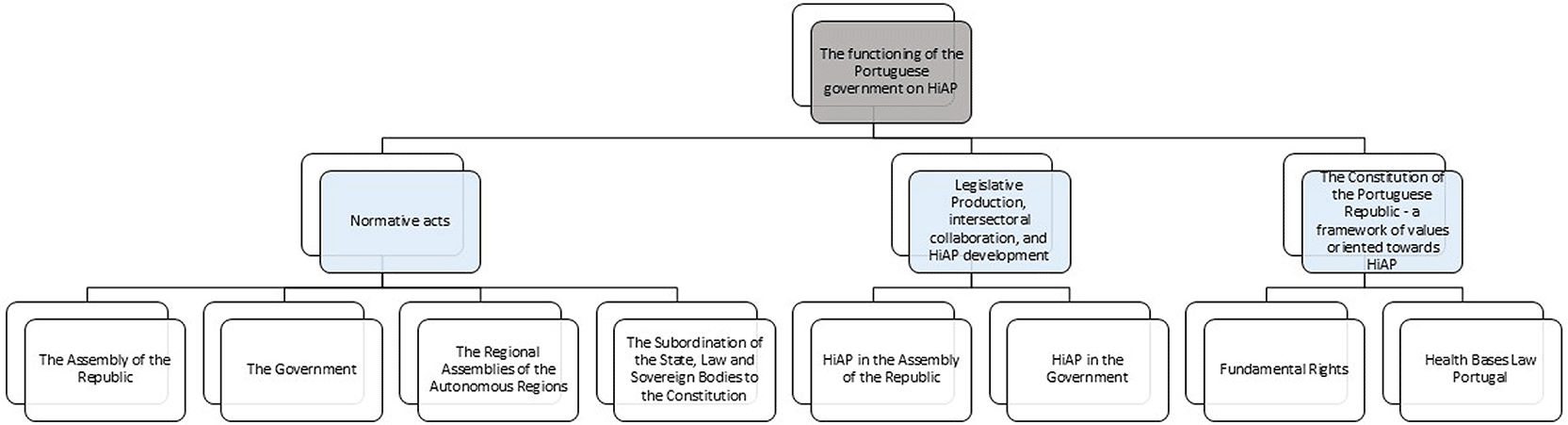
Figure 1. Legal Framework of HiAP in Portugal - Organisational Structure of Key Themes.
Normative acts. The Portuguese Constitution designates laws, decree-laws, and regional legislative decrees as normative acts [2], with legislative bodies— the Assembly of the Republic, the Government, and the Regional Assemblies of the Azores and Madeira— holding authority to approve them within their respective competencies, thus influencing HiAP integration across governance levels.
The Assembly of the Republic.
The Assembly of the Republic has the power to legislate all matters, except those reserved to the Government [3]. In the legislative competence of the Legislative Assembly, we can find matters that are its exclusive competence (of absolute reserve) and others on which it can authorize the Government to legislate [4].
Of particular interest for HiAP, are the Assembly’s competencies concerning rights, freedoms, and guarantees; the fundamental principles of the National Health Service (NHS); and the creation of taxes, tax systems, general fee regimes, and other financial contributions benefiting public entities. These areas are significant because they represent key tools in developing HiAP strategies. The Government can legislate on these matters only with parliamentary authorization. In parliament, the approval of this type of matter normally requires consensus from different ideological positions and, therefore, does not depend solely on a Government and a Government program. Legislative proposals can be initiated by political parties, the Government, or citizens, with the Regional Assemblies having a role in matters affecting the autonomous regions [5]. The Assembly operates through committees that review and deliberate on proposed legislation [6].
The Government.
The Portuguese Government incorporates a fundamental role in defining and implementing national health policy. It ensures the incorporation of HiAP through its responsibility for resource management, policy design and evaluation and compliance with constitutional principles. The government includes the Prime Minister, Ministers, and Secretaries of State [7]. The Prime Minister and the Ministers form the Council of Ministers [8], where the Decree-Laws – normative acts issued by the Government – are approved [9]. Government members have a duty of government solidarity as they are linked to the deliberations of the Council of Ministers and the Government program [10]. The Government may legislate on all matters that are not an absolute reserve of the Assembly of the Republic, as on those that are a relative reserve of the Assembly when authorized for that purpose and has exclusive competence over matters that relate to its own functioning [11].
Furthermore, the Government is the body that conducts the country’s general policy [12]. It also has exclusive competence over its functioning [13]. The Government is the body that conducts the country’s general policy [14]. Health policy is administered by the Government, through the Minister of Health, who, as holder of the health portfolio, is responsible for “[…] defining and conducting national health policy, ensuring sustainable application and use of resources and the evaluation of their results” [15]. The Ministry of Health is responsible for “[...] ensuring the necessary actions for the formulation, execution, monitoring and evaluation of the national health policy” [16]. The Government and the Minister of Health are bound to comply with the Constitution of the Republic, as the fundamental law of the Portuguese State.
The Regional Assemblies of the Autonomous Regions.
The Autonomous Regions of the Azores and Madeira have political and administrative autonomy in health governance [17], allowing them to implement HiAP strategies tailored to their specific needs and contexts [18]. As they are limited only to the territory of the autonomous regions, this article will not address the legislative and governance powers in the autonomous regions.
The Subordination of the State, Law and Sovereign Bodies to the Constitution.
The action of sovereign bodies and all normative acts, and the State as a whole, must be subordinated to the Constitution of the Portuguese Republic [19]. Normative acts, whether enacted by the Assembly of the Republic or the Government, form the normative framework underpinning the Rule of Law in Portugal. All other regulatory instruments, including regulations, ordinances, ministerial orders, and similar measures, must adhere to this legislative framework anchored within the set of constitutional values.
Alongside these, the Portuguese legal system also incorporates [20] the norms of common international law, those contained in international conventions to which Portugal has acceded, the norms of international organisations to which Portugal is part and those contained in the Treaties of the European Union and its institutions. These norms received from the supranational normative context also end up harmonizing with the Constitution of the Portuguese Republic, because, otherwise, they would not be received by the Portuguese legislator.
The Constitution of the Portuguese Republic - a framework of values oriented towards HiAP
The Portuguese Constitution.
The Portuguese Constitution is the fundamental Law that gives shape to the Portuguese State. The action of sovereign bodies and all normative acts, and the State as a whole, must be subordinated to the Constitution of the Portuguese Republic. The Portuguese Constitution, as the supreme legal authority of the state, mandates that all actions of sovereign bodies and normative acts comply with its requirements. It supports HiAP by assuring all citizens the right to health protection and requires the inclusion of health aspects in all policies highlighting universal access to healthcare and action on the social determinants of health.
This constitutional framework is reflected in various provisions that require the inclusion of health aspects in broader social and governmental measures. Specifically, the Constitution enshrines a fundamental right to the protection of health for all Portuguese citizens, alongside a civic duty to advocate for and uphold this right [21]. The dual right and duty to protect and promote health form the foundational basis for a comprehensive and holistic approach to health protection within the country’s legal and policy framework, thus for HiAP.
The Portuguese Constitution creates in favour of citizens the right to a health approach in all policies and a duty for citizens to promote it. It does this in several ways. The Constitution of the Portuguese Republic goes far in realizing the right to protection, defence and promotion of health in Portugal, as it determines that this right is realized in two main ways: 1) establishing universal access to the NHS, generally free for all citizens [22]; and 2) creating economic, social, cultural, and environmental conditions to protect childhood, youth, and old age, improve living and working conditions, promote physical activity, and enhance health education and healthy lifestyles [23]. Therefore, the Portuguese constitution, in the chapter on fundamental rights, enshrines a right and duty to protect, defend and promote health that is achieved, among others, with the two major elements of health production – access to care and action on its social determinants.
The Constitution and the Impact of the EU.
The Portuguese Constitution incorporates into its internal law the principles and regulations of the international community, especially the institutions of which Portugal is a member, as well as the European Union (EU) and its institutions [24]. This includes, among others, the United Nations system, with particular reference to the WHO. A key aspect of this integration in international communities and organisations is the incorporation of Article 168 of the TFEU, which advocates an approach to health that aligns with the HiAP framework. This establishment underlines the commitment to encouraging health across all policy domains within the EU’s legislative and regulatory processes.
Fundamental rights.
The Portuguese Constitution establishes health as a fundamental right. It also orders the integration of health considerations across all policies by recognizing key social and economic determinants of health as fundamental rights. Those must guide all legislative and governmental actions. The Constitution confers on each of the main social and economic determinants of health the nature of fundamental rights of citizens [25]. Fundamental rights constitute the most robust form of rights of the Portuguese State: they are directly applicable and bind public and private entities; The law can only restrict them in cases expressly provided for in the Constitution, and restrictions must be limited to what is necessary to protect other constitutionally protected rights or interests [26].
Thus, the Constitution of the Portuguese Republic not only establishes a constitutional value framework that favours the approach to health in all policies, but also creates in favour of citizens a right to this approach, whether in an interpretation of the meaning and scope of the right and duty of protection, defense and promotion of health provided for in article 64 of the PRC, either by sharing the values of the international community and the European Union to which it is linked or by consecrating the nature of fundamental rights of its citizens to the main social and economic determinants of health.
Thus, all normative processes and actions of sovereign bodies must be grounded in this principle, as both the state and its normative acts are subordinate to the Constitution.
Health Bases Law Portugal.
There are several indications of the motivation of Portuguese legislators to promote HiAP. The main one is the Health Bases Law [27] which enshrines HiAP within Portugal’s legal framework, emphasising the state’s responsibility to promote physical, mental, and social well-being, while framing health as a shared responsibility among individuals, society, and the state, with a focus on ensuring lifelong access to health services and creating favourable conditions for health in its Base 1. This implies that society must contribute to protecting health in all policies and sectors of activity.
A key element of the Health Bases Law is the stipulation that public and private policies, that may impact public health must undergo health impact assessment (HIA) to ensure they contribute positively to the population’s health (Base 37). The assessment aims to ensure that the decision-making process integrates the consideration of relevant impacts in terms of health, considering the level of health already achieved, the consideration of alternatives, the cumulative effects resulting from other programs being implemented and the contributions received of popular participation.
Thus, since, as we will see, whether in the legislative process originating in the Legislative Assembly or the Government, legislative impacts must be assessed, then it is to be concluded that all legislation must deserve, under the Health Bases Law, an impact assessment on it. In the Rules of Procedure of the Council of Ministers (RPCM), this Bases Law did not deserve the distinction as the Climate Bases Law did as it is specifically mentioned. As we will demonstrate, the climate impact of all legislative projects must be carried out following this law.
Legislative production, intersectoral collaboration, and HiAP development
HiAP in the Assembly of the Republic.
The legislative process in the Portuguese Assembly of the Republic is guided by the Rules of Procedure of the Assembly (RPAR) [28, 29] which requires that bills include a justification that outlines relevant social, economic, financial, and political contexts [30], as well as the benefits, consequences, and related legislation. Bills and proposals must be accompanied by, among other elements, a brief justification or statement of reasons. In law proposals, this means the presentation of the following elements: a) descriptive memory of the social, economic, financial and political situations to which it applies; b) information about the benefits and consequences of its application; c) review of current legislation relating to the subject [31]. They must be accompanied by the studies, documents and opinions that substantiated them, as well as the positions taken by the entities heard by the Government within the scope of the approval procedure (of the Government’s proposed laws) [32].
Once a bill is accepted, it is sent to the relevant Parliamentary Committee, which may involve multiple committees if it spans various policy areas. Disagreements regarding which committee should handle a bill can be submitted to the President of the Assembly [33]. A technical note accompanies each bill, analysing its legal compliance, assessment of the consequences of approval and the expected costs of its application (including gender), and stakeholder contributions. This enables committees to prepare informed reports, and all legislative initiatives undergo public consultation, with the results considered in the committee’s report [34].
This note enables the committee to prepare an informed report on the bill, with impact assessments based on an approved model of the Assembly. All legislative initiatives undergo public consultation, and the contributions must be considered in the committee’s report. The author can present the project but cannot be the rapporteur. Project authors must include documents from previous consultations, and parliamentary members can request their positions be recorded in writing [35] Autonomous Regions, particularly in health matters, must be consulted due to their political and administrative autonomy [36].
The legislative process includes three votes: general (on principles), specialty (on individual articles), and overall (on the entire proposal). Voting on individual articles may take place in committees, which play a significant role in assessing bills, amendments, and treaties submitted to it and reviewing petitions [37]. The committees also advise on thematic debates, formulate reports, and guarantee law compliance. The committees can form subcommittees [38] and working groups to emphasize specific issues, such as health and its intersection with other policy areas. The committees are composed based on party proportional representation and play a key role in parliamentary processes [39].
The Health Commission [40] “has legislative and supervisory powers in the sectors supervised by the Ministry of Health, monitoring the National Health Service and health policy, namely, access to health; primary health care; continuous health care and palliative care; monitoring of the National Health Plan, through indicators in the scope of oncology, mental health, HIV/AIDS, obesity, diabetes, cardiovascular diseases and women’s and children’s health; medicine policy; hospitals and hospital management; quality of health care; chemical dependency: preventive action, dissuasion, treatment, risk reduction and harm minimization and psychosocial reintegration; public health; diseases of civilization; relationship between the National Health Service and the social and private sector in the health area; health science and research; financing and sustainability of the National Health Service; public-private partnerships in the health sector; monitoring the activities of international organizations in the health sector.” [41] The Commission also monitors pharmaceutical policies, healthcare quality, addiction prevention, public-private partnerships, and the sustainability and financing of the NHS.
The legislative process in the Assembly is characterized by transparency, public participation and constitutional guarantees that promote the integration of health in all policies. The formally established process, the guarantees of transparency, public and provoked participation (in cases where the law requires it) as well as spontaneous participation (in public consultations) are set up to promote or strengthen health in all policies, especially because the reports presented together with each project must contain information that qualifies the decision of the protagonists in the votes.
HiAP in the Government.
The Government’s legislative process incorporates safeguards for HiAP by requiring HIA on various issues, including health, through inter-ministerial evaluations, public consultations, and mandatory hearings, though it lacks explicit prioritization of health impacts as it does in some legislative areas. The Government can legislate on all matters that are not an absolute reserve of the Assembly of the Republic, on those that are a relative reserve of the Assembly when authorized for that purpose and has exclusive competence over matters that relate to its functioning [42]. Thus, each Government approves its organic law and establishes its organisation and functioning [43]. It also approves the Rules of Procedure of the Council of Ministers (RPCM) and Legislative Rules for the Preparation of Government Normative Acts [44]. These rules determine the legislative process originating in the Government.
This process includes a set of guarantees that tend to ensure coherence between policies. The legislative initiatives foreseen by each sectoral area are sent to the Presidency of the Council of Ministers for scheduling [45]. The decree-law and proposed law projects are submitted for circulation for a period that allows an inter-ministerial assessment, where each Minister can make a reasoned evaluation that contains objections, comments or suggestions for eliminating, modifying or adding standards to the circulated project. The Minister of the Presidency of the Council of Ministers is responsible for facilitating negotiation and consensus-building before convening the Meetings of Secretaries of State [46]. To this extent, each diploma guarantees the opportunity for each area of public policy to comment on its impact in the respective area.
The diploma project must be accompanied by several documents, including internal or external consultations, the current legal framework, and relevant impact indicators, such as economic, competitive, fraud, corruption, disability, poverty, and non-discrimination impacts. While some specific issues, like birth rates, are explicitly mentioned [47], no direct reference is made to health impacts.
Article 26 of the RPCM requires draft decree-laws and proposed laws to include a legislative impact assessment, particularly when relevant, with a specific mention of climate impact under the Climate Basic Law [48]. The same article demands also an assessment aiming to evaluate changes in benefits and burdens on individuals and businesses, along with impacts on administrative efficiency and simplification. While it considers effects on people’s lives, including health, it does not prioritize health impact. Additionally, Article 27 of the RPCM mandates prior opinions from the Ministers of Foreign Affairs, Finance, and the Presidency on matters related to international relations, public administration, financial impacts, and legislative procedures, but does not specifically require input on health-related issues. However, the Health Basis Law demands that programs, plans or projects, public or private, that may affect public health must be subject to impact assessment, intending to ensure that they contribute to increasing the population’s level of health. But it does not refer to normative act projects [49].
In the Government’s legislative procedure, the mandatory hearings provided for in the Constitution and the Law must be promoted and the hearings that each Minister considers appropriate may be promoted [50]. Likewise, there may be public consultations, which are not mandatory during the process [51]. Legislative projects must include a preamble that clearly outlines the purpose and motivation of the proposal. The preamble should also mention any consultations with citizens and the involvement of entities, specifying whether their participation was mandatory or optional [52]. At meetings of the Secretaries of State, legislative projects put into circulation are assessed and those that reach consensus are sent to the Council of Ministers for consideration and approval [53].
The legislative process in Portugal promotes transparency and participation, requiring each bill to involve relevant entities. The Minister of Health always has the opportunity to comment on each diploma project as the other Ministers have. Proposals must list consulted entities, and public consultations are encouraged to identify potential impacts on people’s lives, enabling informed opinions. However, while prior input from certain ministers is mandatory for specific issues, this requirement does not extend to health-related matters, suggesting a lower prioritization of health integration across policy areas.
Discussion
The results indicate a strong legal foundation for implementing HiAP in Portugal (
Figure 1). The main documents are the Health Bases Law [54], TFEU Article 168, and PCR Article 64, however, its practical application reveals significant gaps between policy intentions and the actual outcomes (
Figure 2A and
Figure 2B). Key challenges include lack of political willingness mediating: i) the lack of a formal legal framework to implement HiAP; ii) issues in consistency in health policy (policy fragmentation); iii) lack of intersectoral collaboration; iv) lack of a strategic approach that comprises stakeholder engagement; v) inconsistency in HIAs; vi) lack of political commitment and vii) cultural barriers.
Figure 3 illustrates the comprehensive framework, outlining the proposed approaches to address the identified barriers. These approaches are discussed in detail in the following sections.
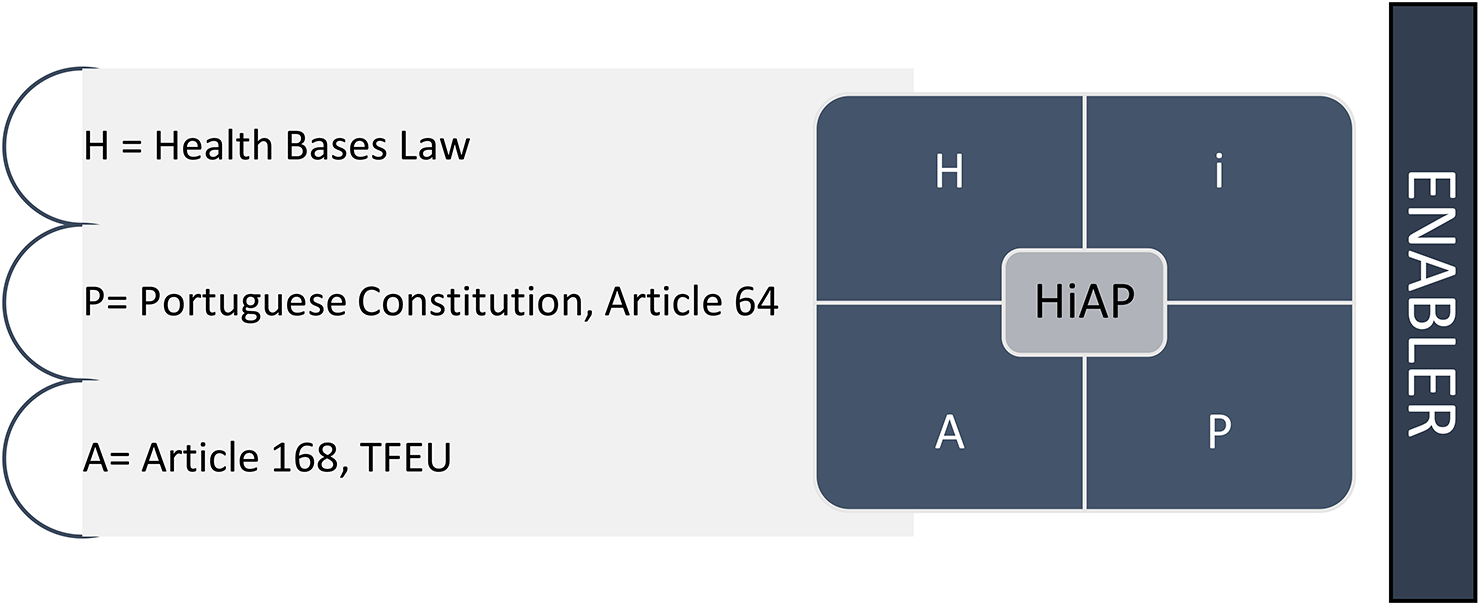
Figure 2A. Health in All Policies in Portugal – Key Documents as Enabler.
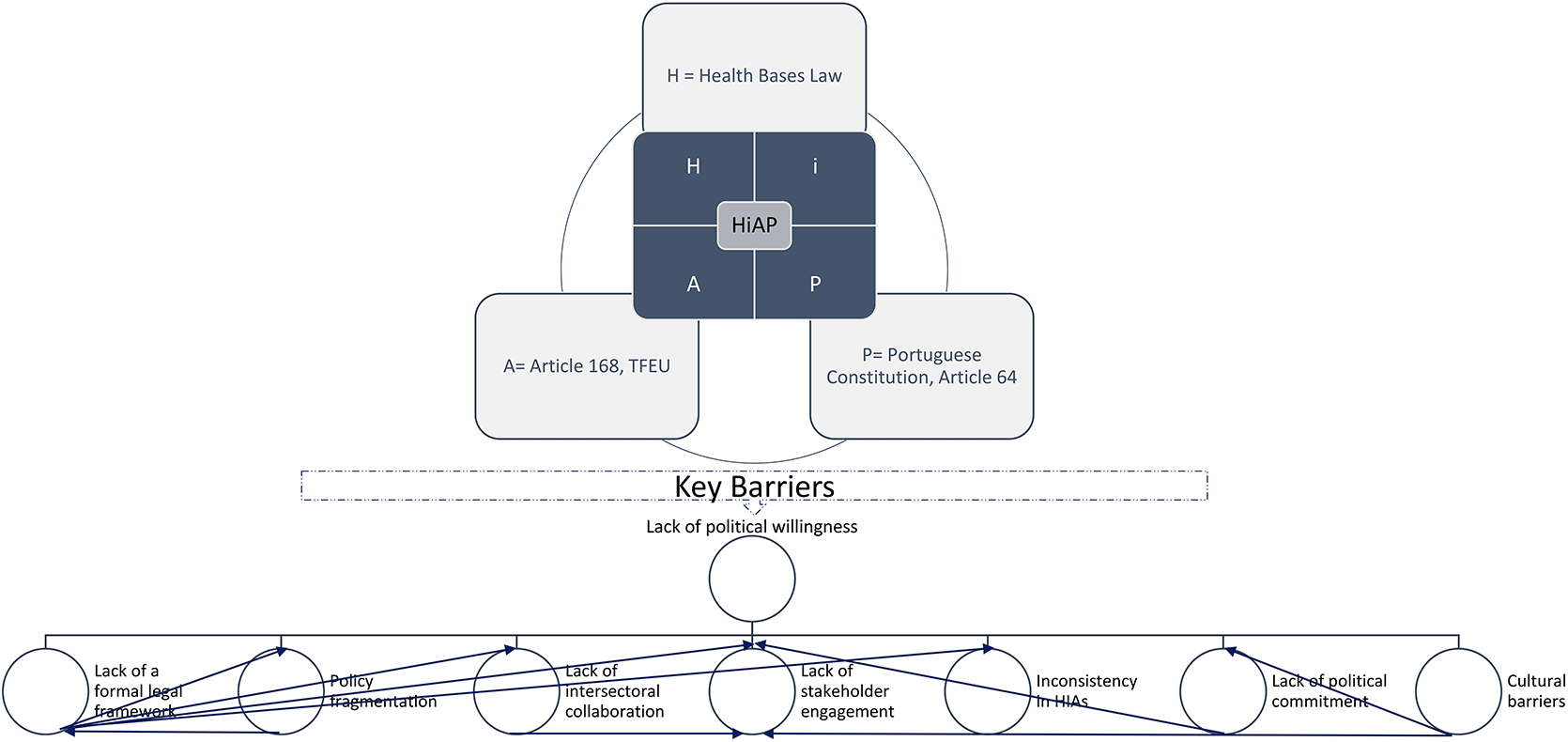
Figure 2B. Health in All Policies in Portugal, Key documents and the relation of the barriers.
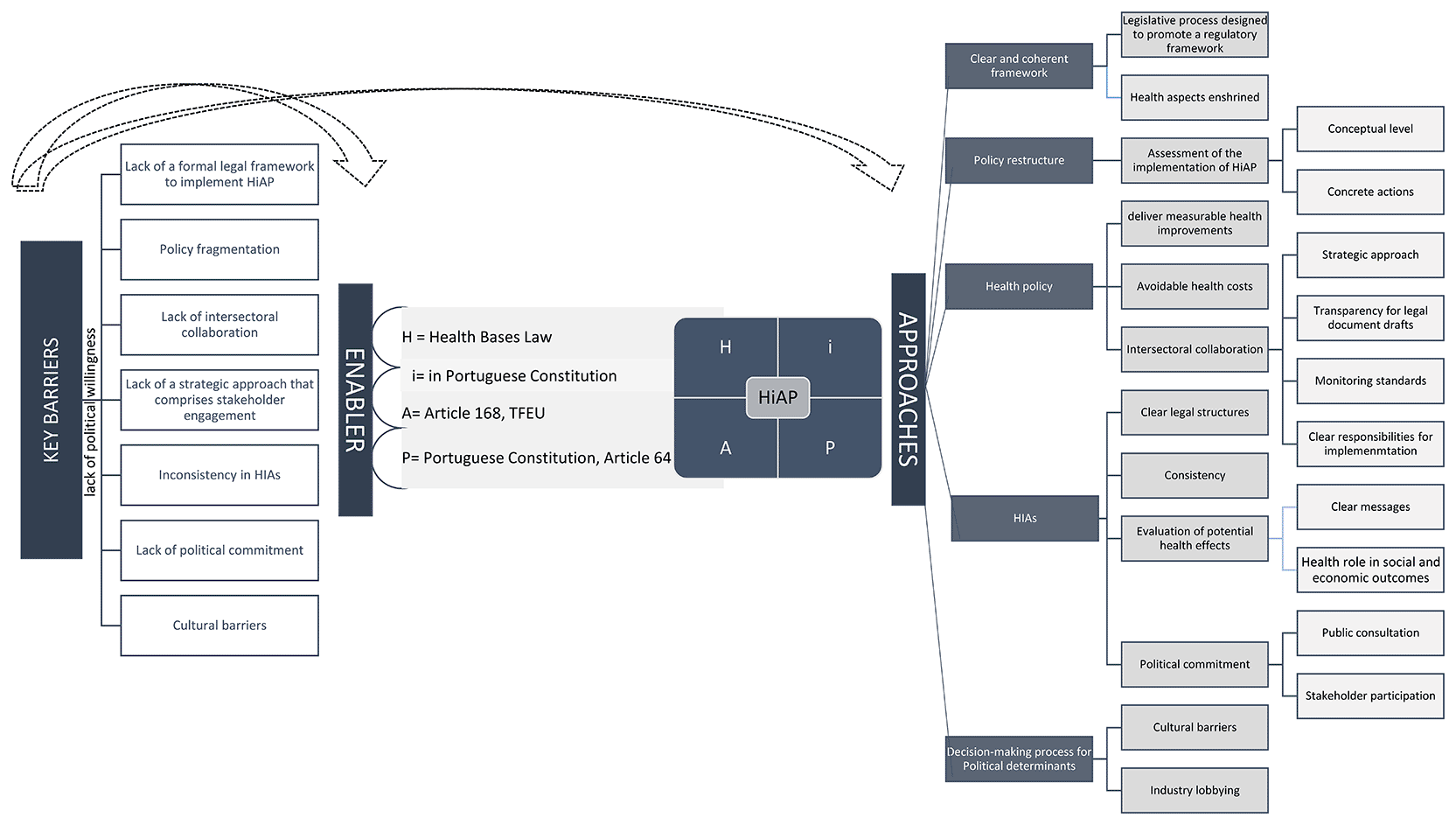
Figure 3. Health in All Policies in Portugal, Barriers, Key documents, and Approaches.
The role of normative acts for a formal framework to implement HiAP
A key barrier for HiAP in Portugal is the lack of a formal legal framework to lead and organise intersectoral health efforts. A more harmonized cross-sectoral approach is vital for effective application. Without a systematic strategy to integrate health into the legislative process, HiAP’s potential remains limited.19 According to the Portuguese Constitution, laws, decree-law and regional legislative decrees are normative acts [55]. Thus, results show that there are two essential ways of creating macro regulations in Portugal throughout the national territory, and three in the autonomous regions: Firstly, the Laws that are approved in the Assembly; secondly, the Decree-Laws that the Council approves of Ministers; and thirdly, the Regional Legislative Decrees, approved in each of the Regional Legislative Assemblies of the Azores and Madeira. These are the normative acts that can shape an ecosystem that is more or less friendly, more or less favourable and more or less oriented towards adopting health in all policies or any other sector of life in society. Hence, even though these laws can support the HiAP approach, their success depends on how health is prioritized in the individual policy areas. “Thus, in Portugal, prioritizing health across policy areas involves integrating explicit health objectives, fostering intersectoral coordination, and implementing systematic monitoring within each sector to address key health and social challenges. For example, issues such as social isolation among older adults and barriers to healthcare access,20 which are interconnected,21 can be addressed through the application of HiAP in urban planning and mobility. This may include promoting sustainable transportation (e.g. cost-free transportation for older adults to access healthcare services), ensuring accessible infrastructure (e.g., elevators and barrier-free buildings), and expanding green spaces to reduce social isolation. Collectively, these measures target the health, social, environmental, and economic determinants, with particular benefits for vulnerable populations such as older adults.20–23 Hence, for HiAP to be effective, not only a clear and coherent framework but also a strong political will is needed to ensure that health is constantly considered in all governance areas.14 Consequently, the legislative process plays a vital role in mainstreaming health into all sectors, with legislative acts usually subject to public consultations and the Assembly of the Republic and the Government responsible for their review and approval. However, despite these technical safeguards, the legal framework for HiAP faces several challenges that can affect legislative outcomes and hinder the consideration of health impacts in policy, especially for measures with significant economic or political implications.24–27 Therefore, in approving each of these processes, the focus must be laid on assessing whether they are designed to promote a regulatory framework that favours HiAP. Thus, its needed to discuss the role of political determinants in the implementation and application process of HiAP.
Political determinants and comprehensive assessment of HiAP
Political determinants have a relevant impact on health outcomes as they are part of the decision-process in which the health impacts of the options taken in each of the other public policies are accepted, rejected or not taken into account.14 These determinants include industry lobbying and cultural resistance, which influence the policy-making process and pose a risk and threat to the adoption of policies that bring a greater cost-benefit factor to society, that are more cost-effective and that minimize the costs of these policies.24–27 To address these risks, it is important to introduce a decision-making process that responds to these threats and risks and isolates them from political decision-making. To address the political determinants, it is therefore important to assess whether health aspects are enshrined in the legal framework, whether appropriate bodies for implementation exist and whether HiAP is adequately monitored and evaluated. These factors will determine the success of Portugal’s efforts to adopt a comprehensive, multi-sectoral approach to improving public health.28,29
In this regard, a comprehensive assessment of the implementation of HiAP in Portugal is crucial, taking into account two key aspects: (i) at the conceptual level, whether there is a conscious and consistent approach to mainstreaming health in all policies; and (ii) whether this approach leads to concrete actions for its implementation or whether it is constrained by political choices due to cultural barriers or sectoral interests in other public policy areas. For HiAP to be effective, it must be based on a clear legislator’s intent at the macro (legislative) level that directs government actions and public administration towards the pursuit of this goal: health-promoting outcomes. In addition, all these actions must be based on policies that are informed by scientific evidence. This requires evidence-based strategies that demonstrate both the health benefits and the long-term cost savings, ensuring that health aspects are prioritized in policy decisions. Health policies should underline their ability to deliver measurable health improvements and reduce avoidable health costs. As the resources allocated to the different public policies are always scarce, health policies must highlight the value that their options can create and the value that other policies can achieve with their options on health outcomes, making health a central priority in resource allocation.10,30 This knowledge must be shared throughout the community, which requires stakeholder engagement and intersectoral collaboration.
Intersectoral collaboration, stakeholder engagement and policy consistency
Intersectoral collaboration, which is fundamental to HiAP, is as a challenge in Portugal, as though sectors coordinate, a structured framework is lacking. Currently, policies of one sector oppose or undermine the health objectives of policies in another sector.31,32 Therefore, the wider impact of health policies on other sectors should also be considered when introducing HiAP in Portugal. The legal Portuguese framework must provide intersectoral commissions or bodies with competencies in matters constituting the social determinants of health that favour an intersectoral approach in implementing these policies. Ministries often develop policies without considering their wider health implications, which exacerbates health inequalities.31,32 As an example, the COVID-19 pandemic has further highlighted the importance of intersectoral collaboration.1,32 On the one hand, the pandemic exposed weaknesses in Portuguese health policy and underscored the need for rapid, intersectoral coordination in response to health crises. On the other hand, the pandemic strengthened the important role of policies that provide social protection, financial support, and access to community health resources. However, the lack of an overarching HiAP framework, lack of coordination between sectors resulted in fragmented policy responses and inconsistent HiAP implementation.1,33
To ensure consistent policy,
health care must consider the impact on other policy areas in its options, as a strong influence in other areas will generate great resistance among stakeholders. The entire normative model of the Portuguese legal and policy system must be oriented towards the implementation of a policy approach in health that takes into account the impact that all decisions taken in the different public policy areas can have on health. This means that the values of health must be considered in all policy areas, that mechanisms promote the consideration of health in all policies that strengthen or facilitate it, and that spaces are opened for debate that allow us to counter and mitigate the counterproductive effect of lobbying and cultural resistance. A strategic approach that includes stakeholder involvement19,34 and transparency in the drafting of legal documents could help mitigate such resistance and promote cross-sectoral health benefits.35 Therefore, drastic changes in other sectors to achieve health gains should consider a paradigm shift management process to reduce resistance from these other stakeholders. Instead, clear responsibilities for implementation and monitoring of standards must be assigned to specific bodies, and duties to monitor and evaluate the health impacts of government policies must be established. Responsibility for this evaluation and the duty of public accountability must be established.
Health impact assessments and political decision making
The legal and policy frameworks have to align with the values of HiAP to guarantee that health aspects are integrated into all government actions since a coherent approach to enabling health aspects into all government actions is crucial. This requires clear legal structures that mandate HIAs for both public and private policies likely to affect public health, as outlined in the Health Bases Law [56]. HIAs play a fundamental role in achieving the Sustainable Development Goals by supporting decision-makers to address health impacts and inequalities and ensure improvements in health.36 The Health Bases Law offers vital policy support to guarantee HiAP and unwraps a new path for the implementation of HIA at national, regional and local levels. However, in Portugal, despite several attempts to introduce HIA, the integration of HIA into public health services (e.g. Environment Impact Assessment Directive 2014/52/EU), is still lacking. In this regard, public health services could take the lead for HIA in Portugal.36
We further argue that HIAs should be consistently applied to evaluate potential health effects before policy implementation, thereby guiding decision-making toward health-promoting outcomes.37,38 A more systematic application of HIAs is essential to fully exploit the potential of HiAP to improve public health in Portugal. This requires integrating health metrics into policymaking, approving cross-sectoral HIAs, and creating clear accountability mechanisms. However, Portugal’s fragmented health data infrastructure limits the ability to track and assess the cumulative effects of policies on public health, hindering the effective implementation of HiAP. Comprehensive data systems are needed for assessing health impacts in real-time and making policy adjustments.39,40 Furthermore, it is crucial to include transparent legislative procedures, mechanisms for stakeholder participation and clearly defined responsibilities for the implementation of HIAs in all policy areas.34,36,41 Still, the effectiveness of this approach is subject to the consistent and comprehensive application of HIAs, which, as existing practice shows, can be inconsistent.41,42
Political commitment and cultural barriers
As the foundation of modern public health, HiAP focuses on integrating health aspects into all strategies to reduce health inequalities and address SDH. However, this is hampered by the lack of consistent political commitment, which is critical to HiAP’s success. This represents a significant obstacle to the effective implementation of HiAP in Portugal, as inconsistent political leadership weakens its long-term implementation. Although health equity is often considered important, changes in political leadership can shift policy priorities, leading to gaps or delays in addressing key health challenges. This underscores the necessity for stable, long-term political commitment and robust accountability mechanisms to ensure the consistent integration of health considerations across all policy areas.43–45 The question therefore is how the approval process can promote this approach and what tools it has to overcome cultural barriers and counteract interests that conflict with the achievement of health benefits. Cultural resistance from stakeholders not only complicates the implementation of health policies but also hinders the integration of HiAP.46 Disabling this resistance necessitates strong messages about the role of health in social and economic outcomes and encouraging cross-sectoral collaboration. Public consultation and stakeholder participation are essential, provided their input is meaningfully incorporated into decision-making.14,19,47
Portugal faces significant health inequalities, particularly among low-income populations, migrants and the elderly, and macroeconomic policies and socioeconomic and geographical disparities exacerbate these problems.48–52 Social and economic policies targeting low-income groups (e.g., fair wages, safe working conditions) can have a positive impact on health by addressing social determinants, although health outcomes are often secondary.5,48,53,54 Reducing health inequalities requires sustained, cross-sectoral efforts, coordination between ministries and political commitment. HiAP must be applied beyond the health sector (e.g., housing, transport and employment), which directly impact health outcomes.55,56 Because the effectiveness of such interventions may decline over time and eligibility may vary according to demographic factors5 policies should: (i) be designed with validated health outcome measures to sustain their impact, and (ii) target vulnerable populations to ensure that they address a broad socioeconomic spectrum.1,5
Steps toward health integration and HiAP in Portugal
The existing legislative framework for HiAP offers a path towards a more equitable public health system, notwithstanding political resistance and fragmented policy efforts. Portugal can move towards a system that prevents illness by combating the causes of health inequalities through public spending priorities and cross-sectoral collaboration.8,49 An example towards HiAP in Portugal is the Integrated Strategy for the Promotion of Healthy Eating, which targets sugary beverages to combat obesity and related chronic diseases, was Portugal’s first multifaceted application of HiAP.57,58 Although the effectiveness of this initiative is still being evaluated, it is considered promising. Portugal has also taken steps to integrate health into public policy, particularly through taxes on tobacco, alcohol and sugary drinks. Yet, the varying reinvestment of tax revenues in health promotion reveals the requirement for a more cohesive approach that assigns resources directly to health education and prevention.6,46,59
Thus, HiAP in Portugal has high potential to enhance public health by addressing SDH and reducing health inequalities through its legal framework.60 Nevertheless, realizing this potential needs more policy coherence, consistent political commitment to health equity, and better intersectoral collaboration.14 Although a legal basis for HiAP is recognized, gaps in policy coherence, coordination, cultural barriers, and fragmented health data sharing hamper its effective implementation in Portugal. Portugal has a public health system that only meets immediate health needs but does not address the root causes of health inequalities. As a next step, the Portuguese Government needs to: i) fortify cross-sector collaboration; ii) prioritize data integration; iii) ensure transparency in decision-making; iv) hold policymakers responsible for health outcomes; v) and implement robust accountability mechanisms.11,61–63 On the part of society, contributions to HiAP may, inter alia, include: (i) civil society advocacy (e.g., public health and patient organizations); (ii) public participation mechanisms (e.g., public consultations on draft legislation); (iii) employer and community action (e.g., community projects); and (iv) collaboration with researchers to inform health impact assessments and policy evaluations.63–66 This will create a more equitable and comprehensive public health system making the best use of HiAP’s impact.
Strengths and limitations
This legal analysis, of the case study on Portugal provides important insights into the potential of HiAP to address health inequalities in countries facing similar socioeconomic challenges. The findings could inform public health strategies in Portugal and serve as a model for other European countries to reduce health inequalities through the recommendations for HiAP. By highlighting the importance of cross-sector collaboration, the study complements the growing body of research advocating for health-oriented interventions with a focus on SDH.
Despite its strengths, the study has limitations that could delay its immediate impact: this analysis only on the legal aspects, health and equity targets across sectors are a long-term process, and the complexity of evaluating cross-sector interventions could delay the practical application of the proposed recommendations and prevent timely policy changes. Despite its important insights for future policy development, its impact on public health policy will take time to become apparent.
Conclusion
The results show that the fundamental elements of a HiAP approach are already embedded in Portugal’s legal framework: legislative structures are guided by HiAP principles, and the legislative process includes tools to develop health-related policies. Despite challenges such as policy fragmentation, cultural and political resistance, insufficient cross-sectoral collaboration and limited data integration, Portugal’s normative framework offers the potential to promote health equity through HiAP. Institutionalizing HiAP could enable Portugal to more effectively address its prevailing health inequalities. By strengthening the policy framework, improving data sharing and ensuring sustained political commitment, Portugal could align its policies with HiAP principles and set a benchmark for other European countries in tackling health inequalities.
Looking forward, the bidirectional paradigm of H4AP may advance HiAP by foregrounding reciprocal sectoral contributions and co-benefit generation. The bidirectional model seeks co-benefits by also considering how the health sector can contribute to other sectors’ goals. However, its operational efficacy warrants yet empirical assessment.




