Introduction
The transition to a thriving bioeconomy is pivotal for the European Union's ambition to achieve sustainable development and carbon neutrality. In recent years, the concept of bioeconomy has emerged as a central pillar in the EU policy discourse, aiming to harness the potential of biological resources to drive economic growth, enhance environmental sustainability, and foster rural prosperity. Simultaneously, as the EU moves to achieve its ambitious sustainability goals outlined in the European Green Deal1 and the Circular Economy Action Plan2, there is growing recognition of the need to transition from a linear to a circular model of economic production and consumption—emphasizing resource efficiency, waste reduction, and the reuse and recycling of materials. The concept of the bioeconomy, which emphasizes the regeneration and reuse of biological resources, presents a compelling vision for achieving this transition while addressing pressing environmental challenges such as climate change, biodiversity loss, and resource depletion.
Despite its promise, the EU bioeconomy remains a contested and evolving concept. Scholars have pointed out that its definition and scope are broad, encompassing multiple sectors ranging from agriculture and forestry to biotechnology and industrial bio-based production — often without a shared operational understanding across policy domains or member states3. A systematic review by Carus and Dammer (2018) analyze over 100 documents from policy, academia, and industry to illustrate the diverse interpretations of the bioeconomy and underscores the need for greater conceptual clarity to support effective policymaking. Furthermore, other studies argue that a true circular bioeconomy is yet to be realized, as bio-based industries still rely on non-renewable materials and fossil-based raw energy for processing, transportation, and energy inputs4.
A key challenge in transitioning to a sustainable bioeconomy is balancing economic development with environmental sustainability. Research by Stegmann et al. (2020) examines national and EU-level strategies, and shows that while bioeconomy strategies emphasize biomass utilization, the sustainability of feedstock production and the impact of land use changes remain critical concerns. Additionally, recent literature highlights the role of biorefineries in enhancing the circularity of bio-based industries by converting biological waste into high-value products, thereby reducing dependence on fossil-based inputs and improving resource efficiency throughout value chains5. The transition is also influenced by governance structures and market dynamics. A study by D’Amato et al. (2021) categorizes the key drivers and barriers affecting the bioeconomy’s circular transition, identifying regulatory frameworks, financial incentives, technological advancements, and stakeholder engagement as critical enablers. However, conceptual ambiguities and conflicting interests among industries, policymakers, and environmental groups present governance challenges that must be addressed to ensure an inclusive and effective transition6.
Against this backdrop, this article reviews the current state and interpretation of the EU bioeconomy and explores the challenges and opportunities associated with its circular transition. By synthesizing existing literature, policy documents, and empirical evidence, we aim to provide a comprehensive understanding of the key dimensions shaping the bioeconomy landscape in the EU and the pathways towards a future circular bioeconomy, this is especially relevant considering that the new EU Bioeconomy Strategy is currently, in 2025, under development.
Specifically, this review seeks to address the following questions:
What is the current state of the EU rural bioeconomy in terms of its structure, performance?
What are the key drivers, enablers, and barriers influencing the transition from a linear to a circular bioeconomy?
Is the current conceptual framing of the bioeconomy in the EU adequate for supporting the EU’s long term sustainability goals?
What are the policy implications and governance challenges associated with promoting a circular bioeconomy agenda in the EU?
What are the emerging trends, innovations, and best practices that offer potential solutions to accelerate the transition towards a circular bioeconomy?
Materials and methods
Conceptual framework
The bioeconomy. The concept of the bioeconomy encompasses various definitions and approaches, ranging from broad to specific interpretations. Bugge et al. (2016) describe the bioeconomy as encompassing the production of renewable biological resources and their conversion into food, feed, bio-based products, and bioenergy, framing it within three visions — the resource, biotechnology, and agro-ecological visions — each with different policy implications and sustainability assumptions3. McCormick and Kautto (2013) highlight the bioeconomy's potential to drive innovation and resource efficiency across sectors based on a comparative analysis of national strategies in Europe, where common priorities include technological development and biomass supply enhancement7, while D'Amato et al. (2017) stress the alignment of the bioeconomy with circular economy principles to enhance sustainability emphasizing the importance of systemic change and ecosystem service preservation6. Carus and Dammer (2018) further elaborate on the concept by discussing its role in closing resource loops and reducing dependency on fossil resources through the use of cascading biomass and substitution strategies4.
The European Commission (2018) frames the bioeconomy as a key aspect of its strategy for achieving sustainable development, emphasizing the integration of economic, social and environmental objectives. The European Commission defines bioeconomy as the utilization of renewable biological resources from both land and sea, including crops, forests, fish, animals and micro-organisms, to generate food, materials and energy. This framing aligns with the EU’s broader sustainability goals and reflects the interlinkages between primary production, technological innovation, and rural development. Further elaboration provided in the EU Bioeconomy Strategy expands this to encompass all systems reliant on biological resources, such as biomass, animals, plants, and organisms, along with their associated functions and principles. This includes not only land and marine ecosystems but also primary production sectors like agriculture, forestry, fisheries, and aquaculture, as well as all economic and industrial sectors utilizing biological resources to produce food, feed, biobased products, energy and services8.
Based on this definition, the bioeconomy can be conceptually divided into five main themes, in line with the EU Bioeconomy Strategy:
Food and agriculture systems, which cover the entire value chains involved in farming and the production of food and biological feedstocks across the EU's 10.5 million farms.
Forestry and natural habitats systems, which serve as sources of environmental public goods, raw materials and services, encompassing the management and utilization of the EU's 182 million hectares of forests.
Water systems, which include all aquatic environments and related economic activities such as fisheries, aquaculture, and aquatic biomass production.
Bioenergy, referring to energy derived from organic sources that represents the largest renewable energy source in the EU, accounting for 12% of total energy demand.
Biomaterials and bio-based products, which are produced from renewable biological feedstocks and include both conventional products like timber and textiles, as well as advanced products like bioplastics and pharmaceuticals produced in biorefineries9.
Data sources, search strategy and selection process
The process of selecting studies involved several meticulous steps. Initially, direct consultations were held with bioeconomy experts from: research organizations, associations and extension services, industry SMEs, innovation brokers and NGOs to identify key bioeconomy topics relevant for our review as well as initial data. This approach was chosen since the bioeconomy as a concept is relatively new yet broad, and as such the inputs of a diversity of experts helped us identify key bioeconomy topics. Research organizations that were included in this process were: the Centre for Research and Technology Hellas (CERTH), the Institut fur ZukunftsEnergie Stoffstromsysteme (IZES), the University of Aarhus (AU), the Institute for Soil Science & Plant Production (IUNG), Vytauto Didziojo Universitetas (VDU), Latvijas Lauksaimniecibas Universitate (LLU), University of Coimbra (UC), and University of Ljubliana (UL). Relevant associations/extension services included: DELPHY, AVEBIOM, Centro da Biomassa para a Energia (CBE), Associazione Italiana Energie Agroforestali (AIEL), Asociata Green Energy (GEA). Industry SMEs included NaturePlast (NP) and AlgEn (ALGEN). Innovation borkers and NGOs included: Valorial, Green Growth Platform (GGP), Food Scale Hub (FSH) and incommon (ICO).
Afterwards, potentially relevant studies were pinpointed by conducting keyword searches on SCOPUS and Google Scholar (see Figure 1 for the trendline). Keywords used in these searches included ‘bioeconomy’, ‘circular bioeconomy’, ‘biomass flows’, ‘biobased value chains’, bioeconomy policy’, ‘biorefining’ and ‘bioeconomy learning’ as well as specific keyword searches related to each of the 5 main bioeconomy themes summarized in the conceptual framework.
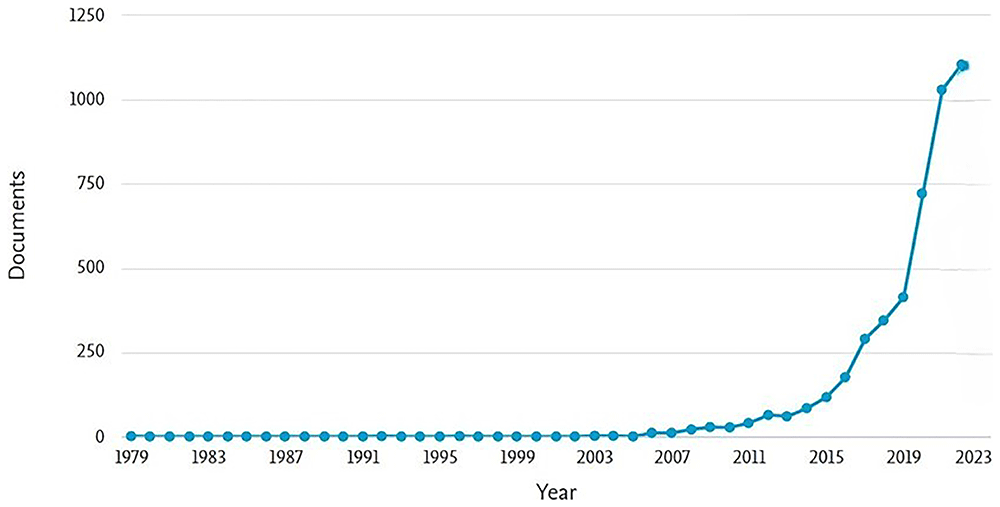
Figure 1. Scopus view of related bioeconomy keywords publications by year (Intext Cite).
Identified studies and papers were screened and evaluated based firstly on relevance and reliability, particularly focusing on journal articles sourced from reputable publications and peer-reviewed journals. These selected studies were chosen due to their focus on the bioeconomy and one or more of the identified themes. Information from these studies was systematically extracted, organized, and categorized based on various aspects relevant to the bioeconomy themes.
Limitations
As the bioeconomy, and in particular the circular bioeconomy, is a relatively new concept there are relatively few publications that focus specifically on this theme. This scarcity of dedicated research can limit the availability of comprehensive data and robust analytical frameworks. Additionally, the lack of established literature can make it challenging to assess the effectiveness of bioeconomic initiatives and to identify best practices, further complicating efforts to advance the field in a coherent and evidence-based manner. The importance of this limitation is likely to diminish in the medium term, as scientific research on the bioeconomy concept and its boundaries becomes more clearly defined as is currently occurring at a relatively rapid pace.
Current status of the EU bioeconomy
Key figures: employment and value added
Through the Bioeconomy Monitoring System (BMS-Jobs&Growth dataset) the JRC provides a number of key updated economic indicators with sectoral bio-based shares. Based on this latest data, around 17.42 million people are employed in the EU Bioeconomy, representing around 9% of the entire EU workforce. As depicted in Figure 2 around 50% of them are employed in agriculture, 26.4% in food, beverage and tobacco production, 7.6% in wood products and furniture, 4.5% in bio-based textiles, 3.6% in paper production, 3% in forestry, 2.7% in biobased chemicals, plastics and rubber, 0.9% in fishing and aquaculture, 0.1% in bio-based electricity and 0.1% in liquid biofuels (Figure 2)10.
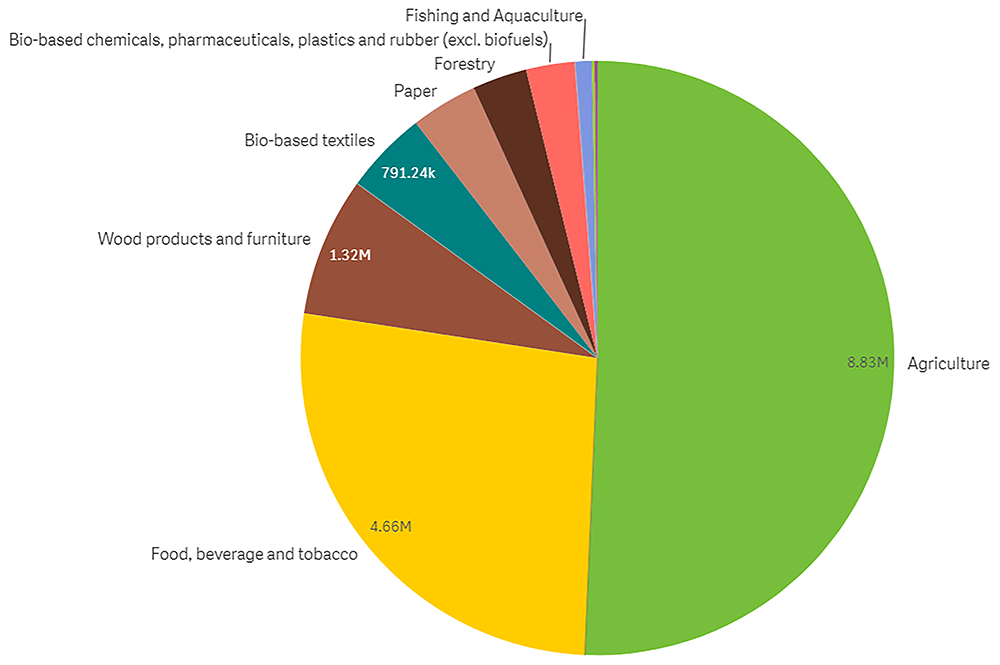
Figure 2. Employment by bioeconomy sector in EU27 (2019) (number of people employed)10 (Intext).
The number of people employed in the bioeconomy sector as a whole has been steadily decreasing from 20.15 million people in 2008 to 17.42 in 2019 (see Figure 3). The largest decreases are observed in the agricultural and textile sectors. By contrast, large increases are observed, starting from a low base, in biobased electricity and biofuels sectors, and to a lesser extent in the biobased-chemicals sector (see Figure 4). On the one hand, overall employment is decreasing while the overall value of the bioeconomy is increasing10. The decrease in employment can be attributed to a number of trends; there is a notable decline in the agricultural sector which is driven by demographic changes and a consolidation of farm holdings. On the other hand, large increases in employment are observed in the bioenergy sector and the biomaterials and bioindustry sectors11. These trends are expected to continue as the transition towards a more circular European economy is heavily dependent on the replacement of fossil energy and fossil-based products12.
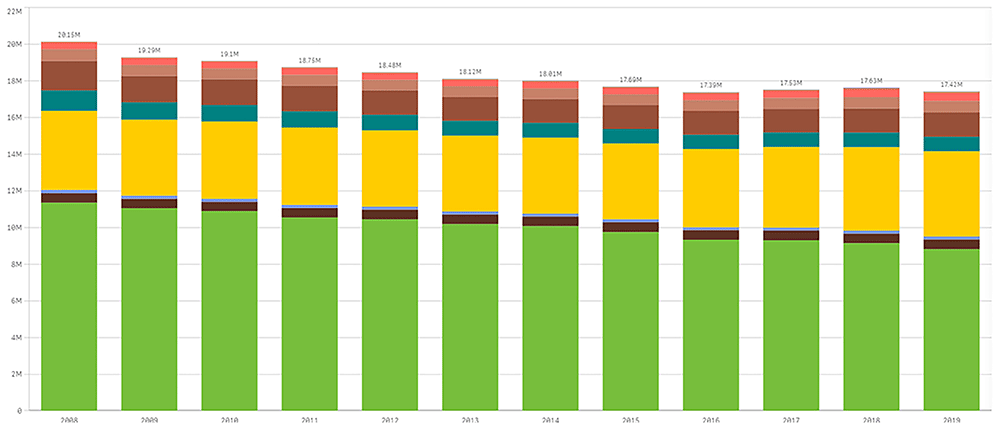
Figure 3. Development of the number of people employed in selected sectors (EU27, 2008–2019)10 (Intext Cite).
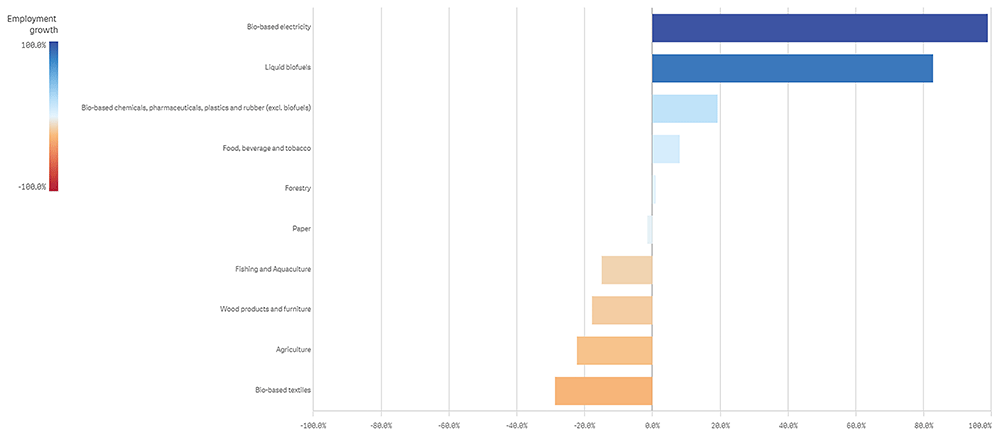
Figure 4. Changes in employment per sector between 2008 and 2019 in EU 2710 (Intext Cite).
The entire EU Bioeconomy has an annual turnover of around €2.2 trillion with an added value of €657 billion. The food, beverage and tobacco sector accounts for 36.2%, followed by agriculture at 29.4%, biobased chemicals, plastics and rubber at 9.8%, wood products and furniture at 7.6%, paper at 7.3%, bio-based textiles at 3.9%, forestry at 3.8%, fishing and aquaculture at 0.9%, bio-based electricity at 0.8% and liquid biofuels at 0.5%10 (see Figure 5).
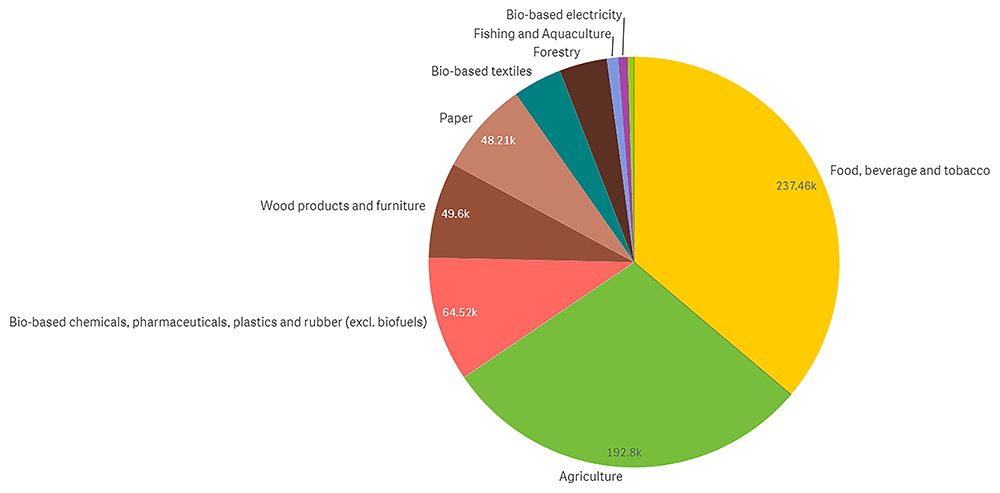
Figure 5. Value added by sector in EU27 (2019) (million €)10 (Intext Cite).
In contrast to the trends in employment, all sectors have experienced gains in the total value added by the bioeconomy, increasing from 515 billion euros in 2008 to 657 billion euros in 2018 (see Figure 6). In particular, the liquid biofuels and biobased electricity sectors have seen rapid growth of over 100%. This contrast between a decrease in employment and an increase in value added suggests considerable improvements in productivity in the bioeconomy in recent years10.
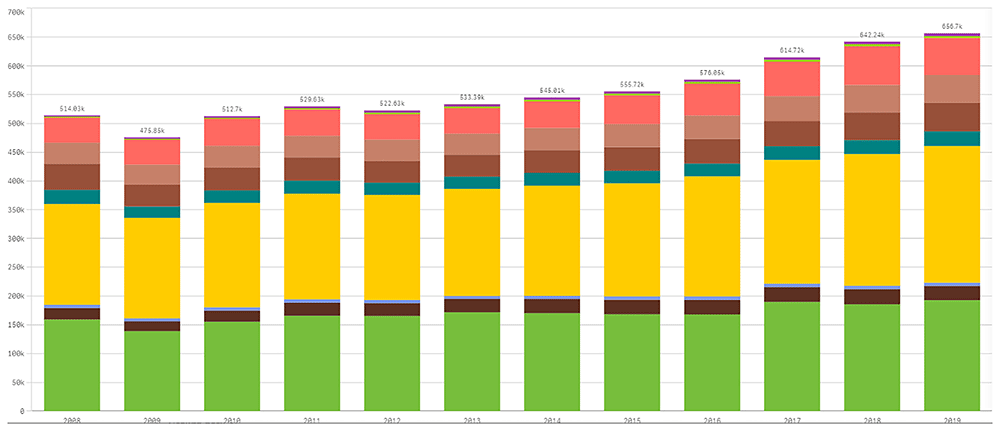
Figure 6. Development of value added in the bioeconomy (EU27, 2008-2019) (million €)10 (Intext Cite).
Biomass flows
There are a variety of bioeconomy-related publications relevant to the current state of the bioeconomy. The JRC has developed a Sankey Biomass tool that collects data from a wide variety of sources and depicts biomass flows according to bioeconomy sector from supply (e.g., agriculture, forestry, fisheries) to end uses (e.g., food, materials, energy), helping policymakers identify resource efficiency bottlenecks and sectoral dependencies13. Other studies take a different analytical approach. For example, Hamelin et al. (2019) investigate the residual biomass potential in the EU, finding that around 8500 PJ y−1 residual biomass is available, equivalent to the combined primary energy consumption of Italy and Belgium, with implications for energy substitution and rural development14. Popp et al. (2021) investigate biomass supply and demand in the EU, highlighting the complex interrelations between the demand of biobased products and land use and also advocating for a transformation towards the production of biobased chemicals. Their study uses scenario modelling to explore future trends and advocates for a systemic shift towards the production of bio-based chemicals, emphasizing the need to prioritize high-value applications for limited biomass resources15. This highlights the complexity of dealing with biobased value chains and encompassing them under one term. In addition, Antar et al. (2021) provide a global overview of biomass production and utilization, offering comparative insights into regional biomass flows and resource efficiency trends across continents16.
Figure 7 and Figure 8 present an overview of biomass flows in the EU as prepared by the JRC. Overall, the total production of biomass in the EU consists of around 1.1 billion tons of dry matter annually. These biomass flows illustrate that the bioeconomy in terms of volume is dependent primarily on the agricultural sector for feedstock supply and to a lesser extent on the forestry sector. It also illustrates that food and feed are the main processing and consumption uses of this biomass, accounting for over 50% of all flows by volume. Other sectors, such as aquatic feedstock supply, are relatively minor. The production of biomaterials and biomass for bioenergy are less but still considerable, and have shown rapid growth in recent years, accounting for around 13% and 20% respectively17.
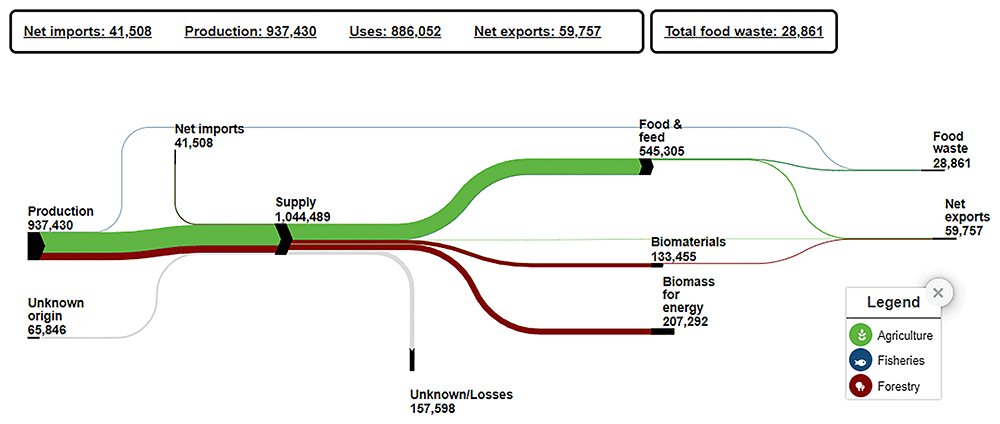
Figure 7. Simplified biomass flows EU17 (Intext cite).
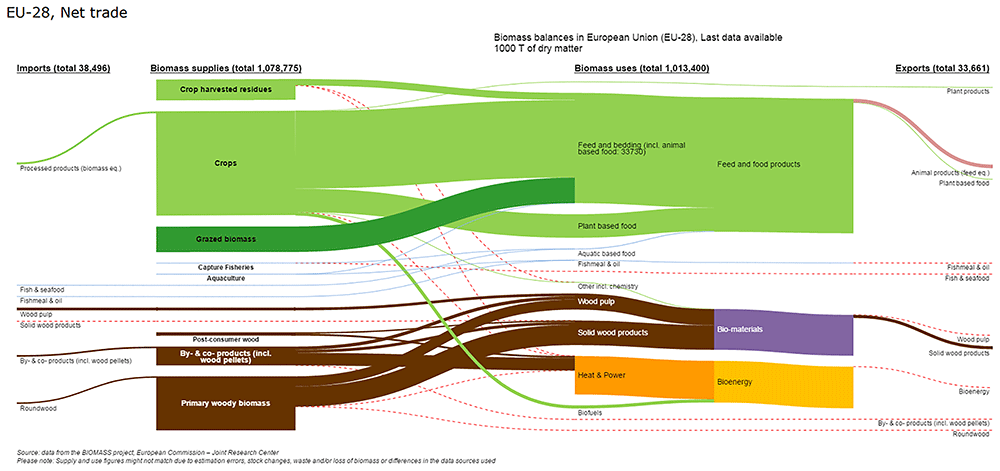
Figure 8. Detailed biomass flows EU (JRC) (Intext cite).
These biomass flows illustrate the largely linear nature of biomass flows within the bioeconomy. Biomass is extracted from primary sources—crops, grazed biomass, fisheries, and forestry—before being processed into feed, food, bio-based materials, and energy. While some post-consumer wood and by-products such as wood pellets are reintegrated into certain value chains, the overall depiction lacks a systemic circular dimension. Notably absent are explicit pathways for the reintegration of organic waste, residue valorization, or closed-loop recycling mechanisms that could enhance resource efficiency.
This visualization underscores a key challenge for the EU bioeconomy: its integration within predominantly linear production and consumption systems. Without a structured approach to closing biomass loops—such as increasing recycling, reusing biomass waste, and optimizing cascading uses—the bioeconomy risks perpetuating resource depletion rather than fostering sustainability.
The continued update and effective dissemination of these flows, across all main primary and secondary sectors, is crucial for our understanding of the development of bioeconomy. It is clear that current biomass flows are dominated by agricultural production for supply and food and feed for use/consumption. It is unlikely that the importance of the food and agricultural sector will diminish, but it is clear that for a sustainable transition and in order to achieve EU climate goals, both supply and use in other sectors that replace fossil fuels and fossil-based products will need to expand rapidly.
Bioeconomy policy
The first EU Bioeconomy Strategy was launched in 2012, “Innovating for sustainable growth – A bioeconomy for Europe”18, with a main goal to accelerate the deployment of a sustainable bioeconomy and to transform the EU’s approach to the production, consumption, processing, storage, recycling, and disposal of biological resources. The latest EU Bioeconomy Strategy was updated in 2018, and in 2022 the European Commission released a progress report assessing advancements in implementation and identifying areas for further development8.
The EU Bioeconomy Strategy is aligned with several key EU policies. It aligns with the European Green Deal1, which aims to make Europe the first climate-neutral continent by 2050, by promoting the use of renewable biological resources to replace fossil fuels and reduce greenhouse gas emissions. The Strategy also supports the Circular Economy Action Plan by advocating for the efficient use and recycling of biological materials, thus minimizing waste and fostering resource efficiency2. Furthermore, it complements the Common Agricultural Policy (CAP) by encouraging sustainable agricultural practices and the development of rural areas through bio-based innovations. Additionally, the Strategy underpins the EU's Research and Innovation policy, particularly through Horizon Europe, by funding research initiatives that drive advancements in bioeconomy sectors. By integrating these frameworks, the EU Bioeconomy Strategy aims to create a resilient and sustainable bio-based economy that harmonizes economic development with environmental and social objectives.
Bioeconomy policies generally take a cross-sectoral perspective to improve policy coherence, identify and resolve trade-offs like land and biomass demand. These policies are designed around 3 sustainability dimensions. According to the latest EU Bioeconomy Strategy Progress Report8 there are actions on track to enhance the main objectives of the Bioeconomy Strategy. Increasing number of national and regional bioeconomy strategies promote cross-sectoral cooperation and sustainability principles and invest in bioeconomy innovations. The EU Bioeconomy Strategy enables a green transition covering all the 3 dimensions of sustainability (environment, society, economy).
The updated Bioeconomy Strategy builds upon and stresses the continued importance of the goals of the 2012 Bioeconomy Strategy to: ensure food and nutrition security; manage natural resources sustainably; reduce dependence on non-renewable, unsustainable resources; limit and adapt to climate change; strengthen European competitiveness and create jobs. The associated bioeconomy action plan outlines 14 actions to accelerate the development of the EU Bioeconomy, including:
Strengthen and scale up the biobased sectors, unlock investments and markets.
Mobilize stakeholders in developing and deploying sustainable biobased solutions.
Launch a €100 million circular bioeconomy thematic investment platform.
Analyze enablers and bottlenecks for the deployment of biobased innovations.
Promote and develop standards.
Facilitate the deployment of new sustainable biorefineries.
Develop substitutes to fossil-based materials that are biobased, recyclable and marine biodegradable.
Deploy local bioeconomies rapidly across the whole of Europe.
Launch a strategic deployment agenda for sustainable food and farming systems, forestry and biobased products.
Launch pilot actions for the deployment of bioeconomies in rural, coastal and urban areas.
Support regions and EU countries to develop bioeconomy strategies.
Promote education, training and skills across the bioeconomy.
Understand the ecological boundaries of bioeconomy.
Enhance knowledge on biodiversity and ecosystems.
Monitor progress towards a sustainable bioeconomy.
Promote good practices to operate the bioeconomy within safe ecological limits.
Enhance the benefits of biodiversity in primary production19.
The 2022 EU Bioeconomy Strategy Progress Report highlights a number of key important trends in the development of the EU Bioeconomy. These include that national bioeconomy strategies are developing across Europe, the main use of biomass continues to be for food and feed while biomass sourced from wood is increasingly utilized, important innovations are happening across the EU bioeconomy, in particular in food and bio-based industries, that research and innovation results have shown considerable promise and should continue to be strengthened8.
One of the main actions highlighted in the 2018 updated strategy was the necessity to develop detailed national policies, enabling countries and regions to design transition pathways according to their specific challenges and opportunities, benefiting a non-prescriptive, integrated and systemic framework supporting the development of strong societies, a resilient environment and sustainable economy8.
Currently, multiple EU members have already developed multiple strategies, while others have strategies under development. Finland, France, Italy, Poland, Spain and Sweden have developed an intense, regional strategic actions to deploy the bioeconomy. Additionally, there are 15 countries having at least one region with a bioeconomy relevant strategy at regional level (Austria, Belgium, Croatia, Czechia, Denmark, Germany, Greece, Hungary, Ireland, Latvia, Lithuania, Netherlands, Portugal, Romania and Slovakia). In these countries, the number of regional strategies vary between 1 and 17. A few member states have yet to develop their national strategies (Bulgaria, Cyprus, Estonia, Luxemburg, Malta, Slovenia). As suggested by Aguilar et al., (2012), the development of bioeconomy requires a combination of actions from the EU, but also on a national level. It is important to note that the impact of sustainability in bioeconomy should not only refer to a shift from fossil resources to renewable ones, but also to the widespread development and use of sustainable renewable biological resources20. In recent years, there is a clear, increasing focus in a wide range of national and European actions/strategies for the development of the bioeconomy. Associated with this, there is a clear need for considerable research and indicators to measure the development of the bioeconomy20.
Figure 9 illustrates the member states according to the status of their strategies. Some countries have already developed dedicated strategies, others are under development, while some countries have other strategies related to the bioeconomy. Austria, Germany, Denmark, Latvia, Netherlands, France, Portugal, Spain, Finland, Ireland and Italy are some of the member states that have a developed strategy for bioeconomy, having updated it recently. In addition, some others, like Greece, have national strategies for energy, climate and agriculture referring to the bioeconomy.
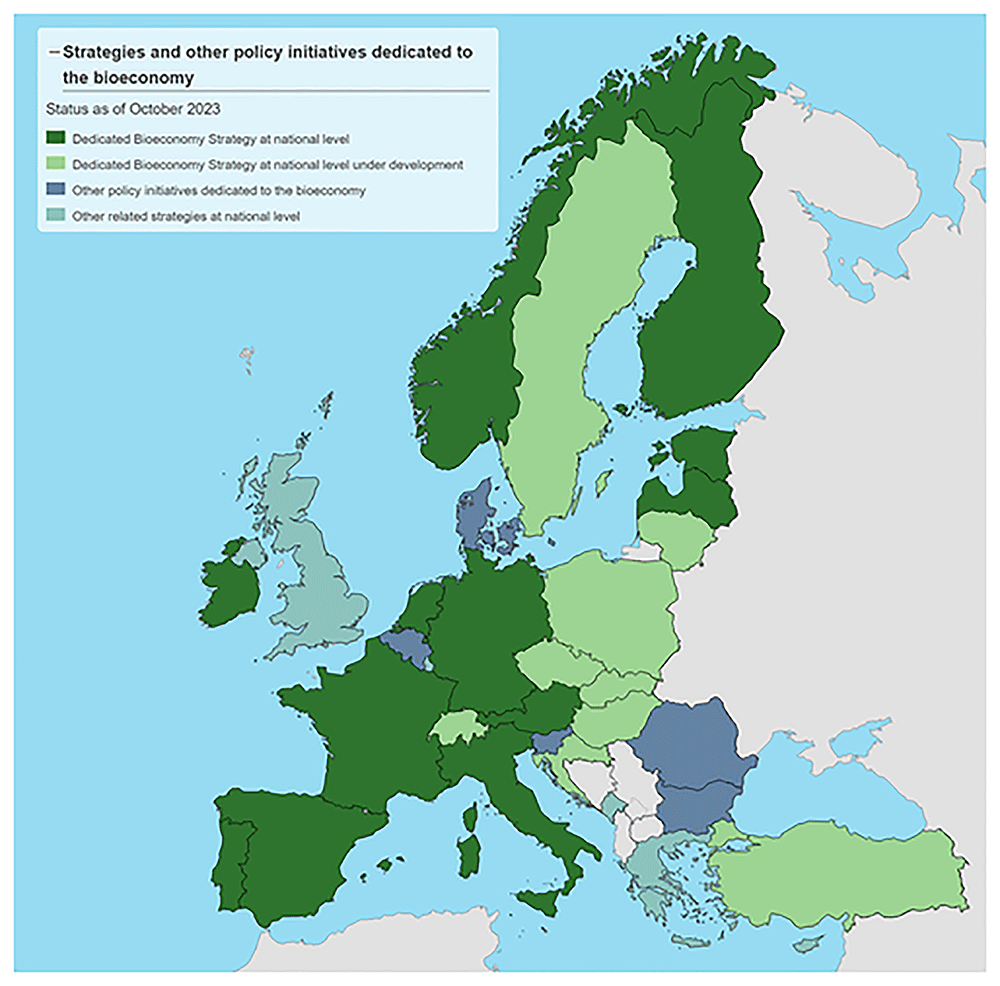
Figure 9. Map detailing national strategies and other policy initiatives dedicated to the bioeconomy26 (Intext Cite).
The state of the linear EU bioeconomy
Despite the European Union's ambitious goals and multiple policy initiatives for transitioning to a ‘sustainable’ bioeconomy, the current state of its bioeconomy remains predominantly linear and heavily reliant on traditional, linear production practices and non-renewable resources. This is apparent across sectors with the majority of industrial processes, agricultural systems, and waste management practices following a take-make-dispose model21. There are a number of key statistics and observations that illustrate this. The agricultural sector, for instance, remains dependent on linear methods, with an emphasis on high-yield monoculture and extensive use of chemical inputs22,23. Simultaneously, in 2020, the EU's total consumption of fertilizers (nitrogen, phosphate and potash) was approximately 11.3 million tonnes, while around 25% of the EU's land is affected by soil erosion due to intensive agricultural practices, which leads to significant loss of soil fertility and impacts on biodiversity. Subsidies are still provided for traditional agriculture with significant portions directed towards conventional agricultural practices rather than sustainable or circular farming.
Similarly, much of the EU's biobased industry still operates in a linear manner. For instance, a substantial portion of biobased products are produced using fossil energy and linearly produced feedstocks and end up in landfills or are incinerated rather than being recycled or repurposed. This is compounded by the fact that the recycling rate of biobased materials remains low, with substantial reliance on virgin biomass rather than recycled inputs24.
Moreover, only about 11.5% of the materials utilized in the EU economy are sourced from recycled products and recovered materials25. This low level of material circularity highlights the need for better infrastructure and market mechanisms to support the recycling and reuse of biobased products. The current linear approach not only leads to resource depletion but also undermines environmental sustainability efforts, emphasizing the critical need for policies that promote a more circular use of biobased resources. Similarly, the waste management sector in the EU has made strides towards improving recycling rates, yet it remains predominantly linear. According to European Environment Agency, in 2001 around 49% of municipal waste is being recycled, while the remainder was either incinerated or landfilled27.
The transition to a circular bioeconomy
The circular bioeconomy
For the EU to reach its medium and long-term goals outlined in its flagship policies, including the Green Deal and the Circular Economy Action Plan it is clear that a transformation of the EU economy, including the bioeconomy, is required and that the development of a large circular bioeconomy can play a pivotal role both in relation to the supply of renewable feedstocks for the wider circular economy, and also as a source of circular biobased products through biobased industries and biorefineries. Figure 10 illustrates this dynamic whereby the food and agriculture, water and forestry sectors are largely sources of feedstock into the wider circular economy but also into biobased industries and services, which in turn also feed the wider circular economy.
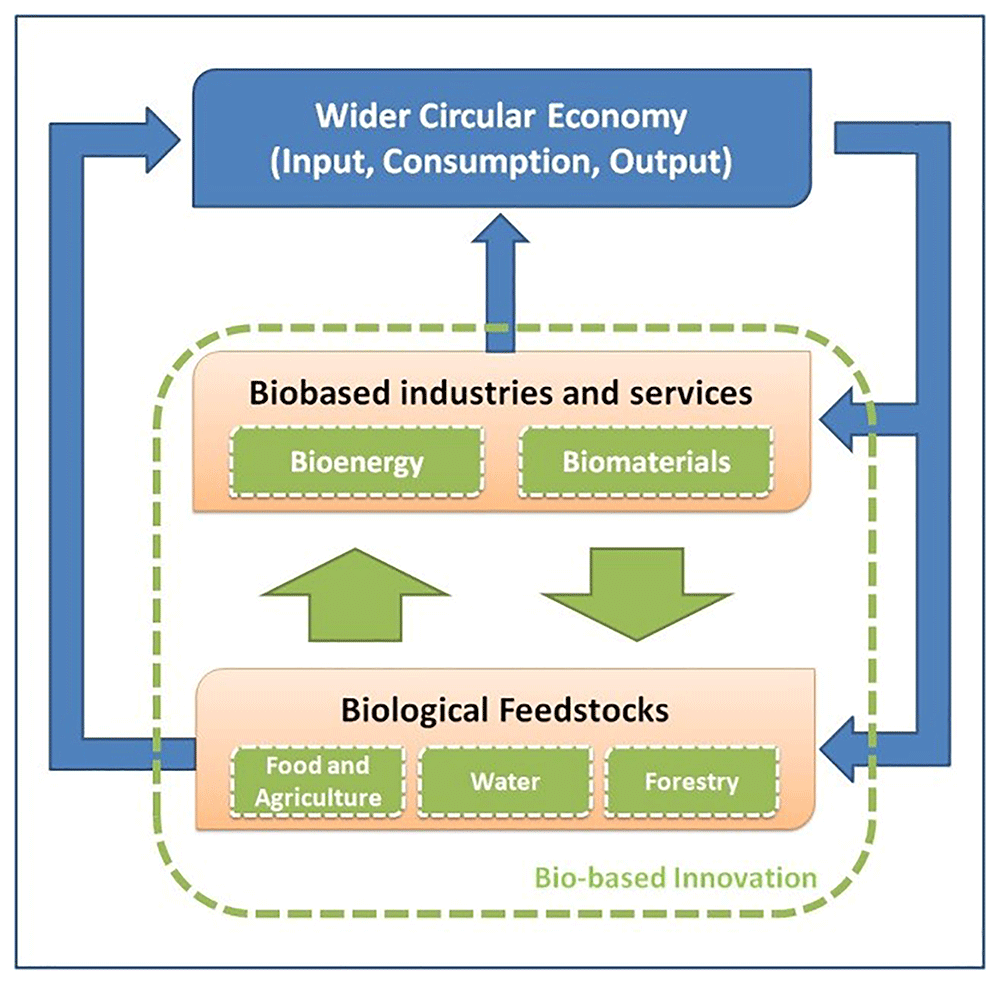
Figure 10. Conceptual diagram of a thematic circular Bioeconomy production system.
Source: Authors (Intext Cite).
The concept of a circular bioeconomy merges the principles of the bioeconomy with those of the circular economy, aiming to create a sustainable economic model that minimizes waste and optimizes the use of biological resources. As global environmental challenges intensify, including biodiversity loss, climate change, and resource depletion, the need for a systemic approach that integrates these two paradigms becomes increasingly evident.
Different approaches exist regarding the definition and scope of the circular bioeconomy. According to D'Amato et al. (2017), a circular bioeconomy focuses on closing resource loops through innovative biotechnologies and biorefineries, ensuring that biological resources are re-used, recycled, and regenerated6. Meanwhile, the European Commission (2018) emphasizes the need for an inclusive bioeconomy that fosters sustainable growth, integrating circular economy strategies to enhance resource efficiency and reduce environmental impact19. These perspectives highlight the complementarities between the bioeconomy and circular economy, demonstrating that their convergence is not only logical but necessary for a sustainable future.
Combining these definitions, this article understands the circular bioeconomy to be an economic system that integrates the principles of the circular economy with the sustainable use of biological resources. It aims to create a closed-loop system where biological materials are reused, recycled, and restored to maintain their value for as long as possible, minimizing waste and environmental impact while also supporting the regeneration of natural systems. This approach prioritizes the efficient use of renewable biological resources, such as agricultural, forest, and marine products, as well as residual biomass, to produce food, materials, and energy while ensuring environmental sustainability, economic viability, and social equity.
In this sense the bioeconomy and circular economy are naturally complementary due to their shared emphasis on sustainability, resource efficiency, and system-wide resilience. The bioeconomy, rooted in the use of biological resources, seeks to transition economies away from fossil-based inputs towards renewable and bio-based alternatives. However, without circular economy principles, there is a risk that the bioeconomy continues to follow a linear model, where resources are extracted, used, and discarded. By embedding circularity into the bioeconomy, it ensures that biological resources are continuously cycled through the economy, maximizing their utility and minimizing ecological degradation.
Several key characteristics define a successful circular bioeconomy:
1. Sustainable Resource and Feedstock Management – Ensuring the responsible sourcing of biological inputs while maintaining ecosystem health and biodiversity.
2. Closed-Loop Systems – Designing processes and products to enable the continuous circulation of materials within the economy.
3. Waste Reduction – Minimizing byproducts and repurposing residual biomass for additional applications.
4. Value Retention – Extending the lifecycle of products through reuse, recycling, refurbishment, and innovative bio-based materials.
5. Interdisciplinary Innovation – Leveraging advances in biotechnology, materials science, and industrial symbiosis to develop sustainable bio-based solutions.
5. Policy Integration and Coherence – Aligning regulatory frameworks to support cross-sectoral collaboration and long-term sustainability goals5,6,28,29.
The synergy between the bioeconomy and circular economy is not only conceptual but also practical, as seen in the development of bio-based circular solutions across multiple sectors. From bio-based plastics designed for compostability to regenerative agriculture that enhances soil health, these initiatives exemplify how circularity strengthens the sustainability of biological resource use.
Conceptually, moving towards a circular bioeconomy is essential for the European Union to achieve its sustainability objectives, particularly under the European Green Deal. The Green Deal sets ambitious targets for climate neutrality by 2050. Approaching bioeconomy policy through a ‘circular’ perspective would actively support the attainment of the green deal by supporting large scale interventions that support linear to circular transitions across the bioeconomy. Recognizing these interdependencies, the rest of this article discusses key topics related to the development of a circular bioeconomy framework.
Sustainable feedstock supply
In the transition to a circular bioeconomy, ensuring a sustainable feedstock supply is crucial as it underpins the entire system's viability and environmental integrity. Sustainable feedstock, derived from renewable biological resources, such as agricultural production and residues, forestry by-products and marine biomass, minimizes ecological footprints by reducing dependency on finite resources and mitigating adverse effects like deforestation, soil degradation and biodiversity loss.
In this sense, there are important considerations around the availability of sufficient biomass supply. On the one hand, feedstocks that do not compete with land for food and feed need to continue to be developed. Multiple studies have shown, for instance, that perennial biomass crops (PBC) are a crucial feedstock for the development of biomass supply that is not in competition for land used for food production30. PBC in the EU have significant growth potential due to their sustainability and high yields on marginal lands. As of recent data, less than 50,000 hectares are currently cultivated with PBCs in the EU, but this area is expected to grow. These crops, including species like miscanthus, switchgrass and short rotation coppice (SRC) trees, offer advantages such as lower input requirements and higher biomass yields compared to traditional crops. The EU is focusing on utilizing freed-up surplus land for these crops, which can potentially cover 7 to 48 million hectares by 2030, enhancing biomass availability and contributing to renewable energy targets31. Other sources, such as algal feedstocks, have been shown to also have considerable potential32. It is important to note that in many cases these crops are still seen as a bioenergy feedstock while they are shown to be increasingly relevant, taking into account the cascading use of biomass, for advanced biorefinery applications as well as for other biobased value chains33.
On the other hand, biomass supply can be improved by increases in the efficiency of biomass production but also in the reuse of bio-waste into productive sectors. Improvements in productive efficiency output for biomass grown on land currently under production is a complex issue with important environmental considerations. In the past, considerable production efficiency improvements have been achieved through the increased application of synthetic fertilisers and pesticides in combination with fossil energy. It is now well documented that increased production efficiencies will need to be combined with decreases in synthetic agrochemicals (fertiliser and pesticides) use as well as in fossil fuels22 and that this will require a transformation of the production of EU biomass supply. Alternative approaches that can support such a transition include practices based on conservation agriculture, precision agriculture or agroforestry34.
The 2021 EU Forest Strategy for 2030 highlights the importance of supporting the socio-economic functions of forests, while enhancing the forest-based bioeconomy within sustainable boundaries. Key to this is the development of sustainable raw wood biomass supply, the sustainable use of wood products, in particular for bioenergy, promoting the non-wood bioeconomy and services for instance through eco-tourism, whilst simultaneously protecting, restoring and enlarging EU forests, ensuring climate resilience and biodiversity35.
The EU is often considered as a leader in the recovery and reuse of biowaste. Despite this and many policy efforts, considerable amounts of bio-waste are not utilised or are under-utilised. Numerous studies have indicated that the effective use of this bio-waste could provide large amounts of sustainable feedstocks for the wider EU bioeconomy36. The total potential capture of biowaste per person per year in the EU is 222kg, while currently only 77kg is collected37. The development of effective value chains that collect and process this waste into functional raw materials is especially important for certain agricultural wastes and urban-bio waste. As large amounts of biowaste from urban areas are currently landfilled in the EU, the development of effective biowaste optimisation processes is required37. For instance, Fava et al. (2015) highlight that there are many opportunities for integrating biowaste feedstocks into biorefineries38.
Biobased industries, biorefineries and biobased value chains
Biobased industries, industries that utilize biomass as feedstock in their production, is seen as an important part of ensuring the development of renewable value chains and the wider circular economy. The JRC has developed a database and a corresponding visualization platform that together provide information on 2,362 facilities utilizing biomass in product manufacturing. This compilation features a diverse array of factories, ranging from cutting-edge, newly established biorefineries that incorporate the latest circular economy principles to long-standing, traditional facilities that have been producing goods from biomass for decades, such as timber, paper, and starch facilities39. A well established initiative to facilitate the transition of biobased industries to more circular business models is the bio-based industries joint undertaking as a public-private partnership. If the EU wants to increase the pace of biobased industries evolvement into more circular practices, such initiatives should be facilitated and enhanced in an EU and member state level40.
The development of more advanced biorefineries is crucial for the transition to a circular bioeconomy as they play a central role in converting biomass into a spectrum of valuable products, ranging from biofuels and biochemicals to bioplastics and bio-based materials. By processing various types of biological feedstocks, including agricultural residues, forestry by-products and organic waste, biorefineries maximize resource efficiency and reduce reliance on fossil-based resources. In the EU, the importance of biorefineries is underscored by their growing number and diversity. The EU currently has over 800 biorefineries, with a significant concentration in countries like Germany, France and the Netherlands. These facilities vary in scale and technology, ranging from advanced biorefineries utilizing lignocellulosic biomass to smaller, specialized plants producing high value biochemicals41.
It is important to note that the development of biorefineries can drive innovation and economic growth by supporting the development of new technologies and industries. They offer significant potential for rural development and job creation, particularly in regions abundant in biomass resources42. The EU has seen a steady increase in the number of advanced biorefineries, which are capable of processing multiple feedstocks and producing a variety of high value products39.
Key challenges to the development of circular biobased value chains. There are several key challenges that need to be overcome to assist the future growth of circular biobased value chains. In addition to the feedstock supply mentioned in the previous section, there are important considerations around logistics and infrastructure. Efficient collection, transportation and storage of biomass present some of the logistical challenges, as transporting biomass over long distances can be inefficient and environmentally damaging, highlighting the need for localized supply chains43.
While significant progress has been made, many bioconversion technologies are still in the research and development or early commercialization stages. Scaling up these technologies to industrial levels, while maintaining cost-effectiveness and efficiency, is a major hurdle. Second-generation biofuels, which use non-food biomass, are still not widely commercialized due to high production costs and technical challenges44.
Integrating biorefineries into existing industrial and supply chain systems requires overcoming technical, economic and regulatory challenges. Retrofitting existing facilities and aligning them with new biobased processes can be complex and costly. For example, converting traditional paper mills to biorefineries capable of producing a range of biochemicals and biofuels requires significant investment and technological adjustments45,46.
Finally, market acceptance and demand for biobased products are still growing. Consumer awareness and willingness to pay a premium for biobased products vary, influencing market dynamics and investment confidence. For instance, the biobased cleaning product sector faces competition from cheaper, petrochemical-based products despite growing consumer interest in sustainable alternatives47.
Biobased solutions and circular business models
In its research and innovation discourse, the EC refers to ‘biobased solutions’ as innovative solutions that can support rural transformations; however, it is not clearly defined though references are made towards biobased products and processes9. Based on this, the authors of this paper define bio-based solutions as innovative technologies, processes and/or end-products based on circularity that produce or utilise biomass sustainably, as compared to mainstream technologies or processes that produce non-innovative end products or utilise biomass without significant innovations or sustainable outputs. An adopter, as depicted in Figure 11, of a biobased solution must either produce an innovative/sustainable biobased end-product or use a sustainable technology or sustainable process during the production of a product.
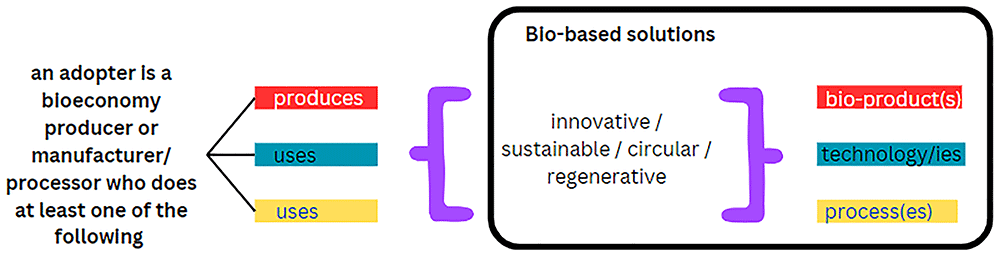
Figure 11. Schematic definition of bio-based solutions and adopters (Authors’ interpretation) (Intext cite).
More specifically, for the production of raw biomass/feedstocks, we consider sustainable practices and technologies to be biobased solutions. For the processing of biomass/feedstocks, we consider sustainable technologies, processes and end products to be biobased solutions. This distinction exists as in the production of biobased feedstocks it is generally the process and technologies used in producing the feedstock that determine its level of sustainability/circularity. While for processed and finished products, it is a combination of efficient production systems (efficient technologies and processes) and the production of a sustainable biobased end-product that distinguishes it from mainstream/traditional processing practices.
It is clear that the development of a circular bioeconomy, based on circular biobased products and a range of sustainable feedstocks for the rest of the EU economy whilst protecting the environment, remains in its early stages. However, important initiatives towards circularity exist throughout the EU bioeconomy. Simultaneously, our research, and documentation of these, indicates that there already exist a large number of biobased solutions across the EU48. The BioRural toolkit documents over 30 of these, some examples include: Staramaki that produces drinking straws from natural wheat stems, ALGEN that produces algae feedstocks in wastewater, Natureplast that is one of the leading bioplastics producers in the EU48. These are generally at small-scale but have the potential to scale and instigate wider transformation, and in order to accelerate their impact these need to be supported through relevant policy mechanisms and continued access to significant research and innovation funding. Scaling these, in our view, should prioritise the development of numerous small-scale facilities that cover and respond to local needs and local feedstock availabilities. By contrast, facilities dependent on long range feedstock supply are likely to present increased environmental and economical burdens not aligned with circular economy principles49.
The importance of circular bioeconomy business models lies in their ability to fundamentally transform how businesses operate by embedding sustainability and resource efficiency at the core of economic activities. These models shift the focus from traditional linear approaches, which prioritize short-term gains and resource extraction, to strategies that emphasize long-term value creation through resource reuse, waste minimization, and closed-loop systems. By adopting circular bioeconomy business models, companies can not only reduce their environmental footprint but also enhance their economic resilience by diversifying revenue streams and reducing dependency on volatile raw material markets. For instance, businesses can leverage innovative practices such as industrial symbiosis, where the waste or by-products of one process become inputs for another, thereby creating synergistic benefits and optimizing resource use50.
Areas for future research
This study identifies a number of key areas for future research. The drivers and barriers to the adoption of circular biobased solutions (products and technologies) remain poorly understood. Additional in-depth research with local stakeholders across the EU would help identify the needs for local stakeholders to adopt biobased solutions and, in our view, contribute considerably to EU policies for the circular bioeconomy.
In addition, the conceptual understanding of the bioeconomy by relevant stakeholders appears limited. For instance, at times the terms bioeconomy and bio-based economy as well as biorefineries and bio-based industries appear blurred. Important steps are being made by the EC to correct this and continued policy efforts need to be implemented, for instance through the development of unified national bioeconomy strategies for all member states. Furthermore, on a geographical and regional level, it is clear that the bioeconomy plays a crucial role in local economies across the EU but that recent developments are unequal. For instance, the development of biorefineries is more prevalent in northwestern Europe. More research into these geographical variations and research that distinguishes the linear bioeconomy from the circular bioeconomy and how its value chains differ are needed.
The current conceptual framing of the EU bioeconomy appears to have notable limitations due to its general nature, which has been highlighted by various authors. As a result, the bioeconomy framework risks lacking coherence, particularly in relation to the Green Deal. While the Green Deal strategy is strongly sustainability-oriented, the general concepts underlying the bioeconomy fail to provide specific sectoral clarity. The bioeconomy, as a concept, can be extended to include nearly all economic processes related to biological materials, but this broad categorization may obscure the unique environmental, economic, and social impacts of distinct sectors. Such aggregation complicates efforts to measure progress and address sector-specific challenges. To ensure the full realization and effective management of the bioeconomy’s benefits, a more nuanced, sector-specific approach—such as the circular bioeconomy—may be necessary. This perspective is echoed in recent literature, including the European Economic and Social Committee’s opinion on aligning the circular economy and bioeconomy at both the EU and national levels, which advocates for greater coherence and a more clearly defined bioeconomy that explicitly links it to the circular economy51. An important area for future research is the development of an extended effective framework for the circular bioeconomy.
Conclusions
This study provides an overview of the current state of the European bioeconomy. By exploring key concepts, relevant policies, and biomass flows, the review highlights the importance of transitioning from traditional linear production systems to a more circular bioeconomy. While the EU bioeconomy is still largely characterized by linearity, with the food and agriculture sectors playing a dominant role, there are significant efforts and initiatives within biobased industries that aim to integrate circular principles.
Our review suggests that adopting a more narrow, circular framework for the bioeconomy could be beneficial for supporting the EU’s sustainability objectives. Circularity in particular offers a pathway to greater resource efficiency while encouraging the sustainable use of feedstocks, supports small-scale biobased solutions, and enhances the potential of biobased industries and biorefineries. These elements are critical in ensuring that the bioeconomy contributes effectively to the EU's medium- and long-term sustainability goals.
Ethical consideration
Ethical approval is not required.