Introduction
Megara Hyblaia was part of the first wave of Greek expansion to the West, known as the Greek colonization. Founded in the third quarter of the 8th century BC on the eastern coast of Sicily1, approximately 20 km north of Syracuse, the city flourished until 483 BC, when Gelo of Syracuse emptied the settlement and deported its inhabitants (Herod.7, 156). Before this upheaval, Megara Hyblaia had expanded to around 60 hectares, a spatial definition that may have been established as early as the first decades of the 7th century BC (see Figure 1).
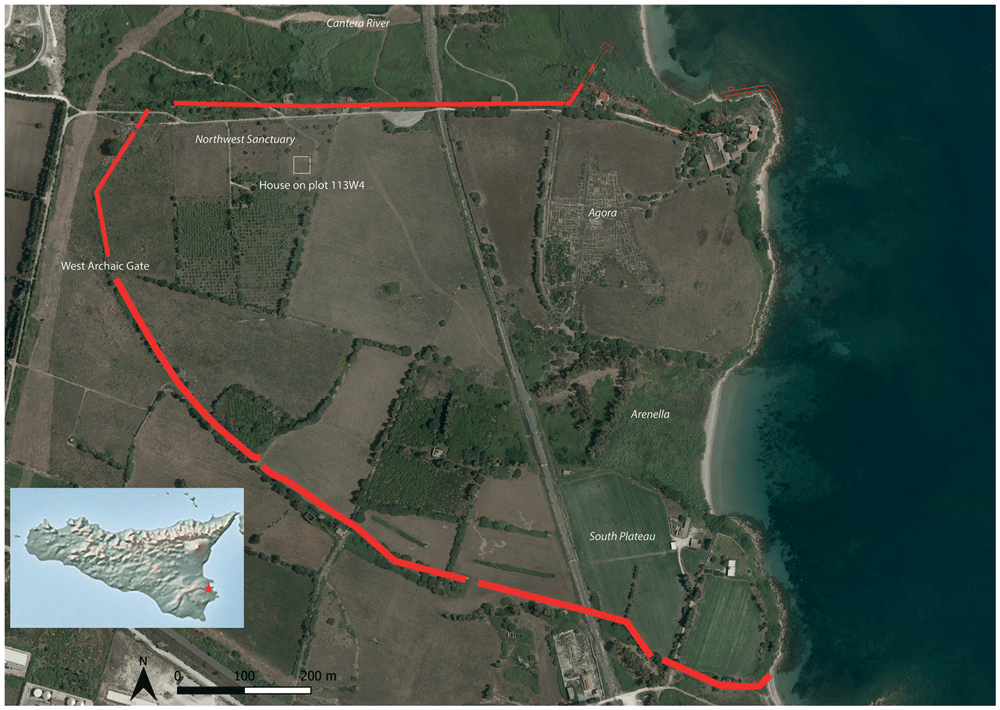
This era is the one around which this paper revolves, namely: Megara Hyblaia, two generations after the time of its foundation. The earliest known houses date to the late 8th century BC and have been identified only around the Agora. Before this point, it remains undetermined how the first inhabitants sheltered, whether in perennial structures or in tents/huts2. Be that as it may, by the mid-7th century BC, residential structures had spread throughout the city, from the agora district to the Southern Plateau and even to its westernmost areas, near the West Archaic Gate. As a matter of fact, houses from the first half of the 7th century are known around the Agora district, where they multiplied compared to the first phase of the late 8th century (estimates in De Angelis, 2003, p.40–45), but also on the Southern Plateau where they seem to appear right in the early 7th century (Gras et al., 2004, p.151–155). On the western end of the urban space, houses from the same era have been uncovered in the vicinity of the Archaic West Gate3. This demonstrates that, at this period, housing had stretched to the furthest limits of the intramural space, and this could well be related to the construction of the first defensive line of Megara (see Figure 2).
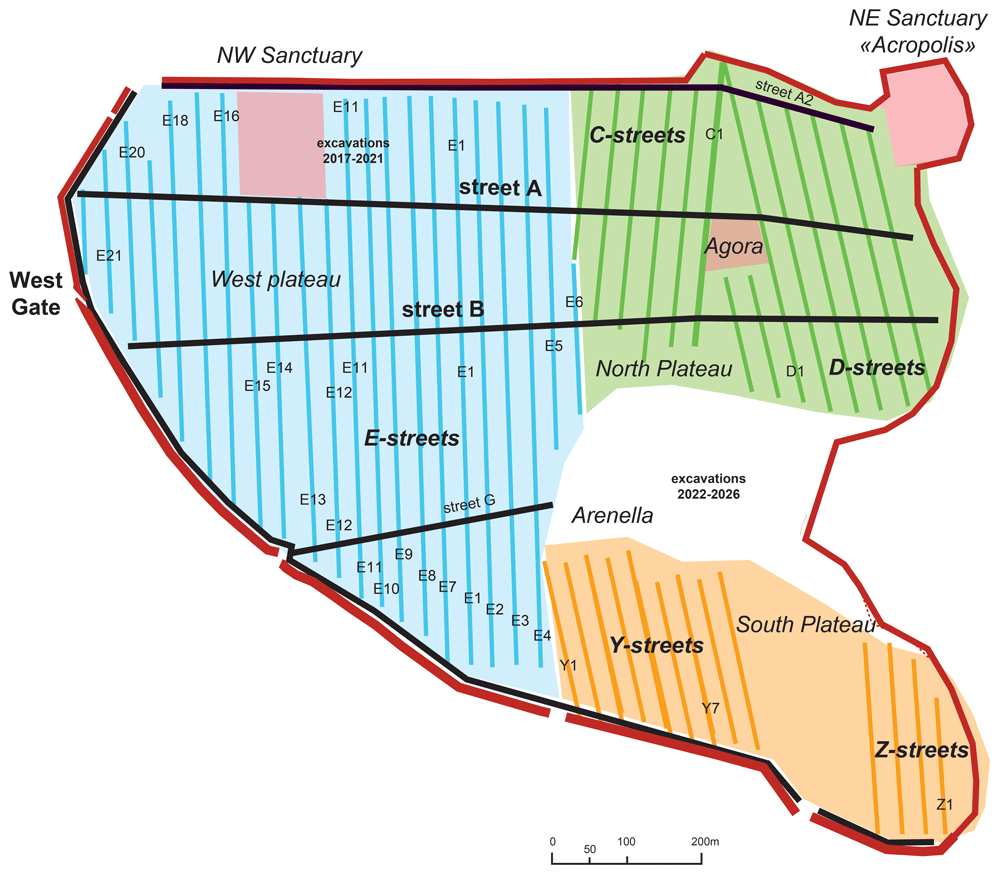
Figure 2. Megara Hyblaia; diagrammatical plan of the Archaic city.
These structures were first identified on the western limit of the city, before being investigated in its southern part, and then again on the western side4. They belong to the “agger-wall” type, which includes, in the latter case, from the outside toward the inside: a ditch, a wall, and a bank. The bank is generally made of the material extracted when digging the ditch, while the wall serves the double purpose of a retaining wall and a fortification wall. The exact chronology for Megara’s agger-wall construction remains imprecise, but there is some body of evidence that allows us to realistically place it in the first half of the 7th century, most certainly around the beginning of the century5. In ancient cities, the creation of a city wall not only had a defensive purpose but also served to materialise the limits of the urban space (the intramural space, or asty).
Two generations or so after the foundation, we therefore witness the temporal and functional conjunction of a fortification that defined and protected the urban space, and of housing that projected itself away from the initial core and up to the furthest limits. The goal of the present article is to estimate whether the Megarian community at that time had the necessary resources to bear the costs of these construction projects—in other words, whether it had the required workforce and time6. To that end, we will consider two case studies: the first fortification (the agger-wall, see Figure 3) and the house on plot 113W4 (see Figure 4). The latter is the first to have been extensively excavated and recorded according to the strict requirements of stratigraphic archaeology: we therefore possess first-hand and accurate data on the construction technique and the chronology of the house7. Located close to the Northwest sanctuary, the first phase can be dated to the first quarter of the 7th century, and thus belonged to the housing expansion to the western area. The ground plan was of the pastas-type—a design that tended to become canonical in the cities of Greek Sicily from this time onward (Fusaro, 1982). The agger-wall was also well investigated and its structure accurately characterised, even if the precise dimensions of the ditch still remain somewhat conjectural, not having been fully excavated. To quantify these costs and their implications for the Megarian community, we will appeal to specific methods of investigation: a dedicated digital environment, 3D modelling and Building Information Modelling, and the field of architectural energetics.
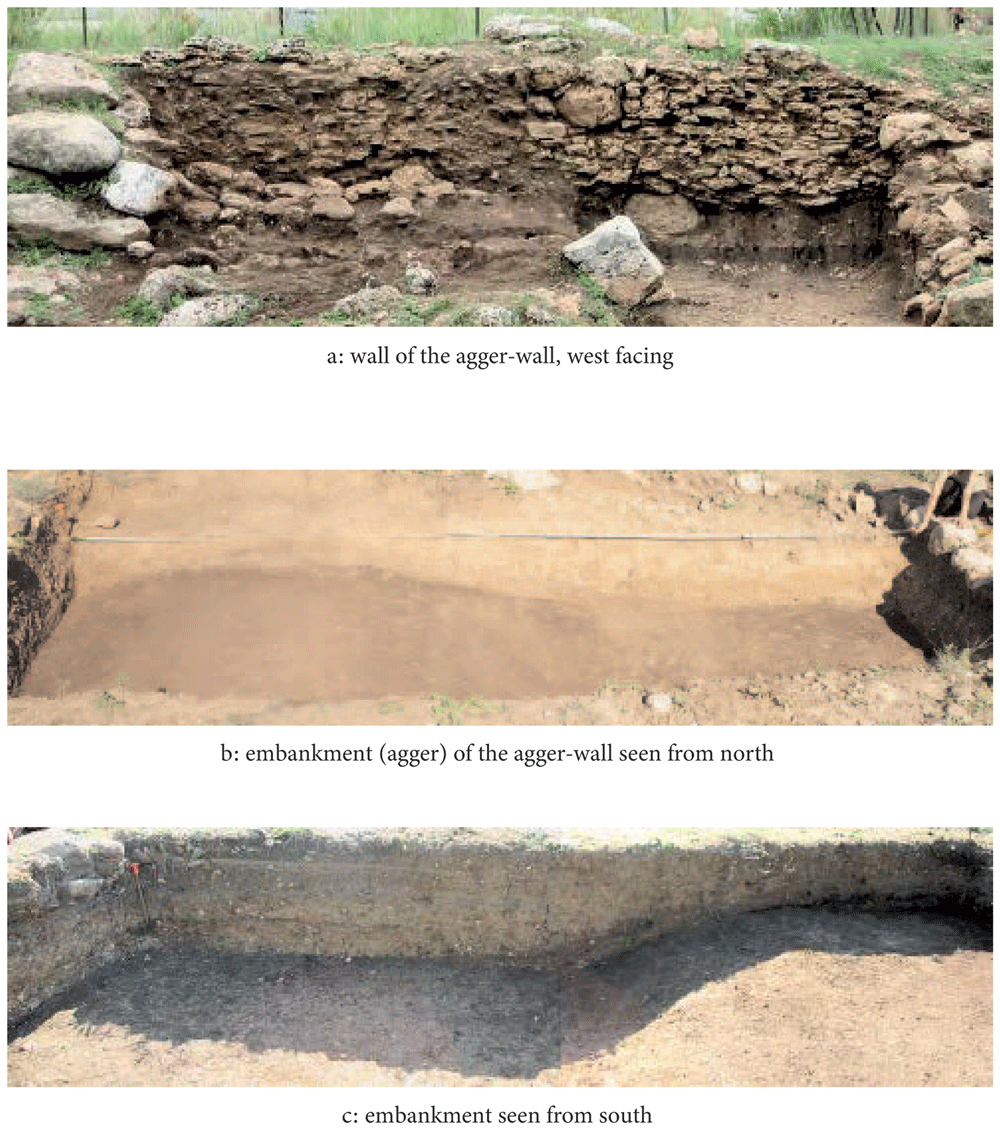
Figure 3. Megara Hyblaia; west part of the agger-wall, after 2006 excavations.
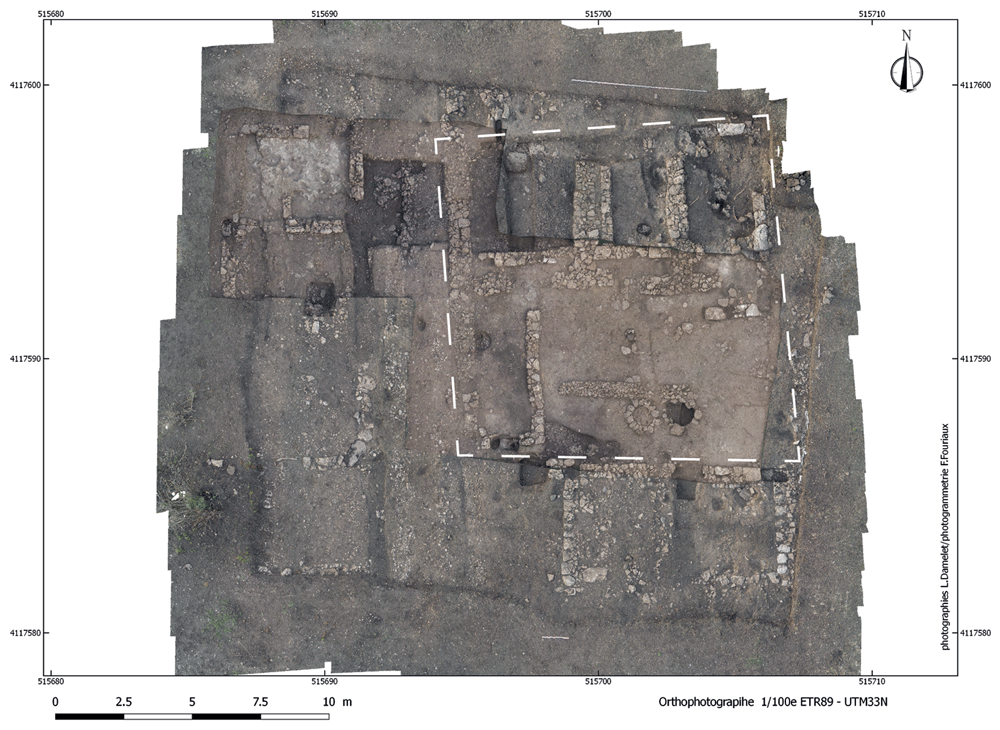
Figure 4. Megara Hyblaia; the house on plot 113W4 (both phases), after 2018–2019 excavations.
3D modelling and BIM for archaeological reconstructions
In recent years, archaeology has become increasingly oriented toward a three-dimensional approach, as 3D technologies are now widely employed to record and analyse archaeological sites and monuments. The availability of this digital documentation enables the development of virtual reconstructions with a high degree of accuracy and scientific rigor, grounded in interpretation and comparative analysis. While these reconstructions are often disseminated primarily for communication and visualization purposes, they also hold significant potential for advancing archaeological research. Moreover, as these reconstructions are based on data obtained through precise digital survey methods, they can also be applied to fields such as architectural energetics, particularly for quantifying the volumetric distribution of construction materials in a given structure (Lancaster, 2021).
The increasing use of 3D reconstructions has prompted the experimental application of Building Information Modelling (BIM)8 within archaeology—not merely as a modelling tool, but as a potential methodological framework for data management, interpretation, and long-term conservation. Various efforts have been made to apply BIM to archaeological sites; however, preliminary results reveal a wide range of approaches to the subject9. To date, only a limited number of projects have utilised BIM to create virtual reconstructions of lost buildings, based on historical and archaeological data, while the majority focus on modelling archaeological remains still in situ (Garagnani et al., 2016; Guerrero Vega & Pizzo, 2021). In this context, Megara Hyblaia represented a significant case study through which to explore the potential of BIM as a methodological framework and to experiment with its integration into architectural energetics research. The house on plot 113W4 was modelled using a BIM approach, whereas a more conventional 3D reconstruction was employed to visualize part of the fortifications and their building technique.
Software framework
The field of 3D modelling encompasses a wide array of software solutions, each with distinct strengths and areas of application. Among these, Blender is widely recognised as one of the most versatile and commonly used open-source platforms for 3D modelling10. In this regard, an open-source approach to BIM offers several key advantages: it enables the creation of native OpenBIM environments, supports vendor-neutral development, and promotes digital sustainability. Furthermore, it allows for the construction of workflows based on open standards such as IFC (Industry Foundation Classes)11, which enhance interoperability and data longevity. For this project, Blender was employed alongside Bonsai12, an open-source add-on for BIM modelling currently under development by the Open-Source Architecture community. Bonsai is designed to be a comprehensive and native IFC authoring platform, integrating BIM functionalities within Blender (see Figure 5).
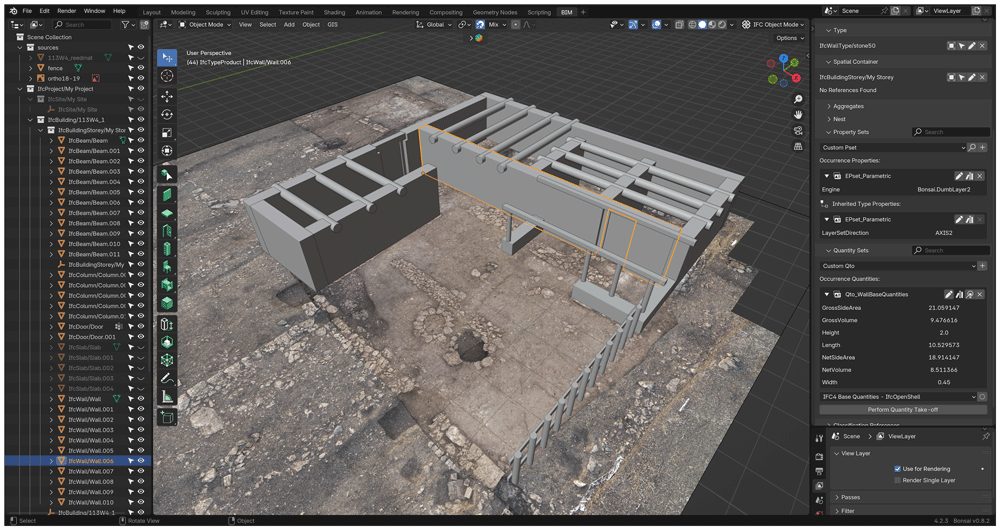
Figure 5. Screenshot of the software interface, showing Bonsai operating within Blender.
3D modelling workflow
Each case study was modelled separately within Blender given the unique methodological approach required for each. In both cases, the virtual reconstruction was informed by excavation data, which provided the precise measurements and details necessary to the modelling process.
The agger-wall system was modelled using traditional manual techniques, as applying BIM to non-building structures remains challenging. The semantic structure of BIM, in fact, is not inherently flexible and is typically not designed to accommodate features beyond architectural buildings. The model represents the first phase of the fortification, dated to the early 7th century BC, in which the embankment was stabilised by a stone retaining wall on the outer side, facing the ditch13. This reconstruction was intended to clearly illustrate the construction technique, and thus only a small segment of the landscape was rendered in three dimensions. All available measurements were derived from excavation plans and sections, while some aspects—such as the total height of the wall—are based on plausible hypotheses (see Figure 6).
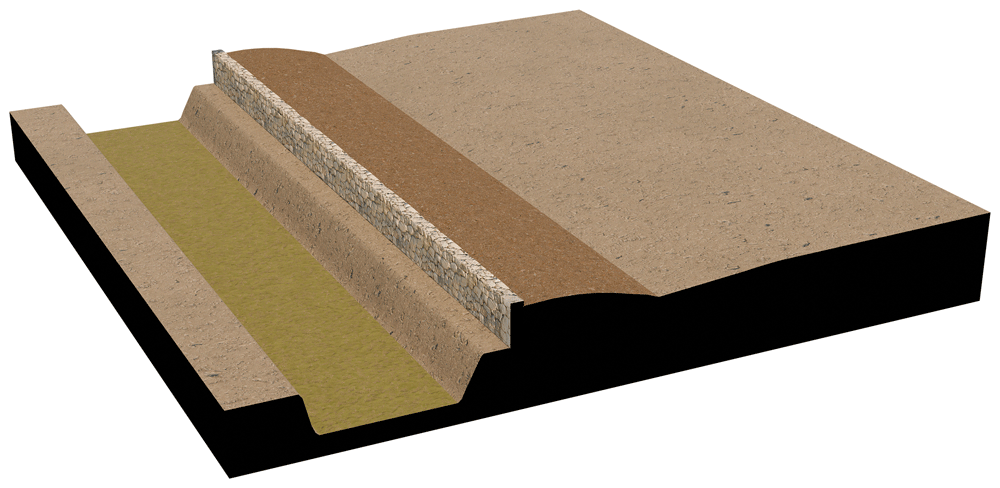
Figure 6. Megara Hyblaia; 3D model of the agger wall construction technique.
For the second case study—the house on plot 113W4—the modelling process began with the import of relevant excavation data into Blender, specifically an orthophoto of the final excavation phase, which was scaled to match the software’s unit system. Using Bonsai, a new IFC project was created, and a spatial instance of the building was defined. Within the semantic structure of BIM, this instance functions as a "spatial container" that houses all associated construction elements. These components were defined using standard IFC classes14, and their geometry was modelled based on both estimated measurements and established knowledge of construction techniques prevalent in the 7th century BC15. One of the primary challenges during the modelling process was the accurate reconstruction of the beam layout used to support the roof. In this context, the virtual reconstruction proved essential for testing and verifying the feasibility of multiple structural hypotheses. Information regarding the materials used in construction was also integrated into the model. The building materials correspond to those locally available in the area during the period, including stone, wood, and perishable organic components16. Upon completion, the BIM model of house 113W4 was used to estimate the volume of materials required for its construction—data that can serve as a basis for more precise architectural energetics calculations (see Figure 7).
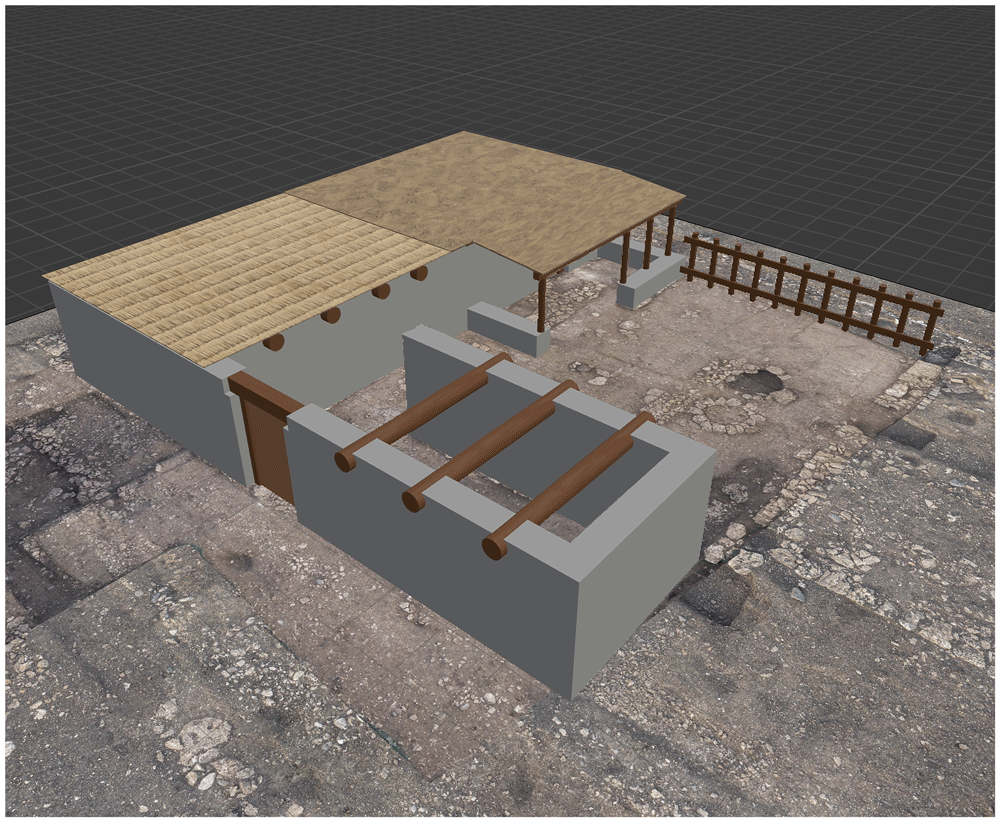
Figure 7. Megara Hyblaia; BIM model of house 113W4, with different roof layers: wooden beams, reed matting, raw earth.
Architectural energetics calculations
The ditch and the house
Various methods exist for estimating the costs of ancient construction projects. Greek and Latin epigraphic sources provide detailed building accounts, listing expenses in local currencies, but these records pertain exclusively to monumental and public structures, particularly temples. For domestic architecture, we must turn to architectural energetics—a methodology developed primarily in Mesoamerican archaeology but later applied to Mediterranean contexts, where epigraphic building accounts serve as useful comparative data17. The principle of architectural energetics involves breaking down a building project into separate but interconnected tasks, each requiring a measurable labour investment, expressed in person-days (p-d). In ancient construction, the key tasks included raw material procurement, transportation, and assembly. By quantifying these steps, we can estimate the total labour required to construct a house from scratch, providing valuable insight into the broader effort needed to build sufficient housing for an ancient community.
In the following charts, we present architectural energetics calculations for construction of the agger-wall and of the house on plot 113W4. This analysis is based on a substantial body of scholarship from the 1990’s, in which the methodology was applied across various architectural contexts and building programs (see footnote 17). However, adapting these results to the present study required careful selection and adjustment of figures18. One key modification concerns the definition of a working day. Like most scholars, we assume a fixed daily labour duration, accounting also for seasonal variations—shorter daylight hours in winter and extreme heat in summer, which limited effective working time. However, given that these were predominantly agrarian societies, labourers engaged in construction would still have had other essential duties, particularly in food production. We take these duties and we therefore define an effective working day as eight hours—a practical year-round average for outdoor labour19. Beyond labour time, several site-specific factors influence construction costs. Access to raw materials varies depending on the local environment, significantly affecting transportation costs. Additionally, workforce availability differed between cities and must be adjusted accordingly—this aspect will be addressed further in the paper.
The architectural energetics calculations for the agger-wall are described and presented in the following chart. The rather simple architecture of this fortification requires only few additional explanations. When digging the ditch, top soil and loose rubble from the bedrock were used to build the embankment (the agger). The bedrock layer could then provide adequate rubble stones20 to construct the retaining wall (see Table 1; also Figure 3 and Figure 6).
Table 1. Architectural energetics calculations for the 7th century BC agger-wall in Megara Hyblaia.
| The agger-wall | Person-days (p-d) | Comments25 |
|---|
| Ditch Digging | | Width = 7 m; Depth = 2 m; Length = 1500 m
Total volume = 21000 m3 |
| soft levels26 | 436,8 | Depth = 0,4 m; Volume = 4200 m3 |
| mixed levels27 | 514,5 | Depth = 0,2 m; Volume = 2100 m3 |
| bedrock28 | 5108,25 | Depth = 1,4 m; Volume = 14700 m3 |
| Removal | | |
| loose rubble29 | 567 | Volume = 6300 m3 |
| rubble stones30 | 661,5 | Volume = 1800 m3 |
| Fortification Construction | | Length = 1500 m |
| embankment31 | 1039,5 | Width = 3,6 m; Height = 2 m; Volume = 10800 m3 |
| wall32 | 2250 | Width = 0,6 m; Height = 2 m; Volume = 1800 m3 |
| finishing33 | 900 | External wall facing = 3000 m² |
| TOTAL | 11477,55 | |
The house on plot 113W4, however, needs some contextualisation. All excavated archaic houses in Megara feature full-stone walls. Like other scholars, we consider that these walls were built using rubble sourced from the local bedrock, whether extracted or simply collected21. This was the case for the vast majority of Archaic houses, as implied by Vallet, Villard, and Auberson, 1976 (p.250–252) and Gras, Tréziny, and Broise, 2004 (p.460–465). Recent research on construction stone in Megara (Mège et al., 2020) has confirmed the existence of three main lithotypes used throughout the Archaic period and into the Roman period22, and has suggested three potential extraction sites23. Nevertheless, it has been clearly demonstrated that the walls of Archaic houses were composed of small blocks—either rubble or, at times, ashlars with one worked face24. Hence, two scenarios for the procurement of stone are proposed below. Scenario 1: the stone was extracted or collected ad hoc. Scenario 2: the construction stone (rubble blocks) was obtained from the material excavated during the digging of the ditch34. Both scenarios are discussed hereafter (see Table 2; also, Figure 4 and Figure 7). Ground plans evolved from single-square-room houses in the late 8th century to the pastas house, which—with minor variations—became the canonical layout from the early 7th century BC onward. While plot sizes varied across different sectors, an average of approximately 120 m2 can be established.
Table 2. Architectural energetics calculations for the 7th century BC house on plot 113W4 in Megara Hyblaia.
| House on plot 113W4 | Person-days
(p-d) | Comments |
|---|
| Stone (walls) | | Volume = 44,29 m3 |
| scenario 1: extraction37 | 28,79 | |
| scenario 1: transport | 25,3 | On back of men38 |
| scenario 2: transport | 63,27 | On back of men39 |
| Wood | | |
| beams, door, door frame40 | 27,11 | Volume = 4,28 m3 |
| east side enclosure | 5,11 | Volume = 0,73 m3 |
| pastas props and beams | 2,92 | Volume = 0,46 m3 |
| transport | 5,25 | One oxen yoke, with driver41 |
| loading/unloading carts42 | 0,82 | |
| Foundations levelling43 | 0,44 | Depth = 0,05 m; Volume = 1,26 m3 |
| Walls construction44 | 55,36 | |
| Backfilling + floor foundation45 | 1,18 | Thickness = 0,1 m; volume = 12,3 m3 |
| Roofing (framework)46 | 8,38 | |
| Pastas | | |
| wood processing47 | 0,61 | Squaring, cutting |
| posts setting48 | 1,25 | |
| roof framework49 | 0,625 | |
| Roofing (flat roofs)50 | 8,71 | Surface = 85,42 |
| Openings | | |
| wood processing | 2,79 | Squaring, cutting |
| door construction51 | 4 | |
| door and doorframe setting52 | 3 | |
| Enclosure | | |
| wood processing | 3,02 | Squaring, cutting |
| construction | 2 | |
| TOTAL (scenario 1) | 186,67 | |
| TOTAL (scenario 2) | 195,85 | |
At first glance, scenario 1 seems more advantageous in that it would cost 9 p-d less to construct the house. This is largely due to the nearness of the raw material, as we consider here that it could come from the cliffs topping the river Cantera, some 100 m away35 (the nearest sections of the ditch being some 250 m away). Yet, it would seem reasonable to assume that the ditch material was reused somehow36, as it provided thousands of cubic metres of already extracted stone (see footnote 34). Besides, while the bedrock could conveniently be quarried on-site for the few first 8th-century houses53, it appears problematic to extract on the plateaus’ surface the 4429 m3 required for a hundred 7th-century houses, like the one on plot 113W4, thus leaving several parts of the urban space with large diggings54.
Be that as it may, the 186–196 p-d range for the house on plot 113W4 falls within the range of comparable figures found in the archaeological literature. For Megara, Fitzjohn, 2015 (Table 1, p.138) gives 324 p-d for House 23,5 (walls volume: 49,5 m3), albeit with a five-hour working day. A little further afield, in Syracuse, Lancaster, 2019 (Table 5.1, p.100) proposes a broad range of 27–76 p-d, with a ten-hour working day, for a typical one-room house with all-stone walls (14,38 m3). In Archaic Kasmenai, a house with a flat roof and all-stone walls could be built on a standard plot (12,5 m × 12,5 m — very similar to the dimensions of plot 113W4) within a ten-hour working day, in 225–720 p-d (Lancaster, 2021, Table 4.1, p.59). The figures here are substantially higher, even when considering only the lowest number55; this can be explained by the higher input values for transportation (Kasmenai is located on a steep hilltop) and wall construction (more complex ground plans), which account for an extra ≈ 70 p-d. Finally, although in a different geographical and chronological context, Pakkanen, 2021 (Table 2, p. 67; Table 3, p.68) gives 350 p-d for a Hellenistic flat-roofed house in Salamis, built on a 280 m2 surface, with a ten-hour working day. The ground-plan surface is roughly double that of the house on plot 113W4 and more complex, though with mudbrick walls; all things considered, the figure cited above remains broadly comparable to that of Megara.
Table 3. Population estimates (min and max) at different periods in Megara Hyblaia.
| Years |
|---|
0
(foundation) | +25
(1st generation) | +50
(2nd generation) | +200
(late 6th c.) |
|---|
| Population | 150 | 246 | 404 | 7873 |
| 200 | 328 | 538 | 10497 |
Demography and workforce in early 7th-century BC Megara
Estimating workforce availability in early construction projects is particularly challenging, especially for early periods such as archaic Sicily. The figures presented here can only be properly interpreted within the broader context of ancient demography and the resulting labour force capacity. The time period here considered are the first decades of the 7th century BC in Sicily, namely the time of the second generation of settlers, roughly 50 years after the foundation. Assessing the impact of construction programs on a community depends entirely on the number of individuals available for labour—the implications differ significantly if 100 people, rather than 1,000, could be allocated to building activities. Moreover, as previously noted, agricultural cycles played a critical role in workforce distribution. Certain periods of the year were dominated by food production, while other essential tasks—such as the manufacture of pottery, textiles, and furniture—demanded year-round attention (for instance, Brysbaert, 2023). To accurately estimate the available labour force, it is therefore essential to consider the agricultural calendar and seasonal labour constraints. Various demographic estimates for ancient Mediterranean populations have been proposed, often yielding significant variations. Although inherently theoretical, even when supplemented with archaeological data, the models developed by M.H. Hansen within the Copenhagen Polis Centre remain the most comprehensive56. Following Hansen’s methodology, we would have a 7200–9600 population figure for Megara Hyblaia57. Nevertheless, these are only rough average mathematical estimates, which may only correspond to a certain period of each city’s urban development, namely the urban development’s heyday. They surely cannot apply to the first and even second generations contexts, as defined here for our purpose. We use a different approach here, based on: population estimates in Megara by the late 6th/early 5th centuries BC, population estimates upon foundation time and a fixed annual growth of 2%58. It must be underlined that this annual growth rate is theoretical and can by no means reflect a natural demographic increase, especially over a span of two centuries. One would rather expect a natural rate within the range of 0,25% to 0,45%, as convincingly put forward by Scheidel, 2003 (p.122–123; see also p.128). That being said, W. Scheidel also acknowledges that natural demographic increases could have occurred at significantly higher rates, though only in limited geographical and chronological contexts (Scheidel, 2003, p.128–129). Nevertheless, the 2% annual growth rate adopted here represents an average intended to reflect the very nature of Megara in the first decades: a remote foundation likely to be continually supplemented by new arrivals. These arrivals may have consisted of a few dozen individuals each year (perhaps 20 to 40), especially during the first generations (colonists, natives, and possibly slaves in later periods)59. The following results are presented on two lines corresponding to the two possible population estimates at the beginning (see Table 3).
Demography, however, serves only as a baseline for estimating potential workforce availability. Not all members of a community could engage in the physically demanding tasks of construction. Nonetheless, we challenge the conventional assumption that only able-bodied adult males (aged 18–50) participated. These estimates are thus generally based on army figures, then adapted to workforce by taking into account the wealthiest classes which were probably exempted from these duties, resulting in a 22,5% of the whole population60. While activities such as stone extraction or heavy transport were likely performed by adult men, women and older adolescents could have contributed to other construction-related duties61. Based on these assumptions, we will rather consider a workforce average of 50% of the total population62 hence, after Table 3, between 202 and 269 people.
Finally, ancient agricultural practices are well-documented in Hesiod’s writings, which provide invaluable insight into the daily rhythms of agrarian communities in the 8th-century BC Greek world. This unique source allows for the reconstruction of a realistic agricultural calendar, helping to determine periods of workforce availability (Brysbaert, 2023; Fitzjohn, 2013; Ingold, 1993). Based on this framework, we estimate that labourers could be available for 150–180 days per year, corresponding to 5–6 months during which they were relatively free from other obligations. From the previous figures, we can deduce that the total of person-days under the worst-case scenario (lowest population x lowest availability) is 30300 and under the best-case scenario (highest population x highest availability) is 48420.
Dividing the number of person-days available yearly for construction by the energy expenditures required to build a house yields the number of new houses that could be constructed within a year (under both worst-case and best-case scenarios). Then, assuming an average household size of five people63, we can estimate the number of individuals that these newly built houses could accommodate (see Table 4).
Table 4. Number of new houses and their occupants (min and max), during the 2nd generation in Megara Hyblaia.
| New houses | 146 |
| 233 |
| Occupants (persons) | 730 |
| 1165 |
Conclusions
This short essay sets out to assess, for the first time, the feasibility of two critical and interrelated construction projects undertaken by an early Greek Sicilian community. In doing so, we have remained acutely aware of the limitations and uncertainties inherent in both architectural energetics calculations and ancient demographic estimates. Taking these constraints into account—and with due caution—our findings suggest that the second generation of inhabitants at Megara Hyblaia, living approximately in the first quarter of the 7th century BC, possessed sufficient human resources to construct both the initial fortification and an adequate number of houses to accommodate the entire population. Notably, these foundational undertakings for communal development could likely have been completed within a single year, without compromising agricultural production or the performance of other essential tasks. Future research will need to refine estimates of both energetic expenditures and demographic structures, in order to more precisely evaluate the costs and labour demands associated with each aspect of the construction programmes. These analyses should also extend to include civic and religious architecture, as well as critical infrastructure such as roads and water management systems. To provide a more comprehensive picture, the inclusion of food and artifact production is essential. Finally, it would be valuable to apply this methodology to other significant periods in the history of Megara Hyblaia—particularly the 6th century BC, when major construction projects such as temples, civic buildings, and fortification walls were undertaken. This later phase should be examined with reference to its evolving sociopolitical context, marked by a more structured society and the emergence of labour specialisation.
Besides, this study has demonstrated the potential of 3D modelling and BIM tools in the analysis of ancient architectural structures, despite certain known limitations. While BIM’s defined framework offers significant advantages, it can struggle to accommodate the complexity and irregularity of heritage subjects, especially non-standard elements like the agger-wall. Nevertheless, the capacity of these tools to integrate visualization, analysis, and data makes them highly valuable. Future developments will focus on incorporating 4D and 5D modelling into the models, generating automated estimations of construction time and cost based on detailed input data. In this way, it will be possible to further enhance the scope and utility of digital heritage models.
Data availability
The data that support the findings of this study are openly available:
In Datarepository Unive (Ca' Foscari University of Venice)
At https://doi.org/10.71731/DATA_UNIVE/XU7LS1 (MeGE, 2025)
Data are available under the terms of the Attribution-NonCommercial-NoDerivatives 4.0 International (CC BY-NC-ND 4.0).
Faculty Opinions recommendedReferences
- Abrams EM, Bolland TW:
Architectural energetics, ancient monuments, and operations management.
J Archaeol Method Theory.
1999; 6: 263–291. Publisher Full Text
- Arayici Y, Counsell J, Mahdjoubi L, (eds.), et al.:
Heritage Building Information Modelling. London, Routledge, 2017. Publisher Full Text
- Brysbaert A:
‘Forces of the hands, forces of the lands’: an awareness of physical and social multi-tasking in the agrarian and economic landscape of the Late Bronze Age Argive Plain.
Groniek.
2020; 223: 59–82. Reference Source
- Brysbaert A:
Labour and its cost during the Aegean Late Bronze Age. In: Barker, S.J., Courault, C., Domingo, J.Á., Maschek, D., From Concept to Monument. Time and Costs of Construction in the Ancient World. Papers in Honour of Janet DeLaine. Proceedings of a conference held in Wolfson College, Oxford, 16–18 January 2020. Archaeopress, Oxford, 2023; 233–265. Reference Source
- De Angelis F:
Archaic and classical Greek Sicily: a social and economic history. Oxford University Press, Oxford, 2016. Publisher Full Text
- De Angelis F:
Megara hyblaia and selinous. The development of two Greek city-states in Archaic Sicily. Oxford University School of Archaeology, Oxford, 2003. Reference Source
- DeLaine J:
The baths of Caracalla: a study in the design, construction, and economics of large-scale building projects in imperial Rome.
Journal of Roman Archaeology.
Portsmouth, Rhode Island,
1997. Reference Source
- Delpozzo E, Balletti C:
Bridging the gap: an open-source GIS+BIM system for archaeological data. The case study of Altinum, Italy.
Int Arch Photogramm Remote Sens Spatial Inf Sci.
2023; XLVIII-M-2: 491–498. Publisher Full Text
- Devolder M:
Construire en Crète minoenne. Une approche énergétique de l’architecture néopalatiale. Peeters, Louvain, Liège, 2013. Reference Source
- Fitzjohn M:
Bricks and mortar, grain and water: tracing tasks and temporality in Archaic Sicily.
World Archaeol.
2013; 45(4): 624–641. Publisher Full Text
- Fitzjohn M:
The economics of house construction and the temporality of daily life: quantifying construction practices to understand economic organisation, time and space in archaic megara hyblaea. In: Di Castro, A.A., Hope, C.A. (Eds.), Housing and Habitat in the Ancient Mediterranean. Cultural and Environmental Responses. Peeters, Louvain, Paris, Bristol CT, 2015; 133–142.
- Fusaro D:
Note di architettura domestica greca nel periodo tardo-geometrico e arcaico.
Dialoghi di Archeologia.
1982; 1: 5–30.
- Garagnani S, Gaucci A, Gruška B:
From the archaeological record to ArchaeoBIM: the case study of the Etruscan temple of Uni in Marzabotto.
Virtual Archaeol Rev.
2016; 7(15): 77–86. Publisher Full Text
- Gras M, Tréziny H, Broise H:
Mégara Hyblaea 5. La ville archaïque. L’espace urbain d’une cité grecque de Sicile orientale. EFR, Rome, 2004. Reference Source
- Guerrero Vega JM, Pizzo A:
Análisis arquitectónico y aplicación de metodología BIM en el santuario extraurbano de Tusculum.
Archeologia e Calcolatori.
2021; 32.1: 99–116. Publisher Full Text
- Hansen MH:
An update on the shotgun method.
Greek Roman Byzantine Stud.
2008; 48(3): 259–286. Reference Source
- Hansen MH:
The shotgun method. The demography of the Ancient Greek city-state culture. University of Missouri Press, Columbia, Londres, 2006. Reference Source
- Ingold T:
The temporality of the landscape.
World Archaeol.
1993; 25(2): 152–174. Publisher Full Text
- Lancaster J:
Virtually reconstructing the past. L’Erma di Bretschneider, Rome, 2021. Reference Source
- Lancaster J:
To house and defend: the application of architectural energetics to southeast Archaic Greek Sicily. In: McCurdy, L., Abrams, E.M. (Eds.), Architectural Energetics in Archaeology. Routledge, Oxon, New York, 2019; 95–113. Publisher Full Text
- MeGE F:
Megara_House 113W4 + Agger wall. Datarepository Unive, V1, 2025. http://www.doi.org/10.71731/DATA_UNIVE/XU7LS1
- Mège F, Belfiore C, Monaco C, et al.:
Premier bilan des recherches préliminaires sur la pierre de construction à Mégara Hyblaea.
Mélanges de l École française de Rome Antiquité.
2020; 132–2: 339–357. Publisher Full Text
- Pakkanen J:
Building accounts, monumental construction projects, and labour rates in the classical and hellenistic periods. In: Barker, S.J., Courault, C., Domingo, J.Á., Maschek, D., From Concept to Monument. Time and Costs of Construction in the Ancient World. Papers in Honour of Janet DeLaine. Proceedings of a conference held in Wolfson College, Oxford, 16–18 January 2020. Archaeopress, Oxford, 2023; 266–285. Reference Source
- Pakkanen J:
Building big and Greek classical and hellenistic houses? Estimating total costs of private housing in Attica. In: Pakkanen, J., Brysbaert, A. (Eds.), Building BIG – Constructing Economies: from Design to Long-Term Impact of Large-Scale Building Projects. Propylaeum Heidelberg University Press, Heidelberg, 2021; 59–75. Publisher Full Text
- Pakkanen J:
The economics of shipshed complexes. Zea, a case study. In: Blackman, D.J., Rankov, B., Baika, K., Gerding, H., Pakkanen, J. (Eds.), Shipsheds of the ancient Mediterranean. Cambridge University Press, New York, 2013; 55–75. Reference Source
- Scheidel W:
The Greek demographic expansion: models and comparisons.
J Hell Stud.
2003; 123: 120–140. PubMed Abstract
| Publisher Full Text
- Tréziny H:
Mégara Hyblaea.
Mélanges de l'école française de Rome.
2008; 120/1: 256–260. Reference Source
- Turner D:
Comparative labour rates in cross-cultural contexts. In: Pakkanen, J., Brysbaert, A. (Eds.), Building BIG – Constructing Economies: from Design to Long-Term Impact of Large-Scale Building Projects. Propylaeum Heidelberg University Press, Heidelberg, 2021; 195–217.
- Vallet G, Villard F, Auberson P:
Mégara Hyblaea 1. Le quartier de l’agora archaïque.
EFR, Rome,
1976. Reference Source









