Introduction
The mounting evidence of climate change and environmental degradation has catalyzed a fundamental shift in how educational institutions conceptualize their role in preparing learners for an uncertain future (Nusche et al., 2024). The European Union’s response, embodied in the European sustainability competence framework (GreenComp) (Bianchi et al., 2022), represents a significant policy intervention aimed at systematically developing citizens’ capabilities to navigate and address complex socio-ecological challenges. However, the translation of this ambitious framework into concrete educational practice remains problematic, revealing a critical gap between policy aspiration and pedagogical implementation.
This research is guided by a central methodological challenge: How can the GreenComp framework be operationalized into a set of valid, assessable learning outcomes that are fit for purpose within a European-level recognition system?
EU competence frameworks for lifelong learning
The European Commission’s Joint Research Centre has developed a family of reference frameworks (LifeComp, EntreComp, DigComp, and GreenComp) to establish a shared understanding of key competences for citizens across formal, non-formal, and informal learning contexts. These “competency models” serve to describe learning outcomes and thus provide frameworks for operationalizing educational goals (Klieme et al., 2004). However, they vary significantly in their level of detail and implementation guidance.
LifeComp, the European framework for “personal, social and learning to learn” competences, consists of nine competencies organized in three areas (Personal, Social, Learning to Learn). It is explicitly conceptual and non-prescriptive, intended to inform curriculum and learning-activity design, but does not include a progression model or a formal catalogue of learning outcomes.
EntreComp, the Entrepreneurship Competence Framework, articulates 15 competences in three interrelated areas (Ideas & Opportunities, Resources, Into Action), mapped along an 8-level progression model, and provides a comprehensive list of 442 learning outcomes to guide curriculum design and assessment (Bacigalupo et al., 2016).
DigComp, the Digital Competence Framework for Citizens, defines 21 digital competences across five areas, described at eight proficiency levels, and is being extended via the “DigComp: Learning outcomes” project to develop intended learning outcomes and supporting materials for diverse application contexts. The development of learning outcomes for DigComp may serve as the basis for the European Digital Skills Certificate (EDSC), conceptualized as a quality label for digital skills certification across Europe.
GreenComp, the European Sustainability Competence Framework, identifies 12 sustainability competences organized into four areas (Embodying Sustainability Values, Embracing Complexity, Envisioning Sustainable Futures, Acting for Sustainability), each described by a competency descriptor plus Knowledge–Skills–Attitudes (KSAs). While the framework’s background document references “behavioral learning outcomes” (Scalabrino, 2022), and the main framework document acknowledges the need to incorporate learning outcomes into sustainability pedagogies (Bianchi et al., 2022), neither establishes formal, assessable learning outcomes nor a progression model, resulting in an “implementation vacuum”.
The GreenComp framework – Focus of this study
EntreComp and DigComp already define or are in the process of defining detailed learning outcomes, and LifeComp remains at a conceptual level without specific outcome descriptors. In this study, the authors propose a set of measurable learning outcomes for GreenComp. In doing so, it aims to fill the current gap in operationalizing the sustainability competences of GreenComp, transforming its descriptive KSAs into assessable statements that educators and trainers can use to guide curriculum development, implementation, and evaluation.
Current state of GreenComp assessment
The landscape of GreenComp assessment initiatives reveals a complex tapestry of approaches (Javorka et al., 2024), each grappling with the fundamental challenge of operationalizing sustainability competencies into measurable outcomes. These diverse efforts, while demonstrating considerable innovation and commitment, collectively illuminate both the possibilities and persistent limitations in translating the framework's ambitious vision into practical assessment tools.
Traditional knowledge-focused assessment approaches dominate the current landscape, exemplified by TASKTM by Sulitest, which achieves comprehensive coverage of knowledge elements (100% alignment) while demonstrating more limited capacity in assessing skills (70% alignment) and attitudes (30% alignment) (Sulitest, 2023). This imbalance, far from being merely technical, reflects deeper epistemological assumptions about what constitutes legitimate and measurable learning in sustainability education. CertiSkillTM similarly privileges cognitive dimensions through its certification exam based on 30 multiple-choice questions aligned with UNI/Pdr 109.2:2021 standards, while the Engineers4Europe project's Green Skills micro-credential, despite its innovative platform delivery and broad disciplinary appeal, ultimately relies on three knowledge-based quizzes to assess competencies in corporate sustainability and ESG.
Attempts to address the skills dimension of GreenComp have produced varied approaches with differing levels of rigor. The My Personality Skills® framework by Fundacja represents a private sector initiative offering the MY PS GreenComp Certificate, with examinations spanning all four GreenComp areas. However, the proprietary nature of this assessment raises questions about transparency and alignment with the open, collaborative spirit of the European competence frameworks. More innovative approaches emerge in the self-assessment domain, where BCN+B's Be Ready For Now employs a 48-question reflective instrument examining sustainability habits and knowledge, though its self-reporting methodology limits its utility for formal competence recognition.
The assessment of attitudes and values, arguably the most transformative dimension of sustainability education, remains particularly underdeveloped. The Advancing Sustainability Education's Sustainability Competence Mindset Map (SCMM) represents one of the few initiatives explicitly capturing attitudinal dimensions of sustainability competence capacity building. The SCMM is a formative self-reflective assessment based on the key sustainability competence frameworks (Brundiers et al., 2021; Redman & Weik, 2021) and has been validated across disciplines in higher education (Annelin & Boström, 2023; Annelin & Boström, 2024a). It is a facilitating tool that supports teacher course planning and curriculum design, where teachers follow the progression of the affective intrapersonal attitudes of students over different periods of time (a course, a semester, a year, a program). Teachers can communicate the learning experience with the students by using visual aids, reflective work, and complementary assessment techniques. The outcome of the SCMM assessment is automated via online tools integrated with data software to produce visual and comparable diagrams of the class progression. The tool is applied in the understanding that sustainability competence capacity building is a nonlinear, life-long learning process. This nonlinear relation is captured in the visual diagrams presented. The SCMM is used to complement the integration of knowledge and skills assessment necessary for a traditional holistic competence assessment.
Educational technology has offered novel pathways for engagement, though not necessarily for rigorous assessment. The GameComp–Green Edugames Erasmus+ project exemplifies this trend through its gamified approach, featuring 36 self-reflective questions that award badges and points, creating motivational affordances while formal competence certification calls for established validity and reliability standards.
Providing a more methodologically robust but more narrowly focused example, the EduCITY project uses mobile augmented reality games (MARGs) to assess sustainability competencies within smart learning city environments. This research-driven initiative demonstrates how a deep and specific assessment can be operationalized, but it also highlights the challenge of comprehensive coverage. Its assessment model, as presented, explicitly targets only one of the four GreenComp competence areas: ‘Embodying Sustainability Values’. Within this specific area, the project employs a rigorous mixed-methods approach, triangulating data from a validated GreenComp-based questionnaire with automated gameplay performance logs. While its scope is partial, the EduCITY model provides a structured and evidence-based method for evaluating competencies fostered through experiential, technology-enhanced learning, a level of detail not present in initiatives that claim broader coverage based on self-reflection or participation alone (Marques et al., 2025).
The ASSESS project developed a more pedagogically sophisticated approach, creating rubrics for Green Competencies assessment across multiple levels (primary, secondary, higher education, and business contexts) with an accompanying mobile application. Their framework emphasizes dialogic assessment through co-creation of rubrics between teachers and students, peer and self-assessment capabilities, and collaborative discussion of evaluation criteria (Sousa et al., 2024). While this dialogic approach is powerful for fostering student agency and formative development, its reliance on context-specific, co-created criteria stands in direct tension with the goals of a standardized recognition framework. The method's pedagogical strength in the classroom, therefore, presents a significant challenge for issuing portable credentials, whose currency depends on a high degree of comparability and inter-institutional trust.
The emergence of Open Badge initiatives represents a particularly promising yet problematic development in GreenComp operationalization. The GoGreen - Youth Navigator project's Green Badges system, hosted on the Cities of Learning platform and announced for pilot testing in January 2025, allows activity organizers to tag skills and competencies while enabling participants to earn badges and share learning experiences. However, the absence of defined learning outcomes or systematic assessment criteria reduces these badges to participation certificates rather than competence credentials. The same platform hosts the Climate for All project's “Climate for All Facilitator Training”, where a 5-hour course includes a GreenComp Reflection badge recognizing "experiential understanding" gained through game-based learning, a formulation that sidesteps the challenge of defining what such understanding entails or how it might be evidenced beyond self-report.
More substantial efforts at badge-based recognition emerge in formal educational contexts. The University of Florence's "Education Towards Sustainable Futures" badge, launched in June 2023 as part of The European University for Well-Being [EUniWell] Erasmus+ project, recognizes completion of a hybrid course for future teachers comprising five days of training, self-learning activities, and evaluation. While this initiative demonstrates closer alignment with formal educational quality assurance through its explicit connection to the GreenComp methodological framework, it remains fundamentally a credential of participation rather than assessed competence.
This proliferation of initiatives collectively reveals both the widespread recognition of GreenComp's importance and the persistent conceptual and methodological challenges in its implementation. Each project's idiosyncratic interpretation of what constitutes evidence of sustainability competencies has created a fragmented landscape where innovation flourishes but coherence and comparability remain elusive. The absence of shared assessment criteria, quality assurance mechanisms, or interoperability frameworks means that a learner's sustainability competencies may be recognized entirely differently, or not at all, across institutional and national boundaries. This patchwork approach, while reflecting healthy experimentation, ultimately undermines GreenComp's vision of providing a common European framework for sustainability competencies, highlighting the urgent need for more systematic approaches to learning outcome definition and assessment methodology.
The need for learning outcomes in GreenComp
Learning outcomes are essential for operationalizing competence frameworks, as they translate competencies into concrete, observable, and assessable statements of what learners should know and be able to do. The development of clear learning outcomes for GreenComp provides concrete targets for curriculum design and assessment in formal education, while guiding the development of non-formal learning experiences and workplace training. They enable the validation and recognition of informal learning through frameworks like Open Badges and support the evaluation of educational interventions for sustainability competence development.
Yet the challenge of developing learning outcomes for GreenComp extends beyond these technical considerations of measurement and validation. Sustainability competencies embody what Wals (2015) terms "gestalt competencies", i.e., holistic capabilities that emerge from the integration of knowledge, values, and action in ways that resist decomposition into discrete elements. This conceptualization reveals a fundamental paradox at the heart of our endeavor: educational systems require specificity for assessment and credentialing, while sustainability challenges demand integrated, systemic responses that transcend disciplinary and methodological boundaries.
The "wicked" nature of sustainability problems compounds this challenge. Characterized by complexity, uncertainty, value conflicts, and systemic interdependencies, these problems resist reduction to discrete, measurable outcomes. UNESCO's framework for Education for Sustainable Development (UNESCO, 2019) emphasizes the need to develop three interconnected dimensions: cognitive (knowledge and understanding) (Spaccatini et al., 2023), socio-emotional (values and attitudes) (Lozano et al., 2022), and behavioral dimension (often referred to as conative, encompassing goal-directed actions and capabilities) (Presseau et al., 2019). This tripartite model suggests that traditional approaches to learning outcome development, which typically privilege cognitive dimensions as more readily assessable, may be fundamentally insufficient for capturing the transformative potential of sustainability education.
Furthermore, sustainability education carries an explicitly normative dimension that distinguishes it from other competence frameworks in the European portfolio. While DigComp can maintain relative neutrality regarding digital tool use, treating technology as a means rather than an end, and EntreComp can embrace diverse entrepreneurial values within a broadly capitalist framework, GreenComp necessarily embeds particular values about human-nature relationships, intergenerational justice, and systemic transformation. This normative dimension creates profound tensions when developing learning outcomes that must be both prescriptive enough to guide learning and open enough to accommodate diverse cultural and ideological contexts.
The gestalt nature of sustainability competencies thus presents a double bind: decompose them too much and they lose their transformative essence, becoming mere technical skills divorced from the values and systemic thinking that give them meaning; leave them too holistic and they become impossible to assess, reducing credentials to vague attestations of exposure rather than evidence of capability. This tension between the holistic nature of sustainability competencies and the analytical requirements of educational systems represents not merely a technical challenge to be solved, but a fundamental feature of sustainability education that must be navigated thoughtfully.
Our approach to developing learning outcomes for GreenComp must therefore acknowledge and work within these tensions rather than attempting to resolve them prematurely. The outcomes must be specific enough to guide educational practice and enable recognition, while remaining open enough to accommodate the emergent, contextual, and transformative nature of sustainability learning. They must honor the gestalt quality of sustainability competencies while providing sufficient structure for implementation across diverse educational contexts. Most critically, they must maintain the normative vision of sustainability transformation while respecting cultural diversity and local knowledge systems.
The OpenPass4Climate context
The OpenPass4Climate project (2022-1-FR01-KA220-HED-000089354) provides the institutional context for this learning outcome development, with its focus on creating an open recognition alliance system for sustainability competencies. The project aims to tackle climate change by implementing innovative teaching and learning methods, with one of its key objectives being the development of Open Badges for recognition of non-formal and informal learning related to sustainability competencies, ultimately leading to certification of competencies through Europass. This technological and institutional infrastructure shapes the requirements for learning outcomes, which must be granular enough for badge-based recognition while comprehensive enough to represent meaningful competency development. This presents a central methodological challenge: leveraging the accessibility of micro-credentials without succumbing to the very reductionism that a holistic framework like GreenComp seeks to avoid. The methodology described below was designed explicitly to navigate this tension.
Methodology
The development of learning outcomes for GreenComp required a methodological approach that could navigate multiple tensions: between theoretical comprehensiveness and practical applicability, between standardization and contextual flexibility, and between expert knowledge and stakeholder accessibility. A systematic, iterative approach was chosen, comprising four interconnected phases: initial co-design, first expert validation, coverage analysis, and second expert validation. This multi-phase approach allowed for progressive refinement while maintaining alignment with both the GreenComp framework and CEDEFOP guidelines for learning outcome development.
Phase 1: Initial co-design process
The co-design phase represented a deliberate departure from expert-driven approaches to learning outcome development. Rather than beginning with technical specifications derived from learning theory, we initiated a collaborative process across the four OpenPass4Climate consortium institutions. Each institution assembled carefully balanced stakeholder groups: (1) at least three educators from formal education (university faculty at UniLaSalle, NOVA, and University of Valladolid; vocational trainers at CSCI Novara); (2) at least three practitioners from non-formal settings, recruited from corporate sustainability professionals engaged in the project's ‘Work Package 5 - Impact evaluation, enlargement & policy recommendations’); and (3) at least five learners representing different educational levels, such as vocational and A-level students (CSCI Novara), Bachelor's and Master's students (UniLaSalle, NOVA), and doctoral candidates (University of Valladolid). Learner participants were volunteers selected via a convenience sampling approach from those involved in the prior surveys and focus groups of the project’s ‘Work Package 3 - Nature & assessment of engagement' (Martín-Ramos et al., 2025). By bringing together these diverse perspectives (spanning educational levels, professional contexts, and implementation settings), we ensured the resulting learning outcomes would be meaningful across the full spectrum of contexts where GreenComp might be applied.
The co-design process unfolded through a series of structured workshops conducted over three months. Each institution hosted four workshops (one per GreenComp competence area) online via Microsoft Teams and Miro collaborative platform, conducted in local languages without time constraints to facilitate nuanced discussion. Participants worked in interdisciplinary groups to translate abstract KSA statements into concrete learning outcomes.
To structure the KSA translation process, we employed Bloom's revised taxonomy (Anderson & Krathwohl, 2001) as a heuristic device rather than a rigid framework. Participants were encouraged to consider how each competence might manifest at different cognitive levels, from basic comprehension to creative synthesis. However, we found that many sustainability competencies resisted easy categorization within Bloom's framework, particularly those involving affective dimensions or systems thinking. This led to iterative refinement of outcomes that attempted to capture the holistic nature of competencies while maintaining sufficient specificity for assessment purposes.
The learning outcomes were formulated according to the Centre Européen pour le Développement de la Formation Professionnelle (CEDEFOP) guidelines for defining, writing and applying learning outcomes (CEDEFOP, 2022), ensuring they were observable (describing a behavior or product that can be observed), measurable (assessable using specific criteria), and student-centered (focusing on what the learner will be able to do). Each outcome was designed to integrate relevant knowledge, skills, and attitudes from the GreenComp framework, translating the abstract KSAs into concrete statements of what learners should demonstrate.
Following the institutional workshops, a cross-consortium synthesis process was undertaken by project staff (without participation from learners or non-formal trainers) to consolidate the proposals. Translation of outputs from the local languages into English was validated by bilingual consortium members to preserve conceptual accuracy. Similar outcomes were merged, and internal Delphi surveys were used to rank and select the top three learning outcomes for each of the 12 competencies. The initial co-design phase produced 36 learning outcomes, three for each of the 12 GreenComp competencies.
To ensure transparency in consolidation, outcomes were merged when they addressed the same specific KSA set and proposed overlapping observable behaviors and measurable criteria; for instance, two drafts that both targeted 1.2-S3 and 1.2-S4 with similar 'stakeholder mapping and inclusive facilitation' evidence were merged into one outcome with clarified scope and verbs. Internal Delphi ranking (two rounds, staff-only) prioritized: (i) precise alignment to the KSA granularity, (ii) clarity of measurability/observability in the 'Observable' and 'Measurable' components, and (iii) non-duplication across outcomes within each competence area. Ties were resolved by selecting the version with the stronger evidence pathway and more transferable evaluation methods to avoid context-specific formulations. The final three outcomes per competence thus represent the highest-ranked, non-overlapping formulations ready for validation.
Phase 2: First expert validation round
The expert validation phase employed a modified Delphi approach designed to balance quality assurance with practical constraints, such as the project timeline and expert availability. Our expert panel comprised 12 specialists (8 women, 4 men) selected based on objective thresholds of expertise—(i) ≥5 years of relevant work in sustainability education/assessment and/or (ii) ≥5 relevant peer-reviewed or equivalent outputs—together with familiarity with European competence frameworks; selection criteria included authorship of GreenComp-related publications or reports, active engagement in the GreenComp Community, and participation in EU sustainability education projects such as TWIN-IN, ASSESS, EduC3, GrowLearnOut, GreenScent, GreenAtYou, and Entrepreneurship4All. The resulting panel represented diverse institutional contexts: five from higher education institutions, five from NGOs focused on sustainability education, one independent researcher, and the GreenComp Community manager, with current working countries including Sweden, Greece, Portugal, Spain, Italy, and North Macedonia. While this ensured strong topic coverage, it skewed toward Southern/Western Europe, a limitation addressed in the Discussion. This institutional diversity proved crucial during the validation process, as experts brought culturally and contextually specific insights that challenged the universalist assumptions embedded in our initial formulations.
The validation was conducted asynchronously using anonymous Microsoft Forms following an initial briefing via Teams. One form was created per competence area, with experts evaluating each learning outcome through a binary choice: 'valid as is' or 'not valid/requires improvement'. Selection of the latter option triggered a text field for detailed feedback and improvement suggestions. Forms remained open for four weeks to allow sufficient time for thoughtful evaluation.
Each learning outcome was assessed against four criteria
– Alignment: Clear relationship to the target GreenComp competence
– Measurability: Use of clear, assessable verbs and specific performance indicators
– Student-centricity: Focus on learner capabilities rather than teaching activities
– Observability: Potential for demonstration through observable behaviors or products
Analysis followed a conservative protocol: any learning outcome marked as 'not valid/requires improvement' by at least one expert was flagged for revision, regardless of overall approval rates. This approach ensured that all expert concerns were addressed. Qualitative feedback was analyzed thematically to identify recurring concerns and suggestions for improvement, with particular attention to cases where experts disagreed on validity judgments
Phase 3: Coverage analysis
Following the first validation round, we conducted a systematic coverage analysis to assess how comprehensively the learning outcomes addressed all aspects of the GreenComp framework. The primary goal was to verify that our 36 proposed learning outcomes collectively operationalized every individual KSA statement in the official GreenComp publication, ensuring no competence element remained unaddressed
The coverage analysis methodology involved three steps:
– Step 1: Matrix development. We created a comprehensive matrix mapping each validated learning outcome to specific knowledge, skill, and attitude statements within the GreenComp framework. Each cell in the matrix indicated whether a particular KSA element was addressed by one or more learning outcomes.
– Step 2: Gap identification. Through systematic analysis of the mapping matrix, we identified KSA elements that were either not addressed or insufficiently represented in the current outcome set. This analysis examined both horizontal coverage (across all competencies) and vertical coverage (across knowledge, skills, and attitudes within each competence).
– Step 3: Pattern analysis. We analyzed the patterns of gaps to understand whether they reflected systematic biases or specific challenges in operationalizing certain aspects of sustainability competencies. This involved examining whether gaps clustered around particular types of content (e.g., philosophical dimensions, cultural aspects, systemic perspectives).
The coverage analysis was conducted independently by three researchers, with discrepancies resolved through discussion and reference to the original GreenComp documentation. This triangulation approach enhanced the reliability of gap identification.
Phase 4: Second expert validation round
Based on the experts’ first validation round feedback, revisions were made to the learning outcomes to improve their clarity, specificity, and evaluability. Concerning the coverage analysis findings, we developed strategies to address identified gaps through two approaches: (1) modification of existing learning outcomes to incorporate additional KSA elements, and (2) creation of new learning outcomes targeting unaddressed areas. All proposed changes were subjected to a second round of expert validation.
The second validation round followed a more focused protocol. Unlike the anonymous first round, experts received personalized documentation packages via email containing:
– Detailed rationales for each proposed modification or addition
– Explicit mapping of how changes addressed prior comments or coverage gaps
– Comparison between the original and revised formulations
Experts provided direct, non-anonymous feedback within two weeks, enabling iterative clarification where needed. This approach facilitated deeper engagement with contentious additions, particularly learning outcomes challenging anthropocentric perspectives or addressing resource conflict dynamics. Experts were asked to evaluate not only the technical quality of these outcomes but also their appropriateness within the GreenComp framework and potential implementation challenges.
Results
The iterative development process produced a comprehensive set of 40 learning outcomes that operationalize the GreenComp framework while addressing critical gaps identified through systematic analysis. These results reflect the integration of stakeholder co-design, expert validation, and coverage enhancement across two major iterations.
First iteration outcomes
The initial co-design phase successfully generated 36 learning outcomes, three for each of the 12 GreenComp competencies. The first expert validation round revealed strong overall alignment with the framework, with 21 outcomes (58.3%) approved without modifications and 15 outcomes (41.7%) requiring revisions.
The outcomes receiving unanimous or near-unanimous approval clustered in areas where GreenComp provides clear, concrete guidance. These included:
– Area I (Embodying Sustainability Values): 3 outcomes addressing critique of sustainability arguments, inclusive solution construction, and nature preservation advocacy.
– Area II (Embracing Complexity): 8 outcomes focusing on systems analysis, interaction mapping, critical evaluation, and problem differentiation.
– Area III (Envisioning Sustainable Futures): 2 outcomes addressing decision-making with tradeoffs and interdisciplinary synthesis.
– Area IV (Acting for Sustainability): 8 outcomes covering political analysis, advocacy, coalition building, and initiative evaluation.
Concerning the remaining 15 learning outcomes, revisions included changes only to components for 4 learning outcomes (11.1%) and changes to both the main statement and other components for 11 learning outcomes (30.6%). Looking at component changes, observable components were revised in 14 learning outcomes (93.3% of changed learning outcomes), measurable components in 10 learning outcomes (66.7%), and evaluation methods in 12 learning outcomes (80.0%).
The revisions centered around several key themes:
– Improved action verbs: Many learning outcomes were revised to use more precise action verbs that clearly signal the level of learning expected. For example, "integrate" was changed to "connect," "demonstrate" was changed to "adapt," and "develop" was changed to "formulate".
– Learner-centered approach: Observable components were revised to focus explicitly on what the learner can do rather than abstract qualities or outputs. For example, "Integration observable through synthesis of individual contributions" was changed to "The learner can map their personal sustainability actions to specific elements of shared sustainability frameworks, identify roles within collective initiatives, develop action plans..."
– Increased specificity and context: Learning outcomes were revised to provide clearer contexts and specify the scope of application. For example, "Implement principles of resource efficiency, reuse, and sharing" was changed to "Apply resource efficiency, reuse, and sharing principles in personal and group contexts."
– Enhanced measurability: Vague measurable components were replaced with more concrete, assessable criteria. For example, "Scoring coherence and collective impact of coordinated actions" was changed to "Rubrics can assess the coherence between individual and collective actions, clarity of role definition, evidence of adaptation to collective contexts, and tangible contributions to shared sustainability goals."
– Accessibility for non-specialists: Learning outcomes that required specialist knowledge were revised to be more accessible. For example, evaluation methods like "Environmental impact assessment projects" were changed to "Guided environmental impact assessment projects" to make them more accessible to non-specialists.
– Balancing individual and collaborative elements: Many learning outcomes were revised to balance individual action with collaborative and social dimensions. For example, "Initiate precautionary actions" was changed to "Apply the precautionary principle through targeted actions", focusing on application rather than leadership/initiation, which might be intimidating for some learners.
– Clarity in complex concepts: Ambiguous or complex concepts were clarified. For example, "Develop strategies to manage transitions from environmental changes" was changed to "Formulate adaptive strategies to manage socio-ecological transitions necessitated by environmental and societal changes," providing clearer parameters for what constitutes a transition.
Coverage analysis findings
The systematic coverage analysis revealed significant patterns in how the initial 36 learning outcomes addressed the GreenComp framework:
Well-covered areas included knowledge elements (87% of GreenComp knowledge statements were addressed), systems thinking aspects (with a comprehensive coverage across all three competence areas), and action-oriented skills (with a strong representation in Area IV, Acting for Sustainability).
With regard to the identified gaps, the analysis revealed systematic underrepresentation in four critical areas:
– Philosophical and ethical dimensions, with limited coverage of the intrinsic value of nature, ecocentric perspectives, and environmental ethics foundations.
– Cultural diversity in sustainability, with insufficient attention to diverse cultural conceptualizations of human-nature relationships.
– Economic transformation, with the absence of learning outcomes addressing alternative economic models and decoupling strategies.
– Conflict and resource dynamics, with no outcomes explicitly connecting resource depletion to social conflicts and environmental disasters.
Concerning coverage imbalances, attitudes were less comprehensively addressed compared to knowledge and skills; Area I (Embodying Sustainability Values) showed the most significant gaps, particularly in competence 1.3 (Promoting Nature); and systemic and structural dimensions were underrepresented relative to individual behavioral changes. Figure 1 visualizes these coverage patterns (Panel A) and maps how identified gaps systematically informed enhancement strategies (Panel B), demonstrating the evidence-based progression from gap identification to targeted learning outcome modifications and additions.
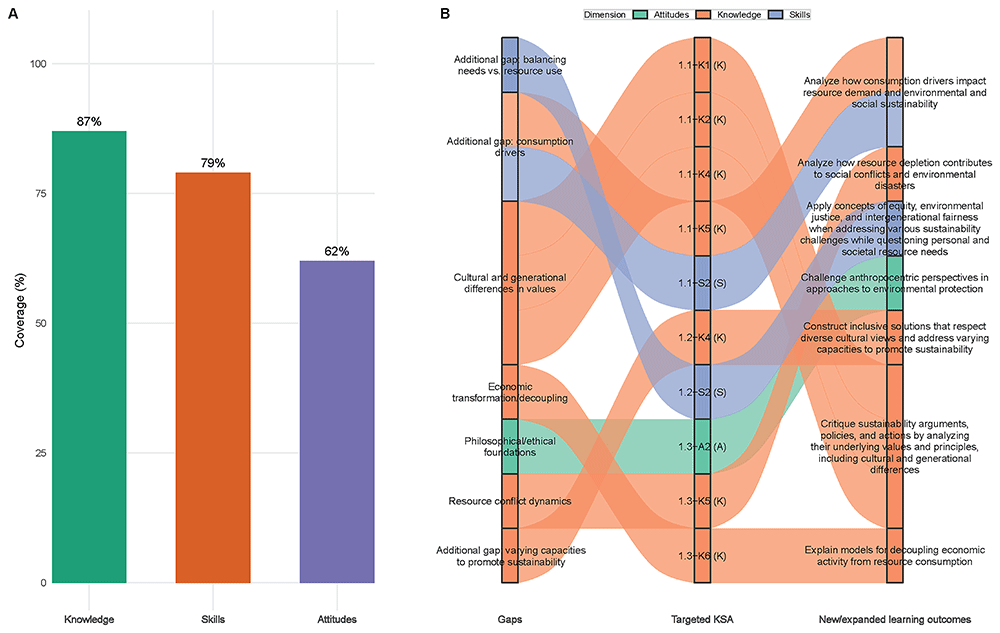
Figure 1. Coverage analysis: from gaps to actions.
Panel A shows the proportion of GreenComp knowledge, skills, and attitudes addressed by the 36 initial learning outcomes in the coverage analysis. Panel B summarizes the four principal gap clusters (philosophical/ethical foundations; cultural and generational differences in values; economic transformation/decoupling; resource conflict dynamics) and indicates the targeted KSA elements and the specific new or expanded learning outcomes introduced in the second iteration to close those gaps; additional gaps addressed include consumption drivers, balancing personal/societal needs versus resource use, and varying capacities to promote sustainability.
Enhancement strategies
To address identified gaps while maintaining a manageable number of learning outcomes, we employed two strategies (Figure 1B).
The first strategy entailed the modification of existing learning outcomes. Three existing learning outcomes were expanded to incorporate additional KSA elements:
– Valuing sustainability learning outcome 1: Added cultural and generational dimensions to address the gap in coverage of 1.1-K4.
– Supporting fairness learning outcome 1: Integrated personal needs assessment with resource minimization to address the gap in coverage of 1.2-S2.
– Supporting fairness learning outcome 2: Included varying capacities for sustainability promotion to address the gap in coverage of 1.2-K4.
The second strategy involved the creation of new learning outcomes. Four new learning outcomes were developed to address critical gaps in the KSAs of the associated GreenComp competencies:
– Analyzing consumption drivers and their environmental and social impacts (1.1-K5).
– Explaining models for decoupling economic activity from resource consumption (1.3-K6).
– Analyzing how resource depletion contributes to social conflicts and environmental disasters (1.3-K5).
– Challenging anthropocentric perspectives in environmental protection approaches (1.3-A2).
Second iteration results
The second expert validation round focused on the eight modified or new learning outcomes. Three learning outcomes required further refinement based on expert feedback:
– Valuing Sustainability learning outcome 4 was enhanced to explicitly include social alongside environmental sustainability dimensions, with corresponding adjustments to measurable criteria and evaluation methods.
– Promoting Nature learning outcome 5 was expanded to balance coverage between social conflicts and environmental disasters, addressing expert concerns about incomplete scope. Measurable criteria were changed to explicitly include “connections between resource depletion and environmental disasters” and “feedback loops between resource scarcity and environmental degradation.”
– Promoting Nature learning outcome 6: The suggestion to include “attributing equal importance to human and non-human beings” was carefully considered but ultimately refined to emphasize that approaches should consider multiple species’ interests “as morally significant in their own right,” maintaining philosophical accuracy while avoiding absolute equality claims that might not align with established ecocentric positions.
Final learning outcome distribution
The development process resulted in 40 learning outcomes (Table 1, Annex I in the Extended Data) distributed across the four GreenComp competence areas with a strategic emphasis on foundational values. Area I: Sustainability Values contains 13 learning outcomes, reflecting its foundational importance for sustainability competence development as the ethical grounding that informs all other aspects. The remaining three areas (Area II: Embracing Complexity, Area III: Envisioning Sustainable Futures, and Area IV: Acting for Sustainability) each contain 9 learning outcomes, providing balanced coverage of the analytical, future-oriented, and action-focused dimensions of sustainability competence.
Table 1. Complete set of forty GreenComp learning outcomes.
Competence
area | Competence | Learning outcome | KSA coverage |
|---|
I. Sustainability
values | 1.1 Valuing
sustainability | 1. Critique sustainability arguments, policies, and actions by
analyzing their underlying values and principles, including
cultural and generational differences | 1.1-K1, 1.1-K2, 1.1-K4,
1.1-S1, 1.1-S2, 1.1-A3,
1.1-A4 |
2. Negotiate solutions that reach a consensus aligned with
specific sustainability principles while respecting diverse
stakeholder perspectives | 1.1-S4, 1.1-S5, 1.1-A2 |
3. Design and implement a personal action plan applying
concrete sustainability principles to daily choices | 1.1-K3, 1.1-K6, 1.1-S3,
1.1-A1 |
4. Analyze how consumption drivers impact resource
demand and environmental and social sustainability | 1.1-K5, 1.1-S2 |
1.2 Supporting
fairness | 1. Apply concepts of equity, environmental justice, and
intergenerational fairness when addressing various
sustainability challenges while questioning personal and
societal resource needs | 1.2-K1, 1.2-K2, 1.2-S1,
1.2-S2, 1.2-A1 |
2. Construct inclusive solutions that respect diverse
cultural views and address varying capacities to promote
sustainability | 1.2-K4, 1.2-S3, 1.2-S4 |
3. Advocate for the preservation of nature for current and
future generations | 1.2-K3, 1.2-A2, 1.2-A3 |
1.3 Promoting
nature | 1. Explain the interconnectedness between human well-
being and ecosystem health, including analyzing personal
impacts on natural systems | 1.3-K1, 1.3-K2, 1.3-K3,
1.3-S1, 1.3-S5, 1.3-A4 |
2. Participate actively in specific practices that restore,
regenerate, and promote harmonious coexistence with
nature | 1.3-S4, 1.3-A1, 1.3-S3,
1.3-A5 |
3. Value the rights and roles of other life forms in
maintaining ecological balance | 1.3-K4, 1.3-S2, 1.3-A3 |
4. Explain models for decoupling economic activity from
resource consumption | 1.3-K6 |
5. Analyze how resource depletion contributes to social
conflicts and environmental disasters | 1.3-K5 |
6. Challenge anthropocentric perspectives in approaches to
environmental protection | 1.3-A2 |
II. Embracing
complexity | 2.1 Systems
thinking | 1. Analyze how human activities across domains impact
environmental and societal systems | 2.1-K1, 2.1-K2, 2.1-S1,
2.1-S2, 2.1-A1, 2.1-A3 |
2. Map the interactions, feedback, and cascading effects
within complex sustainability issues | 2.1-K4, 2.1-K5, 2.1-S3,
2.1-S5, 2.1-A2, 2.1-A4,
2.1-A5 |
3. Apply systems modeling, life cycle assessment techniques,
and resource minimization methods to sustainability
challenges | 2.1-K3, 2.1-S4 |
2.2 Critical
thinking | 1. Evaluate the reliability of sustainability information
sources and claims | 2.2-K1, 2.2-K4, 2.2-S3,
2.2-S5, 2.2-A5 |
2. Deconstruct arguments to identify underlying
assumptions, biases, and contexts | 2.2-K2, 2.2-K3, 2.2-K5,
2.2-S2, 2.2-A2 |
3. Formulate evidence-based perspectives on sustainability
issues that integrate diverse human and non-human
considerations | 2.2-K1, 2.2-S1, 2.2-S4,
2.2-A1, 2.2-A3, 2.2-A4 |
2.3 Problem
framing | 1. Differentiate between simple, complicated, and complex
sustainability problems | 2.3-K1, 2.3-K2, 2.3-K4,
2.3-A2 |
2. Transform sustainability problem definitions by
systematically integrating diverse stakeholder viewpoints
and systems-level considerations | 2.3-K3, 2.3-S1, 2.3-S2,
2.3-A4 |
3. Select appropriate strategies to mitigate, adapt, and solve
sustainability challenges | 2.3-K5, 2.3-S3, 2.3-S4,
2.3-S5 |
III. Envisioning
sustainable
futures | 3.1 Futures literacy | 1. Create alternative scenario models that question current
paradigms and envision transformative sustainable futures | 3.1-K1, 3.1-K5, 3.1-S1,
3.1-A4 |
2. Assess opportunities, risks, and implications of different
future scenarios | 3.1-K4, 3.1-S2, 3.1-A3 |
3. Design a pathway with interventions toward a preferred
sustainable future | 3.1-K2, 3.1-K3, 3.1-S3,
3.1-S4, 3.1-A1, 3.1-A2 |
| 3.2 Adaptability | 1. Adapt personal practices in response to changing
sustainability contexts, constraints, and new information | 3.2-K4, 3.2-S1, 3.2-S2,
3.2-A2, 3.2-A4 |
2. Make decisions by evaluating sustainability tradeoffs
across domains and scales | 3.2-K5, 3.2-S3, 3.2-A5 |
3. Formulate adaptive strategies to manage socio-ecological
transitions necessitated by environmental and societal
changes | 3.2-K1, 3.2-K2, 3.2-K3,
3.2-S3, 3.2-S4, 3.2-A1,
3.2-A3 |
3.3 Exploratory
thinking | 1. Synthesize knowledge from various disciplines to
approach sustainability issues | 3.3-K1, 3.3-K4, 3.3-S1,
3.3-S2, 3.3-S3 |
2. Experiment with innovative problem-solving methods,
such as systems thinking, to address sustainability
challenges | 3.3-K2, 3.3-K3, 3.3-A1,
3.3-A4 |
3. Accommodate diverse perspectives when exploring
sustainable solutions | 3.3-S5, 3.3-A2, 3.3-A3 |
IV. Acting for
sustainability | 4.1 Political
agency | 1. Analyze how political systems, policies, and power impact
sustainability | 4.1-K1, 4.1-S1, 4.1-A4 |
2. Apply knowledge and skills for effective participation in
democratic processes to advance sustainability policies | 4.1-K3, 4.1-S2, 4.1-S4,
4.1-A1 |
3. Advocate for political responsibility and sustainability
accountability | 4.1-K2, 4.1-K4, 4.1-S3,
4.1-A2, 4.1-A3 |
4.2 Individual
initiative | 1. Evaluate one’s potential to drive positive environmental
changes | 4.2-K1, 4.2-K3, 4.2-K4,
4.2-K5, 4.2-S4, 4.2-S6,
4.2-A2, 4.2-A3, 4.2-A4, |
2. Apply resource efficiency, reuse, and sharing principles in
personal and group contexts | 4.2-S1, 4.2-S5, 4.2-A5 |
3. Apply the precautionary principle through targeted
actions that help prevent ecological and human harm | 4.2-K2, 4.2-S2, 4.2-S3,
4.2-A1 |
4.3 Collective
action | 1. Build diverse coalitions by identifying stakeholder
strengths and roles | 4.3-K1, 4.3-S1, 4.3-S5 |
2. Facilitate, initiate, or actively participate in inclusive
community processes for coordinated sustainability action | 4.3-K2, 4.3-K3, 4.3-K4,
4.3-S2, 4.3-S3, 4.3-S4,
4.3-A2, 4.3-A5 |
3. Connect personal sustainability actions to the collective
implementation of explicitly defined sustainability visions | 4.3-S6, 4.3-A1, 4.3-A3,
4.3-A4 |
For each outcome, Annex I provides detailed specifications of observable behaviors, measurable criteria, and evaluation methods that can be assembled into mixed-method assessment packages (analytic rubrics, portfolios, peer/self-review). To illustrate practical implementation, the following Implementation notes section presents two worked examples: one demonstrating a complete assessment pathway for a single outcome, and another showing how multiple outcomes can be assessed holistically within an integrated project.
Implementation notes
To support practical application of these learning outcomes, we provide two worked examples demonstrating assessment approaches that maintain rigor while honoring the holistic nature of sustainability competencies. The first example illustrates a detailed assessment pathway for a single learning outcome, while the second demonstrates how multiple outcomes can be assessed through an integrated project that preserves their gestalt quality.
Worked example (single outcome): LO 2.2.1 Evaluate the reliability of sustainability information sources and claims
Learning context: University-level sustainability course or adult education workshop on environmental literacy (adaptable across levels by adjusting source complexity and scaffolding).
Evidence requirements: Learners submit three annotated source evaluations covering different source types (e.g., peer-reviewed journal article, policy document or technical report, popular media article) plus a reflective memo (approximately 500 words) explaining their evaluation reasoning and identifying challenges encountered.
Assessment instrument: Four-criterion analytic rubric, each criterion scored on 4 levels (Developing / Adequate / Proficient / Exemplary):
– Credibility checks (KSA 2.2-K1, 2.2-S3): Does the learner systematically evaluate author credentials, publication venue reputation, peer review status, and institutional affiliations? Exemplary level: Consistently identifies multiple credibility indicators and explains their significance for source reliability.
– Bias identification (KSA 2.2-K4, 2.2-S5): Does the learner recognize funding sources, rhetorical framing, omissions, and potential conflicts of interest? Exemplary level: Identifies subtle biases including omissions and framing effects, not just explicit conflicts of interest.
– Triangulation (KSA 2.2-S3, 2.2-S5): Does the learner cross-reference claims across multiple independent sources and seek primary evidence? Exemplary level: Systematically verifies claims through multiple independent sources and distinguishes primary from secondary evidence.
– Reflective justification (KSA 2.2-K1, 2.2-A5): Does the learner clearly explain evaluation reasoning, acknowledge uncertainty, and identify own potential biases? Exemplary level: Provides sophisticated justification, acknowledges knowledge limitations and uncertainty, reflects on own biases that might influence evaluation.
Instructional sequence:
– Mini-lesson (1 hour): Introduce source evaluation principles with sustainability-specific examples (e.g., industry-funded studies, advocacy group reports)
– Guided practice (30 min): Collaborative evaluation of sample sources with instructor facilitation
– Independent analysis (2–3 hours, out of class): Learners complete three source evaluations
– Peer review (30 min): Partners exchange annotations and provide structured feedback
– Rubric scoring (instructor): Apply analytic rubric to annotated sources and reflective memo
– Feedback and reflection (20 min): Learners review scored rubrics and write brief reflection
– Optional revision: Learners may revise one source evaluation based on feedback to demonstrate learning progression
Explicit KSA coverage: This outcome directly addresses 2.2-K1 (understanding that sustainability knowledge evolves and claims require verification), 2.2-K4 (recognizing potential for misleading information), 2.2-S3 (evaluating information sources), 2.2-S5 (approaching sustainability claims skeptically), and 2.2-A5 (maintaining healthy skepticism while remaining open to evidence).
Integrated assessment example (preserving gestalt): Community sustainability intervention
Task: Co-design and implement a small-scale intervention with a community partner, including systems analysis, stakeholder engagement, and a reflective rationale.
Aligned outcomes: 2.1 'Map interactions/feedbacks' (Area II), 3.1 'Design a pathway toward a preferred future' (Area III), 4.3 'Facilitate/participate in inclusive community processes' (Area IV) with explicit KSA tags drawn from Annex I.
Evidence: Portfolio with (a) systems map and leverage points, (b) stakeholder engagement log and artifacts, (c) intervention plan and implementation notes, (d) reflective memo linking ethics and tradeoffs, all aligned to Annex I observables.
Judging approach: One 4-criterion analytic rubric (systems insight; inclusive process; pathway coherence/feasibility; reflective ethics), brief scorer calibration on two exemplars, and a peer-review checkpoint to surface bias and triangulate judgments, minimizing fragmentation across outcomes.
Discussion
Situating our contribution within the GreenComp assessment landscape
The proliferation of assessment initiatives targeting GreenComp competencies reveals both the recognized importance of sustainability education and the persistent challenges in its operationalization. Our review of existing approaches reveals a fragmented landscape characterized by partial coverage, methodological limitations, and implicit assumptions about the nature of sustainability competencies.
The dominant pattern across existing initiatives is the privileging of cognitive dimensions over affective and behavioral ones. TASK™ by Sulitest, despite its comprehensive alignment with GreenComp’s knowledge elements (100% coverage), achieves only 70% coverage of skills and 30% of attitudes. This imbalance reflects not merely technical limitations but deeper assumptions about what constitutes legitimate educational assessment. The measurability of factual knowledge through traditional testing formats creates path dependencies that marginalize the transformative dimensions of sustainability education.
This limitation is critical because, as Mezirow (1981) argues, a core aim of education for sustainability must be to transform learners' perspectives, helping them reconsider and change problematic frames of reference while reshaping fundamental attitudes. Our contribution responds directly to this transformative imperative. Unlike initiatives that primarily focus on knowledge assessment, the developed learning outcomes address all three dimensions of learning (cognitive, social-emotional, and behavioral) across all 12 GreenComp competencies. In contrast to self-assessment tools, the learning outcomes are designed to be observable through specific behaviors or products and measurable using defined criteria. Rather than treating knowledge, skills, and attitudes as separate elements, the learning outcomes integrate these components into holistic statements of what learners should be able to demonstrate.
The philosophical grounding of our approach also distinguishes it from technocratic assessment initiatives. By explicitly incorporating learning outcomes that challenge anthropocentric worldviews and require engagement with environmental ethics, we acknowledge that sustainability education cannot be value-neutral. This normative dimension, while complicating assessment, is essential for the transformative potential of sustainability education.
Challenges and limitations
The development of learning outcomes for GreenComp revealed several persistent challenges that reflect deeper tensions in sustainability education. The most fundamental challenge concerns the tension between the holistic, transformative nature of sustainability competencies and the analytical requirements of learning outcome specifications. The learning outcomes are presented as discrete units, but sustainability competencies, with their emphasis on systems thinking, value transformation, and collective action, resist decomposition into discrete, observable behaviors.
Cultural and contextual variability presents another significant challenge. While our expert panel represented diverse European contexts, the learning outcomes inevitably embed certain cultural assumptions about sustainability, education, and assessment. What constitutes “supporting fairness” or “promoting nature” varies significantly across cultural contexts, and our formulations, despite attempts at inclusivity, reflect predominantly Western European perspectives. Future research should therefore focus on validating and adapting these learning outcomes in non-European contexts, engaging with diverse cultural knowledge systems to enrich and decolonize the framework.
The cultural and geographical scope of our development process represents a significant limitation. Co-design workshops occurred exclusively in Western and Southern European institutions (France, Portugal, Spain, Italy), and the expert panel, while including diverse institutional types, concentrated geographically in Southern and Western Europe (detailed in Methods). This concentration means the learning outcomes inevitably reflect educational traditions, policy contexts, and sustainability priorities predominant in these regions, potentially embedding assumptions that require adaptation for other contexts.
Specific culturally embedded elements include: emphases on individual agency and democratic participation (particularly in Area IV: Acting for Sustainability) that may require reframing for contexts with different political systems or more collectivist cultural orientations; anthropocentrism-critique (LO 1.3.6) framed through Western environmental ethics that could benefit from incorporation of Indigenous or non-Western cosmologies of human-nature relationships; and assessment approaches (in Annex I) that privilege written individual work, potentially disadvantaging contexts with different literacy traditions or more oral/collective educational cultures. Additionally, the balance across learning outcomes—with substantial emphasis on individual responsibility alongside systemic change—may reflect Western European sustainability discourse that could differ from priorities in other regions facing different sustainability challenges or policy landscapes.
The cultural adaptation protocol below provides concrete guidance for contextualization, but we emphasize that adaptation cannot be performed by the original developers alone—it requires engagement with educators, learners, and knowledge holders from diverse contexts. Future research should include comparative implementation studies in Eastern and Northern European contexts, as well as beyond Europe where GreenComp frameworks are increasingly referenced, to identify culturally specific elements, test adaptation strategies, and potentially develop complementary outcomes addressing underrepresented perspectives. Only through such inclusive, iterative development can sustainability competence frameworks authentically support diverse pathways toward global sustainability goals while respecting cultural diversity and local knowledge systems.
The assessment challenge remains particularly acute. While we have specified observable and measurable dimensions for each learning outcome, the actual assessment of complex competencies like “challenging anthropocentric perspectives” requires sophisticated approaches that go beyond traditional testing. Portfolio assessment, peer evaluation, and community-based projects offer possibilities, but these require resources and expertise that may not be available in all educational contexts.
Cultural adaptability and contextualization
The learning outcomes were developed through a participatory process centered in Western and Southern European institutions, necessarily reflecting the educational traditions, policy contexts, and sustainability priorities of these regions. Responsible implementation across diverse European and global contexts requires systematic cultural adaptation rather than direct transfer.
We propose a four-stage adaptation protocol for educators and institutions implementing these outcomes in contexts beyond Western/Southern Europe:
Stage 1—Local stakeholder engagement: Before implementing outcomes, convene diverse local stakeholders (educators from the target educational sector, learners representing the intended population, community sustainability practitioners, and where relevant, Indigenous or cultural knowledge holders) to: (a) identify which outcomes align well with local sustainability priorities and educational approaches without modification, (b) flag outcomes requiring adjustment in language, emphasis, or examples to reflect local cultural values and educational philosophies, and (c) identify critical local sustainability issues underrepresented in the current outcome set that may warrant additional locally developed outcomes.
Stage 2—Linguistic and conceptual localization: Translate not merely language but underlying concepts and framings. For example, outcomes emphasizing "political agency" and "democratic processes" (e.g., LO 4.1.2) may require reframing for contexts with different governance structures, shifting emphasis toward appropriate forms of civic engagement available in the specific political system. Outcomes addressing "nature preservation" (e.g., LO 1.2.3) may benefit from expansion to explicitly incorporate Indigenous cosmologies or non-Western philosophical traditions of human-nature relationships where these are culturally central. Outcomes challenging "anthropocentric perspectives" (LO 1.3.6) may need adjustment to align with diverse cultural traditions regarding human-nature relationships.
Stage 3—Contextual examples and evidence adaptation: The Observable, Measurable, and Evaluation methods components detailed in Annex I provide starting points but require contextualization. Adapt these to: (a) reference locally relevant sustainability issues and familiar examples, (b) employ assessment approaches aligned with local educational traditions (e.g., supplementing individual portfolio assessment with collective or oral assessment methods where culturally appropriate), (c) ensure evaluation methods are feasible given local resource constraints and institutional capacities, and (d) maintain cultural sensitivity in topics that may be politically sensitive or culturally contested in specific contexts.
Stage 4—Pilot testing with iterative refinement: Implement adapted outcomes initially on a small scale (e.g., single course, small cohort, one institution), systematically gather feedback from both educators and learners regarding cultural appropriateness, practical feasibility, and perceived relevance, document needed refinements, and revise based on evidence before broader implementation. This iterative approach allows for ongoing learning and adjustment rather than assuming universal applicability.
This adaptation protocol acknowledges that sustainability competencies manifest and develop differently across cultural contexts, and that educational quality requires respect for local knowledge systems and educational traditions rather than uncritical transfer of Western European frameworks.
Implications for practice
The implementation of these learning outcomes in educational practice requires consideration of context, resources, and pedagogical approaches. Educators implementing these outcomes should view them not as rigid prescriptions but as flexible frameworks that can be adapted to local contexts while maintaining alignment with GreenComp’s core intentions.
Digital badge systems offer several affordances for competency recognition. Badges provide granular documentation of specific competencies achieved (Hickey & Willis, 2017). They can increase learner motivation through visible progress markers and social recognition (Abramovich et al., 2013). However, implementation approaches vary significantly in their effectiveness. Some badge systems risk fragmenting holistic competencies into disconnected micro-credentials, potentially undermining the integrated nature of sustainability education (Lockley et al., 2016). This fragmentation echoes a broader challenge in sustainability education: the tendency toward isolated learning experiences that fail to connect across disciplines, contexts, and real-world applications (Christie et al., 2013; Sipos et al., 2008). Students consistently report frustration with compartmentalized sustainability courses that don't translate into integrated understanding or action (Hopkinson & James, 2010). More effective badge implementations recognize 'constellations' of learning outcomes, requiring learners to demonstrate competence across cognitive, behavioral, and affective domains. For instance, a badge might require combining a systems analysis with a collective action initiative before a credential is awarded. This approach better honors the holistic 'gestalt' nature of sustainability competence. However, the labor market reception of such credentials remains mixed, with some employers valuing the specific competency documentation while others remain unfamiliar with badge-based credentials (Carey & Stefaniak, 2018; Raish & Rimland, 2016).
Professional development for educators represents perhaps the most critical factor for the successful implementation of these learning outcomes. The competencies assume educators who can facilitate complex learning processes, assess transformative capabilities, and navigate the inherently value-laden terrain of sustainability education (Annelin & Boström, 2024b). This extends far beyond technical training in assessment methods. Educators require deep engagement with sustainability concepts, systems thinking pedagogies, and transformative learning approaches (Burns, 2015; Sterling, 2024). They need support in developing facilitation skills for managing potentially contentious discussions about values, justice, and systemic change. Furthermore, educators themselves must engage in the same transformative learning processes they seek to facilitate, examining their own assumptions about human-nature relationships and sustainability transitions (Moore, 2005). Without substantial investment in such comprehensive professional development, even the most carefully designed learning outcomes risk being implemented in ways that perpetuate transmissive rather than transformative education.
Critical perspective: Micro-credentialing risks and necessary safeguards
While digital badges offer affordances for recognizing diverse learning pathways, we must address the significant risk of trivialization—where profound sustainability competencies become reduced to checklists that credential compliance rather than transformation. This risk is not incidental but structural, reflecting a fundamental tension between micro-credentialing logic and ESD's transformative aims.
Micro-credentialing systems privilege granularity (discrete, independently assessable units), standardization (comparable criteria across contexts), and transferability (credentials readable across institutional boundaries). Sustainability competencies, conversely, are emergent (arising from integration of elements), contextual (manifesting differently across situations), and values-laden (requiring normative judgment). The gestalt quality of these competencies—their irreducibly holistic nature—resists decomposition into the atomized units that credentialing systems favor.
This structural tension creates specific vulnerabilities. Badge inflation occurs when issuers proliferate credentials without corresponding assessment rigor, devaluing badges as quality signals. Checklist drift occurs when evidence requirements weaken from authentic competence demonstration to mere participation markers, as the administrative burden of rigorous assessment pressures issuers toward simpler verification. Commodification reduces complex capabilities involving ethical reasoning, systems thinking, and collective action to tradeable tokens that may credential exposure rather than transformation.
These risks are neither hypothetical nor easily dismissed. Sustainability education's transformative potential—its capacity to foster critical consciousness and systemic change—can be undermined when badge pursuit replaces deeper educational engagement or when credentials signal compliance with existing paradigms rather than capability to challenge them.
Necessary safeguards to counter trivialization include:
– Evidence rigor: Outcome-level assessment criteria must specify authentic performance integrating knowledge, skills, and attitudes. As detailed in Annex I, each outcome includes explicit observable behaviors and measurable criteria that require genuine competence demonstration, not mere exposure.
– Constellation-based credentialing: Where feasible, badges should recognize integrated competence clusters assessed through complex tasks (as illustrated in the integrated assessment example) rather than atomized micro-skills assessed in isolation.
– Transparent issuer accountability: Badge metadata must specify assessment criteria, evidence requirements, evaluator qualifications, and issuer accreditation, enabling critical evaluation by learners, employers, and institutions.
– Systematic quality assurance: Issuers must implement moderation protocols including inter-rater reliability checks, calibration with exemplars, and periodic review of assessment standards.
– Progressive pathways with explicit levels: Badge systems should articulate staged competence development (e.g., foundational, intermediate, advanced) rather than flat landscapes where all credentials appear equivalent, supporting authentic growth rather than accumulation.
– Integration with transformative pedagogy: Badge pursuit must be embedded in educational experiences fostering critical consciousness, not positioned as replacements for deeper learning.
These safeguards mitigate but do not eliminate fundamental tensions between standardization and transformation. As implementation proceeds, ongoing critical vigilance is necessary to ensure that operationalization serves rather than undermines sustainability education's transformative aims. The learning outcomes we present provide necessary infrastructure for quality credentialing, but infrastructure alone cannot ensure educational integrity—that requires sustained commitment to rigorous assessment and critical pedagogy.
Future directions: implementation roadmap and research agenda
Effective implementation of these learning outcomes requires deliberate capacity building, resource allocation, and systematic quality assurance. We outline a practical roadmap for educators, institutions, and policymakers before discussing research priorities.
Educator capacity building: Professional development should provide: (a) short-format training modules (3–6 hours) covering GreenComp foundations, outcome selection and adaptation for specific contexts, assessment design aligned to outcomes, and interpretation of Annex I specifications; (b) practice-based workshops where educators design assessments for their own teaching contexts with peer review, not lecture-based transmission; (c) ongoing communities of practice for sharing adapted materials, troubleshooting challenges, and collaborative refinement. This approach builds practical capability rather than theoretical knowledge alone.
Curriculum integration strategies: Rather than wholesale redesign, educators should: (a) map existing course/program outcomes to GreenComp to identify current strengths and gaps; (b) strategically infuse sustainability outcomes into existing courses (e.g., adding LO 2.2.1 on source evaluation to research methods; incorporating LO 1.3.1 on ecosystem interdependence into life sciences), fostering transdisciplinary integration; (c) shift toward project-based and portfolio assessment generating evidence for multiple outcomes simultaneously (as illustrated in our integrated assessment example); (d) develop mechanisms to credential sustainability competencies from community engagement and activism, not just formal coursework.
Progression pathways across educational levels: Current outcomes target primarily upper secondary, vocational, and higher education. For primary and lower secondary education, outcomes require developmental adaptation with: (a) reduced abstraction and cognitive complexity, (b) more concrete, familiar contexts, (c) greater scaffolding and support, while maintaining alignment to underlying GreenComp competencies. Progressive complexity should be explicit—for example, systems thinking might progress from identifying direct cause-effect in familiar issues (primary), to mapping interactions in local challenges (secondary), to analyzing feedback loops and leverage points in complex systems (higher education). Making this progression visible to learners supports metacognitive awareness and motivation.
Quality assurance and moderation: Consistent, fair assessment requires: (a) development and sharing of annotated work exemplars at different competence levels for calibration; (b) periodic calibration sessions where educators collectively score sample work, discuss discrepancies, and align standards; (c) peer moderation systems where educators review samples of each other's assessment decisions; (d) where appropriate, learner involvement in rubric co-creation and self/peer assessment, fostering metacognition while providing additional evidence.
Policy and institutional support: Effective implementation requires: (a) dedicated resources (time, funding) for professional development, assessment redesign, quality assurance, and community partnerships; (b) recognition in faculty workload models that designing quality assessment for complex competencies exceeds traditional exam preparation time; (c) regional or national networks for sharing resources (tools, professional development materials, exemplars), reducing duplication; (d) explicit mapping to national and European qualification frameworks (EQF) for credential portability; (e) employer and civil society engagement in dialogues about competence demonstration and credential value, ensuring credibility and relevance.
Research priorities: Beyond implementation support, several research directions warrant attention:
A primary step is to conduct extensive field testing in diverse educational settings. This is essential not only to validate the practical utility of the learning outcomes but also to inform the development of guidance for their contextual adaptation. To ensure the framework's long-term relevance as sustainability challenges evolve, it would be prudent to establish a review cycle to periodically reassess its effectiveness.
The development of robust assessment frameworks is another priority. This includes creating tools and rubrics that can capture the complexity of sustainability competencies while remaining practical for educators. Crucially, this work should include examples of low-resource assessment methods to ensure applicability across varied economic and institutional contexts.
To support educators, the creation of comprehensive implementation guides is vital. Such guides could be complemented by integrated learning modules that address multiple competencies simultaneously and supporting materials that address prerequisite knowledge requirements. Building on this, the creation of progression pathways showing how learners can develop competencies over time would address a significant gap and would help educators design coherent learning sequences. While the current framework avoids specifying rigid levels to maintain flexibility, future iterations could consider creating differentiated versions for different educational levels (e.g., primary, secondary, vocational, higher education) to enhance usability.
Finally, integration with existing curriculum frameworks and qualification systems presents both an opportunity and a challenge. The learning outcomes must be translated into language and structures that align with national and regional education systems while maintaining their transformative potential. This requires ongoing dialogue between European-level framework development and national implementation efforts.
Conclusions
This paper has presented the methodology and results of developing learning outcomes for the European sustainability competence framework (GreenComp) as part of the OpenPass4Climate project. The development process, involving co-design among educational stakeholders, validation by an international panel of experts, and comprehensive coverage analysis, has produced 40 learning outcomes that operationalize GreenComp’s competencies while addressing critical gaps in the original framework.
The resulting learning outcomes represent more than technical specifications for assessment. They embody a vision of sustainability education that integrates cognitive understanding, emotional engagement, and behavioral transformation. By explicitly incorporating philosophical dimensions, challenging anthropocentric assumptions, and connecting individual and collective action, they point toward a more transformative approach to sustainability education than purely skills-based frameworks allow.
The tensions revealed in this process (between standardization and contextualization, between measurability and transformation, between individual and systemic change) are not merely technical challenges to be resolved but fundamental features of sustainability education. The learning outcomes we have developed attempt to hold these tensions productively rather than resolve them prematurely.
As the climate crisis accelerates and planetary boundaries strain, the urgency of sustainability education intensifies. Our learning outcomes provide infrastructure for this educational transformation, but infrastructure alone cannot create change. The transformation requires educators willing to challenge disciplinary boundaries, institutions ready to restructure assessment paradigms, and societies prepared to question fundamental values. The learning outcomes are tools for this work, but the work itself remains ahead.
The ultimate test of our framework will not be its technical elegance or theoretical sophistication but its capacity to catalyze meaningful change. Do learners who develop these competencies act differently in the world? Do educational programs using these outcomes produce graduates capable of systemic thinking and collective action? Does the framework contribute to the broader transformation toward sustainability? These questions cannot be answered through methodology but only through practice, experimentation, and ongoing reflection.
In offering these learning outcomes to the educational community, we invite not just implementation but co-evolution. The framework should grow, adapt, and transform through use. It should incorporate perspectives excluded from our initial process. It should respond to emerging sustainability challenges and educational innovations. Most fundamentally, it should serve not as an endpoint but as a catalyst for the ongoing work of creating educational systems adequate to our planetary moment.
Ethics and consent
Ethical approval and consent were not required.