1. Introduction
Countries in certain regions lag in adapting to the ongoing green energy revolution. Meanwhile, achieving emission targets and other global indicators of sustainability transitions is impossible without sufficient contribution from stakeholders outside developed countries. The large body of existing literature on sustainability transitions paid less attention to the ongoing phase-out of mature, unsustainable technologies1. Importantly, papers that carried out a global analysis with developed countries seem to exceed significantly those with developing countries despite essential differences in effects of several important determinants of renewable energy deployment between the two groups2. This shortage implies the need for studies of renewable energy's economic and socio-political context that help to understand the perspectives of policymakers and the needs of consumers built on pro-fossil and pro-hydropower policy aspects of sustainable transition in the context of non-Western countries. The knowledge gap applies to Central Asia in particular, a less-known post-Soviet region that has a total population comparable to the one of France but possesses massive energy resources on a global scale3. The importance of Central Asia for the carbon footprint was highlighted most recently by the inclusion of the region into the list of “ultra emitters” of methane associated with oil and gas production, with a large portion of emissions from Turkmenistan4.
The warnings about the excessive dependence of Central Asia on abundant and affordable fossil fuels have long been made, but few positive changes seem to have happened since then3. The share of wind and solar power in all five Central Asian countries remained negligible for a long time, so each of the economies in transition being at different levels of socio-political development provides a relevant case for a regional study5. Hence, each of the economies in transition at varying levels of sociopolitical development offers a valuable case for the study. Kazakhstan, Uzbekistan, and Turkmenistan derived energy supply mostly from fossil fuel. Tajikistan and Kyrgyz Republic, on the other hand, rely on hydropower. The countries recognize the potential of non-hydro renewables, especially in view of the changing demand for coal, oil and gas5,6. Remaining heavily reliant on cheap hydrocarbon or hydropower supply, entire Central Asia found itself in lowest position with respect to adoption of alternative green energy technology6. Better air quality, lower emissions, resilience, and security of electricity supply should become more prioritized benefits of renewables7.
The purpose of this study is to answer the following question: what is the level of dependence on fossil energy relative to the adoption of non-hydro renewable energy in Central Asian countries? The objective is to understand and eliminate barriers to adopting sustainable energy sources in developing and transition countries. The role of evidence-based information on barriers produced by the proposed project could be important for developing renewables in transition countries and regions such as Central Asia. Consequently, this study intends to explore the following issues in the context of transition economies in Central Asia: (i) barriers in the shift from fossil and hydropower to non-hydro renewables; (ii) interplay of socio-political and economic factors in the adoption of non-hydro renewables at levels of organizations and individuals; (iii) decentralized energy systems, which could help to address social problems in underprivileged areas; (iv) challenges and opportunities for sustainable development presented by insufficient human capital and low public awareness (v) long-term consequences of potential failures to gain benefits from non-hydro renewables due to socio-political settings that hamper the expansion of non-hydro renewables relative to fossil and hydropower resources. These issues and related barriers are highly relevant because of the underdeveloped renewables sector in regions that still lack the policies, acceptance, expertise, and capital to take advantage of the rapidly developing technologies in their respective fields.
Extant literature on non-hydro renewables includes relatively little information on Central Asian countries. Numerous studies focus on separate countries or factors8–10. To the best of the authors' knowledge, the most recent research on renewables in Central Asia was published in 20206. Another paper with a comprehensive review of renewable energy published in 2018 focused on a wider area of South East and Eastern Europe, South Caucasus, and Central Asia5. One of the earliest reviews considered the contribution of renewable energy sources in the sustainable development of Central Asia with a focus on the UN goals7. A new study is timely given the increasing interest in the region with underdeveloped renewables to introduce a more sustainable energy mix during the upcoming modernization and replacement of power generating capacity. This study extends the results of the previous research on Central Asian renewables by providing extra analyses of technological potential (floating solar, local manufacturing, and maps of possibility), energy costs (electricity pricing and lifetime cost), government ideology, research and development, foreign investment, and decentralized systems. The findings can provide additional support for the advancement of non-hydro renewables that can become an essential part of the transition to sustainable growth and a global decrease in emissions. By substantially enhancing the deployment of non-hydro renewables, Central Asian countries could turn the threat of excessive reliance on fossil and hydro resources into sustainable development opportunities.
The subsequent sections discuss the methodology, the current state of non-hydro renewable energy in Central Asian countries, their potential for renewables, the reasons behind the low adoption, implications, and conclusions.
2. Method
The research design is mainly based on comparative data analysis from relevant industry reports. Available quantitative country-level studies identify the following significant indicators (discussed later in Section 4 and Section 5): fossil fuel cost, electricity price, subsidies, tariffs, financing, regulations, governance structures, energy security, research and development, public interest, environmental concerns, income, and population size2,11. Widely used econometric methods take into account but do not always sufficiently explain the growing empirical evidence of the largely hidden but powerful role of support or opposition to traditional energy sources representing interest groups and creating policy barriers to the adoption of renewables emerged, which primarily includes fossil lobbies2.
The low cost, maturity, and reliability of energy supply from fossil fuel and hydropower were traditionally presented as the main causes of the low adoption of non-hydro renewables12,13. Recent methodology for estimating renewable costs considered in this study involves the average lifetime levelized cost of electricity generation (LCOE), which reveals the importance of discount rate (cost of financing) over the system's lifetime. The higher cost of non-hydro renewables relative to traditional energy sources is analyzed further as the main barrier to the adoption of green energy in Central Asia.
Yet, those economic and technological causes alone cannot explain why the adoption was dramatically less in certain countries exemplified by Central Asia relative to others. A growing body of evidence suggest other significant factors in the adoption of renewables beyond cost and technology, which are related to the following dimensions: political, social, regulatory, behavioural, human capital, and investment14. Research on non-hydro renewables has made relatively limited use of socio-political theories, even though the technology is most rapidly transforming the field of sustainability in current practice. Limited theoretical and empirical studies on interest groups as policy barriers to adopting renewables emerged relatively recently, and available research mainly focuses on cases of fossil lobbies in developed countries15,16. In particular, empirical evidence suggests opposition from fossil fuels and other interest groups could create a critical barrier to renewable energy15. The interpretation of non-economic barriers in this study employs a public choice perspective to analyze the development of policies for renewable energy sources. The public choice perspective assumes the self-interest of voters, politicians, bureaucrats, and other interest groups on different government levels predominantly determine political decisions17. This study thus takes into account both the economic and socio-political dimensions of renewable energy.
The study limitations have to be acknowledged in the description of its method. There are few studies on renewable energy deployment incorporating both quantitative and qualitative methods that consider a larger number of underrepresented factors, especially those specific to political, social, and other non-economic factors (i.e., public confidence in the renewables) and measures that would not be quickly revealed by analysis of secondary data (i.e., investor's experience in the field)11. This shortcoming is particularly relevant for Central Asian studies. Implications presented in the Discussion section are primarily based on the results of this and previous studies, which are mostly preliminary and need refinement in future work using mixed methods. The investigation is limited in its scope to the electricity generation from wind and solar since the adoption of renewable energy in the transportation, heating, and cooling applications of the Central Asian countries do not seem to become significant any time soon due to the low use of electric vehicles, solar thermal, and similar applications. Offshore wind could be of interest in coastal areas of Kazakhstan and Turkmenistan along the Caspian Sea (Figure 1) in the future. Offshore wind is not the focus of this report as the region currently lacks resources to develop these renewables.
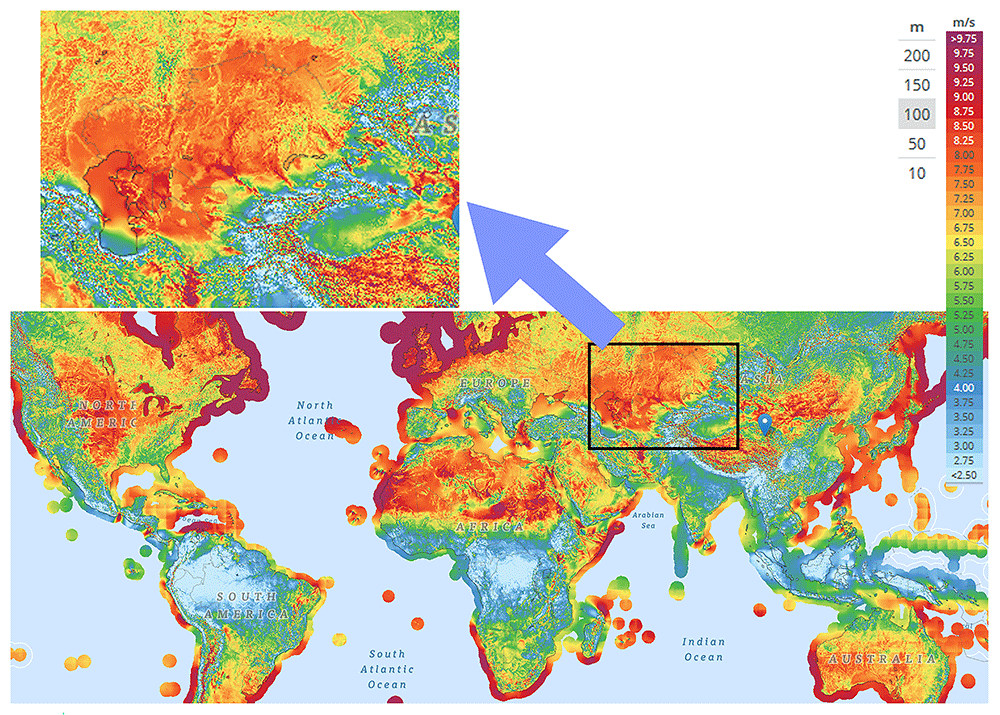
Figure 1. Central Asia on the global wind map in m/s; the region is shown within the rectangular area21.
Source: adapted from Energydata.info (Energydata.info, 2020).
Furthermore, ocean and geothermal energy are excluded from this report's analysis since the potential of Central Asian countries to exploit them seems negligible. There were few targets and policies concerning renewable energy in transport, heating, and cooling as of 201913. Further discussion is limited to renewables in electricity generation. Finally, hydropower and bioenergy are considered in this study mainly from the perspective of complementing wind and solar energy. Hence the main focus would be on rapidly growing onshore wind and solar power.
3. Potential and recent state recent state and future potential of renewable energy in Central Asia
3.1. Global background
Limited information was available on Central Asian renewables in the International Renewable Energy Agency (IRENA) reported in the Other Asia category, where the decline in the costs of renewables was less than in other regions12. The support for the development of renewable energy in Central Asia appears lower relative to the majority of developing and transition economies13. The low cost of fossil, heavy subsidies, logistics, expertise, financing, currency, and opposition from the interest groups are among the issues affecting non-hydro renewables in the region5,6,11,18. Coal, gas, and hydropower have been the main sources of energy in Central Asia, and the share of coal-generated energy has expanded recently19. The installed capacity of non-hydro renewables was meager even in Kazakhstan, the leading economy of the region, while transport, heating, and cooling systems in Central Asia used almost no non-hydro renewable energy. Power infrastructure in the region needs modernization or replacement in the near future6. Though Central Asia could become an electricity generation hub, its potential was not realized due to the inability of the countries in the region to achieve the scale of Soviet-era investments in thermal and hydropower sectors; these experienced seasonal shortages, poor integration, energy losses, and issues with transmission lines20. The energy sectors of Central Asian countries need foreign investment and expertise to develop6. The expansion of renewables instead of fossil has significant potential to decrease the energy mix costs while improving conditions of ecology, emission, security, and resilience7.
3.2. Regional potential
The following areas had higher prospects for development in Central Asia: wind and photovoltaic (PV) in Kazakhstan, small hydropower and biofuel in Kyrgyzstan, small hydropower and PV in Tajikistan, PV in Turkmenistan, PV and small hydropower and biogas in Uzbekistan6,7,18. The stable, uninterrupted power supply has been particularly relevant for countries with seasonal or weather-related fluctuations in the energy supply: Uzbekistan, Tajikistan, and Kyrgyzstan20. Central Asia is an area where the capacity for generating electricity from both onshore wind and the sun appears higher than average in Eurasia (Figure 1 and Figure 2 adapted from the Global Solar Atlas and Energydata.info). However, the disadvantage of being landlocked countries hinders the development of renewables in the region. Wind power appears particularly attractive relative to other renewables in the region, with approximately 70% of its potential concentrated in Kazakhstan23. Though Turkmenistan and Uzbekistan have the highest solar irradiation, Kazakhstan became the region's leader in solar power development24. Global warming might lead to an insignificant reduction in the wind power potential in Central Asia25.
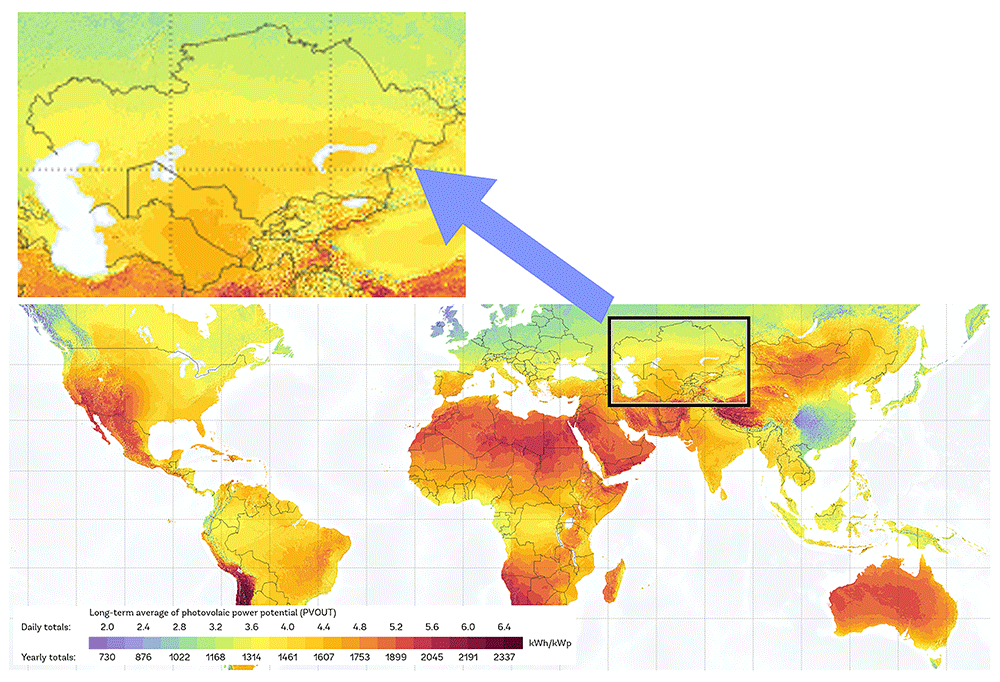
Figure 2. Central Asia on the map of the long-term average for photovoltaic power potential, PVOUT in kWh/kWp; the region is shown within the rectangular area22.
area (Source: adapted from the Global Solar Atlas (Global Solar Atlas, 2020)).
Floating solar at reservoirs seems suitable for Central Asia with its irrigation networks and water shortages. A decentralized heat production using solar water heaters was tested in Tajikistan as another attractive technology for the region26. Traditional biofuels such as wood and dung have long been used in Central Asia despite pollution, health, and deforestation risks. Modern biofuel technologies such as landfill gas have potential in Central Asia, with waste levels increasing along with population. Agricultural waste in the region, such as feedstock and cotton waste, also can be used.
3.3. Regional progress in renewable energy
Taken as a region, Central Asia lagged in realizing the potential for onshore wind, sun, and other non-hydro renewables behind other parts of Eurasia5. Post-Soviet Ukraine, Russia, Ukraine, and Azerbaijan have been adding remarkable renewable capacity even on a global scale12,19. Figure 3, Figure 4, and Figure 5 show the share of solar and wind in all Central Asian countries remained at levels around one percent, while biofuels had the highest percentage of non-hydro renewable energy supply19. Meanwhile, the share of natural gas as a relatively cleaner source of fossil energy supply decreased in most Central Asian countries in the recent decade, in contrast, the corresponding share of coal increased. While the share of non-hydro renewables, excluding biofuels worldwide, increased from 0.6% to over 2% between 2000 and 2018, their share in Kazakhstan only increased from 0.03% to 0.1%19. The region seems to be slowly reacting recently, with most countries introducing renewable energy expansion targets: Kazakhstan and Kyrgyzstan have feed-in tariffs, Kazakhstan and Tajikistan have tradable electricity certificates, and Turkmenistan, however, has demonstrated limited progress and support for renewable energy initiatives27.
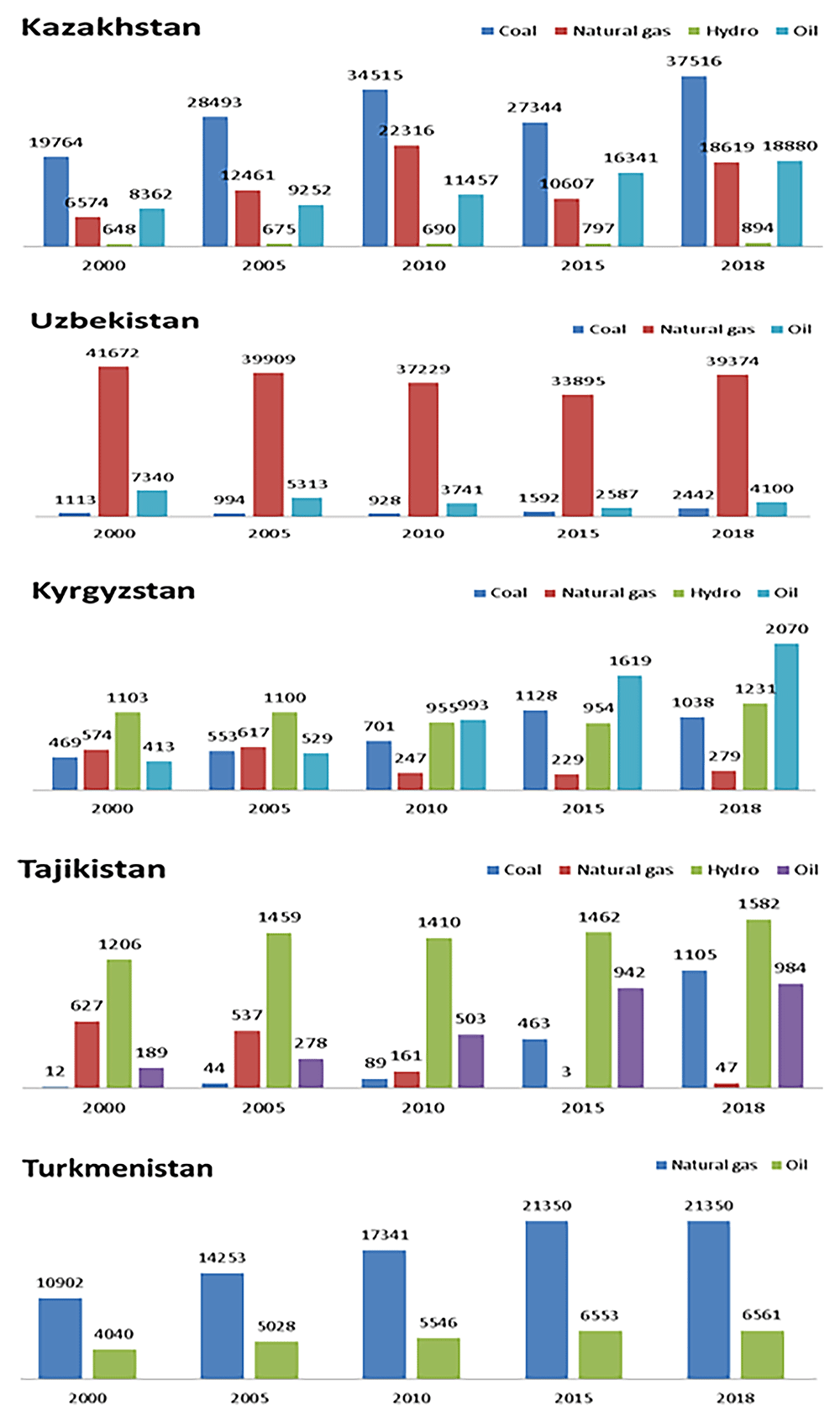
Figure 3. Total energy supply (ktoe) by source in Central Asia 2000–201819.
Note: insignificant sources for each country are not shown.
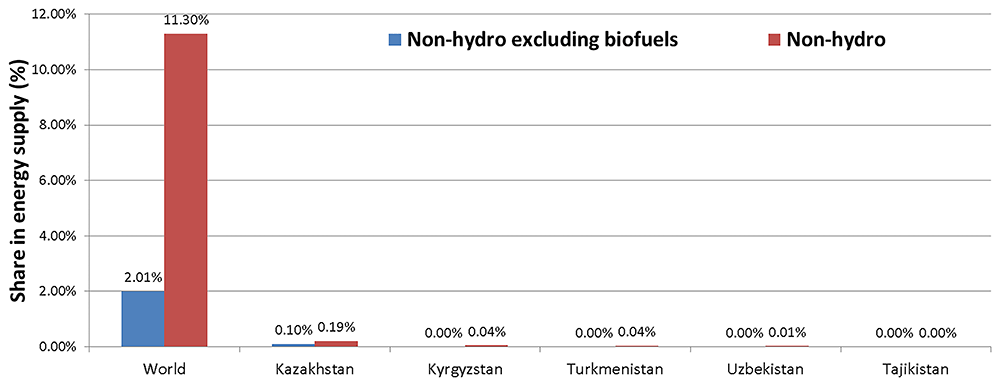
Figure 4. The share of non-hydro renewables in total energy supply (ktoe) by source as of 2018 – comparing Central Asian countries relative to global levels19.
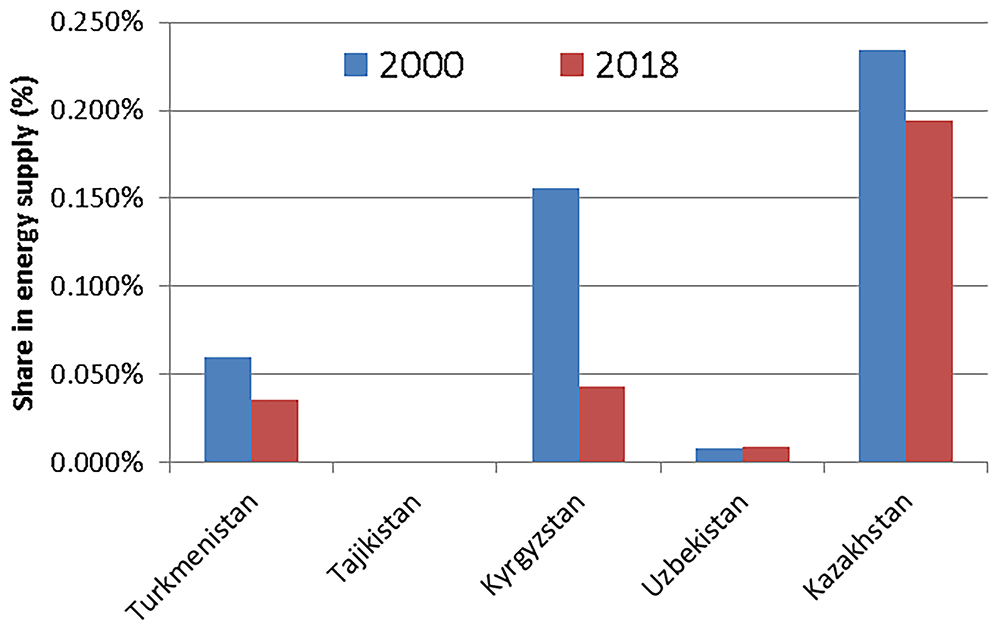
Figure 5. The change in share of non-hydro renewables in total energy supply (ktoe) by source as between 2000 and 2018 in Central Asian countries19.
3.4. Kazakhstan
Kazakhstan has been leading Central Asia in the deployment of non-hydro renewables with corresponding legislation and a share in the energy mix6. The country still heavily relies on coal19. Wind and solar power can become significant in replacing fossil fuel, while biomass and hydro energy decrease in importance10. Kazakhstan managed to attract significant foreign investments in renewable projects28.
3.5. Uzbekistan
In Uzbekistan, losses, overuse, and financing issues create obstacles in meeting the energy demand of a growing economy and population which predominantly rely on natural gas19. The State Action Plan on Renewable Energy envisions over eight hundred projects with a total value of USD 5.3 billion from 2017–202518. The government should engage in dialogue with the local population about the advantages and disadvantages of renewables to increase awareness and foster sustainable practices29.
3.6. Turkmenistan
Turkmenistan had the lowest share of renewables in the region5,7,30. The country needs to improve the availability of statistics among local and foreign stakeholders19.
3.7. Kyrgyzstan
Despite the ongoing changes in Kyrgyzstan's non-hydro renewables, there seems to be low interest in renewables. There was little information on specific targets or policies related to wind or solar as of 201913. The country relies on low-cost hydro power with an aging infrastructure, which leads to significant losses19.
3.8. Tajikistan
Tajikistan generated almost half of its energy by hydropower and was the world's fifth-largest investor in hydropower additions below 50 MW in 201913. The country suffered from seasonal energy shortages19. The quality of the water supply constrained the development of solar water heating26;
4. Barriers to broader adoption of wind and solar power in Central Asia
Based on the prominent reviews of research on renewables globally, the authors distinguish the following main categories of significant determinants as the barriers: income, electricity and fossil fuel prices, international flows, financing, wealth, population, government ideology, regulatory framework, energy security, public perception, environmental indicators, geography2,11. Due to the difficulty of analyzing the corresponding determinants in isolation, the following are further grouped into separate subsections: cost/financing, income/population, governance/regulations/security, public/environment, and privatization/investment. The most obvious reasons behind the inefficient use of renewables in Central Asia could be fossil fuel's economic, technological, and political attractiveness, its low cost, stable output, and widespread subsidies in the region6,18. Kazakhstan has been the most extensively studied country in the regional context, where the following barriers to the development of green energy were identified: low electricity tariffs, transmission losses, inefficient technologies, weak regulatory frameworks, and a high-risk business environment31. The same barriers could be present in the Central Asian neighbors, and they are among the focuses of this study, together with more qualitative indicators such as government ideology, human capital, and other factors related to socio-political development. Closely related to those barriers are inherited centralization of energy systems, close links between politics and business, fossil fuel energy subsidies and low energy tariffs, lack of investment security, high cost of capital, limited access to finance, lack of technical capacity and know-how, lack of public awareness and low public engagement5. The following discussion, however, pays less attention to certain details of regulation, infrastructure, and macroeconomic indicators in order to avoid duplication with the recent review that emphasized those indicators30.
4.1. Lifetime costs and financing
The economic life of many projects is 20 to 25 years in biofuel, wind, solar, and geothermal renewables12. Central Asian countries have fossil and hydropower plants that need modernization or replacement6. The average lifetime levelised cost of electricity generation (LCOE) considers the weighted average cost of capital over the life of the power systems. The price assumed 7.5% in the Organization for Economic Cooperation and Development area and China and 10% for the rest of the world, reflecting higher risks and soft costs, including permits, project rights, compliance with incentive applications, and other regulations12. Unlike modern modeling and calculation techniques based on lifetime value, the existing cost estimation methods prevalent in the region traditionally focusing on fossil and hydropower could likely underestimate the potential for non-hydro-renewable energy. However, the available literature does not make a conclusive statement on the cost of capital and accuracy of cost estimations in Central Asia.
Central Asia could be the region with the cheapest electricity in the world (Figure 6). Government subsidies distorting pricing in the region are widespread6,19. The International Energy Agency recommended that Central Asian policymakers enhance energy efficiency and gradually remove subsidies for investment and energy resource expansion.
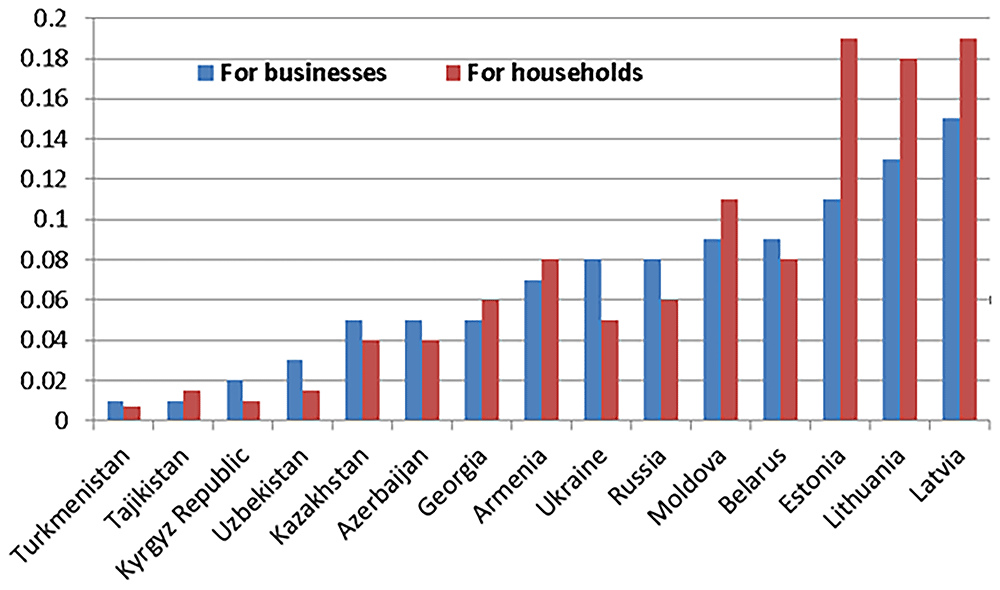
Figure 6. Estimates of typical electricity prices in post-Soviet countries in 2019 (kWh, USD).
* Sources: 35 for most countries; some estimates were based on alternative sources that could be outdated: 36 for Uzbekistan, 37 for Kyrgyzstan, 38 for Tajikistan, and a local survey for Turkmenistan.
In Central Asia, electricity costs could be the lowest in the world even when excluding the effect of subsidies. Therefore, it is reasonable to compare costs of energy assuming the lowest cost of fossil power and the highest costs of non-hydro renewables in Central Asia (Figure 7). The assumptions could seem restrictive; however, they are supported by the limited data on the cost of recent projects in the region. The residential solar system costs in Kazakhstan as of 2018 ranged from €1600 to €1800 - almost 50% more than in Germany because of more expensive customs, transportation, and guarantees18. The electricity price of private power plants, 0.01 to 0.03 per USD/kWh in Kazakhstan, attracted foreign bitcoin mining operations32. The estimated wind energy cost was in the LCOE range of 0.04 – 0.09 USD/kWh in Turkmenistan and 0.04 to 0.15 USD/kWh in Uzbekistan33,34. The electricity prices in Central Asia are observed to be lower than the conservative estimates of the cheapest LCOE –up to five times (Figure 6 and Figure 7). Overall, Central Asia appears to be among the few regions with traditional energy sources costing more than non-hydro renewables. In contrast, fossil energy costs have exceeded renewables costs in the most recent power projects12.
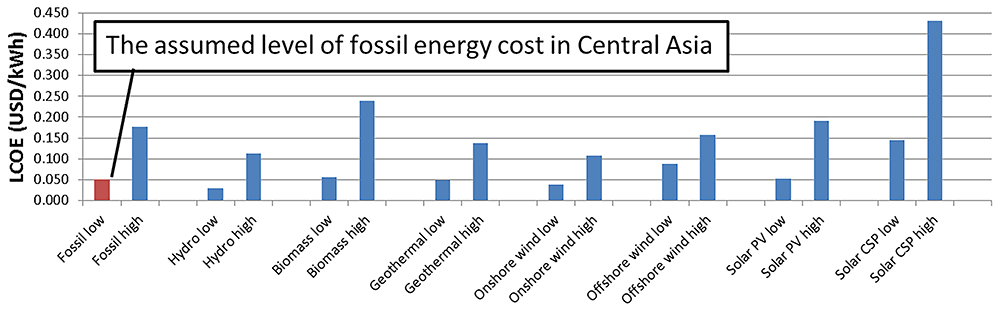
Figure 7. Cost comparisons of fossil and non-hydro renewables in 2019, LCOE in USD/kWh12.
Note: assuming the low-cost LCOE range for fossil, the weighted average for mature renewables – hydro and bio; and 95th percentile for variable renewables – solar and wind.
To summarize, the higher initial setup costs, financing terms related to region-specific risks, and lack of competitiveness relative to fossil energy are global factors that discourage non-hydro-renewable developments in Central Asia. The authors thus conclude that the resulting high cost of solar and wind power presents a barrier to deploying clean energy in Central Asia. Figure 8 illustrates the resulting changes in the total energy supply between 2000 and 2018: a significant increase in the share of coal and oil and a substantial decrease in the share of natural gas. The same figure shows a substantial increase in the share of non-hydro renewables (excluding biofuels) since 2015 that remained insignificant relative to the fossil share.
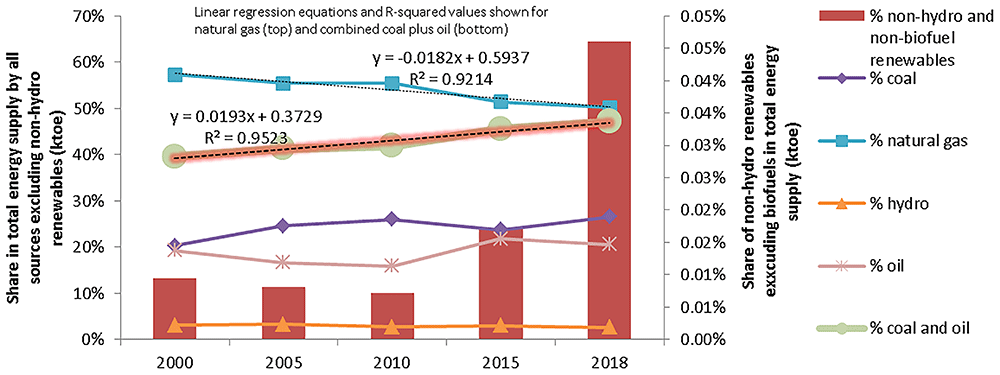
Figure 8. Total energy supply (ktoe) by source in Central Asia 2000–201819.
4.2. Income and vulnerable population
National income can positively impact the development of renewables11. A high percentage of the population living in poverty, even in the wealthiest country in the region in terms of income per capita, raises concerns that people, especially in rural areas, become unable to bear even marginal increases in electricity tariffs associated with wider renewables deployment10.
4.3. Government ideology and regulations
The discussion in this subsection proceeds from the growing body of evidence that there could be various non-economic factors at play in adopting renewable energy beyond cost and technology, which are related to the following dimensions: political, social, regulatory, behavioral, human capital, and investment climate2,11,14. Furthermore, empirical evidence suggests opposition from fossil fuel and other interest groups could create a critical barrier to renewable energy39.
During the 2010s, activities of Central Asian countries in non-hydro renewables mostly involved participation in conferences, exhibitions, declarations, and cautious legislative steps40. Their presence in related organizations and initiatives had been limited, as industry reports such as IRENA illustrate. The Central Asian policymakers finally took a more active stance to develop renewable energy after 201718. Kazakhstan became the regional leader in deploying wind and solar power, not surprising given the country's regional leadership in socio-economic indicators28. There were concerns that the interest in renewables could be motivated more by the showcasing projects with weak relation to the actual market needs18. The recent Central Asian steps in clean energy could partially be driven by the desire to improve the country's image and follow fashionable global trends in national policies. Previously, political factors could hinder the cooperation in the development of efficient energy systems in the region in view of issues related to pricing mechanisms, low transparency, harmonized technical frameworks, institutional weaknesses, the global transmission system regulator with authority over the regional market, and concerns about national sovereignty and energy independence20,41.
Heightened concern about stable supply could be another critical factor in the region that has long suffered from disruptions in electricity supply. Non-hydro renewables were increasingly opposed elsewhere by interest groups to be less reliable in extreme weather conditions42. The public choice perspective provided examples of how concerned stakeholders seek rents and other benefits: subventions for renewable energy producers; conventional utilities' prevention of renewable deployment and redirection of subventions for fossil industry; subsidies for voters who generate electricity, prevention of surcharges on renewable energy; balance or redistribution of welfare between all stakeholders for politicians to maintain public support; concentration of decision making power for government and administration17.
Legal instruments could be essential in solving inadequate political support for non-hydro renewables. Specific targets introduced by Kazakhstan can serve as a powerful driver of the development of non-hydro renewables, but they could be at risk of political pressure from interest groups. Even in the EU countries with the world's leading environmental policies, renewable energy targets in the recent past could become less ambitious and lose the legally binding force due to the bargaining strategy employed by the political groups advocating cost-effectiveness43. The Dutch government reduced clean energy subsidies and abandoned an ambitious national target of 20% renewable energy for 2020; rents from abundant natural gas could play a role in those decisions44.
4.4. Public perception and environmental concerns
Findings of the only available representative survey in Central Asia on the perception of the introduction of renewable energy sources present interest here8. This survey was conducted in the residential sector of Uzbekistan in 2011. Its findings indicate that the independence from the centralized supply of natural gas and electricity grid system could be the primary driver of non-hydro renewable energy penetration among local consumers. The core rationale is clear and understandable since electricity cut-offs are widespread in the region. The opportunities for state financing were significant, as the higher price of renewable energy sources was a major disincentive. Similar surveys in Tajikistan and Kyrgyzstan also reveal issues with the widespread instability of energy supply, unfamiliarity with modern technologies, and distortions in the perceived characteristics of renewables, such as affordability27,45,46. The same surveys indicated a certain level of environmental awareness. Public interest in renewables can positively impact their development11. Although public perceptions do not seem to be a decisive factor in the Central Asian countries lacking democratization and human capital, the associated barriers should not be overlooked.
4.5. Foreign investment and liberalization
Though Central Asia has become a popular foreign investment destination with abundant energy resources, corruption remains a big concern for foreign investors in the energy sector9. Corruption remains widespread throughout Central Asia, becoming one of the significant obstacles to energy investments due to low transparency, poor accountability, and weak governance. Corruption risks in the hydropower sector are primarily associated with procurement contracts involving substantial financial investments and international bidding processes. Several potential forms of corruption can emerge in the hydropower industry, hindering good business practices, such as benefit sharing from hydropower projects, bribery, favoritism, nepotism, embezzlement of funds allocated for resettlement and environmental protection along with unethical practices in energy supply agreements, and other related transactions9,47. Thus, the management of complex projects involving foreign partners could be problematic on the regional scale, as the experience of CASA-100 demonstrated48. Uzbekistan's 100 MW Samarkand Solar, supported by a USD 110 million ADB loan, was postponed and canceled after the governmental reconsideration in 201718. International assistance is important, but over-reliance could, in the long term, be detrimental to the development of domestic financial markets and diversification28. The combination of high investment risks and capital requirements will likely continue as a significant barrier in the crucial knowledge transfer process in developing solar and wind technology, where foreign investments play a vital role.
Equity, corporate R&D, venture capital, public markets, private equity, and asset financing dominated the development of new renewable projects in regions outside Central Asia49. However, the Central Asian countries will likely maintain the extraordinary governmental control and regulation of non-hydro renewables. Private and foreign investments could be hampered due to the state-monopolized energy sector in Central Asian countries. Privatization will reduce government spending and improve the investment climate, efficiency, quality, and innovation.
5. Discussion
The plunging cost of non-hydro renewable energy has broad implications for all Central Asian economies. The following subsections discuss the implications of the results from the previous section and present recommendations on the deployment of non-hydro renewables. The discussion by no means claims to be complete and is mainly limited in its scope to the initial analysis of barriers.
5.1. Unsustainable dependence on fossil fuel exports
Excessive dependence on exports of hydrocarbon resources is risky28. China, the EU, Japan, and the UK are among the major countries that aim to cut net carbon emissions to zero by 2050 or 2060, further reducing fossil fuel use. Hydrocarbon exporting countries in Central Asia have to adapt to the global shifts in the energy mix of major importing countries. Demand for natural gas will remain strong in major markets such as China, but the revenue from the exports could decrease. Booming commodity markets can damage the competitiveness of manufacturing sectors (the Dutch disease) and eventually lead to persistently low growth (the resource curse)50. While a wealth of natural resources can contribute to the renewable energy transition, petroleum dependency can hamper renewable energy production due to high fossil fuel rents for incumbent governments, harmful effects on economic diversification, the role of petroleum in infrastructure provision, employment, and goods supply44. Uncertainties of developing renewable energy can be economically and politically costly for governments steering away from petroleum rents44.
Policymakers in Central Asia have reasons to argue about maintaining the high share of fossil energy in the region because it is cheaper and has less variable supply relative to the bio, wind, and solar power that requires more storage. Non-economic barriers also have a strong influence, as the previous section described. However, the example of Kazakhstan demonstrates the relative success of policies capable of overcoming significant regional barriers to achieve a substantial increase in the share of solar and wind energy despite low absolute numbers.
5.2. Hydropower
Recently, Uzbekistan exploited 40% of hydropower potential, Kazakhstan 13%, Kyrgyzstan 15%, Tajikistan 5%, and Turkmenistan nearly 0%51. The construction of the Rogun Dam in Tajikistan involved transboundary tensions, leading to increased dependency on foreign investment52,53. Small hydropower projects in Kyrgyzstan had a history of tensions with neighboring countries and controversial foreign investments. Furthermore, relocations of affected residents in the hydropower construction areas can have a tremendous social impact54. Though irrigational benefits add to the advantages of energy supply and hydropower exports, the planned expansion of large capacity in Central Asia looks increasingly questionable, given increasingly affordable alternatives in small hydropower and non-hydro renewables.
5.3. Major investors and privatization
The different capacity factors for PV in various locations could increase interest in installing new solar capacity in sunny areas12. Central Asia is among such areas. The increasing number of entrants to the non-hydro renewable energy market could lead to more competition in new markets such as Central Asia. Instead of grand government projects favoring fossil-based plants, the focus should shift to smaller wind and solar plants in underdeveloped areas with private or mixed ownership. More private investments in renewable energy are necessary for distributed systems, transport, heating, and cooling, where Central Asian countries lag behind13. Central Asian countries should more carefully evaluate the lifetime costs of non-hydro renewables based on recent data and methods from international organizations such as IRENA and REN21.
5.4. Decentralized systems
Governments in Central Asia have long favored grand projects showcasing development to local and international audiences. Meanwhile, the needs of underprivileged populations and the market economy necessitate a shift from centralized planning to a decentralized structure favoring small to medium enterprises. Affordable rooftop solar and onshore wind systems will likely become a priority as they allow smaller businesses and households to benefit from cheaper costs and avoid power interruptions. Virtual power plants controlling distributed energy generation can become a final goal. However, low durability, non-repair, poor performance, inconvenience, and skepticism meanwhile could be significant issues in the broader introduction of non-hydro renewables in rural areas46
5.5. Research and development
One of the related issues in Central Asia is the shortage of skilled workforce and R&D55. The lack of knowledge concerning the potential of renewables among the wider population, the obsolete conservative costing methods, and the lower priority of ecological problems could also play a role. A conjecture made in this study is that state agencies in the region likely do not adequately utilize modern methods of costing and modeling those planners in developed countries widely use. Human capital and foreign investment are the pre-conditions for realizing the regional potential in floating solar, cotton-based biofuel, and local manufacturing of renewable technology components.
5.6. Perspective of local manufacturing
Equipment manufacturers in the renewable energy sector globally tend to move production to countries with lower costs12. Lack of expertise and geographically disadvantaged location could be addressed by the local manufacturing of components for developing non-hydro renewables in Central Asia. Kazakhstan and Uzbekistan appear attractive manufacturing locations for wind power equipment with their resources in metals and machining. Kyrgyzstan had conditions for local manufacturing of renewable energy equipment, such as a workshop infrastructure and comparatively low labour costs with underemployment in rural areas. Still, the technical potential could decrease due to lower wages and privatization of power facilities46. All countries in the region have cheap labour, energy, and material resources for manufacturing solar power components. The Central Asian countries should strive to provide better conditions for investors to gain the competitive advantage of hosting such manufacturing capacities.
5.7. Geographical factors
Delivery of large components of Concentrating Solar Power (CSP) and wind turbines can be costly in the landlocked countries of Central Asia. Therefore, decentralized PV systems not requiring transmission in remote areas seem particularly relevant for Central Asia. Rural, desert, and mountainous regions have underserved populations, often lacking transmission and road infrastructure, but unlike urban areas, they are not significantly constrained by the limits of rooftop surfaces8.
6. Conclusion and policy implications
Over the past decades, academic and industrial research on renewables has generated a considerable body of insights for driving transitions toward sustainability. However, the long-term dynamics of change processes associated with sustainability transitions require more consideration of developing countries' economic, social, and policy strategies. While there was noticeable progress in renewable energy globally, certain regions, such as Central Asia, have not demonstrated adequate levels of wind and solar power adoption, remaining dependent on fossil fuels and hydropower. Such an approach contributes to higher emissions and incurs additional costs. This study investigates the current dependence of Central Asian countries on fossil fuels relative to the low adoption of non-hydro renewable energy. The topic is relevant given the underdeveloped renewables sector in the region. This study analyzed limited information available from global and local sources on Central Asia to present the following findings:
The low cost of fossil fuels seems to be the leading cause of Central Asian dependence on coal, oil, and natural gas, relative to the low adoption of non-hydro renewables.
Other barriers to the adoption of renewables are currently hard to estimate but could be significant, such as concerns about low-income populations and the extraction industry lobby.
The countries of Central Asia have shown increasing dependence on less clean fossil fuels, such as coal and oil, in their energy supply between 2000 and 2018, while the share of wind and solar power has remained negligibly low despite substantial expansion since 2010.
Governments and international organizations in Central Asia would likely prioritize support for distributed solar and wind energy systems benefitting individual consumers and small businesses in remote areas.
Governments of the region could already be missing opportunities to create a more sustainable energy mix to reverse the negative trend of increasing share of coal and other fossil fuels.
Promising areas of development are floating solar, cotton-based biofuel, and local manufacturing of renewable technology components.
International organizations should collaborate with regional bodies to fill the gap in knowledge about the lifetime cost of renewable energy and solve other issues with a lack of expertise.
Global investors could become instrumental in facilitating engagement with private and public sectors to ensure the application of modern methods and high social responsibility standards in the development of non-hydro renewables.
Preliminary findings presented in this study were based on limited data. In the results related to fossil and non-hydro renewables costs, assumptions had to be made about possible lifetime levels of the entire region relative to the global values. In future work, quantitative techniques should complement qualitative methods that are underrepresented in renewable energy studies. Specifically, they should include expert interviews and surveys among individuals and organizations in Central Asia.
Ethics and consent
Ethical approval and consent were not required.








