1 Introduction
Cultural engagement—ranging from attending theater performances and visiting museums to participating in creative workshops—has emerged as a key determinant of individual and societal well-being. It is increasingly recognized for its positive effects on mental health, cognitive development, social inclusion, and community resilience (Crossick & Kaszynska (2016); Fancourt & Finn (2019)). As public policy shifts toward non-pharmacological interventions, cultural participation is being reframed not merely as leisure but as a strategic investment in human capital. Studies consistently link cultural activities to improved psychological outcomes, reduced stress and loneliness, and enhanced cognitive function across the life course (Creech et al. (2013); Fancourt & Steptoe (2019)). Additionally, cultural engagement fosters educational achievement, emotional intelligence, and civic participation, particularly when integrated into schools and community programs (Catterall et al. (2012); Winner et al. (2013)).
In this context, understanding not only who participates in cultural activities but also who has the potential or intention to do so becomes crucial. While prior research has focused on existing patterns of participation, the concept of potential cultural engagement —individuals’ openness or desire to engage more—remains under- explored. Yet, this latent capacity holds important policy implications: it can reveal where barriers exist, identify underserved groups, and guide investment in infrastructure, education, and outreach (Belfiore & Bennett (2007); Grossi et al. (2020)). Additionally, despite the important benefits of cultural engagement, comprehensive cross-national data on citizens’ cultural needs and aspirations remain scarce. For instance, Eurostat data1 do not span the same time period, reflecting the limited institutional emphasis on the cultural dimensions of well-being.
To help address this gap, our study adapts the 2019 Survey on Cultural Participation and Needs in Barcelona2—a detailed instrument designed to assess individuals’ cultural habits, preferences, and barriers, aiming to examine the determinants of potential cultural engagement intensity in Greece. Using the data obtained from the survey and estimating an ordered probit model, we explore how demographic characteristics, parental background, previous cultural behavior, and attitudinal factors influence anticipated cultural participation. The findings offer both theoretical insight and practical recommendations for designing responsive and evidence-based cultural policies. Additionally, our broader goal is to emphasize the importance of collecting comparable data across countries using standardized tools. Doing so would enable the construction of a robust international database on cultural needs—one that not only benefits researchers but also empowers policymakers to design targeted and inclusive cultural programs. Such data could support cross-country comparisons, track engagement trends over time, and inform equitable investment strategies that reflect the diverse needs of citizens at various life stages.
The rest of the paper is structured as follows. Section 2 reviews the literature on the benefits and societal impacts of cultural engagement. Section 3 presents the data and survey instrument. Section 4 outlines the methodological approach. Section 5 discusses the empirical findings. Section 6 concludes with policy implications and suggestions for future research.
2 Literature review on cultural engagement
2.1 Mental and physical health
Cultural engagement is increasingly recognized as a contributor to both mental and physical well-being. Whether through active participation (e.g., music-making, painting) or passive involvement (e.g., attending performances or visiting museums), individuals benefit psychologically and physiologically. Research has highlighted its role in reducing anxiety and depression, improving cognitive function, and supporting overall health.
A systematic review by Viola et al. (2024) found strong associations between arts participation and lower levels of psychological distress, with regular participants reporting greater life satisfaction and resilience. Similarly, Fancourt and Tymoszuk (2019), drawing on data from the English Longitudinal Study of Ageing, showed that older adults who engaged in cultural activities had a significantly reduced risk of depression over a ten-year period.
Cultural participation also supports cognitive health, particularly in older populations. Activities such as reading, music, and crafts are linked to improved memory, reasoning, and delayed cognitive decline (Fancourt & Steptoe (2018); Fancourt et al. (2019)). These outcomes are partially attributed to increased social interaction, which reduces the risk of neurodegenerative conditions. The WHO, through Fancourt and Finn (2019), has acknowledged these effects and advocates incorporating cultural participation into public health strategies.
Beyond psychological and cognitive benefits, cultural engagement positively affects physical health and longevity. A report from the UK’s Department for Culture, Media and Sport estimates that cultural participation contributes approximately £8 bil- lion annually in health-related benefits (Department for Culture, Media and Sport (2024)). Activities such as attending concerts or participating in dance have been shown to reduce cortisol levels, enhance cardiovascular function, and boost immune responses—further underscoring the role of cultural activities in holistic well-being.
2.2 Social impacts
Cultural engagement plays a central role in promoting social cohesion, reducing isolation, and strengthening community ties (National Academies of Sciences, Engineering and Medicine (2022)). Through activities such as performances, museum visits, or creative workshops, individuals connect with others, share experiences, and foster a sense of belonging. In diverse societies, these activities also enhance intercultural understanding and inclusivity.
Initiatives incorporating diverse cultural expressions—such as indigenous story- telling, migrant art, or LGBTQ+ theater—promote mutual respect and challenge stereotypes. These efforts have demonstrated value not only in community settings but also across institutions like schools, healthcare facilities, and urban planning.
One widely documented benefit is the reduction of loneliness, especially among older adults and marginalized populations. According to Fancourt et al. (2019), regular attendance at cultural events is associated with a 32% lower likelihood of experiencing loneliness. Cultural settings provide structured, low-pressure environments that encourage social interaction, making them especially beneficial for individuals with social anxiety or limited networks.
Beyond individual benefits, cultural participation strengthens community infrastructure. Museums, libraries, and community arts centers serve as inclusive civic spaces for dialogue and shared identity. Participatory initiatives, such as community theater or public art projects, have been shown to enhance civic trust, engagement, and volunteerism—particularly in socially fragmented areas.
In institutional contexts, cultural interventions like music therapy and visual arts programs have been linked to improved health outcomes and emotional recovery. Similarly, urban environments enriched with public art and cultural spaces are associated with greater neighborhood satisfaction and lower crime rates, illustrating the broader social value of cultural infrastructure.
2.3 Educational and professional development
The relationship between cultural engagement and educational outcomes is well established. DiMaggio’s foundational study (DiMaggio (1982)) introduced the concept of cultural capital, proposing that participation in high-status cultural activities aligns with the values of educational institutions and enhances academic performance. Sub- sequent research has confirmed that students involved in the arts tend to perform better academically and are more likely to pursue higher education (Catterall et al. (2012); Freeman & Shifrer (2023); Ishiguro et al. (2023)).
Engagement in music, theater, and visual arts strengthens key cognitive skills such as memory, reasoning, and problem-solving, contributing to better outcomes in core subjects (Schellenberg (2004); Winner et al. (2013)). Additionally, cultural activities support emotional and social growth by fostering confidence, empathy, collaboration, and communication (Deasy (2002); Goldstein & Winner (2012); Karkou & Glasman (2004)). These competencies are especially valuable in multicultural educational settings and for broader personal development.
Cultural engagement also contributes significantly to professional development. Participation in the arts is linked to higher creativity, adaptability, and leader- ship—traits increasingly valued in today’s knowledge-based economies (Bridgstock (2011); McCarthy et al. (2004)). Arts education nurtures critical thinking, innovation, and reflective judgment, preparing individuals for success in complex, dynamic work environments (Winner et al. (2013)).
To realize these benefits, equitable access to cultural education must be ensured. Integrating the arts into curricula can enhance academic success and promote social mobility (Bamford (2006); Kisida et al. (2016)). Similarly, employers can foster inclusive and innovative workplaces by supporting cultural initiatives. Together, these investments help cultivate well-rounded individuals equipped for the demands of education, employment, and civic life.
3 Data
3.1 Questionnaire description
The Survey on Cultural Participation and Needs in Barcelona (2019) is a structured, interviewer-administered questionnaire developed to assess individuals’ cultural habits, interests, and perceived barriers to participation in the cultural life of the city. It captures both actual engagement with and potential interest in a broad range of cultural activities, alongside relevant sociodemographic and attitudinal variables.
The questionnaire consists of the following main sections:
- Sociodemographic Information: Includes questions on age, gender, nationality, education level, employment status, and household composition.
- Cultural and Leisure Preferences: Respondents are asked to identify their preferred leisure activities and cultural spaces in their local neighborhood.
- Cultural Participation Frequency: Covers activities such as attending theater, concerts, museums, and participation in reading, writing, painting, music, and local festivals.
- Desire for Increased Participation: Respondents indicate which cultural activities they would like to do more frequently.
- Barriers and Incentives: Measures agreement with statements related to common facilitators or obstacles to participation (e.g., cost, accessibility, time availability, social company).
- Perceived Importance of Culture: Respondents rate the importance of different cultural domains (e.g., music, literature, cinema, dance) in their lives.
- Cultural Infrastructure Impact: Assesses the perceived consequences of the closure of cultural facilities such as libraries or civic centers in the neighborhood.
- Intergenerational and Familial Engagement: Includes questions on the cultural practices of parents and children within the household.
- Cultural Training and Digital Habits: Covers formal training in artistic disciplines and the use of digital platforms to access, share, or create cultural content.
- Attitudes Toward Culture: Respondents express agreement with statements regarding the social and personal value of culture, including its role in education, community interaction, and personal development.
This comprehensive survey design enables in-depth analysis of both actual and potential cultural engagement, providing valuable insights for the formulation of inclusive and responsive cultural policies.
3.2 Greek survey data
We conducted the survey using Google Forms, reaching participants through a combination of targeted distribution strategies to ensure demographic diversity. Undergraduates from an Athens university, where students from all over the country study, played an important part in achieving diversity. They, in turn, distributed the questionnaire link via email and social media (mostly Facebook) to their family and fellow villagers. To ensure representativeness, the questionnaire was distributed through a variety of online channels, including social media groups, community forums, and professional networks, to reach people of all ages, genders, educational levels, and geographic locations. We tracked response rates in real time and, as needed, increased outreach efforts to balance underrepresented demographic groups.
We received 1502 responses, with 899 responses from females and 575 responses from males. The remaining respondents did not answer the question. The responses were received from 68 municipalities in Greece, dividing the sample into two subsamples, that of urban and rural areas3. Therefore, if we divide the responses into those within and outside of Attica, we obtain 1026 and 476, respectively (in the model, it is noted as “prefecture”). Regarding the age of the respondents, we have received 185 responses from individuals between the ages of 16 and 24, 76 from individuals between the ages of 25 and 34, 119 from individuals between the ages of 35 and 44, 187 from individuals between the ages of 45 and 54, 93 from individuals between the ages of 55 and 64, and 22 from individuals over the age of 65. Furthermore, eight individuals were under 16, and three declined to respond.
The questionnaire included a series of statements answered using Likert-type scales (Likert (1932)). These scales are widely used in social research to measure attitudes, perceptions, and self-reported behaviors. Unlike traditional 5-point Likert scales that typically range from “strongly disagree” to “strongly agree,” several questions in our survey employed a 10-point Likert scale, where respondents rated their agreement or engagement on a continuum from 1 (indicating the lowest level of agreement or involvement) to 10 (indicating the highest). This extended scale was intentionally chosen to provide greater sensitivity and allow respondents to express more nuanced views. A 10-point scale captures a broader range of intensity, helping to differentiate between moderate and strong agreement or between low and very low levels of participation. While this increases the resolution of the data and allows for more detailed descriptive analysis, the underlying nature of Likert data remains ordinal. That is, although higher numbers represent greater agreement or engagement, the intervals between adjacent values (e.g., between 3 and 4 or between 7 and 8) cannot be assumed to be equal. As such, parametric methods that assume interval-level measurement may not be appropriate unless such assumptions are justified empirically.
Given this, our analysis treats the Likert responses as ordinal data. For descriptive purposes, we present distributions using frequencies, percentages, and visualizations such as histograms and bar charts. For inferential analysis, we employ statistical techniques suited to ordinal data, including ordinal logistic regression and, where appropriate, more flexible approaches such as copula-based models that can capture dependencies between ordinal variables without requiring strong assumptions about linearity or equal spacing. This methodological rigor ensures that our findings are both statistically valid and substantively meaningful, supporting robust conclusions about how individuals and their families engage with cultural activities across different social and demographic contexts.
3.3 Engagement to activities questions
We select two questions to reveal the engagement in cultural activities. Figure 1 presents the responses to the first question, in which we ask, “Would you like to spend more time doing any of the activities? Give a score from 1 to 10.”
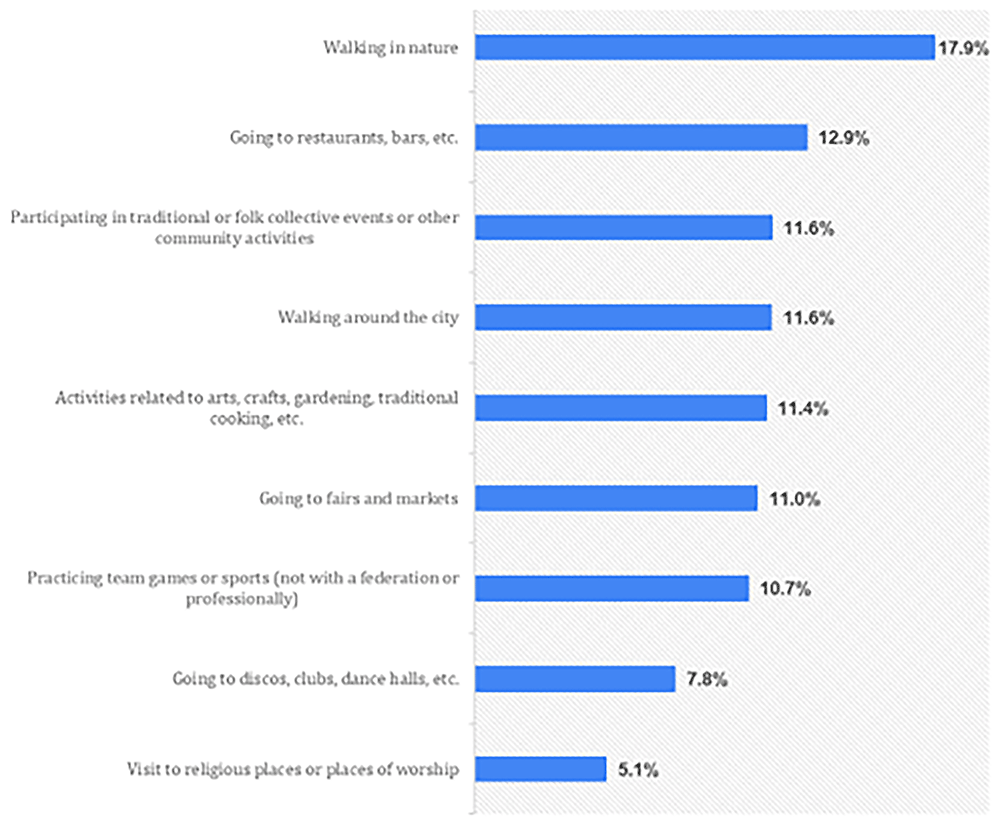
Figure 1. Responses obtained to the question: “Would you like to spend more time doing any of the activities?”.
- Activities related to arts, crafts, gardening, traditional cooking, etc.
- Going to discos, clubs, dance halls, etc.
- Going to fairs and markets
- Going to restaurants, bars, etc.
- Participating in traditional or folk collective events or other community activities
- Practicing team games or sports (not with a federation or professionally)
- Visit to religious places or places of worship
- Walking around the city
- Walking in nature
revealing notable differences in preferences. The most desired activity is walking in nature, with 17.9% of respondents expressing a wish to do so more often, suggesting a strong interest in outdoor and recreational experiences. Social activities such as going to restaurants, bars, and cafes also rank high, with 12.9% of people wanting to increase their participation, reflecting the importance of socializing in everyday life. Traditional and cultural activities, including participating in folk events (11.6%) and engaging in arts, crafts, and gardening (11.4%), also receive considerable interest, highlighting an appreciation for heritage and creative pastimes. Similarly, walking around the city (11.6%) and visiting fairs and markets (11.0%) indicate a desire for exploration and engagement in local culture. Meanwhile, 10.7% of respondents wish to spend more time practicing team sports recreationally, suggesting a moderate interest in physical activities outside of professional or organized sports settings. Nightlife activities, such as going to discos or dance halls, are less popular, with only 7.8% wanting to engage in them more frequently. Finally, visits to religious places or places of worship receive the least interest, with just 5.1% of respondents indicating a desire to increase their participation. These results suggest that people generally prioritize outdoor, social, and cultural activities over religious or nightlife engagements when considering how they would like to allocate their leisure time.
Figure 2 shows the responses to the second question, in which we ask “Do you think you participate in the following cultural activities more or less than others your age? Give a score from 1 to 10.”
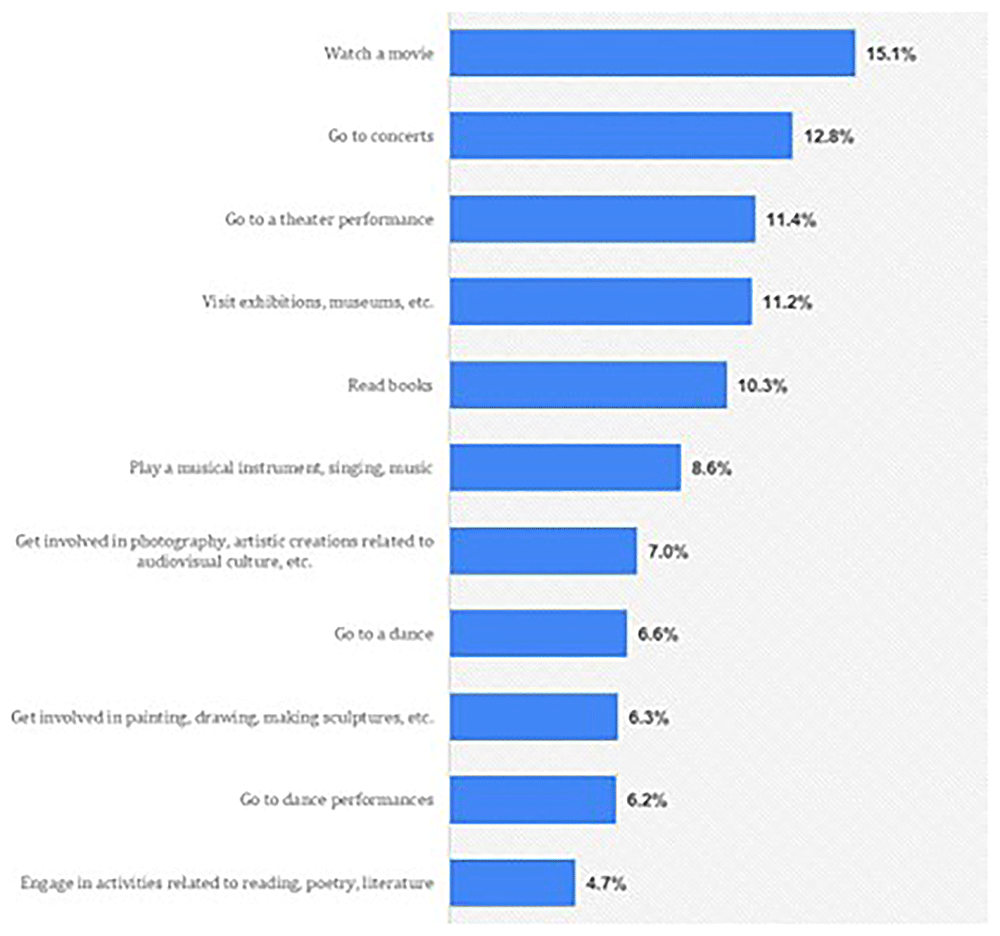
Figure 2. Responses obtained to the question: “Do you think you participate in cultural activities more or less than others your age?”.
- Engage in activities related to reading, poetry, literature
- Get involved in painting, drawing, making sculptures, etc.
- Get involved in photography, artistic creations related to audiovisual culture, etc.
- Go to a dance
- Go to a theater performance
- Go to concerts
- Go to dance performances
- Play a musical instrument, singing, music
- Read books
- Visit exhibitions, museums, etc.
- Watch a movie
revealing a varied level of engagement across different activities. Watching movies emerges as the most common cultural activity, with 15.1% of respondents believing they engage in it more than their peers, suggesting that film remains a widely accessible and popular form of entertainment. Concert attendance follows at 12.8%, reflecting a strong interest in live music events. Theater performances (11.4%) and visits to exhibitions and museums (11.2%) also rank high, indicating a significant portion of respondents see themselves as more engaged in performing and visual arts than their counterparts. Reading books, an individual cultural activity, is recognized by 10.3% of respondents, emphasizing the role of literature in personal enrichment. Musical practice, including playing an instrument or singing, is noted by 8.6%, while activities related to audiovisual culture, such as photography and artistic creations, stand at 7.0%. Participation in dance-related activities, whether attending performances (6.2%) or going to a dance (6.6%), remains moderate. Meanwhile, active involvement in the visual arts, including painting, drawing, and sculpture, is acknowledged by 6.3% of respondents. Finally, only 4.7% feel they engage in reading, poetry, or literature- based activities more than their peers, making it the least recognized area of increased participation. These findings suggest that while film, music, and performing arts are common cultural interests, more specialized or creative pursuits such as literature and fine arts see comparatively lower levels of engagement relative to others of the same age group.
3.4 Cultural participation and potential cultural participation indices
Like before, here we gather the questions that will help us uncover the willingness to start a new activity or to intensify their participation in one of the existing ones. The questionnaire structure allows respondents to choose multiple responses to each question. Therefore, we ask them the following questions:
1. Have you done any of these activities in the last six months? 1: Never, 2: Sometimes, 3: Often or very often
2. Would you participate in more cultural activities?
Question: How important are these activities in your life? 0: Not important, 10: Very important.
- Cinema, photography
- Dancing
- Music (listening, singing, playing instruments, etc.)
- Painting, drawing, visual arts, arts and crafts
- Popular events (such as traditional cultural festivals, gatherings, or activities, etc.)
- Reading, books, literature, poetry (or other forms of oral or written expression)
- Theater
We define the total number of their engaged activities as the Cultural Participation Index, which measures the participation in cultural activities from 1 (lowest) to 10 (highest), and the total number of the intended cultural activities to be engaged in as the Potential Cultural Participation Index. Figure 3 shows the histograms of the indices, where it is clear that they are right-skewed distributions with a mode of one, showing that most of the respondents engage in only one activity.
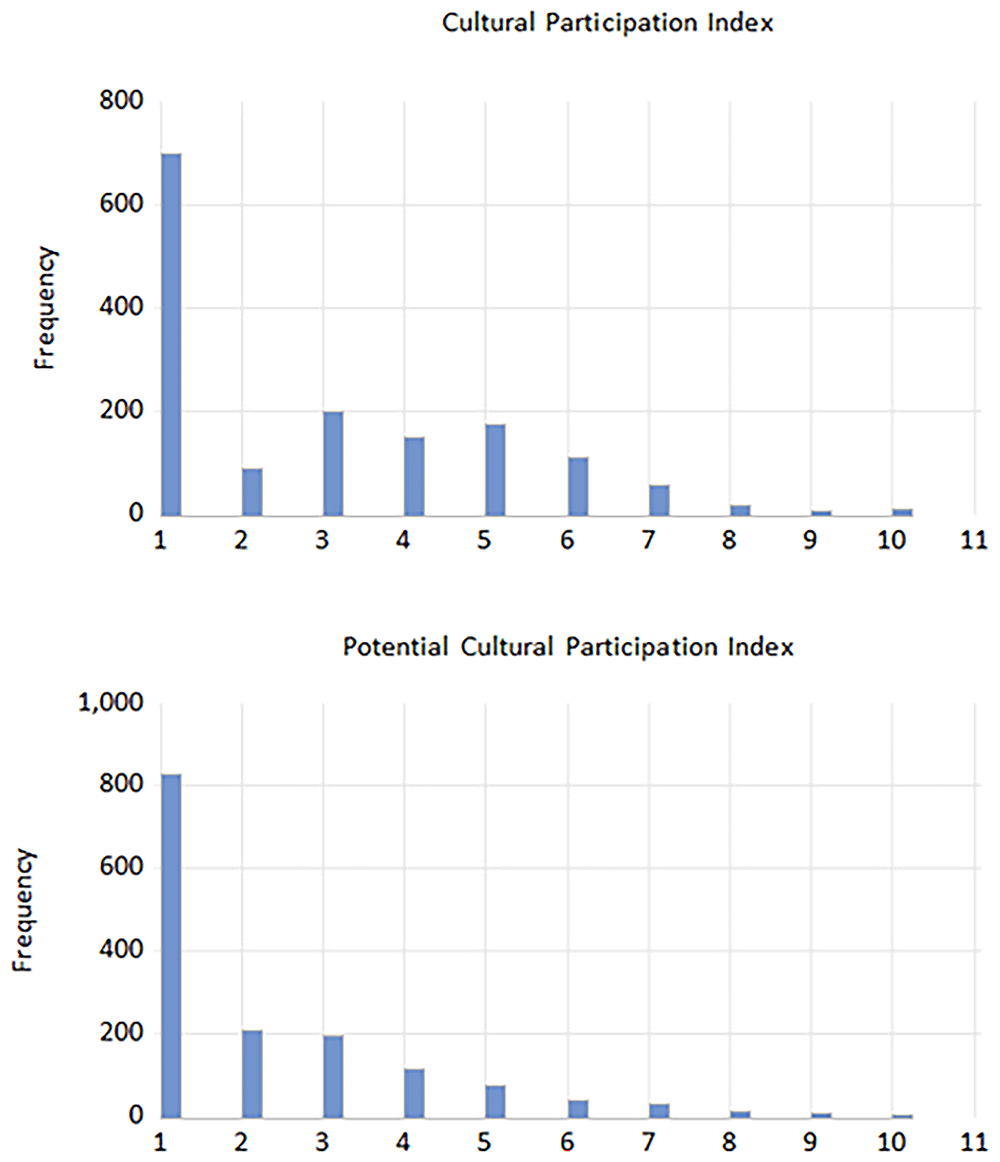
Figure 3. Histogram of Cultural Intensity and Potential Cultural Intensity indices.
3.5 Parental engagement to cultural activities questions
We examine the influence of parental habits through the following questions:
Figure 4 presents responses to the question of whether the respondent’s mother practiced or used to practice any activity related to various cultural and artistic fields. The data shows that the most common form of engagement among mothers was in visual arts, including painting, drawing, arts and crafts, pottery, and sculpture, with 26.48% reporting participation in such activities. This was closely followed by dancing or participation in dance groups, with 24.96%, and reading or writing, such as blogs, prose, poetry, or articles, with 20.81%. A moderate share of mothers, 16.24%, engaged in musical activities, such as playing instruments or singing. On the other hand, fewer mothers were involved in theatrical activities, with only 6.94% participating in acting or similar productions, and even fewer, 4.57%, had experience in audiovisual activities like filming, artistic photography, or filmmaking.
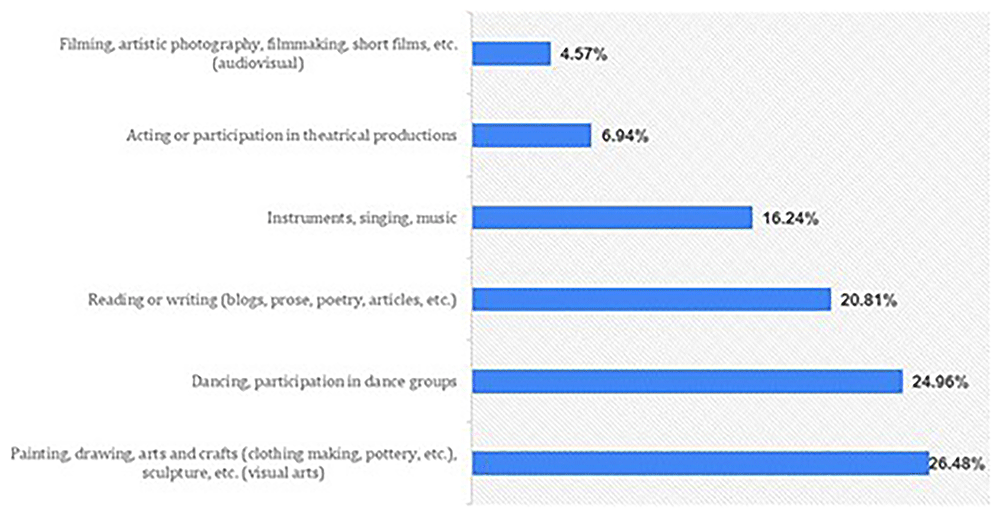
Figure 4. Responses obtained to the question: “Does your mother practice (or used to practice) any activity related to...”.
In contrast, Figure 5 refers to the respondent’s father and their cultural or artistic engagement. The results indicate that the most prevalent form of activity among fathers was music, including instruments and singing. These patterns suggest some gender-based differences in cultural participation within the family background, with mothers more engaged in hands-on creative and expressive arts (like visual arts and dance), while fathers are more associated with music and audiovisual pursuits.
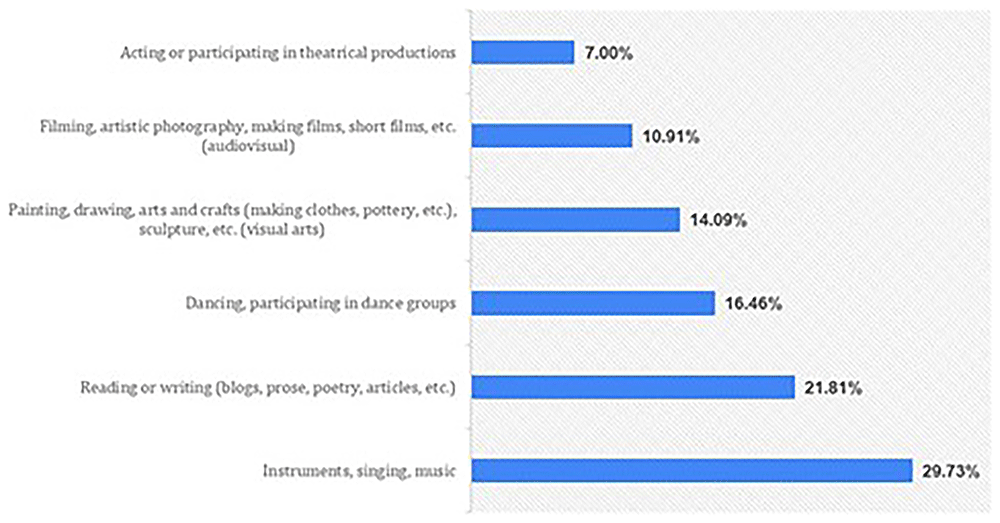
Figure 5. Responses obtained to the question: “Does your father practice (or used to practice) any activity related to...”.
3.6 Perception of cultural activities’ importance questions
A group of questions will be used to capture the importance of cultural activities, including the following:
1. “Primary and secondary school pupils have visual arts and music classes, and in some cases film and drama classes as well.” Give a score from 1 to 10 based on how important you think these classes are for children and young people’s education [0 - they’re a waste of time / 10 - they’re essential].
2. How much do you agree with the following statements? Give a score from 1 to 104.(Figure 6)
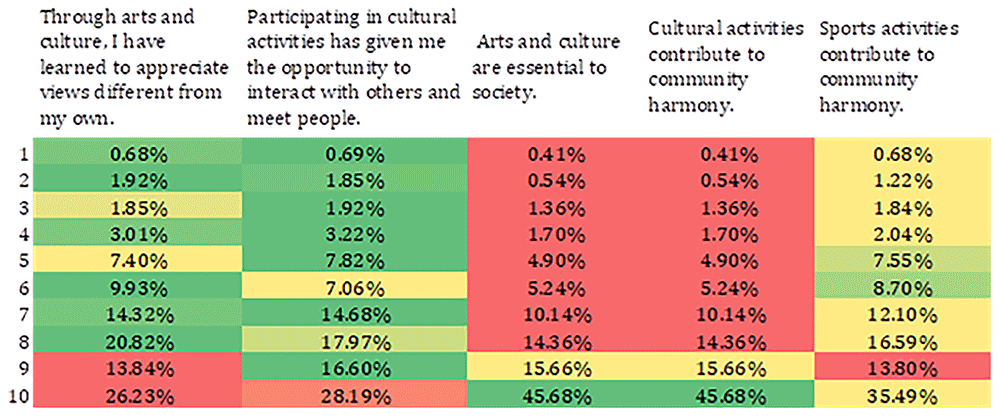
Figure 6. Responses obtained to the question: “To what extent do you agree with the following statements?” 0: Completely disagree, 10: Completely agree.
- Through arts and culture, I have learned to appreciate points of view different from mine.
- Participating in cultural activities has allowed me to interact with others and get to know people.
- Arts and culture are necessary for society.
- Cultural activities contribute to community harmony.
- Sports activities contribute to community harmony.
3. How important are these activities in your life? 0: Not important, 10: Very important5. (Figure 7)
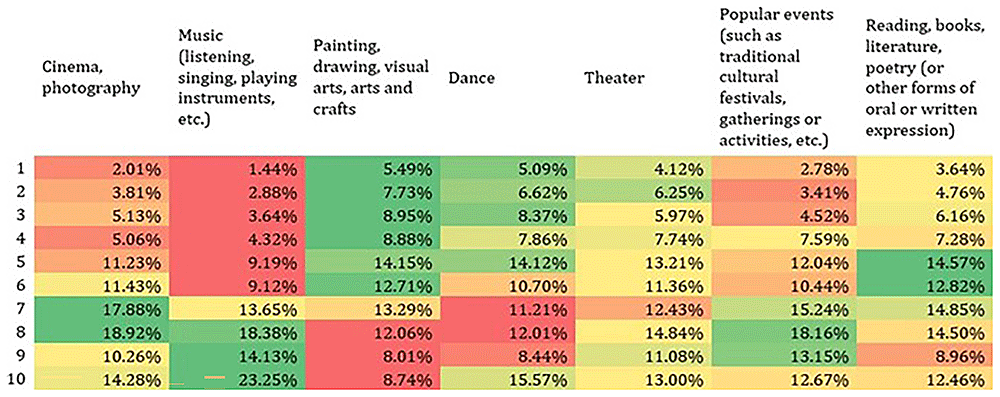
Figure 7. Responses obtained to the question: “How important are these activities in your life?” 0: not important, 10: very important.
- Cinema, photography
- Music (listening, singing, playing instruments, etc.)
- Painting, drawing, visual arts, arts and crafts
- Dancing
- Theater
- Popular events (such as traditional cultural festivals, gatherings, or activities, etc.)
- Reading, books, literature, poetry (or other forms of oral or written expression)
4. In your opinion, can the sports and cultural associations that exist in your area support entrepreneurship? 0: No, 1: Yes.
5. Do you know if there are social enterprises in your area that provide sports-related services and activities? 0: No, 1: Yes.
6. If yes, do you believe that they contribute to the economic development of the region? If not, do you believe that it is important to create such a type of social enterprises so that they become a lever for the economic development of the region? 0: No, 1: Yes.
7. Do you know if there are social enterprises in your area that provide services and activities related to culture? 0: No, 1: Yes.
8. If yes, do you believe that they contribute to the economic development of the region? If not, do you believe that it is important to create such a type of social enterprise so that they become a lever for the economic development of the region? 0: No, 1: Yes.
We apply categorical principal components analysis, which can be used for data with heterogeneous measurement levels, including nominal, ordinal, and numeric variables that may not have a linear relationship.
4 Model
Ordinal response data is notoriously difficult to work with statistically for several rea- sons. The core concept is that under the structured answer lies a latent, continuously distributed random variable indicative of the inclination to concur. The distributional parameters of the latent variable are calculated by maximum likelihood, and these parameters are likely to provide valuable insights to the researcher. An instance of ordered probit application is in elucidating degrees of “life satisfaction.” In the study by Clark et al. (2001), participants evaluated their life satisfaction on an 11- point Likert scale, with 0 indicating extreme dissatisfaction and 10 indicating extreme satisfaction.
The benefits of the ordered probit model are best understood by contemplating the implications of evaluating ordered outcomes using linear regression techniques. Fielding (1999) and Greene (2000) addressed some of these difficulties. The first dis- advantage of using linear regression is that it implicitly implies that, for example, the difference between a strongly disagree and a disagree response is the same as that between a disagree and a neither disagree nor agree response. The categories merely represent ordinality; therefore, there is no logical reason to predict similar differences. The same assumption is not implied in ordered probit. This is an important fact, since the interpretation of a linear regression coefficient is based on the number of units by which we expect the dependent variable to change in response to a one-unit rise in an explanatory variable. Clearly, this interpretation is incorrect if the dependent variable is ordinal. Second, linear regression presupposes that two respondents with the same response have the same attitude. This is not the case; a specific reaction is compatible with a variety of perspectives. Although attitudes about a specific response are plainly unobservable, a model should account for the fact that such differences exist. It is widely acknowledged (Stewart (1983)) that neglecting such disparities in the con- text of grouped data results in erroneous estimation. This issue may be more severe when there are fewer categories. Gibbons and Hedeker (1994) discussed floor and ceiling distortions. For example, if a responder now responds with the greatest feasible value and their circumstances change in a way that is supposed to increase response, their response will not increase; it will remain constant. This is likely to lead to a bias toward zero in each regression coefficient. Third, because replies to a question are partially determined by its language, and because linear regression models responses directly, the results cannot be invariant to the wording of the question. However, the distribution of the underlying attitude, which is the subject of the analysis, should be unaffected by the question’s wording. Because the ordered probit model predicts the parameters of the underlying distribution rather than the response itself, framing effects are unlikely to occur. As explained later in this article, the cut points, rather than the distribution, are predicted to shift as the language of the question changes. Let i index respondent i, i = 1, . . . , n, where n is the sample size. yi denotes individual i’s response to the survey question, and assume that this can take one of the integer values 1, 2, 3, . . . , J. Let y* (−∞ < y* < +∞) be the underlying latent variable representing respondent i ’s propensity to agree with the statement advanced.
Let xi be a vector of characteristics relevant in explaining the attitude of a respondent. The ordered probit model is based on the assumption that depends linearly on xi, according to the following:
where β is a vector of parameters not containing an intercept. These parameters will ultimately be interpretable in the same way as slope parameters in linear regression. y* is unobserved, but the relationship between y* and the observed variable y is:
The parameters κj, j = 1, . . . , J − 1, are known as cut points or threshold parameters and determine the marginal effect for an independent variable xk on P (y = j)
where f(z) is the PDF of the logistic distribution.
In our setting, our goal is to establish a relationship between the potential cultural engagement and factors obtained from the questionnaire. We use demographic factors like age, prefecture, and gender, along with the Cultural Intensity Index and the principal components obtained by applying the categorical principal component analysis on the set of questions that capture the perception of cultural activities’ importance. Therefore, the model is formed as
Our specification is in line with previous studies, like that of Fancourt and Mak (2020) and National Endowment for the Arts (2013) examine the impact of demographics, Chan and Goldthorpe (2007) and Roose et al. (2012), which examine the intergenerational transmission of cultural capital.
5 Results
The ordered probit model was employed to examine the predictors of potential cultural engagement across a sample of 1,474 respondents. Table 1 presents the estimates from the ordered probit model analyzing the determinants of potential cultural engagement intensity. The first column reports the results of the current cultural intensity and potential by using only demographic characteristics. The model fit statistics indicated a good overall fit, with a McFadden pseudo R2 value of 0.2329 and a highly significant likelihood ratio test (LR statistic = 1002.459, p < 0.001). This suggests that the included covariates substantially improve the model compared to a null specification. Additionally, the model’s fit is consistent with previous research (O’Brien et al. (2020)), acknowledging the complexity of cultural behavior, which is shaped by numerous, often intersecting, social and psychological variables.
Table 1. Estimation results of the multilevel ordered probit model.
| | Potential
Cultural
Intensity |
|---|
| Variable | Model 1 | Model 2 |
|---|
| Gender | 0.0538 | 0.054 |
| Age | -0.0195 | -0.0169 |
| Prefecture | 0.8543*** | 0.8592*** |
| Mother | 0.0958 | 0.0864 |
| Father | -0.0955 | -0.1130 |
Cultural
Intensity Index | 0.4557*** | 0.4537*** |
| PC1 | | -0.008 |
| PC2 | | 0.051* |
| Pseudo-R2 | 0.2329 | 0.2344 |
Among the predictors, the prefecture exhibited the largest and most significant positive effect (β = 0.8543, p < 0.001), suggesting that geographical and contextual factors—such as regional cultural infrastructure—play a meaningful role in shaping cultural aspirations, aligning with earlier findings emphasizing the role of place-based opportunity structures (Bourdieu (1984); DiMaggio & Mukhtar (2004)). Similarly, current cultural intensity was strongly associated with increased potential engagement (β = 0.4557, p < 0.001), indicating that individuals who are already actively engaged culturally are more likely to envision themselves participating even more intensively in the future.
In the second exercise, we enrich the model with the first two principal components obtained from the questions that capture the importance of cultural activities. The estimation results are reported in the second column of Table 1. Regarding the principal component scores, the second principal component (PC2) was marginally significant (β = 0.051, p = 0.054). This result suggests that certain latent attitudes or values captured in the questionnaire may modestly influence potential cultural engagement, even if the first component (PC1) did not achieve significance. Demographic characteristics, such as gender and age category, did not exhibit statistically significant associations with potential cultural engagement. Likewise, parental cultural background variables (mother and father) did not significantly predict respondents’ cultural aspirations, although the coefficients were generally in the expected directions. Overall, the results underscore the importance of current cultural behaviors, regional factors, and latent attitudinal patterns in shaping cultural engagement trajectories.
Table 2 presents the average marginal effects of the cultural intensity across the ten response categories of the outcome variable. As shown, increases in cultural engagement are associated with a marked shift in the predicted probabilities across the ordinal scale. Specifically, a one-unit increase in cultural intensity decreases the likelihood of being in the lowest category (Category 1) by approximately 11.08 percentage points. The negative marginal effect at the lower end of the scale suggests that individuals with higher actual cultural engagement are less likely to report minimal potential for cultural participation. Conversely, the probabilities of being in Categories 2 and 3 increase by 1.56 and 2.31 percentage points, respectively. Similarly, the marginal effects are positive in the higher categories. Moderate positive effects are also observed for Categories 8 through 10, ranging from 0.4 to 0.5 percentage points. These findings suggest a positive and monotonic relationship between actual cultural involvement and perceived cultural potential. Individuals more actively involved in cultural activities are more likely to see themselves as having greater capacity or opportunity for future cultural participation. This reinforces the idea that cultural engagement may have a self-reinforcing character and may also play a role in shaping personal well-being, motivation, or perceived access to cultural resources.
Table 2. Average marginal effects of Cultural Intensity Index and predicted probabilities across all observations.
| Category | Average marginal effects | Average predicted probabilities |
|---|
| 1 | -0.1108 | 0.5625 |
| 2 | 0.0156 | 0.1403 |
| 3 | 0.0231 | 0.1196 |
| 4 | 0.0199 | 0.070 |
| 5 | 0.0117 | 0.0456 |
| 6 | 0.010 | 0.0229 |
| 7 | 0.011 | 0.0197 |
| 8 | 0.0053 | 0.0083 |
| 9 | 0.0038 | 0.0054 |
| 10 | 0.0043 | 0.0051 |
6 Discussion and conclusions
This study provides important insights into the factors shaping individuals’ potential for cultural engagement in Greece. Consistent with previous research, current cultural activity emerged as the strongest predictor of anticipated future participation (Fancourt & Tymoszuk (2019); Winner et al. (2013)). This finding supports the self-reinforcing nature of cultural habits, whereby individuals already engaged with cultural life are significantly more likely to foresee continued or increased involvement. Theoretically, this result aligns with DiMaggio’s (DiMaggio (1982)) application of Bourdieu’s concept of cultural capital (Bourdieu (1984)), which posits that familiarity with culturally valued forms facilitates success in institutional environments, including education and civic life.
The analysis also revealed a significant association between regional location and potential engagement, suggesting that access to cultural infrastructure continues to influence participation trajectories (Bennett et al. (2009); Peterson & Kern (1996)). Respondents from certain prefectures were more likely to report high engagement potential, highlighting persistent spatial disparities and reinforcing the need for regional cultural investment and policy decentralization.
In contrast, demographic variables such as gender, age, and parental cultural background did not exhibit significant effects. While prior studies have documented intergenerational patterns in cultural participation (Chan & Goldthorpe (2007); Roose et al. (2012)), their limited role in this analysis may reflect broader democratization of cultural access or the increasing influence of personal behavior and attitudinal dimensions. The marginal significance of the second principal component (PC2), likely capturing values and motivation, further supports emerging literature on the psycho- logical drivers of cultural engagement (Fancourt & Steptoe (2019); Purhonen et al. (2010)).
These findings carry important policy implications. Understanding potential engagement, particularly among those who are not currently active but show willing- ness—enables more effective targeting of cultural programs and outreach strategies. Investing in early exposure, improving regional access, and supporting attitudinal change through education and public messaging may foster long-term increases in participation. Moreover, focusing on potential engagement allows policymakers to identify underserved populations and design interventions that address both structural barriers and latent demand.
Despite these contributions, several limitations must be acknowledged. First, the study relies on self-reported data, which may introduce recall or social desirability bias. Second, the online distribution of the survey may have resulted in a sample skewed toward younger, more educated, or more digitally literate individuals. Third, the use of “potential” cultural engagement as an outcome captures subjective intention rather than actual behavior, which may not always translate into participation. These limitations suggest caution in generalizing the findings and underscore the need for future research using longitudinal and mixed-method approaches to validate and deepen understanding.
In sum, this study highlights the importance of moving beyond assessments of current cultural participation to explore individuals’ perceived potential for future involvement. It offers new evidence on the behavioral, geographic, and attitudinal determinants of engagement, and provides a foundation for more inclusive and forward- looking cultural policy design.
Ethical approval
This study was conducted in accordance with the principles of the Declaration of Helsinki. Ethical approval was not required, as the research involved an anonymous, voluntary questionnaire distributed online to adult participants, with no collection of sensitive personal data. According to the ethical guidelines of Harokopio University of Athens, formal review was not mandatory for studies posing minimal risk. All participants were informed about the purpose of the study and provided informed consent prior to completing the questionnaire.
Informed consent
All participants were adults and took part in the study voluntarily. Prior to beginning the questionnaire, participants were presented with an online information page outlining the purpose of the research, their rights as participants, the anonymous nature of the survey, and data usage. Consent was implied through the act of proceeding with the questionnaire. No identifying or sensitive personal data were collected, and participants could withdraw at any time by closing the survey. For participants under the age of 18, parental consent and presence of at least one parent were required prior to completing the survey.







