Introduction
Digital dentistry constitutes a key technological advancement in dental clinic, integrating various digital and information technologies that support the diagnosis, treatment, and management of the dental practice. This evolution is the result of decades of innovation and research, which started with the integration of early digital technologies into medical and dental practices.
Digital dentistry originated at the beginning of the 1960s, coinciding with the introduction of Computer Numerical Control (CNC) technologies. The Computer Aided Design and Computer Aided Manufacturing (CAD/CAM) systems were initially developed for industrial applications, such as the aerospace and automotive industries, but soon found their way into the dental field. The pioneering work of Dr. François Duret in the 1970s marked a significant milestone, and is usually considered as the developer of the first dental CAM devoted system. This pioneer device allowed to produce dental prosthetics by digital impressions and computer-controlled milling machines1–3.
From those early CAD/CAM systems, a next generation of specialized tools were developed in order to overcome the limitations of the primitive systems, mainly their cost and limited capabilities. The importance of such initial developments highlighted the potential of CAD/CAM for precision and efficient obtaining of parts, which was a fundamental issue in dental prosthetics2. During 1980s Dr. Werner Moörmann and Dr. Marco Brandestini developed the Chairside Economical Restoration of Esthetic Ceramics (CEREC) on the basis of Dr. Duret developments (Figure 1); CEREC was the first company in commercializing dental CAD/CAM technology, thus leading the change from manual to automatized processes2,4–6. This was a revolutionary system that allowed dentists to design, mill and conduct ceramic restorations in a single visit5,7,8.
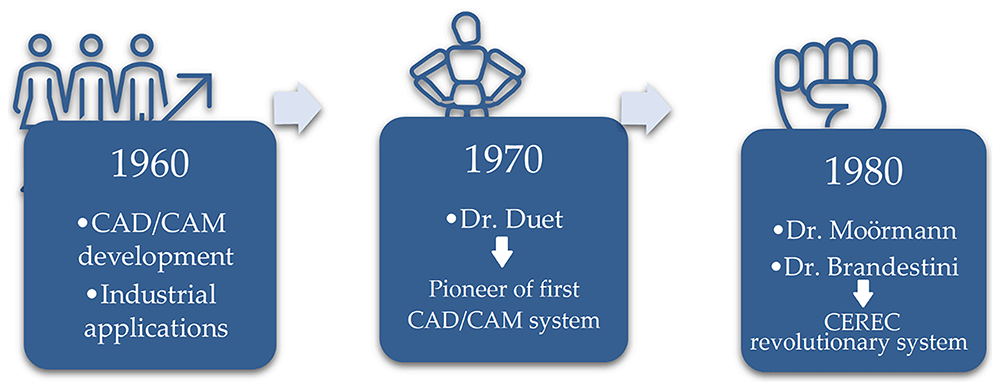
Figure 1. Summary of historical context of CAD/CAM.
Another pivotal development in digital dentistry was the appearance of digital imaging technologies. Traditional dental radiography, which relied on film-based X-rays, began to be supplemented and eventually replaced by digital radiography in the late 20th century. Digital radiography offered several advantages over traditional methods, including reduced radiation exposure, immediate image viewing, and the ability to enhance images for better diagnostic accuracy9–11. An important step forward was given in the 90s with the introduction of cone-beam computed tomography (CBCT), which further expanded the capabilities and scope of dental imaging. CBCT provided 3D imaging with a more detailed visualization of dental structures, which was particularly relevant for implant planning, orthodontics, and complex surgical procedures9–11. This technology marked a significant milestone: the shift from 2D to 3D imaging, enabling more accurate diagnoses and allowing for a better planning of treatments.
As digital technologies evolved, the integration of various digital tools into a cohesive workflow became a focal point. The development of intraoral scanners in the early 21st century was a critical element. Intraoral scanners are able to capture detailed digital impressions of teeth, gums and any element present in the patient’s anatomy, without needing the use of traditional impression materials and trays, improving patient comfort and the accuracy of dental restorations12–14.
The digital workflow was further enhanced by advancements in software that allowed for seamless integration between different stages of dental treatment. Digital treatment planning software enabled practitioners to visualize and simulate various treatment options, improving precision and predictability.
The rise of Additive Manufacturing technologies (AM, commonly known as 3D printing) in the dental field constitutes another transformative development. By the early 2010s, AM began to be used for the fabrication of dental models, surgical guides, dentures, and even crowns and bridges12,15,16. These technologies offer a range of advantages in terms of customization, speed, and cost-efficiency. The ability to produce highly precise dental prosthetics and appliances directly from digital designs has streamlined the manufacturing process and reduced the time required for treatment completion15–17. For example, in orthodontics, digital technologies such as aligners (such as Invisalign or Sparks) leveraged 3D modeling and printing to create customized clear aligners, transforming orthodontic care by offering a more aesthetically pleasing and comfortable alternative to traditional braces16,18–20.
Finally, the most recent innovations in digital dentistry are related to the integration of artificial intelligence (AI) and machine learning (Figure 2), being this a transversal discipline to the different techniques in digital dentistry. These are being applied to various aspects of dental practice, from diagnostic imaging to treatment planning and patient and data management. AI algorithms can analyze large datasets of dental images to identify patterns and assist in diagnosing conditions such as cavities, periodontal disease, and oral cancers with a high degree of accuracy6,16,18.
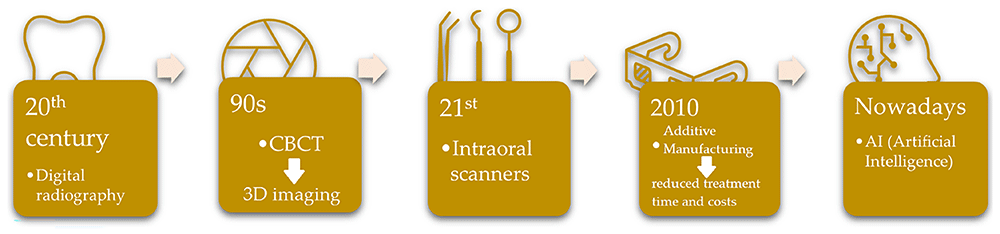
Figure 2. Summary of historical context of imaging, design and manufacturing.
The development of digital dentistry is a testament to the profound impact of technological innovation on healthcare. From the early days of CAD/CAM technology in the 60s to the latest advancements in AI and AM happening nowadays, digital dentistry has evolved continuously to enhance the precision, efficiency, and overall quality of dental care. These advancements have not only improved the patient experience but also expanded the capabilities of dental practitioners, enabling them to deliver more effective and accurate treatments. As technology continues to evolve, the future of digital dentistry promises relevant innovations capable of transforming the dental field and optimizing oral health worldwide. Figure 3 summarizes the concepts of higher relevance from the literature survey conducted.
Figure 3. Most relevant terms for digital dentistry, obtained using wordclouds.com, from the literature review.
The present review aims to provide a historical overview of the development of digital dentistry, emphasizing key milestones and technological advancements that have allowed for achieving its current level of development. It also seek to offer guidance for future advancements, being specially devoted for professionals, students and practitioners with a more technological profile, such as biomedical engineers, mechanical engineers, technicians, etc.
Types of digital technologies in dentistry
It is well-accepted that digital dentistry has revolutionized dental practice, integrating various advanced technologies that enhance the precision, efficiency, and overall quality of dental care. These technologies encompass a broad spectrum of tools and systems, contributing to different aspects of dental practice: diagnosis, treatment, and management. Technologies applied in digital dentistry can be classified into five main groups: diagnostic imaging, design and manufacturing, treatment/surgery planning and simulation, data and patients’ management, and AI.
Diagnosis and scanning tools
Diagnostic tools are critical in enhancing precision, improving patient experience, and streamlining dental workflows, marking a significant advancement in dental technology. Figure 4 summarizes in a schematic way the most relevant scanning tools used nowadays.
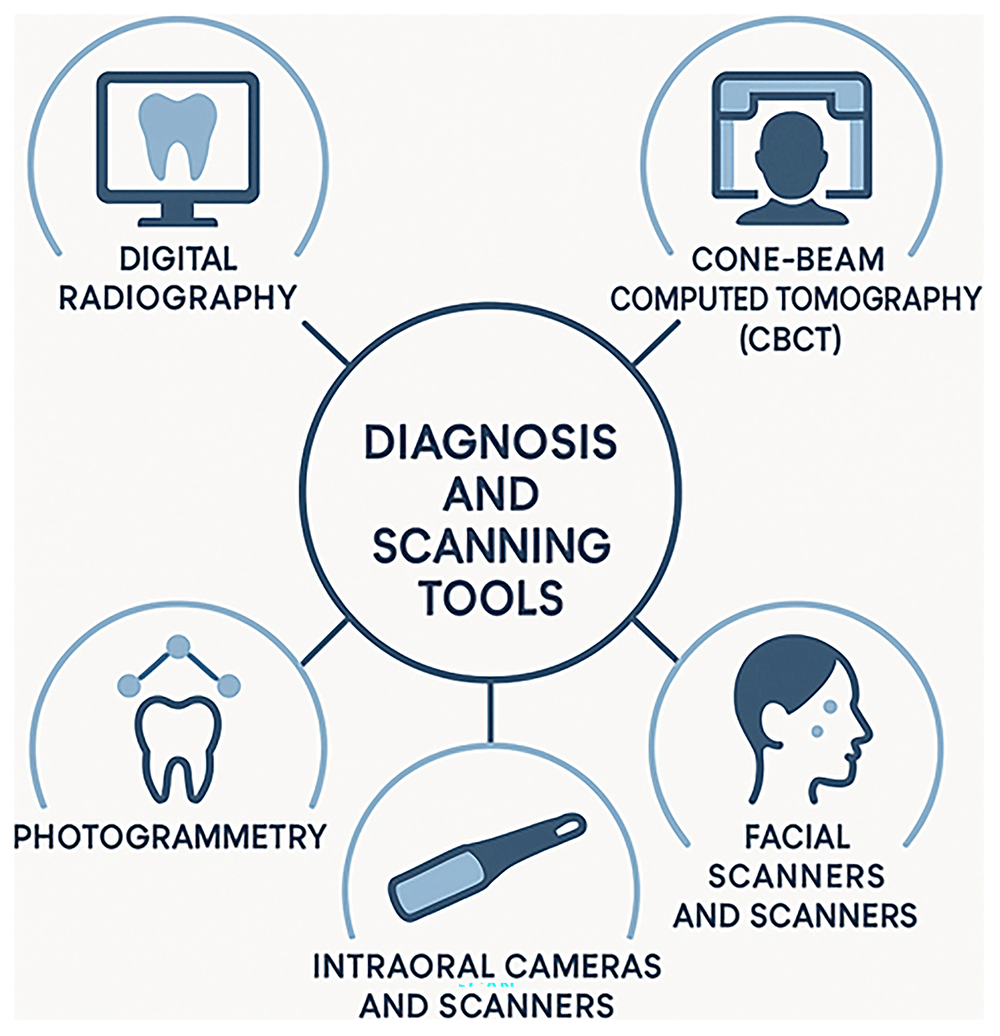
Figure 4. Summary diagnosis and scanning tools.
The conventional film X-rays have been gradually replaced by digital sensors in the tasks of dental imaging and radiography. This transition has improved image quality, reduced patient radiation exposure, and streamlined processing. Thanks to digital imaging, clinicians can more clearly visualize oral anatomy, facilitating diagnosis and treatment procedures. Digital imaging encompasses a range of technologies, including digital radiography, CBCT, and intraoral cameras (Table 1). Digital radiography, which uses digital sensors instead of traditional film, offers several advantages such as reduced radiation exposure, immediate image availability, and enhanced image quality through digital processing21–23. More recently, CBCT has become an indispensable tool, providing three-dimensional imaging that allows for detailed visualization of dental and maxillofacial structures. This technology is particularly useful in implantology, orthodontics, and complex surgical procedures. Its ability to produce high-resolution images with relatively low radiation doses has been well-documented10.
Table 1. Summary of different tools used in diagnosis.
| Method | Description | Benefits | Examples | References |
|---|
| Digital radiography | Uses digital sensors
to capture images of
teeth and surrounding
structures. | Reduced radiation
exposure, immediate
image availability,
enhanced image quality. | Digital X-ray systems
Photostimulable phosphor (PSP) plates. | 21–23 |
Cone-Beam
Computed
Tomography (CBCT) | Provides 3D imaging of
dental and maxillofacial
structures. | Detailed visualization
for implant planning,
orthodontics, and
complex surgeries. | Planmeca
ProMax 3D
Carestream CS 9300. | 10 |
| Intraoral Cameras | Small, handheld devices
that capture detailed
images inside the mouth. | Enhance diagnostics and
patient communication by
visualizing hard-to-see areas. | DEXIS DEXcam 4 HD
MouthWatch Intraoral Camera. | 24–27 |
Intraoral cameras and scanners also play a crucial role in diagnostics and patient communication. These small, handheld devices capture detailed images of the inside of the mouth, helping in the detection of dental issues and enhancing patient education by allowing patients to see the conditions that need treatment24–26. Regarding scanners, these can be intraoral or extraoral, and they allow to capture direct optical impressions of the oral cavity. Various imaging technologies can be found to create detailed 3D digital models of both teeth and soft tissues, including structured light, laser, or photogrammetry. These techniques provide high accuracy and precision, allow for the immediate visualization of scans and reduce the errors from impression procedures and the need for retakes, with the added benefit of enhanced patient comfort compared to traditional impression materials.
Intraoral scanners have transformed the process of producing dental impressions. These manual digital scanners are based on optical technology to generate 3D models of a patient's teeth and oral cavity. By replacing traditional putty impressions, intraoral scanners increase the usability and provide precise 3D models that facilitate diagnosis and treatment planning., such as designing restorations, planning orthodontic appliances, or to be used as surgical guides. Intraoral scanners are able to capture digital impressions of teeth and gums using scanning technology28–30 with high accuracy. Some examples of this technology are iTero Element and 3Shape TRIOS. On the other hand, extraoral scanners are sued to scan dental models or impressions outside the patient’s mouth, generally to produce digital replicas of existing physical models. Some of the most used ones are 3Shape D2000 and Dental Wings 7Series13,14,25.
At this point, it is interesting to make a special emphasis on photogrammetry as a promising technique within the field of digital dentistry, demonstrating significant potential as an alternative to traditional methods of capturing dental models. As already mentioned, traditional dental impression techniques have been widely criticized for their limitations in accuracy and comfort, prompting the exploration of digital methods that promise enhanced precision and efficiency31,32. Photogrammetry, particularly utilizing structure-from-motion (SfM) techniques, allows for the generation of high-fidelity 3D models using standard photographic equipment, which can be more accessible and cost-effective compared to established digital scanning technologies32,33. Research indicates that photogrammetry can achieve a level of accuracy comparable to that of high-resolution digital scanners, effectively preserving the geometry of dental structures while also offering practitioners a lower-cost solution33,34. The accuracy of models produced through photogrammetry has been shown to be robust, with studies demonstrating that measurements derived from photogrammetric models are consistent with values obtained from traditional 3D scanning methods34,35. Furthermore, mobile photogrammetry techniques have facilitated the emergence of a simpler workflow that can be particularly beneficial in environments with limited access to advanced scanning technologies. For instance, studies showed that mobile approaches provide practical solutions for generating facial and dental models, which are essential for diagnostics and treatment planning34–36.
One pivotal advantage of photogrammetry is its non-invasive nature and the ability to quickly generate digital models that can facilitate immediate communication between dental professionals and laboratories. Unlike conventional impression materials, which may cause discomfort to patients, digital impressions made via photogrammetry can be obtained with minimal patient interaction and discomfort, thereby increasing patient satisfaction33,37,38. Moreover, the utility of photogrammetry in producing full-color, 3D dental images has enabled more comprehensive visual assessments and applications across various dental disciplines, from orthodontics to restorative dentistry. The integration of photogrammetry with 3D printing technology is another dimension that enhances its applicability, allowing for the rapid and cost-effective prototyping of dental devices or prosthetics based on accurate data captured from patients39–41.
Similarly, it is of particular relevance to consider the use of facial scanners within this field, playing a significant role particularly in aesthetics dentistry. Facial scanners have become increasingly significant in digital dentistry due to their ability to provide precise assessments of soft tissue, which are integral for treatment planning and aesthetic evaluations. The integration of three-dimensional (3D) facial scanning technology allows dental professionals to capture intricate details of a patient's facial morphology and its relationship to dental structures. This capability is crucial in ensuring that cosmetic and orthodontic treatments are both functionally effective and aesthetically pleasing42. In this sense, some works have assessed the accuracy of mobile device-compatible 3D scanners for facial digitization, revealing their ability to extract facial landmarks and perform advanced dimensional analyses, including surface-to-surface distance measurements and volume misfit evaluations43,44. Advancements in scanning technology can positively impact clinical outcomes by facilitating a more accurate representation of a patient’s soft-tissue profile, which is pivotal for various dental procedures, including orthodontics and prosthodontics42,45.
They are being increasingly used to customize dental appliances following a holistic view of the specific morphology of each patient, therefore improving clinical accuracy but also enhancing patient engagement and satisfaction through more visual assessments and the planning of realistic results of the chosen treatment45–47. Furthermore, comparing 3D facial scans before and after orthodontic treatment can help clinicians evaluate changes in soft tissue contours, leading to improved patient satisfaction and psychosocial well-being48,49.
Design and manufacturing tools
CAD CAM technology has become an essential procedure for today's digital dentistry. It allows dentists to design highly accurate digital models of dental restorations, such as bridges, crowns, orveneers. These models are then uploaded to milling machines or 3D printers, enabling the fast manufacturing of customized restorations. Ceramic or composite materials are mostly used for manufacturing such final parts. The efficiency of these systems significantly reduces the time required for producing dental restorations, often allowing for same-day procedures.
A prominent example is the CEREC system5,7, already mentioned in the introduction of this review, which has continued to evolve since its introduction. Recent studies highlight its effectiveness and accuracy in creating dental restorations50,51. This system enabled clinicians to take digital impressions, design restorations chairside, and mill them within a single visit, improving patient convenience and reducing the need for temporary restorations. Figure 5 outlines design and manufacturing tools used in digital dentistry, summarizing the main benefits of main two options, namely CAD/CAM and Additive Manufacturing (AM), also mentioning the most relevant manufacturing systems for each of them.
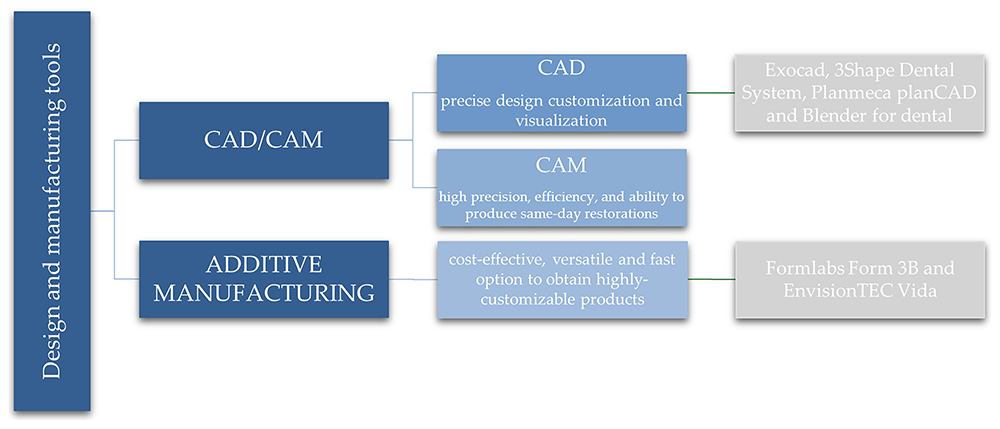
Figure 5. Summary of design and manufacturing tools.
AM has become increasingly integral to dental practices. This technology allows custom fit dental components, such as crowns, bridges, dentures, and orthodontic aligners, to be manufactured directly from 3D models. AM offers significant benefits in terms of speed, precision, accuracy and cost-effectiveness. Surgical guides and complex prosthesis can also be produced by these technologies. One of the most important benefits of AM is the capability of producing completely tailored items according to each patient specific needs. Recent research highlights the expanding applications of AM in dentistry, from creating biocompatible materials to developing innovative surgical guides52. The continuous evolution of these digital technologies promises further advancements in material properties and printing techniques, enhancing its role in dental care.
Computer-Aided Design (CAD) Software is used to design dental restorations, appliances, and implants/prosthetics53, allowing for precise design customization and visualization. Some of the most common software used in dentistry applications are Exocad, 3Shape Dental System, Planmeca planCAD54–57 and Blender for dental58. 3Shape Dental System is software for designing various dental restorations, while Exocad is a very well-known option due to its flexibility and extensive range of dental applications. Planmeca PlanCAD allows for a seamless integration with Planmeca’s imaging and milling units. Finally, Blender for dental is a free source software to design specific dental labor, such as crown, bridge or surgical guides, etc.
Computer-Aided Manufacturing (CAM) relates to equipment used for the manufacturing of dental items from digital designs using milling or grinding50,51. These systems provide high precision, efficiency, and ability to produce same-day restorations.
Finally, AM systems allow for the creation of dental models, surgical guides, and appliances52. These methods are highly-customizable and are a cost-effective, versatile and fast option to obtain such type of products. Some examples of AM equipment adapted to dentistry are Formlabs Form 3B and EnvisionTEC Vida6,16,17,52.
Treatment planning and simulation tools
The integration of these advanced tools in digital dentistry enhances the precision, efficiency, and predictability of dental treatments, significantly improving both clinical outcomes and patient experiences.
Virtual reality (VR) and augmented reality (AR) technologies have become a powerful tool in dental education and training. These immersive tools allows students and professionals to improve practical skills, on different clinical procedures, under realistic environments. This virtual and safe environment enhances the training process without the need of practizing, from the beginning, on real patients, therefore reducing the risk of failures. Virtual Treatment Planning Software are tools used for planning complex treatments such as orthodontic interventions, implant placements, and full-mouth reconstructions using 3D models derived from scans and CBCT images. Some examples are NobelClinician, Dolphin Imaging or BlueSkyPlan. They allow to plan the treatment for implants and orthondontics59. Related to these tools, one can also find Digital Smile Design (DSD) Software, specifically devoted to the planning of aesthetic treatments by simulating potential outcomes and ensuring the final results meet patient expectations. Some of such tools are 3Shape Smile Design, which can be integrated with other 3Shape tools for a cohesive workflow, DSDApp or Smile Designer Pro, which allow for the integration of detailed aesthetic and clinical planning as well as patient engagement, contributing to a higher satisfaction of patients60–63. In the same line, there are some specific software to plan orthodontic treatments, including both transparent aligners and traditional bracers; some examples are Invisalign ClinCheck, SureSmile, OrthoCAD or OrthoAnalyzer by 3Shape64–68.
Finally, some developments are focused on the design of software to serve as surgical guide; these are used to create custom surgical guides that ensure precise placement of dental implants based on virtual treatment plans. coDiagnostiX provides advanced implant planning and surgical guide design capabilities, SIMPLANT brings extensive features for implant treatment planning and guide creation, while Dentiq Guide provides detailed surgical planning and custom guide fabrication69–73.
Figure 6 provides a visual summary of the virtual tools for planning available nowadays, including the most relevant commercial systems for each of them.
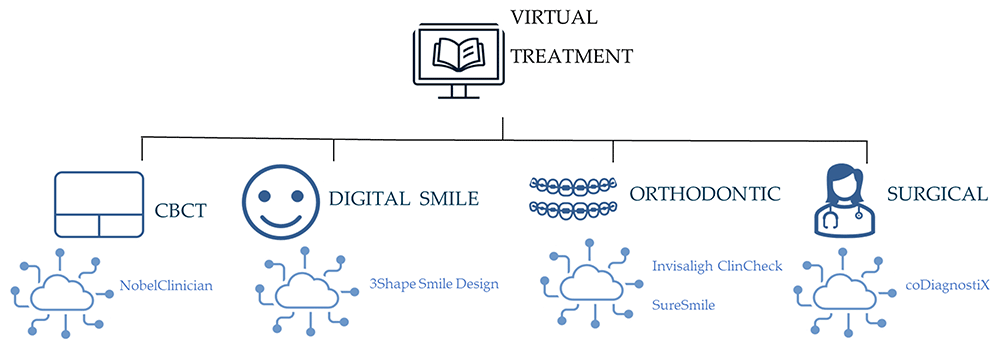
Figure 6. Summary of virtual treatment planning software.
Patient management and communication tools
Dental digital technologies are also assuming integrated practice management software and electronic health record (EHR) systems to optimize operational efficiency, associated with streamlined administration and the automation of billing, such as scheduling and treatment plans74 (Figure 7).
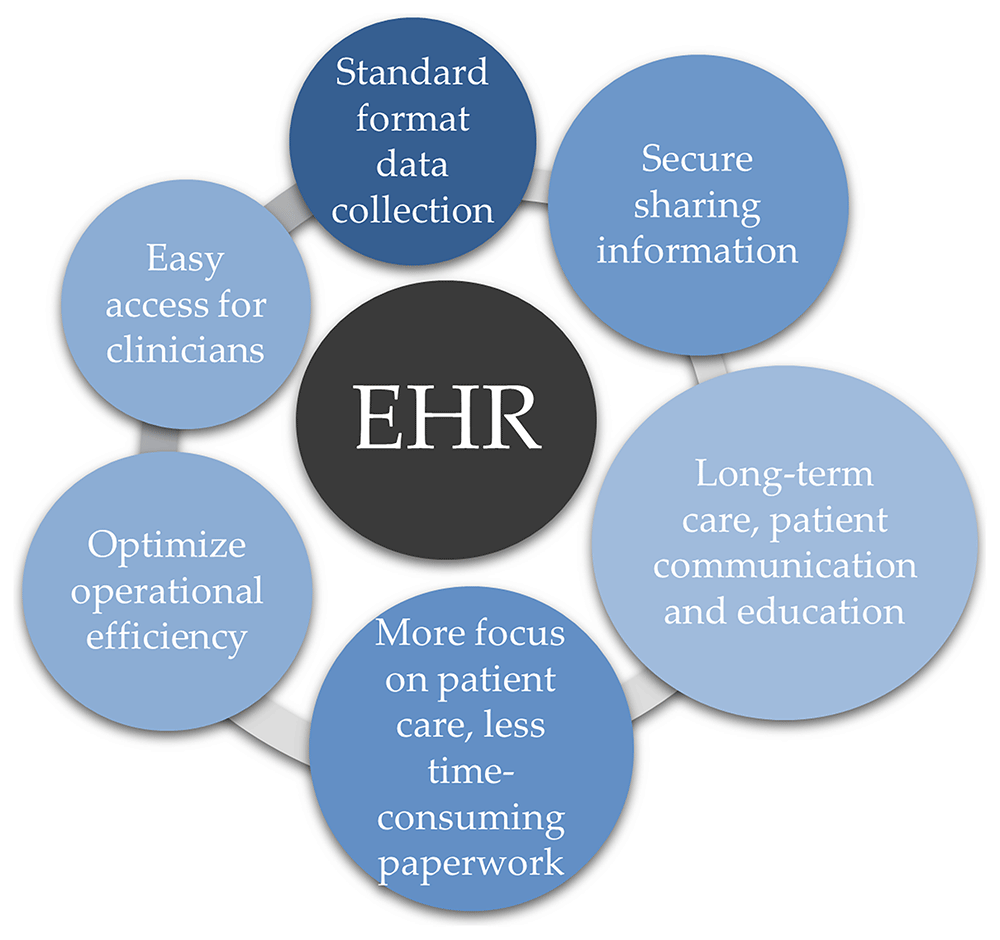
Figure 7. Summary of Electronic Health Records (HER) benefits.
Electronic health record (EHR) systems are the first step to digitalized dental world. These databases collect patient data to encourage the saving data in a standard format and the safety sharing of information between dental professionals75.
Thanks to EHR systems, by securely storing and accessing patient medical histories, diagnosis and insurance details, dental professionals can focus on patient care rather than time-consuming paperwork.
These digital platforms also facilitate a long-term care76 and patient communication and education74, with websites or social media77, (i.e. WhatsApp, Instagram, YouTube, etc.) for appointments or, such as tools to educate patient about dental health.
Artifical Intelligence (AI)
AI algorithms can analyze large datasets of dental images and patient records to assist in diagnosis, treatment planning, and predictive analytics. These technologies can identify patterns and anomalies that may be difficult for human practitioners to detect, thus improving diagnostic accuracy and treatment outcomes. For example, AI-driven diagnostic tools are being developed to detect caries, periodontal disease, and oral cancers with high precision18. Machine learning models are also being used to predict patient responses to treatments and optimize personalized treatment plans. The integration of AI in digital dentistry is still in its early stages, but its potential to enhance clinical decision-making and patient care is immense.
The integration of digital technologies into a seamless workflow is essential for maximizing their mutual benefits. Digital workflows in dentistry encompass everything from initial patient consultations and diagnostics to treatment planning and execution. Software platforms that integrate various digital tools enable practitioners to create comprehensive and precise treatment plans. Digital workflow systems often include features such as electronic health records (EHR), treatment simulation, and patient communication tools. These systems streamline administrative tasks, improve clinical efficiency, and enhance the patient experience by providing transparent and interactive treatment processes69,70.
There are currently some examples on AI-driven systems for diagnosis, such as VideaHealth AI or Overjet, which allows for analyzing dental images and identifying particular conditions18, supporting the practitioners in decision-making. Some steps have also been given in the programming of predictive analytical tools, that is, in machine learning models that predict patient outcomes and optimize treatment plans; some examples are Pearl’s Second Opinion or Denti.AI18,60,78.
Applications of digital dentistry
Digital dentistry can be applied to several aspects of dentistry such as optimization of diagnostic accuracy, treatment and surgical planning, and clinical outcomes. The integration of advanced technologies has revolutionized the field, making dental procedures more efficient, precise, and patient-friendly. From diagnostics and treatment planning to manufacturing and patient communication, digital tools have enhanced precision, efficiency, and quality of care (Table 2).
Table 2. Main applications of digital dentistry.
| Method | Application | Description | Benefits | References |
|---|
| Digital diagnostics | Caries detection | Use of digital imaging and AI to
detect dental caries. | Early detection, improved accuracy,
reduced patient discomfort. | 18,21–23 |
Periodontal
disease assessment | Digital radiography and AI for
evaluating periodontal health. | Precise measurement of bone loss
and detection of periodontal pockets. | 82,83 |
Oral cancer
screening | Digital tools for early detection
and diagnosis of oral cancers. | Enhanced visualization, early
intervention, and improved patient
outcomes. | 18 |
Digital impressions
and models | Intraoral scanning | Capture digital impressions for
restorative and orthodontic
purposes. | High accuracy, improved patient
comfort, and immediate digital
models. | 13,14,29,30 |
Digital orthodontic
models | Creation of digital models for
orthodontic diagnosis and
treatment planning. | Enhanced precision, ease of storage,
and better visualization for treatment
planning. | 68 |
| Restorative dentistry | CAD/CAM
restorations | Designing and manufacturing
dental restorations using CAD/
CAM technology. | High precision, reduced chair time,
and improved aesthetics. | 50,51,53 |
3D Printing of
prosthetics | Use of 3D printing technology
to produce dental prosthetics. | Customization, speed, and cost-
effectiveness. | 52 |
| Implant dentistry | Digital implant
planning | Use of CBCT and planning
software for precise implant
placement. | Enhanced accuracy, reduced surgical
risks, and improved outcomes. | 28,82 |
Guided implant
surgery | Utilization of digital guides for
implant surgery. | Minimally invasive procedures,
reduced chair time, and higher
precision. | 30,71 |
| Orthodontics |
Clear aligners | Digital design and fabrication
of clear aligners for orthodontic
treatment. | Improved aesthetics, patient comfort,
and treatment precision. | 66,68,70 |
Orthodontic
simulation | Software to simulate
orthodontic treatments and
outcomes. | Enhanced treatment planning, patient
communication, and predictable
results. | 79 |
| Surgical applications | Surgical guides | Digital planning and 3D
printing of surgical guides for
precise surgical interventions. | Increased accuracy, reduced operative
time, and better patient outcomes. | 84–86 |
Virtual surgical
planning | Use of digital tools for planning
complex maxillofacial surgeries. | Enhanced precision, improved
surgical outcomes, and patient-
specific customization. | 28,72,87 |
Digital smile design
(DSD) | Aesthetic
treatments | Creates a virtual 3D model of
oral cavity with digital imaging
software. | Make part patient of the treatment
choice. | 88 |
Patient management
and communication | Electronic Health
Records (EHR) | Digital management of patient
records and clinical data. | Streamlined data management,
improved accessibility, and
interoperability. | 74 |
Patient education
tools | Digital tools for educating
patients about their dental
health and treatment plans. | Enhanced patient understanding
and engagement, improved
communication. | 77,89 |
| Tele-dentistry | Remote
consultations | Use of digital communication
tools for remote dental
consultations. | Increased accessibility, convenience,
and ability to provide care to
underserved areas. | 90–93 |
| Remote monitoring | Digital tools for remotely
monitoring patient progress
in orthodontic and other
treatments. | Improved treatment adherence,
timely interventions, and enhanced
patient outcomes. | 94–96 |
| Dental education | Clinical and
theoretical dental
education | Provide students with real-time
feedback on their performance
with, for example, 3D models of
denture to train. | Eliminate the need for constant direct
supervision. | 97 |
Digital marketing in
dentistry | Web and social
media | Dental practices cultivate an
online identity. | Attract new patients, retain
existing ones, and provide valuable
educational content. | 98 |
Benefits of digital dentistry
Digital dentistry integrates advanced technologies into various aspects of dental care, offering numerous advantages while also presenting certain challenges, as already mentioned. Digital dentistry offers multiple advantages for dentists and patients. For practitioners, it improves treatment accuracy, optimizes workflows, and increases overall efficiency. Digital tools enable accurate measurements, virtual treatment planning, and more predictable results. Patients, in turn, benefit from reduced chair time, greater comfort, and a more satisfying treatment experience. Furthermore, digital dentistry facilitates communication between dentists and patients, allowing them to make informed decisions about their dental care. In summary, some of the main benefits of digital dentistry are6,22,25,53:
- Enhanced Diagnostic Accuracy18,21,23,28,52,79
- Improved treatment planning18,21,23,28–30,50–52,79
- Increased Efficiency and Productivity18,52,79
- Enhanced Patient Experience18,23,28–30,51,52,79
- Customization and Precision21,23,28,29,51,52,79
On the other hand, digital dentistry still has some limitations and barriers that need to be solved for a wider adoption of these technologies; in summary, the main drawbacks of digital dentistry are18,77,80,81:
- High initial costs: digital technologies require of a substantial initial investment, particularly considering equipment and software, although without disregarding training. These costs can be a significant barrier for smaller clinics or practitioners with lower resources89.
- Learning curve and training requirements: continuous education is necessary to stay updated with technological advancements and maximize the effectiveness of these tools, as the use of digital tools involves a significant learning curve and extensive training for dental professionals99,100.
- Technical issues and reliability: digital systems tend to having some technical issues, including software glitches and hardware malfunctions. Ensuring the reliability and security of digital systems is crucial for maintaining clinical efficiency and patient trust89.
- Integration with existing systems: Integrating new digital technologies with existing practice management systems can be challenging. Compatibility issues and the need for seamless data transfer require careful planning and execution89.
- Dependence on technological advancements: the rapid evolution of technology means that digital tools can quickly become outdated. Dental practices must keep continually investing in updates and new technologies to stay up to date and keep high standards.
Strategies for overcoming the digital divide in dental care
Once defined the main advances in digital dentistry and summarized their benefits and limitations as well as their main application fields, it is worthy to bring them all together and outline the approaches proposed in the literature to overcome their limitations and maximize their benefits. This analysis is summarized in Table 3.
Table 3. Main strategies to overcome limitations for a wider adoption of digital dentistry.
| Method | Description | Benefits | References |
|---|
| High initial costs | The adoption of digital technologies in
dentistry requires a substantial investment in
equipment, software, and training. These initial
costs can be prohibitive, especially for smaller
practices. | -Incremental Investment: Practitioners can
adopt digital technologies incrementally, starting
with less expensive or more versatile tools. This
approach allows for gradual integration
and financial planning.
-Financing Options: Exploring leasing or
financing options can help spread the cost
of equipment over time, making it more
manageable for practices.
-Government and Industry Support: Taking
advantage of subsidies, grants, or industry
support programs can offset some of the
initial costs. Engaging with dental technology
manufacturers who offer training and support
can also be beneficial. | 77,89 |
Learning Curve
and Training
Requirements | Digital tools come with a steep learning curve
and require extensive training for dental
professionals. This can impact productivity and
increase the time required for practice staff to
become proficient. | -Comprehensive Training Programs: Investing
in comprehensive training programs, including
hands-on workshops and online courses, can
help staff become proficient more quickly.
-Continuous Education: Implementing ongoing
education and refresher courses can ensure
that dental professionals stay current with new
technologies and techniques.
-Vendor Support: Leveraging support
from technology vendors for training and
troubleshooting can help ease the transition and
address technical challenges. | 74,103,104 |
Technical issues
and reliability | Digital systems are prone to technical issues,
including software glitches and hardware
malfunctions, which can disrupt clinical
workflows and affect patient care. | -Regular Maintenance: Implementing regular
maintenance and updates for both hardware
and software can help prevent technical issues
and improve system reliability.
-Technical Support: Establishing a reliable
technical support system, including on-call
IT support and user manuals, can assist in
resolving issues promptly.
-Backup Systems: Utilizing backup systems and
protocols can ensure data integrity and minimize
disruptions in case of technical failures. | 74,104,105 |
Integration with
existing systems | Integrating new digital tools with existing
dental practice management systems can be
complex, leading to compatibility issues and
data transfer challenges. | -Compatibility Testing: Conducting thorough
compatibility testing before implementing new
systems can help identify potential issues and
ensure smooth integration.
-Consulting IT Experts: Engaging with IT
consultants or experts in dental technology
can provide guidance on best practices for
integration and data management.
-Phased Implementation: Implementing digital
tools in phases can help manage integration
challenges and minimize disruption to existing
workflows. | 77,94,99,106 |
Dependence on
Technological
Advancements | The rapid pace of technological advancements
means that digital tools can quickly become
outdated, requiring ongoing investment in
upgrades and new technologies. | -Strategic Planning: Developing a long-term
technology adoption and upgrade plan can help
practices manage technological changes and
budget for future investments.
-Staying Informed: Keeping up-to-date with
industry trends and advancements can help
practices make informed decisions about when
and what technologies to adopt.
-Vendor Relationships: Building strong
relationships with technology vendors can
provide access to the latest updates and support
for maintaining current systems. | 18,107 |
Future trends and innovations in digital dentistry
- Digital dentistry continues to develop, with significant innovations anticipated in the future. Emerging trends include: Artificial intelligence (AI) algorithms to produce optimal and efficient diagnosis and treatment planning. AI and machine learning are expected to play increasingly significant roles in digital dentistry, enhancing diagnostic accuracy, treatment planning, and personalized patient care. These technologies can analyze large datasets to predict outcomes and optimize treatment strategies18.
- Combining digital dentistry with other areas of dental health, such as orthodontics and maxillofacial surgery. Future trends in digital dentistry will likely involve greater integration with other medical and dental disciplines. This interdisciplinary approach will improve comprehensive patient care and streamline treatment workflows101,102.
- Further advancements in AM technology, allowing for more complex and biocompatible dental prosthetics. Advances in 3D printing will make it possible to manufacture dental restorations, implants, and orthodontic appliances more quickly and accurately. . Enhanced biocompatible and durable materials and techniques will allow for more complex and customized solutions52.
- Growth of teledentistry, using digital tools to treat patients virtually. The expansion of tele-dentistry will facilitate remote consultations, follow-up appointments, and patient monitoring. This trend is expected to increase access to care and streamline patient management, especially in rural or isolated areas91,96,99.
- Improved patient engagement through Smartphones/wearable devices. VR and AR technologies are anticipated to enhance both clinical training and patient education. These immersive technologies will provide interactive simulations for dental procedures and treatment planning108–111.
While digital dentistry presents several challenges, including high initial costs, training requirements, and technical issues, there are viable solutions to address these obstacles. Looking ahead, digital dentistry is poised to evolve with advancements in AI, AM, VR/AR, tele-dentistry, and interdisciplinary integration. These trends (Figure 8) promise to enhance diagnostic accuracy, treatment efficacy, and patient care, shaping the future of dental practice.
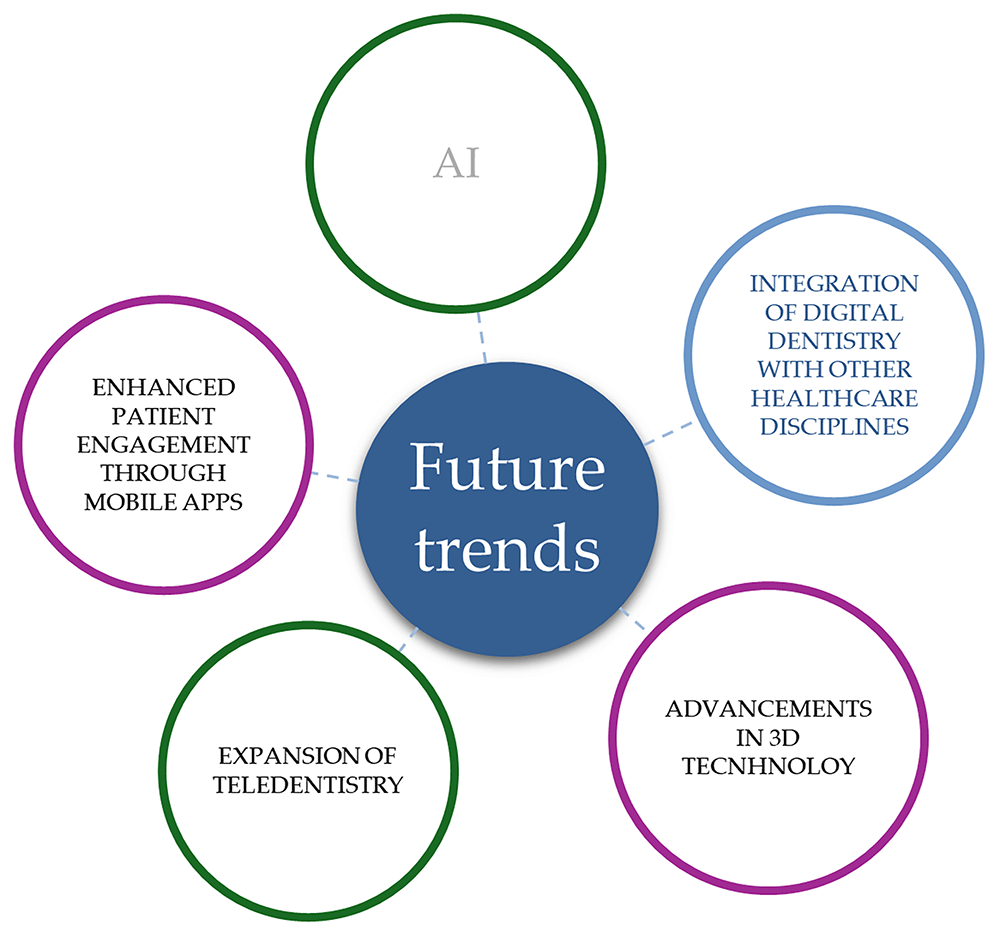
Figure 8. Future trends and innovations in dentistry.
Conclusions
Digital technologies have transformed the landscape of modern dentistry, providing enhanced diagnostic capabilities, more efficient workflows, and improved patient experiences. This review has detailed the major categories of digital tools currently used in clinical practice, including diagnostic imaging, CAD/CAM systems, AM technologies, treatment planning software, and AI-based solutions. These advancements have enabled greater precision, customization, and interdisciplinary integration.
However, despite the evident advantages, digital dentistry still faces significant barriers such as high initial costs, learning curves, and technological limitations. Strategies to overcome these barriers—such as phased implementation, comprehensive training, and support services—are crucial to facilitate broader adoption.
As digital technologies continue to evolve, they will increasingly define the best practices in dental care. The integration of artificial intelligence, tele-dentistry, and advanced manufacturing methods is poised to push the boundaries even further. In conclusion, while challenges remain, the future of dentistry is unequivocally digital, with a huge potential to enhance patient outcomes and redefine clinical standards.
Ethics and consent
Ethical approval and consent were not required