Introduction
Lewinskya acuminata was originally described as Orthotrichum acuminatum H. Philib. (Philibert, 1881) and was subsequently transferred to the newly segregated genus Lewinskya after the recent division of Orthotrichum, which separated the monoicous species with superficial stomata (Lara et al., 2016). It is an epiphytic moss of the family Orthotrichaceae, readily distinguished by its long-acuminate leaves and characteristic fusiform capsules with a vestigial exostome, a developed endostome of six broad segments, and a dark, puckered mouth when dry. This configuration of the peristome and capsules allows for the hygrocastic release of spores (in conditions of high atmospheric humidity and moss hydration), while most of its congeners do so in dry conditions, xerocastically (Lara et al., 1999). The species is widespread across the Mediterranean Basin, occurring on most major islands and mainland territories of both Europe and North Africa, from Anatolia (Turkey) to the Iberian Peninsula, Morocco, and Macaronesia (Calleja et al., 2020). In recent decades, it has also been recorded in scattered localities across northwestern and central Europe (Müller, 2019). Furthermore, disjunct populations have been discovered in California and Ethiopia (Calleja et al., 2020; Vigalondo et al., 2016). This moss is one of the most representative species within Mediterranean epiphytic communities (Lara & Garilleti, 2014), contributing to local biodiversity in a significant part of the Western Palearctic region. This species is autoicous and karyotype analyses of most species within the genus have revealed a haploid chromosome number of six (Rice et al., 2015).
Lewinskya acuminata was originally described as Orthotrichum acuminatum H. Philib. (Philibert, 1881) and was subsequently transferred to the newly segregated genus Lewinskya after the recent division of Orthotrichum, which separated the monoicous species with superficial stomata (Lara et al., 2016). It is an epiphytic moss of the family Orthotrichaceae, readily distinguished by its long-acuminate leaves and characteristic fusiform capsules with a vestigial exostome, a developed endostome of six broad segments, and a dark, puckered mouth when dry. This configuration of the peristome and capsules allows for the hygrocastic release of spores (in conditions of high atmospheric humidity and moss hydration), while most of its congeners do so in dry conditions, xerocastically (Lara et al., 1999). The species is widespread across the Mediterranean Basin, occurring on most major islands and mainland territories of both Europe and North Africa, from Anatolia (Turkey) to the Iberian Peninsula, Morocco, and Macaronesia (Calleja et al., 2020). In recent decades, it has also been recorded in scattered localities across northwestern and central Europe (Müller, 2019). Furthermore, disjunct populations have been discovered in California and Ethiopia (Calleja et al., 2020; Vigalondo et al., 2016). This moss is one of the most representative species within Mediterranean epiphytic communities (Lara & Garilleti, 2014), contributing to local biodiversity in a significant part of the Western Palearctic region. This species is autoicous and karyotype analyses of most species within the genus have revealed a haploid chromosome number of six (Rice et al., 2015).
Lewinskya acuminata has been assessed for the IUCN Red List of Threatened Species (Europe assessment) in 2018 and is listed as Least Concern. Other conservation categories have been proposed for some European territories: Vulnerable (VU) in Great Britain; Data Deficient (DD) in Madeira, Montenegro, and Slovenia; and Near Threatened (NT) in Sicily (Hodgetts & Lockhart, 2020).
The generation of a reference genome for Lewinskya acuminata will allow for in-depth studies of evolutionary processes, genetic diversity, and speciation patterns within Orthotrichaceae, and will contribute to the conservation and taxonomic assessment of both described and yet-undescribed species (Aguado-Ramsay et al., 2024; Matanov et al., 2025). Lewinskya is a cosmopolitan genus with approximately 80 recognized species, several of which have emerged from recent taxonomic studies (e.g., Lara et al., 2024; Lara et al., 2025; Vigalondo et al., 2020). Several other complexes from different continents are being re-evaluated through integrative taxonomy, for which the reference genome is likely to be extremely valuable.
The generation of this reference resource was coordinated by the European Reference Genome Atlas (ERGA) initiative’s Biodiversity Genomics Europe (BGE) project, supporting ERGA’s aim of promoting transnational cooperation to promote advances in the application of genomics technologies to protect and restore biodiversity (Mazzoni et al., 2023).
Materials & methods
ERGA's sequencing strategy includes Oxford Nanopore Technology (ONT) and/or Pacific Biosciences (PacBio) for long-read sequencing, along with Hi-C sequencing for chromosomal architecture, Illumina Paired-End (PE) for polishing (i.e. recommended for ONT-only assemblies), and RNA sequencing for transcriptomic profiling, to facilitate genome assembly and annotation.
Sample and sampling information
On 31 January 2024, Pablo Aguado-Ramsay and Francisco Lara sampled one specimen of Lewinskya acuminata (hermaphrodite monoecious). The specimen was determined based on morphology using Lara & Garilleti (2014) and it was identified by Pablo Aguado-Ramsay and Francisco Lara in Hoyo de Manzanares, Madrid, Spain. The biological material collected in Spain, and used to generate digital sequences, was retrieved from wildlife taxa regulated by the Spanish Royal Decree 124/2017 (https://www.boe.es/eli/es/rd/2017/02/24/124). No ABS permits were granted as utilization of the material falls under exemption in Article 3(2) of the Spanish Royal Decree 124/2017 and was confirmed by the national authorities. The whole dry individual was harvested from the tree and was taken alive directly to the laboratory. Dry apical parts of the gametophores with double checked taxonomic identification were individually selected, eliminating sporophytes and reducing contamination risks, carefully manipulating the plant to avoid modifying gene expression. Shots were then weighed and preserved at –80 °C until DNA extraction.
Genetic information
The estimated genome size, based on ancestral taxa, is 0.48 Gb and this corresponds to a diploid genome with a haploid number of 6 chromosomes (2n=12). The genome that was here sequenced and assembled is the haploid genome (n=6) whose genome size of 0.25 Gn well aligns with the haploid expectation. All information for this species was retrieved from Genomes on a Tree (Challis et al., 2023).
DNA/RNA processing
DNA was extracted from approximately 200 mg of modular colony tissue ground in liquid nitrogen with mortar and pestle. The resulting powder was incubated in 10 mL of extraction buffer (100 mM Tris–HCl, 20 mM EDTA, 1.5 M NaCl, 1% sarkosyl, 2% polyvinylpyrrolidone [PVP], and 0.2% β-mercaptoethanol) at 21 °C for 1 h under agitation (300 rpm). DNA purification was subsequently performed following the general procedure described by Ramakrishnan et al., 2017. DNA fragment size selection was performed using Short Read Eliminator (PacBio). DNA quantification was performed using a Qubit dsDNA BR Assay Kit (Thermo Fisher Scientific), and DNA integrity was assessed using a Genomic DNA 165 Kb Kit (Agilent) on the Femto Pulse system (Agilent). The DNA was stored at +4°C until used.
RNA was extracted from a modular colony (50 mg) using RNeasy Powerplant Kit (Qiagen) following manufacturer instructions. Residual genomic DNA was removed with 6U of TURBO DNase (2 U/µl) (Thermo Fisher Scientific). Quantification was performed using a Qubit RNA HS Assay and integrity was assessed in a Bioanalyzer system (Agilent). RNA was stored at -80°C until used.
Library preparation and sequencing
Long-read DNA library was prepared with SMRTbell prep kit 3.0 following manufacturers' instructions and sequenced on a Revio system (PacBio). Hi-C library was generated from the same colony used for DNA extraction using the Arima High Coverage HiC Kit (following the Animal Tissues low input protocol v01) and sequenced on NovaSeq X Plus instrument (Illumina) with 2x 150 read length. In total 39x HiFi and 150x HiC data were sequenced to generate the assembly.
Genome assembly methods
The genome was assembled using the Genoscope GALOP pipeline (https://workflowhub.eu/workflows/1200). Briefly, raw PacBio HiFi reads were assembled using Nextdenovo v2.5.2 (Hu et al., 2024). Remaining allelic duplications were removed using purge_dups v1.2.5 (Guan et al., 2020) with default parameters and the proposed cutoffs. This assembly was scaffolded using YaHS v1.2.2 (Zhou et al., 2023) and assembled scaffolds were then curated through manual inspection using PretextView v0.2.5 (Harry, 2022) to remove false joins and incorporate sequences not automatically scaffolded into their respective locations within the chromosomal pseudomolecules. Chromosome-scale scaffolds confirmed by Hi-C data were named in order of size. Finally, the mitochondrial and chloroplastic genomes were assembled respectively as a single contig of 104,820 bp and two contigs of 123,029 bp and 122,994 bp using the Oatk v1.0 (Zhou et al., 2025) and included in the released assembly (GCA_965213355.2) (Table 1). Summary analysis of the released assembly was performed using the ERGA-BGE Genome Report ASM Galaxy workflow (https://doi.org/10.48546/workflowhub.workflow.1104.1).
Table 1. Chromosomal pseudomolecules in the genome assembly of Lewinskya acuminata.
| NCBI Accession | Chromosome | Size (Mb) |
|---|
| OZ243776.1 | 1 | 65.7 |
| OZ243777.1 | 2 | 43.2 |
| OZ243778.1 | 3 | 40.7 |
| OZ243779.1 | 4 | 38.4 |
| OZ243780.1 | 5 | 35.0 |
| OZ243781.1 | 6 | 31.4 |
| OZ263618.1 | MIT | 0.10 |
| OZ263619.1 | PLTD_1 | 0.12 |
| OZ263620.1 | PLTD_2 | 0.12 |
Results
Genome assembly
The genome assembly has a total length of 256,705,263 bp in 13 scaffolds including the mitogenome and chloroplastic genomes (Figure 1, Figure 2, Figure 3), with a GC content of 37.5%. The assembly has a contig N50 of 11,461,491 bp and L50 of 7 and a scaffold N50 of 40,771,022 bp and L50 of 3. The assembly has a total of 38 gaps, totalling 4.7 kb in cumulative size. The single-copy gene content analysis using the Embryophyta database (odb10) with BUSCO (Manni et al., 2021) resulted in 84.8% completeness (77.7% single and 7.1% duplicated). The relatively high proportion of missing BUSCO genes (13.4%) reflects a bias in the Embryophyta database towards vascular plants; such values are therefore common when bryophytes are assessed using this lineage. 97.5% of reads k-mers were present in the assembly and the assembly has a base accuracy Quality Value (QV) of 54.4 as calculated by Merqury (Rhie et al., 2020).
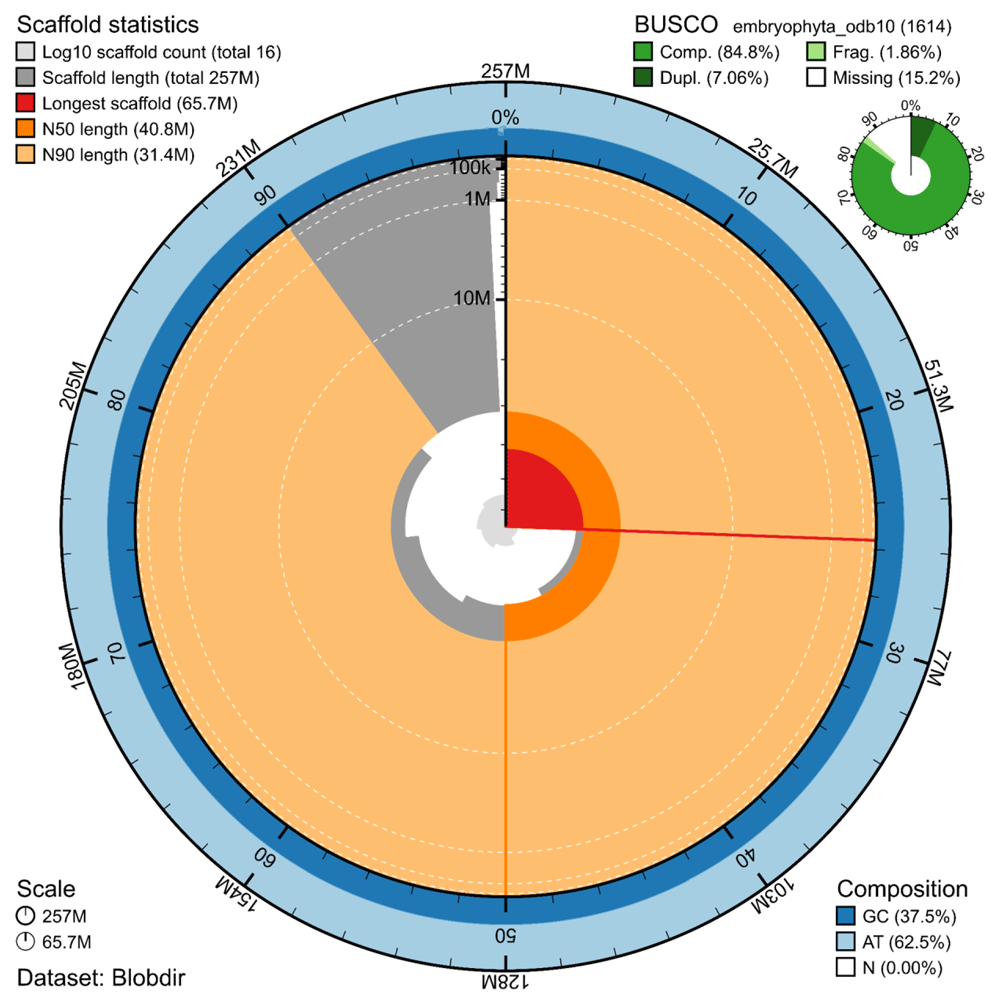
Figure 1. Snail plot summary of assembly statistics.
The main plot is divided into 1,000 size-ordered bins around the circumference, with each bin representing 0.1% of the 256,705,263 bp assembly including the mitochondrial genome, the chloroplastic genomes, and unlocalised contigs. The distribution of sequence lengths is shown in dark grey, with the plot radius scaled to the longest sequence present in the assembly (65.7 Mb, shown in red). Orange and pale-orange arcs show the scaffold N50 and N90 sequence lengths (40,771,022 and 31,400,860 bp), respectively. The pale grey spiral shows the cumulative sequence count on a log-scale, with white scale lines showing successive orders of magnitude. The blue and pale-blue area around the outside of the plot shows the distribution of GC, AT, and N percentages in the same bins as the inner plot. A summary of complete, fragmented, duplicated, and missing BUSCO genes found in the assembled genome from the Embryophyta database (odb10) is shown in the top right.
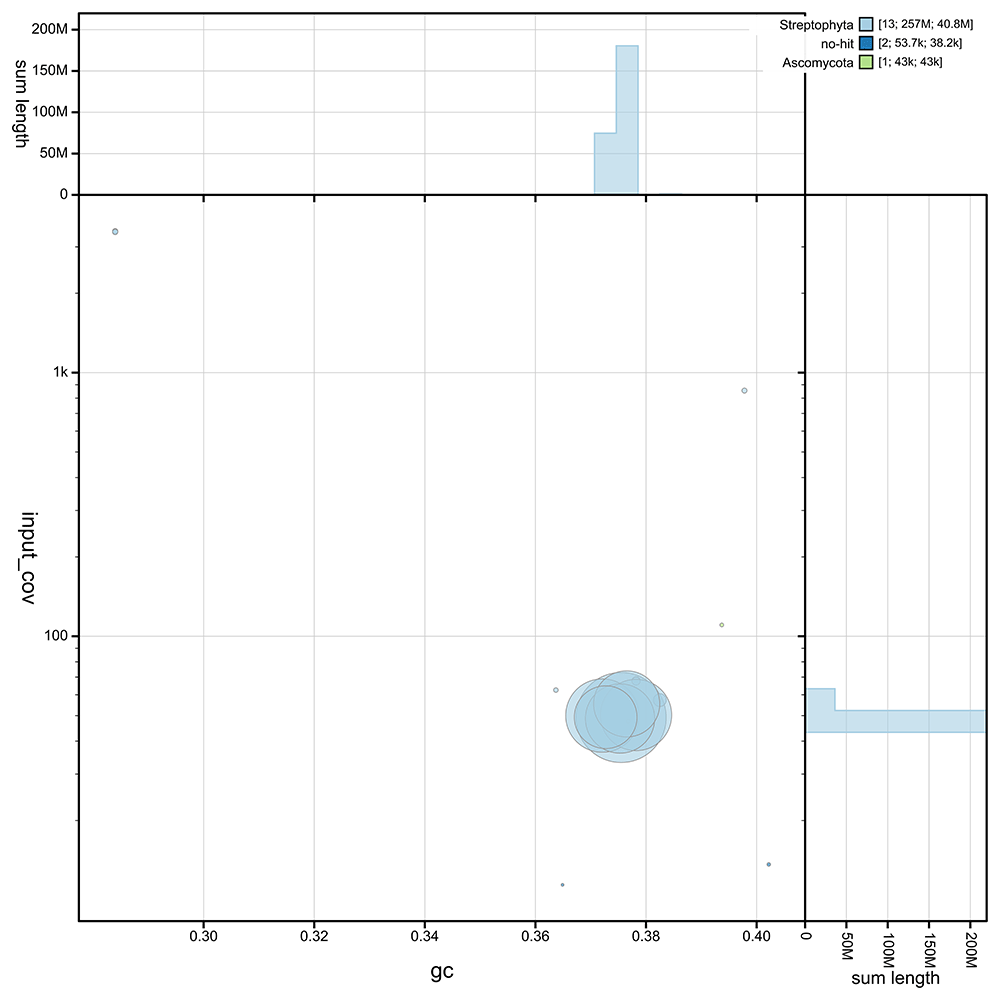
Figure 2. GC coverage plot generated for the Lewinskya acuminata assembly using blobtoolkit.
Individual chromosomes and scaffolds are represented by each circle. The circles are sized in proportion to chromosome/scaffold length. Histograms show the sum length of chromosome/scaffold size along each axis. Color of circles indicate taxonomic hits of each Phylum represented in the assembly.
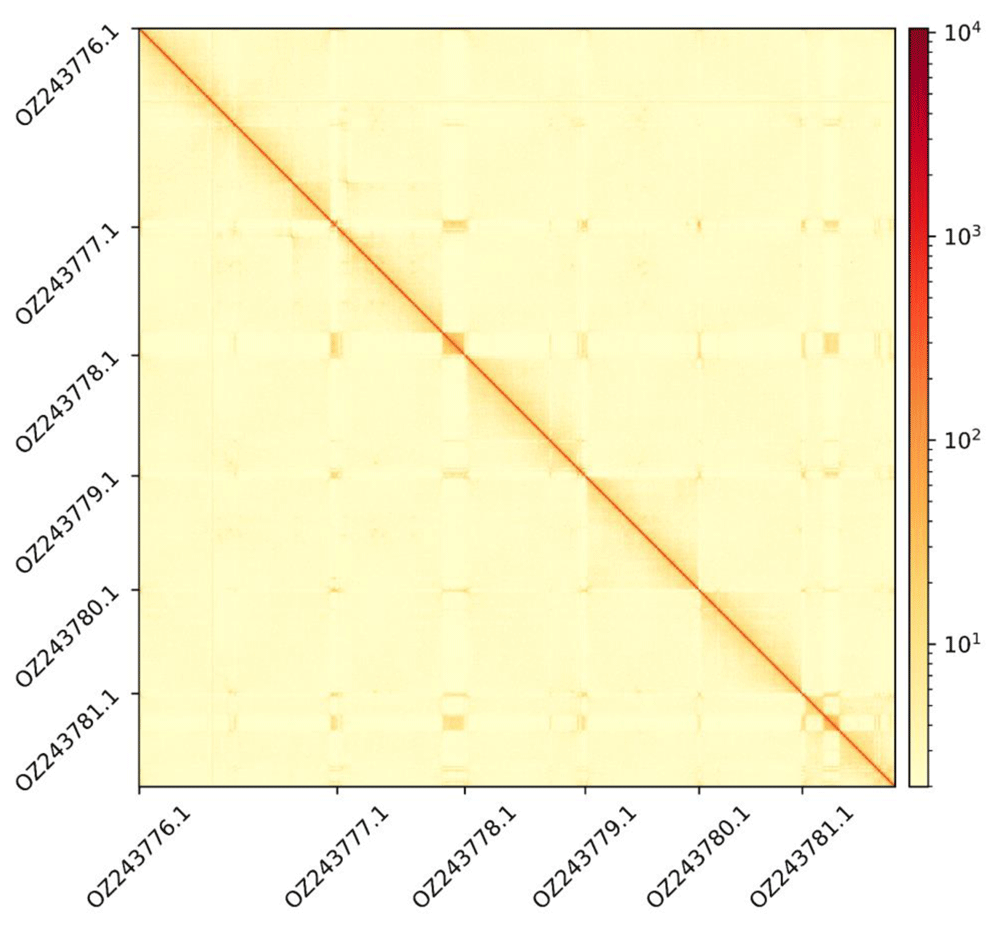
Figure 3. Hi-C contact map showing spatial interactions between regions of the genome.
The diagonal corresponds to intra-chromosomal contacts, depicting chromosome boundaries. The frequency of contacts is shown on a logarithmic heatmap scale. Hi-C matrix bins were merged into a 150 kb bin size for plotting.
Data availability
Lewinskya acuminata and the related genomic study were assigned to Tree of Life ID (ToLID) 'cbLewAcum8' and all sample, sequence, and assembly information are available under the umbrella BioProject PRJEB79984. The sample information is available at the following BioSample accessions: SAMEA115283941 and SAMEA115283947. The genome assembly is accessible from ENA under accession number GCA_965213355.2 and the annotated genome will be available through the Ensembl webpage (https://projects.ensembl.org/erga-bge/). Sequencing data produced as part of this project are available from ENA at the following accessions: ERX14096377, ERX14170726, and ERX14514454. Documentation related to the genome assembly and curation can be found in the ERGA Assembly Report (EAR) document available at https://github.com/ERGA-consortium/EARs/tree/main/Assembly_Reports/Lewinskya_acuminata/cbLewAcum8. Further details and data about the project are hosted on the ERGA portal at https://portal.ergbiodiversity.eu/data_portal/1172132.
Author contributions
PAR coordinated the project; PAR and FL collected and identified the species; PAR sampled and preserved biological material and provided metadata; AsB, RM, TM, THS, RAO, PAR, ID, and MC provided support in sampling, shipping of biological material, metadata collection, and management; GST extracted DNA, prepared libraries, and performed sequencing under the supervision of AM, CC, KL, PW, and PHO; LD and ET performed genome assembly and curation under the supervision of JMA; CB generated the analysis and report. All authors contributed to the writing, review, and editing of this genome note and read and approved the final version. This work is part of the species assigned to Genoscope, which was instrumental in the wet lab, sequencing, and assembly processes, and represents a key contribution to BGE's outputs.
Acknowledgements
We acknowledge the support of the Freiburg Galaxy Team: Saim Momin and Björn Grüning, Bioinformatics, University of Freiburg (Germany), funded by the German Federal Ministry of Education and Research BMBF grant 031 A538A de.NBI-RBC and the Ministry of Science, Research and the Arts Baden-Württemberg (MWK) within the framework of LIBIS/de.NBI Freiburg. We would like to acknowledge the assembly reviewer, Jo Collins from the Wellcome Sanger Institute.
Faculty Opinions recommendedReferences
- Aguado-Ramsay P, Villaverde T, Garilleti R, et al.:
Seeking the identity of an enigmatic moss by embracing phylogenomics.
J Syst Evol.
2024; 62(5): 979–992. Publisher Full Text
- Calleja JA, Vigalondo B, Mazimpaka V, et al.:
Earliest herbarium evidence for the occurrence of Lewinskya acuminata (Orthotrichaceae) in East Africa.
J Bryol.
2020; 42(2): 186–188. Publisher Full Text
- Challis R, Kumar S, Sotero-Caio C, et al.:
Genomes on a Tree (GoaT): a versatile, scalable search engine for genomic and sequencing project metadata across the eukaryotic Tree of Life [version 1; peer review: 2 approved].
Wellcome Open Res.
2023; 8: 24. PubMed Abstract
| Publisher Full Text
| Free Full Text
- Guan D, McCarthy SA, Wood J, et al.:
Identifying and removing haplotypic duplication in primary genome assemblies.
Bioinformatics.
2020; 36(9): 2896–2898. PubMed Abstract
| Publisher Full Text
| Free Full Text
- Harry E:
PretextView (Paired REad TEXTure Viewer): a desktop application for viewing pretext contact maps. 2022. Reference Source
- Hodgetts N, Lockhart N:
Checklist and country status of European bryophytes–update 2020. Irish Wildlife Manuals, No. 123. National Parks and Wildlife Service, Department of Culture, Heritage and the Gaeltacht, Ireland, 2020. Reference Source
- Hu J, Wang Z, Sun Z, et al.:
NextDenovo: an efficient error correction and accurate assembly tool for noisy long reads.
Genome Biol.
2024; 25(1): 107. PubMed Abstract
| Publisher Full Text
| Free Full Text
- Lara F, Díaz San Román R, Fernández-Mazuecos M, et al.:
Unveiling the diversification and dispersal of the Lewinskya firma complex (Orthotrichaceae, Bryophyta) across Africa and India.
Front Plant Sci.
2024; 15: 1451005. PubMed Abstract
| Publisher Full Text
| Free Full Text
- Lara F, Garilleti R:
Orthotrichum. In: Guerra J, Cano MJ, Brugués M. (eds) Flora Briofítica Ibérica. Vol. V: Orthotrichales: Orthotrichaceae; Hedwigiales: Hedwigiaceae; Leucodontales: Fontinalaceae, Climaciaceae, Anomodontaceae, Cryphaeaceae, Leptodontaceae, Leucodontaceae, Neckeraceae; Hookeriales: Hypopterygiaceae, Hookeriaceae, Leucomiaceae, Pilotrichaceae. UMU-SEB, Murcia, 2014; 2014. : 50–135.
- Lara F, Garilleti R, Goffinet B, et al.:
Lewinskya, a new genus to accommodate the phaneroporous and monoicous taxa of Orthotrichum (Bryophyta, Orthotrichaceae).
Cryptogam Bryol.
2016; 37(4): 361–382. Publisher Full Text
- Lara F, Larraín J, Garilleti R, et al.:
Lewinskya crinita sp. nov. and L. aristoblephara comb. nov. (Orthotrichaceae, Bryophyta), two remarkable species from the coastal fog oases of central-northern Chile.
J Bryol.
2025; 47(3): 1–13. Publisher Full Text
- Lara F, Mazimpaka V, Garilleti R:
Orthotrichum acuminatum H. Philib. New to the Canary Islands.
J Bryol.
1999; 21(1): 75. Publisher Full Text
- Manni M, Berkeley MR, Seppey M, et al.:
BUSCO update: novel and streamlined workflows along with broader and deeper phylogenetic coverage for scoring of eukaryotic, prokaryotic, and viral genomes.
Mol Biol Evol.
2021; 38(10): 4647–4654. PubMed Abstract
| Publisher Full Text
| Free Full Text
- Matanov N, Lara F, Calleja JA, et al.:
Phylogenetic insights from a novel Rehubryum species challenge generic boundaries in Orthotrichaceae.
Plants (Basel).
2025; 14(15): 2373. PubMed Abstract
| Publisher Full Text
| Free Full Text
- Mazzoni CJ, Ciofi C, Waterhouse RM:
Biodiversity: an atlas of European reference genomes.
Nature.
2023; 619(7969): 252. PubMed Abstract
| Publisher Full Text
- Müller F:
Lewinskya acuminata (Orthotrichaceae, Bryopsida), a new species for the bryoflora of the Czech Republic.
Acta Mus Sil Sci Nat.
2019; 68(3): 189–193. Publisher Full Text
- Philibert H:
Orthotrichum acuminatum. Species nova.
Rev Bryol.
1881; 8(1): 28–31.
- Ramakrishnan GS, Fathima AA, Ramya M:
A rapid and efficient DNA extraction method suitable for marine macroalgae.
3 Biotech.
2017; 7(6): 364. PubMed Abstract
| Publisher Full Text
| Free Full Text
- Rhie A, Walenz BP, Koren S, et al.:
Merqury: reference-free quality, completeness, and phasing assessment for genome assemblies.
Genome Biol.
2020; 21(1): 245. PubMed Abstract
| Publisher Full Text
| Free Full Text
- Rice A, Glick L, Abadi S, et al.:
The Chromosome Counts Database (CCDB) – a community resource of plant chromosome numbers.
New Phytol.
2015; 206(1): 19–26. PubMed Abstract
| Publisher Full Text
- Vigalondo B, Draper I, Mazimpaka V, et al.:
The Lewinskya affinis complex (Orthotrichaceae) revisited: species description and differentiation.
Bryologist.
2020; 123(3): 454–482. Publisher Full Text
- Vigalondo B, Lara F, Draper I, et al.:
Is it really you, Orthotrichum acuminatum? Ascertaining a new case of intercontinental disjunction in mosses.
Bot J Linn Soc.
2016; 180(1): 30–49. Publisher Full Text
- Zhou C, Brown M, Blaxter M, et al.:
Oatk: a de novo assembly tool for complex plant organelle genomes.
Genome Biol.
2025; 26(1): 235. PubMed Abstract
| Publisher Full Text
| Free Full Text
- Zhou C, McCarthy SA, Durbin R:
YaHS: Yet another Hi-C Scaffolding tool.
Bioinformatics.
2023; 39(1): btac808. PubMed Abstract
| Publisher Full Text
| Free Full Text