Introduction
The older cohorts across Europe have historically shown a higher participation in traditional politics than young adults (Sloam, 2014: 2019). This has raised concerns and created an atmosphere of deliberation on why youth incline to lower political participation, especially in the continent's mainstream politics (Briggs, 2017: 63–9). With digitalization, the notion is changing. In other words, in the traditional political activities, Youth participation in electoral politics is diminishing, while engagement in other kinds of participation is rising, resulting in a more diverse array of political actions among young people compared to earlier generations. However, the increased digitalization of several societal sectors over the past two decades has led to a dynamic arena of political participation adopted by youth in the contemporary European political lifestyle. For the young people who are tagged as the digital generation, the internet and social media are not just tools for communication, but also form an integral part of the social and political lifeworld of the current generation.
In modern times, the digital transformation of European societies has brought in new styles in which citizens, especially the youth, engage with politics. Digitalization has therefore redefined traditional spaces of political communication and even created an avenue of participatory arena through which social media, e-participation, and online platforms for digital natives (youth) to utilize in their day-to-day political and economic activities (Koc-Michalska & Lilleker, 2017: 1-4). This digitalization, however, is not without challenges. Through efforts such as hashtag campaigns, it opens the door to action, makes political information more accessible, and makes it easier for people to express themselves through digital protests. As a result of the dissemination of misleading information and the growing of digital divides, the problem is that it weakens societal peace and unity (Chagas et al., 2022: 42–45). So, it is important to take into consideration both the enabling and restricting aspects when trying to understand how digitization has affected the political involvement of young people in modern Europe.
Shifting away from conventional political engagement the young adults in Europe in the past two decades have incline towards digital politics which led to the emergence of new form of political participation that outdated traditional political institutions and hierarchies of political power (Vaccari, 2013: 25). Young Europeans choose to be active through digital political agora, where activism can be instantaneous, decentralized, and transnational in scope compared to conventional political arrangement (Gerbaudo, 2018). This change has challenged the established monopoly of politics in society by introducing new patterns of political activities, especially among young members of a political community (Christensen, 2011). On the other hand, the extent to which these digital forms of interaction result in long-lasting political effect is a contentious issue, which has led to the need for crucial investigations about democratic legitimacy, representation, and inclusion in the digital era. Upon this enquiry lies the idea that the influence of digitalization on youth political participation in Europe is not isolated from broader political and social structures (Dahlgren & Alvares, 2013: 48–55). This is because digital access remains uneven across macroeconomic groups. This uneven access creates a participatory divide even in regions and educational backgrounds, justifying the series of societal inequalities. Another problem with digital space is that, despite the fact that it gives a voice to those who are marginalized in political discourse, it also puts young people at danger of being manipulated by algorithms and being trapped in echo chambers, both of which can stifle their ability to freely express themselves about political concerns (Rea, 2022: 15). Given the increasing political polarization that is taking place, the internet has the potential to be both a force that brings people together and a force that drives them apart. As a result, we need to take a close look at how digitization presents both opportunities and threats, paying special attention to how these issues of participation intersect with those of governance, democratic resilience, and inequality.
In this article, we will look at how digitalization has affected youth political engagement in Europe, and how those effects are complicated and often conflicting. Although the internet's early advocates viewed it as a solution to political apathy and its detractors as a catalyst for societal strife, contemporary scholarly discourse illuminates a more complex reality. This article argues that digitalization creates new political opportunities in political participation and its transformative features. However, the article also indicates that digitalization is a tool for exacerbating existing inequalities and bringing about new threats to the quality of democratic governance. This review seeks to synthesize current studies to offer a thorough picture of this transition and its consequences for European democracy.
Background
Literature review
The study of young adults in political participation has evolved from conventional styles limited to voting and party membership to a broader conceptualization that includes political engagement, protest, and lifestyle politics. This broader political activity entails digitalization that can be actualized through a series of digital networks. These networks include activities such as signing online petitions and using hashtags for numerous activisms. Tsouparopoulou et al. (2025) have presented the attitudes of young Europeans (18–35 years), which is the age range often used in analyzing Eurropean youth political participation concerning digital behaviors in both political and social activities (Calenda & Meijer, 2009: 888; Grasso, 2018). They shed light on the youth digital civil participation in the broader social environment. They testified that countries with higher youthful digital optimism have greater digital political engagement, suggesting a nexus between digitalization and political participation in political societies. Their analysis further highlights the connection between socio-demographic factors such as educational level, income status, and digital politics in communities. Their article's high points rest on their classification of optimistic and pessimistic attitudes toward digitalization among European young people. It was discovered by Tsouparopoulou and colleagues (2025: 240) that young individuals in countries such as France, Slovenia, and the Netherlands had a greater degree of skepticism regarding technology compared to those in Finland, Norway, and Spain. The findings of their research are especially interesting in that they illustrate patterns of internet usage. These patterns demonstrate that Spain and Sweden are the countries with the highest daily internet usage in Europe, in contrast to Belgium, Hungary, and Greece, which have lower averages. Overall findings reveal that Austria and Finland consistently lead in better political involvement and digital skills among those aged 18 to 35.
In another perspective, Tiidenberg et al. analyze digital politics as an alternative to the continuous decline of conventional politics in Europe. They focused on how youth use social media to facilitate their political engagement, which is altered by their access to digital space, their perception of datafication and surveillance (Tiidenberg et al., 2024: 355–8). The strong point of their article is their analysis of the perception and motivation of young adults' digital participation in the United Kingdom, Estonia, and Greece. The youth interviewed from the three countries see online activities as an important form of digital politics, even though some regarded them as incomparable to conventional political activities on the campaign grounds.
Despite the pessimism or the thinking of a lack of efficiency of digital politics compared to conventional politics, research on European young adults' digital political participation shows how the new alternative to politics shapes young adults' political ideas. Online activities among these new generations tend to increase expressive, contacting, and protest activities, while the effect of traditional politics, such as voters’ turnout, is decreasing and becoming more context-dependent. This draws some researchers' attention to a synthesis of the effectiveness of online and offline political participation. Oser (2022: 612–16) cites research showing that offline participation is more strongly linked to political success, despite the pervasiveness of digital media and the internet. However, modern European youth, more likely to participate in politics through online networks, have not bought into this notion. Research on the youth digital influence in European Parliamentary elections indicates that technological advancements play a key role in young voter participation in European political processes. In the 2004 to 2014 European parliamentary elections, youth participation was limited or did not increase. However, due to the increase in the relevance and popularity of digital political elections after 2019, there has been an increase in youth participation in European Parliamentary elections (Gelkhauri, 2025: 14–15), indicating the role of digitalization in influencing young adult political activities.
Method
This study adopts a systematic qualitative meta-synthesis design to assess how digitalization influences political participation among young adults in contemporary Europe. Meta-synthesis is an interpretative approach that amalgamates results from several qualitative investigations to generate novel theoretical ideas (Nye et al., 2016). The method was adopted to capture the multidimentionality of digital political participation across diverse social contexts.
In terms of data collection, a thorough literature review was performed utilizing the Web of Science database. The investigation encompassed the timeframe from 2014 to 2025 and exclusively featured peer-reviewed academic publications authored in English. Search keywords encompassed combinations of digitalization, youth, political engagement, Europe, e-democracy, and online activism. The inclusion criteria mandated that each study (a) concentrate on European contexts, (b) examine digital tools or platforms concerning political engagement, and (c) encompass youth populatons aged 15–35. Out of the initual pool 90 studies, 30 articles satisfied the inclusion criteria and were chosen for comprehensive analysis.
For data analysis, we followed Noblit and Hare’s (1998) seven-step interpretive meta-synthesis structure (Stafford & Farshadkhah, 2020). We meticulously examined each paper and used inductive coding to discern fundamental concepts, methodologies, and results. Themes that include digital mobilization, e-participation, digital inequality, technological empowerment, and digital activism were identified. Comparative analyses across studies were performed to synthesize these findings into overarching theme categories that represent both facilitating and inhibiting aspects of digital involvement in modern Europe.
Step 1: Initiation
We begin by crafting the idea of the relevance of digitalization in political participation, especially among young adults, who are the most active group of people in the digital world (Connolly & McGuinness, 2018). In our background research we deduced that digital platforms have created avenues for active political participation in contrast to traditional forms of political participation such as voting and mere party membership (Vaccari & Valeriani, 2018). Our preliminary literature assessment indicates that current qualitative research offers varied opinions on whether digitalization fosters substantive political participation or encourages superficial engagement.
This research seeks to bridge the gap by cultivating a comprehensive conceptual knowledge of the impact of digitalization on political involvement among young adults in modern Europe.
The primary research inquiry directing this synthesis is:
In what ways does digitalization influence the characteristics and significance of political involvement among young adults in Europe?
Step 2: Deciding what is relevance to the study
In the second step, we identify and select qualitative studies that are relevant to our research topic. To find relevant literature, we conduct a systematic search on Web of Science, Taylor and Francis, and Sage Journals. After skimming the articles, we selected the most relevant and discarded others using the following criteria below:
The criteria for inclusion were:
• Research concentrating on young individuals between the ages of 18 and 35
• Research undertaken in European nations
• Research into digital political engagement
• Qualitative research methodology
• Research published between 2014 and 2025
The criteria for disqualification encompassed:
• Studies exclusively utilizing quantitative methods
• Research conducted beyond the European context
• Research lacking focus on political engagement
Through this screening process, we identified conceptually rich qualitative research appropriate for interpretive synthesis.
In order to ensure a rigorous and transparent methodology, we adhere to the Systematic Reviews and Meta Analyses (PRISMA) approach (
Figure 1) in determining the included studies in
Table 1. After defining our objective and research question, we embarked on literature search, data extraction, and quality assessment to refine the most relevant studies to be included in our study. As shown in the table the selected studies were limited to articles published on Web of Science, Taylor and Francis, and Sage Journals.
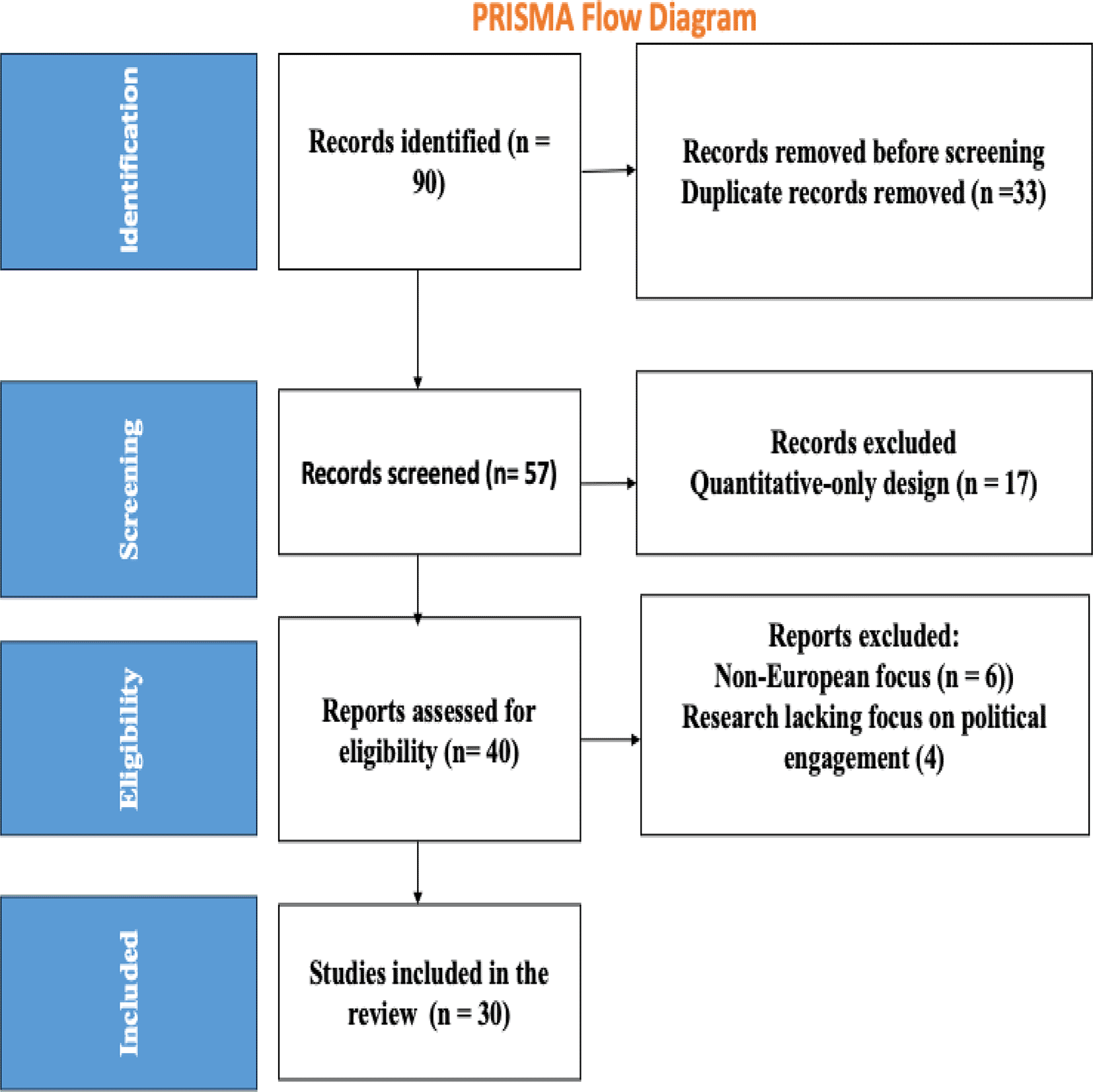
Figure 1. Study selection process (PRISMA procedure).
Table 1. Showing the studies that are included in the research.
| NO | Authors | Year | Journal/Source Title | Main Research Question | Methodology | WoS Citations |
WoS Access Date |
|---|
| 1 | Asimakopoulos et al. | 2025 | Societies | What is the impact of ICT on democratic participation? | Quantitative empirical analysis | 20 | 01 Feb 2026 |
| 2 | Boulianne | 2015 | Information, Communication & Society | Does social media increase political participation? | Meta-analysis
| 757 | 22 Oct 2026 |
| 3 | Cantat | 2016 | Cahiers Mémoire et Politique | How are European identities constructed and contested? | Qualitative discourse analysis | 14 | 03 Oct 2026 |
| 4 | Cruz-Jesus et al. | 2012 | Information & Management | What explains digital divide differences across EU countries? | Quantitative statistical analysis | 154 | 14 Jan 2026 |
| 5 | Dahlgren & Alvares | 2013 | Javnost – The Public | How is political participation changing in the digital age? | Theoretical analysis | 37 | 14 Sept 2026 |
| 6 | Dubois & Blank | 2018 | Information, Communication & Society | Do echo chambers influence political attitudes? | Survey and statistical modelling | 541 | 14 Sept 2026 |
| 7 | Fletcher et al. | 2018 | Australasian Policing | How far does fake news spread online? | Empirical digital media analysis | 339 | 14 Sept 2026 |
| 8 | Gelkhauri | 2025 | Eastern Europe Regional Studies | Does digital influence youth voter trends? | Systematic analysis | 1 | 14 Jan 2026 |
| 9 | Hunady et al. | 2022 | International Journal of Information Systems and Project Management | What is the relevance of digital transformation? | Multidimensional comparison | 71 | 23 Oct 2025 |
| 10 | Kim, Kim & Cho | 2025 | Journal of Policy Studies | What is the mobilization effect on social media? | Correlation analysis | 4 | 05 Feb 2026 |
| 11 | Koc-Michalska et al. | 2024 | Journal of Information Technology & Politics | How does digital media influence political engagement? | Conceptual review | 5 | 14 Feb 2026 |
| 12 | Koc-Michalska, Lilleker & Vedel | 2016 | New Media and Society | How does new digital age shape political engagement and social change? | Cross-sectional analysis | 31 | 05 Dec 2025 |
| 13 | Koc-Michalska & Lilleker | 2017 | Political Communication | What is the relationship between digital politics and participation? | Conceptual review | 30. | 09 Nov 2025 |
| 14 | Matuszewski & Szabó | 2019 | Social Media + Society | Are Echo Chambers Based on Partisanship? | Sociocentric approach of network analysis | 34 | 11 Nov 2025 |
| 15 | Oser et al. | 2022 | Political Communication | How does relates to online and offline political participation? | Multilevel meta-analysis
| 55 | 22 Nov 2025 |
| 16 | Paskaleva | 2025 | Financial Navigator Journal | How does digital divide affects economy and politics? | Cor-relation analysis, OLS regression, and cluster analysis
| 3 | 05
Jan 2026 |
| 17 | Pires et al. | 2020 | European Planning Studies | What are the innovation-driven models in Europe? | Systematic review | 24 | 08 Nov 2025 |
| 18 | Poole & Giraud | 2019 | Open Library of Humanities | How does social media activism influence populism in Europe? | Systematic review | 12 | 12 Nov 2025 |
| 19 | Rodríguez-Pérez et al. | 2024 | Online Information Review | What is the misinformation concern in European countries? | Quantitative approach | 1 | 02 Oct 2025 |
| 20 | Schumann & Klein | 2015 | European Journal of Social Psychology | Does participatory Internet encourage low-cost and low-risk activism? | Systematic review | 80 | 22 Oct 2025 |
| 21 | Skærlund Risager | 2018 | Space and Polity | What is the influence of network in the anti-austerity movement? | Content analysis | 4 | 06 Jan 2026 |
| 22 | Sloam | 2012 | Comparative Political Studies | What is the nature of political engagement of young people in Europe? | Comparative analysis | 122 | 14 Feb 2026 |
| 23 | Sloam | 2014 | Information, Communication & Society | How does crisis influence youth political participation online? | Survey analysis | 67 | 14 Feb 2026 |
| 24 | Sloam | 2016 | The British Journal of Politics and International Relations | What is the nature of youth political engagement in Europe? | Survey analysis | 76 | 14 Feb 2026 |
| 25 | Theocharis & van Deth | 2018 | European Political Science Review | What are the factors for the increasing political participation in Europe? | Innovative survey | 181 | 13 Dec 2025 |
| 26 | Theocharis et al. | 2023 | West European Politics | What is the place of social media in political participation? | Cross-national analysis | 82 | 23 Nov 2025 |
| 27 | Treré, Jeppesen & Mattoni | 2017 | TripleC: Communication, Capitalism and Critique | What explain digital mobilization? | Comaparative analysis | 46 | 01 Dec 2025 |
| 28 | Tsouparopoulou et al. | 2025 | JAYS | What is the attitudes of young individuals toward digital communication, with a focus on digital skills, citizenship, and political engagement | Multiple regression analysis | 9 | 26 Jan 2025 |
| 29 | Villaplana & Fitzpatrick | 2024 | Front. Polit. Sci. | What is the nature of politics in digital age? | Conceptual analysis | 4 | 07 Nov 2025 |
| 30 | Vromen, Xenos & Loader | 2015 | Journal of Youth Studies | How does social media shape youth political engagement? | Survey research | 158 | 19 Dec 2026 |
While in order to ensure high quality we included only white literature, the exclusion of gray literature may suggest negating a wide variety of ideas that concentrate on European political narratives, digital politics, and youth online political participation. Future research should include this section of the literature so as to include non-peer-reviewed materials on youth digital politics narratives that are generally found on online platforms.
Step 3: Reading
At this step we carefully read the selected articles and focused on the conceptual interpretations and themes of the literature. Through our reading we identify online political participation, digital activism, digital politics, and slacktivism as key recurring themes found in the literature.
Step 4: Comparing studies
While reading the selected studies, we compare them to identify the kinds of relationships within the literature on digital political engagement. We found three significant relations—reciprocal, refutational, and argumentative. A reciprocal relationship entails that digitalization promotes political participation through online activism and voting. However, studies with refutable designs show that digital political participation does not result in substantial political participation. Additionally, studies that take an argumentative stance argue that digitalization does not eliminate political participation but rather alters it, creating a “hybrid” form of political activity. Therefore, it is evident that both convergence and divergence occurred in the correlations, as per the current literature.
Step 5: Synthesis
In this step, concepts that are found across the studies that have the same meaning are integrated into shared interpretative meaning to avoid ambiguity. For example, the definition of "online activism" in one study aligned with "digital political engagement" in another.
Likewise, the notion of "slacktivism" was understood as "symbolic participation," indicating restricted yet observable political engagement.
Step 6: Generating themes
In these steps, we generate themes from the findings across the selected and read studies. Three vital themes emerged: digitalization as an enabler of political engagement, digital technologies diminish participation barriers by facilitating young people's access to political information and involvement in political discourse, and the digital arena can negatively affect the quality and equality of political participation in society.
Step 7: Generating themes
In this final step, we analyze and synthesize the themes in a coherent manner to give meaningful meaning. To ensure analytic rigor of the research, the synthesis utilized triangulation by comparing interpretations from various studies. Reflexivity was maintained by recording analytical choices during the synthesis process. The objective was not to quantitatively gather data but to interpretively synthesize findings, producing a nuanced comprehension of how digitalization influences democratic participation in modern Europe.
This meta-synthesis indicates that digitalization has transformed political activity among young adults in Europe. Digitalization has transformed the structure of political engagement, extending beyond mere participation. Digital engagement enables the youth to articulate political identities and engage in political activities. Nonetheless, superficial engagement and disparities in access to digital resources are concerns. Digitalization presents young adults in Europe with both opportunities and challenges for political engagement.
Mobilization theory in the electronic republic
Mobilization theory is adopted to justify the argument of this research work that digitalization influences political participation in that youth can easily be mobilized and encouraged through social media to participate in political activities (Roberts, 2015). The internet has solved the problem of offline mobilization for civic duties. Youth are now enticed to partake in democratic duties via social media, which they might not have done without it. According to Cameron (1974: 138), Karl Deutsch describes mobilization as a movement from traditional socioeconomic activities to a fresh framework of political socialization. This change is driven by modern occurrences such as the revolution in information technology. One of the driving forces behind this trend in digital politics is the reduction in participation expenses that is made possible by digital technology. It increases information access, thus mobilizing previously disengaged youth in new patterns of political processes (Boulianne, 2015: 525). By engaging in social media, some scholars believe that social networks are expanded and thus create a larger digital space for political activities among the mobilized youth members of a particular community.
Mobilization theory in the context of electronic republic, which tends to reawaken the apolitical members of the community is distinguished from normalization theory that posits that digital platforms benefit the established political interest, thus instead of mobilizing the forgotten it tends to amplify the already existing participation gaps in the political environment- thus preserving the status quo (Kim et al., 2025: 65). Mobilization further differs from normalization in that it focuses on understanding the changing nature of political actors in redefining the nature of politics, which digitalization appears as a hallmark.
The theory encompasses various modern political actors and their updated activities to suit the current global technological village. In the context of digital politics, the theory has been transformed and utilized to readjust or fill the lacunas of lethargic political participation among the younger generation through mobilizing digital grassroots campaigns with the help of social media platforms (Asimakopoulos et al., 2025: 18–19). Today, in Europe and elsewhere, the internet and digital communication technologies have not only lowered the cost of coordination but also motivated young adults to engage in online politics, which might not be possible offline.
Digitalization and political participation in modern Europe
Numerous experts characterize digitalization as a substantial socio-technical change driven by the widespread integration of digital technology (Thomas, 2024). In other words, digitalization is the use of technology like AI, big data, and automation in social systems and businesses. This changes processes, connections, and how value is created in a large way. This is a modern development that marks a shift from the industrial age to the digital age, which influences everything from governance to corporate structures (Schneider, 2004).
The concept of political participation, on the other hand, is traditionally described as voluntary actions taken by citizens to alter public policy, either directly or by influencing the choice of officials (Ekman & Amnå, 2012). This covers things like voting, campaigning, and getting in touch with officials. The main goal is to have citizens involved in every step of the policy-making process, from making decisions to evaluating them, in order to promote effective governance and a long-lasting society.
Today, digitalization has become a vital tool for political activities across various aspects (Ştefănescu, 2025). For instance, it has broadened avenues for political participation, giving rise to novel forms of engagement such as e-petitions, online discourse, and the use of social media for advocacy (Aichholzer & Rose, 2020). This development has led to ideas such as the "smart voter," who uses digital tools to make informed choices, and "smart elections," which employ technology to make elections more open and accessible (Turchenko & Golosov, 2023). The main question in political science is whether this digitization of participation makes "digital democracy" stronger or merely improves "digital governance" for running the government. So, although digitalization gives us the technology we need, political engagement gives it a democratic purpose.
Analyzing the influence of digitalization on political participation, numerous research on contemporary political communication and participation indicate that digitalization is a double-edged sword for the continent's democratic procedures in the 21st century (Osypchuk, Suslov & Shaporda, 2024). While increasing the repertoire of participation, it also creates new forms of inequality and polarization in the continent (Miller & Vaccari, 2020). Digital politics has been generally classified as a transformation agent that reshapes factors of participation in the modern political landscape (Couldry, 2015).
Modern political narratives across Europe indicate that digitalization has broadened active political participation, especially among young adults in Europe (Dahlgren & Alvares, 2013). Young citizens now combine traditional methods of political participation with digital politics to expand their repertoire of political engagement, especially through social media (Theocharis et al., 2023). Across Europe, comprehensive comparative surveys and trace-data analysis have proven the synergy of traditional and digital politics towards improving political participation in the continent. Theocharis and van Deth (2018) argue that digital environments have facilitated the rise of novel forms of "digitally networked participation" that are less hierarchical and more focused on specific issues than conventional party-based involvement. Gibson and Cantijoch (2013) illustrate, utilizing survey data from Europe, that online activities, including emailing politicians, participating in online consultations, and joining political groups on social media, have emerged as substantial complements to offline actions, especially among younger demographics.
Issue-based campaigns on social media serve as mobilization for digital politics among youth, especially those who are disenchanted with formal party politics. For instance, Schumann & Klein (2015) show that participatory internet promotes digital politics due to its low-cost and low-risk advantages that the “low-threshold,” who are mostly the youth, could afford. Studies on European protest waves and movements, including the Indignados, Fridays for Future (Sorce & Dumitrica, 2022), and anti-austerity mobilizations, reveal that internet platforms were essential for transnational coordination and narrative construction (Treré, Jeppesen & Mattoni, 2017; Skærlund Risager, 2018). Nonetheless, a substantial part of the research emphasizes that digital equality is not inherent. As a study shows, engagement in the digital sphere is strongly influenced by educational and income levels, as well as digital skills (Pires et al., 2020). The more affluent a person is, the more efficiently they can turn connectivity into influence, while the less privileged often face a series of barriers in the digital sphere. As a result, digitalization may even widen the participation gap rather than reduce it.
Across Europe research examines how digital platforms shape young citizens' civil engagement (Sloam, 2012). Digital platforms customize information streams, potentially limiting exposure to diverse perspectives. European case studies demonstrate that highly involved partisans are more susceptible to homophilous networks and "echo chamber" dynamics, especially on Twitter/X and Facebook (Papathanassopoulos & Giannouli, 2025).
The current European literature reflects a twofold view on the effects of digital politics on the political engagement of young adults. Digitalization offers opportunities by minimizing certain barriers to entry, enabling mobilization on a transnational level, and improving methods of participation. On the risk side, it consolidates or worsens participation gaps, allows for manipulation and disinformation, subjects citizens to comprehensive surveillance and data collection, and fractures the public sphere into algorithmically governed segments.
Results
Young adults dual influence of digitalization: opportunities and challenges
Digital transformation in Europe presents a complex situation for the teeming youth across the continent. This development has both offered a wide range of opportunities, especially for promoting political participation, and simultaneously exposed them to significant structural inequalities. Scholars such as Cortesi et al. (2020), Ramiro Troitiño & Mazur (2024), and Gelkhauri (2025) supported this argument, citing that for young citizens, navigating this digital environment has become a strategic factor that is shaped by educational background and existing support systems.
In contemporary Europe, with the increasing revolution in information technologies, young adults are becoming politically connected to digital politics rather than traditional political attitudes. The digital agora facilitates their new political attitudes, which created an interactive electoral hall for young people to express their political yearnings and aspirations. This has helped reduce barriers to entry for new movements and introduced new logics of collective action. This digital mobilization approach that facilitates digital politics is less about top-down, but more about decentralized assembly free from rigorous leadership control that allow for independent networks that can form rapidly around shared identities or grievances. Digitalization has thus facilitated online petitions, virtual campaigns, and live political exchanges. Young adults may increasingly engage in politics remotely, including signing petitions and joining internet advocacy organizations.
In modern days, political digitalization has created a novel pathway for political engagement that resonates with the youth’s preferences for effective political participation. Today, social media platforms have lowered barriers to political entry as they allow for easy consumption and dissemination of political information among community members. Digitalization has thus equipped European youth with robust instruments for political participation (Koc-Michalska, Lilleker & Vedel, 2016). The European Union's Digital Europe Programme, through its Advanced Skills Competitions (Bellanova, Carrapico, & Duez, 2022), actively involves youth in advanced technologies such as artificial intelligence, quantum computing, and virtual environments, promoting creativity and tackling societal challenges via collaborative, project-oriented learning across member states (Helsper & Van Deursen, 2015). Considering the massive internet connectivity and social media usage among the young adults in Europe, digital politics has become much easier across the continent, for instance in 2024, 97% of those aged 16–29 in the EU reported daily internet usage. The digital world has helped in increasing their political activities across the continent. Eurostat reports that in 2024, individuals aged 16 to 29 were, on average, more inclined to voice their opinions or engage in online consultations for civic or political matters via the internet compared to the whole population. In 2024, online civic or political engagement among youth was most prevalent in Slovenia, where 51% of individuals aged 16–29 voiced an opinion or participated in activities related to civic or political life, followed by Greece at 37% and Italy at 35% (Eurostat, 2025).
Activist youth across Europe and the world have relied heavily on digital technologies. The "Fridays for Future" strike, started by a 19-year-old girl from Sweden named Greta Thunberg, helped bring attention to important social issues and encouraged other young people to take action for a better world (Murugan et al., 2023: 97–100). What began in August 2018 with a small, attractive girl in front of the Swedish Parliament quickly gained traction across Europe (particularly in Austria, Belgium, the Netherlands, Germany, Finland, Denmark, and Poland) and the rest of the world (particularly in North America and Australia) thanks to the extensive use of social media. In different nations, like the UK, Ireland, and Germany, young people are taking action on climate change through online means. In the UK, for example, students and youth demand a lower voting age of 16 to have a say in public elections that benefit their interests (NYCI, 2025). This campaing is very effective online, further justifying the assumption of the relevance of digitalization on youth political participation.
Through the use of social media, the internet has made it possible for young adults to communicate directly with politicians or institutions. This has resulted in the development of a sense of accountability that is independent of the gatekeepers of traditional media environments. These days, political parties and politicians are more likely to have social media profiles and participate in online political activities than their predecessors were. Such digital leaders include Beppe Grillo, who influenced the path of Italian politics, Giorgia Meloni, the Prime Minister of Italy, has garnered attention on social media, alongside local politicians such as former Barcelona mayor Ada Colau, who have been identified as "influencer-politicians" for their extensive use of social media, particularly TikTok, and their youthful communication style during her recent term, Volodymyr Zelensky, a former comedian, adeptly utilized the internet realm to further his political career, far-right leaders such as Marine Le Pen, Matteo Salvini, and Eric Zemmour have utilized Tik-Tok to disseminate not only negative or fear-inducing messages but also more personal content, thereby adapting to the platform's style, a strategy that aids in engaging like-minded youth in political activities (Villaplana & Fitzpatrick, 2024: 03–04). This has created a more digital political connectivity between the leaders and followers, especially the youth. Across Europe today, considering the high level of internet usage accentuated by the widespread internet coverage compared to some regions in the developing world, European youth have more chances of engaging in digital politics. Realizing that they can hold their leaders accountable via signing online petitions and calling leaders to action by expressing their opinions on social media platforms, young European adults became more motivated in politics. These young citizens recognize that the digital technology of the printing press and continuous engagement with reading empowered the public to critique the government and hold their representatives accountable; consequently, they are inspired by contemporary political technology to enhance their involvement in political processes (Loader, 2007: 9). Young individuals are inclined to engage in political activities, particularly when motivated by their peers through social media. Contemporary youth in European politics find it far more appealing to endorse an online petition, shared by a friend, about internet surveillance, rather than actively supporting the comprehensive agenda of a hierarchical entity such as a political party ( Sloam, 2014: 218). Comparatively, young adults are more likely to participate in digital politics, such as signing online petitions on a particular issue and internet activism, than older cohorts (Sloam, 2016: 524). Thus, the digital world influences young adults' political functions.
Social media also motivates young adults to participate in politics actively, realizing they can help in community building and support human and animal rights through digital politics. Digital platforms enable marginalized youth, particularly ethnic minorities, to discover community, express counter-narratives, and advocate for their rights. The youth are inclined to participate more in politics, believing it will positively impact their socioeconomic life and subsequent community development (Koc-Michalska et al., 2016: 1807). The youth now realize they can call their leaders' attention to addressing nagging issues affecting their society through social media campaigns, solving problems that contribute to societal development. The youth may do this via the concept of "civocracy," which transforms digital political participation by offering a safe and inclusive platform for citizens to engage in decision-making processes actively. Integrating online tools with offline strategies motivates young adults to engage actively in their communities. This can help in bridging the divide between governments, NGOs, and communities, and promoting substantive dialogue and collaboration among youth and other societal stakeholders (Lesaint, 2025).
One major factor that also influence the youth’s political digitalization and motivates their civil engagement is the need to take part in counter-narratives against hate speech and misinformation that is often being spread in the digital environment (Poole & Giraud, 2019: 2). Young adults in Europe are influence by the digital narratives on the media regarding the continent especially on issues of xenophobia and anti-immigration rhetorics, which make them willing to engage in digital world to counter such narratives the right way. Since there are specific anti-immigrant issues, there are also numerous pro-immigrant campaigns across the continent that the mainstream media hardly broadcasts. Currently, there is minimal discourse regarding the activities of immigration solidarity organizations, including France-based associations such as Gisti, Fasti, and Migreurop, the UK-registered charity Migrants’ Rights Network (MRN), No Borders, No One Is Illegal (NOII), Boats 4 People (B4P), a solidarity flotilla in the Sicilian canal, and When You Do not Exist (WYDE), all of which advocate for the human rights of migrants, refugees, and asylum-seekers in Europe and at its borders (Cantat, 2016: 9). Several young adults across Europe participate or take part in the activities of this organization via social media to assist in the changing narratives of anti-immigrants’ rhetoric some associate some European countries with. By so doing, they not only help desensitization but also, as a matter of political participation, contribute to the European integration project as a matter of political participation.
Digitalization: challenges and threats to meaningful participation
Although the instruments of digitalization facilitate the cultivation of political consciousness among youth, they also present considerable problems. This encompasses the proliferation of hate speech, misinformation, cyberbullying, and foreign meddling in electoral processes. Therefore, the digital arena is associated with numerous perils that can negatively affect the quality and equality of political engagement in society.
A significant challenge for digital politics in most societies is the persistent digital divide resulting from both the first-level divide, internet accessibility, and the second-level divide, possessing the usage skills of the digital platforms. These two divides are some of the shortcomings of digital politics among the youth in the contemporary world. In some regions, while there is a lack of access to the internet, which automatically eliminates the youth from the digital political world, in some societies, most youth lack the knowledge on how to use the digital instruments, exceptionally the emerging artificial intelligence to support their political engagement, is lacking. These two divides predominantly impact socioeconomically disadvantaged adolescents, since their insufficient resources may hinder their digital literacy, impairing their ability to connect with or critically assess online political content (Hargittai, 2002: 2-4). These digital divides are more visible in lower economic development. In these countries, regions that are smaller and more prosperous societies are easier to connect with the digital world, have a high level of e-governance, e-voting, e-health, and e-commerce usage than those that are bigger and poorer (Cruz-Jesus et al., 2012: 280). Digital divide in Europe has not only affected digital politics but also reflects significant disparities in access, usage, and skills between and within the countries in the continent. Researchers and scholars continue to debate a North-Western and South-Eastern divide, jeopardizing the EU's cohesion objectives. A typical example was that in 2022, 95% of Danish homes possessed fixed extremely high-capacity network coverage, whilst Greece lagged at 62% (
European Commission, 2022).
Disparity or differences in internet usage that emanate from the level of digital literacy and investment in human capital have further widened the digital usage and skills gap between vital countries like Finland and the least developed nations. For instance, Small and medium-sized enterprises (SMEs) in the Netherlands and Sweden are much more advanced in integrating artificial intelligence (AI) and cloud technology, according to research conducted in 2023. There is also a significant disparity in e-commerce; research shows that in terms of the percentage of businesses participating in e-commerce, Denmark, Ireland, and Sweden have the largest proportion. As a further point of interest, businesses from Ireland, the Czech Republic, and Belgium have the highest turnover from activities related to web commerce. On the other hand, Bulgaria and Romania have a relatively low level of company participation in e-commerce for both variables. Both of these nations, along with Cyprus, Greece, and Latvia, have the lowest turnover from eCommerce in the European Union (Hunady et al., 2022: 43) These disparities create issues that feed digital inequality among young adult in the continent, which further affect the chances of some of them to actively participate in digital politics like their peers across the continent.
The rising polarization and partisan and ideological echo chambers also hamper the significant positive effects of digital politics. More than their counterparts in the United States, young adults found themselves across Europe polarized (Hobolt et al., 2024: 1465). These can amplify ideological segregation that can be detrimental to the harmonious political space on the continent. Comparative research reveals a larger clustering in countries where party systems are divided and partisan media is prominent. For example, retweet homophily is more prevalent in Poland and Hungary than in Germany or the Netherlands, where public-service media and cross-cutting exposure are more prevalent (Matuszewski & Szabó, 2019, pp. 4–5). As a result of this polarization, a homogenous information environment is being created, which serves to reinforce preexisting opinions and restricts its exposure to a variety of perspectives, so making political engagement more difficult.
Increasing digitalization makes the young adults very susceptible to the danger of online news, making them consumers of sophisticated disinformation campaigns that can hamper the correct political perception, or change it with wrong perception by eroding trust in the minds of the youth and negating the ideal democratic institutions in an established society institution (
European Commission, 2022). Fake news and disinformation creation have become a serious concern for many countries' policy makers considering the danger they pose to society's political and social setting (Fletcher et al., 2018: 1-2). Today, even in Spain, Italy, Greece, Germany, Denmark, and Sweden, there is increasing misinformation and concern about the distrust of political information on social media, which is the environment of digital politics (Rodríguez-Pérez et al., 2024). Most youth who realize the existence of fake news become disinterested in digital platforms, subsequently affecting their willingness to participate in political activities via digitalization. Misinformation is an enemy of digital politics as it discourages young people from being active in online political activities for fear of being misinformed.
Slacktivism, generally defined as supporting a political or social cause through minimal efforts or the ease of online support-such as social media or petitions, can undermine active political engagement, particularly among youth often engrossed in internet activities. Slacktivism makes the youth very active in their online political environment, so they are reluctant to leave their comfort zone to participate in more rigorous political functions. In other words, slacktivism offers low-risk and low-cost engagement, which some critics see as substituting more impactful offline political activities (Kristofferson et al., 2020: 1149–52).
Conclusion
Due to the fact that technology acts as a force that equalizes most societies, digitalization has become increasingly important. A democratization of access to education, employment opportunities, and business opportunities is what makes the notion a reality. The fact that this issue got more severe during the COVID-19 epidemic is perhaps an indication that digital connectivity became more and more important for political and economic participation. At the same time, physical encounters were restricted, rendering individuals without access more susceptible to political and financial marginalization (Paskaleva, 2025: 125).
Our first significant result is that digital platforms provide essential pathways for political engagement and other online civic rights. Research on European digital politics indicates that these instruments offer accessible, youth-oriented support programs to facilitate democratic engagement. These services align with the communication preferences of young Europeans and help overcome conventional obstacles to care, including stigma, confidentiality issues, and geographical distance from services, which hinder effective political engagement.
We also found that digitalization has a considerable impact on the political engagement of young people in modern Europe for a number of reasons, including the modification of participation tactics and the enhancement of accessibility. As a consequence of this transition, new forms of political action have emerged, and the traditional definition of political involvement has been redefined. As a result, the political environment that young people are exposed to has become more dynamic and responsive. Digital platforms enable young people to rapidly organize and mobilize for issues and events they care about, including environmental activism via movements like Fridays for Future. Through social media, the youth across Europe and even in other parts of the world participate actively in climate issue-based campaigns, which drew the attention of policymakers in their society.
Political debate finds venues on social media and online communities, allowing young people to freely express ideas and interact with political material. Today, young adults in Europe who are politically engaged have integrated social media into their political activities, and most of them, without digital connectivity, have not done so (Vromen et al., 2015: 80–3). Research in countries such as Poland, the Netherlands, and Italy shows that young people are eager to participate in politics when provided with suitable tools. These tools include e-democracy platforms which hold remarkable potential to promote e-participation among young citizens (Ambrosino et al., 2023). E-democracy projects offer customized tools that appeal to the tastes of young people, so boosting their eagerness to take part in political events.
Despite the influence of digitalization on young European citizens in political participation, the idea of increasing or relying solely on the internet for civic duties is associated with numerous challenges, barriers, and obstacles. For instance, obstacles, including digital inequality and safety issues, can hamper participation. Concerns about the invasion of their privacy may cause young people to be reluctant to take part in some political activities that take place online. Furthermore, the digital gap that exists between Eastern and Western Europe has an effect on the level of political involvement (Simionov et al., 2023). This is because varied access to digital resources has an effect on participation rates. From these, we can conclude that although digitalization gives young people great opportunities for political involvement, it also presents issues that must be resolved to guarantee fair involvement among many groups and areas. For these reasons, we recommend the following:
To harness the positive potential of digitalization towards digital democratic development across the continent, policymakers and educators should focus on:
Digital literacy should be integrated into the education system at all levels of education to equip society from primary to tertiary institutions to navigate the online ecosystem. This approach should also be applied in informal educational settings to include the larger society in digital literacy programs. The essence of the digital education program should not only be about teaching digital knowledge. However, it should also enlighten young people about the dangers of negativity, such as fake news, internet theft, and other vices that the contemporary digital world encompasses. Governments should also partner with Civil Society Organizations in order to eradicate digital divides by providing affordable and accessible internet to all local communities.
Digital accountability and transparency should also be a priority for policymakers in making digitalization a friendly environment for citizens. Regulatory frameworks via EU-wide policies like the Digital Services Act (DSA) should be strengthened to function effectively, especially in holding digital platforms accountable for curbing societal disinformation. This act can also serve to checkmate polarization, which hinders democratic processes. Within the continent, there is a need for policymakers and institutions such as political parties to innovate and redesign online engagement for the better in order to provide an avenue for informal decision-making processes that would bridge the gap between digital activism and institutional politics (Dubois & Blank, 2018: 732). Since southern and center European countries, like Poland and Italy, show more ideological grouping online than their northern European counterparts, like Denmark, their institutions should lead the way in addressing this problem (Koc-Michalska et al., 2024: 2–3). Finally, the future of European democracy hinges not on restricting digitalization, but on proactively managing its dangers while enhancing its capacity to involve the upcoming generation of citizens.
Ethics and consent
Ethical approval and consent were not required.







