Background
Vaccination is a cornerstone in preventing infectious diseases and promoting global public health. Besides reducing the prevalence of various diseases, it plays a vital role in protecting the overall population, particularly the most vulnerable groups. However, the decision-making process regarding vaccination is complex and influenced by multiple factors, including the critical role of healthcare professionals (HCPs), especially doctors and nurses, who significantly impact patients' vaccination choices1.
As trusted sources of medical information, HCPs are frequently consulted by patients seeking guidance to make informed health decisions2. The trusting relationships HCPs establish with patients are essential for promoting vaccination uptake and adherence to other preventive health measures. However, the influence of HCPs on vaccination decisions can be either positive or negative; HCPs who endorse vaccination and those who express hesitancy or even discourage it can profoundly impact patient decisions3. This underscores the importance of effectively communicating vaccination recommendations and ensuring the accuracy of information on vaccine safety and efficacy.
Promoting vaccination requires addressing specific challenges, particularly in the case of the human papillomavirus (HPV). The European Commission, through the European Cancer Plan, recognises HPV vaccination as a critical cancer prevention measure. This initiative includes the target of achieving a 90% vaccination rate among the EU’s target population of girls by 2030 and supports Member States' efforts to include HPV vaccination for both genders in immunisation schedules4. Although HPV infection is generally associated with cervical cancer, it causes a wide range of cancers and precancerous lesions in both women and men. In fact, HPV is linked to approximately 5% of all cancers globally across both sexes. It accounts for over 99% of cervical cancer cases, 90% of anal cancers, 72% of oropharyngeal cancers (affecting the mouth, throat, base of the tongue, and tonsils), and between 60% and 75% of vulvar, vaginal, or penile cancers. Furthermore, HPV infections are responsible for genital warts, a condition affecting both genders and often stigmatised5.
Although this paper focuses primarily on the European region, examples from non-EU countries are included to highlight global best practices and underline the universal challenges of addressing vaccine hesitancy in multicultural contexts. Europe faces additional challenges from its increasing population diversity, with over ninety million international migrants in the WHO European region6. This diversity introduces significant challenges for healthcare systems, as HCPs must effectively address the needs of culturally diverse populations. Adopting culturally sensitive approaches to healthcare is essential not only to enhance understanding of patients' behaviours and needs but also to facilitate effective communication. Intercultural communication competence thus becomes a key tool for HCPs, helping them reduce barriers with patients from varied backgrounds and convey health information, such as HPV vaccination, in an accessible and culturally resonant manner7. Gender norms and cultural beliefs play a significant role in shaping HPV vaccine hesitancy and access to healthcare, particularly among immigrant groups8. For example, societal expectations regarding gender roles can influence perceptions of healthcare and vaccination, making it crucial for HCPs to engage in tailored communication strategies that address these barriers inclusively and equitably. It is essential to recognise that there is no one-size-fits-all approach to vaccine promotion. Commonly accepted models of health behaviour may not apply universally across all groups and contexts, as individuals have unique experiences, beliefs, and specific needs, rendering standardised approaches inadequate9–11.
The challenges are compounded by the fact that in Europe, there has been limited adoption of cultural competence interventions, with significant heterogeneity in how cultural competence models are conceptualised, operationalised, and applied12. This inconsistency has resulted in uneven implementation of such interventions across healthcare systems. In this context, the proposed checklist functions as an initial step towards fostering cultural competence by providing HCPs with a practical and reflective tool to navigate diverse patient needs. Rather than replacing formal training, this checklist complements existing strategies and acts as a bridge for healthcare providers to improve their communication skills in real-world settings.
To address these challenges, this article focuses on promoting HPV vaccination through culturally tailored communication strategies. Effective communication requires HCPs to consider patients' cultural beliefs and practices while addressing specific concerns around healthcare trust, perceived risks, and cultural sensitivities. Studies show that intercultural communication in primary care often presents limitations that can lead to sub-standard care13. To overcome these barriers, it is crucial for healthcare professionals to receive adequate training and education. This involves not only acquiring technical knowledge about vaccination -including its development, mechanism of action, target population, and common side effects- but also mastering communication skills to convey the importance of vaccination and address patients' concerns comprehensively14,15. Training in cultural competence allows HCPs to recognise and avoid potential biases, fostering stronger patient-provider relationships and inclusive care. By adopting an inclusive and culturally sensitive approach, HCPs can build trust and ensure that vaccination information is both understood and accepted, contributing to increased vaccine uptake in diverse populations16.
The aim of this article is to develop, through a comprehensive literature review, a checklist that identifies key aspects for effectively recommending vaccination in multicultural settings. This checklist is designed to complement existing strategies or trainings, such as the one developed in the framework of the PROTECT-EUROPE project (https://e-oncologia.org/cursos/hpv-vaccines-from-prevention-to-confidence-building/) by assisting HCPs in structuring clear and culturally appropriate recommendations. Moreover, it serves as a reflective tool for HCPs to continuously evaluate their practices, enabling them to move beyond a one-size-fits-all approach to vaccination promotion. By recognising the individuality of patients and the diversity of their concerns, beliefs, and cultural contexts, this resource seeks to empower HCPs to meet the healthcare needs of culturally diverse populations effectively.
Methodology
The BOAT framework was conceptualized as a structured approach to enhance healthcare communication, particularly in the context of promoting HPV vaccination uptake. This framework emerged through an iterative process, wherein a narrative review of the literature was conducted to identify key themes related to healthcare communication, cultural competence, trust-building, and personalization. The synthesis of these themes led to the formulation of BOAT’s four core components: Building Knowledge and Communication Skills, Openness and Understanding, Assuring Trustful Relationships, and Tailoring Communication Strategies.
Search strategy
A narrative review was performed to identify, analyse, and synthesize relevant literature. A comprehensive search of peer-reviewed and grey literature was conducted using the following electronic databases: PubMed, Scopus, Web of Science, ERIC, Google Scholar, and institutional reports (e.g., World Health Organisation, U.S. Centers for Disease Control and Prevention).
Initial searches employed broad terms such as: "healthcare communication strategies"; "vaccine hesitancy and acceptance"; "cultural competence in healthcare"; "trust in patient-provider relationships"; "tailored health messaging."
Publications in English and Spanish, both foundational theories and contemporary applications were included. The results are shown on the one hand by means of a summary table of the selected documents and their interest for the object of study (see Table 1); and on the other hand, in narrative form divided into themes. Finally, a checklist was drawn up to assist in the training of health professionals and for the self-reflection of each professional.
Main text
The narrative literature review comprised a total of 63 sources, reflecting a diverse array of contributions to healthcare communication and cultural competence. Specifically, the review included 47 journal articles, offering empirical and theoretical perspectives; 6 book chapters and 2 books, offering foundational perspectives and in-depth analyses; 3 institutional guides/guidelines and 2 doctoral theses presenting practical frameworks, strategies and recommendations for vaccination and detailed research on specialised topics; 1 encyclopaedia entry; 1 report and; 1 online resource that further enriched the review, offering accessible reference materials and evidence-based recommendations for practical application.
A summary table of the sources is available (Table 1) detailing the following categories: Author, Year, Country, Study Design, Type of Document, Relevant Methods Data, and Linked Theme. This table provides a comprehensive overview of the reviewed literature.
Table 1. List of articles reviewed.
| Author | Year | Country | Study Design | Type of Document | Relevant Methods Data | Linked Theme |
|---|
| Ackerson, B., et al.17 | 2017 | USA | Observational Study | Journal Article | Analysis of HPV vaccine completion among boys | Trust-building: improving adherence to vaccination |
| Alberts, C. J., et al.18 | 2017 | Netherlands | Longitudinal Study | Journal Article | Determinants of HPV vaccine uptake across ethnic groups | Cultural understanding: ethnic diversity in vaccination |
| Bachmann, C., et al.19 | 2013 | Europe | Consensus Study | Journal Article | Development of core communication curriculum in healthcare | Communication skills: core communication competencies |
| Badur, S., et al.20 | 2020 | Global | Review | Journal Article | Analysis of vaccine confidence factors | Trust-building: fostering vaccine confidence |
| Bonafide, K. E., et al.21 | 2015 | USA | Experimental Study | Journal Article | Impact of male-specific benefits and altruistic messaging | Communication adaptation: targeted messaging |
| Bylund, C. L., et al.22 | 2012 | USA | Theoretical Guide | Journal Article | Overview of interpersonal communication theories | Communication skills: interpersonal communication |
| Cartmell, K. B., et al.23 | 2019 | USA | Qualitative Study | Journal Article | HPV vaccination communication strategies and messaging | Communication adaptation: strategic messaging |
| CDC24 | 2024 | USA | Policy Guidance | Online Resource | Strategies and tools for discussing infant vaccines with parents effectively | Communication skills: parent engagement strategies |
| CDC25 | 2024 | USA | Policy Guidance | Online Resource | Strategies to boost vaccination rates | Communication skills: actionable strategies for uptake |
| CDC26 | 2024 | USA | Policy Guidance | Guide | Inclusive communication strategies in public health | Cultural understanding: equity-focused communication |
| Çevik, H. S., et al.27 | 2024 | Europe | SWOT Analysis | Journal Article | Analysis of barriers in HPV vaccination communication | Communication adaptation: overcoming barriers |
| Coates, J.28 | 2013 | UK | Analytical Study | Book Chapter | Gendered language use and hedging in women's speech | Communication adaptation: gendered language considerations |
| Connors, J. T., et al.29 | 2017 | Various | Systematic Review | Journal Article | Provider-parent communication on vaccines | Trust-building: effective dialogue with parents |
| Cross, T. L., et al.30 | 1989 | USA | Monograph | Report | Framework for culturally competent systems of care | Cultural understanding: systemic cultural competence |
| Efua Sackey, M., et al.31 | 2022 | Global | Systematic Review | Journal Article | Strategies to improve HPV vaccine uptake in adolescents | Communication adaptation: improving uptake strategies |
| Fernández de Casadevante, V., et al.32 | 2016 | Denmark | Retrospective Cohort Study | Journal Article | Ethnic background and HPV vaccine uptake | Cultural understanding: ethnic disparities in health access |
| FitzGerald, C., Hurst, S.33 | 2017 | Global | Systematic Review | Journal Article | Review of implicit bias in healthcare professionals | Trust-building: addressing biases to foster trust |
| Fons-Martinez, J., et al.34 | 2021 | Europe | Cross-sectional Study | Journal Article | Evaluation of I-CONSENT guidelines | Trust-building: enhancing informed consent |
| Gagneur, A.35 | 2020 | Canada | Review | Journal Article | Use of motivational interviewing to address vaccine hesitancy | Trust-building: motivational approaches |
| Galanti, G.-A.36 | 2012 | Various | Guide | Book | Cultural sensitivity for healthcare professionals | Cultural understanding: cultural competence training |
| Giles, H.37 | 2016 | Global | Theoretical Model | Encyclopaedia Entry | Explanation of Communication Accommodation Theory | Communication adaptation: personalised communication |
| Gordon, D., et al.38 | 2011 | UK | Qualitative Study | Journal Article | Exploration of HPV attitudes among Jewish mothers | Cultural understanding: community-specific attitudes |
| Graham, S., Brookey, J.39 | 2008 | USA | Observational Study | Journal Article | Patient understanding of healthcare information | Communication skills: patient comprehension |
| Grice, H. P.40 | 1975 | USA | Theoretical Model | Book Chapter | Framework on conversational implicatures | Communication skills: clarity and logic |
| Heffernan, M. E.41 | 2011 | Australia | Cross-Cultural Analysis | Ph.D. Thesis | Exploration of attitudes and intentions toward HPV vaccination across three cultural groups | Cultural understanding: navigating cultural diversity in vaccine acceptance |
| Hirschman, L.42 | 1994 | USA | Analytical Study | Journal Article | Gender differences in conversational interaction | Communication adaptation: gender dynamics |
| Hurley, L. P., et al.43 | 2021 | USA | Survey-Based Study | Journal Article | Perspectives on HPV vaccination for adults aged 27–45 | Trust-building: understanding adult vaccine hesitancy |
| Kouhen, F.; Ghanmi, A. E.44 | 2023 | Morocco | Analytical Study | Journal Article | Cultural taboos surrounding HPV vaccination | Cultural understanding: navigating cultural barriers |
| Lauwers, E. D. L., et al.45 | 2024 | Global | Systematic Review | Journal Article | Analysis of patient perspectives on diversity-sensitive care | Cultural understanding: addressing diversity in healthcare |
| Lechuga, J., et al.46 | 2020 | USA/Mex | Qualitative Study | Journal Article | Communication barriers among mother-daughter dyads | Cultural understanding: family dynamics |
| Leung, S. O. A., et al.47 | 2019 | Various | Systematic Review | Journal Article | Educating healthcare providers to increase HPV vaccination | Communication skills: provider education |
| Marlow, L. A. V.48 | 2011 | UK | Cross-sectional Study | Journal Article | HPV vaccination attitudes among ethnic minorities | Cultural understanding: ethnic perspectives |
| Marlow, L. A. V., et al.49 | 2009 | UK | Qualitative Study | Journal Article | Attitudes to HPV vaccination among ethnic minority mothers | Cultural understanding: cultural barriers |
| McQuiston, D.; Morris, K.50 | 2009 | USA | Analytical Study | Journal Article | Gender differences in communication in sales contexts | Communication adaptation: gendered communication styles |
| Motschenbacher, H.51 | 2007 | Global | Analytical Study | Journal Article | Redefinition of "genderlect" in communication | Communication adaptation: gender considerations |
| Murciano-Gamborino, C., et al.8 | 2024 | Spain | Survey-Based Study | Journal Article | Perspectives on HPV communication strategies | Communication adaptation: tailored strategies |
| Namy, L., et al.52 | 2002 | USA | Experimental Study | Journal Article | Study of gender differences in vocal accommodation | Communication adaptation: vocal adjustments |
| Nevado Llopis, A.16 | 2013 | Spain | Case Study | Ph.D. Thesis | Analysis of intercultural communication in reproductive health | Cultural understanding: linguistic and cultural mediation |
| Opel, D. J., et al.53 | 2015 | USA | Observational Study | Journal Article | Provider communication behaviours and parental vaccine acceptance | Communication skills: behavioural impact |
| Ortí, R., et al.54 | 2006 | Spain | Observational Study | Book Chapter | Communication in healthcare for immigrant populations | Cultural understanding: intercultural communication |
| Panayiotou, A., et al.55 | 2019 | Global | Expert Opinion | Journal Article | Use of language translation apps in healthcare settings | Communication adaptation: technological support |
| Paterson, P., et al. 56 | 2016 | Global | Analytical Study | Journal Article | Vaccine hesitancy and healthcare provider role | Trust-building: addressing hesitancy |
| Pérez-Estevan, E.57 | 2018 | Spain | Case Analysis | Journal Article | Translation and communication of informed consent | Communication skills: clear and accessible consent |
| Petrova, D., et al. 10 | 2015 | Europe | Qualitative Study | Journal Article | Young women’s perspectives on HPV vaccine communication | Communication adaptation: audience-specific messaging |
| Pop, C. A.58 | 2015 | Romania | Analytical Study | Journal Article | Cervical cancer narratives invoking cultural beliefs | Cultural understanding: integrating cultural narratives |
| Poyatos, F.59 | 2014 | Spain | Observational Study | Journal Article | Analysis of nonverbal communication in educational settings | Communication skills: nonverbal communication |
| Poyatos, F.60 | 2002 | International | Comprehensive Analysis | Book | Study of nonverbal communication across disciplines | Cultural understanding: cross-cultural communication |
| Prochaska, J. O., et al.61 | 1983 | USA | Theoretical Model | Journal Article | Stages of Change model for health behaviours | Communication adaptation: behavioural readiness |
| Prochaska, J. O., et al.62 | 1992 | USA | Theoretical Framework | Journal Article | Application of Stages of Change Model to health behaviours | Communication adaptation: behavioural readiness |
| Putsch, R. W., Joyce, M.63 | 1990 | USA | Observational Study | Book Chapter | Dealing with culturally diverse patients | Cultural understanding: navigating diversity |
| Reiter, P. L., et al.15 | 2009 | USA | Cross-sectional Study | Journal Article | Parental beliefs and HPV vaccine uptake | Trust-building: aligning with parental beliefs |
| Shen, S. ( Cindy); Dubey, V.64 | 2019 | Canada | Observational Study | Journal Article | Addressing vaccine hesitancy in family medicine | Trust-building: addressing hesitancy in clinical settings |
| Sherman, S. M.; Nailer, E.65 | 2018 | UK | Cross-sectional Study | Journal Article | Knowledge and attitudes about HPV vaccination for boys | Communication skills: engaging parents of boys |
| Shillair, R.66 | 2020 | Global | Theoretical Overview | Book Chapter | Explanation of Protection Motivation Theory (PMT) | Communication adaptation: persuasive messaging |
| Street, R. L., et al.67 | 2008 | USA | Observational Study | Journal Article | Analysis of concordance in patient-provider relationships | Trust-building: shared identity and trust |
| Tsui, J., et al.68 | 2021 | USA | Observational Study | Journal Article | HPV vaccination perspectives among primary care physicians | Trust-building: physician-parent interaction |
| Tusón Valls, A.69 | 2016 | Spain | Analytical Study | Journal Article | Analysis of gender and linguistic interaction | Communication adaptation: gendered language use |
| van Keulen, H. M., et al.70 | 2013 | Netherlands | Cross-sectional Survey | Journal Article | Determinants of HPV vaccination intentions | Communication adaptation: identifying intent drivers |
| Velan, B., Yadgar, Y.71 | 2017 | Israel | Policy Analysis | Journal Article | Challenges of desexualising vaccines in multicultural societies | Communication adaptation: desexualised messaging |
| Watson, B., Gallois, C.72 | 1998 | USA | Observational Study | Journal Article | Application of Communication Accommodation Theory | Communication adaptation: adapting communication styles |
| WHO73 | 2023 | Global | Training Tool | Guide | Practical tool for improving communication on HPV vaccines | Communication skills: practical communication training |
| Widman, C. A., et al.74 | 2018 | USA | Survey-Based Study | Journal Article | Educational needs for clinicians and parents in HPV vaccine uptake | Communication skills: identifying educational gaps |
| Zimmerman, D.; Candace, W.75 | 1975 | USA | Analytical Study | Book Chapter | Gender roles and interruptions in conversations | Communication adaptation: addressing gender dynamics |
Principles of interpersonal communication
Interpersonal communication is a complex process involving both verbal and non-verbal elements. Understanding its components and principles is essential to improve effectiveness in human interaction.
Poyatos59 indicates that discourse has a basic triple structure: “what we say” (verbal language: the words); “How we say it” (paralanguage: voice modifications and types of voice, along with numerous quasi-lexical emissions); "How we move it" (kinesics: gestures, manners, and postures). When addressing face-to-face communication, it's crucial to consider both its verbal and non-verbal components (paralanguage and kinesics).
Regarding verbal language, in his work "Logic and Conversation"40, the philosopher H.P. Grice proposes four maxims in the principles of verbal communication:
Quantity: Share enough information, but not too much.
Relevance: Keep information relevant to the conversation.
Quality: Be truthful and avoid false statements.
Manner: Use clear and straightforward language.
These maxims guide effective verbal exchanges by ensuring that communication is informative, relevant, honest, and clear.
In respect of non-verbal language, A. Nevado16 differentiates three areas of the non-verbal components of communication:
Time Distribution: How turns, pauses, and interruptions are managed in conversation.
Spatial Distribution: Physical setup (like seating) and body language (such as distance, posture, eye contact).
Paralanguage: Vocal elements like tone and intonation, which add meaning to words.
These non-verbal elements, shaped by cultural norms, can influence interpretation and lead to misunderstandings when different styles are used.
Interpersonal communication in a cross-cultural context
In an article published by Cross et al.30, the concept of "cultural competence" is discussed as part of a continuum ranging from "cultural destructiveness" to "cultural proficiency". This continuum highlights the importance of advancing cultural competence to adapt healthcare communication effectively in diverse contexts. By progressing along this continuum, healthcare professionals can better recognize and respect cultural and linguistic differences, thereby fostering equitable and effective care, particularly when discussing sensitive topics like HPV vaccination.
Tailoring communication involves acknowledging linguistic variations, or sociolects, which reflect the sociocultural contexts of specific groups. Tusón69 emphasises that these linguistic differences are influenced by variables such as age, profession, social origin or gender, shaping the way individuals communicate. For instance, healthcare workers and mechanics may use distinct sociolects shaped by their professional environments, while communication styles may also vary between age groups or genders. Recognising these nuances allows healthcare professionals to better align their messaging with the needs and preferences of diverse patient groups, fostering trust and understanding.
Poyatos60 further highlights the factors influencing communication, including biophysico-psychological elements (e.g., ethnic group, age, gender, medical and emotional state); environmental (environmental setting; socioeconomic and educational background); cultural patterns (cultural style; religious and moral values; role expectations; etiquette norms; aesthetic values); socioeconomic-educational levels (from lowest socioeducational status to hyperrefined) and; shared behaviours. These considerations are vital for crafting effective communication strategies that respect individual experiences, values and beliefs73.
Although communicative models provide valuable insights, they are not absolute or prescriptive. Each individual’s communication style is shaped by a combination of personal, social, and contextual factors33. People can adopt various communicative models depending on circumstances, regardless of their characteristics.
Tusón69 and Motschenbacher51 explore gendered communication tendencies, they caution against rigid binary frameworks, noting that communication styles are fluid and context-dependent. This perspective underscores the need for healthcare professionals to avoid stereotyping and remain flexible in their interactions.
The "Communication Accommodation Theory" (CAT) offers a practical framework for adapting communication to diverse audiences22. CAT posits that individuals adjust their verbal and non-verbal behaviours to achieve social goals such as fostering rapport or regulating discourse. These strategies encompass speech patterns, paralanguage, and kinesics, enabling healthcare professionals to navigate diverse patient interactions effectively37,52,72.
In an ideal situation, the solution to overcoming the barrier posed by this level would be to have an in-depth understanding of our interlocutor's culture. However, it is very difficult (if not impossible) to have knowledge of all cultures, religions, or social transformations. Additionally, it's important to consider that an individual's cultural identity is not static but dynamic, constantly evolving.
Communicational strategies when offering the HPV vaccine
Researchers, such as van Keulen et al.70 or Opel et al.53, have found that, in convincing parents to vaccinate their children, a presumptive approach (assuming they will vaccinate, e.g., “Well, we have to do some shots”) is more effective than a participatory approach (asking them questions that involve decision-making, e.g., “What do you want to do about shots?”).
For this approach, it is advisable to start the vaccine recommendation with phrases such as "you are due" or "the child is due", assuming that the adolescent is ready to be vaccinated. If parents still hesitate or express concerns, continue the conversation providing a strong recommendation.
On the other hand, it is important to mention that Opel et al.53 highlight an apparent inverse correlation between parental acceptance of vaccines and the visit experience. Utilizing presumptive formats that assume vaccination appears to boost acceptance but diminish the visit experience. Conversely, employing participatory formats, which afford parents more decision-making latitude, seems to produce the opposite effect.
Connors et al.29 suggest that it may be useful to identify in advance the potential concerns that may arise during the meeting and determine whether a more participatory rather than presumptive discussion format would be warranted.
As a central vaccination strategy, the Centers for Disease Control and Prevention (CDC)24 recommend assuming that parents will accept vaccination (Figure 1). This involves presenting the required vaccines directly and as a standard part of care, rather than asking whether parents wish to vaccinate. This presumptive approach, supported by research, significantly improves vaccine acceptance, particularly during initial visits.
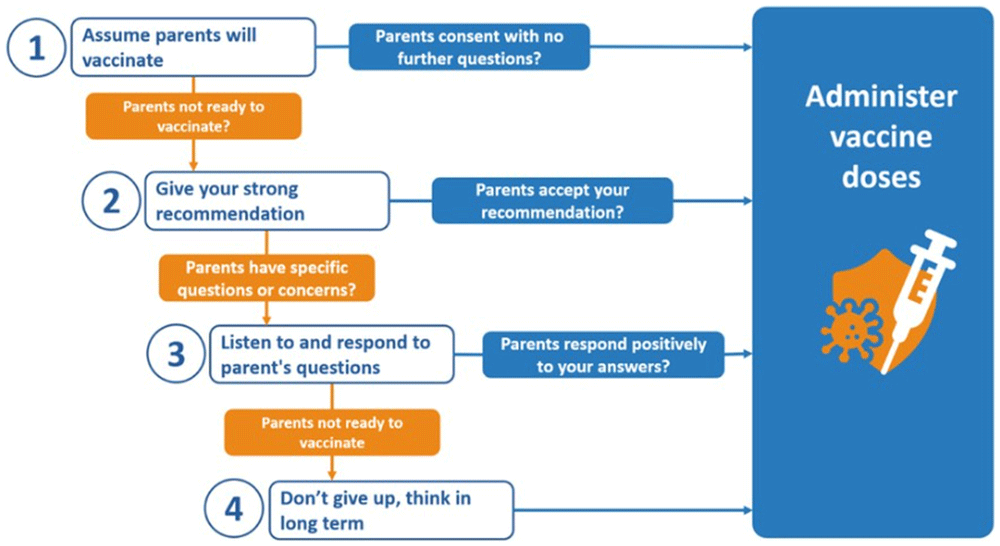
Figure 1. Steps to take when talking with parents about vaccines.
Source: Own elaboration. Based on: Talking with Parents about Vaccines for Infants. CDC24.
If parents express doubts, a strong recommendation supported by scientific evidence and personal experiences is advised, emphasising the importance of immunisation. Additionally, actively listening to parents’ concerns is crucial for building trust. It is important to respond directly to their questions and, when necessary, provide supplementary information or schedule a follow-up appointment.
If parents decide not to vaccinate at that time, the CDC suggests maintaining a positive approach and continuing the dialogue at future visits. It is helpful to explain the risks associated with not vaccinating, both for the child and the wider community, and to provide educational resources to help parents understand their additional responsibilities. Documenting refusal decisions in medical records and reminding parents of the importance of keeping the immunisation schedule up to date are essential steps to ensure children's long-term well-being. The goal, even with very reluctant parents, is to leave open the possibility of vaccinating in the future and move gradually towards full immunisation of the child. If the health system allows it, this vaccination may even end up being given at the request of the child once he or she is no longer a minor and can make decisions autonomously8.
In cases where an ongoing conversation about the desirability of vaccination is desirable, it is useful to consider theories that help to understand how people make decisions about preventive health measures (HPV vaccination being one of them) such as the Protective Motivation Theory (PMT)66 or the Transtheoretical Model of Health Behavioural Change61,62.
PMT explains that the motivation to adopt protective behaviours, such as vaccination, depends on two key cognitive processes: threat assessment and response evaluation. Applying PMT in the context of HPV vaccination allows health professionals to design communication strategies that reinforce risk perception and vaccine efficacy, facilitating patient acceptance.
The PMT emphasises that both intrinsic and extrinsic incentives are key to encouraging protective behaviours. In the context of HPV vaccination, it is important to emphasise not only personal benefits, such as protection against various types of cancer, but also collective benefits, such as contribution to herd immunity and protection of loved ones (adding future partners). By improving risk perception and confidence in the vaccine, practitioners can positively influence patients' decision making, promoting increased coverage and uptake of HPV vaccination.
The Transtheoretical Model of Health Behavioural Change provides a useful framework that can be applied to understand how individuals adopt the preventive behaviour of HPV vaccination. By recognising the different stages that patients go through, health professionals can adapt their communication strategies to promote vaccination effectively. In cases where continuous communication is required, an equity-driven and health-oriented communicative interaction may be used.
Offering the HPV vaccine in a cross-cultural setting
Fons-Martinez et al.34 points out that when informing about health, in addition to what is said (content and quantity) it is relevant how it is said (method/format used, information order, legibility), who says it (skills of the person reporting), how many times says it (continuity of the information) and what the patient wants to know or cares about, being the latter aspect very important and often forgotten when one-size-fits-all communications/recommendations are applied. When recommending HPV vaccination, HCPs need to tailor communication and information to the characteristics, concerns and interests of their interlocutor8.
Beyond purely linguistic barriers, there will continue to be certain differences in communication based on a set of rules shared by a community of speakers. These rules dictate that in a specific communicative situation, within a particular context, and while interacting with a specific interlocutor, we exhibit specific communicative behaviours67.
Çevik et al.27 indicate that culture and religion influence the ‘uptake’ of HPV vaccination in general in Europe, identifying them as one of the factors that may cause the HCP not to recommend HPV vaccination and as a potential barrier in communication between the HCP and adolescents and their parents/guardians. This reaffirms the importance of cultural competence. Tools such as Community Assessment Instrument (CAI), Client Cultural Competence Inventory (CCCI), Cultural Competency and Services Provision Questionnaire (CCSPQ), Cultural Competence Assessment (CCA), or Physicians Cultural Competence for Patient Satisfaction (PCCPS) can be used to assess the level of cultural competence among HCP45.
Taking H.P. Grice's maxims for informative, relevant, honest, and clear communication40, the literature provides illustrative examples of cultural differences in their application to the context of HCP-patient communication and HPV vaccine recommendation.
• Maxim of relevance: a patient from a culture where religion and spirituality hold central importance in life might expect their HCP to show interest in how their belief can impact their treatment and recovery. On the other hand, a HCP should be aware that certain cultural matters may not be relevant to the patient and should focus on the medical aspects that take precedence. For example, Gordon et al. noted the dissatisfaction of some British Jewish mothers with the information they received about the HPV vaccine as they felt it did not address the concerns and questions of the Jewish community38. Another example is the use of desexualisation techniques during HPV vaccine recommendation which, depending on the interests and beliefs of the APGs (Adolescents, Parents, Guardians), may facilitate acceptance of the vaccine, for example among those who believe that HPV vaccination increases promiscuity or who are uncomfortable discussing sexuality with their children, may not be appropriate for other individuals or groups, such as with parents who place great importance on the role of sex education or with adolescent boys with non-heterosexual orientations71.
• Maxim of quantity, a patient from a culture that tends to be more expressive and detailed, such as Indian or Pakistani culture54 may provide extensive information about their lifestyle. They may expect the healthcare professional to consider all the details in their assessment and might feel uncomfortable with the limited interventions allowed by a healthcare provider from a more reserved culture. Conversely, a healthcare provider attending to a patient from a more reserved culture might need to ask more and more specific questions to effectively obtain the necessary information.
Furthermore, concerning gender, a patient from a culture where women are socialized to be modest and reserved might provide limited information during a medical consultation. Women often tend to use a more shared, personalised, and engaged style in their discourse, whereas men tend to summarize or rephrase what is being said and use a more assertive style69. Women use more questions and exclamations, and fewer statements compared to men; additionally, women use affirmative responses and fillers more frequently42. These patterns may be the same or not among healthcare professionals.
• Maxim of quality: a patient from a culture that highly values frankness and honesty may expect their doctor to be direct and transparent about their diagnosis and prognosis, even if the news is unfavourable. On the other hand, a doctor who knows that the patient comes from a culture where emotional protection is preferred, such as Chinese or Maghreb culture, may not be entirely honest and resort to what they understand as "white lies" when interacting with healthcare personnel "to avoid offending the interlocutor, to maintain social prestige, due to their vulnerable situation, or out of mistrust."54
• Maxim of manner: patients may use more or less direct expressions when interacting with healthcare professionals, as a sign of respect, especially when discussing certain topics that may be delicate or compromising in their original cultures, such as those related to health and sexual and reproductive practices in Muslim patients44. Similarly, these patients, while generally considering healthcare professionals as hierarchically superior, will use very emphatic modes of expression when they believe their social image is being degraded, when they feel offended or discriminated against54. Additionally, using complicated medical language and technical terms can confuse a patient with limited health knowledge.
Coates28 explains that women more frequently use "hedges," such as "you know," which can be seen as a way to express uncertainty or seek agreement. On the other hand, paying attention to Non-Verbal Language Components, regarding to temporal distribution, Zimmerman and West75 indicate that men tend to interrupt more frequently than women, while women often fall silent when interrupted by men or after a delayed minimal response. This pattern of interruption and silence may reflect power dynamics in the conversation.
Regarding spatial distribution, Tusón69 identifies kinesics differences between male and female styles. In the female style, physical contact is gentler, with common actions like holding an arm while walking or kissing in greetings, along with closer proximity while speaking. On the other hand, in the male style, physical contact is more sporadic and assertive, with actions like pats, handshakes, or high-fives in greetings, and maintaining a greater distance while speaking. McQuiston and Morris50 note that women are more comfortable than men with side-by-side interaction. As example of gender differences in paralanguage, Tusón69 identifies different prosodic characteristics of male and female styles. She indicated that female style is characterized by more emphatic intonation, with vowel elongation and greater use of intonation modulations. In contrast, the male style features a more staccato rhythm with fewer intonation modulations. The female style includes more changes in pitch, with a tendency to use higher pitches, and employs rising endings, while the male style uses falling endings.
Nevado, A.16 presents, concerning different communicative models, three approaches proposed by Edward T. Hall, Geert H. Hofstede, and Francisco Raga that aim to understand and classify communication patterns in various backgrounds. In this context, we can identify 5 axes within the doctor-patient relationship, and these would be: linguistic; cultural; knowledge; emotional; hierarchical.
The literature shows illustrative examples of cultural differences with regard to these axes within the doctor-patient relationship:
• Linguistic: The language barrier is one of the most common barriers in intercultural communication in the healthcare field57,65. If the patient and the healthcare professional do not speak the same language, it can be difficult to communicate effectively. This barrier could be minimised by the use of translation and interpreting services or by being served by healthcare professionals who share the same language and cultural background as the interlocutor; alternatively, online translation applications could be used, despite their limitations8,55. In fact, Heffernan argues that despite the difficulties of implementation, due to the use of resources required, the use of translation and interpretation services can contribute positively to the patient's confidence in the professional's diagnosis and in the correct understanding during the medical consultation41. There will be situations where not only a verbal language interpreter is needed, but also a cultural mediator who understands the context and the fundamental non-verbal dimension such as facial expression and gesture16,50,75. Consider the use of multilingual materials to support communication8.
• Cultural: Cultural differences can influence the way in which patient and health professional communicate. Differences in communication norms, cultural beliefs and values can hinder mutual understanding. For example, the way gender is conceptualised and the existence of predefined gender roles, or belonging to a more individualistic or collectivist culture, can all influence communication and the manner and strategy of making the HPV vaccination recommendation. Murciano et al.8, in a study of 214 European healthcare professionals, identified differences in the frequency with which certain topics appeared during HPV vaccination recommendation depending on the characteristics of the interlocutor, such as religion, country of origin, gender, level of education and language proficiency. Gordon et al.38 highlighted how Jewish mothers had different knowledge about cervical cancer and HPV prior to receiving information about the vaccine and how cultural norms influenced perceptions of risk, which contributed to decisions against vaccination. On the other hand, Alberts et al.18 noted socio-psychological determinants of the decision to be vaccinated against HPV, especially in ethnic groups from North Africa, the Middle East, and the Caribbean. Fernández de Casadeventes et al.32 identified disparities in vaccine adoption between women born in Denmark and immigrants, emphasizing variations based on ethnic backgrounds—lower affiliation with Danish ethnic backgrounds correlates with a lower HPV vaccination rate. In order to address this it is necessary for the HCP to be prepared by first knowing the particular composition of its population25 before acknowledging cultural identity and establishing an atmosphere of respect64, plurality which may be seen in the decision-making process e.g. collectively, involving consultation with family members or community leaders26,39,64,70 or for example a topic often central to the explanation of HPV vaccination such as sexuality were considering focusing the conversation on prevention and consequences of HPV infection rather than sexual behaviour8,39,71.
• Knowledge: Knowledge barriers can arise when the patient or the healthcare professional lacks sufficient information or knowledge about the patient's health or illness. This can hinder mutual understanding and informed decision-making. For example, in high-context cultures, we should not be too explicit or specific to convey the ideas we want to communicate. In contrast, communication between people from low-context cultures should provide more information (especially verbal) that must be precise and specific. In this sense, Murciano et al.8 identified a recommendation made by healthcare professionals to provide information in different ways, in order to support the verbal communication of the professional. On another note, Marlow et al.48,49 revealed a lack of knowledge about HPV among mothers from different ethnic groups, with specific concerns about the vaccination age and lower acceptance among non-white groups. It is as important for the practitioner to have knowledge20,31,43,47 and confidence in the vaccine to increase their ability to address APGs concerns19,31,74 , as it is to provide that information to APGs in the most effective19,36, comprehensive20,36 and accessible manner, through the use of supporting materials19 in various modalities34,63, or by using examples and/or metaphors16. Unnecessary and excessive information should be avoided19,39,56,64.
• Emotional: Emotional barriers can arise when the patient or the healthcare professional experience intense emotions such as fear, anxiety, or frustration. These emotions can hinder effective communication and informed decision-making. Some people tolerate or prefer ambiguity, while others see uncertainty as a threat and try to avoid it by establishing rules and structures. This is reflected in communication and how they deal with uncertain situations and changes. Pop58 revealed resistance to the vaccine in Romania as a reaction to the increasing biomedicalization of female reproduction. This activated religious 'counter-narratives' that not only provided moral legitimacy to their refusal of medical care but also empowered them to take control over their bodies and reproduction. Employ a combination of scientific data and personal experience23,25,39 to address HPV vaccine hesitancy with APGs addressing concerns with empathy and shared experiences. These can help alleviate fears and instil confidence in its efficacy23,25,35,39,68. If appropriate, appeal to moral responsibility15,39,46. In general population studies it was pointed out how the protection of a potential future partner may not connect emotionally with the concerns of APGs17,21.
• Hierarchical: Power barriers can arise when there is an inequality in power or authority between the patient and the healthcare professional. This can hinder effective communication and informed decision-making. Some cultures minimize these inequalities and do not emphasize hierarchies, while others consider them appropriate and beneficial. In some cultures, aspects such as gender (mainly male) or age (older people) also influence the authority conferred on people. This affects, for example, respecting speech turns in the conversation with the doctor or the way the healthcare professional communicates (informal, formal, or ceremonial). In the communicative model of Asian cultures, it is common to affirm the doctor’s assertions without really communing with the information or having understood it, which can be misinterpreted by HCPs, assuming a “yes” and avoiding going deeper into these issues16. On the other hand, some culture, such as in Korea, they use different terms to refer to people depending on their social status and on the degree of trust they have. The power relationship will not only be between the HCP and the APGs, but also between the APGs, e.g. between the adolescents and their parents/guardians and the HCP, so If discussing HPV makes the adolescent uncomfortable in the presence of their guardians, facilitate a safe conversation alone with the adolescent when appropriate and respectful8. Be aware that the presence of parents/guardians in the consultation room may make communication between the health professional and the adolescent difficult27.
Recommendations: the BOAT framework and its checklist
Setting sail on the equitable journey
This interaction would be as a guided expedition, where healthcare professionals act as navigators, steering patients through a vast sea filled with challenges represented by different icebergs (Figure 2). These icebergs hold both visible aspects, such as behaviours, ideas, doubts, or hesitations expressed by individuals, and submerged aspects—hidden reasons that generate these expressions. As guides, healthcare professionals must navigate through both the visible and invisible layers of patients' experiences, ensuring a comprehensive approach that addresses all layers of concern.
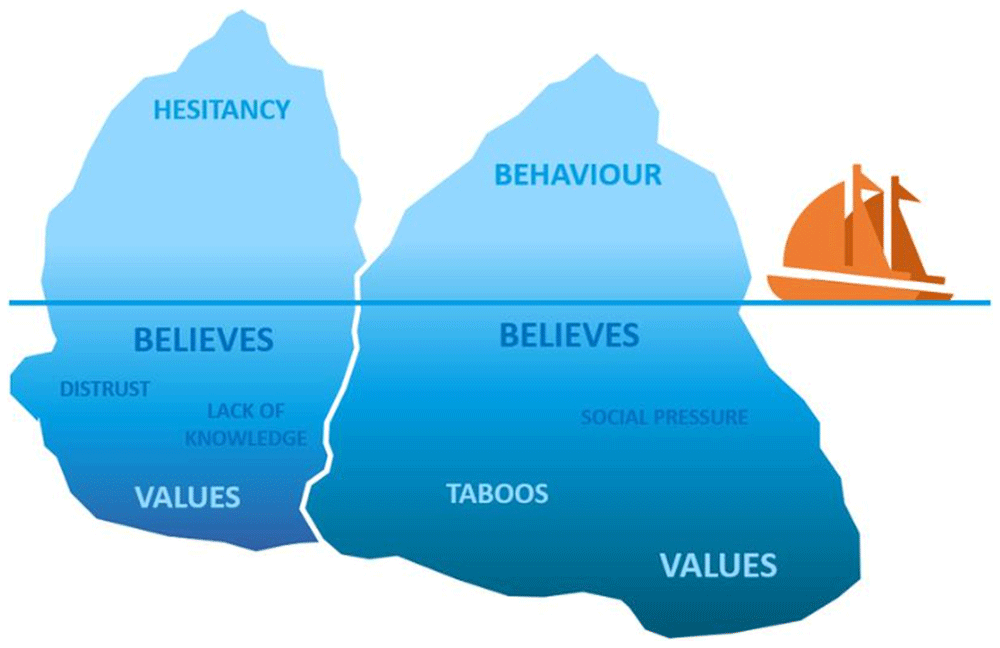
Figure 2. The BOAT: how to apply the principle of equity to one-to-one communication on HPV prevention.
Source: Own elaboration.
Following the metaphor expressed in the previous paragraph, we propose a framework and a checklist to guide health professionals in communicating about HPV and HPV vaccine, the BOAT: Building knowledge and communication skills, Openness and understanding, Assuring Trustful Relationships, and Tailoring Communication Strategies. The BOAT framework and checklist have been designed to complement existing strategies.
Core elements of the BOAT
B: Building Knowledge and Communication Skills: Nurturing Expertise for Effective Communication
Healthcare providers must enhance their knowledge and communication skills to act as informed guides. Improving their communication skills will enable them to adapt better to the APG and inform him/her in a more understandable way, as well as making their reasoning more convincing and more lasting. Having a solid knowledge of the disease and the vaccine will allow them to resolve any doubts that the adolescent or their parents/guardians may have, as well as to disprove any myths or misconceptions that may influence their attitude towards vaccination in a well-argued way.
O: Openness and Understanding: Diving into Socio-Cultural Depths
To provide respectful and effective vaccination recommendations, it is essential to understand the diversity of the population served, consider each individual's unique circumstances, and avoid relying on stereotypes. This approach fosters a decision-making process that honours personal autonomy and cultural differences. This implies, for example, establishing a comfortable and safe environment, respecting individual choices in the way information is received, or taking into account certain figures who may not be present at the consultation but who may be important in the decision-making process of the adolescent or their parents/caregivers.
A: Assuring Trustful Relationships: Anchoring Trust in Patient-Provider Dynamics
Many of the preventive activities promoted by public health, such as vaccination campaigns, are particularly sensitive to the public's trust in their institutions. This is reflected and enhanced by the trust relationship established between doctor and patient. Healthcare providers must build and assure trust by recognising and addressing both visible and hidden concerns, fostering an environment where patients feel understood and supported.
T: Tailoring Communication Strategies: Steering Through Varied Contexts
Each person's decision process on whether or not to be vaccinated is different, and what is essential for some is secondary for others. Therefore, the recommendation given must be different and respond to the needs of each individual. Tailored communication strategies are the compass that guides health professionals through the different contexts of conversation. This involves tailoring recommendations to the patient's concerns and using a variety of communication tools to ensure a personalised and inclusive approach.
The Boat checklist
To facilitate the implementation of the BOAT principles, a checklist has been designed based on the scientific literature analysed in this study, drawing from the documents included in the narrative review. This tool enables healthcare professionals to self-assess their vaccination recommendation practices, identify areas for improvement, and support the integration of intercultural communication in promoting HPV vaccination.
Building knowledge and communication skills
Disease and Vaccine Knowledge
❑ I know the current vaccination coverage in the population I serve.
❑ I am up to date on the possible adverse effects of the vaccine.
❑ I have a sound knowledge of the technical information on the vaccine (efficacy, safety, vaccination schedule, storage).
❑ I know the (re)funding status of the HPV vaccine.
❑ I understand the specific gender implications related to the HPV and its vaccination.
❑ I know the main myths or misconceptions about the HPV and its vaccine.
Communication Skills
❑ I am able to convey information in a clear and understandable way.
❑ I know metaphors or analogies that make information more accessible to patients.
❑ I can interpret and respond appropriately to patients' non-verbal cues (body language, facial expressions).
❑ I have practised counselling in intercultural contexts.
❑ I can answer the patient's questions in a calm, respectful and non-judgmental manner.
❑ I have support materials to help me during the vaccine recommendation and to adapt it to the preferences and needs of the adolescent and his/her parents/guardians.
Openness and understanding
Patient Demographics and Context Knowledge
❑ I know the cultural composition of the population I serve.
❑ I know where to find and access data on common community health beliefs, values and behaviours.
❑ I know the cultural leaders and/or gatekeepers who can influence vaccination decisions in the community.
Flexibility in Approach
❑ I recognise and interpret feedback from culturally diverse communities and adjust my recommendations accordingly.
❑ I have the flexibility to adapt according to the individual and communicative needs of each patient (investing more time, mediators, allowing access to people who are not APGs, among others).
❑ I am comfortable talking about sensitive issues (such as sexual health) in a way that is respectful of cultural and individual preferences.
❑ I try to involve the community in the information events and vaccination campaigns that take place.
Assuring trustful relationships
Building Trust with APGs
❑ I create a comfortable environment where the APG does not feel judged or uncomfortable.
❑ I keep my own prejudices or discomfort in check to ensure that my attention is focused on the APGs’ concerns.
❑ I actively listen to and validate the APGs’ concerns, whether explicit or implicit.
❑ I make an effort to follow up on the APGs’ concerns, showing consistency and dedication.
❑ APGs usually leave my practice with a clear understanding of the information provided.
❑ My patients often return for follow-up care or are willing to continue with the rest of the health system's recommendations.
❑ I am able to reduce vaccine hesitancy and encourage adherence to health recommendations.
❑ I recognise the importance of patient trust and work to build a positive and lasting relationship.
Tailoring communication strategies
To facilitate the adaptation of vaccination recommendations to the characteristics, preferences and needs of each patient, an index structured along five main axes has been designed. This index is not intended for all recommendations to be applied indiscriminately, but rather for their relevance to be assessed according to the particularities and individual requirements of each patient.
APGs’ Focus of Concern.
❑ Consider the short-term impact (e.g., genital warts).
❑ Address the importance of long-term prevention (e.g., cancer risk).
❑ Discuss the risks to potential future partners.
❑ Frame the conversation in non-sexual terms, focusing on general health.
❑ Include sexual health aspects in the discussion.
Information Format Preference.
❑ Provide information verbally through face-to-face discussion.
❑ Offer visual aids, such as charts or images.
❑ Share written materials, such as leaflets or printed handouts.
❑ Use videos or multimedia resources, like animations or clips.
❑ Present the information in comic or illustrated story formats for engagement.
❑ Involve family or community leaders in a collaborative approach.
Patient’s Language and Literacy Needs.
❑ Use plain language, avoiding technical jargon.
❑ Include culturally relevant terms and examples.
❑ Provide materials in the APGs’ primary language.
❑ Arrange for assistance from an interpreter or offer bilingual resources if needed.
Additional Support Needs.
❑ Involve key influencers, such as religious or community leaders, and family members.
❑ Seek permission to hold a private conversation with the adolescent if guardians are present.
❑ Ensure future follow-up support for ongoing information and reassessment.
❑ Share a list of trusted sources to address concerns about misinformation.
❑ Guide the APGs on how, when, and where to access healthcare services, such as vaccination.
Gender-Specific Messaging
❑ Highlight HPV risks for both men and women.
❑ Emphasise the protective benefits for all genders (e.g., prevention of anal, oral, penile, and cervical cancers).
❑ Focus specifically on the implications for reproductive health.
Limitations
This study has certain limitations that must be considered when interpreting its findings. First, the BOAT checklist, is grounded in existing communication theories and frameworks that, while offering valuable guidance, may not fully capture the complexities of all culturally specific interactions in clinical practice. The application of these principles may vary significantly depending on the socio-cultural context, HCP training and individual APG characteristics.
Second, although a comprehensive review of the literature on cultural competence and communication in HPV vaccination promotion is provided and the BOAT has been built on scientific evidence, this approach remains only theoretical and there is no empirical evidence of its effectiveness in a real-world setting. This underlines the need for further studies to assess its impact in actual practice. We consider that to validate the effectiveness of the BOAT checklist in real-world healthcare settings, empirical research should prioritize longitudinal and mixed-method studies across diverse clinical environments. A key direction would be to conduct controlled trials assessing patient outcomes, trust levels, and adherence rates when healthcare providers utilize the BOAT framework compared to standard communication practices. Additionally, observational studies could explore how BOAT-informed interactions influence patient satisfaction and perceived empathy in various cultural and socio-economic settings. Surveys and interviews with both healthcare providers and patients could capture insights into specific elements of the BOAT approach that enhance trust and communication effectiveness. Finally, incorporating real-time analytics from patient-provider interactions would allow researchers to evaluate the framework’s adaptability across different medical specializations, patient demographics, and health conditions. Collectively, these empirical strategies could establish a robust evidence base for BOAT’s utility in improving patient engagement and health outcomes.
Finally, external factors such as available consultation time and institutional resources may influence the implementation, affecting its performance.
Conclusions
This study highlights the critical importance of equipping HCPs with the necessary skills to foster culturally sensitive and equitable communication in the promotion of HPV vaccination. By integrating the principles of equity and cultural competence into healthcare practices, HCPs can address barriers to vaccine uptake, build trust, and respond to the diverse needs of multicultural populations.
The BOAT framework and its accompanying checklist offer a structured and reflexive tool to support HCPs in tailoring vaccination recommendations. By emphasising knowledge-building, openness, trust, and communication strategies adapted to individual contexts, this framework seeks to enhance vaccine acceptance, particularly among groups where disparities in uptake are evident. The BOAT framework and checklist have been designed to complement existing strategies.
Although grounded in a review of existing literature, the BOAT framework is a theoretical model that requires further empirical validation. Future studies should explore its effectiveness in real-world healthcare settings, assessing its impact on patient outcomes, trust levels, and vaccination coverage. Additionally, addressing external factors such as time constraints and institutional resources will be key to optimising its implementation.
By adopting an inclusive and personalised approach to HPV vaccination promotion, the BOAT framework not only supports public health goals but also contributes to strengthening trust in health systems and fostering equity in healthcare delivery.
List of abbreviations
APG s: Adolescents, Parents, Guardians
BOAT: Building knowledge and communication skills; Openness and understanding; Assuring trustful relationships; Tailoring communication strategies.
CAT: Communication Accommodation Theory
CDC: Centers for Disease Control and Prevention
HCP: Healthcare professionals.
HPV: Human Papillomavirus.
PMT: Protective Motivation Theory