Disclaimer
The views expressed in this article are those of the author(s). Publication in Open Research Europe does not imply endorsement by the COST Association, Spanish Ministerio de Economía, Industria y Competitividad, TUBITAK, Foundation I-SITE ULNE, French government, CONAHCYT, or Research Centre for Applied Chemistry.
Introduction
Microplastics and nanoplastics: a growing environmental challenge
Marine plastic litter represents a global problem due to its impact on the ecosystem (Gall & Thompson, 2015) and its potential implications on human health (Bouwmeester et al., 2015). The degradation rate of plastics in the marine environment is extremely low, and the majority of plastics introduced into the environment do not degrade. Instead, they fragment into smaller particles called “microplastics” (MPs) as a result of abrasion, weathering, and fragmentation (Thompson et al., 2005).
Microplastics are defined by the International Organization for Standardization (ISO) as plastic particles with a size up to 1 mm, while particles between 1 mm and 5 mm are classified as large microplastics (Figure 1) (Technical Committee ISO/TC 61, 2020). Depending on their origin, MPs can be classified in primary and secondary MPs. Primary MPs are intentionally produced at sub-millimetric sizes for specific applications or result from abrasion during manufacturing, use, or maintenance as MPs released from synthetic fabrics during washing or from the wear and tear of car tires (Federici et al., 2022). Secondary MPs, on the other hand, originate from the degradation of larger plastic items over time (Carmona-Valdivieso et al., 2023). Despite the widely accepted ISO definition (Koelmans et al., 2019; Toussaint et al., 2019), the absence of a universal standard has introduced variability in research. There is ongoing debate about whether only synthetic polymers should be classified as MPs or if a broader definition should include natural and semi-synthetic materials (Dris et al., 2016; Hartmann et al., 2019; Seghers et al., 2022). Some studies also suggest further subdivisions, such as nanoplastics (NPs), which are defined as sub-micron-sized plastics (Vethaak & Legler, 2021). These represent an even more significant concern because their small size and high surface area allow them to penetrate cells and induce oxidative stress in living organisms. This variability in definitions and classifications highlights the complexity of studying MPs and their interactions with the environment (Ekvall et al., 2022; Gambino et al., 2023; Hartmann et al., 2019).
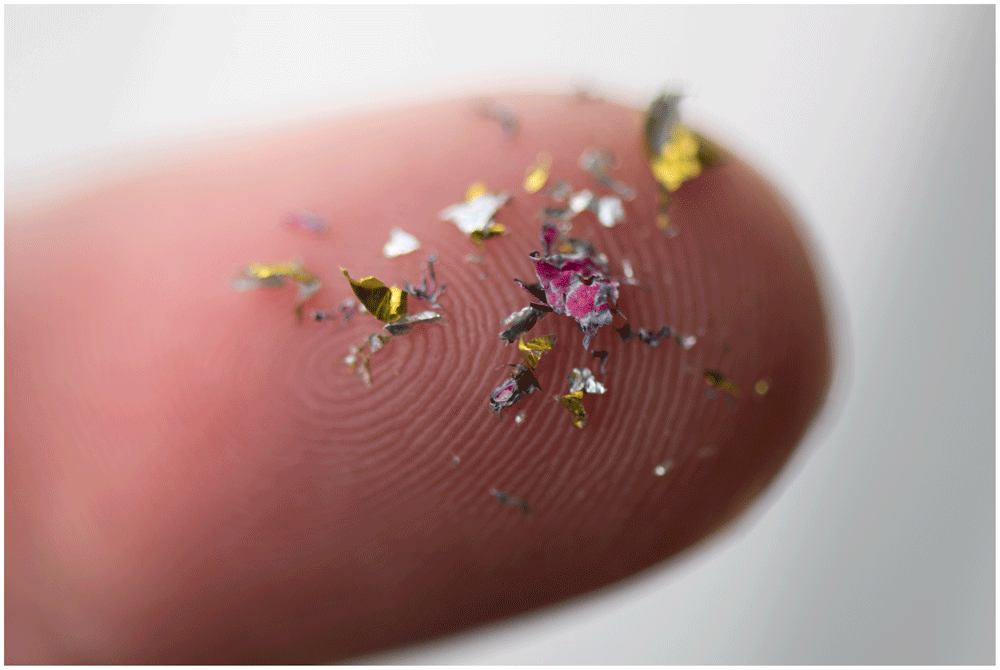
Figure 1. A photography of MPs.
This image is licensed under the Creative Commons Attribution 4.0 International license. © European Union, 2025. It was provided by the European Commission (Lukasz Kobus) via the Audiovisual Service. No changes were made to the original image. To view a copy of this license, visit: https://creativecommons.org/licenses/by/4.0/.
The PRIORITY project: collaborative efforts to combat microplastic pollution
To understand the real impacts and find alternative solutions to reduce MP and NP pollution, the research community joins the COST Action PRIORITY - Plastics monitoRIng detectiOn RemedIaTion recoverY, creating a research network. COST Action PRIORITY consists in a network of scientists with expertise in chemistry, physics, biology, medicine, environmental science, engineering, regulatory, economy, law, etc., and connecting more than 500 researchers from 50 countries (update May 2025). The COST Action PRIORITY is articulated in 7 working groups (WGs) following, reported in Table 1:
Table 1. Description of the objectives and main activities of the seven working groups (WGs) in the PRIORITY project.
| Working group | Objectives | Activities |
|---|
| WG 1 - Impacts and risks on human health and environment related to NPs and MPs. | Identify and develop standardized hazard testing methods (NPs, MPs) for various environmental matrices across Europe and other countries. | • Conduct research to understand the effects of NPs and MPs on biota, ecosystems, and human health.
• Focus on both laboratory experiments and field studies to assess the occurrence or absence of negative effects.
• Coordinate research efforts and harmonize results across studies.
• Investigate biological, mechanical, and chemical impacts of MPs on biota.
• Assess the accuracy of MPs concentrations measured in nature.
• Conduct population-wide studies on health effects linked to occupational exposure to acrylic, polyester, nylon, and polyurethane dust.
• Develop reference materials to assess suitable hazard tests for NPs and MPs.
• Create new hazard tests tailored for NPs and MPs hazard analysis. |
| WG 2 - Monitoring and sampling MPs | To help European and developing Countries to assess harmonized monitoring methods and sampling procedures for the different compartments and environmental matrices. | • Develop joint research activities in identified fields of application regarding MPs.
• Improve researchers' capabilities through collaborative efforts.
• Organize interlaboratory tests to compare commonly applied methods for MPs analysis.
• Assess and refine harmonized protocols for MPs measurement and characterization.
• Conduct proficiency tests on standard protocols to help laboratories evaluate their procedures.
• Ensure alignment with best practices in the analysis of MPs. |
| WG 3 - Instrumentation, modelling, data evaluation, software, and analytical procedures | Utilize available tools to help European and developing countries assess harmonized methods and enhance access to EU research infrastructures. | • Develop harmonized standard methods and reliable databases for chemical mapping and particle detection techniques while creating specific analytical and software tools to manage data effectively.
• Explore automated analyses and employ chemometric tools and machine learning algorithms to reduce costs and increase sample throughput.
• Realize reference materials to establish a framework for comparing existing techniques and protocols for MP analysis.
• Support researchers in sharing knowledge and accessing EU infrastructures and facilities. |
| WG 4 - Nanoplastics | Define validated methods for detecting and quantifying NPs and generate hazard and fate data considering their toxicity and interactions with biomes. | • Define and estimate emission sources.
• Compare and assess sampling procedures.
• Assess analytical techniques and methods.
• Compare studies on their interaction with the biome.
• Understand risks for the environment and human health.
• Use reference materials to address nanoscale analytical challenges.
• Study interactions with other contaminants and the biome. |
| WG 5 - Remediation, recovery and development of sustainable alternative to plastic materials | Identify alternatives to reuse, recycle, and recover environmental plastics, and define innovative technological approaches for effective recycling and recovery. | • Conduct more studies to prioritize prevention and remediation strategies for MP pollution.
• Evaluate the capabilities and limitations of green chemistry and bioremediation as solutions to MP pollution.
• Focus on prevention strategies at the beginning of the plastic product lifecycle to avoid the need for remediation.
• Develop and test new "green materials" while ensuring they do not release toxic additives.
• Advocate for the participation of developing nations in addressing marine plastic pollution.
• Pioneer strategies for redesign, reuse, and recycling of plastics within the EU and share effective practices and knowledge. |
| WG 6 - Metrology and standardization | Validate sample preparation protocols for NPs and MPs through interlaboratory studies and comparisons with independent techniques. | • Ensure that participants stay updated on recent developments in related research activities.
• Review the state of the art related to standardization and present findings during the meeting.
• Conduct discussions during WGs meetings to establish a long-term program for four years and develop a detailed plan, defining roles and setting a timeline for the next year’s activities.
• Foster connections with liaison bodies, including standardization entities (ISO, CEN, and National standardization bodies), regulation entities (European Commission), pre-normative research networks (VAMAS), metrology institutes, and stakeholders.
• Propose new projects for standard development.
• Organize sessions and workshops dedicated to standardization during key dissemination events such as conferences and training schools.
• Prepare drafts of standard documents in collaboration with expert participants from other WGs. |
| WG 7 - Develop new strategies to increase the synergies with society and education | Develop tools to increase awareness about environmental issues related to NPs and MPs in society and education. | • Systematise and elaborate ideas to raise awareness about NPs and MPs.
• Involve the education system, politics, and the general public in discussions about NPs and MPs.
• Improve scientific communication by blending emotional and personal insights with simplified knowledge for non-scientific audiences, such as managers, entrepreneurs, and policymakers, while integrating artistic elements to promote sustainable development.
• Utilize arts-based methods, such as theatre and storytelling, to engage diverse audiences.
• Develop specific teaching methods tailored to different contexts, including students, political figures, and the general public. |
Within the WGs members, PRIORITY has created a robust infrastructure for scientific communication, exchange, and collaboration to foster new research and citizen science activities and to reach the main goals related to the definition of technical standards for sampling and analysis of MPs and NPs in the environment, to the assessment of their impacts, as well as to the development of remediation and recovery approaches.
The PRIORITY project features a collaborative network of seven WGs, including participants from 50 countries (Figure 2), with figures updated to May 2025. This network enhances communication and knowledge sharing, fostering effective collaboration across diverse groups. Key contributions from Turkey, Italy, Spain, and Serbia highlight the importance of Mediterranean and Southeast European countries. Additionally, the nearly equal representation of 282 female and 239 male participants reflects the project's commitment to inclusivity. This balanced network facilitates a dynamic approach to tackling the challenges of MP monitoring and remediation, showcasing the strength of collective expertise for sustainable solutions.
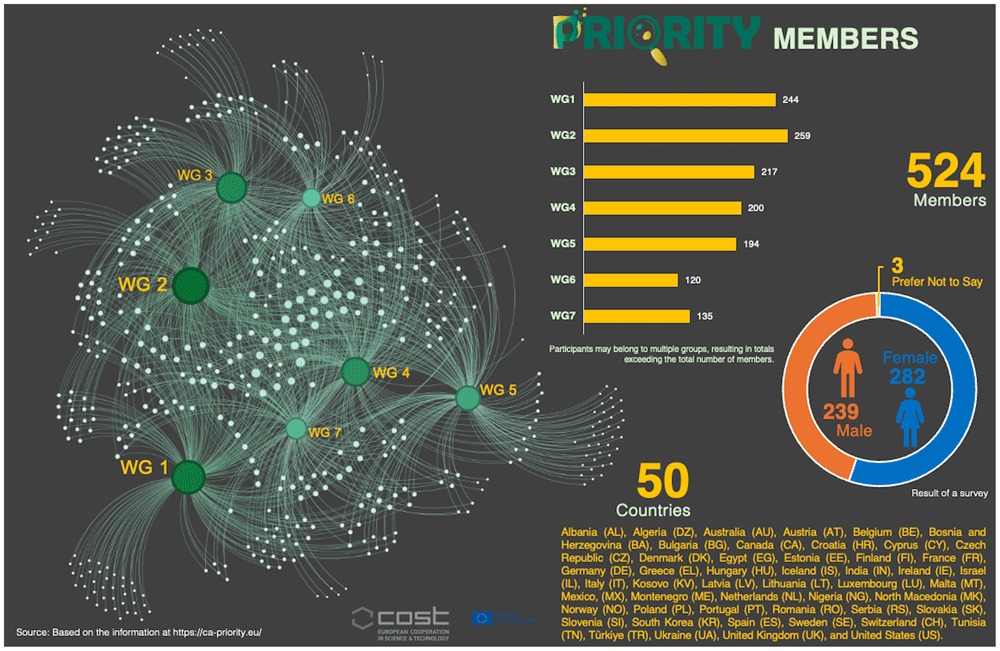
Figure 2. Network Structure of PRIORITY Members Across Working Groups (WGs 1-7), with figures updated to May 2025.
The network visualization illustrates the organization of PRIORITY members across seven WGs, highlighting interconnections, country representation, and gender diversity. Author´s work.
Global impact of the PRIORITY project on microplastic pollution
The PRIORITY project addresses the pressing global and European challenges of MP pollution. By emphasizing the harmonization of European MP regulations, the project establishes a foundation for robust environmental and food safety policies, creating a unified infrastructure for scientific collaboration and citizen engagement across Europe. PRIORITY focuses on standardizing methodologies for sampling and analyzing MPs and NPs, a crucial step toward improving the comparability of research data and accurately assessing the scale of MP pollution. These standardized protocols enhance European research and set a precedent for international adoption, facilitating global assessments of MP and NP pollution. Furthermore, the project fosters international collaboration, creating a transnational network of European and non-European researchers, including those from developing countries. This collaboration promotes knowledge exchange and capacity building, enabling regions with limited resources to effectively address the growing threat of MP pollution.
By influencing policy at European and global levels, PRIORITY provides science-based advice to shape international agreements and regulations. Its efforts contribute directly to advances in the United Nations Sustainable Development Goals (SDGs), particularly SDG 12 (Responsible Consumption and Production), SDG 14 (Life Below Water), and SDG 17 (Partnerships for the Goals), positioning the project as a driver of global environmental sustainability (Walker, 2021). Its dissemination of research, training, and best practices empowers stakeholders worldwide, amplifying its global impact and fostering collective efforts to mitigate the hazards of MPs to humans and the environment. PRIORITY exemplifies Europe's leadership in tackling this critical environmental challenge and empowers stakeholders to be part of the solution.
WG5 overview - Remediation, recovery, and development of sustainable alternative to plastic materials
Microplastic pollution has emerged as an urgent and critical environmental challenge, demanding immediate innovative strategies for remediation, recovery, and the development of sustainable alternatives to conventional plastic materials. The prevalent presence of MPs in aquatic environments poses significant risks to marine life and human health, as these particles can accumulate toxins and enter the food chain (Wang et al., 2021). Addressing this issue requires a multifaceted approach encompassing the development of advanced materials and technologies to mitigate MP pollution. The WG5 aims to identify reuse, recycling, and recovery alternatives for environmental plastics and to define technological approaches for new recycling and recovery alternatives. Considering the complexity of the MPs, NPs and the environment in which these pollutants are distributed, the WG5 focuses on different strategies to mitigate these environmental problems (Figure 3):
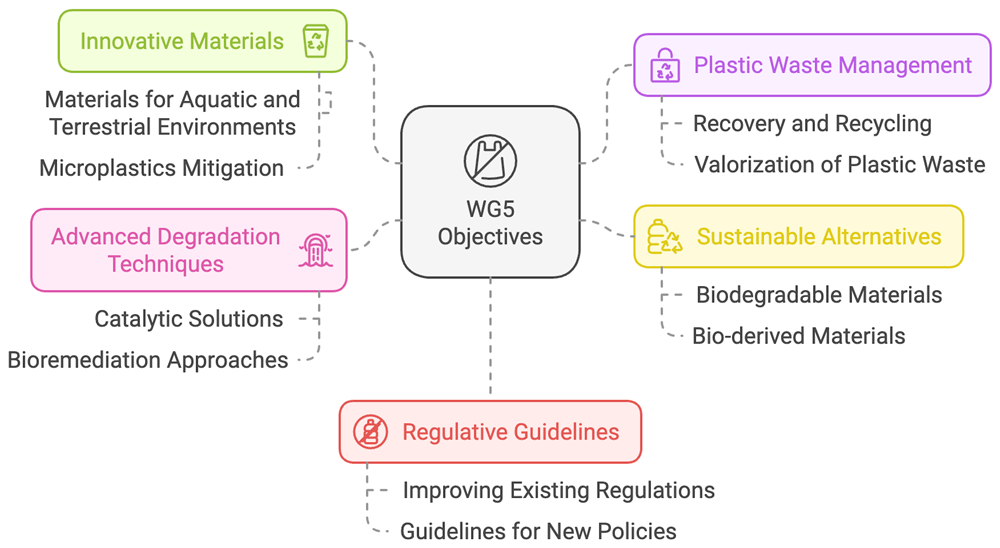
Figure 3. Key strategies of WG5 in addressing plastic pollution sustainably.
Author´s work.
Innovative technologies for Microplastics removal
Recent advancements in membrane technology, bionanomaterials, and bubble barrier devices have shown significant potential to enhance MP removal efficiency (Osman et al., 2023; Yang et al., 2023). These promising technologies, along with bioremediation strategies utilizing microorganisms and biofilms, have been recognized for their effectiveness in degrading MPs and reducing their ecological impact (Deepashree et al., 2023; Yap & Yasid, 2023). These biotechnological approaches target MPs and contribute to the overall health of aquatic ecosystems by promoting biodiversity and nutrient cycling (Namasivayam & Avinash, 2024).
Plastic waste management and sustainable biodegradable alternatives
In parallel with remediation efforts, the recovery, recycling, and valorization of plastic waste are essential components of a circular economy aimed at minimizing secondary MP formation (Liotta et al., 2024; Shekhar et al., 2024). Innovative recycling methods can transform plastic waste into valuable chemicals and fuels, thereby reducing the volume of plastic entering the environment (Sbrana et al., 2023). Furthermore, developing biodegradable and bio-derived materials presents a sustainable alternative to traditional plastics, potentially alleviating the long-term accumulation of MPs in ecosystems (Dhiman et al., 2023). These materials, designed to break down naturally, can significantly reduce the environmental footprint of plastic products (Rosenboom et al., 2022).
Advanced degradation techniques with catalytic solutions
Advanced oxidation processes (AOPs) and catalytic solutions are being explored to enhance the degradation of plastics, offering new pathways for effective MP remediation (Kumar, 2023; Verma et al., 2024). These methods can facilitate breaking complex plastic structures into less harmful substances, mitigating their environmental impact (Du et al., 2021; Viel et al., 2023). The integration of these technologies into existing waste management systems is crucial for effectively addressing the MP crisis.
Strengthening regulatory frameworks for prevention
Finally, the establishment of guidelines and the improvement of regulatory frameworks are vital for the successful implementation of these strategies. Regulatory measures aimed at restricting specific types of plastic products can significantly reduce the influx of MPs into the environment (Iyare et al., 2020; Zurier & Goddard, 2023).
In this respect, the main goals of WG5 can be summarised as finding solutions to prevent the entrance of MPs and NPs into the environment, improving the circularity of plastic materials at the end of life from a scientific and policy perspective, and identifying remediation strategies to (bio)degrade plastic materials in the environment.
The WG5 activities at the second meeting were conducted to discuss and analyze efforts realized on these strategies, which lead to remediation, recovery, and development of sustainable alternatives to plastic materials, the main goal of the WG5. The following sections present the advances and studies discussed in this meeting.
Recent studies on REMEDIATION
Biodegradation of plastics induced by marine organisms: new plastic materials and future perspectives for bioremediation approaches
In the marine environment, MP fragments act as a new ecological niche, and are often colonized by bacterial species: the microbial communities of the marine 'plastisphere' generally differ from those constituting the marine environment, as plastic has a longer time of decay than most naturally fluctuating marine substrates, as well as a hydrophobic surface that can promote microbial colonization and biofilm formation, extremely different from superficial marine layers’ native substrates. For the characterization of marine biofouling, experiments were carried out on the microbial composition of the substrate formed on two different materials, one typical of ships and one newly composed, placed at different geographical locations. Sampling was also carried out along the Neapolitan coastline, with the manta net, to collect fragments of MPs, on which the microbiota that colonizes them, constituting true biofilms, was characterized through total DNA extraction and sequencing of the bacterial 16S gene using Next Generation Sequencing (NGS) techniques.
The preliminary results evidenced no differences in the number of biofilm-forming microorganisms but rather diversities in the site-specific species composition. By comparing the results with the Next Generation Sequencing analyses on the free materials in the marine area of interest, it was possible to highlight that certain genus, such as Vibrio and Shewanella, also part of the marine water microbiota, appear to be often part of the plastisphere. Employing NGS analyses, it was possible to obtain more specific insights into the composition of the plastic biofilm and genera such as Oceanoserpentilla, Pseudomonas, and Neptunomonas were characterized, among which species capable of biodegrading plastic materials are comprised. The subsequent step will consist of utilizing specific consortia of microorganisms to test the effective degradative activity of biopolymers present in plastic materials in the marine environment, employing both lab-scale and on-field experimental protocols.
Graphene-based aerogels for Micro and Nano plastic filtration
The dissemination of MPs and NPs into both terrestrial and aquatic ecosystems has garnered significant attention due to the potential hazards associated with it (Huang et al., 2021). It is difficult to remove these plastic contaminants with present filtering systems, especially those that are 20 µm or smaller (Cai et al., 2020). In order to develop distinctive, porous catalytic systems with highly tailored material properties, such as hierarchical porosity, mechanical durability, and electro-thermal responsiveness, directed self-assembly of graphene derivatives into structured aerogels is being investigated. Here, template-based assembly techniques are investigated to create nanocarbon aerogels that resemble sponges and have a variety of well-controlled hierarchical microstructures. To preserve the delicate gel framework during solvent removal, the graphene aerogels were dried using supercritical carbon dioxide, and subsequently, mechanically robust graphene aerogels were produced. Scanning electron microscopy (SEM) and Brunauer-Emmett-Teller (BET) analysis were used to characterize the aerogel morphologies and chemistry, including specific surface area and porosity distribution. The physiochemical nature of the resultant aerogels permits water flow whilst polymeric MNPs are selectively adsorbed.
Reduction and determination of Microplastics in wastewater through elutriation/centrifugation
Researchers have found concentrations of 15–51 trillion MP particles in the ocean’s surface water (Bosker & Zantis, 2022). Up to now, their concentration in wastewater treatment plants has been increasing dangerously due to the inefficiency of traditional treatment processes (Koyilath Nandakumar et al., 2022). Nowadays, studies of MPs reduction focus on freshwater and seawater. However, their study of wastewater has been studied in just a few publications (Liu et al., 2022). This work aims to separate through elutriation and centrifugation, as well as quantify MP particles in wastewater through an optical microscope and their identification through Raman spectroscopy. This study took samples from wastewater from Valencia (Spain) on four different days. Prior to quantification and identification, the samples were pre-treated by density flotation and vacuum filtration with an oxidation treatment to reduce the organic content. After the analysis, the MPs counted were, on average, 35.25±16.52 (Figure 4). From these plastics, two different fractions were determined: fibers with 75% of the MPs found, and fragments with 25% of the total. According to MPs determination using Raman spectroscope, 50% of the MPs were polyethylene (PE), 25% polyethylene terephthalate (PET), 16% polyamide (PA), and 8% polyvinyl chloride (PVC).
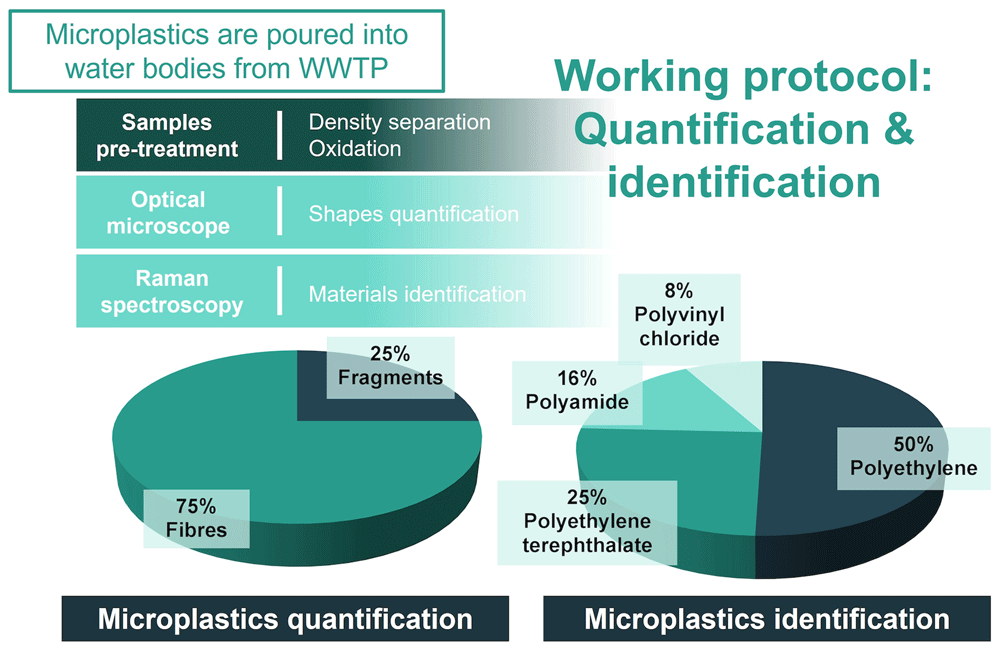
Figure 4. A quantification and identification protocol for a comprehensive analysis of MPs in Valencia wastewater samples.
Author´s work.
An engineered cellular system to remove Nano/Micro-plastic contamination
Various tools are developing for removal of MPs and NPs contamination, and one of them is engineered cellular system. Example of the use of this tool is in process of PET removal. The usage of PET plastics in daily life has increased excessively these last few years. With PET waste accumulating rapidly, environmental pollution caused by this waste has reached a critical point, and MPs and NPs contamination has been encountered in samples from even the remotest parts of the world (Waller et al., 2017). Although there are major PET recycling efforts, the current methods used for PET recycling have become insufficient. With their expenses and the lack of ability to recycle PET micro/nanoplastics, the techniques currently used are far from perfect. With the discovery of microorganisms that have the ability to degrade PET, biodegradation of PET products has emerged as a promising green alternative (Yoshida et al., 2016). We aim to design and create a whole-cell catalyst that will display the IsPETase and IsMHETase enzymes on its surface, which will be designed and characterised. The cell, via the displayed enzymes, will be able to degrade PET to its monomers: ethylene glycol and TPA. This project will be unique because the Ag43 protein surface display system (Ahan et al., 2019) will be used for the first time to display these enzymes. Another aspect that makes the project unique is, again, for the first time, that both IsPETase and IsMHETase will be displayed on a cell. We have engineered cellular systems using synthetic genetic regulation systems. The enzyme secreting circuits have been optimized for the purpose.
A novel, effective, and eco-friendly tool will emerge for the biodegradation and recycling of PET micro/nanoplastics, which will be possible to do with synthetic biology tools. Also, the data obtained by this research will benefit the scientific community and be a reference point in the literature for future research with to design and test whole cell systems for PET degradation.
Insights into bioplastics toxicity. Acute and multigenerational toxic effects of polylactic acid Microplastics on the copepod Eurytemora Affinis
Bioplastics have emerged and been promoted as an alternative to petrochemical plastics, which has led to a significant increase in their production. Polylactic acid is a widely used bioplastics, yet its environmental impacts remain poorly understood. This study was therefore designed to investigate the acute and multigenerational effects of polylactic acid MPs on the copepod Eurytemora affinis. This research shows distinct 96-hour median lethal concentration (LC50) values for adult males and females. The difference in the LC50 values for adult males and females suggests gender-specific toxicity of polylactic acid MPs. For a multigenerational experiment, it was exposed copepods to 400 μg/L of polylactic acid MPs, focusing on the rarely explored biomarkers associated with both morphological and reproductive traits of E. affinis. In the exposed groups, it was observed higher mortality rates and significant alterations in female reproductive parameters, including clutch size and egg diameter changes. Morphological changes were also observed in the females, with notable reductions in prosome length, width, and volume, especially in the F1 and F3 generations. The reversible and/or irreversible vulnerability of the studied biomarkers in a recovery generation (F5) was also examined. A trend toward recovery in copepod survival and reproductive parameters was found, which suggests some potential for resilience following MP exposure. Furthermore, a Pearson correlation coefficient for both groups across all generations reveals complex interactions among these biomarkers. This study highlights the potential ecological risks associated with polylactic acid MPs in marine environments and supports the idea that “bioplastics have minimal or no adverse environmental effects may not be entirely accurate” (Ali et al., 2024).
Recent studies on RECOVERY
Multivariate analysis methods for polymer characterization: toward the reduction of waste in EPS production and usage
Expandable Polystyrene (EPS) is one of the most widely used polymers for production and usage. Quality control is a key step for reducing waste in production by optimizing raw materials usage and reducing non-conform items. Moreover, tighter quality control can guarantee more durable objects and facilitate recycling (Kuhnigk et al., 2022).
An image recording and automated analysis protocol were developed to obtain a fast, low cost, and easily implementable quality control method. The samples were probed by a USB microscope and the images were then subjected to an automated image analysis protocol able to transform the images (Figure 5 left) in scalar parameters related to the number of particles, the void spaces, and other features related to the bead appearance and fusion (Figure 5 right). Principal component analysis (PCA) was then used to analyze the extracted parameters and classify the samples. On the one hand, the PCA scores can be correlated to the density and mechanical features of the samples, as obtained by standard techniques. On the other hand, the approach can easily detect layers concerning a benchmark of minimum acceptable quality. This feature can be used in both production by changing machine parameters to reduce non-conforming samples and classify them in term of quality level and thus wastes and “after use” to sort the materials suitable for recycling.
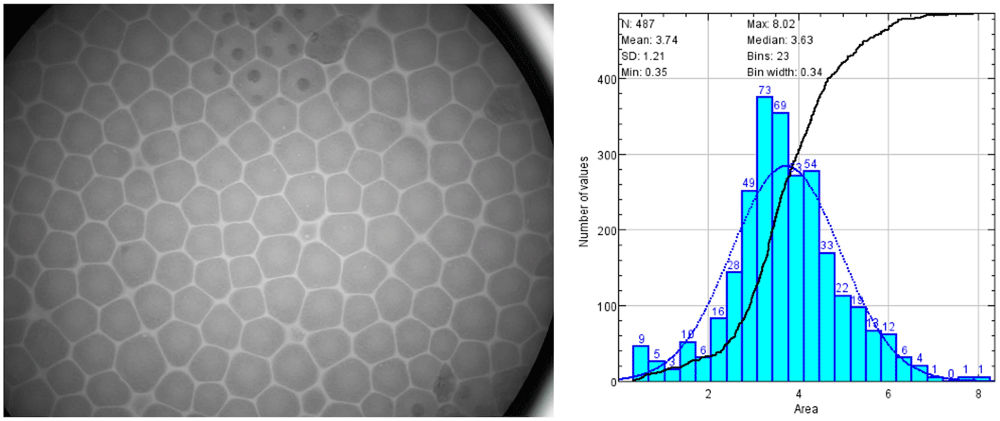
Figure 5. An image of an EPS sample (left) and the automatic count of particles by area.
Towards novel photochemical aerobic upcycling processes of polystyrene plastics: applications in the synthesis of pharmaceuticals
Since the 1950s, the quality of humanity’s everyday life has improved exponentially, and chemistry has played a crucial role in this upgrading process via its key developments in the fields of pharmaceuticals, agrochemicals, plastics, and everyday commodities, among others. A pivotal innovation in this process was the introduction of polymers, particularly plastics, in basic everyday activities due to their easy manufacture, unique properties, and multifunction. Among the key advantages of plastics is their durability; however, this is also one of their more serious disadvantages since their strong polymer backbone is not easy to degrade under natural conditions. If one couples this feature with their single-use or short-use time, it is more than evident that the enormous accumulation of plastic waste comes as no surprise, with immense economic and environmental consequences. Modern research is shifting towards a circular economy, aiming to transform plastic waste into useful materials, referred to as “upcycling”. Upcycling of plastics usually focuses on transforming plastics into fuels, materials, or high-added value chemicals. Recent advances in developing photochemical protocols that target plastics’ upcycling, particularly polystyrene, have emerged as a prosperous solution in reversing the growth of plastic waste landfills (Skolia et al., 2023). This work attempts to contribute to tangling this problem via the development of a mild photochemical aerobic protocol for polystyrene plastics upcycling to benzoic acid, utilizing anthraquinone as the photocatalyst and 390 LED nm irradiation. At the same time, air is being used as the oxidant (Nikitas et al., 2023).
Poly(lactic acid) production and chemical recycling on a circular economy approach
Nowadays, the development of bioplastics, especially the production of biobased and biodegradable polymers, has gained considerable attention as an environmentally friendly alternative to traditional oil-based plastics.
Polylactic acid (PLA) is a well-known bioplastic due to its good compatibility, high modulus, and biodegradability. It is already available in the market in food-packaging or biomedical applications (Zhu et al., 2016). Implementing a circular economy approach for PLA production and recycling requires a concerted effort from multiple stakeholders, including manufacturers, consumers, and policymakers. The objective would be to create a sustainable and closed-loop system where PLA products are continually reused and recycled, reducing the environmental impact associated with single-use plastics.
The most usual synthetic pathway to produce PLA is by the catalytic Ring-Opening Polymerization (ROP) of the corresponding cyclic ester. Metallic complexes exhibit a great ability to exert a high control over the ROP process to give polymers with high molecular weight and adequate dispersity. Alkali metals stand out due to their abundance, non-toxicity, and biocompatibility. Recently, potassium-based catalysts which are highly active for this type of polymerization have been developed (Fernández-Millán et al., 2020; Rentero et al., 2022).
In this work, a closed-loop system is proposed employing potassium and sodium complexes, starting from the sustainable catalytic synthesis of PLA at room temperature, followed by the advanced application of the polymer and ending with its upcycling, chemically transforming PLA into value-added products by its catalysed alcoholysis under mild conditions. This efficient method allows to close the life cycle of PLA, obtaining different alkyl lactates that can be used as green solvents (Román-Ramírez et al., 2019; Stewart et al., 2022). A potential application of alkyl lactates as solvents for PLA processing by electrospinning was described.
Recent studies on DEVELOPMENT OF SUSTAINABLE MATERIALS
Circular economy: towards materials more prone to enzymatic recycling
Plastics are dominating our daily lives thanks to their easily adaptable properties. They are physicochemically resistant, lightweight, and obtained at relatively low production costs. Nevertheless, the good "resistance" of plastic materials leads to severe environmental issues when managing their end-of-life eco-responsibly. An "ideal" material must not be degradable during its use, but when discarded, it should also be sourced. Combining these two contradictory abilities is the major challenge that the scientists of the 21st century must take over. Therefore, to overcome this challenge, the use and end-of-life environments must be sufficiently different from a bio-physical-chemical viewpoint. Different end-life scenarios exist, such as mechanical and chemical recycling, but biochemical recycling is becoming more and more popular in the realm (Lomwongsopon & Varrone, 2022). This latter enables the production of monomers or related compounds from polymers using enzymes at low production cost and very efficiently, enabling to manufacture new materials without altering their final performance, unlike mechanical recycling.
To eco-design an "ideal" material, polylactide (PLA), one of the most available bio-based polyesters on the market, represents an excellent candidate. Thanks to its mechanical properties similar to commodity polymers and its biocompatibility, PLA is widely used in many fields, such as packaging and biomedical, as well as in textiles and automotive. PLA is also very suitable for 3D printing, further extending its manufacturing scalability. Finally, PLA can be easily degraded in industrial compost, where the biophysical and chemical conditions are very different from the conditions of use: PLA biodegrades in a sufficiently humid environment (hydrolysis of the polyester), rich in microorganisms and at high temperatures (> 60°C). However, industrial compost is relatively energy-intensive and not very economical. Therefore, eco-designing a PLA-based material specifically recognized by enzymes would offer a new, less energy-consuming recycling pathway. To select enzymes capable of depolymerizing PLA and thus producing the monomer, the material must present a specific carbon and energy source for the microorganism, which will then excrete enzymes (exo-enzymes) that can specifically hydrolyze PLA. In this study, it was demonstrated that, in the presence of an enzymatic media, the possibility to identify specific additives like chitin nanocrystals that can accelerate the biochemical recycling of PLA via depolymerization.
Polysaccharides encapsulants: eco-friendly alternatives for fertilizer and biopesticide delivery to reduce microplastic pollution in agriculture
The impact of plastics on the environment in agriculture, particularly crop production, is a major concern. Polypropylene and low-density polyethylene are commonly used in greenhouses, mulching films, and irrigation pipes, leading to MPs proliferation in farmlands (Lwanga et al., 2022). A significant source of this contamination is the residual plastic coating from fertilizers after their compounds are delivered. Alarmingly, terrestrial systems have been found to contain 4–23 times more MPs than marine systems, and these particles have a detrimental effect on soil properties and plant growth (He et al., 2018). The pressing challenge is to develop functional biopolymers for slow-release fertilizers and biopesticides. While environmentally friendly, current biopolymers face high water solubility, limiting their encapsulation capacity and water dispersibility.
Research efforts have been conducted to introduce innovative technologies using polysaccharides and additives from Chihuahuan desert Ecoregion in Mexico. These include waxes from the Candelilla plant (Euphorbia antisyphilitica) and bio-actives extracted from the “Gobernadora” plant (Larrea tridentata). These resources are used to produce slow-release formulations via Spray Drying and Spray Cooling (Espinoza-González et al., 2023; Navarro-Guajardo et al., 2018; Perez-Torres et al., 2023). These processes significantly enhance the microparticles' functional properties, such as improved water dispersibility and UV absorption. For instance, incorporating candelilla wax nanoparticles (NanoWax) into polysaccharides matrices (starch, exudated gums, and chitosan) in these processes produces spherical microparticles with superior characteristics to conventional formulations, marking a significant leap in sustainable agriculture.
The microencapsulation using spray drying not only leads to uniform microparticles but also results in a 40% reduction in water absorption rates, making them highly hydrophobic and ideal for stable suspensions in cold water. This property is particularly beneficial for applications in aqueous formulations, such as drone-assisted spraying in agriculture. Additionally, the incorporation of candelilla wax nanoparticles, with particle sizes averaging 38 nm, significantly modifies the morphology of polysaccharide-based matrices, shifting them from the typical deflated or raspberry texture to more compact and spherical structures. Furthermore, the encapsulation of phosphate fertilizers in these biopolymer matrices has shown a slow-release pattern, as validated through agricultural trials. These trials indicate that encapsulated fertilizers can potentially reduce the application of chemical fertilizers by up to 60% of the theoretical needed, presenting a scalable solution for more sustainable farming practices. This efficiency could be further enhanced by integrating microorganisms that promote plant growth, providing a dual-action approach to fertilizer use and improving soil health.
Another critical feature of the candelilla wax-containing microparticles is their ability to absorb UV light, exhibiting a photoluminescent effect when exposed to UV radiation. This unique property serves as a shield, protecting the active ingredients, such as biopesticides and essential oils, from sunlight degradation and thereby enhancing their efficacy in outdoor applications. For instance, these formulations extend the active lifespan of biopesticides, making them reliable alternatives to synthetic chemicals.
Combining these factors positions biopolymers, especially those utilizing candelilla wax, as a promising eco-friendly alternative to synthetic encapsulants. These technologies offer a pathway to significantly reduce MP pollution while enhancing the effectiveness of agricultural inputs like fertilizers and biopesticides (Figure 6). This aligns with the objectives of the PRIORITY Cost Action for Microplastic Prevention and Remediation, demonstrating that local natural resources can provide innovative and sustainable solutions across various industries, including agriculture, textiles, cosmetics, and food products.
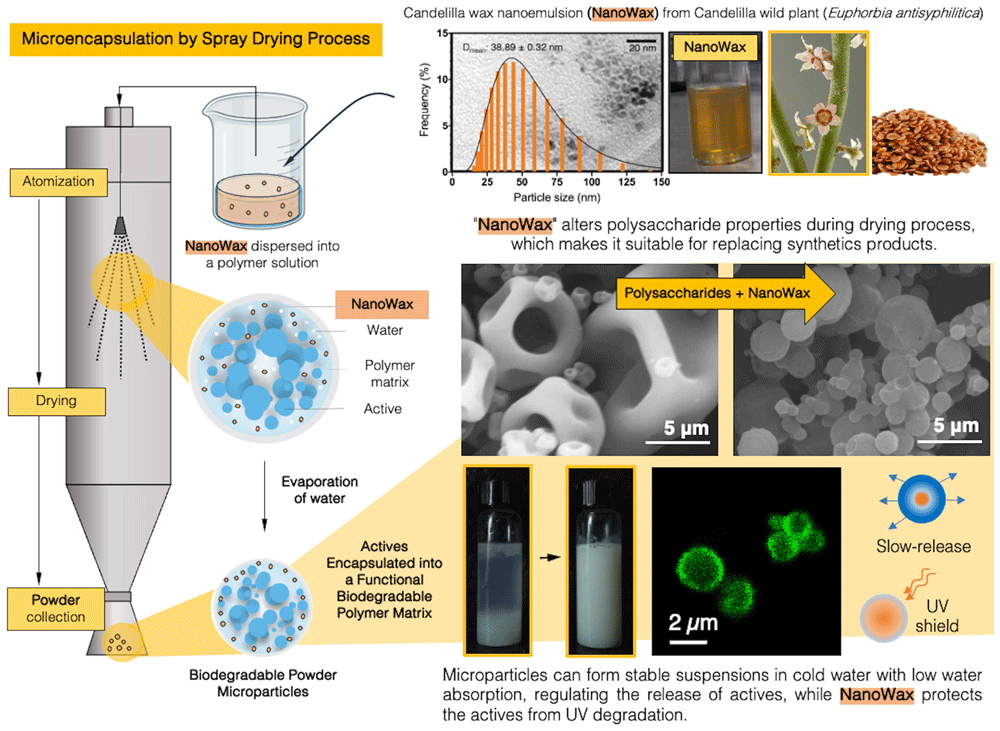
Figure 6. A graphical representation of microencapsulation technologies of actives using polysaccharides and plant extracts as biodegradable encapsulating matrices.
Here, candelilla wax nanoparticles (NanoWax) alter polysaccharide properties during drying to produce microparticles that can form stable suspensions in cold water with low water absorption rates. This approach ensures the controlled release of active ingredients while protecting them from UV degradation. These functional properties position biopolymers as an eco-friendly alternative to synthetic encapsulants, making them suitable for applications in agriculture, textiles, cosmetics, and food products, avoiding the generation of MPs after use. Author´s work.
Future perspectives
During the 2nd meeting of the WG5 on Remediation, Recovery, and Development of Sustainable Alternatives to Plastic Materials, participants presented various emerging strategies to mitigate MP pollution through innovative remediation approaches, sustainable material development, and improved recovery techniques. These discussions highlighted the importance of integrating fundamental research with practical applications to enhance the efficiency and sustainability of current methods. The meeting’s findings pointed to several promising research directions, from enzymatic and microbial interventions to advanced imaging for more accurate plastic identification. In this section, we highlight these key insights and outline potential avenues for further inquiry to expedite solutions addressing the global MP challenge.
Microbial biodegradation of biopolymers
The possibility to isolate specific consortia of microorganisms to improve biodegradation of biodegradable polymers, widely used instead of traditional plastics, such as PLA, has garnered attention due to potential ecological risks associated with MPs generation. The exploration of enzymatic degradation mechanisms, where specific enzymes secreted by microorganisms break down PLA, is crucial for developing efficient biodegradation techniques. Moreover, future research should investigate how environmental factors, such as temperature and nutrient availability, influence these microbial communities and their biodegradation capabilities (Shalem et al., 2024).
Innovative aerogels for microplastic and nanoplastic filtration
The integration of functionalization techniques aimed at enhancing hydrophobicity and selectivity broadens the potential applications of these aerogels in critical filtration contexts, including oil-water separation and environmental remediation. Continued research efforts should concentrate on optimizing the mechanical strength and adsorption capacities of these materials, as these factors are essential for their practical implementation in effectively addressing the prevalent challenge of MP pollution (Riley & Chong, 2020).
Reducing microplastics in wastewater through elutriation/centrifugation approaches
To reduce MPs in wastewater, elutriation and centrifugation approaches show promise. The development of hybrid systems combining these techniques with biological or chemical treatments may provide a comprehensive strategy for addressing MP pollution, ensuring that both large and small particles are effectively removed (Beringuela et al., 2024). As research continues to advance, there is a critical need for standardized protocols and performance metrics to evaluate the effectiveness of these methods in real-world wastewater treatment scenarios.
Engineered cellular system to remove microplastics and nanoplastics
Combining microbial enzymatic activity with physical separation techniques could improve the efficiency of MP removal, as enzymes degrade plastics into smaller, more manageable fragments that can then be captured by filtration systems (Alnahdi et al., 2023). Integrating these engineered systems into existing wastewater treatment processes and marine bioremediation efforts could significantly enhance our capacity to mitigate the environmental impacts of MPs and NPs.
Acute and multigenerational effects of polylactic acid microplastics on aquatic species
Research should explore the physiological and reproductive impacts of PLA MPs on species such as Eurytemora affinis, particularly with respect to stress responses and changes in population dynamics (Krause et al., 2021). Understanding the mechanisms of toxicity, including oxidative stress and inflammatory responses, is essential for evaluating the ecological risks posed by PLA MPs in aquatic ecosystems. Overall, a comprehensive approach that integrates laboratory studies with field assessments is necessary to elucidate the multigenerational effects of PLA MPs on aquatic life and to inform regulatory frameworks for their use and disposal.
Multivariate analysis methods to evaluate the reduction of waste in plastic production and usage
By integrating advanced imaging techniques with machine learning algorithms, researchers can automate the identification of various plastic types, thereby improving sorting accuracy and reducing contamination in recycling streams. Additionally, multivariate analysis can be utilized to evaluate the environmental impacts of different plastic waste management practices, providing insights into the most effective strategies for mitigating plastic pollution (Borrelle et al., 2020). This integrated approach also supports the development of circular economy models by identifying key factors that influence plastic waste generation and recycling rates, ultimately guiding policy decisions and promoting sustainable practices.
Novel photochemical aerobic upcycling processes for plastic removal
Understanding the underlying reaction mechanisms and the role of reactive oxygen species in these processes will be crucial for advancing the development of efficient upcycling strategies. Overall, the combination of innovative photocatalytic approaches with mechanistic insights is expected to pave the way for sustainable solutions to plastic waste management (Ran et al., 2024).
Selecting enzymes to accelerate PLA depolymerization
Exploring the synergistic effects of combining different enzymes or enzyme variants with additives like chitin may provide a pathway to enhance the depolymerization kinetics and yield of lactic acid, thereby improving the sustainability of PLA waste management (Shalem et al., 2024).
Polysaccharides as functional matrices for the slow-release of fertilizers and biopesticides in soil
Research on polysaccharide mixtures promise to enhance mechanical properties and moisture retention capabilities, both of which are essential for preserving the stability and efficacy of encapsulated substances. Furthermore, future investigations could examine the synergistic effects of combining these polysaccharides with bioactive compounds to develop multifunctional matrices that not only ensure controlled release but also improve soil health and support beneficial microbial activity (Hernández-Tenorio et al., 2022).
The interdisciplinarity of the adopted approaches, the complexity of MP and NP pollution, highlights the urgency to find solutions to these environmental problems requiring efforts from researchers, industries, governments, and society.
Conclusions
The WG5 - Remediation, recovery, and development of sustainable alternative to plastic materials – in the framework of COST Action PRIORITY project – (Plastics monitoRIng detectiOn RemedIaTion recoverY), has showcased advances in mitigating macro-, micro-, and nanoplastic pollution through a network of scientists. The sharing of knowledge and the creation of a network among scientists working on MP pollution allowed the identification of new trends to mitigate macro-, micro-, and nanoplastic pollution. The initiatives discussed range from identifying site-specific bacterial genera that colonize marine MPs, including potential plastic degraders, to developing graphene aerogels that selectively adsorb polymeric contaminants while permitting water flow. Further contributions include an elutriation–centrifugation method to recover MPs from wastewater, a whole-cell synthetic biology system displaying PET-degrading enzymes, and insights into the sex-specific toxicity of polylactic acid MPs on aquatic species. Additional highlights involve an image-based analysis protocol with PCA for classifying EPS samples, a mild aerobic photochemical approach for polystyrene upcycling, and closed-loop catalytic processes for producing and recovering PLA. Research also demonstrates that chitin nanocrystals accelerate PLA depolymerization, offering a more energy-efficient recycling pathway, while natural-wax-based formulations create slow-release microparticles that reduce MP pollution and enhance agricultural inputs.
Moreover, future research perspectives have been identified for these initiatives, aiming to further advance efforts in addressing the complex challenge of MP pollution. The research activities performed and collected emphasize the necessity of combining waste management practices, circular economy principles, and advanced materials to tackle the complex issue of MP pollution. In this respect, the paper provides a broad understanding of how interdisciplinary research could be synergized to address the complex challenge of MP and NP pollution.
Ethics and consent
Ethical approval and consent were not required.
Data availability
No data are associated with this article.
Acknowledgements
This article is based upon work from COST Action PRIORITY, CA20101, supported by COST (European Cooperation in Science and Technology). Rubén Rodríguez-Alegre, R.R-A acknowledges the Centro para el Desarrollo Tecnológico Industrial (CDTI) within the program CIEN 2017 and the Company Depuración de Aguas del Mediterráneo (DAM). Wajid Ali, W.A. acknowledges the COPEFISH team for providing copepods and the Program for Early-Stage Researchers in Lille (PEARL), coordinated by Foundation I-SITE ULNE. He is also thankful to Samira Benali and Jean-Marie Raquez of the University of Mons, Belgium, for their efforts in producing MPs. Christoforos G. Kokotos acknowledges the Hellenic Foundation for Research and Innovation. Marco Milanesio, M. M. acknowledges EUMEPS for technical support, samples and for funding. Carlos Espinoza-González would like to thank Layza Arizmendi-Galaviz, Noé Navarro-Guajardo, Miguel García-Carrillo, Nuria Toscano, Aimeé Hernández-López, Alfonso Mercado-Silva, Claudia Pérez-Torres, and Ana Zavala-Parrales for their technical support and collaboration.
Faculty Opinions recommendedReferences
- Ahan RE, Kırpat BM, Saltepe B, et al.:
A self-actuated cellular protein delivery machine.
ACS Synth Biol.
2019; 8(4): 686–696. PubMed Abstract
| Publisher Full Text
- Ali W, Das S, Thery J, et al.:
Acute and multigenerational toxicity of polylactic acid microplastics on a copepod bioindicator.
Environ Chem Lett.
2024; 22: 2167–2175. Publisher Full Text
- Alnahdi KA, Alali LW, Suwaidan MK, et al.:
Engineering a microbiosphere to clean up the ocean - inspiration from the plastisphere.
Front Mar Sci.
2023; 10: 1017378. Publisher Full Text
- Beringuela C, Mariz Culaway J, Erika Dolor P, et al.:
Microplastic removal techniques in domestic and municipal wastewater: a systematic review.
Int J Innov Sci Res Technol.
2024; 9(7): 1466–1477. Publisher Full Text
- Borrelle SB, Ringma J, Law KL, et al.:
Predicted growth in plastic waste exceeds efforts to mitigate plastic pollution.
Science.
2020; 369(6510): 1515–1518. PubMed Abstract
| Publisher Full Text
- Bosker T, Zantis LJ:
Microplastics in the marine environment? An introduction. In: Plastic pollution in the global ocean, trends in aquatic systems. WORLD SCIENTIFIC, 2022; 139–163. Publisher Full Text
- Bouwmeester H, Hollman PCH, Peters RJB:
Potential health impact of environmentally released micro- and nanoplastics in the human food production chain: experiences from nanotoxicology.
Environ Sci Technol.
2015; 49(15): 8932–8947. PubMed Abstract
| Publisher Full Text
- Cai H, Chen M, Chen Q, et al.:
Microplastic quantification affected by structure and pore size of filters.
Chemosphere.
2020; 257: 127198. PubMed Abstract
| Publisher Full Text
- Carmona-Valdivieso DE, Valdivieso T, Carmona-Galindo VD:
Detection of secondary microplastics in an aquatic mesocosm by means of object-based image analysis.
Microplastics.
2023; 2: 268–277. Publisher Full Text
- Deepashree G, Prajwal PR, Hemalata MS, et al.:
Biostrategies for the removal of microplastics: a review.
Int J Eng Technol Manage Sci.
2023; 7: 162–176. Publisher Full Text
- Dhiman S, Sharma C, Kumar A, et al.:
Microplastics in aquatic and food ecosystems: remediation coupled with circular economy solutions to create resource from waste.
Sustainability.
2023; 15: 14184. Publisher Full Text
- Dris R, Gasperi J, Saad M, et al.:
Synthetic fibers in atmospheric fallout: a source of microplastics in the environment?
Mar Pollut Bull.
2016; 104(1–2): 290–293. PubMed Abstract
| Publisher Full Text
- Du H, Xie Y, Wang J:
Microplastic degradation methods and corresponding degradation mechanism: research status and future perspectives.
J Hazard Mater.
2021; 418: 126377. PubMed Abstract
| Publisher Full Text
- Ekvall MT, Naidu S, Lundqvist M, et al.:
The forgotten tonsils—does the immune active organ absorb nanoplastics?
Front Nanotechnol.
2022; 4: 923634. Publisher Full Text
- Espinoza-González CJ, Navarro-Guajardo N, García-Carrillo E, et al.:
Method for producing porous particles by means of a hybrid process of atomisation via drying-cooling. US11746207B2, 2023. Reference Source
- Federici S, Ademovic Z, Amorim MJB, et al.:
Cost action PRIORITY: an Eu perspective on micro- and nanoplastics as global issues.
Microplastics.
2022; 1: 282–290. Publisher Full Text
- Fernández-Millán M, Ortega P, Cuenca T, et al.:
Alkali-metal compounds with bio-based ligands as catalysts for isoselective lactide polymerization: influence of the catalyst aggregation on the polymerization control.
Organometallics.
2020; 39(12): 2278–2286. Publisher Full Text
- Gall SC, Thompson RC:
The impact of debris on marine life.
Mar Pollut Bull.
2015; 92(1–2): 170–179. PubMed Abstract
| Publisher Full Text
- Gambino I, Malitesta C, Bagordo F, et al.:
Characterization of microplastics in water bottled in different packaging by raman spectroscopy.
Environ Sci (Camb).
2023; 9: 3391–3397. Publisher Full Text
- Hartmann NB, Hüffer T, Thompson RC, et al.:
Are we speaking the same language? Recommendations for a definition and categorization framework for plastic Debris.
Environ Sci Technol.
2019; 53(3): 1039–1047. PubMed Abstract
| Publisher Full Text
- He D, Luo Y, Lu S, et al.:
Microplastics in soils: analytical methods, pollution characteristics and ecological risks.
Trends Analyt Chem.
2018; 109: 163–172. Publisher Full Text
- Hernández-Tenorio F, Miranda AM, Rodríguez CAL, et al.:
Potential strategies in the biopesticide formulations: a bibliometric analysis.
Agronomy.
2022; 12(11): 2665. Publisher Full Text
- Huang D, Tao J, Cheng M, et al.:
Microplastics and nanoplastics in the environment: macroscopic transport and effects on creatures.
J Hazard Mater.
2021; 407: 124399. PubMed Abstract
| Publisher Full Text
- Iyare PU, Ouki SK, Bond T:
Microplastics removal in wastewater treatment plants: a critical review.
Environ Sci Water Res Technol.
2020; 6(10): 2664–2675. Publisher Full Text
- Koelmans AA, Mohamed Nor NH, Hermsen E, et al.:
Microplastics in freshwaters and drinking water: critical review and assessment of data quality.
Water Res.
2019; 155: 410–422. PubMed Abstract
| Publisher Full Text
| Free Full Text
- Koyilath Nandakumar V, Palani SG, Raja Raja Varma M:
Interactions between microplastics and unit processes of wastewater treatment plants: a critical review.
Water Sci Technol.
2022; 85(1): 496–514. PubMed Abstract
| Publisher Full Text
- Krause S, Baranov V, Nel HA, et al.:
Gathering at the top? Environmental controls of microplastic uptake and biomagnification in freshwater food webs.
Environ Pollut.
2021; 268(Pt A): 115750. PubMed Abstract
| Publisher Full Text
- Kuhnigk J, Standau T, Dörr D, et al.:
Progress in the development of bead foams – a review.
J Cell Plast.
2022; 58(4): 707–735. Publisher Full Text
- Kumar R:
Metal oxides-based nano/microstructures for photodegradation of microplastics.
Adv Sustain Syst.
2023; 7(6): 2300033. Publisher Full Text
- Liotta I, Avolio R, Castaldo R, et al.:
Mitigation approach of plastic and microplastic pollution through recycling of fishing nets at the end of life.
Process Saf Environ Prot.
2024; 182: 1143–1152. Publisher Full Text
- Liu Y, Wang B, Pileggi V, et al.:
Methods to recover and characterize microplastics in wastewater treatment plants.
Case Stud Chem Environ Eng.
2022; 5: 100183. Publisher Full Text
- Lomwongsopon P, Varrone C:
Critical review on the progress of plastic bioupcycling technology as a potential solution for sustainable plastic waste management.
Polymers (Basel).
2022; 14(22): 4996. PubMed Abstract
| Publisher Full Text
| Free Full Text
- Lwanga EH, Beriot N, Corradini F, et al.:
Review of microplastic sources, transport pathways and correlations with other soil stressors: a journey from agricultural sites into the environment.
Chem Biol Technol Agric.
2022; 9: 20. Publisher Full Text
- Namasivayam SKR, Avinash GP:
Review of green technologies for the removal of microplastics from diverse environmental sources.
Environ Qual Manag.
2024; 33(3): 449–465. Publisher Full Text
- Navarro-Guajardo N, García-Carrillo EM, Espinoza-González C, et al.:
Candelilla wax as natural slow-release matrix for fertilizers encapsulated by spray chilling.
J Renew Mater.
2018; 6(3): 226–236. Publisher Full Text
- Nikitas NF, Skolia E, Gkizis PL, et al.:
Photochemical aerobic upcycling of polystyrene plastics to commodity chemicals using anthraquinone as the photocatalyst.
Green Chem.
2023; 25(12): 4750–4759. Publisher Full Text
- Osman AI, Hosny M, Eltaweil AS, et al.:
Microplastic sources, formation, toxicity and remediation: a review.
Environ Chem Lett.
2023; 21: 2129–2169. PubMed Abstract
| Publisher Full Text
| Free Full Text
- Perez-Torres CA, Pariona-Mendoza N, Espinoza-González CJ, et al.:
Particles of fertilizers encapsulated in modified chitosan and obtaining method. US11639319B2. 2023.
- Ran J, Talebian-Kiakalaieh A, Zhang S, et al.:
Recent advancement on photocatalytic plastic upcycling.
Chem Sci.
2024; 15(5): 1611–1637. PubMed Abstract
| Publisher Full Text
| Free Full Text
- Rentero C, Damián J, Medel A, et al.:
Ring-Opening Polymerization of L-Lactide catalyzed by potassium-based complexes: mechanistic studies.
Polymers (Basel).
2022; 14(15): 2982. PubMed Abstract
| Publisher Full Text
| Free Full Text
- Riley BJ, Chong S:
Environmental remediation with functional aerogels and xerogels.
Glob Chall.
2020; 4(10): 2000013. PubMed Abstract
| Publisher Full Text
| Free Full Text
- Román-Ramírez LA, Mckeown P, Jones MD, et al.:
Poly(lactic acid) degradation into Methyl Lactate Catalyzed by a well-defined Zn(II) complex.
ACS Catal.
2019; 9(1): 409–416. Publisher Full Text
- Rosenboom JG, Langer R, Traverso G:
Bioplastics for a circular economy.
Nat Rev Mater.
2022; 7(2): 117–137. PubMed Abstract
| Publisher Full Text
| Free Full Text
- Sbrana A, Valente T, Bianchi J, et al.:
From inshore to offshore: distribution of microplastics in three Italian seawaters.
Environ Sci Pollut Res Int.
2023; 30(8): 21277–21287. PubMed Abstract
| Publisher Full Text
| Free Full Text
- Seghers J, Stefaniak EA, La Spina R, et al.:
Preparation of a reference material for microplastics in water—evaluation of homogeneity.
Anal Bioanal Chem.
2022; 414(1): 385–397. PubMed Abstract
| Publisher Full Text
| Free Full Text
- Shalem A, Yehezkeli O, Fishman A:
Enzymatic degradation of Polylactic Acid (PLA).
Appl Microbiol Biotechnol.
2024; 108(1): 413. PubMed Abstract
| Publisher Full Text
| Free Full Text
- Shekhar S, Hoque ME, Bajpai PK, et al.:
Chemical upcycling of plastics as a solution to the plastic trash problem for an ideal, circular polymer economy and energy recovery.
Environ Dev Sustain.
2024; 26: 5629–5664. Publisher Full Text
- Skolia E, Mountanea OG, Kokotos CG:
Photochemical upcycling of polystyrene plastics.
Trends Chem.
2023; 5(2): 116–120. Publisher Full Text
- Stewart J, Fuchs M, Payne J, et al.:
Simple Zn(ii) complexes for the production and degradation of polyesters.
RSC Adv.
2022; 12(3): 1416–1424. PubMed Abstract
| Publisher Full Text
| Free Full Text
- Technical Committee ISO/TC 61: ISO/TR 21960: 2020(en) plastics — environmental aspects — state of knowledge and methodologies. 2020. Reference Source
- Thompson R, Moore C, Andrady A, et al.:
New directions in plastic debris.
Science.
2005; 310(5751): 1117. PubMed Abstract
| Publisher Full Text
- Toussaint B, Raffael B, Angers-Loustau A, et al.:
Review of micro- and nanoplastic contamination in the food chain.
Food Addit Contam Part A Chem Anal Control Expo Risk Assess.
2019; 36(5): 639–673. PubMed Abstract
| Publisher Full Text
- Verma M, Singh P, Dhanorkar M:
Remediation of emerging pollutants using biochar derived from aquatic biomass for sustainable waste and pollution management: a review.
J Chem Technol Biotechnol.
2024; 99(2): 330–342. Publisher Full Text
- Vethaak AD, Legler J:
Microplastics and human health.
Science.
2021; 371(6530): 672–674. Publisher Full Text
- Viel T, Manfra L, Zupo V, et al.:
Biodegradation of plastics induced by marine organisms: future perspectives for bioremediation approaches.
Polymers (Basel).
2023; 15(12): 2673. PubMed Abstract
| Publisher Full Text
| Free Full Text
- Walker TR:
(Micro)plastics and the UN sustainable development goals.
Curr Opin Green Sustain Chem.
2021; 30: 100497. Publisher Full Text
- Waller CL, Griffiths HJ, Waluda CM, et al.:
Microplastics in the Antarctic marine system: an emerging area of research.
Sci Total Environ.
2017; 598: 220–227. Publisher Full Text
- Wang J, Guo X, Xue J:
Biofilm-developed microplastics as vectors of pollutants in aquatic environments.
Environ Sci Technol.
2021; 55(19): 12780–12790. PubMed Abstract
| Publisher Full Text
- Yang J, Monnot M, Sun Y, et al.:
Microplastics in different water samples (seawater, freshwater, and wastewater): removal efficiency of membrane treatment processes.
Water Res.
2023; 232: 119673. PubMed Abstract
| Publisher Full Text
- Yap HS, Yasid NA:
The microplastics in the marine environment: origin, hazardous effects and possible biological solutions: a review.
Journal of Biochemistry, Microbiology and Biotechnology.
2023; 11(2): 41–50. Publisher Full Text
- Yoshida S, Hiraga K, Takehana T, et al.:
A bacterium that degrades and assimilates poly(ethylene terephthalate).
Science.
2016; 351(6278): 1196–1199. PubMed Abstract
| Publisher Full Text
- Zhu Y, Romain C, Williams CK:
Sustainable polymers from renewable resources.
Nature.
2016; 540(7633): 354–362. PubMed Abstract
| Publisher Full Text
- Zurier HS, Goddard JM:
PETase engineering for enhanced degradation of microplastic fibers in simulated wastewater sludge processing conditions.
ACS ES&T Water.
2023; 3(8): 2210–2218. Publisher Full Text







