Introduction to nano-antioxidants
Lipid peroxidation, through the formation of reactive oxygen species (ROS), is a very harmful biological process that is linked to the development of many adverse effects on human health (including cardiovascular diseases and carcinogenesis) (Kato et al., 2023; Zheng et al., 2023). Over the last few decades, an increasing body of literature has demonstrated the beneficial in vivo antioxidant properties of many phytochemicals (such as dietary carotenoids and phenolic compounds) against lipid peroxidation by trapping the chain reaction of free radicals in humans organism (Aguirre-Joya et al., 2020).
However, the administration of natural antioxidants is challenging due to their instability, low bio-accessibility, and limited bioavailability (Gali et al., 2023). The rapidly developing Nanoscience and Nanomedicine-based applications over the last decade have offered efficient solutions to this technological and health-related challenge (Moss et al., 2018). More specifically, research on nano-engineered nanoparticles (NEPs) has revealed opportunities for the fabrication of nanocarriers that would efficiently deliver active nutrients in human tissues and cells (Mishra et al., 2022; Rosales et al., 2024) and thereby protecting against neurodegenerative disorders (Poovaiah et al., 2018), cardiovascular diseases (Taneja et al., 2021), obesity, and type 2 diabetes (Tsou et al., 2019).
The term nano-antioxidants usually refers to natural compounds nanoformulated using recently developed material science and engineering methods (Shakibaie et al., 2024; Shetta et al., 2024). Plant-based silver nanoparticles (AgNPs) synthesized from extracts of M. longifolia (Lamiaceae) and R. ellipticus (Rosaceae) are examples of such nano-based antioxidants (Habib et al., 2024). The surface area of nano- antioxidants plays an important role in their use, leading to improved radical scavenging and opportunities for nanoparticles functionalization. (Eftekhari et al., 2018; Jogaiah et al., 2021). A body of literature has recently concluded that nano-encapsulation of natural antioxidants improves their stability and their application in different food products (Ahmadian et al., 2024; Luo et al., 2025) while also enhancing their therapeutic properties as anti-inflammation, anti-cancer, anti-allergic, and anti-thrombotic agents (Bhandari et al., 2024; da Silva et al., 2024).
Consequently, researchers have developed nutraceutical capsules containing various ranges of natural teprenoids and phenolic compounds, vitamins, polyunsaturated fatty acids (PUFAs), and others (Duhoranimana et al., 2022). A few authors have suggested nanoliposomes as suitable encapsulants for entrapping and delivering various phytonutrients to target cells, thereby enhancing their bioaccessibility and bioavailability (Liu et al., 2024; Subramanian, 2021; Tu et al., 2024). Bhat et al. (2024) provided an in-depth examination of the current state of polyphenol-loaded nano-carriers in breast cancer therapy, elucidating their potential as an innovative and precision-focused therapeutic modality for improving patient outcomes while mitigating side effects.
Several recent studies have explored the effect of nanoencapsulation on the bio-accessibility of polyphenols from botanical extracts. Myint et al. (2021) investigated in the bioavailability and antioxidant activity of nanotechnology-based botanic antioxidants. More specifically, Ferreira Dantas et al. (2025) focused on the nanoencapsulation of ascorbic acid coated by chitosan-alginate polyelectrolyte complex and the application of a direct quantification method to enhance its accuracy. In addition, Kato et al reviewed the nanoencapsulation of various natural phytochemicals, including the challenges and recent perspectives for the food and nutraceuticals industry applications. The
Figure 1 presents an image of the BaTiO3 nanocomposite materials (obtained by Scanning Electron Microscopy), which are used for various medical applications. In addition,
Table 1 provides an overview of recently developed (<5 years) nano encapsulation/nano formulations as model systems for health-related application of natural antioxidants.
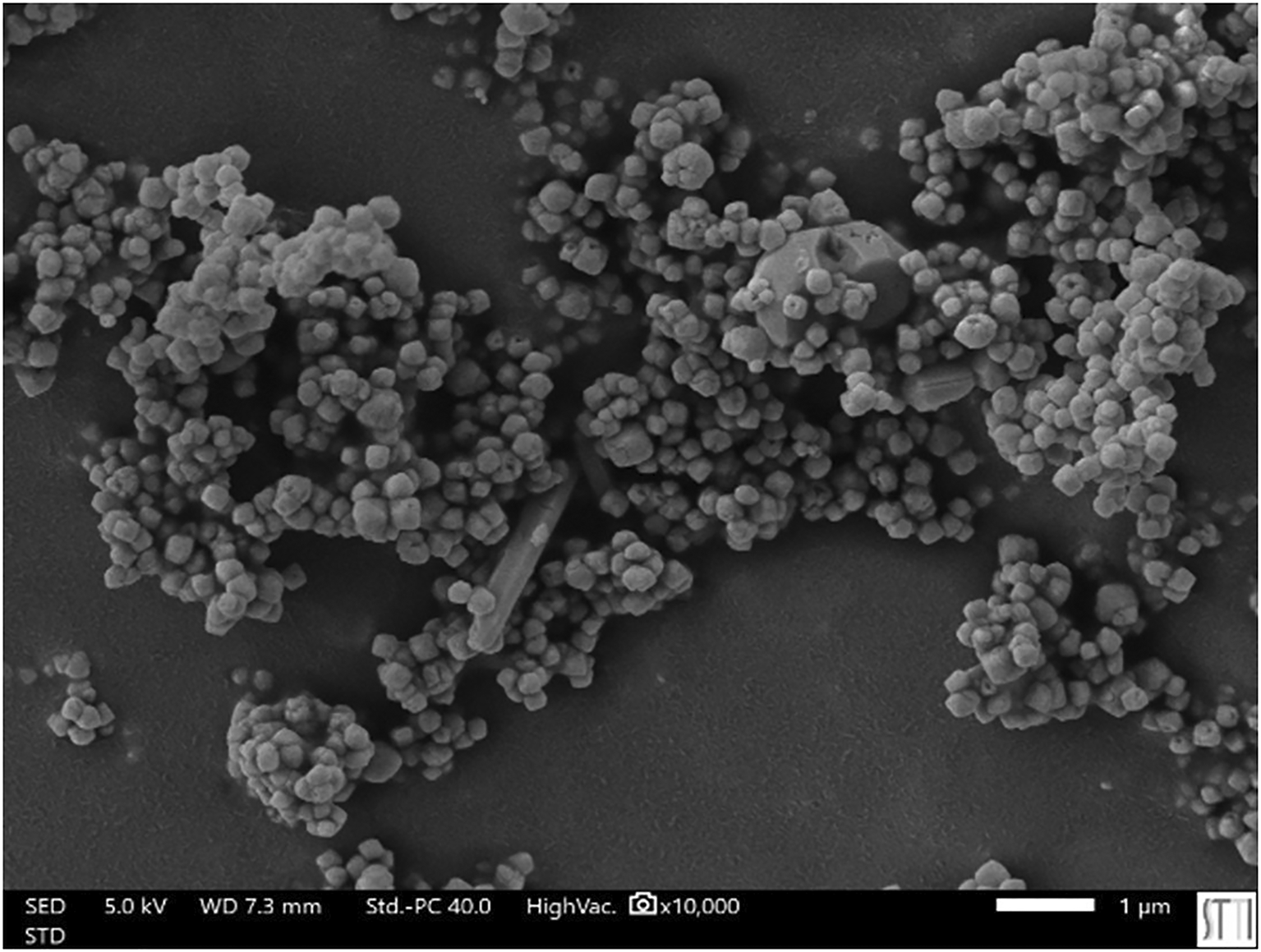
Figure 1. BaTiO3 nanomposites materials (Image taken by Scanning Electron Microscopy).
(kindly provided by Prof. J. Silvestre, University of Alicante/Spain).
Table 1. Overview of recently developed (<5 years) nano encapsulation/nano formulations as model systems for health related application of natural antioxidants.
|
Natural antioxidant | Nano-formulated applications |
Reference |
|---|
| (1) Tocopherols
| i)
Saponin-based nano-emulsions as α-toc delivery systems for dermal applications.
ii)
Solid lipid nanoparticles/NP-T3 for kidney/liver test
iii) Squalene/α-toc-based nano-emulsions for induction of antigen-specific immune responses
iv) Polycaprolactone-based nanocapsules containing moderate and high quantity of Toc. | Sheybani et al. (2023)
Fu et al. (2023)
Margaroni et al. (2024)
Granata et al. (2025) |
| (2) Carotenoids
| i)
β-Carotene encapsulated in hydrogels to enhance the antioxidant activity
ii) Zeaxanthin nanoencapsulated by use of.Cactus cladode mucilage (Opuntia monacantha) as a new natural structuring material
iii) Nanoencapsulation of lycopene from Tomato Waste Using Chitosan and Alginate
iv) Nanoencapsulation of Carotenoid-rich extract from cantaloupe melon (CE) in porcine gelatin (EPG) for exploring on hepatic retinol concentration | Darban et al. (2024)
Boonlao et al. (2022)
De Guzman et al. (2024)
de Carvalho et al. (2023) |
| (3) Flavonoids
| i)
Synthesized polyvinylpyrrolidone (PVP) flavonoid. based nanoparticles
ii) Silica nanoparticles (SiO2NPs) and natural zeolite nanoparticles (ZeNPs) as nano carriers to enhance the bioavailability of curcumin
iii) Quercetin-loaded nano-emulsions based on olive oil
iv) Encapsulating rutin in liposomes produced with hydroxypropyl methylcellulose (HPMC). | Hu et al. (2018)
Moradi et al. (2023)
Silva et al. (2023)
Lopez-Polo et al. (2024) |
| (4) Phenolic acids
| i)
Nanoencapsulated Ferulic acid (FA) in suspensions (NC-FA) with ethylcellulose.
ii)
ρ-coumaric acid – Squid chitosan nanogel loaded with Syzygium aromaticum essential oil.
iii) Rosmarinic acid (RosA) used to prepare green metallic-nanoparticles (Cu0.5Zn0.5FeO4 NPs) and encapsulated them using PEG polymer.
iv) Rosmarinic acid loaded chitosan encapsulated graphene nanoparticles (RA- CH-G-NPOs) to enhance wound healing capacity | Rampelotto et al. (2022)
Kamal et al. (2021)
Imraish et al. (2024)
Chhabra et al. (2020) |
This study focused on the antioxidant potential of nanocarriers loaded with phytotherapeutic agents. The aim of this review is to update on the recent advances in the application of phytoantioxidant-based nano-delivery systems to combat age-related oxidative stress and associated pathological conditions. Therefore, the main focus of this analysis was to provide an overview of the most recent in vitro and in vivo studies exploring the therapeutic properties of nano-delivered carotenoids and various phenolic compounds. The next sections present the health protection potential of several encapsulated natural antioxidants, as reported by the most recent literature in this scientific field.
Nano-tocopherols
Tocopherols are lipid-soluble phenolic antioxidants that are widely distributed in nature in a series of homologues (α-, β-, γ-, and δ-). They are known for their vitamin E content and well-established radical scavenging activities (Kiokias et al., 2018; Qiao et al., 2019).
Several novel nano-encapsulation techniques applied in the food and pharmaceutical industries have been shown to provide higher bioavailability of vitamin E in humans. Nano-encapsulation of vitamin E has versatile advantages for site-specific targeted delivery and effective absorption in cells (Kaur & Kaur, 2021). Recently, a few researchers (Benbakrim et al., 2025; Granata et al., 2025) produced small solid nanodispersions of α- and δ-tocopherols and reported perfect encapsulation efficiencies and improved tocopherol stability in the tested systems. Similarly, Benbakrim et al. (2025) examined the possibility of preparing surfactant-free nanoencapsulation systems for tocopherols despite their low water solubility and poor surface activity.
Sheybani et al. (2023), however, did not observe higher antioxidant activity of nanostructured lipid carriers (NLCs) containing α-tocopherol compared to the control. Instead, their experiments concluded a higher synergistic antioxidant action when rosemary essential oil was added to α-tocopherol-based
NLCs.
Recent studies have focused on nanoemulsions as delivery systems for tocopherols. Hong et al. (2024) (NEs) showed that multilayer nanoemulsions exerted statistically significant activities against oxidative deterioration and enhanced the in vitro bio-accessibility of α-tocopherol (ToC). Schreiner et al. (2023) reported similarly enhanced antioxidant effects when saponin-based nanoemulsions were developed as nanocarriers for α-tocopherol in dermal applications. In addition, Margaroni et al. (2024) produced a novel α-tocopherol-based self-emulsified nanoemulsion that can serve as a successful antigen delivery vehicle with potential for future vaccine-related applications.
Fu et al. (2023) explored the effects of nano-delivery systems (such as nanovesicles/NV-T3 and solid lipid nanoparticles/NP-T3) on the bioavailability and tissue biodistribution of vitamin E tocotrienols. Both tested nanodelivery systems showed elevated accumulation in the kidneys and liver (5-fold) compared to the control group, whereas selectivity for α-tocotrienol was evident for NP-T3. Overall, the study concluded that enhanced bioavailability and selective tissue accumulation of tocotrienol congeners when delivered via nanoencapsulation.
Olim et al. (2021) performed a very interesting biochemical study concluding that tocopherol-based cholesterol doxorubicin prodrug conjugates could offer promising nano formulations for use in breast cancer chemotherapy.
The potential of tocopherol-loaded nanoparticles to improve the water dispersibility of these hydrophobic compounds, along with their radical scavenging activity, has also been reported in vitro (Hu et al., 2018) and in vivo following oral administration in rats (Simon et al., 2016).
Sherif et al. (2024) conducted a clinical trial in Nile tilapia to examine the effect of dietary supplementation with vitamin C and tocopherol nanocomposites. The results showed improved values of antioxidant biomarkers in the fish body, confirming a clear protective effect against lipid peroxidation.
Nano-carotenoids
Carotenoid pigments are a group of bioactive compounds that are of interest to food scientists, nutritionists, and food industries due to their anti-inflammatory and antioxidant effects (Varzakas & Kiokias, 2016) Carotenoids are widespread in nature (in plants, algae, fungi, birds, etc.), and terpenoids are classified into two groups: the more hydrophobic carotenes (a,ß-carotenes, and lycopene) and the more polar xanthophylls (including lutein and zeaxanthin and others) (Kiokias et al., 2016).
However, carotenoids are susceptible to heat- or light-induced oxidative degradation (Boonlao et al., 2022) while also characterized by limitations in terms of water solubility, which makes their commercial applications quite challenging for food scientists and nutritionists. (Permatasari et al., 2024; Sereti et al., 2025).
Nanocarotenoids have recently been prepared from both carotenoid extracts and standards by employing various preparation techniques to yield different nanostructures (Sridhar et al., 2021). In this regard, lipid-based nano-delivery cargos, such as nano-liposomal vehicles, surfactant-based nanocarriers, nanoemulsions (Nes), nano-structured lipid carriers (NLCs), and solid lipid nanoparticles (SLNs), as safe and attractive nanocarriers, are proving to be potent platforms for the protection of carotenoids against challenging conditions and offer efficient controlled release (Rostamabadi et al., 2019; Zare et al., 2021). In this section, a range of carotenoids (beta-carotene, lycopene, lutein, and astaxanthin) were examined with reference to the developed nano formulations. The chemical structures of a few carotenoids examined in the framework of this review are given in
Figure 2.
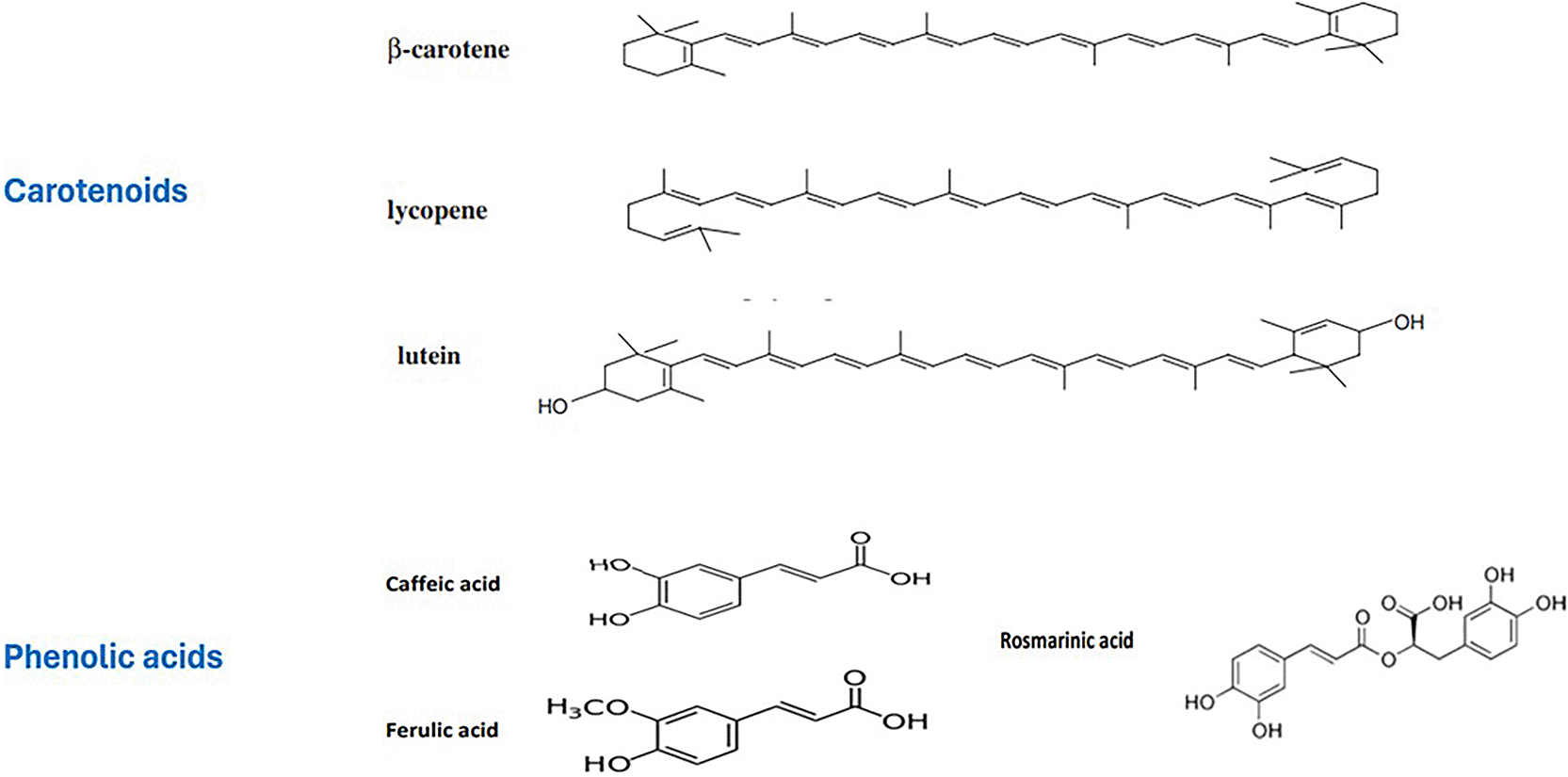
Figure 2. Chemical structures of several natural carotenoids and phenolic acids reviewed in the present study for their nano-encapsulation relevant data and health effects.
Nano-carotenes and carotenoid extracts
β-carotene (βC) is the most well-known carotene with provitamin A activity, well-established antioxidant effects, and health-protective properties (Awadalla et al., 2025). In order to enhance the bioavailability and biological activities of β-carotene, a few researchers have recently investigated its nano-encapsulation in various models such as hydrogels (Darban et al., 2024) or protein polymer nanoparticles (Ngew et al. (2025). Chaves et al. (2023) observed that β-carotene-loaded nanoparticles provide increased protection against oxidative damage in Drosophila melanogaster. de Oliveira et al. (2021) reported that nanoencapsulation of carotenoid-rich extract (CE) from cantaloupe melon (EPG) clearly enhanced the antioxidant potential of carotenoids with beneficial effects on human health.
Medeiros et al. (2019) encapsulated Cantaloupe melon carotenoids in porcine gelatin and demonstrated that such nanoencapsulation increased water solubility, thereby facilitating the technological application of these natural pigments in food-related products. De Carvalho et al. (2023) examined the effect of β-carotene nanoencapsulation in porcine gelatin (EPG) in Wistar rats and concluded that such a system can serve as a potential therapeutic factor in future novel strategies against various health diseases.
Pinna et al. (2025) focused on pumpkin extracted carotenoids and observed that carotenoid based nanocarriers led to ~90% encapsulation efficiency, demonstrating a great potential for future applications in novel food systems. In addition, Koo et al. (2023) reported a positive effect of nano-encapsulation on the bioavailability of the marine carotenoid fucoxanthin.
Lycopene is an -acyclic in structure-carotene that has been linked to beneficial antioxidant properties for the treatment of cardiovascular diseases and prostate cancer (De Guzman et al., 2024). A few researchers have recently shown that the nanoformulation of lycopene can efficiently enhance its bioavailability (Deepika et al., 2023). Recent studies have investigated various lycopene nanoencapsulation systems, such as (i) polymeric nanoparticles (NPs) for the controlled release of lycopene (Misir & Kassama, 2025) and (ii) lycopene loaded nano micelles using the Caco-2 cell model (Su et al., 2025). Both studies confirmed that nanoencapsulation improves the solubility and bioavailability of lycopene, and that the developed nanoparticles could serve as efficient carriers for the delivery of this bioactive compound into intestinal epithelial cells.
Nano-xanthophylls
Xanthophylls are yellow carotenoid pigments that occur widely in nature and are similar in structure to carotenes but contain oxygen atoms; therefore, they are less hydrophobic than -purely hydrocarbon-carotenes (Kiokias et al., 2008).
Bixin is a polar carotenoid that is quite sensitive to environmental conditions (e.g., heat-induced oxidative degradation and low water solubility) (Enayati et al., 2023). da Silva et al. (2024) reviewed the current literature on annatto-(Bixa orellana) based nanostructures for biomedical applications. Their analysis revealed that bixin-based nanostructures showed leishmanicidal, photoprotective, antioxidant, antimicrobial, and immunomodulatory efficacy and tissue regeneration potential with no or low toxic effects in the tested models.
Natural lutein is a yellow pigment that is mainly extracted from marigold flower preparations, and its consumption is related to a lower incidence of age-related macular degeneration (AMD) and cataracts (Kiokias et al., 2016). Sun et al. (2024) developed whey protein/chitosan-coated lutein nanoparticles, which were found to be highly efficient in improving the stability of this carotenoid, thereby enabling its technological and pharmaceutical applications. Similar nanoparticles were examined by Bhat et al. (2020), who concluded that whey proteins and chitosan polymers can ensure perfect encapsulation efficiency and enhanced inaccessibility of lutein in human cells.
Viana et al. (2023) administered lutein-loaded nanoparticles to female offspring rats and reported significant effects against oxidative stress and apoptosis, revealing the potential of nano encapsulated lutein as an alternative treatment for VPA-induced behavioral damage.
Zeaxanthin is a stereoisomer of lutein, which protects against oxidative damage and acts as a filter for ultraviolet light (Kumari et al., 2025). Horuz & Belibağlı (2019), following the incorporation of zeaxanthin nanoparticles and nanoemulsion (Zea-NE) in yogurt model systems, eventually reported enhanced carotenoid retention and bioavailability of nanoencapsulated lutein compared to the control samples. Similar conclusions were drawn by Boonlao et al., 2022 concerning the protection that nanoencapsulation offers zeaxanthin from oxidative degradation, which offers new opportunities for the technological use of these carotenoids in food and nutraceutical products.
Astaxanthin (AXT) is a red-colored xanthophyll whose consumption has been reported to play a positive role in many human health problems owing to its antioxidant power (Sun et al., 2025). The positive effect of nanoscience on various health and technological applications of astaxanthin has been reviewed by Abdelazim et al. (2023). Pan et al. (2018a, 2018b) concluded that astaxanthin encapsulated in nanoliposomes (produced from 4% phospholipids) exhibited high antioxidant activity achieving a >80% encapsulation efficiency.
Other recent studies have confirmed the increased activity of nano encapsulated astaxanthin in various model systems, such as: (i) removal of harmful for human health heavy metals (i.e., cadmium, lead, etc.), as reported by Bharti et al. (2025), and (ii) higher DPPH free radical trapping properties and a stronger cytoprotective effect on oxidative cell damage. In addition, Jin et al. (2025) reported that astaxanthin-loaded polylactic acid-glycolic acid nanoparticles alleviated atherosclerosis in mice by suppressing macrophage ferroptosis induced by oxidized LDL via the NRF2/SLC7A11/GPX4 pathway (more info in
Table 2).
Table 2. An overview of recent (<5 years) clinical animal trials on the health protective effects of various nano-antioxidant formulations.
| Nano-Antioxidant Treatment | Main in vitro/in vivo effects | Reference |
|---|
| (1) Dietary supplementation of Nile tilapia with control, bulk vitamins and nanocomposite of vitamins C and tocopherols
| The combined vtamin (C&E) treatment yielded
Increased antioxidant and serum antibacterial (SAA)
activities compared to bulk vitamins and control. | Sherif et al. (2024) |
| (2) Oral administration of female Wistar rats with lutein-loaded nanoparticles (5 mg/kg) or for 2 weeks | Nanolutein supplementation resulted into improved
neurobehavior while also reduced oxidative damage
and apoptosis bio-indicators
| Viana et al. (2023) |
| (3) Astaxanthin-based nanoparticles (NPs) were synthesized and investigated for their effects against LDL oxidative degradation in mice | Treatment with lutein NPs presented higher in vitro and in vivo effects against oxidative damage and thereby better therapeutic effects than astaxanthin alone. | Jin et al. (2025) |
(4) Control dietary supplementation of Common carps for 2 months with curcumin, turmeric, SiO2NPs, curcumin-loaded nanocomposites at the range of 1–40
g/kg diet | Nano-encapsulated curcumin lead to lowest metal accumulation therefore a dietary treatment with antioxidant and health protective potential | Moradi et al. (2023) |
| (5) 32 adult male rats were administered orally for 8 weeks with 100 mg/kg catechin or nanocapsule niosomal form of catechin. | Nano-encapsulated catechin yielded stronger antioxidant and antithyroid effects compared to the control (p <0.0001). | Mohamadizadeh et al. (2022) |
(6) Oral administration of male mice were administered with quercetin-conjugated
silver nanoparticles (Q-AgNPs)
| Treatment with Q-AgNPs reduced proinflammatory and significantly increasing anti-inflammatory cytokine (IL-10). | Abdel-Hakeem et al. (2025) |
| (7) Nasal administration in Wistar rats of chitosan-coated Rosmarinic acid nanoemulsions (RA CNE) on lipopolysaccharide (LPS)-induced memory deficit, neuroinflammation,
| RA CNE nasal treatment elicits a neuro-protective effect against LPS-induced damage and also facilitated RA bioavailability in the brain. | Silveira et al. (2020) |
| (8) Polymeric and lipidic nanocapsules (NCs) of ferulic acid which were tested in vivo in rats
| The study revealed that ferulic acid lipid NCs can efficiently inhibit oxidative damage in rats | El-Gogary et al. (2022) |
| (9) Dietary supplementation of rats with ferulic acid and protein nano-encapsulated ferulic acid- | Ferulic acid nano formulations
significantly mitigated liver toxicity | Essa et al. (2025) |
Nano-polyphenols
Plant-based polyphenols are well known for their various health-protection properties, which are strongly associated with their ability to efficiently scavenge free radicals (FRs), intruding the living body (Thakur et al., 2023). Among them, polyphenols, such as curcumin, resveratrol (non-flavonoids), and flavonoids, have received much attention for their ability to reduce cellular stress-induced injury. Flavonoids, in particular, are a class of phenolic compounds with well-established functional properties that are strongly related to their structure (Kiokias & Varzakas, 2014).
Despite their wide range of biological properties, polyphenols exhibit limited stability, volatility at low pH, and poor bioavailability (Ayala-Fuentes & Chavez-Santoscoy, 2021). A few researchers have explored the potential of nanoencapsulation as a novel technique to enhance dietary absorption of flavonoids (Adefegha et al., 2025; Bokharaeian et al., 2025).
Furthermore, a body of literature has demonstrated that when flavonoids are nano-formulated, they could enlarge their applications as functional antioxidants in the manufacturing process (Lavanya & Padmini, 2023; Xu et al., 2025). Sheng et al. (2025) observed that sea buckthorn flavonoid-based nanoparticles achieved ~80% higher encapsulation efficiency and bio accessibility compared to control samples. An analysis of a few commonly examined nano-encapsulation-polyphenols is provided in the following paragraphs.
Nano-flavonoids
Nano-quercetin
Quercetin is a flavonoid that is widespread in many natural sources such as onions, berries, apples, and kale. (Xu et al., 2019). Several studies have reviewed their antioxidant activities in various food and biological systems (Haq & AlAmro, 2019; Liu et al., 2024).
During the last decade, a body of literature has investigated novel nanotechnology-based methods to mitigate some factors that limit their pharmaceutical and technological applications, such as low solubility and bioavailability (Attar et al., 2023; Liu et al., 2024).
Homayoonfal et al. (2024) reported that the nano-formulation of quercetin causes more remarkable anticancer effects than its free form. Furthermore, they claimed that incorporating quercetin into various nano-delivery systems improved its sustained release and stability, extended its circulation time, enhanced its accumulation at target sites, and increased its therapeutic efficiency.
In an earlier study in rat models (Jain et al., 2013), a self-emulsifying nanoformulation of quercetin exhibited a significantly higher antioxidant potential than free quercetin when evaluated as a function of the capability to combat doxorubicin- and cyclosporin A-induced cardiotoxicity and nephrotoxicity, respectively.
Silva et al. (2023) reported that quercetin-loaded olive oil nanoemulsions exhibit higher activity against lipid peroxidation, which is linked to skin sensitization. More recently, Wang et al. (2025) performed a study that yielded novel nanoparticles that enhanced the bioavailability of quercetin, thereby enabling its use in various commercial applications.
A few authors have successfully demonstrated that nanoencapsulation of quercetin has positive effects on various health applications, including: (i) stronger antibacterial properties (Li et al., 2024) (ii) mediation of brain damage caused by exposure to heavy metals (Ghosh et al., 2018) (iii) neurodegeneration induced by oxidative stress (Nday et al., 2015) (iv) stronger cytotoxicity in lymphoma cells and inhibition of doxorubicin, indicating cardiotoxicity (Tzankova et al., 2024).
Bose et al. (2024) examined the encapsulation of quercetin and vitamin D3 (QVD) using solid lipid nanoparticles (QVD-SLNs), which were incorporated into the scaffold to enhance bone regeneration. The QVD-SLN-loaded scaffolds showed ~4.2-fold higher in vitro chemopreventive potential against osteosarcoma cells than the control, proving their potential to treat various bone-related disorders for low- or non-load-bearing applications.
Bakr et al. (2024) observed that nano formulated quercetin following its administration in rats- performed better than pure quercetin in terms of anti-oxidation and anti-inflammatory properties. Similar findings on the positive impact of nanoencapsulation were drawn in another recent clinical trial in mice (Abdel-Hakeem et al. (2025), which focused on neuroinflammation and pharmacokinetics. An overview of the results is given in
Table 2.
Nano-rutin
Rutin is a plant-derived flavonoid known for its strong functional health properties and is found in buckwheat, apples, and citrus fruits. Enogieru et al. (2018) developed rutin-loaded caseinate nanoparticles (NPs) with high encapsulation efficacy and total antioxidant capacity.
Very recently, Lopez-Polo et al. (2024) showed that encapsulation of rutin in nano liposomes yielded higher encapsulation (89.3 ± 0.5%) a fact which makes it attractive for novel commercial applications in various food systems.
The data recorded from the in vitro studies showed that encapsulation into these nanosystems allowed us to overcome the photosensitivity limitation of rutin. Cristiano et al. (2021) confirmed the potential of rutin-loaded nanosystems in skin diseases, mainly related to their anti-inflammatory and antioxidant effects.
Sguizzato et al. (2025) investigated the use of nanosystems (rutin-containing cyclodextrins) for the delivery of rutin via oral administration. A dialysis study using Wistar rat small intestine fragments demonstrated an increased release of rutin from the RCL. This study revealed that rutin-containing cyclodextrin nanosystems could offer a possible strategy for dietary supplementation in diabetics.
Nano-catechin
Catechin is a flavonoid, specifically flavan-3-ol, known for its potent antioxidant, anti-inflammatory, and antibacterial properties, and is abundantly found in green tea, cocoa, and wine (Wu et al., 2017).
Yao et al. (2024) encapsulated catechin using chitosan/SDS nanoparticles, which were subsequently orally administered to rats. According to the results, nanoencapsulation yielded a statistically higher dietary absorption and bioavailability of catechin compared to placebo. Mohamadizadeh et al. (2022) performed a clinical trial in adult male rats and concluded that nano-encapsulated catechin increased the activity of catechin against experimental oxidative stress conditions.
Other nano-polyphenols
Nano-curcumin
Curcumin is a polyphenol and the primary bioactive compound in turmeric (Curcuma longa), a spice and traditional medicine ingredient known for its bright yellow color. It is well known for its strong antioxidant properties, which are linked to the prevention and treatment of various aging-associated pathological conditions (i.e., cardiovascular and neurodegenerative diseases, type 2 diabetes, and osteoporosis) (Sundar Dhilip Kumar et al., 2018). However, its metabolic instability and hydrophobicity have hindered its clinical application, leading to short plasma half-life, poor absorption, and low bioavailability. Both in vitro and in vivo evidence suggests that nanocurcumin formulations have better health-promoting properties than conventional (native) curcumin (Dewangan et al., 2017; El-Naggar et al., 2019). An interesting study by Verma et al. (2023) confirmed that nanocurcumin prepared through microfluidization exerted stronger antioxidant activity and stability compared to pure curcumin without a lack of safety (as demonstrated via a cytotoxicity assay).
Another study on the nanoencapsulation of curcumin (Ye et al., 2024) reported that curcumin nano-emulsions resulted in a higher retention of antioxidant activity, bioaccessibility, and absorption than pure curcumin.
Moradi et al., 2023 examined whether natural zeolite nanoparticles can serve as efficient carriers of curcumin to enable its higher bioabsorption in a clinical trial in carp. This study demonstrated that nano-encapsulated curcumin can significantly enhance in vivo antioxidant effects following dietary supplementation.
Nano-silymarin
Silymarin is a complex of flavonoids, specifically flavonolignans, extracted from milk thistle (Silybum marianum), and is known for its potent antioxidant, anti-inflammatory, and liver-protective properties. (Mandegary et al., 2013). Parveen et al. (2011) reported that silymarin nano-emulsions exerted a clear inhibitory effect on lipid peroxidation following their incorporation into a rat model. Another novel study by Adhikari and Arora (2015) demonstrated the potential of nano-encapsulated silymarin to protect against radiation side effects.
Nano-polyphenol mixtures
Franco et al. (2021) encapsulated blueberry flavonoid-rich extracts using chitosan-based nanoparticles and observed stronger antioxidant effects compared to the natural preparations. Nagaich et al. (2016) focused on a mixture of flavonoids present in apple extracts that were nanoencapsulated by use of silver nanoparticles. According to the results, the yielded hydrogels showed 98% in vitro release whereas the flavonoid based nanoparticles exerted statistically higher antioxidant effects.
da Silva et al. (2025) reported that nanoparticles based on whey and soy proteins enhanced the antioxidant activity of phenolic compound extracts from cantaloupe melon pulp flour (Cucumis melo L.). Freitas et al. (2025) evaluated the use of the PuroSorb PAD950 resin to enrich flavonoids from Malpighia emarginata DC. pomace extract (MEPE) and its nano capsules (NC), liposomes (LP), and nanogels (NG). The authors concluded that flavonoid-based based NC (FLA-NC) had the highest encapsulation efficiency (81%), whereas FLA-LP and FLA-NG further improved antioxidant capacity compared to the non-encapsulated fraction.
The potential of nano-encapsulated polyphenol extracts to exert health benefits has been well demonstrated by the following recent studies:
- Antimicrobial effect of nanocurcumin mixed with nano-quercetin in chitosan cells (Kunadu et al., 2025);
- Combined therapeutic effect of curcumin and piperine nanoformulations against pulmonary toxicity following administration in mice (Khederzadeh et al., 2024);
- Nanoencapsulation of phenolic mixtures from the peel of pomegranate fruits with clear antioxidant and antibacterial effects (Andishmand et al., 2023).
Nano-Phenolic acids
Phenolic acids concern a range of natural compounds widespread in many aromatic plants and botanicals. which (Kiokias & Oreopoulou, 2021). Among these, the present analysis focuses on certain phenolics (caffeic, ferulic, gallic, and rosmarinic), which have been shown to possess strong antioxidant and biochemical properties (Kiokias et al., 2020).
Felix et al. (2025) noted that ferulic acid (FA) and caffeic acid (CA), although well known for their biological and health protection activities, exhibit physicochemical instability that limits their broader therapeutic applications.
A similar conclusion regarding the reduced bioavailability of phenolics was drawn by Garavand et al., 2021. Over the last few years, the application of nanoscience-based techniques has enabled the development of nano-carriers for the safe and efficient delivery of phenolics (nanofibers, electro-sprayed nano-particles, etc.) (Esfanjani & Jafari, 2016). A few of the phenolic acids reviewed in the current analysis are given in
Figure 2.
Nano-rosmarinic acid (RA)
Oxidative stress and free radicals are strongly linked to the development of various neurodegenerative disorders (ND) (Liu et al., 2017). Over the last decade, several clinical studies have focused on rosmarinic acid (RA) and its potential neuroprotective properties, despite some limitations on its bioavailability (Habtemariam, 2018).
Campos et al. (2014) was one of the first researchers who had perceived the idea of developing nano emulsion formulations to ameliorate the oral bioavailability of RA. Furthermore, Fachel et al. (2019) suggested the application of RA-loaded nanoparticles via the nasal route as a new therapeutic approach for ND. Building on the findings of earlier studies, Silveira et al. (2020) further optimized a novel treatment during a clinical trial in Wistar rats. The researchers reported that nasal administration of chitosan-coated RA nano emulsions exerted a clear antioxidant effect against neuro-oxidative damage, while also facilitating RA bioavailability in the brain.
The development of various types of nanoparticles as nanocarriers for the efficient delivery of RA in clinical experiments has been recently applied by various researchers in different model systems, such as:
- Chen et al. (2024) produced nanoparticles loaded with RA-targeting in a mouse model of radiation-induced pulmonary fibrosis.
- Imraish et al. (2024) prepared RA-based green metallic nanoparticles to suppress pro-inflammatory cytokines in a dose-dependent manner.
- Chhabra et al. (2020) developed RA-based graphene nanoparticles with higher in vitro (in vivo in rats) antibacterial activity than RA alone.
- Solak et al. (2025) observed significant antimicrobial properties and antioxidant activity of RA-loaded Resomer RG 502 H-based nanoparticles against tert-butyl hydroperoxide-induced oxidative stress.
Rosemary essential oil (REO) is a natural food preservative with strong antibacterial and antioxidant properties (Amoah et al., 2016). Yang et al. (2023) focused on various delivery systems of REO in food preservation applications, such as nano emulsions (NEs), solid particle encapsulation (SPE), and biodegradable food packaging film/coatings (BFPF/BFPC). The authors concluded that REO is being utilized for food preservation through various delivery forms, such as NEs, SPE, and BFPF, in addition to its direct application for food preservation. The ability of encapsulated REO to preserve fresh foods, such as meat, fish, fruits, and vegetables, has been shown to be significantly superior to that of conventional methods.
Nano-ferulic acid (FA)
A few researchers have demonstrated that the nanoencapsulation of ferulic acid in nanogels (Grimaudo et al., 2020) or nanoemulsion systems (Kuzhithariel Remanan & Zhu, 2023) can successfully increase their stability, release, and bioavailability.
Rampelotto et al. (2022) prepared ferulic acid (FA)-loaded nano-capsules suspensions (NC-FA) with ethyl cellulose, which showed decreased irritation, no cytotoxicity, and enhanced antioxidant activity.
Rani et al. (2024) investigated all trans-ferulic acid-loaded chitosan-based nanoparticles and reported positive effects in terms of radical scavenging and antibacterial properties, along with higher in vitro anti-inflammatory activity. Similarly, Abd-Allah et al. (2024) prepared ferulic acid (FA) nanoemulsions and demonstrated their efficacy in achieving a sustained release of ferulic acid in a gastric model system, as well as stronger anti-inflammatory and in vivo antioxidant properties.
Furthermore, the following studies have also concluded the beneficial health effects of FA nano-encapsulation in the development of novel treatments:
- Ferulic acid (FA)-loaded FU nanoparticles have the potential to protect against kidney damage by suppressing cisplatin-induced DNA damage (Gao et al., 2022);
- Polymeric and lipidic nanocapsules (NCs) of ferulic acid showed (i) clear in vitro anticancer activity when tested in colorectal cancer cell lines and (ii) strong in vivo anti-inflammatory action following a clinical trial in rats (El-Gogary et al., 2022).
-
nano-encapsulated ferulic acid shows a clear inhibitory effect against in vivo oxidative DNA damage in rats and thereby protects against liver toxicity (Essa et al., 2025).
The
Figure 3 presents images of the polymeric and lipid nano capsules of ferulic acid.
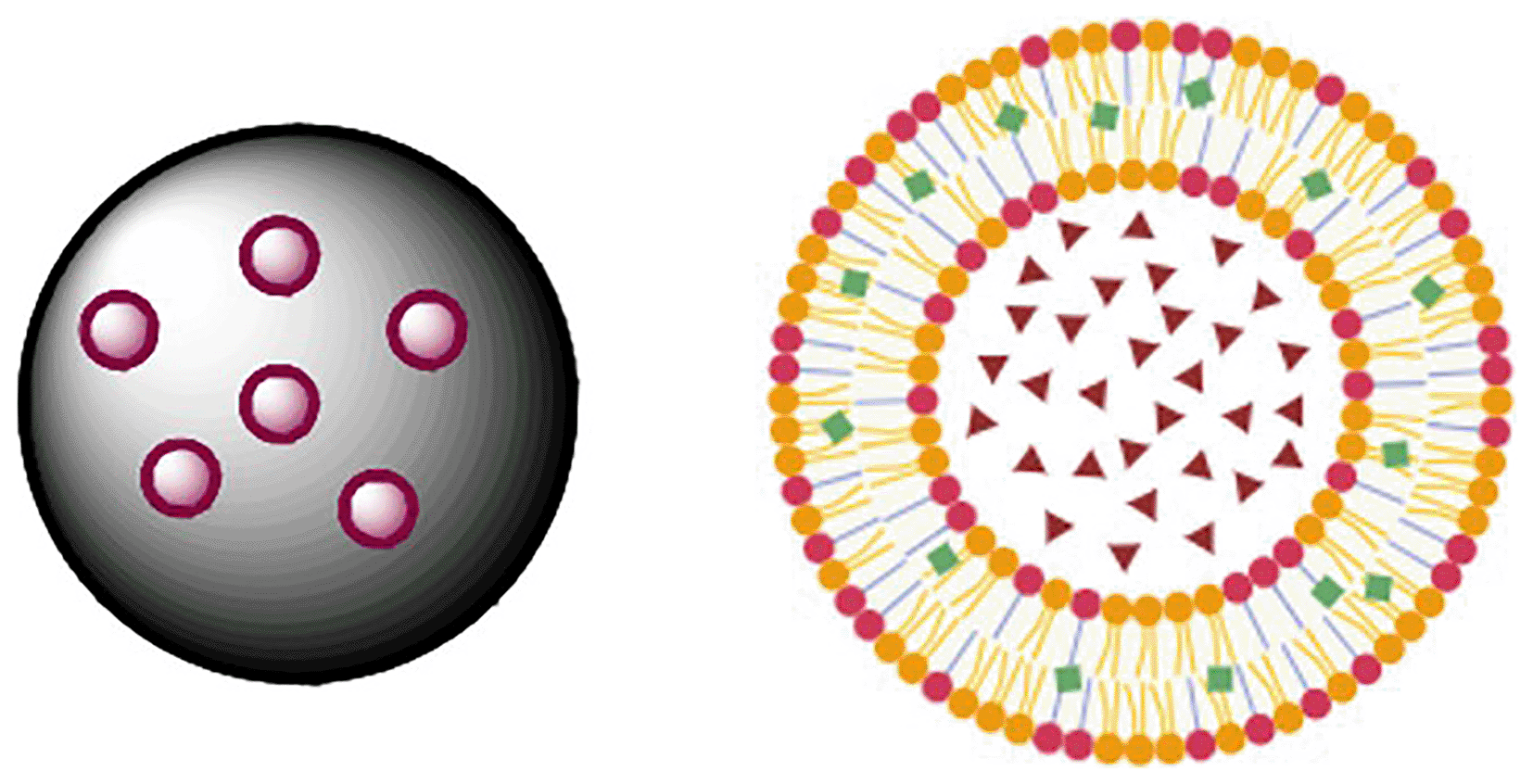
Figure 3. Polymeric and lipidic nano capsules of ferulic acid.
(kindly provided by Prof. Efthymiadi, National Kapodistrian University of Athens).
Nano-caffeic acid (CA) and esters
Tiwari et al. (2023) designed a graphene oxide (CA)-based nanocomposite that achieved an efficient release of caffeic acid. Salehi et al. (2025) conducted an in vitro study and concluded that nano-caffeic acid particles have stronger antifungal efficacy against candidiasis (a widespread fungal infection) compared to natural caffeic acid.
During the last few years, researchers have focused on caffeic acid phenethyl ester (CAPE), which has also been reported to possess beneficial health properties. Guan et al. (2019) nano-encapsulated CAPE in aqueous propylene glycol (PG) using a temperature cycle method. Nanoencapsulation enhanced the cytotoxicity of CAPE against colon cancer HCT-116 and breast cancer MCF-7 cells, and thymol additionally enhanced the cytotoxicity of CAPE dispersions.
Colpan & Erdemir (2021) synthesized quercetin-caffeic-acid phenethyl ester (CAPE)-co-loaded poly (lactic-co-glycolic-acid) (PLGA) nanoparticles (QuCaNPs) and investigated their anticancer activity. The authors concluded that QuCaNPs exhibited improved antitumor activity in human colorectal carcinoma HT-29 cells.
Other nano-phenolic acids
In a recent study, gallic acid (GA)-loaded nanocomposites with high water solubility were synthesized by Feng et al. (2024) via solvent evaporation using food-grade silica (F-SiO2) as the carrier. According to researchers, encapsulation of GA effectively prevented the self-aggregation phenomenon, thereby facilitating the exposure of its active phenolic hydroxyl group and significantly enhancing its water-based biological activity. Dorniani et al. (2016) formulated graphene oxide (GO) nanoparticles to encapsulate gallic acid (GA) and reported a clear inhibitory effect on the growth of cancer cells.
Okumuş et al. (2024) observed that maltodextrin-based nanoencapsulation of ellagic acid enhances the bioavailability of this phenolic compound, opening a pathway for novel food and nutraceutical applications.
Kamal et al. (2021) developed a ρ-coumaric acid-chitosan-based nanogel loaded with Syzygium aromaticum essential oil (SAEO). The authors reported that nanoencapsulation resulted in much stronger antioxidant and chemotherapeutic activities than those of the essential oil.
More recently, Manasa et al. (2024) developed nanoformulations of vanillic acid that exhibited a perfect encapsulation efficiency of 93% and smooth microstructural characteristics as shown by Scanning Electron Microscopy.
Conclusions and challenges
This analysis reviewed the most updated research data (mainly over the last five years) concerning the health protective properties of various nano-formulated natural antioxidants. In summary, the following conclusions were drawn:
-Available literature evidence supports that the application of various nano-based systems can improve the solubility, stability, and biological properties of natural bioactive antioxidants (including tocopherols, carotenes, xanthophylls, polyphenols, and phenolic acids).
-A range of plant based nano-formulations of natural antioxidants were shown to exert stronger antioxidant properties than formulations fabricated by traditional extracted natural compounds. Due to the variety in the treatment and experimental conditions of the clinical studies reviewed in this analysis, no safe conclusions can be drawn about a threshold of efficient application doses of nano formulated antioxidants. In most of the cases, though, nano antioxidants, which were found to present enhanced effects against lipid peroxidation, had been applied to the tested animals in daily doses in the range of 5-100 mg/kg.
-Plant extract-based nanoparticles have been reported to exert strong biological activities, including antifungal and anticancer effects, with improved pharmacokinetics, tissue targeting, and reduced side effects. In particular for the phenolic acid extracted from natural Rosemary preparations (Rosmarinic acid-RA), recent clinical evidence has revealed its potential for the treatment of Neurodegenerative disorders (ND).
However, an important challenge still occurs concerning the safety aspects of nanoencapsulation that must be carefully assessed to exclude potential adverse health effects. Therefore:
- Further research is needed to ensure that nanodelivered phytonutrients are non-toxic, organ/tissue specific, on time in situ release, easy to use, and have a high radical scavenging function.
- Commercialization of food products containing nanocarriers with nutraceuticals is still in the primary stages of expansion. Specific trials on pharmacokinetic parameters and biological processes should be undertaken to design appropriate and safe nano-antioxidants.
Informed consent statement
The views expressed in this publication are purely those of the writer and may not be regarded as stating the official position of the European Commission.
Author contributions
Conceptualization, resources, writing—original draft preparation, writing—review, and editing, by Dr. Sotirios Kiokias. The authors have read and agreed to the published version of the manuscript.









