Introduction
Establishing arabica coffee (Coffea arabica L.) requires soils with controlled acidity and adequate supplies of exchangeable base cations, because soil acidity simultaneously reduces Ca, Mg, and K availability and increases aluminium (Al) in phytotoxic forms (Quispe et al., 2025). In coffee-growing areas, soil pH, exchangeable bases, Al, potential acidity (hydrogen plus aluminium, H+Al), cation exchange capacity (CEC), and base saturation have been used to describe the soil chemical environment and its response to management practices (Alvarenga et al., 2023). However, standard acidity indicators such as pH and base saturation may not fully capture competitive interactions among base cations during the critical establishment phase, when fertiliser inputs can rapidly shift cation proportions on exchange sites without proportional changes in total CEC (Alvarenga et al., 2023).
The balance among Ca, Mg, and K can be evaluated using cation ratios and proportions normalised to cation exchange capacity. In this study, cation exchange capacity estimated at pH 7.0 is denoted as T. and is used to express the relative occupancy of exchange sites by base cations and acidity. These indices integrate competition for exchange sites and nutrient uptake processes, complementing pH and base saturation by capturing fertiliser-driven shifts in cation proportions over short periods even when total exchange capacity changes little (Antonangelo et al., 2024). Experimental evidence from greenhouse tomato seedlings demonstrates that balancing Ca, Mg, and K proportions relative to cation exchange capacity can reduce ionic competition and improve seedling growth (Yang et al., 2024).
Organo-mineral fertilisers (OMF) combine an organic matrix with mineral sources to synchronise nutrient release with crop demand, potentially reducing nutrient losses and improving nutrient-use efficiency relative to sole mineral fertilisation (Li et al., 2022). In coffee systems, field evidence has reported comparable short-term vegetative growth under organo-mineral and mineral fertilisers, despite differences in nutrient-release dynamics and soil chemical responses (da Mota et al., 2025). This apparent similarity in early growth reinforces the need to monitor soil chemical indicators of cation balance during establishment, when fertiliser-induced shifts in exchange-site occupancy can occur before measurable plant responses and may influence nutrient uptake and longer-term stand development.
Organic matrices used in organo-mineral formulations differ in nutrient composition and reactivity, which can translate into distinct short-term effects on exchangeable cation balance. Poultry-derived materials can increase soil organic matter and supply nitrogen (N), phosphorus (P) and potassium (K), supporting measurable shifts in base-cation availability after application (Thepsilvisut et al., 2022). Filter cake, a by-product of the sugarcane industry, is typically rich in organic matter and P and is used as a soil amendment; nutrient release is governed by mineralisation and may reduce reliance on mineral fertilisers (de Soares et al., 2024).
Despite the widespread use of organo-mineral fertilisers in Brazilian coffee systems, short-term effects on soil Ca–Mg–K balance during establishment remain insufficiently characterised. In particular, it is unclear whether responses to organic-fertiliser rate differ among planting-fertiliser sources and whether cation ratios and cation exchange capacity (CEC)-based indices are sensitive enough to detect treatment effects within 90 days after transplanting, when soil chemical shifts may precede clear plant responses. We therefore tested the hypotheses that (i) organic-rate effects on cation balance depend on planting-fertiliser source (Source × Rate interaction), consistent with differences in nutrient-release dynamics and matrix reactivity, and (ii) CEC-normalised proportions and cation ratios capture early redistribution of cations on exchange sites. To address these questions, we evaluated exchangeable cation ratios and CEC at pH 7.0 (T)-based proportions at 90 days after transplanting in a factorial field trial comparing mineral and organo-mineral planting fertilisers combined with increasing organic-fertiliser rates.
Methods and materials
The experiment was carried out from October 2022 to January 2023 in the study area located at Fazenda Furnas, Indianópolis, Minas Gerais, Brazil (18°56'04.9" S; 47°56'08.3" W; 911 m a.s.l.). The Köppen–Geiger climate classification is Aw, characterised by a rainy summer and a dry winter. To contextualise weather conditions relevant to nutrient dynamics and organic-matter mineralisation during the experimental window, climatological data for Indianópolis indicate a mean annual temperature of 22.1 °C and annual precipitation of 1409 mm. From October to January, mean monthly air temperature ranges from 22.8 to 24.2 °C, and monthly rainfall ranges from 113 to 267 mm, totalling 832 mm over the period (October 113 mm, November 204 mm, December 267 mm, January 248 mm) (Climate-Data.org, n.d.). The location of the experimental area is shown in Figure 1.
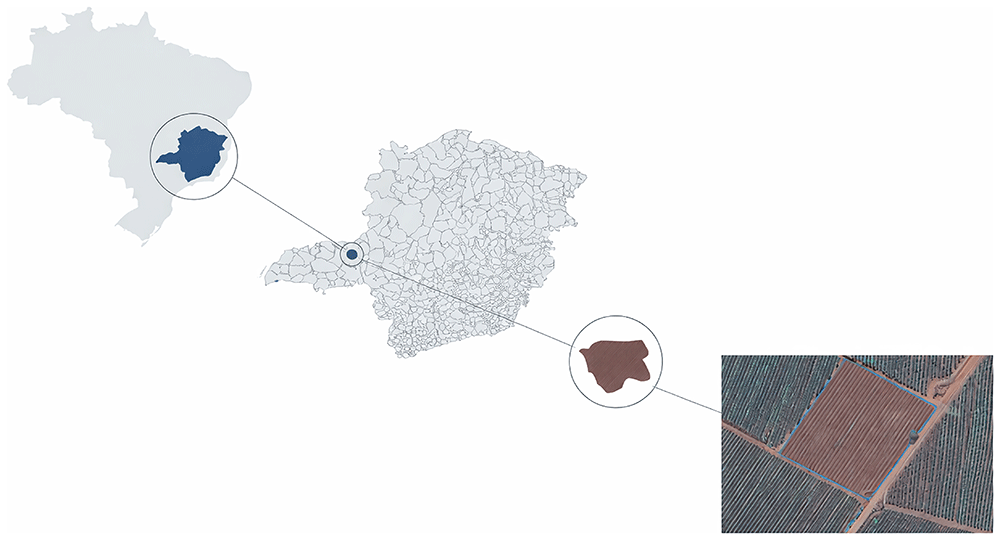
Figure 1. Location map of the experimental area in Indianópolis, Minas Gerais, Brazil.
Note: Geographical location of the experimental site in Indianópolis, Minas Gerais, Brazil, including national, state, and local context.
The soil was classified as a clayey dystrophic Red Latosol (Embrapa, 2018). Baseline characterisation was conducted before treatment assignment and fertiliser application at 0–20 cm and 20–40 cm. Because sampling preceded randomization, subsamples were collected from the areas that later formed the experimental plots and pooled by planned treatment assignment to produce one composite sample per treatment at each depth (12 composite samples per depth). These baseline values therefore describe initial site conditions rather than plot-specific pre-treatment measurements; baseline-to-90-day contrasts indicate temporal shifts but do not test treatment effects over time. Treatment effects were evaluated using plot-level measurements collected at 90 days after transplanting. Baseline properties are reported in Table 1a–d.
Table 1. Baseline soil physical and chemical properties before fertiliser application at two depths, based on treatment-level composite samples.
Table 1a. Particle-size distribution, pH, and available nutrients.
| Physical and chemical soil properties |
|---|
| Depth | Sand | Silt | Clay | pH | P (Mehlich-1) | P (resin) | K⁺ | S-SO4²⁻ |
|---|
| cm | g Kg−1 | H2O | mg dm−3 | |
|---|
| 0-20 | 321 | 191 | 488 | 5,5 | 17,1 | 55,2 | 131 | 36 |
| 20-40 | 412 | 220 | 368 | 5,8 | 9,5 | 53,0 | 90 | 25 |
Table 1b. Exchangeable cations, organic fractions, and cation exchange capacity.
| Depth | K | Ca+2 | Mg+2 | Al3+ | H+Al | Organic
matter | Organic C | SB | t | T |
|---|
| cm | cmolc dm−3 | g kg−1 | cmolc dm−3 |
|---|
| 0-20 | 0,3 | 4,0 | 1,5 | 0,0 | 4,2 | 3,2 | 1,9 | 5,8 | 5,8 | 10,0 |
| 20-40 | 0,2 | 3,2 | 1,1 | 0,0 | 3,8 | 0,9 | 1,0 | 4,5 | 4,5 | 8,3 |
Table 1c. Micronutrients.
Depth
(cm) | B | Cu | Fe | Mn | Zn |
|---|
| cm | mg dm−3 |
|---|
| 0–20 | 0.6 | 5.2 | 31.0 | 2.5 | 2.8 |
| 20–40 | 0.5 | 4.5 | 28.0 | 2.0 | 2.2 |
Table 1d. Proportions of cations and acidity relative to T.
| Depth | Ca/T | Mg/T | K/T | H+Al/T | (Ca+Mg)/T | Base saturation, V |
|---|
| cm | % |
|---|
| 0–20 | 40 | 15 | 3 | 42 | 55 | 58 |
| 20–40 | 38 | 13 | 2 | 45 | 51 | 54 |
The plant material was Arabica coffee (Coffea arabica L.), cultivar Acaiá IAC 474-19. This cultivar was chosen due to its widespread use in Minas Gerais and its suitability for row-based systems compatible with mechanised operations and harvesting (Fundação Procafé). The field was established in October 2022 after disc harrowing to 25 cm, using a 3.8 m × 0.6 m spacing (4,385 plants ha−1). Seedlings were approximately 5–6 months old at transplanting, produced in 120 mL tubes with a coconut-fibre-based substrate, and transplanted in the early rainy season to promote establishment. Each plot comprised eight plants arranged in a single row; based on the planting spacing, plot dimensions were approximately 3.8 m × 4.2 m (≈16 m2). The four central plants were designated as the assessment area, and the two plants at each end served as within-plot buffers.
The experiment followed a randomized complete block design in a 3 × 4 factorial arrangement, totalling 12 treatments with four blocks (48 plots). The planting-fertiliser source factor comprised a mineral fertiliser (11-52-00) and two organo-mineral fertilisers (OMF; 06-30-00), one based on a poultry-manure organic matrix and the other based on a filter-cake organic matrix. The organic-rate factor consisted of 2, 4, 6 and 8 t ha−1 of a poultry-based organic fertiliser. Lime (3 t ha−1) and coffee straw mulch (4 L m−2) were applied before treatment application. All treatments were applied once in the planting furrow (Day 0). Coffee seedlings were transplanted 40 days after fertiliser application (Day 40). Soil sampling was performed 90 days after transplanting (130 days after fertiliser application; Day 130). Field operations and the sampling position are shown in Figure 2a–c.
Figure 2 summarises key field operations and the standardised sampling position adopted to support reproducibility. Soil was sampled with a soil auger at 0–20 cm along the planting row. Within each plot, subsamples were collected at evenly spaced points between the four central plants, 5–8 cm from the stem under the drip irrigation line, pooled into one composite sample, and processed by air-drying, 2-mm sieving, and storage in sealed bags until chemical analysis.
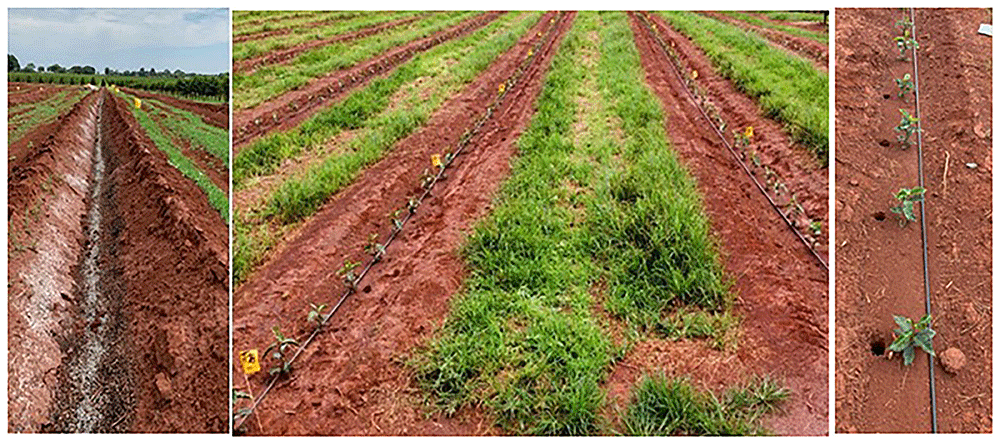
Figure 2. Field operations and soil sampling during early coffee establishment.
(a) Fertilisers applied in the planting furrow (Day 0). (b) Field view at soil sampling, 90 days after transplanting (130 days after fertiliser application), with plot labels. (c) Sampling position beneath the drip line at the 90-day assessment (130 days after fertiliser application).
The declared nutrient composition of the fertilisers used in the treatments is shown in Table 2.
Table 2. Declared fertiliser composition (%), according to the manufacturer’s label.
| Fertiliser | N | P2O5 | K2O | Ca | Mg | S | B | Zn |
|---|
| Mineral 11-52-00 | 11,0 | 52,0 | – | – | – | – | – | – |
| OMF-CF 06-30-00 | 6,0 | 30,0 | – | – | – | 3,0 | 0,2 | 0,1 |
| OMF-TF 06-30-00 | 6,0 | 30,0 | – | – | – | – | – | – |
| Poultry-based organic fertiliser | 1,5 | 2,5 | 0,8 | 4,0 | 1,0 | 1,0 | – | – |
Table 2 shows the higher P2O5 content of the mineral fertiliser (11-52-00). Among organo-mineral fertilisers, OMF-CF includes declared S, B and Zn, whereas OMF-TF declares only N and P2O5. The poultry-based organic fertiliser declares K2O, Ca and Mg in addition to N and P2O5. The chemical composition of the organic matrices used in the fertiliser formulations is presented in Table 3a–b.
Table 3. Chemical composition of the organic matrices used in the fertiliser formulations (fresh basis).
Table 3a. Reaction, moisture, and C:N ratio.
Organic
matrix | pH | Moisture | C:N |
|---|
| (H2O, 1:2.5 v/v) | % | |
|---|
| Poultry litter | 8.0 | 25.0 | 10.1:1 |
| Filter cake | 7.5 | 70.0 | 11.0:1 |
| Poultry waste | 7.3 | 20.0 | 6.4:1 |
Table 3b. Carbon and nutrient composition.
Organic
matrix | Total organic
carbon, TOC | Total N | Total P2O5 | Water-soluble
K2O |
|---|
| g kg−1 |
|---|
| Poultry litter | 337.5 | 33.5 | 38.5 | 8.8 |
| Filter cake | 296.0 | 27.0 | 33.4 | <LQ |
| Poultry waste | 285.0 | 44.4 | 21.5 | 67.5 |
Table 3 shows the high moisture content of filter cake, which affects handling, storage, and field application when rates are expressed on a fresh-weight basis. Poultry waste presented the highest water-soluble K2O content.
Baseline soil characterisation was performed before fertiliser application, and treatment effects were assessed using plot-level samples collected 90 days after transplanting. The 90-day interval was adopted to capture early fertiliser-induced soil chemical changes during coffee establishment (Afrizal et al., 2023). Soil chemical analyses were conducted at Safrar Análises Agrícolas (Uberlândia, Minas Gerais) following standard Brazilian soil-testing procedures (Embrapa, 1997), as implemented by the laboratory and supported by routine analytical procedures widely used in agricultural laboratories (Bataglia et al., 1983). Exchangeable Ca2+, Mg2+ and Al3+ were extracted with 1 mol L−1 KCl and quantified by atomic absorption spectrometry, whereas P and K were extracted with Mehlich-1 and quantified by colorimetry (P) and flame photometry (K). Potential acidity (H+Al) was estimated using the SMP buffer (pH 7.5). From the measured values, sum of bases (SB), effective cation exchange capacity (t), and cation exchange capacity at pH 7.0 (T) were obtained, and cation ratios and T-based proportions, including base saturation (V), were calculated as described in Embrapa (1997). Exchangeable Na was not reported by the laboratory; therefore, Na/T was not calculated.
Data were analysed by factorial analysis of variance (ANOVA) for a 3 × 4 factorial arrangement in a randomized complete block design, using Python 3.11.2 and the statsmodels package (v0.14.3). When significant effects were detected, means were compared using Tukey’s HSD test (p = 0.05).
Results
Soil samples collected 90 days after transplanting (0–20 cm) were analysed for exchangeable Ca, Mg and K and potential acidity (H+Al), and the derived cation ratios and cation exchange capacity (CEC)-based proportions were calculated. The effects of fertiliser source, organic rate, and the source × rate interaction are summarised in Table 4.
Table 4. Analysis of variance for soil chemical criteria at 90 days after transplanting (130 days after fertiliser application) (0–20 cm).
| Indicator | p(Source) | p(Rate) | p(Source×Rate) | CV (%) |
|---|
| Ca/Mg | 0.131ns | 0.174ns | 0.003** | 17.7 |
| Ca/K | 0.433ns | 0.067ns | 0.021* | 17.1 |
| Mg/K | 0.240ns | 0.165ns | 0.010** | 14.9 |
| (Ca+Mg)/K | 0.482ns | 0.073ns | 0.035* | 15.8 |
| Ca/T | 0.144ns | 0.329ns | 0.004** | 8.2 |
| Mg/T | 0.128ns | 0.043* | 0.008** | 11.2 |
| K/T | 0.243ns | 0.146ns | 0.088ns | 13.9 |
| H+Al/T | 0.312ns | 0.436ns | 0.030* | 17.0 |
| (Ca+Mg)/T | 0.321ns | 0.388ns | 0.030* | 6.9 |
| V | 0.309ns | 0.418ns | 0.029* | 6.6 |
Factorial ANOVA (Table 4) indicated significant Source × Rate interactions (p ≤ 0.05) for nine of ten indicators; K/T was the only indicator without interaction (p = 0.088). The main effect of Source was not significant for any indicator (all p > 0.05), while the main effect of Rate was significant only for Mg/T (p = 0.043). Overall, the predominance of interactions indicates that organic-rate effects depended on the planting-fertiliser source, supporting interpretation within each source across rates. Coefficients of variation ranged from 6.6% to 17.7%.
Treatment means for exchangeable cation ratios at 90 days are presented in Table 5.
Table 5. Exchangeable cation ratios in the soil at 90 days after transplanting (130 days after fertiliser application) (0–20 cm), by fertiliser source and organic fertiliser rate.
| Indicator | Rate (t ha−1) | OM-CF | OM-TF | MIN |
|---|
| Ca/Mg | Baseline | 2.70 | 2.70 | 2.70 |
| Ca/Mg | 2 | 4.18 (0.28) | 6.73 (0.60) | 5.35 (0.35) |
| 4 | 5.47 (0.71) | 6.08 (0.77) | 7.22 (1.10) |
| 6 | 5.42 (0.37) | 6.35 (0.46) | 4.90 (0.23) |
| 8 | 7.10 (0.40) | 5.85 (0.29) | 5.15 (0.10) |
| Ca/K | Baseline | 11.80 | 11.80 | 11.80 |
| Ca/K | 2 | 26.23 (3.38) | 30.22 (2.81) | 26.65 (1.74) |
| 4 | 23.62 (2.54) | 30.48 (1.91) | 34.38 (3.35) |
| 6 | 26.48 (3.80) | 32.35 (2.85) | 26.38 (1.75) |
| 8 | 36.95 (3.05) | 29.02 (2.74) | 33.15 (1.39) |
| Mg/K | Baseline | 4.40 | 4.40 | 4.40 |
| Mg/K | 2 | 6.28 (0.69) | 4.55 (0.48) | 5.03 (0.43) |
| 4 | 4.33 (0.09) | 5.25 (0.72) | 4.90 (0.40) |
| 6 | 4.85 (0.64) | 5.15 (0.47) | 5.38 (0.25) |
| 8 | 5.20 (0.33) | 4.95 (0.31) | 6.47 (0.29) |
| Ca+Mg/K | Baseline | 16.20 | 16.20 | 16.20 |
Relative to baseline site characterisation, all 90-day treatments showed higher cation ratios, with Ca/Mg ranging from 4.18 to 7.22 and Ca/K from 23.62 to 36.95 across source–rate combinations. Patterns differed by source: under OM-CF, Ca/Mg and (Ca+Mg)/K increased overall with rate, whereas under MIN the highest Ca/Mg occurred at an intermediate rate (4 t ha−1). OM-TF showed comparatively narrower variation across rates for Ca/K and Mg/K. These source-dependent patterns are consistent with the interaction effects in Table 4.
CEC-based proportions and base saturation at 90 days are presented in Table 6.
Table 6. CEC at pH 7.0 (T)-based proportions and soil base saturation at 90 days after transplanting (130 days after fertiliser application) (0–20 cm), by fertiliser source and organic fertiliser rate.
| Indicator | Rate (t ha−1) | OM-CF | OM-TF | MIN |
|---|
| Ca/T (%) | Baseline | 40.00 | 40.00 | 40.00 |
| Ca/T (%) | 2 | 52.91 (2.18) | 63.47 (1.34) | 57.20 (0.84) |
| 4 | 53.86 (6.01) | 59.23 (1.24) | 63.37 (1.92) |
| 6 | 60.09 (3.40) | 61.02 (1.70) | 55.44 (2.22) |
| 8 | 66.17 (1.20) | 61.22 (0.58) | 56.85 (0.85) |
| Mg/T (%) | Baseline | 15.00 | 15.00 | 15.00 |
| Mg/T (%) | 2 | 12.81 (0.58) | 9.60 (0.68) | 10.86 (0.73) |
| 4 | 9.87 (0.51) | 10.09 (0.93) | 9.23 (1.06) |
| 6 | 11.13 (0.46) | 9.73 (0.46) | 11.37 (0.19) |
| 8 | 9.38 (0.46) | 10.51 (0.49) | 11.11 (0.34) |
| K/T (%) | Baseline | 3.00 | 3.00 | 3.00 |
| K/T (%) | 2 | 2.09 (0.20) | 2.16 (0.20) | 2.17 (0.10) |
| 4 | 2.28 (0.11) | 1.97 (0.13) | 1.89 (0.15) |
| 6 | 2.40 (0.30) | 1.93 (0.15) | 2.12 (0.12) |
| 8 | 1.82 (0.11) | 2.17 (0.19) | 1.72 (0.09) |
| H+Al/T (%) | Baseline | 42.00 | 42.00 | 42.00 |
| H+Al/T (%) | 2 | 32.18 (1.94) | 24.77 (1.16) | 29.77 (1.13) |
| 4 | 34.00 (6.07) | 28.71 (0.43) | 25.52 (1.36) |
| 6 | 26.38 (3.30) | 27.32 (1.22) | 31.07 (2.18) |
| 8 | 22.64 (1.12) | 26.11 (0.98) | 30.32 (1.22) |
| (Ca+Mg)/T (%) | Baseline | 55.00 | 55.00 | 55.00 |
| (Ca+Mg)/T (%) | 2 | 65.73 (2.12) | 73.08 (1.21) | 68.07 (1.20) |
| 4 | 63.72 (6.02) | 69.32 (0.50) | 72.59 (1.43) |
| 6 | 71.22 (3.49) | 70.75 (1.29) | 66.81 (2.17) |
| 8 | 75.54 (1.19) | 71.73 (0.88) | 67.96 (1.15) |
| V (%) | Baseline | 58.00 | 58.00 | 58.00 |
| V (%) | 2 | 67.75 (2.02) | 75.25 (1.11) | 70.50 (1.19) |
| 4 | 66.00 (5.94) | 71.00 (0.41) | 74.25 (1.31) |
| 6 | 73.50 (3.30) | 72.50 (1.19) | 68.75 (2.25) |
| 8 | 77.25 (1.11) | 74.00 (0.91) | 69.50 (1.26) |
Across source–rate combinations, Ca/T increased from a baseline of 40% to 52.91–66.17% at 90 days, while H+Al/T declined from 42% to 22.64–34.00%, indicating a lower relative contribution of potential acidity within the exchange complex. Base saturation (V) increased from 58% at baseline to 66.00–77.25% at 90 days (i.e., +8 to +19 percentage points). In contrast, K/T remained within a narrow interval (1.72–2.40%), consistent with the non-significant interaction for this indicator in Table 4. Because baseline values derive from site characterisation rather than plot-level measurements, baseline-to-90-day comparisons are descriptive; statistical inference in this study is based on between-treatment comparisons at 90 days. Post-hoc comparisons (Table 7) revealed limited pairwise differentiation within sources for most indicators, indicating that the significant Source × Rate interactions reflect complex redistributions across the factorial structure rather than monotonic rate responses within individual sources.
Table 7. Tukey’s HSD grouping letters for means at 90 days after transplanting (130 days after fertiliser application) across organic rates within each planting-fertiliser source (p ≤ 0.05).
| Indicator | Rate
(t ha−1) | OM-CF | OM-TF | MIN |
|---|
| Ca/Mg | 2 | b | a | a |
| 4 | ab | a | a |
| 6 | ab | a | a |
| 8 | a | a | a |
| Ca/K | 2 | a | a | a |
| 4 | a | a | a |
| 6 | a | a | a |
| 8 | a | a | a |
| Mg/K | 2 | a | a | ab |
| 4 | a | a | b |
| 6 | a | a | ab |
| 8 | a | a | a |
| Ca+Mg/K | 2 | a | a | a |
| 4 | a | a | a |
| 6 | a | a | a |
| 8 | a | a | a |
| Ca/T (%) | 2 | a | a | ab |
| 4 | a | a | a |
| 6 | a | a | b |
| 8 | a | a | ab |
| Mg/T (%) | 2 | a | a | a |
| 4 | b | a | a |
| 6 | ab | a | a |
| 8 | b | a | a |
| K/T (%) | 2 | a | a | a |
| 4 | a | a | a |
| 6 | a | a | a |
| 8 | a | a | a |
| H+Al/T (%) | 2 | a | a | a |
| 4 | a | a | a |
| 6 | a | a | a |
| 8 | a | a | a |
| Ca+Mg/T (%) | 2 | a | a | a |
| 4 | a | a | a |
| 6 | a | a | a |
| 8 | a | a | a |
| V (%) | 2 | a | a | a |
| 4 | a | b | a |
| 6 | a | ab | a |
| 8 | a | ab | a |
Discussion
Short-term soil chemical responses during coffee establishment were driven by Source × Rate interactions for most criteria, indicating that the effect of organic-fertiliser rate depended on the planting-fertiliser source (Table 4). Relative to the site baseline (Table 1), by 90 days after transplanting (130 days after fertiliser application) there was a general shift towards greater base-cation occupancy of the exchange complex, with base saturation increasing from 58% to 66–77% and Ca/T from 40% to 53–66%, while H+Al/T decreased from 42% to 23–34% (Table 6). Because baseline values were derived from treatment-level composite samples for site characterisation rather than plot-specific baselines, these contrasts describe temporal shifts and should be interpreted separately from the statistical comparisons among treatments at 90 days.
The experimental period coincided with the onset of the rainy season in Indianópolis. Climatological records indicate mean monthly temperatures of 22.8–24.2 °C and rainfall of 113–267 mm from October to January, totalling 832 mm over the period (Climate-Data.org, n.d.). Under these warm and wet conditions, microbial activity and organic-matter mineralisation tend to intensify, which can accelerate nutrient release and exchange-site redistribution over short time frames, particularly for poultry-derived matrices with relatively low C:N ratios (6.4–10.1:1; Table 3). Incubation evidence also supports interactive temperature–moisture controls on mineralisation and priming, consistent with measurable changes in CEC-normalised indicators within the timeframe evaluated (He et al., 2024).
The poultry-manure organo-mineral fertiliser (OMF-CF) at the highest organic rate (8 t ha−1) produced the strongest shift in exchange-site occupancy, with the highest V (77%) and Ca/T (66%) and the lowest H+Al/T (23%) (Table 6). This pattern is consistent with organo-mineral mechanisms in which matrix reactivity and nutrient-release synchrony influence early soil chemical reactions and base-cation distribution, and with field evidence that poultry-based inputs can increase soil chemical fertility metrics (Agbede, 2025; de Benites et al., 2022; Uddin et al., 2025). In this Cerrado Oxisol/Ferralsol context, the results indicate that poultry-based OMF at high rates can rapidly increase the relative share of bases in the exchange complex during establishment.
Practical implications for coffee establishment
At the same time, the same source–rate combination yielded the highest Ca/Mg (7.1) and Ca/K (37) ratios (Table 5), confirming that higher base saturation can coincide with shifts in Ca–Mg–K balance. Calcium can dominate exchange sites and reduce Mg and K competitiveness during uptake, which is critical during establishment when root systems are still developing (Antonangelo et al., 2024). Magnesium supports chlorophyll formation, enzyme activation and energy transfer, and deficiencies are often associated with antagonistic cation relationships in fertilised systems (Ishfaq et al., 2022; Dölger et al., 2024). In practice, high poultry-based OMF-CF rates should not be evaluated by base saturation alone; soil monitoring should include cation ratios and T-based proportions, and foliar diagnosis at 6–12 months can help detect emerging Mg or K limitations before growth or yield penalties occur (Dölger et al., 2024).
Operational feasibility should also be considered. The 8 t ha−1 rate may impose logistical and cost constraints, including transport, handling and uniform placement of bulky materials. Therefore, the chemical gains observed at this rate should be interpreted alongside field practicality and whole-farm nutrient planning, particularly where applications are repeated across seasons.
In contrast, the filter-cake organo-mineral fertiliser (OMF-TF) showed limited variation across organic rates, with V = 71–75% (Table 6). This muted short-term response is consistent with the high moisture content of filter cake (70%, Table 3), which lowers dry-matter input when rates are expressed on a fresh-weight basis. For the same nominal rate, filter cake supplied ~2.7-fold less dry matter than poultry waste (30% vs. 80% dry matter), which likely diluted early chemical effects. Given that filter cake is primarily valued as a source of organic matter and P, responses are expected to depend on composition, processing and mineralisation kinetics (de Soares et al., 2024; Uddin et al., 2025). For meaningful comparisons among matrices, future trials should standardise organic amendment rates on a dry-weight basis and report moisture content.
Mineral planting fertilisation produced non-monotonic patterns in several indicators, with peaks at intermediate organic rates (Table 5–Table 6). This behaviour is consistent with mixed-source nutrient dynamics, where soluble mineral inputs can shift early exchange equilibria while organic inputs mineralise over time, and short-term CEC-based indicators reflect redistribution rather than a simple dose response. Reviews of organo-mineral performance similarly emphasise the role of matrix reactivity, release synchrony and soil buffering capacity in shaping response patterns (Uddin et al., 2025).
Finally, microbiological and safety aspects become more relevant where poultry-derived matrices are used repeatedly. Field evidence indicates that poultry litter can alter soil bacterial community composition alongside changes in chemical attributes (Sant’Anna et al., 2024). Other studies report that manure application rate can influence the distribution of antibiotic resistance genes and that long-term manure inputs may increase cadmium accumulation risk depending on dose, duration and soil conditions (Tang et al., 2024; Wang et al., 2024). These findings support sanitation control of organic matrices and monitoring strategies that extend beyond fertility where manure-derived materials are applied recurrently.
Regulatory and cross-regional context
In Brazil, fertilisers and related inputs are regulated under Law No. 6,894/1980 and its implementing Decree No. 4,954/2004 (BRASIL, 1980; BRASIL, 2004). Regulatory frameworks shape how organo-mineral fertilisers (OMF) are defined, marketed and constrained across regions. In the European Union, Regulation (EU) 2019/1009 establishes requirements for EU fertilising products, including safety criteria and limits for contaminants and pathogens, as well as conformity assessment for CE-marked products (European Union, 2019). In addition, manure-derived inputs are restricted in nitrate vulnerable zones under the Nitrates Directive framework, which sets an annual ceiling of 170 kg N ha−1 from manure, with derogations under specific conditions (European Union, 1991; European Commission, n.d.). These rules do not change the soil-chemical mechanisms observed here, but they affect how poultry-based OMF and application rates would be justified and managed in European production systems, particularly where soils are Ca-rich and nutrient loading is constrained by environmental compliance.
Cross-regional comparison also requires analytical caution. Laboratory methods used to estimate CEC and base saturation vary among countries and testing systems, which can shift CEC-normalised percentages and complicate direct comparison of Ca/T, Mg/T and V across studies. Harmonisation work shows that method choice can alter CEC–base saturation relationships, supporting interpretation based on within-method contrasts rather than assuming absolute equivalence across protocols (Kabala & Jedrzejewski, 2024). Clear reporting of extractants, CEC estimation and calculation rules therefore remains essential for international interpretability.
Methodological considerations and limitations
The main contribution of this field trial is to show that CEC-based indicators and cation ratios can differentiate treatments within 90 days after transplanting and reveal trade-offs between increasing base saturation and maintaining Ca–Mg–K balance. However, generalisation is constrained by the single-site, single-season design and by limited power for some pairwise contrasts (four blocks across 12 treatments). Replication across contrasting soils and climatic conditions, and across multiple seasons, is needed to determine whether the observed patterns persist beyond establishment and to support robust management recommendations.
Future work would benefit from: (i) collecting plot-level baselines to separate time and treatment effects; (ii) adding repeated sampling dates (e.g., 30, 90, 180 and 360 days) to quantify response kinetics; (iii) standardising organic inputs on a dry-weight basis and reporting moisture; (iv) reporting cation inputs as kg ha−1 of Ca, Mg and K; (v) integrating foliar diagnosis and longer-term growth and yield metrics; and (vi) including targeted microbiological and contaminant indicators where manure-derived matrices are applied repeatedly (Uddin et al., 2025).
Conclusions
Exchangeable cation ratios and T-based proportions sensitively captured early soil chemical shifts during coffee establishment. Source × Rate interactions for nine of ten indicators show that organic-rate effects depend on the planting fertilizer source. The poultry-based organo-mineral fertilizer at planting (OMF-CF) at 8 t ha−1 reached the highest V (77%) and Ca/T (66%) and the lowest H+Al/T (23%), but also the highest Ca/Mg (7.1) and Ca/K (37), indicating that gains in base saturation can coincide with Ca–Mg–K imbalance and potential antagonism risk. In practice, high OMF-CF rates should be accompanied by soil monitoring of cation ratios during establishment and foliar diagnosis at 6–12 months. The filter-cake-based organo-mineral fertilizer at planting (OMF-TF) showed limited variation across rates (V= 71–75%), consistent with its high moisture and lower dry-matter input on a fresh-weight basis; future work should standardize organic amendments on a dry-weight basis. Mineral planting fertilization (MIN) produced non-monotonic responses, reinforcing the need for indicator-based diagnostics rather than assuming linear dose effects.
Ethics and consent
Ethical approval and consent were not required.
Data availability
Zenodo: Data repository for “Mineral and organo-mineral fertilisation alters soil Ca–Mg–K balance and base saturation during early coffee establishment”. DOI: https://doi.org/10.5281/zenodo.18200463 (Diniz et al., 2026; Henrique dos Santos Diniz (2026)).
This record contains the underlying datasets required to reproduce all analyses and tables reported in the article, including: plot_level_data_90d.csv (plot-level soil dataset at 90 days after transplanting, 0–20 cm; 12 treatments × 4 blocks); supplementary_statistical_analysis_outputs.xlsx (ANOVA outputs for Table 4; means and standard errors used in Table 5–Table 6; Tukey HSD outputs for Table 7; full pairwise Tukey results); baseline_site_characterization_table1.csv (baseline site characterisation values reported in Table 1); Final chemical analysis – Data analyzed.xlsx (laboratory dataset used to generate the 90-day plot-level indicators and summaries); and Initial soil analysis.jpeg (baseline laboratory report used for site characterisation). Data are available under the terms of the Creative Commons Attribution 4.0 International licence (CC BY 4.0), as indicated in LICENSE_CC_BY_4.0_revised.txt.
Extended data
The Zenodo record also includes the figure and image files supporting the methods and field layout (e.g., Fig 1. Location.png, Figure2_field_operations_and_sampling.tiff, Fig2a.png, Fig2b.png, Fig2c.png).
Acknowledgements
The authors thank the funding institutions that supported the development of this research and the preparation and publication of the manuscript. Also, thank Antônia and Jadir for providing access to the experimental area and for logistical support during field activities.
Faculty Opinions recommendedReferences
- Afrizal A, Sufardi S, Syakur S:
Improving the quality of media and Robusta coffee seedlings with mycorrhizal (AMF) and rock phosphate. IOP Conference Series: Earth and Environmental Science, 2023; 1183. : 012028. Publisher Full Text
- Agbede TM:
Poultry manure improves soil properties and grain mineral composition, maize productivity and economic profitability.
Sci Rep.
2025; 15(1): 16501. PubMed Abstract
| Publisher Full Text
| Free Full Text
- Alvarenga AC, Passos RR, Andrade FV, et al.:
Chemical attributes of an Oxisol with the addition of conilon coffee straw biochar.
Pesq Agropec Bras.
2023; 58: e03019. Publisher Full Text
- Antonangelo JA, Culman S, Zhang H:
Comparative analysis and prediction of cation exchange capacity via summation: influence of biochar type and nutrient ratios.
Front Soil Sci.
2024; 4: 1371777. Publisher Full Text
- Association of Official Analytical Chemists (AOAC): Official methods of analysis of AOAC International. 18. ed. Gaithersburg: AOAC International, Método 993.13 (Nitrogen (Total) in Fertilizers: Combustion Method). 2007. Reference Source
- Bataglia OC, Furlani AMC, Teixeira JPF, et al.:
Métodos de análise química de plantas. Campinas: Instituto Agronômico, (Boletim Técnico, 78). 1983; Acesso em: 19 dez. 2025. Reference Source
- BRASIL: Lei nº 6.894, de 16 de dezembro de 1980. Dispõe sobre a inspeção e a fiscalização da produção e do comércio de fertilizantes, corretivos, inoculantes, estimulantes ou biofertilizantes, destinados à agricultura, e dá outras providências. Diário Oficial da União: seção 1, Brasília, DF, 16 dez. 1980. Reference Source
- BRASIL: Decreto nº 4.954, de 14 de janeiro de 2004. Aprova o Regulamento da Lei nº 6.894, de 16 de dezembro de 1980, que dispõe sobre a inspeção e fiscalização da produção e do comércio de fertilizantes, corretivos, inoculantes ou biofertilizantes destinados à agricultura, e dá outras providências. Diário Oficial da União: seção 1, Brasília, DF, 14 jan. 2004; Acesso em: 19 dez. 2025. Reference Source
- CLIMATE-DATA.ORG: Indianópolis climate. Weather Indianópolis & temperature by month.
- da Mota RP, de Camargo R, Franco MHR, et al.:
Coffee innovation and sustainability – organomineral fertilizers noteworthy results.
Int J Recycl Org Waste Agric.
2025. Publisher Full Text
- de Benites VM, Dal Molin SJ, Menezes JFS, et al.:
Organomineral fertilizer is an agronomic efficient alternative for poultry litter phosphorus recycling in an acidic Ferralsol.
Front Agron.
2022; 4: 785753. Publisher Full Text
- de Soares AAVL, de Prado RM, de Bertani RMA, et al.:
Contribution of using filter cake and vinasse as a source of nutrients for sustainable agriculture—a review.
Sustainability.
2024; 16(13): 5411. Publisher Full Text
- Diniz MHS, Lemes EM, Mota RPD, et al.:
Data repository for “Mineral and organo-mineral fertilisation alters soil Ca–Mg–K balance and base saturation during early coffee establishment”.
Zenodo.
2026. http://www.doi.org/10.5281/zenodo.18200463
- Dölger JL, Henningsen JN, Mühling KH:
Antagonistic K/Mg ratios: is foliar application of MgSO4 a superior alternative to root resupply?
Plant Soil.
2024; 505(1–2): 747–761. Publisher Full Text
- European Commission: Nitrates. Brussels: European Commission, [s.d.]. Acesso em: 19 dez. 2025. Reference Source
- European Union: Regulation (EU) 2019/1009 of the European Parliament and of the Council of 5 June 2019 laying down rules on the making available on the market of EU fertilising products and amending Regulations (EC) No 1069/2009 and (EC) No 1107/2009 and repealing Regulation (EC) No 2003/2003. Official Journal of the European Union, 2019. Reference Source
- European Union: Council Directive 91/676/EEC of 12 December 1991 concerning the protection of waters against pollution caused by nitrates from agricultural sources. Official Journal of the European Communities, 1991. Reference Source
- EMBRAPA: Manual de métodos de análise de solo. 2. ed. rev. e atual. Rio de Janeiro: Embrapa-CNPS, 1997. Reference Source
- EMBRAPA: Sistema Brasileiro de Classificação de Solos. 5. ed. rev. e ampl. Brasília, DF: Embrapa, 2018. Reference Source
- FUNDAÇÃO PROCAFÉ: Acaiá IAC 474-19. Varginha, MG: Fundação Procafé, [s.d.]. Reference Source
- He P, Li LJ, Dai SS, et al.:
Straw addition and low soil moisture decreased temperature sensitivity and activation energy of soil organic matter.
Geoderma.
2024; 442: 116802. Publisher Full Text
- Henrique dos Santos Diniz M:
Data_Repository. [Data set]. Zenodo. 2026. http://www.doi.org/10.5281/zenodo.18200463
- Ishfaq M, Wang Y, Yan M, et al.:
Physiological essence of magnesium in plants and its widespread deficiency in the farming system of China.
Front Plant Sci.
2022; 13: 802274. Publisher Full Text
- Kabala C, Jędrzejewski S:
Comparison of cation exchange capacity extraction methods for soil data harmonization and soil classification in Central and East Europe.
Geoderma.
2024; 450: 117044. Publisher Full Text
- Li Y, Shen Q, An X, et al.:
Organomineral fertilizer application enhances Perilla frutescens nutritional quality and rhizosphere microbial community stability in karst mountain soils.
Front Microbiol.
2022; 13: 1058067. Publisher Full Text
- Lima AFL, Campos MCC, Brito Filho EG, et al.:
Genesis and classification of soils over forest and pasture in a toposequence, in southern Amazonia.
Appl Ecol Environ Res.
2023; 21(5): 4957–4976. Publisher Full Text
- MAPA: Manual de métodos analíticos oficiais para fertilizantes e corretivos. Brasília, DF: Ministério da Agricultura, Pecuária e Abastecimento, Secretaria de Defesa Agropecuária, 2017. Reference Source
- Quispe K, Hermoza N, Mejia S, et al.:
Spatial analysis of soil acidity and available phosphorus in Coffee-Growing Areas of Pichanaqui: implications for liming and site-specific fertilization.
Agriculture.
2025; 15(15): 1632. Publisher Full Text
- Sant’anna GSL, de Carvalho LAL, de Andrade da Silva MSR, et al.:
Short-term effects of poultry litter and cattle manure on soil’s chemical properties and bacterial community.
Agronomy.
2024; 14(7): 1382. Publisher Full Text
- Tang T, Zhou H, Yang Z, et al.:
Meta-analysis of the impacts of applying livestock and poultry manure on cadmium accumulation in soil and crops.
Agronomy.
2024; 14(12): 2942. Publisher Full Text
- Thepsilvisut O, Chutimanukul P, Sae-Tan S, et al.:
Effect of chicken manure and chemical fertilizer on the yield and qualities of white mugwort at dissimilar harvesting times.
PLoS One.
2022; 17(4): e0266190. PubMed Abstract
| Publisher Full Text
| Free Full Text
- Uddin MK, Saha BK, Wong VNL, et al.:
Organo-mineral fertilizer to sustain soil health and crop yield for reducing environmental impact: a comprehensive review.
Eur J Agron.
2025; 162: 127433. Publisher Full Text
- Wang Y, Yang L, Liu W, et al.:
The effect of manure application rates on the vertical distribution of antibiotic resistance genes in farmland soil.
Soil Syst.
2024; 8(3): 89. Publisher Full Text
- Yang M, Zhou D, Hang H, et al.:
Effects of balancing exchangeable cations Ca, Mg, and K on the Growth of Tomato Seedlings (Solanum lycopersicum L.) based on increased soil cation exchange capacity.
Agronomy.
2024; 14(3): 629. Publisher Full Text







