Introduction
Weaver ants (Oecophylla smaragdina) can protect a large variety of tree crops, including pomelo, mango, and cashew, by preying upon or deterring pest insects in the tree crown such as fruit flies and leaf miners to the economic benefit of farmers.1,2,3,4 Furthermore, weaver ant queen brood is a profitable, organic, and culturally valued food and seasonal by-product of crop trees in Thailand.5,6 In Thailand, the market value of queen brood is 3.5 times higher than that of beef, 10 times higher than that of chicken, and 13 times higher than that of rice.7 A major risk of weaver ant biocontrol is that the mutualistic association of the ants with honeydew-producing pest insects (HPIs), including aphids, scale insects, mealybugs, and leafhoppers, may eventually result in an ineffectual protection of tree crops.8,9
Honeydew mediates the associations between ants, honeydew-producing pests, predators and parasitoids, and eventually tree health and yields.10 Few studies have experimented with commercial sugar provisioning as honeydew alternative. Sugar provisioning can (i) increase ant densities in the trees, e.g., of weaver ants11,12,13; (ii) significantly reduce ant tending of honeydew-producing insect pests such as mealybugs and aphids14,15,16; (iii) significantly reduce the abundance of honeydew-producing insect pests, and consequently also reduce pest damage levels in orchards10; (iv) increase the abundance of natural enemies of honeydew-producing insect pests, and thereby probably also the effectiveness of predators and parasitoids10; and (v) enhance crop yield by affecting honeydew-producing pests.11,14 The effect of weaver ants on crop food quality and safety is unknown. Weaver ant brood harvesting is compatible with weaver ant biocontrol.5,17,18 The above mentioned studies used commercial sugar but mixtures of multiple sugars are most attractive to weaver ants.19 Sugarcane molasses contains multiple sugars and has been suggested as a high-quality alternative to commercial sugar as it is cheap, readily available and more nutritious than sugar since it also contains vitamins and minerals, but it has not yet been tested.20,21 Moreover, the hypothesis that a nutritious sugar source such as molasses can also increase weaver ant colony production of queen brood has not yet been tested.
Therefore, we decided to evaluate the overarching hypothesis that sugarcane molasses provisioning will disrupt the mutualistic association of O. smaragdina with honeydew-producing insect pests, and will eventually result in improved pest control, mango yield, and queen brood yield in comparison to sugar provisioning, chemical control, and control group (i.e., weaver ants only). Specifically, we evaluated the impact of molasses and sugar provisioning in mango trees in Thailand on 1) weaver ant presence in the trees; 2) abundance of honeydew-producing insect pests; 3) weaver ant tending of honeydew-producing insect pests, sugar water, and diluted molasses; and 4) quantity, nutritional quality, and microbiological quality of mangoes.
Methods
Experimental setup
The Mangifera indica (kaew kamin variety) mango orchard was located at JR Farm, Kalasin province, Thailand (16° 29′ 55.3“N, 103° 24’ 44.8”E). We selected 200 trees of 12–15 years old (
Figure 1). The four experimental groups were 1) sugar water provisioning of weaver ants, 2) diluted molasses provisioning of weaver ants, 3) chemical control against all insects, including weaver ants (as a consequence, no weaver ant colonies were present in the trees), and 4) control, i.e., no sugar/molasses provisioning of weaver ants and no chemical control. We used 10 weaver ant colonies per group (sugar, molasses, and control; n = 30 colonies) and each colony had access to six trees (n = 180 trees). However, one colony eventually had access to nine trees and another colony to three trees due to fighting. We used a 55% molasses dilution by weight (50% by volume) with a Brix value of ≈47° (Pair of Cow brand ตราวัวคู่) and a 50% sugar solution by weight with a Brix value of 50° (pure refined sugarcane sugar, Mitr Phol Sugar Corporation., Ltd). About 100 ml of these liquids were provided at the queen tree of each colony (sugar and molasses groups). Queen trees were identified using the findings of Van Itterbeeck et al.22 and Chareewarn and Wiwatwitaya.23 We used rubber collecting bowls with pebbles (pebbles avoided the drowning of ants). The bowls were attached to primary branches and trunks with iron wire. We refreshed the liquids twice per week. We used 20 trees for the chemical control group. The trees were sprayed with cypermethrin (the preferred chemical by the mango orchard owner; Parakorn brand พาราคอน) two times between early October 2023 and early February 2024 when mango harvesting began. An additional four trees served as a barrier between the chemical control group and the three weaver ant groups. Data collection was from October 2023 until June 2024. The research received ethics clearance from the European Commission.
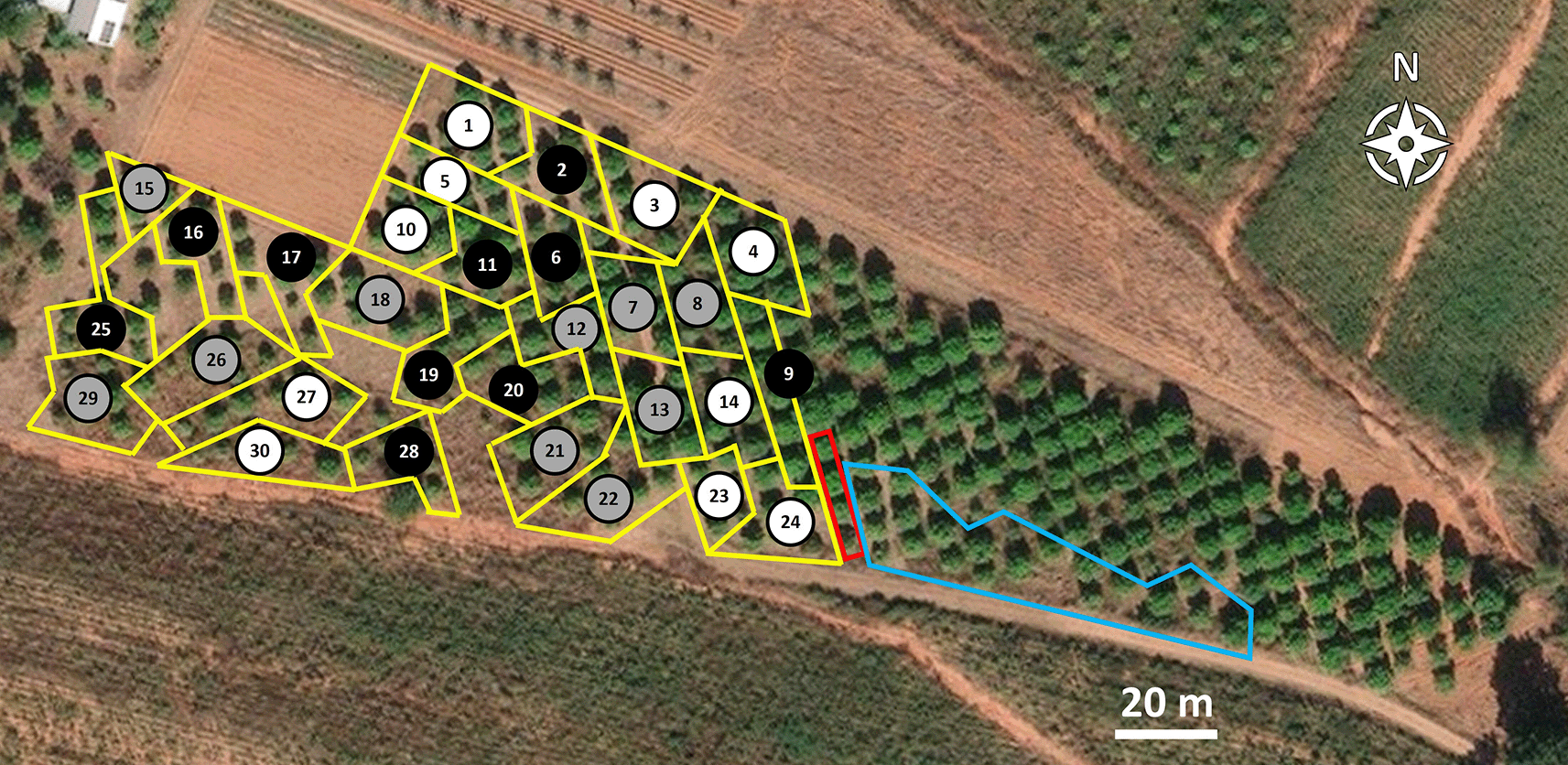
Figure 1. Map of the experimental area at JR Farm, Kalasin province, Thailand.
The map displays the location of the four experimental groups and each weaver ant colony that was used in the experimental area. Weaver ant colonies are marked in yellow. The chemical control group is marked in blue, and the red rectangle is a barrier of four trees between the chemical control group and the weaver ant groups. The circles show the colony numbers and the three weaver ant treatments: white is the sugar group, black is the molasses group, and grey is the control group.
Prior to experimentation, we made preparations to the orchard. Mango trees were pruned by handsaw and chainsaw in June–July 2023. When leaves of trees of different colonies were touching each other during the experiment, they were pruned with a telescopic tree pruner. Grass weeds were chemically controlled with glyphosate-isopropylammonium (Zebra-Leaf brand ม้าลาย-ใบไม้) in August 2023. A Mango Leaf Webber outbreak, probably the genus Orthaga sp. (Lepidoptera: Pyralidae), was suppressed by chemical control (spraying cypermethrin with a drone in April 2023) and by manual control (removing by hand and by telescopic tree pruner in March 2023–April 2024). In July and August 2023, 30 colonies were introduced in the experimental area from other parts of JR Farm and from nearby areas. The hormones paclobutrazol 15 (Sunshine brand ตราตะวันฉาย) and thiourea (Batic brand บาติค) were applied in August 2023 to all trees to stimulate flowering.24,25,26 Nylon rope of 8 mm thick connected the trees that belonged to a single ant colony.
Explanatory variables
Explanatory variables were assessed in the flowering phase from October 2023 to January 2024 when mango trees flowered and pollination occurred, and in the fruiting phase from February to April 2024 when mango fruits matured and were harvested. Two trees with a high weaver ant presence were selected in each colony for long-term parameter testing which always included the queen tree.22,23 Observations were made about once every two weeks for each colony (12 times in total) and between 8 AM and 12 PM (and sometimes also between 2 PM and 3:30 PM) which was during the daily ant activity peak at JR Farm and elsewhere.27,28
Ant activity
– We assessed the ant activity with the Branch method as it is an efficient measure.29,30 It was calculated as follows: (number of primary branches with an ant trail/total number of primary branches) x 100 per tree.
Abundance of honeydew-producing insects and ants tending them
– We focused on scale insects and hoppers (leafhoppers, treehoppers and planthoppers) as these were most abundant. Up to three honeydew-producing insect aggregations (HPIs) were monitored per tree. They were marked with plastic plant tags and strings for good visibility. Aggregations were usually found on panicles (i.e., much-branched inflorescence or flower clusters). We made directs counts of all HPIs and all ants tending them per aggregation. A click counter was used when abundance was high. Scale insects were sampled on 26 April 2024 and stored in 70% alcohol. We used a boxcutter and cut slices from panicles to collect the scale insects. We also measured the monitoring performance of Coccid and hopper aggregations by calculating the frequencies that we could and could not monitor the same aggregation as in the previous observation two weeks earlier: we counted the total number of times that the (potentially) same aggregation was encountered (i.e., same HPI was encountered on the same panicle as in the previous observation) and we counted the total number of times that a change occurred (i.e., the HPI was no longer present on the panicle and therefore an aggregation on another panicle was selected for monitoring). The Coccids specimens were prepared with Canada balsam for permanent mounting on microscope slides and identified following McKenzie31 and Williams and Granar de Willink.32
Ants using sugar and molasses
– From October 2023 until March 2024, few ants were using the liquids. We made direct counts of all ants using the liquids about once every two weeks. From April until June 2024, many ants were using sugar. We took pictures and counted all ants using the liquids twice per week. Direct counting and taking pictures was always one to two hours after we refreshed the liquids.
Response variables
Mango and queen brood yield
– Mangoes were harvested from every tree from February to April 2024 at JR Farm, Kalasin province, Thailand (16° 29′ 55.3“N, 103° 24’ 44.8”E). Queen-destined larvae and pupae (queen brood, ant eggs) were harvested from every colony in June 2024. Standard Thai collecting tools were used: a bamboo pole with a net attached at one end for queen brood and a bamboo pole with a plastic fruit picker head attached to one end for mangoes. All marketable mangoes were weighed (kg) per tree with an analogue household weighing scale. All queen brood was weighed (kg) per colony with a digital household weighing scale.
Nutritional and microbial quality
– Mangoes were sampled on 20 March 2024 at JR Farm, Kalasin province, Thailand (16° 29′ 55.3“N, 103° 24’ 44.8”E). In the three weaver ant groups, we harvested three mature mangoes from each of the two trees that were selected for explanatory variables testing (batches of n = 60 mangoes per weaver ant group). In the pesticide group, we randomly selected 10 trees and harvested three mature mangoes from each tree (n = 30 mangoes). We delivered the mangoes at the Department of Food Technology, Faculty of Technology, Khon Kaen University by car about one hour after sampling was completed. They were then stored at 10 °C. From the large batches of sampled mangoes, four mangoes were randomly sampled per group for nutritional analyses (n = 16 mangoes) and six fruits were randomly sampled per group for microbiological analyses (n = 24 mangoes). Nutritional analyses per experimental group included moisture, pH, °Brix, sucrose (g/100 g), fructose (g/100 g), glucose (g/100 g), and ascorbic acid (mg/100 g). Microbiological analyses per experimental group included total mesophilic plate count, yeasts and moulds count, Clostridium perfringens count, Bacillus cereus count, and sulphite-reducing bacteria count.33,34,35,36,37 Both fruit pulp and peel were included in the preparation of the samples for analyses.
Statistical analyses
During the flowering phase, there were a few instances in which the queens had moved to other trees within the colonies’ territories. The monitoring of explanatory variables was then conducted in the new queen trees and the data from the previous queen trees were not included in the analyses.
Mango yield was tested for differences in the means of the four experimental groups with independent one-way ANOVA and Kruskal-Wallis test. We used the mean yield per tree of each colony. Wilcoxon signed ranks test was used to compare the average queen brood yield per colony of the three weaver ant groups combined to a conservatively estimated expected median yield of one kg per colony (Tipakhon Phusakon personal communication).17,38 Nutritional and microbiological quality were assessed for differences in the means of the four experimental groups with independent one-way ANOVA and Kruskal-Wallis tests using four and six fruits respectively per group.
The explanatory variables were tested for differences in the means of the four experimental groups with independent one-way ANOVA and Kruskal-Wallis test for the flowering phase and the fruiting phase separately. Ant activity level was analysed with the average Branch index per tree for each colony. The number of ants tending HPIs was expressed as the average number of ants per HPI aggregation per tree in each colony. This was analysed for Coccids and hoppers combined. Abundance of HPIs was analysed with the average number of Coccids and the average number of hoppers per aggregation per tree separately in each colony. The chemical control group was excluded since ants and HPIs were not present. For sugar/molasses use, instead of analysing data for the flowering and fruiting phases, we noticed the possible relevance of the first summer rains at the end of March 2024. We therefore analysed the data before and after the first summer rains. The period before the first rain was October 2023 until March 2024 and the period after the first rain was April 2024 until May 2024.
We consulted Goss-Sampson39 and McDonald40 to select the appropriate statistical tests and we performed statistical analyses in JASP 0.19.3.41 We tested the monitoring performance of Coccid and hopper aggregations for differences in the frequencies that change and no change occurred in a 2x3 contingency table both in the flowering phase and in the fruiting phase with the chi-square test in Preacher.42
Results
Mango and queen brood yield
The average mango yield per tree was 74.8 ± 20.6 kg in the molasses group, 77.3 ± 19.6 kg in the sugar group, 80.9 ± 38.4 kg in the chemical control group, and 82 ± 11.3 kg in the control group (
Figure 2). Independent one way ANOVA showed no significant effect of sugar and molasses provisioning and of chemical control on the average mango yield per tree (F (2, 27) = 123.056, p = 0.926, ω2 = 0.000).
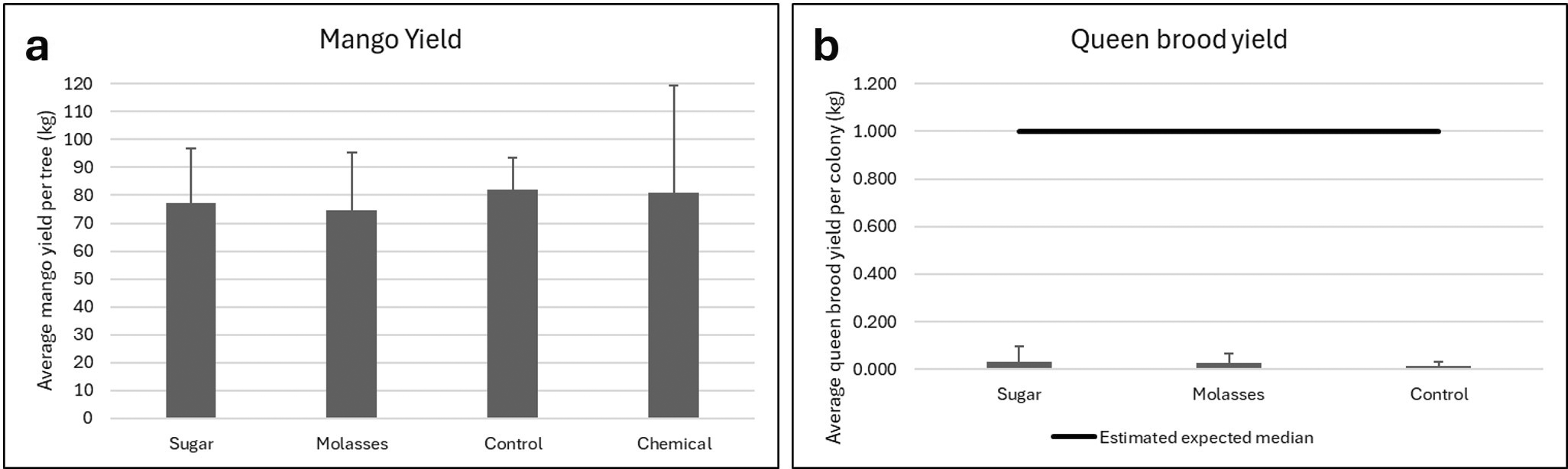
Figure 2. Mango and queen brood yields.
Comparative assessment of the average mango yield per tree measured in kg per tree is displayed in graph a. Comparative assessment of the average queen brood yield per colony measured in kg per colony is displayed in graph b. Error bars are standard deviations. The horizontal line is the conservatively estimated expected median yield of one kg per colony.
The production of queen brood was severely negatively affected by extreme heat and drought from November 2023 until April 2024.43,44 Queen brood was not produced in 11 of the 30 colonies of which three in the molasses group and four in both the control and sugar groups. The remaining 19 colonies produced extremely small amounts of queen brood ranging from 0.002 kg to 0.053 kg in the control group, from 0.008 kg to 0.207 kg in the sugar group, and from 0.001 kg to 0.131 kg in the molasses group. This was well below the reasonable expectation that weaver ant colonies produce at least 1–2 kg of queen brood per colony per season in (previously) normal weather conditions (Tipakhon Phusakon personal communication).17,38 A Wilcoxon signed ranks test showed a highly significant lower yield of queen brood (Mdn = 0.003 kg) compared to a conservatively estimated expected median of one kg per colony (W = 0.0, p < 0.001;
Figure 2b).
Explanatory variables
Ant activity level
– Average ant activity levels were always above the proposed 50% minimum threshold for successful crop protection by weaver ants.29 These levels ranged from 72% (control) to 81% (sugar) in the flowering phase and increased up to 91% (control) to 96% (sugar and molasses) in the fruiting phase. Independent one way ANOVA showed no significant effect of sugar and molasses provisioning on the average ant activity level during the flowering phase (F (2, 27) = 0.020, p = 0.461, ω2 = 0.000). Kruskal–Wallis test showed no significant effect of sugar and molasses provisioning on the average ant activity level during the fruiting phase (H (2) = 0.815, p = 0.665;
Figure 3a).
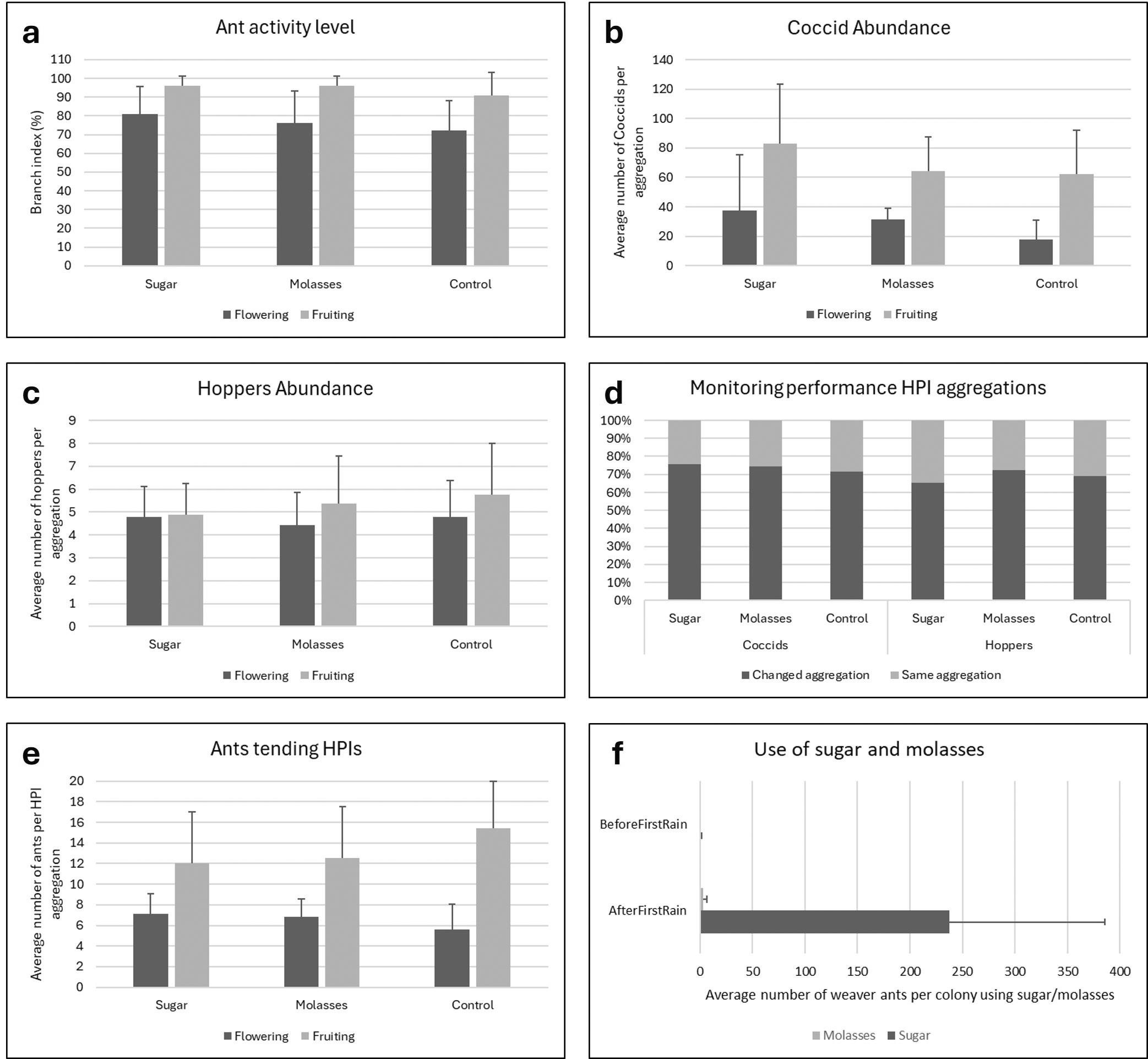
Figure 3. Results of the explanatory variables.
Comparative assessment of ant activity level as measured by the Branch index (%) in graph a, abundance of Coccids measured as the average number of Coccids per aggregation per tree in graph b, abundance of hoppers measured as the average number of hoppers per aggregation per tree in graph c, monitoring performance of Coccid/hopper (HPI) aggregations as measured by presence and absence of Coccids and hoppers in graph d, average number of ants per HPI aggregation in graph e, average number of weaver ants per colony using sugar/molasses as measured per colony in graph f. Error bars are standard deviations.
Abundance of HPIs
– The average number of Coccids per aggregation ranged from 18 ± 12.9 (control) to 37.7 ± 37.6 (sugar) in the flowering phase. This increased up to 62.2 ± 29.9 (control) to 83 ± 40.3 (sugar) in the fruiting phase. There was no significant effect of sugar and molasses provisioning on the average number of Coccids in aggregations during the flowering phase (H (2) = 2.389, p = 0.303) and during the fruiting phase (F (2, 27) = 1319.804, p = 0.292, ω2 = 0.019;
Figure 3b). The average number of hoppers per aggregation ranged from 4.4 ± 1.4 (molasses) to 4.8 ± 1.6 (control) in the flowering phase (
Figure 3). This increased up to 4.9 ± 1.4 (sugar) to 5.8 ± 2.2 (control) in the fruiting phase. There was no significant effect of sugar and molasses provisioning on the average number of hoppers in aggregations during the flowering phase (F (2, 27) = 0.456, p = 0.807, ω2 = 0.000) and during the fruiting phase (F (2, 27) = 1.941, p = 0.604, ω2 = 0.000;
Figure 3c).
We observed the scale insects Coccus hesperidum, C. viridis, and two unidentified species in the genus Parasaissetia. Hoppers were not identified. Mealybugs and aphids were rarely present. Coccid and hopper aggregations could not be monitored through time. The total number of times that we had to select another aggregation (a change) was far greater than the number of times that the (potentially) same aggregation could be observed for both Coccids and hoppers. This was at least 72% (control) of all observations for Coccids and 65% (sugar) of all observations for hoppers. The χ2 statistic suggests that there was no significant association between experimental group and total number of changes for Coccids (χ2 (2) = 0.841, p = 0.657) and for hoppers (χ2 (2) = 4.148, p = 0.126;
Figure 3d).
Ants tending HPIs
– In the flowering phase, the average number of weaver ants that were tending an HPI aggregation ranged from 5.5 ± 2.5 (control) to 7.3 ± 2.4 (sugar). This increased up to 12 ± 5 (sugar) to 15.4 ± 4.6 (control) ants in the fruiting phase. There was no significant effect of sugar and molasses provisioning on the average number of ants tending HPIs during the flowering phase (F (2, 27) = 7.699, p = 0.246, ω2 = 0.031) and during the fruiting phase (F (2, 27) = 33.910, p = 0.260, ω2 = 0.027;
Figure 3e).
Ants using sugar and molasses
– The first summer rains fell from 24 until 30 March 2024. Before the first rains, no weaver ants were using molasses whereas the average number of weaver ants that were using sugar was 0.8 ± 1. After the first rains, these averages increased to 2.8 ± 4 for molasses and 237.6 ± 147.8 for sugar. Sugar was significantly used by more ants than molasses both before (H (2) = 11.692, p < 0.001) and after the first rains (H (2) = 14.286, p < 0.001). The number of weaver ants abruptly increased on 8 April 2024 in all sugar group colonies (
Figure 3f).
Nutritional and microbiological quality of mangoes
Moisture
– Moisture content was highest in the control group (86.2 ± 0.4%) and lowest in the pesticide group (84.3 ± 0.1%). Independent one way ANOVA showed a significant effect of the treatments on moisture content (F (3, 12) = 93.342, p < 0.001, ω2 = 0.945;
Figure 4a). Post hoc testing using Tukey’s correction revealed that both the sugar and pesticide groups had significantly less moisture than the control and molasses groups (p < 0.001). Cohen’s d shows that these differences had very large effect sizes, ranging from 7.176 (sugar v molasses) to 9.370 (control v pesticide). There were no significant differences between the control group and the molasses group (p = 0.130), although with a large effect size (Cohen’s d = 1.697), and between the pesticide group and the sugar group (p = 0.894) with a medium effect size (Cohen’s d = 0.496).
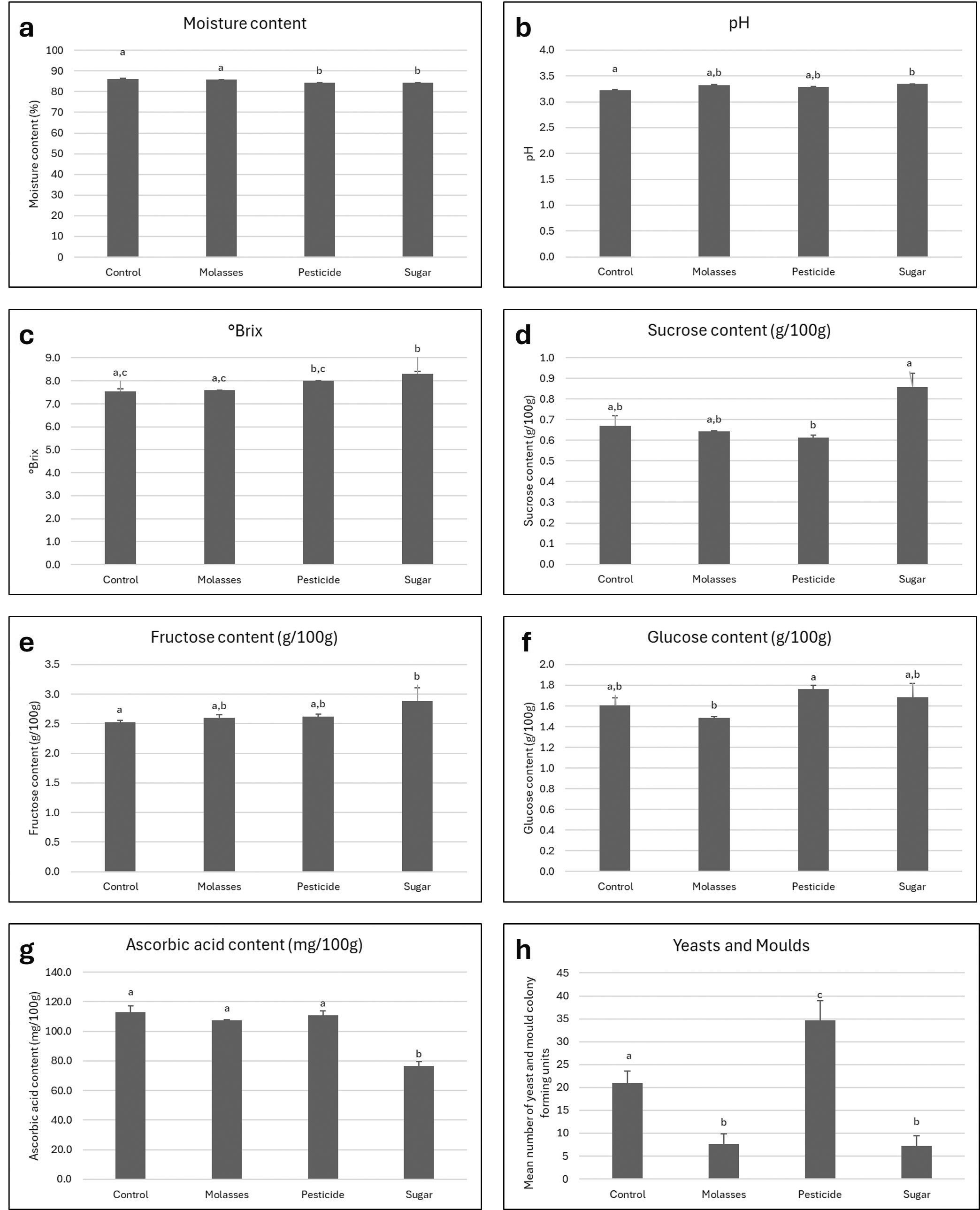
Figure 4. Results of mango nutritional and microbiological analyses.
Comparative assessment of moisture content in graph a, pH in graph b, °Brix in graph c, sucrose content in graph d, fructose content in graph e, glucose content in graph f, ascorbic acid content in graph g, and yeasts and moulds in graph h (mean number of yeasts and moulds colony forming units per gram). Error bars are standard deviations. DW = dry weight. Values with the same small letter are not significantly different.
pH
– The mean pH was highest in the sugar group (3.3 ± 0.0) and lowest in the control group (3.2 ± 0.0). The pHs were significantly affected by treatment modality (H (3) = 14.436, p = 0.002;
Figure 4b). The effect size rank η2 (0.953) was large. Dunn’s post hoc comparisons using Holm’s correction showed that the sugar group had a significantly higher pH than the control group (p = 0.002). No other comparisons were significant.
°Brix
– The mean °Brix as sucrose was highest in the sugar group (8.3 ± 0.1 °Brix) and lowest in the control group (7.6 ± 0.1 °Brix). The °Brix was significantly affected by treatment modality (H (3) = 14.216, p = 0.003;
Figure 4c). The effect size rank η2 (0.935) was large. Dunn’s post hoc comparisons using Holm’s correction showed that the sugar group had a significantly higher °Brix than the control group (p = 0.006) and the molasses group (p = 0.015). No other comparisons were significant.
Sucrose
– The mean sucrose content was highest in the sugar group (0.9 ± 0.1 g/100 g) and lowest in the pesticide group (0.6 ± 0.0 g/100 g). The mean sucrose content was significantly affected by treatment modality (H (3) = 13.257, p = 0.004;
Figure 4d). The effect size rank η2 (0.855) was large. Dunn’s post hoc comparisons using Holm’s correction showed that the sugar group had significantly higher sucrose content than the pesticide group (p = 0.002). No other comparisons were significant.
Fructose
– The mean fructose content was highest in the sugar group (2.9 ± 0.2 g/100 g) and lowest in the control group (2.5 ± 0.0 g/100 g). The mean fructose content was significantly affected by treatment modality (H (3) = 11.515, p = 0.009;
Figure 4e). The effect size rank η2 (0.710) was large. Dunn’s post hoc comparisons using Holm’s correction showed that the sugar group had significantly higher fructose content than the control group (p = 0.007). No other comparisons were significant.
Glucose
– The mean glucose content was highest in the pesticide group (1.8 ± 0.0 g/100 g) and lowest in the molasses group (1.5 ± 0.0 g/100 g). The mean glucose content was significantly affected by treatment modality (H (3) = 11.140, p = 0.011;
Figure 4f). The effect size rank η2 (0.678) was large. Dunn’s post hoc comparisons using Holm’s correction showed that the pesticide group had significantly higher glucose content than the molasses group (p = 0.008). No other comparisons were significant.
Ascorbic acid
– The mean ascorbic acid content was highest in the control group (113.1 ± 4.2 mg/100 g) and lowest in the sugar group (76.3 ± 3.0 mg/100 g). Independent one way ANOVA showed a significant effect and a large effect size (F (3, 12) = 131.848, p < 0.001, ω2 = 0.961;
Figure 4g). Post hoc testing using Tukey’s correction revealed that the sugar group had significantly less ascorbic acid than all three other groups (p < 0.001). Cohen’s d shows that these differences have a very large effect size, ranging from 10.373 (sugar v molasses) to 12.276 (sugar v control). No other comparisons were significant.
Bacteria
– C. perfringens, B. cereus, and sulphite-reducing bacteria counts were below the detection limit of 10 colony-forming units per gram.
Yeasts and moulds
– The mean number of yeasts and moulds colony-forming units per gram was lowest in the sugar and molasses groups (7.2 ± 2.3 and 7.7 ± 2.2, respectively) while it was highest in the control and pesticide groups (21 ± 2.5 and 34.7 ± 4.3). Independent one way ANOVA showed a significant effect and a large effect size (F (3, 20) = 117.661, p < 0.001, ω2 = 0.936;
Figure 4h). Post hoc testing using Tukey’s correction revealed that only the sugar and molasses groups were not significantly different from each other (p = 0.991). All other pairwise comparisons revealed a significant difference (p < 0.001). Cohen’s d shows that these differences had very large effect sizes, ranging from 4.527 (control v molasses) to 9.337 (pesticide v sugar).
Discussion
‘Ant eggs’ and mangoes are normally produced at the same time in the dry season in northeast Thailand.17 However, during the mango season of 2023–2024 the weather was extreme with excessive heat as high as 45 °C in the shade in March and April at JR Farm, and excessive dryness as low as 20%RH. Rain did not fall during the flowering phase and the early fruiting phase from November 2023 until March 2024.43,44 The nature calendar was heavily disrupted and this negatively affected Thai agriculture at large.45 This was an exceptional situation without precedent.46 In a way, our study has been an unexpected ecological experiment in which weather conditions were drastically altered and the response of weaver ants and mangoes was observed. Temperature was increased, humidity was lowered and rain was lacking apart from two bursts about one month apart, one later than usual at the end of March 2024 and the second in early May 2024.
This extreme weather seemingly did not negatively affect our mango trees. We hypothesize that this was due to the variety of mango (kaew kamin) and/or the use of the flowering hormones. The kaew kamin variety is said to be drought resistant (Tipakhon Phusakon and JR Farm owner Jetsada Nachaiviang personal communication) but this has never been investigated scientifically. In home gardens where hormones were not used in other mango varieties than kaew kamin such as the common nam dok mai we observed that trees did not flower in October and November as usual but flowered in January and in May. However, a part of the canopies flowered in January and the remaining parts of the canopies flowered in May. The flowers in January 2024 did not produce fruit, whereas the flowers in May 2024 produced only few fruits, which remained small and not well developed, and of which many fell to the ground. This may not be surprising. For example, Apiratikorn et al.47 have suggested that climate-related changes can affect the timing of flowering in tropical fruit trees in southern Thailand such as mangosteen (Garcinia mangostana L.) and longkong (Lansium domesticum Corr.).
Even though weather conditions were extreme, the orchard owner was satisfied with the mango production in our experiment and weaver ants seemed to be a successful biocontrol agent, resulting in mango yields that were comparable to these obtained after chemical pesticide treatments. Other studies have also shown that weaver ant biocontrol can be competitive with chemical control.9,17,48
We did not measure the quantity of unmarketable fruits as it was too labour intensive. A fraction of the fruits were affected by Bactrocera fruit flies, possibly the Bactrocera dorsalis complex.49,50,51 Their oviposition left distinctive marks on mangoes. Other fruits were unmarketable because of a bad shape. We did not assess whether this was more prevalent in the chemical control group than in the weaver ant groups. It is possible that O. smaragdina was not able to effectively control this fruit fly although in Australian mango orchards O. smaragdina was able to effectively control the Jarvis’s fruit fly B. jarvisi52 and to repel and deter oviposition in Queensland fruit fly B. tryoni,
53 whereas secretions of the ants Camponotus compressus and Messor himalayanus seemed to deter B. dorsalis to some extent in mango in Pakistan.54
Honeydew-producing insects increased in numbers from the flowering to the fruiting phase and this increase was probably natural. Their populations may have also been affected by the weather conditions. The orchard owner judged their populations to be low and the population buildup to be later in the mango season than usual. We sampled scale insects during the fruiting phase only. Other coccid species will have been present during the flowering phase. But due to low populations and the slow buildup we kept postponing the sampling as we feared that we might affect the populations and we therefore waited with sampling until populations were well established.
As weaver ant biocontrol seems to have been effective, the worker populations of most colonies were indeed large and active. Typical for the Asian weaver ant in Thailand, the worker populations increased after the wet season to large sizes in the cool season in November–December and they constructed large nests to raise males and queens. The leaves of these nests died in January and February but no new large nests were built, only new small ones. This was a deviation from the weaver ant behaviour that is expected in the early dry season.
Even though the worker populations were large and active, the colonies did not produce new queens except for extremely small numbers. Although not accurately measured, the numbers of new workers and males also seemed extremely low. Colonies can be expected to produce at least one kg of ‘ant eggs’ in the period between February and April (Tipakhon Phusakon personal communication).17,38 The extreme weather has probably influenced colony reproduction but how exactly remains unsolved. Nevertheless, we consider a few possible explanations. Vanderplank55 found that Oecophylla longinoda larvae did not survive temperatures above 33 °C. However, we did not detect desiccated larvae in the nests. Social insects can use thermoregulation against high temperatures, for example by nest architecture in termites and by wing fanning behaviour in bees.56 We do not know whether Oecophylla weaver ants use thermoregulation.57 Also, we do not know whether the extremely hot and dry weather hampered queens physiologically. There may be ecological reasons as well. The extreme weather might negatively affect the survival of males and new queens as well as the establishment of new colonies due to, for example, a potential reduction in suitable nesting sites and a reduction in available prey. However, it is unknown whether queens would abandon colony reproduction due to perceived negative environmental conditions.
The extreme weather included a severe lack of rain. Under normal circumstances, the dry season experiences regular rain storms. In local Thai knowledge, these rain storms play a significant role in the production of ‘ant eggs’ as in Laos.18 We observed only two of such rain storms, once at the end of March and once in early May. After each of these two storms, there was a minute initiation of ‘ant egg’ production but the colonies quickly ceased producing ‘ant eggs’ perhaps because conditions of heat and dryness were quickly restored again after these storms. While this is careful speculation, it is warranted to examine the exact relationship of weaver ants with rainfall in the dry season with regard to the production of new queens and males.
Sugar provisioning is a novel approach in the use of ants as biocontrol agents. Unlike other studies, we could not detect an effect of sugar provisioning. Moreover, ants did not use sugar at all until the first summer rain fell in the dry season. This is different from O. longinoda that used sugar the most during the wet season in Senegal.16 Furthermore, molasses was not used by the ants during the experiment in 2024. However, we pretested the acceptance of molasses in the dry season in 2023 with two colonies at the research site and the ants successfully accepted it both in diluted and pure forms while they were producing ‘ant eggs’ (
Figure 5). It is thus not certain what the purpose is of the sugar and molasses resources for the ants. Follow-up experiments could include a treatment in which the ants are simultaneously provisioned with both sugar and molasses.
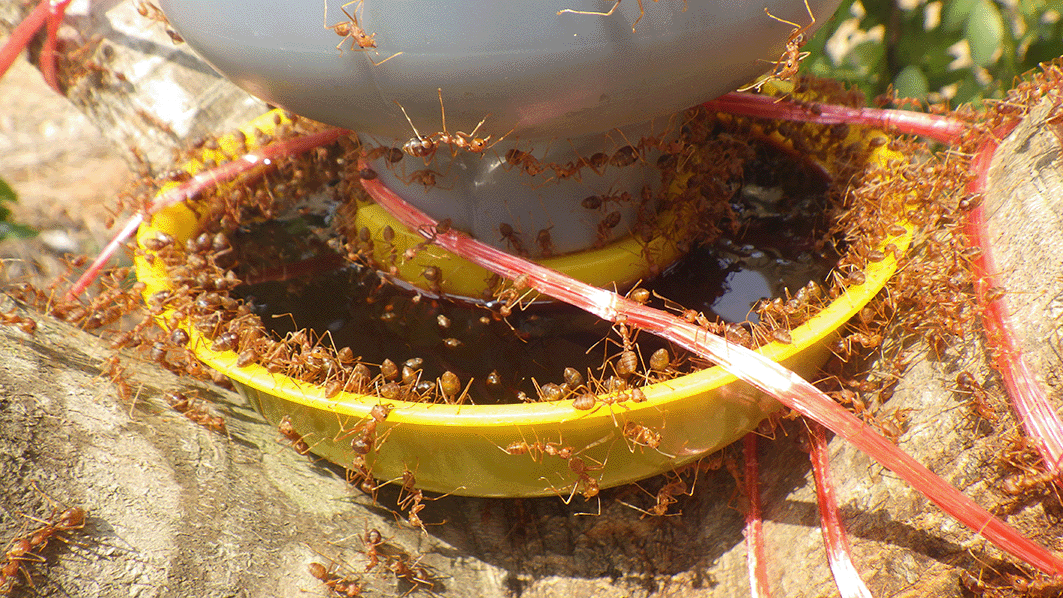
Figure 5. Weaver ants and diluted molasses.
Picture of weaver ants using diluted molasses in April 2023 at JR Farm, Kalasin, Thailand. Picture taken by Joost Van Itterbeeck.
The nutritional analyses of mangoes showed some statistically significant differences but since these were extremely small we nevertheless interpret them not to be meaningful in the cases of moisture, pH, °Brix, and sucrose, glucose and fructose content. Such a difference did seem to be meaningful in the case of ascorbic acid between on one hand the sugar group and on the other hand all other groups for which we cannot provide an explanation. The mean number of yeasts and moulds was quite variable across groups and was highest in the chemical control group. One possible explanation for this is that weaver ants use the tree sap that leaks onto the fruit surface as well as mango juice that leaks from the fruits and thereby remove it. We observed this at the research site. This sap leaking seems common and independent of experimental groups. With weaver ants absent in the chemical group this sap was not removed and might have benefited the presence of yeasts and moulds. Afterall, the nutritional and microbiological analyses were done with mango peels included. Additionally, Australian O. smaragdina weaver ants have antimicrobial properties.58,59 As weaver ants have been shown to distribute semiochemicals that deters pests60 it is warranted to investigate whether weaver ants are capable of reducing microbial loads of fruits and use their antimicrobial properties to directly or indirectly protect fruits.
Biocontrol is an ecosystem service.61 Weaver ants and other ants can provide this service worldwide.3,62,63 Our results of the biocontrol capacity of weaver ants may contribute to sustainable development goals of the United Nations.64 Our attempt to produce both fruit and ‘ant eggs’ was not a failed experiment. Due to the extremely hot and dry weather conditions the underlying idea of producing two crops in one tree was not actually tested. Even under such harsh conditions kaew kamin mango trees as well as weaver ant workers seemingly behaved normally which resulted in apparent successful biocontrol. Follow-up research is required to help explain why ‘ant egg’ production was severely negatively affected in 2024.
Data availability
Zenodo: Chemical control does not outperform weaver ant biocontrol in Thai mango production DOI 10.5281/zenodo.18669868
https://zenodo.org/records/18669869.65
This project contains the following underlying data:
• DATA AND ANALYSES Ant activity level Final Version
• DATA AND ANALYSES Ant eggs yield Final Version
• DATA AND ANALYSES Ants sugar Final Version
• DATA AND ANALYSES Ants tending HPIs Final Version
• DATA AND ANALYSES HPIs Abundance Final Version
• DATA AND ANALYSES HPIs Presence Final Version
• DATA AND ANALYSES Mango Chemical composition microbial load Final Version
• DATA AND ANALYSES Mango yield Final Version
• METADATA Overview
Data are available under the terms of the Creative Commons Attribution 4.0 International license (CC-BY 4.0).
References
- 1.
Crozier RH, Newey PS, Schlüns EA, et al.:
A masterpiece of evolution – Oecophylla weaver ants (Hymenoptera: Formicidae).
Myrmecol News.
2009; 13: 57–71.
- 2.
Diamé L, Rey J-Y, Vayssières J-F, et al.:
Ants: Major functional elements in fruit agro-ecosystems and biological control agents.
Sustainability.
2018; 10: 23. Publisher Full Text
- 3.
Offenberg J:
Ants as tools in sustainable agriculture.
J. Appl. Ecol.
2015; 52: 1197–1205.
- 4.
Van Mele P, Cuc NTT:
Evolution and status of Oecophylla smaragdina (Fabricius) as a pest control agent in citrus in the Mekong Delta, Vietnam.
Int. J. Pest Manag.
2000; 46: 295–301.
- 5.
Sribandit W, Wiwatwitaya D, Suksard S, et al.:
The importance of weaver ant (Oecophylla smaragdina Fabricius) harvest to a local community in Northeastern Thailand.
Asian Myrmecol.
2008; 2: 129–138.
- 6.
FAO:
Edible Insects: Future Prospects for Food and Feed Security.
Rome, Italy:
FAO;
2013.
- 7.
Dobermann D, Swift JA, Field LM:
Opportunities and hurdles of edible insects for food and feed.
Nutr. Bull.
2017; 42: 293–308. Publisher Full Text
- 8.
Lim GT, Kirton LG, Salom SM, et al.:
Host plants and associated trophobionts of the weaver ants Oecophylla spp. (Hymenoptera: Formicidae).
CAB Rev.
2008; 3: 035.
- 9.
Offenberg J, Cuc NTT, Wiwatwitaya D:
The effectiveness of weaver ant (Oecophylla smaragdina) biocontrol in Southeast Asian citrus and mango.
Asian Myrmecol.
2013; 5: 139–149.
- 10.
Wäckers FL, van Rijn PCJ , Bruin J:
Plant-Provided Food for Carnivorous Insects. A Protective Mutualism and Its Applications.
Cambridge, UK:
Cambridge University Press;
2005.
- 11.
Nagy C, Cross JV, Markó V:
Sugar feeding of the common black ant, Lasius niger (L.), as a possible indirect method for reducing aphid populations on apple by disturbing ant-aphid mutualism.
Biol. Control.
2013; 65: 24–36. Publisher Full Text
- 12.
Wäckers FL, Alberola JS, Garcia-Marí F, et al.:
Attract and distract: Manipulation of a food-mediated protective mutualism enhances natural pest control.
Agric. Ecosyst. Environ.
2017; 246: 168–174. Publisher Full Text
- 13.
Wargui RB, Adandonon A, Sinzogan A, et al.:
Weaver ant Oecophylla longinoda Latreille (Hymenoptera: Formicidae) performance in mango and cashew trees under different management regimes.
Sociobiology.
2018; 65: 208–214. Publisher Full Text
- 14.
Beltrà A, Navarro-Campos C, Calabuig A, et al.:
Association between ants (Hymenoptera: Formicidae) and the vine mealybug (Hemiptera: Pseudococcidae) in table-grape vineyards in Eastern Spain.
Pest Manag. Sci.
2017; 73: 2473–2480.
- 15.
Pérez-Rodríguez J, Pekas A, Tena A, et al.:
Sugar provisioning for ants enhances biological control of mealybugs in citrus.
Biol. Control.
2021; 157: 104573. Publisher Full Text
- 16.
Correa P, Wäckers F, Brévault T, et al.:
Sugar feeders reduce weaver ants’ drawbacks when used as biological control agents in mango orchards.
Biol. Control.
2023; 177: 105103. Publisher Full Text
- 17.
Offenberg J, Wiwatwitaya D:
Sustainable weaver ant (Oecophylla smaragdina) farming: Harvest yields and effects on worker ant density.
Asian Myrmecol.
2010; 3: 55–62.
- 18.
Van Itterbeeck J, Sivongxay N, Praxaysombath B, et al.:
Indigenous knowledge of the edible weaver ant Oecophylla smaragdina Fabricius Hymenoptera: Formicidae from the Vientiane Plain, Lao PDR.
Ethnobiol Lett.
2014; 5: 4–12. Publisher Full Text
- 19.
Blüthgen N, Fiedler K:
Preferences for sugars and amino acids and their conditionality in a diverse nectar-feeding ant community.
J. Anim. Ecol.
2004; 73: 155–166. Publisher Full Text
- 20.
Palmonari A, Cavallini D, Sniffen CJ, et al.:
Short communication: Characterization of molasses chemical composition.
J. Dairy Sci.
2020; 103: 6244–6249. Publisher Full Text
- 21.
Wyckhuys KAG, Lu Y, Morales H, et al.:
Current status and potential of conservation biological control for agriculture in the developing world.
Biol. Control.
2013; 65: 152–167. Publisher Full Text
- 22.
Van Itterbeeck J, Sivongxay N, Praxaysombath B, et al.:
Location and external characteristics of the Oecophylla smaragdina queen nest.
Insect. Soc.
2015; 62: 351–356. Publisher Full Text
- 23.
Chareewarn P, Wiwatwitaya D:
Queen nest location of the weaver ant, Oecophylla smaragdina, in Thailand.
Thai J For.
2016; 35: 1–10. [In Thai].
- 24.
Tongumpai P, Charnwichit S, Srisuchon S, et al.:
Effect of thiourea on terminal bud break of mango.
Acta Hortic.
1997a; 455: 71–75. Publisher Full Text
- 25.
Tongumpai P, Charnwichit S, Subhadrabandhu S, et al.:
Anatomical study of terminal bud development of mango treated with paclobutrazol.
Acta Hortic.
1997b; 455: 100–107. Publisher Full Text
- 26.
Tongumpai P, Chantakulchan K, Subhadrabandhu S, et al.:
Foliar application of paclobutrazol on flowering of mango.
Acta Hortic.
1997c; 455: 175–179. Publisher Full Text
- 27.
Exélis MP, Ramli R, Latif SAA, et al.:
Elucidating the daily foraging activity pattern of Oecophylla smaragdina to minimize bite nuisances in Asia large agro-system plantations.
Heliyon.
2024; 10: e26105.
- 28.
Peng RK, Christian K, Gibb K:
The best time of day to monitor and manipulate weaver ant colonies in biological control.
J. Appl. Entomol.
2012; 136: 155–160. Publisher Full Text
- 29.
Peng R, Christian K:
The weaver ant, Oecophylla smaragdina (Hymenoptera: Formicidae), an effective biological control agent of the red-banded thrips, Selenothrips rubrocinctus (Thysanoptera: Thripidae) in mango crops in the Northern Territory of Australia.
Int. J. Pest Manag.
2004; 50: 107–114. Publisher Full Text
- 30.
Wargui R, Offenberg J, Sinzogan A, et al.:
Comparing different methods to assess weaver ant abundance in plantation trees.
Asian Myrmecol.
2015; 7: 159–170.
- 31.
McKenzie HL:
Mealybugs of California with taxonomy, biology, and control of North American species (Homoptera: Coccoidea: Pseudococcidae).
Berkeley, USA:
University of California Press;
1967.
- 32.
Williams DJ, de Granar Willink MC :
Mealybugs of Central and South America.
London, England:
CAB International;
1992.
- 33.
ISO 15213-1:2023 Microbiology of the food chain – Horizontal method for the detection and enumeration of yesClostridium spp. – Part 1: Enumeration of sulfite-reducing yesClostridium spp. by colony-count technique.
- 34.
ISO 15213-2:2023 Microbiology of the food chain — Horizontal method for the detection and enumeration of yesClostridium spp. – Part 2: Enumeration of yesClostridium perfringens by colony-count technique.
- 35.
ISO 4833-1:2013/Amd 1:2022 Microbiology of the food chain – Horizontal method for the enumeration of microorganisms – Part 1: Colony count at 30 °C by the pour plate technique.
- 36.
Tallent SM, Knolhoff A, Rhodehamel EJ, et al.:
Bacteriological Analytical Manual Chapter 14: Bacillus cereus.2020.
Reference Source
- 37.
Tournas V, Stack ME, Mislivec PB, et al.:
Bacteriological Analytical Manual Chapter 18: Yeasts, Molds, and Mycotoxins.2001.
Reference Source
- 38.
Van Itterbeeck J:
Prospects of semi-cultivating the edible weaver and Oecophylla smaragdina.
The Netherlands:
Wageningen University;
2014. PhD Dissertation.
- 39.
Goss-Sampson MA:
Statistical Analysis in JASP: A guide for students.
Amsterdam, the Netherlands:
JASP;
2020.
- 40.
McDonald JH:
Handbook of Biological Statistics.
Baltimore, USA:
Sparky House Publishing;
3rd ed2014.
Reference Source
- 41.
JASP Team:
JASP (Version 0.19.3) [Computer Software].2024.
- 42.
Preacher KJ:
Calculation for the chi-square test: An interactive calculation tool for chi-square tests of goodness of fit and independence. [Computer Software].2001.
Reference Source
- 43.
Thai Meteorological Department:
Weather conditions in Thailand 2023. [In Thai].2023.
Reference Source
- 44.
Thai Meteorological Department:
Weather conditions in Thailand 2024. [In Thai].2024a.
Reference Source
- 45.
Disaster Information Centre:
Summary of the drought situation 2023/2024, information as of 31 July 2024. [In Thai].2024.
Reference Source
- 46.
Thai Meteorological Department:
Monthly weather summary in Thailand April 2024.2024b.
Reference Source
- 47.
Apiratikorn S, Sdoodee S, Limsakul A:
Climate-related changes in tropical-fruit flowering phases in Songkhla province, southern Thailand.
Res. J. Appl. Sci. Eng. Technol.
2014; 7: 3150–3158. Publisher Full Text
- 48.
Peng RK, Christian K, Gibb K:
Implementing ant technology in commercial cashew plantations and continuation of transplanted green ant colony monitoring.
Barton, Australia:
Rural Industries Research and Development Corporation;
2004.
- 49.
Choudhary JS, Naaz N, Prabhakar CS, et al.:
Field guide for identification of fruit fly species of Genus Bactrocera prevalent in and around mango orchards. Technical booklets No.: R-43/Ranchi-16.
Ranchi, India:
ICAR Research Complex for Eastern Region, Research Centre – Ranchi;
2014.
- 50.
Drew RAI, Hancock DL:
Biogeography, speciation and taxonomy within the genus Bactrocera Macquart with application to the Bactrocera dorsalis (Hendel) complex of fruit flies (Diptera: Tephritidae: Dacinae).
Zootaxa.
2022; 5190: 333–360. PubMed Abstract
| Publisher Full Text
- 51.
Manrakhan A:
Bactrocera dorsalis (oriental fruit fly).
CABI Compendium;
2020. Publisher Full Text
- 52.
Peng R, Christian K:
Effective control of Jarvis’s fruit fly, Bactrocera jarvisi (Diptera: Tephritidae), by the weaver ant, Oecophylla smaragdina (Hymenoptera: Formicidae), in mango orchards in the Northern Territory of Australia.
Int. J. Pest Manag.
2006; 52: 275–282. Publisher Full Text
- 53.
Kempraj V, Park SJ, Cameron DNS, et al.:
1-Octanol emitted by Oecophylla smaragdina weaver ants repels and deters oviposition in Queensland fruit fly.
Sci. Rep.
2022; 12: 15768. PubMed Abstract
| Publisher Full Text
| Free Full Text
- 54.
Abbas K, Zaib MS, Zakria M, et al.:
Effect of secretions from the ant species Camponotus compressus and Messor himalayanus on Bactrocera dorsalis.
Entomol. Exp. Appl.
2021; 1695: 792–798.
- 55.
Vanderplank FL:
The bionomics and ecology of the red tree ant, Oecophylla sp., and its relationship to the Coconut Bug Pseudotheraptus wayi Brown (Coreidae).
J. Anim. Ecol.
1960; 29: 15–33. Publisher Full Text
- 56.
Jones JC, Oldroyd BP:
Nest thermoregulation in social insects.
Adv Insect Physiol.
2006; 33: 153–191.
- 57.
Kadochová S, Frouz J:
Thermoregulation strategies in ants in comparison to other social insects, with a focus on red wood ants (Formica rufa group) [v2; ref status: indexed, http://f1000r.es/35p].
F1000Res.
2014; 2: 280.
- 58.
Kempraj V, Park SJ, De Faveri S, et al.:
Overlooked scents: Chemical profile of soma, volatile emissions and trails of the Green Tree Ant, Oecophylla smaragdina.
Molecules.
2020; 25: 2112.
- 59.
Alagappan S, Chaliha M, Sultanbawa Y, et al.:
Nutritional analysis, volatile composition, antimicrobial and antioxidant properties of Australian green ants (Oecophylla smaragdina).
Future Foods.
2021; 3: 100007.
- 60.
Offenberg J:
Pest repelling properties of ant pheromones.
IOBC-WPRS Bull.
2014; 99: 173–176.
- 61.
Haines-Young R, Potschin-Young MB:
Revision of the Common International Classification for Ecosystem Services (CICES V5.1): A Policy Brief.
One Ecosyst.
2018; 3: e27108. Publisher Full Text
- 62.
Elizalde L, Arbetman M, Arnan X, et al.:
The ecosystem services provided by social insects: Traits, management tools and knowledge gaps.
Biol. Rev.
2020; 95: 1418–1441. PubMed Abstract
| Publisher Full Text
- 63.
Thurman JH, Northfield TD, Snyder WE:
Weaver ants provide ecosystem services to tropical tree crops.
Front. Ecol. Evol.
2019; 7: 120. Publisher Full Text
- 64.
United Nations:
General Assembly Resolution A/RES/70/1. Transforming our world: The 2030 agenda for sustainable development.2015.
Reference Source
- 65.
Van Itterbeeck J, Phusakon T, Buamas C, et al.:
Chemical control does not outperform weaver ant biocontrol in Thai mango production. [Data set].
Zenodo.
2026. Publisher Full Text









