Introduction
IDERHA (Integration of Heterogeneous Data and Evidence towards Regulatory and HTA Acceptance) is a European public-private partnership launched in April 2023, under the Innovative Health Initiative (IHI) program, with funding from the European Union and Swiss and UK partners, and the European life sciences industries.
This project aims to enhance medical research by overcoming challenges in accessing, integrating, and analysing health data. To achieve this, IDERHA is building one of the first pan-European open, disease-agnostic health data spaces, aligned with
European Health Data Space (EHDS) principles. The project addresses critical challenges in data quality and standardization, as well as developing an innovative data governance framework, which includes a tailored Data Management Plan (DMP), ensures adherence to key technical standards and interoperability, in compliance with European Union (EU) legal regulations like the General Data Protection Regulation (GDPR), the AI Act, and emerging EHDS regulations. IDERHA’s ambition is to enable connected, secure, efficient federated data access and analysis of health data, ultimately supporting better clinical decision-making and patient care.
As a functional demonstration and alignment with the Europe Beating Cancer Plan, IDERHA will develop artificial intelligence (AI) solutions to improve early detection and diagnosis of lung cancer, and in doing so illustrate the added value of a data-driven approach for improving clinical decision making and personalized disease management.
Furthermore, IDERHA will benefit patients and healthcare providers by developing policy recommendations on health data access and heterogeneous health research for regulatory and HTA decision-making. Those are developed through literature review, multi-stakeholder engagement, expert panels, and public consultations.
The project will not only create a technically robust and legally and ethically compliant solution but also establish a sustainable model that will ensure ongoing use, future growth, and further development of the IDERHA platform. This includes welcoming new partners and expanding into additional indication and application areas domains. In doing so, we will enable data-driven collaboration, interoperability, and innovation within the healthcare sector.
Value of lung cancer screening and early diagnosis: The medical benefit
The European Cancer Information System (ECIS) estimated that in 2022 nearly 320,000 patients were diagnosed with LC within the EU, while some 250,000 patients died of LC in same year. Among all cancers, LC ranked fourth and first in incidence and mortality rates, respectively.1 Within European countries, in the majority of patients LC continues to be first diagnosed at advanced and consequently incurable stages.2 In addition, LC places the highest burden on national health systems in the EU among all malignancies.3 Furthermore, people with LC often have substantial co-morbidities, making treatment more challenging and contributing to a higher symptom load when compared to many other solid cancers.4,5
Besides smoking cessation, early detection of LC by low dose computed tomography (LDCT) screening in high-risk populations is one of the most promising options to reduce both mortality and morbidity. Two large randomized controlled trials (RCT), the US National Lung Screening Trial (NLST; NCT00047385; 53,454 participants) and the Dutch-Belgium Nederlands-Leuvens Longkanker Screenings Onderzoek (NELSON; ISRCTN63545820; 15,789 participants)6 explored the efficacy of chest LDCT screening in individuals at high risk for LC versus chest radiography and no screening, respectively. Both demonstrated a significant reduction in LC-specific mortality rates by LDCT compared to the control arms. In addition, earlier diagnosis and resection rates were significantly enhanced in the screening cohorts in both RCTs. NLST was also large enough to show a significant reduction in all-cause mortality rate, something not observed in breast or colorectal cancer screening trials.
Based on a systematic review of the evidence, the Science Advice for Policy by European (SAPEA) concluded in March 2022 that there exists a strong scientific basis for introducing life-saving screening programmes in EU Member States.7 Subsequently in December 2022, the EU Council suggested in their updated recommendation on strengthening prevention through early detection to Member States to explore the feasibility and effectiveness of LDCT-based LC screening programmes.8
While population-based LDCT screening programs were already implemented in the US following NSLT, Croatia was the first EU-country successfully initiating its own national screening programme for LC in October 2020.9 Meanwhile three other national LC screening programs were launched in the Czech Republic, Poland and the United Kingdom, along with several implementation pilots in other European countries.10 Recent evidence from on-going national programs in the US, Taiwan and Croatia as well as the German HANSE study could confirm the efficacy of LDCT screening in real-world settings, thus highlighting a stage-shift towards early, curable LC stages achieved via higher surgical resection rates.11–15
The three IDERHA use case studies (
Figure 1) will address the still unmet needs to: 1) better define individuals at high risk for LC beyond the currently used age- and tobacco-exposure-based risk criteria; 2) extend the utilization of chest CT image features beyond pulmonary nodule detection towards improved LC risk prediction and; 3) improve overall malignancy risk prediction for screen-detected nodules from chest LDCTs.
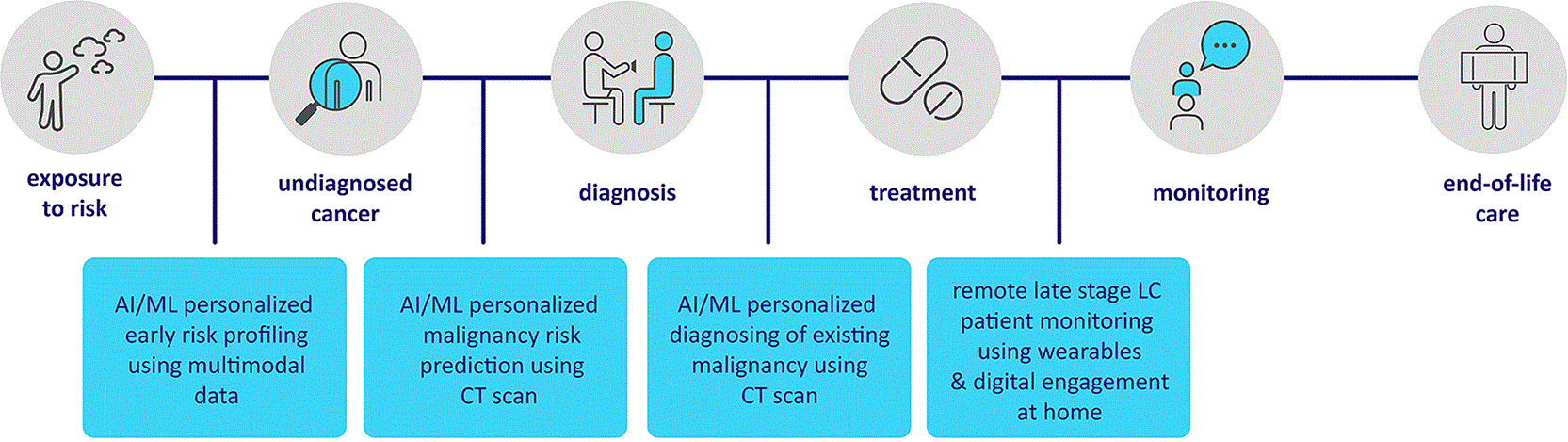
Figure 1. IDERHA’s patient journey: aiming to improve overall cancer screening, risk prediction and remote monitoring.
Real-world data and standard models in healthcare: A healthcare provider perspective
EU countries in general have solidaric health care systems with mostly equal access to health care, leading to a relatively inclusive and complete patient cohort covering much of the population. The large amount of Real-World Data (RWD), collected in routine care, provide significant opportunities for deriving data-driven insights that can facilitate decision making in both patient care (i.e., enabling preventive approaches) and clinical management (i.e., predicting demand and optimizing resources utilization). However, while data quantity is not a limitation and theoretically advantageous, healthcare providers often face challenges related to quality assurance and standardization, as well as managing, accessing, and analysing the data effectively. This inhibits full utilization of RWD. Also, the large-scale nature of RWD requires considerable resources and investments to host, manage and process them, especially for the purpose of enabling secondary use of the data. Healthcare providers frequently lack the necessary resources, including advanced data analytics infrastructures, skilled personnel, and governance frameworks. This limited access to skilled data scientist personnel, interoperability solutions, and Secure Processing Environments (SPE) hinders RWD-based research.16
Data quality
High-quality RWD is critical for clinical decision-making and secondary uses like observational studies, yet its unstructured or semi-structured nature poses major challenges.17 Real-world data are often drawn from both automatically collected sources – such as imaging or device-generated measurements – and manually entered records, typically from electronic health records (EHRs), claims data, and Patient Reported Outcome Measures (PROMs). Automatically collected data tend to be more complete and more standardized, while manually entered data, recorded to support routine clinical care rather than research needs, are more prone to incompleteness, inconsistencies, or errors.18 This variability in data collection can compromise reliability for research purposes.19 Issues such as incomplete or inaccurate entries, misclassification, and coding inconsistencies particularly affect clinical validity of manually registered data.
Data standardization
The lack of standardization in clinical data models across different healthcare systems as well as within the same healthcare system also poses a significant challenge for providers. Data collection is often highly heterogeneous, using different terminologies, formats, and structures across institutions or even individual clinicians.20 There is a big variability in how clinical events, diagnoses, and interventions are monitored and documented. This lack of uniformity complicates the aggregation, analysis, and interpretation of data and reduces the generalizability of insights derived from this data. For healthcare providers, reconciling these disparate data models (in this context: an agreed combination of structure and standard vocabularies to represent the information) often necessitates extensive data cleaning, mapping, and harmonization efforts, which are both time-consuming and resource-intensive.
To address data heterogeneity, the scientific community is increasingly adopting the Observational Medical Outcomes Partnership (OMOP) common data model (CDM)21,22 which offers a standardized approach to structuring and organizing healthcare data, thus facilitating the integration of data from diverse sources.23
Healthcare providers are also recognizing the potential of OMOP to enable federated observational studies across institutions and geographic regions, without needing to centrally harmonise sensitive patient data. By mapping local clinical data to the OMOP CDM, data holders can contribute to large-scale research efforts while maintaining data privacy and security. Furthermore, the European Medicines Agency (EMA) is leveraging this OMOP CDM in order to facilitate post-market pharmacovigilance services through the DARWIN initiative.24 However, the process of OMOP-ing also holds its own challenges, such as ambiguous mappings due to local practices, and transitioning to this model requires significant upfront investment in data transformation and ongoing maintenance, which can be burdensome for resource-limited healthcare institutions.
Data regulations
Healthcare providers also face considerable hurdles in obtaining clearance for RWD use in research. Ethical approvals and data-sharing agreements are often slow and cumbersome, further complicated by varying regulations across regions and institutions. The lack of harmonization and/or shared interpretation in these clearance processes creates inefficiencies and delays, preventing timely use of RWD for research purposes.
Moreover, current processes are not optimized for the scale and complexity of modern data-driven studies, particularly those involving federated data networks or multi-institutional collaborations. For healthcare providers, navigating these clearance processes remains a significant bottleneck in using RWD.
Connecting health data in a decentralized manner: A technical perspective
RWD is collected and stored at all healthcare institutions across Europe in a highly decentralized manner. Making these data available via Secure Processing Environments (SPE) according to the Data Governance Act (COM/2020/767), is one of the visions of the EHDS. An SPE is an environment which enables a safe use of data through third parties, representing interoperable, secure and regulated data processing infrastructures to enable data users (e.g., healthcare providers and researchers) to access sensitive health data, while data security and integrity remain intact. To realise this ambition in practice, IDERHA has developed a data privacy preserving research infrastructure, which supports federated discovery, access, and analysis of patient-level RWD including federated learning capabilities (
Figure 2).
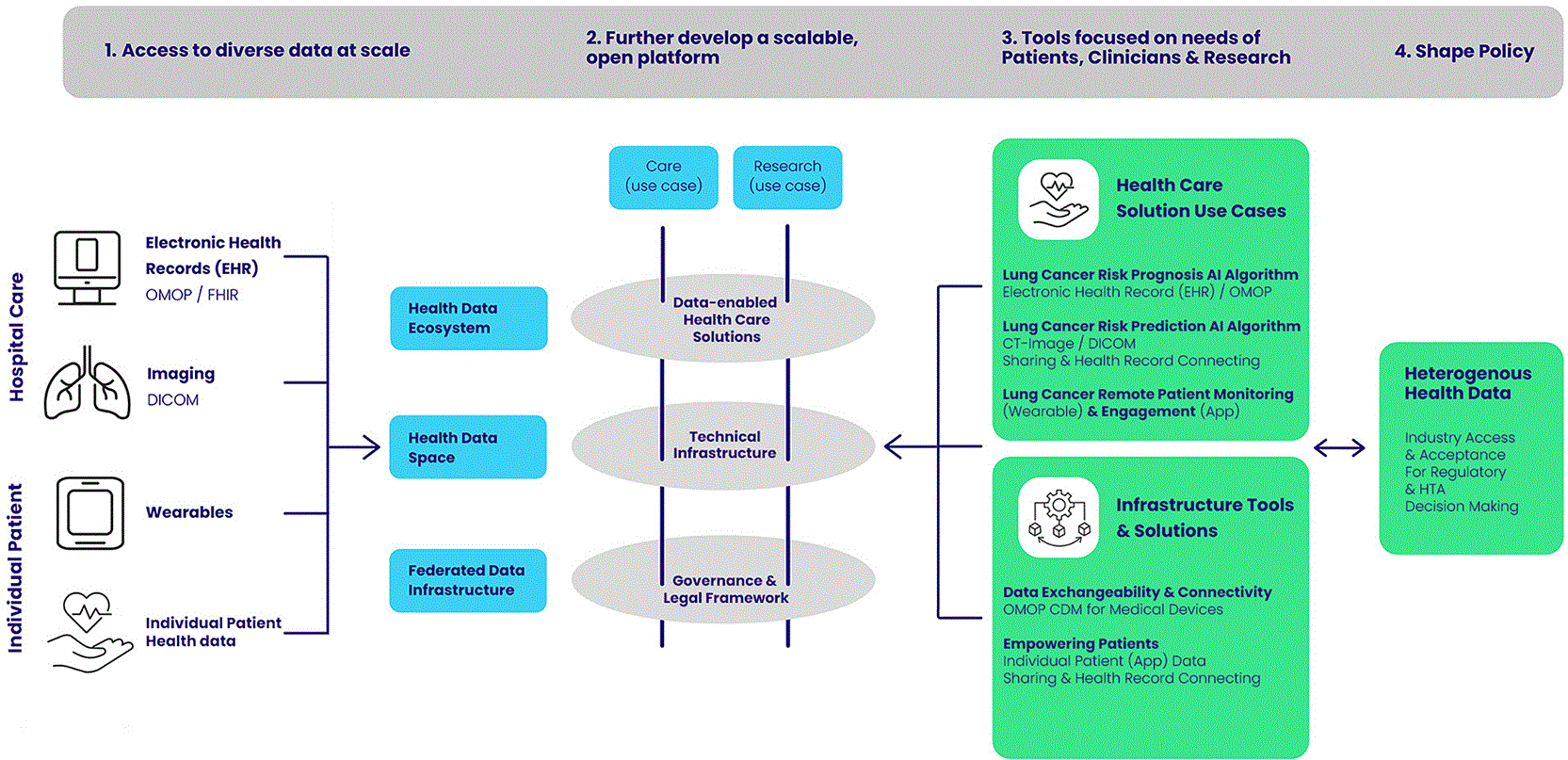
Figure 2. IDERHA’s approach to ‘privacy-by-design’: implementing a platform (or way) to support research, federated discovery, access, and analysis of patient-level RWD while preserving data privacy.
Driven by security and data sovereignty, IDERHA’s architecture embodies a ‘privacy-by-design’ approach:
• All personal data remains at all times under the control of data holders at their Federated Nodes. Algorithms for the analysis are moved to the data and are executed within SPEs at data holders’ IT infrastructure. Only non-personal aggregated results are allowed to leave the data holders’ site and be shared for centralized joint analyses or returned to the data user (
Figure 3).
• The platform entry point at a Central Node ensures user authentication, and allows users to discover data, request federated access and initialise analysis tasks throughout the environment.
• A metadata catalogue within the Central Node, describes available datasets using standardized DCAT-AP metadata model to ensure interoperable descriptions of datasets, facilitating compliance with the EHDS Regulation, and allowing researchers and policymakers to find relevant data.
• Data holders evaluate incoming data access requests and issue and manage data use permits (aligned to specific access policies). Domain-specific standards provide a flexible, standardized way to define and communicate user permissions.
• Access management components, located within Federated Nodes of data holders, enforce holder-defined data use conditions and access policies, ensuring data is only released for approved users and analyses within approved scopes and timelines.
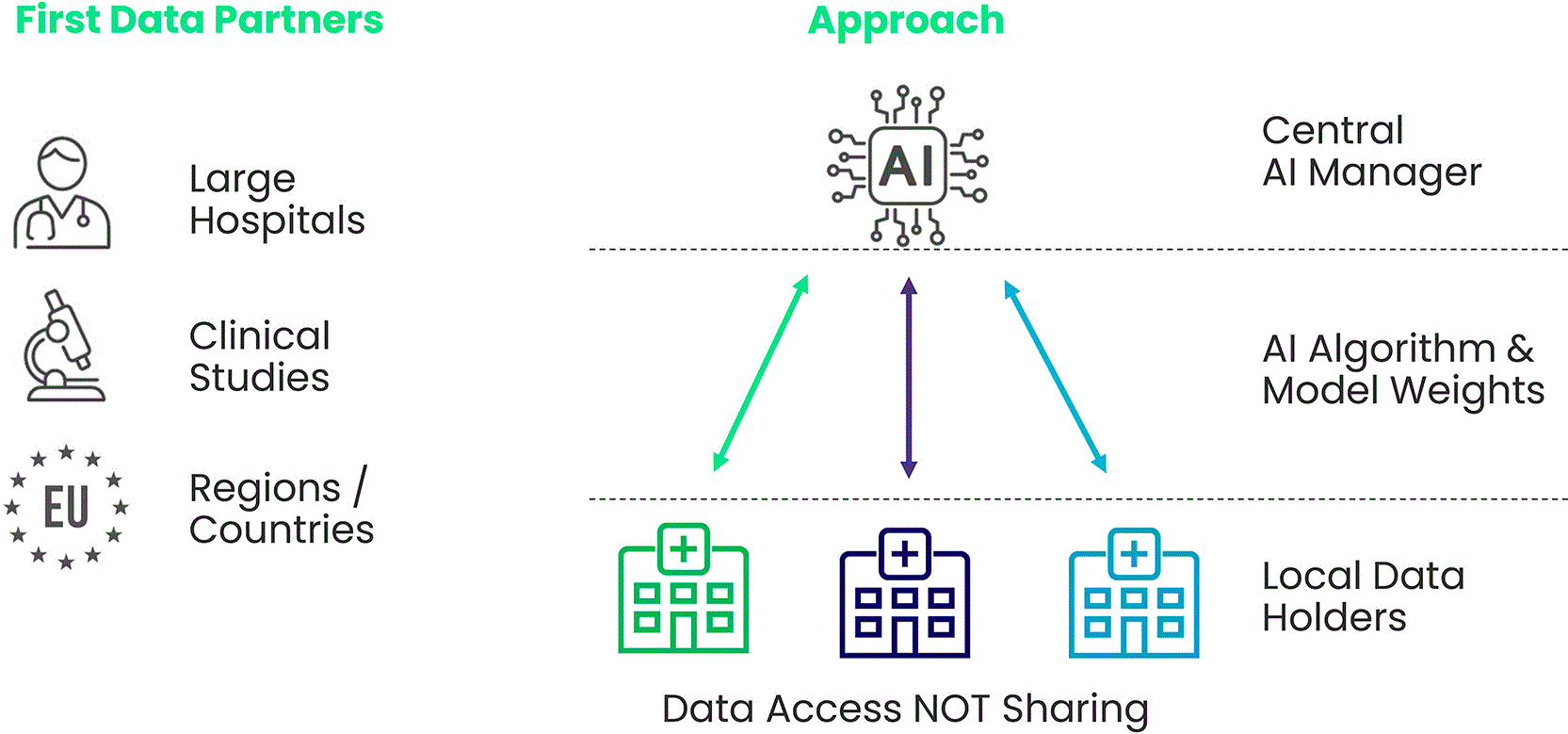
Figure 3. IDERHA’s federated approach: all personal data remains under the control of data holders at local Federated Nodes.
In both federated analysis and federated learning a compute-to-data paradigm is applied, with computational tasks delivered to the data rather than data being centralized for pooled evaluation. This approach allows for powerful, multi-site analyses while respecting data sovereignty and reducing privacy risks,25 hence helping to meet GDPR requirements. Whilst not removing the responsibility of data holders to ensure that a suitable data usage basis exists, including a proper legal basis etc, it offers by design lower risks of data breaches and thus promotes trust building with this group.26
To ensure interoperability and adherence to best practices, IDERHA will implement several established standards and good practices, such as:
These standards combine to create a robust, interoperable framework that supports secure, efficient data access and analysis while respecting data sovereignty and privacy. Moreover, IDERHA’s modular, standard-based design aims to ensure technical interoperability and extensibility through:
• Integration with existing health IT systems and emerging data space initiatives.
• Inherent flexibility to incorporate new data types, analysis methods, and regulatory requirements as they evolve.
• Potential for reuse of components and learnings in other health data projects across Europe.
While the compute-to-data paradigm reduces privacy risks by keeping patient-level data within local Federated Nodes, IDERHA also recognizes that federated learning infrastructures introduce several technical challenges. In federated learning, the central node aggregates gradients trained on the client nodes. Some clients may send noisy, low-quality, or even malicious updates that can degrade the global model. To mitigate this challenge robust aggregation methods such as FedProx,29 introducing a penalty term, or FedMeanStd,30 focusing on the mean and standard deviation of client updates, can be utilized. Furthermore, personalized federated learning (PFL) has emerged to address the distribution drifts originating from non-IID client data. PFL aims to learn client-specific models, which better reflect local data characteristics.31
IDERHA also addresses the communication overhead associated with large multimodal data, particularly imaging data such as DICOM files, by avoiding cross-border transfer of any raw data completely. Instead, in federated analysis and learning computational workflows are executed close to the data and only aggregated summary statisics and model parameters are exchanged. This approach, combined with data standards (such as OMOP and DICOM) and workflow orchestration, is intended to allow data analysis and improve scalability across geographically distributed servers while preserving data sovereignty and privacy. In addition, IDERHA introduces technical safeguards such as manual code approvals before execution and monitoring for anomalous outputs to reduce the influence of unreliable participants, thereby strengthening the trustworthiness of the platform. However, the human-in-the-loop review process can introduce signficant time delays, which may slow deployment and execution of new model iterations by increasing operational overhead.
By leveraging these technical approaches, IDERHA aims to create a secure, scalable ‘privacy-by-design’ infrastructure for connecting health data across Europe.
IDERHA interoperability framework
In alignment with the current EHDS technical and governance requirements for the secondary use of data, the IDERHA interoperability framework has been conceptualized. An agile plan was created using the World Health Organization (WHO) planning process and TEHDAS Joint Action32 results to adopt any future refined updates of the EHDS.33
The plan explored the current projects and initiatives shaping the EHDS framework while focusing on the lessons learned in implementing the main three categories of data standardization, namely: 1) data discoverability through the Data Catalog Vocabulary (DCAT-AP); 2) enabling semantic interoperability through OMOP); and 3) application of health data exchange standards (DICOM and FHIR). The plan also identified the minimum set of requirements to align the IDERHA platform with the EHDS, including data governance, user journeys, standards and interoperability, and data quality framework as outlined by the TEHDAS2 project.
To actively participate in shaping the EHDS interoperability framework for the secondary use of data, synergy was created with other EU-funded data-driven projects in collaboration with the HSbooster.eu initiative,34 namely, EUCAIM, HealthData@EU pilot, INCISIVE, BigPicture, iHelp and ASCAPE projects.35
Initially, the health-standardized models, ontologies, and terminologies implemented in these projects, including FHIR, OMOP, DICOM, ISO health informatics standards DCAT, IoT, and eHealth coding standards, were compared. Afterwards, other standards related to data quality, security, AI reasoning, and wearables were explored.36 Based on that, an interactive toolkit was developed, based on the new European Interoperability Framework (EIF), covering the main four layers of interoperability: legal, organizational, semantic and technical, to support existing and future projects in developing the interoperability framework of these projects in alignment with EHDS.37 The toolkit is used to create the IDERHA interoperability framework, linking the other activities and deliverables of IDERHA, such as, DMP, standards manual, data quality framework, risk management, etc. in a harmonized and interoperable way.
The need for using artificial intelligence
Health data is typically highly complex, heterogenous in content and format, and comes in large volumes. Manual analysis of such data is not feasible. Algorithmic solutions from the field of AI and more specifically machine learning (ML) are needed to identify information in extended data sets, which may be otherwise imperceptible for humans. IDERHA will consolidate a substantial collection of electronic health records (EHRs), LC screening, and claims datasets, which will include comprehensive clinical and imaging information from four internal consortium partners and additional external data providers. ML algorithms will be trained on these data with the following aims:
• Predicting the probability of a LC diagnosis using EHR’s, potentially prior to a chest computed tomography (CT) scan. The intent is to identify individuals (including never-smokers), who would benefit from participating in a low-dose CT (LDCT) based LC screening program.
• Predicting the risk of LC in individuals where no malignancy has been identified in chest CT scans.
• Predicting the risk of malignancy in screening-detected pulmonary nodules in individuals within LC screening programs based on an automated analysis of their LDCT scans.
Importantly, ML algorithms allow for predictions on an individual level, considering their personal characteristics thus improving medical diagnoses and leading to better patient treatment and care.
The final IDERHA case study aims to develop a mobile application (app), which allows for remote monitoring of the well-being of patients after treatment induction by tracking their physical activity, heart rate, etc., with wearable devices (such as smart watches) and asking the patient questions. These patient-reported outcomes can provide valuable feedback to the treating physicians, e.g., for early complication identification or drug dosage adjustment. AI/ML algorithms can play a relevant role in processing such data, e.g., to detect potential disease- or treatment-related harms even earlier.
Challenges for regulatory adoption
While the merits of RWD and RWE are recognized, policies for their use and adoption in regulatory and HTA decision making are not universally available. Even in areas where there is a commitment from regulators to use it, concerns around scientific rigor exist.38,39 One of IDERHA’s goals is to develop policy recommendations to accelerate RWE policy development to meet the current and future advances in the digitization of health data, research methods, and health care innovations.39 The long-term goal is to develop consensus recommendations to firstly enable appropriate and compliant data sharing, access, and governance policies, and, secondly, to support policies for the use and acceptance of RWD and RWE in public health decision-making (i.e., regulatory and HTA). Where possible, the final recommendations will seek to advance the wider global harmonization or RWE and RWD policies (
Figure 2).
Policy recommendations in IDERHA are developed through a multi methodology approach, including stakeholder workshops with different relevant stakeholders, interviews, document analysis and desk research. Multiple stakeholder involvement is sought through public consultations, public forums, and the involvement of the IDERHA Patient Advisory Board, the Clinical Advisory Board, the Ethics Advisory Board, and the Integrated Data Access Governance Council (IDAGC). In this way, policy recommendations in IDERHA are developed within an iterative process of draft releases and feedback from relevant stakeholders. A priority is the transparent development of policy recommendations through involving all relevant stakeholders, including e.g., patients and patient advocates, researchers, regulators, industry representatives, data protection officers, and diversity and inclusion advocates. To ensure that the eventual policy recommendations will have the support of the broader health care ecosystem, it is essential to obtain ongoing multi-stakeholder input. The IDAGC provides this input and leadership to IDERHA’s work. The Council’s oversight is critical for ensuring the eventual acceptance of the policy recommendations on legal, regulatory, and HTA requirements as well as IDERHA’s recommendations for removing institutional barriers limiting the use of RWD and RWE.
IDERHA will also establish contacts and work together with other projects with overlapping interest in policy development to avoid duplication of work and dividing resources in this fast evolving and complex area. This will include other European initiatives in the health data sharing space like, but not exclusively, the TEHDAS2 project (Second Joint Action Towards European Health Data Space) and the H2O project (Health Outcomes Observatory).40
Ethical and legal commitment
IDERHA is focusing on easier use and reuse of digital health data, adhering to GDPR, AI Act and ethical standards, while navigating a complex and dynamic legal landscape. An important objective of IDERHA is to identify and verify resilient legal solutions for modular and large-scale data sharing within a cross-sectoral and cross-jurisdictional setting.
Focused on data-driven and patient-centered health innovation, IDERHA is pursuing its research aims within the statutory acts stemming from the EU strategies for data41 and digitalization.41,42 Corresponding to a fundamental principle of accountability and the risk-based approach within EU data and digitalization law, sustainability and flexibility are ensured within IDERHA through a consistent emphasis on a complete documentation of all data-driven project activities. A pivotal means to this end is the Data Management Plan (DMP) which, next to its traditional scope orientated towards scientific data management standards and ensuring data FAIRness43,44 has been recalibrated to meet the legal requirements of documentation. In the meantime, also documentation standards of e.g. the AI Act must be included and based upon the DMP. As the central element within the IDERHA data sharing framework, the DMP ensures that all risk assessments, privacy contracts, and transparency documents refer to a single factual basis, documenting all data sources and data flows in a legally, ethically and FAIR compliant manner.
This way IDERHA aims to ensure coherence and transparency towards data subjects and data holders, contributing to trust. By checking the relevant parts of the DMP, institutional stakeholders can familiarize themselves with the data processing taking place within IDERHA and verify that all legal and ethical requirements are met. Through its innovative use of the DMP as a central piece of real-time documentation, IDERHA aims to be well-positioned to adapt as necessary to changing statutory demands.
To this end, IDERHA’s data sharing framework aims to deliver a proof-of-concept on how to enable modular and large-scale data sharing by enhancing compliance.
Alignment with the European health data space regulation
The EHDS will be an ecosystem for health-specific data access, sharing, and use. It aims to establish shared practices, standards, rules, a digital infrastructure, and a governance framework45 and entered into force on 26 March 2025.46 Depending on the use cases, data types, and data use categories, it will become applicable in various stages, ranging from two years after its entry into force to four or six years, with certain exemptions up to ten years.45
The EHDS will give citizens from the EU the right to access and manage their health data within the EU as well as to opt out from: 1) Primary data use (MyHealth@EU) for the provision of their individual healthcare,47 and 2) Secondary data use (HealthData@EU) for regulatory, research, and innovative purposes as well as for policymaking. The EHDS thus specifies the framework for connecting and sharing health data in the EU.48
Both the EHDS and IDERHA are fully aligned with the Europe Beating Cancer Plan,49 and both aim to improve public health by making better use of health data for research, innovation, and regulatory purposes. Hence, there are various synergy opportunities. The creation of Health Data Spaces by public-private initiatives such as IDERHA is important for sharing expertise and informing the EHDS implementing acts of practical lessons learnt within those initiatives. By March 2027, the Commission is expected to adopt implementing acts that will set out the detailed rules necessary for the operationalisation of the regulation.
Public consultations on key projects, such as TEHDAS2, provide IDERHA with a valuable approach to review ongoing work, deliver feedback, and issue recommendations, particularly in relation to federated infrastructure. The planned Stakeholder Forum of the EHDS, scheduled for establishment by 2029, could serve as a pivotal platform for showcasing IDERHA’s insights, though its launch will fall outside the project’s active timeframe. On the other hand, the IDERHA project is aiming to align with the EHDS principles, e.g., concerning interoperability, legal compliance, and ethical standards, and to be ready for EHDS once the regulation is applicable. For this reason, IDERHA has developed a comprehensive plan on how to align with the EHDS requirements for the secondary use of health data, including services, architecture, user journey, and standards.33
While EHDS alignment is central to IDERHA, it is essential to emphasize that the EHDS will function as an additional framework for data access and will not replace existing or ongoing data sharing networks such as IDERHA.
Conclusion & discussion
The IDERHA project is a pioneering initiative designed to overcome critical barriers to accessing, integrating, and analyzing health data, with the aim of maximizing its value for patient care and medical research. By developing a scalable, privacy-preserving platform embedded in a coherent data governance framework and accompanying policy recommendations, IDERHA aims to support healthcare professionals, patients, and researchers in improving clinical outcomes and driving medical innovation (
Figure 2).
IDERHA monitors and incorporates insights and developments from other European initiatives such as TEHDAS2, EHDS2 Pilot,50 DSSC, DARWIN EU, OPTIMA and HealthyCloud and ensures alignment wherever possible. Together, we are laying the groundwork for the EHDS. This interconnectedness allows IDERHA to ensure that its solutions are compatible, scalable, and reusable across future health data infrastructures, within Europe and beyond. A key strength of IDERHA lies in its alignment with the EHDS principles, underscoring its commitment to interoperability, ethical integrity, and legal compliance.
Technically, IDERHA’s privacy-by-design approach ensures that data remains with its holders, mitigating privacy risks while maintaining data sovereignty. By implementing federated analytics/learning, where analyses are brought to the data, IDERHA ensures compliance with the GDPR and enhances trustworthiness.25 The adoption of internationally recognized standards, such as those issued from Global Alliance for Genomics and Health (GA4GH) and International Data Spaces Association (IDSA), further ensures the platform’s scalability and security, making it fit-for-purpose for a European-wide data infrastructure (
Figure 2).
While ultimately disease-agnostic, IDERHA leverages lung cancer as a high-impact use case – reflecting both the clinical urgency and the rich potential of improved health data integration for early detection and treatment.
The project also explores the transformative potential of artificial intelligence and machine learning. These tools offer the ability to detect subtle patterns in complex health data – imperceivable to humans and crucial for applications such as lung cancer screening. Through its use cases, IDERHA aims to significantly enhance early diagnosis and personalized care for citizens and patients.
Nevertheless, achieving the project’s vision involves significant challenges. Regulatory adoption remains a major hurdle – particularly the integration of real-world data (RWD) and real-world evidence (RWE) into clinical and policy contexts. IDERHA’s multi-method approach, including stakeholder workshops and public consultation, is a constructive step toward policy alignment. However, broader harmonization across EU Member States and international partners will be essential. In parallel, IDERHA collaborates with initiatives such as the SYNTHIA Project,51 which develops tools and methods for synthetic health data generation. These synthetic datasets enable faster experimentation and analysis in a privacy-preserving manner,52 without the need to transfer sensitive personal data or having legal procedures in place– helping to accelerate innovation while aligning with strict data protection standards.
Ethical, legal, and FAIR compliance is another major challenge to which IDERHA responds with a modular and scalable data governance framework accommodating all data-driven activities within IDERHA to the extent relevant for legal, ethical or FAIR purposes. IDERHA’s DMP documents all data related activities and transparency measures – offering a living framework to ensure alignment between progression of the project, evolving legal standards and public expectations.
In addition to the answers to these immediate challenges, IDERHA also anticipates and builds solutions for emerging issues, such as scaling federated AI methods to handle complex data modalities across borders, integrating patient-reported data into clinical workflows, and addressing persistent gaps in semantic interoperability across research and care domains. By incorporating responsive compliance mechanisms – able to adapt to evolving legal and regulatory contexts – IDERHA aims towards alignment with data protection requirements across jurisdictions. Its flexible, standards-based architecture and emphasis on data sovereignty will make IDERHA’s tools and frameworks reusable by other national data hubs, cancer missions, and EU digital health programs.
In conclusion, IDERHA represents a bold and necessary step towards building a secure, interoperable, and legally and ethically grounded European health data ecosystem. By tackling technical, regulatory, and ethical challenges in parallel, the project is laying a foundation for scalable solutions that improve public health. Success will depend on continued collaboration with stakeholders – including healthcare professionals, patients, researchers, and policymakers. With its forward-looking vision and strong alignment with EHDS goals, IDERHA is well-positioned to contribute meaningfully to the responsible and impactful use of health data across Europe. As such there are strong ambitions to not only establish the technical and legally/ethically compliant solution, but also to develop a sustainable framework that will allow the use, further expansion and development of this EU funded infrastructure for the long term with new partners and indications.
Disclaimer
Funded by the European Union, the private members, and those contributing partners of the IHI JU. Views and opinions expressed are however those of the author(s) only and do not necessarily reflect those of the aforementioned parties. Neither of the aforementioned parties can be held responsible for them. Publication in Open Research Europe does not imply endorsement of the European Commission.
Ethics and consent
Ethics and consent were not required.
Data availability
Underlying data
There are no new data associated with this article.
Acknowledgements
This publication was built on the work of many people involved in the IDERHA consortium. It consists of the following partners and members:
ASK: Nele Gessler, Dagmar Pilz; CDR: Lotte Groth Jensen, Camilla Palmhøj Nielsen, Morten Deleuran Terkildsen, Kathrine Carstensen, Stina Lou, Jakob Feldtfos Christensen, Rasmus Mølgaard Hansen, Maria Heilskou Pedersen; DKMA: Niels Henrik Meedom, Jakob Wested, Stine Hasling Mogensen, Jakob Wested; EPF: Flavia Topan, Gözde S. Briggs, Valentina Strammiello, Bianca Pop, Claudia Louati, Arlet Viader; ERS: Brian Ward, Celine Genton, Valérie Vaccaro; FHI: Philip Gribbon, Lena Hegel, Farid Halabi, Marcel Klötgen, Mostafa Kamal Mallick, Simon Geller, Timo Renzelmann, Joel Weihrauch, Quang Tinh Le, Holger Fröhlich, Sumit Madan, Anja Burmann, Mira Grättinger, Carsten Claussen, Katja Herzog, Katerina Tschausovska, Anne Funck Hansen, Eduard Wolf, Yukai Sun, Daniel Buschman, Reagon Karki, Felix Ritter, Leonie von Berlin; FHTW: Lilly Treml, Birgit Pohn, Matthias Frohner, Stefan Sauermann, Lukas Rohatsch; SAS: David Vicente-Baz, Luis G. Luque-Romero, Alberto Moreno-Conde; FISEVI: Francisco J. Nuñez-Benjumea, Miguel Giraldez-Álvarez, Cristina Simarro-Castellanos, Lourdes Martinez-Martinez; FORTREA: Elke Jahn, Hannah Simonds, Melissa Harris, Pernilla Aarskog, Malgorzata Mirowska, Denitza Muller, Piqueras Benavides, Maria Jose; HULAFE: Carlos López Gómez, Eugenia Gas López, Francisco de Asis Aparisi, Leonor Cerda Puchades, Luis Martí Bonmatí, Matías Fernandez Patón, Oscar Juan Vidal, Gloria Ribas Despuig; HYG: Dominik Geller, Ivan Nesic, Josef Sevcik, Niamh O’Shea; i-HD: Jens Declerck, Nathan Lea, Dipak Kalra, Peter Singleton, Petra Wilson, Nathan Gatpandan; ITTM: Andreas Kremer, Erno Lindfors, Gabriel Sieglerschmidt, Maria Quaranta, Romain Tching, Chi Yen, Sanna Palmqvist; J-C Neuss: Dorothea Perings, Joern Sindern; J-C UK: Maria Bardaji-Cruz, Susan M. Sandler, Pablo Del Yesso; JJM: Christian Muehlendyck, Jose-Felipe Golib-Dzib, Rita Peeters, Sanziana Negreanu Arboreanu, Ulrich Juknat, Emanuela Mauro, Monika Brand, Alan Curley, Mariana Constantinovici, Angel Martin, Elisabetta Gatti, Dominika Domanska, Delia Strunz, Francisco Talamas, Nyree Louise Kelly, Sharad Shukla, Zhennan Zhu, João Pedro Linheiro De Sá Gomes Pereira, JPNV: Hans Verstraete, Hans Vergauwen; JPV: Andrée Willemse; LBG: Rada Hussein, Somayeh Abedian LH: Stanley Letovsky, Helio Gil, Paul Mesange, Eric Thomas; LUCE: Anne-Marie Baird, Maeve O’Sullivan, Anniina Hentinen; LYG: Jan-Willem Boiten, Tieneke B. M. Schaaij-Visser, Robin Navest, Erwin Boutsma, Herman Verheij, Wim-Jan Koot, Nebo Savic, Leone Bock, Judy Löwik, Edwine Beya, Mark Pieters; MDBSI: Heather Colvin, Kathy Chen, Hanane Omichessan, Stacey Bentley; MSB: Rebecca C. Graebig-Rancourt, Torsten Gerriet Blum; MUW: Tanja Stamm, Margaret Andrews, Erika Mosor, Nadja Kartschmit, Kathrin Morasek, Maryam Jafarpour; NICE: Stephen Duffield, Omnia Bilal, Bethany Shinkins; PMS: Saurav Baidya, Srivatsa RV, Raf Cuypers, Catharina Ibrahim, Yusuf Sayıta; Q1.6: Filip Vissers, Guillaume de Decker, Cristina Cumpanasoiu; ROCHE: Eric Boernert, Lesley Maloney, Kimberly Noel, Milan Obradovic, Marlene Thomas, Gracy Crane, Katalin Ersek, Afua van Haasteren, Andre Trottier, Brad Spring, Lukasz Kaczmarek, Andy Nguyen, Melanie Huntley, Carly McWilliams, Matthias Antonin, Erika Schirghuber, Frederik Buijs, Anna Greco; SARD: Phillip Dennis, Zhaoling Meng, Rebecca Lumsden, Philippe Bordes, Marc Dietrich Voss, Gerasimos Konidari, Medha Sasane, Paulo Carita, Charlie Nicholls, Nathalie Largeron, Yves Jacob, Philip Dennis, Audry L’Homme, Lionel Bascle, Eric Génévois-Marlin, Amaya Clemente; SAS: Sophie Monteau; SERGAS: Portal Ramos Vieiro, Carlos Tilve, Irene Martinez Martin, Daniel Llamas, Pablo Feijoo-Vilanova, Yolanda Vazquez; TPIZ: Alain Anyouza, Sunil Dravida, Saurin Jani, Jugal Sharma, Julia Zhu, Nick Bott, Missy Heidelberg, Rose Purcell, Meni Styliadou, Nataliya Kemenyash, Eda Niland, Hrvojka Kostelac, Marco Palladino, Ling Li, Liang Feng, Meredith Trabinska; TUM-MED
: Daniel Rueckert, Maulik Chevli, Johannes Brandt; UNILU: Linda Ebermann, Soumyabrata Ghosh, Sascha Herzinger, Venkata Pardhasaradhi Satagopam, Hanna Ćwiek-Kupczyńska, Jaleh Shoshtarian Malak, Vilem Ded, Jenny Thuy Dung Tran, Artur Jorge Oliveira de Carvalho, Sandrine Medves; VTT: Jaakko Lähteenmäki, Liedes Hilkka, Mika Hilvo, Ilona Ruotsalainen, Claus Møldrup.
Mistral Le Chat (version Small 3) was used to assist in summarizing the article in the abstract.
References
- 1.
ECIS - European Cancer Information System|ECIS - European Cancer Information System.
Accessed: Jun. 23, 2025.
Reference Source
- 2.
Cancer in Germany 2019/2020.
http
- 3.
Luengo-Fernandez R, Leal J, Gray A, et al.:
Economic burden of cancer across the European Union: a population-based cost analysis.
Lancet Oncol.
Nov. 2013; 14(12): 1165–1174. PubMed Abstract
| Publisher Full Text
- 4.
Alt-Epping B, Stäritz AE, Simon ST, et al.:
What is special about patients with lung cancer and pulmonary metastases in palliative care? Results from a nationwide survey.
J. Palliat. Med.
Sep. 2012; 15(9): 971–977. Publisher Full Text
- 5.
Ellis J:
The impact of lung cancer on patients and carers.
Chron. Respir. Dis.
Feb. 2012; 9(1): 39–47. Publisher Full Text
- 6.
van der Aalst CM , van den Bergh KAM , Willemsen MC, et al.:
Lung cancer screening and smoking abstinence: 2 year follow-up data from the Dutch–Belgian randomised controlled lung cancer screening trial.
Thorax.
Jul. 2010; 65(7): 600–605. Publisher Full Text
- 7.
Improving cancer screening in the European Union – Scientific Advice Mechanism.
Accessed: Jun. 23, 2025.
Reference Source
- 8.
Council updates its recommendation to screen for cancer, Consilium.
Accessed: Jun. 23, 2025.
Reference Source
- 9.
van Meerbeeck JP , Franck C:
Lung cancer screening in Europe: where are we in 2021?
Transl. Lung Cancer Res.
May 2021; 10(5): 2407–2417. PubMed Abstract
| Publisher Full Text
| Free Full Text
- 10.
Catarata MJP, et al.:
ERS Congress 2024: highlights from the Thoracic Oncology Assembly.
ERJ Open Res.
Apr. 2025; 11(2). Publisher Full Text
- 11.
Potter AL, Rosenstein AL, Kiang MV, et al.:
Association of computed tomography screening with lung cancer stage shift and survival in the United States: quasi-experimental study.
BMJ.
Mar. 2022; 376: e069008. PubMed Abstract
| Publisher Full Text
| Free Full Text
- 12.
Yang C-Y, et al.:
Stage Shift Improves Lung Cancer Survival: Real-World Evidence.
J. Thorac. Oncol.
Jan. 2023; 18(1): 47–56. Publisher Full Text
- 13.
Balata H, et al.:
Analysis of the baseline performance of five UK lung cancer screening programmes.
Lung Cancer Amst. Neth.
Nov. 2021; 161: 136–140. Publisher Full Text
- 14.
Samaržija M, et al.:
Unpublished data.
- 15.
HANSE-Studie mit ersten Ergebnissen.
Accessed: Jun. 23, 2025.
Reference Source
- 16.
Abu-Odah H, Said NB, Nair SC, et al.:
Identifying barriers and facilitators of translating research evidence into clinical practice: A systematic review of reviews.
Health Soc. Care Community.
Nov. 2022; 30(6): e3265–e3276. PubMed Abstract
| Publisher Full Text
- 17.
Liu F, Panagiotakos D:
Real-world data: a brief review of the methods, applications, challenges and opportunities.
BMC Med. Res. Methodol.
Nov. 2022; 22(1): 287. PubMed Abstract
| Publisher Full Text
| Free Full Text
- 18.
Bell SK, Delbanco T, Elmore JG, et al.:
Frequency and Types of Patient-Reported Errors in Electronic Health Record Ambulatory Care Notes.
JAMA Netw. Open.
Jun. 2020; 3(6): e205867. Publisher Full Text
- 19.
Botsis T, Hartvigsen G, Chen F, et al.:
Secondary Use of EHR: Data Quality Issues and Informatics Opportunities.
Summit Transl. Bioinforma.
Mar. 2010; 2010: 1–5.
- 20.
de Mello BH , Rigo SJ, da Costa CA, et al.:
Semantic interoperability in health records standards: a systematic literature review.
Health Technol.
2022; 12(2): 255–272. PubMed Abstract
| Publisher Full Text
| Free Full Text
- 21.
FitzHenry F, et al.:
Creating a Common Data Model for Comparative Effectiveness with the Observational Medical Outcomes Partnership.
Appl Clin Inform.
Aug. 2015; 6(3): 536–547. Publisher Full Text
- 22.
Kent S, Burn E, Dawoud D, et al.:
Common Problems, Common Data Model Solutions: Evidence Generation for Health Technology Assessment.
Pharmacoeconomics.
2021; 39(3): 275–285. Publisher Full Text
- 23.
Ahmadi N, Peng Y, Wolfien M, et al.:
OMOP CDM Can Facilitate Data-Driven Studies for Cancer Prediction: A Systematic Review.
Int. J. Mol. Sci.
Oct. 2022; 23(19): 11834. PubMed Abstract
| Publisher Full Text
| Free Full Text
- 24.
Real-world evidence for regulatory purposes: The example of DARWIN EU® - ScienceDirect.
Accessed: Jul. 23, 2025.
Reference Source
- 25.
Journal of Medical Internet Research - Reality Check: The Aspirations of the European Health Data Space Amidst Challenges in Decentralized Data Analysis.
Accessed: Sep. 24, 2025.
Reference Source
- 26.
Bak M, Madai VI, Celi LA, et al.:
Federated learning is not a cure-all for data ethics.
Nat. Mach. Intell.
Apr. 2024; 6(4): 370–372. Publisher Full Text
- 27.
Dataspace Protocol 2024–1|IDS Knowledge Base.
Accessed: Jun. 23, 2025.
Reference Source
- 28.
How OpenID Connect Works - OpenID Foundation.
Accessed: Sep. 24, 2025.
Reference Source
- 29.
Li T, Sahu AK, Zaheer M, et al.:
Federated optimization in heterogeneous networks.
Proceedings of Machine learning and systems.
2020 Mar 15; 2: 429–450.
- 30.
Singh T, Kundroo M, Kim T, et al.:
FedMeanStd: Federated Aggregation With Outliers Filtering.
IEEE Access.
2026; 14: 6194–6206. Publisher Full Text
- 31.
T Dinh C, Tran N, Nguyen J:
Personalized federated learning with moreau envelopes.
Advances in Neural Information Processing Systems.
2020; 33: 21394–21405.
- 32.
Recommendations on a Data Quality Framework for the European Health Data Space for secondary use.
Accessed: Sep. 24, 2025.
Reference Source
- 33.
Hussein R, Balaur I, Burmann A, et al.:
Getting ready for the European Health Data Space (EHDS): IDERHA’s plan to align with the latest EHDS requirements for the secondary use of health data.
Open Res. Eur.
2024; 4: 160. PubMed Abstract
| Publisher Full Text
| Free Full Text
- 34.
HSBooster.eu.
Accessed: Jun. 23, 2025.
Reference Source
- 35.
Gyrard A, et al.:
Synergies Among Health Data Projects with Cancer Use Cases Based on Health Standards.
Stud. Health Technol. Inform.
Aug. 2024; 316: 1292–1296. Publisher Full Text
- 36.
Gyrard A, Abedian S, Gribbon P, et al.:
Lessons Learned From European Health Data Projects With Cancer Use Cases: Implementation of Health Standards and Internet of Things Semantic Interoperability.
J. Med. Internet Res.
Mar. 2025; 27: e66273. Publisher Full Text
- 37.
Hussein R, Gyrard A, Abedian S, et al.:
Interoperability Framework of the European Health Data Space for the Secondary Use of Data: Interactive European Interoperability Framework–Based Standards Compliance Toolkit for AI-Driven Projects.
J. Med Internet Res.
Apr. 2025; 27: e69813. Publisher Full Text
- 38.
Wieseler B, Neyt M, Kaiser T, et al.:
Replacing RCTs with real world data for regulatory decision making: a self-fulfilling prophecy?
BMJ.
Mar. 2023; 380: e073100. PubMed Abstract
| Publisher Full Text
- 39.
Cresswell K, et al.:
Report on Global Regulatory Best Practices Analysis (D6.2).Apr. 2024. Accessed: Jun. 23, 2025.
Reference Source
- 40.
Stamm T, et al.:
Building a Value-Based Care Infrastructure in Europe: The Health Outcomes Observatory.
Catal. Non-Issue Content.
Jun. 2021; 2(3). Publisher Full Text
- 41.
A European strategy for data|Shaping Europe’s digital future.
Accessed: Jun. 23, 2025.
Reference Source
- 42.
A Europe fit for the digital age - European Commission.
Accessed: Jun. 23, 2025.
Reference Source
- 43.
Wilkinson MD, Dumontier M, Aalbersberg IJJ, et al.:
The FAIR Guiding Principles for scientific data management and stewardship.
Sci. Data.
Mar. 2016; 3(1): 160018. Publisher Full Text
- 44.
Rocca-Serra P, Gu W, Ioannidis V, et al.:
The FAIR Cookbook - the essential resource for and by FAIR doers.
Sci. Data.
May 2023; 10(1): 292. PubMed Abstract
| Publisher Full Text
| Free Full Text
- 45.
Proposal for a REGULATION OF THE EUROPEAN PARLIAMENT AND OF THE COUNCIL on the European Health Data Space.2022. Accessed: Jun. 23, 2025.
Reference Source
- 46.
Regulation - EU - 2025/327 - EN - EUR-Lex.
Accessed: Jul. 23, 2025.
Reference Source
- 47.
Electronic cross-border health services - European Commission.
Accessed: Jun. 23, 2025.
Reference Source
- 48.
Data sharing through eDelivery in the HealthData@EU.
Accessed: Jun. 23, 2025.
Reference Source
- 49.
Europe’s Beating Cancer Plan - Communication from the commission to the European Parliament and the Council. DOI: 10.1163/2210-7975_HRD-4679-0058
- 50.
Bacry E, Jendrossek M:
EHDS2 pilot infrastructure for the secondary use of health data.
Eur. J. Public Health.
Oct. 2022; 32(Suppl 3): ckac129.368. Publisher Full Text
- 51.
Home - Synthia.
Accessed: Sep. 24, 2025.
Reference Source
- 52.
Kühnel L, Schneider J, Perrar I, et al.:
Synthetic data generation for a longitudinal cohort study – evaluation, method extension and reproduction of published data analysis results.
Sci. Rep.
Jun. 2024; 14(1): 14412. Publisher Full Text







