Introduction
The World Health Organization Classification of Tumours (WCT)1 provides a global reference resource that underpins cancer diagnosis, guiding patient management and cancer epidemiology. Tumour classification is inherently dependent on the integration of diverse types of evidence, including histopathology, molecular biology, imaging, and patient clinical outcomes. With an exponential growth in the number of scientific publications, synthesising evidence is becoming increasingly challenging. This highlights the need for tools that provide a comprehensive and structured overview of the available evidence.
To address this need, the project entitled: “Mapping the Evidence for the World Health Organization Classification of Tumours: a Living Evidence Gap Map by Tumour Type, WCT EVI MAP” was established to adapt evidence mapping approaches to the specific requirements of tumour classification, enabling the structured assessment of evidence across multiple tumour characteristics.2
Evidence and Gap Map (EGM), is an emerging methodological tool providing a systematic and visual overview of the existing body of literature.3,4 While EGMs have been widely applied in fields such as social sciences and environmental research, their adoption in pathology and oncology has so far been limited. By organising studies according to key dimensions such as tumour types and their diagnostic characteristics, EGMs enable the identification of areas with substantial evidence, as well as domains where data are sparse. Importantly, EGMs also allow for the detection of “pockets” of low-level evidence, defined as areas where studies exist but are predominantly of limited reliability for informing tumour classification decisions.
Endometrial carcinomas of the uterine corpus (ECUC) are the most common gynaecological malignancies in high-income countries and encompass several tumour types with distinct morphological, molecular, and clinical characteristics.5–7 The current WCT classification of ECUC integrates histopathological features with emerging molecular insights, reflecting an evolving understanding of tumour biology.8 For future editions of the WCT and to inform future research directions in ECUC, it is important to recognise the relative contribution of different fields of research, as well as areas where evidence is lacking or insufficient. In this work, research related to diagnostic characteristics was considered, specifically pathogenesis, histopathology, molecular pathology, imaging, and prognostic and predictive factors.
Using the EGM methodology3,4,9 and the framework developed within the WCT EVI MAP project,10 our study aimed to provide a comprehensive overview of the available evidence on the diagnostic characteristics of the ECUC tumour types according to the latest WCT: endometrioid, serous, clear cell, undifferentiated and dedifferentiated, mixed, and other endometrial carcinomas, as well as carcinosarcomas. Specifically, we aimed to (i) characterise the distribution of evidence across key diagnostic domains, (ii) assess the levels of evidence (LoEs) supporting tumour characteristics, and (iii) identify evidence gaps and areas dominated by low-level evidence.
Methods
The EGM methodology, developed by the International Initiative for Impact Evaluation (3ie) and the Campbell Collaboration,3,4,9 was adopted. The map was generated according to the standardised protocol formulated within the WCT EVI MAP project,10 through a structured process of consecutive steps, including systematic literature searching, title and abstract screening followed by title and abstract coding according to the predefined framework of interventions, outcomes, and study designs. LoEs of tumour pathology-related research were defined using the Hierarchy of Evidence for Tumour Pathology (HETP, Table S111), developed and further adapted12,13 as part of the WCT EVI MAP project.2
The resulting EGM provides a graphical display of the volume of eligible evidence available for ECUC, according to tumour type, characteristics, and LoEs, along with links to individual publications.
EGM framework definition
The PICO framework was adapted for this study to define the Population, Intervention, and Outcome, as detailed in
Table 1.
Table 1. PICO definition adapted for the development of EGM on the available evidence for Endometrial carcinomas of the uterine corpus.
| Population
| Patients diagnosed with endometrial carcinomas of the uterine corpus, and their tumour samples, images, and other collected information referring to the tumour characteristics defined in the framework.
Populations regardless of their geographical location, age, or subpopulations (such as pregnant women). |
| Intervention
| Tumour characteristics*
− Pathogenesis − Diagnostic imaging − Histopathology (including cytopathology) − Diagnostic molecular pathology − Prognosis − Prediction (of response to treatment)
|
| Outcome
| Outcomes are defined as endometrial carcinomas of the uterine corpus family, including the following tumour types:
− Endometrioid carcinoma of the uterine corpus − Serous carcinoma of the uterine corpus − Clear cell carcinoma of the uterine corpus − Undifferentiated and dedifferentiated carcinomas of the uterine corpus − Mixed carcinoma of the uterine corpus − Other endometrial carcinomas − Carcinosarcoma of the uterine corpus
|
Search strategy
Structured literature searches for articles about tumours belonging to ECUC family were developed by an information specialist in consultation with pathologists. The searches comprised a range of terms designed to identify results relevant to the tumour types (balancing sensitivity and specificity), plus a filter to help narrow results to more diagnostic (and associated) content. The filter was developed to apply across multiple tumour-specific searches in the WCT EVI MAP project; it was intentionally highly sensitive, with the aim of maximising the likelihood of retaining potentially relevant records (at the expense of also retaining a significant proportion of non-relevant results). The searches were run on PubMed and Ovid Embase in August 2024 (endometrioid carcinoma of the uterine corpus) and March 2025 (the other six endometrial carcinomas of the uterine corpus). Results were deduplicated in EndNote and provided as .ris file. Full details of the search strategies are provided in Table S3.15 As the search for endometrioid carcinoma of the uterine corpus was conducted for January 2018 to August 2024 and the searches for the remaining six ECUC for January 2020 to March 2025, a common inclusion period was defined, and only studies published between January 2020 and August 2024 were considered to ensure comparability across tumour types.
Screening and selection of studies
Articles reporting on tumour types belonging to ECUC family and investigating any of the pre-defined intervention categories (
Table 1) were selected. To cover potential scenarios and minimise the risk of bias strict eligibility criteria were defined, as detailed in Table S4.16
Briefly, eligible studies included peer-reviewed primary research and systematic reviews published between 1 January 2020 and 27 August 2024 that addressed predefined tumour characteristics (pathogenesis, diagnostic imaging, histopathology, diagnostic molecular pathology, prognosis, or prediction) in WCT-aligned endometrial carcinoma tumour types. Included studies were required to provide sufficient methodological detail and report relevant outcomes with disaggregated data for the tumour types of interest. Studies were excluded if they comprised purely qualitative, in silico, or preclinical studies (except selected pathogenesis-related studies involving human cells), or if they focused exclusively on treatment effectiveness, relapse, recurrence, or metastases. Additional exclusions comprised studies with unclear abstracts, insufficient tumour-type terminology, lack of relevant outcomes, or if results relied solely on unvalidated omics repository data.
Deduplicated search results were imported into EPPI-Reviewer® software (a “program for managing and analysing data in literature reviews”),17 for screening and selection, followed by coding. Titles and abstracts were assessed by a primary reviewer following a predefined screening protocol10 (see also Table S416), using the simple search, classifier, and “priority screening” functions (EPPI-Reviewer built-in advanced machine learning functionality for screening automation) to streamline the process. Priority screening was to be considered complete after 50 consecutive records were excluded, with the “check screening” function applied to verify uncertain decisions. However, as priority screening did not yield consistent results, all records were ultimately screened manually. A second reviewer independently screened a sample of 200 records, to ensure consistency. Studies with uncertain eligibility were flagged for discussion with a third reviewer. Discrepancies were resolved through consensus meetings. The study selection process was reported in accordance with the PRISMA guidelines, including a flow diagram (
Figure 1) summarising search result data provided by the information specialist and the number of records at each stage.
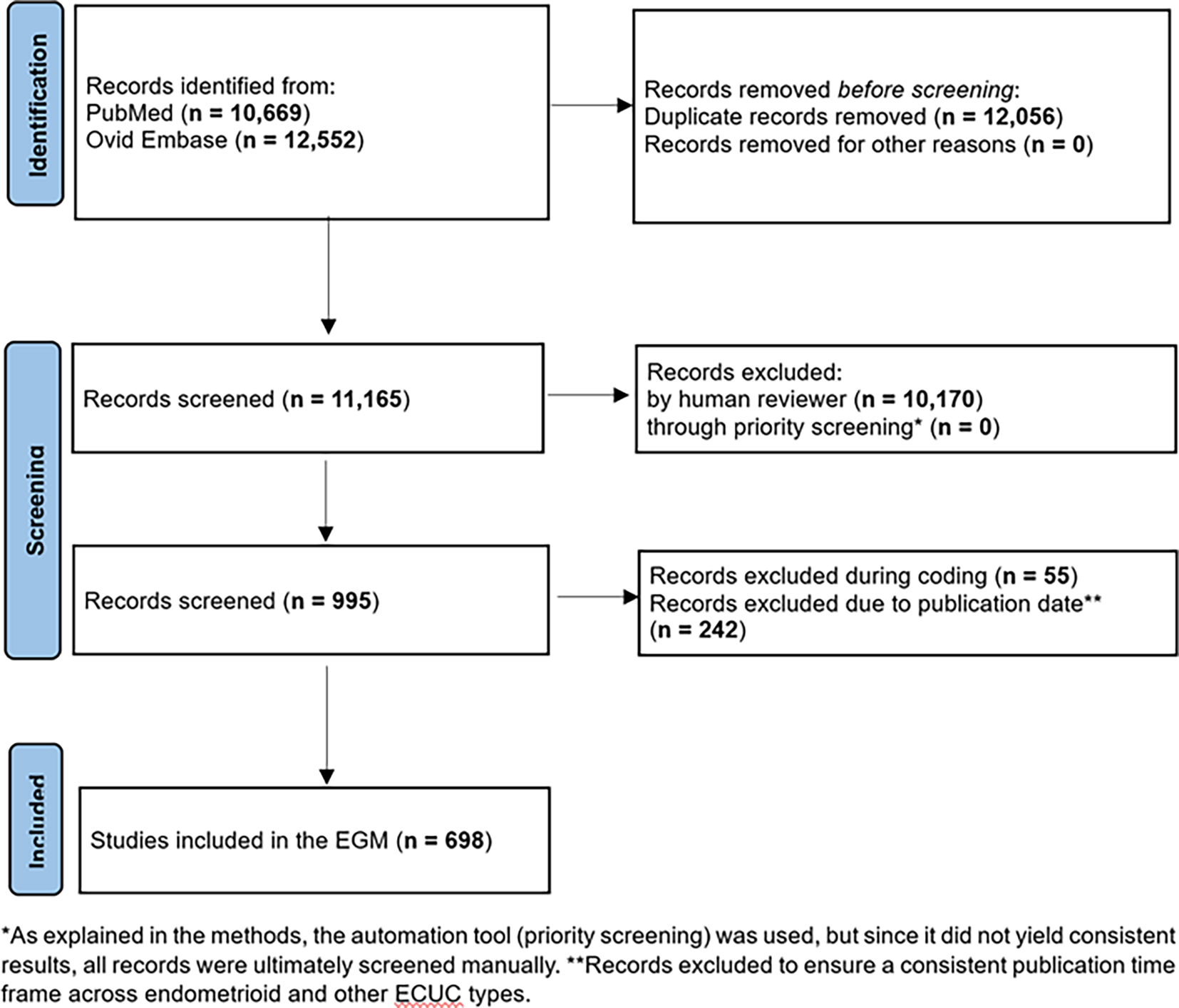
Figure 1. Adapted PRISMA 2020 flow diagram illustrating the process of identification, screening, eligibility, and inclusion of studies on endometrial carcinomas of the uterine corpus (ECUC).
Data extraction and coding
Data extraction and coding were performed simultaneously. Each included record, based on title and abstract, was reviewed to identify: (i) tumour type(s), (ii) tumour characteristic(s) reported, and (iii) study design, and coded accordingly in EPPI-Reviewer®.17
Studies covering multiple tumour types and reporting tumour type-specific results were coded according to tumour types. Multiple tumour characteristics could be assigned to each record when applicable.
Study design was determined according to the WCT EVI MAP decision tree and its glossary of operational definitions,18 and only one study design was assigned to each record. If more than one study design was identified, the one corresponding to the highest LoE for the identified tumour characteristics was selected.
To control coding, a second reviewer independently coded a random subsample of 80 records (10% of the number of coded abstracts). Discrepancies between reviewers were resolved through discussion in an online meeting, with a senior team member acting as a third reviewer and mediator.
Finally, before the subsequent steps, the database of coded records was cleaned. This included univariate tabulations of all codes to identify potential issues, review of coding reports to detect uncoded data or multiple labelling, and verification of outliers or unexpected patterns that could indicate coding errors.
Data synthesis and EGM visualisation
According to the WCT EVI MAP framework (
Table 1), primary EGM dimensions were tumour type (displayed in columns) and WCT tumour characteristics (displayed in rows), and secondary dimensions included study design (segmenting attribute) and LoE.10 LoEs, based on study design and tumour characteristic, were defined by the adapted HETP (Table S111).12,13 EGM was generated using EPPI-Mapper® software19 and a Python script developed and provided by colleagues from the TUM University Hospital Munich – German Heart Centre, which automatically assigned LoEs. Additionally, the script assisted in identifying possible coding errors, such as missing data or double-coding. The interactive EGM, available at https://wct-evi-map.iarc.who.int/evidence-gap-maps-egm/wct-evi-map-0028-egm-endometrial-carcinomas-of-the-uterine-corpus.html, provides a graphical, interactive presentation of the evidence. The number of cited studies is reflected in the size of the displayed bubbles, while colours indicate level of evidence, from level 1 (highest), to level 5 (lowest) and unclassifiable (when the LoE could not be assigned within the HETP, Table S1).11 Interactive filtering options enable refinement of the displayed data, and individual records can be accessed to explore specific studies in detail. Apart from providing the size and level of the evidence base the EGM shows evidence gaps. Evidence gaps were categorised as: (i) absolute gaps: few or no primary studies; (ii) synthesis gaps: clusters of primary studies without high-quality systematic reviews; and (iii) other gaps, including imbalances or clusters of low-level evidence.
Descriptive statistics were applied to assess the proportion of records across the stages of the review process and to characterise the distribution of evidence within the EGM, including the relative frequency of tumour types and characteristics.
Results
The searches in PubMed and Ovid Embase related to the studied ECUC types, returned a total of 23,221 records, of which 52% were duplicates across the two databases. After screening and following restriction of the publication period (which accounted for 26% of exclusions), to ensure a consistent publication time frame across endometrioid and other ECUC types, 698 studies were included in the EGM available at: https://wct-evi-map.iarc.who.int/evidence-gap-maps-egm/wct-evi-map-0028-egm-endometrial-carcinomas-of-the-uterine-corpus.html.
Among the included studies, 469 reported one characteristic and 229 two or three, while 86 studies reported on more than one tumour type, which resulted in 1,134 EGM entries.
Figure 2 is a print screen of the interactive EGM available at: https://wct-evi-map.iarc.who.int/evidence-gap-maps-egm/wct-evi-map-0028-egm-endometrial-carcinomas-of-the-uterine-corpus.html. A static overview of the number of studies together with their assigned LoEs, stratified by specific histological types and diagnostic characteristics is provided in
Figure 3.
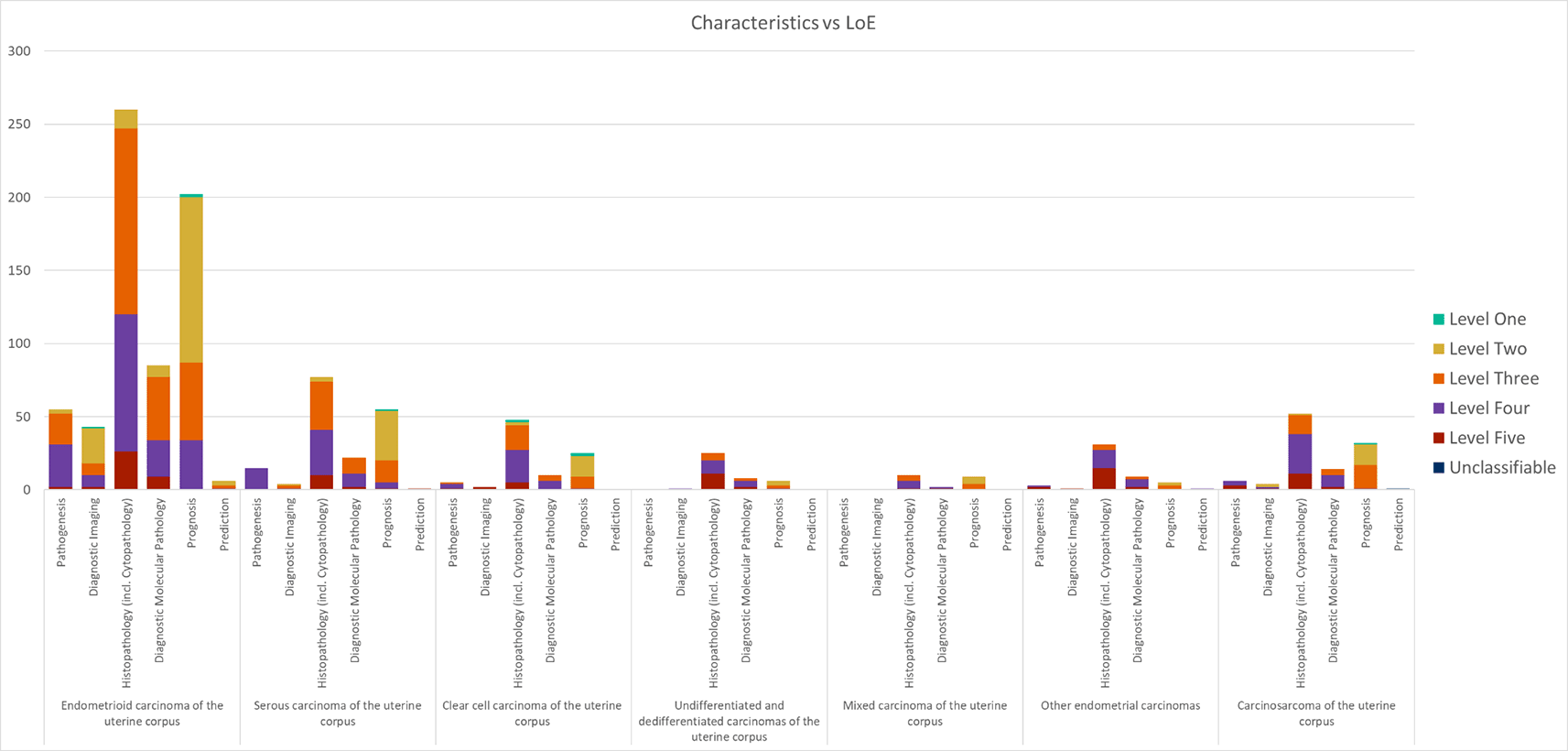
Figure 3. Distribution of studies by level of evidence (see colour legend) across histological types and diagnostic characteristics of endometrial carcinomas of the uterine corpus.
The majority of the included records concerned the most common histological type, endometrioid carcinoma of the uterine corpus, whereas mixed carcinoma of the uterine corpus was the least frequently reported (
Figures 2, 3 and 4A).
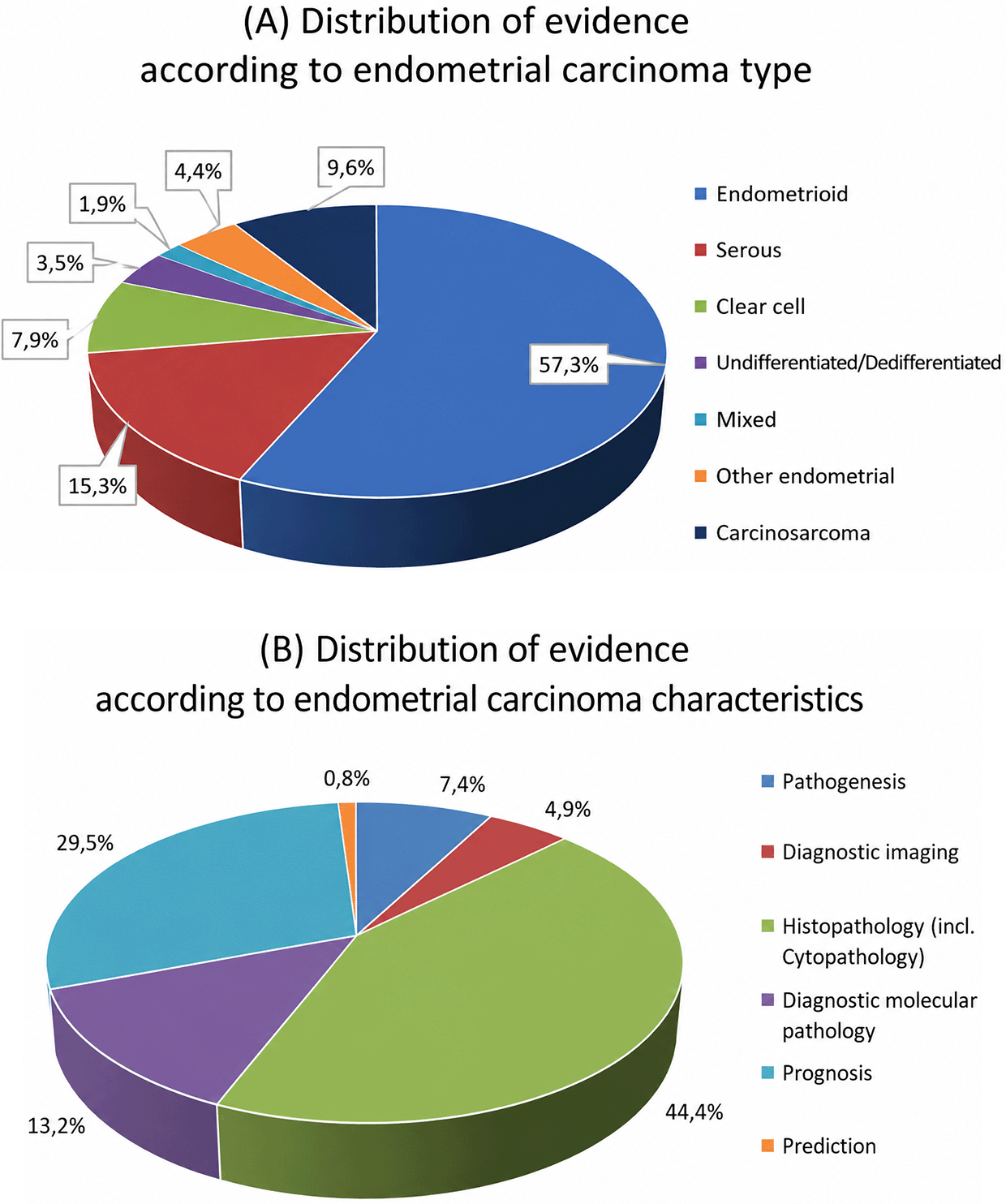
Figure 4. Distribution of evidence on endometrial carcinomas of the uterine corpus according to tumour type (A) and diagnostic characteristics (B).
Across the ECUC types, histopathology was the most commonly addressed characteristic, followed by prognosis, while prediction was addressed least often (
Figures 2, 3, 4B, and 5).
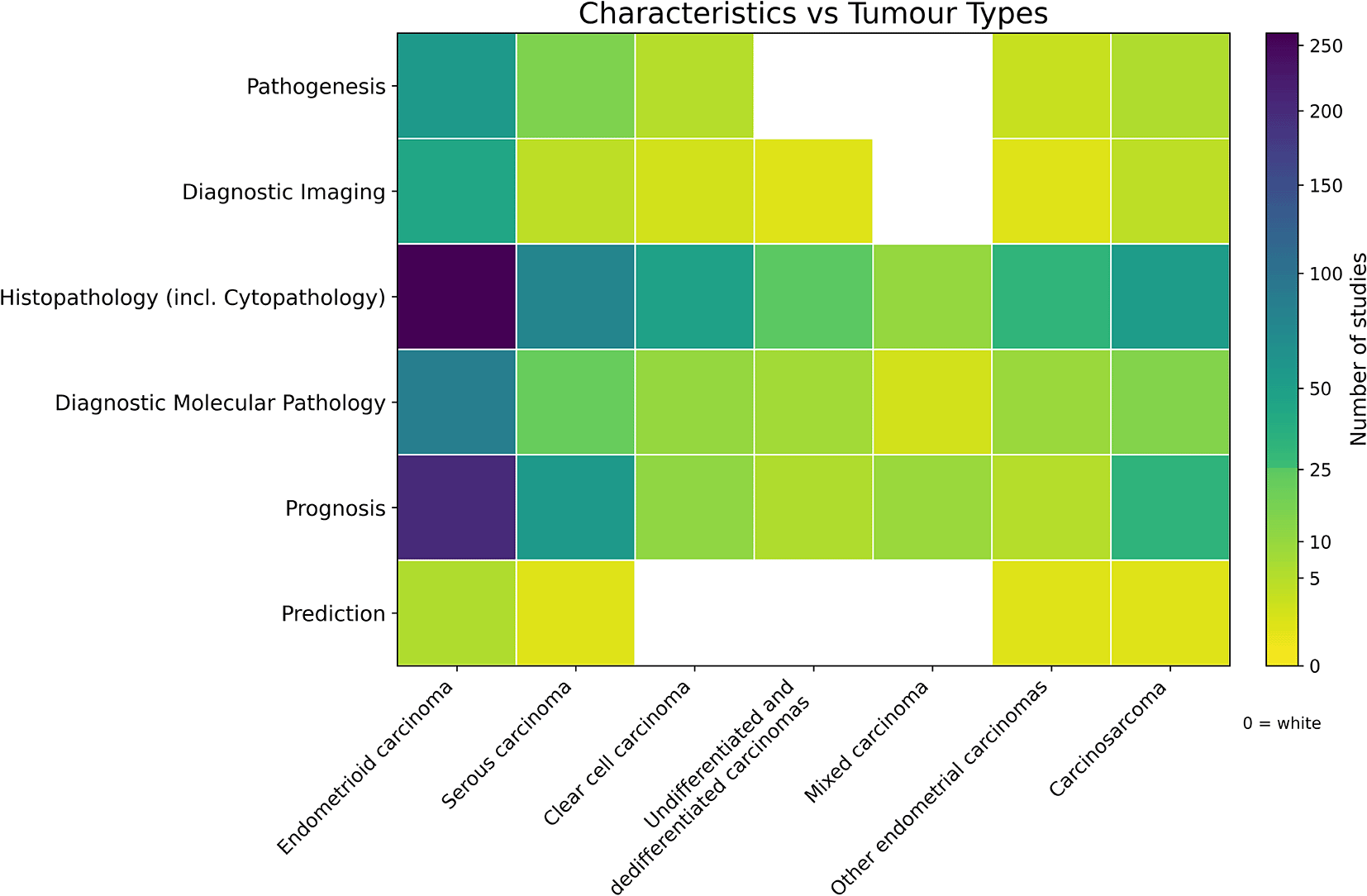
Figure 5. Heatmap of the evidence base across endometrial carcinoma types and research domains (diagnostic characteristics).
A nonlinear colour scale (gamma = 0.5) was applied to enhance the visibility of low-frequency data. White indicates areas with no studies, while lighter to darker colour scale represents increasing study numbers.
The heatmap presented in
Figure 5 reveals a clear imbalance in the distribution of evidence across endometrial carcinoma types and research domains (diagnostic characteristics). Across all analytical categories, there is a marked predominance of studies focusing on endometrioid carcinoma. Histopathology and prognostic research constitute the most extensively covered domains, particularly for endometrioid and serous carcinomas, which together account for the majority of available evidence. In contrast, predictive research remains minimal across all tumour types. Similarly, rare histological subtypes, including undifferentiated and mixed carcinomas, are consistently underrepresented, with sparse evidence available across all assessed characteristics. Diagnostic imaging and pathogenesis are also comparatively underexplored, particularly beyond the endometrioid carcinoma subgroup.
Considering LoEs (
Figures 2 and 3), the overall evidence base is dominated by levels 3–4 across all domains and histological types. High-level evidence (level 1) is extremely limited. Among the 334 deduplicated abstracts from the search results reported by authors as systematic reviews (SRs), only 6 (1.8%) met the predefined, stringent eligibility criteria for inclusion. These contributed ten level 1 evidence records to the EGM, accounting for 1.4% of all included records: 7 related to prognosis, 2 to histopathology (including cytopathology), and 1 to diagnostic imaging. Level 2 evidence is confined to selected domains, notably prognosis and histopathology, predominantly within endometrioid carcinoma, while being largely absent in rarer tumour types. Among all domains, prognosis was most frequently addressed in level 1–2 studies (60.3%), whereas other domains, notably also histopathology (including cytopathology), were predominantly supported by level ≤ 3 evidence. With respect to the LoE, one record was classified as “unclassifiable,” because it referred to a prediction assessed within a study designed as “Other Mechanistic Basic Science Studies,” a combination with no level assigned in the adopted HETP (Table S1).11
Systematic gaps are evident across less common histological subtypes, including clear cell, undifferentiated/dedifferentiated, mixed carcinomas, and other rare endometrial cancers. In these groups, evidence is sparse overall and largely confined to lower levels, with minimal or absent level 1 and 2 studies across most domains. This pattern is particularly apparent in pathogenesis, diagnostic imaging, and prediction, where study counts remain low or nearly absent, regardless of the evidence level. Similarly, diagnostic imaging shows limited representation of higher-level evidence, particularly beyond endometrioid carcinoma.
Considering study designs, the evidence base in ECUC is dominated by observational designs, particularly cohort and case–control studies, as well as case series and case reports (Figure 6). These designs are most frequently represented in studies on the following characteristics: histopathology (including cytopathology), prognosis, and diagnostic molecular pathology. In contrast, designs with higher LoEs remain scarce; randomised controlled trials, other interventional clinical trials, and diagnostic test validation or reproducibility studies are largely absent or minimally represented across all domains. Extensive white areas in the heatmap indicate absolute gaps, particularly for consensus statements, ecological studies, and several experimental or validation-oriented designs.
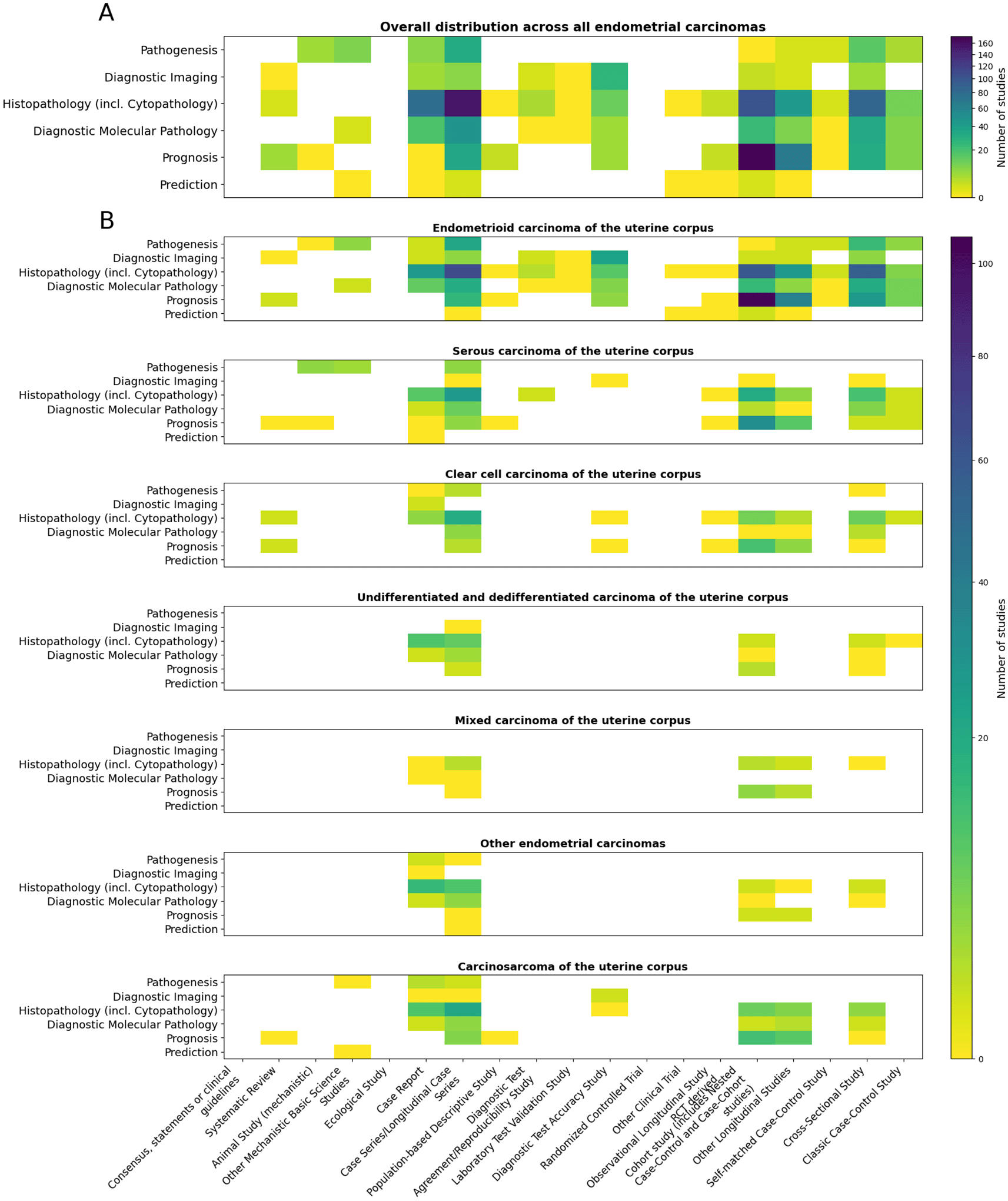
Figure 6. Heatmap of the distribution of studies on endometrial carcinomas of the uterine corpus (ECUC) across research domains and study designs.
All ECUC tumour types. (A) Individual types of ECUC (B) A nonlinear colour scale was applied to enhance the visibility of low-frequency data. White indicates areas with no studies, while lighter to darker colour scale represents increasing study numbers.
Stratification by ECUC type reveals that endometrioid carcinoma shows the broadest distribution across study designs and the highest study counts, particularly within observational and case-based methodologies. However, even in this type, a lack of randomised trials and validation-focused studies is notable. Non-endometrioid types exhibit substantially more restricted evidence profiles, with large contiguous white areas indicating near-complete absence of studies across multiple domains and designs. Serous carcinoma is represented mainly by case series and observational studies, with limited methodological diversity. Clear cell carcinoma, undifferentiated and dedifferentiated carcinomas, and mixed carcinomas show pronounced evidence gaps, with studies largely confined to small case series or sparse observational analyses and a near-complete absence of interventional, validation, or predictive study designs. Carcinosarcoma demonstrates slightly broader coverage among observational designs but similarly contains substantial areas devoid of evidence.
A clear synthesis gap is observed across the EGM, with level 1 evidence (systematic reviews) being very limited and, with a single exception, confined to the domain of prognosis.
Discussion
The EGM reveals a highly uneven distribution of research across endometrial carcinomas and tumour characteristics. Evidence levels assigned according to the adapted HETP (Table S1)11 indicate that studies are predominantly moderate to low level (levels 3–4), with scarce level 1 and limited level 2 evidence. This imbalance reflects a general lack of robust, high-certainty studies across the field.
The EGM highlights marked disparities across histological ECUC types. Broadly, publication volume reflects tumour incidence, with endometrioid carcinoma dominating the evidence base.8 A relatively large evidence base for endometrioid carcinoma spans pathogenesis, diagnostic imaging, histopathology (including molecular characterisation), molecular diagnostics and, to a lesser extent, prognostic and predictive research, making it the best-characterised among endometrial cancers. However, this breadth is not replicated in non-endometrioid ECUC types. Undifferentiated/dedifferentiated, mixed carcinomas, and other endometrial carcinomas, among all the other types, are supported by the least and mainly low-level evidence, suggesting the presence of substantial or near-absolute evidence gaps. Clear cell carcinoma also remains underexplored across most domains, with limited evidence beyond histopathology and prognosis. These deficiencies may, at least in part, reflect complexity, biological heterogeneity, and the inherent challenges of studying rare cancers, including the need for multicentre collaboration, larger patient cohorts, and increased organisational effort. However, serous carcinoma and carcinosarcoma, despite their lower incidence, are relatively better evidenced, particularly in histopathology and prognosis domains, likely reflecting research interest driven by their aggressive clinical behaviour.
Substantial and absolute gaps in key areas such as pathogenesis, molecular pathology, diagnostic imaging, and prediction indicate that both the biological underpinnings and optimal diagnostic pathways for non-endometrioid ECUC tumours remain to be characterised.
Among tumour characteristics defined for the EGM, histopathology is the most extensively covered area, still, it remains predominantly supported by moderate-level evidence. However, histopathology, as defined in the applied WCT EVI MAP framework, includes immunohistochemistry, which is also used to assess prognostic and predictive characteristics. This exemplifies cases in which studies focused on prognosis or prediction may also have supported the histopathology domain. Prognostic studies stand out in the EGM not only because the few level 1 records primarily relate to prognosis, but also because they are consistently dominated by cohort designs (particularly observational longitudinal studies) and case–control studies, with additional contributions from case series. This distribution reflects the intrinsic characteristics of prognostic research. The predominance of cohort studies aligns with the requirement for longitudinal follow-up to assess outcomes such as survival or recurrence. The presence of case–control designs reflects their efficiency in studying relatively rare events. Furthermore, the widespread use of retrospective data sources, including clinical records and cancer registries, facilitates observational designs over prospective or interventional approaches. However, a critical structural gap is evident: the near absence of validation-oriented studies indicates that prognostic findings are rarely subjected to rigorous confirmation or reproducibility assessment. At the same time, there is a near-complete absence of randomised controlled trials that provide data relevant to the analysed diagnostic characteristics. Consequently, although prognosis research appears quantitatively robust and methodologically consistent, it appears to remain largely confined to exploratory and correlation-based studies, with limited progress toward validated, clinically applicable models.
Prediction of treatment response emerges as one of the most underdeveloped domains across ECUC tumour types, as reflected by the consistently low number of studies that met the inclusion criteria, and a near absence of high-level evidence. This gap likely stems from the methodological complexity of such studies, which require prospective designs, validated biomarkers, and, unlike prognostic research, a clear separation of treatment effects from underlying disease biology. These requirements often necessitate larger, well-controlled cohorts or clinical trials and are further compounded in rare tumour types. It should also be noted that clinical trials are primarily designed to evaluate therapeutic interventions, and evidence relevant to pathology is therefore often derived from such settings rather than from research specifically designed for this purpose. This also exemplifies why pathology-focused research requires a tailored evidence hierarchy, as developed within the WCT EVI MAP project2,12,13 and applied in this study.
The study also highlights the need for high-quality systematic reviews in domains with a substantial body of primary research, to strengthen the evidence base and facilitate the translation of findings into clinical practice.
Several strengths of this work should be noted. Structured, professionally conducted searches using broad, comprehensive terms, including synonyms, were conducted across two major medical databases. To ensure consistency in screening and coding, random samples of records were independently reviewed by a second reviewer, with discrepancies resolved through consensus. Tumour nomenclature was aligned with the latest WCT. Stringent inclusion criteria were applied for systematic reviews to avoid misclassifying meta-analyses or narrative reviews as systematic reviews.
However, certain limitations should be acknowledged. First, screening was conducted at the title and abstract level without full-text assessment. While this enabled inclusion of non-open access articles and efficient large-scale mapping, it may have led to the exclusion of some relevant studies due to their insufficiently informative abstracts. Among these, numerous abstracts (for both primary and secondary research) did not specify tumour types according to the current WCT nomenclature, instead using incorrect or, very often, general terms such as “endometrial carcinoma”, which contributed substantially to the high number of exclusions. Reporting multiple tumour types without disaggregated results was also a common reason for exclusion. Substantial underreporting of key data in abstracts accounted for a large proportion of exclusions. This finding underscores the need for standardised frameworks for publication abstracts, particularly given that abstracts are often the only accessible component of a publication and are increasingly relied upon by evidence synthesis tools.20,21
A large number of exclusions resulted also from a lack of interventions or study designs aligned with the WCT EVI MAP framework. Furthermore, as the search strategy prioritised sensitivity over specificity, the resulting sets included several preprints, non-English records, entries without abstracts, as well as aetiology and epidemiology studies, which were not eligible for inclusion. Moreover, due to differences in search time frames between endometrioid and other ECUC types, only studies published within a common time frame were included. The volume of exclusions made listing key excluded studies (recommended by Campbell Collaboration guidance22) impractical. However, it should be emphasised that the eligibility criteria were applied consistently and transparently.
Due to time and resource constraints, duplicate screening and coding were conducted on samples rather than across all records, and formal quality assessment – recommended but not required according to Campbell Collaboration guidelines for EGMs22 – was not undertaken.
The limitations of this study, particularly the restriction to title- and abstract-level assessment, may affect the strength of the conclusions drawn from the mapped evidence, as additional relevant studies may not have been captured in the EGM. However, while such omissions could have a meaningful impact in the context of quantitative syntheses (e.g. meta-analyses), they are unlikely to substantially alter the overall evidence landscape presented here. Nevertheless, the EGM should be interpreted as a structured overview of a selected subset of evidence meeting predefined inclusion criteria within a relatively narrow publication period, rather than as a comprehensive representation of the entire evidence base. This may be illustrated by the fact that the substantial biological heterogeneity of endometrial carcinomas is already recognised in established clinical frameworks such as the ESMO guidelines, which incorporate molecular classification based on robust clinical and translational evidence, including TCGA-inspired groups defined by MMR status, p53 abnormalities, and POLE mutations.5–7,22–25 These markers have well-established prognostic value and, in selected contexts, predictive relevance, informing clinically meaningful decisions such as the use of immune checkpoint inhibitors in mismatch repair (MMR)-deficient tumours and risk-adapted treatment strategies. However, variability within molecular subgroups, particularly within the “no specific molecular profile” (NSMP) category, highlights the need for improved stratification tools.25,26
For non-endometrioid tumour types, while certain molecular markers, including p53, HER2 amplification, and MMR status, are applied, evidence for prognostic and predictive value of molecular markers remains less robust. In non-endometrioid subtypes, including serous and clear cell carcinomas and carcinosarcomas, characterised by more aggressive behaviour, molecularly informed approaches such as HER2-targeted therapy, are emerging in selected settings.5,27,28 Undifferentiated and dedifferentiated carcinomas represent particularly high-risk entities, often associated with poor outcomes but potential responsiveness to immunotherapy. Mixed carcinomas further complicate treatment decisions, as management is typically guided by the most aggressive component, highlighting the importance of accurate pathological and molecular assessment.29
Despite the EGM’s selective scope, broader structural limitations in the evidence base are apparent. The development, validation and standardisation of molecular diagnostics, alongside and beyond current molecular classifiers, remains essential to optimise treatment and improve outcomes. Similarly, diagnostic imaging remains underrepresented in the available evidence and requires further development to better leverage its potential to enhance diagnostic accuracy and treatment planning. Equally important are areas characterised by clusters of low-level evidence and absolute gaps in research on tumour pathogenesis, which provides the foundation for understanding disease mechanisms and identifying molecular targets that may serve as clinically relevant biomarkers for prognosis and prediction of treatment response. The insufficient integration of such mechanistic insights into translational research further constrains the development of robust, clinically applicable tools. This limits their potential to inform refinements in tumour classification, particularly within evolving molecular frameworks that underpin future updates of the WCT.
In conclusion, the EGM provides a systematic overview of the distribution and levels of evidence across diagnostic characteristics in endometrial carcinoma, highlighting gaps and identifying priorities for future research. Advances in molecular classification and personalised treatment are being developed on an evidence base that is uneven and, for rare tumour types, remains at a fundamental level. While histopathological characterisation is relatively well established, substantial deficiencies persist in diagnostic imaging, molecular pathology, and, most notably, treatment response prediction, particularly for rare and high-risk subtypes. Addressing these deficiencies through integrated research, spanning tumour biology, molecular diagnostics, and imaging, will be essential not only to improve treatment selection and patient outcomes, but also to support future refinements of classification systems and enable more precise, biology-driven definitions of endometrial cancer subtypes. As such, the EGM may serve as a valuable resource for researchers, policymakers, and WCT editors, informing both future research directions and potential updates of tumour classification within evolving molecular frameworks.
Disclaimers
The content of this article represents the personal views of the authors and does not represent the views of the authors’ employers and associated institutions. Where authors are identified as personnel of the International Agency for Research on Cancer/World Health Organization, the authors alone are responsible for the views expressed in this article, and they do not necessarily represent the decisions, policy, or views of the International Agency for Research on Cancer/World Health Organization.
ChatGPT (OpenAI, GPT-5.3) was used to assist with heatmap generation (
Figures 5 and 6) and language editing.
Ethics and consent
Ethical approval and consent were not required.
Extended data
The article is supported by the following extended data:
Table S1. Hierarchy of Evidence for Tumour Pathology (HETP), developed1 and further adapted2 as part of the project entitled “Mapping the Evidence for the World Health Organization Classification of Tumours: a Living Evidence Gap Map by Tumour Type, WCT EVI MAP” funded by the European Union (HORIZON EUROPE Grant No. 101057127).3
Table S2. Definitions of tumour characteristics included in Evidence and Gap Map on the endometrial carcinomas of the uterine corpus.
Table S3. Structured literature searches of PubMed and Ovid Embase for articles about Endometrioid carcinoma of the uterine corpus (search A) and non-Endometrioid carcinomas of the uterine corpus (Serous, Clear cell, Undifferentiated and dedifferentiated, Mixed and Other endometrial carcinomas, and Carcinosarcoma) (search B).
Table S4. Eligibility criteria for inclusion or exclusion applied at screening.
Tables S1–S4 are available at: OSF doi: 10.17605/OSF.IO/SK8D211, 14–16







