Introduction
The smart city has become a widely adopted paradigm of urban development.1–7 It has moved well beyond pilot discourse, with evidence of more than 1,000 implemented projects worldwide,8,9 substantial public and municipal investment commitments,10,11 and strong institutionalization in major policy programmes such as the EU’s Cities Mission targeting 100 climate-neutral and smart cities by 2030.12,13 Early smart city initiatives were often technology-driven, emphasizing information and communication technology infrastructure and smart services as ends in themselves.14–18 This techno-centric orientation has been widely criticized for neglecting the human and social dimensions of urban innovation.16,19–24 In response, scholars and practitioners have called for more holistic strategies that treat technology as a means to broader urban goals by integrating community needs, sustainability, and institutional change.25–30 The governance of smart city initiatives can likewise range from top-down, government-led planning to bottom-up forms of innovation involving civic actors and grassroots communities.14,31–33 A further distinction concerns stakeholder breadth: smart city delivery is often organized through public–private arrangements, sometimes described as a double-helix governance mode,34,35 whereas the quadruple-helix perspective expands co-creation to include academia and civil society.8,32,36–39
A final strategic distinction concerns whether smart city development follows a mono-dimensional logic, concentrated in a single domain or a set of isolated projects, or an integrated logic that aligns multiple urban domains and policies within a broader framework. Empirical research shows substantial variation in how widely cities distribute smart initiatives across domains. Neirotti et al. operationalize this as a domain “coverage ratio,” demonstrating that some cities remain concentrated in a narrow subset of domains while others adopt broader, cross-domain portfolios.40 At the same time, the smart city concept has been described as evolving “from a sector-based approach to a more comprehensive view,” even though implementation often requires “lowering the scale from the strategy to the project level,” which makes genuinely integrated and systematic delivery difficult in practice.41,42 The literature therefore contrasts explicitly integrated smart city strategies with contexts in which piecemeal initiatives dominate, and citywide strategizing emerges only after project accumulation.40
These dichotomies—technology-driven versus holistic, top-down versus bottom-up, double- versus quadruple-helix, and mono-dimensional versus integrated—capture strategic tensions that recur across smart city development.37,43 Yet the empirical base used to theorize and benchmark them remains uneven. Much of the most visible evidence, and many of the best-known comparative syntheses, draw disproportionately on global cities and capital regions characterized by high administrative capacity, dense innovation ecosystems, large procurement markets, and strong international visibility. This creates a risk of selection bias in smart city research,19,44–46 whereby governance arrangements observed in flagship cities are implicitly treated as generalizable even though they are produced under atypical institutional and resource conditions.
Medium-sized cities constitute a different—and in Europe, more common—implementation setting.47 They often operate with thinner organizational capacity,48,49 more constrained fiscal space,50,51 higher dependence on external funding programmes,50 and more limited in-house data and analytics capabilities.52,53 These conditions can shape whether smart city development becomes technology-led or holistic, top-down or participatory, and predominantly double-helix or more broadly collaborative in practice.35,41,54–58 This matters not only for theory but also for policy: European programmes increasingly expect cities beyond capitals to deliver integrated digital and climate transitions,59–61 yet the smart city literature still offers limited fine-grained evidence on how city-level strategic framings are translated into concrete project choices, governance arrangements, and implementation practices in medium-sized, non-flagship contexts.41,62–65
Against this background, Debrecen (Hungary) provides an analytically informative case of a medium-sized regional centre in which smart city development is pursued under typical European scaling conditions.66 Debrecen has undergone rapid economic restructuring alongside major infrastructure investment and has articulated explicit smart city priorities in mobility, energy, and digital development, supported by cross-cutting aims related to citizen engagement, data-informed decision-making, and external collaboration. In such settings, governance networks and capacity constraints are not merely background conditions; they are plausible drivers of observed strategic orientations.
Methodologically, the article operationalizes the four dichotomies as an empirical diagnostic using a newly curated and validated dataset of 120 smart city initiatives in Debrecen, complemented by a stakeholder collaboration network derived from co-participation data. The analysis assesses whether strategic intent is reflected in practice by: (1) mapping initiatives across smart city domains and application areas; (2) coding projects along the four dichotomies; and (3) examining the collaboration network to identify central actors, bridging roles, and the extent of multi-helix participation. The approach builds on a pilot methodology and aligns with a recent Budapest case analysis, thereby improving within-country comparability while extending empirical evidence to a non-capital, medium-city context.
The remainder of the article is structured as follows. The Methods section describes the data collection process, coding logic, and network-analytic framework. The Results section presents Debrecen’s strategic profile along the four dichotomy dimensions, the distribution of initiatives across domains and application areas, and the structure of the collaboration network. The Discussion interprets these findings in relation to broader debates on medium-sized city governance, while the Conclusions summarize the main contributions and policy implications.
Methods
Data collection and study context
This study is based on a comprehensive dataset of Debrecen’s smart city initiatives compiled and validated in 2025.67 The dataset includes 120 projects and initiatives implemented approximately between 2007 and 2025 in Debrecen. These initiatives were identified through multiple sources, including municipal project documentation, the official Debrecen Smart City Strategy, press releases, and project database entries compiled with local stakeholder input. Each initiative record was cross-checked against at least two independent sources where possible, and uncertain classifications were resolved through iterative review of original documentation. Each entry contains the project name, year, assigned smart city domain, a short description, and the list of participating organizations. Domains were classified according to the standard European smart city dimensions—Smart Governance, Smart Mobility, Smart Economy, Smart Society/People, Smart Environment, and Smart Living—consistent with the Giffinger model and annotated directly in the dataset for each project.63 Although Debrecen’s official strategy prioritizes mobility, energy, and digital development, the dataset shows that initiatives span all six domains, which makes it possible to analyse the city’s multidimensional development profile.
For each project, the dataset also records whether the municipality was involved as an initiator or partner and lists up to 15 partner organizations, including public agencies, companies, and non-governmental organizations. A separate network-edge file was generated from these records by listing each pair of organizations that appeared together in at least one project and assigning a weight equal to the number of co-occurrences. This file serves as the basis for the network analysis of Debrecen’s smart city ecosystem.
Coding approach: dichotomous strategy dimensions
To analyse Debrecen’s strategic governance logic, we adopted a coding scheme based on the dichotomous model proposed by Mora et al. (2019)37 and further applied by Csukás and Szabó in their Budapest case study.43 Each project was coded along several axes corresponding to the hypothesized dichotomies:
Tech-driven vs. Holistic: We assessed whether the project had a primarily technological focus (e.g., implementing ICT solutions, smart infrastructure, digital services) or a broader holistic focus (e.g., community development, policy or institutional frameworks, non-technical interventions). Following the methodology of Mora et al. (2019), we introduced four activity-type categories to capture this: (A) Community Building, (B) Strategic Framework, (C) Services and Applications, and (D) Digital Infrastructure. Categories A and B represent non-technical, social or organizational activities (such as citizen engagement programs, strategy formulation, training, etc.), whereas C and D represent technology-oriented activities (deployment of smart services, mobile apps, sensors, Wi-Fi, hardware, etc.). Each initiative in Debrecen’s dataset was coded with one or more of these categories as applicable. This allows us to quantify the balance between tech-centric and community-centric efforts. In line with prior studies, we then grouped A + B vs. C + D to determine the overall strategy leaning.
Top-Down vs. Bottom-Up: We examined the governance mode of each initiative. An initiative was classified as top-down if it was initiated by the municipal government or a public authority and aligned with official strategy (for example, projects where Debrecen City Hall or a city-owned enterprise is a driving actor). Conversely, it was classified as bottom-up if it emerged from outside the municipal government – for instance, a project led by a startup, community organization, or corporate actor without direct city planning involvement. In practice, we used the “City involvement” field as a proxy: if the Municipality of Debrecen (or its agencies) was involved in an initiative, we consider it top-down or at least guided by the city, whereas if the city was not a participant, the initiative is treated as externally or bottom-up driven. This binary classification aligns with the dichotomy definitions where local governments lead smart city development (top-down) or other stakeholders drive it independently (bottom-up). We recognize that reality can be nuanced (some projects are co-created), but this provides a clear criterion for analysis.
Double Helix vs. Quadruple Helix Collaboration: We identified the stakeholder composition of each project to see whether Debrecen’s smart city development relies mainly on the double-helix of government–industry collaboration or expands to a quadruple-helix model including academia (research institutions) and civil society (NGOs, citizen groups). To do this, we classified every participating organization in the dataset into one of four categories: Government (municipal departments, city-owned companies, national agencies, local authorities), Industry (private sector firms, startups, utilities if privately run), Research (universities, research institutes, schools), or Civil Society (non-profits, associations, community groups). The categorization was informed by organization type and name (for example, “Önkormányzat” denotes a municipality, indicating a government actor; “Egyetem” denotes a university, etc.). We computed the share and number of actors from each sphere involved in Debrecen’s initiatives, as well as examined specific major projects for the diversity of partners. This allows us to judge whether Debrecen’s smart city development model is closer to a closed public–private partnership core (double-helix) or an open collaborative network (quadruple-helix) involving knowledge institutions and the public.
Mono-dimensional vs. Integrated Logic: Finally, we assessed whether Debrecen’s smart city activities concentrate on a single dimension or pursue an integrated approach across multiple domains. The breadth of smart city domains covered by the city’s projects is one indicator: a mono-dimensional strategy might focus overwhelmingly on, say, ICT infrastructure or one sector like transportation, whereas an integrated strategy would include projects in mobility, environment, governance, economy, people, living, etc., reflecting a balanced urban development vision. Using the domain labels in the dataset, we tallied projects per domain and identified the level of cross-domain integration. Another indicator is the horizontal (“cross-cutting”) initiatives that tie multiple domains together (for example, a climate strategy that involves environment, mobility, and community engagement simultaneously, or a digital education program that connects governance, people, and living domains). We flagged such integrative initiatives where applicable. Debrecen’s own strategy document suggests an integrated perspective by linking focus areas with horizontal principles. Our analysis examines to what extent this is reflected in the actual portfolio of projects.
Because several initiatives span multiple domains and activity types, coding was conducted iteratively, with repeated checks of borderline cases to ensure consistent application of the dichotomy definitions across the dataset.
Network construction and analysis
To visualize and analyse the ecosystem of actors in Debrecen’s smart city initiatives, we used the contributor data to build a collaboration network graph. In this undirected graph, each node represents an organization (stakeholder) that has participated in at least one smart city project in Debrecen, and each edge represents a collaboration between two organizations, defined by co-participation in one or more projects. If two entities worked together on multiple projects, the edge between them is assigned a higher weight (equal to the number of shared projects). For example, the City of Debrecen and the EDC Debrecen Economic Development Center co-appear in 12 projects, so there is a weighted edge of 12 between them in the network. We extracted 476 such collaboration links among 161 unique organizations, and the network was analysed using Python/NetworkX and visualized with a force-directed layout (spring algorithm).
We applied visual encoding to highlight the quadruple-helix roles of actors. In the network visualization (
Figure 1), node colours indicate the actor type (e.g., red for government, green for industry, blue for research, orange for civil society), and node size corresponds to the number of projects that actor is involved in (degree centrality, with larger nodes for more active participants). We also draw edges with a thickness proportional to collaboration strength (common projects) to spotlight strong partnerships. This network representation allows us to identify key hubs, clusters of collaboration, and the overall structure of Debrecen’s smart city stakeholder ecosystem. Basic network metrics such as degree centrality were computed to rank the influence of actors, and connected components were examined to see if any sub-networks operate relatively disconnected from the main cluster (e.g., exclusively bottom-up project clusters).
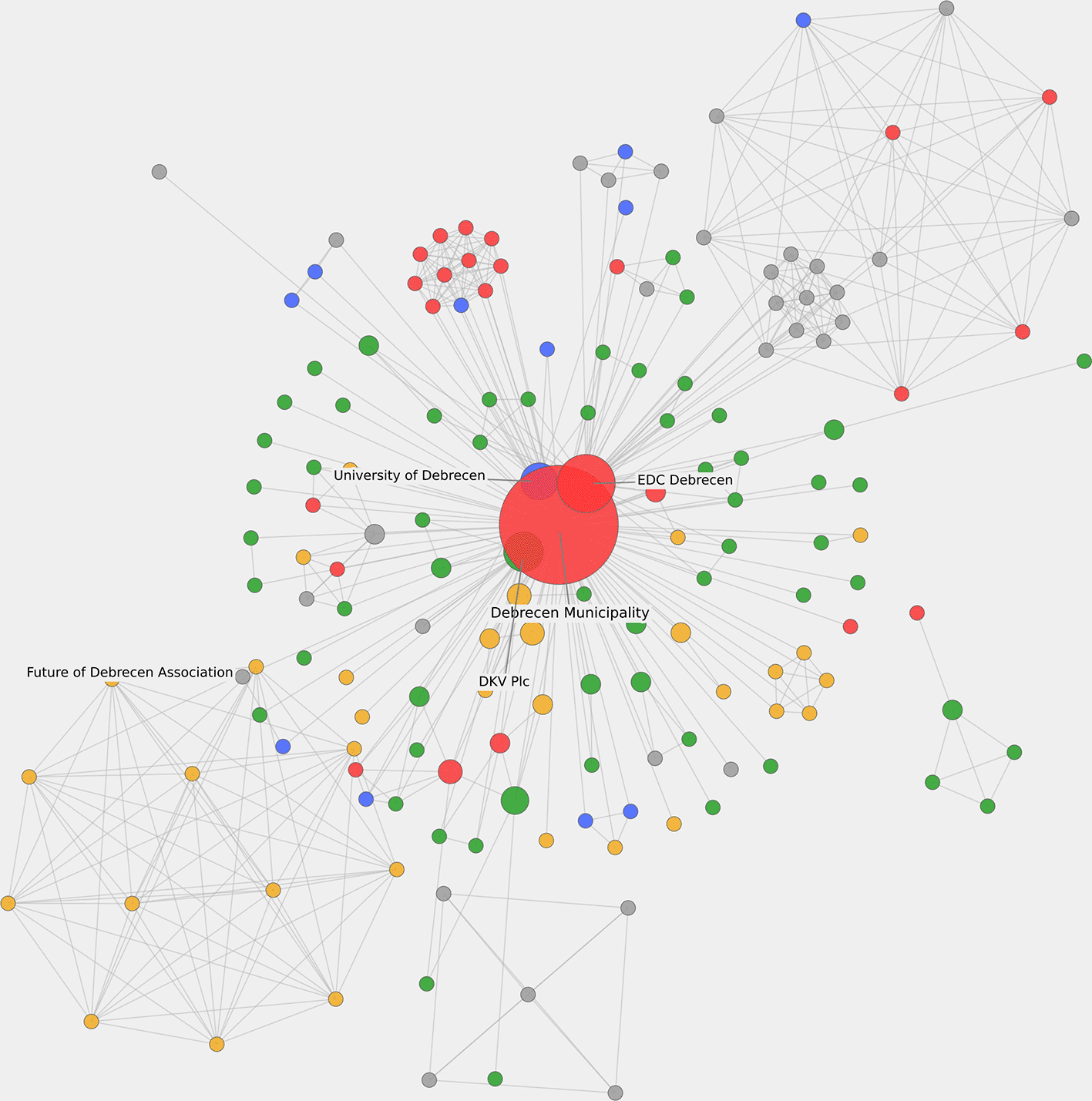
Figure 1. Debrecen’s smart city development strategy: number of initiatives by category (A–D).
Note to
Figure 1: Percentages indicate the share of initiatives coded in each category; categories are not mutually exclusive (initiatives may be assigned to multiple categories).
By combining qualitative dichotomy coding with quantitative network analysis, the methodology provides a multidimensional view of Debrecen’s smart city strategy. It captures not only the substantive orientation of initiatives, but also the structure of collaboration through which strategic priorities are implemented.
Results
Strategic orientation: tech-driven vs. holistic balance
Our analysis finds that Debrecen’s smart city portfolio is predominantly technology-driven, though not without holistic elements. Out of the 120 documented initiatives, a large majority involve tangible technological solutions – for instance, deploying new digital services, smart infrastructure, or data platforms – whereas a smaller subset focus on community engagement or strategic planning without a tech component. Using the category coding, we observed 100 initiatives (83%) include “Services & Applications” or “Digital Infrastructure” elements, compared to 46 initiatives (41%) that include “Community Building” or “Strategic Framework” elements (many projects contain both types). In other words, there are roughly twice as many tech-oriented activities as socially-oriented ones in Debrecen, a ratio very much in line with Budapest’s case where Group 2 (tech-driven) had almost double the number of activities of Group 1 (holistic support).
Figure 2 in the Budapest study illustrated this imbalance clearly; our findings indicate a similar non-balanced distribution for Debrecen.
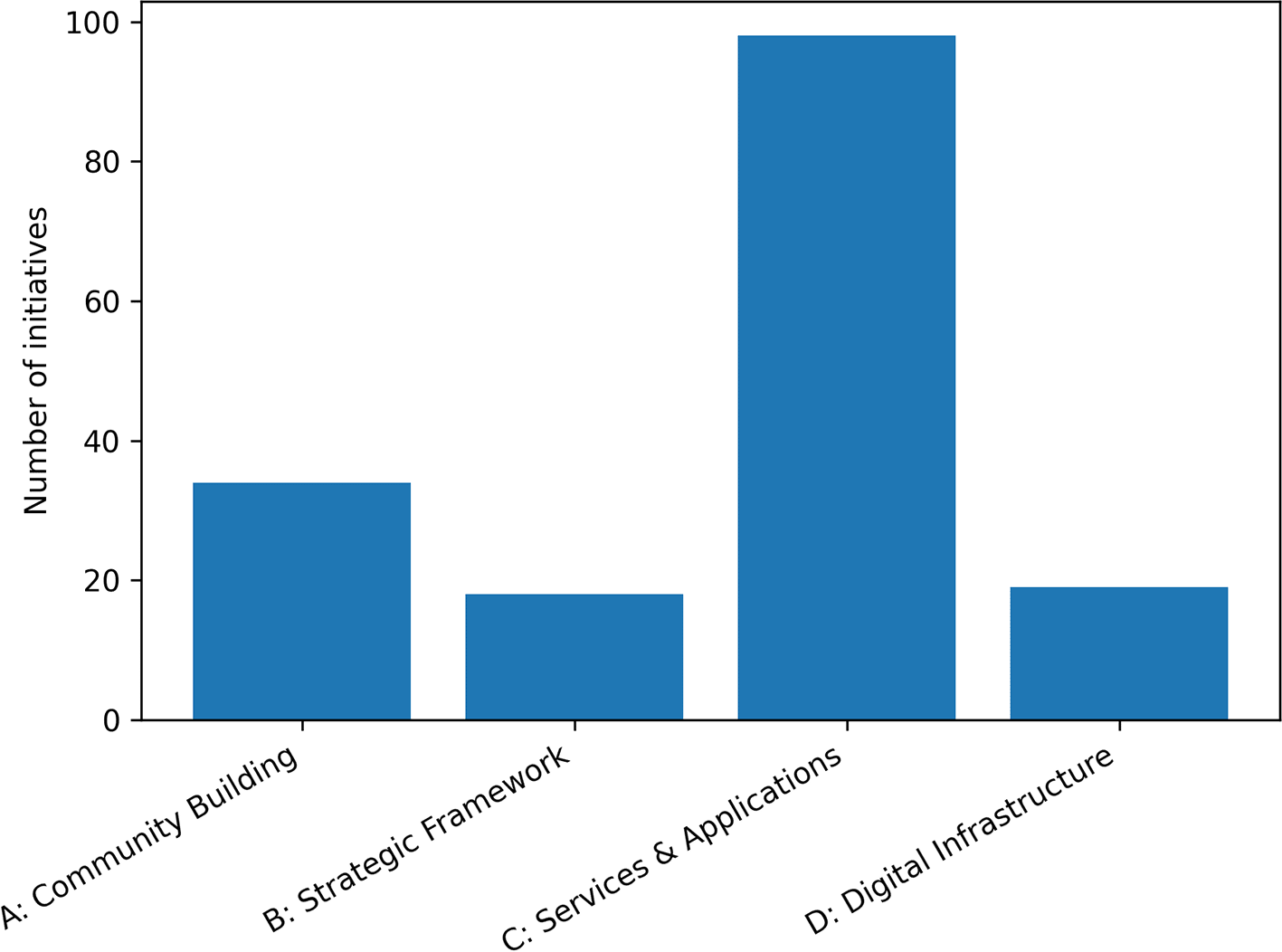
Figure 2. Collaboration network of Debrecen’s smart city actors.
Note to
Figure 2: Nodes coloured by type: red = government, green = industry, blue = research, orange = civil; node size proportional to number of projects; edge thickness proportional to number of shared projects.
This skew toward technology is underscored by the nature of Debrecen’s flagship projects. Many initiatives target smart infrastructure in urban mobility and energy. For example, the city installed smart traffic solutions (“intelligent crosswalks”, smart traffic lights), rolled out city-wide free Wi-Fi hotspots, implemented smart parking and e-ticketing systems, launched an open data portal, and participated in EU pilots for electric buses and charging infrastructure. These typically fall under the “Digital Infrastructure” or “Service/Application” categories in our coding. In contrast, comparatively fewer projects were devoted to community-centric programs or soft measures. Notable holistic efforts include the “Debrecen Smart City Meetup” series (a community-building and knowledge-sharing event), the establishment of a “Smart City Round Table” for stakeholder dialogue (strategic framework activity), and certain education programs like coding workshops for youth (Logiscool, NI Mentor Program). Debrecen also developed strategy documents such as a Sustainable Energy and Climate Action Plan (SECAP) and a local climate strategy (both categorized as Strategic Framework initiatives). However, these holistic or strategic initiatives are fewer and often run in parallel to the main tech deployments rather than fully integrating with them.
Overall, Debrecen’s strategy can be characterized as technology-led rather than fully holistic. Similar to the conclusion drawn for Budapest, Debrecen’s smart city approach puts high emphasis on implementing ICT and smart solutions (technology as a driving force), and relatively less emphasis on activities aimed at community empowerment or deep institutional change. The city’s philosophy appears to view technology as a primary tool to achieve urban improvements, while citizen engagement and policy innovation are supportive but secondary. As a result, Debrecen’s strategy cannot be considered holistic in the stronger sense of fundamentally reshaping socio-technical systems – instead, it aligns more with a service-and-application-focused vision of smart cities. Nonetheless, the fact that about 40% of initiatives did involve some community or planning dimension indicates that Debrecen has not entirely ignored holistic principles; it has some awareness of the need for strategic frameworks and public buy-in (for example, the strategy’s emphasis on “bringing society on board”). In practice, though, these aspects play a supporting role to the technology deployments, rather than guiding the overall program.
Governance mode: top-down city leadership vs. bottom-up initiatives
Debrecen’s smart city development has been overwhelmingly top-down in governance. We found that the Municipality of Debrecen (city government) is a participant in 106 out of 120 projects (88%), often as the leading or coordinating entity. Many projects were directly initiated by the Mayor’s Office or city departments, frequently in partnership with the city’s own companies (e.g., DKV – the public transport company, Debreceni Vagyonkezelő – the asset management holding) or the city-backed Economic Development Center (EDC Debrecen). This indicates a strong central steering of the smart city agenda: the local government has been the key actor setting strategic priorities and mobilizing resources for implementation (top-down pattern).
Bottom-up or externally driven initiatives exist but are relatively rare outliers. Only ~12% of the projects lacked direct city involvement. These include, for example, a few private sector-led projects such as the “NI Mentor Program” (an education initiative by National Instruments, a multinational company with a Debrecen presence), and certain startup pilots (e.g., a contactless parking payment app by a local startup). Another small set of projects were led by research consortia or NGOs without the city’s lead – for instance, Debrecen’s participation in the LIFE IP HungAIRy program was coordinated by national environmental agencies and involved many cities, with Debrecen more of a beneficiary partner than the leader. Even in such cases, however, Debrecen’s municipality typically had at least a nominal role (as seen in LIFE IP HungAIRy, the city signed on as a partner).
The dominance of top-down initiatives in Debrecen underscores the city’s proactive stance: the local government took on the responsibility to “build partnerships, be proactive and coordinate urban actors”, which is consistent with its strategy documents and the general expectation for municipalities in smart city governance. Interviews and strategy texts emphasize that Debrecen’s leadership sees itself as the orchestrator of the smart city program, aligning with the notion that the public sector must coordinate and drive these efforts for success. This has advantages in terms of coherence – Debrecen’s projects largely fit into the city’s strategic focus areas, suggesting that the top-down approach ensured alignment with mobility, energy, and digital priorities. However, the flip side is that bottom-up innovation has been limited. We do not observe strong evidence of citizen-initiated “smart” projects or independent local tech community projects feeding into the city strategy. The smart city meetup events are a positive step to involve the community, but they were also organized by the city (EDC). Compared to some Western cities where hackathons, civic tech groups, or grassroots movements have influenced smart city development, Debrecen’s model remains more centralized.
Debrecen exemplifies a top-down governance model of smart city development, where the city hall and its affiliated organizations are the primary decision-makers and implementers. Bottom-up contributions, while present in a few cases, have not been a major driving force. This mirrors the situation in Budapest, where the city’s smart initiatives were also found to be chiefly driven by municipal leadership and not by bottom-up forces. The implication is that Debrecen’s smart city strategy has the benefit of clear leadership and potential for unified vision, but it may risk under-utilizing the creativity and engagement of civic society unless more avenues for bottom-up participation are introduced.
Collaboration model: Stakeholder participation and Quadruple-Helix analysis
Debrecen’s smart city ecosystem involves a variety of stakeholders, but the distribution is heavily skewed toward government and industry actors, reflecting a double-helix collaboration pattern. We identified a total of 161 distinct organizations participating across the 113 initiatives.
Figure 1 visualizes the network of these actors and their collaborations (each link indicating co-implementation of a project).
In Debrecen, the government sphere – which includes the municipal government and other public authorities – and the industry sphere – comprising private companies and investors – together account for the vast majority of participants. By our classification, roughly three-quarters of all involved entities are companies or industry partners, and about 15% are government or public-sector bodies. The remaining share is split between academia (universities, research institutes) and civil society organizations, which together make up less than 15% of actors. This breakdown is very much in line with what was observed in Budapest’s smart city projects: there, 39% of participating organizations were government and 39% industry, with only ~12% research and ~ 9% civil. Debrecen’s proportions are comparable, confirming that the core partnership is essentially between the city and businesses (a double-helix).
The City of Debrecen itself (Debrecen Megyei Jogú Város Önkormányzata) is by far the most central actor in the network. It participated in 97 collaboration links (edges) with other stakeholders, meaning it has worked directly with roughly 97 different organizations on various projects. This makes the city a dominant hub – visually the large red node in
Figure 1 – connecting to almost every other cluster of activity. The weighted degree of the city node is 124, indicating it has been involved in that many total partnership instances (some organizations multiple times) across all projects. Such centrality underscores that the municipality is the linchpin of Debrecen’s smart city ecosystem, consistent with its top-down role. It is noteworthy that no other node approaches this level of connectivity.
The next most prominent actor is EDC Debrecen, the city’s Economic Development Center (shown in red in
Figure 1, as it is a city-established nonprofit company). EDC acted as a key implementing agency for the smart city program – co-leading 12 projects with the city and participating in many others. EDC Debrecen appears as a hub linking the city to external partners, especially in projects that have an innovation or economic development angle (startup support, open data, etc.). Its high centrality reflects its function as an intermediary between the local government and businesses or academia.
Among industry actors, several local technology companies and utilities stand out with multiple connections: for example, DKV Zrt (Debrecen’s public transport company, technically a city-owned enterprise but here counted in the industry/utility sphere) collaborated with the city on numerous mobility projects and has degree 15 in the network. Other firms like Pearl Enterprises Kft (involved in smart crosswalk and e-parking solutions), National Instruments (NI) Hungary, and a few construction and IT firms (e.g., AppCorner Kft, HC Linear Kft) show up as nodes linked to the city in specific domains. However, these companies typically have edges of weight 1 or 2 – indicating their involvement in one or two projects each, often in a vendor or pilot partner role.
The University of Debrecen (Debreceni Egyetem) is the major academic actor in the city and does feature in the network – it partnered in a handful of projects (degree 11, including a smart bike-sharing initiative UniBike and joint research pilots). But notably, the university’s involvement is limited compared to the city or key companies. There is also a student organization (the University’s Student Union) that co-initiated one project, and some external research collaborations (e.g., the Hungarian Transport Science Institute in one transport pilot) – these contribute to the “Research” category share (
Figure 3). Academia’s relatively small node sizes and low degree in
Figure 1 indicate that the knowledge sector is underrepresented in Debrecen’s smart city program. This mirrors Budapest’s finding that universities and research institutes played a minor role, which was interpreted as a missed opportunity in building a more innovative, knowledge-driven approach.
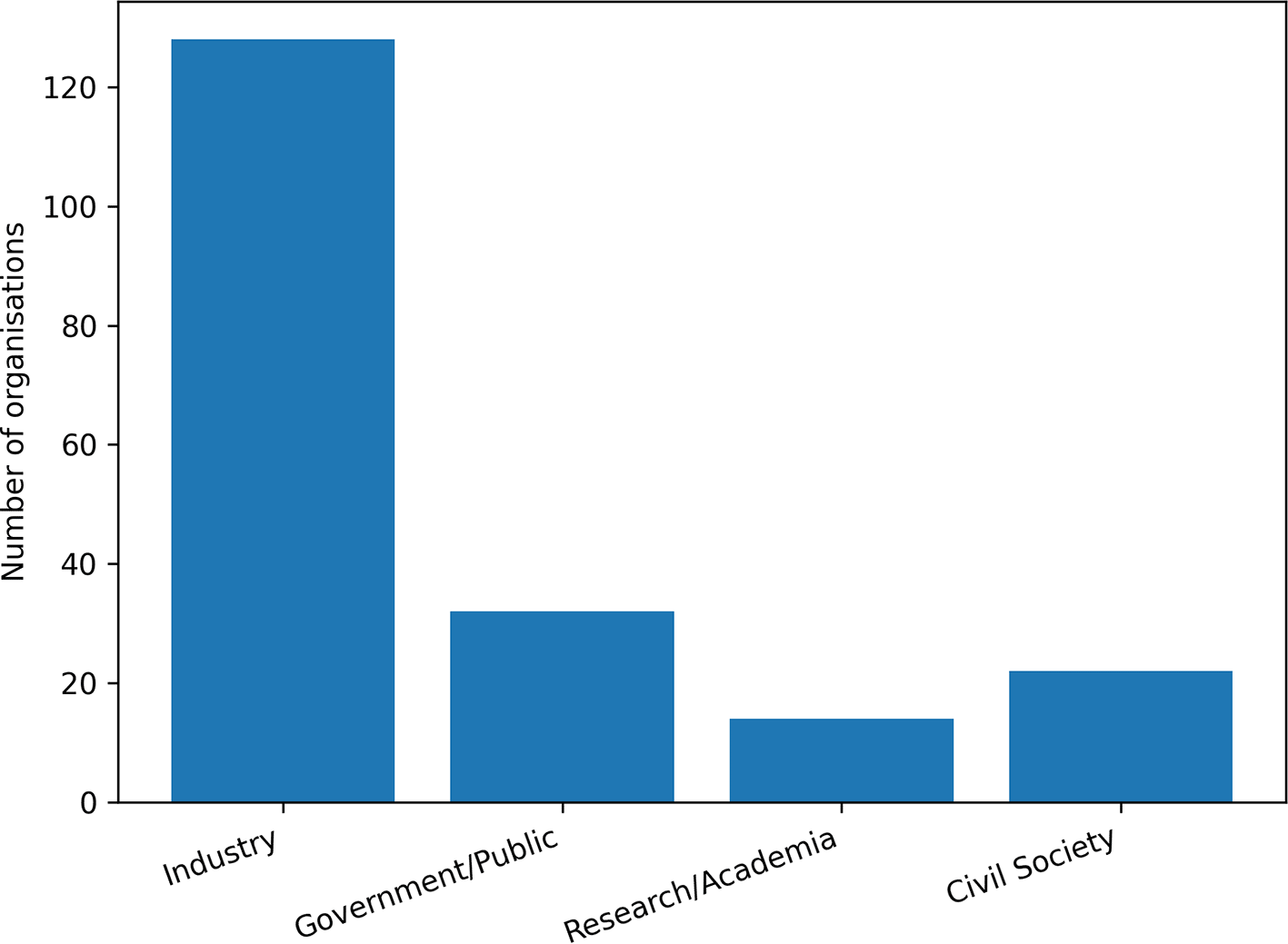
Figure 3. Debrecen smart city ecosystem: Organisations by helix category.
Similarly, civil society involvement in Debrecen’s smart projects has been modest. A few NGOs and community groups are present – for instance, the Future of Debrecen Association (an environmental NGO), some neighbourhood and youth associations, and thematic NGOs (like cycling advocacy groups or environmental organizations) participated in consultative roles in certain projects (especially those with environmental or social impact). In one notable initiative, Debrecen’s climate strategy development, the process intentionally included local civic organizations and residents as partners. In the network, these appear as orange nodes often labelled “… Egyesület” (association). However, their connections are typically only with the city (and maybe one other partner), reflecting one-off inclusion rather than sustained multi-project involvement. No dominant civil society hub emerges; rather, each NGO tends to be tied to a specific project’s context. This suggests that while Debrecen has involved civic stakeholders in consultations (e.g., for climate action, community programs), there isn’t a strong civil society driver for smart city projects as an independent force.
Considering the collaboration model, we conclude that Debrecen’s smart city development fits the double-helix pattern, where the engine of collaboration is the city government working with industry partners. Government–industry ties are the thickest edges in
Figure 1 (for example, City–EDC, City–DKV, City–various tech firms). The other two helices of the quadruple model – academia and civil society – are present but peripheral. This outcome is consistent with studies that many smart city initiatives default to public–private partnerships and that extra helix engagement needs deliberate effort. Debrecen has not yet fully leveraged the quadruple-helix model; the roles of universities and community groups remain underdeveloped, which implies potential for broadening collaboration in the future.
It is worth noting that some network sub-structures exist. Apart from the main cluster centred on Debrecen City, we identified a few smaller clusters of actors collaborating without direct city involvement. For example, an international pilot project in 2020 connected actors like Zone Cluster (a Hungarian mobility cluster), AMB (Barcelona Metropolitan Area), and several European startups (Ciclogreen, Moven, Lobelia Earth) in a bike-sharing data initiative – Debrecen was a test site but the city government did not lead, resulting in those partners linking to each other (forming a component) rather than through Debrecen City. Another cluster was the LIFE IP HungAIRy consortium, linking multiple Hungarian city municipalities (Budapest, Pécs, Miskolc, etc.) and an environmental institute. In our network, those cities all connected to each other via that project, creating a fully interconnected subgraph (each pair of city municipalities has an edge of weight 1 from co-participation in HungAIRy). This appears as a clique of nodes (Budapest, Békéscsaba, Eger, etc., and the Herman Ottó Institute) densely connected. Debrecen’s node is also part of that sub-network and in fact bridges it to the main cluster. These examples show Debrecen’s involvement in broader networks and EU collaborations, which is one aspect of its strategy to gain knowledge and funding (as emphasized by the strategy’s focus on international relations). However, aside from adding a few extra nodes, these collaborations did not alter the overall centrality hierarchy: Debrecen’s city government is still the primary bridge into those networks.
In summary, the network analysis confirms that Debrecen’s smart city ecosystem is centrally orchestrated by the local government (consistent with top-down governance) and primarily involves government–business collaborations (consistent with a double-helix model). Academia and civil society actors, while present, play secondary or supporting roles, indicating that the quadruple-helix ideal is not yet realized – an observation in line with similar research on other cities. The implication is that Debrecen could enhance its smart city innovation capacity by more actively engaging the university and citizen groups as equal partners, rather than as occasional contributors.
Multidimensional project portfolio: Domains and integration
One research question was whether Debrecen’s smart city development follows a mono-dimensional or an integrated, multidimensional logic. Our findings show that Debrecen’s approach is relatively broad and multi-domain, albeit with some domains emphasized over others. Every one of the six major smart city domains is represented in the project portfolio.
Figure 4 summarizes the distribution of initiatives across these domains.
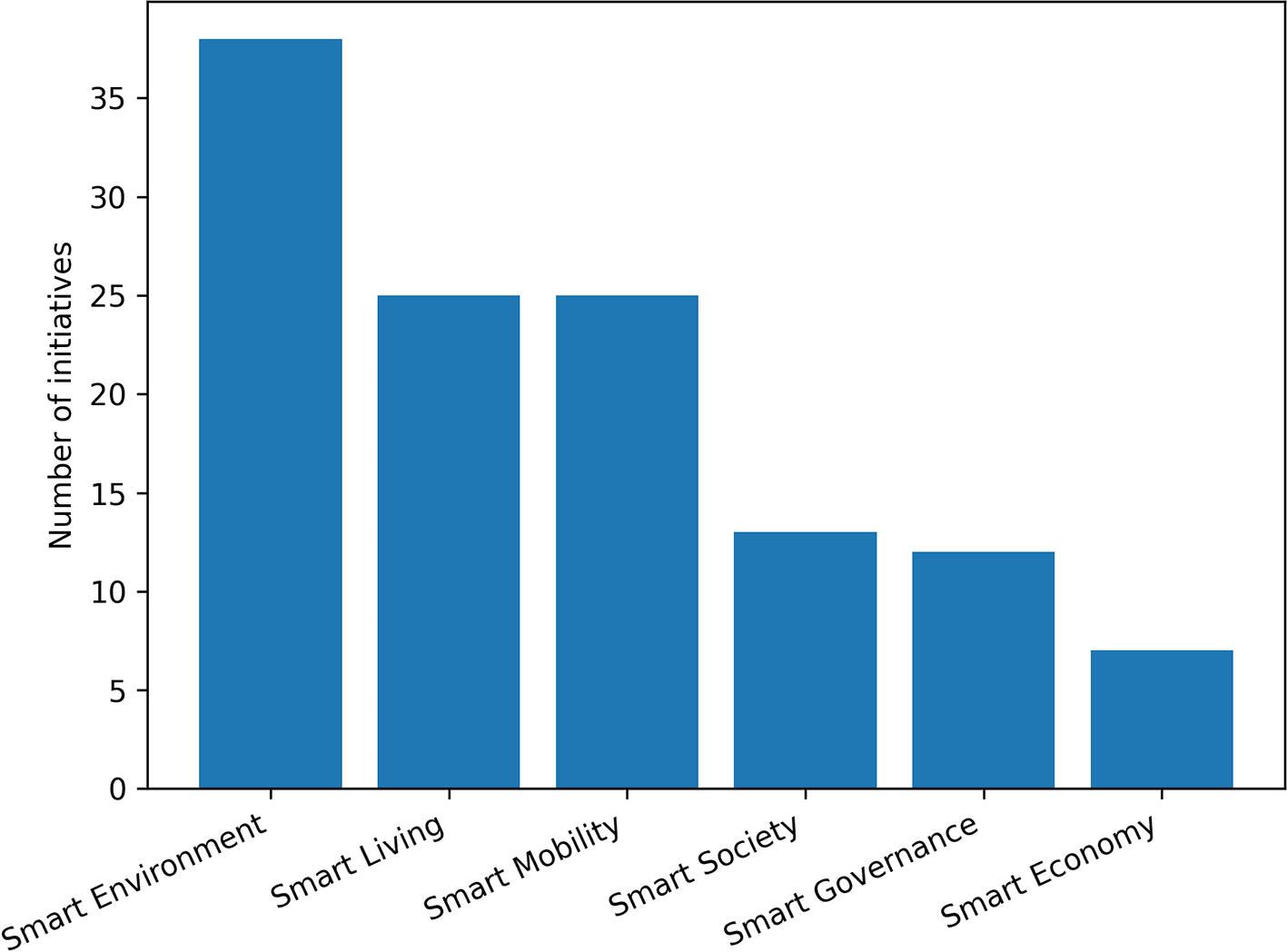
Figure 4. Debrecen smart city initiatives by domain.
Smart Environment: 38 projects (about 33% of the total), making it the largest category. This includes initiatives related to sustainable energy, climate action, green infrastructure, and environmental monitoring. The high count is partly due to the city’s focus on energy efficiency (e.g., building retrofits, solar panel installations, electric garbage trucks) and participation in national programs like the climate strategy and the “Zöld Busz” (Green Bus) Program for low-emission buses.
Smart Living: 25 projects (~22%). These involve projects aimed at improving quality of life, healthcare, culture, and community well-being. Examples are the modernization of cultural institutions (e.g., smart library systems with QR code info kiosks, community-supported agriculture like “Debrecen Szatyor” local produce initiative), and various e-health or safety pilots. Smart Living overlaps with social aspects and often includes some citizen engagement.
Smart Mobility: 25 projects (~18%). Debrecen’s strong focus on mobility is evident – projects range from intelligent traffic systems and traffic data platforms (e.g., using Waze data for traffic management), to promoting cycling (smart bike storage, “Bike to Work” campaigns), to the aforementioned electric buses and charging infrastructure. Mobility initiatives tend to be tech-heavy (sensors, IoT, vehicles) but some also have behavioural components (campaigns to encourage cycling).
Smart Society/People: 13 projects (~12%). These are initiatives centred on human capital, education, inclusion, and community. Debrecen’s examples include digital skills education (Logiscool coding school for kids), talent programs, and efforts to involve citizens in co-creating solutions. While smaller in number, such projects indicate attention to the “people” aspect of smart cities.
Smart Governance: 12 projects (~10%). This domain covers e-government services, transparency, and data-driven governance. Debrecen launched an open data portal and internal IT developments for city management, and hosted Smart City forums. The relatively lower count here might reflect that governance improvements often happen as part of broader projects rather than standalone (for example, integrating city systems with national e-administration platforms).
Smart Economy: 7 projects (~6%). This domain has the fewest entries, encompassing initiatives that directly aim to boost innovation, startups, and the digital economy. Debrecen’s efforts in this area include the Startup Debrecen program (Startup Round Table events, incubator support) and collaborations with large employers (like the NI mentoring program, which also touches education). The low count is partly because many economy-related benefits (like attracting investment, job creation) are seen as outcomes of other smart projects (mobility, digital infrastructure) rather than separate “economic” projects.
This domain distribution suggests that Debrecen’s strategy is indeed multidimensional – not confined to a single aspect like IT or transport, but tackling a range of urban challenges (transport, environment, social, etc.). In that sense, the city exhibits an integrated logic at least in scope: it is addressing multiple “smarts” concurrently rather than, say, only pursuing a tech-city image or only focusing on green energy. Debrecen’s objective tree explicitly aimed to link mobility, energy, and digital development to overall quality of life, and the data shows concrete projects in each area supporting that.
However, integration can also be interpreted as cross-sectoral integration – how well do these domains and projects interrelate in a unified strategy? On that front, Debrecen has taken some steps, such as ensuring horizontal principles (citizen inclusion, data use) are applied across domains. For example, many mobility projects have an environmental angle (reducing air pollution, which ties to environment goals), and digital projects like open data support governance and economic innovation. Some projects explicitly span domains: the “Debreceniek Háza” project (House of Debreceners) was a complex initiative combining smart living, community space, and digital services in one new urban facility. Another example is the climate action plan which, though classified under environment, involved society and governance aspects (public awareness, inter-agency planning). These indicate efforts at integrated planning.
Nonetheless, the existence of separate domain silos (with environment getting a lot of standalone projects, for instance) also suggests that many initiatives were handled within their sectoral domain primarily. Debrecen’s focus areas (mobility, energy, digital) could potentially lead to silos if not coordinated – the strategy’s inclusion of cross-domain “Data-Driven Decision Making” and “Cooperation Opportunities” hints at an intent to integrate them. Our observation is that integration is partial: Debrecen achieved breadth by covering all domains and did have some unifying frameworks (like the Smart City Strategy itself, and a central coordination by EDC), but on-the-ground projects often remained within one domain’s purview. For example, mobility projects were largely implemented by the transport company and city transport department, while energy projects were handled by the city energy agency and utilities, etc., with less interaction between those groups except at the high level of strategy monitoring.
A lot of technological activities in various domains, but fewer integrative, participatory planning activities tying them together. Debrecen seems to mirror that: technology deployment in multiple domains is evident (a positive for multi-dimensionality), yet a holistic integration – in terms of truly blending tech, governance, and social innovation – remains limited (as discussed, the approach is more tech-led than socio-technical). We categorize Debrecen’s logic as integrated in breadth but not deeply holistic in process. It is not “mono-dimensional” because it does not focus on just one urban system; it clearly acknowledges the interplay of several (transport, energy, etc.). But it also doesn’t fully realize a holistic integration where solutions are co-designed with citizens across domains – that would require stronger quadruple-helix engagement and strategic coherence beyond individual projects.
Application-domain profiles
The dataset distinguishes “Services and Applications” initiatives (Category C) and assigns them to one or more application domains (C.01–C.12) (
Figure 5). In Debrecen, 98 of 120 initiatives (81.7%) are coded as Category C, and application domains are non-mutually exclusive (i.e., a single initiative may cover multiple C.01–C.12 domains). Across the 98 Category C initiatives, the most frequently addressed application domains are C.06 Buildings and districts (36 initiatives; 36.7%) and C.05 Mobility and transport (28; 28.6%), indicating that Debrecen’s smart city service portfolio is strongly anchored in the built environment and urban mobility systems. A second tier of application domains includes C.08 Cultural heritage (17; 17.3%), C.07 Health and Social Inclusion (14; 14.3%), and C.09 Education (11; 11.2%), pointing to a meaningful, though smaller set of initiatives that extend smart city services into cultural, social, and human-capital fields. Safety- and administration-related services appear at moderate levels (C.10 Public safety and security: 8; 8.2%, C.11 E-government: 6; 6.1%). In contrast, environment-monitoring and utilities-related application services are relatively less prevalent (C.01 Energy networks: 6; 6.1%, C.02 Air: 4; 4.1%, C.03 Water: 3; 3.1%, C.04 Waste: 4; 4.1%, C.12 Other: 3; 3.1%). Overall, the C.01–C.12 distribution suggests that Debrecen’s service/application layer is dominated by place-based operational domains (buildings/districts and transport), while environmental applications (air/water/waste) are present but constitute a smaller share of digitally delivered smart services in the portfolio.
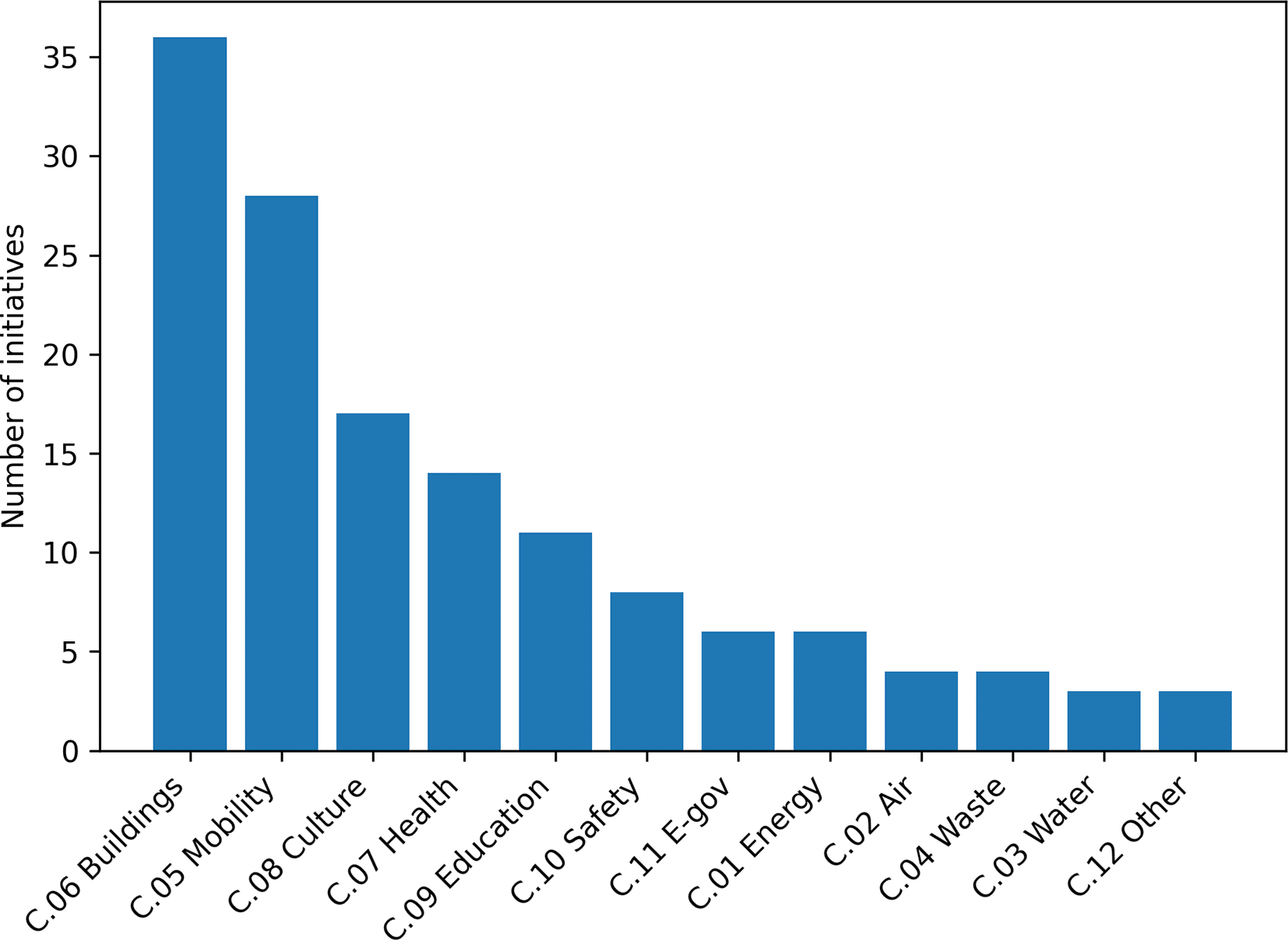
Figure 5. Debrecen Category C (“Services and Applications”) initiatives by application domain (C.01–C.12).
Note to
Figure 5: Counts and percentages are calculated over Category C initiatives (n = 98). Application-domain coding is non-mutually exclusive.
Spatial scale of initiatives (City, District, Building, Home)
Spatial coding indicates that Debrecen’s initiatives are primarily oriented toward public-space and city-system scales, again with non-mutually exclusive assignments (
Figure 6). Out of 120 initiatives, 61 (50.8%) are coded as city-level interventions, 45 (37.5%) as district-level, and 37 (30.8%) as building-level. Only 1 initiative (0.8%) targets the home/household scale, implying that Debrecen’s smart city development is largely implemented through municipal infrastructure, public services, and institutional sites rather than consumer-facing “smart home” deployments. In terms of multi-scalar design, 100 initiatives (83.3%) operate at exactly one spatial level, while 16 (13.3%) span two levels and 4 (3.3%) span three levels. The most common single-scale patterns are city-only (45 initiatives; 37.5%), building-only (29; 24.2%), and district-only (26; 21.7%), whereas cross-scale initiatives most frequently combine city + district (12; 10.0%). This profile indicates that Debrecen’s smart city portfolio is dominated by single-scale interventions with selective multi-scalar integration, and that integration, when present, tends to connect city systems and districts rather than extending down to household-level applications.
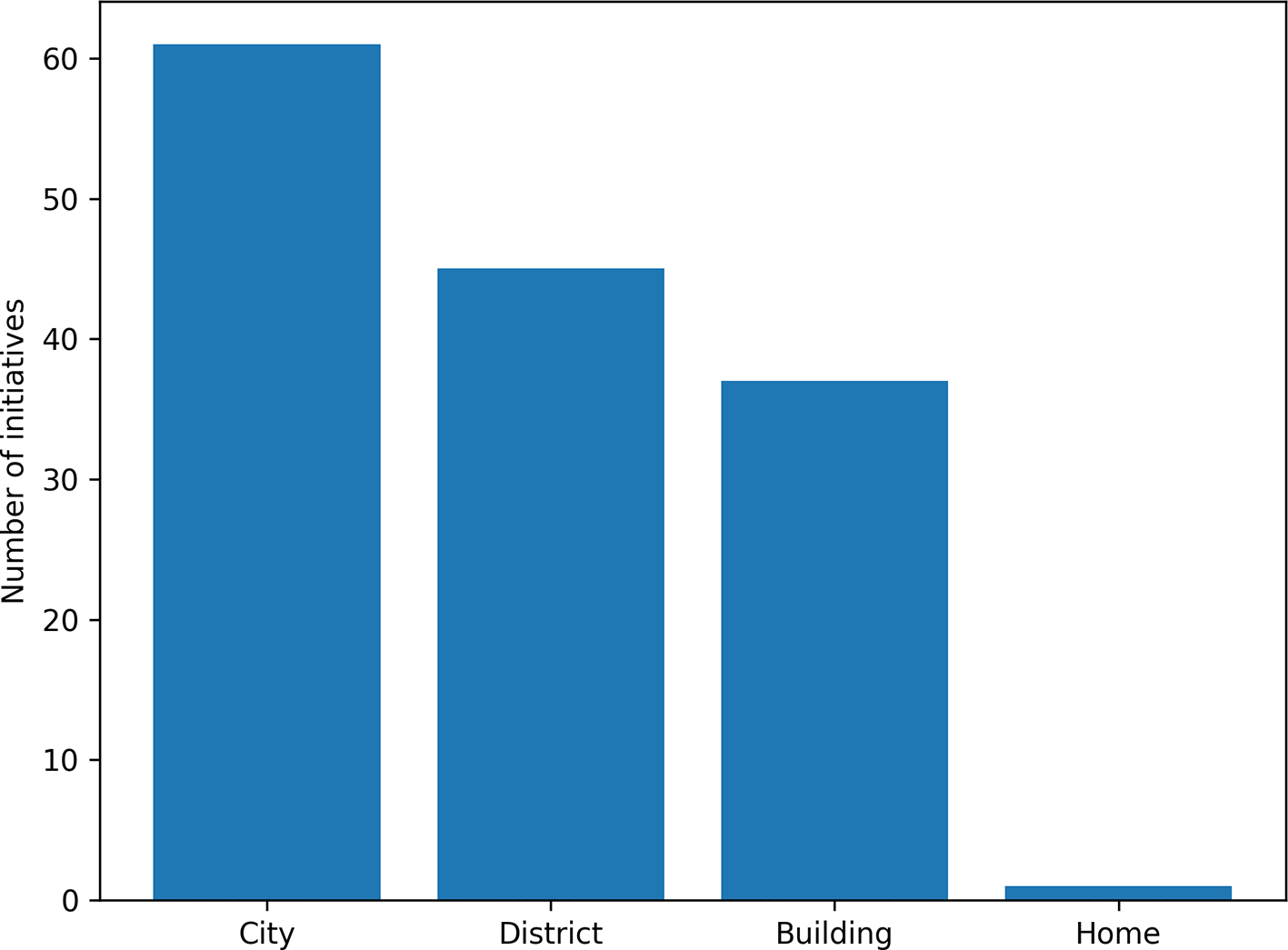
Figure 6. Debrecen smart city initiatives by spatial level (n = 120).
Note to
Figure 6: Coding is non-mutually exclusive; a single initiative may be assigned to multiple spatial levels.
In conclusion, Debrecen’s smart city development can be summarized along the four dichotomy dimensions as follows:
• Tech-driven vs Holistic: Largely tech-driven, with extensive ICT and smart infrastructure deployments, and only moderate holistic/community-oriented support. Debrecen is closer to the “technology-led” end of this spectrum, although it has some holistic intentions in strategy.
• Top-down vs Bottom-up: Predominantly top-down. The city leads the way on almost all initiatives (top-down governance). Bottom-up initiatives exist but have not significantly shaped the overall strategy.
• Double-helix vs Quadruple-helix: Effectively double-helix. Government and industry partnership is the backbone, while academic and civil actors are marginal. Thus, Debrecen’s collaboration model is not fully inclusive (quadruple) but rather focused on the traditional public-private
axis.
• Mono-dimensional vs Integrated: Debrecen leans integrated in terms of addressing multiple smart city dimensions simultaneously (no single-dimension focus). However, the integration is more at the strategic level (covering various domains) than in each project’s implementation. We place Debrecen closer to the “integrated” type, given its spread of domains and horizontal principles, but with room for stronger cross-domain synergy.
These results provide a nuanced picture of Debrecen’s strategic governance logic in its smart city journey. We next discuss what these findings imply for medium-sized cities and how Debrecen’s approach compares to broader trends.
Discussion
Debrecen’s smart city development illustrates a governance pathway that is increasingly common among medium-sized European cities: a broad, multi-domain portfolio delivered through centrally coordinated, technology-led projects and selective partnership structures. The case demonstrates that ambitious smart city development does not require metropolitan scale, but it also shows that breadth of activity does not automatically translate into participatory depth or broad-based collaboration.
Technology-led modernization and the “public value gap”
The portfolio shows a pronounced emphasis on services/applications and digital infrastructure relative to community-building and strategic framework activities. This aligns with a modernization logic in which smart city progress is measured through deployable systems – traffic management, smart mobility assets, public Wi-Fi, digitized services – rather than through institutional and social innovation. Such an orientation can deliver tangible operational benefits, particularly in mobility and the built environment, where Debrecen’s application profile is strongest (e.g., buildings/districts and mobility/transport as dominant application areas). However, the smart city literature has repeatedly warned that technology-driven approaches can produce a “smartness” that is highly visible but weakly anchored in citizen capabilities, inclusion, and public value creation (e.g., the critique of techno-centric smart city narratives in Hollands, 200828).
In Debrecen, the imbalance is not that community-oriented initiatives are absent; rather, they appear as a secondary layer that rarely drives the direction of technological investments. This is where the risk of a public value gap emerges: if engagement, digital inclusion, and problem framing are not integrated upstream, cities may experience low adoption rates, uneven distribution of benefits, and limited legitimacy – especially for data-driven solutions that touch mobility behavior, public space, and service access. For medium-sized cities, this gap can be narrowed without abandoning technological modernization by treating community-building as an enabling infrastructure. Concretely, this can include (i) embedding co-design into pilot phases, (ii) integrating digital inclusion measures into service rollouts (targeted training and support for vulnerable groups), and (iii) instituting routine post-implementation evaluation focused on user uptake and distributional outcomes rather than only technical deployment. Living-lab approaches are particularly relevant here, because they create a structured channel for iterative feedback between city systems and everyday use contexts.55
Municipal centrality: capacity, coherence, and the participation trade-off
Debrecen’s governance mode is predominantly top-down: the municipality appears as an implementing partner in the overwhelming majority of initiatives and occupies the central hub position in the stakeholder network. In a medium-sized city, such centrality can be understood as a capacity-substitution mechanism. When administrative and analytical resources are limited, strong municipal steering can ensure coherence, secure external funding, and reduce fragmentation across departments and contractors. The presence of a development agency functioning as a key intermediary further supports this orchestration by translating strategic priorities into implementable projects and managing partner relations.
At the same time, central steering brings a well-known participation trade-off. A portfolio dominated by municipally initiated projects risks crowding out bottom-up experimentation and narrowing the problem agenda to what fits procurement procedures, programme requirements, and institutional routines. Over time, this may reduce the city’s sensitivity to “street-level” problems and limit the diversity of solutions entering the pipeline. The governance literature suggests that citizen engagement is not simply normative; it can also improve solution fit, legitimacy, and long-term sustainability of smart city interventions.31,33 A practical way forward is not to “replace” top-down governance, but to add structured bottom-up channels that are compatible with municipal coordination. These can include open innovation calls, civic challenge programmes, participatory budgeting for small-scale digital projects, and formal pathways for civic tech groups to propose prototypes for municipal adoption. The key is designing these channels as recurring mechanisms rather than one-off events, thereby allowing bottom-up contributions to accumulate into an innovation stream that complements the core municipal portfolio.
From double-helix default to quadruple-helix capacity building
The stakeholder network confirms a collaboration model dominated by government–industry ties, with academia and civil society present but peripheral. This pattern is consistent with a broader tendency for smart city delivery to default to public–private partnership arrangements, which can be effective for deployment but may also reinforce vendor-driven solutionism and reduce openness.35,56 The limited participation of the knowledge sector and civic actors is consequential because, in quadruple-helix terms, these groups often provide the capabilities needed for (i) data analysis and evaluation, (ii) experimentation and learning, and (iii) legitimacy through co-creation and public deliberation.36,57
Debrecen’s configuration suggests that the city’s collaborative capacity currently relies more on contractual delivery than on knowledge co-production. Strengthening quadruple-helix engagement does not require radical institutional change; it can be approached through “boundary infrastructures” that make collaboration routine and resource-efficient. Examples include: (i) a city–university data lab that supports analytics, evaluation, and open-data use cases; (ii) a campus or district living lab where pilots can be tested in real conditions with structured feedback loops; and (iii) a standing citizen panel or deliberative forum linked to the smart city portfolio, ensuring that social priorities and concerns (e.g., privacy, accessibility, equity) are systematically represented. Such mechanisms can shift academia and civil society from occasional partners to recurring contributors, improving both innovation quality and legitimacy.
Integration by coverage versus integration by coupling
A key finding is that Debrecen is not mono-dimensional: initiatives span all six smart city domains, with particularly strong activity in environment, mobility, and living. This supports the claim of an integrated development logic in terms of portfolio breadth. However, the spatial and application profiles also suggest that integration is often achieved by parallel domain pipelines rather than by deeply coupled cross-sector solutions. Most initiatives operate at a single spatial level (city, district, or building), and household-scale interventions are nearly absent. This reinforces an interpretation of “public-space and asset-based smartness”, where integration is framed through municipal infrastructure and institutional sites rather than through demand-side adoption and everyday behavioural change.
For medium-sized cities, the challenge is to move from integration-by-coverage (multiple domains represented) to integration-by-design (projects explicitly structured to deliver multi-domain outcomes). A practical route is to establish cross-departmental programme governance (a joint steering group for mobility–energy–digital themes) and a shared measurement framework that evaluates projects against integrated outcomes (e.g., mobility efficiency + emissions + inclusion). Another high-leverage step is connecting digital governance tools (open data, dashboards, shared platforms) to operational domains (transport, buildings, environment) so that data becomes a coordinating mechanism rather than a standalone initiative. Where possible, designing projects to “stack” benefits across domains—e.g., energy-efficient buildings linked to indoor health outcomes and social inclusion programming—can deliver higher returns on investment and strengthen the argument that smart city initiatives address public value rather than only technological novelty.
Implications for medium-sized cities and for smart city governance theory
Two broader implications follow. First, Debrecen supports the argument that medium-sized cities can build wide smart city portfolios even under constrained capacity—especially when municipal leadership is strong and external programmes are effectively leveraged. Second, the case illustrates that the four dichotomies are not independent. In Debrecen, strong top-down steering appears compatible with multi-domain coverage, but it coincides with a technology-led orientation and a narrow (double-helix) collaboration structure. This suggests a governance “bundle” in which orchestration enables scale and coherence but can also reduce participatory depth and knowledge-sector integration.
From a theoretical standpoint, the study reinforces the usefulness of dichotomies as a diagnostic lens,43 while also showing the value of adding network structure to the analysis. The network reveals not just actor categories but relational positions—especially the role of intermediary organizations that connect municipal priorities with external partners. For comparative research, this points to a promising analytical direction: examining how the presence (or absence) of boundary organizations and recurring co-creation mechanisms mediates the relationship between top-down governance and inclusive, holistic smart city outcomes.
Implications for overcoming the digital divide in medium-sized cities
This study contributes to understanding how smart city governance can address—or inadvertently perpetuate—the digital divide in medium-sized urban contexts. By revealing Debrecen’s predominantly technology-driven and municipally orchestrated approach with limited civil society participation, our findings highlight a critical tension: while broad multi-domain coverage (spanning environment, mobility, living, economy, governance, and people) suggests potential for inclusive digital infrastructure deployment, the concentration of decision-making power within government-industry partnerships risks reproducing existing inequalities in digital access and literacy. The underrepresentation of civil society organizations and the limited bottom-up governance mechanisms identified in our network analysis point to missed opportunities for co-designing solutions that respond to the specific digital inclusion needs of marginalized populations, elderly citizens, and lower-income communities. However, the case also demonstrates that medium-sized cities operating under resource constraints can strategically leverage municipal coordination to achieve comprehensive smart city coverage—a necessary, though insufficient, precondition for digital equity. To genuinely overcome the digital divide, our framework suggests that cities like Debrecen must transition from double-helix to quadruple-helix models, actively integrating community organizations that understand local barriers to technology adoption, while ensuring that smart city initiatives explicitly prioritize digital skills development, affordable connectivity, and accessible service design alongside infrastructure deployment. This rebalancing would transform smart city governance from a potential amplifier of digital exclusion into an instrument for democratizing urban technological benefits.
Limitations and future research directions
Several limitations should be noted. First, the initiative dataset was compiled from municipal documentation, strategy materials, press releases, and stakeholder inputs; this approach may under-represent informal, short-lived, or purely grassroots initiatives that leave limited documentary traces. Second, the operationalization of top-down versus bottom-up governance relies on municipal involvement as a proxy, which simplifies mixed governance arrangements where co-creation may occur even with municipal participation. Third, network ties are derived from co-participation in projects and do not capture the quality, intensity, or direction of collaboration (e.g., contractual delivery versus genuine co-production). Finally, the analysis is primarily diagnostic and descriptive; it identifies governance patterns but does not establish causal relationships between governance configurations and measurable urban outcomes.
Future research can build on this by (i) comparing multiple medium-sized cities to test whether the “orchestrated, domain-broad, helix-narrow” bundle recurs across contexts; (ii) incorporating longitudinal network analysis to examine how collaboration structures evolve over time; and (iii) integrating outcome metrics and citizen perspectives (surveys, interviews, usage analytics) to evaluate how governance modes translate into adoption, equity, and sustainability impacts.
Conclusions
This article assessed Debrecen’s smart city development through a project-level diagnostic of four strategic governance dichotomies and a stakeholder collaboration network derived from co-participation in initiatives. The evidence indicates that Debrecen’s smart city trajectory is predominantly technology-led, municipally orchestrated, and grounded in government–industry collaboration, while simultaneously achieving broad coverage across smart city domains.
Three empirical conclusions stand out. First, the activity portfolio emphasizes deployable technologies and infrastructure over community-building and institutional innovation, suggesting that “smartness” is pursued primarily through modernization of services, mobility systems, and the built environment. Second, municipal leadership is structurally central: the municipality and its affiliated organizations function as the main coordinators linking diverse partners, which supports coherence and implementation capacity but limits bottom-up agenda-setting. Third, the collaboration model approximates a double-helix configuration, with academia and civil society playing secondary and often project-specific roles rather than serving as sustained co-producers of knowledge and legitimacy.
The study contributes to smart city scholarship in three ways. It expands the empirical evidence base beyond capital-city and flagship-city bias by providing a systematic account of a medium-sized Central European city. It demonstrates a replicable mixed-method approach that combines dichotomy-based coding with network analysis to map both project characteristics and governance structure. Finally, it highlights how governance bundles can emerge in medium-sized cities: top-down steering can support multi-domain breadth, while simultaneously reinforce technology-led priorities and limiting quadruple-helix inclusiveness.
For policy and practice in Debrecen and similar medium-sized cities, the findings suggest four actionable priorities for the next phase of smart city development and overcome the digital divide: (i) institutionalize participatory mechanisms that complement municipal steering (e.g., recurring open innovation calls, small-scale civic digital grants, or deliberative panels); (ii) build durable quadruple-helix capacity through boundary infrastructures such as a city–university data lab and living-lab sites; (iii) shift from integration-by-coverage to integration-by-design by aligning projects to shared cross-domain outcomes and cross-departmental governance; and (iv) strengthen evaluation by systematically measuring adoption, equity, and public value outcomes alongside technical performance.
Overall, Debrecen demonstrates that medium-sized cities can implement ambitious and multi-domain smart city programmes through strong coordination and public–private partnerships. Sustaining and deepening these achievements, however, will likely depend on increasing participatory depth and knowledge-sector engagement so that smart city investments deliver not only technological modernization but also inclusive and widely shared urban benefits.
Ethics and consent
Ethical approval and consent were not required.
Declaration of generative AI and AI-assisted technologies in the writing process
During the preparation of this work, the authors used Grammarly and DeepL Translate in order to improve the readability and language of the manuscript. After using these tools, the authors reviewed and edited the content as needed and take full responsibility for the content of the publication.









