Laymans summary
In recent years, wastewater-based surveillance (WBS) has gained recognition as a public health tool that supports existing surveillance systems. It is possible to measure presence of several pathogens, antimicrobial resistance markers, and a wide range of chemical substances including illicit drugs in wastewater in an anonymous and non-invasive manner. In order to accelerate the institutionalisation of WBS and foster progress in method development, analysis approaches, and sustained knowledge-sharing, a large number of organisations from 26 European countries have come together in the European Joint Action “EU-Wastewater Integrated Surveillance for Public Health” (EU-WISH). This open letter discusses key aspects of the Joint Action with offset in an EU-WISH 2025 International Workshop and Consortium Meeting held in Dublin, Ireland, and aims to set direction for future development of WBS in the European context, with relevance for global initiatives. Central insights point to the need and value of the EU-WISH network and sustained EU-level coordination as well as national-level integration and institutionalisation of WBS into public health systems.
Wastewater-based surveillance in public health
Systematic analysis of wastewater samples is a public health monitoring approach, that can provide community-level insights into population health status. The concept is known as wastewater-based surveillance (WBS) and as wastewater and environmental surveillance (WES); the terms are applied interchangeably here. In essence, biological (e.g., pathogens and antimicrobial resistance (AMR) markers) or chemical substances are systematically measured from untreated wastewater samples; biological targets provide information on presence, abundance, variant or strain circulation, and temporal trends, while chemical substances primarily are assessed in terms of consumption or exposure patterns over time and location.1,2 WBS has the potential to function as a cost-effective, non-invasive complementary surveillance method, that can be used for early-warning outbreak detection, monitoring of disease dynamics spatially and over time, following the use trends or the exposure profiles of different substances, and informing and/or assessing the impact of public health interventions.3–6 Furthermore, it is a resource-efficient approach that minimises pressure on testing infrastructure, allowing capacity to be focused where it is most needed, including vulnerable and marginalised groups with limited access to healthcare services.7 While aspects of WBS/WES have been applied to defined fields such as polio-eradication programmes for decades, the full value and usability became evident during the COVID-19 pandemic.8 In many countries, this approach migrated from academia and smaller projects to full scale implemented regional or national level surveillance for several targets. An advantage of these public health surveillance system implementations is, that they are carried out at anonymised level and hence do not require any ethical clearance.
Clinical surveillance combined with WBS provides a more comprehensive surveillance landscape than clinical (individual-oriented) surveillance alone. WBS is not dependent on clinical testing, and therefore measures infection levels independently of testing strategies, geographical or temporal differences in healthcare seeking behaviour, and willingness to participate in research programmes. This carries potential for comparability of cross-border surveillance data in Europe and beyond. In addition, WBS provides insights into pathogen transmission, including among asymptomatic individuals. Importantly, it can provide information that is otherwise hard to access and can be considered anonymous and non-invasive. Examples hereof include objective and near-real time data on trends in loads or types of chemical substances, such as illicit drugs, and emergence of AMR in communities. Importantly, it is evident that WBS, which provides population-level data, cannot substitute clinical surveillance. For instance, it does not allow for assessment of disease severity and entails limited potential for studies of pathogen strains; e.g., isolates typically isolated from patients are needed for vaccine development such as for seasonal design of influenza vaccines.9
WBS is an emerging field with wide potential for meaningful public health impact. However, it is still characterised by knowledge-gaps, including lack of standardised methodology and integration into existing surveillance systems. This open letter aims to clarify the current challenges and set priorities for future sustainable implementation of WBS strategies. The offset will be status and lessons-learned from the EU-WISH 2025 International Workshop and Consortium Meeting in Dublin, Ireland, anchored in the ongoing European Joint Action project “EU-Wastewater Integrated Surveillance for Public Health” (EU-WISH).
The origin of WBS in EU-wide preparedness
With the COVID-19 pandemic as backdrop, a need for established capacities and collaboration to address serious cross-border health threats within the European Union (EU) was highlighted. As a direct consequence, the European Commission created the Health Emergency Preparedness and Response Authority (Directorate General (DG) HERA) in 2021.10 DG HERA’s mission is to strengthen Europe’s ability to prevent, detect, and rapidly respond to cross-border health emergencies by ensuring the availability of and access to key medical countermeasures (MCM).11 Intelligence gathering about emerging or re-emerging threats constitutes a critical component of DG HERA’s preparedness functions, as such intelligence is needed to ensure access to and availability of the appropriate MCM. Wastewater-based epidemiology is an important tool in this context, as it, in principle, can provide a rapid cross-border threat assessment for a large geographical area from relatively few sampling sites. DG HERA has identified large potential in establishing WBS infrastructure for pathogen detection to reinforce the ability to monitor, detect, and respond efficiently to pathogen threats. In early 2023, an EU Joint Action call under the EU4Health programme (funded by DG HERA and managed by the European Health and Digital Executive Agency (HaDEA)) was announced. This opportunity brought the EU-WISH project partners together to form a large collaborative consortium aiming to advance and institutionalise WBS integration into public health.
The european joint action EU-WISH
The EU-WISH consortium (https://www.eu-wish.eu) unites partners from 26 European countries (
Figure 1). Each country is represented by its respective public health institutions in addition to other governmental and/or research institutions, comprising a total of 62 organisations. The main mission of EU-WISH is to support the EU policy priority of strengthening capacity to prevent, prepare for and respond to serious cross-border health threats by developing WBS in concert between the countries. EU-WISH commenced in November 2023 with a three-year duration. Main project activities focus on improving, developing, and consolidating national capacities for WBS through knowledge exchange and sharing best practices anchored in scientific evidence.
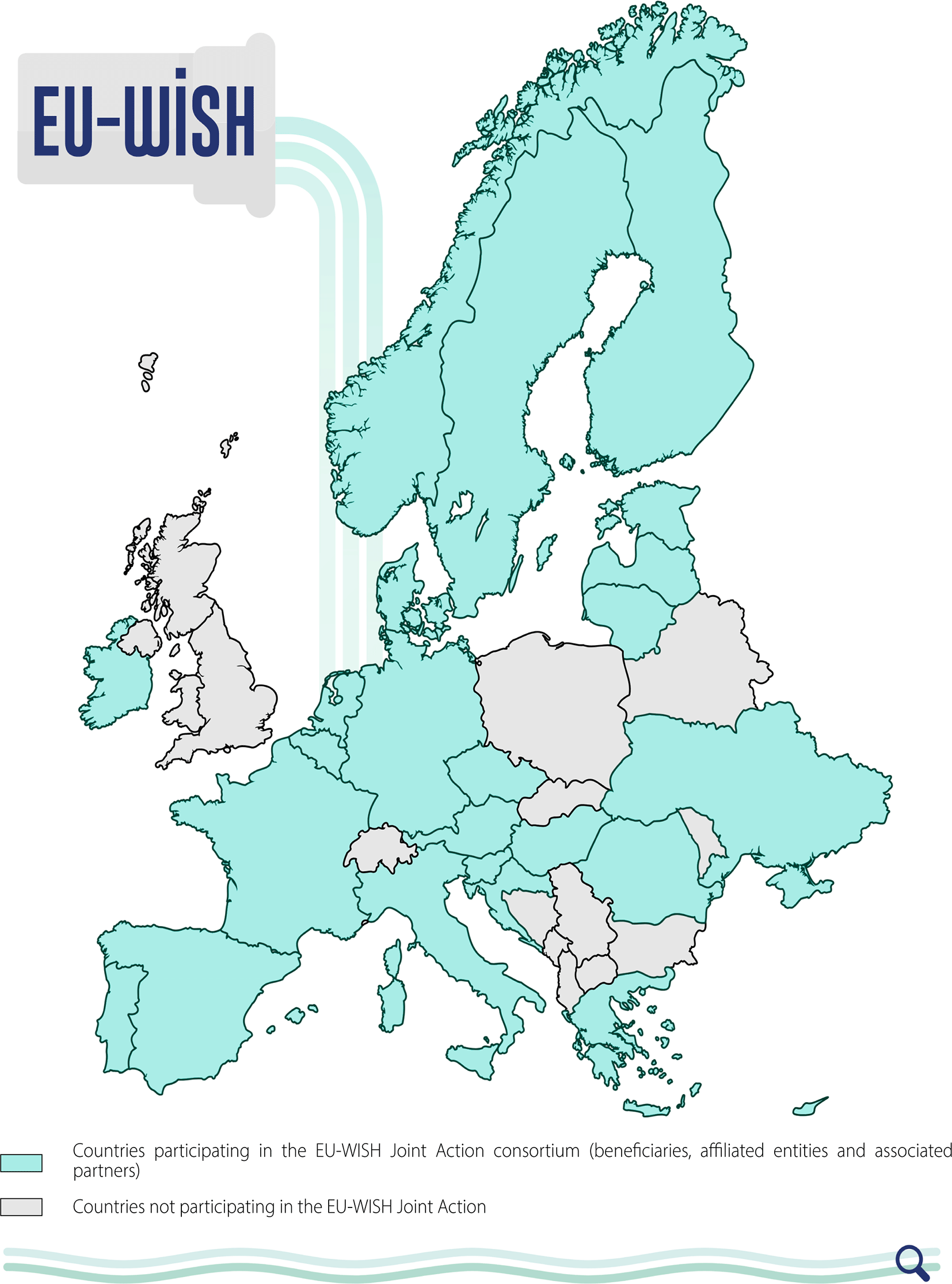
Figure 1. Map of countries with organisations taking part in EU-WISH.
The 26 countries with institutions participating in EU-WISH are shown in teal. A comprehensive overview over all partner and associated institutions is available via the project website at https://www.eu-wish.eu/about-us/partners. The figure was created using biorender.com.
Prior to establishment of EU-WISH in 2023, there was a lack of network, collaboration and essential institutionalisation in the WBS field across European countries. The exceptions to this were a series of nine European Commission network meetings (2020–2023) and the large Sewage analysis CORe group Europe (SCORE; https://score-network.eu) network, which was established in 2011 with the support of the European Union Drug Agency (EUDA) and focuses on the determination of illicit drugs and biomarkers in wastewater as health and environmental indicators. This network now includes 25 countries and more than 110 cities in Europe. In contrast to other WBS/WES initiatives, which typically are coordinated as collaborations between a relatively small number of (inter-)national institutions such as public health bodies and/or universities, EU-WISH facilitates collaboration between participants from a large number of European countries for multidisciplinary topics. Therefore, perspectives and needs within EU-WISH uniquely embrace diverse viewpoints. From the project start, two key needs with associated specific objectives were coined:
Need 1: Enhancing, extending and consolidating national wastewater surveillance for public health
• Specific Objective 1: Obtain an overview of current key aspects of national wastewater surveillance across the participating countries
• Specific Objective 2: Enhance, extend, and consolidate national wastewater surveillance addressing country-specific needs
• Specific Objective 3: Improve comparability and interoperability of national wastewater surveillance data to inform decision making.
Need 2: Collaboration and sharing to avoid duplication of efforts and to ensure synergies
• Specific Objective 4: Establish collaborative structures and processes to enable collaboration and sharing of experiences in and among countries included in EU-WISH
• Specific Objective 5: Establish collaborative structures and processes with external stakeholders in countries included in EU-WISH, as well as with HERA and relevant EU agencies
• Specific Objective 6: Create structures for disseminating experiences to support countries that are not part of EU-WISH, including global actors, and low- and middle-income countries.
The project has evolved beyond its initially defined scope. Work and discussions now focus on not only consolidating WBS at national levels but address how to achieve institutionalisation and integration with other surveillance systems. Importantly, EU-WISH has already brought experts from diverse fields across Europe together to collaborate and pave the way towards prompt public health actions informed by WBS. Most countries involved in EU-WISH perform WBS in some form, but national programmes differ in nature.12,13 Key differences consist of, for example, sampling frequency and location, monitored targets, variable laboratory and data analysis methodology, population coverage, and how the data is used, interpreted and communicated in conjunction with other epidemiological data. To enable future best-practice WBS public health action strategies, EU-WISH synthesises, generates, and shares knowledge. Many tangible EU-WISH outputs will benefit not only consortium participants but be available open access to the global WBS/WES community (examples in Table 1).
Table 1. Examples of tangible EU-WISH open access outputs in progress or already published.
| Type of output* | SYNTHESISING EXISTING KNOWLEDGE: REVIEWS |
|---|
| Scoping review^ | Scoping review of wastewater surveillance programmes for public health |
| Scoping review^ | Targeted public health wastewater surveillance programmes for specific settings (focus on points of entry, means of transport, mass gathering events, and settings related to populations in vulnerable or high-risk situations) |
| Systematic review^ | A systematic review of methods for determining optimal sampling frequencies for wastewater surveillance |
| Scoping review^ | Concentration methods for poliovirus and non-polio enteroviruses |
| Systematic review^ | A systematic review on wastewater surveillance guidelines from health organisations and published literature |
| Interactive EU-WISH website resource^ | Presentation A: A scoping review of wastewater surveillance programmes for public health. Overview of included wastewater surveillance studies by geography, target, sampling design, and frequency |
| Review (published) | Sampling schemes in poliovirus wastewater surveillance studies from European countries and their comparison to other studies: a literature review14 |
| Review (published) | Public health responses following identification of poliovirus in wastewater15 |
| GENERATING NEW KNOWLEDGE: RESEARCH
|
| Original research (published) | Towards the institutionalisation of wastewater surveillance for public health: results from the EU-WISH mapping survey13 |
| Original research (submitted)^ | Comparison of PMMoV, crAssphage and human mitochondrial DNA as normalisation markers in wastewater-based epidemiology |
| Original research (published) | Predicted no effect concentrations of antifungals for wastewater management and agricultural use16 |
| Interactive online map resource^ | Evidence map of WBS efficacy and effectiveness |
| SETTING WBS PRIORITIES: PERSPECTIVES
|
| Perspective (published) | Integrating AMR surveillance into wastewater monitoring systems in 2025: a position on the implementation of Article 17 of the Urban Wastewater Treatment Directive (UWWTD)17 |
| Position paper^ | Priorities for WBS of emerging pathogens |
| Position paper^ | Targets and priorities for WBS of chemicals, illicit drugs and other health-related biomarkers |
| SHARING EXPERIENCES & RESOURCES: GUIDANCES & REPORTS
|
| Guidance/report^ | Statistical workflow of wastewater surveillance |
| Guidance^ | Guidance for designing wastewater surveillance sampling strategies to monitor public health |
| Report^ | Technical recommendations for WBS and decision-making
|
| Report^ | Report of existing wastewater surveillance activities and prioritisation for common implementation in the future |
| Report^ | Integration of wastewater-based surveillance in public health preparedness plans |
| Guidance^ | Visualisation and communication of wastewater-based surveillance through dashboards |
| Report^ | Cost-effectiveness framework |
| CAPACITY BUILDING: LEARNING RESOURCES
|
| Online training^ | Dashboard implementation for wastewater-based epidemiology (via inter alia https://learning.ecdc.europa.eu/ Q3 2026) |
| Webinar^ | AMR detection in wastewater: from culturing to molecular analysis |
| Datasets and code^ | Demonstration examples of data and code for statistical analysis |
| Training overview | Inventory of available EU-WISH training materials and activities https://www.eu-wish.eu/training
|
| Website | EU-WISH project information and outputs: reports, newsletters, summarised project outcomes (http://www.eu-wish.eu) |
| On-site training#,^ | Hands-on NGS laboratory training for wastewater surveillance |
| On-site training#,^ | AMR Detection in Wastewater: From Culturing to Molecular Analysis (Riga Workshop) |
| Serious game#,^ | WES-Detectives: A serious game to better prepare us for future epidemics |
The EU-WISH 2025 international workshop
In September 2025, halfway through the EU-WISH project, a major networking and communication event brought together 150 in person and 65 online participants. The EU-WISH 2025 International Workshop and Consortium Meeting was organised and hosted by University College Dublin, Dublin, Ireland. Attendees from 35 countries were represented including those from EU-WISH and experts from Nigeria, South Africa, Tanzania, Tunisia, the Philippines, Türkiye, the United Kingdom, and the United States. This event connected experts and key stakeholders from international organisations, public health and/or ministerial institutions, and research entities to propel prioritisation of surveillance targets forward and fuel efforts to integrate WBS into public health frameworks.
An EU-WISH baseline assessment survey to determine the level of WBS implementation covering governance, strategies, current capacities, and integration across Europe was carried out in 2024.13 At the Dublin workshop, lessons-learned from this baseline survey combined with insights from stakeholder interview surveys and from systematic solicitation of opinions from panels of experts via Delphi survey methodology were shared. This knowledge foundation supported constructive discussions and informed decision-making to enable project progress.18,19 EU-WISH has already led to the establishment of a unique network and forum for constructive communication about challenges and priorities by bringing interdisciplinary expertise from all areas of wastewater surveillance and public health epidemiology with insights from diverse current public health infrastructures into contact. This interconnectedness was further capitalised on in a series of in person thematic break-out sessions held at the Dublin workshop, where participants engaged actively in facilitated discussions and accelerated work towards shared EU-WISH goals. These sessions revolved around aspects such as target prioritisation, public health integration, and sustainable capacity building as well as operationally relevant wastewater sampling, laboratory methodology, and data analyses knowhow. In the following section, we highlight discussion points and ongoing work from several of the break-out sessions (
Figure 2).
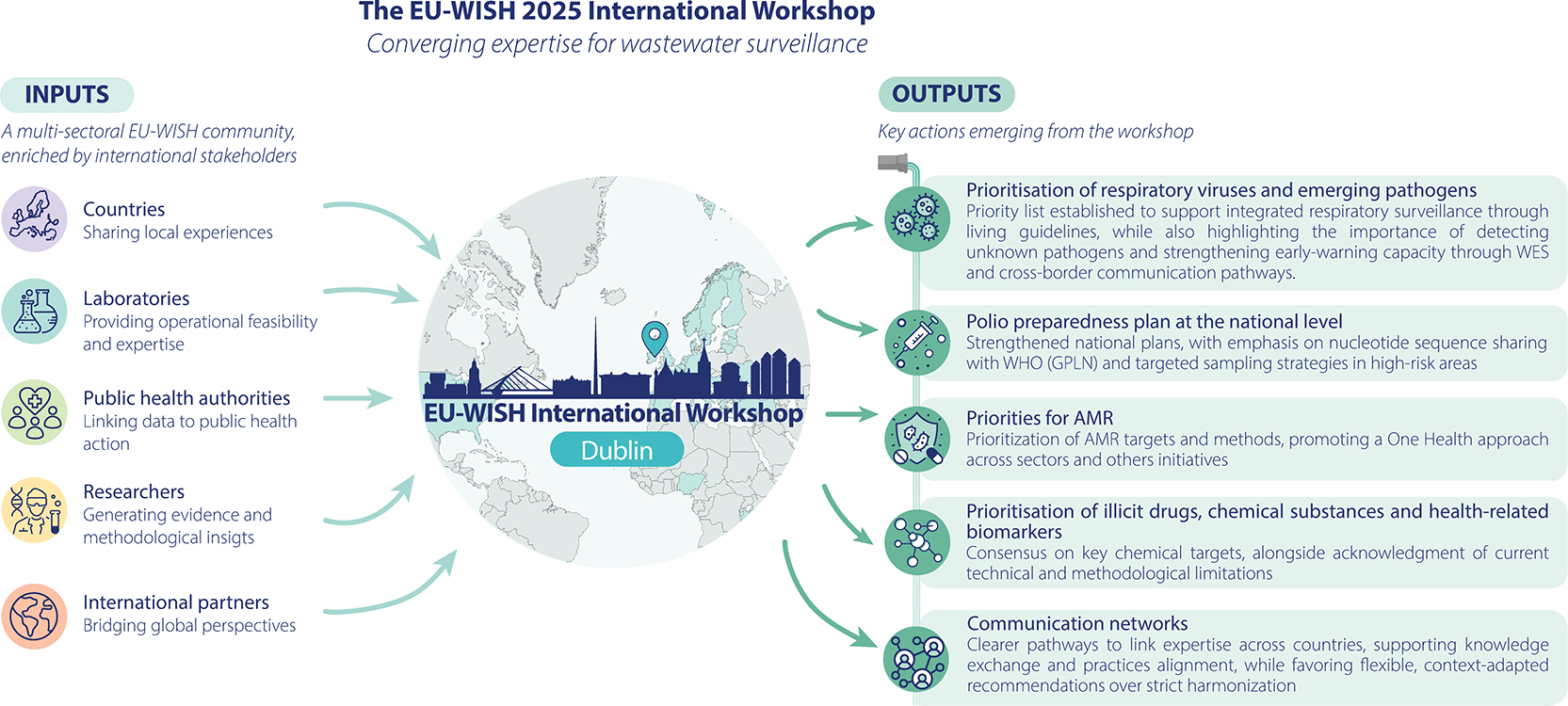
Figure 2. Overview over the EU-WISH wastewater ecosystem with key discussion themes.
Focus is on elements from the EU-WISH 2025 International Workshop. The figure was created using biorender.com.
Prioritisation of targets for infectious diseases
A major undertaking in EU-WISH is facilitating prioritisation of targets for WBS. While needs, priorities and resources vary between countries, it is crucial to have aligned target lists as reference points for supporting shared or potential combined surveillance landscapes across borders. In an infectious disease context, this is especially relevant when future-proofing state-of-the-art pandemic preparedness.
The next steps towards consensus-based frameworks for respiratory viruses and emerging pathogens were taken in an interactive break-out session at the Dublin workshop. Here, identification of the main drivers for prioritisation of targets with close alignment to other EU and international policy frameworks took place.19–23 Prioritisation lists and criteria developed through EU-WISH are envisioned as living guidelines that reflect differences in country needs and resources, while maintaining ability to be adapted to changing systematic and/or infectious disease priorities. During the session, experts from many EU as well as from non-EU countries discussed prioritisation of respiratory virus and emerging pathogens targets building on work using prioritisation methodology already performed in EU-WISH.24,25 Prioritisation of respiratory viruses took place using a hybrid multicriteria decision-making tool, which enabled integration of the expert insights and quantitative data with uncertainty and variability in national contexts. The process resulted in SARS-CoV-2, influenza A/B, respiratory syncytial virus, and enterovirus among the top priorities for respiratory pathogens. This aligns with the 88% of EU-WISH participants reporting routine surveillance of SARS-CoV-2 (n = 23/26) in wastewater in their country and approximately two thirds having capacity to investigate presence of other pathogens such as influenza A/B.13 The need for establishing and maintaining procedures and capacity for detection of unknown pathogens with unknown significance was emphasised as well as the role of WBS in complementing clinical surveillance, potentially offering early-warning signals. Only five countries reported an operative system surveying emerging pathogens in 2024.13 It also became clear, that tangible guidelines must be supported by the establishment of clear communication pathways to link expertise within countries and across borders to enable swift responses and adaptability to emerging health threats.
A second infectious disease break-out session during the Dublin workshop focused on WBS of polio- and non-polio enteroviruses. Longstanding experience of WBS for poliovirus exists within EU-WISH partners with nine countries reporting that surveillance systems were in place since or prior to 2010 in the baseline survey.13 Several countries have implemented WBS for polio and in some cases also for non-polio enteroviruses with 17 of 26 countries indicating presence of a WBS system in 2024.13 The facilitated discussion with participation from stakeholders, such as European Centre for Disease Prevention and Control (ECDC) and World Health Organisation (WHO), resulted in progress on harmonisation of EU-level recommendations to align polio WBS across Member States. A main public health action outcome was the recommendation that Member States develop and implement a poliovirus preparedness plan at the national level. Emphasis on knowledge-sharing in the event of a poliovirus detection in wastewater was underlined in terms of the importance of sharing nucleotide sequences with WHO through the Global Polio Laboratory Network (GPLN) and ECDC through the early warning response system (EWRS) to ascertain which poliovirus types are circulating in the community.26–28 Furthermore, a key recommendation is to design wastewater sampling strategies targeting areas that represent populations at higher risk, which are defined as those with low vaccination coverage, those receiving a large population influx from countries with low vaccination coverage, and where vaccine-derived poliovirus is circulating.
Priorities for antimicrobial resistance WBS
AMR monitoring in wastewater is a complex field, where development of clear frameworks, objectives, and prioritisation of targets are of substantial value in both public health and One Health contexts. There are several possible applications of AMR-WBS/WES. The simplest scenario is monitoring emergence of resistant bacteria or resistance genes in samples from defined risk sites or at community level, where these genes have not been detected prior. An example of a defined risk site could be at hospital sewage infrastructure, where targeted monitoring could ascertain questions such as documentation of a successful intervention for removal of outbreak strains carrying AMR from the hospital environment. In general, AMR monitoring in influx samples at wastewater treatment plants (WWTPs) or defined upstream sites provides information on spatial and temporal trends at community level. A main advantage of AMR-WBS is the ability to detect low abundance of resistance genes or resistant bacteria shed by asymptomatic individuals.29 Such data has primary relevance for public health and complements clinical AMR surveillance, which focus on symptomatic infections and healthcare settings. Another complex aspect involves AMR dynamics in the environment since monitoring effluent water from WWTPs can help assess the risk of dissemination into the receiving environment. Furthermore, wastewater serves as a matrix with selective pressure and potential transfer of genetic material between different bacterial species.30 In terms of specific surveillance targets for any clinically relevant pathogen carrying AMR, the challenge of monitoring resistance genes lies in linking markers of resistance with host genetic material.31
Continued research from a One Health perspective is needed to elucidate the strengths and limitations of AMR-WBS/WES and fully unlock the potential for future public health benefit. EU-WISH partners are actively contributing to defining the case-dependent objectives for AMR-WBS not only in terms of prioritisation of targets but also in term of technical and analytical methodology. Co-creation of target priority lists are done in close liaison with other European initiatives such as the Joint Action EU-JAMRAI (Antimicrobial Resistance and Healthcare-Associated Infections) and EIONET (European Environment Information and Observation Network).17,32 Capacity for some form of operational surveillance of AMR was present in only a limited number of countries in 2024 (n = 8).13 However, implementation of AMR-WBS by July 2028 is mandated under Article 17.3 of the recast EU Urban Wastewater Treatment Directive (UWWTD).33 A clear consensus resounded from the break-out session on AMR, which emphasised that AMR must be addressed as a silent pandemic transcending borders and affecting all One Health framework components; humans, animals, and the environment.
Prioritisation of illicit drugs, chemical substances (non-infectious), and health-related biomarkers for WBS
WBS of chemical compounds covers a wide range of targets including illicit drugs, new psychoactive substances, psychoactive and non-psychoactive pharmaceuticals, daily-exposure environmental chemicals and a wide range of endogenous and exogenous human health-related biomarkers. For such targets, wastewater monitoring offers unique and objective insights that complement existing surveillance systems and help fill important information gaps where few other data sources exist. Europe has already gained valuable experience in monitoring illicit drugs through wastewater analysis. Over the past 15 years, the SCORE network, coordinated under the European Union Drugs Agency (EUDA) in Lisbon, has demonstrated the potential of harmonised methods and collaboration across countries to deliver robust and comparable data on drug use patterns.34–37 The EU-WISH partners actively build on and contribute to these efforts through collaboration and co-creation. Several countries (n = 11 in 2024) reported capability of measuring at least one chemical biomarker among illicit drugs, pharmaceuticals, environmental pollutants and other health-related biomarkers.13
The break-out session covering this topic started with context relevant modification of the WHO guidelines for pathogen surveillance through WBS to chemical biomarkers.38 Among the four prioritisation criteria set in these guidelines (public health actionability, feasibility of implementation, acceptability, and integration) the two first were chosen as the main target evaluation themes and ranked from 3 (low priority) to 1 (high priority). The reasoning behind exclusion of acceptability was that monitoring of influent wastewater at the WWTP level is not likely to raise any social, ethical, or legal issues. Similarly, integration was not chosen as a criterion due to the current prioritisation stage. For public health actionability and feasibility of implementation, emphasis was placed on ensuring adaptability to regional and national circumstances for each substance group. The rapid increase in the use of the previously low priority designer drug Alpha-PVP in Finland illustrated the need for flexible prioritisation and capacity frameworks capable of adapting to emerging threats and regional variations.39 Strong consensus on several targets, such as common illicit drugs, nicotine products, alcohol, and hydrochemical parameters arose from the prioritisation process with recognition of how technical limitations may affect the ranking of certain substances. An example of a technical challenge is the highly lipophilic nature of cannabinoids, and hence propensity to adsorb to particulate matter in wastewater, which warrants a target specific methodological approach.40,41 To fully harness the potential of WBS of various chemical biomarkers, the need for investments in research to generate high-quality data to support evidence-based prioritisation and standardisation of targets was stressed. Surveillance-priorities across countries in Europe are different and co-operation with existing WBS networks, such as SCORE, will be essential to ensure synergistic resource-use, knowledge-sharing, and capacity building.42
Comparability of outcomes across borders and integration of WBS into public health systems
Many EU-WISH countries have established WBS systems using nationally developed methods and set-ups, resulting in a range of different methodologies across systems.13 Therefore, national level outputs are not directly comparable, and the potential of harmonisation varies with WBS targets. For example, a larger degree of harmonisation may be feasible for an established target such as SARS-CoV-2 compared to emerging or exploratory targets. This underlines the necessity for sustained collaborative pathways to establish, solve, and maintain comparability and harmonisation across regional and national borders.
A thematic break-out session at the Dublin workshop reached the clear consensus, that with differences in priorities, resources, and infrastructures at national level, it is unlikely that uniform laboratory standard operating procedures and data analyses approaches will be implemented across the entire EU in the near future. Depending on feasibility and resources, at times, differences exist even within countries, exemplified by the German WBS system integrating data from a large number of WWTPs and laboratories with variable experimental set-ups.43,44 Despite this apparent and significant hurdle, there is a clear need for cross-border collaboration and sharing of data. This is particularly pertinent in the case of infectious diseases and pandemic preparedness, where detection of new threats, transmission prediction and comparability of results for timely either preventive and/or responsive public health interventions are essential. A key preparatory aspect is EU-WISH work on shared and harmonised laboratory protocols as well as organisation of ring trials to assess quality and performance of the existing laboratory capacity. As complete harmonisation and integration is challenging, strategies are required to enable the comparison of levels, trends and tendencies on pathogens and chemical biomarkers occurrence in wastewater despite heterogenous laboratory methodologies and data processing. This work is also relevant for future standardisation and accreditation efforts. One of the concrete outputs from EU-WISH will be statistical guideline documents, which will address multiple contexts. These guidelines will clarify the hurdles and limitations the procedural differences pose and suggest how meaningful cross-border comparisons can be made. Furthermore, work is done based on use-cases to ensure adaptability to situations, where data is not easily directly comparable. Here, use-cases can be a good tool to fuel inspiration for local best practice in varying landscapes and settings.
Investigations of how WBS/WES has led to concrete public health actions remains limited and are skewed towards SARS-CoV-2 and poliovirus as well as high-income settings for biological targets45,46 and towards illicit drugs among chemical targets.34 Determining how WBS translates into positive public health impact and generates value in public sectors, irrespective of how different WBS programmes exist, is a key aspect of EU-WISH. This entails comprehensive understanding of how WBS is carried out in different contexts. A central element in the project work is to frequently highlight and collect information of known best practices. For this purpose, the establishment of the EU-WISH network itself, where a culture of sharing is nurtured based on mutual trust and benefit, is an essential achievement.
The importance of defining proper best practice scenarios as adaptable frameworks to build upon was clear at the thematic break-out session on “integrating wastewater surveillance for decision-making” and in plenary at the Dublin workshop. Simply bringing the right EU-WISH expertise together to initiate conversation and bring attention to the topics brought progress on clarifying the existing diverse barriers for implementation of WBS into public health paradigms. These included both technical barriers, difficulties in interpreting data, organisational challenges stemming from fragmented institutional responsibilities, and the frequent absence of national regulatory frameworks. In order to create a knowledge foundation to act upon, an EU-WISH activity is conducting qualitative interviews with different stakeholders, which cover diverse needs, resource-contexts and priorities. These qualitative interviews are used as an active element to identify obstacles, strengths, and approaches to integration of WBS into public health systems. Information is collected under thematic WBS pillars focusing on SARS-CoV-2, other respiratory virus, emerging pathogens, AMR, and illicit drugs. This knowledge base will be living documents, that will evolve with EU-WISH needs and beyond project boundaries. It is clear that interdisciplinary approaches are necessary for efficient WBS implementation and effective integration into sustained surveillance systems. Future WBS/WES development will likely take place in an interplay between surveillance practice, molecular biology, clinical and biological disease insights, water-engineering, sociology, international politics and, with long-term perspectives, possibly also public-private partnerships.
Training, capacity building and sustainability
An essential part of sharing knowledge is creating fora and platforms where communication and learning can take place. Concretely, EU-WISH is generating training foundations that support establishing, improving, or consolidating national WBS/WES systems. This encompasses diverse socio-economic contexts and public health infrastructures. However, focus and awareness on ensuring that lessons-learned can be developed upon and made available for contexts outside Europe permeates the process. Actionability on this ambition is facilitated through continuous collaboration and partnerships with European and global WBS/WES stakeholders. Several external partners were represented and integral to progress at the Dublin workshop, whom will be introduced in the following section. In order to build a sustainable training framework in EU-WISH, discussions on what key WBS aspects should be prioritised to strengthen capacity building were facilitated the Dublin workshop. The four cornerstones of the envisioned training framework are set to foundational enablers and governance, actionable training content development and identification of needs, concrete plans for delivery and accessibility, and lastly sustainability and relevance resilience. Diverse training formats from online learning, in situ, webinars, and offline resources suit different purposes and audiences, however, common underlying challenges were identified. These span themes such as how to make training formats widely available, inclusive, and adaptable to diverse contexts, how to ensure coherent, high-quality content across modules and delivery methods, and importantly, how to anchor coordination and ownership for continued leadership, validation, and upkept training efforts with a future perspective. Additionally, a resounding need was identified from all Dublin workshop break-out session focus areas; namely the need for sustainable and nationally anchored funding to upkeep all the investments and gains from EU-WISH.13 Training modules, platforms, and frameworks must be sustained beyond the EU-WISH project scope to ensure long-lasting and meaningful impact.
The Joint Action EU-WISH is an innovation motor in an evolving WBS/WES ecosystem
The field of WBS/WES is currently developing and expanding fast at national and EU level in Europe as well as globally. The EU-WISH project combines the expertise of 62 entities from 25 EU/EEA Member states and Ukraine in one consortium, which renders EU-WISH an innovation motor to strengthen and improve national capacities for WBS in Europe. However, EU-WISH is also an integral part of a much larger environment of wastewater initiatives that jointly move the field forward. The term ‘ecosystem’ has arisen as an often-used metaphor to describe the mutual interrelatedness of the various technical and infrastructure developments, networks, and policy areas that are involved in the field. Here, we aim to provide a simplified overview of the WBS/WES focus and roles of key international organisations and initiatives, that are connected to EU-WISH through the WBS/WES ecosystem (
Table 2). The listed organisations and initiatives, here coined as “WBS/WES stakeholders,” all participated in the Dublin workshop.
Table 2. International WBS/WES stakeholders that participated in the EU-WISH 2025 International Workshop.
| Acronym | Stakeholder | Key WBS/WES focus areas | Website(s) |
|---|
| ECDC | European Centre for Disease Prevention and Control | Surveillance infrastructure and integration into infectious disease surveillance at EU/EEA level | https://www.ecdc.europa.eu/en
|
| EU-JAMRAI
| Joint Action Antimicrobial Resistance and Healthcare-Associated Infections | AMR-WES method development, co-creation of target priority lists and surveillance strategies | https://eu-jamrai.eu/
|
| GLOWACON | Global Consortium for Wastewater and Environmental Surveillance for Public Health | Open and free global community of practice network. Establishment of a global sentinel system based on WES for early-warning and pandemic preparedness. Implementation of WES in aviation and mass gathering events. | https://glowacontest.org/
|
| DG HERA | Health Emergency Preparedness and Response Authority | Intelligence gathering for MCM preparedness, preparedness against cross-border health threats. Supports: EU-WISH, UNEP Africa Initiative, WHO WES initiative, GLOWACON EU-wastewater sentinel system, GLOWACON aviation programme, and GLOWACON mass gathering events programme. | https://health.ec.europa.eu/health-emergency-preparedness-and-response-hera_en
|
| JRC | Joint Research Centre | Evidence-based scientific advice capacity, support policy development | https://joint-research-centre.ec.europa.eu/index_en
|
| UNEP Africa Initiative | United Nations Environment Program | Application of WES in Africa region | Wastewater surveillance|UNEP - UN Environment Programme https://www.unep.org/topics/ocean-seas-and-coasts/ecosystem-degradation-pollution/wastewater/wastewater-surveillance
|
| WHO | World Health Organization: Department of environment, climate and One-health (ECO) | Guidance and capacity development | https://www.who.int/teams/environment-climate-change-and-health/water-sanitation-and-health/sanitation-safety/wastewater
|
| World Health Organization: Hub for Pandemic and Epidemic Intelligence (Berlin) | WES training repository, networking platform”WES Collaboratory” | https://pandemichub.who.int/
https://www.who.int/initiatives/collaboratory
|
The EU policy on WBS/WES within the EU has been driven to a large extent by DG HERA with the scientific and active support of the JRC and in collaboration with other Commission services and agencies (such as DG Environment (ENV), DG SANTE, ECDC). The European wastewater sentinel system to detect emerging pathogens, antibiotic resistance determinants and chemicals of concern has been operationalised from such collaboration.47 Examples of diverse concrete activities established and run by JRC and DG ENV include a series of scientific online meetings known as EU4S Town Hall meetings, which have united different actors across Europe, establishment of the European Wastewater Surveillance Dashboard, which integrates data from various countries across Europe (https://wastewater-observatory.jrc.ec.europa.eu/#/content/the-eu-dashboard), monthly open access reports collating national surveillance information (Blue Mirror, One Water – One Health Monthly Chronicle and EU Wastewater Observatory for Public Health), and publications such as the first and the upcoming second cookbook guideline for WBS/WES.48
The ECDC is the EU agency responsible for infectious disease surveillance, threat detection, assessment, and communication at the EU/EEA level. In line with established collection and collation of clinical and syndromic national infectious disease surveillance data, ECDC is evaluating and assessing feasibility and usefulness of systematic collection of WBS data and results from individual European countries for indicator- and event-based surveillance.22 For infectious diseases, WBS data must allow cross-country comparison to be relevant for EU-level surveillance and should be interpreted together with other surveillance data. The network, knowledge-exchange, and capacity building by EU-WISH provides a good basis for a continued institutionalised network for WBS nested at ECDC.
WBS/WES encompasses not only infectious diseases but also has the potential for monitoring several chemical biomarkers. For illicit drugs, EUDA has already been collecting national level WBS data through initiatives such as SCORE within their policy area for 15 years (https://www.euda.europa.eu/topics/wastewater_en).34 While EUDA was not directly represented at the Dublin workshop, close liaison and communication between EU-WISH activities and existing EUDA capacities are continuous.
WBS for AMR monitoring is as described previously a complex topic, where knowledge-generation and exchange as well as synergistic capacity building between EU-WISH and other stakeholders, such as the Joint Action Antimicrobial Resistance and Health-care Associated Infections (JAMRAI), are of utmost importance to prepare for the upcoming mandatory WBS of AMR prompted by the recast European Union Urban Wastewater Treatment Directive (UWWTD) 2024/3019 Article 17.3,17,33 which must be adopted into national law by EU Member States by July 2027. In essence, the recast UWWTD establishes a regulatory framework for integrating WBS into public-health monitoring systems across the European Union. It requires health and wastewater authorities in Member States to coordinate (article 17.1) the surveillance of key public health pathogen (article 17.2) and AMR (article 17.3) parameters. The EU-WISH consortium plays an important role in supporting the translation of these legislative requirements into practice. By connecting national authorities, laboratories, and research institutions across Europe, EU-WISH seeks to provide a coordinated platform for developing methods ensuring data comparability and building capacity to meet the requirements in the UWWTD. The consortium contributes to the implementation of Article 17 by promoting alignment in sampling design, analysis, interpretation, and reporting. Beyond its technical role, EU-WISH strengthens preparedness by supporting WBS as an integrated component of infectious disease and AMR monitoring. Sustaining the EU-WISH network beyond the project period is essential to capitalise on the substantial EU4Health programme investment to develop, establish, and uphold the quality and comparability of WBS data across countries. A sustained network is important to achieve the UWWTDs full implementation and to maintain state-of-the-art WBS as an important component of the European public health preparedness.
Although EU-WISH is focusing on WBS in European context, liaison with global WBS/WES stakeholders is central to ensure synergistic knowledge generation and transfer as well as development of sustainable training and capacity building resources. A key international initiative is the Global Consortium for Wastewater and Environmental Surveillance for Public Health (GLOWACON), which aims to promote WBS/WES at global scale. GLOWACON emerged from consultation with a number of international actors in the spring of 2024 and was initially primarily supported by the Bill and Melinda Gates Foundation and HERA. Now many national, regional (such as EU-WISH, UNEP, and ECDC) and global actors (such as WHO) are taking part in building up GLOWACON as an international framework institution. GLOWACON functions through four working groups, where multiple EU-WISH community members also contribute, which builds important bridges between continental Europe and global scale WES efforts. The GLOWACON “Training and Capacity Building Working Group,” which is co-led by actors from Türkiye, Tunisia, and Senegal in close collaboration with EU-WISH participants, is one of the pillars securing these collaborative ties. Several initiatives aimed at advancing WBS/WES are flourishing through the WHO. An example is the WHO WES Collaboratory anchored at the WHO-Hub in Berlin (
Table 2), where many EU-WISH partners also are actively participating. The WES Collaboratory forms a platform for global interdisciplinary networking and interactive knowledge-sharing to fuel solutions to complex public health problems. The WHO has initiatives for WES development in all WHO regions and has recently, developed international guidance on prioritisation, implementation and integration of WES for one or more pathogens along with evidence summaries for 11 pathogens of relevance for WES, which provide an important step forward in the institutionalisation of methods in the field.38 In the pan-European region, the WHO Regional Office for Europe delivers capacity building on WES through the WHO EURO/UNECE Protocol on Water and Health.49,50
Institutionalisation, costs and value of WBS in Europe
WBS is already an established part of many European public health institutions’ surveillance infrastructure. While it is still a surveillance method undergoing rapid development, it has transitioned from being a potential future tool to a tangible, implemented methodology. However, considerable obstacles in the form of time-limited project formats and some scepticism from the epidemiology sector remains. Therefore, sustainable investment from public health institutes and at country level is necessary to maintain the momentum and reap the envisioned benefits related to preventive and responsive interventions.
The baseline EU-WISH 2024 survey pointed to unstable or insufficient funding as being the largest obstacle for implementation of WBS systems.13 This point was also strongly voiced in the discussions at the Dublin workshop. Consolidated long-term budgets are still to be negotiated in most of the countries represented by EU-WISH participants. Currently, most budgets are tied to pandemic response funds, but with the upcoming mandatory AMR-WBS implementation warranted by the recast Urban Wastewater Directive (article 17) new budgetary contexts may arise.33 It will be of utmost importance to ensure the required funding for these non-routine surveillance activities will not be drawn from existing surveillance activities of other diseases in the public health sector and thereby jeopardising the position in the EU/EEA Member States towards WBS as a whole.
An EU-WISH focus is to determine and characterise the added public health value of performing WBS also in terms of specific cost calculations. Such information in conjunction with clarification of how WBS creates synergies with clinical surveillance systems serves the purpose of assisting decision-makers in prioritising resources towards the highest public health impact. It is important to note, that WBS programmes do not act in competition with established clinical surveillance systems but rather add to and strengthen these wherever possible. As WBS/WES cuts out its niche, it becomes part of the ensemble of methods used by European national public health institutes. An advantage of WBS is that, once laboratory and logistic capacity is established, new targets can be added to the portfolio with relative ease, flexibility, and at low cost. Several targets may also be assessed simultaneously through integrated and optimised laboratory workflows depending on target type. This fact is likely to increase the cost-efficiency of national WBS programmes, and it is an important part of EU-WISH work to solidify this as support for feasible upkept WBS implementations.
EU-WISH generates a wealth of sustainable knowledge in the form of scientific publications, guidelines, reports, learning resources, and methodological capacity (
Figure 2,
Table 1). All such materials are the product of evidence synthesis from international collaboration built on trust and mutual learning. The interactive processes in EU-WISH themselves facilitate the consolidation and institutionalisation of WBS aspects through the participants at national levels. The EU-WISH network provides an opportunity to be a foundation for a continued institutionalisation of WBS at EU level through liaison with institutions such as ECDC.22 Sustaining the network’s momentum and continuously developing know-how would capitalise on the large EU4Health programme investment initially made on EU-WISH to public health benefit.
Future directions for WBS development in Europe assisted by EU-WISH
At the halfway point of EU-WISH marked by the Dublin workshop the following waypoints stand out:
I) WBS systems have been independently set in motion in most European countries without any prior shared scientific frameworks. EU-WISH has achieved to build a network of expertise linking partner institutions and organisations from 26 European countries. This network provides a forum for improved and harmonised WBS development. Hence, EU-WISH is addressing a gap where institutionalised guidance and organisation was missing and serves to provide direction for the EU Member States involved in EU-WISH and beyond.
II) The EU-WISH network plays an important role in supporting progress towards best-practice and potentially integrated cost-effective surveillance for several traditionally not linked disciplines; infectious diseases, AMR, chemical substances (such as illicit drugs), and health-related biomarkers.
III) The list of potential WBS targets is extensive. Only a small fraction is already implemented for WBS and provide meaningful public health data. There is a clear need to select targets for implementation based on their added value for public health. However, the needs and operational circumstances in different countries vary and no one-size-fits-all approach can be applied. Hence, the process to identify the targets where WBS offers the highest public health benefit will take time and needs nuance and should be repeated over time as new scientific evidence becomes available.
IV) WBS shows potential for performing surveillance across national borders. The way to achieve this is not necessarily through absolute harmonisation of WBS programme elements, such as sample taking and laboratory methodology, as this is challenging to implement without negatively affecting some existing national systems. Proper method standardisation efforts at ISO, EN and other institutions will take time, and it is unclear if these standards will be broadly available and applicable. As an interim solution, EU-WISH is collecting relevant statistical methods to compensate for differences in laboratory methodology as well as organise ring trials to increase and assess comparability of existing methodology. This will enable feasible comparisons of WBS results across Europe.
V) Through collaboration and knowledge sharing, EU-WISH creates synergies with related European initiatives such as JAMRAI, SCORE and EIONET and draws on complementary expertise to strengthen Europe’s overall capacity for wastewater-based public health surveillance and innovation. Liaisons with international stakeholders such as HERA, ECDC, and WHO support the course for EU-WISH towards impactful actions. Jointly, the international projects and institutions pave the way for gradual and necessary institutionalisation of the field.
VI) A major challenge that must be overcome is sustaining national funding to keep up WBS programmes. This is further reinforced by the upcoming implementation of the mandatory UWWTD in all Member States. EU-WISH strives to help by communicating public health impact of WBS to relevant stakeholders and fuel political support.
VII) WBS systems are here to stay; the pressing question is how we establish and execute their optimal versions in varying contexts to strengthen and add value to other existing surveillance systems and to inform actions with defined public health benefits.
Disclaimers
The views expressed in this article are those of the author(s). Publication in Open Research Europe does not imply endorsement of the European Commission.
Views and opinions expressed are those of the author(s) only and do not necessarily reflect those of the European Union, European Health and Digital Executive Agency or the European Centre for Disease Prevention and Control. Neither the European Union, European Health and Digital Executive Agency or the European Centre for Disease Prevention and Control can be held responsible for them. * The author alone is responsible for the views expressed in this publication, which do not necessarily represent the views, decisions, or policies of the institutions with which they are affiliated.
Ethics and consent
Ethical approval and consent were not required.




