1. Introduction
Sustainability-transition projects increasingly rely on real-world demonstrations to test whether digital tools, communication strategies, and stakeholder engagement can influence practices related to food systems, consumption, and environmental decision-making. Yet demonstration projects face a recurring methodological problem: local interventions must be tailored to context, while evaluation still needs to generate comparable evidence across pilots, countries, and stakeholder groups. This tension is well recognised in sustainability governance, implementation research, and process evaluation, where context sensitivity and cross-case comparability often pull in opposite directions (Cash et al., 2003; Damschroder et al., 2009; Moore et al., 2015; Proctor et al., 2011).
This challenge is especially visible in projects that combine behaviour-change ambitions with digital or hybrid interventions. Evidence from technology acceptance, usability evaluation, communication campaigns, and environmental education shows that shifts in awareness, attitudes, self-efficacy, and self-reported behaviour are shaped not only by message content, but also by perceived usefulness, ease of use, credibility, and opportunities for repeated engagement (Brooke, 1996; Davis, 1989; Harwood & Garry, 2015; Noar, 2006). Related educational studies have likewise shown that sustainability-oriented learning interventions can influence environmental awareness and behavioural dispositions, while still requiring careful attention to context and measurement design (Karachalios & Manesis, 2025; Karachalios & Tantaroudas, 2025).
The CHOICE project – Mainstreaming Integrated Assessment Models by embedding behavioural change and digital narratives in food systems – provides a suitable setting in which to address this problem. Within CHOICE, the initial Pilot Action Plans deliverable (D6.1) established a common structure for pilot objectives, evaluation indicators, conversion types, stakeholder engagement, implementation roadmaps, and risk management across five pilot demonstrations in Austria, Spain, Greece, Colombia, and South Africa. The present Method Article builds on that foundation and reformulates it as a reproducible monitoring framework for scientific use, while also drawing on digital narratives, immersive communication formats, and Integrated Assessment Models (IAMs) to support sustainability engagement (Karachalios, Tantaroudas, & Makropoulos, 2025; Kozicka et al., 2025; Steinhauser, Fritz, & Pirker, 2024; Sundiang et al., 2025).
1.1 Aim and scope
The aim of this Method Article is to document a reproducible monitoring framework developed in the context of CHOICE for evaluating effectiveness across heterogeneous sustainability demonstrations through a common monitoring architecture, a shared conversion-types pathway, structured Participatory Labs, and a cross-pilot risk and reporting logic. The article does not report pilot outcomes. Instead, it describes the framework that guides data collection, interpretation, iterative refinement, and future pilot-level analysis.
2. Methods
2.1 Overall architecture
The CHOICE monitoring framework is organised as a three-layer architecture (
Figure 1). First, five evaluation dimensions define what counts as effectiveness across pilots. Second, a conversion-types pathway translates behavioural progression into a comparable sequence of stages. Third, a mixed-methods evidence pipeline integrates analytics, questionnaires, Participatory Labs, and implementation reporting into an iterative learning process. This layered design reflects broader thinking in implementation science, developmental evaluation, and adaptive sustainability governance, where method robustness depends on combining standardised structures with contextual flexibility (Damschroder et al., 2009; Moore et al., 2015; Patton, 2011).
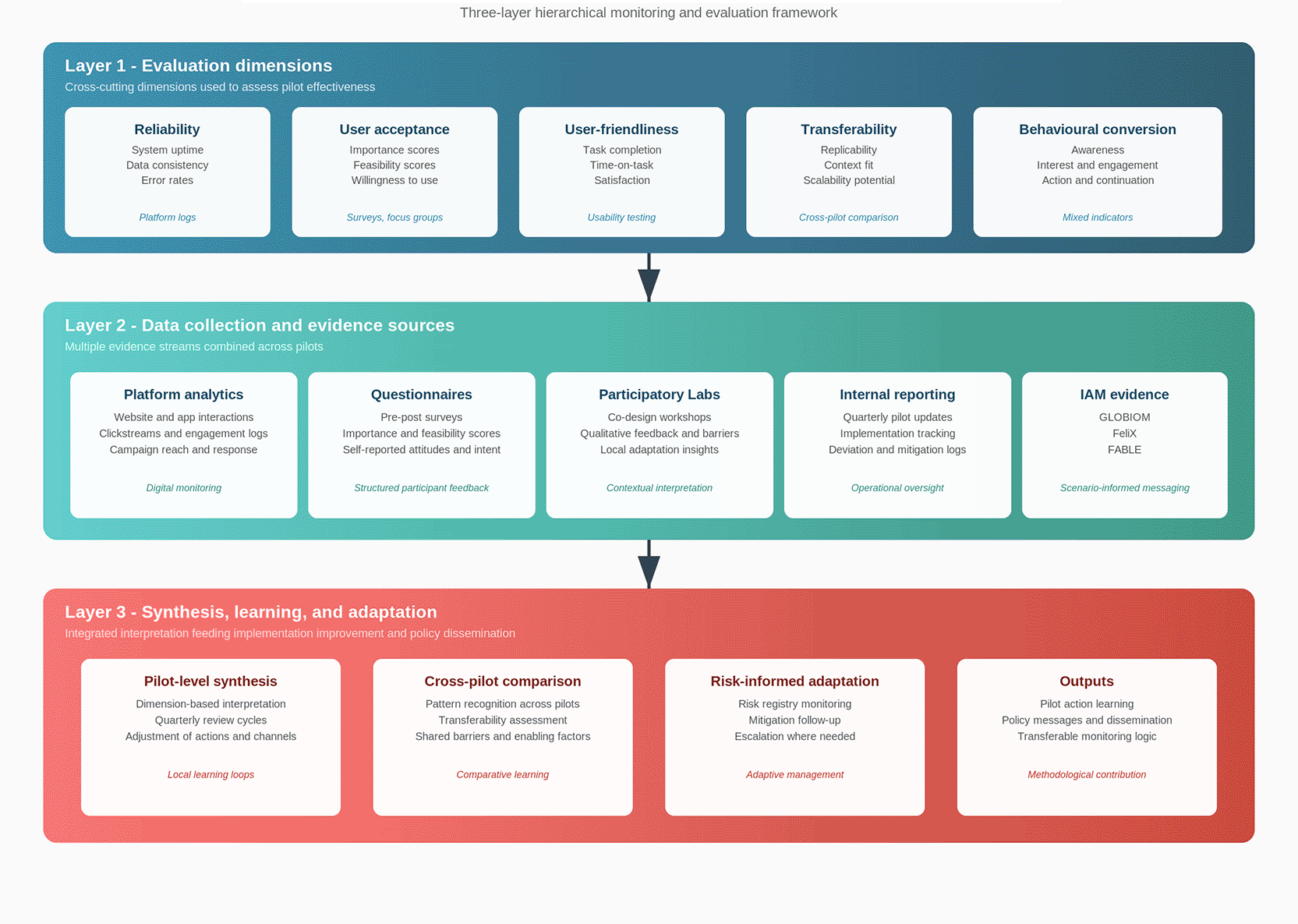
Figure 1. CHOICE monitoring framework architecture.
Three-layer hierarchical monitoring and evaluation framework showing the relationship between the five evaluation dimensions, the mixed-methods evidence sources used across pilots, and the synthesis-and-adaptation layer through which monitoring outputs inform pilot learning, comparison, and policy-oriented interpretation.
This structure was derived through analytical synthesis of the initial CHOICE Pilot Action Plans (D6.1) and was refined to balance standardisation with contextual fit. The derivation process drew on the cross-pilot objectives, evaluation indicators, conversion types, implementation roadmaps, stakeholder engagement structures, and risk-mitigation procedures specified across the five pilot settings. These elements were consolidated into a common monitoring architecture that supports reproducible interpretation while allowing pilot-specific indicators and channels to remain context-sensitive. The framework is deliberately not based on a single universal metric. Instead, it uses a stable interpretive lens across pilots while allowing pilot-specific indicators and channels to vary. In this respect, the framework is closer to a transferable evaluation architecture than to a fixed scorecard. Its purpose is not to impose identical indicators across pilots, but to provide a stable interpretive structure through which heterogeneous evidence can be collected, compared, and refined over time, in line with context-sensitive evaluation approaches (Proctor et al., 2011; Wiek, Talwar, O’Shea, & Robinson, 2014).
2.2 Evaluation dimensions
The first layer of the framework consists of five cross-cutting evaluation dimensions: reliability, user acceptance, user-friendliness, transferability, and behavioural conversion. Reliability covers platform stability, data consistency, and error management. User acceptance captures perceived usefulness, relevance, and feasibility from the perspective of intended users. User-friendliness addresses practical experience of interaction, including accessibility and ease of navigation. Transferability considers whether lessons and design choices can inform use in other settings. Behavioural conversion examines whether exposure and engagement appear to translate into more substantive forms of action or sustained practice. The choice of these dimensions draws on work concerning acceptance, usability, implementation outcomes, and the practical assessment of complex interventions (Brooke, 1996; Davis, 1989; Proctor et al., 2011).
The five-dimension structure was chosen because projects of this kind often fail when either technical performance, user experience, or behavioural interpretation is treated as secondary. In CHOICE, these elements are monitored together, allowing implementation teams to identify whether weak outcomes stem from platform issues, message design, recruitment limitations, contextual misfit, or genuinely limited behavioural uptake. The operationalisation of these dimensions across indicators, data collection methods, measurement frequency, and responsible partners is summarised in
Table 2.
Table 1. Cross-pilot comparison matrix.
Summary of the five CHOICE pilot demonstrations across lead partners, target groups, sector focus, geographic scope, principal digital channels, engagement structure, core digital tools, model linkages, timelines, and key conversion focus.
| Dimension | Austria | Spain | Greece | Colombia |
South Africa |
|---|
| Lead partner | Inoqo | CAAND | e-Fresh
| SUP | UP |
| Target audience | DM retail consumers in Germany | Olive farmers and livestock farmers in Andalucía | e-Fresh online retail customers in Attica, Greece (200,000 registered users; focus on 50,000 active users) | Women coffee producers in Cauca, Colombia (AMUCC) | Youth networks and related stakeholders in South Africa |
| Sector focus | Sustainable food retail and eco-labelling
| Sustainable olive cultivation and livestock farming | Sustainable online grocery shopping and eco-labelling
| Sustainable coffee production sustainability | Healthy and sustainable diets and food waste reduction |
| Geographic scope | Germany | Andalucía, Spain | Attica, Greece | Cauca, Colombia | South Africa |
| Primary digital channels | Online shop, app, newsletter | WhatsApp broadcast | e-Fresh website, email, Viber | WhatsApp, Facebook/Instagram, YouTube, project web platform | WhatsApp, Viber, email, social media, project website |
| Number of engagement campaigns | 5 | 6 (3 olive +3 livestock) | 5 | 5 | 5 |
| Number of Participatory Labs | 3 | 3 | 3 | 3 | 3 |
| Key digital tool(s) | Inoqo eco-labelling platform | FABLE Calculator and GLOBIOM-informed campaign content | e-Fresh online retail platform with Inoqo eco-labelling integration | FABLE Calculator and GLOBIOM-informed campaign content | Shrink Your Food Waste app |
| IAM models used | GLOBIOM, FeliX | GLOBIOM, FABLE | GLOBIOM, FeliX, FABLE | GLOBIOM, FABLE | GLOBIOM, FABLE |
| Pilot kick-off month | M22 | M21 | M22 | M22 | M22 |
| Data reporting frequency | Quarterly | Quarterly | Quarterly (M25, M28, M31, M34) | Quarterly (M25, M28, M31, M34) | Quarterly (M25, M28, M31, M34) |
| Policy dissemination period | M32-M36 | M32-M36 | M32-M36 | M32-M36 | M32-M36 |
| Key conversion focus | Eco-label awareness, sustainable product selection, repeated sustainable purchasing | Adoption of sustainable farming practices in olive and livestock systems | Eco-label interaction, sustainable product selection, repeated sustainable purchasing | Adoption of sustainable coffee practices, participation in training, peer diffusion | Diet change, food waste reduction, leadership and ambassadorship |
Table 2. Evaluation Dimensions Mapping.
Operational definitions, indicative metrics, and primary evidence sources associated with the five cross-cutting evaluation dimensions used in the CHOICE monitoring framework.
| Evaluation dimension | Operational indicators | Data collection method | Measurement frequency | Applicable pilots | Responsible partner(s) |
|---|
| Reliability | System uptime and availability | Platform monitoring logs | Continuous | AT, GR, SA | ICCS, pilot leaders, tool providers |
| Reliability | Data consistency across tools | Automated data validation and data-warehouse checks | Per data submission | All | ICCS, LIBRA |
| Reliability | Error rates in digital tools | Bug tracking systems and support logs | Continuous | AT, GR, SA | ICCS, pilot leaders |
| User Acceptance | Perceived importance scores | Pre/post surveys (Likert scale) | Pre and post engagement | All | ATHENA, LIBRA, pilot leaders |
| User Acceptance | Feasibility assessment | Stakeholder questionnaires and Participatory Labs feedback | Post Participatory Labs | All | ATHENA, pilot leaders |
| User Acceptance | Willingness to continue use | Follow-up surveys | At 3-month intervals | All | LIBRA, pilot leaders |
| User-Friendliness
| Task completion rates | Usability tests (moderated) | During pilot deployment | AT, GR, SA | ICCS, LIBRA, pilot leaders |
| User-Friendliness
| Time-on-task metrics | Digital analytics (session data) | Continuous | AT, GR, SA | Tool providers, ICCS |
| User-Friendliness
| User satisfaction scores (SUS/NPS or equivalent) | Post-interaction surveys | Quarterly | All | LIBRA, pilot leaders |
| Transferability | Replicability assessment scores | Expert panel evaluation | End of pilot | All | ICCS, NOA |
| Transferability | Adaptation effort estimates | Cross-pilot workshops | Bi-annual
| All | ICCS, ATHENA |
| Transferability | Documentation completeness | Internal review of protocols and monitoring templates | At deliverable milestones | All | ICCS |
| Overall Effectiveness | Behavioural change rates | Conversion type tracking | Quarterly | All | Monitoring team (ICCS lead) |
| Overall Effectiveness | Carbon footprint reduction | LCA-based calculations and model-informed
estimation | Quarterly | AT, GR | Inoqo, ICCS |
| Overall Effectiveness | Practice adoption rates | Field surveys and self-reports
| Quarterly | ES, CO | CAAND, SUP |
| Overall Effectiveness | Food waste reduction | App-tracked data and surveys | Quarterly | SA | UP, ICCS |
| Overall Effectiveness | Policy uptake indicators | Policy review and stakeholder interviews | M32-M36 | All | NOA, ICCS |
2.3 Conversion-types pathway
To compare pilots without forcing identical behavioural endpoints, CHOICE uses a conversion-types pathway that tracks movement through five broad stages: awareness, interest, engagement, action, and continuation. This logic draws conceptually on diffusion and communication perspectives that treat change as staged and cumulative rather than instantaneous, and on behaviour-change approaches that distinguish between exposure, motivation, enactment, and maintenance (Michie, Van Stralen, & West, 2011; Noar, 2006; Rogers, Singhal, & Quinlan, 2014).
The purpose of the pathway is therefore interpretive rather than rigidly prescriptive. It creates a common language for describing how participants move from initial exposure to more substantive forms of adoption or leadership, while still permitting pilot-specific indicators and digital channels.
Figure 2 presents this pathway together with generic indicators and illustrative pilot examples.
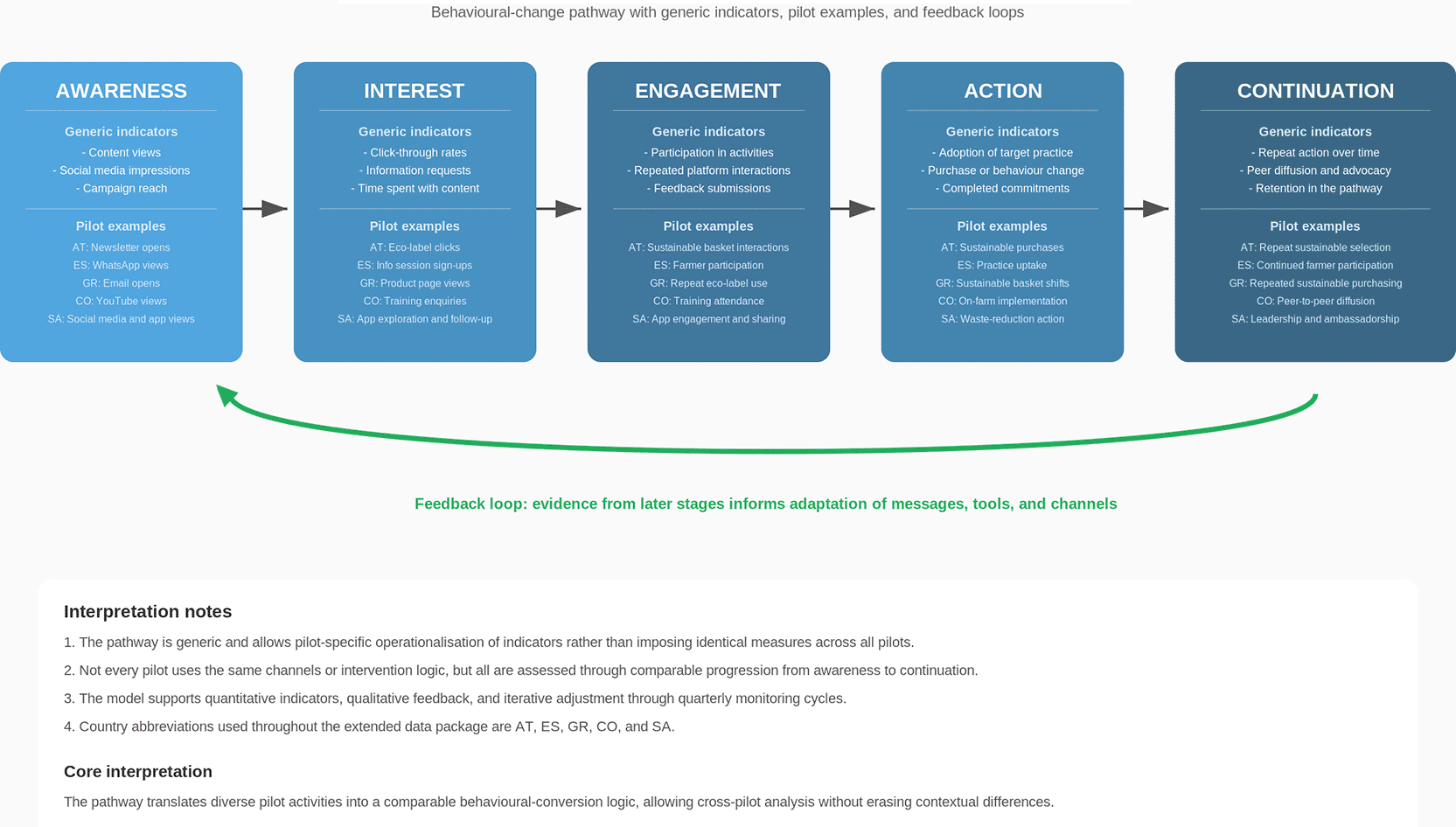
Figure 2. Conversion types pathway model.
Generic behavioural-conversion pathway used to interpret pilot progression from awareness to continuation, combining comparable stages with pilot-specific examples and an explicit feedback loop from later-stage evidence to adaptation of messages, tools, and channels.
2.4 Mixed-methods evidence pipeline
The framework combines multiple evidence streams to support triangulation across heterogeneous pilot settings. Digital analytics provide interaction-level information such as views, clicks, repeat use, and selected platform actions. Structured questionnaires capture perceived importance, feasibility, user experience, and self-reported behavioural intentions or changes. Participatory Labs generate qualitative insights on barriers, enablers, contextual relevance, and adaptation needs. Internal reporting contributes implementation updates, emerging risks, and decisions taken during pilot delivery, so that monitoring is linked not only to outcomes but also to the conditions under which those outcomes are produced. Together, these evidence streams create a mixed-methods monitoring pipeline that supports interpretation, comparison, and iterative refinement across pilots (Creswell & Plano Clark, 2018; Fetters, Curry, & Creswell, 2013).
The emphasis on triangulation is important. Platform analytics may show whether a user clicked or returned, but they do not by themselves explain why a user disengaged or why one channel worked better than another. Likewise, questionnaires may capture intention or satisfaction, but without technical monitoring they may miss implementation problems that distort user experience. Bringing these sources together improves explanatory depth and supports more defensible interpretation of pilot performance in real-world settings (Fetters et al., 2013; Moore et al., 2015).
2.5 Participatory Labs and stakeholder feedback
Participatory Labs are integrated into the framework as a methodological mechanism for interpreting pilot performance, identifying barriers and enablers, and informing iterative adaptation during implementation. They are not treated as parallel dissemination activities, but as structured points of evidence generation that complement digital analytics, questionnaires, and internal reporting. Across pilots, three Participatory Labs are used to identify barriers, validate and prioritise intervention directions, and interpret pilot progress. This design is consistent with research on social learning, living labs, and participatory sustainability assessment, which shows that stakeholder involvement can improve contextual fit, legitimacy, and the practical relevance of monitoring systems (Reed et al., 2010; Voytenko, McCormick, Evans, & Schliwa, 2016; Wiek et al., 2014). The design, timing, participants, and expected outputs of this process are summarised in
Table 4.
Table 3. Cross-pilot risk registry.
Structured overview of major methodological, technical, operational, and engagement-related risks relevant to pilot monitoring, together with indicative mitigation logic.
| Risk ID | Risk description | Probability | Impact | Applicable pilots | Mitigation measures | Lead partner | Supporting partners |
|---|
| R1 | Data management or storage fails to align with GDPR or national data-protection regulation | Low | High | All | T1.5 compliance monitoring; privacy-preserving analytics; DMP templates and forms | ICCS | All pilot leaders, LIBRA |
| R2 | Users remain unclear or sceptical regarding data usage and decision tracking | Medium | High | All | Clear privacy policies; GDPR-compliant tools; pseudonymisation before storage and analysis | ICCS | Inoqo, e-Fresh, SUP, UP, CAAND |
| R3 | Language barriers affect stakeholder participation | Low | Medium | ES, CO, SA | Multilingual partner expertise; translation resources for materials | Pilot leaders | ICCS, ATHENA |
| R4 | A/B testing data are insufficient for statistical significance | Medium | Medium | All | Pre-trial feasibility studies; Bayesian A/B testing; within-subject fallback designs | LIBRA | ICCS, pilot leaders |
| R5 | Stakeholder engagement in campaigns and digital tools remains below target | Medium | High | All | Targeted marketing; community-level dissemination; regional ambassadors; WP7 coordination | Pilot leaders | ATHENA, ICCS |
| R6 | Monitoring period is too short for measurable impact demonstration | Low | Medium | All | Preliminary evaluation; potential extension; intention-based supplementary indicators | ICCS | Pilot leaders |
| R7 | Technical issues affect digital tool deployment | Medium | Medium | AT, GR, SA | Regular technical reviews; testing phases; dedicated support team | ICCS | Inoqo, e-Fresh, UP, LIBRA |
| R8 | Insufficient training or capacity building for stakeholders | Medium | High | All | Training materials; workshops and webinars; ongoing support | Pilot leaders | ICCS, ATHENA |
| R9 | Data quality concerns arise from user inputs | Medium | Medium | All | Robust validation and cleaning protocols; data-entry guidelines; user training | ICCS | LIBRA, pilot leaders |
| R10 | Resistance to change among stakeholders limits adoption | Medium | Medium | ES, CO | Early stakeholder engagement; clear benefit communication; participation incentives | Pilot leaders | ATHENA, LIBRA |
| R11 | Low user participation in consumer-facing pilots | Low | High | AT, GR | Leverage existing retailer customer bases; multi-channel recruitment; incentives | Inoqo, e-Fresh | ICCS |
| R12 | External disruption affects in-person activities and field implementation | Low | Medium | All | Digital-first participation options; virtual knowledge sharing; reduced dependence on physical events | Pilot leaders | ICCS |
| R13 | Dissemination activities do not reach target audiences effectively | Low | Medium | All | Measure dissemination success regularly; adjust strategy and channels as needed | Pilot leaders | ICCS, LIBRA |
| R14 | IAM projections do not align sufficiently with real-world pilot scenarios | Medium | Medium | All | Close modelling-team collaboration; iterative cross-validation of results | IIASA, SDSN | Pilot leaders, ICCS |
| R15 | Insufficient farmer demographic diversity in participation | Low | Medium | ES | Targeted outreach across demographics; tailored engagement strategies | CAAND | Bioazul, ATHENA |
| R16 | Political instability affects field activities | Low | Medium | CO | Flexible scheduling; digital alternatives; community-based resilience networks | SUP | Tecni, ICCS |
| R17 | Food insecurity dynamics affect participant engagement | Low | Medium | SA | Context-sensitive messaging; partnerships with food-security organisations | UP | ICCS |
Table 4. Participatory labs design protocol.
Standardised protocol describing the objectives, timing, expected participants, and outputs of the three Participatory Labs used to refine and interpret pilot monitoring.
| Lab phase |
Timing (project months) | Objective | Activities | Participants | Expected outputs | Coordinator |
|---|
| Lab 1: Exploration | M10-M15 (varies by pilot) | Understand the landscape of influencing factors, barriers, and opportunities | Mental mapping exercises; subgroup discussions on consumer/farmer behaviour drivers; traffic-light environmental impact assessments; stakeholder role mapping | ATHENA, LIBRA, pilot leaders, local stakeholders (consumers, farmers, youth, policymakers), ICCS | Identified key factors shaping food habits and practices; initial barrier and opportunity inventories; preliminary KPIs; first set of potential conversion types | ATHENA |
| Lab 2: Validation and Prioritisation | M13-M19 (varies by pilot) | Validate findings from Lab 1 and prioritise conversion types and sustainable practices | Detailed matrix review of conversion types; ranking by importance, feasibility, and profitability; preference testing for sustainability attributes; channel identification | ATHENA, LIBRA, pilot leaders, local stakeholders, ICCS | Validated and ranked conversion types; identified preferred digital channels; refined campaign messaging directions; profitability and adoption feasibility data | ATHENA |
| Lab 3: Finalisation | M15-M20 (varies by pilot) | Finalise at least 7 measurable conversion types per pilot and inform the Pilot Action Plan | Conversion type operationalisation; indicator definition; digital channel confirmation; campaign message co-design; cross-cutting strategy identification (e.g. training needs) | ATHENA, LIBRA, pilot leaders, local stakeholders, ICCS | Finalised set of at least 7 conversion types with measurable indicators; confirmed digital channels; co-designed campaign messages; informed PAP sections | ATHENA |
| Cross-pilot synthesis | M18-M20 | Harmonise conversion types across pilots for cross-pilot comparability | Mapping pilot-specific conversion types to the common taxonomy; identifying comparable and unique indicators; establishing baseline expectations | ICCS, ATHENA, LIBRA, all pilot leaders | Harmonised conversion-types matrix; cross-pilot comparison framework; baseline targets for monitoring | ICCS |
In CHOICE, feedback loops continue beyond the labs themselves. Quarterly reviews, implementation meetings, and pilot-level discussions enable monitoring outputs to inform adaptation of channels, messaging, and support actions during implementation rather than only after pilot closure. This is one of the framework’s central design choices.
In this way, stakeholder feedback is incorporated into the framework not only as contextual information, but also as methodological input for refining implementation choices and interpreting pilot effectiveness over time.
2.6 Agile refinement, experimentation, and risk management
The framework is embedded in an iterative workflow influenced by agile and continuous-improvement approaches, where monitoring findings are used to adjust implementation steps over time (Anderson, 2010; Beck et al., 2001). When the digital infrastructure and sampling conditions allow it, pilots may also incorporate controlled experimentation, including A/B comparisons of communication variants or engagement strategies. In practice, the framework is intentionally pragmatic: if sample sizes or technical conditions do not support formal experimentation, the same logic can still be used through structured comparison, staged roll-out, and reflexive review. This flexibility is consistent with developmental evaluation approaches designed for innovation under real-world conditions (Patton, 2011).
In this framework, risk management is treated as a methodological component of monitoring rather than as a separate administrative task, because recruitment barriers, technical disruptions, privacy constraints, and low engagement can directly affect how pilot effectiveness is interpreted. Cross-cutting and pilot-specific risks are tracked through a structured registry covering issues such as GDPR compliance, recruitment limitations, technical instability, low engagement, language barriers, and insufficient statistical power. The complete cross-pilot registry is summarised in
Table 3.
2.7 Integrated Assessment Models within the framework
The framework also interfaces with the project’s Integrated Assessment Models (IAMs), including GLOBIOM, FeliX, and FABLE. In methodological terms, these models do not simply sit upstream or downstream of monitoring. Rather, they provide scenario-informed content, narratives, and context that can shape campaigns, stakeholder discussions, and interpretation of pilot actions. This matters because the demonstrations are not only testing user interaction with digital tools; they are also testing whether model-informed narratives can support more meaningful engagement with sustainable food-system choices. The broader CHOICE research ecosystem already uses these assets across food-system communication, digital engagement, and modelling-related outreach (Karachalios, 2024; Kozicka et al., 2025; Mosnier et al., 2023; Steinhauser et al., 2024; Sundiang et al., 2025; Ye et al., 2024).
2.8 Ethical considerations and data protection
Because the CHOICE pilots involve digital tools, behavioural monitoring, and stakeholder engagement across multiple countries, ethics and data protection are integral to the method. The framework requires clear privacy information, appropriate consent procedures where relevant, pseudonymisation prior to storage and analysis whenever participant-level data are involved, and role-based access to monitoring files. The present article is methods-focused and does not report participant-level results. Accordingly, the article includes only framework-level material and does not report participant-level datasets or personal data.
3. Pilot-level operationalisation of the framework
The monitoring architecture is common across CHOICE, but each pilot operationalises it differently according to its sector, target group, digital channels, and behavioural objectives. This section illustrates how the same evaluation logic is adapted across the five pilot settings while preserving a common interpretive structure for cross-pilot comparison.
Table 1 summarises the five pilot demonstrations and their main channels, target groups, timelines, and conversion focus.
3.1 Austria
The Austrian pilot focuses on online retail and eco-labelling, using the Inoqo platform to support sustainable product selection and repeated lower-impact purchasing. Monitoring therefore emphasises reliability of the digital environment, interaction with eco-label information, and continuation through repeat behaviour.
3.2 Spain
The Spanish pilot addresses olive and livestock farming in Andalucía. Here, conversion logic centres less on digital retail interaction and more on attention to campaign content, participation in information activities, and uptake of sustainable practices in farming contexts.
3.3 Greece
The Greek pilot is built around the e-Fresh online grocery environment with integration of eco-labelling functionality. Monitoring focuses on sustainable product selection, repeated interaction with environmental information, and the extent to which platform-supported choices can indicate meaningful behavioural conversion.
3.4 Colombia
The Colombian pilot works with women coffee producers in Cauca. The framework therefore monitors not only exposure and participation but also practice uptake, peer diffusion, and locally grounded barriers that shape whether engagement translates into sustained implementation.
3.5 South Africa
The South African pilot engages youth networks and related stakeholders through a food-waste reduction logic supported by mobile and social channels. In this setting, monitoring is oriented toward awareness, app engagement, practical waste-reduction action, and leadership or ambassadorship dynamics.
4. Discussion
4.1 Methodological contribution
The main contribution of this article is methodological. Rather than proposing a universal indicator set, the CHOICE framework offers a reproducible architecture for comparing heterogeneous demonstrations through a stable interpretive structure. This matters because sustainability projects often need evaluation systems that are rigorous enough to support cross-case learning but flexible enough to remain meaningful in highly different local settings. The framework therefore contributes to a growing body of work seeking evaluative approaches for complex, context-dependent interventions rather than narrowly standardised trials (Moore et al., 2015; Patton, 2011; Proctor et al., 2011).
A second contribution is the explicit treatment of stakeholder feedback as part of the method rather than as a separate dissemination or engagement strand. In many projects, stakeholders are consulted, but the outputs of those consultations are not structurally connected to monitoring decisions. In CHOICE, Participatory Labs, quarterly reviews, and risk tracking are linked directly to adaptation and interpretation. This is also where the framework differs from a static monitoring protocol: it treats learning and adjustment as core methodological functions. That orientation is compatible with scholarship on social learning, boundary knowledge systems, and living-lab experimentation for sustainability transitions (Cash et al., 2003; Reed et al., 2010; Voytenko et al., 2016).
4.2 Strengths and limitations
The framework has several strengths. It is transparent, modular, and compatible with mixed methods. It is also designed to accommodate digital and non-digital channels without assuming that all pilots generate the same kind of evidence. At the same time, several limitations should be acknowledged. First, this article presents the initial version of the framework and not its full validation through completed pilot results. Second, behavioural conversion remains partly dependent on self-report and context-specific indicators, especially in pilots where direct behavioural observation is limited. Third, comparability is interpretive rather than purely statistical: the framework supports structured cross-pilot synthesis, but it does not eliminate contextual differences. These limitations should therefore be understood as conditions of application in complex real-world demonstrations rather than as weaknesses that undermine the methodological value of the framework.
These limitations are not flaws unique to CHOICE; they are characteristic of complex multi-country demonstrations. The methodological aim is therefore not to erase heterogeneity but to make it analyzable.
4.3 Transferability
The framework is potentially transferable to other sustainability projects that combine digital tools, stakeholder engagement, and context-specific implementation. Its most transferable elements are the layered architecture, the use of staged conversion logic, the role of structured co-design in defining indicators, and the integration of risk management into monitoring itself. Transferability will still depend on local infrastructure, governance conditions, and data protection requirements, but the general logic should be useful for other multi-actor projects in food systems, environmental governance, digital public engagement, and related domains (Cash et al., 2003; Karachalios et al., 2025; Wiek et al., 2014).
5. Conclusions
This Method Article presents the CHOICE monitoring framework as a reproducible approach for evaluating heterogeneous sustainability demonstrations. The framework combines five evaluation dimensions, a staged conversion pathway, a mixed-methods evidence pipeline, Participatory Labs, iterative feedback loops, and integrated risk management within a common monitoring architecture. Taken together, these elements provide a structured way to interpret effectiveness across diverse pilots while preserving contextual specificity. The article does not report pilot outcomes; these will be addressed in subsequent implementation-focused publications. Its main contribution is therefore methodological: it provides a transparent and transferable blueprint for data collection, interpretation, comparison, and iterative refinement in complex real-world sustainability demonstrations.
Ethics and consent
Ethical approval and consent were not required for this Method Article. The article describes a methodological framework and associated extended materials, and does not report participant-level data, identifiable personal information, or primary research findings from human participants.
AI-use disclosure (F1000 policy)
During manuscript preparation, generative AI tools OpenAI ChatGPT (GPT-5 Thinking; model snapshot - March 2026) and Anthropic Claude (Claude 4.6 – March 2026) were used to assist with language editing for clarity and concision, text structuring, and drafting support. All outputs were critically reviewed, verified, and edited by the authors, who take full responsibility for the content. No data analysis, coding, or generation of scientific results was performed by these tools.







