Introduction
In response to climate change and the need for ecological transition, universities have been incorporating diverse pedagogical approaches to enhance students’ engagement and understanding of sustainability. Among these approaches, the “towards action” model emphasizing experiential learning to encourage concrete environmental actions (Gladu & Curadeau, 2022). Research-based learning – integrating the development of research competences and use of computational tools – was effectively applied to teach Environmental Communication in Germany (Marcella & Samofalova, 2022). The partnership approach highlighted the importance of collaboration among educators, students, and stakeholders (Sauvé, 2002). More recently, Orellana et al. (2024) proposed an interdisciplinary and intersectoral perspective, incorporating creative and cultural dimensions to foster knowledge sharing in teaching sustainability transition. The abovementioned approaches collectively reflect the evolving landscape of sustainability education, emphasizing action-oriented, technologically enriched, and collaborative learning frameworks. However, these approaches have largely been applied to environment-focused disciplines. We suggest that integrating sustainability-related topics into different disciplinary subjects can also yield significant outcomes and we test this hypothesis in the French university context.
In the following parts, we, first, discuss the integration of the SDGs into the French higher education system. Second, we provide two case studies from the University of Lille, where the SDGs were introduced as a secondary component into the educational program. Finally, we propose a discussion on the case studies and reflect on the limitations and future perspectives.
Integrating SDGs into the French higher education system: TEDS teaching modules
The French university system is currently undergoing a significant transformation, driven by the need to respond more effectively to societal and environmental transitions. As the climate crisis intensifies and ecological limits become ever more apparent, educational institutions must equip students with the knowledge and skills necessary to navigate and contribute to a sustainable future. Integrating the SDGs into university curricula is, therefore, not only timely but imperative.
In response to this challenge, the French Ministry of Higher Education and Research launched a national consultation to promote the Ecological Transition for Sustainable Development1. Aligned with the SDGs, this initiative aims to incorporate sustainability education across all graduate and undergraduate programs between 2022 and 2027 (Jouzel & Abbadie, 2022). According to official guidelines, each student in both public and private institutions must complete a teaching unit dedicated to environmental and societal transition – referred to as Transition Écologique pour un Développement Soutenable (TEDS). This unit covers key theoretical frameworks, including climate change, biodiversity preservation, resource management, equitable and just transitions, and the concept of planetary boundaries (Ministère de l’enseignement supérieur et de la recherche, 2023).
The development of TEDS modules in France aligns not only with the SDGs but also with broader European objectives. Notably, the European Commission’s GreenComp framework supports lifelong learning strategies aimed at fostering sustainability competencies in both formal and informal educational contexts (Bianchi et al., 2022). Emphasizing inclusivity, GreenComp is designed for learners of all ages and backgrounds and supports the EU’s goal of achieving climate neutrality by 2050.
French universities are currently experimenting with various forms of content and pedagogical approaches to implement the TEDS modules across different levels of education. For instance, Panthéon Sorbonne University Paris 1 has introduced interdisciplinary workshops examining the interrelations between environmental change and territorial development (Panthéon Sorbonne Université Paris 1, 2025). Similarly, the University of La Rochelle offers online and in-person seminars, including interactions with professionals actively engaged in ecological transition efforts (La Rochelle Université, 2025). At the University of Lille, new undergraduate and graduate-level courses are being developed using active learning methods to incorporate SDG-related themes into different disciplines (Université de Lille, 2023). These efforts demand systematic evaluation to identify effective teaching practices for implementing the SDGs within the national higher education framework.
This year’s research has begun to explore the implementation of TEDS teaching modules. Some studies have examined the effectiveness of the Fresque du Climat (Maleval, 2025), a collaborative workshop format designed to educate participants about the mechanisms and consequences of climate change. Other research papers have focused on the social aspects of TEDS implementation, emphasizing the importance of co-constructive methods and the quality of interpersonal dynamics within university teams (Dabadie et al., 2025). Until now, these works were mainly focused on science-related disciplines.
This article seeks to address this gap by exploring how the SDGs can be integrated into TEDS modules within the social sciences. Specifically, we present two case studies in which sustainability education was incorporated through the TEDS framework. In both examples, the SDGs were not the primary focus but were used as integrative, secondary components within courses designed to develop students’ professional competencies. These case studies illustrate the flexibility of SDGs integration and the importance of embedding sustainability within disciplinary and professional contexts.
Methods
The case studies were designed to assess the pedagogical effectiveness of integrating the SDGs into university curricula for non-specialist in environment undergraduate students. The objective was to evaluate how teaching methods and course designs could foster students’ awareness, engagement, and potential behavioral change concerning sustainability, even when sustainability was not the central focus of their study program.
The case studies focused on two undergraduate courses – Sociology of Reading and Infometrics – taught to second-year students in the Department of Information and Documentation Sciences at the University of Lille during the 2024–2025 academic year. Both courses traditionally address disciplinary competencies unrelated to environmental studies or sustainability; thus, the inclusion of the SDGs served as an opportunity to evaluate interdisciplinary pedagogical innovation.
In each case study, the SDGs were integrated into course activities through problem-based and participatory learning strategies, which are described in detail in the following part. To assess the pedagogical effectiveness of this approach, students were invited to complete a feedback questionnaire at the end of each course. Completion of the proposed feedback form was voluntary. In compliance with the GDPR, no personal data were collected. Prior to completing the questionnaire, students were provided with consent information specifying the absence of personal data collection and outlining the intended use of their responses (see Section 13 Ethics and consent).
The questionnaire included three large groups of questions: 1) students’ background; 2) students’ opinions regarding the course, and 3) students’ attitudes and awareness regarding climate change and the SDGs. The full questionnaire is presented in part 13.1 Feedback form (translated from French). Responses were measured using a five-point Likert scale ranging from “Completely agree” to “Completely disagree.” A total of 44 students (22 per course) participated in the evaluation. Quantitative data were analyzed descriptively, focusing on the distribution of agreement levels across key items, while qualitative comments were used to contextualize trends and interpret variations in responses.
In the next part, we detail the context of each case study, present the pedagogical activity in line with the SDGs, and analyze the results of the students’ feedback forms.
Results from the case studies
Case study 1: Sociology of reading
Context and aims of the course
The Sociology of reading course was addressed to the second-year DEUST2 students in Information and Library Studies. The course primarily focused on understanding library functioning, different publics and their needs in libraries. For example, students discussed the evolution of reading devices, libraries, and media centers in line with sociology theories. In addition, the course covered such themes as accessible and digital libraries. As a practical component, the students realized survey projects linked to their theme of interest within the theoretical themes discussed in the classroom, although not necessarily linked to sustainable development.
Sustainable development goals activity
In line with the SDGs and the introduction of sustainable development into the university curricula, two hours were dedicated to sustainable libraries. First, students were introduced with the notion and idea of the SDGs. Second, they discussed the existing toolboxes and handbooks on sustainable libraries and linked the proposed solutions to the SDGs. For example, they discovered sustainable initiatives and solutions applied by different libraries in France and other countries and associated them with one or multiple SDGs. Such solutions included, for example, installing solar panels to promote green energy or energy efficient lightning (in line with the SDG 7 Affordable and clean energy). Finally, the teaching process implied interactive problem-solving activities to engage students in proposing sustainability solutions in line with different SDGs for libraries, where they effectuated their internships this year.
Outcomes of the case study: students’ feedback
Overall, 22 students filled in the feedback form. Regarding the students’ academic background, most of them (82%) completed other university programs before starting DEUST, with average number of years spent in university equal three years. Previously followed programs by students were literature, languages, psychology, art, history, geography, mathematics, and anthropology.
Figure 1 presents student feedback on Sociology of Reading course (question 4, 13.1 Feedback form (translated from French)). Overall, the responses reflect a highly positive evaluation. Most students agreed that the course structure was well-thought (77.3%) and that they enjoyed carrying out the project (90.9%). A majority also found it useful for improving their professional skills (77.3%) and expressed interest in applying the methodology in their future careers (81.8%). While 68.2% reported gaining knowledge about the course subjects, a notable minority (18.1%) expressed disagreement, indicating varied learning experiences.
The strongest consensus emerged around the importance of discussing climate change and the SDGs (95.4%), confirming the relevance of these themes in higher education. Moreover, 81.8% of students felt the course added knowledge to their studies, and 90.9% said they were already aware of sustainability issues before the course. What is more interesting is that 54.5% reported increased awareness after the course, though 36.4% remained neutral (mainly students who already completed other undergraduate or even graduate programs) and only 9% disagreed, suggesting that prior awareness levels and educational background may have influenced perceived gains. 77.3% of students indicated that they are likely to be more active and careful about environmental issues in general, reflecting a promising potential for behavioral impact. Finally, a strong majority of responses indicated students’ willingness to engage with sustainability in their future professional practice (91%, with 45.5% completely agree and 45.5% agree). Despite some neutral or negative responses, the overall trend points to the effectiveness of such initiatives in fostering engagement, professional relevance, and awareness of sustainability issues among undergraduate students.
Students highlighted several positive aspects of the course, particularly the relevance of the content for their future careers as librarians and the well-balanced structure of the seminars, which combined theoretical learning with practical exercises. Nevertheless, some students noted areas for improvement. They expressed a desire for a stronger focus on sociological perspectives within the course and mentioned organizational challenges. In particular, all seminars were scheduled twice a week during the final month of the term, requiring considerable effort and time management.
Case study 2: Infometrics
Context and aims of the course
The Infometrics theory and practice seminars were addressed to second-year Bachelor students enrolled in the Information and Documentation Studies program. The primary objective of the course was to develop students’ research competencies, with a particular focus on the use of questionnaire-based methods.
The course was structured around a combination of theoretical instruction and practical application, comprising eight hours of interactive lectures and sixteen hours of group project work. The theoretical components included: introduction into research methods, theory of questionnaire method, statistical methods of questionnaire analyses, and principles of data visualization. During the practical sessions, students worked collaboratively in groups to carry out a research project. Each group was assigned a randomly selected topic (determined by the teacher), on which they were required to design, disseminate, and analyze a questionnaire. The results of their research were then visualized using appropriate graphical tools and presented in an oral presentation at the end of the course.
Sustainable Development Goals activity
Although sustainability was not the primary focus of the course, many student projects incorporated sustainability-related themes in line with different SDGs, such as reducing food waste in university canteens (SDG 12 Responsible consumption and production), or use of electric vehicles (SDG 11 Sustainable cities and communities).
Figure 2 provides several examples of themes for students’ projects.
Overall, in this course, students were introduced to sustainability and the SDGs in an indirect way: through applied, problem-solving research projects rather than through dedicated theoretical seminars. As part of their group work, students independently consulted scientific literature and existing public surveys related to their assigned topics in order to design and analyze their questionnaires. The teacher acted primarily as a facilitator and mediator, responding to students’ questions, providing additional resources, and encouraging critical reflection through guided discussions.
Outcomes of the case study: students’ feedback
Overall, 22 students filled in the feedback form, out of 79 students enrolled in the programme. Regarding the students’ background, slightly less than half of them (45,4%) completed other university programs before starting the Information and Documentation Bachelor program, with an average number of two years spent in a university. Previously followed programs included medicine, political studies, economics, mathematics, law, art and design, marketing, and management.
Figure 3 shows students’ feedback (question 4, 13.1 Feedback form (translated from French)) on the Infometrics course. In general, the results indicate a strong positive perception of the course. A significant majority considered the course structure well-thought (95.4% of students agreed or completely agreed), and nearly as many reported learning more about the subjects covered in the classroom (91%). Students largely enjoyed conducting the project work (86.4%) and found it beneficial for professional skill development (81.9%). Over 90% recognized added academic value, and 68.2% expressed interest in applying quantitative methods and data visualization professionally.
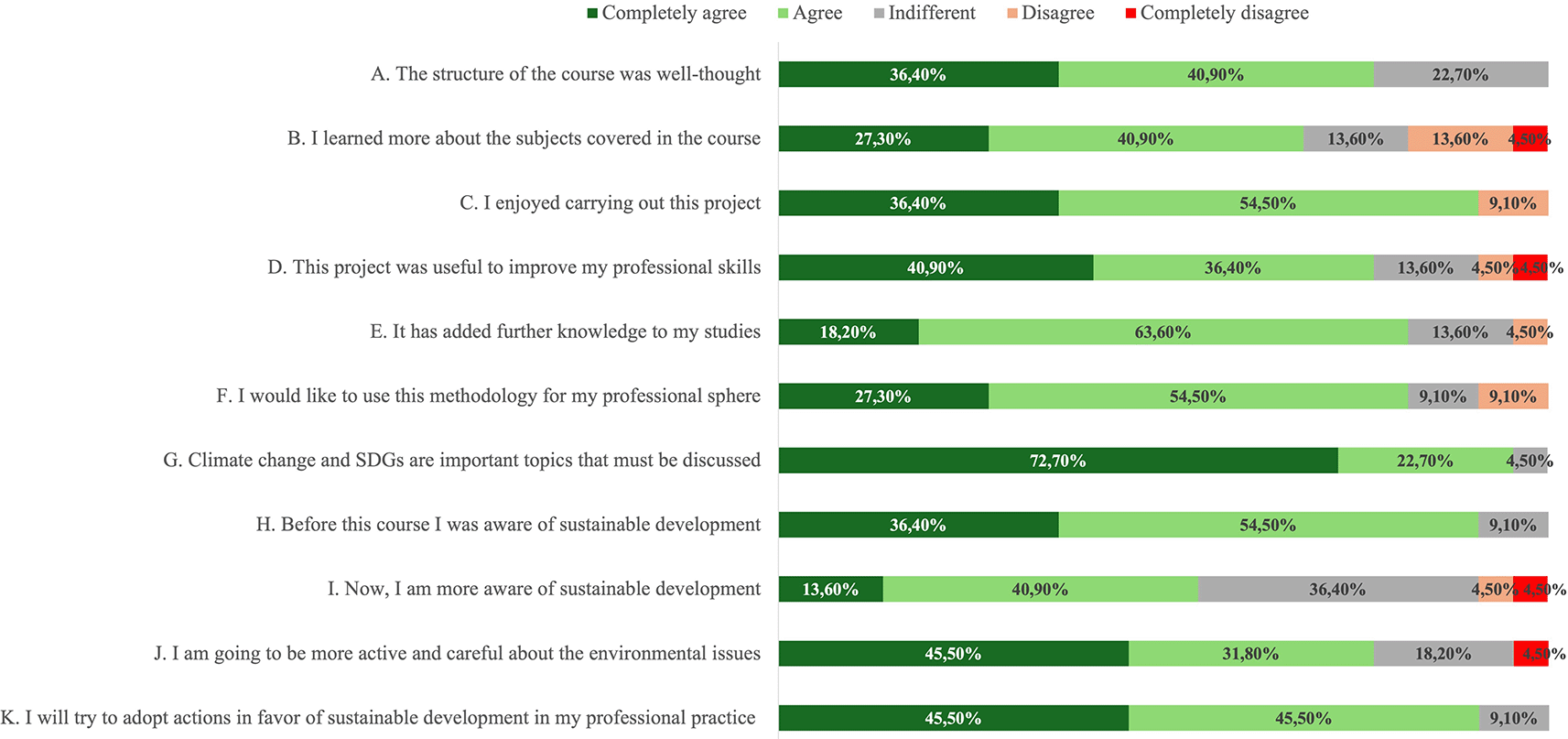
Figure 1. Sociology of Reading, question 4 feedback.
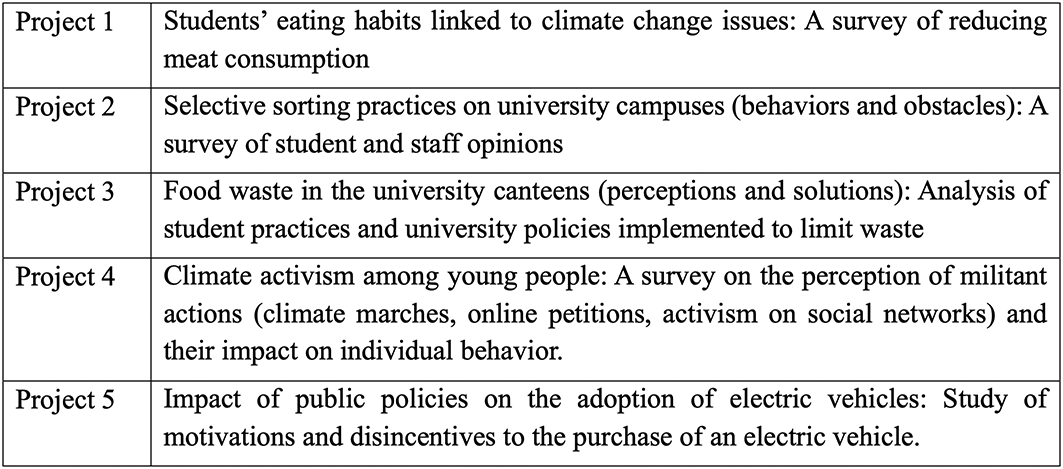
Figure 2. Examples of student project themes.
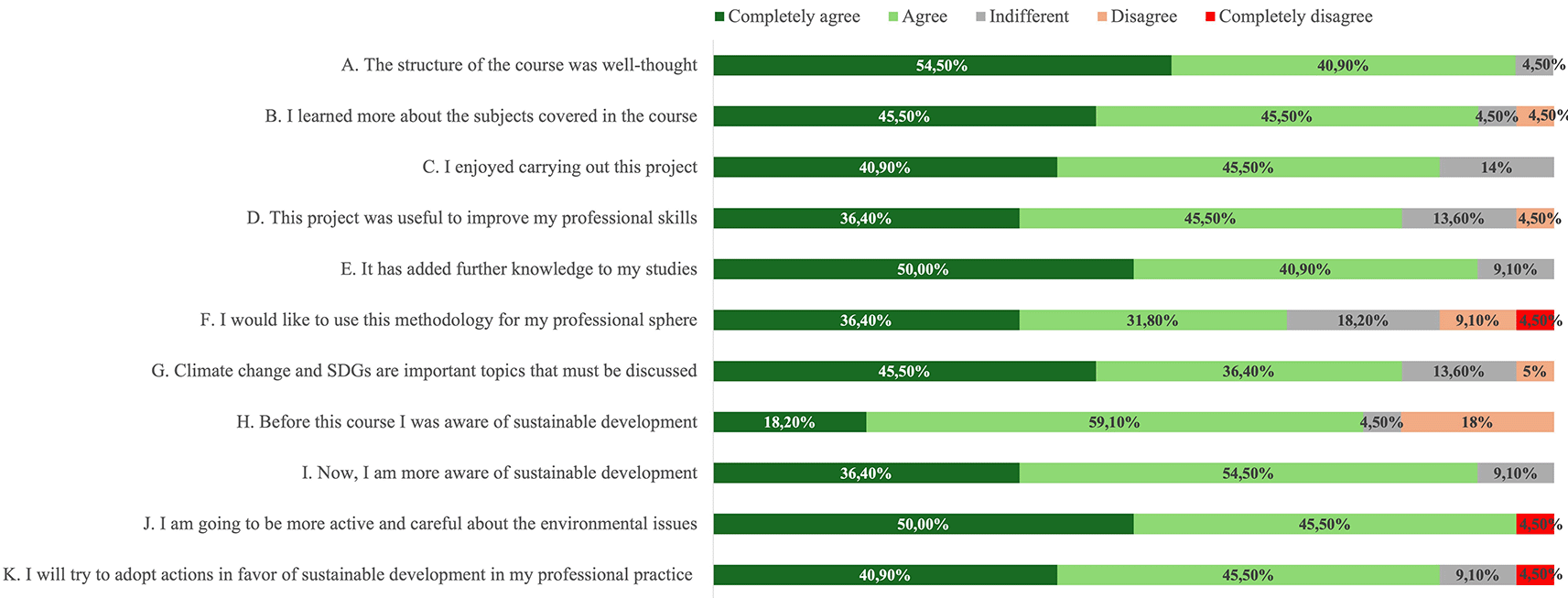
Figure 3. Infometrics, question 4 feedback.
The highest level of consensus was around the relevance of climate change and the SDGs, with 81.9% agreeing these are important topics that must be addressed. Before the course, 77.3% of students were already aware of sustainable development. After the course 90.9% of students reported increased awareness of sustainability and environment-related issues and 9,1% of students remained indifferent in this sub-question. Notably, 95.5% of students stated they would be more active and careful about environmental issues, and 86.4% said they would try to adopt sustainable actions in their professional practice. Despite a small share of indifferent or disagreeing students across a few items, the feedback results overall demonstrate that the course was impactful in enhancing knowledge, awareness, engagement, and intention to act sustainably among participants.
Regarding the positive aspects of the course, students emphasized 1) the teacher’s role as a facilitator and tutor rather than a mere transmitter of knowledge; 2) the effective use of tools for data analysis and visualization; and 3) the overall clarity of the course structure and teaching methods. On the other hand, some students mentioned a few negative points, such as the dense pace of the theory-oriented seminars and the fact that project topics were assigned by the teacher rather than chosen by the students themselves.
Discussion
The findings from both case studies underscore the pedagogical value of integrating the SDGs and other sustainability-related themes into undergraduate curricula, even within programs not primarily focused on environmental issues. In both case studies, students responded positively to the structure, content, and teaching approaches, with a majority reporting increased awareness and understanding of sustainability-related themes.
Beyond knowledge acquisition, students also reported increased motivation to engage in more environmentally responsible behavior. However, they were less confident about directly applying sustainability strategies and the SDGs in their future professional contexts. This suggests a need to strengthen the connection between course content and its relevance for students’ future careers. Integrating applied learning opportunities, post-course support, and collaborative efforts among educators, students, and external stakeholders may help address the challenges associated with partnership-based approaches to sustainability education (Sauvé, 2002).
Although students’ feedback was broadly consistent across both case studies, notable differences emerged. Students in the Infometrics seminar reported a higher level of awareness of the SDGs (90.9%) compared to those in the Sociology of Reading course (54.5%). This discrepancy may be attributed to two factors. First, differences in academic background: many students in the Sociology of Reading course were pursuing advanced or interdisciplinary studies, which may have diluted the perceived novelty or relevance of SDG content. Second, the nature of the pedagogical activities varied between the two cases. The Infometrics seminar centered on research-based projects related to sustainability, while the Sociology of Reading course focused primarily on interactive exercises about the SDGs. This difference in teaching methods could possibly influence the degree of learning and impact and should, therefore, be addressed by future research.
The teaching strategies used in the case studies, i.e., dialogue, active participation, and the integration of digital tools, are aligned with previous studies that had highlighted their effectiveness in sustainability education, particularly in science-related disciplines such as geography (Yli-Panula et al., 2020). Our findings extend this research to the social sciences, showing that such methods are equally valuable in non-environmental fields.
Moreover, the results support prior evidence suggesting that project-based learning can enhance students’ understanding of climate-related issues and foster a desire to act (Marcella & Samofalova, 2022). Our contribution goes further by embedding sustainability into existing disciplinary frameworks, rather than treating it as an isolated or elective theme. This reflects broader pedagogical shifts that promote universal approaches, such as problem-based and project-based learning, as effective tools for cultivating sustainability competencies (Wang et al., 2022).
Finally, in both case studies, the teacher played a facilitator role, guiding students through individual and group projects. As described by Berglund et al. (2025), this role entails structuring activities, ensuring adherence to guidelines, and overseeing the project’s progression. In addition, such facilitation provides essential organizational and methodological support that contributes to the success of team-based learning (Berglund et al., 2025).
Conclusion and future perspectives
This study demonstrates that integrating sustainability topics into non-specialized undergraduate programs can effectively foster interdisciplinary thinking, critical reflection, and environmentally responsible attitudes. By linking sustainability-related content to students’ professional training this approach strengthens their capacity to address sustainability challenges in their future careers. We argue that embedding sustainability into existing non-specialized curricula provides a concrete and adaptable strategy for French universities aiming to align their educational missions of developing TEDS teaching modules with the SDGs.
Drawing on two case studies from a French university, this research offers insights into pedagogical methods, such as project-based learning and interactive exercises, that can be successfully applied in diverse educational contexts. However, the study’s scope is limited: both cases were conducted within a single department at one institution, with undergraduate students during the same academic year. These constraints limit the generalizability of the findings across disciplines, degree levels, or institutional contexts.
Future research should expand this exploration to include Master’s level programs, different academic departments, and a broader range of universities. Comparative studies across national contexts would also be particularly valuable, given that the cultural and institutional characteristics of French higher education may have influenced the outcomes observed. Such research could investigate how the integration of the SDGs varies across educational systems and help identify common challenges, as well as effective and transferable practices. In this case, the researchers can use the proposed feedback form to evaluate other sustainability-related university courses.
Finally, developing European and international academic partnerships could enhance the development and dissemination of effective sustainability education models. Joint initiatives, curriculum co-construction, and comparative pedagogical research would support the broader aim of embedding the SDGs into higher education systems, contributing to the global effort toward a sustainable transition.
Ethics and consent
In this study, the ethical approval was not required because the study involves a routine improvement of teaching/education. The questionnaires were implemented as part of standard teaching practice. Only at a later stage, the results were recognized as having scholarly value, since they illustrate the relevance of integrating sustainability-related content into university courses that are not directly focused on sustainability.
Nevertheless, the study was conducted in accordance with established ethical standards for research involving human participants. In particular, it fully complied with the GDPR, and the data management and reporting follow the FAIR principles.
No personal or identifying data were collected at any stage of the study. Participation in the feedback surveys was entirely voluntary. Students could decline to take part without any academic or administrative consequences. Prior to completing each questionnaire, participants were provided with a clear information and consent statement explaining the purpose of the feedback collection and the conditions under which their responses might be used for research and publication. Proceeding with the questionnaire constituted informed consent.
For transparency, the original French version of the consent statement used in the Sociology of reading course is provided in
Figure 4, followed by an English translation.
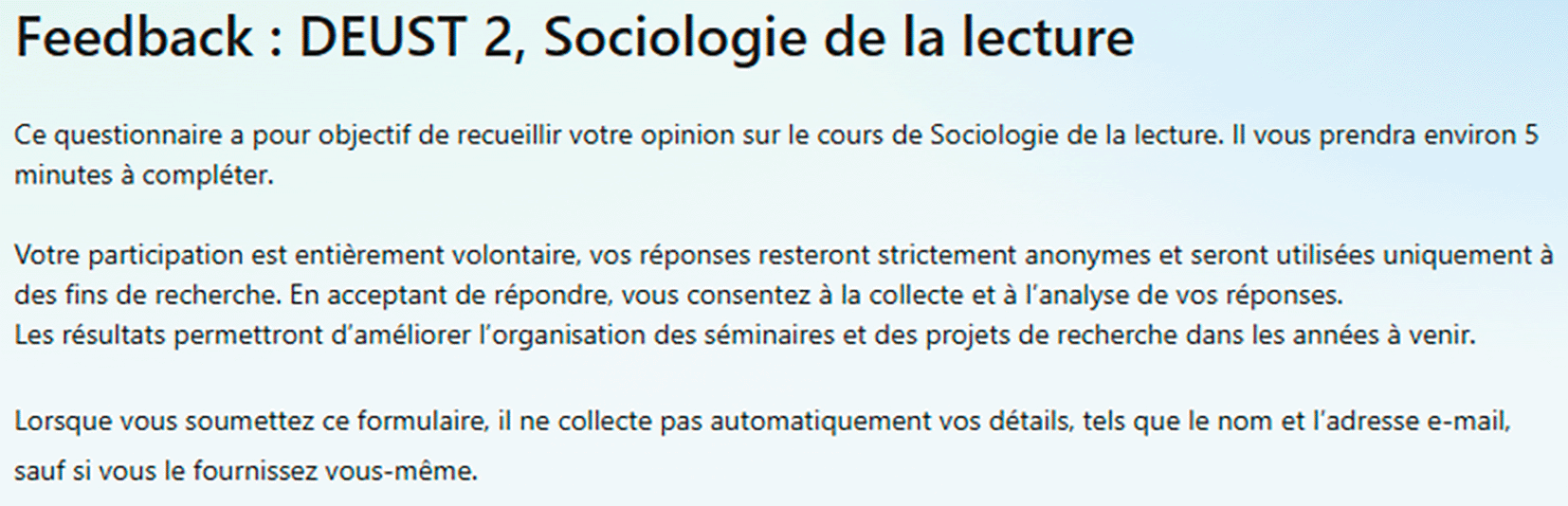
Figure 4. Consent information, sociology of reading.
Figure 4 translation
This questionnaire aims to collect your opinion on the Sociology of Reading course. It will take you about 5 minutes to complete.
Your participation is entirely voluntary. Your responses will remain strictly anonymous and will be used solely for research purposes. By agreeing to participate, you consent to the collection and analysis of your responses.
The results will help improve the organization of seminars and research projects in the coming years.
When you submit this form, it does not automatically collect your personal details, such as your name or email address, unless you choose to provide them yourself.
For the Infometrics course, the original French version of the consent form is presented in
Figure 5, followed by the English translation below.
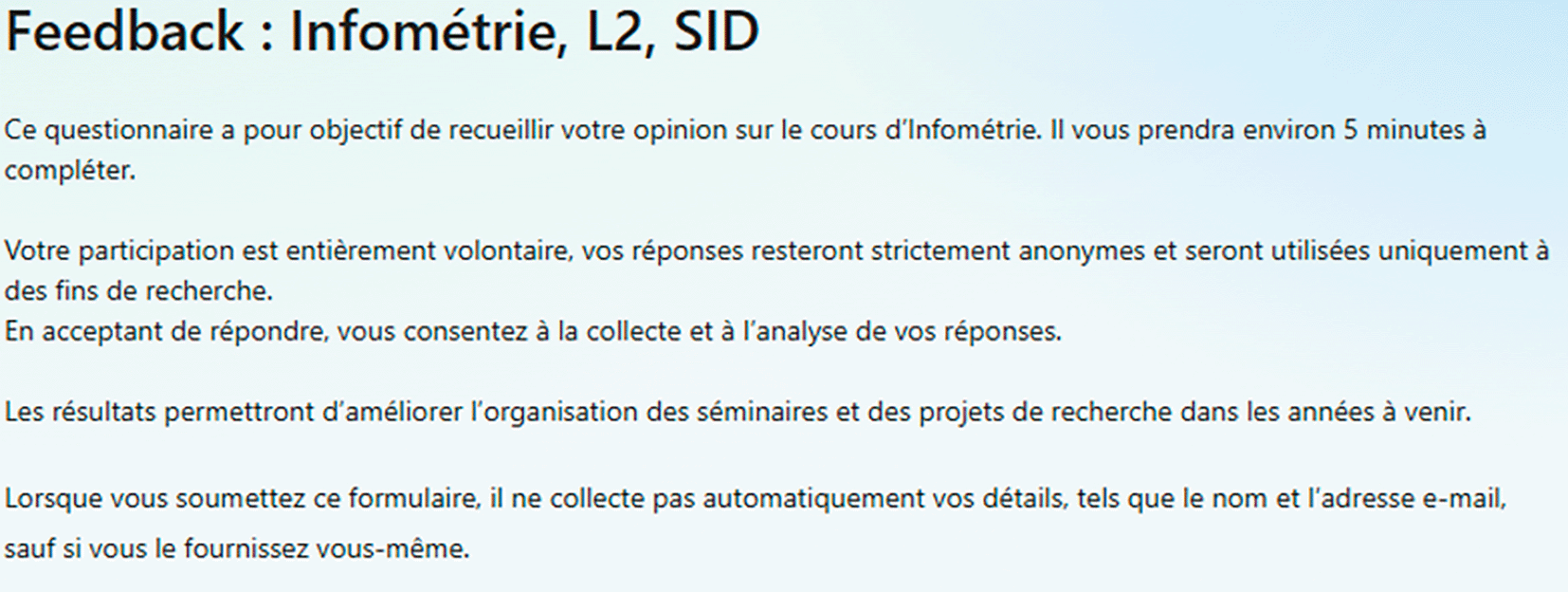
Figure 5. Consent information, infometrics.
Figure 5 translation
This questionnaire aims to collect your opinion on the Infometrics course. It will take you approximately 5 minutes to complete. Your participation is entirely voluntary, your responses will remain strictly anonymous, and they will be used solely for research purposes.
By agreeing to participate, you consent to the collection and analysis of your responses.
The results will help improve the organization of seminars and research projects in the coming years.
When you submit this form, it does not automatically collect your personal details, such as your name or email address, unless you choose to provide them yourself.
All figures in this article were produced by the author of the article and do not require any specific permission to be published.
Data availability
The survey data associated with this study were pre-registered and are publicly available on the Open Science Framework (OSF) platform: DOI: 10.17605/OSF.IO/5AVQX (Samofalova, 2025). The data are hosted in Frankfurt, Germany.
The OSF project contains the following underlying datasets:
1. Feedback data – Sociology of Reading course (in French, as the course was taught in French) in Excel format.
2. Feedback data – Infometrics seminars (in French, as the course was taught in French) in Excel format.
3. Feedback form translated into English, DOCX format.
4. Metadata for Excel files – containing the description of all variables.
The values used to build graphs in this article are columns E-O in the shared excel files.
No personal or identifying data were collected. All datasets are shared under the terms of the CC-BY 4.0 data waiver, ensuring unrestricted reuse and compliance with Open Science principles. No specialized software beyond standard spreadsheet tools (e.g., Microsoft Excel or LibreOffice Calc) is required to access or analyze the data.
Data are available under the terms of the Creative Commons Attribution 4.0 International license (CC-BY 4.0).
Reporting guidelines
This study follows the FAIR data principles to ensure transparency and reproducibility of research outcomes.
• Findable: Metadata describing the study, its objectives, and methodology have been clearly and explicitly assigned to the dataset. The data are registered with a DOI (10.17605/OSF.IO/5AVQX) on the Open Science Framework (OSF), ensuring persistent identification and traceability.
• Accessible: All research materials, including datasets and the feedback questionnaire, are freely available on the OSF platform under an open license, without access restrictions.
• Interoperable: The datasets are provided in standard spreadsheet formats. The metadata and feedback form are shared in docx format. All files are compatible with commonly used open-source software, such as LibreOffice Calc and other table or text editors, facilitating broad accessibility and usability.
• Reusable: The feedback questionnaire and the collected data can be reused by other researchers for similar pedagogical or sustainability-related studies.
Regarding sex and gender reporting, these variables were not collected as part of this study, as they were not relevant to the research objectives. Therefore, the study is not subject to the SAGER guidelines.
Acknowledgments
We would like to thank DEUST and Bachelor students of the University of Lille who participated in the survey and gave their feedback in 2024-2025 academic year and made this research possible.
References
- Berglund T, Gericke N, Forssten Seiser A, et al.:
The role of ESD facilitators in bringing about change in schools.
Environmental Education Research.
2025; 31: 1436–1460. Publisher Full Text
- Bianchi G, Pisiotis U, Cabrera M:
GreenComp: The European sustainability competence framework.
Publications Office of the European Union.
2022. Publisher Full Text
- Dabadie I, Kedzierski M, Gensac E, et al.:
Co-construction d’un dispositif sur la Transition Écologique pour un Développement Soutenable (TEDS): Une expérimentation du décloisonnement des composantes au sein de l’Université.
Bretagne Sud:
QPES Questions de Pédagogie Dans l’enseignement Supérieur;
2025, May.
Reference Source
- Gladu S, Curadeau M:
Implantation d’une nouvelle approche éducative visant l’engagement environnemental des citoyens. Biodôme, Espace pour la vie.
Éducation relative à l’environnement: regards - Recherches - Réflexions.
2022; 17-1(1). Publisher Full Text
Reference Source
- Jouzel J, Abbadie L:
Sensibiliser et former aux enjeux de la transition écologique dans l’Enseignement supérieur.
Ministère chargé de l’Enseignement supérieur et de la Recherche.
2022.
Reference Source
- La Rochelle Université:
Un module de formation à la transition écologique pour les étudiants·es de Licence 3.
La Rochelle Université;
2025, February 4.
Reference Source
- Maleval V:
Enseigner la transition écologique à l’université, à partir de la fresque du climat, pour un développement soutenable.
Physio-Géo. Géographie physique et environnement.
2025; 21: 3–18. Article Volume 21. Publisher Full Text
- Marcella V, Samofalova Y:
Data-driven and research-based learning approaches to environmental education in university contexts: Two case studies in Italy and Germany.
Language Learning in Higher Education.
2022; 12(2): 567–586. Publisher Full Text
- Ministère de l’enseignement supérieur et de la recherche:
Cadrage et préconisations du ministère de l’Enseignement supérieur et de la Recherche « Former à la transition écologique pour un développement soutenable les étudiants de 1er cycle ».2023.
Reference Source
- Orellana I, Brière L, Asselin H, et al.:
Éducation relative à l’environnement: Trajectoires, perspectives et défis contemporains.
Presses de l’Université du Québec.
2024. Publisher Full Text
- Panthéon Sorbonne Université Paris 1:
Atelier Environnement et territoires (TEDS) (fr).
ebriere#utilisateurs.
2025, May 19.
Reference Source
- Samofalova Y:
Integrating sustainability transition into university curricula: Survey data. [Dataset Publication].
2025. Publisher Full Text
- Sauvé L:
Le partenariat en éducation relative à l’environnement: Pertinence et défis.
Éducation relative à l’environnement. Regards - Recherches - Réflexions.
2002; 3. Article Volume 3. Publisher Full Text
- Université de Lille:
Plan de transition écologique de l’Université de Lille: Feuille de Route 2023-2033.2023.
Reference Source
- Wang Y, Sommier M, Vasques A:
Sustainability education at higher education institutions: Pedagogies and students’ competences.
International Journal of Sustainability in Higher Education.
2022; 23(8): 174–193. Publisher Full Text
- Yli-Panula E, Jeronen E, Lemmetty P:
Teaching and Learning Methods in Geography Promoting Sustainability.
Education Sciences.
2020; 10(1): Article 1. Publisher Full Text







