1. Introduction
The Marie Skłodowska-Curie Actions (MSCA)i are the European Union’s flagship programme for supporting research training, mobility, and career development for researchers at all career stages. The MSCA are implemented under the European Union’s multiannual framework programmes,ii and are managed by the European Research Executive Agency (REA) on behalf of the European Commission. The MSCA aim to strengthen Europe’s research and innovation capacity by fostering excellence, mobility, and collaboration across countries, sectors, and disciplines. Rooted in the principles of excellent science, mobility, openness to the world, inclusiveness, effective supervision, open science, and support for the European Green Deal, the MSCA promote high-quality research environments aligned with the
European Charter for Researchers.1
One of the key components of the MSCA under the EU’s ongoing framework programme, Horizon Europe (HE; 2021–27) is the Doctoral Networks (DN; Innovative Training Networks (ITN) under Horizon 2020 (H2020; 2014–2020)), which funds international partnerships between universities, research institutions, businesses, and other organisations to design and implement structured doctoral training and research programmes. These networks aim to train highly skilled researchers, enhance their creativity and innovation potential, and improve their long-term employability. Above all, as doctoral programmes, they train researchers with the aim of bringing “innovation out of the universities and into society.”2,3 The MSCA Doctoral Networks strengthen research excellence across Europe, as well as Europe’s doctoral training landscape, by combining cutting-edge scientific training with tailored skills development. By integrating structured mobility, personalised supervision, and exposure to non-academic sectors, the programme equips researchers with the ability to translate ideas into impact, bridging the gap between academic knowledge and real-world innovation. Mobility (international, intersectoral, and interdisciplinary) lies at the heart of the MSCA Doctoral Networks, and this is where the programme’s added value truly emerges. Cross-border and cross-sector exchanges allow doctoral candidates to work with leading experts, access state-of-the-art facilities, and develop highly adaptable mindsets. Such mobility accelerates knowledge circulation and fosters a research culture that is open, collaborative, and internationally competitive. The integration of industry, SMEs, NGOs, public bodies, and cultural institutions into doctoral training ensures that research outputs are connected to societal needs, and that researchers gain hands-on insight into how science drives policy, innovation, and economic growth. This intersectoral dimension is a core added value that few other doctoral programmes consistently deliver. For participating organisations, the MSCA Doctoral Networks act as catalysts for strengthening long-term collaborations, securing access to diverse talent, and expanding research capabilities. The programme encourages institutions to rethink supervision, design structured doctoral curricula and build sustainable partnerships that continue well beyond the project’s duration.
The MSCA DNs are implemented through three different types of actions: Standard Doctoral Networks, Industrial Doctorates (which bridge academia and industry), and Joint Doctorates (which lead to joint or multiple doctoral degrees awarded by participating institutions). The MSCA DN projects typically run for four years, involving 10 beneficiaries and 6 associated partners on average. These consortia usually recruit up to 15 Doctoral Candidates for a maximum of 36 month-fellowship (or 48 month-fellowship for more recent Joint Doctorates). The MSCA Doctoral Networks calls for proposals are highly competitive, as demonstrated by the high number of applications submitted every year (more than 1300 submitted proposals on average) and a low success rate, ranging from 7–8% to 15% depending on the year and the scientific domain. Since the beginning of Horizon Europe (2021), 599 HE-DN project grants have been signed as of 2025, out of which 85% were standard Doctoral Networks, 8.3% were Industrial Doctorates and 6.5% were Joint Doctorates. The MSCA DN budget for HE is 3.3 billion EUR, which represents approximately half of the total Marie Sklodowska-Curie Actions (MSCA) programme budget over the multi-annual financial framework. As of December 2025, more than 4500 doctoral candidates have been recruited and trained within the HE-DN projects which continues to increase as DN 2024 recruitments are ongoing.
Analysing the added value of an EU research and doctoral funding programme is essential to demonstrate the benefits arising specifically from action at European level which individual countries or institutions could not deliver alone. Such assessment supports transparency and accountability in the use of public funds and provides an evidence base for improving future programme design and implementation. It also clarifies how the programme contributes to key EU priorities, including the strengthening of the European Research Area, the promotion of researcher mobility, and the fostering of interdisciplinaryiii and intersectoraliv cooperation. In addition, understanding the programme’s added value helps participating organisations enhance their practices, increases the visibility of achievements, and illustrate the long-term impact for researchers, institutions, and society, thereby supporting a more competitive, innovative, and cohesive European research ecosystem.
Several studies on doctoral training in Europe have been carried out previously, and the European Commission also periodically publishes reports on the impact of the MSCA programme.3–10 The present study builds on the insights from previous studies, through the first ever comprehensive and robust systematic assessment of the added values of the MSCA focussing on the added value of ITN and DN. The study incorporates both qualitative and quantitative aspects based on literature review, interviews (with MSCA and non-MSCA stakeholders), and a large-scale survey (including MSCA and non-MSCA supervisors/Principal Investigators (PIs) and fellows) with a very wide global coverage (
Figure 1). The findings of the study present a comprehensive and well-grounded overview of the added values of the MSCA doctorates by drawing from the responses of the MSCA participants. These results are further strengthened through comparison with feedback from non-MSCA participants, ensuring a balanced and reliable assessment. The study’s robustness is supported by exceptionally high survey participation, with responses from individuals involved in 85% of all ITN and DN projects funded between 2014 and 2024.
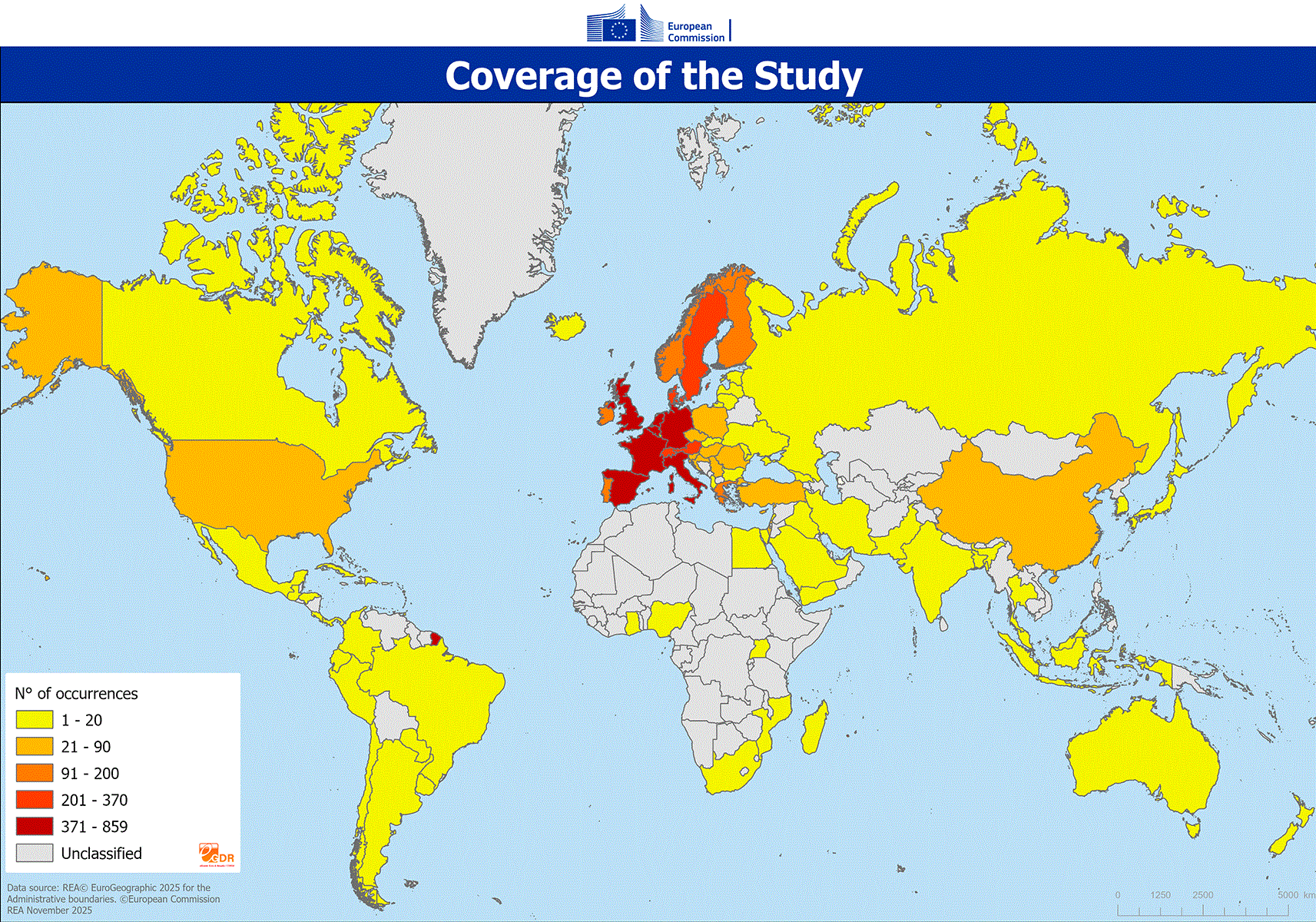
Figure 1. Coverage of the study.
Comparatively analysing the MSCA participants’ responses in relation to the non-MSCA participants in the study reaffirms that the previously concluded ITN and the ongoing DN have consistently distinguished themselves as research frameworks of high international standard.
2. Methodology
The study had three main components: (1) a literature review, (2) interviews, and (3) a survey (which had both quantitative and qualitative aspects). Based on a review of 110 existing literature items, questions were prepared for the interviews and the survey to assess the added values of the MSCA ITN and DN in relation to several key themes or indicators. These indicators were identified based on the objectives and key principles of the MSCA, and their relevance for the study was confirmed through the literature review. The key themes include: (1) international mobility, (2) intersectoral mobility, (3) interdisciplinary mobility, (4) training, (5) supervision, (6) working conditions, (7) career development and networking, and (8) structuring effects. They served as the points of focus while designing the questions for the interviews and the survey to rigorously validate previous findings, trace their evolution over time, and identify any emerging trends. Other criteria such as scientific output were not taken into account considering that, at this stage, comprehensively measuring the scientific output of DN is not possible since the programme is still ongoing. For insights on the innovative dimension and output of ITN, a previous study by Ioannis Bitsios and others may be consulted.3
Prior to the survey, interview invitations were sent in June 2024 to 50 stakeholders including MSCA and non-MSCA supervisors (and Principal Investigators)v and PhD fellows, project managers, and other international stakeholders in doctoral education and training. Maintaining a gender balance within each category, participants were randomly selected from a pool of candidates based on referrals from colleagues at the European Research Executive Agency, and further referrals, especially for non-MSCA participation, from the candidates. Following several rounds of invitations to account for non-responses and refusals, 34 semi-structured interviews, each lasting approximately one hour were conducted between June and August 2024 via Microsoft Teams (
Table 1). Although the sample size for the interviews limits generalisability, the qualitative data served as an essential exploratory tool to identify relevant themes, refine the survey design, and ensure strong contextual alignment to enhance the relevance and practical value of the present work for all stakeholders.
After interviews, the survey was launched on the EU Survey platform in October 2024 and was open until December 2024. An email invitation to participate was sent to a mailing list of approximately 58,437 individuals identified from the MSCA database of ITN/DN and PF/IF beneficiaries who were asked to circulate it further, in particular with potential non-MSCA respondents. A link to Data Protection Notice (DPN)11 was provided in the email invitation as well as in the EU Survey form, informing participants of the purpose of the study, the voluntary nature of participation, and their right and the procedure to withdraw. The survey contained around 30 questions and needed approximately 20 minutes to complete. A total of 6789 responses were received from the target groups: (1) Supervisors and PIs, and (2) PhD fellows (both PhD graduates and ongoing PhDs). Both the categories included individuals with experience in MSCA and Non-MSCA PhD programmes. After cleaning the raw data to eliminate incomplete submissions, 6723 responses were considered for further analysis, including answers from 2160 MSCA supervisors (32%), 1031 non-MSCA supervisors (15%), 2925 MSCA PhD fellows (44%), and 607 non-MSCA PhD fellows (9%) (
Figure 2).
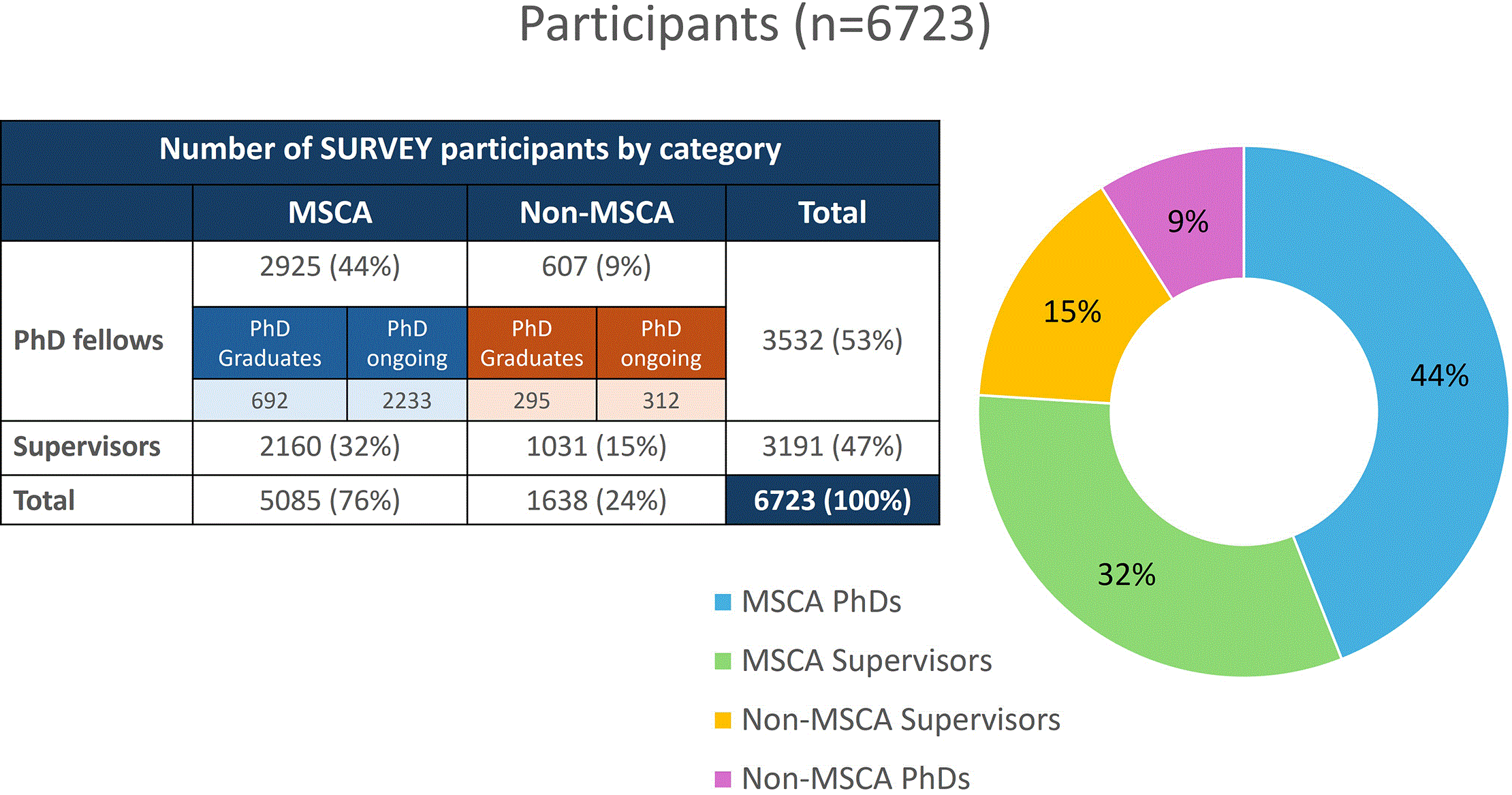
Figure 2. Participants of the survey.
In total, 76% of the participants represent individuals with ITN/DN experience (between 2014 and 2024) whereas only 24% of them represent non-MSCA supervisors and PhD fellows (
Figure 2). Admittedly, there is a big relative difference between the number of MSCA and non-MSCA participants, nevertheless, it cannot be discounted that non-MSCA participation comes from a large number of individuals as well (1031 supervisors and 607 PhD fellows) which can be considered as a significant sample size.
With the aim of addressing the well-being of the participants, i.e., stakeholders in doctoral research and training, the questions for the survey as well as interviews were designed to gather information on the state of play of doctoral training in Europe to provide even better facilities, resources, working conditions, and opportunities to future researchers. In addition to assessing the added values of MSCA Doctoral Networks, the questionnaire also aimed to identify which aspects of MSCA can enhance non-MSCA doctoral experiences and vice versa. Most of the questions offered participants the opportunity to provide subjective open-ended opinions in addition to selecting pre-identified options. Both open-ended and closed responses have been taken into account in the study.
All participants of the study (both interview and survey) have been anonymised in the report in compliance with General Data Protection Regulation (GDPR)12 to maintain participant confidentiality. The data collected through survey and interview were stored securely in accordance with the data protection policy communicated to the participants and have been used only for the purposes of the study. All ethical considerations taken into account have been declared in further detail in the Ethics and Consent section at the end of the article.
As with any large-scale study, some of the methodological limitations must be acknowledged here. While the interviews provided highly valuable insights, the sample size for the in-depth interviews was limited, potentially reducing the generalisability of the opinions expressed in each group. However, it allowed the comparison between the groups and helped verify the quantitative outcomes from the survey. The survey’s methodological limitations are notable as well. For instance, respondents may not be representative of the entire population of PhD researchers and supervisors/coordinators. In particular, because of the way selected to contact them (through their peers), a section of the non-MSCA participants might be more similar to the participants with MSCA experience than the general population of researchers that did not participate in any MSCA funded projects. Social desirability bias must be recognised as well, i.e., respondents may provide answers that they think are expected or desirable, rather than their true opinions. Another aspect to be mindful of is the non-response bias which is much harder to eliminate. The survey succeeded in collecting a large number of replies, including 85% coverage within the MSCA-funded projects, but it was not possible to reach all eligible respondents, particularly in the non-MSCA funded group where comprehensive census data are not available. However, despite these limitations, the survey provides valuable comparative perspectives to gather insights into the added value of MSCA-funded PhDs and to inform future funding decisions and policy developments.
3. Literature Review
A review of the existing literature confirmed the key areas of focus for this study, derived from the major underlying principles of the MSCA: (1) triple “i” mobility (international, intersectoral and interdisciplinary), (2) Training, (3) supervision, (4) Social innovation and working environment, (5) career perspectives and networking opportunities, and (6) structuring effects. Sources consulted during literature review include European Commission reports, documents, and external research studies on doctoral education. The review mainly focuses on sources published since 2014, corresponding to the two most recent Framework Programmes, Horizon 2020 and Horizon Europe, to provide a recent, policy-relevant overview of the current state of doctoral education. However, some relevant older sources have also been cited in the article, depending on their relevance to understanding the state of doctoral education during the Seventh Framework Programme. The main findings of the literature review are summarised below highlighting the performance of the MSCA with respect to the principles mentioned above, as well as the evolution of the programme and its impacts. The literature review helped identify the gaps in existing literature and established the basis for the design of the interviews and the survey employed in this study.
3.1 Triple “I” Mobility: International, Intersectoral, Interdisciplinary
The MSCA, as mobility-based actions, promote international, intersectoral and interdisciplinary mobility. International mobility is widely recognised as a crucial factor influencing career progression of researchers.13 The MSCA are known to have been the most international component of Horizon 2020,14 and the ITN and DN have played a pivotal role in advancing international mobility and collaboration. The programmes effectively enable doctoral candidates to gain international experience, broadening their perspectives and horizons of excellent training, and enhancing their skills, while helping them build professional networks for career advancement.15 The MSCA ITN and DN have also significantly contributed to retaining researchers in Europe, attracting global talent, and fostering international cooperation.14 They are recognised for establishing sustainable partnerships and long-term collaborations that enhance both the visibility and reputation of European research institutions worldwide.14 The MSCA contribute to international mobility not only at individual level but also fosters structured and systematic collaborations between international organisations. A previous 2023 report from the European Commission highlights that the MSCA have already strongly contributed to cross-border and international mobility of researchers by bringing together organisations based in over 139 countries worldwide.14 Overall, the ITN and DN within the MSCA stand as pivotal frameworks that not only facilitate international mobility but also create robust networks of collaboration, enriching the European Research Area and contributing to a more integrated and innovative global research community.
The MSCA enhance industry-relevant skills and networking by encouraging collaboration across sectors, leading to transformative career shifts for the fellows.14–18 According to a 2020 report, non-academic sector participation in the MSCA under FP7 accounted for approximately 24%,19 which increased to one-third under H2020, with the ITN representing the highest (41%) non-academic sector participation in the MSCA under H2020.20 Although exposure to non-academic sector is not obligatory under the MSCA ITN/DN, it’s encouragement to facilitate intersectoral mobility has yielded highly effective results. A 2023 study on the innovative dimensions of the MSCA ITNs based on over 100 innovation-intensive projects reveals that 69% of high-capacity innovators are SMEs, demonstrating a clear correlation between industry participation (particularly SME engagement) and innovation outcomes.3 According to the statistics extracted from the CORDA database, 50.38% of ITN fellows under H2020 benefited from intersectoral mobility, 16% of whom were directly recruited by the non-academic sector. Under the currently ongoing framework programme, Horizon Europe, 40% of MSCA DN fellows have had non-academic sector experience (15% directly recruited by non-academic sector) which is expected to increase as projects are still ongoing and secondments usually take place during the second reporting period (source: CORDA 2025).vi The present study will specifically assess the latest figures related to ITN and DN to understand the intersectoral mobility of doctoral fellows and its added value compared to non-MSCA. Several studies have emphasised that the MSCA participants hosted in businesses benefit from stronger exposure to the non-academic sector, enhanced employability, and increased intersectoral mobility, with some suggesting positive effects on long-term career development and entrepreneurial activities.5,14,15,21 However, the participation in intersectoral mobility schemes varies, with lower involvement in some regions, particularly Central and Eastern Europe.22 Further, logistical issues like visa problems, accommodation, and integration into industry settings have been recognised as possible hindrances in ensuring the effectiveness of secondments.5
The League of European Research Universities (LERU) highly recommends interdisciplinarity as a good practice in research.23 However, interviews with key stakeholders in the PhD labour market (e.g., Eurodoc, EUA-CDE, MCAA, PRIDE Network, LERU, ISE, Technopolis Group Belgium, EuroScience, YAE and ERA Governance) have brought forth that current doctoral training modules in general may not be putting enough value on interdisciplinarity.8 Contrary to many national PhD programmes, the MSCA ITNs and DNs realise interdisciplinary research with their emphasis on bottom-up approach to funding research, and integrating multiple disciplines.9 As the LERU’s 23 member organisations acknowledge, the “ITNs are interdisciplinary and instrumental in training a new generation of interdisciplinary scientists and professionals”.9 Especially, the presence of business organisations in ITN and DN contributes immensely to interdisciplinary training. According to the figures published by the European Commission in 2019, about 69% of ITN fellows involved in projects with non-academic organisations engage in interdisciplinary research, compared to 36% of fellows in projects with no such organisations.24 Although definitive statistics on the latest rate of interdisciplinarity in all ITNs is hard to find, studies indicate that interdisciplinarity is one of the key features of the ITNs. A 2021 study based on the experience of over 80 ITN fellows from nine ITN projects highlighted that over 80% of these ITN fellows benefit from interdisciplinarity.25 Some studies have also highlighted that it would be beneficial to promote better organisation of interdisciplinary collaborations, and better align the fellows’ secondments with their PhD research.7
Premised upon the findings of previous studies and reports presented above, the present study will assess the trends and impacts of the triple “i” mobility (international, intersectoral, and interdisciplinarity) with a focus on ITN and DN to offer future recommendations.
3.2 Training
Although historically, there has been a gap in supporting comprehensive skills development of PhD fellows during doctoral education for career preparedness across sectors in Europe (not necessarily MSCA participants),26 the MSCA, especially the ITNs have been increasingly recognised by researchers for playing a significant role in enhancing employable skills.2,27 The MSCA are recognised for setting standards for quality training at the system level through synergies, complementarity, and completeness of training, emphasising the importance of maintaining well-rounded high standards in doctoral education.28 The MSCA’s focus on developing transferable skills is one of its outstanding aspects especially considering the ITN/DN’s particular emphasis on innovation and entrepreneurship. They stand out with their emphasis on transferable skills training, especially considering that only around a third of PhD fellows in general in the EU report receiving any transferable skills training during their PhD, and that even this training tends to focus on skills closely related to core research activities.29 Similarly, a 2021 survey of recently graduated doctorate holders at nine European universities found that almost a quarter had no transferable skills training available at their university at all, and that among those who did receive training, it focused disproportionately on research and other academic skills (84% and 62% respectively) compared to non-academic transferable skills such as communication, personal, professional or management skills (each received by 56% or fewer).26 The need for transferable skills training for researchers is also acknowledged by the report on labour market perspectives for PhD graduates in Europe.8 The present study will assess the success of the ITN and DNs in realising their goal to promote transferable skills training.
3.3 Supervision/Co-Supervision/Mentoring
The organisations participating in the ITNs and DNs adhere to the Principles of Innovative Doctoral Training30 and the MSCA Supervision Guidelines,31 deeply rooted in the European Charter for Researchers1 which ensures fair, transparent, and inclusive practices, promoting research excellence, stronger supervision and effective mentoring and career guidance.32 According to a 2017 report, 72% of ITN fellows rated the quality of supervision as very good.33 A recent trend also highlights the importance the MSCA have placed on supervisory networks,5 or joint supervision frameworks setting up a supervisory team for each fellow, customised according to the requirements of the modes of actions (standard, industrial etc.), the research topic (often pluri-disciplinary) and the environment.5 Substantiating the already established appraisals of supervisors among the doctoral candidates in Europe,34 the most recent MSCA fellowship questionnaires confirm a very high satisfaction rate and even show an increasing trend. Although latest figures specific to the ITN and DN are hard to find, the scientific supervision has been rated “Good” or “Very good” by 83.7% and 85% of the MSCA fellows across all actions in 2021 and 2023, respectively.17,35 Although supervisors were appraised quite positively,10 supervision arrangements, in the past, have not always been formalised or well communicated to the students giving rise to future complications.34 The MSCA Supervision Guidelines seek to address this issue by explicitly laying down models for excellent supervision practices. The present study will assess the MSCA ITN and DN’s success in the area of supervision to understand its added values and limitations.
3.4 Social Innovation/Working Environment/Employment Conditions
Doctoral fellows in many countries feel discouraged to take parental leave due to concerns about career impacts.7 Yet, many researchers experience career interruptions, especially female researchers due to maternity. The MSCA address this and other challenges by promoting smooth career restart after breaks and offering various allowances such as family allowances, special needs allowances for individuals with disabilities,vii long-term leave allowances,viii the possibility of part-time work for family and personal reasons, parental leave with the possibility to extend the fellowship etc.15,24 Consequently, the MSCA fellows have historically demonstrated an ability to resume their research careers smoothly after interruptions.21
In terms of recruitment policies, researchers in EU higher education institutions (HEI) have previously expressed concerns about issues related to openness, transparency, and merit-based approaches.36 A 2017 assessment by DG EAC found that MSCA may not necessarily have direct immediate impact on HR management practices and processes in business organisations.37 But the same study also highlighted that repeated participation in the MSCA projects helps create lasting structuring impact on the companies’ HR and recruitment strategy, helping develop stronger support structures for incoming international researchers. Recent trends indicate that most MSCA fellows feel well-integrated within their host institutions, with positive feedback on the support received.17,35 Despite this progress, awareness of the European Charter for Researchers and the Code of Conduct for recruitment remains limited, particularly among early-career researchers.29 This study will examine these aspects of the working environment, employment conditions, and social innovation to assess the evolution and impact of MSCA ITN and DN in recruiting doctoral researchers and enhancing their work experience.
3.5 Career Perspectives and Networking Opportunities
The MSCA has been at the forefront of supporting intergenerational educational mobility38,ix through higher education by training generations of doctoral researchers. According to a 2018 study, a significant proportion of MSCA doctorates experience upward social mobility in terms of education compared to their parents, with a higher education level achieved by 96% compared to their mothers, and 92% compared to their fathers.7 Recent reports show that a majority of the MSCA participants have considered their MSCA experience as useful or very useful for their employability, and career development and progression.3,16 In a 2022 report by DG EAC, around 60% of all MSCA fellows indicated that it would have taken them more time to smoothly proceed to their subsequent career stage without the MSCA experience, and an additional 12% of the fellows acknowledged that they would not have attained the subsequent career stage at all without the MSCA support.15 In a 2023 assessment by the DG RTD, 87% of the MSCA fellows reported that the fellowship had a high or somewhat high impact on their career progression.14 Based on the report of the follow-up questionnaire two-years after the completion of PhD, another 2023 study showed that 75% of the MSCA fellows found employment after PhD (42% right after completion) while 12% remained engaged in education and training activities.3 It is also to be noted that PhD graduates across the world now tend to branch out beyond academia due to limited opportunities in the academic job market and therefore need to be trained accordingly.39 A 2018 article, produced after the successful conclusion of the ITN project YEASTCELL, reiterating existing studies, notes that fewer than 20% of PhD graduates tend to continue in academia, while “most will pursue research careers in industry or diversify into areas like policy and administration.”2 Therefore, the onus of training them accordingly falls on the university.2 The same article also emphasises that the ITNs facilitate not only such relevant training for diversified employability, but their inherent networking aspect also enhances the possibility of sustaining future collaborations beyond the duration of the projects, as industry partners report “that they are more likely to hire a PhD graduate from an ITN than from another programme.”2 The MSCA are also interconnected with other EU programmes in the career progression of researchers. For instance, the ERC plays a significant role in shaping the career trajectory of MSCA fellows who decide to continue in academia.40 Although the MSCA programme’s impact on career development is generally seen positively, nearly 15% of the respondents (including ongoing fellows) in a 2022 report expressed uncertainty about the impact of the MSCA programme on their career development and progression.16 The fellows have expressed concerns about the lack of available positions post-MSCA, leading to intense competition for opportunities in the job market.16 With this context of the evolving nature of the job market in the background, the present study will also analyse the latest trends in the MSCA’s impact on the employability of ITN and DN fellows after the completion of their PhD.
3.6 MSCA Structuring Effect
The MSCA Doctoral Networks aim to foster excellence by structuring doctoral research and training in Europe and beyond, setting up sustainable research frameworks and good practices in research institutions, while positively reshaping the research landscape in Europe.3 The local training capacities of the participating organisations benefited by aligning to the highest standards facilitated by the consortium structure of the MSCA projects. The ITNs have contributed to the structuring effects of the MSCA by promoting the principles of Innovative Doctoral Training (IDT),30 and spreading the introduction of industry-relevant training into institutional curricula.14 The reference documents like the European Charter for Researchers, the Code of Conduct for the Recruitment of Researchers, and MSCA Supervision Guidelines help spread more transparent recruitment and appointment procedures, and foster the adoption of fairer working conditions for researchers embedded in the MSCA programme.8,28,40,41 In a similar way, the MSCA Green Charter is known to contribute to spreading awareness of environmental sustainability in the scientific community and scientific work, encouraging researchers to identify good practices likely to minimise the negative environmental impact of their research activities and to consider implementing them in their projects. Furthermore, as the study evaluating Excellent Science in the European Framework Programmes for Research and Innovation (Horizon 2020) suggests, the resources offered by ITN made possible the revolutionary adoption of open science principles.14
Due to their nature, the MSCA joint doctoral programmes (EJD/JDs) also contribute to reforming the universities’ systems by pushing forward the harmonisation and standardisation of doctoral programmes across universities.14,42 This impact is not only limited to the institutions benefiting from the MSCA funds. Due to the high competition in securing MSCA funding, ITNs have become a de facto “quality label.” The MSCA programmes set the example of best practice extending their impact on doctoral programmes not only within a given university but also by helping to improve doctoral programmes at the national level, thereby, progressively advancing the university systems.14,28,33,41,42
Building on these findings on ITN and DN as well as the MSCA in general, this study will delve into the specific impacts and added values of the ITN and DN, examining both their successes and challenges. By providing a detailed assessment, this study aims to offer insightful recommendations for future improvements, ensuring that MSCA programmes not only sustain their high levels of delivery against their objectives but also effectively address existing and emerging issues related to mobility, funding, and administrative support.
4. Findings: Added Value Analysis
This section summarises the results of the study on the added value of some key features of the MSCA ITN and DN in comparison to non-MSCA PhD programmes. The figures shown in the following sections are based on the output of the survey (unless explicitly stated otherwise) and complement and confirm the qualitative findings from the interviews. The analysis highlights the roles and impacts of the MSCA on international mobility, intersectoral mobility, interdisciplinary mobility, training, supervision, working conditions, and career development of ITN/DN fellows compared to non-MSCA. Additionally, it explores the structural effects these MSCA characteristics have had on doctoral programmes across Europe.
4.1 Triple “I” Mobility: International, Intersectoral, Interdisciplinary
4.1.1 Findings on the Triple “I” Mobility
“The international networking is amazing! Many of these PhDs will form the next generation of research leaders and the groundwork for their professional network is already formed through MSCA programme.” – MSCA Supervisor (Survey).
International mobility emerges as a cornerstone of the MSCA doctoral networks, offering PhD fellows the invaluable opportunity to immerse themselves in new cultural and academic landscapes. This mobility not only enriches their research experience but also fosters robust international collaborations, essential in today’s interconnected world. The survey highlights that 17% more MSCA doctoral fellows engage in international collaborations than their non-MSCA counterparts, with MSCA supervisors also demonstrating an 11% higher rate of cross-border cooperation (
Figure 3). This emphasis on global engagement reflects the programme’s strategic orientation and its aim to foster research excellence across national boundaries. As noted by a project manager interviewed for the study, international mobility offers substantial benefits for those keen on forming European or international networks, significantly strengthening institutional collaboration across borders:
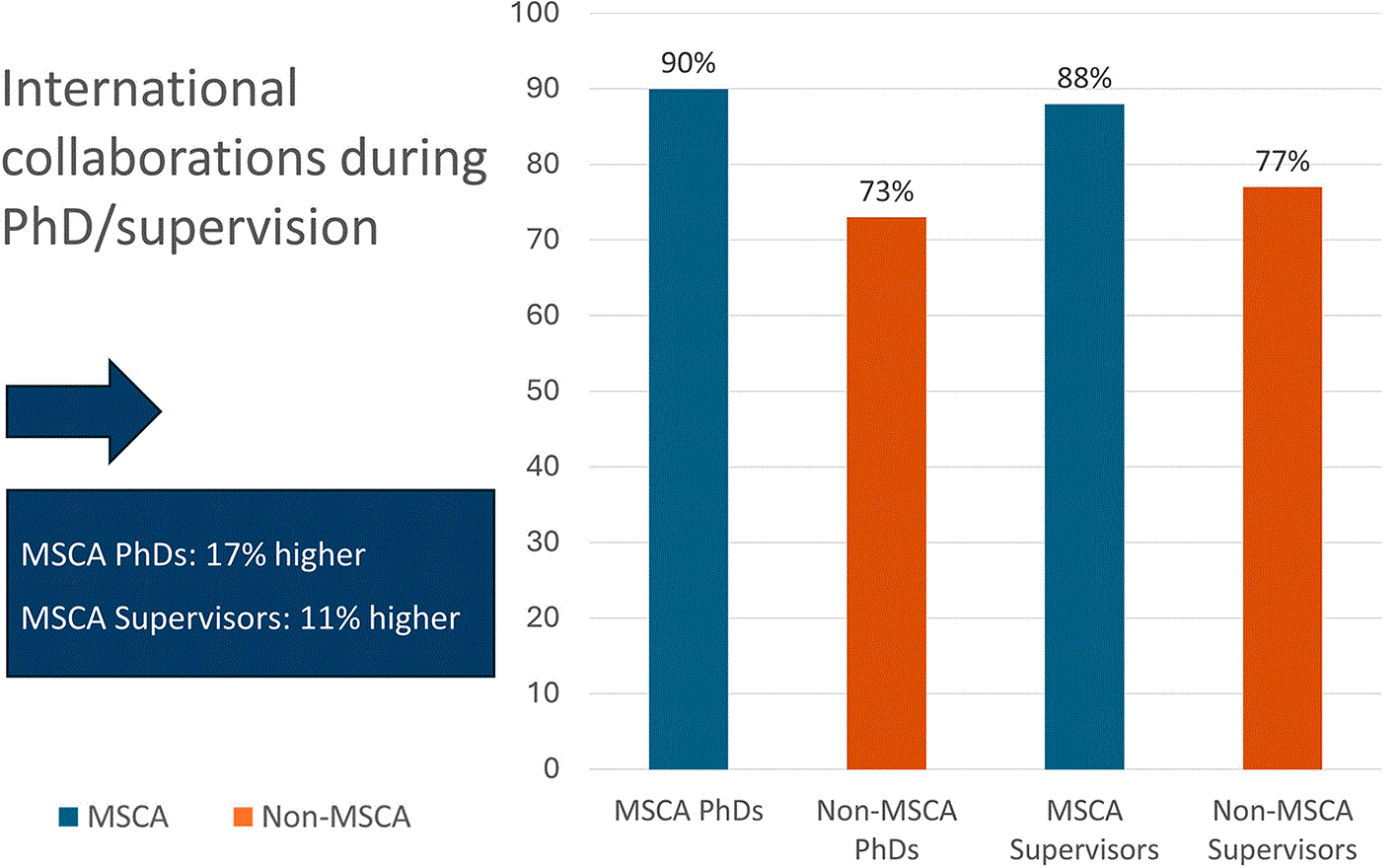
Figure 3. Participants who gain international experience during PhD/supervision.
“[International mobility] gives you so much more if you’re interested in having European or international network and to strengthen your collaboration with other institutions outside of your own country, that is a huge advantage.” – Project manager (Interview).
For many non-MSCA PhD fellows, however, international mobility remains a formidable challenge, often requiring them to secure personal funding to make these collaborations possible. One stakeholder insightfully observed that while national PhD programmes offer mobility opportunities, they lack integrated structures for funding, necessitating extra effort from candidates (source: interview with a non-MSCA PhD). This underscores the need for policymakers to address these disparities and consider integrating more robust support mechanisms within national frameworks to ensure equal access to the global stage. By aligning national policies with the dynamic opportunities offered by the MSCA, countries can foster a more inclusive and internationally competitive research environment.
The survey reveals a striking disparity between MSCA and non-MSCA participants in their engagement with non-academic organisations, highlighting the remarkable intersectoral experience acquired by MSCA fellows. An impressive 88% of ITN/DN fellows gain intersectoral experience, marking a 59% increase over their non-MSCA peers (
Figure 4). This robust engagement is integral to the MSCA model, where industrial PhDs inherently benefit from diverse sector exposure. But even when excluding the industrial MSCA EID/ID fellows, the intersectoral experience of MSCA non-industrial fellows stands at 65%, a substantial 36% higher than that of non-MSCA counterparts.
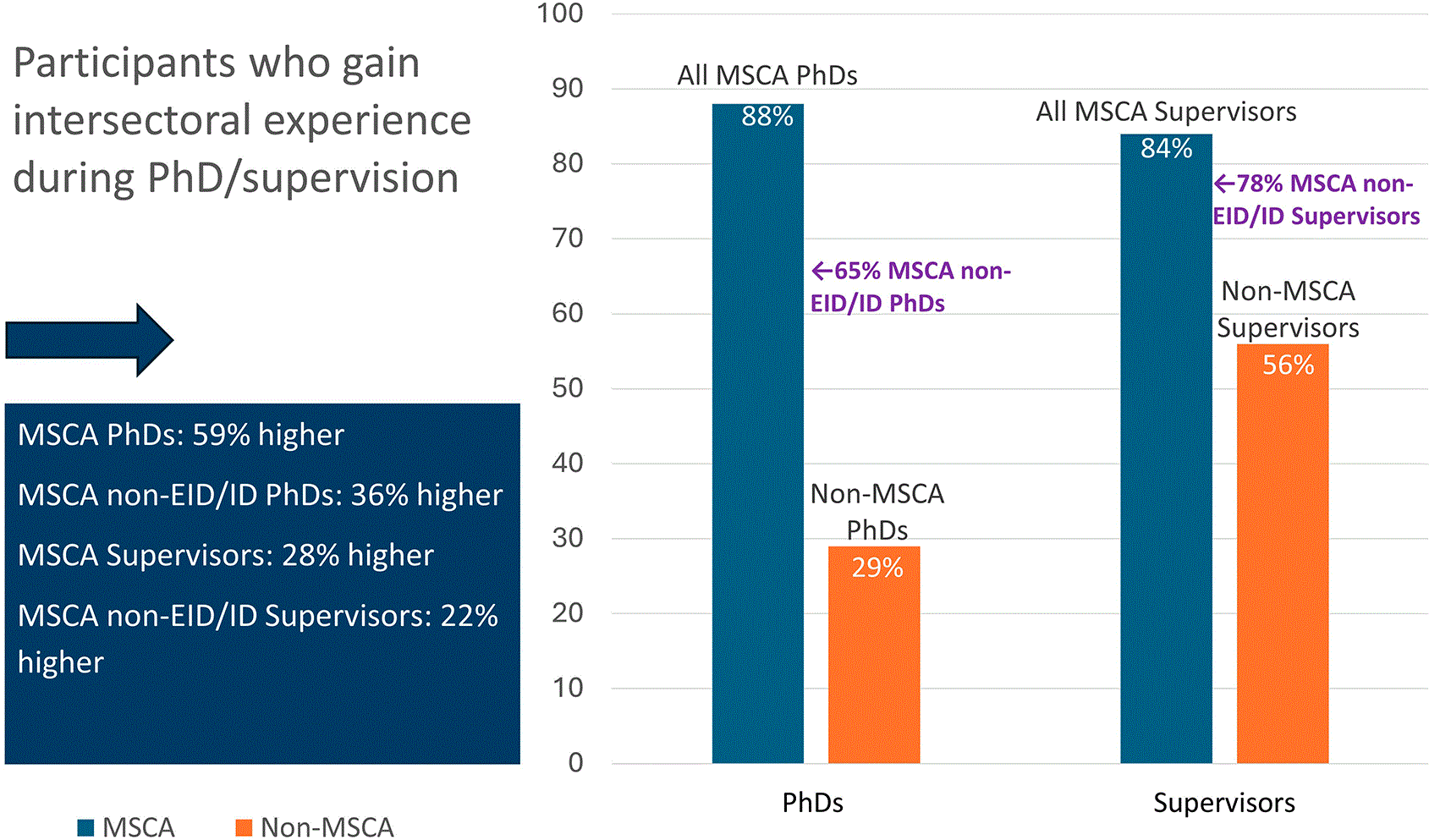
Figure 4. Participants who gain intersectoral experience during PhD/supervision.
Moreover, MSCA supervisors exhibit a similar trend, with 84% engaging in intersectoral collaborations, outpacing non-MSCA supervisors by 28% (
Figure 4). This isn’t simply due to the industrial supervisors, as even within the non-industrial sample, MSCA supervisors demonstrate a 22% higher rate of cross-sector engagement than their non-MSCA counterparts. As one MSCA supervisor eloquently stated, the intersectoral dimension (and triple “i” mobility as a whole) of MSCA ITN/DN programmes “fosters the emergence of excellently trained young scientists,” poised to “bridge the gap between industry and academia” with their diverse skill sets (source: interview with MSCA supervisor). Not only intersectorality, but all aspects of triple “i” mobility and comprehensive training in the MSCA PhD programme complement each other positively which has been felt by many participants. As one MSCA supervisor notes in the survey:
“Beyond financial support, the MSCA provides comprehensive training, networking, and mobility opportunities that are rarely matched by other funding programmes. The interdisciplinary and intersectoral collaborations encouraged by MSCA projects give researchers exposure to diverse perspectives and skills, enhancing both personal and professional growth. The international focus of MSCA funding makes researchers more adaptable and better prepared for global academic or industry careers.” – MSCA Supervisor (Survey).
These findings highlight the strategic importance of fostering intersectoral collaborations within doctoral programmes and their significant impact on innovation ecosystems. It has been highlighted by a 2023 study which shows that MSCA ITNs have demonstrated an innovation-generating capacity comparable to that of other H2020 programmes, indicating that the innovation output of ITN fellows is on par with that achieved in Research and Innovation Actions (RIA) and Innovation Actions (IA), which are typically led by more established researchers in academic and non-academic organisations.3 The success of the MSCA ITN (and DN) in producing doctorates skilled in both academic and non-academic sectors offers an exemplary model for integrating intersectoral dimensions into national doctoral training frameworks. Increasing intersectorality in PhD programmes across member states can better equip scientists with the versatile capabilities needed to drive forward-thinking solutions in both industrial and academic realms. The MSCA’s approach exemplifies how multifaceted PhD programmes can be structured across Europe, enhancing expertise and driving policy dialogues toward a more inclusive and dynamic research environment within the European Research Area (ERA).
Set against the existing knowledge that “many more PhD students are being trained than are required to fill academic vacancies … nowadays” and fewer than 20% of PhD graduates remain in academia while most pursue a non-academic career,2,39 the study reveals a significantly compelling trend. MSCA ITN/DN graduates are over three times more likely to secure employment in the non-academic sector compared to their non-MSCA counterparts, among whom a substantial 90% remain tied to academia (
Figure 5; for further details on employment timeline, see
Figure 16). The enhanced mobility towards non-academic employment is a significant advantage of the MSCA DN programmes, particularly given that the majority of research-related jobs in Europe reside outside traditional academic environments.43 Evidently, MSCA DNs play a vital role in preparing researchers with the diverse skill sets necessary for various career paths in research and innovation, aligning closely with global labour market dynamics.
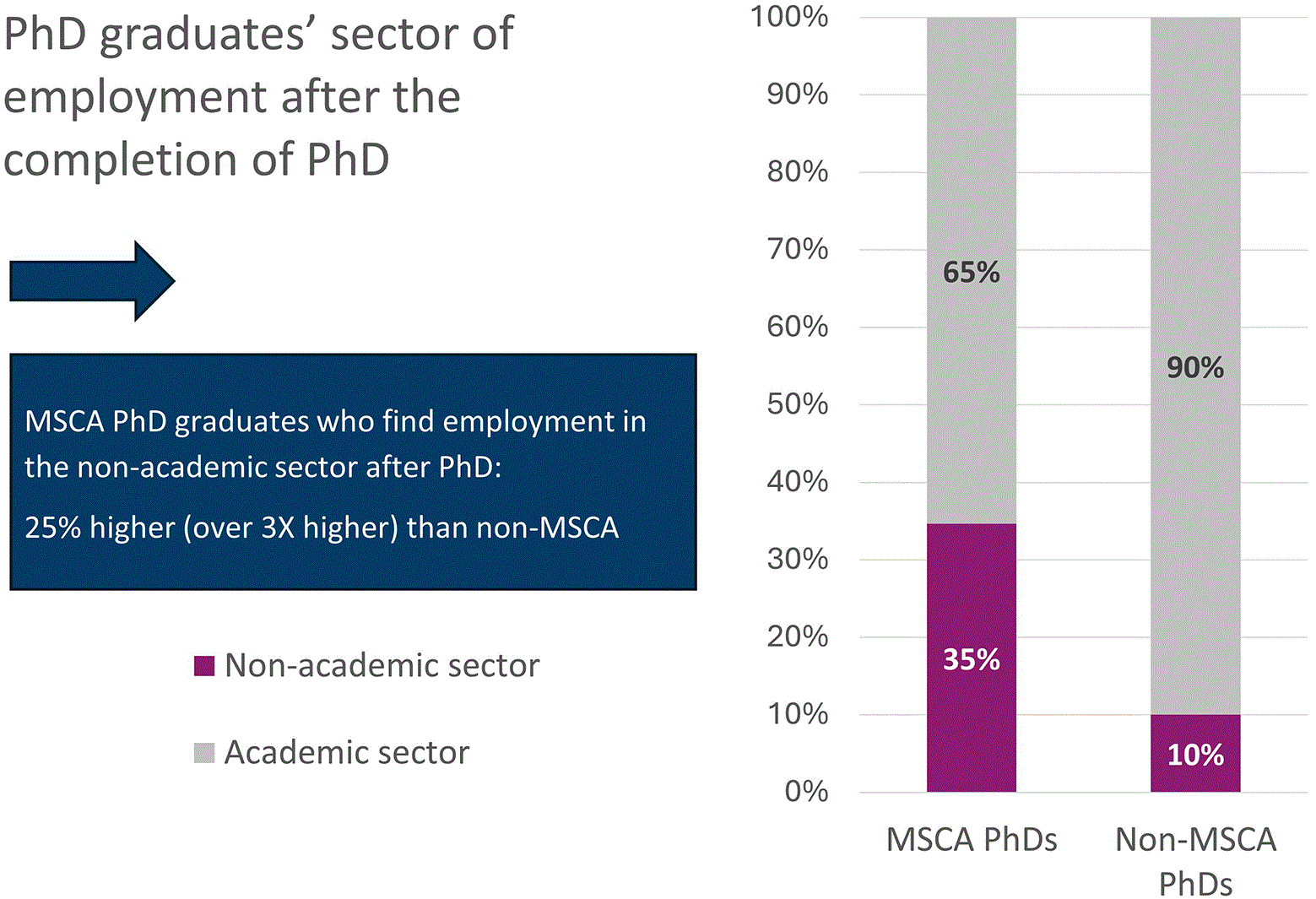
Figure 5. Sector of employment of PhD graduates.
Additionally, the MSCA’s bottom-up approach significantly fosters interdisciplinarity within its funded projects. As illustrated in
Figure 6, both MSCA PhDs and supervisors exhibit a 9% higher engagement in interdisciplinary research compared to their non-MSCA peers. This focus on cross-disciplinary collaboration not only broadens the scope of research but also fuels innovative solutions, ensuring that MSCA graduates are well-equipped to address complex, multifaceted challenges in an ever-evolving scientific and professional horizon.
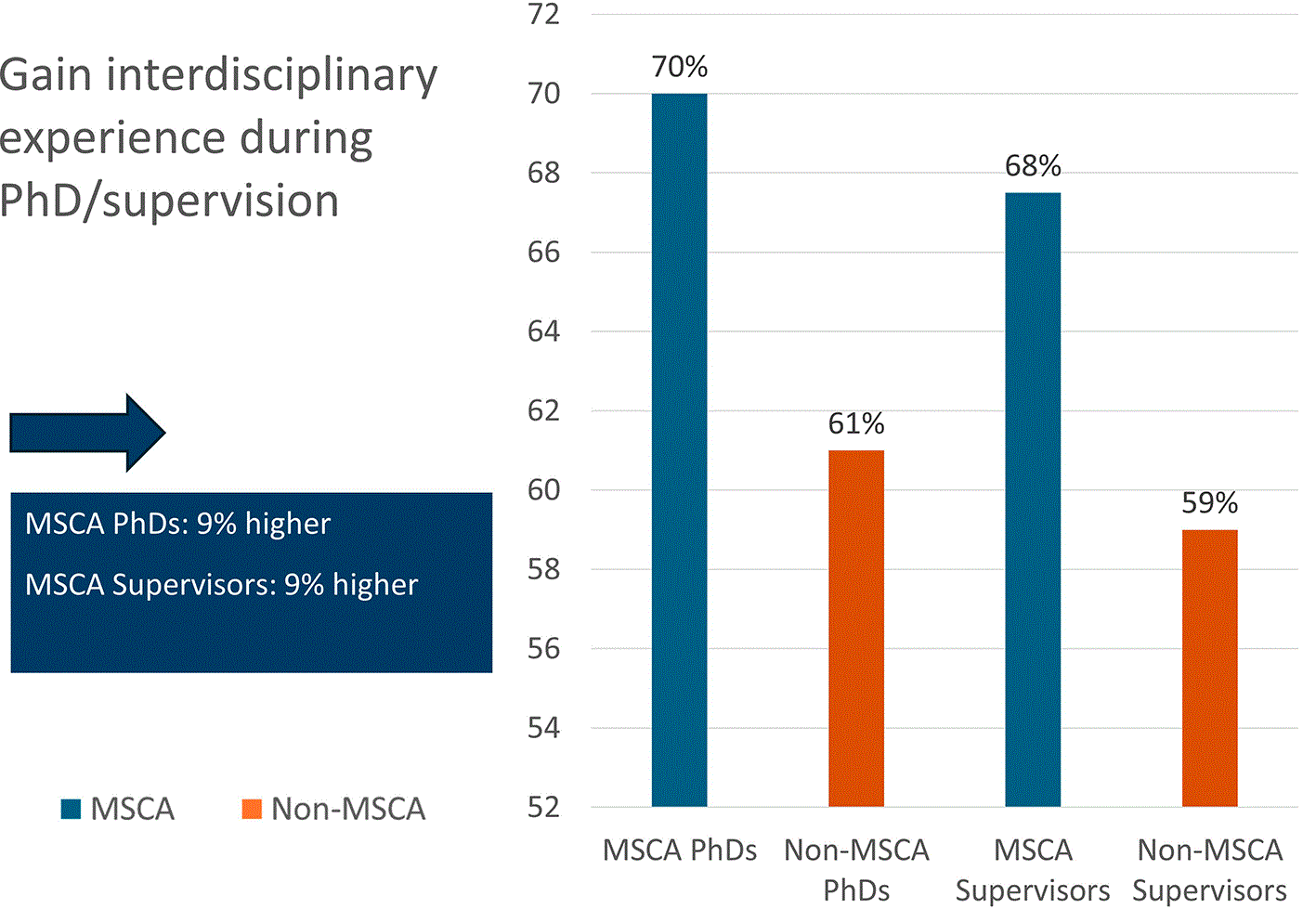
Figure 6. Gain interdisciplinary experience during PhD/supervision.
4.1.2 Positive Impacts of the Triple “I” Mobility
The transformative impact of the triple “i” mobility (international, intersectoral, and interdisciplinary) is strongly felt across various fields by MSCA fellows, surpassing the same observed in their non-MSCA counterparts. MSCA participants report that their international experiences have significantly boosted their industry exposure, economic outcomes, environmental impact, sustainability,x innovation and entrepreneurship efforts, and intersectoral collaborations (
Table 2). This broad influence underscores the strategic value of mobility at the heart of the MSCA framework, supporting EU and European Research Area objectives to promote multifaceted research, scientific excellence, a mobile research community, and a responsible future.
Table 1. Number of interview participants by category.
| Number of interview participants by category (n = 34) |
|---|
| With MSCA experience | With NO MSCA experience | Total by gender and role |
|---|
| Female
| Male
| Female
| Male
| Female
| Male
|
| PhDs
| 4 | 2 | 3 | 2 | 7 | 4 |
| Supervisors* | 2 | 3 | 1 | 3 | 3 | 6 |
| Other stakeholders** | 8 | 6 | | | 8 | 6 |
| | | | | 18 | 16 |
| | | | Total count
| 34
|
Moreover, the intersectoral mobility of MSCA fellows has yielded remarkable positive effects in enhancing industry experience, fostering innovative and entrepreneurial ventures, facilitating country and discipline transitions, shaping intellectual property rights strategies, and enriching market insights (
Table 2). Higher positive impact on industry experience and scope for intersectoral collaborations is felt by MSCA supervisors as well (
Table 2). This emphasises the pivotal role of crossing sector boundaries in cultivating a versatile and agile research workforce.
Interdisciplinary mobility further amplifies these benefits, resulting in greater industry exposure, economic impact, environmental responsibility, sustainability efforts, and facilitating geographic and disciplinary mobility (
Table 2). Such mobility exemplifies the interconnected and synergistic nature of the triple “i” features of the MSCA, creating a powerful nexus of structured training and research environment that not only strengthens individual competencies but also catalyses systemic progress across research and professional landscapes.
Intriguingly, international mobility enhances intersectoral collaborations, while intersectoral and interdisciplinary mobilities facilitate greater transitions across countries and disciplines. Clearly, these dimensions are closely integrated, collectively enhancing the capacity and reach of MSCA fellows.
4.1.3 Challenges to the Triple “I” Mobility
MSCA supervisors encounter fewer challenges across various dimensions of international, intersectoral, and interdisciplinary mobility compared to their non-MSCA counterparts (
Table 3). This advantage highlights the efficacy of the MSCA framework in empowering supervisors to competently manage complex mobility scenarios, enhancing collaborative potential within the research community.
Table 2. Higher positive impacts of triple “i” mobility experienced by MSCA PhDs and supervisors.
|
Survey question for PhDs: In which fields did you experience a positive impact stemming from your triple “i” mobility experience? |
|---|
| Fields of impact | International mobility experience | Intersectoral mobility experience | Interdisciplinary mobility experience |
|---|
| MSCA PhDs who agree | Compared to Non-MSCA
| MSCA PhDs who agree | Compared to Non-MSCA
| MSCA PhDs who agree | Compared to Non-MSCA
|
|---|
| Industry exposure | 69% | 25% more
| 85% | 19% more
| 75% | 29% more
|
| Economic impact | 66% | 19% more
| | | 73% | 13% more
|
| Environmental impact | 60% | 15% more
| | | 70% | 14% more
|
| Sustainability | 62% | 14% more
| | | 72% | 14% more
|
| Innovation/entrepreneurship | 73% | 10% more
| 77% | 13% more
| | |
| Change of country | | | 75% | 17% more
| 85% | 10% higher
|
| Change of discipline | | | 75% | 15% more
| 90% | 10% higher
|
| Intersectoral collaborations | 92% | 10% more
| N/A | N/A
| | |
| IPR strategy | | | 70% | 27% more
| | |
| Knowledge of the market | | | 83% | 10% more
| | |
| Empty cells above indicate that the difference between MSCA and non-MSCA is below 10%
|
|
Survey question for Supervisors: In which fields did you experience a positive impact stemming from your triple “i” mobility experience? |
|---|
| Fields of impact | International mobility experience | Intersectoral mobility experience | Interdisciplinary mobility experience |
|---|
| MSCA Supervisors who agree | Compared to Non-MSCA
| MSCA Supervisors who agree | Compared to Non-MSCA
| MSCA Supervisors who agree | Compared to Non-MSCA
|
|---|
| Industry experience | 69% | 21% more
| 81%
| 6% more
| 69%
| 10% more |
| Intersectoral collaborations | 91% | 8% more
| N/A | N/A | 95% | 6% more
|
Similarly, MSCA PhD fellows demonstrate remarkable adaptability in navigating the triple “i” mobility, considerably fewer of them facing challenges in most concerned fields (
Table 4). Their experiences reflect significantly lower obstacles concerning resource availability, funding, and academic isolation. Nevertheless, slightly more of them encounter difficulties in managing intellectual property rights and confidentiality agreements.
Table 3. Significantly less challenges faced by MSCA supervisors.
| Significantly fewer MSCA supervisors face challenges related to triple “i” mobility experience (source: survey) |
|---|
|
Challenging areas | International mobility experience | Intersectoral mobility experience | Interdisciplinary mobility experience |
|---|
| MSCA Supervisors who agree | Compared to Non-MSCA
| MSCA Supervisors who agree | Compared to Non-MSCA
| MSCA Supervisors who agree | Compared to Non-MSCA
|
|---|
| Supervision support | | | 68% | 10% fewer
| 65% | 11% fewer
|
| Resource availability/funding challenges | | | 72% | 12% fewer
| 69% | 11% fewer
|
| Personal adaptation | 60% | 16% fewer
| 65% | 12% fewer
| 64% | 16% fewer
|
| Academic isolation/integration (limited access to academic resources and support) | 35% | 19% fewer
| 40% | 16% fewer
| 39% | 10% fewer
|
| Difficulty translating academic skills to industry-specific needs | | | | | 47% | 9% fewer
|
| Publication difficulties | | | 47% | 15% fewer
| | |
| Navigating intellectual property rights and confidentiality agreements | | | 63% | 14% fewer
| | |
| Time management | 39% | 16% fewer
| | | | |
| Empty cells mean the difference between MSCA and non-MSCA is below 10%. |
Additional challenges, as identified through open survey responses, include visa issues, administrative and bureaucratic hurdles, intercultural differences, and communication barriers. Interviews also highlighted some other challenges. For instance, one of the MSCA fellows wished for more flexibility in secondments and research timeline:
“I think that there should be a little bit more flexibility. […] The fact that we had to do this secondment with a partner institution meant that there was not so much space, for example, for visiting another university outside of the consortium, and that is a little bit of a wasted opportunity from my perspective. I would have loved, for example, to go to other universities where my topic was very strong. But you know, I couldn't really afford that in terms of time given that I had to spend already six months at a partner institution.” – MSCA PhD (Interview).
Another interview participant also noted a very real issue that, despite the professional benefits of secondments, and research mobility more broadly, these opportunities come with their own challenges for researchers who have families, children, disabilities, caregiving responsibilities for elderly family members, or other personal obligations (Other Stakeholder, Interview). These challenges cannot necessarily be mitigated only through additional financial allowances. These insights emphasise the importance of building upon current policy measures, enhancing support structures to ensure MSCA participants can excel in diverse research contexts while effectively navigating all possible challenges.
4.2 Supervision
The survey reveals a substantive shift in doctoral supervision models, with MSCA ITN/DN fellows 20% more likely to work within supervisory teams rather than under single supervisors (
Figure 7). This finding validates the MSCA supervision guidelines’ strategic emphasis on collaborative mentorship structures.31 Beyond improving research outcomes, team-based supervision also catalyses cross-institutional collaboration among principal investigators and fosters genuinely interdisciplinary training environments where fellows benefit from diverse epistemological frameworks and methodological expertise of multiple supervisors.
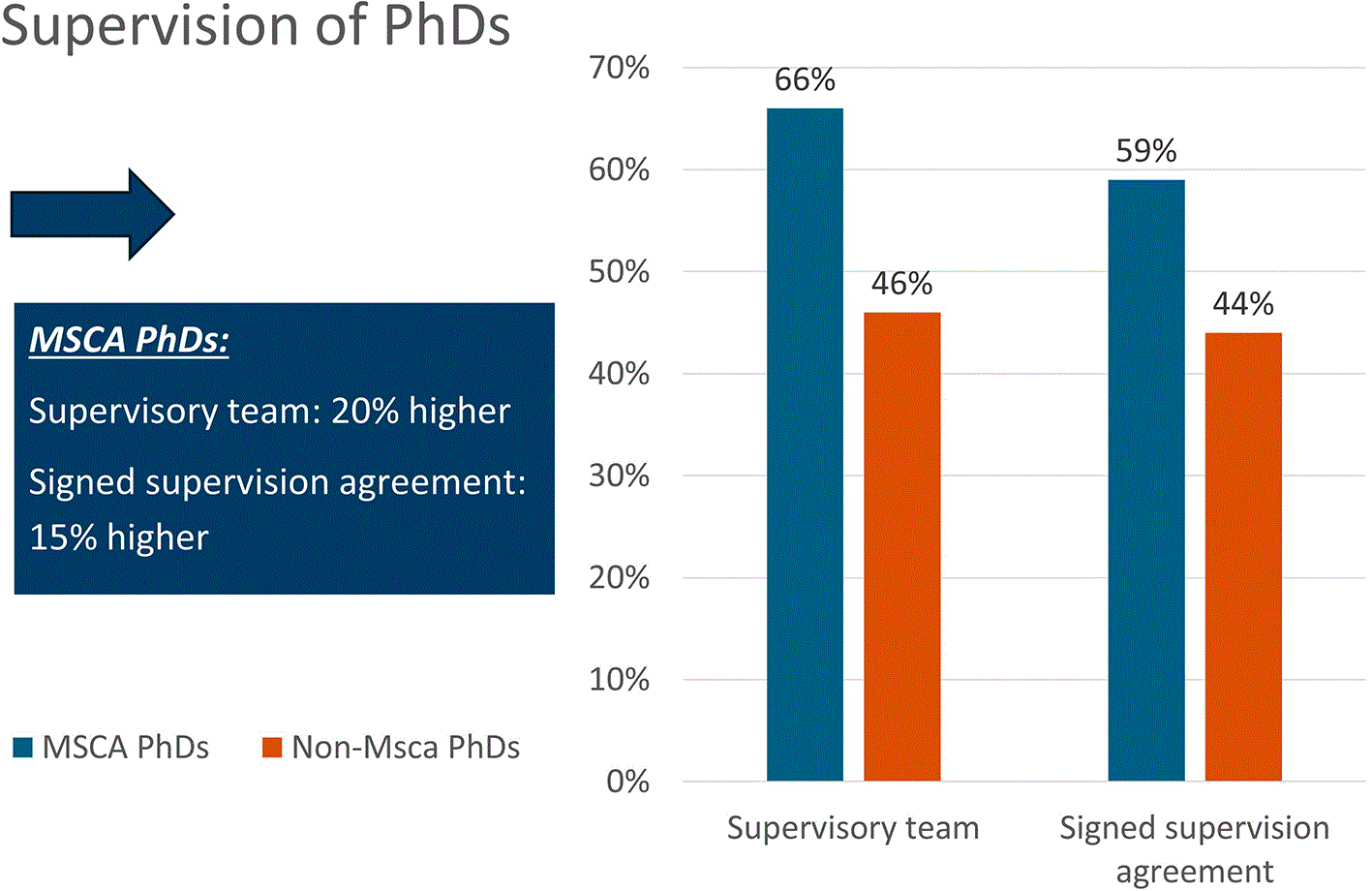
Figure 7. Supervision.
The formalisation of supervision arrangements represents another critical dimension of the MSCA framework. Survey data indicates that 15% more MSCA fellows undertake their research under formally concluded supervision agreements compared to their non-MSCA counterparts (
Figure 7). This procedural rigour in adherence to the MSCA Innovative Doctoral Training principles translates into measurable quality outcomes. While historical assessments showed 72% of ITN fellows rating their supervision positively in 2017,33 the present study showcases an upward trajectory to 77% satisfaction among ITN/DN fellows, suggesting the MSCA’s sustained commitment to supervisory excellence. The revised MSCA Supervision Guidelines31 are expected to reinforce this trend by emphasising the role of a broader supervision ecosystem that integrates fellows, supervisors, and institutions. Qualitative evidence from study underscores a distinctive pedagogical philosophy embedded within the MSCA DNs, i.e., the cultivation of researcher autonomy, which is prominent in MSCA supervisory practices (source: interview with MSCA supervisors). As many MSCA supervisors also articulated in the survey, the programme systematically guides fellows to become future research leaders while instilling principles of research integrity, responsibility, and independent and critical thinking. This is in line with the general trend observed by Marie Curie Alumni Association (MCAA) across all MSCA actions that 80% of MSCA participants feel that their supervisors involve them in goal-setting and decision-making activities.32 This approach reflects an emphasis on developing not merely technically skilled researchers but intellectually independent scholars capable of shaping their fields, and society at large going forward.
4.3 Training
“The MSCA [ITN/DN] programme creates a group of well-prepared scientists with exceptional skills and a well-developed network of relevant contacts. This makes them strong candidates to be the next generation leaders in their fields.” – MSCA Supervisor (Survey).
The MSCA framework promotes a structural mechanism for building multidimensional competencies. Survey findings demonstrate that compared to the non-MSCA, MSCA fellows yield demonstrable returns in transferable skills acquisition, reporting significantly enhanced social, networking, technical, and intercultural capabilities (
Figure 8). These competencies emerge from the structured, network-wide training architecture enhanced by triple “i” mobility that characterises MSCA programmes, encompassing cutting-edge disciplinary knowledge, original, and state-of-the-art trainings, international and intersectoral innovations, and promotion of adaptable professional skills responsive to evolving labour market demands.
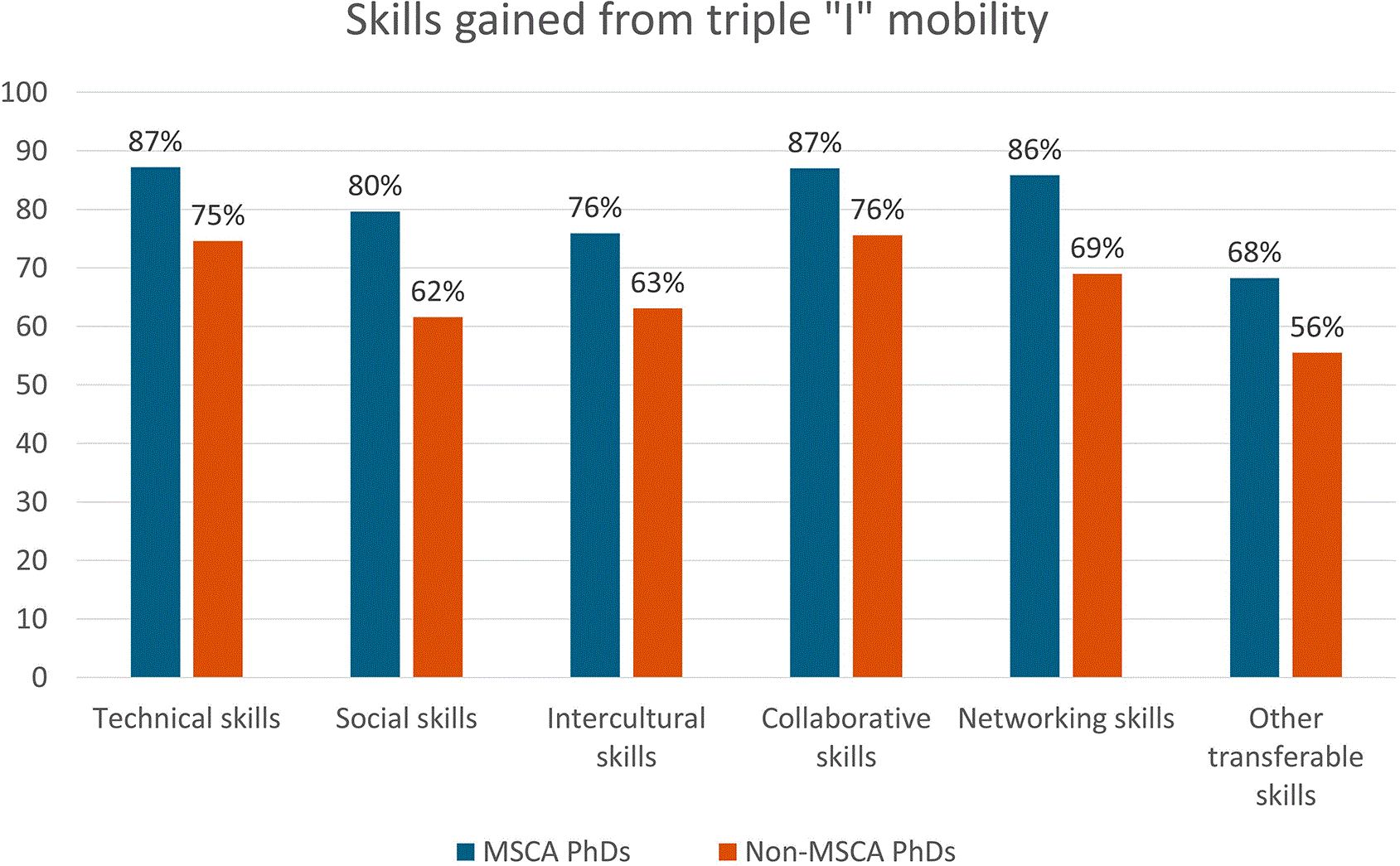
Figure 8. Skills gained from triple “i” mobility.
The MSCA initiatives like ITN and DN have been visionary in promoting excellent science through comprehensive training of the researchers. The ITN/DNs’ overarching excellence award criteria go beyond research skills, and augment doctoral training further through mandatory international and intersectoral exposure from mobility, career development plans signed by both the supervisors and the PhD fellows, and high quality transferable skills training. As one of the MSCA supervisors writes, the MSCA DN “provides a significant gain in skills that are transferable across sectors, preparing students comprehensively for varied career paths” (source: survey).
For almost all types of trainings analysed in the survey, the MSCA fellows consistently expressed higher satisfaction with the training they received for developing several crucial skills for research and professional development (
Figure 9). The MSCA fellows expressed especially higher satisfaction than the non-MSCA in their training for networking, public speaking and presentation, teamwork, and ethical awareness. These transferable skill trainings remain vital for equipping researchers with skills such as adaptability, problem-solving skills, and innovative and entrepreneurial thinking which are necessary to succeed in diverse career paths. The rigorous training offered to the MSCA fellows not only enhances research capabilities of the fellows but also prepares them to tackle complex questions beyond academia, which is necessary for post-PhD career.2,43 As one of the PhD fellows notes in the survey, their MSCA PhD experience has been enriching, especially because it included vital soft skills training and professional mentoring.
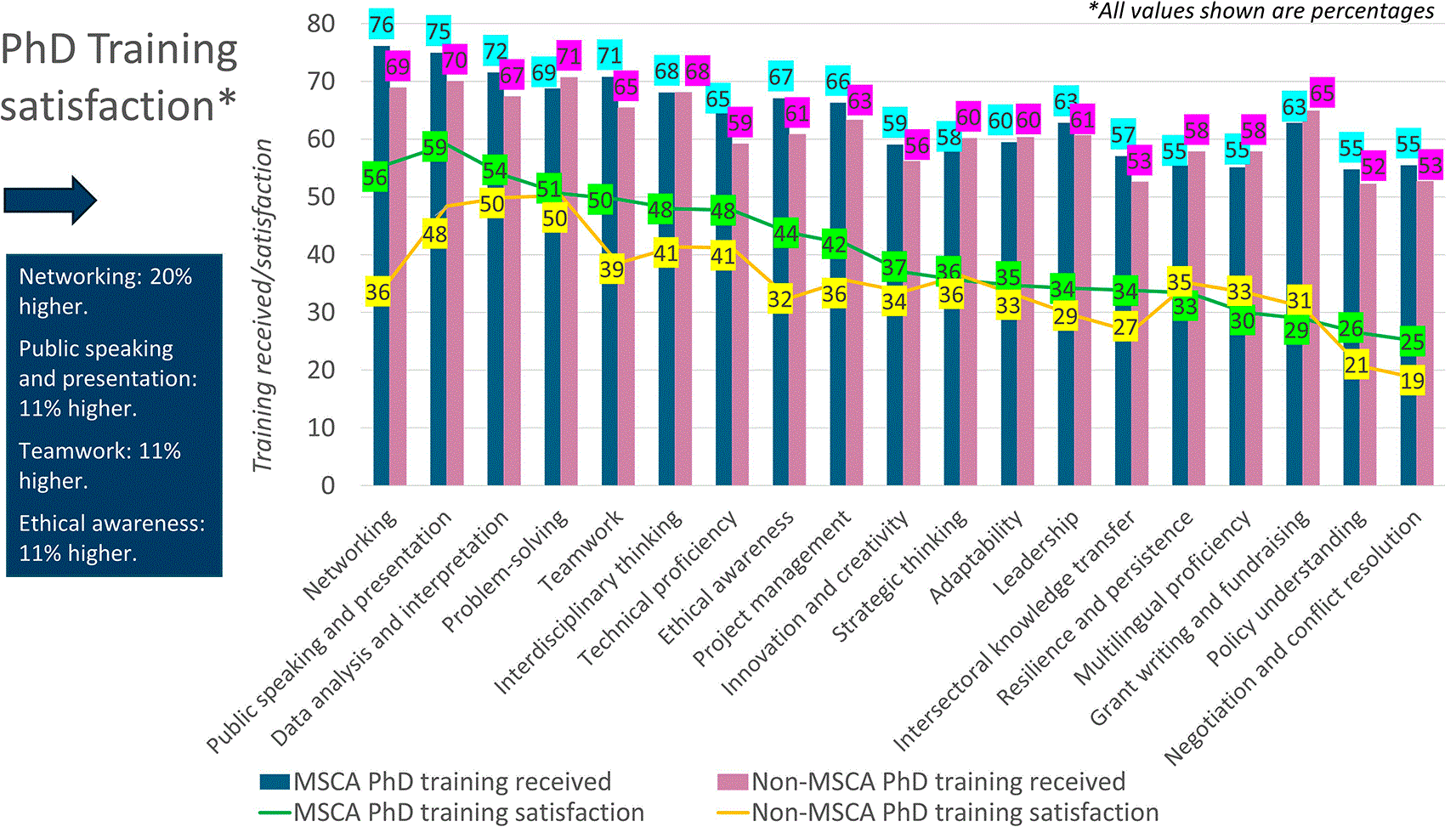
Figure 9. Training satisfaction.
4.4 Social Innovation and Working Environment
The survey demonstrates that the MSCA PhD researchers benefit from better working conditions compared to their non-MSCA counterpart. Under the MSCA, it is required that all PhD fellows are recruited with an employment contract and social security coverage (verified internally using the CORDA database), whereas only 43% and 77% of non-MSCA fellows report being recruited with an employment contract and social security respectively (data not shown).
There are notable differences in funding and employment conditions for PhD fellows across European countries. For example, while in some countries, fellows receive an employment contract and social security, in other countries, they may receive a fellowship. The MSCA ITN/DN programmes provide a framework for standardisation of these varying working conditions by emphasising the requirement of recruiting fellows under an employment contract or other (equivalent) direct contract, with full social security coverage, while also highlighting the importance of family-friendly working conditions, well-being, and access to social security rights and pensions.45,46
For the MSCA fellows, satisfaction with resources and financial remuneration has been generally high.15 The present study reaffirmed this trend with its finding that a 33% higher number of MSCA fellows find their salary to be highly or very highly sufficient to manage costs of living, compared to their non-MSCA counterpart (
Figure 10).
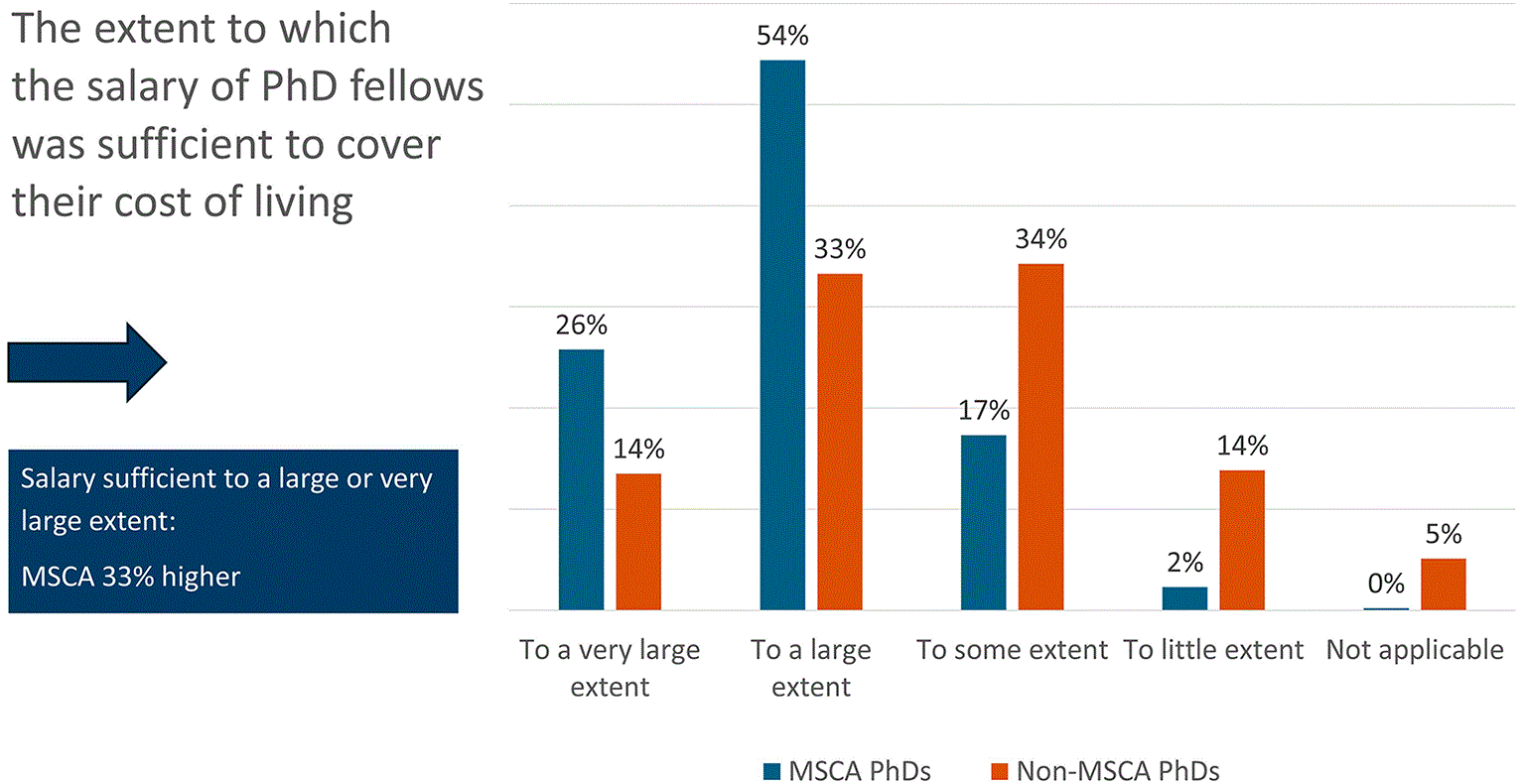
Figure 10. To what extent was the PhD fellows’ salary sufficient to cover cost of living?.
As one of the MSCA PhD fellows notes in the survey, “MSCA PhD funding helps one to concentrate fully on studies without worrying about financial issues, enabling deeper focus and innovation in research”. The MSCA supervisors also expressed general consensus on this. As one MSCA supervisor notes, “Training and networking opportunities combined with a competitive salary attract top-tier talent while ensuring sustained motivation” (source: survey).
Although a majority of the MSCA supervisors and PhD fellows indicated that the MSCA salary is highly sufficient in terms of cost of living, a 19% MSCA fellows and 8% MSCA supervisors indicated that the MSCA salary is sufficient only to some or little extent which warrants further investigation. The table (
Table 5) below lists the countries where such perceptions have been noted.
Table 4. Challenges faced by the MSCA PhDs compared to non-MSCA: significant differences.
| Challenges faced by the MSCA PhDs compared to non-MSCA related to triple “i” mobility: significant differences (source: survey) |
|---|
| Challenging areas | International mobility experience | Intersectoral mobility experience | Interdisciplinary mobility experience |
|---|
| MSCA PhDs who agree | Compared to Non-MSCA
| MSCA PhDs who agree | Compared to Non-MSCA
| MSCA PhDs who agree | Compared to Non-MSCA
|
|---|
| Navigating intellectual property rights and confidentiality agreements | 34% | 13% more
| | | 37% | 8% more
|
| Time management | 72% | 12% more
| | | | |
| Resource availability/funding challenges | 43% | 17% fewer
| 43% | 19% fewer
| 46% | 19% fewer
|
| Academic isolation/integration (limited access to academic resources and support) | | | | | 55% | 8% fewer
|
| Differences in work culture and expectations | | | 71% | 8% fewer
| | |
| Personal adaptation | 75% | 8% fewer
| | | | |
| Empty cells mean the difference between MSCA and non-MSCA is below 8%
|
The countries where some of the fellows feel that their salary may not be fully sufficient come from Belgium, Germany, Ireland, the Netherlands, Norway, Portugal, Sweden, and Switzerland (see “adjusted percentage” in
Table 5).xi Insights from interviews indicate that satisfaction with salary may also be impacted by the fact that cost of living may not be the same everywhere in a country. For instance, one MSCA fellow remarked, “I was lucky enough as I lived in a not-too-expensive city in Germany because I was living in Eastern Germany, so my salary was definitely enough. But if I had lived in Frankfurt or in Berlin or in a city in the west – and now I’m living in the west, so I see how expensive it is – then probably the salary wouldn’t have been so much” (Interview). Nevertheless, the results in the table above largely correspond with the trends observed by REA in the recent years which shows that the MSCA salary rates may not be as competitive anymore as they used to be in some countries that now offer similar or even higher salary levels demonstrating a structuring effect of the MSCA in doctoral salaries. Other reasons for some countries reflecting higher national salary than MSCA may include increasing national focus on research and innovation, adjustment for inflation etc.
83% of MSCA supervisors noted that they would not have been able to conduct the research project without the MSCA funding (survey, data not shown). The study also shows that 33% more MSCA supervisors find the budget for research, training and mobility sufficient to a large or very large extent in MSCA-funded doctoral projects compared to others (
Figure 11). It is reflected in one of the non-MSCA supervisors’ comments that “The funding level [in MSCA] is much higher than other PhD funding sources, allowing for innovative and ambitious research projects” (source: survey). Non-MSCA PhD fellows also recognise that “the funding from MSCA is substantial compared to other PhD options, which enables a richer research framework and global exposure” (source: survey).
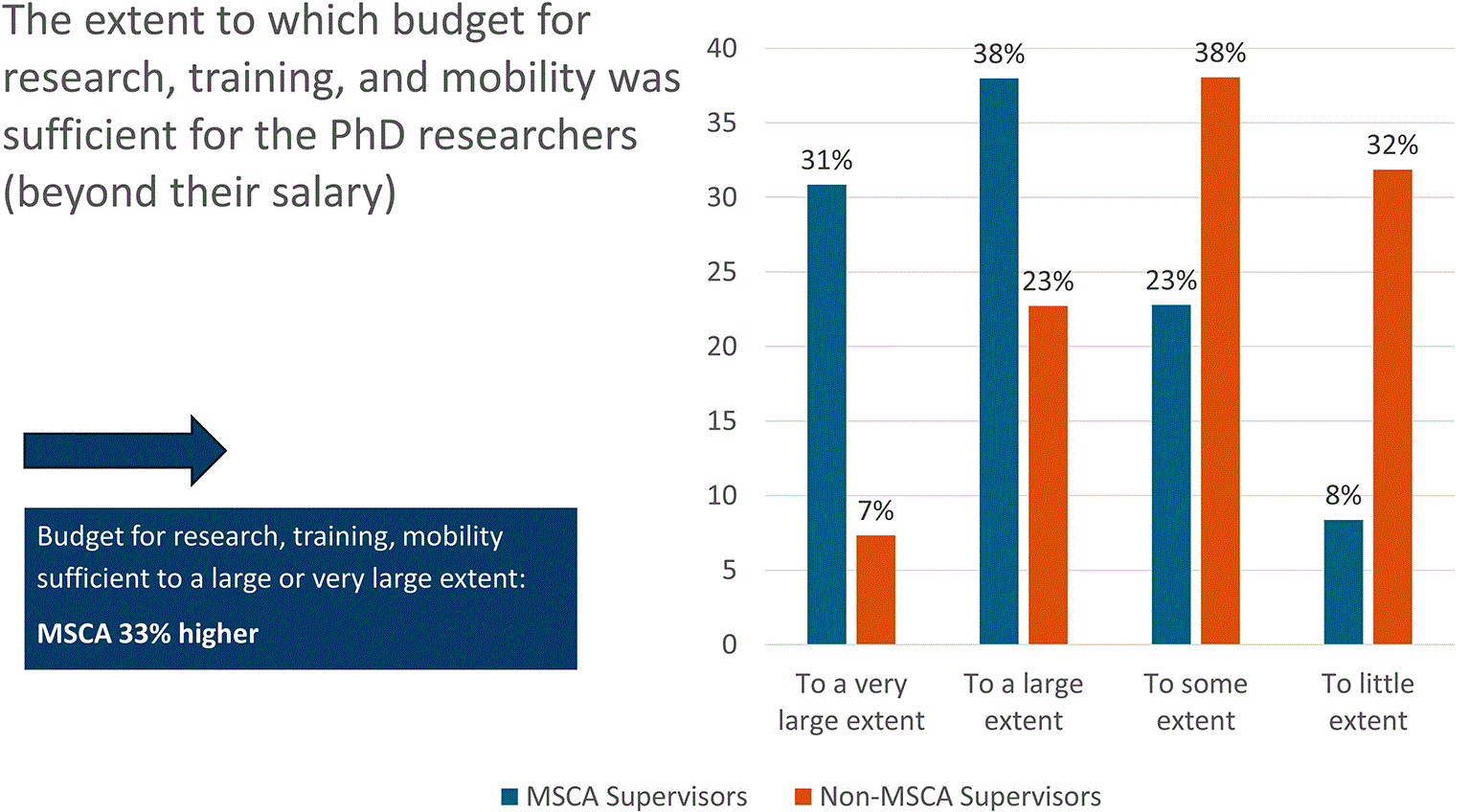
Figure 11. Budget for research, training, and mobility for the PhD researchers beyond their salary.
Amongst all the panels funded under the MSCA ITN and DN frameworks, Mathematics (MAT) is the panel in which the funds available for research, training and mobility are sufficient to the highest extent followed by Physics (PHY), Social Sciences and Humanities (SOC), Environment and Geosciences (ENV), Information Science and Engineering (ENG), and Chemistry (CHE) (
Figure 12). In the panels of Life Sciences (LIF), and Economic Sciences (ECO), the funds available for research, training and mobility could perhaps benefit from an increase (
Figure 12).xii
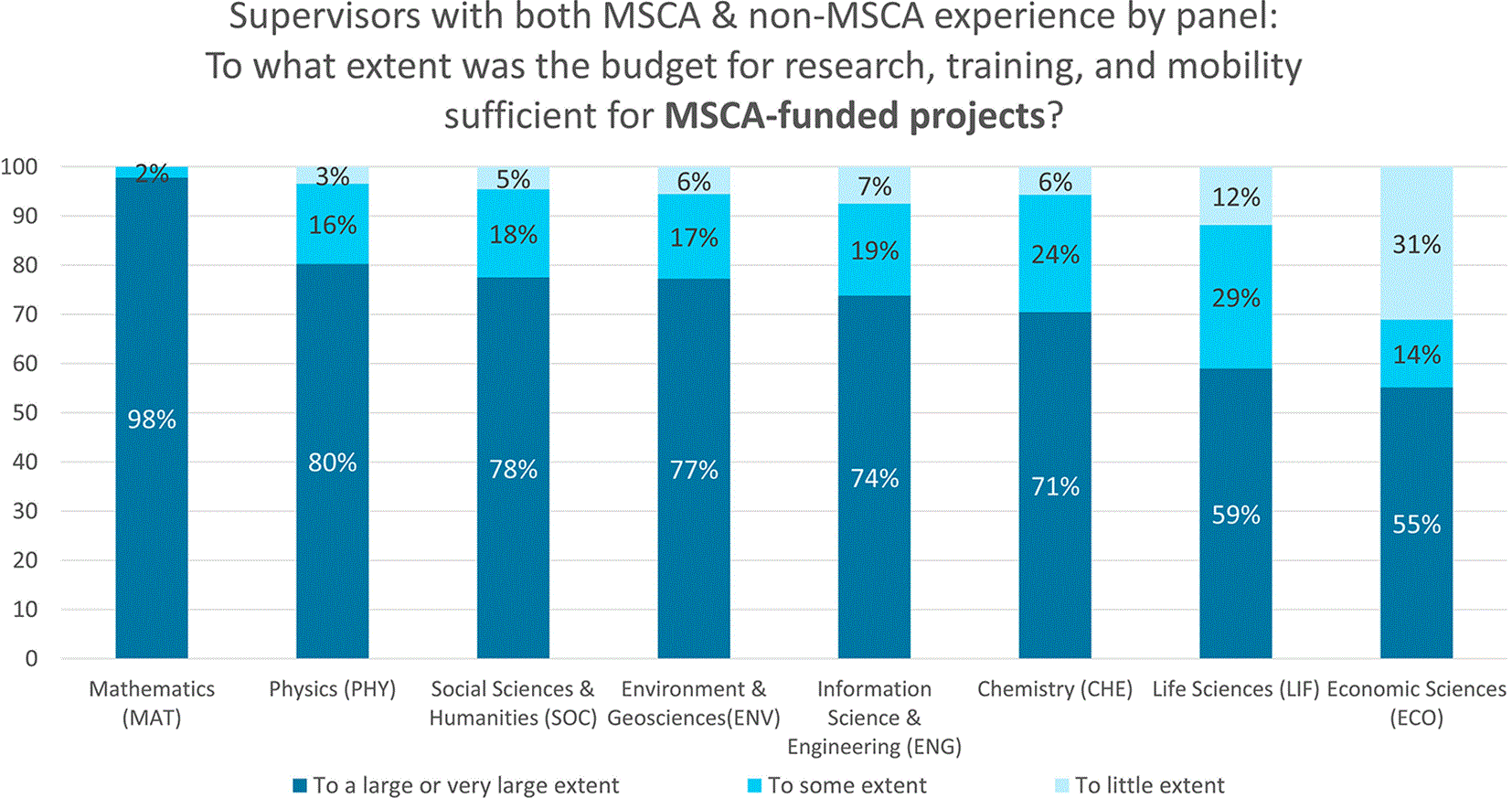
Figure 12. MSCA Supervisors’ opinion on budget for research, training, and for MSCA-funded projects by panel.
Although the overall funds available for research, training and mobility are higher in all panels in MSCA compared to the non-MSCA, the least number of supervisors felt that Mathematics (MAT), and Social Sciences and Humanities (SOC) received sufficient funding (to a large or very large extent) for these criteria under non-MSCA projects. More supervisors, however, expressed that Economic Sciences (ECO), Environmental and Geosciences (ENV), and Information Science and Engineering (ENG) receive relatively higher funding for research, training and mobility under non-MSCA (compare
Figure 12 and
Figure 13).
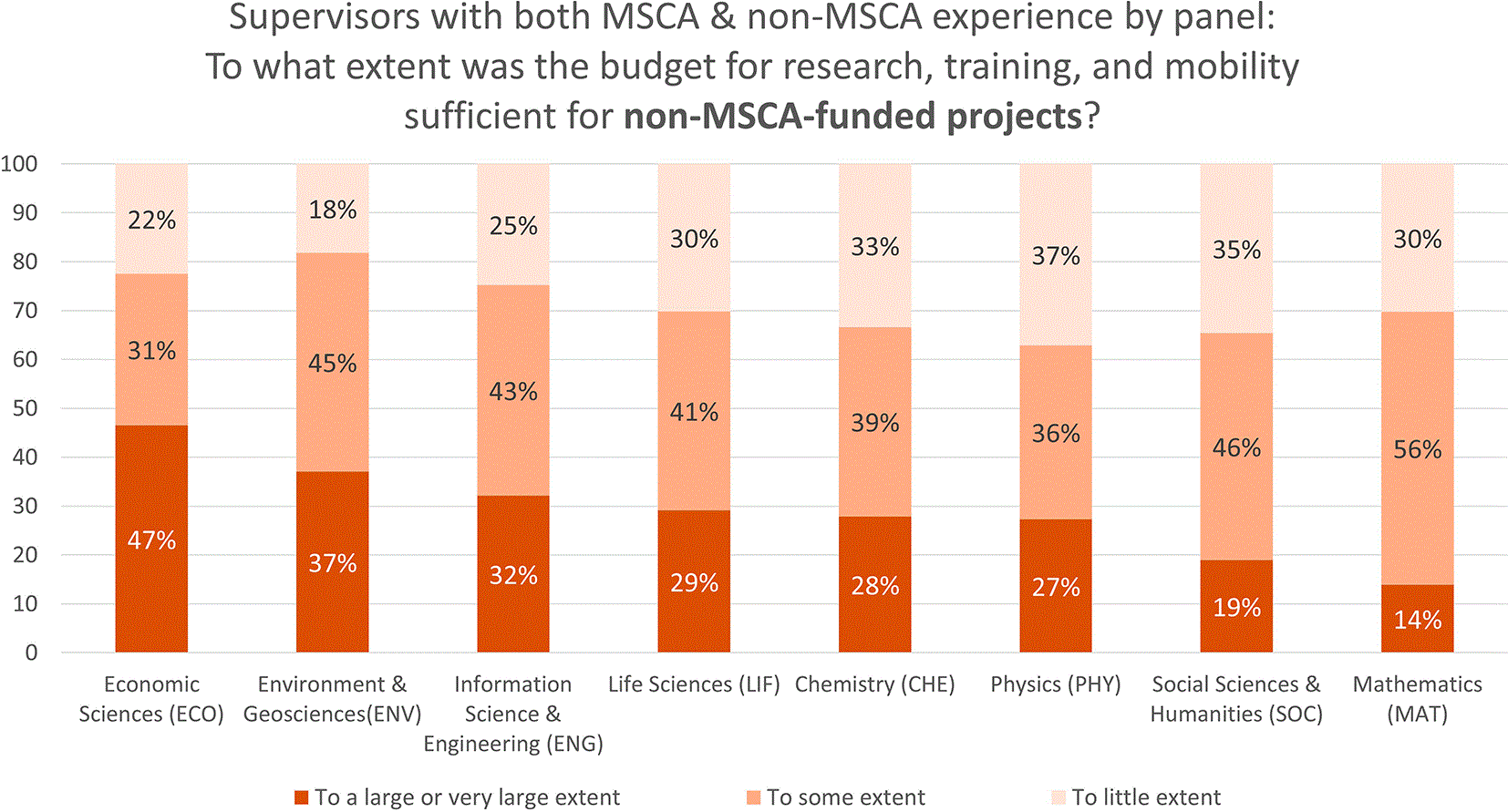
Figure 13. MSCA Supervisors’ opinion on budget for research, training, mobility for non-MSCA-funded projects by panel.
Although the MSCA DNs, like the previously concluded ITNs, provide three years of secure funding and excellent working conditions, some fellows are also challenged by a structural difference in their institution which may require four years of dedicated research for the completion of their PhD which is also the standard duration of PhD in several universities. As one of the MSCA fellows noted in the interview, “It’s really difficult that the PhD is only funded for three years when most people take at least four.” Several other interlocutors also recognised this as a constraint in the interview. Statistics from the survey confirm this trend as 78% of the MSCA fellows (28% more than non-MSCA) reported that the funding period (three-years for MSCA) poses challenges in completing their PhD (
Figure 14). Another MSCA supervisor also identified time as a challenge in “recruiting all of the fellows in just 12 months after projects start” (source: interview).
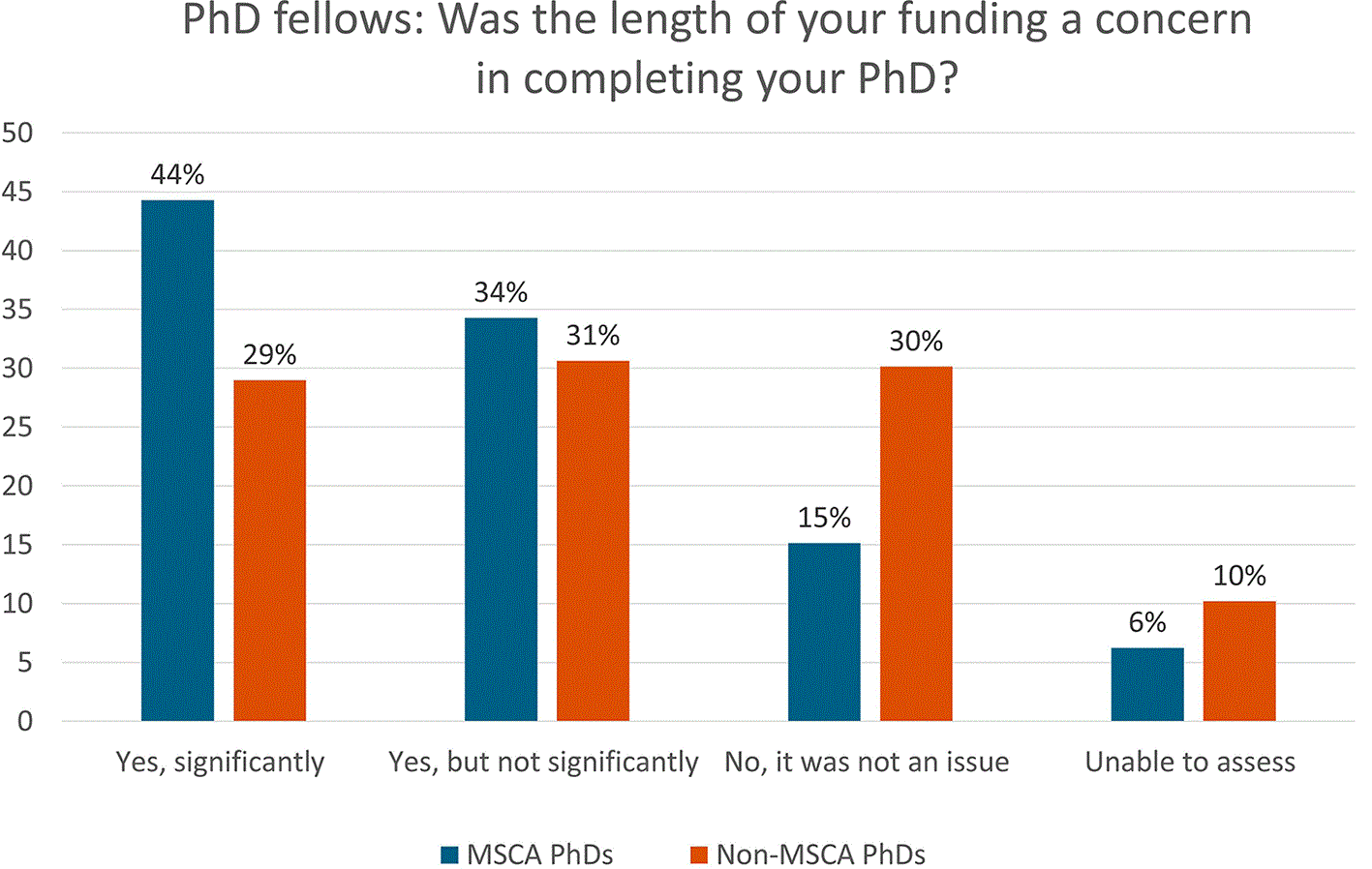
Figure 14. Length of funding as a concern in completing PhD.
This structural inconsistency also pushes the MSCA DN fellows to look for alternative funding sources during the final year of their PhD. Therefore, to enhance the doctoral experience of future DN fellows, increasing their funding duration from three to four years and the project duration from four to five years may be beneficial helping fellows maintain research continuity without needing to search for alternative funding in the final stages of their doctorate.
4.5 Career Perspectives and Networking Opportunities
“The ability to be mobile inside the network, to have these contacts at the very onset of the research career, I think that is an advantage that cannot be overestimated because it is indeed the best start to a researcher’s career and to have that network cover also interdisciplinary and intersectoral features […] I think that is quite unique. […] The added value of the programme is very high for the organisations, the PhD candidates and the network as such”. – Stakeholder of doctoral research and training in Europe (Interview).
The survey reveals that the MSCA programme has had a clearly positive impact on the employability of its graduates. A 12% higher number of the MSCA supervisors (60%; compared to 48% non-MSCA) have observed in the survey that the employability of PhD fellows has increased after their PhD in the last decade (
Figure 15). As one of the MSCA supervisors sums up many others’ voices aptly:
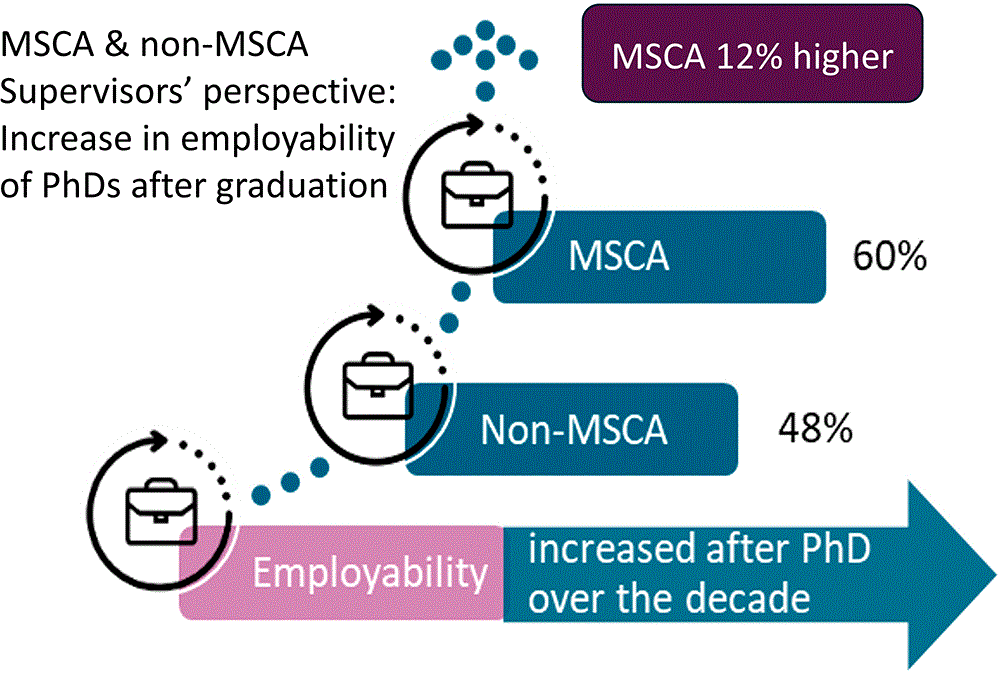
Figure 15. Supervisors’ opinion on increase in employability of PhDs after graduation.
“It [MSCA ITN/DN] is one of the most prestigious PhD programmes in Europe, with outstanding support in professional skills development and career readiness”. – MSCA Supervisor (Interview).
The fellows’ responses match with this trend observed by the supervisors above. Compared to the non-MSCA, 12% more MSCA PhD graduates (92%) secure employment within one year of graduation, demonstrating higher employability (
Figure 16). This underscores the MSCA ITN and DN programmes’ effectiveness in improving career prospects through comprehensive training, including international, intersectoral, interdisciplinary, and transferable skill development.
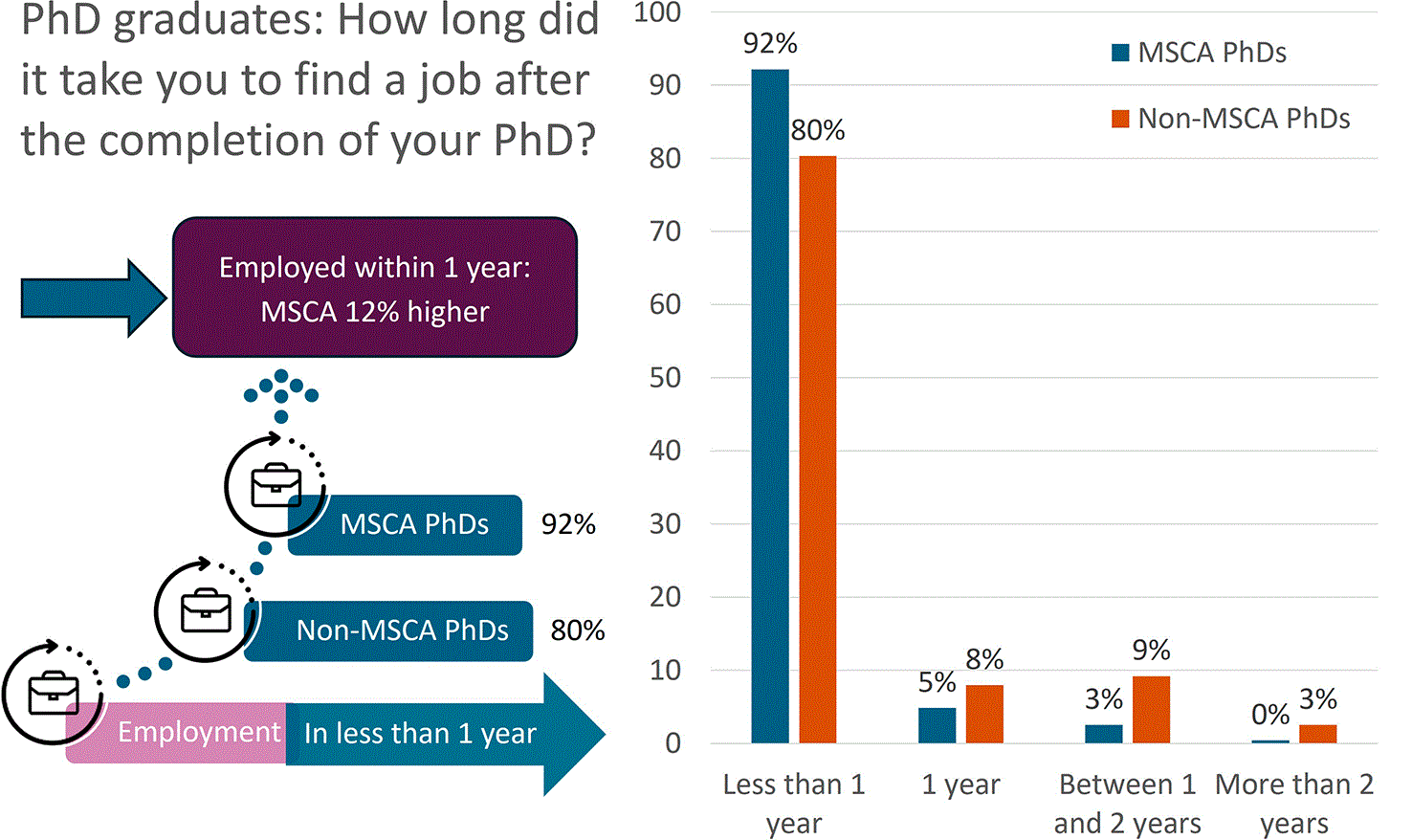
Figure 16. How long did it take you to find a job after the completion of your PhD?.
While only 15% of the non-MSCA fellows pursue a job outside the field of their core training after PhD, 8% more MSCA fellows venture into new fields that match their core training only to some or no extent (
Figure 17). A move into a new field requires higher intersectoral exposure, and relevant skills; if not field-specific skills, then at least transferable skills. The fact that a higher number of MSCA fellows find employment in new fields with little connection to their core field of research training is an implicit demonstration of the transformative role that mobility, diverse exposure, and transferable skills development play in the career building of the MSCA fellows.
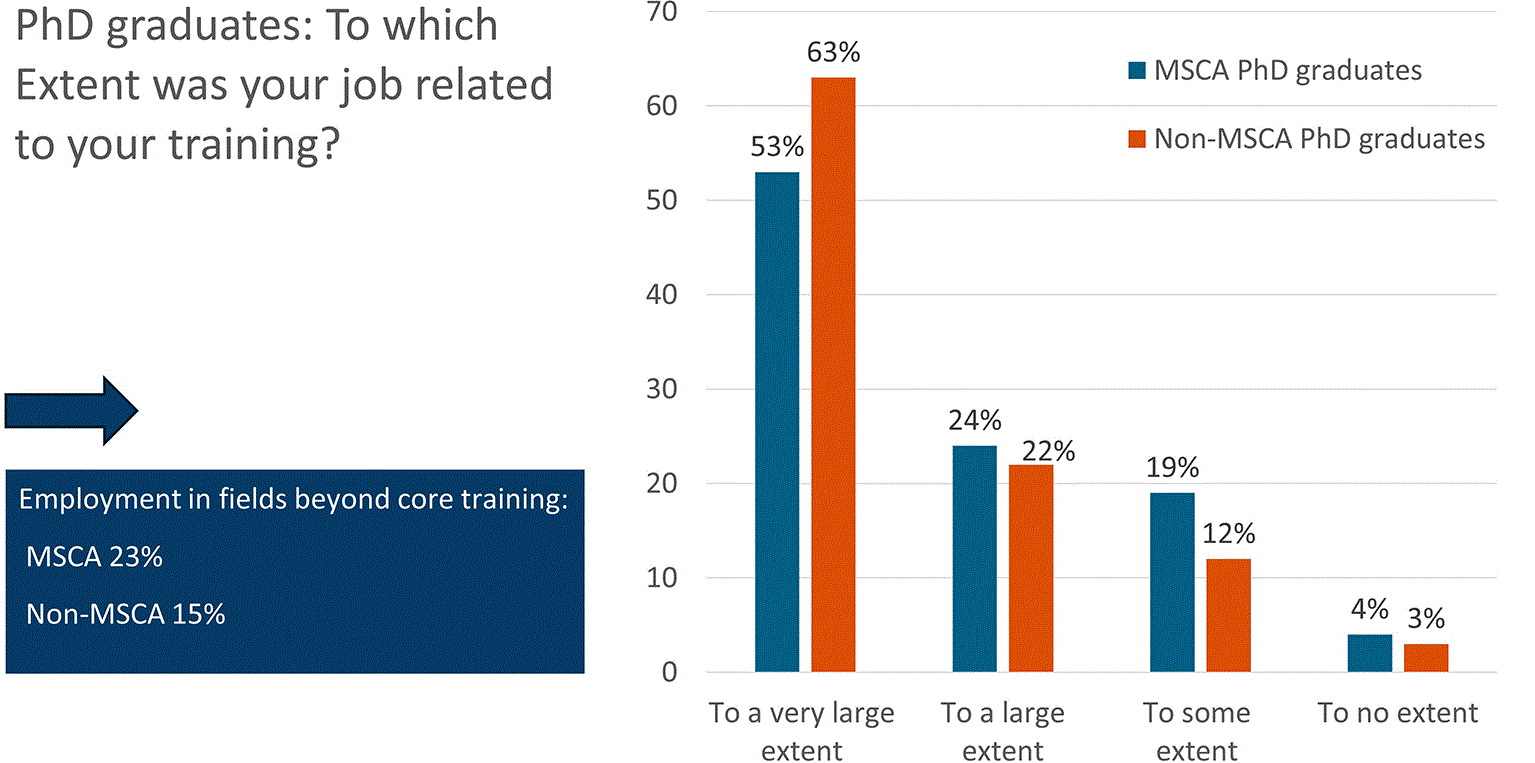
Figure 17. To what extent was your job related to your training?.
Compared to non-MSCA (62%), 9% more MSCA supervisors (71%) have observed that networking in the scientific community has been positively fostered in the past decade. As the findings discussed in the previous sections suggest, networking opportunities in the ITN and DN have been one of the major attractions of the programme which has been fostered especially by the MSCA’s emphasis on international, intersectoral and interdisciplinary mobility.
The results of the survey demonstrate that triple “i” mobility has significantly enhanced the employability and career opportunities of the MSCA fellows (
Figure 18). The highest difference between the MSCA and the non-MSCA in this field is observed in relation to intersectoral mobility. A 12% higher number of MSCA fellows expressed that intersectoral training enhanced their employability and career opportunities. The fact that a higher number of MSCA fellows found intersectoral mobility enhancing their employability and career prospects substantiates the trend that more MSCA fellows find it easier to move to fields outside their core training during PhD. It can be observed further in the trends of the sector employment of PhD fellows after graduation. As shown earlier, over three times more MSCA fellows find employment in non-academic sector after graduation compared to non-MSCA PhDs (
Figure 5).
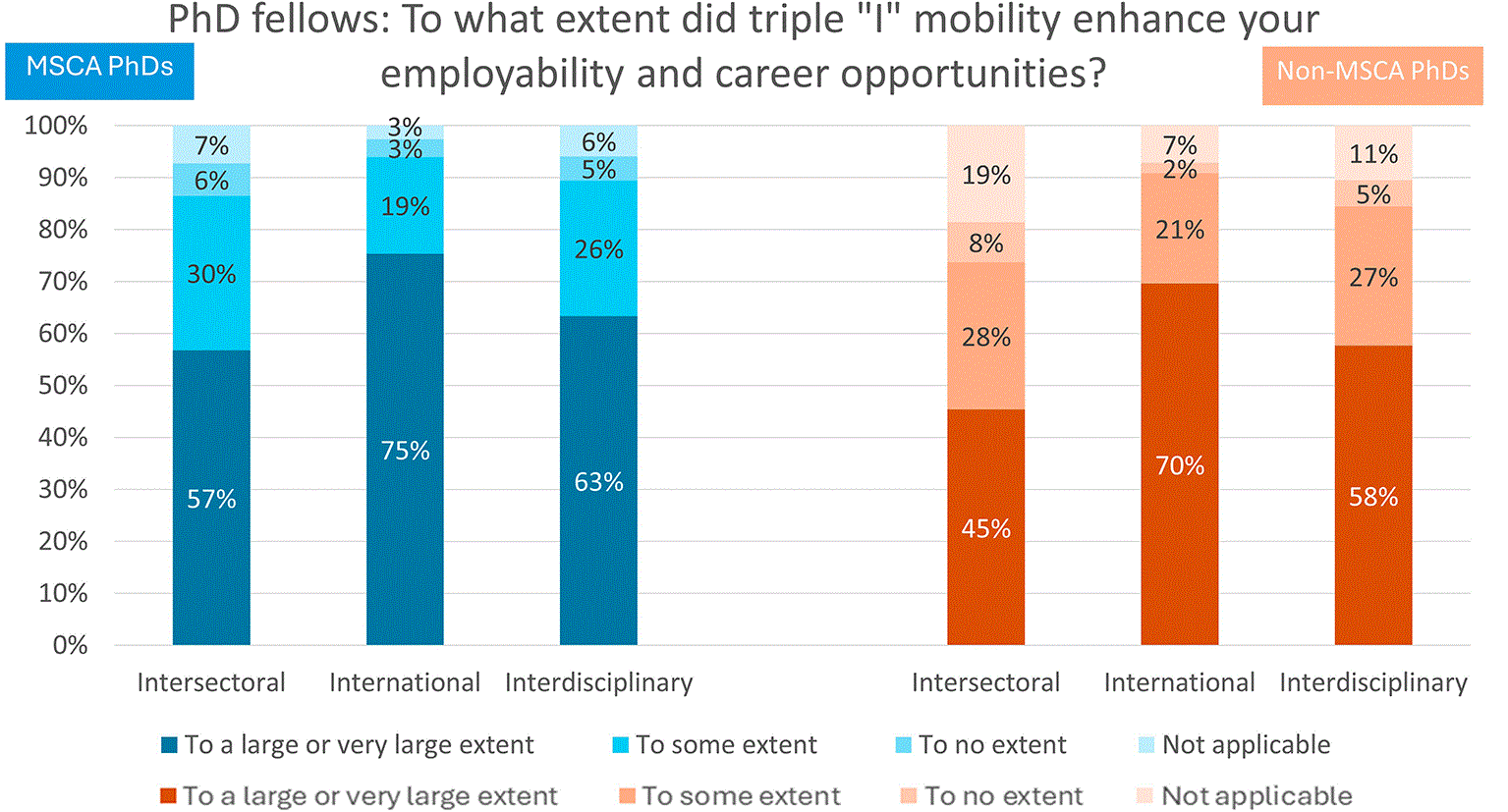
Figure 18. To what extent did triple “i” mobility enhance employability and career opportunities?.
4.6 MSCA Structuring Effect
“[The MSCA programme] pushes the creation of common frameworks among institutions, advancing regional collaborations and research standards.” – Non-MSCA supervisor (Survey).
By promoting standardisation and harmonisationxiii of higher education, the MSCA have left a deep structuring effect across institutions which has been felt by a majority of the supervisors who participated in the survey (
Figure 19). Although it might be difficult for individual researchers to measure structuring effects at institutional levels, a majority of both MSCA and non-MSCA supervisors agree that harmonisation and standardisation across institutions have increased in the past decade and have had an essentially positive impact on doctoral programmes (
Figure 19). The main positive changes observed by the supervisors include enhanced skills development for researchers, and better mentoring and career guidance (data not shown). Upon being asked what factors influenced positive structuring effects in doctoral programmes, a majority of the supervisors indicated that it is the promotion of best practices and benchmarking, whereas the MSCA supervisors specifically attributed these positive changes to their access to the MSCA doctoral network framework (data not shown).
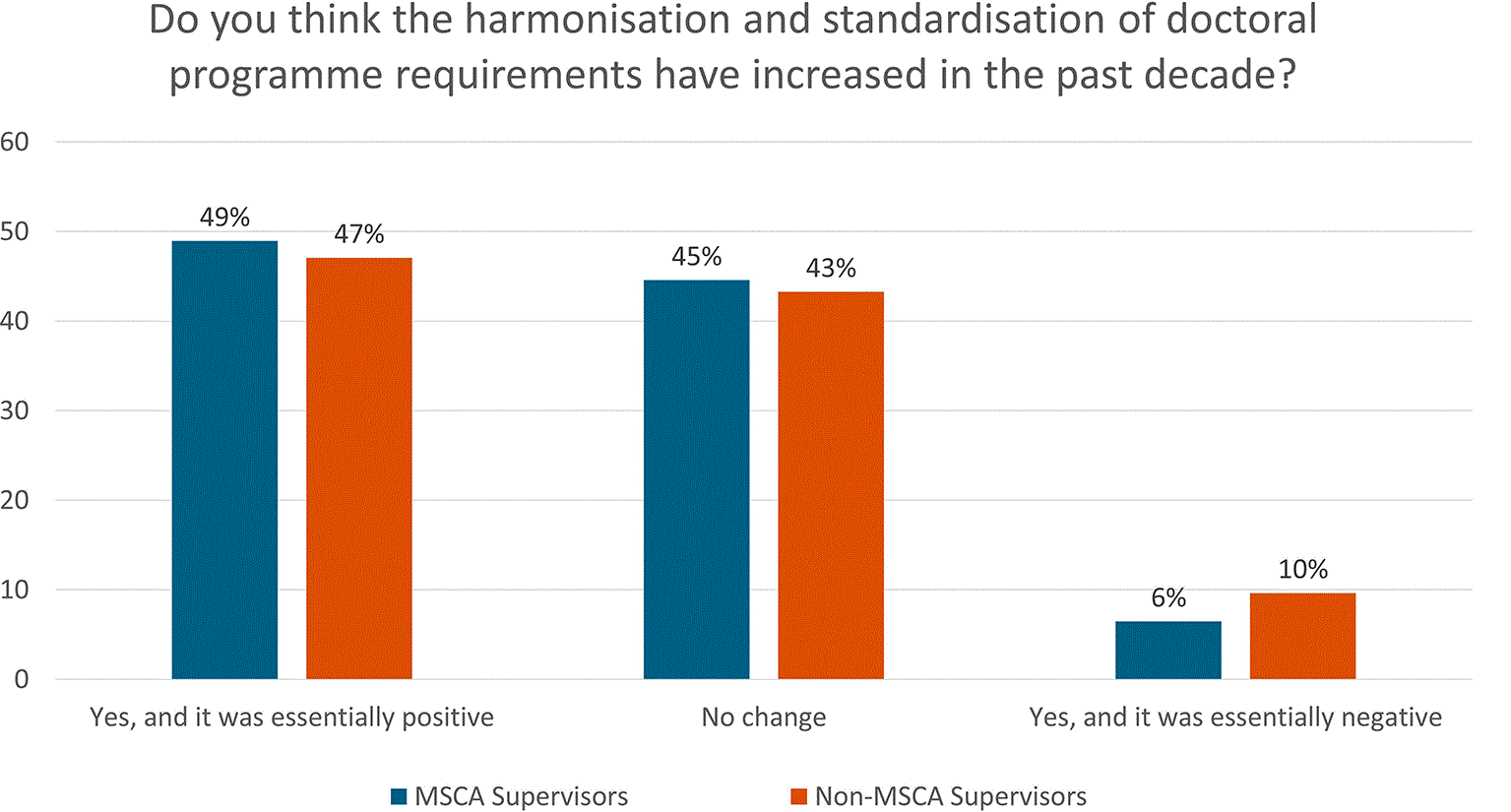
Figure 19. Supervisors’ opinion on harmonisation and standardisation of doctoral programme requirements in the past decade.
The MSCA DNs, following the legacy of the ITNs, contribute structurally by improving doctoral education systems across Europe which reflects in its prestige and recognition. The European Charter for Researchers,1 embedded in the MSCA not only structure the MSCA-funded PhD programmes but also leave a strong impact on the operation of all doctoral programmes at pan-institutional levels. Over time, the emergence of thousands of collaborations facilitated by the MSCA has structured the European research landscape, particularly fostering international as well as intersectoral collaborations,40 leading to research excellence results and tangible innovation outputs.3 As one of the supervisors interviewed acknowledges:
“The MSCA ITN/DN has a significant impact on the scientific community because the workshops, schools, and conferences organised by the MSCA Doctoral Networks attract a bigger researcher community. They bring people together, providing a fertile ground for follow-up research activities based on the network”. – MSCA Supervisor (Interview).
This offers a compelling illustration of the structuring effects of the MSCA ITN and DN, which help shape the research environment in ways that extend well beyond the immediate consortium members.
The MSCA DNs, like the ITNs, operate at two complementary levels: fostering collaboration between individual researchers while simultaneously building sustainable inter-organisational partnerships that extend beyond individual project lifecycles. The programmes’ strategic emphasis on bridging academic institutions with SMEs and non-academic organisations creates a structuring effect, enhancing researchers’ innovation potential across sectors while strengthening Europe’s broader research and innovation ecosystem.3
The structuring effect of MSCA ITN and DN is also closely connected to the bottom-up approach that characterises MSCA funding. In contrast to many national PhD programmes, MSCA ITNs and DNs promote interdisciplinary research through their strong emphasis on a bottom-up approach to research funding and the integration of multiple disciplines. This commitment to cross-disciplinary collaboration not only expands the scope of research but also stimulates innovative solutions, ensuring that MSCA graduates are well prepared to address complex, multifaceted challenges within an increasingly dynamic scientific and professional landscape. Consequently, the bottom-up nature of the programme was identified as a key factor in fostering scientific excellence and advancement.
Many respondents commented on the bottom-up approach of the programme as a distinctive strength, recognizing its structuring effects in fostering researcher-driven, curiosity-led collaboration (source: survey and interview). As one participant remarked in the survey, the programme’s aspects of “bottom-up approach, network, and substantial funding make it possible to set up really ambitious and impactful projects.” The bottom-up mechanism, thus, enhances scientific autonomy while democratizing access to collaborative networks and interdisciplinary dialogue, and structuring sustainable collaborations. As one of the participants notes:
“The network aspect of the programme in which network-wide training is given to PhD fellows at the same stage is indeed an added value. This is both efficient and introduces the PhD fellows to like-minded peers with whom ‘bottom-up’ collaborations can be established.” – MSCA Supervisor (Survey).
The programme’s bottom-up design, therefore, acts as a catalyst for sustaining future collaborations. Its structuring effects benefit not only established researchers but also encourage early-career researchers to envision international, intersectoral, and interdisciplinary collaborations from the outset of their doctoral training, enabling transformative research.
The networks formed during the project persist beyond the projects’ duration, often continuing as collaborations that influence doctoral education standards and mobility cultures in the European Research Area. Partnerships often spread best practices (e.g., supervision models, industry secondments), contributing to a more harmonised doctoral landscape without a centralised mandate. This network effect is a key mechanism through which MSCA DN delivers structural impact at the European level.
4.7 Strengths of the MSCA Compared to non-MSCA
According to the findings of the study, a vast majority (94%) of the survey participants agree that the MSCA ITN and DN funding have several added values (
Figure 20).
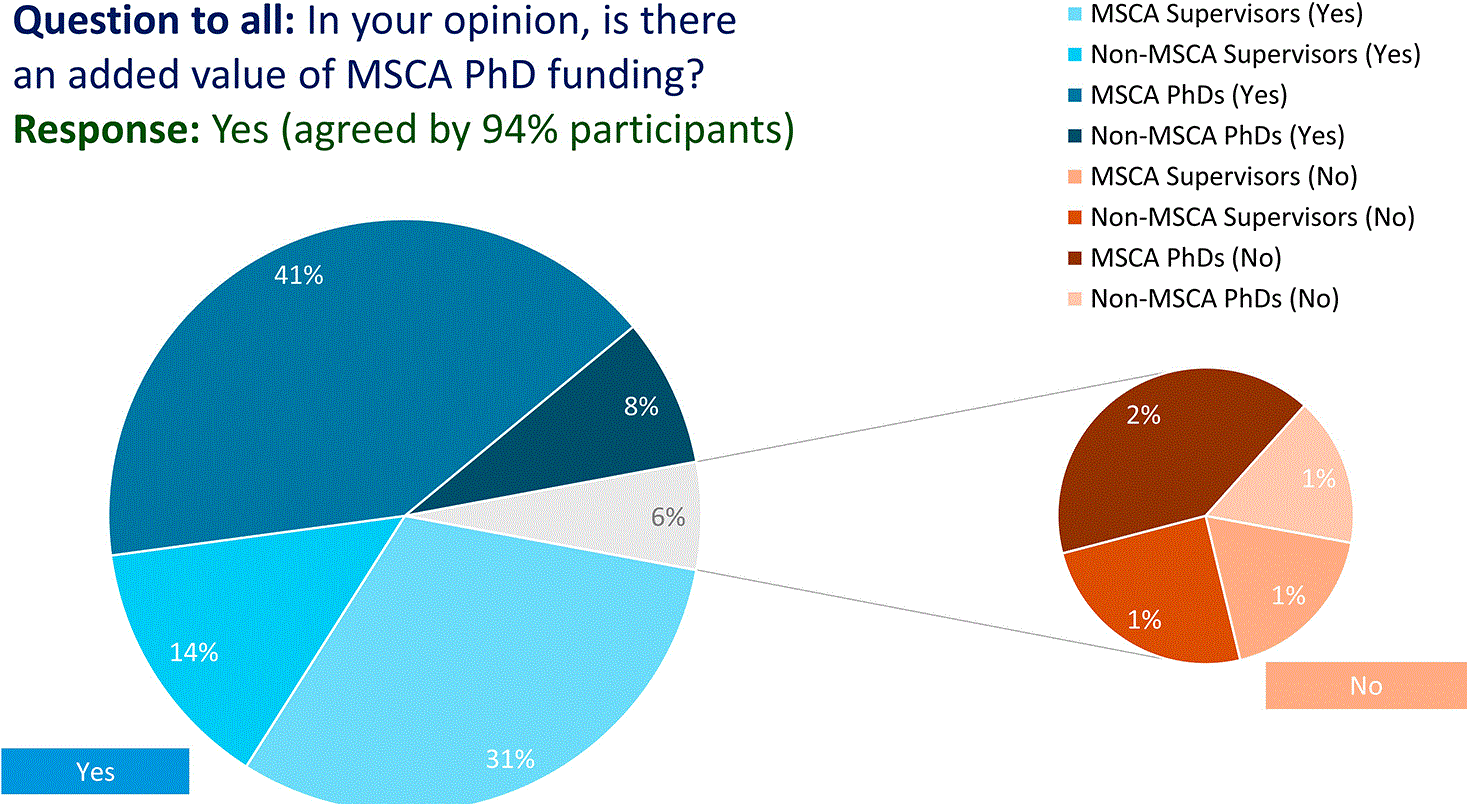
Figure 20. Is there an added value of MSCA PhD funding?.
Some of the most frequent terms used by the participants to elaborate on the added values of the ITN and DN include network, networking, internationality, interdisciplinarity, intersectorality, collaboration, funding, experience, salary, mobility, skills, industry, prestige, career etc. (
Figure 21).

Figure 21. Added Values of MSCA ITN/DN, most frequently appearing words.
The findings of the survey as well as the interviews underscore that the added values of the ITN and DN lie in the effective execution of its networking frameworks, mobility across sectors, countries and disciplines, and improved working conditions which, as a large majority of the participants have indicated, enhance research, training, career development and employability. This is further confirmed by one of the participants who notes:
“You see, every euro that is invested makes an early-stage researcher better. And at the end of their three-year journey, you see just how much they have grown and how much their life has changed and how much their research has improved because of the Marie [Sklodowska] Curie network.” – MSCA Supervisor (Interview).
68% of the MSCA supervisors (20% more than non-MSCA) participating in the survey agreed that there are major differences between the MSCA and non-MSCA PhD programmes (
Figure 22) which are listed below.
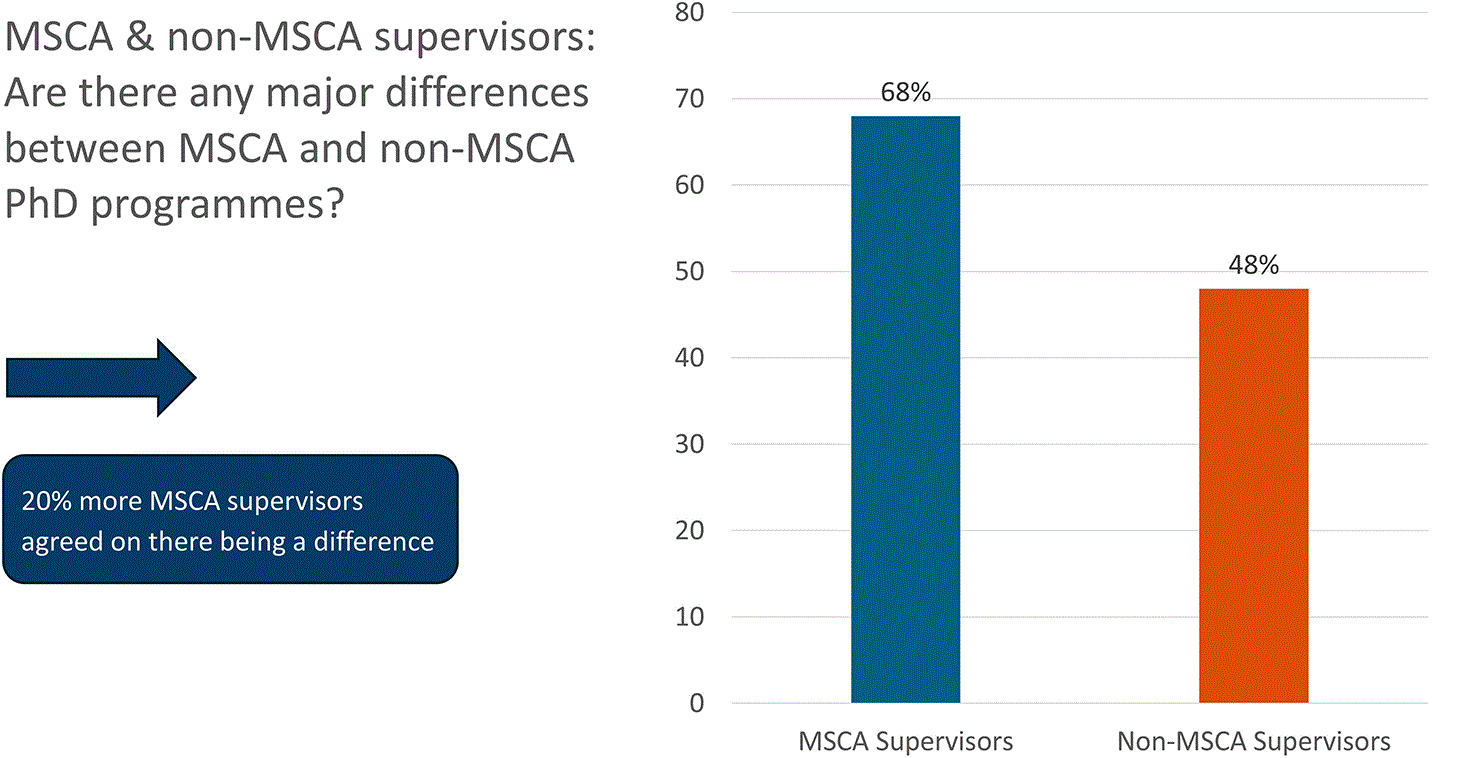
Figure 22. Yes, there are major differences between MSCA and Non-MSCA PhDs.
Some of the main strengths of the ITN and DN (compared to non-MSCA PhDs), as agreed by the MSCA and non-MSCA supervisors, include networking opportunities, triple “i” mobility, secondments, interdisciplinary and intersectoral supervision, career development, transferable skills training and training quality (
Figure 23).
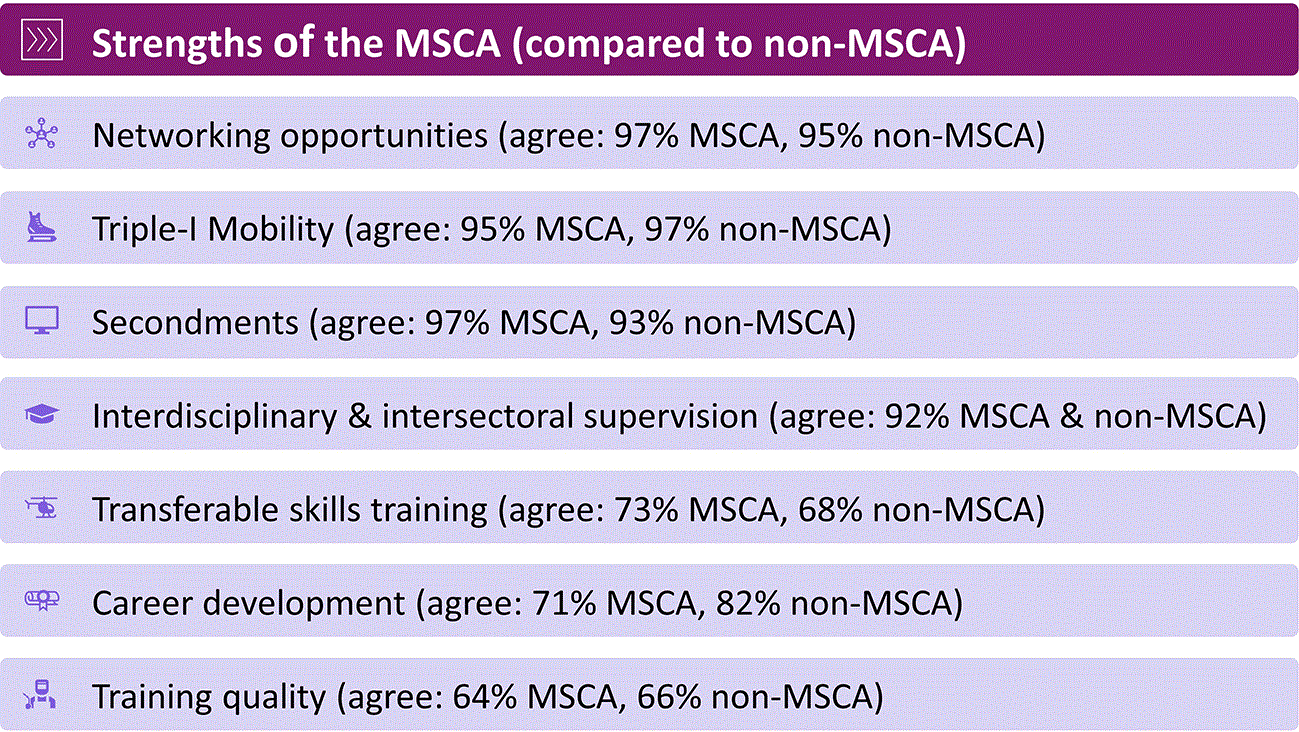
Figure 23. Supervisors’ opinion on the strengths of the MSCA compared to non-MSCA PhD programmes.
The results of the study also highlight that one of the added values of the ITN/DN programmes is rooted in their focus on mobility and networking. Not only do they strengthen individual researchers but also foster a robust and interconnected community of scholars across Europe and beyond. While mobility, networking, and collaboration are recognised as important by most doctoral training frameworks, the MSCA ITN and DNs distinguish themselves especially by operationalising these elements effectively through their mandatory mobility, excellent training programme, structured network activities, and comprehensive support infrastructure. As one MSCA supervisor noted in the survey, “Working as a ‘class’ of PhD students on a common theme fosters great collaboration and peer learning opportunities”, an experience largely absent from many non-MSCA doctoral programmes.
The ITN and DN’s highly acclaimed provision of international mobility not only helps train MSCA fellows, but the networking opportunities and diverse cultural experiences that accompany them also provide the incentives required for Europe to retain as well as re-integrate talents within Europe.14,17,40,xivAlthough several national initiatives may have a similar structure as MSCA demonstrating their structuring effect, they are widely diverse as they often operate with a rather limited scope with funding and/or training guidelines tied to the respective home countries.47 The MSCA programme bridges this gap by promoting cross-border collaborations and fostering a harmonised and globally impactful research community.
4.8 Further Insights from the Study
“All the Marie Curie programmes are generally seen as highly excellent, as very prestigious. So already from that perspective, being able to get such a grant, be it a post-doctoral fellowship, be it a doctoral network, this is always seen as something quite worthwhile and valuable. […] Additionally, the doctoral networks are designed in a way that includes many extra features and benefits. These go beyond what a regular doctoral candidate would typically have access to, making them even more beneficial.” – Stakeholder of doctoral research and training in Europe (Interview).
The role played by the MSCA ITN and DNs in supporting early-stage scientists coming from all over the world contributes to the EU’s goal to become the top global attraction for research and innovation as part of the Choose Europe for Science initiative.48
The MSCA ITN and DNs have played an indispensable role in supporting research activities in Europe and beyond, which is demonstrated by the fact that 83% of the MSCA supervisors informed in the survey that they would not have been able to carry out their research project without the MSCA funding (
Figure 24).
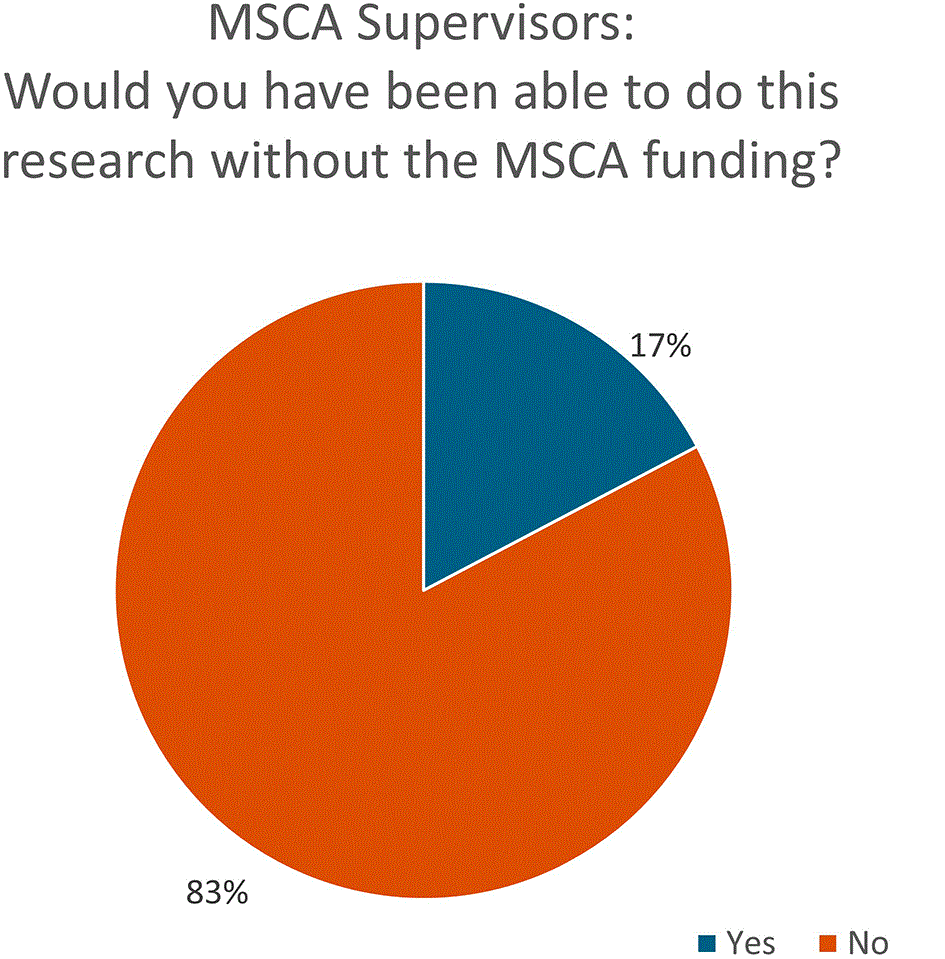
Figure 24. Would you have been able to do this research without the MSCA funding?.
The prestige and attractiveness of the MSCA ITN and DN funding is further resounded by non-MSCA supervisors, 79% of whom informed having applied or considered applying for MSCA ITN/DN funding. Although the global recognition and prestige of the MSCA as a whole is indisputable,14,22,33 when it comes to the ITN and DN, the results of the survey show that it could still benefit from a boost in visibility.
A majority of the non-MSCA supervisors who have never considered applying for MSCA ITN or DN have listed the main reasons as lack of awareness about the existence of the programme, while not a few were dissuaded by other factors including complex programme requirements, complex application process, and low success rates (
Figure 25). Complementary to the survey findings, interviewed MSCA supervisors have also noted complex application process and programme requirements as challenges in participation. For instance, one MSCA supervisor commented: “Applying for a doctoral network is a very significant amount of work because you need international diversity in the partners from different sectors” (Interview). Another MSCA supervisor resounded similar concerns calling for greater flexibility: “Maybe if there was more flexibility in the way that these networks are structured, that would be helpful” (Interview).
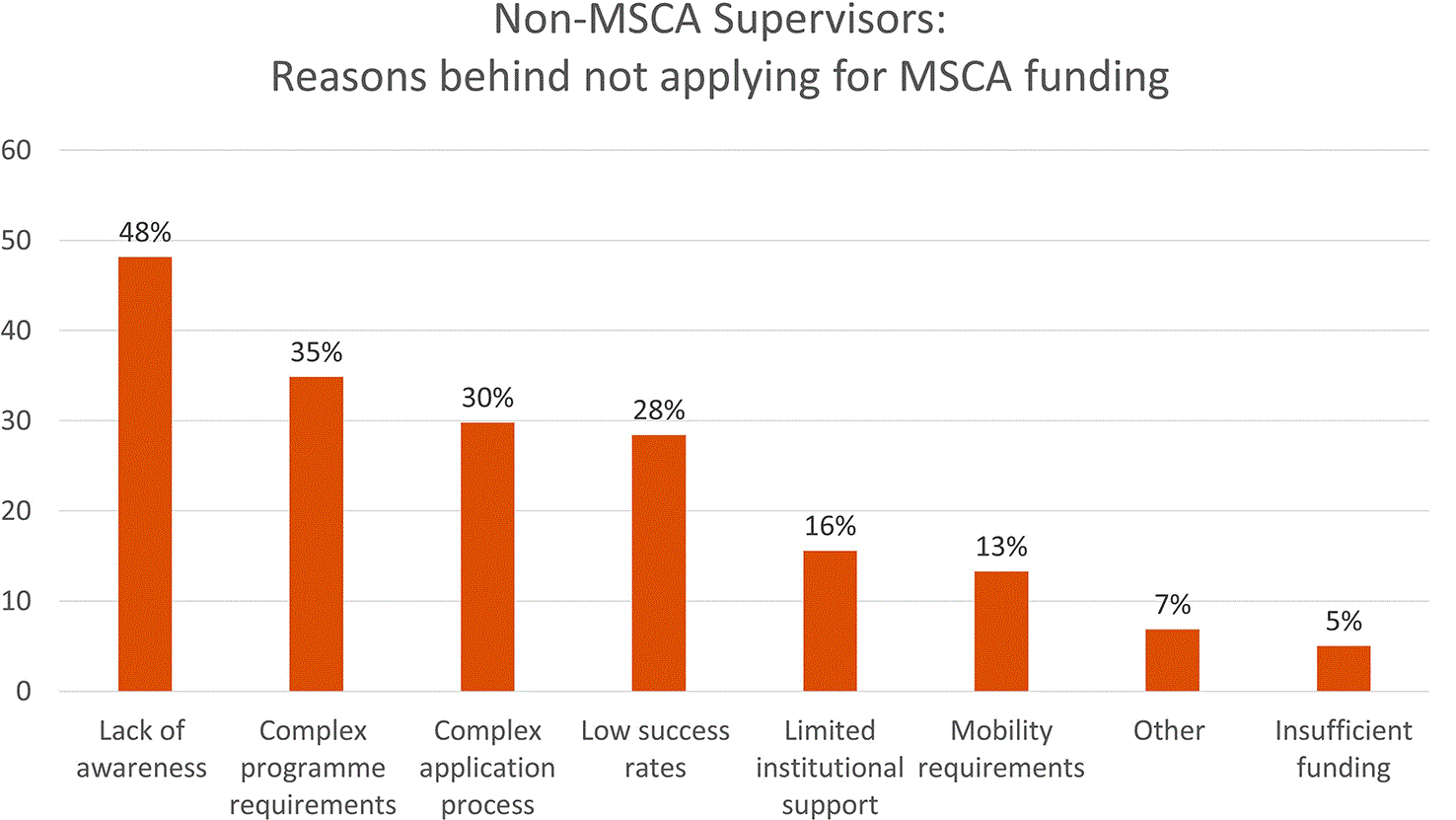
Figure 25. Reasons behind not applying for MSCA funding.
62% of the non-MSCA PhDs also indicated that they were unaware of the existence of the MSCA ITN (concluded in 2020) and DN programmes (
Figure 26).
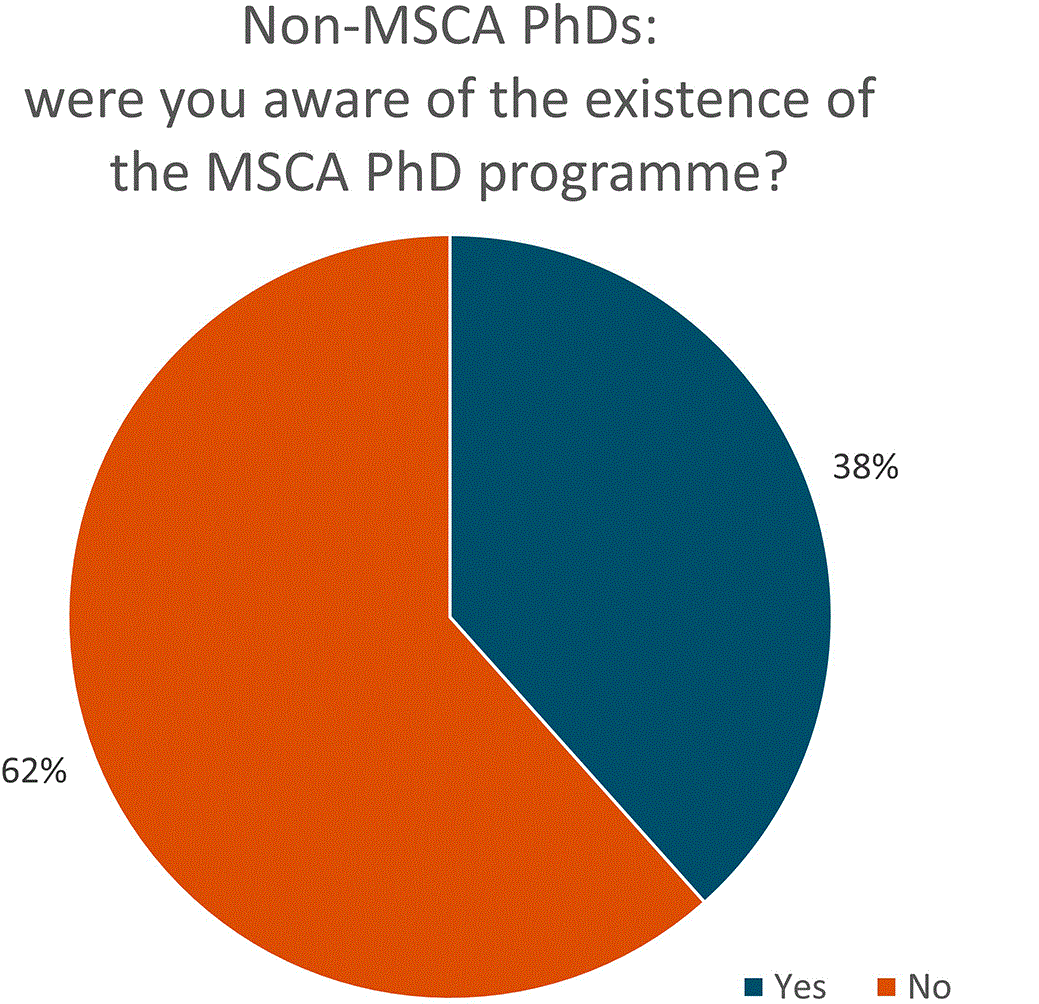
Figure 26. Lack of awareness about the MSCA ITN/DN.
A closer look into the geographic data on awareness about the ITN and DN indicates that, on average, over half of the non-MSCA participants across Europe are not well aware about the programme (see “adjusted percentage” in
Table 6).xv The non-MSCA participants who are less aware about the DN are mostly based in Denmark, France, Germany, the Netherlands, Poland, Spain, the UK etc. (
Table 6). For some countries, however, no generalisable comments could be made due to low sample size. These countries include Austria, Bulgaria, Croatia, Cyprus, Hungary, Lithuania, Luxembourg, Malta, Romania, and Slovakia (
Table 6).
Table 5. MSCA participants reporting salary too low to meet costs of living (by country) (source: survey).
| Percentage of MSCA participants (supervisors and fellows) who think the salary of MSCA fellows is not sufficient to meet the costs of living (by country) (source: survey) |
|---|
| Country | Raw percentage* | Adjusted percentage** |
Number of MSCA respondents |
|---|
| Norway | 27.3% | 23.5% | 77 |
| Switzerland | 23.6% | 21.7% | 123 |
| Bulgaria | 75.0% | 21.0% | 4*** |
| Turkey | 44.4% | 20.9% | 9*** |
| Portugal | 20.9% | 19.4% | 110 |
| Germany | 19.5% | 19.2% | 560 |
| Croatia | 30.8% | 18.9% | 13*** |
| Slovenia | 24.0% | 18.4% | 25*** |
| Netherlands | 18.1% | 17.8% | 337 |
| Ireland | 18.7% | 17.5% | 91 |
| Slovakia | 21.4% | 16.2% | 14*** |
| Iceland | 50.0% | 16.1% | 2*** |
| Sweden | 16.3% | 15.9% | 166 |
| Belgium | 16.0% | 15.8% | 256 |
| Luxembourg | 22.2% | 15.8% | 9*** |
| United States of America | 33.3% | 15.6% | 3*** |
| Estonia | 14.3% | 14.0% | 14*** |
| Serbia | 14.3% | 13.9% | 7*** |
| Finland | 13.8% | 13.8% | 94 |
| Latvia | 12.5% | 13.5% | 8*** |
| Israel | 13.0% | 13.5% | 23*** |
| Romania | 13.0% | 13.5% | 23*** |
| Poland | 11.9% | 12.7% | 42 |
| Greece | 12.0% | 12.5% | 83 |
| France | 11.0% | 11.2% | 319 |
| Italy | 10.0% | 10.2% | 480 |
| Cyprus | 4.3% | 9.7% | 23*** |
| United Kingdom | 9.1% | 9.4% | 429 |
| Spain | 8.7% | 9.0% | 425 |
| Denmark | 7.8% | 8.7% | 167 |
| Czechia | 4.0% | 7.7% | 50 |
| Austria | 4.1% | 5.8% | 146 |
Table 6. Non-MSCA participants lacking awareness about the MSCA ITN/DN (by country).
| Percentage of non-MSCA participants (supervisors and fellows) who lack awareness about the MSCA ITN/DN by country |
|---|
| Country | Raw percentage* | Adjusted percentage** |
Number of
non-MSCA respondents |
|---|
| Austria | 76.5% | 68.3% | 17*** |
| France | 66.7% | 65.0% | 66 |
| Iceland | 100.0% | 64.8% | 2*** |
| Netherlands | 67.9% | 64.4% | 28 |
| Czechia | 69.2% | 63.2% | 13*** |
| United Kingdom | 64.3% | 62.5% | 42 |
| Hungary | 100.0% | 61.6% | 1*** |
| Luxembourg | 100.0% | 61.6% | 1*** |
| Croatia | 66.7% | 60.3% | 6*** |
| Finland | 61.5% | 59.4% | 13*** |
| Poland | 60.0% | 59.0% | 20 |
| Spain | 58.9% | 58.8% | 112 |
| Germany | 59.0% | 58.7% | 61 |
| Denmark | 59.3% | 58.7% | 27 |
| Slovakia | 50.0% | 57.0% | 2*** |
| Lithuania | 33.3% | 55.5% | 3*** |
| Malta | 33.3% | 55.5% | 3*** |
| Italy | 54.9% | 55.3% | 113 |
| Ireland | 50.0% | 55.2% | 10*** |
| Norway | 50.0% | 55.2% | 10*** |
| Portugal | 52.4% | 54.9% | 21 |
| Romania | 40.0% | 54.8% | 5*** |
| Switzerland | 52.0% | 54.5% | 25 |
| Bulgaria | 20.0% | 54.3% | 5*** |
| Cyprus | 44.4% | 53.9% | 9*** |
| Greece | 36.4% | 51.6% | 11*** |
| Belgium | 44.0% | 50.5% | 25 |
| Sweden | 35.7% | 50.4% | 14*** |
The lack of awareness was highlighted in the interviews as well. For instance, as one of the current MSCA postdoctoral fellows whose PhD was not funded by the MSCA notes:
“When I was a master’s student and I was applying for the PhD programmes, I didn’t know about many grants that I now know, like those offered by the Horizon programme and the European Commission – and neither did my PI. Back then, I had very little knowledge about all the European grants available”. – MSCA PhD Fellow (Interview).
Other challenges noted by the survey and interview participants include communication issues, visa and residence permit issues, as well as paperwork and reporting.
Although administrative issues are highlighted by all participants, a vast majority of the respondents received administrative support from their institutions at least to some extent, if not to a large or very large extent (
Figure 27).
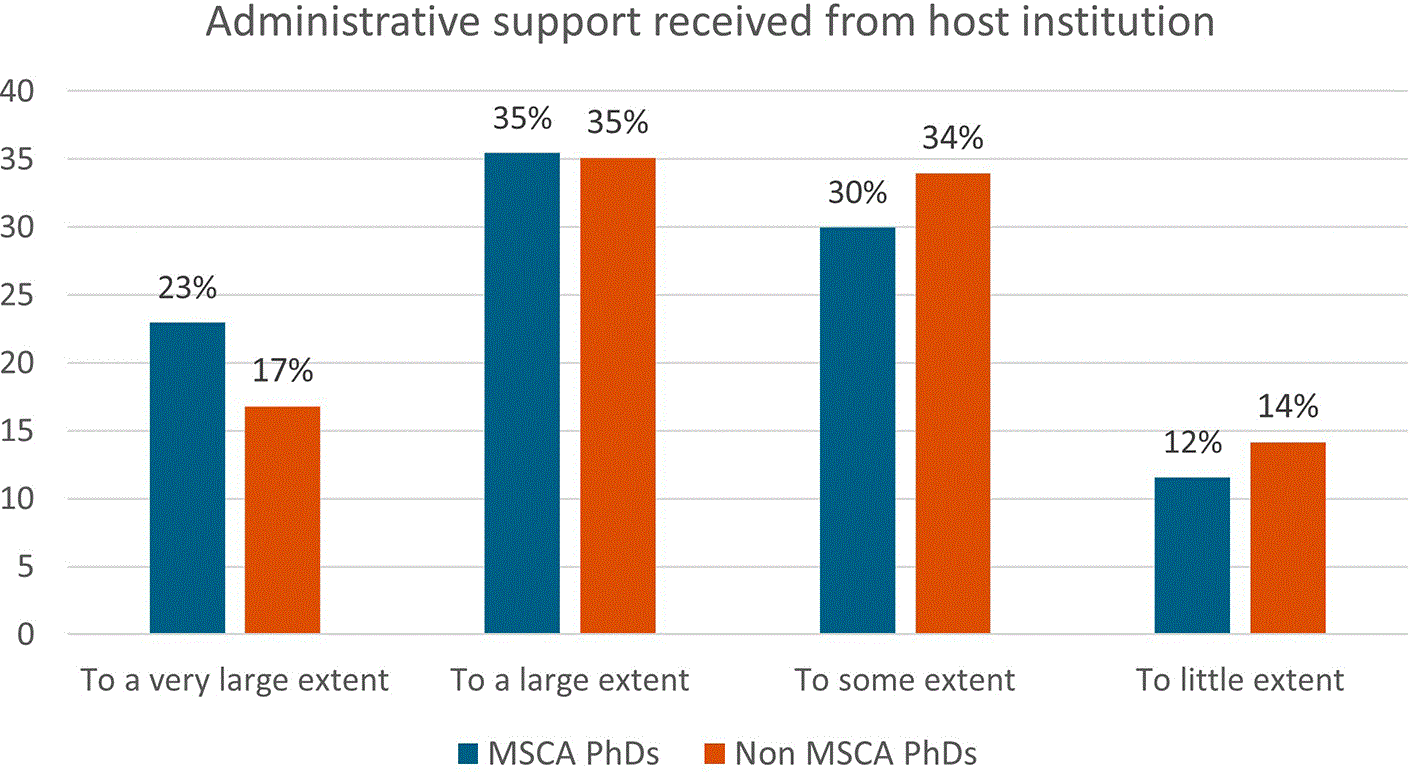
Figure 27. Administrative support received by PhD fellows from their institutions.
Communication issues may also exist as hindrances on the institutional level, elaborating on which one of the project managers commented:
“From the management side, the major difference obviously with a European doctoral network is the international aspect coming with physical distance. Which is a challenge in the communication in the network also. Challenge of building trust. So, this is something I really noticed that makes the difference between a very well-working network and one that has challenges if partners do not know well each other, and there's a lack of trust among the partners.” – Project Manager (Interview).
While this comment foregrounds the challenges of maintaining international doctoral networks, it also points to the structuring effects of networks built on mutual trust and effective communication, which can sustain and enhance future collaborations despite the challenges posed by physical distance.
5. Discussion of the Main Impacts, Added Values and Pending Challenges
“The added value of MSCA PhD funding lies in its emphasis on mobility, interdisciplinary collaboration, generous financial support, and researcher development. It provides an unparalleled platform for PhD candidates to grow not just as researchers but as future leaders in both academia and industry.” – MSCA PhD Fellow (Survey).
The findings of this study suggest that the added value of MSCA DN (refers to ITN as well in this section) lies in the way its multiple features are combined into an integrated doctoral training ecosystem. Across the survey and interviews, MSCA participation is consistently associated with stronger exposure to international, intersectoral and interdisciplinary environments, more structured supervision, higher satisfaction with transferable skills training, and better perceived working conditions than those reported by non-MSCA respondents. These patterns are broadly consistent with existing knowledge that MSCA doctoral networks offer excellent mobility, training, supervision and cross-sectoral collaboration in ways that strengthen both individual researcher development and wider institutional practices.2,14–18,20,27,28,33,35 The results of the study, therefore, indicate that the programme’s added value emerges from the interaction of its core design elements and the cross-fertilisation between their impacts.
One of the distinctive comparative edge the programme offers is the integrated triple “i” mobility feature. In line with previous knowledge identifying mobility as a defining principle of MSCA and a major contribution to the European Research Area,14 the study empirically proves that MSCA fellows and supervisors report higher levels of international, intersectoral and interdisciplinary experience than their non-MSCA counterparts. The strongest difference is observed in intersectoral exposure, which is plausibly linked to the network-based structure of the programme, the inclusion of non-academic organisations in doctoral training, and an intrinsic emphasis on secondments. The survey findings also suggest that the components of triple “i” mobility are mutually reinforcing, i.e., international mobility is associated with broader collaboration, while intersectoral and interdisciplinary exposure are associated with wider professional and intellectual adaptability. The findings, therefore, reinforce the existing knowledge that MSCA participation supports collaboration across countries and sectors, enhances industry-relevant skills, and promotes interdisciplinarity within doctoral training.9,14–18,25
The findings further indicate that triple “i” mobility may help explain some of the differences observed in career development and employability, as MSCA graduates in the sample report faster transitions into employment and substantially higher movement into the non-academic sector than non-MSCA respondents. Although these outcomes should be interpreted with caution, they are consistent with existing knowledge that MSCA experience is widely perceived as beneficial for employability and career progression, and that intersectoral exposure broadens researchers’ professional options beyond academia.2,14,15 From a policy perspective, this evidence supports a need for scaling intersectoral mobility mechanisms across European doctoral education. This would require a more effective implementation, adequate support structures, reduced administrative barriers, and sufficient resources.
The study also confirms that MSCA fellows are more likely to receive structured training in networking, teamwork, public speaking and other transferable skills systematically embedded within the DN, although such provision remains unevenly available in other frameworks of doctoral education in Europe.26,27,29 The findings, as a whole, suggest that the DN’s systematic implementation of mobility, structured training, transferable skills development and cross-sectoral experience leads to stronger early-career diversification and preparedness for varied professional environments, which is an important added value given the recent indications that many doctoral graduates pursue careers beyond academia in light of intense competition for opportunities in the job market.2,16,43
The results also reinforce the view that MSCA functions as a standard-setting instrument in European doctoral education. The survey points to quantitative evidence on more frequent use of supervisory teams, more formalised supervision arrangements, and higher satisfaction with supervision among MSCA fellows than among non-MSCA respondents. These patterns correspond with the programme’s explicit alignment with the Principles for Innovative Doctoral Training30 and the MSCA Supervision Guidelines,31 as well as with previous evidence that MSCA has promoted stronger supervision cultures and more structured doctoral environments.28,32–35 Similarly, the findings on employment contracts, social protection and salary sufficiency reflect the programme’s alignment with the European Charter for Researchers1 and to longstanding European policy efforts to improve researchers’ working conditions.1,15,24,45,46
In parallel with working conditions, the evaluation of research quality and impact within the MSCA framework has also undergone a significant transformation in recent years. The European Commission has been a pioneer in integrating the principles of the Coalition for Advancing Research Assessment (CoARA), moving away from narrow reliance on traditional publication metrics toward a more comprehensive evaluation framework that encompasses diverse research outputs including datasets, software, public engagement activities, and policy contributions.3,49,50 This transformation aligns with broader international movements, including the San Francisco Declaration on Research Assessment (DORA)51 and the Leiden Manifesto,52 which advocate for quality and openness over quantitative metrics alone. The MSCA programme increasingly recognises and values collaborative and interdisciplinary work, emphasising not only the societal and economic impact of research but also researchers’ skills, experiences, and potential for leadership and innovation. By facilitating international mobility and promoting the inclusion of underrepresented groups, the MSCA fosters a diverse and globally connected research community in keeping with CoARA’s objectives. This also contributes to an ecosystem conducive to both tangible and non-tangible innovation within a more open, inclusive and innovative European research landscape, thus reinforcing the programme’s structuring and innovative effects promoting diffusion of standards and best practices.
These conclusions must, however, be read in light of the study’s analytical limitations. Although the survey achieved exceptionally broad coverage within the MSCA population, the compared non-MSCA population is heterogeneous and was reached partly through peer circulation, which means that some non-MSCA respondents may be closer in profile to MSCA participants than the wider population of doctoral researchers and supervisors. This means that the difference perceived between MSCA and non-MSCA may in reality be wider than perceived in the study’s findings. In addition, the scope of the study did not include differences by age, gender, graduation rate, time-to-degree, or scientific output, partly because of structural differences between ITN and DN, and mainly because many DN projects are still ongoing and more will follow. Yet, the study remains deeply informative on the criteria assessed due to its mixed-methods nature, and especially the large participation in the survey, demonstrating qualitative as well as quantitative evidence supporting existing knowledge on the continued relevance and excellence of MSCA and doctoral training in Europe.
However, while recognising the added value of the MSCA ITN and DN, the pending challenges in doctoral education for Europe beyond the MSCA must also be noted. On the one hand, the finding that 83% of MSCA supervisors could not have conducted their research without MSCA funding, alongside 39% of them rating higher budget sufficiency than non-MSCA, reveals a critical gap in alternative funding landscapes that MSCA addresses. On the other hand, it also highlights the need for further enhancing funds and resources allocated for doctoral education across Europe. Along the same lines, the three-year funding duration concern, raised by MSCA fellows, Supervisors, and PIs, warrants examination within the context of optimising programme design to balance efficiency with adequate completion timeframes.
Overall, the study confirms that the MSCA DNs continue to occupy a distinctive place in the European doctoral landscape. Their added value appears to derive from the integration of triple “i” mobility, training, supervision, working conditions and network formation within a coherent programme. The study convincingly demonstrates that the network-based MSCA model of doctoral education generates an integrated doctoral experience ecosystem furthering best practices that are widely recognised as supportive of research excellence, employability and cross-sectoral openness. In that sense, the programme’s added value lies both in the opportunities it provides directly to fellows and supervisors, and in its continuing role as a benchmark for doctoral education across Europe.14,28,33,41,42
7. Conclusion
The findings of the study evidently demonstrate that the MSCA effectively advance the strategic objectives of the Horizon 2020 and Horizon Europe framework programmes by fostering research excellence, promoting researcher mobility and career development, strengthening international and intersectoral collaboration, and building a more integrated and competitive European Research Area.
These characteristics collectively position MSCA ITN and DN as exemplary research and training programmes fostering excellence and innovation ecosystems in doctoral training at the global level, while the identified challenges, particularly regarding programme visibility, funding duration and project complexity, provide clear directions for continued programme evolution and enhancement.
Targeted simplification efforts could therefore help mitigate some of the identified challenges. Future studies could be conducted on a regular basis to monitor developments over time and could benefit from using automated tools to track the researchers’ career development. Finally, reaching consensus on indicators of doctoral programme quality would support a more systematic comparison of different doctoral models and facilitate the exchange of best practices.