Background
The present method provides a standardized implementation of an established screening approach for identifying individuals with highly superior autobiographical memory (HSAM). HSAM refers to an exceptional ability to recall personal past events across extended periods of one’s life. Individuals with HSAM can access memories rapidly and reliably, often in response to internal or external cues, with calendar dates serving as particularly effective triggers for retrieving specific autobiographical events (for studies on HSAM see: Barzykowski et al., 2026; De Marco et al., 2021; Frithsen et al., 2019; LePort et al., 2012, 2017; Mazzoni et al., 2019; Patihis, 2016, Patihis et al., 2013; Parker et al., 2006; Talbot et al., 2025a, 2025b, 2024). The protocol builds on widely used event- and date-based memory assessment procedures that have been applied across multiple HSAM studies and have, over time, become a de facto standard for identifying HSAM individuals. Specifically, participants complete a structured battery of event- and date-based memory tasks adapted from established screening approaches (e.g., LePort et al., 2012, 2016; Santangelo et al., 2018; Talbot et al., 2022; for a comprehensive review see also Talbot et al., 2025a, 2025b; Wani et al., 2025).
Research on HSAM requires reliable procedures to verify whether individuals who report unusually strong autobiographical memory abilities meet objective criteria consistent with this phenomenon. In practice, this involves distinguishing between subjective claims of superior memory and demonstrable performance on structured tasks assessing recall of dated personal and public events. However, the lack of an accessible and fully specified implementation of the screening procedures used in the previous literature presents a practical challenge for researchers seeking to study HSAM. Existing approaches are often described only briefly in published reports.
The present method addresses this gap by providing a structured screening method protocol based on two key tasks: the Public Events Quiz and the Random Dates Quiz. It builds on and extends the procedure by LePort et al. (2012), which has been used in several studies investigating HSAM (e.g., Santangelo et al., 2018; Talbot et al., 2022; for a review see Talbot et al., 2025a). These tasks are designed to assess the accuracy and temporal precision of autobiographical recall by combining publicly verifiable information with personally generated responses anchored to specific calendar dates. The protocol includes clearly defined task formats, scoring procedures, and administration guidelines to support consistent implementation across research settings.
In addition, the present implementation extends previous approaches by incorporating measures of the phenomenological characteristics of memory retrieval, including confidence ratings and classifications of retrieval experience (remembering, knowing, and guessing). The protocol is also designed for self-administration in an online format, enabling efficient deployment via standard survey platforms and facilitating its use in remote or online meeting settings.
To enhance reproducibility and accessibility, the full protocol is provided in a format that can be directly implemented in commonly used online experimental platforms. This allows researchers to administer the screening procedure remotely or in laboratory settings without the need to develop materials from scratch. The structure of the tasks also enables adaptation to different cultural and temporal contexts by modifying the content of public events while preserving the overall logic of the procedure.
Researchers interested in HSAM, or in using the Public Events Quiz and Random Dates Quiz more broadly, can download the provided file and upload it directly into a supported platform (e.g., Qualtrics or Gorilla). The procedure is immediately ready for use in its current form within a Polish context. It can be adapted by modifying dates and associated events according to the desired time frame (e.g., selecting dates within a range such as 2015–2020) or cultural context (e.g., country-specific public events). The protocol is provided in both English and Polish and can be readily translated into other languages. This approach allows researchers to retain the structure of the procedure while replacing only context-specific content, eliminating the need to develop the method from scratch in every new study on HSAM. By making the screening protocol and its implementation details explicitly available, the present method provides a practical resource for identifying and studying HSAM in diverse research settings.
Method details
Overview and initialization of the procedure. The HSAM screening procedure is provided in English and Polish as supplementary material (file:
Dates__Events_Quiz_HSAM_General_MethodsX.qsf
). The file can be directly imported into Qualtrics (see instructions: https://www.qualtrics.com/support/survey-platform/survey-module/survey-tools/import-and-export-surveys/) or into Gorilla (see instructions: https://support.gorilla.sc/support/tools/questionnaire-builder-2/qsf-importer#importingyourqualtricssurvey).
In addition, a supplementary file is provided to facilitate familiarization with the procedure prior to uploading it into the selected platform. A printed PDF version of the survey is included (Qualtrics Survey Software_Printed Version.pdf
). Not all public events and corresponding dates, nor the full set of randomly generated dates used in the procedure, are provided in the supplementary materials. To preserve the integrity of the screening procedure for future use, the complete set of items is not disclosed in detail. Public availability of all stimuli could enable participants to prepare in advance, thereby compromising the validity of the assessment. Instead, representative examples and implementation guidelines are provided, allowing researchers to reproduce and adapt the procedure while maintaining its effectiveness.
General implementation and participant setup. As presented in
Figure 1, the method consists of five parts: (1) Consent block, (2) Demographic block, (3) Public Events Quiz group, (4) Ten Dates Quiz group, and (5) Control block. Each component is briefly described below. Ideally, the procedure should be administered in person, with a researcher present alongside the participant to ensure standardised instructions and to minimise the use of external aids. However, the Qualtrics implementation is fully adapted for online testing. In such cases, it is recommended that the procedure is conducted under researcher supervision, ideally via screen-sharing, with audio and video enabled (i.e., active microphone and camera), to ensure that participants complete the task independently and without external assistance.
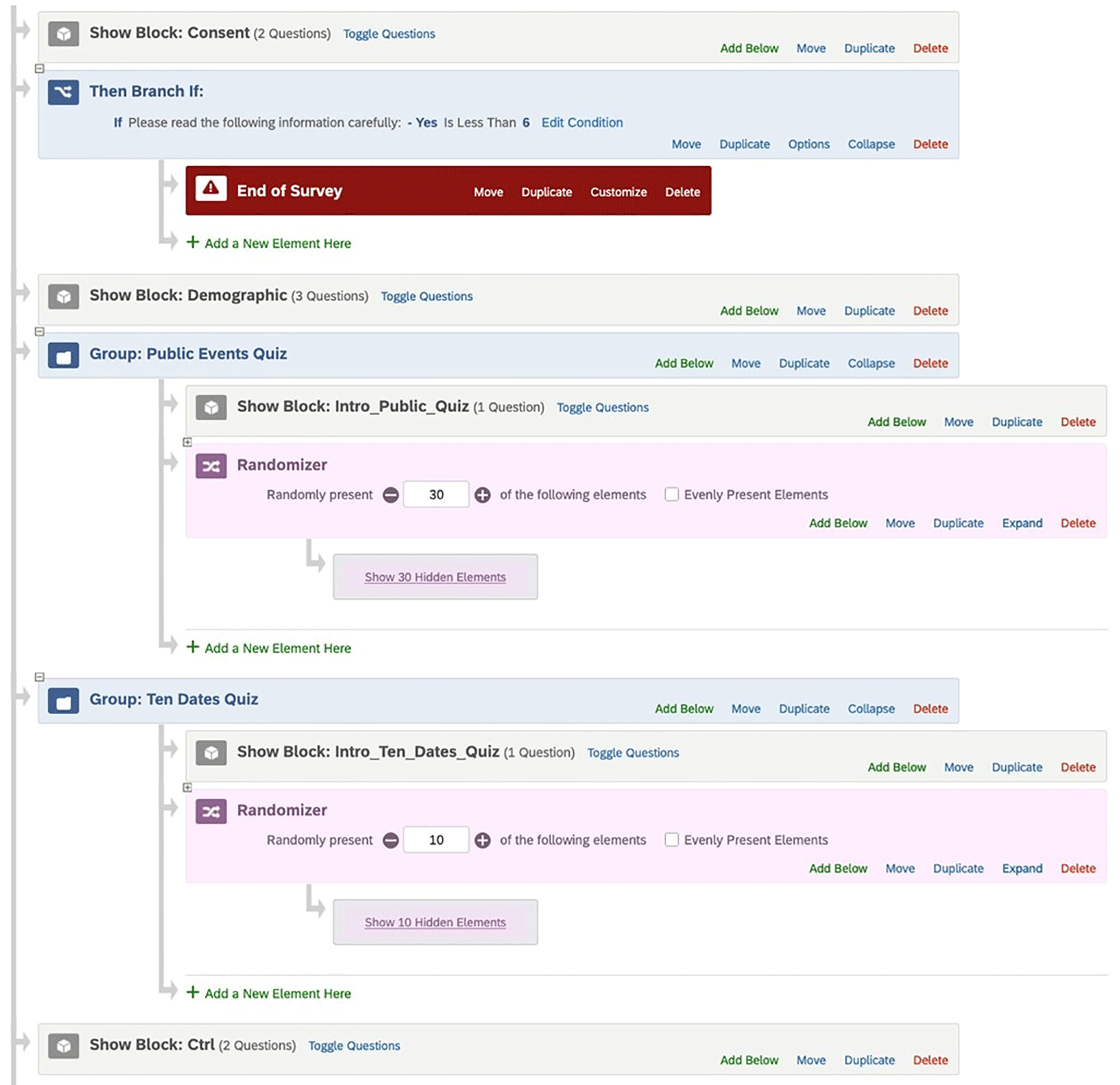
Figure 1. General overview of the flow of HSAM screening method.
The Consent block includes the Participant Information Sheet and a consent form consisting of six yes/no questions. Only participants who respond “yes” to all six questions are allowed to proceed to the next part of the procedure. Responding “no” to any of the questions terminates the procedure. For adult participants, this online consent form constituted the primary informed consent procedure. In the case of minor participants, the study procedures were first discussed during an online meeting attended by the participant and a parent/legal guardian, during which parental consent and participant assent were obtained verbally. Subsequently, both the participant and parent/legal guardian completed the online consent procedure embedded within the protocol before data collection commenced.
The Demographic block consists of three questions assessing participants’ date of birth, gender, and current well-being. Current well-being is rated on a 7-point scale ranging from 1 (extremely bad) to 7 (extremely well).
The Public Events Quiz group begins with an introductory page providing detailed task instructions. In this part, participants are informed that they will answer 30 questions concerning well-known public events. These events may relate to areas such as sport, politics, famous individuals, holidays, or widely reported negative events. All questions refer to events that occurred when the participant was at least 15 years old. The questions are presented in random order and take two forms. In the Event-to-Date format, participants are given a well-known public event and are asked to recall as precisely as possible when it occurred, including the day, month, year, and day of the week. In the Date-to-Event format, participants are given a specific calendar date and are asked to recall which significant public event happened on or around that date. Participants are instructed to answer each question as accurately and honestly as possible, relying only on their own memory. They are informed that there is no time limit and that they should not search online or use any external sources of information. If they cannot remember a particular event or detail, they are asked to indicate this explicitly (e.g., by writing “I do not remember”). Participants are also told that if they are unsure, they may provide their best estimate based on memory rather than leaving the response blank.
Both the Event-to-Date and Date-to-Event formats were constructed following a predefined temporal range. In the present implementation, the selected time window covers events occurring between June 2024 and July 2025. Within this range, specific calendar dates were selected and paired with corresponding public events. Public events were identified through a combination of sources, including major national news outlets, daily news coverage, and publicly available rankings of the most significant events for the years 2024 and 2025. Event selection was guided by relevance, recognizability, and likelihood of being encoded in autobiographical memory. This approach ensured that the selected events were widely reported and suitable for use in a standardized screening procedure.
For illustration, an example of a question in the Event-to-Date format (corresponding to the “when_event_date” parts of the protocol) is as follows:
• Participants are presented with a public event (e.g., “Aleksandra Mirosław won the Olympic gold medal in speed climbing”) and are asked to provide the full date on which it occurred. Responses are entered separately for day (1–31), month (Barzykowski et al., 2026; Daviddi et al., 2022; De Marco et al., 2021; Frithsen et al., 2019; Gibson et al., 2022; La Corte et al., 2025; LePort et al., 2012; LePort et al., 2016; LePort et al., 2017; Mazzoni et al., 2019; Patihis, 2016; Patihis et al., 2013), and year (within a predefined range, e.g., 2009–2025). Participants are also asked to indicate the day of the week.
• Following the date response, participants rate their confidence in the accuracy of their answer on a 7-point scale ranging from 1 (very low confidence) to 7 (extremely high confidence).
• Participants are then presented with a brief explanation distinguishing different subjective experiences of remembering. Specifically, they are informed that memories can be accompanied by conscious recollection of details (e.g., images or emotions) or may involve a more general sense of knowing without specific experiential content. Based on this distinction, participants are asked to classify their response as one of three options: “Remembering” (conscious recollection of specific details), “Knowing” (a sense that the information is correct without recalling specific details), or “Guessing” (no recollection or knowledge, with the response based on estimation). Participants select the option that best reflects their experience for each response.
An example of a question in the Date-to-Event format (corresponding to the “what_date_event” part of the protocol) is as follows:
• Participants are presented with a specific calendar date (e.g., December 12, 2024) and are asked to recall any public event(s) that occurred on that day.
• Participants are instructed that events may relate to domains such as sport, politics, famous individuals, holidays, or other notable occurrences (both positive and negative), and that responses should refer to publicly known events that can be verified (e.g., via online sources). They are also informed that events may be local (e.g., country-specific) or international in scope. If multiple events are recalled for the same date, participants are encouraged to report all relevant events. Participants provide their responses in an open-text format. In addition, they are asked to indicate the day of the week corresponding to the presented date (Monday–Sunday).
• Following the event recall, participants rate their confidence in the accuracy of the recalled event(s) on a 7-point scale ranging from 1 (very low confidence) to 7 (extremely high confidence). They also rate their confidence in the reported day of the week using the same scale.
• As in the Event-to-Date format, participants are then asked to classify their response according to their subjective experience of retrieval. Specifically, they indicate whether their response reflects “Remembering” (conscious recollection of specific details), “Knowing” (a sense of correctness without recalling specific details), or “Guessing” (no recollection or knowledge, with the response based on estimation).
Scoring. Responses are scored using a predefined points-based system. Each correct response element is awarded 1 point:
• In the Event-to-Date format, each item could yield up to 4 points, corresponding to correctly recalled components of the date: day, month, year, and day of the week (1 point each). In the present implementation, the maximum score for this task is 57 points. Specifically, 12 items are scored with a maximum of 4 points each (total = 48 points). For the 3 items referring to events occurring within the current year, no point is assigned for the year component, resulting in a maximum of 3 points per item (total = 9 points).
• In the Date-to-Event format, each item could yield up to 2 points: 1 point for correctly identifying a relevant public event associated with the given date and 1 point for correctly identifying the corresponding day of the week. With 15 items included in this task, the maximum possible score was 30 points. In total, the maximum possible score in the Public Events Quiz was 87 points (57 points from the Event-to-Date format and 30 points from the Date-to-Event format).
Practical note on scoring. When evaluating responses in the Date-to-Event format, it is important to consider that participants may recall public events different from those originally selected by the researcher. Therefore, each response should be carefully verified using independent sources (e.g., online search) before assigning a score of 0. Multiple valid public events may occur on the same date, and participants may retrieve events that are more personally salient or locally relevant. For example, in the present implementation, a date intended to correspond to a widely recognized national event was instead associated by a participant with a local political visit. Verification confirmed that this event did occur on the specified date, and the response was therefore scored as correct. This approach ensures that scoring reflects accurate memory performance rather than strict correspondence to a predefined event list. Finally, it should be noted that the described scoring is dependent on the selection of events and does not need to be applied identically across implementations. Researchers adapting the procedure to different cultural or temporal contexts may select alternative events, which may in turn require corresponding adjustments to the scoring system and maximum possible scores. Accordingly, the scoring procedure should be aligned with the characteristics of the selected event set rather than treated as fixed across all applications.
Random Dates Quiz. Once all 30 questions of the Public Events Quiz were completed, participants proceed to the Random Dates Quiz. This part of the procedure began with an instructional screen explaining the task. Participants are informed that they will be presented with 10 randomly selected calendar dates from their own lifetime, ranging from age 15 up to the day preceding participation. For each date, they are asked to provide three types of information: (Barzykowski et al., 2026) the day of the week corresponding to the given date, (Daviddi et al., 2022) a publicly verifiable event that occurred within approximately one month before or after that date, and (De Marco et al., 2021) a personal autobiographical memory associated with that date. Participants are instructed to respond as accurately and honestly as possible, relying solely on their memory. They are informed that there is no time limit and that they should not use any external sources (e.g., internet, calendars, or notes). If they are unable to recall a particular detail, they are asked to indicate this explicitly (e.g., by writing “I do not remember”). If unsure, they are encouraged to provide their best estimate based on memory.
In contrast to the Public Events Quiz, which is based on a predefined set of well-known events that are subsequently queried either by asking for their dates or by providing dates and requesting the corresponding events, the Random Dates Quiz does not rely on a preselected event set. Instead, participants are presented with randomly generated calendar dates, without prior verification of whether specific public events occurred on those dates. These dates can be generated using standard randomization procedures (e.g., online random date generators) within a predefined temporal range.
In the present implementation, 10 random dates were generated within a predefined temporal range (e.g., August 2024 to June 2025). For each date (e.g., 20 April 2025), participants provide responses for all three components: weekday, public event, and personal memory. Following each response, participants rate their confidence in the accuracy of the weekday and public event on a 7-point scale (1 = very low confidence, 7 = extremely high confidence). They also indicate their subjective experience of recalling the personal memory using the Remembering–Knowing–Guessing classification. Responses were scored using a predefined system.
Scoring. Each correctly identified weekday is awarded 1 point, and each correctly identified public event was awarded 1 point, based on verification against objective sources. In addition, participants are awarded 1 point for providing a personal autobiographical memory associated with the given date, regardless of its content, provided that a plausible memory has been reported. With 10 items included, the maximum possible score in this task is 30 points.
Control questions. Once all 10 dates in the Random Dates Quiz are completed, participants proceed to the final part of the procedure. In this section, participants are asked to evaluate the perceived difficulty of each task component. Specifically, they rate how difficult and challenging they found the Event-to-Date, Date-to-Event, and Random Dates tasks using a 7-point scale (1 = not difficult at all, 7 = extremely difficult). In addition, a control question is included to assess compliance with task instructions: “Did you look up any answers or information while completing this survey?” Participants are instructed to respond honestly. This control question is particularly relevant for online administration and may be omitted in in-person testing settings where participant behaviour can be directly monitored. After completing these questions, the procedure is terminated.
Customization and adaptation. The screening procedure is currently provided in both English and Polish. It can be readily translated into other languages using the built-in translation feature available in Qualtrics (see instructions: https://www.qualtrics.com/support/survey-platform/survey-module/survey-tools/translate-survey/).
The protocol is designed to allow flexible adaptation while preserving its overall structure. In the Event-to-Date format, individual items can be modified by replacing the specific public events with culturally relevant or country-specific examples (e.g., substituting events with nationally salient occurrences). In the Date-to-Event and Random Dates Quiz formats, the selected calendar dates can be adjusted to match the desired temporal range or research focus. These modifications enable researchers to tailor the content of the procedure to specific populations, cultural contexts, or time periods without altering the underlying logic, task structure, or scoring principles. Additional items or questions may also be incorporated depending on the goals of the study. In its current form, the procedure is ready for immediate use in a Polish context. At the same time, it can be easily adapted for use in other countries or research settings by modifying only the content-specific elements while maintaining the standardized framework of the protocol.
Method validation
The HSAM screening protocol presented in this paper was applied in a recent study (Barzykowski, Santangelo, Kvavilashvili, & Moulin, 2026) to assess an individual (KCL), a 16-year-old boy reporting highly superior autobiographical memory. KCL completed both core tasks of the protocol: the Public Events Quiz and the Random Dates Quiz. The use of these event- and date-based screening tasks has become well established in the HSAM literature over the past decade, with multiple studies employing similar procedures to identify individuals with highly superior autobiographical memory (e.g., Daviddi et al., 2022; Gibson, Ford, & Robinson, 2022; LePort et al., 2012, 2016; Santangelo et al., 2018, 2021; Talbot et al., 2022; for a review see Talbot et al., 2025b). The present section therefore provides data illustrating the validity of the current implementation of this established approach, as applied in the study Barzykowski, Santangelo, Kvavilashvili, & Moulin, under revision).
Control Participants and Statistical Threshold. The HSAM screening procedure relies on comparing an individual’s performance against an appropriate reference group. Therefore, the establishment of a comparison sample is an integral component of the method rather than a separate validation step. Ideally, control participants should be matched as closely as possible to the tested individual in terms of age, educational level, and cultural background, as these factors may influence familiarity with public events and autobiographical recall (see also limitation section below). In the present implementation, a comparison group was recruited to provide baseline performance against which individual scores could be standardized. Performance was evaluated using z-scores
, calculated relative to the mean and standard deviation of the comparison sample. Following established practice in HSAM research (e.g., Santangelo et al., 2018), a threshold of 3.09 standard deviations above the mean was adopted to determine whether performance meets the criterion for HSAM. This cutoff corresponds to the extreme upper tail of the distribution, such that approximately 0.1% of observations in a normally distributed population would be expected to exceed it. Importantly, the purpose of the comparison group is not to “validate” the method, but to provide a statistical reference framework that allows for the identification of exceptional autobiographical memory performance at the individual level.
On the Public Events Quiz (maximum score = 87), KCL obtained 44 points (51% correct responses). To contextualize this performance, the same procedure was administered to a comparison sample of eight individuals (3 females; Mage = 24.63, SD = 3.74), who achieved a mean score of 17.75 (SD = 6.84; mean percentage correct = 20.38%, SD = 7.85). KCL’s performance corresponded to a z-score of 3.84 relative to this sample, exceeding the predefined threshold.
On the Random Dates Quiz (maximum score = 30), KCL obtained 25 points (83% correct responses). The comparison sample achieved a mean score of 8.63 (SD = 4.27; mean percentage correct = 28.75%, SD = 14.15). KCL’s performance corresponded to a z-score of 3.83, again exceeding the predefined threshold.
To provide an age-appropriate reference point, the procedure was also administered to a matched 16-year-old participant. This additional comparison further supported the differentiation between KCL’s performance and that of individuals without reported HSAM.
In addition to the primary screening scores, responses to further measures embedded within the protocol were examined, including confidence ratings and classifications of retrieval experience (remembering, knowing, and guessing). In the Event-to-Date format, KCL’s performance was comparable to that of the comparison sample, with similar confidence ratings (KCL: M = 2.80; comparison sample: M = 2.12, SD = 0.80) and distributions of remembering, knowing, and guessing responses. Importantly, the comparison sample values represent the mean of individual participants’ mean scores, and the corresponding standard deviations reflect variability across these participant-level means. Confidence ratings reflect participants’ subjective certainty in their responses; thus, higher scores indicate greater perceived accuracy of retrieval. In the context of HSAM, elevated confidence may be expected, particularly in tasks that rely on direct and fluent access to autobiographical information.
In contrast, in the Date-to-Event format, KCL showed substantially elevated confidence ratings for both recalled events (KCL: M = 5.20; comparison sample: 1.43, SD = 0.35) and days of the week (KCL: M = 6.73; comparison sample: 1.70, SD = 0.68), alongside a markedly reduced number of guessing responses (KCL: 4; comparison sample: 12.63, SD = 2.20) and increased numbers of remembering (KCL: 8; comparison sample: 1.63, SD = 2.33) and knowing responses (KCL: 3; comparison sample: 0.75, SD = 0.89). A similar pattern was observed in the Random Dates Quiz, where KCL demonstrated elevated confidence across all components (weekday: M = 6.70 vs. 2.40, SD = 0.69; public events: M = 7.00 vs. 2.24, SD = 1.55; autobiographical memory: M = 5.80 vs. 3.20, SD = 1.29). His response profile also included fewer guessing responses (2 vs. 5.13, SD = 2.90) and a higher number of remembering responses (8 vs. 4.13, SD = 2.59), while knowing responses remained within the range observed in the comparison sample.
Across both tasks, KCL’s performance exceeded that of the comparison samples and met the predefined criterion for HSAM, indicating that the protocol can differentiate between individuals reporting HSAM and those from typical populations using standardized scoring criteria.
Limitations
A key consideration when implementing the present protocol concerns ensuring that responses reflect participants’ autobiographical memory rather than the use of external aids. Because the tasks involve recalling specific dates and events, there is a potential risk that participants may consult external sources (e.g., calendars, diaries, or online materials), particularly in remote or online settings. To minimize this risk, it is important that participants are explicitly instructed to rely solely on their memory and not to use any external assistance during the task. In addition, when the procedure is administered online, it is recommended to implement monitoring measures, such as requesting participants to keep their camera and microphone on and, where feasible, to share their screen while completing the task. These steps can help ensure that responses are generated without external support. Such procedural controls support the integrity of the data and help maintain consistency in the application of the screening protocol across different research settings.
There is no real way of objectively describing autobiographical memory as superior without an explicit reference to a comparison group, so the quality of this method rests on the quality of the comparison group. This group should necessarily be as representative and psychometrically stable as possible, and drawn from an appropriate demographical and socio-economic group. However, the fact that the establishment of HSAM occurs on a case-by-case level means that large samples, and the establishment of norms is likely to be unrealistic. As an example, the kinds of questions needed to ascertain whether an individual has HSAM are very much time-and-place specific, and may even take into consideration the interests and preferences of the person (e.g. Sports, Politics, Media, etc.).
Ethics statements
The method and the study in which it was implemented were approved by the Faculty Research Ethics Committee, Faculty of Philosophy, Jagiellonian University, Kraków, Poland (approval no. 221.0042.62_2025; approved on 9 June 2025). Informed consent was obtained online from all adult participants prior to data collection. For the minor participant included in the study, parental consent and participant assent were obtained during an online meeting and documented verbally before participation. In addition, the minor participant and parent/legal guardian completed the online informed consent procedure embedded within the screening protocol. The informed consent procedure included in the provided method can be used in future implementations of the protocol.
Declaration of generative AI and AI-assisted technologies in the manuscript preparation process
During the preparation of this work, the ChatGPT-5 was used to proofread the text and enhance its readability. After using this tool, the sentences were reviewed and the content was edited as needed by Author(s), who take full responsibility for the content of the published article.








