1. Introduction
The institutional integration of the Sustainable Development Goals (SDGs) in the university field in recent years is undeniable. Sustainability is present in the Higher education institutions (HEIs) through teaching, research, governance, and public engagement. Yet the growing visibility of the SDGs within universities does not necessarily indicate deep institutional transformation. Rather, it emphasis the necessity to understand how sustainability is being interpreted and operationalised within academic settings.
This paper examines how academics affiliated predominantly with European HEIs perceive the interest of the SDGs across university life. It draws on an original cross-sectional survey of 54 respondents and situates their perceptions within critical debates on metric governance, epistemic justice, and the politics of knowledge in higher education. The article does not intends to give a representative account of European HEIs as a whole. Instead, it offers an exploratory analysis of how sustainability is understood and institutionalised within a sustainability-engaged academic cohort, and of the tensions that emerge between formal commitment and aspiration for genuine transformation.
The paper is guided by two objectives. First, it documents patterns of SDG engagement across teaching, research, and institutional life, taking into account disciplinary backgrounds, career stages, and national affiliations, alongside the structural and epistemic barriers that respondents perceive as constraining more impactful forms of sustainability work. Second, it interprets these findings in relation to broader debates on what meaningful sustainability in higher education may require, namely in contexts informed by managerial governance and uneven recognition of diverse knowledge systems.
This study emerges from the Universities for Sustainability initiative, developed within the framework of COST Action CA21166 – Social Sciences and Humanities for Transformation and Climate Resilience (SHiFT). Operational between 2022 and 2026, SHiFT is a transdisciplinary European network concerned with pathways for societal transformation in the context of climate change, with particular attention to the role of the Social Sciences, Humanities, and Arts. Within this broader context, the Universities for Sustainability initiative was conceived as a means of reflecting on the role of HEIs in embedding sustainability, and specifically the SDGs, in their strategies, teaching, and research practices.
The article addresses four related questions: How are the SDGs understood and implemented within university contexts? What kinds of institutional and epistemic tensions do academics identify in that process? And what do these tensions suggest for the future of sustainability in higher education beyond 2030? How can universities overcome superficial integration of the SDGs and take a critical and transformative role in designing sustainable futures post-2030?
As 2030 approaches, universities’ engagement with the SDGs has grown both more prominent and more debated. HEIs are often described as centres of knowledge production, education and with an important function in preparing future generations to confront global challenges (Cortese, 2003). At the same time, despite this normative positioning, a growing body of scholarship suggests that institutional engagement with the SDGs is often uneven, selective, rhetorical and symbolic (Hassan & Ahmad, 2025; McCowan & Buckner, 2025). This tension is visible in European higher education, where universities are expected to act as agents of social transformation and increasingly governed through performance measurement, and managerial accountability. Such conditions may constrain long-term, interdisciplinary, and community-engaged forms of sustainability work that are most often presented as necessary for meaningful change (Velazquez, Munguia, and Sanchez, 2005; Leal Filho et al., 2019).
The paper proceeds as follows. Section 2 establishes the theoretical framework, developing the central tension between metric-driven SDG governance and epistemic justice. Section 3 outlines the methodology and sampling strategy. Section 4 reports the empirical findings. Section 5 discusses these findings in light of the theoretical framework, and Section 6 concludes by reflecting on the implications for sustainability in higher education after 2030.
2. Theoretical framework: sustainability between technocracy and epistemic justice
2.1 Sustainability in higher education: institutional trajectories and the SDG agenda
Since the adoption of the United Nations 2030 Agenda for Sustainable Development, the integration of sustainability into higher education has advanced markedly. Universities are increasingly recognised as important contributors to the Sustainable Development Goals (SDGs) in areas such as quality education (SDG 4), reduced inequalities (SDG 10), climate action (SDG 13), and partnerships (SDG 17) (Serafini et al., 2022). As a result, institutional strategies in higher education now frequently suggest alignment with the SDGs, and global university ranking systems have begun to incorporate sustainability-related metrics into their evaluative criteria (Galleli et al., 2022; Buckner and Zhang, 2025). In this context, higher education institutions (HEIs) are positioned not only as sites of knowledge production – they are actors expected to contribute to societal transformation.
A substantial body of scholarship has examined how sustainability becomes embedded in university settings. Early contributions framed sustainable HEIs as institutions committed to integrating environmental, social, and economic dimensions in spite of difficult conditions for successful implementation (Velazquez, Munguia, and Sanchez, 2005). Subsequent work has further underlined whole-institution approaches, highlighting governance reform, and the coordinating role of sustainability offices (Aleixo, Leal, and Azeiteiro, 2018; Leal Filho et al., 2019). Parallel research has addressed curriculum development, with particular attention to sustainability competencies, interdisciplinary learning, technological literacy and Education for Sustainable Development (Mokski et al., 2023; Figueiró, Neutzling, and Lessa, 2022; García, Kevany, and Huisingh, 2006).
This literature has made important contributions to understanding institutional change in higher education. Nevertheless, it has more often examined how universities align with sustainability agendas than questioned the epistemic and political assumptions embedded in those agendas themselves. The SDGs are frequently treated as a legitimate and broadly coherent normative framework. Thus, there has been comparatively less attention paid to how the 2030 Agenda may shape sustainability discourse through particular assumptions about measurement and knowledge.
This gap is especially relevant if universities are understood not only as implementers of sustainability frameworks, but also as sites where the meaning of sustainability is interpreted and contested. In that perspective, sustainability in higher education cannot be analysed solely as a matter of institutional alignment. It must also be situated within broader debates about technocratic governance and the recognition of diverse forms of knowledge. This includes locally situated knowledge, community-based traditions, artistic and narrative forms of expression, and intergenerational perspectives that connect responsibilities across past, present, and future (UNESCO, 2021; Hensley, 2020; Kueffer and Wiedmer, 2022; Santos, 2014; Escobar, 2018).
2.2 Metric governance and the technocratic framing of sustainability
The 2030 Agenda is organised around targets, indicators, and reporting mechanisms designed to enable comparison and accountability on a global scale. This architecture corresponds to what Hartley (2020) describes as the epistemics of policymaking in multilateral governance, whereby broad normative ambitions are translated into measurable objectives. Such a structure offers clear administrative advantages: it enables coordination across diverse national contexts and provides a shared vocabulary for assessing progress.
At the same time, the indicator-based nature of Agenda 2030 has important limitations. The translation of social and political questions into technical metrics may reduce or obscure structural inequalities, historical injustices, conflicting understandings of development, and the situated realities of actors. In this process, political disagreement can be displaced into technical problems of measurement and reporting.
Within higher education, this tendency intersects with pre-existing metric-driven governance regimes. Universities are already deeply embedded in ranking systems, performance indicators, bibliometric evaluation, and audit cultures. Mills (2022) shows how such infrastructures reproduce epistemic hierarchies by privileging forms of knowledge production associated with dominant institutions and methodologies. When sustainability is incorporated into similar evaluative architectures, it may be informed by the same epistemic logics. In that context, alignment with the SDGs risks becoming another dimension of institutional visibility and competitive positioning, rather than a site of substantive transformation.
This is also relevant from an epistemic angle. Knowledge practices that are less easily standardised or scaled, including local knowledge systems, community-based practices, artistic expression, or intergenerational forms of stewardship, may remain peripheral to institutional sustainability frameworks precisely because they fit poorly within metric-based regimes (Heras et al., 2021; Mandy Li-Ming and Watene, 2019). The result narrows not only sustainability itself, but also what is recognized as valid knowledge about it.
2.3 Coloniality, knowledge hierarchies, and the question of epistemic authority
Political economy perspectives give important context for these dynamics. World-systems analysis (Wallerstein, 2004) and dependency approaches explain how global knowledge production remains structured through unbalanced core–periphery relations. Elite institutions continue to dominate research networks and funding flows, thereby shaping the terms in which sustainability is debated and institutionalised. These perspectives help explain the unequal distribution of authority within global academia, but they do not fully capture the epistemic dimensions of that inequality.
Decolonial scholarship extends this critique by focusing on the persistence of epistemic hierarchies. Quijano’s (2000) concept of coloniality of power draws attention to the ways in which modern institutions, including universities, continue to reproduce hierarchies of knowledge that outlast formal colonial rule. From this perspective, sustainability discourse may contribute to reinforce dominant epistemic orders when it is articulated exclusively through universal development paradigms and institutional forms of validation grounded in Eurocentric assumptions (McCowan & Buckner, 2025).
This issue becomes especially visible in relation to Indigenous and other locally grounded knowledge traditions. Indigenous scholarship has shown that dominant sustainability frameworks often rest on ontological assumptions that are neither universal nor neutral. Rather than defining sustainability primarily as a balance between economic growth and environmental protection, relational ontologies underline reciprocal responsibilities within interconnected human and more-than-human worlds. Kimmerer (2013), Simpson (2017), and Whyte (2018) each, in different ways, foreground responsibility, territory, relationality, and historical dispossession as constitutive of environmental ethics. These perspectives also place intergenerational responsibility at the centre of sustainability, linking present action to ancestors and future generations.
Such perspectives do not simply question dominant sustainability frameworks with additional viewpoints. They call into question the assumption that sustainability can be universally defined within a single normative and epistemic register. If sustainability is ontologically and epistemically plural, then Agenda 2030 must be understood as one configuration among others, rather than as an unquestioned universal horizon. In this context, universities become important sites in which epistemic plurality may either be recognised or marginalised.
2.4 Epistemic justice and the university as a contested institution
The question that follows is not only whether universities adopt sustainability agendas, but under what epistemic conditions they do so. Scholarship on epistemic justice is especially useful here. Pathirannahelage (2024) argues that Education for Sustainable Development often privileges universal competencies while giving insufficient attention to colonial histories and structural inequality. Related critiques appear in Indigenous methodologies, which challenge extractive modes of research, advocate relational accountability, support community-defined knowledge, and encourage alternative criteria of validity (Smith, 2012; Wilson, 2008; Kovach, 2009).
From this perspective, sustainability education risks reproducing epistemic injustice when it remains narrowly framed by technoscientific or universalising assumptions, even when it presents itself as globally inclusive. This critique also helps explain why artistic and community-based practices matter in sustainability education: they expand not only pedagogical forms, but the range of voices and experiences that can be recognised as relevant to sustainability.
HEIs therefore occupy a contradictory position. On the one hand, they are embedded in global governance regimes informed by metric accountability and standardised frameworks. On the other hand, they retain the potential to function as spaces of critical reflection and epistemic experimentation. Within Critical University Studies, universities have been conceptualised as contested institutions influenced by competing normative projects rather than as coherent actors with a single mission (Khoo, 2023; Keet and Rafaely, 2025). Sustainability, from this perspective, is not a fixed agenda but a terrain of struggle focused on defining legitimate futures.
This framing helps to understand recent calls for universities to critically evaluate and, where necessary, reformulate the SDGs (McCowan and Buckner, 2025). Such a position does not imply abandoning Agenda 2030 altogether. It suggests that universities should question the growth assumptions embedded in sustainable development discourse, address colonial histories more explicitly in sustainability education, and create stronger conditions for recognising Indigenous, local, artistic, and intergenerational knowledge as constitutive rather than supplementary.
In this regard, pluriversality, as developed by Escobar (2018), offers a useful conceptual vocabulary, since it foregrounds the coexistence of various ontologies and possible futures. For higher education, this implies not simply adding new perspectives to existing frameworks, but reconsidering the epistemic conditions under which sustainability is defined and institutionalised.
Seen in this light, sustainability in higher education cannot be reduced to alignment with SDG indicators or participation in reporting frameworks. It is also where two epistemic orientations are negotiated: the technocratic and managerial, grounded in standardisation and measurement, and the critical, relational, and pluriversal, oriented toward epistemic justice. This distinction informs the interpretation of the survey developed in this article. The empirical analysis does not attempt to measure epistemic justice directly. It uses respondents’ perceptions of SDG engagement, institutional support, knowledge diversity, and post-2030 reform to explore some of the epistemic tensions that shape how sustainability is understood and enacted in higher education.
3. Methods
3.1 Research design
This study employed a cross-sectional online survey to explore how sustainability and the Sustainable Development Goals (SDGs) are perceived and institutionalised within higher education contexts (Rollo et al. 2026). The study focused on respondents’ reported perceptions of SDG-related engagement across teaching, research, governance, and outreach, with attention to variation across disciplinary backgrounds, career stages, gender, national affiliations, and institutional roles.
The survey instrument combined closed-ended and open-ended questions. Closed-ended items were used to capture patterns of familiarity with the SDGs, perceptions of institutional sustainability strategies, support for interdisciplinarity, curricular and research integration, measurement and impact, views on social-ecological justice, and orientations toward sustainability beyond 2030. A smaller number of open-ended questions was included to capture more reflective and interpretive responses that could not be reduced to predefined categories.
The questionnaire was previously revised based on the experience accumulated in earlier work carried out by the research team, as well as the relevant literature on the topic under analysis. Additionally, before the final administration of the questionnaire, a pre-test/pilot study was conducted with a small group of participants in order to assess the clarity of the questions, the appropriateness of the language used, and the estimated response time. This process allowed for the introduction of minor formal adjustments to the final instrument.
The questionnaire was likewise constructed grounded on the theoretical concerns developed in Section 2. In addition to items relating to institutional engagement with SDG frameworks, it included questions addressing knowledge diversity, social-ecological justice, and the recognition of alternative knowledge systems, which are dimensions often marginal within more standardised approaches to SDG monitoring. To enhance comparability with existing scholarship, the questionnaire drew selectively on established frameworks in sustainability and higher education, including UNESCO’s work on Education for Sustainable Development (UNESCO, 2017), the Sustainable Development Solutions Network guidance on universities and the SDGs (SDSN, 2020), and prior studies on sustainability integration in higher education (e.g., McCowan, 2019; Leal Filho et al., 2019). At the same time, the inclusion of items related to epistemic plurality and justice was informed by critical and decolonial scholarship, particularly work concerned with the politics of knowledge and inclusion in sustainability debates.
Given the exploratory purpose of the study, the survey was not designed to produce a complete review of institutional performance, but rather to generate a structured picture of how respondents understood and assessed the place of sustainability and the SDGs in higher education.
3.2 Sampling and participants
The survey targeted academics and researchers engaged, directly or indirectly, with sustainability-related work in higher education. Recruitment was conducted primarily through international research networks, especially COST Actions, with a strong representation from the SHiFT Action, and was supplemented by institutional and academic contacts.
A total of 54 valid responses were collected. The sample is predominantly European, with respondents affiliated with institutions in several countries and with a concentration in Portugal. Most respondents are affiliated with universities or research institutions, many have more than ten years of teaching and/or research experience, and the sample includes participants from a broad range of disciplinary areas, most prominently the social sciences, humanities, and natural sciences.
The sample is non-probabilistic and network-based. It is therefore not intended to be statistically representative of European HEIs or of academic staff more generally. Instead, it offers an exploratory dataset reflecting the perceptions of a sustainability-engaged and internationally connected group of respondents. This profile is analytically useful for mapping institutional tensions and interpretive patterns, but it also requires caution in any broader generalisation.
3.3 Data collection and analysis
Data were collected through an online questionnaire distributed during a defined collection period. Participation was entirely voluntary, and no financial incentives were offered. Informed consent was obtained from all participants prior to their participation in the survey. Participants were provided with an information statement explaining the objectives of the study, the voluntary nature of participation, the anonymous treatment of responses, and the intended use of the data. Consent was obtained electronically through the survey platform before respondents were able to proceed to the questionnaire. No directly identifying personal information was collected beyond broad demographic and professional variables.
The analysis combined descriptive and qualitative approaches. Descriptive statistics were used to summarise frequencies and percentages across survey items. Using the Tableau software, cross-tabulations were employed to explore patterns across selected variables, including disciplinary background, age, gender, experience, institutional affiliation, and orientations toward the SDGs. These comparisons were used in an exploratory manner to find tendencies, recurring frequently to visualisations, not to support inferential claims. Given the size and composition of the sample, the analysis privileges analytical interpretation and pattern identification over formal statistical inference.
Responses to open-ended questions were analyzed thematically with the support of MaxQDA and MaxQDA Tailwind. The qualitative material was used primarily to identify recurring themes, tensions, and interpretive framings related to SDG adoption, interdisciplinarity, epistemic inclusion, and post-2030 orientations. The main themes that were progressively adopted throughout the analytical process were systematically verified against the responses and fine-tuned in accordance with the research objectives. Claude (Anthropic, Opus 4.6) was used as a language-editing support, given that English is not our native language. The tool was used to make more fluid the quality of the text, improving grammar and overall readability, and not to generate original scientific content and analyses. This process was reviewed and critically assessed.
3.4 Ethical considerations
Formal ethical approval was not required for this study under the institutional guidelines applicable to the participating researchers’ institutions. The research consisted of an anonymous online survey involving adult academics and researchers and focused exclusively on their professional perspectives regarding sustainability and the Sustainable Development Goals (SDGs) in higher education. The study did not involve vulnerable populations, the collection of sensitive personal data, experimental interventions, clinical procedures, or any foreseeable physical, psychological, social, or professional risks. The research was conducted in accordance with recognised ethical standards for social science research. Participation was entirely voluntary and based on informed consent. Before accessing the questionnaire, participants were informed about the objectives of the study, the voluntary nature of participation, the intended use of the data for research purposes, and the measures adopted to ensure confidentiality and anonymity. No directly identifying personal information was collected, and all data were analysed and reported exclusively in aggregated form to safeguard participants’ privacy and confidentiality. Given the non-invasive nature of the study and the absence of sensitive personal data, the research was considered to present minimal risk to participants.
3.5 Limitations
This study has several limitations. First, the network-based recruitment strategy over-represents academics already involved in international sustainability-related collaborations, which likely increases levels of SDG familiarity, critical engagement, and institutional awareness relative to broader academic populations. Second, the sample is predominantly European and includes a concentration of respondents from Portugal, which limits the geographical scope of the findings. Third, the modest sample size restricts the interpretive value of some subgroup comparisons, in cases where national or disciplinary categories contain only a small number of respondents. Fourth, because the study relies on self-reported perceptions, it does not offer a systematic appraisal of SDG implementation at the institutional level. Finally, the cross-sectional design captures views at a single moment in time and does not allow assessment of institutional change over time.
These limitations do not invalidate the study’s contribution, but they do define its scope. The findings should therefore be read as exploratory and indicative, giving an indication of how a sustainability-engaged academic cohort perceives the tensions and epistemic implications of SDG-related agendas in higher education.
4. Results
4.1 Respondent profile
Before turning to the analytical discussion, it is necessary to outline the main characteristics of the respondent cohort in order to contextualise the empirical findings (Rollo et al. 2026).
The respondent pool is strongly European in profile and includes a broad range of national affiliations (
Figure 1). Portuguese nationals constitute the largest group (18 respondents; 34%), followed by participants from Turkey (6), Albania (4), and Greece (3), mirroring the country distribution within the SHiFT network. Additional respondents are affiliated with institutions in Spain, Austria, Belgium, Bosnia and Herzegovina, Croatia, Estonia, Finland, France, Germany, Ireland, Italy, Lithuania, North Macedonia, Moldova, Serbia, the United Kingdom, as well as Brazil and India. Notably, 22% of participants are currently based in Lisbon.
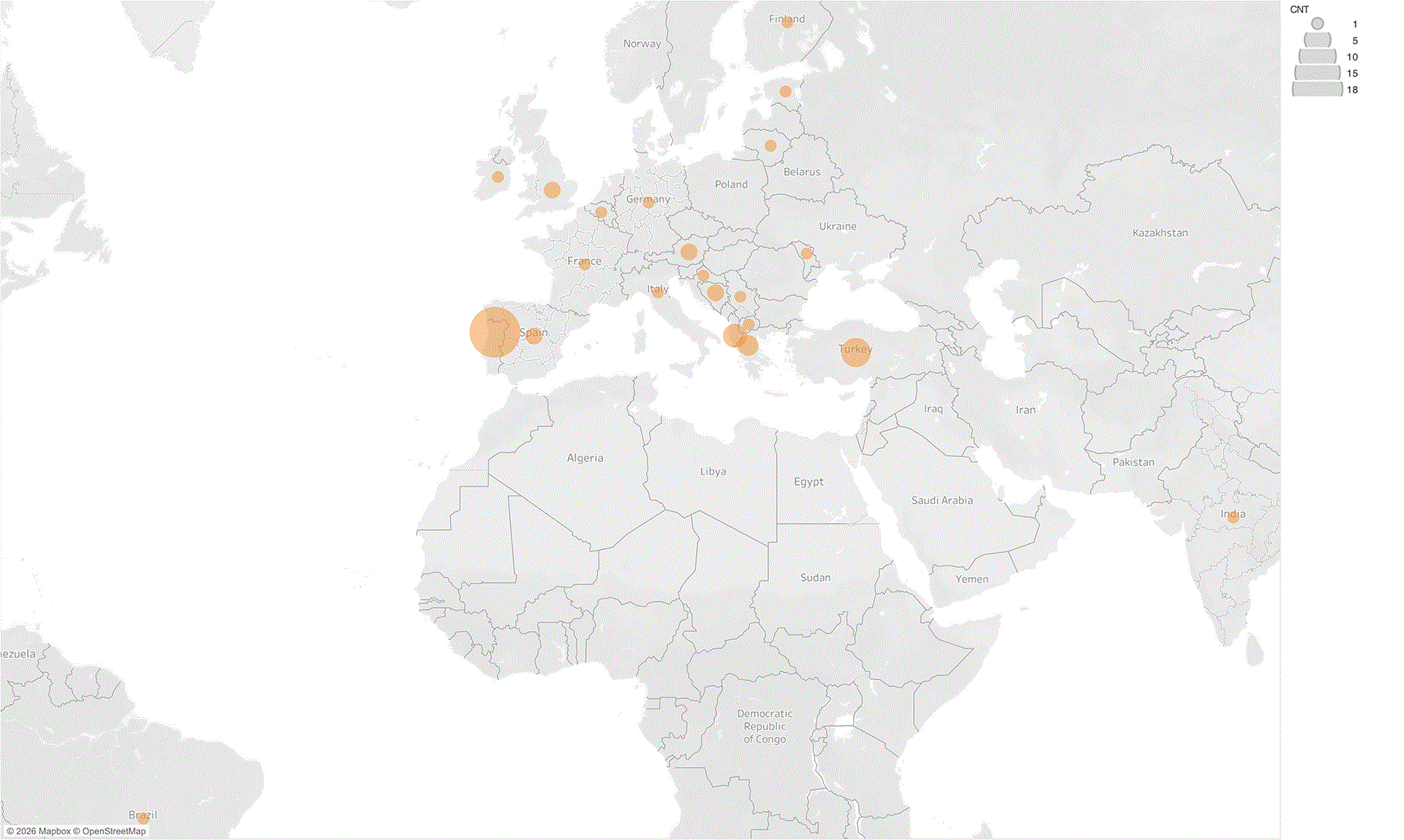
Figure 1. Number respondents/countries.
Gender distribution is relatively balanced, though slightly skewed toward women: 59% identify as female (32 respondents) and 39% as male (21 respondents), reflecting the overall composition of the network.
The respondents’ ages span from approximately 22 to 72 years. Most participants are concentrated in the 40–55 age range, with the highest frequency observed in the early fifties. Smaller groups are represented in the mid-twenties to early thirties, and only a few respondents are aged over 60 (
Figure 2).
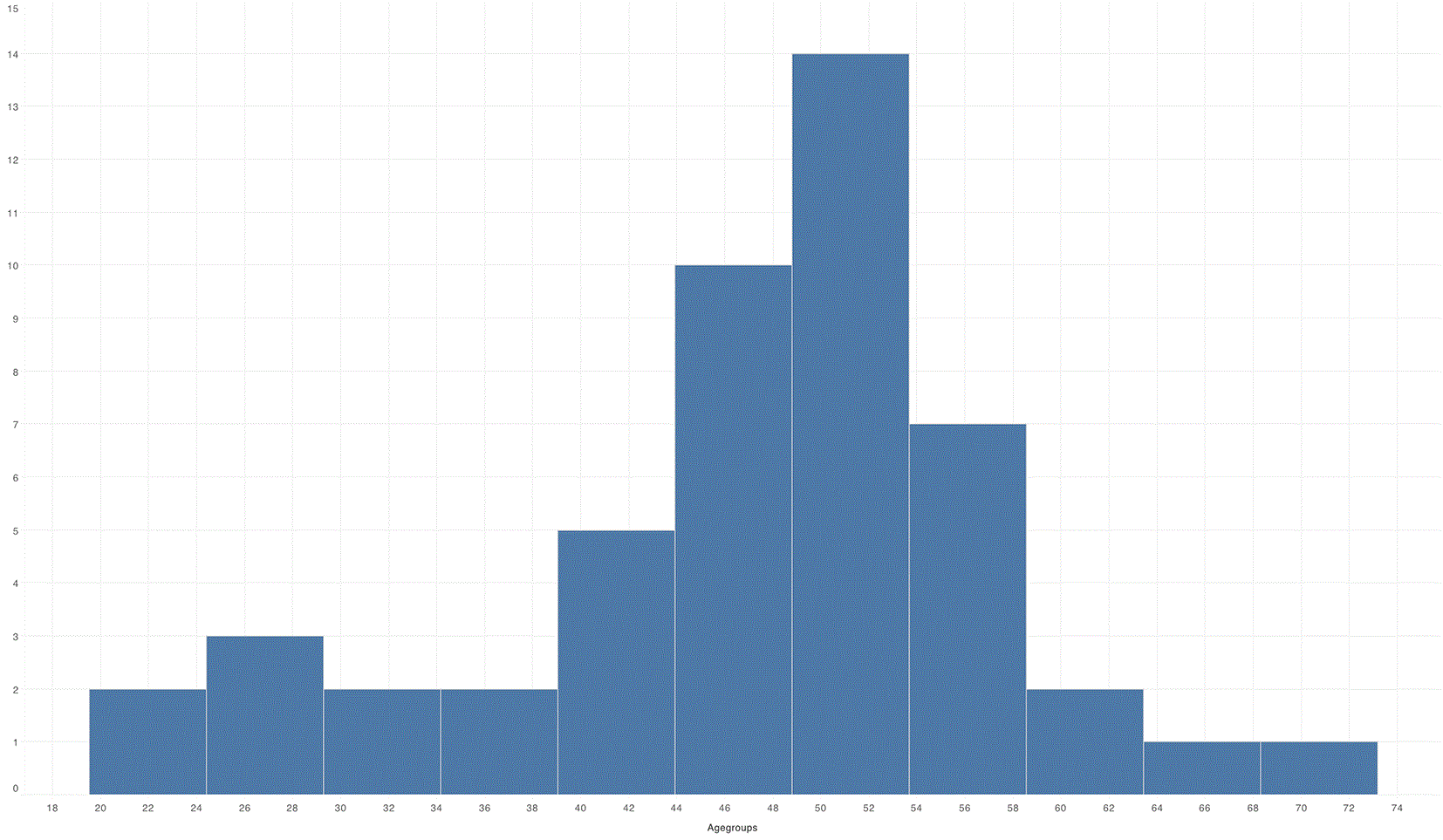
Figure 2. Number respondents/Age groups.
Levels of formal qualification among respondents are high. Most respondents (38; 72%) hold a doctoral degree, and a further 7 (13%) possess a master’s degree. Disciplinary backgrounds are predominantly in the social sciences (22; 41%), the humanities (15; 28%), and the natural sciences (10; 19%), with smaller representations from other fields.
Institutionally, 78% of respondents (42) are affiliated with universities or other HEIs, and the majority serve as academic staff (70%). While a minority are not currently affiliated with an HEI, they were retained in the sample because of their engagement with higher education through previous academic roles, collaborative research, or work at the interface of academia and policy. Most participants (63%) report more than ten years of teaching and/or research experience, indicating a professionally established cohort.
In terms of religious and spiritual self-identification, respondents are evenly divided between those who describe themselves as neither religious nor spiritual (29.17%) and those who describe themselves as spiritual (29.17%). Smaller shares identify as both religious and spiritual (18.75%), religious only (6.25%), or prefer not to disclose (16.67%).
A substantial share of the sample are members of COST Actions (70%), primarily SHiFT, and 65% serve as Working Group members, indicating strong engagement in transnational research networks. Motivations for integrating the SDGs into their work include personal alignment with sustainability goals (41), social relevance and impact (33), ethical responsibility (26), and contribution to interdisciplinary approaches (21).
4.2 Disciplinary framings of sustainability: environmental dominance and conceptual pluralism
The distribution of responses shows distinct disciplinary approaches to the conceptualisation of sustainability, alongside some notable cross-cutting tendencies (Rollo et al. 2026). Among the 54 respondents, 43 (80%) report that they are familiar or very familiar with the SDGs. Across disciplinary backgrounds, sustainability is most frequently understood through an environmental lens. This tendency is especially visible among respondents from the social sciences and humanities, each contributing 10 responses within the environmental category, while natural sciences respondents follow closely with 8.
Disciplinary background appears to shape the scope of sustainability conceptions articulated by respondents. The social sciences, which form the largest subgroup, also display the widest range of framings. In addition to a strong environmental orientation, respondents in this area contribute to cultural, economic, social, spiritual, integrated socio-ecological, and transdisciplinary conceptions of sustainability. They are also the only group with a visible concentration of explicitly social framings (3 responses), suggesting a wider sensitivity to institutions and values.
Humanities respondents likewise privilege environmental interpretations, but with a more limited set of secondary framings. Smaller frequencies appear in economic and political/governance framings, alongside a single response in the social category. Compared with the social sciences, humanities engagement appears conceptually broader than the natural sciences, but less diversified overall.
Natural sciences respondents show the strongest concentration in environmental framings, with only isolated responses in cultural and economic categories. This suggests a more domain-specific interpretation of sustainability, with more limited extension into socio-political or integrative perspectives.
Smaller disciplinary groups, including arts, architecture, hybrid fields, and technical or technological areas, are weakly represented and should therefore be interpreted with caution. Their responses tend to be associated with political/governance, environmental, social-environmental, or technological/scientific framings, suggesting practice-based and case-specific interpretations rather than stable disciplinary trends.
Taken together, the findings indicate that genuinely integrated socio-ecological and transdisciplinary approaches are comparatively uncommon. Where they do appear, they are concentrated primarily in the social sciences. Thus, the multidisciplinary composition of the respondent cohort does not automatically translate into transdisciplinary conceptions of sustainability. In this sample, disciplinary diversity coexists with a continued predominance of environmental framings and a more limited adoption of broader integrative models.
In parallel, 50 respondents agree or partially agree that the SDGs shape their institution’s scientific and pedagogical priorities, while 45 report that their own teaching and research incorporate the SDGs to a moderate, large, or full extent.
Responses to the open-ended questions reinforce the view that sustainability challenges require interdisciplinary approaches. Participants describe the SDGs as addressing “complex social, environmental, and economic challenges” that cannot be adequately addressed from within isolated disciplinary frameworks. They underline the complementary strengths of different fields: natural sciences are associated with environmental data and technological solutions; social sciences with governance, inequality, and behaviour; and arts and humanities with ethical reflection, historical consciousness, and cultural transformation. As one respondent put it, “The Natural Sciences, Social Sciences and Arts and Humanities must work together.”
Several respondents also extend interdisciplinarity beyond the academic field, linking effective SDG engagement to collaboration with local communities and policymakers. The open-ended responses also reveal an important epistemic tension. Some respondents argue for the inclusion of Indigenous and local knowledge systems as equal partners in sustainability research, calling on universities to “create institutional spaces that value multiple knowledge systems.” Others stress the risk of relativism and defend methodological standards such as falsifiability, peer review, and replicability as essential to an inquiry based on evidence. Within this sample, support for interdisciplinarity therefore coexists with disagreement about the epistemic terms on which knowledge diversity should be recognised.
4.3 SDG familiarity across career stages and academic experience
The age profile of respondents highlights the mid-career orientation of the sample (Rollo et al. 2026). Although participants cover a broad range, from approximately 22 to 72 years old, the largest concentrations are in the 40–49 and 50–59 age groups.
Within this demographic profile, familiarity with the SDGs is concentrated in the upper response categories (
Figure 3). Across age groups, the most frequent responses are “familiar” and “very familiar,” with the latter especially prominent among respondents aged approximately 40–55. The intermediate category, “somewhat familiar,” appears less often and is concentrated mainly in the 45–55 range. Lower familiarity levels, such as “slightly familiar” and “not at all familiar”, are rare and dispersed across the age spectrum.
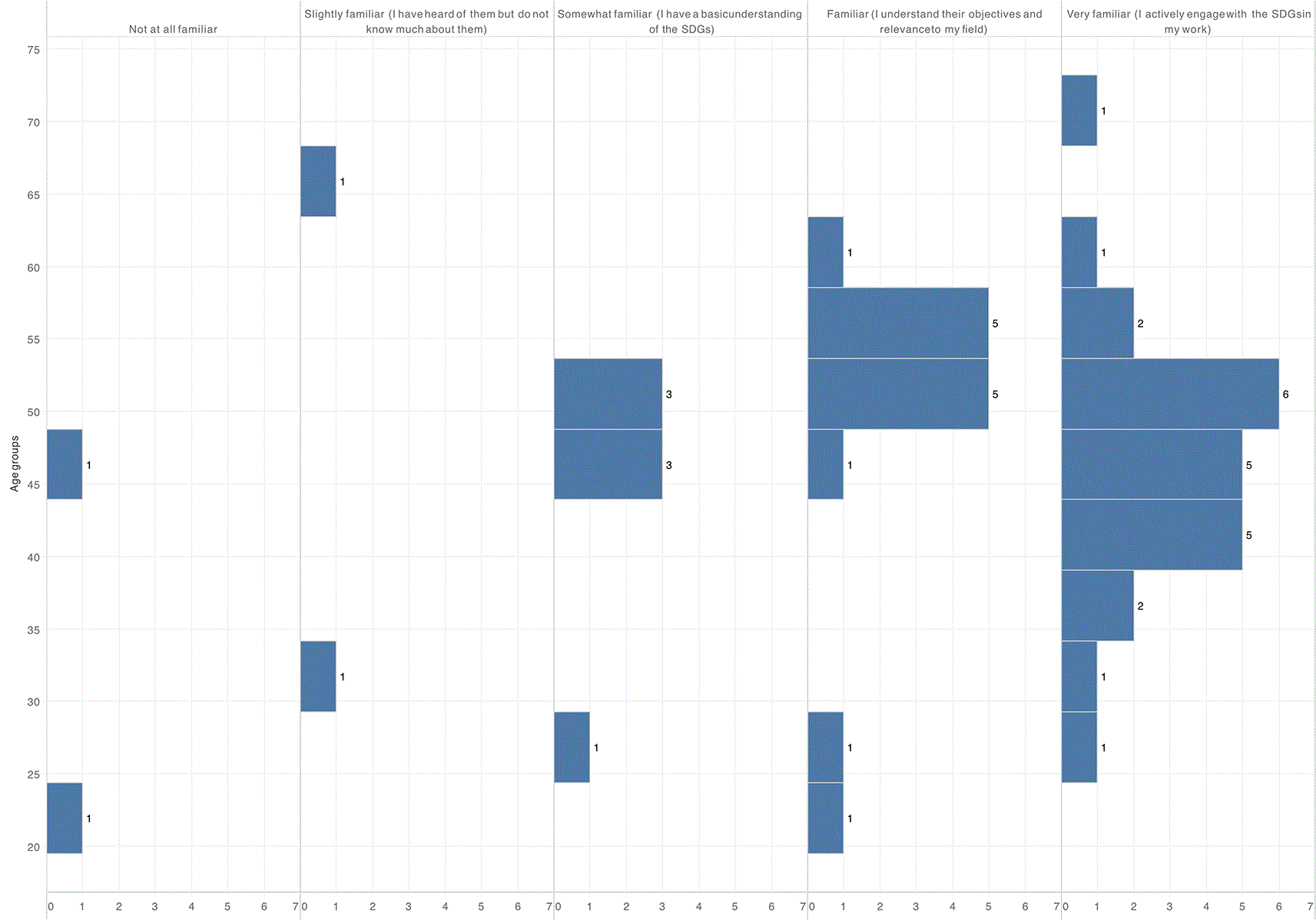
Figure 3. Age groups and familiarity with SDGs.
Years of teaching and/or research experience show a similar pattern (
Table 1). Among respondents with very limited experience, familiarity levels are mixed, indicating uneven early-career exposure to the SDGs. Familiarity becomes more consistent among respondents with 2–5 years of experience, and the strongest concentration of high familiarity is observed among those with 5–10 years of experience. The largest cohort, those with more than ten years of experience, also shows high familiarity overall, although with greater internal variation.
Table 1. Length of teaching and research experience/familiarity with SDGs.
| Familiar (I understand their objectives and relevance to my field) | Not at all familiar | Slightly familiar (I have heard of them but do not know much about them) | Somewhat familiar (I have a basic understanding of the SDGs) | Very familiar (I actively engage with the SDGs in my work) |
|---|
| 1–2 years | | 1 | | | 1 |
| 2–5 years | 1 | | 1 | | 3 |
| 5–10 years | 1 | | | | 6 |
| Less than a year | 2 | 1 | | 1 | 2 |
| More than 10 years | 11 | | 1 | 6 | 16 |
Overall, academic experience appears to be associated with SDG familiarity, with mid-career respondents revealing the most consistent and highest levels of engagement. Early-career respondents show more uneven awareness, while more senior academics demonstrate broad recognition but variable degrees of active engagement.
The cross-tabulation of age and career stage with SDG familiarity is analytically relevant because these variables capture complementary dimensions of academic positioning: age reflects generational exposure to sustainability discourse, while experience reflects accumulated engagement through research and teaching. In this exploratory dataset, both variables appear positively associated with familiarity, although the modest sample size does not permit inferential claims.
A related exploratory pattern relates to views on the post-2030 Agenda. No systematic association is observed between willingness to reformulate the SDGs and either age or academic experience. Support for revision is broadly distributed across career stages, although respondents in the 45–54 cohort show the most visible secondary openness to replacement.
4.4 Institutional SDG integration: national patterns and structural gaps
When asked whether their university had established SDG priorities, 32 respondents answered yes, 11 answered no, and 11 indicated uncertainty (Rollo et al. 2026). This distribution suggests that SDG-related institutional strategies are visible in many contexts, but to varying degrees. Reported institutional priorities focus most strongly on SDG 13 (Climate Action) and SDG 4 (Quality Education), followed by SDG 11 (Sustainable Cities and Communities), SDG 10 (Gender Equality), SDG 12 (Responsible Consumption and Production), and SDG 3 (Good Health and Well-being).
Responses concerning institutional sustainability initiatives also point to uneven implementation and visibility. 24 respondents report that their institutions have established sustainability strategies, while 14 indicate the absence of such policies and 16 are unsure whether they exist. Only 16 respondents confirm that their institutions regularly measure and publish environmental impact data, whereas 35 report the presence of sustainability awareness campaigns. This suggests that awareness-raising efforts may be more widespread than systematic measurement and public reporting.
Clear institutional policies aimed at integrating the SDGs into teaching and research are reported by 22 respondents. 17 note that their institutions participate in external sustainability rankings. Incentives to promote SDG-related research and teaching appear unevenly distributed. The most frequently cited mechanisms are collaborative networks and partnerships (31 responses), followed by training and capacity-building programmes (20), research funding (19), and the integration of SDGs into research assessment criteria (16). Overall, these patterns suggest that while some institutions provide structured support for SDG engagement, ample and consistent incentives remains limited.
The sample’s Europe-centred composition, and especially the concentration of Portuguese respondents, should be taken into account when interpreting country-level patterns. Across national contexts, responses suggest that SDGs are present in many institutions, but with marked variation in depth and visibility. Some respondents report full or significant integration into teaching and research, while others describe more selective, emerging, or minimal engagement.
A related question addressed perceived institutional integration of the SDGs at the organisational level. Here too, responses reveal considerable disparity. Some respondents perceive clear institutional integration, others report the opposite, and many indicate uncertainty. Uncertainty appears in several national contexts, suggesting that SDG-related strategies may be unequally communicated or insufficiently visible within institutions.
Curricular integration follows a similar pattern. Sustainability appears to be present in many contexts, but more often at course level than embedded systematically across programmes. Some respondents report programme-wide integration, others identify sustainability only within specific courses or modules, while a smaller number report no curricular integration or uncertainty. These findings suggest that sustainability is more commonly introduced through individual course initiatives than through coordinated programme reform, and that awareness of curricular strategies remains variable.
Across the sample, the SDGs most frequently cited in respondents’ own academic work are, in descending order, SDG 13 (Climate Action), SDG 4 (Quality Education), SDG 11 (Sustainable Cities and Communities), SDG 10 (Gender Equality), and SDG 12 (Responsible Consumption and Production).
Again, the open-ended responses provide further context for these patterns. Universities are consistently framed as key actors in sustainability because of their capacity to produce knowledge, educate future generations, innovate and influence public debate. Respondents describe HEIs as “knowledge hubs and innovation centers” and “the link between society, work (economy) and knowledge,” underlining their intermediary role between knowledge production and practice.
This role is frequently articulated in normative terms. Several respondents stress that universities are expected not only to generate evidence, but also to drive societal transformation. At the same time, the scope of that role remain a matter of debate. Some underline that universities should contribute primarily through rigorous research rather than overt activism, reflecting a tension between civic engagement and academic neutrality.
The open-ended responses also point to constraints in the institutional endorsement of the SDGs. Respondents mention top-down adoption, limited academic ownership, disciplinary fragmentation, uneven awareness, lack of training, and the tendency to treat sustainability as an “add-on” rather than a central mission. Yet the responses are not predominantly pessimistic. They also identify possible pathways for institutional change, including stronger curricular integration, more interdisciplinary collaboration, closer community partnerships, project-based learning, and more active links between universities and policy processes.
4.5 Spiritual and religious identity and engagement with sustainability activism
The analysis of participation in sustainability-related activism by religious and spiritual self-identification reveals some variation in reported engagement, although these patterns should be interpreted cautiously given the small size of several subgroups (Rollo et al. 2026).
Most respondents report some degree of involvement in activism or related activities. “Yes, occasionally” (19) and “Yes, regularly” (17) are the most frequent categories, and 16 respondents indicate that they are interested in participating but are not currently active. Only two report neither participation nor interest.
Respondents who describe themselves as spiritual constitute the largest subgroup and show relatively high engagement. Those reporting neither a religious or a spiritual identification also display considerable participation. The group identifying as both religious and spiritual shows one of the strongest participation profiles, while the religious-only group, although very small, is also comparatively active. Respondents who prefer not to disclose their identity show more moderate engagement but also include several interested-but-inactive participants.
Participation is visible across all groups, namely with strong engagement among those who identify as spiritual and those who identify as both religious and spiritual. The relatively large number of interested-but-inactive respondents suggests latent potential for increased participation if suitable institutional or organisational opportunities were available.
4.6 Curricular integration and institutional support for interdisciplinarity
The survey data reveal a curricular background marked by partial, rather not comprehensive, reform (Rollo et al. 2026). Sustainability is reported as integrated across various programmes in 24 institutions, while in a further 20 it appears only within specific programmes. This seems to indicate that, within the sample, course-level reform remains more common than programme-wide integration. A similar pattern emerges related to dedicated sustainability-focused courses, offered in 28 institutions. The majority of these are elective, allowing students to opt into sustainability-related learning according to individual interest, whereas only 13 institutions report mandatory provision. This distribution points to varied institutional strategies, in which the logic of voluntary engagement prevails over that of compulsory adoption.
Against this imbalanced curricular backdrop, interdisciplinarity is widely acknowledged as central to addressing sustainability challenges, and most respondents perceive that their universities encourage interdisciplinary research. The degree of certainty and perceived intensity of support, however, vary across scientific areas (
Table 2). Affirmative responses are pronounced in the social and natural sciences, while in the humanities support is accompanied by greater uncertainty, suggesting that institutional encouragement may be less consistently embedded. Smaller disciplinary groups display more heterogeneous patterns, though limited respondent numbers preclude broader interpretation. Support for interdisciplinarity, then, is widely affirmed but variably perceived across disciplinary settings.
Table 2. Scientific area/Universities incentives for interdisciplinarity.
| I don’t know | No | Yes |
|---|
| Agricultural science and political science | | | 1 |
| Architecture (stem+arts) | | | 1 |
| Arts | 1 | | 1 |
| Chemistry and Philosophy | | 1 | |
| Design | | | 1 |
| Humanities (e.g., philosophy, history, languages) | 5 | 1 | 9 |
| Natural sciences (e.g., biology, environmental sciences) | | 1 | 9 |
| Social sciences (e.g., sociology, economics, political science) | 1 | 1 | 20 |
| Technical/Technological sciences (e.g., engineering, IT) | | | 1 |
The open-ended responses help to refine this partial reform picture. Many respondents criticise what they see as the superficial institutionalisation of sustainability, describing SDG adoption as “badge wearing” or a branding tool linked to rankings and funding. One respondent notes that SDGs were imposed “as boxes that they have to tick in order to apply for funding,” while another observes that institutional discourse embraces sustainability even when “most of the curricula do not integrate this reflection.”
This critique is directed at both governance structures and pedagogical practice. While universities often promote sustainability rhetorically, respondents point to uneven awareness among staff and students and limited curricular depth. The result, in their view, is a disjunction between institutional discourse and academic practice. Several participants therefore call for a shift from declarative commitment to more reflexive engagement. Rather than presenting the SDGs as fixed normative frameworks, teaching should encourage students to “analyse, question, and contextualise” them in relation to empirical realities and lived experience. In this sense, sustainability is framed as a curricular topic, a catalyst for reflecting on disciplinary fragmentation, interrogate the pedagogical practice, and an opportunity to rethink the institutional cultures of higher education.
4.7 Gender, perceived SDG effectiveness, and gaps in socio-ecological justice
A large majority of respondents (42) contend that HEIs should critically assess and reshape the SDGs, and 45 argue that the civic mission of universities should include the promotion of open science and knowledge-sharing as part of sustainability strategies. Only 37% consider that current SDG engagement actively promotes critical reflection, while 35% perceive a mixed pattern of critique and uncritical adoption (Rollo et al. 2026).
The principal challenges identified include lack of funding for SDG-related initiatives (27), bureaucratic constraints and administrative complexity (23), competing academic priorities and workload pressures (23), and limited integration of SDGs into research evaluation and teaching frameworks (23). While 43 respondents report that their university encourages interdisciplinary research, only 17 perceive strong and visible leadership on sustainability.
Respondents also point to several priorities for making HEIs more impactful in advancing the SDGs, including increased funding for interdisciplinary research (36), stronger community engagement and partnerships (28), more structural integration of SDGs into curricula and research (25), and the development of new impact metrics aligned with sustainability goals (25). Education that fosters critical thinking and activism is also emphasised (37), alongside interdisciplinary research (32) and the development of new paradigms beyond traditional growth models (27).
When asked whether all sustainability and social dimensions are adequately covered, most respondents across genders indicate that some dimensions are not sufficiently addressed. A substantial minority also express uncertainty. Only a minority in both gender categories consider that all relevant dimensions are satisfactorily covered. These responses suggest a shared perception that current frameworks remain partial and incomplete.
Gender-disaggregated responses reveal both common issues and some differences in emphasis. Across genders, respondents more frequently recognise gaps related to structural justice, power relations, and inclusion than strictly environmental dimensions. Among women, the most frequently identified gaps are related to economic justice and redistribution, global governance and power imbalances, intergenerational justice, Indigenous knowledge systems and rights, and cultural diversity and social inclusion. Among men, the most frequently cited gaps include global governance and power imbalances, decoloniality and post-colonial perspectives, cultural diversity and recognition of worldviews, and intergenerational justice. Across the sample, common priority gaps therefore include power asymmetries, intergenerational justice, compound knowledge systems, and economic redistribution.
Perceptions of SDG effectiveness are generally in most cases positive but moderate. Among both women and men, the most frequent responses are “moderately effective” and “effective,” while “very effective” is rare and outright scepticism remains limited. No major gender-based divergence is visible in this regard. Thus, it can be argued that respondents tend to see the SDGs as useful but not seminal instruments, associated more with incremental than systemic change.
4.8 Knowledge pluralism, epistemic inclusion, and the limits of representation
Critical perspectives on SDG implementation are closely related to concerns about epistemic justice and the limited integration of diverse knowledge systems. Respondents frequently claim that current SDG frameworks tend to privilege dominant paradigms while insufficiently recognising Indigenous, local, and other historically marginalised ways of knowing (Rollo et al. 2026). Proposals to reshape the Goals are, thus, articulated as a matter of institutional reform and as a broader demand for epistemic inclusion, encompassing alternative conceptions of sustainability and knowledge traditions excluded in academic and policy settings.
This concern reappears in respondents’ assessments of how diverse knowledge systems are integrated within their own disciplinary contexts. Most respondents, across scientific areas, consider current approaches inadequate, but many are uncertain. Social scientists are the most critical, whereas natural scientists appear more evenly divided and humanities respondents express considerable hesitation. Smaller disciplinary fields show mixed patterns that their limited numbers do not support further interpretation. The predominance of negative responses, coupled with the visibility of uncertainty, suggests not only dissatisfaction with the epistemic scope of SDG implementation but also the limited visibility of institutional practice in this domain.
A similar pattern appears across national affiliations. Some respondents recognise inclusive practices, but a larger number recognise insufficient integration of diverse knowledge systems or express uncertainty about whether such integration exists.
The findings suggest that many respondents perceive epistemic inclusion as an underdeveloped dimension of current SDG engagement. At the same time, the prevalence of uncertainty indicates that the issue is also related to institutional communication and visibility.
4.9 Institutional priorities, impact assessment, and structural barriers
When asked about institutional priorities, respondents most frequently identify environmental and climate justice (24%), followed by open science and knowledge democratisation (20%), support for vulnerable or marginalised communities (20%), and the development of sustainable public policies (19%) (Rollo et al. 2026).
Perceived effectiveness remains moderate. 18 respondents (33%) indicate that the SDGs contribute somewhat to transformation in academic practices and public policies, and a further 18 (33%) regard them as effective tools. Only 6 (11%) describe them as highly effective. A plurality (23; 43%) argue that the SDGs tend to adapt to existing institutional logics rather than driving structural change.
Responses by institutional type indicate broad support for multidimensional approaches to measuring the impact of SDG-related research and teaching. Among respondents affiliated with HEIs, the most frequently selected forms of assessment are student engagement and SDG-related learning outcomes (27), tangible outcomes such as policy change and community impact (26), public reporting of SDG-related findings (23), and collaborations with external stakeholders (22). SDG-specific impact metrics or indices are selected less frequently (17), suggesting some caution about purely standardised forms of evaluation.
Among respondents affiliated with research centres, think tanks, public institutions, and private organisations, responses are more varied and the small number of cases within each subgroup allow only tentative conclusions. Even so, the overall pattern suggests a preference for mixed and context-sensitive forms of evaluation that combine educational, institutional, societal and political dimensions.
The open-ended responses show several structural barriers to consequential implementation. The most frequently cited obstacle is the lack of dedicated funding and incentives. Respondents note that when SDG engagement is not aligned with career progression and grant systems, sustainability work remains marginal and dependent on individual initiative. Managerial governance models are also seen as constraining interdisciplinary as well as community-based work. Universities are described as operating under logics that prioritise productivity, competition, measurable outputs, and short-term goals, thus contributing to the perceived tension between sustainability commitments and market-oriented models of higher education.
4.10 Research networks and openness to post-2030 governance reform
Involvement in research networks, such as COST Actions, appears associated in this sample with greater openness to more substantial change in the 2030 Agenda (Rollo et al. 2026). Although support for revision remains strong across the dataset, differences emerge between respondents who participate in research networks and those who do not.
Among respondents engaged in research networks, revision remains common, but support for replacement is more visible, and uncertainty somewhat less pronounced. Among non-networked respondents, the dominant position is to revise or update the existing framework. Uncertainty is also relatively prominent, while only a small number support retaining the Agenda unchanged or replacing it altogether.
Across both groups, support for maintaining the Agenda unchanged remains limited. The principal difference lies in the degree of change respondents consider desirable: those outside research networks tend to favour incremental revision, whereas those embedded in transnational networks show greater openness to systemic reform. In this exploratory and small sample, participation in international research networks therefore appears associated with a somewhat more critical stance toward the future of global sustainability governance.
4.11 Intergenerational perspectives and post-2030 orientations
Most respondents (43) agree that universities are well placed to foster intergenerational responsibility in sustainability and should do more to involve younger and future generations in SDG-related initiatives (Rollo et al. 2026). The strategies most frequently identified for increasing student awareness and engagement are interdisciplinary projects with direct social impact (42), greater inclusion of the SDGs in curricula (32), and more events and discussions on sustainability (27). Recognition of student volunteering and activism through academic credits is supported by 30 respondents. When asked which scientific fields have the greatest potential for advancing sustainability in the future, respondents most frequently select interdisciplinary approaches (20), followed by the social sciences (16).
Responses by age suggest broad cross-generational support for revising and updating the 2030 Agenda rather than replacing entirely (
Figure 4). Among younger respondents, uncertainty is somewhat more visible, suggesting more limited engagement with post-2030 debates at earlier career stages. Among mid-career respondents, support for revision becomes more consistent, while the 45–54 cohort shows the clearest secondary openness to replacement. Among respondents aged 55 and above, revision remains the dominant position, with limited support for replacement and very little support for keeping the Agenda unchanged.
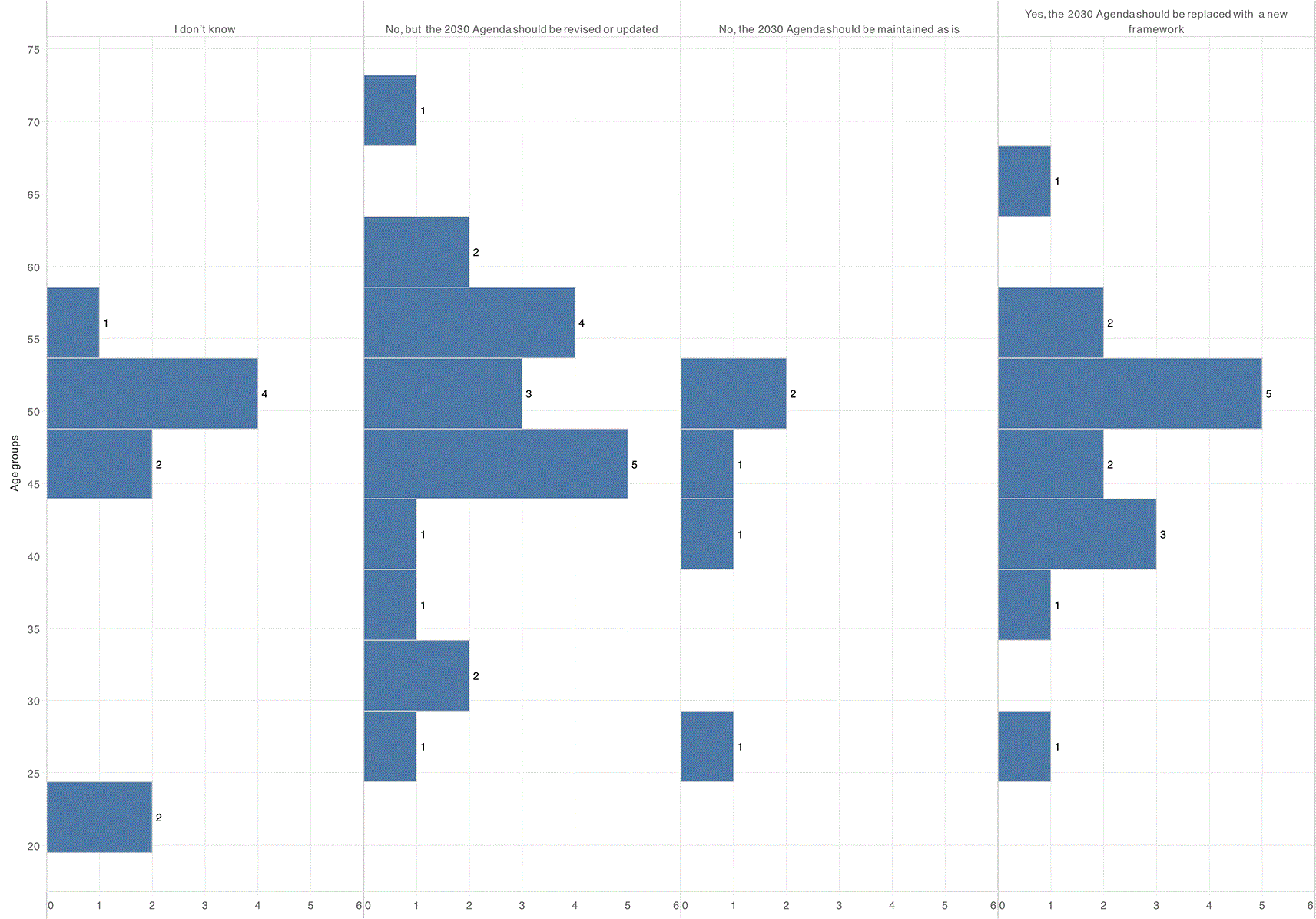
Figure 4. Age groups/Post 2030 Agenda.
On balance, no age group expresses a clear preference for retaining the current framework unchanged, but neither does any group show a dominant preference for abandoning it entirely. Across the sample, the most common position is that the 2030 Agenda should be revised and strengthened rather than simply retained or replaced.
The open-ended responses add a more reflective temporal perspective. Many respondents doubt that all SDGs will be achieved within the current timeframe, citing geopolitical crises, economic instability, institutional inertia, and uncertainty about future frameworks beyond 2030. At the same time, the dominant view is that the SDGs should not be understood as a binary success-or-failure project, but as a work in progress that requires revision and adaptation.
Within this future-oriented framing, universities have a essential role regardless of outcomes. If the SDGs succeed, respondents expect HEIs to contribute through education and policy engagement. If they fail, universities are seen as fundamental sites for critical analysis and the development of alternative paradigms. In this sense, the SDGs appear less as a final destination than as a stimulus for institutional reflection, leading universities to reconsider their missions, objectives, governance structures, and epistemic practices in relation to sustainability.
5. Discussion
The findings reported above suggest that the central issue at stake is not simply a gap between formal commitment and practical implementation. Rather, they point to a more persistent tension between the broad rhetorical incorporation of the SDGs into university life and the more limited extent of structural change perceived by respondents. In this sample, familiarity with the SDGs is high, yet many respondents also describe their institutional uptake as adapting to existing organisational logics rather than transforming them. Read in light of Hartley’s (2020) account of metric-based policymaking, this pattern is consistent with a broader risk inherent in indicator-driven governance: once sustainability becomes a category of reporting and institutional visibility, the incentives for strategic alignment may begin to outweigh the incentives for wider transformation. The language used by respondents, including terms such as “box-ticking,” “badge wearing,” and “branding”, is especially revealing in this regard, as it captures a recurrent perception that SDG engagement may be absorbed into organisational routines of performance and reputational positioning.
The disciplinary findings add further detail to this picture. Sustainability is predominantly framed in environmental terms across the sample, but the social sciences stand out as the main locus of conceptual pluralism. They are the only disciplinary area in which sustainability is simultaneously articulated in environmental, economic, social, cultural, spiritual, and transdisciplinary terms. This breadth is analytically important because it suggests that different fields do not simply contribute distinct content to sustainability debates; they also inform the conceptual horizon within which sustainability is understood. At the same time, the limited presence of genuinely transdisciplinary framings, despite the multidisciplinary composition of the sample, is notable. It suggests that the coexistence of disciplinary diversity does not in itself produce epistemic integration. In this respect, the findings are consistent with broader arguments in the literature that interdisciplinary and transdisciplinary work depend not only on intellectual openness, but also on institutional conditions such as time, incentives, and supportive governance structures.
A related tension appears in respondents’ perceptions of institutional commitment. While a large majority report that their institutions encourage interdisciplinary research, considerable fewer perceive strong and visible leadership on sustainability. This difference can be read as indicative of a gap between broad normative endorsement and more sustained organisational commitment. The barriers identified by respondents, such as limited funding, bureaucratic fragmentation, and misalignment between sustainability work and career incentives, are consistent with earlier scholarship showing that long-term, community-based, and interdisciplinary forms of sustainability engagement often sit uneasily within managerial university structures (Velazquez, Munguia, and Sanchez, 2005; Leal Filho et al., 2019). The present findings do not establish this incompatibility in any definitive way, but they do suggest that respondents perceive sustainability work as constrained by institutional arrangements that reward short-term outputs, standardised evaluation, and competitive performance.
The gender-disaggregated results bring another angle to the discussion. Across genders, respondents converge on the view that current SDG frameworks do not adequately address several justice-related dimensions. However, the specific emphases vary. Women in this sample more frequently recognise economic justice, redistribution, and Indigenous knowledge systems and rights as insufficiently addressed, whereas men more often foreground decoloniality and global governance asymmetries. Given the exploratory nature of the dataset, these differences should not be overinterpreted. Even so, they suggest that dissatisfaction with the social and epistemic scope of the SDGs is widely shared, even if articulated through somewhat different vocabularies. In this respect, the results are broadly consistent with Pathirannahelage’s (2024) critique of Education for Sustainable Development as often insufficiently attentive to colonial histories and structural inequality.
The relationship between research-network participation and views on post-2030 reform is also suggestive. Respondents embedded in transnational research networks appear more open to replacing, rather than simply revising, the current Agenda. Those outside such networks more often favour incremental revision. Notwithstanding the sample size and the composition of the respondent pool these patterns raise an analytically interesting possibility: that sustained participation in international collaborative networks may be associated with more critical or ambitious orientations toward global sustainability governance. One possible interpretation is that such environments expose academics to more varied policy contexts, institutional arrangements, and epistemic traditions, thereby fostering stronger awareness of the limits of universal frameworks. In this sense, the findings resonate with Escobar’s (2018) argument that openness to plurality is not simply a matter of abstract theory but is also informed by the contexts in which knowledge is produced and shared.
The responses on Indigenous, local, and other marginalised knowledge systems are, without doubt, important in relation to the article’s theoretical framework. In respondents’ view, current SDG frameworks give insufficient recognition to diverse knowledge systems. This does not amount to direct evidence that universities systematically reproduce colonial epistemic hierarchies in a strong causal sense. It does, however, indicate that many respondents perceive a mismatch between the normative inclusiveness of sustainability discourse and the narrower epistemic terms on which sustainability is often operationalised in institutional settings. In this respect, the findings are consistent with decolonial and Indigenous scholarship that questions the treatment of non-dominant knowledge traditions as supplementary rather than constitutive of sustainability thinking (Quijano, 2000; Kimmerer, 2013; Smith, 2012; Wilson, 2008). What the present study can show is not that such critiques are empirically resolved, but that they resonate meaningfully with the perceptions of a sustainability-engaged academic cohort.
Some reflexive remarks are therefore necessary. This study reflects the conditions it analyses. It draws predominantly on respondents affiliated with European institutions, many of whom are already engaged in transnational sustainability-related research networks. The dataset likely over-represents familiarity with the SDGs, exposure to critical sustainability debates, and willingness to reflect on institutional limitations. For these reasons, the findings should not be generalised to European higher education as a whole.
What this study can reasonably claim is more modest, but still significant. Within a well-educated, internationally connected, and sustainability-engaged cohort, the gap between rhetorical commitment and perceived transformation remains substantial. Support for more critical or justice-oriented engagement with the SDGs is widespread, while the epistemic and institutional conditions required for such engagement appear uneven and, in many cases, fragile. Larger and more diverse studies will be needed to assess how far these patterns extend beyond the present sample. Even so, the findings suggest that debates about sustainability in higher education cannot be reduced to implementation alone. They also bring into play more fundamental issues about institutional form, epistemic legitimacy, and the kinds of knowledge that universities are willing to recognise as central to sustainable futures.
6. Conclusions
The findings of this study do not point to a simple failure of SDG implementation in higher education. Instead, they suggest a more persistent tension between the widespread rhetorical incorporation of the SDGs and the more modest structural transformation respondents felt had taken place. Within this sustainability-engaged academic cohort, familiarity with the SDGs is high, yet many respondents also describe their institutional uptake as adapting to existing organisational logics more than altering them. In this sense, the study suggests that the challenge is not only one of implementation, but also one of institutional orientation. Sustainability may have become part of the vocabulary of higher education without necessarily reshaping the governance arrangements, evaluative frameworks, and epistemic assumptions through which universities operate.
This is the principal analytical contribution of the article. Read in relation to the theoretical framework developed above, the findings are consistent with the view that the institutional adoption of the SDGs may be constrained by managerial forms of governance that privilege visibility, measurement, and strategic alignment over longer-term, community-engaged, and epistemically plural forms of sustainability work. The data do not demonstrate this in a definitive causal sense, nor do they support generalisation to European higher education as a whole. They do, however, indicate that, for this internationally connected and sustainability-engaged group of respondents, the distance between commitment and transformation is experienced as significant.
The findings on interdisciplinarity reinforce this point in a specific way. Respondents widely endorse interdisciplinary approaches and recognise them as central to sustainability work, yet they also describe institutional conditions that make such approaches difficult to sustain. At the same time, the open-ended responses reveal that interdisciplinarity alone does not resolve wider epistemic tensions. In particular, the contrast between those who call for stronger recognition of Indigenous and local knowledge systems and those who underline the methodological canons of scientific inquiry suggests that sustainability in higher education is also a debate about epistemic legitimacy. In this respect, the study supports the argument that more meaningful sustainability engagement may require not only broader curricular integration, but also more explicit reflection on how universities define valid knowledge, credible expertise, and legitimate forms of inquiry.
The post-2030 responses are equally revealing. Across age groups and career stages, the most common position is neither simple continuity nor wholesale abandonment, but revision and strengthening of the existing framework. The SDGs therefore appear to retain legitimacy as a coordinating reference point, even among respondents who are critical of their current implementation. At the same time, those embedded in transnational research networks appear somewhat more open to more substantial reform or replacement. Although this pattern must be interpreted cautiously, it suggests that participation in international and collaborative research environments may be associated with stronger critical engagement with the limits of the current agenda.
The study also has clear limitations. The sample is European, network-based, and strongly composed of respondents already engaged with sustainability-related debates and initiatives. As such, it likely over-represents familiarity with the SDGs and willingness to reflect critically on their institutional uptake. The modest sample size, especially in some national and disciplinary categories, further limits the scope of comparison. For these reasons, the findings should be read as exploratory and indicative rather than representative. Broader and more diverse studies, including non-European contexts and less sustainability-engaged academic populations, will be necessary to determine how far the patterns identified here extend beyond the present cohort. Longitudinal research would also be useful in assessing whether current calls for reform translate into institutional change over time.
What this study can reasonably conclude is that the challenge of sustainability in higher education cannot be reduced to implementation alone. It also call attention to the institutional and epistemic conditions under which sustainability is defined, taught, evaluated, and legitimised. In that sense, post-2030 debates is an opportunity for universities to enhance their alignment with global sustainability frameworks, as well as to reflect more fundamentally on governance, curricula, evaluation, and knowledge production. The findings presented here suggest that such reflection is necessary if sustainability in higher education is to move beyond strategic compliance and toward more substantive forms of transformation.







