Introduction
Nature-based interventions have shifted beyond a sole focus on contact with nature toward more structured ways of supporting how participants attend to and interact with natural environments (Sheffield et al., 2022; Wood et al., 2025). Central to this shift is the concept of nature connection, understood as how individuals perceive and experience their relationship with the natural world (Tam, 2013; Martin et al., 2020). Nature connection has been linked to wellbeing, restoration and pro-environmental behaviour, and interventions have therefore increasingly incorporated guidance intended to support this relationship (Barragan-Jason et al., 2023; Martin et al., 2020).
At the same time, evidence suggests that the effects of guided nature-based approaches are heterogeneous (Sheffield et al., 2022). This may reflect variation in how participants respond to such support, including differences in prior experience, preferences and the way opportunities for interaction are structured (Pasanen et al., 2018; Sheffield et al., 2022). The effects of such interventions therefore depend as much on how the intervention is designed and delivered as on the environment itself, making them relevant to develop and evaluate within a complex intervention framework (Skivington et al., 2021; Madsen et al., 2026).
This is particularly important when developing interventions for population groups who face barriers to meaningful engagement with natural environments. People with physical impairments represent a substantial population – approximately 15% of the world’s population live with some form of disability, with mobility disabilities among the most common (WHO, 2023) – who may encounter both physical and experiential barriers to nature engagement while also experiencing broader inequalities in health and wellbeing (Bekke-Hansen et al., 2023; Corazon et al., 2019; Stigsdotter et al., 2018). There is therefore a need for approaches that can support engagement with natural environments when independent exploration is limited.
One such approach is simple guidance that directs attention to features of the surrounding environment during a nature visit (McEwan et al., 2019). The present study addresses this need through the development of a place-based audio guide designed to support structured engagement during an accessible nature visit for individuals with mobility impairments. The intervention consists of three audio-guided stops along an accessible nature route, where participants are invited to engage with the environment through sensory attention, reflective prompts and place-based nature knowledge. The audio guide was initially developed within the Move Green project and was refined through a pilot study. It was subsequently incorporated into the Horizon Europe project RESONATE, which includes a two-arm randomized controlled intervention comparing audio-guided engagement with unguided nature visits (Bekke-Hansen et al., in review; White et al., 2026).
Aim
The aim of this study was to develop and describe a place-based audio guide designed to support nature engagement.
Methods
Reporting and methodological standards
The audio guide was developed within a complex intervention framework, informed by the Medical Research Council guidance for developing and evaluating complex interventions (Skivington et al., 2021). The documentation of the development process was guided by the Guidelines for Intervention Development Studies (GUIDED) checklist (Duncan et al., 2020), and the final audio guide is described using the Template for Intervention Description and Replication (TIDieR) checklist (Hoffmann et al., 2014). Both checklists are provided in the supplementary materials. Reporting of the qualitative pilot component embedded within the development study was informed by relevant items from the Standards for Reporting Qualitative Research (SRQR) (O’Brien et al., 2014), to support transparent reporting of the qualitative design, data generation, analysis, and interpretation.
Evidence inputs
The work on developing the engagement guide followed an iterative process, drawing on the following inputs:
• Synthesis of theory and empirical evidence on engagement interventions in natural environments, nature connection, restorative environment frameworks, broader nature–health theories, and the barriers people with mobility impairments may face in accessing and engaging with natural environments.
• Feedback from a pilot study assessing the fit between the intervention setting and the audio guide, as well as the clarity, pacing and prompt-context fit of the guide.
Figure 1 illustrates the development process of the guide included in this paper.
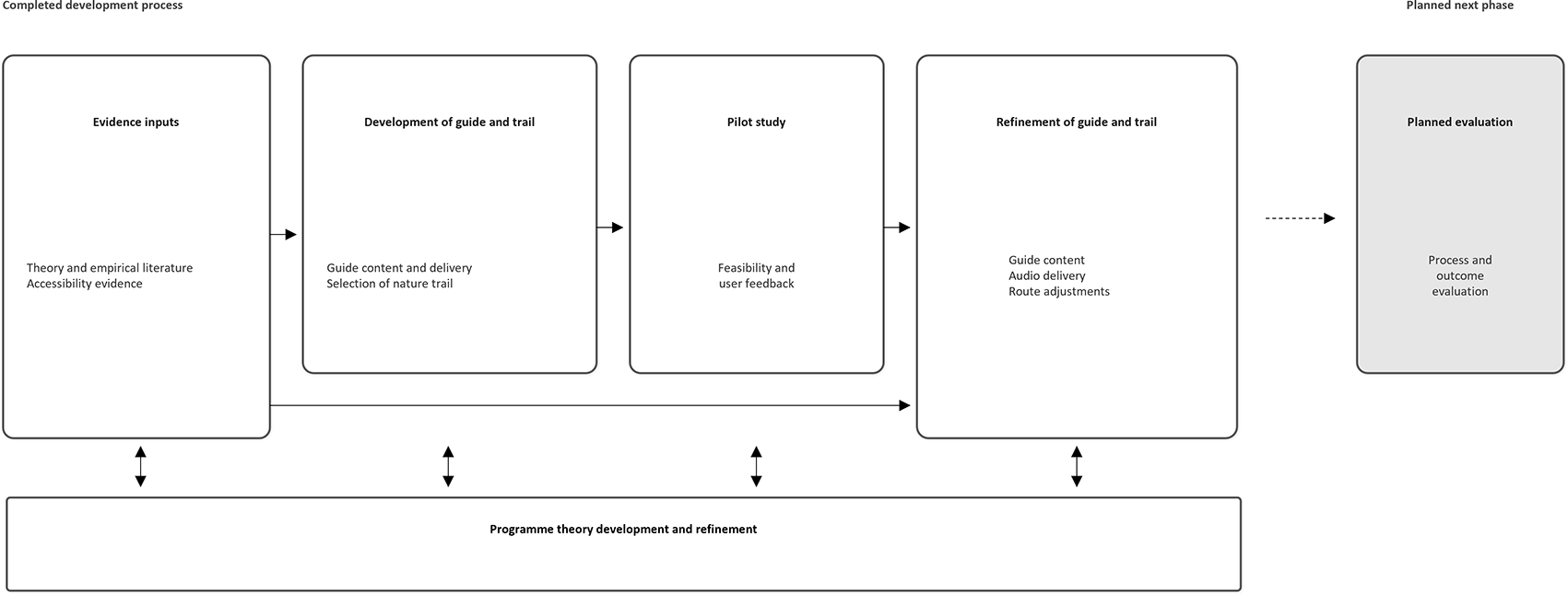
Figure 1. Overview of the iterative development process of the place-based audio guide.
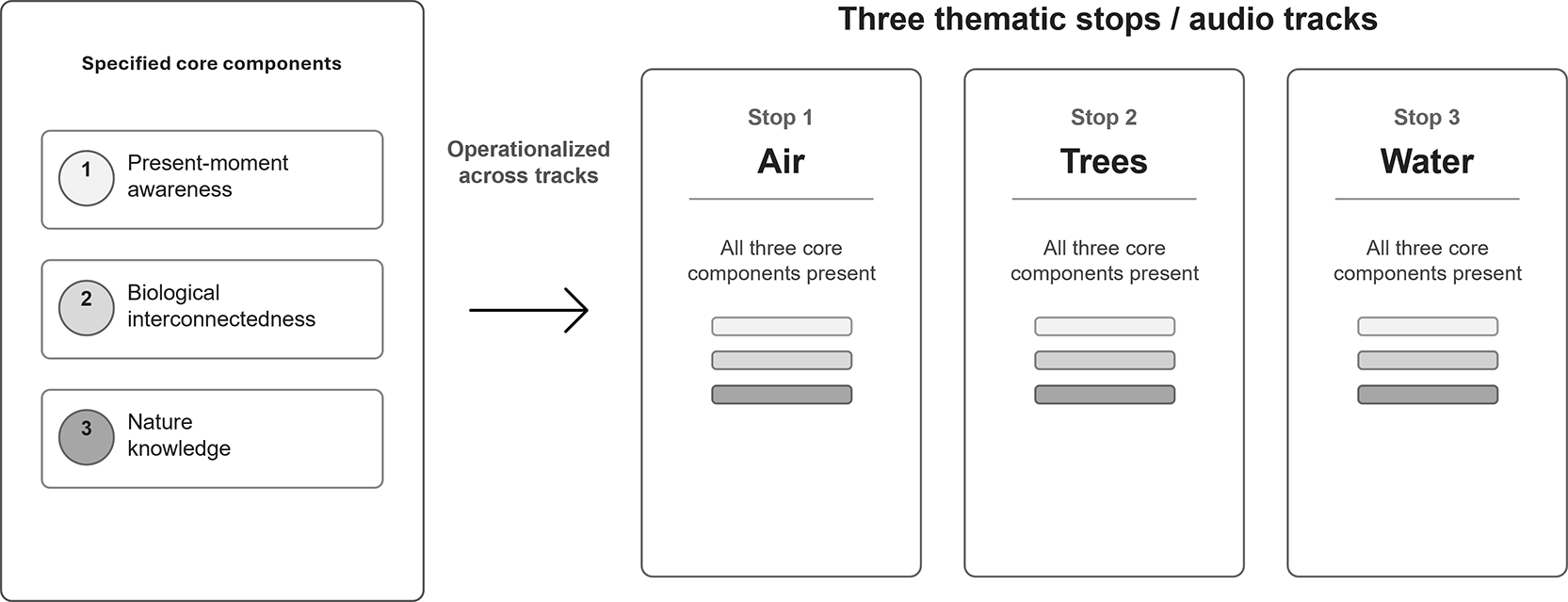
Figure 2. From core components to thematic stops.
The three core components were first specified, then operationalized across three stop-specific audio tracks.
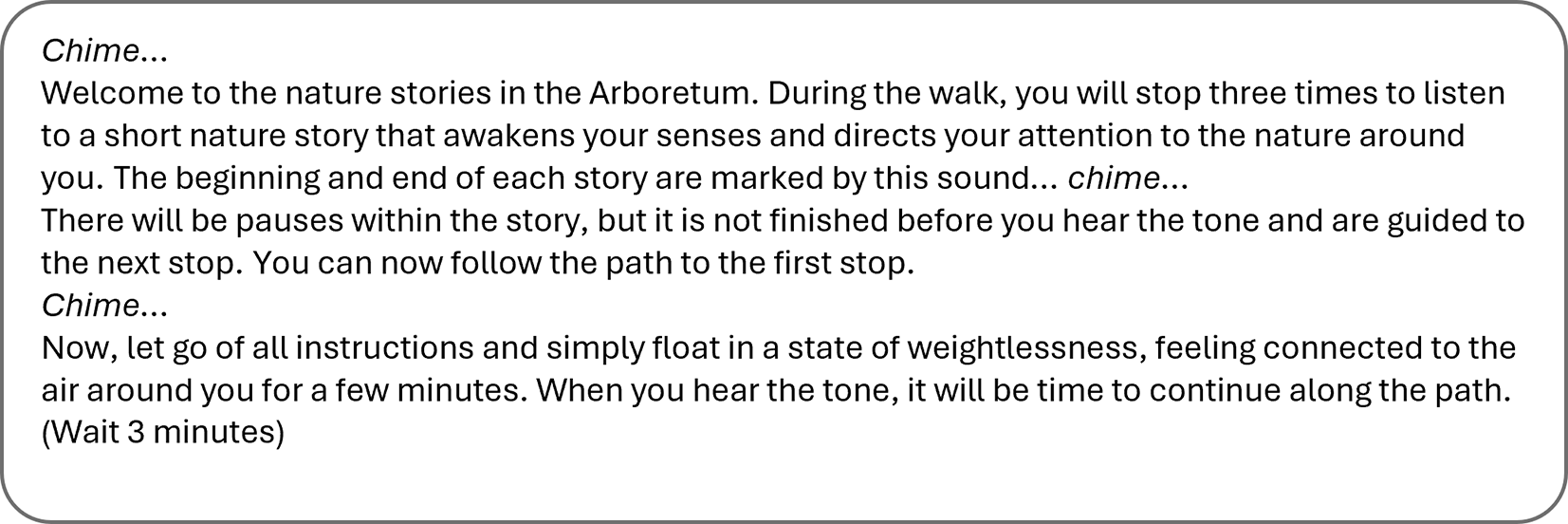
Figure 3. Manuscript for the introduction.
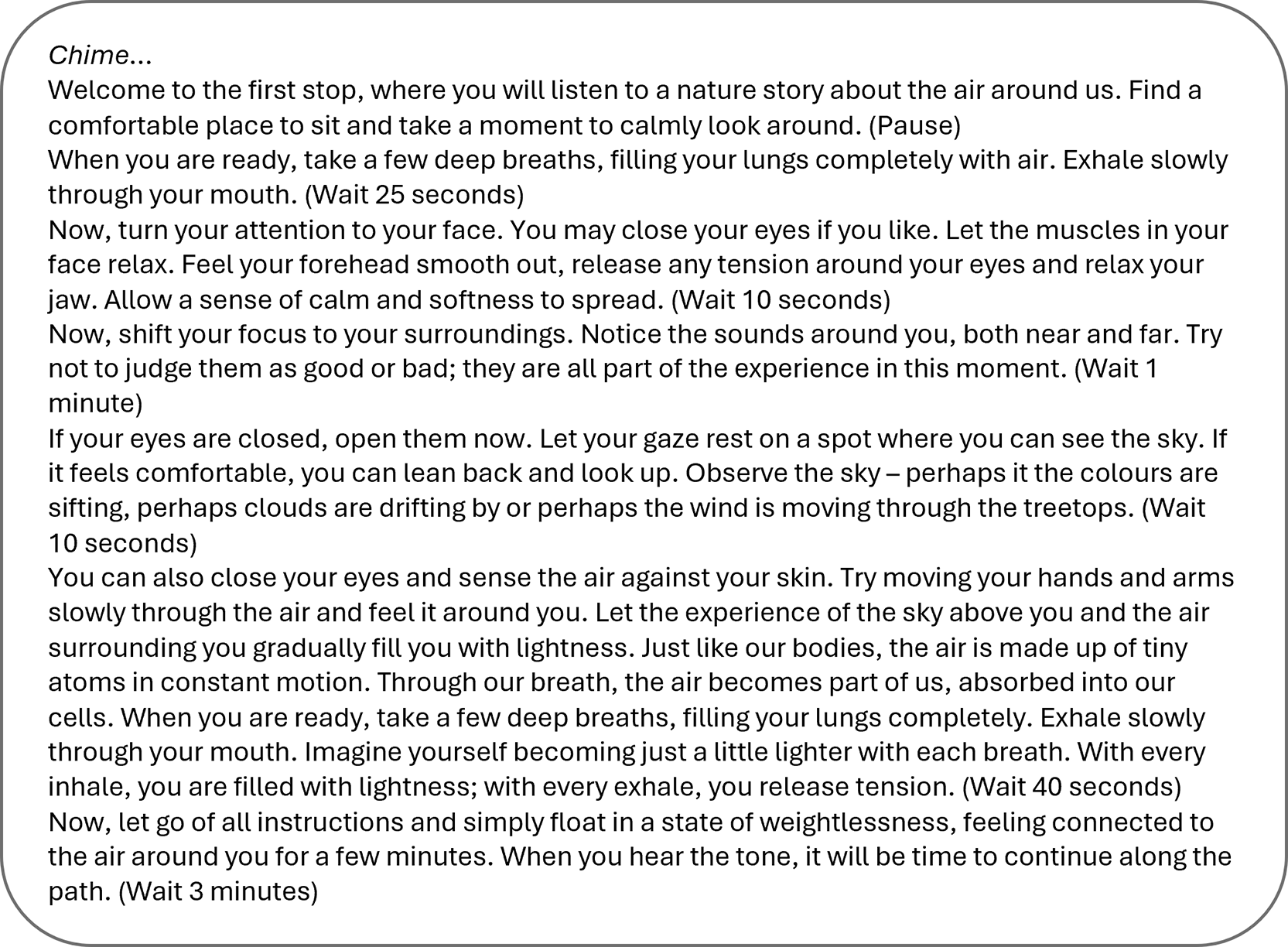
Figure 4. Manuscript for Air.
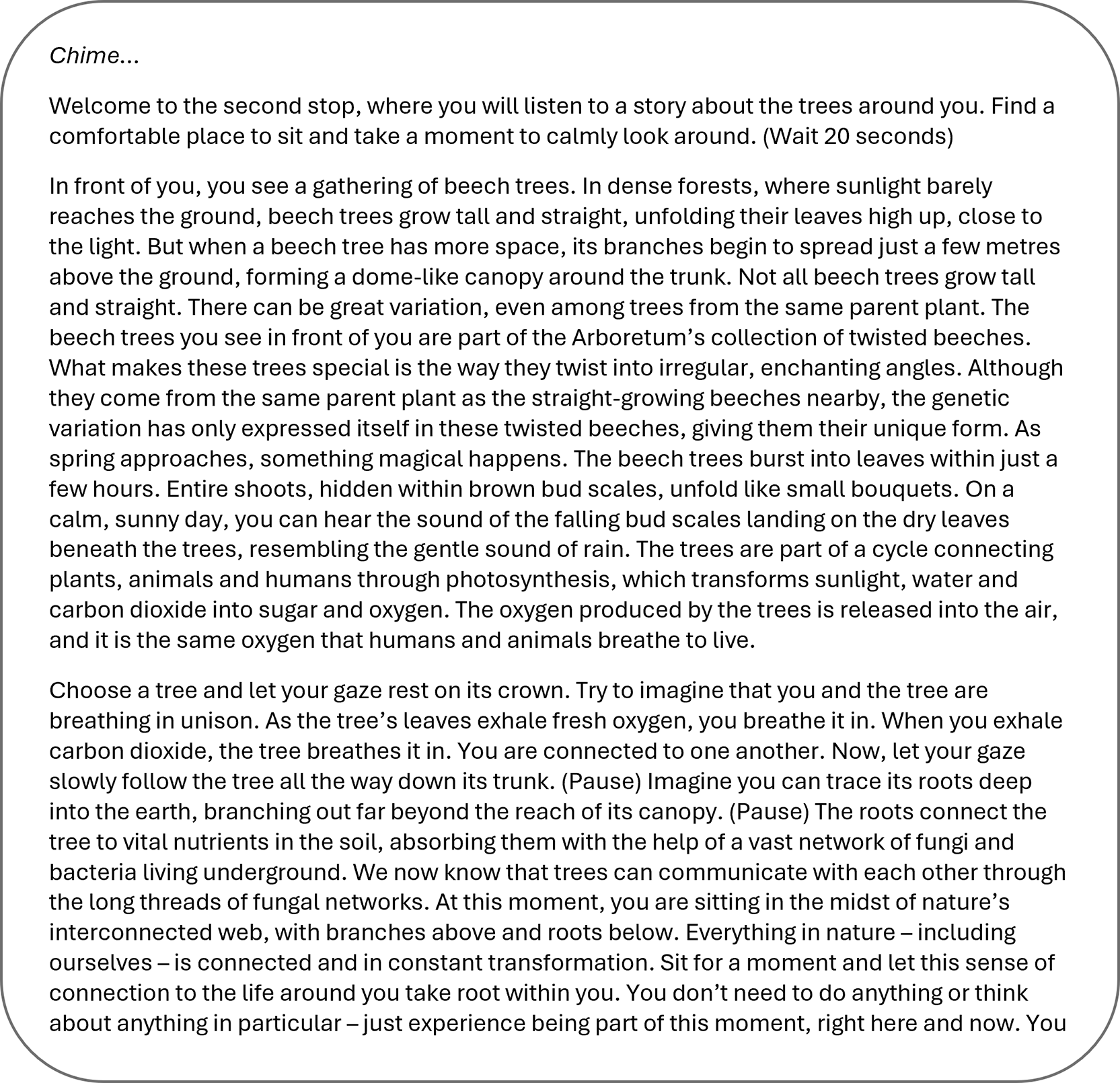
Figure 5. Manuscript for Trees.
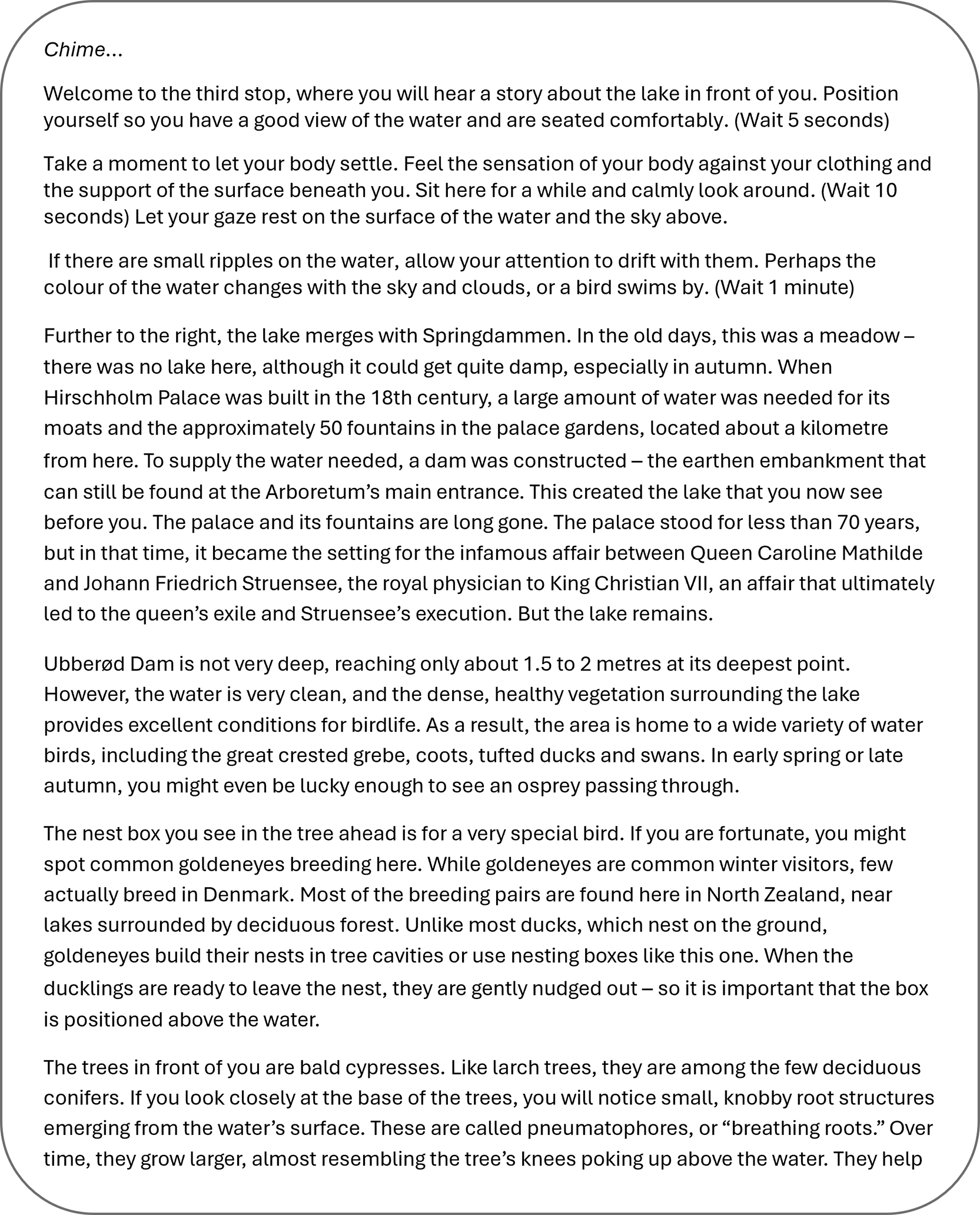
Figure 6. Manuscript for Water.
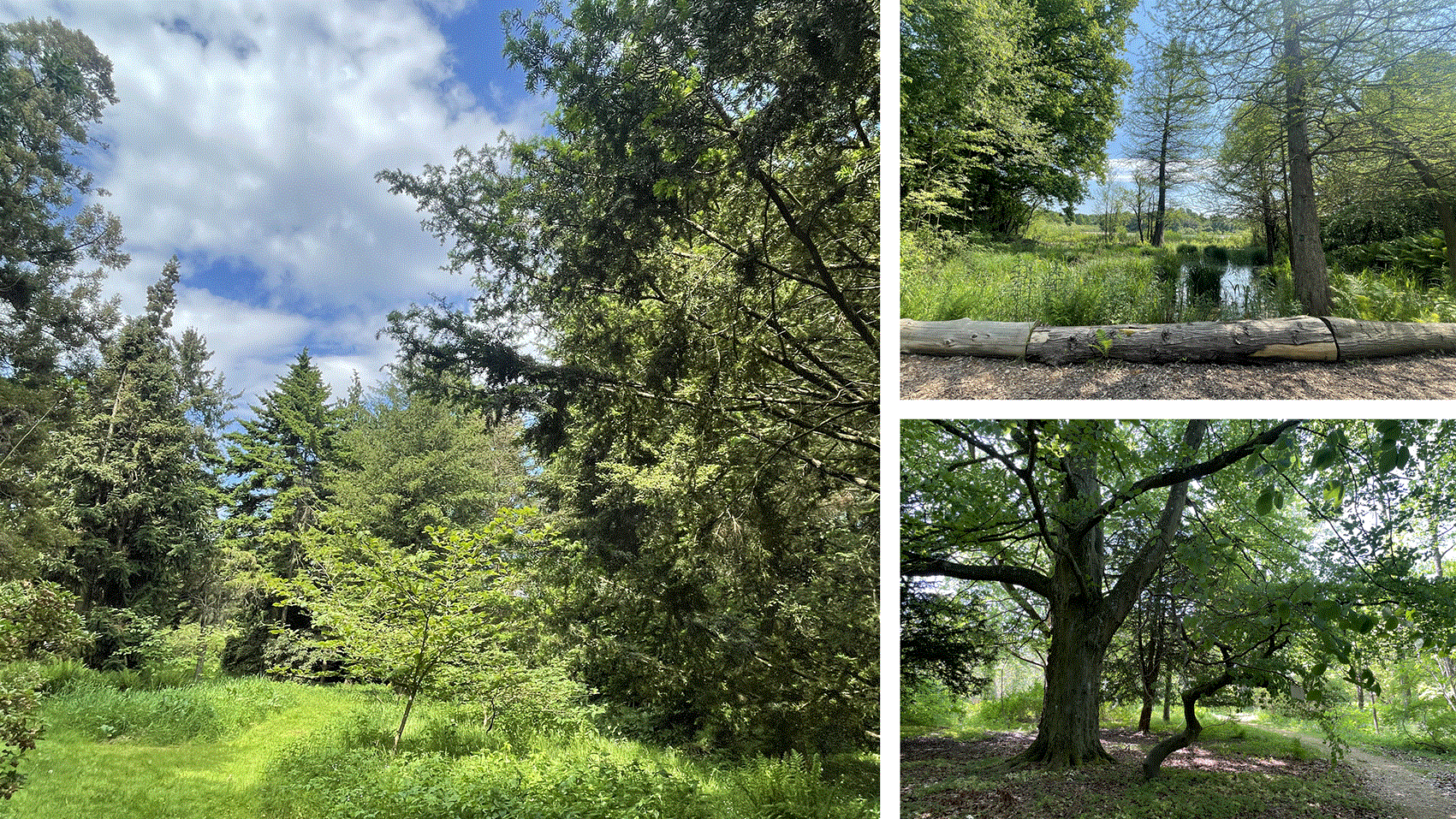
Figure 7. The three stops, Photos by Ulrika K. Stigsdotter.
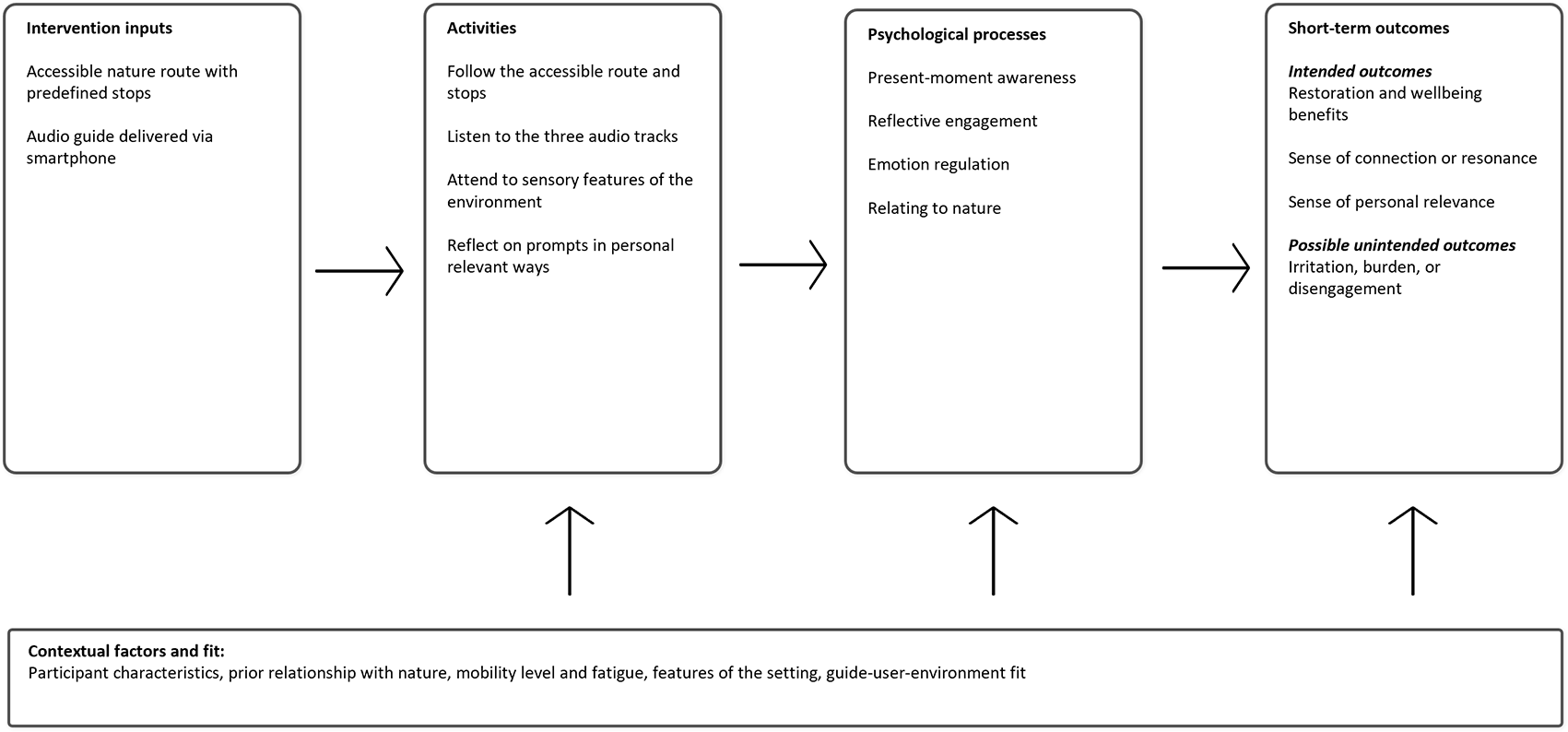
Figure 8. Logic model of the engagement guide.
The model presents hypothesized, context-dependent relations. Arrows indicate plausible links and do not imply fixed or linear causal pathways.
Theories and empirical findings informing the development of the audio guide content
The audio guide was informed by complementary theoretical and empirical perspectives relevant to how engagement with natural environments may be structured and supported. These perspectives were particularly relevant to attention, emotional regulation, nature connection and place-based engagement.
Attention-related perspectives were particularly important in informing the guide. Attention Restoration Theory emphasizes the restorative potential of effortless attention in compatible natural environments (Kaplan, 1995). Related studies suggest that present-moment attention to sensory experience may support sensory noticing and attentional engagement and may contribute to both restorative and connection-related experiences (Lymeus et al., 2018; Macaulay et al., 2022; Nisbet et al., 2019; Richardson et al., 2022). Together, these findings supported the inclusion of prompts designed to direct attention toward sensory experiences in the surrounding environment.
A second perspective that influenced the development of the guide concerned emotional regulation during nature visits. Stress Reduction Theory posits that natural environments can support stress reduction and positive affective responses (Ulrich et al., 1991). This is complemented by research demonstrating that contact with nature may be associated with emotion regulation and may contribute to reduced stress and improved well-being (Vitale & Bonaiuto, 2024). This perspective informed the use of calming, low-demand prompts intended to promote feelings of safety and tranquillity.
A related body of literature concerned nature connection. Nature connection has been described as a multidimensional relational construct and has been linked to emotional, cognitive and experiential aspects of human–nature relationships (Tam, 2013; Martin et al., 2020). It has been suggested that nature connection may partly underlie the beneficial effects of nature-related experiences by supporting adaptive emotion regulation processes and well-being processes more generally (Bakir-Demir et al., 2021; Vitale & Bonaiuto, 2024; Pritchard et al., 2020). As a result, frameworks to support nature connection through engagement have been developed. The Five Pathways to Nature Connection suggest that engagement with nature may be structured through pathways such as sensory contact, emotion, meaning, beauty and compassion (Lumber et al., 2017), and this framework helped shape the guide’s structure. An additional aspect of nature connection, the feeling of “oneness” with the natural world has a more explicitly relational and existential quality (Mayer & Frantz, 2004). This resonates with biophilic and eco-existential perspectives that further informed the guide by highlighting human embeddedness within broader ecological systems (Kellert & Wilson, 1993; Wilson, 1984; Passmore & Howell, 2014; Jordan & Hinds, 2016). These perspectives suggest that awareness of interdependence with the natural world may contribute to experiences of meaning, authenticity and connectedness, which are often associated with eudaimonic wellbeing (Passmore & Howell, 2014; Jordan & Hinds, 2016; Pritchard et al., 2020). These theoretical orientations were used as perspectives that supported the inclusion of narratives and metaphors related to biological interconnectedness.
Finally, the guide was informed by perspectives on place attachment, which highlight how personal experiences, social connections, and cultural or historical narratives may contribute to attachment to a specific place and, in turn, to wellbeing-related experiences (Basu et al., 2020; Scannell & Gifford, 2010). This perspective was relevant alongside research on disconnection from nature and barriers to engaging with nature, which suggests that engagement with natural environments may be restricted by both limited familiarity and various barriers (Beery et al., 2023; Gittins et al., 2023). For people with mobility impairments, such barriers can be both physical and immediate, directly restricting opportunities for preferred activities such as close sensory contact and deeper involvement with natural settings (Corazon et al., 2019). In this context, place-based knowledge was included as an additional route to engagement, supporting curiosity, orientation and meaning-making when physical immersion was limited.
Together, these perspectives helped shape the audio guide’s three core components: present-moment awareness, biological interconnectedness and nature knowledge.
Core components
The three components, which are described below, reflect different ways of inviting engagement with the environment.
Present-moment awareness
This component includes attentional guidance, directing attention to breathing, bodily awareness and sensory experiences stemming from the surrounding environment. This is done to support present-moment bodily awareness and awareness of the individual in the environment, allowing attention to experiences to unfold without judgment. This is in accordance with existing nature-integrated, mindfulness-based approaches and the contact dimension entailed in the Five Pathways (Lymeus et al., 2018; Lumber et al., 2017; Macaulay et al., 2022).
Biological interconnectedness
Biological interconnectedness was included to introduce narratives and metaphors illustrating humans’ embeddedness within natural systems, drawing on examples such as respiration and photosynthesis as well as ecological cycles of air, water, life and death. This component presents biological interdependence between individuals and their environment through symbolic imagery linking human and natural processes. Strengthening awareness of interdependence has been described as a means of enhancing relational closeness between people and has been theorized to have a similar relevance for human–nature relationships (Agnew et al., 1998; Lengieza et al., 2023). The component was informed by the meaning and emotion dimensions of the Five Pathways framework, while extending these through the introduction of biological interconnectedness as a reflective resource. This approach aligns with eco-existential perspectives suggesting that engagement with nature may support experiences of meaning, identity and belonging (Passmore & Howell, 2014).
Nature knowledge
Nature knowledge was included in response to research linking disconnection from nature to limited familiarity with natural environments and ecological illiteracy (Beery et al., 2023). The component provides a place-based narrative about local flora and fauna as well as the cultural and historical context of the environment, intended to support orientation to the local setting and foster place attachment as a resource for interpreting nature experiences.
In the guide, nature knowledge comprises two related elements. The first, familiarity with nature, refers to developing comfort and confidence in natural environments. To support this, the guide offers simple suggestions for where to direct attention and how to relate to the environment, enabling participation regardless of prior experience. The second element, place-specific knowledge, involves information about the particular setting in which the intervention takes place. It was included as a narrative anchor to encourage curiosity and reflection within the immediate setting, while situating the experience within a broader cultural, historical and social context.
Script development
After the three core components had been specified, they were translated into three audio tracks that together formed the audio guide. Each track operationalized the core components through a different thematic focus – air, trees or water – delivered as a narrative story about the immediate environment and guidance on how to engage with the surroundings. These themes were selected because they represent features commonly found across natural settings, thereby supporting transferability to other environments.
The script was drafted by the first author and reviewed by the second author with a focus on balancing theoretical integrity with practical usability and was subsequently revised based on feedback from the pilot study. The final guide consisted of an introduction and three audio tracks of approximately 7–9 minutes, delivered at three predefined stops along an accessible 1.2 km nature trail. The introduction and three tracks are described below.
Introduction
The introductory guidance welcomes participants to the nature stories and explains the structure of the walk, including the three stops and the chime. Its main function is to prepare participants for the guided format and support their transition into the guided nature experience.
Air
The first nature guidance focuses on air. It encourages participants to engage with their surroundings through breathing and sensory noticing and to reflect on their experience of air. Participants are guided through a grounding exercise that incorporates bodily awareness, deep breathing, release of tension and attention to the environment, activating the Five Pathways contact pathway. Awareness of air is enhanced by directing participants’ attention to the sensation of it flowing over their skin, the movement of the treetops and clouds, and the exchange of air between their body and the environment. Attention is directed to the sensory qualities of breathing, offering a frame for reflecting on the interdependence between body and natural environment.
Trees
The second nature guidance is centred around trees. It begins with a short grounding instruction prompting bodily awareness and attention to a surrounding beech grove. A nature story highlights a specific variation of “twisted” beech trees that grow in the grove, emphasizing place-specific knowledge and diversity within species while subtly prompting opportunities for identification through metaphors. The story continues with a narrative about the sensory experiences associated with the budding leaves in spring, combining nature knowledge with the Five Pathways. Participants are guided through a visualization and breathing exercise that focuses on the process of photosynthesis and the exchange of nutrients in nature, drawing attention to interconnected and transformative processes in natural systems, which humans may consider themselves part of.
Water
The third nature guidance focuses on water, and participants are seated in front of a lake. As in the other stories, they are first encouraged to heighten their bodily awareness and are then instructed to direct their attention toward sensory experiences related to the water and to reflect on similarities between the flow of water in the lake and within their body. The story contains more information about historical and biodiversity factors pertaining to the surrounding nature than the preceding stories, but this information is embedded in a reflective narrative to encourage participants’ curiosity, emotional engagement and place attachment rather than convey scientific knowledge of the environment.
Audio production workflow
The decision to use an audio-based delivery format was based on evidence from smartphone-based “noticing nature” interventions, which have demonstrated that brief, structured prompts to actively notice nature can support improvements in mental health and affective outcomes, with some of these effects associated with increases in nature connection (McEwan et al., 2019). Key production decisions included the selection of the narrator’s voice. A soft-spoken, clearly articulated female voice was selected based on its potential to promote listening comfort and speech intelligibility. Audio recordings were produced professionally in a recording studio, and a member of the research team oversaw formatting to ensure compatibility with smartphones. Aspects of the production were treated as part of the design. Specifically, voice, pacing, periods of silence and background audio were each intended to support engagement by promoting attentional orientation and facilitating emotional regulation. To increase usability, participants could access the guide in three ways: single-ear headphone listening, loudspeaker mode at stops, and the option to pause or replay at any point. These options were included to address variation in participants’ needs and preferences, in line with recommendations that complex interventions should allow flexibility and adaptation while maintaining core functions (Skivington et al., 2021).
Intervention site
The final intervention was designed for delivery in a forest-like arboretum covering approximately 25 hectares, located north of Copenhagen, Denmark. At the site, parking and accessible toilet facilities are available. The 1.2 km route consists mainly of firm, compacted soil and gravel, with a few sections of reduced accessibility due to woodchip surfacing and gentle inclines. The site had previously been shown to have high perceived restorativeness in relation to species richness, refuge and overall naturalness (Stigsdotter et al., 2017), and was considered well suited to nature-based experiences. Participants visited the route individually, but were permitted to be accompanied by a helper, family member or service dog. A research assistant was present throughout to provide practical support and monitor intervention fidelity.
Stakeholder involvement and roles
Development involved an interdisciplinary research team covering nature-based health intervention research (psychologists and landscape architects), target-group contributors (adults with mobility impairments) in a pilot study, and project collaborators involved in site selection and route design (accessibility expert and park staff
). The involvement of stakeholders had several functions consistent with complex intervention development: to assess the feasibility and acceptability of the guide, to identify aspects requiring refinement and to improve the intervention format in ways that supported its use in practice (Skivington et al., 2021).
Pilot study
To refine the engagement guide and route prior to full-scale testing, a pilot study at the intervention site was conducted in spring 2023. Participants were recruited using purposive and snowball sampling through a nature group within a disability organization. Inclusion criteria were that participants were adults with mobility impairments, were able to complete the route and were able to participate in an interview. The sample size was determined pragmatically because the pilot was intended to identify actionable issues of feasibility, acceptability, usability and fit, rather than to produce a standalone qualitative account. Five adults participated (aged 55–71 years; four women and one man), some using a wheelchair or walker. Written informed consent was obtained prior to participation.
Participants completed the route individually while accompanied by the first author, who provided assistance when needed in relation to accessibility, wayfinding or technical issues. Audio guidance was presented at three preselected stops. Informal observations made during route completion were used to inform follow-up questions in the interviews and to support practical refinement of the guide and route.
Immediately after completing the route, participants took part in an individual audio-recorded semi-structured interview conducted by the first author, either outdoors in a quiet area near the end of the route or indoors in an adjacent building. Interviews lasted 25–50 minutes and addressed participants’ experiences of the stories, attention to the environment, usability of the audio format, route accessibility and suggestions for improvement. Interview recordings were transcribed clean verbatim and analysed using a thematic approach (Braun & Clarke, 2006) oriented toward intervention refinement. The translated interview guide is provided in the supplementary material.
The first author developed the guide, accompanied participants during the route, conducted the interviews and lead the analysis. This close involvement shaped contextual understanding of the pilot material and was addressed reflexively through discussions with the co-authors. The initial analysis was guided by two predefined areas, engagement with nature and interaction with technology, reflecting central design assumptions. Additional themes, nature literacy and moving between stops, were developed iteratively from the material. The resulting themes are presented below.
Engagement with nature
Participants described that their attention was often drawn to natural features during the walk. This spontaneous attentional orientation resembles processes described in theories of restorative environments, such as Attention Restoration Theory (Kaplan & Kaplan, 1989; Kaplan, 1995). Beyond this spontaneous attentional shift, the participants regarded the instructions as a novel mode of engaging with the environment, particularly through sensory grounding and present-moment orientation:
It is also a way to ground yourself. What you are hearing about is right in front of you. Thoughts may be fluttering all over, but you are able to ground yourself [through the story]. (Participant quote about present-moment instructions)
Nature literacy
Site-specific information about natural and historical elements of the environment played a noticeable role in how participants reflected on their experience. When talking about the walk and their relationship with nature, participants frequently referred to both existing knowledge and new information introduced in the stories. For several participants, concrete details and information appeared to provide an accessible entry point into reflection on the experience, particularly when more abstract aspects of nature connection were difficult to put into words:
I recognized it right away, that birdhouse … We would really like to have them [a certain species of birds] in our local area. (Participant quote about nature knowledge and nature connection)
The stories about humans being connected with nature. I haven't thought much about that. I have mostly been interested in more technical details, I would call it, such as species identification, habitats and similar aspects … It was pleasant … Before I started the exercise, I was looking and listening for different species. I didn’t think about the connection at all. (Participant quote about nature knowledge and nature connection)
Interaction with technology
Participants accessed the stories by scanning a QR code that opened the audio files on their smartphones. Although introducing digital technology in nature may seem counterintuitive, given its association with reduced outdoor time and diminished attention to nature (Soga & Gaston, 2016; Webber et al., 2023), participants generally accepted the smartphone as a practical tool for delivering guidance. Their feedback aligned with recent work suggesting that digital media can support nature engagement by supporting discovery and familiarization with nature, increasing knowledge and experiencing environments from new perspectives (Webber et al., 2023). In this pilot, the audio format appeared to function in these ways by structuring attention and providing a scaffold for engaging with sensory and thematic elements of the environment. At the same time, participants noted disruptions linked to the audio format. Some experienced uncertainty during longer pauses in the stories, prompting them to check their phones and momentarily break immersion. Others found that wearing earphones interfered with listening to ambient sounds, especially when the task involved listening to birds:
They [the stories] were actually nice, except for the one where you are encouraged to listen to the birds. It’s challenging to do so with the headphones on. Which type of bird am I supposed to listen to? I had to remove the headphones, and as a result, I missed parts of the story. There should be an option to pause, remove the headphones, and listen. (Participant quote about interaction with technology)
Moving between stops
Participants differed in how they navigated the route between the predefined stops. Several moved quickly through the sections in between, treating the stops as the primary points of engagement. For some, the fixed stops unintentionally highlighted only selected features of the environment, which led to a sense that the spaces between them were less meaningful or overlooked. One participant explicitly noted a desire for more guidance or information during these transitions.
I think you should include more descriptions of nature, especially the smaller details. We passed by a place with a lot of wild garlic… That’s what you can smell here. (Participant quote about moving between stops)
This theme illustrates how the spatial structure of the route shaped participants’ attention. While the predefined stops concentrated engagement at specific points, they also appeared, for some participants, to restrict attention to those locations at the expense of the wider environment between stops.
Taken together, the themes suggested that the guide was acceptable and potentially supportive of engagement, but also that its effects depended on the interaction between content, delivery format and route structure.
Refinement of the guide and route design
These findings informed iterative refinement of the guide and route design. They supported retaining site-specific nature knowledge as a core component, while pointing to a need for adjusting the audio format, making decisions regarding the handling of transitions between stops and changing part of the route.
The pilot indicated that even though participants generally accepted the smartphone as a delivery tool, two key design tensions were identified:
1.
Pause uncertainty and device checking
The pilot revealed moments of uncertainty during longer pauses in the audio guide, which led some participants to check their phones and temporarily break immersion. To address this, a low-level background birdsong was added to signal intentional pauses and act as implementation support. Birdsong was chosen as it has been associated with pleasurable experiences in everyday nature experiences (Ratcliffe et al., 2013; McEwan et al., 2020).
2.
Sensory interference via headphones
Participants noted that the headphones at times interfered with their ability to hear ambient sounds such as birdsong when prompts invited attention to nature sounds, revealing a structural conflict between guided audio delivery and the ambient sound environment. This led to adaptations including single-ear listening, pausing the guide and loudspeaker use.
Beyond these audio-related tensions, two additional design considerations were identified:
1.
Route structure and pacing
Pilot participants varied in their pace and their engagement with the surroundings between predefined stops. Although some participants expressed a desire for additional guidance during these transitions, no guidance was incorporated between stops. This decision reflected practical and conceptual considerations: it would require a high degree of control over environmental features subject to seasonal change and ongoing site maintenance, and it would limit participants’ freedom to remove their earphones and engage spontaneously with the environment between guided stops.
2.
Environmental setting and contextual fit
Feedback from the pilot suggested that the setting was broadly suitable, as participants were able to engage with both sensory and thematic elements of the stories. However, the route was adjusted slightly to optimize physical accessibility, which also required one story to be rewritten to fit the revised route.
Programme theory
As part of the complex intervention development process, a programme theory and logic model was developed to specify how the engagement guide is expected to support experiences during accessible nature visits. The theory proposes that, when participants can access a setting that affords meaningful participation, and when there is a good fit between the user, the guide and the environment, the guide may support processes such as present-moment awareness, reflective engagement, emotion regulation and different ways of relating to nature. Although nature connection was an important starting point in the guide’ development, this framing proved too narrow as the intervention developed beyond a sole focus on nature connection. In the final programme theory, nature connection is therefore retained as an important conceptual influence and possible relational pathway, but not as the guide’s primary or necessary mechanism of action. These engagement-related processes may contribute to short-term restoration and wellbeing-related experiences and, for some participants, to experiences of connection or resonance. When fit is poor, however, the guidance may introduce burden, irritation, or disengagement, thereby reducing the quality and supportive potential of the experience.
Discussion
This article contributes to nature-based health intervention research by providing a theory- and data-informed account of how a place-based audio guide was developed to support structured engagement with nature among people with mobility impairments. This is relevant in a field where key intervention mechanisms and active components are increasingly recognized as important, yet often remain insufficiently specified (Macaulay et al., 2025; Madsen et al., 2026). The development and refinement process showed that both the content and the delivery format of the guide shaped how participants engaged with the environment. Pilot feedback suggested that the audio format could both support and constrain attention, at times competing with direct sensory contact with the surroundings. This indicates that features such as pauses, background sound and listening modes should be treated as intervention elements rather than as minor delivery details.
Site-specific nature knowledge and prompts for present-moment attention appeared to offer concrete and accessible ways of engaging with the environment, underscoring that guidance can shape how participants attend to, interpret and interact with natural settings. Building on previous research showing that the potential benefits of nature contact depend not only on contact itself but also on the quality of that contact (McEwan et al., 2020; Richardson et al., 2022), the present findings suggest that the guide may help structure the quality of such engagement. However, engagement was shaped not only by the audio guide, but also by participants’ prior experiences and preferences and by the specific environment in which it was used. This is particularly relevant in the present target group, as physical access to a natural setting does not in itself ensure equal access to meaningful engagement with that environment (Bekke-Hansen et al., 2023; Corazon et al., 2019). The study therefore supports an understanding of accessibility that extends beyond physical entry into a setting and includes the conditions that make meaningful engagement possible in practice. In this sense, the audio guide may be understood as an attempt to support experiential access as well as physical access. These findings also have implications for how the intervention is conceptualized and adapted across settings. Rather than being defined primarily by its fixed place-specific content, the audio guide may be better understood in terms of its core functions: orienting attention, supporting calm engagement and offering interpretive prompts that may strengthen meaningful contact with the surroundings. This distinction between core functions and adaptable forms is consistent with current guidance on complex interventions and may be particularly important in nature-based intervention research, where context is part of the intervention rather than a neutral backdrop. This should also be taken into account when considering transferability to other settings.
A strength of the development process is the theory-informed and iterative design, active stakeholder involvement, explicit attention to accessibility and incorporation of real-world implementation feedback. Together, these features strengthen the transparency of the intervention development process and help make the intervention’s assumptions, intended functions and design decisions more analytically visible. However, several limitations should also be acknowledged. Development work can identify issues of fit, feasibility, acceptability and conceptual coherence, but it cannot establish whether the intervention is effective, which components are necessary or sufficient for outcomes, or which mechanisms are most important for whom. In addition, transferability to other settings and populations remains to be examined.
The audio guide developed in this study now provides a basis for subsequent evaluation using both quantitative and qualitative approaches. In the next phase, this will take place through an ongoing randomized controlled trial, in which the audio guide serves as the guided intervention condition, allowing examination of effects on nature connection, health and wellbeing (Bekke-Hansen et al., in review). Alongside the trial, the programme theory will guide an embedded qualitative investigation of how the intervention is implemented and experienced in practice. This work may help clarify how the audio guide functions, which elements should be treated as core to fidelity, and which may be adapted across settings without undermining the guide’s intended purpose. More broadly, the study highlights the value of considering engagement itself as a focus of intervention development in nature-based interventions.
Conclusion
This development study shows how a place-based audio guide can be specified and refined to support structured engagement with nature among people with mobility impairments. It highlights the importance of designing not only for access to nature, but also for the quality of engagement once access is achieved. More broadly, it illustrates how engagement can be treated as a developmental target in nature-based interventions. The audio guide is currently being evaluated in an ongoing larger-scale study (Bekke-Hansen et al., in review).
AI declaration
During the preparation of this article, the authors used Microsoft Copilot Enterprise to search for and structure information, and to translate, proofread and rephrase wording for clarity and readability. The tool was not used to generate scientific insights. After using this tool, the authors reviewed and edited the content as needed and take full responsibility for the article content.
Ethics approval and consent to participate
The pilot study was not submitted to a Danish research ethics committee because it was conducted as intervention-development and feasibility work and did not aim to generate new knowledge about disease, treatment, prevention, rehabilitation, or biological, physiological, or psychological processes. The pilot examined acceptability, usability, route accessibility, and contextual fit of the audio guide before later health-related evaluation. The processing of personal data for the pilot was registered at the University of Copenhagen’s registry of research projects involving personal data (reference no. 3163798/4242). The subsequent main project was approved by the Danish Regional Committee on Health Research Ethics (record no. H-23077317), and the processing of personal data was approved by the Faculty Secretariat, Faculty of SCIENCE, University of Copenhagen, which confirmed compliance with the General Data Protection Regulation (GDPR; Regulation (EU) 2016/679) (record no. 514–0487/24–5000).
All participants received written and oral information and provided written informed consent before participation. Participants were informed of their right to withdraw from the study at any time without penalty. No financial compensation was provided. Personal data were handled confidentially and stored securely.









