Introduction
In the last decades, European policies, academic institutions, and sports bodies have shown growing interest in the holistic development of athletes, promoting the integration of sport career and academic education, commonly referred to as dual career (DC). The concept of DC is rooted in the human right to personal and professional development throughout the life span.1–3 In this context, the concurrent management of sporting and academic commitments relies on skills of time management, resilience, effective communication, and emotional awareness, which represent an added value not only for the individuals involved but also for society as a whole.4,5 In general, student-athletes (SAs) are capable to handle challenging situations thanks to the competencies acquired through their multifaceted experiences.6 However, their motivation and level of social and academic engagements are highly dependent on their supporting entourage and environmental context, including cultural attitudes toward sport, the availability of university support services, and the accessibility of DC programmes and benefits.2,7–9
At the European level, the implementation of DC models remains highly heterogeneous, with significant differences due to the full competence on sports and education policies of the individual Member States, as well as the institutional autonomy of higher education institutions (HEIs) and of the sport bodies.10–13 Despite the emphasis of EU recommendations1 on the importance of a structured and coordinated approach to DC, many institutions continue to operate without formal policies, relying instead on informal and often unregulated practices, which are frequently contingent on the initiative of individual institutional actors.14 Although several Member States have adopted state-centred approaches, national legislation, or national guidelines on DC, the implementation is often uneven within countries due to regional disparities and differences in resources and staffing across universities.15 As a result, many DC services are delivered informally, and SAs may perceive these services as insufficient or inconsistent.15 This fragmentation leads to marked disparities in the availability and quality of support services, potentially affecting students’ equitable access to educational and athletic development and impacting their psychosocial well-being and career continuity.
In this context, the European project FIND-ME: University Dual Career Opportunities (FIND-ME, 101134043), financed under the ERASMUS+Sport Collaborative Partnership programme, aims to promote a structured and evidence-based approach to DC policies and services at the university level. The project is founded on the collaboration of six HEIs, with recognized DC expertise located in Italy, Romania, Serbia, Slovenia, and Spain, together with the European Athlete Student (EAS) network and two companies specializing in digital innovation and dissemination. This initiative responds to the acknowledged fragmentation in services available to SAs and seeks to bridge this gap through the development of a dedicated European digital platform. The FIND-ME platform is intended as an operational and accessible tool to assist SAs and their supporting entourage in identifying DC opportunities offered by European universities. To function as a centralized information database on available DC services (i.e., curricular flexibility, tutoring, logistical, social, and financial support) identified by SAs as crucial to their development,16 the platform aims to enhance transparency, comparability, and visibility of institutional policies and to contribute to the establishment of European minimum standards for DC implementation at the academic level. Among its key activities, the project includes a literature review on SAs’ perspectives regarding DC services,17 a comparative analysis of HEI experts’ and SAs’ views on the actual implementation of DC services in the partner countries,15 and a desk analysis aimed at collecting formally regulated measures from university DC regulations in the partner countries.
Recent evidence, including findings from the FIND-ME project, indicates that SAs’ perceptions of available services are influenced not only by their actual quality but also by expectations shaped through exposure to conditions in other national contexts.15 This suggests that even in countries with national legislation supporting DC, such as Spain, local implementation may fall short, leading to negative assessments from users. Also, HEI experts offered highly variable evaluations of the services provided at their institutions, pointing to a possible mismatch between formal (regulation-based) and informal (practice-based) provisions.15 Despite these insights, a systematic and structured comparison of formal and informal practices across European Universities is still lacking. Most existing studies focus on subjective perceptions or national case studies without offering a shared analytical framework to evaluate the coherence and effectiveness of DC policies along comparable dimensions. This gap hinders the formulation of operational recommendations and limits progress toward shared standards and common tools at the European level.
In light of these critical issues, the present study aims to systematically examine the implementation of DC services across the universities participating in the FIND-ME project, distinguishing between formal measures, grounded in institutional regulations and policies for DC, and informal practices based on operational customs, basic support services, and unregulated initiatives. Thus, in the present study, we distinguish between formal DC measures as those explicitly codified in institutional DC regulations and non-formal measures, referring to services that are implemented in practice but not included in DC-specific regulatory documents. Such non-formal measures may include (a) genuinely ad hoc or case-by-case solutions, or (b) general student services available to the wider student population but not explicitly framed as DC support. Through a mixed-methods approach combining desk analysis of DC regulations and a quantitative survey administered to HEI experts from partner countries, this study seeks to provide a comparative overview of the degree of formalization in five key DC areas: logistical support, assistance/tutoring, curricular requirements, social support, and financial support.
The objective is twofold: first, to offer empirical data for understanding the institutional and cultural dynamics that drive the prevalence of formal or informal measures in different contexts; and second, to contribute to the development of a reference framework aimed at establishing minimum European standards for the promotion of fair, transparent, and effective DC pathways. Ultimately, the study’s findings will feed into the content and operational recommendations that will form the foundation of the FIND-ME digital platform, with the overarching goal of improving accessibility and the quality of DC services in European HEIs.
Materials and methods
Study design and ethical approval
This study is part of the FIND ME research phase and was conducted in accordance with the Declaration of Helsinki and approved by the Ethics Board of Universidad Internacional de La Rioja (Code: PI062/2024). The methodological approach was based on two complementary activities: i) a desk analysis of official university regulations concerning DC provisions; and (ii) a survey administered to HEI experts on the actual implementation of DC services within their institutions.
Desk analysis of university regulations
A structured desk search was carried out to collect and analyse the official DC regulations and/or programmes from HEIs located in the FIND ME partner countries. The documents were collected by FIND ME project partners in their respective countries through structured searches on university websites, as well as via the EAS network and personal contacts. The regulations were collected in their original language and translated into English by project partners from their respective language.
Survey to HEI experts
A 31-item questionnaire was developed and administered online to HEI experts responsible for DC programmes.18 The instrument was adapted from a tool developed by the ERASMUS+ Sport project “More than Gold” and focused on both institutional context and the five thematic areas of dual career support, provision, and policy.6,16,19 The first section of the questionnaire (13 questions) collected background information about the respondent’s HEI, including country, academic departments, degree levels offered (bachelor’s, master’s, PhD), and the respondent’s role in DC coordination (e.g., tutor, academic advisor, consultant, or other). The second section (18 questions) evaluated the availability (frequency of occurrence) and implementation status of services across the six DC areas using a 5-point Likert scale for availability and quality (1 = non-existent to 5 = excellent) and implementation stage (1 = not planned to 5 = already ongoing). The six thematic areas included: logistic support, referring to logistics and facilities such as access to both sports and academic infrastructures and housing options; assistance and tutorship, covering all types of support aimed at meeting the needs of SAs, including tutoring and psychological services; curriculum requirements, which relate to the modalities of course delivery and examinations, such as distance learning, personalized study plans, ECTS recognition, and similar strategies; social support, involving initiatives that promote and acknowledge the efforts and achievements of SAs, including seminars, public awareness campaigns, and recognition programs; financial support, which includes scholarships, tuition waivers, and other financial aid schemes; and finally, other forms of support and policies addressing broader elements such as the creation of DC observatories, national legislation, and specific enrolment quotas for athletes. Results related to the evaluation of dual career areas and components by HEI experts have been published elsewhere.15 In the present manuscript, only the frequency of occurrence of DC services and practices is considered, for the purpose of comparison with university-level DC regulations. The area concerning other forms of support and policies is excluded from this analysis, as it encompasses elements not directly administered by universities (e.g., national DC legislation).
Recruitment
Eligible participants were identified via i) direct contact through FIND ME partners’ national and European networks; ii) outreach via the EAS database of DC professionals; iii) institutional referrals to appropriate DC representatives. Eligible participants were defined as individuals serving as internal reference points for DC matters within their universities, including faculty members, researchers, or administrative personnel involved in DC support or policy implementation. Individuals without a formal or recognized role in DC initiatives were excluded to ensure that all respondents had direct responsibilities or practical experience related to DC provisions. Participation was voluntary and anonymous, and informed consent was assumed upon completion of the online survey. The survey was active from March 25 to June 15, 2024, with reminders sent biweekly to optimize the response rate.
Sample characteristics
A total of 69 responses were collected through the HEI experts’ questionnaire. The highest number of responses came from Italy (50.0%), followed by Romania (15.2%), Spain (13.0%), Serbia (8.7%), and Slovenia (4.3%). Twenty-six were excluded: one due to duplication, two submitted erroneously by SAs, 21 provided by university representatives who indicated that no DC policy was in place, and two submitted by respondents from countries outside of the partnership. Among the remaining 43 valid responses, the majority were submitted by HEI experts with DC responsibilities (65.2%), followed by DC tutors (15.2%), DC consultants (15.2%), and others in roles such as Olympic Committee Assistant, Sports Delegate, or members of institutional DC commissions (2.1%), and other (2.3%).
Data analysis
To facilitate the interpretation and comparison of the collected data, a standardized reporting framework was applied. Specifically, a list of services and provisions included in the official DC regulations of each institution, as well as those reported by HEI experts through the FIND ME questionnaire was compiled and categorized across five thematic areas by each partner country. Each aspect was coded to denote its implementation status: i) Not existent: the university does not consider or provide the service; ii) Informal implementation: the service is not formally included in DC regulations but was reported by HEI experts as being provided. This coding, however, does not allow us to distinguish whether the service is (a) a DC-specific but non-regulated practice implemented through ad hoc arrangements, or (b) a general institutional service available to all students independently of DC status. Because this distinction cannot be inferred from the available data, both situations were coded as “informal”; iii) Formal implementation: the service is officially documented in the institution’s DC regulation. Finally, the percentage occurrence of each aspect in its formal or informal form was calculated for each country.
All institutional regulations used in this analysis and detailed coded aspects for each university will serve as a foundational input for the development of the FIND ME digital platform, aimed at helping SAs identify suitable academic pathways according to their DC needs.
Results
General overview
The data collected through desk analysis and the HEI expert survey across the five FIND ME partner countries revealed substantial variability in the implementation of DC practices. The 43 valid survey responses were analysed and complemented by 30 institutional DC regulations (
Table 1). No regulations were retrieved from Romania and Serbia. Romanian universities rely exclusively on national legislation, the Physical Education and Sports Law No. 69 of April 28, 2000. In Serbia, internal frameworks have been established within the Faculties of Sport and Physical Education at the Universities of Niš, Belgrade, Novi Sad, and Novi Pazar. These faculties have adopted “Regulations on the Privileged Study Regime,” which provide tailored academic accommodations for SAs and working students. The comparison between policy documents and expert reports enabled a classification of each practice as formally implemented, informally implemented, or absent. With the sole exception of financial support, which is largely absent, being neither formally regulated nor informally provided in nearly two thirds of the institutions, the findings indicate a widespread reliance on informal mechanisms across all countries and domains, with only limited alignment between institutional policies and the actual delivery of services (
Table 2).
Table 1. Number of questionnaires and regulations retrieved.
| Country | Number of respondents | Number of regulations |
|---|
| Italy | 22 | 22 |
| Romania | 7 | 0 |
| Serbia | 4 | 0 |
| Slovenia | 4 | 2 |
| Spain | 6 | 6 |
| Total | 43 | 30 |
Table 2. Frequency of occurrence of formally, non-formally and not implemented services for each core area.
| Core area | Formally implemented (frequency of occurrence, %) | Informally implemented (frequency of occurrence, %) | Not implemented (frequency of occurrence, %) |
|---|
| Logistic support | 7 | 86 | 9 |
| Assistance/tutorship | 28 | 46 | 26 |
| Curricula requirements | 25 | 39 | 36 |
| Social support | 0 | 64 | 36 |
| Financial support | 6 | 32 | 62 |
Logistic support
Logistic support practices were predominantly implemented informally across all partner countries. The analysis showed considerable cross-national variability, with informal implementation far outweighing formal regulation in most contexts (
Figure 1).
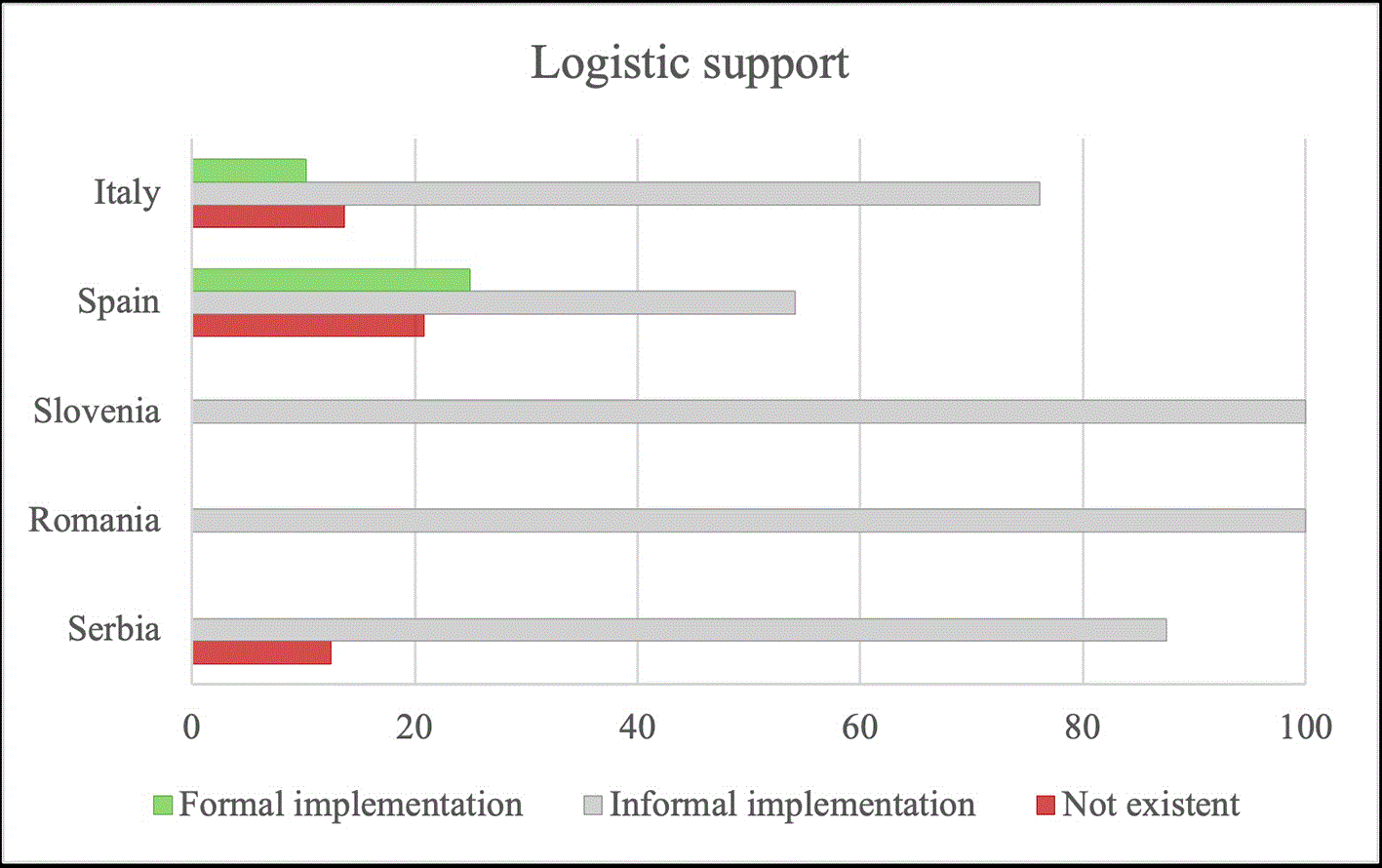
Figure 1. Percentage occurrence of logistic support in the different FIND-ME partner countries.
Grey bars: services not included in institutional regulations; green bars services formally documented in DC regulations; red bars: the university does not consider or provide the service.
Italy showed a higher reliance on informal mechanisms, with 76% of practices informally implemented, only 10% formally regulated, and 14% indicating its absence. Similarly, Spain displays a mixed pattern: 54% of respondents indicate informal implementation, 25% report a formal logistic support system, and 21% state that logistic support is not implemented. In Serbia, logistic support is largely informal (88%), with 12% of universities lacking any implementation, and none adopting a formalized approach. Both Romania and Slovenia presented a fully informal model, with 100% of logistic support practices reported as informal and none documented in official regulations. Despite the existence of a national law on sport and physical education (Law No. 69 of April 28, 2000) in Romania, individual universities do not adopt specific institutional regulations addressing the dual career of student-athletes.
Figure 2 shows the percentage occurrence of each logistic support component, distinguishing between practices that are formally implemented and included in institutional regulations, and those implemented informally without regulatory reference. In Italy, access to educational facilities is formally included in only one institutional regulation (5%), while the majority of respondents (91%) reported that SAs can rely on such access as part of existing practices. Sport facilities are highly represented in the university DC regulations (23%) or declared by HEI experts (73%). Three universities (14%) include in their DC regulations the support for accommodation facilities for SAs (
Figure 2a). No institutional DC regulations were identified among the Romanian universities included in the present study. Nevertheless, all logistic support components were reported as implemented by respondents at their respective institutions (
Figure 2b). Similarly, Serbian universities do not have institutional DC regulations in place. According to respondents, nearly all logistic support components were implemented (100%), with the exception of accommodation facilities, which showed a 50% implementation rate (
Figure 2c). Regarding Slovenian universities, all logistic support components were in place informally (
Figure 2d). Finally, in Spain, sports facilities are highly represented in the university DC regulations (100%). The remaining services were implemented informally, with 83% of universities providing access to educational facilities and economic investment in university facilities. Meanwhile, 50% provided accommodation facilities for SAs.
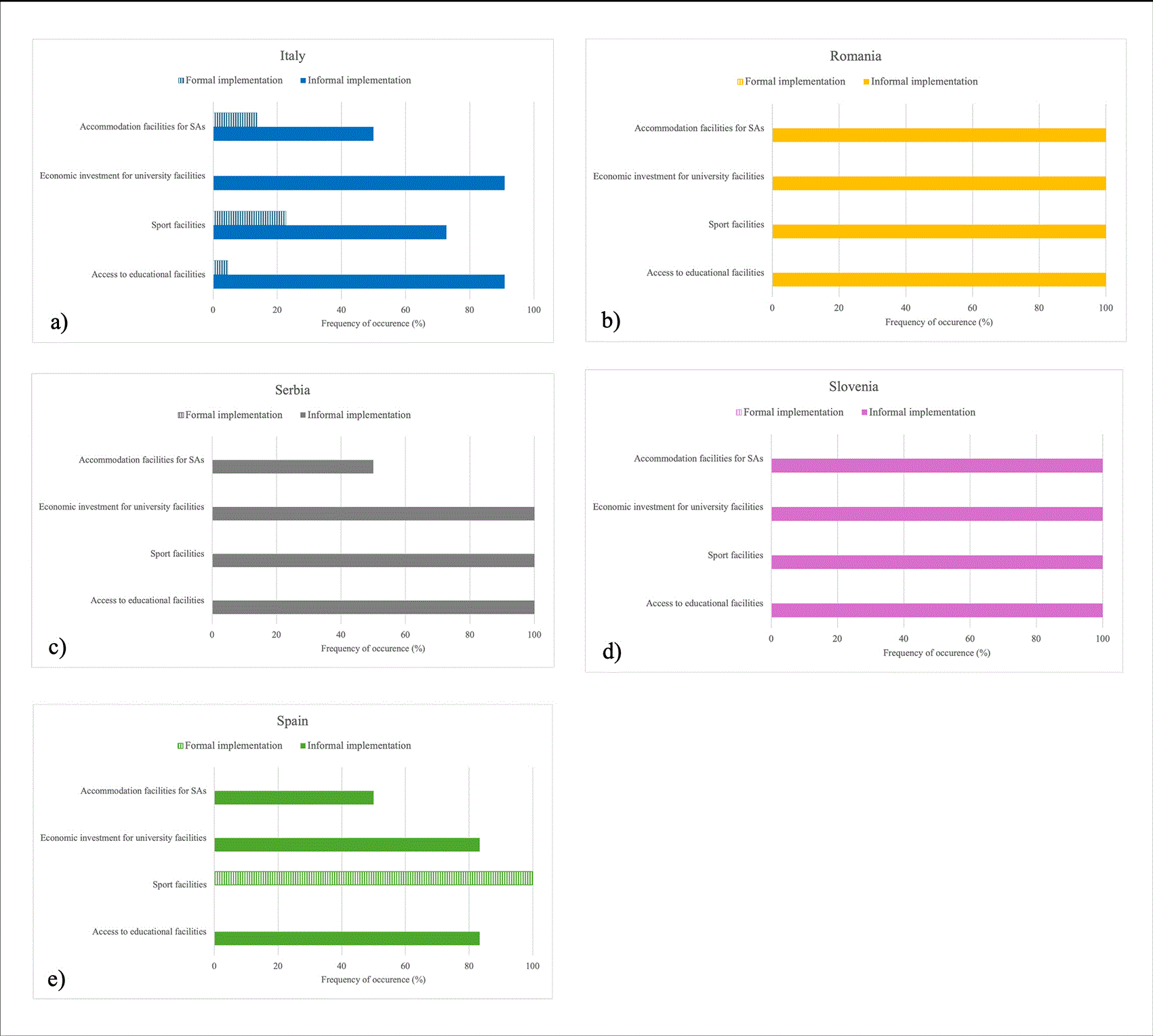
Figure 2. Percentage occurrence of each logistic support component in the different FIND-ME partner countries.
Solid bars: services not included in institutional regulations; vertical striped bars: services formally documented in DC regulations. Panels show data for: (a) Italy, (b) Romania, (c) Serbia, (d) Slovenia, and (e) Spain.
Assistance/tutorship
In Spain, assistance and tutorship practices were reported as 43% informal, 23% formal, and 34% of universities lacking tutorship. Italy demonstrated a higher reliance on informal mechanisms, with 52% of practices implemented informally, 30% formally regulated, and 18% indicating the absence of regulation. In Serbia, tutorship was implemented formally in 40% of organizations, informally in 35%, and absent in 25%. Romania showed a predominance of informal tutorship (54.3%), with 25.7% of organizations lacking it and 20% having a formal system. In Slovenia, 55% of assistance and tutoring practices were implemented informally, 25% were formally documented, and 20% had no tutoring (
Figure 3).
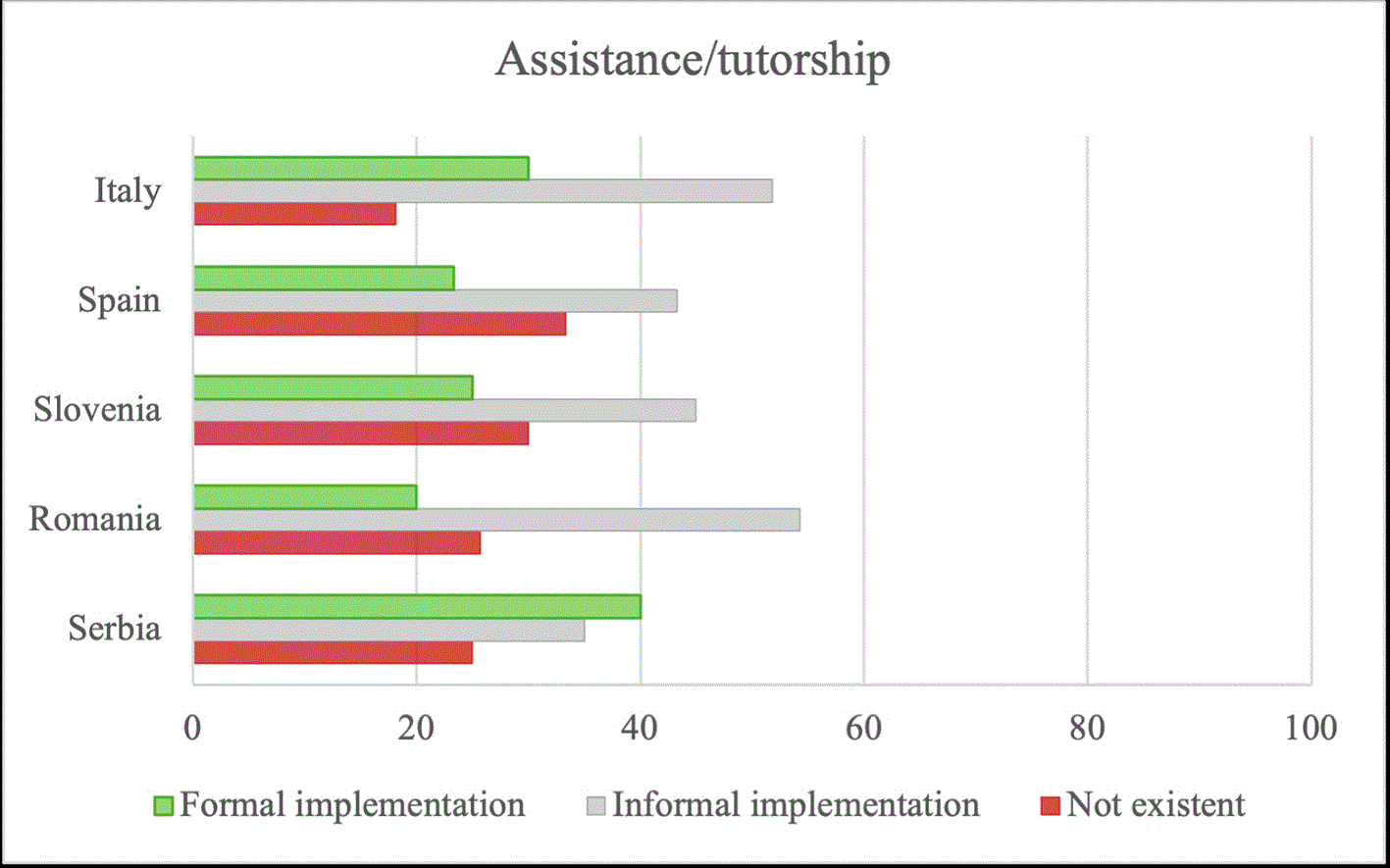
Figure 3. Percentage occurrence of assistance/tutorship in the different FIND-ME partner countries.
Grey bars: services not included in institutional regulations; green bars services formally documented in DC regulations; red bars: the university does not consider or provide the service.
Figure 4 presents the percentage occurrence of each assistance/tutorship component, differentiating between formally regulated practices and those implemented informally without institutional guidelines.
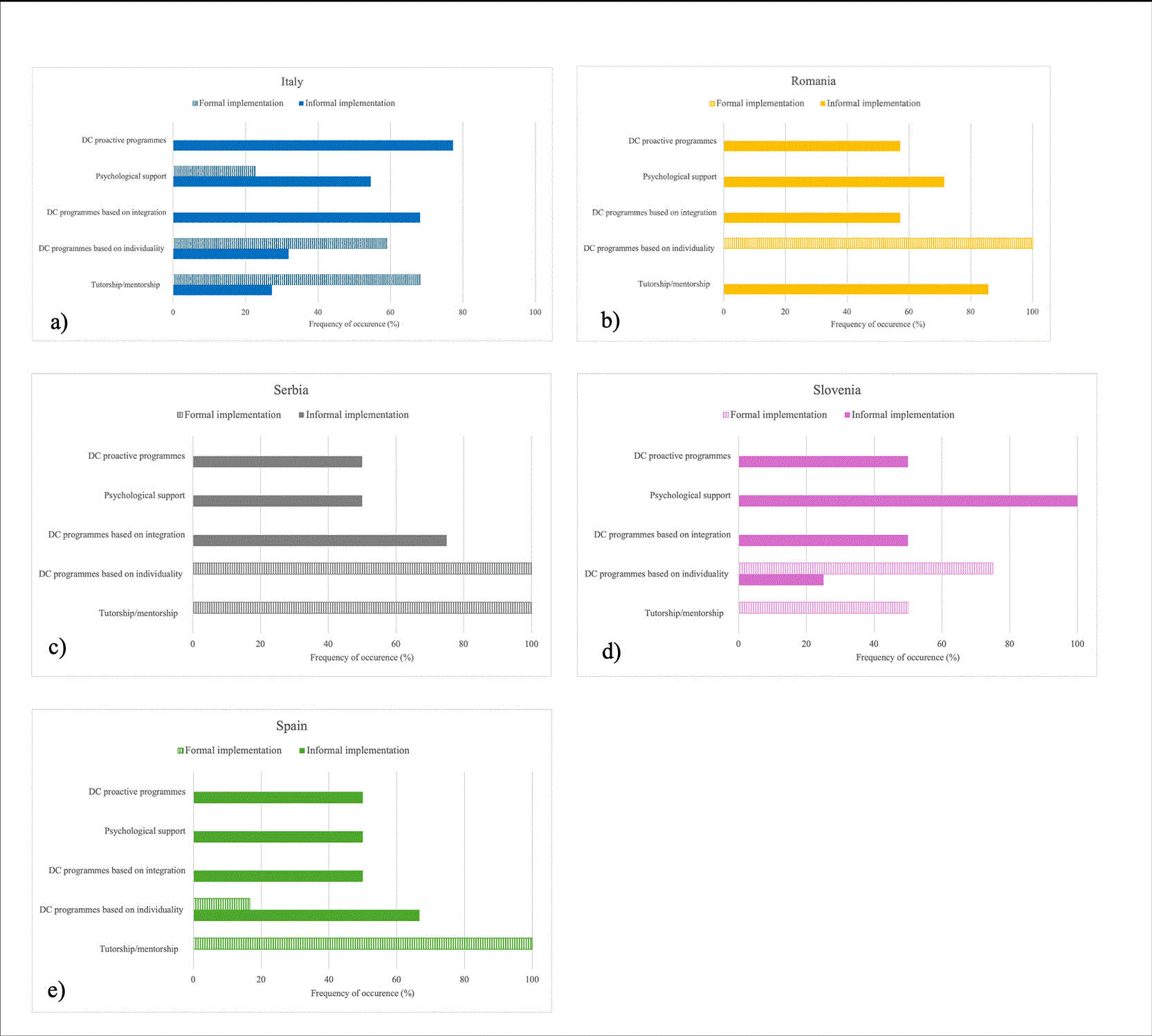
Figure 4. Percentage occurrence of each Assistance/tutorship component in the different FIND-ME partner countries.
Solid bars: services not included in institutional regulations; vertical striped bars: services formally documented in DC regulations. Panels show data for: (a) Italy, (b) Romania, (c) Serbia, (d) Slovenia, and (e) Spain.
In Italy, assistance and tutorship practices were generally well represented. Only one university (5%) did not address tutorship or mentorship, while most institutions (68%) formally included this support in their DC regulations or reported its implementation informally (27%). Similarly, individualized programmes were either formally regulated (59%) or mentioned by respondents as implemented (32%), indicating a high level of diffusion. In contrast, the integration of academic departments, sports, or professional services, and the implementation of proactive DC programmes were not included in any institutional regulations and were only cited by 32% and 23% of respondents, respectively. Psychological support appeared in the regulations of five universities (23%), was mentioned by 55% of respondents, and was completely absent in another 23% of cases. In Romania, six out of seven universities (86%) reported having implemented a tutorship system. Although individualized programmes were referenced in national legislation, they were not consistently implemented; two respondents (29%) indicated their absence. Integration with academic or professional services and proactive DC programmes were not covered in institutional documents but were reported by 57% of respondents. Psychological support was also implemented informally in 71% of universities. In Serbia, one out of four universities did not provide assistance or tutorship services. The remaining three institutions relied on internal regulations, specifically, the “Regulations on the Privileged Study Regime”, which supported tutorship in 75% of cases and individualized programmes in 50%. Integration with academic departments or professional services was provided in 75% of institutions, albeit without formal regulatory reference. Psychological support and proactive programmes were each implemented informally in 50% of cases. In Slovenia, among the two responding universities, one formally included tutorship in its regulations, while the other did not provide this service. Individualized programmes were available at one institution but absent at the other, and neither university included them in formal documents. Psychological support was available in both cases but implemented informally. Proactive DC programmes were also informally implemented by one of the two institutions. In Spain, tutorship and mentorship were formally included in the DC regulations of all universities (100%). Individualized programmes were regulated in one institution, while 66% of universities provided them informally. The remaining services, integration of academic departments, sports or professional services, psychological support, and proactive dual career programmes, were not formally included in regulations but were each implemented informally by 50% of institutions.
Curricula requirements
Curricula requirements exhibited a generally limited degree of formalization across the partner countries (
Figure 5). In Spain, 42% of practices were formally regulated, 29% were implemented informally, and another 29% indicated the absence of structured curricula. Italy showed a comparable distribution, with formal and informal implementations equally represented (33% each) and 34% reporting no curricular structure. In Serbia, curricular implementation was predominantly informal (56%), with 44% of organizations reporting no curricula and no evidence of formal regulation. Romania reported 39% informal, 25% formal, and 36% non-existent curricula, while Slovenia exhibited a similar pattern, with 38% informal implementation, 25% formal inclusion in university documentation, and 38% indicating no structured curricula.
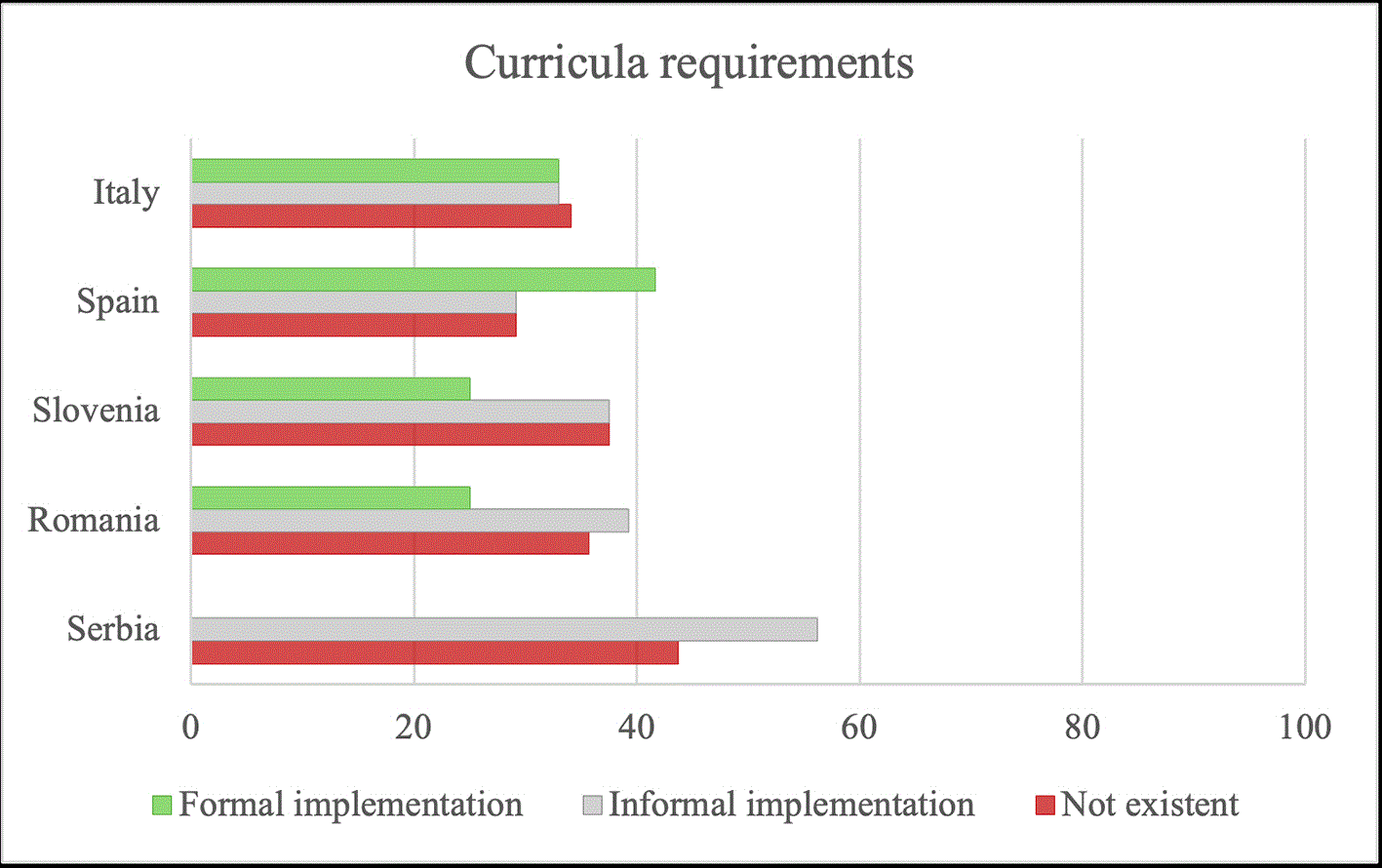
Figure 5. Percentage occurrence of curricula requirements in the different FIND-ME partner countries.
Grey bars: services not included in institutional regulations; green bars services formally documented in DC regulations; red bars: the university does not consider or provide the service.
Figure 6 displays the percentage occurrence of each curricula requirements component, separating formally institutionalized practices from those applied informally without regulatory backing. In Italy, all universities addressed individualized study plans, with 86% formally including them in DC regulations and an additional 14% reported through respondents. By contrast, untraditional learning strategies were absent in 68% of university regulations and were mentioned by only 32% of respondents. Distance learning and the recognition of ECTS for sport careers were included in 18% and 27% of university regulations, respectively, and were reported as implemented by 50% and 32% of respondents. In Romania, individual study plans were indirectly supported through national legislation, which allowed exemptions from attendance and flexible exam scheduling. Distance learning was implemented in 86% of universities, while the recognition of ECTS for sports careers was present in 57%. Untraditional learning strategies were reported by only one respondent (14%). In Serbia, no universities implemented formal individualized study plans, although the “Regulations on the Privileged Study Regime” provided some flexibility for SAs. Distance learning was implemented in 50% of the institutions. All universities reportedly offered recognition of ECTS for the sports career and untraditional learning strategies, even if not formally regulated. In Slovenia, all universities formally included individualized study plans in their regulations. Distance learning was implemented informally, without regulatory inclusion. Untraditional learning strategies were offered by one university only. None of the institutions provided recognition of ECTS for sports careers. In Spain, most curricula requirements were regulated, with the exception of untraditional learning strategies. Nearly all universities regulated distance learning, with one institution providing it informally. However, two universities did not implement it despite its inclusion in official documents. Half of the universities included individualized study plans in their regulations, while others implemented them informally. Recognition of ECTS for sports careers was present in two regulations, but was confirmed as implemented by only one respondent. Additionally, two universities offered this support informally. Untraditional learning strategies were provided informally by two universities (33%), without formal documentation.
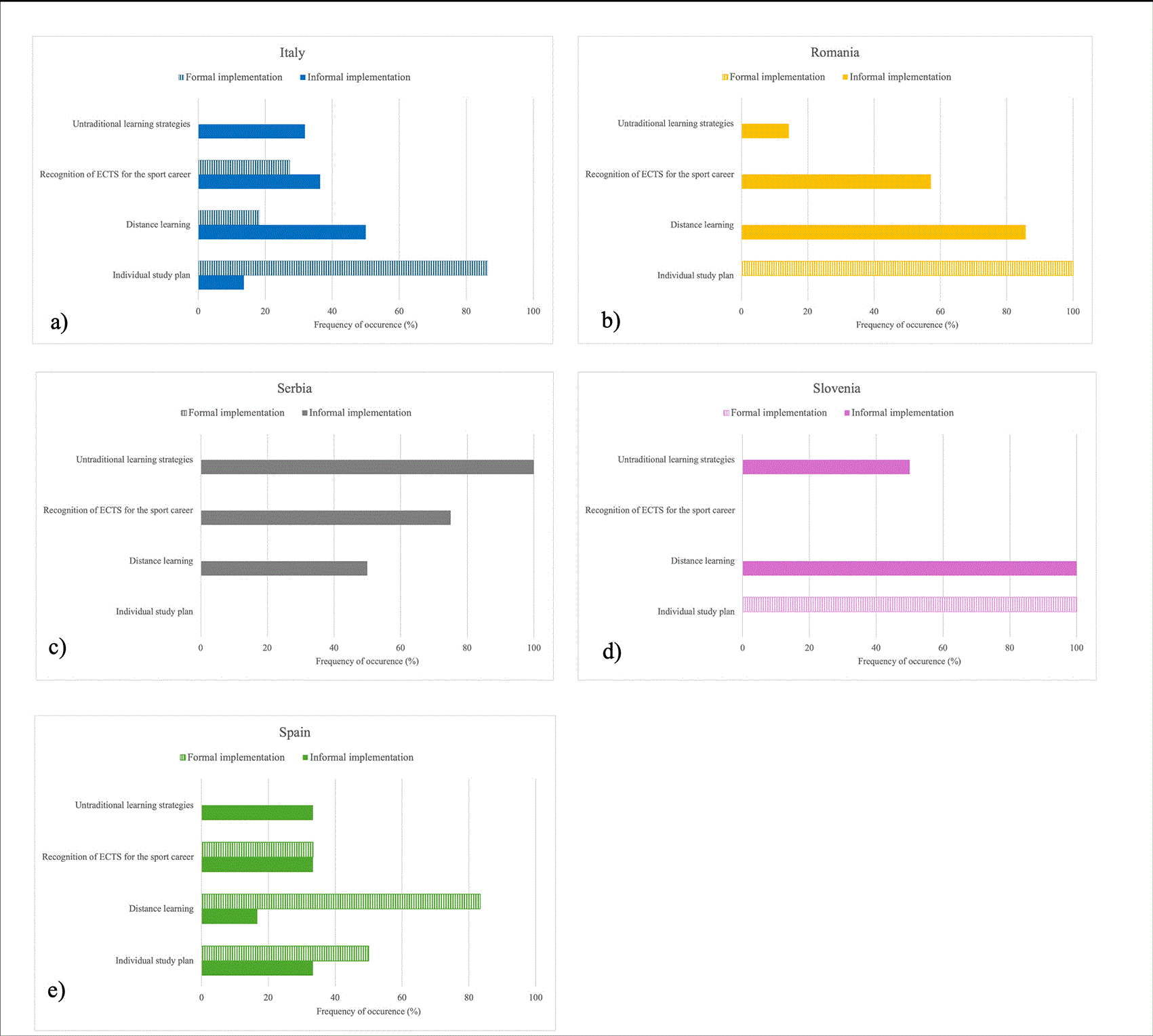
Figure 6. Percentage occurrence of each curricula requirements component in the different FIND-ME partner countries.
Solid bars: services not included in institutional regulations; vertical striped bars: services formally documented in DC regulations. Panels show data for: (a) Italy, (b) Romania, (c) Serbia, (d) Slovenia, and (e) Spain.
Social support
Social support practices were predominantly implemented informally across the partner countries (
Figure 7). In Italy, 64% of organizations reported informal implementation, only 2% had formally regulated systems, and 34% indicated the absence of social support. Spain, in contrast, showed an equal distribution between informal implementation (50%) and complete absence of support (50%), with no formal systems reported. In Serbia, social support was implemented informally in 75% of organizations, while 25% reported no such practices. Romania displayed a similar pattern, with 71% informal implementation and 29% absence. Slovenia reported slightly lower levels of informal implementation (58%) and higher absence (42%).
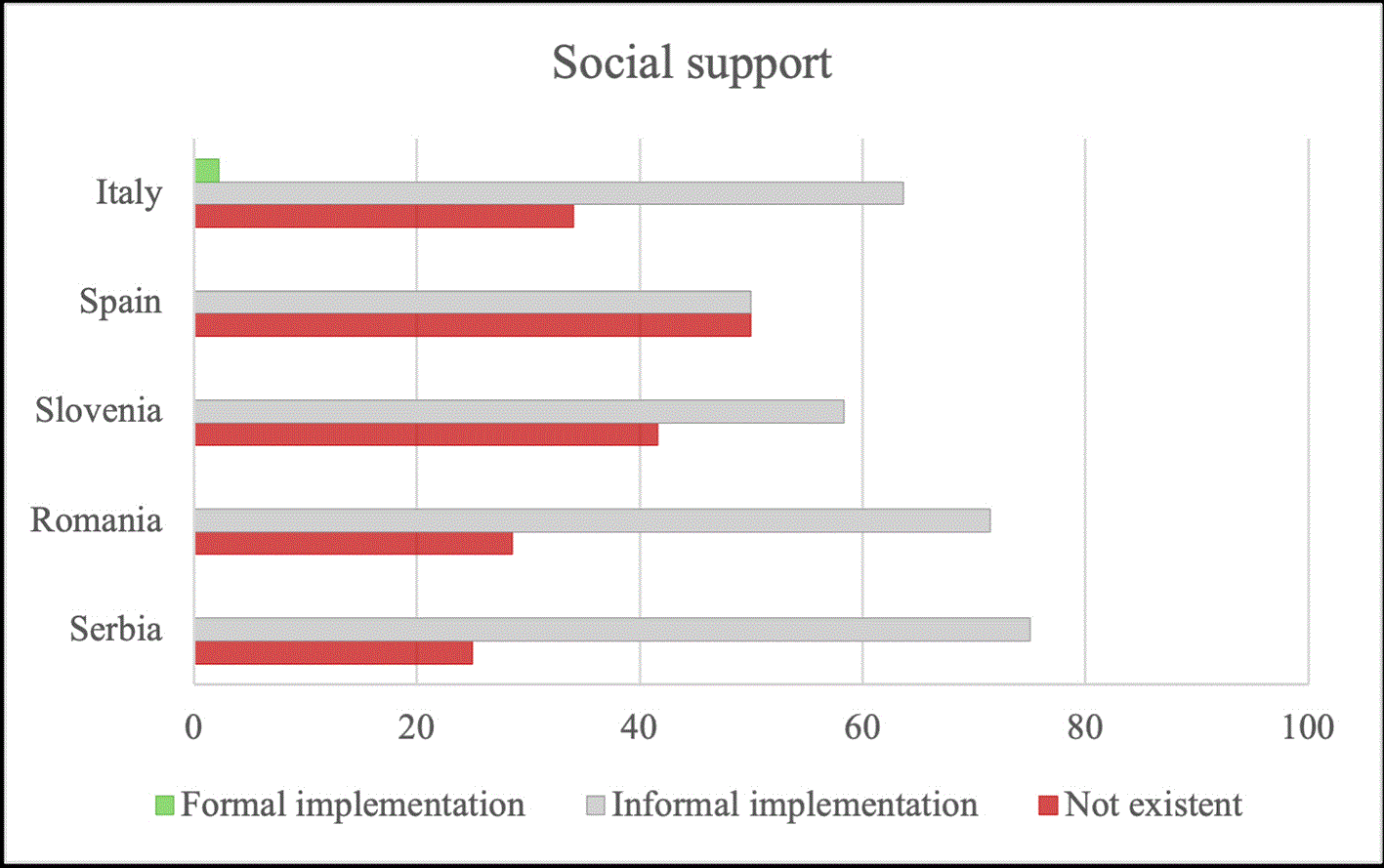
Figure 7. Percentage occurrence of social support in the different FIND-ME partner countries.
Grey bars: services not included in institutional regulations; green bars services formally documented in DC regulations; red bars: the university does not consider or provide the service.
Figure 8 shows the percentage occurrence of each social support component, distinguishing between practices that are formally implemented and included in institutional regulations, and those implemented informally without regulatory reference. In Italy, 14% of universities formally included publicity for SAs representing the institution in their DC regulations, with an additional 73% reporting this support informally through respondents. Publicity of SAs’ profiles for the labor market was reported by 59% of respondents, although it is not included in any regulations. Local or international seminars, workshops, and meetings on DC issues were also not formally documented but were reported informally by 68% of respondents. Institutional DC committees, peer-to-peer support, and seminars with parents and coaches were likewise absent from regulations but were reported as implemented by 64%, 59%, and 41% of respondents, respectively. In Romania, all universities offered publicity for SAs representing the institution, despite the absence of a legal mandate. Local and international seminars, workshops, and meetings were reported in 86% of universities. Institutional DC committees and peer-to-peer support were implemented in 71% of the sample. Publicity of SAs profiles for the labor market was present in 57% of cases, while seminars and meetings involving parents and coaches were implemented in 43% of universities. In Serbia, one out of four universities did not provide any form of social support. Among the remaining institutions, social support was offered in various forms, although not formally documented in the “Regulations on the Privileged Study Regime” adopted by the Faculties of Sport and Physical Education. In Slovenia, both universities participating in the survey provided publicity for SAs, but none of the other social support measures were reported as regulated. Other forms of support, such as peer activities, seminars, and committee involvement, were only mentioned informally by respondents and varied widely in implementation. In Spain, several social support services were available but not formally regulated. Publicity for SAs representing the institution was present in five out of six universities (83%). Half of the universities provided local/international seminars, peer-to-peer support, and institutional committees. Two out of six institutions offered support related to publicity for the labor market and events with parents and coaches, all implemented informally (33%).
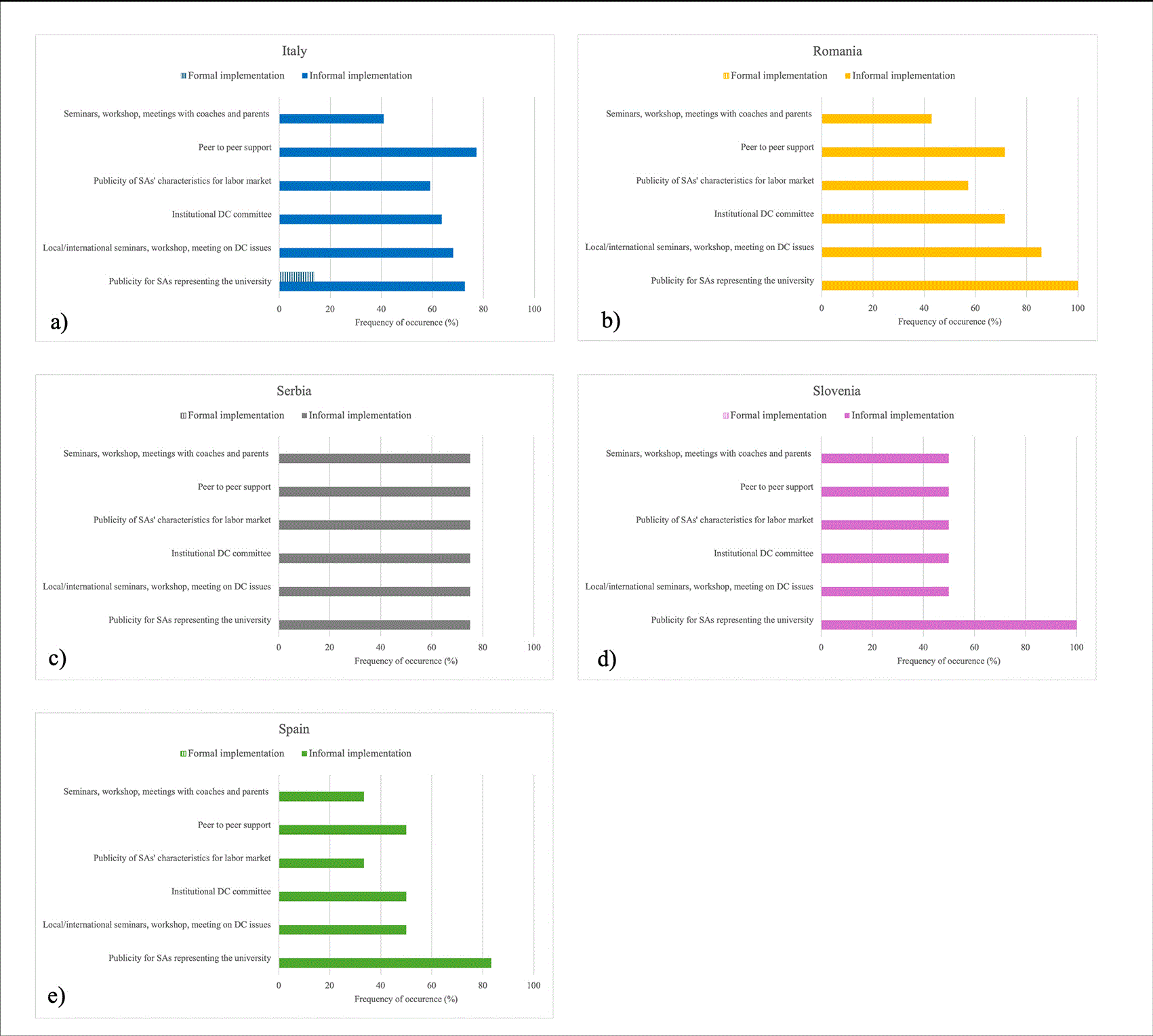
Figure 8. Percentage occurrence of each social support component in the different FIND-ME partner countries.
Solid bars: services not included in institutional regulations; vertical striped bars: services formally documented in DC regulations. Panels show data for: (a) Italy, (b) Romania, (c) Serbia, (d) Slovenia, and (e) Spain.
Financial support
Financial support emerged as the least formalized area across all partner countries (
Figure 9). In Italy, 56% of organizations reported no financial support, 24% provided it informally, and 20% had formalized financial support structures. Spain showed a similar pattern, with 67% reporting absence of financial support, 25% informal implementation, and 8% formal systems. Serbia reported 69% informal implementation with no formal inclusion, while 31% reported the absence of formal inclusion. Romania showed that 68% of organizations lacked financial support, while only 32% had informal systems. Slovenia presented the highest rate of absence, with 88% of organizations reporting no financial support, 13% providing informal support, and none offering formalized support.
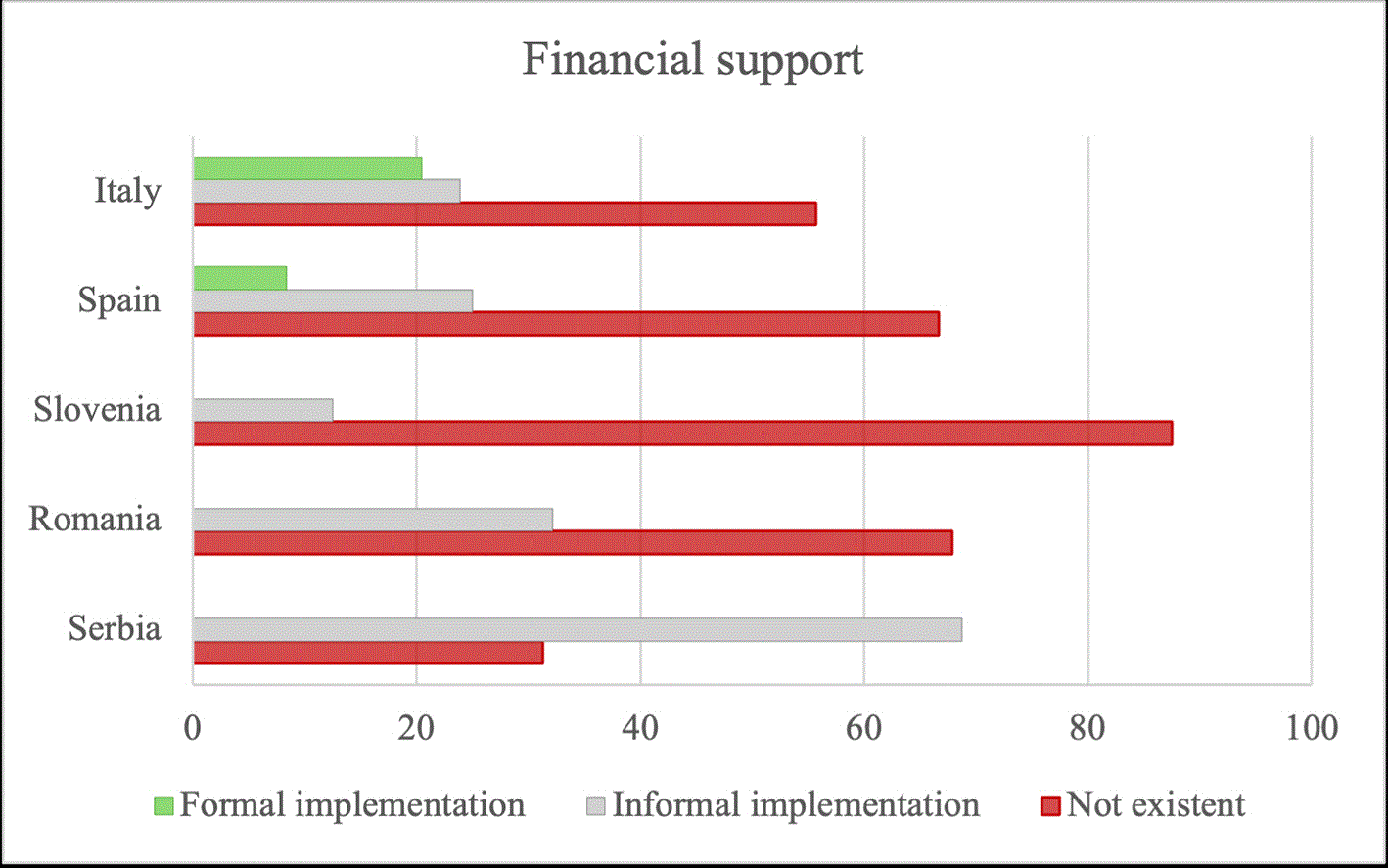
Figure 9. Percentage occurrence of financial support in the different FIND-ME partner countries.
Grey bars: services not included in institutional regulations; green bars services formally documented in DC regulations; red bars: the university does not consider or provide the service.
Figure 10 reports the percentage occurrence of each financial support component, differentiating between formal implementations governed by institutional rules and informal implementations without formal regulation. In Italy, Scholarships were formally regulated in 36% of cases, and implemented informally in 23%. The remission of tuition fees showed an equal proportion of formal and informal implementation (36% each), while 27% of universities reported no such provision. Other forms of financial support were mostly absent (64%), with 27% informal and only 9% formally implemented. Regarding salary-based support, the absence of structured mechanisms was almost total (91%), with 9% of cases informally implemented and no formal inclusion reported.
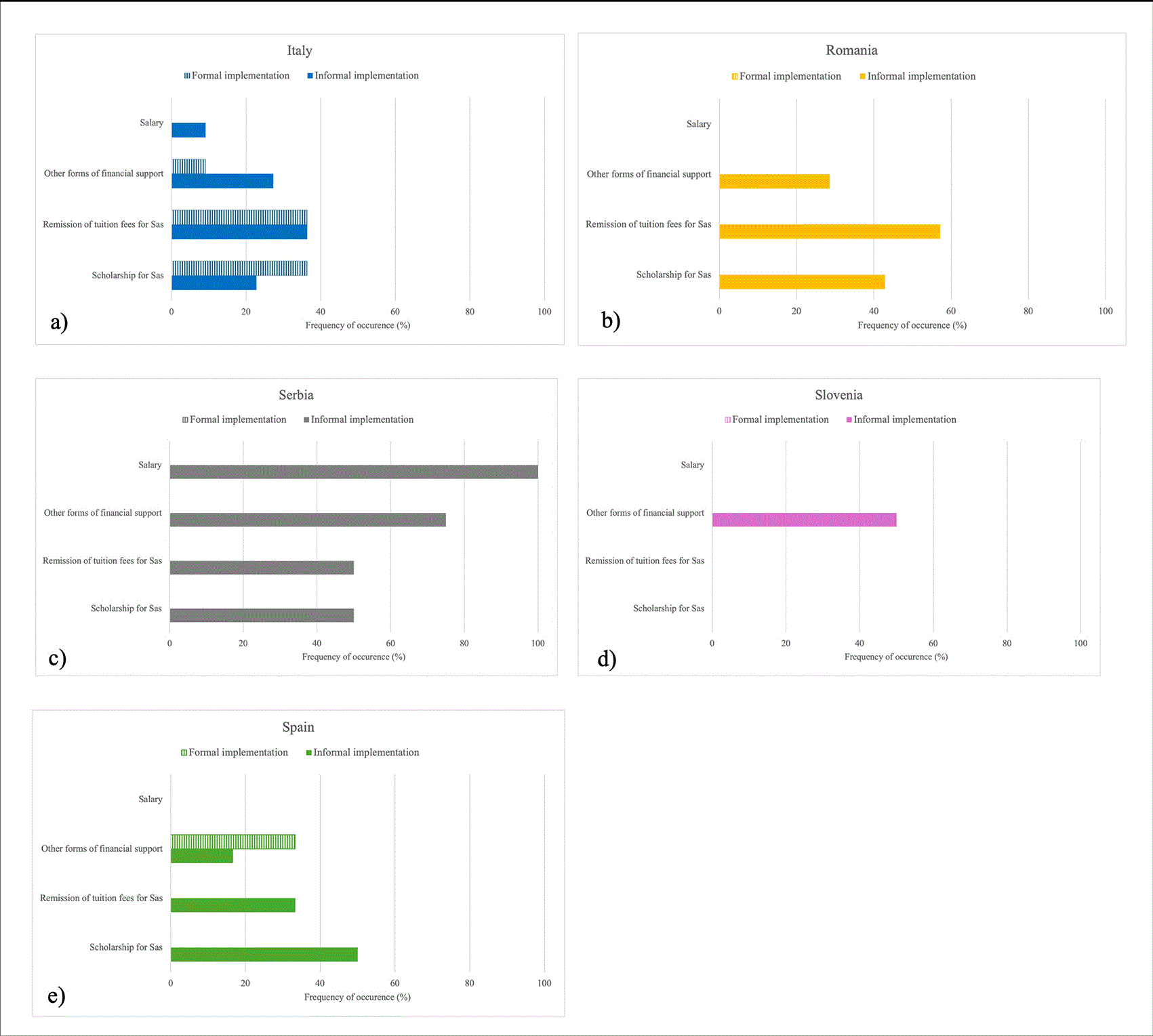
Figure 10. Percentage distribution of the financial support components across the FIND-ME partner countries.
Solid bars represent services not included in institutional regulations, while vertical striped bars: represent services formally documented in DC regulations. Panels show data for: (a) Italy, (b) Romania, (c) Serbia, (d) Slovenia, and (e) Spain.
In Romania, none of the universities offered salaries for SAs. Other types of financial support were available in 29% of institutions. Tuition fee waivers were reported by 57% of universities, while scholarships were offered by 43%. In Serbia, salaries for SAs were reported across all universities, despite not being mentioned in institutional regulations. Other financial support was provided by 75% of the institutions, and tuition fee waivers were offered by two universities. No financial provisions were included in the “Regulations on the Privileged Study Regime.” In Slovenia, only one university offered alternative financial support, and no form of financial aid was mentioned in any of the DC regulations. In Spain, scholarships were divided equally between absence (50%) and informal implementation (50%), with no formal regulation reported. The remission of tuition fees was mainly absent (67%), while 33% of cases were informally implemented. Other forms of financial support showed a more balanced distribution, with 50% of cases reporting no provision, 17% informal implementation, and 33% formal inclusion. Finally, salary-based support was completely absent across all institutions.
Discussion
This comparative desk analysis assessed how DC support for SAs is structured and delivered, formally and informally, across five European contexts. By identifying discrepancies between formal regulations and actual provision, our study informs about the consistency, transparency, and completeness of support systems across HEIs.
Notable differences in regulatory frameworks and the availability of institutional data emerged: some countries and universities lack formal policies altogether, which complicated the evaluation. Slovenia and Spain demonstrated relatively well-developed regulatory transparency and structure, whereas Romania and Serbia showed significant gaps in both policy presence and implementation. Italy occupies an intermediate position with certain services codified in formal regulations, but many others being provided through informal channels. This finding is not unexpected, as DC governance is managed at the national level in Europe, with EU providing only non-directive guidelines in the areas of education and sport. Despite progress made in recent years, a certain degree of fragmentation persists, with some countries regulating DC centrally through national legislation, whereas others adopting diverse implementation approaches.14 For instance, Romania relies on a general law on sport but lacks specific DC legislation, which limits incentives for universities to develop dedicated institutional regulations. Comparisons at the country level are constrained by uneven response rates, particularly where only a handful of institutions participated according to the limited number of national HEIs (e.g., Slovenia) and paucity of responses (e.g., Serbia). Nevertheless, the overall trend seems to be clear: across countries, the proportion of DC measures formally documented in institutional regulations represents only a small part of the overall support landscape. Most of the services reported by HEI experts fall outside DC-specific regulations and these may correspond either to general student services accessible to the whole student population or to DC-related accommodations provided on an ad hoc basis. In Slovenia and Spain, formal frameworks exist for most logistical and academic supports, such as tutoring, facility access, ECTS recognition, indicating institutional commitment. However, even in Spain, some services like financial aid remain largely poorly implemented. This suggests that national law does not guarantee complete implementation, likely due to institutional resource constraints or limitations in dissemination and awareness.15 Italy reflects a transitional model: only a limited subset of DC-related measures is formally documented, while most support mechanisms reported by HEI experts likely derive either from general student services or from accommodations implemented without specific DC regulation. This pattern suggests institutional adaptability but also highlights a gap in DC-specific formalisation. From the perspective of SAs, adaptability is not merely desirable but essential for effective DC support. As highlighted in the “More than Gold” focus group study,16 SAs expressed a clear preference for programmes that accommodate fluctuating academic and athletic demands. They also emphasized the value of Proactive DC programmes, where institutions anticipate student needs, and Integrated DC programmes, in which academic, athletic, and administrative services are coordinated within a unified framework.20 Whilst the use of non-formalised measures for SAs may reflect institutional responsiveness to their needs, as well as the presence of well-established general student support systems, the lack of DC-specific formalisation can hinder consistency and accessibility across institutions and limit appropriate quality assurance and monitoring. In this regard, the capacity for formal implementation may vary significantly among HEIs due to socioeconomic and structural factors. In a recent study, experts rated as highly implementable, whereas poorly implementable were considered aspects requiring financial or infrastructural constraints, particularly in the areas of financial and logistical support.6 This may be attributed to their reliance more on institutional coordination and commitment than on formal regulatory or financial investments. In Romania and Serbia, the absence of national DC frameworks results in a heavily fragmented system. Romania relies on general national legislation on sport, which does not translate into detailed institutional implementations for DC, leaving support mechanisms inconsistent. Serbia does benefit from internal policies like the “Privileged Study Regime,” but these remain limited to certain faculties rather than applied across the higher education system.
Some discrepancies between formal policies and respondents’ perceptions cannot be excluded. Certain regulated services may have been poorly communicated or difficult to access, whereas several measures not explicitly framed as DC support likely remained unrecognized in official guidelines. This highlights the need not only for the formalization of DC services but also for clear communication, visibility, and user-friendly frameworks within universities. Although formal regulations provide essential structure, informal practices often compensate for systemic gaps, particularly in financially constrained or evolving contexts. To ensure consistency and continuity of support, institutional policies should be regularly reviewed and updated to reflect real-world practices and needs. Moreover, an effective system of monitoring and feedback, involving both student-athletes and institutional actors, is crucial to maintain adaptability and relevance. From this perspective, the development of the FIND-ME platform represents a significant step toward harmonizing DC services, offering a transparent and comparable database that can foster evidence-based standards and help SAs navigate their academic and athletic pathways more effectively.
This study also presented several limitations. As a desk-based comparative analysis, it relied on publicly available institutional and regulatory sources, which may not have captured unpublicized or informal initiatives within universities. Additionally, the availability and completeness of institutional data varied across countries, which limited cross-national comparability. In certain contexts (e.g., Slovenia and Serbia), the small number of responding higher education institutions may have reduced the representativeness of national findings. Furthermore, results cannot be generalized to the entire European context due to structural, legislative, and cultural heterogeneity across higher education systems. A further limitation concerns the interpretation of “informal” implementation. In our coding system, the label reflects the absence of explicit DC regulation rather than the absence of structured services. Many services classified as informal may correspond to general student support measures available to the whole student population but not explicitly framed as DC provisions. Conversely, some may represent DC-specific accommodations delivered on a case-by-case basis. Because the available data do not allow these scenarios to be distinguished, the prevalence of informal implementation should be interpreted with caution. Despite these limitations, the study provided valuable insights into the current state of DC support across the partner countries. Most measures were implemented informally, with formal regulation differing substantially among nations. Italy, Spain, and Slovenia exhibited more structured frameworks, whereas Romania and Serbia presented fragmented systems with limited formalization. These findings carry practical implications for higher education institutions and policy-makers, who should enhance the alignment between formal policies and practice, improve the visibility of available services, and develop integrated, proactive DC programs that coordinate academic, athletic, and administrative support. Digital tools such as the FIND-ME platform can play a pivotal role in promoting transparency, benchmarking, and harmonization at the European level. Future research should extend comparative analyses to a broader range of countries and higher education institutions, adopting longitudinal and mixed-method approaches to trace the evolution of formal and informal practices over time and identify institutional drivers of change.
Conclusions
The findings of the present study confirm the heterogeneity of DC implementation models across the European contexts examined, highlighting the gap between formal regulation and practical application. This analysis has helped address the previously identified lack of systematic comparisons in the literature, providing an empirical foundation for the development of shared minimum standards and supporting the design of the FIND ME platform as a tool to enhance transparency and coherence of services at the university level.
Ethics and informed consent statement
The studies involving humans were approved by Ethics Board of Universidad Internacional de La Rioja, Code: PI062/2024. The studies were conducted in accordance with the local legislation and institutional requirements. The participants provided their written informed consent to participate in this study. Informed consent was obtained from all subjects involved in the study.




