1. Introduction
The life paths, social mobility and economic development of young people are determined by their educational and professional aspirations. Aspirations reflect young people’s future education and career goals and drive educational engagement, persistence, and labor market participation. (OECD, 2024; Schoon & Lyons-Amos, 2017). In contemporary societies characterized by rapid economic transformation and increasing educational participation, young people are encouraged to pursue ambitious educational and professional goals. Education systems are often framed as the primary mechanism through which individuals can achieve upward mobility and participate successfully in knowledge-based economies (
European Commission, 2025; International Labour Organization, 2023; OECD, 2024). However, these goals frequently materialize in institutional settings characterized by structural constraints and unequal resource access (Cieslik & Simpson, 2013; Walther, 2006). The study is conducted within the Horizon Europe EDU-LAB project and focuses on youth transitions in Kosovo. The transition challenges of youth in Kosovo are an early problem; early reports (ILO & UNDP, 2009) highlighted the need for career guidance and active labour market programmes. This structural crisis continues today, as recent data (UNDP Kosovo, 2024) confirm that the gap between education and employment remains largely unaddressed.
However, the relationship between aspirations and opportunities is not always straightforward. Although many young people have high educational and professional ambitions, the institutional environments in which they make their transitions do not always provide them with the opportunities to realise them. Education systems, labour markets and policy frameworks can either facilitate or constrain young people’s movement from education to employment (International Labour Organization, 2023; OECD, 2024). Recent research highlights that the expansion of higher education has often been accompanied by persistent inequalities in access to programs, limited absorption of graduates into the labour market and increasing uncertainty in early career trajectories (Holmes, 2017; Schoon & Heckhausen, 2019). These dynamics have subsequently been intensified by economic disruption, technological transformation and changing labor market demands. Consequently, young people may encounter mismatches between their desired educational or professional paths and the opportunities that institutions actually offer, including restricted study programs, financial barriers to education, and limited employment opportunities in certain sectors. These challenges are particularly evident in the Western Balkans, as youth unemployment, skills mismatches, and poor career guidance continue to hinder transitions from education to work. (Duff et al., 2024; World Bank, 2023). In Kosovo specifically, youth represent one of the largest demographic groups in the population, yet they encounter considerable barriers in accessing stable employment and career opportunities. Reports consistently indicate that youth unemployment and inactivity remain among the highest in Europe, reflecting structural limitations in labor market absorption and institutional support for youth transitions (UNDP Kosovo, 2024; World Bank, 2023). Within this context, the high aspirations of young people in Kosovo are often shaped by family expectations, social norms, and the perception of education as a path to economic security. However, limited study programs, poor career guidance, and limited labor market opportunities force young people to adjust their aspirations to the institutional opportunities available to them.
Young people are not, importantly, passive recipients of structural constraints. They respond to institutional cues, assess their chances for success, and shape their educational and career goals based on perceived opportunities and obstacles. Psychological factors such as self-efficacy, outcome expectations, and perceived opportunities also influence how young people persist, adapt or recalibrate their aspirations when institutional realities do not meet imagined futures (Evans, 2007; Lent & Brown, 2019; Schoon & Heckhausen, 2019). Despite the increasing scholarly attention to young people’s educational aspirations and transitions, less is known about how structural, social, and psychological factors interact to shape the match or mismatch between young people’s aspirations and institutional realities, particularly in Western Balkan contexts such as Kosovo. The literature has examined either the structural determinants of young people’s opportunities or individual aspirations and motivations, often treating these as separate dimensions.
This study seeks to address this gap by exploring how young people articulate their educational and vocational aspirations, how institutional conditions shape their opportunities, and how they respond psychologically when aspirations and institutional realities do not match. Through this approach, the study contributes to a more integrated understanding of youth transitions by bringing together structural, social, and psychological perspectives.
Specifically, the study addresses the following research questions:
RQ1: How do young people’s educational and professional aspirations align or mismatch with institutional realities in education and labor market systems?
RQ2: How do young people articulate their educational and professional aspirations and imagined future pathways?
RQ3: How do institutional conditions and constraints shape young people’s opportunities to realize these aspirations?
RQ4: How do systemic mismatches influence young people’s self-efficacy and recalibration of aspirations?
By addressing these questions, the study contributes to debates on youth transitions and provides insights for developing more equitable and sustainable pathways from education to employment, precisely by elaborating on how youth aspirations interact with institutional realities in Kosovo.
2. Literature Review
2.1 Habitus and the Social Formation of Youth Aspirations: A Bourdieu Perspective
Bourdieu’s concept of habitus offers a useful perspective on the social construction of young people’s educational and professional aspirations. Habitus is the internalized dispositions that individuals learn through family background, education, social class, and broader cultural conditions (Bourdieu, 1977; Hart, 2016). This perspective reveals how young people’s aspirations are constructed within socially structured opportunities and constraints, rather than as individual choices. In this sense habitus connects subjective perceptions with objective social conditions and influences the educational and career trajectories that young people perceive as possible, desirable or attainable.
Aspirations can be understood as social and psychological constructs, shaped by the interaction between individual desires, motivations and self-perceptions, as well as broader social influences such as family, education, class background and structural opportunities. Rather than being purely individual or rational choices, aspirations are filtered through habitus and shaped by what young people perceive as appropriate, realistic or achievable within their social environment. In this context, aspirations can change over time through experience, success, failure and interactions with family, teachers and peers. This process contributes to the reproduction of social inequalities, as young people often adapt their expectations to the opportunities and constraints associated with their social position (Reay, 2018).
2.1.1 Cultural and Social Capital in the Formation of Educational Goals
Cultural capital plays a key role in understanding how aspirations are structured and reproduced. Bourdieu highlights various forms of cultural, social and economic capital as intersecting resources that construct educational paths and later life opportunities. Cultural capital is based on knowledge, skills, linguistic competences and cultural dispositions within educational systems. Families with higher levels of cultural capital tend to transmit academic values to their children, while students from families without an academic background may develop more limited aspirations, even when they have high academic potential. In contrast, students from working-class or disadvantaged backgrounds may encounter a mismatch between their habitus and the prevailing norms of the educational system, which may limit their aspirations (Friedman & Laurison, 2020).
Social capital further shapes the formation of aspirations through networks, relationships, and social connections that provide access to information and opportunities. With the development of technology, young people involved in resource-rich networks are more likely to be exposed to different career paths and receive guidance, mentoring, and support. These forms of social support contribute to the development of higher and more informed aspirations. Conversely, limited social networks can limit awareness of available opportunities and limit future ambitions (Custers & Engbersen, 2024).
Economic capital represents another critical dimension, as financial resources affect the ability to pursue educational opportunities, having access to contemporary academic circles easily due to financial conditions. Access to economic resources influences decisions related to higher education, international studies, and specialized training. Students who are economically disadvantaged are less likely to adjust their aspirations based on financial constraints, even when they possess strong academic potential because of finances this ability can fade (Friedman & Laurison, 2020).
Educational institutions also play a central role in shaping aspirations. Schools function as social spaces where different members of the community are recognized and rewarded in certain forms of capital. Students whose cultural orientations match institutional expectations are more likely to succeed and develop higher aspirations.
2.2 Institutional Capabilities and Barriers in Youth Transitions
2.2.1 Opportunity Structures and Institutional Capabilities
Educational aspirations are often considered to be shaped by individual motivation, ambition or abilities. However, the literature on youth transitions shows that institutional environments, such as education systems, labour markets and broader social conditions, strongly influence how young people plan and realise their futures (Cieslik & Simpson, 2013; Walther, 2006).
In this context, opportunity structures can be defined as a patterned set of institutional conditions that enable or constrain individuals’ access and navigation within educational pathways. These structures work through program availability, career guidance, resources and education-labor market alignment.
A model for analyzing this relation between aspirations and institutional capabilities is offered by the Capability Approach. Instead of focusing only on access to education, this perspective points out ‘the real freedoms’ individuals do possess to pursue their goals (Sen, 1999; Nussbaum, 2011).
These structures operate through the availability of programs, career guidance, resources, and alignment between education and the labor market. Consequently, educational institutions shape the capabilities of young people by providing knowledge, skills, credentials, diverse programs, clear pathways, and guidance for future decisions. Therefore, they can create a bridge between aspirations and their realization in the labor market, only when they function effectively. (Walker & Fongwa, 2017). Building on this perspective, educational institutions can be analyzed in terms of the capabilities and the barriers they create for young people. The Capability Approach (Sen, 1999; Nussbaum, 2011) argues that conditions that enable young people to utilize education are just as important as its formal availability.
Multiple institutional practices may strengthen young people’s capabilities within the educational system. Career counseling, academic advising, mentorship, internships, practical training, and work-based learning can strengthen young people’s capabilities by helping them make informed educational choices and improving their readiness for the labor market (Walker & Fongwa, 2017).
Similarly, institutional structures may also create barriers that limit young people’s opportunities. One such barrier is the lack of career-orientation and academic counseling, which can leave them uncertain regarding their options and unaware of potential education and career pathways. When institutional guidance is not very supportive, young people may rely primarily on family and peers, while their information may be limited (Cieslik & Simpson, 2013). Weak links between education and the labor market can leave graduates with credentials but without the experience, networks, or practical skills required for employment (Walther, 2006).
At the same time, additional institutional capabilities such as financial limitations may cause significant barriers that limit opportunity structures. Limited access to scholarships, insufficient financial aid, and high-cost study expenses, may not only restrict participation but also affect continuity and the quality of student engagement with education (OECD, 2022). In addition to financial barriers, rigid program structures can be challenging for young people to adapt their educational pathways as their interests and goals change over time. Such institutional practices can delay completion of studies, interrupt educational trajectories, and create challenges in the transition from education to the labor market.
From a capability perspective, these institutional conditions underscore that formal access tq education alone does not guarantee opportunities; rather they may inadvertently create inequalities by unevenly distributing the capacity to benefit from education. As the framework suggests, these conditions interact with social factors and individual agency to shape both educational trajectories and career outcomes.
In Kosovo, the transition from education to the labor market remains challenging due to a structural mismatch between educational offer and market demands. According to Rexhaj, Qerimi and Qerimi (2026), limited flexibility in academic programs and insufficient cooperation between universities and businesses negatively affect youth employment. Their findings also show that, although a higher education degree is perceived as important, outdated infrastructure and the quality of teaching often fail to equip students with the practical competencies required by the dynamic labor market in Kosovo.
2.2.2 Structural Barriers and Labor Market Mismatch
While institutional conditions shape opportunity structures within education, the extent to which these opportunities translate into employment opportunities is determined by broader structural conditions. Labor market mismatch should therefore be viewed not as a simple discrepancy between skills and demand, but as the result of systemic misalignment between education, labor market, and social inequality.
A key driver of labor market mismatch is the systemic growing gap between qualification acquisition and skill utilization. As higher education expands, qualifications increasingly function as indicators in competitive labor markets, rather than direct signals of individuals’ set of skills. This ‘credential inflation’ weakens the signaling power of educational qualifications and merely increases the competition for a limited number of high-skilled positions, resulting in over qualification and underemployment (McGuinness et al., 2018). In this context, labor market mismatch is not primarily a failure of individuals’ abilities to acquire the ‘right’ skills, but it is a structural imbalance corresponding to qualifications outpacing the limited availability of employment opportunities.
Weak institutional coordination of education providers and employers further reinforces this discrepancy. Where curricula are insufficiently responsive to labour market change and work-based learning is marginal, educational systems produce qualifications that are only loosely coupled with occupational requirements” (Bol et al., 2019). However, mismatch cannot be explained by curriculum design alone.
Labor market structure further deepens this gap. Entry into employment is increasingly mediated through precarious forms of employment--temporary contracts, internships, informal arrangements, which function more as extending screening mechanisms rather than stable entry points (International Labour Organization [ILO], 2023). Such conditions make the transition to secure jobs more difficult and shift the risks onto young people, who are expected to gain experience in insecure and often unpaid work environments. Consequently, the transition from education to employment becomes prolonged and uneven.
Recruitment practices add another dimension in this process. OECD (2021) highlight that employers look at more than just formal qualifications, such as professional history, the reputation of the attended institution, or personal networks. This means that the competition for jobs is not solely based on qualifications obtained, but also on social and institutional advantages, which reinforce the inequalities in employment opportunities. Practically, qualifications are necessary, but they are not enough on their own to secure stable employment.
2.3 Youth Agency, Self-Efficacy, and Aspiration Recalibration
Youth agency in the transition process from education to the labor market is influenced not only by structural factors, but also by psychological mechanisms that shape the way young people interpret the opportunities and constraints of their environment. In this sense, self-efficacy constitutes a key element in explaining young people’s reactions to the mismatch between educational aspirations and institutional realities. According to Lent et al., (1994), self-efficacy refers to an individual’s belief in his or her ability to successfully accomplish academic and professional tasks. Within the framework of Social Cognitive Career Theory (SCCT), self-efficacy and outcome expectations influence the formation of interests and the setting of career goals. Individuals with high self-efficacy tend to set more ambitious goals and show more resilience in the face of obstacles. However, these beliefs are shaped by experiences and by the signals that individuals receive from the institutional environment. Negative experiences and the lack of real opportunities in the labor market can create contextual barriers that affect how young people assess their potential and career prospects (Lent et al., 2000). In these circumstances, individuals may revise or “downgrade” their professional aspirations as part of an adaptive process of career management (Lent & Brown, 2013).
Systemic negative feedback refers to the repeated signals that individuals receive from educational institutions and the labor market, which indicate that their efforts do not always translate into real opportunities or expected results. These signals may manifest themselves through repeated rejections in employment, a lack of match between qualifications and labor market requirements, or the perception of informal practices in recruitment processes. When negative experiences are repeated, they can weaken young people’s confidence in their ability to succeed in a particular field and lower expectations for the results of their efforts. As a result, youth agency does not disappear, but is reshaped. Young people may begin to reconsider their educational and professional goals, aligning them with opportunities that are perceived as more attainable within the institutional context. Therefore, the recalibration of aspiration cannot be understood as a lack of ambition, but in fact as a psychologically mediated response to institutional incongruence.
3. Conceptual Framework: Alignment and Mismatch in Youth Pathways
Understanding how young people navigate their educational and professional trajectories requires a framework that considers both structural conditions and individual agency. To capture these dynamics, this study adopts an integrated conceptual framework (please see
Figure 1) that brings together three complementary theoretical perspectives: Bourdieu’s theory of capital and habitus, the Capability Approach, and Social Cognitive Career Theory (SCCT).
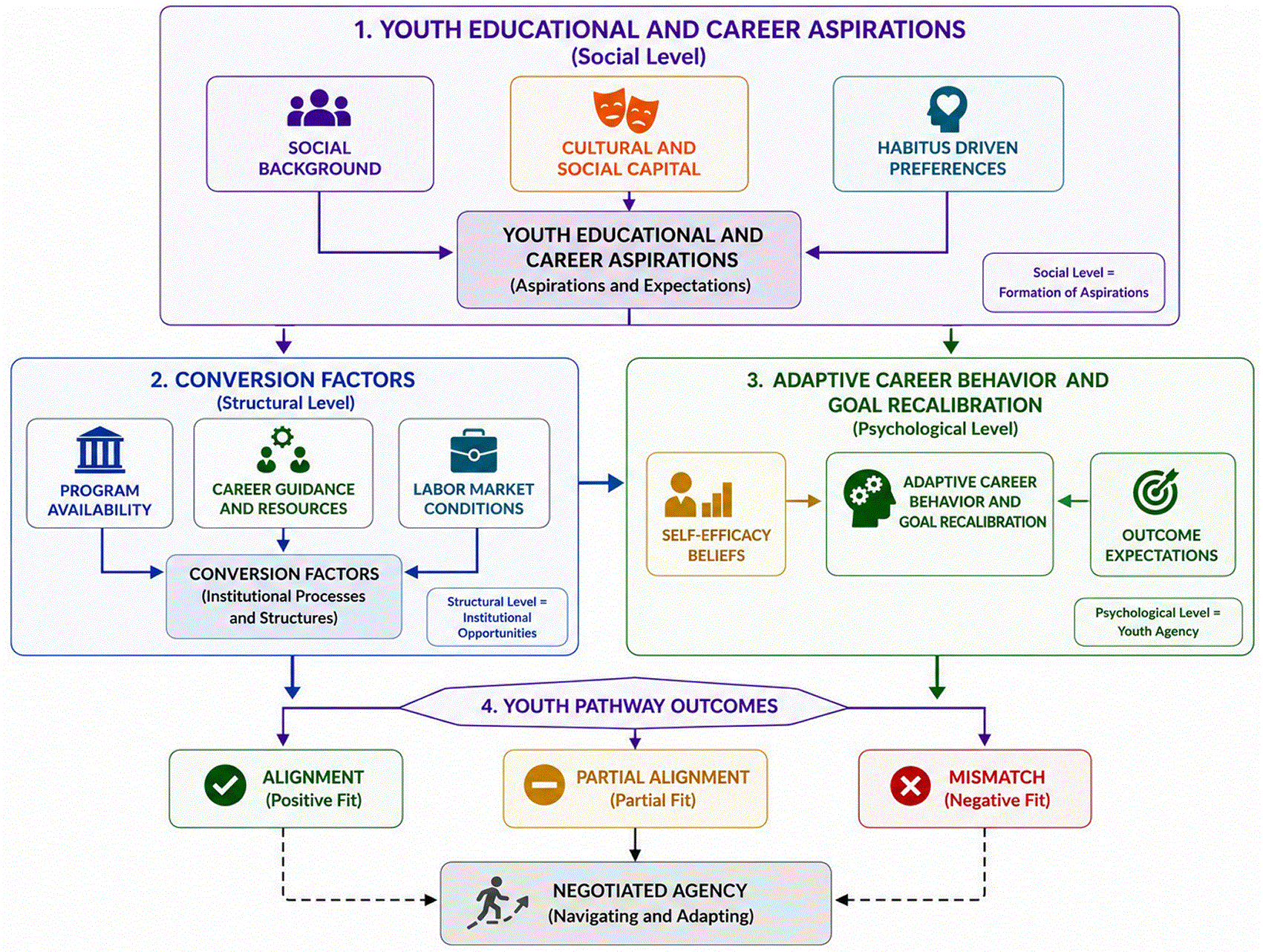
Figure 1. Conceptual Framework: Alignment and mismatch in youth pathways.
This framework shows how young people’s educational and career pathways are shaped by a combination of social influences, institutional conditions, and individual agency. Aspirations emerge through interactions between social background, cultural and social capital, and personal preferences. These aspirations are then filtered through institutional opportunities and constraints and mediated by psychological processes of adaptation and goal recalibration. Together, these factors contribute to different pathway outcomes, ranging from alignment to mismatch.
By combining these theoretical traditions, the study conceptualizes youth pathways as the outcome of an ongoing interaction between socially shaped aspirations, institutional opportunities and barriers, and psychological responses to perceived opportunities or constraints. This integrated framework allows for understanding of how alignment or mismatch emerges between what young people aspire to achieve and what institutional systems enable them to pursue.
3.1 Integrating the Three Theoretical Perspectives
The first component of the conceptual framework draws on Bourdieu’s theory of habitus and capital to explain how young people develop educational and professional aspirations. According to Bourdieu’s perspective, young people’s aspirations are constructed by social background, cultural and social capital, and dispositions embedded within the habitus (Semo & Karmel, 2011). Therefore, their expectations about education and career paths are not just individual preferences, but represent broader social structures that shape perceptions of what is possible or achievable. Recent research also highlights the role of family resources, educational environments, and peer networks in shaping young people’s imagined futures (Archer et al., 2020; Schoon & Heckhausen, 2019).
While Bourdieu’s perspective helps explain the formation of aspirations, the Capability approach addresses how institutional structures shape the opportunities available for realizing those aspirations. Originally developed by Sen (1999) and later expanded within educational research by Nussbaum (2011) and Walker (2024). The Capability Approach emphasizes the distinction between available resources and the real freedoms individuals have to convert these resources into meaningful opportunities (Nussbaum, 2011; Walker & Fongwa, 2017). Within education and labor markets, institutions play a critical role in shaping the capabilities available to young people by determining the availability of study programs, access to financial resources, and opportunities for transition into employment (Walker, 2024).
The third theoretical component of the framework is Social Cognitive Career Theory (SCCT), which provides insight into the psychological processes that mediate how individuals respond to opportunities and constraints (Lent & Brown, 2019). When young people encounter institutional barriers, their perceptions of their own abilities and the likelihood of achieving desired outcomes influence whether they persist, adapt their goals, or reconsider their aspirations.
Taken together, these three theoretical perspectives allow for a multi-level analysis of youth pathways. While Bourdieu’s framework explains how aspirations are socially produced, the Capability Approach highlights how institutional systems structure opportunities, and SCCT provides insight into the psychological mechanisms through which individuals respond to these structural conditions. Integrating these perspectives enables a comprehensive understanding of how alignment or mismatch emerges between aspirations and institutional realities.
3.2 Conceptualizing Alignment and Mismatch
Building on these theoretical perspectives, this study conceptualizes youth pathways in terms of the degree of alignment or mismatch between educational aspirations and institutional opportunities. Alignment occurs in situations in which young people’s aspirations correspond to available educational and labor market opportunities, while mismatch is associated with the fact that institutional conditions do not provide the resources, programs, or employment pathways necessary to realize these aspirations. Mismatch may arise due to a variety of structural factors, including the absence of desired study programs, financial barriers to accessing higher education, or labour markets that offer limited employment opportunities in specific fields (European Commission. Directorate General for Education, Youth, Sport and Culture, 2023; OECD, 2024). Research on youth transitions has shown that such mismatches are increasingly common in contemporary labor markets characterized by rapid economic change and evolving skill demands (Holmes, 2017).
Importantly, alignment and mismatch should not be understood as static outcomes but as dynamic processes that evolve over time. Young people continuously interpret institutional signals and adjust their aspirations accordingly. In some cases, individuals may find alternative pathways that allow them to maintain their original aspirations despite structural constraints. In other cases, persistent institutional barriers may lead to the modification or abandonment of previously imagined trajectories. Understanding how young people navigate these processes of adjustment is therefore essential for understanding how aspirations translate into actual educational and career outcomes.
3.3 The Role of Institutional Feedback in Shaping Youth Agency
Institutional systems do not simply provide opportunities or barriers; they also generate forms of feedback that shape how young people perceive their chances of success. This feedback can emerge through experiences within education systems, access to career guidance, perceptions of labor market opportunities, or interactions with institutional actors such as teachers, counselors, and employers. Such experiences influence young people’s sense of self-efficacy and their beliefs about whether pursuing particular aspirations is realistic or attainable.
Within the framework of SCCT, institutional feedback plays a crucial role in shaping outcome expectations and self-efficacy beliefs (Lent & Brown, 2019). Positive institutional experiences can increase youth self-efficacy and persistence. Repeated failure can weaken self-confidence and cause them to adjust their aspirations to perceived opportunities.
Recent research on youth transitions suggests that these processes often involve forms of adaptive decision-making, in which young people strategically modify their educational or career plans in response to structural constraints (Lindley, 2005; Schoon & Heckhausen, 2019). Such adjustments may mean changing fields of study, postponing education, or redefining career goals, showing how institutional constraints shape young people’s available trajectories.
3.4 Operationalization of the Framework for the Study
The conceptual framework presented in this study is operationalized through a qualitative analytical strategy that translates the three theoretical layers i.e. social, structural, and psychological into concrete analytical dimensions guiding the empirical analysis. In line with the integrated framework, the analysis seeks to capture how youth aspirations are socially formed, how institutional structures shape the opportunities available to young people, and how individuals respond to these conditions through psychological and behavioral mechanisms. This approach enables the study to examine the dynamic interaction between aspirations and institutional realities and to identify the conditions under which alignment or mismatch emerges in youth pathways.
The first analytical dimension focuses on the social formation of aspirations, corresponding to the social layer of the framework grounded in Bourdieu’s theory of habitus and capital. Within the empirical analysis, this dimension explores how participants describe their educational and professional ambitions, the professions they aspire to pursue, and the imagined trajectories they associate with their future lives. Particular attention is given to how these aspirations are shaped by family expectations, educational experiences, and access to cultural or social capital. In this way, the analysis seeks to understand how young people construct their aspirations within broader social contexts that influence perceptions of what educational and career pathways are possible or desirable.
The second analytical dimension examines the institutional opportunity structure, corresponding to the structural layer of the framework informed by the Capability Approach. Here, the analysis focuses on the institutional conditions that shape the opportunities available to young people within education systems and labour markets. This includes examining the availability of desired study programs, access to financial resources, career guidance mechanisms, and perceived labour market opportunities. By exploring how participants experience and interpret these institutional conditions, the study aims to identify the structural factors that enable or constrain the realization of their aspirations.
The third analytical dimension addresses psychological mediation and youth agency, reflecting the psychological layer of the framework derived from Social Cognitive Career Theory. This dimension focuses on how young people interpret institutional feedback and how such experiences influence their confidence, persistence, and decision-making processes. In particular, the analysis examines expressions of self-efficacy, perceptions of achievable outcomes, and strategies used by participants to adapt their aspirations when confronted with institutional constraints. This allows the study to capture how young people actively negotiate their aspirations in response to the opportunities and barriers they encounter.
Finally, the interaction between these three dimensions is analyzed in order to identify patterns of alignment, partial alignment, or mismatch between youth aspirations and institutional opportunities. Alignment occurs when the institutional environment provides the necessary opportunities and resources for young people to pursue their desired educational or professional pathways. Partial alignment refers to situations in which young people adapt or modify their aspirations while still attempting to pursue related goals. Mismatch emerges when structural barriers significantly constrain the realization of aspirations, forcing young people to reconsider or abandon previously imagined trajectories. By tracing these interactions across participants’ narratives, the study is able to illuminate how youth pathways are shaped through the interplay between social background, institutional conditions, and psychological responses.
4. Methodology
4.1 Research Design
This research is designed as a qualitative case study within the Horizon Europe EDU-LAB project, focusing on youth transition pathways in the Pristina region, Kosovo. The study integrates a comprehensive, cross-sectional comparative analysis to map linear and non-linear pathways, ensuring cross-comparability through the standardized WP4 framework, while accommodating local nuances.
4.2 Participants and Sampling
The sample consists of 70 youth participants aged 16–30, purposively selected to represent different transition experiences in four distinct categories: (1) students in general and vocational education (VET), (2) students in higher education (HE), (3) employed young people, including those working outside their field of study, and (4) NEETs (Not in Education, Employment or Training). To triangulate the data with institutional realities, the study also includes semi-structured interviews with six (6) purposively selected education and labor market experts, providing a top-down structured perspective to complement the lived experiences of young people. The demographic characteristics of the focus group participants and expert interviewees are presented in
Figure 2.
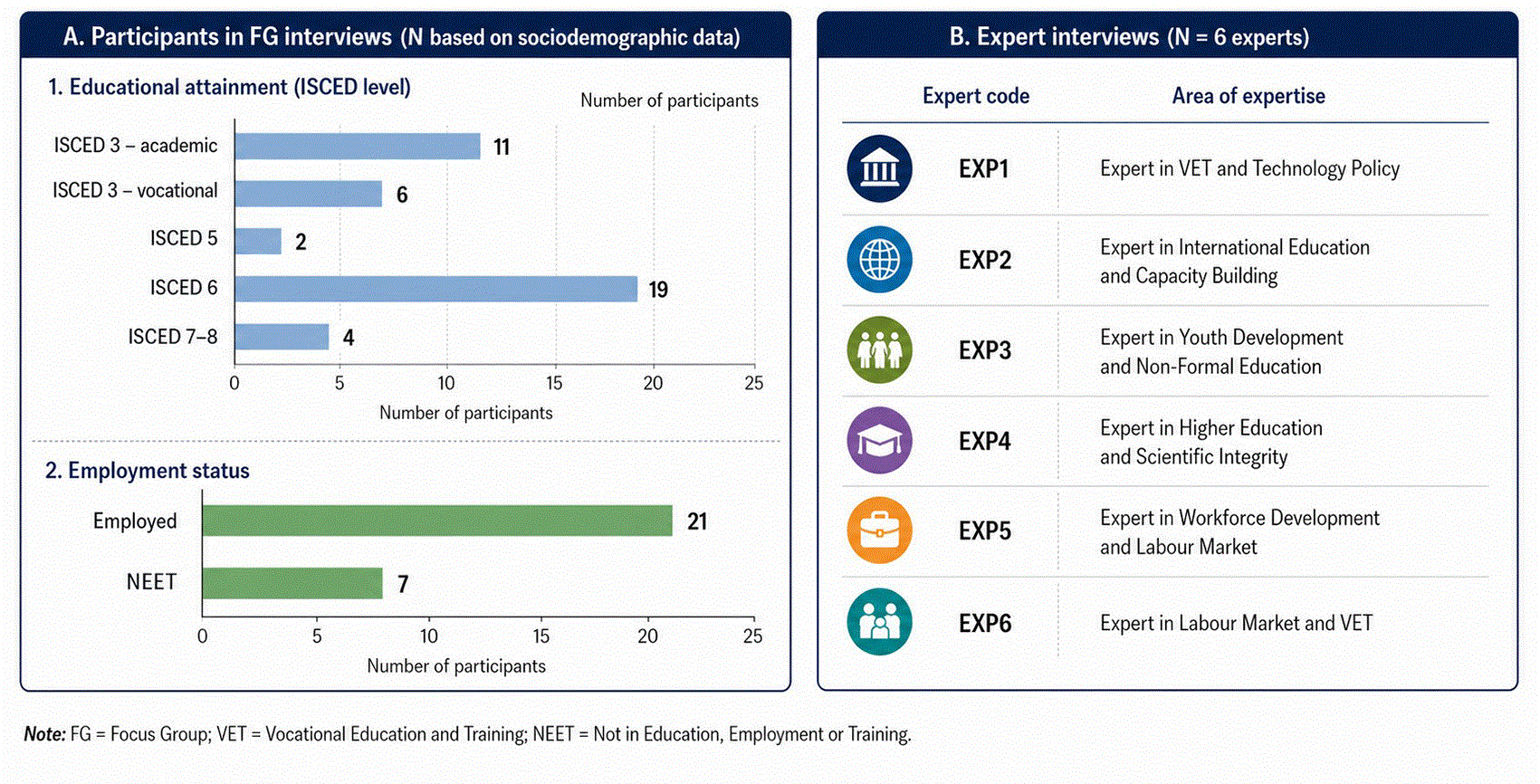
Figure 2. Demographic characteristics of participants.
This figure provides an overview of the study participants. It includes the educational attainment and employment status of focus group participants, as well as the professional backgrounds and areas of expertise of the six experts who took part in the interviews.
4.3 Data Collection
Data collection was conducted through 11 semi-structured focus groups (FG) via Microsoft Teams. Each FG consisted of 5–8 participants. Following the EDU-LAB protocol, a coordinated FG interview protocol developed with WP4 partners was used. This instrument is specifically designed to identify “conversion factors” – local conditions that support or hinder the realization of aspirations – by capturing individual “habitus” and common structural barriers that young people face.
In addition to the focus groups, six individual semi-structured interviews were conducted with different experts from different institutions relevant to the research area. The selection of experts was based on their extensive experience in vocational education, higher education policies and labor market dynamics in Kosovo. Each interview lasted approximately 45–60 minutes and was based on a protocol designed according to the policies of the Horizon - EduLab project and adapted in such a way as to capture institutional perspectives on youth transition pathways.
4.4 Data Analysis
The data analysis in this study follows the “qualitative data analysis approach” (Creswell & Guetterman, 2019), starting with the placement of raw data in a multi-perspective synthesis. The process was further carried out using Reflexive Thematic Analysis, according to the evolved framework developed by Braun and Clarke (2021). This approach relies on the subjectivity of the researcher as an analytical tool to interpret the nuances of youth transitions in Kosovo. The analysis was conducted through the following stages:
1. Data Transcription - Digital transcripts were generated from the 11-focus group and the 6 expert interviews discussions via Microsoft Teams and manually edited for accuracy. Repeated reading of the material created opportunities to familiarize ourselves with the lived experiences of the participants and to identify initial subjective meanings.
2. Working in MAXQDA - Next, the data was imported into the MAXQDA software for organization and segmentation. Coding was conducted as an organic and reflective process, identifying phrases and concepts related to educational transitions. This phase yielded both descriptive codes (such as lack of infrastructure) and interpretive codes that identified phenomena such as nepotism, youth agency, etc.
3. Theme generation - After generating summary functions in MAXQDA, the synthesis of the initial codes into broader meaning models continued. This phase followed an inductive approach (Creswell, 2012), based on the analytical pillars of the study (see the conceptual framework). Data from interviews with experts have enriched the analytical pillars of the research by providing a multidimensional perspective, and enabling the triangulation of young people’s experiences with institutional experiences.
4. Reporting and Illustrative Quotes - To interpret the findings, direct quotes were selected to provide a “detailed description” of the identified themes. Anonymity was ensured, through the use of identification codes (e.g., FA19N, SO21Z), ensuring that interpretations remained rooted in the actual lived experiences of young people in Kosovo.
5. Findings
This section presents the findings of the study, organized around four analytical pillars identified during the reflective thematic analysis process (see Figures 3, 4, 5 and 6). The results focused on the complex interaction between the professional aspirations of the participants and the structural institutional realities.
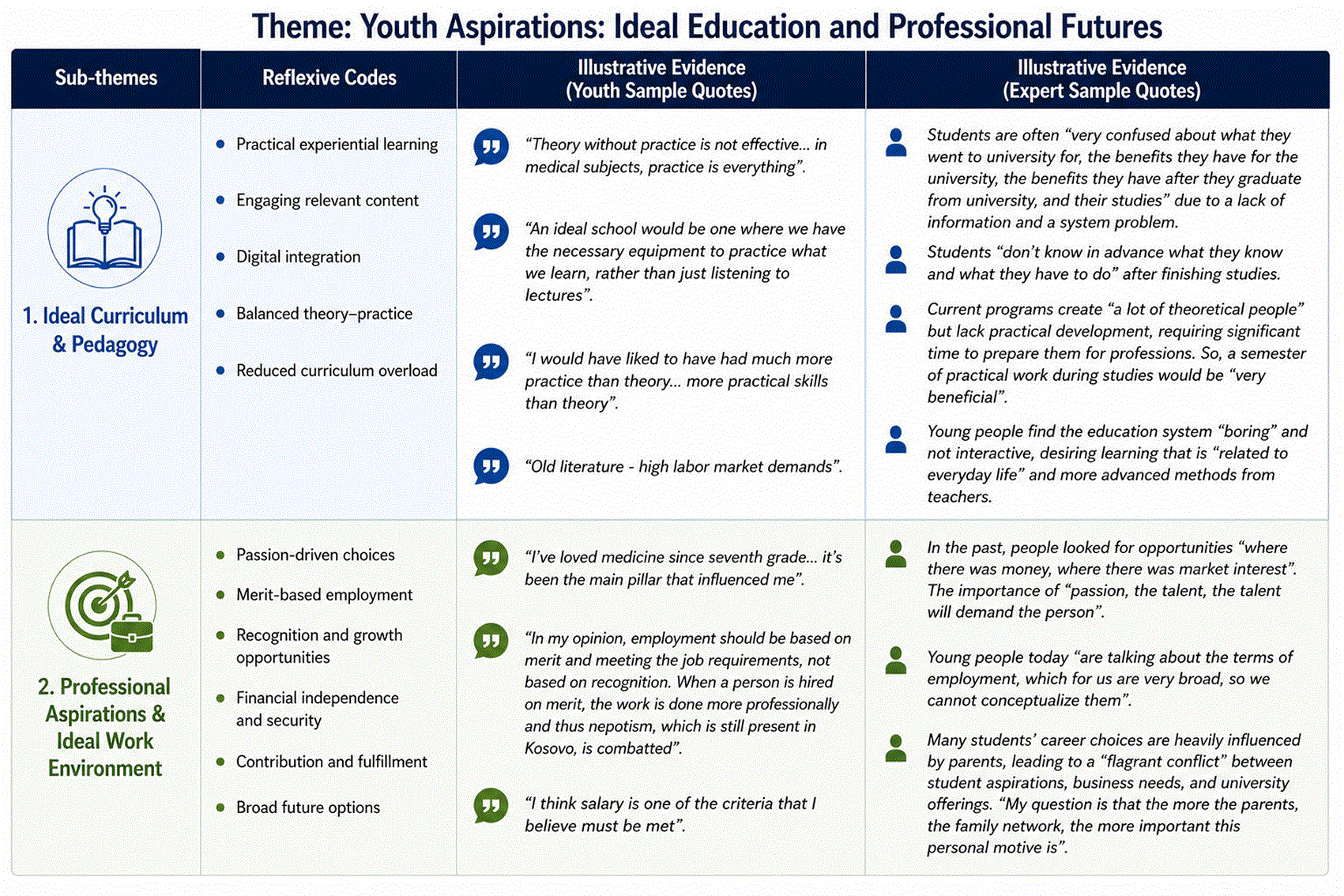
Figure 3. Theme 1: Youth Aspirations – ideal education and professional futures.
This figure captures how young people imagine an ideal educational experience and future working life. It brings together reflections on preferred teaching approaches, curriculum design, employment opportunities, and workplace conditions, drawing on evidence from both focus group participants and experts.
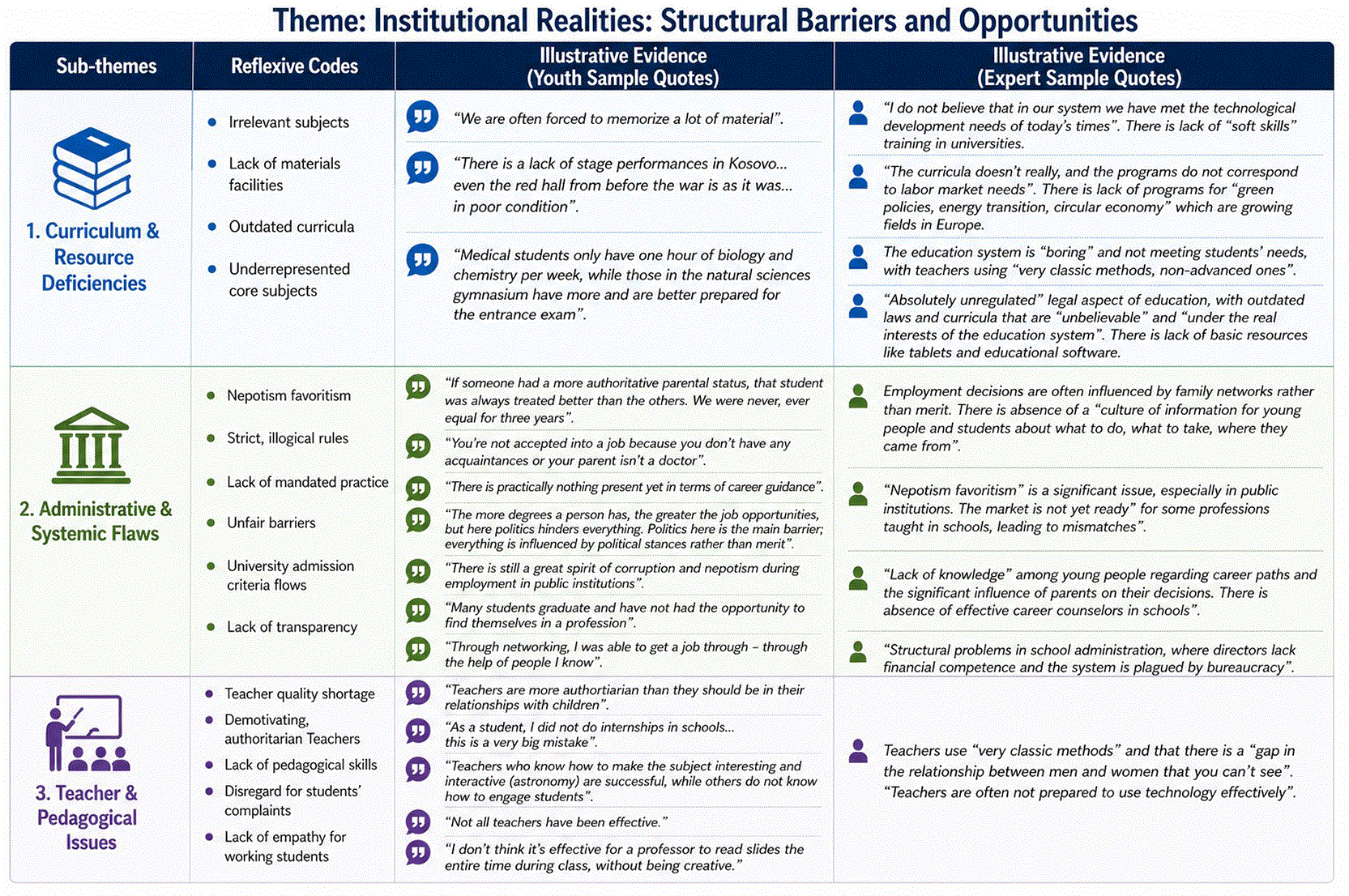
Figure 4. Theme 2: Institutional Realities – structural barriers and opportunities.
This figure highlights the institutional conditions that shape young people’s educational and career journeys. The findings point to challenges linked to curricula and resources, administrative practices, and teaching quality, while also showing how these issues are understood by both young people and experts.
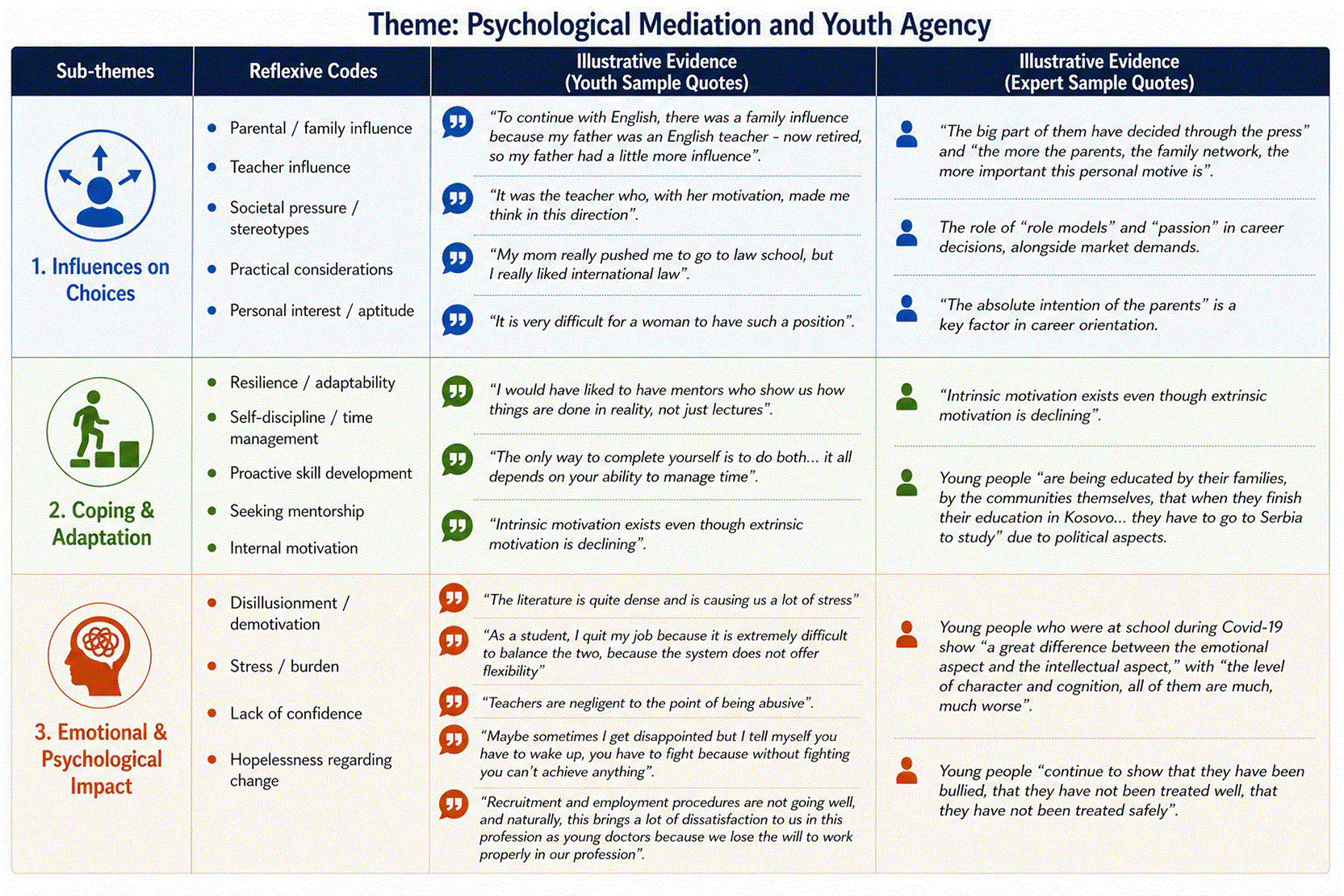
Figure 5. Theme 3: Psychological mediation and youth agency.
This figure focuses on the personal side of educational and career decision-making. It illustrates the influences that shape choices, the ways young people adapt and cope with challenges, and the emotional consequences of navigating uncertain educational and labor market pathways.
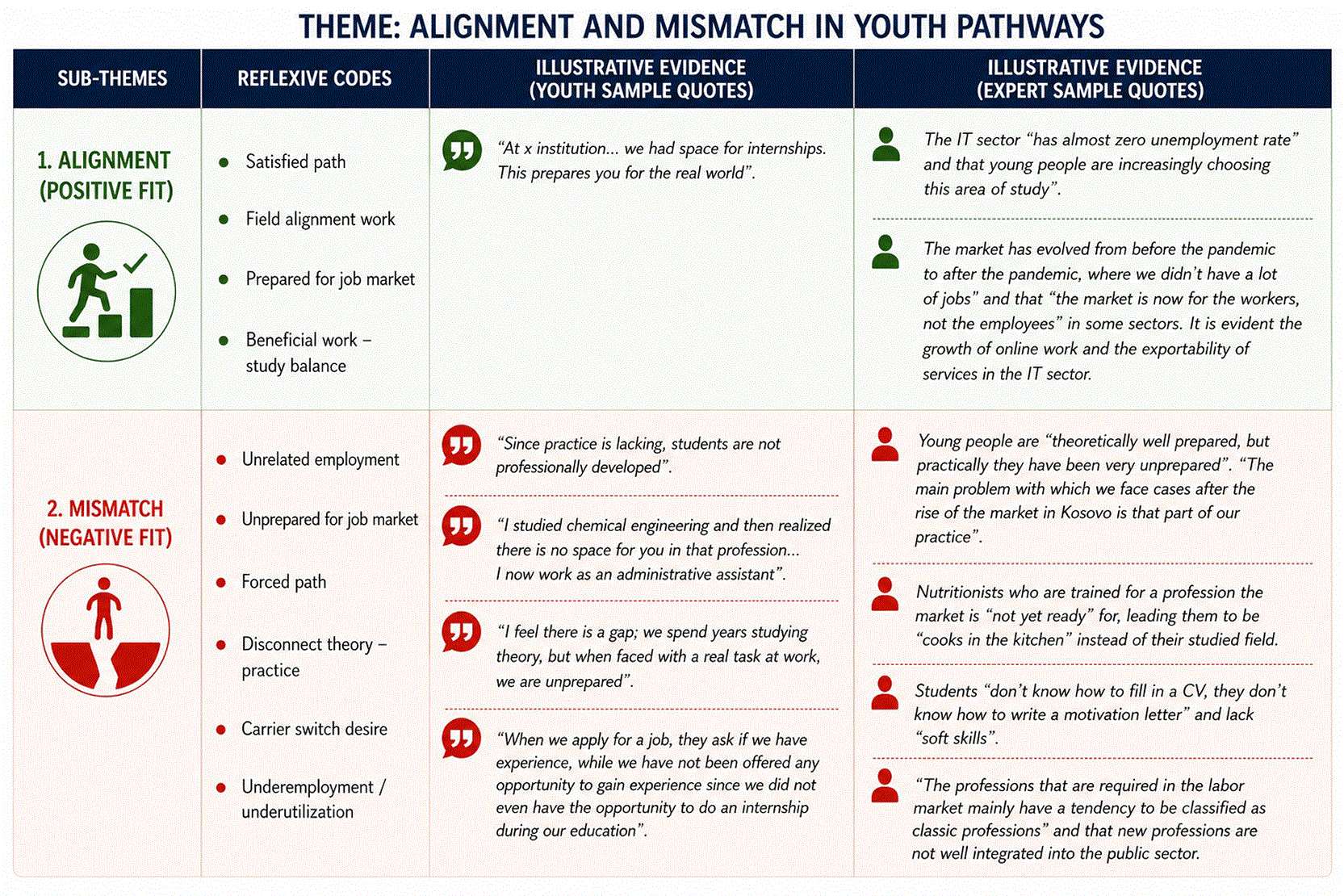
Figure 6. Theme 4: Alignment and mismatch in youth pathways.
This figure explores the extent to which educational experiences, career aspirations, and labour market outcomes fit together. It contrasts situations where young people feel prepared and well positioned with experiences marked by skills mismatches, limited opportunities, and difficulties entering desired professions.
By synthesizing data from different focus groups (11 FG) and interviews with 6 experts from different institutional fields (see chapter 4.2), the depth and authenticity of the analysis was ensured. The themes were based on the participants’ narratives, aiming to provide a comprehensive overview of the paths and challenges that young people have gone through during transitions in an evolving institutional context.
Table 1 is designed to compare views of young people and experts, and to combine the subjective emotional burden of the new generation with the strategic and detailed analysis of the country’s development and European integration.
Table 1. Comparison of youth and expert perspectives on educational pathways.
This table summarizes the main similarities and differences between youth and expert perspectives. The comparison covers how challenges are interpreted, the kinds of solutions that are proposed, perceptions of agency and responsibility, views on future labor market demands, and the broader role of education in shaping young people’s lives.
|
Dimension of difference | Youth perspective | Expert perspective |
|---|
| Attribution of Causes (Root vs. Symptom) | Focus on symptoms and immediate impacts. They describe education as “boring” and irrelevant, and view employment obstacles like nepotism as direct institutional failures | Systemic and structural analysis. They attribute issues to outdated legal frameworks, policy failures, lack of strategic vision, and institutional inertia |
| Scope of Solutions & Interventions | Direct, tangible support. Desires are centered on immediate improvements like more practical learning, better facilities, and merit-based hiring | Holistic ecosystem transformation. Recommendations include policy reforms, inter-institutional synergy, and long-term investment in digital/green transitions |
| Impact of Systemic Mismatch | Individualized frustration. Mismatches are framed through personal “disillusionment,” “stress burden,” and “hopelessness regarding change” | Societal and national development. They view mismatches in terms of “brain drain,” economic stagnation, and Kosovo’s inability to meet European standards |
| Perception of Agency & Responsibility | Personal navigation and coping. Emphasis is on their individual struggles to adapt and the emotional toll of navigating a failing system | System-enabled agency. While recognizing individual constraints, they emphasize that the system must foster “meta-competencies” and provide proper career orientation to empower youth |
| Awareness of Future Demands | General recognition. They acknowledge the importance of “digital integration” but lack detailed articulation of specific future sectors | Detailed trend analysis. They possess explicit understanding of global shifts such as AI, data science, green policies, and “twin transitions” (digital/green). |
| Understanding of Marginalized Groups | Broad acknowledgment. They mention “unfair barriers” generally, but offer fewer specific insights into the struggles of distinct minority communities | Granular detail. They provide deep analysis of specific barriers for Roma, Ashkali, Egyptian, and Serb communities, including parallel systems and deep-seated stereotypes |
| Purpose of Education | Practical/Job-ready focus. They prioritize learning that is “related to everyday life” and provides clear paths to employment | Holistic human development. They argue for creating “complete human beings” who are creative and adaptable, rather than just filling immediate labor market slots |
| Impact of COVID-19 | Negative emotional toll. Focus is on the “stress burden” and “disillusionment” caused by the pandemic | Catalytic digital effect. While acknowledging social skill losses, they highlight the pandemic as a positive driver for digitalization and remote work adoption |
Based on the perspectives of young people and experts through an analytical approach, we can observe a deep disconnect between the lived experiences of young people in Kosovo and the systemic views of education and labor market experts. On the one hand, students reveal the difficulties of their journey through the lens of personal disappointment and immediate needs such as practical training and fair employment. And, on the other hand, experts elaborate on these same issues by presenting them as deep structural failures. According to them, these failures require long-term policy reform and digital evolution. Consequently, this analysis highlights a “fundamental alignment gap”, with symptoms of a failed system, such as boredom and nepotism, according to young people, and with holistic transformations of the ecosystem to address economic stagnation and brain drain, according to experts. So, the essential difference is not in fact (both sides are aware that the system has failed), but in agency: young people consider themselves victims of the system.
Thus, young people need “top-down” changes for immediate survival, while experts need an ecosystem transformation in which young people should be equipped with “meta-competences” to adapt. The crucial difference between young people and experts (as shown in Figures 3–
6) is not in the identification of problems but exactly in the attribution of causes and the perception of agency for change.
The following sections examine each theme individually, providing a more detailed analysis of the findings and their underlying dynamics.
6. Discussion and policy implications
6.1 Youth Aspirations: Ideal Education and Professional Futures
To identify the analytical pillar related to youth aspirations, empirical evidence in the Kosovo context reveals a striking paradox: young people have high aspirations for modern, merit-based and experiential learning environments, while their imagined futures are also shaped by concerns about security, fairness and institutional trust. Consequently, a significant divergence is identified between the perspectives of young people and those of experts; young people prioritize a “work-ready” focus for survival, while experts support a holistic development that aims to create “whole human beings” equipped with creativity and adaptability. The participants’ narratives illustrate the tension between personal aspirations and the journey towards a secure and merit-based future. GA25A (see Figure 3) highlighted medicine as an early aspiration that had guided their educational choice, while BE09L (see Figure 3) stressed that employment should be based on merit rather than personal connections. Furthermore, EXP4 (Table 1) pointed to a conflict between students’ passions and external family pressures, and these narratives reveal that young people’s “ideal” future is often negotiated in terms of fairness, security, institutional trust and societal expectations.
Such a discrepancy reflects that aspirations in Kosovo are not simply individual psychological traits, but are embedded and socially negotiated constructs. The value of education is seen through two different lenses: as a means of immediate survival (the youth) versus an internal strategic developmental foundation (the experts). This highlights that young people are in a constant process of recalibrating their goals based on the constraints of their ecosystem. Even if young people wish to break away from traditional paths, their decision-making is refined through a “socially appropriate” lens, demonstrating a struggle to align the individual’s “imagined future” with the “expected future” conditioned by the immediate social environment.
The cause of this mismatch is related to the interaction between individual agency and an unstable socio-economic environment. In Kosovo’s transitional economy, where the labor market is perceived as unstable and meritocracy is often undermined by nepotism, the family network appears as the main source of information and security. This creates what this study calls “Habit-Driven Preferences,” where personal passion-based choices are overridden by the need for social and economic security. This “habitual survival” reflects a pull toward traditional security, because the socio-ecological context often blocks the realization of personal agency, leading to a rationalized surrender of individual interests in favor of family-approved paths.
All of this offers a theoretical novelty influencing the scientific discourse and has to do with the connection of Bourdieu’s concept of Habitus with the Developmental-Contextual Model (Schoon & Lyons-Amos, 2017; Schoon & Henseke, 2023). Through the perspective of the proposed Socio-Ecological Agency Theory, we conclude that youth agency is not a fixed capacity, but is “Negotiated Agency” that implies the ability to navigate and negotiate with systemic barriers. This connects with the work of Soong & Stahl (2023) regarding the “articulation of the possible” meaning that aspirations are continuously negotiated between personal ambition and socially conditioned expectations of what can realistically be achieved and Ingram’s (2011) concept of “family habitus”, where the family environment often dominates institutional influences. The authors Burke et al. (2013) further present that habitus creates an internal sense of what is “for those like us”, explaining why young people filter their dreams through what is perceived as achievable within their social circle, while Schoon and Lyons-Amos (2017) emphasize that individual paths are shaped by the interaction between personal agency and socio-ecological resources. In the post-pandemic era, as Reay (2018) points out, this reliance on family has intensified due to increased social “disillusionment” and stress, highlighting a mismatch that presents a failure of the ecosystem to support individual agency.
To achieve a match between young people’s aspirations and institutional realities, career guidance must move from a “one size fits all” model to an ecosystemic transformation. At the same time, programs must balance the urgent need for “work readiness” with the goal of building “meta-competences” such as adaptability and critical thinking. To transform “individualized frustration” into “proactive agency,” educational policies must promote a comprehensive family approach, engaging parents in transforming the family habitus from a constraining force into a supportive mechanism. Ultimately, alignment requires a synergy where the labor market and institutional structures are ready to integrate the specialized aspirations of young people, thus preventing a national brain drain and fostering human development.
6.2 Institutional Realities: Structural Barriers and Opportunities
In the context, which deals with the second analytical pillar, the institutional reality, structural barriers are identified within the institutional landscape of Kosovo. These barriers are characterized by outdated curricula, lack of practical training and systemic nepotism. Our findings are related to those of Rexhaj, Qerimi, and Qerimi (2026) on structural barriers in Kosovo, but our work goes beyond them through the direct analysis of young people’s subjective reaction to this discrepancy. Participants, such as VJ21N (see Figure 4), claim that they were “forced to memorize a lot of material” that seemed irrelevant to the modern market, while FE11Z (see Figure 4) highlighted a more disturbing truth: students with “authoritarian parental status” often receive preferential treatment. Furthermore, a clear divergence is reflected in the perception of these barriers: while young people experience them as “boredom” and “individualized frustration” due to the gap in IT and digital skills, experts (e.g., EXP1, Table 1) compare them to an “institutional inertia” and a failure of legal frameworks to keep pace with rapid sectoral growth.
These findings show that the challenges faced by Kosovo’s youth are not simply individual grievances, but encompass “systemic and structural failures”. The institutional environment presents a fundamental inability to support smooth transitions from education to the labor market. Whereas education, in this context, is perceived as a collection of resources that cannot be effectively utilized because opportunities are rigid, leading to a deep mismatch between academic outcomes and professional demands.
The cause of this “match gap” lies in the disconnection between the macro-system (legal and policy frameworks) and the micro-system (individual aspirations). Institutional inertia, found in outdated pedagogical methods, creates an environment where theory is disconnected from practice. In sectors such as IT, where the market moves quickly, the slow response of public institutions is seen as a hindrance. Furthermore, systemic nepotism functions as a limiting mechanism by undermining merit, thus making young people perceive the system as “rigged” in favor of those with high social capital.
In the conceptual framework of the paper, we have presented these barriers as “Conversion Barriers” within the Capabilities Approach. According to Sen (1999) and Hart (2012), although education is considered a resource, institutional barriers prevent young people from converting this resource into “real freedoms” (capabilities). In the context of Kosovo, Hart’s framework clearly explains how systemic barriers—such as nepotism—interact as negative conversion factors that limit students from translating their educational achievements into real-world capabilities. This therefore links to Walker’s (2024) concept of “epistemic justice”, where institutional barriers are not just resource-based, but are barriers that deny students the right to have their practical and digital knowledge recognized. Socio-Ecological Perspective presented in the articles of Schoon & Heckhausen (2019) and Schoon & Henseke (2023) also reinforces this by showing how macro-level “opportunity structures” shape the success of transitions. When the macro-system fails to align with youth agency, it creates a “theory-practice gap” as Greenway et al. (2019) call it, thus making education feel like a “worthless resource” rather than a path to professional success.
Urgent “top-down” systemic reforms are required to restore young people’s trust in public institutions. This requires two-pronged approach: firstly, for curricula to be updated to incorporate green and digital skills to meet the demands of the modern economy; and secondly, for strict merit-based recruitment systems to be implemented. Only by removing these “conversion barriers” can Kosovo’s institutional environment enable “alignment” and transform the current “individualized victimhood” into an agency enabled by the system, while at the same time reducing the national threat of brain drain.
6.3 Psychological Mediation and Youth Agency
Regarding the third issue of the study, the empirical data demonstrates a strong psychological dimension of youth transitions in Kosovo, defined by a continual sense of “individualized frustration”. Many young people express considerable levels of stress, disappointment, and a sense of “hopelessness regarding change” when confronted with institutional mismatches. However, a dramatic paradox emerges: despite this emotional burden, youth usually demonstrate proactive behaviors, such as self-directed learning and the pursuit of unrelated jobs for survival. Participant HA20A (a NEET) stated (see Figure 5): “Sometimes I get disappointed but I tell myself… you have to fight because without fighting you can’t achieve anything”, highlighting this spirit of struggle. A considerable discrepancy is seen between adolescents, who frame their challenges through victimhood, and specialists, who understand these symptoms as systemic failures. As expert EXP3 (Table 1) comments, the psychological burden and the resulting self-learning efforts of youth are not only personal coping techniques, but indicate a “national failure to utilize human capital”.
This implies that what young people perceive as a personal psychological difficulty, experts identify as a societal crisis. While young people go through a continuous process of recalibrating their goals while trying to manage the emotional cost of failure, this frustration is seen by experts as a symptom of a failed ecosystem. Expert EXP3 further emphasizes that this mismatch leads to a state of “economic stagnation”, where the proactive energy of individuals is wasted due to a market and public sector that is not ready to integrate modern specialized professions. This shows that agency in Kosovo is a “negotiated journey”, where the psychological resilience to survive in unrelated sectors becomes a primary, but unrewarded, competence. Consequently, our findings are consistent with those of Kosovar authors Behluli et al. (2022) regarding how graduates’ skills impact labor market challenges; however, our findings show that when these skills do not match, young people activate ‘Negotiated Agency’ to overcome structural barriers.
The explanation for this discrepancy resides in the distinct points of concentration of the actors. Young people highlight the negative emotional consequences - exacerbated by the disillusionment after the pandemic (Reay, 2022) - and the lack of hope in the created situation. In contrast, experts focus on the strategic loss for the state. For EXP3 (see Table 1), the results of a “stagnant ecosystem” are the stress and hopelessness that young people feel as it fails to provide a bridge between social aspirations and professional reality. The lack of meritocracy drives young people to enter a “survival mode” where their self-efficacy declines, leading to a “downscaling” of aspirations to fit available, if often minor, chances.
This process links our innovative terms “adaptive career behavior” and “goal recalibration”. Drawing on Brown & Lent’s (2023) modified SCCT model, we examine how systemic faults cause people to change their aims. This resonates with Schoon and Heckhausen’s (2019) concept of “bounded agency” – or as we propose, “negotiated agency” – where agency is not considered as a fixed capacity, but as a dynamic process constructed within a limited environment (Biesta & Tedder, 2007). In the Balkan context, this reflects the paradoxes of agency (Tomanović, 2022), where young people apply survival strategies to navigate failing systems. According to Cuzzocrea (2025) and Cuzzocrea et al. (2023), young people are negotiating uncertainty through a middle alternative, keeping their long-term identity while working in unrelated professions to survive. This would be referred to as high ‘career adaptability’ by Savickas (2013), the ability to construct a career in the absence of institutional pathways.
To shift policies from individualized frustration to “system-enabled, proactive agency,” interventions must extend beyond technical skills. There is an urgent need to incorporate character development and “meta-competencies” into educational frameworks. Institutions must provide mental health support and career counseling that respond to the emotional costs of nonlinear transitions. The ultimate goal is to move from a “negotiated survival” of youth to a structured alignment where young people’s proactive efforts find an ecosystem that validates and integrates their specialized agency rather than forcing it to surrender.
6.4 Alignment and Mismatch in Youth Pathways
The study finds a dominant middle alternative in the Kosovo labor market: partial adaptation. While sectors such as IT show positive synergies, most young people face a mismatch, where they are either overeducated for their roles or working completely outside their field. A related example, provided by Expert EXP2 (see Table 1), is that of nutritionists who, because the market is not yet ready for their specialization, end up working as cooks in a kitchen. The result is a stark divergence: young people experience mismatch as personal underemployment and “unrelated survival,” whereas experts interpret it as a national failure to utilize human capital, causing systemic stagnation.
Adaptation and mismatch are not binary; rather, partial matching represents a dynamic, albeit uncertain, state of “employing something else” and still seeking opportunities. This shows that the transition from school to work in Kosovo is not a linear road but a state of “Waithood” – a prolonged period of suspension where young people are neither fully integrated nor completely excluded. In this phase, youth are not static; they continue to live by bridging the gap between their imagined futures and the available possibilities of a stagnant market.
This discrepancy emerges from the clash between “socially produced aspirations” (Bourdieu) and an institutional environment that does not have the capacity to absorb specialized graduates. The explanation is a fundamental gap between a theoretical educational system and a public/private sector that remains not yet ready for current professional qualifications. This creates a “stagnant ecosystem” where the skilled individual remains in the workforce only through a “negotiated journey” that does not always value their expertise.
This empirical reality strongly correlates with the proposed Negotiated Agency. Consequently, it correlates with Evans’ (2007) “Bonded Agency” model and Schoon and Lyons-Amos’ (2017) model as it continuously interacts with social background, institutional constraints and psychological responses. This state of “suspension” is described by Honwana (2012) and the concept of “Waithood” which accurately describes the experience of Balkan youth with unconnected employment and “hopelessness regarding change”. Furthermore, Tomlinson (2017) supports our paper’s focus on “identity capital,” suggesting that in mismatched markets, graduates must rely on psychological and social resources to sustain their professional self-esteem while working in survival occupations. This negotiation is a symptom of what analysts regard as a permanent “brain drain”.
Kosovo needs more than ‘skills matching’ to transition from a chronic mismatch to a sustainable match. There is an urgent need for a “synergy” among government, private sector and educational institutions. Policies must create conditions that educational offerings match the “real interests” of the labor market through the creation of new professional profiles in the public and private sectors. To transform “negotiated survival” into “system-enabled success,” the state must play the role of an agency facilitator, enabling specialized human capital to not only be produced, but to be actively integrated into the national development strategy.
7. Conclusion
After analyzing the data, we present the conclusions addressing the research questions. There is a deep “alignment gap” between the aspirations of young people and institutional realities in Kosovo, based on a “theory-practice gap”, where educational outcomes do not meet the demands of the labor market (RQ1). A positive alignment is observed in specific sectors such as IT, but the dominant reality is one of mismatch, where graduates are either over-educated for their roles, or forced to take up jobs unrelated to their education in order to survive. Consequently, a state of “Waithood” is created—a period of suspension where young people are neither fully integrated nor excluded from the professional world. (See Figure 1: Macro-Level Framework – this is related to structural labor market outcomes and the systemic failure to match educational supply with economic demand.)
Young people articulate high aspirations for merit-based learning, experiential learning and digital integration, highlighting a “work-ready” focus for economic survival (RQ2). However, their path is often constrained by the “family habitus”, where parental influence and traditional social norms are seen to override personal passions in favor of perceived economic security. Thus, aspirations are not static choices, but are “negotiated” between young people’s imagined future and the traditional expectations of their immediate social environment. (See Figure 1: Meso Level Framework – this relates to the socio-cultural environment in which family customs and social norms interact as primary filters for individual decision-making.)
Based on the findings, in Kosovo institutional structures function as “conversion barriers” rather than facilitators of opportunity (RQ3). Therefore, structural constraints—starting from outdated curricula, lack of practical training facilities, and systemic nepotism—prevent young people from converting their educational resources into real-world professional skills. This “institutional inertia” results in a stagnant ecosystem, where the slow response of public institutions to modern market needs (such as green and digital skills) actively limits young people’s transition paths. (See Figure 1: Meso and Macro Level Framework – here we have a connection to institutional conversion factors, where organizational failure directly prevents the transition from education to the workplace.)
On the other hand, systemic misalignments cause emotional consequences, causing individualized frustration, stress, and decreased self-efficacy in young people (RQ4). They respond to this by exercising a ‘negotiated agency’ which includes ‘downscaling’ aspirations and adaptive career behaviours such as self-directed learning and working in non-school sectors. It should be noted that this “psychological recalibration” is not a free choice but a “survivalist strategy” – a necessity for survival imposed by the habitus, as individuals adjust their expectations to the constraining reality of the field. While, this resilience, though a means of survival, is a national failure to utilize human capital. The proactive energy of the youth is often wasted in a system that lacks meritocracy and fails to validate specialized knowledge. (See Figure 1: Micro-Level Framework – here we are introduced to internal psychological mediation and individual agency, presenting how macrostructural failures are transmitted as emotional burdens at the micro level and adaptive survival strategies.)
Ethical and Consent Statement
Ethical approval for this study was obtained from the Ethics Commission of AAB College under the EDU-LAB project ethical approval procedures. The approval/reference number was 175/25, dated 24.04.2025.
All participants received detailed information about the purpose of the study, the voluntary nature of participation, confidentiality and anonymity procedures, data protection measures, the use of audio/video recording, and their right to withdraw before data collection. Written/electronic informed consent was obtained from all participants prior to participation. The consent forms were distributed online through LimeSurvey as part of the onboarding process. Participants completed the consent form only if they voluntarily agreed to take part in the EDU-LAB project and its related research activities.
Participants aged 18 and above provided their own informed consent. Participants aged 16–17 also provided informed consent directly, in accordance with the approved ethical protocol for this low-risk educational research. Written parental consent was not required for this age group under the approved ethical procedures. This approach was aligned with Kosovo’s Law No. 04/L-143 on Adult Education and Training in the Republic of Kosovo: https://gzk.rks-gov.net/ActDocumentDetail.aspx?ActID=2868, which extends relevant provisions to young people aged 15 and above who have completed compulsory education, are eligible to enter the labour market, and may participate in learning programmes designed for adults.
Disclosure Statement
During the preparation of this manuscript, the authors used ChatGPT (OpenAI) for language editing, proofreading, and visual formatting support in the preparation of figures and tables. All analytical content, coding, thematic interpretations, data analysis, and research findings were developed by the authors and the project working group. The authors reviewed and edited all outputs and take full responsibility for the content, accuracy, and presentation of the publication.







