1. Introduction
Sustainability has increasingly emerged as one of the defining challenges of contemporary societies, demanding not only technological and political responses, but also profound transformations in how individuals and communities perceive, interpret, and engage with environmental and social futures (Steg & Vlek, 2009). Recent climate research has highlighted the importance of placing people, emotions, social practices, and collective participation at the center of climate action, while pointing to the limitations of exclusively technological or informational approaches to sustainability transitions (Devine-Wright et al., 2022). Although sustainability was initially conceptualized mainly through the environmental, economic, and social dimensions of development (Elkington, 1994), recent perspectives argued that this framework should be “humanized” by explicitly incorporating measures of people’s perceptions and behaviors. This emphasizes that sustainability cannot be adequately assessed or promoted without understanding how individuals interpret and enact it (Luís & Silva, 2022). Previously, Adams et al. (2016) conceptualize sustainability-oriented innovation as a process of intentional transformation in organizational values, practices, and systems designed to create environmental and social value in addition to economic returns. Together, these perspectives highlight that sustainability is fundamentally a psychosocial and systemic process, requiring not only technological and organizational innovation but also shifts in meaning, agency, and collective imagination. In that regard, increasing attention has therefore been given to the role of participation, dialogue, and collective sensemaking in fostering public engagement with sustainability challenges, particularly in contexts where environmental concerns intersect with uncertainty, social change, and future-oriented thinking (Clayton et al., 2015; Swim et al., 2011). Recent research has highlighted the growing prevalence of eco-emotions among young adults, including eco-anxiety, eco-fear, and climate-related distress, while also emphasizing the adaptive role that emotions such as hope and collective efficacy may play in sustaining engagement with environmental challenges (Rana et al., 2026).
Within this context, participatory approaches have gained increasing relevance as strategies for promoting sustainability awareness and civic engagement. Interactive installations, collaborative murals, and other forms of collective expression create opportunities for individuals to externalize emotions, concerns, expectations, and imagined solutions regarding environmental futures while simultaneously participating in processes of public dialogue and collective reflection (Leavy, 2020). These interventions are particularly relevant in higher education settings, where universities function not only as spaces for knowledge production, but also as environments for critical reflection, civic participation, and transformative citizenship (Lozano et al., 2015). The transition to adulthood, which characterizes much of the university population, is itself a developmental period strongly associated with identity formation, future orientation, and social positioning (Arnett, 2000), making university communities especially important contexts for exploring how sustainability-related meanings are constructed and negotiated, and translated into future shared social representations (Sonetti et al., 2021).
The growing use of participatory sustainability interventions is closely aligned with the principles of Participatory Action Research (PAR), a research tradition grounded in the work of Lewin (1946), Freire (1970) and later Reason and Bradbury (2001, 2008). PAR conceptualizes knowledge production as inseparable from participation, dialogue, and social transformation, emphasizing co-production processes through which participants actively understand and reshape their realities (Kindon et al., 2007; Kemmis et al., 2014). Within sustainability contexts, participatory methodologies are especially valuable because they simultaneously generate data and stimulate reflection, allowing researchers to access emotional, symbolic, and cognitive dimensions of environmental engagement while fostering collective awareness, involvement and reflection. This perspective is consistent with Social Representations Theory (Moscovici, 1961), which proposes that groups collectively construct shared representations that allow individuals to interpret complex social phenomena and guide behavior. Unlike purely observational approaches, Participatory Action Research emphasizes methodologies that simultaneously generate data and stimulate reflection, making it possible to capture individual and socially shared representations, emotions, values, aspirations, and ways of acting while fostering empowerment and participation (Fals-Borda, 1987; Reason & Bradbury, 2001). Sustainability constitutes a particularly relevant social object in this regard, as it mobilizes competing narratives concerning responsibility, risk, technology, justice, and future societal trajectories, while simultaneously requiring integrated and systemic transformations that extend beyond isolated technological solutions; participatory installations are especially well suited to this purpose because they engage individuals as active contributors to collective reflection, sensemaking, and imagination regarding possible sustainable futures (Adams et al., 2016).
Environmental engagement is also strongly influenced by emotional and cognitive processes associated with future thinking. Research in environmental psychology demonstrates that emotions such as fear and hope play central roles in shaping responses to climate change and sustainability-related challenges (Ojala, 2012). Fear may increase perceptions of urgency and motivate information processing when accompanied by efficacy beliefs (van der Linden, 2015; Witte & Allen, 2000; Bigsby & Albarracín, 2022), whereas hope contributes to resilience, perceptions of collective agency, and sustained engagement with long-term environmental problems (Chadwick, 2015; Snyder, 2002). Different forms of reflection about environmental problems may elicit distinct emotional, cognitive, and behavioural patterns, including anxiety, risk perception, future-oriented awareness, and concerns about sustainability and personal impact (Luís et al., 2025). Similarly, the Theory of Planned Behavior (Ajzen, 1991) highlights the importance of perceived control and efficacy in shaping behavioral intentions. These emotional and cognitive dimensions can further be understood through dual-process approaches such as the Elaboration Likelihood Model (Petty & Cacioppo, 1986) and the Heuristic-Systematic Model (Chaiken, 1980; Chaiken et al., 1989), which suggest that emotionally salient information may activate different modes of processing and engagement. Construal Level Theory (Trope & Liberman, 2010) additionally proposes that psychologically distant phenomena such as climate change and future technologies are frequently represented in abstract and symbolic ways, emphasizing broad values, moral concerns, and imagined futures rather than immediate practical details. Together, these perspectives suggest that sustainability communication and participatory engagement involve intertwined emotional, symbolic, and cognitive processes through which individuals collectively negotiate meanings, anxieties, responsibilities, and possible futures (Forgas, 2000; Weber, 2006).
The present study builds on these perspectives through the participatory installation Ecosystem of the Future – Voices, Emotions, and Perspectives on a Sustainable World, developed within the BioLaMer project (https://biolamer.eu/) and implemented during the annual Psychology Conference at Lusófona University in Lisbon, Portugal. The intervention consisted of a public participatory mural where students, faculty members, and conference attendees anonymously contributed written reflections in response to prompts related to hope, fear, action, and future technologies associated with sustainability, environmental futures, and technological change. By combining collective participation, emotional expression, and future-oriented reflection within a shared public environment, the installation functioned simultaneously as an awareness-raising intervention and as a qualitative research strategy for exploring social representations of sustainability within a university community. Through inductive content and temporal analyses of participants’ contributions, the present article examines how sustainability, environmental futures, and technological change were collectively represented and negotiated throughout the intervention process, while also exploring the potential of participatory and arts-based installations as psychosocial tools for fostering sustainability awareness, community dialogue, and collective reflection in higher education contexts.
1.1 The initiative and its scope
The present case study aimed to explore how members of a university community represent sustainability, environmental futures, and technological change through participation in a collective installation. Specifically, the study sought to:
1. Examine the emotions, concerns, and expectations associated with sustainability expressed by participants through open-ended contributions to the mural.
2. Analyse how different prompts (hope, fear, action, and future & technology) elicited distinct forms of reflection and symbolic expression about sustainability, environmental futures, and technological change.
3. Explore the potential of participatory installations as psychosocial tools for promoting sustainability engagement and collective reflection within higher education contexts.
4. Explore how participatory methodologies can simultaneously function as awareness-raising interventions and qualitative data collection strategies.
2. Methods
This case study employed an exploratory qualitative case study design to examine how members of a university community represented sustainability, environmental futures, and technological change through participation in an interactive public installation. The intervention combined two complementary purposes. First, it was designed as a participatory awareness-raising activity intended to stimulate reflection, dialogue, and collective engagement around sustainability. Second, it functioned as a qualitative data collection strategy, generating written and observational material that could be analysed to identify emerging social representations, emotional responses, and future-oriented imaginaries.
The study was developed within the scope of the BioLaMer project and implemented during the annual Psychology Conference held at Lusófona University in Lisbon, Portugal, between March 23 and 25, 2026. Rather than presenting the project through a traditional one-directional communication format, the research team designed a participatory installation that invited members of the academic community to actively contribute with their perspectives on sustainability, environmental futures, and technological change.
2.1 Concept and objectives of the installation
The participatory installation, entitled Ecosystem of the Future – Voices, Emotions, and Perspectives on a Sustainable World, was conceived as a collective mural about sustainability, environmental futures, and technological change. Its central objective was to give voice to members of the academic community, including students, faculty members, researchers, and conference participants, by inviting them to express emotions, expectations, concerns, and imagined possibilities regarding a sustainable future.
The installation was designed to create an evolving public space of participation. Participants were prompted to reflect on what the world could be like in the future and to contribute with written responses to a collective mural. In this way, the activity was intended to operate both as an awareness-raising intervention and as a visible collective repository of sustainability-related meanings emerging within the university community.
The conceptual and visual development of the installation first materialized through prototype designs of the participatory mural. These prototypes illustrated the planned organization of the mural, the thematic prompts, the use of color-coded Post-it notes, and the intended visual structure of the collective installation (
Figures 1 and 2).
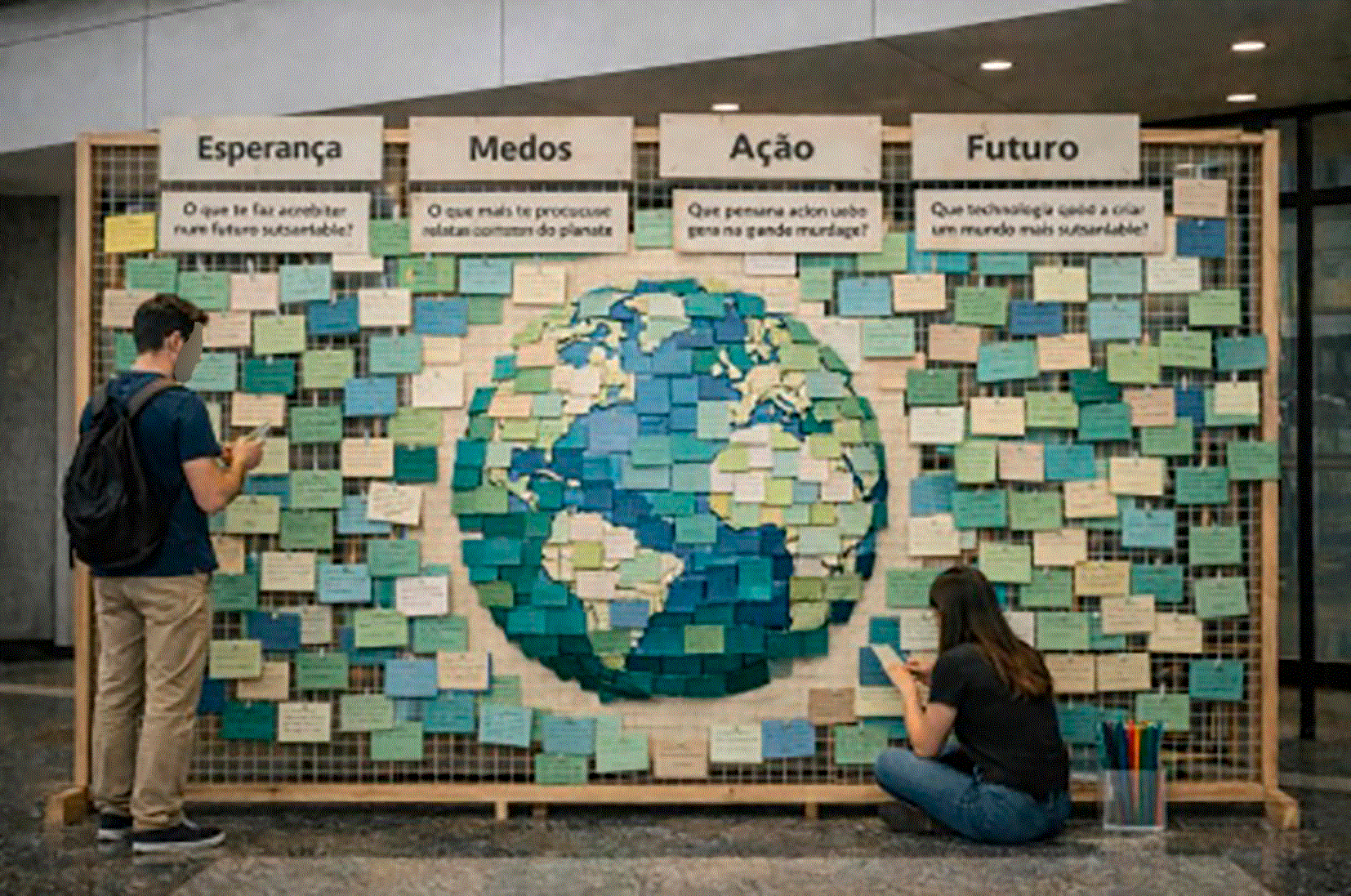
Figure 1. Participatory mural prototype: general concept and visual organization.
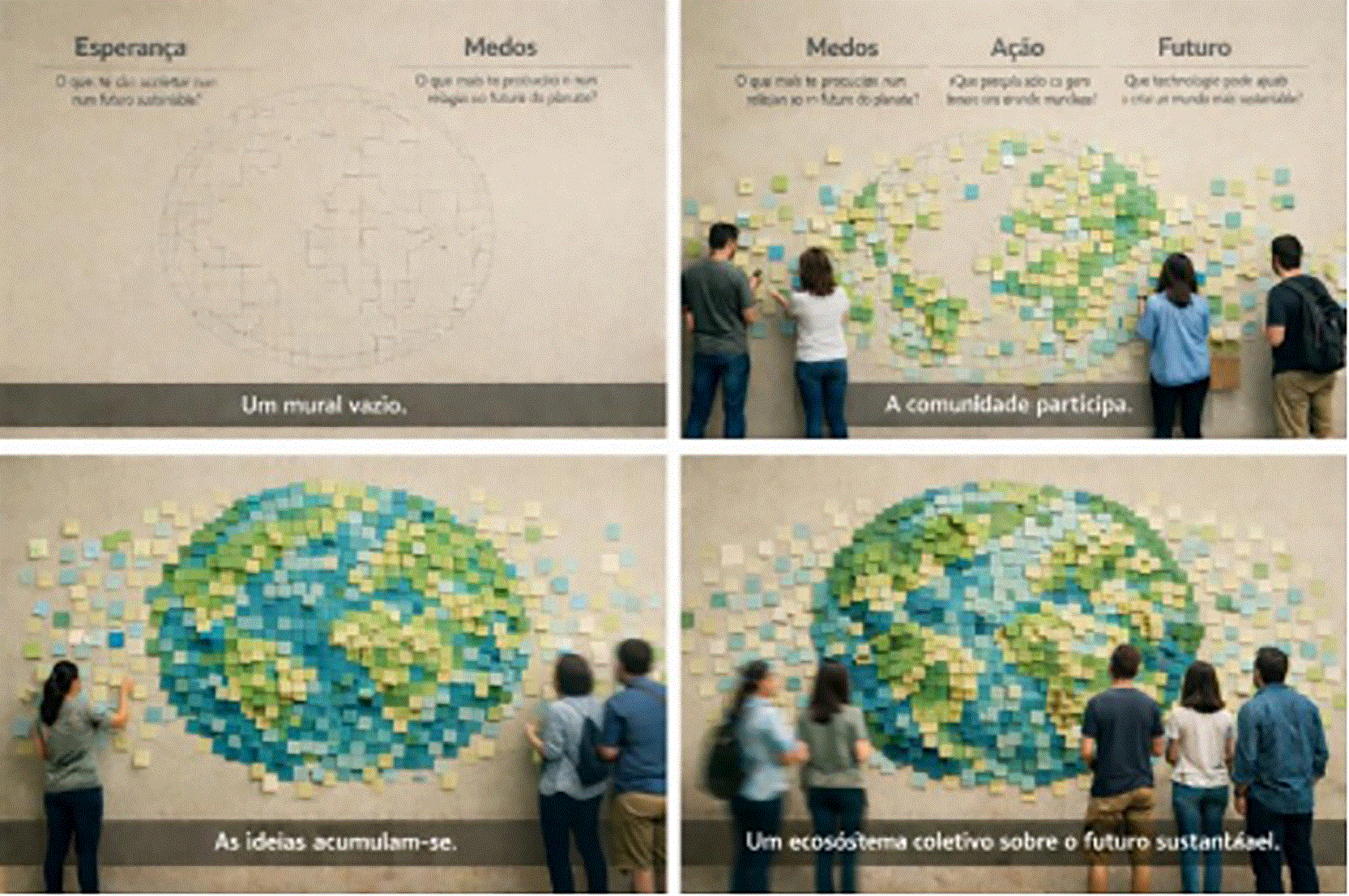
Figure 2. Participatory mural prototype: thematic prompt layout and interaction design.
The installation was placed in a covered, high-circulation area of the university campus, right at the entrance for the Lusófona University annual Psychology Conference. A modular white panel was used as the physical support for the mural. A large canvas depicting a world map was attached to the panel using adhesive tape, creating a visual background large enough to accommodate the progressive accumulation of participants’ contributions throughout the event.
The mural was accompanied by explanatory text inviting participation:
“This space brings together the voices of the academic community on sustainability, fears, hopes, and possibilities. Choose a question, leave your contribution, and be part of this collective construction.”
The installation remained publicly accessible throughout the conference, allowing participants to engage with it at different moments and enabling the mural to evolve continuously over time. Photographs taken during the event documented the installation in its real implementation context, including its placement in the conference setting, the availability of materials, participants’ interaction with the mural, and the final visual configuration of the collective contributions (
Figure 3).
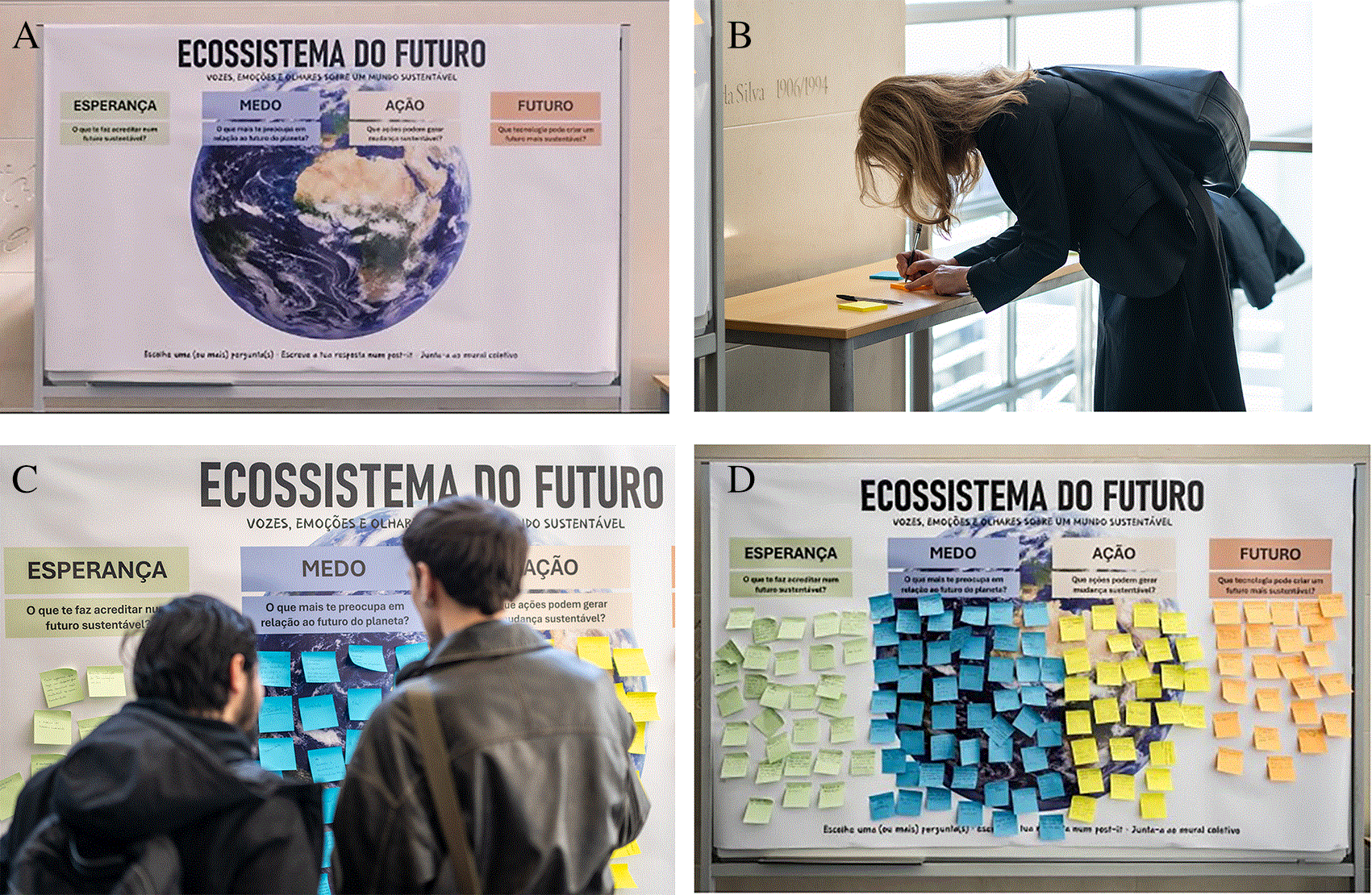
Figure 3. Participatory mural during the Psychology Conference.
Images show: (3 a) the mural installed within the conference setting; (3 b) the interaction table with Post-it notes and pens; (3 c) participants contributing to the mural; and (3 d) the mural after the accumulation of contributions throughout the event.
Participants were invited to contribute with one or more written reflections by answering thematic questions displayed on the mural. Four prompts were developed to elicit complementary beliefs, emotional and future-oriented dimensions of sustainability:
•
Hope – “What makes you believe in a sustainable future?”
•
Fear – “What worries you most about the future of the planet?”
•
Action – “What actions can generate a major change?”
•
Future & technology – “What technology do you think can help create a more sustainable world?”
Each prompt was associated with a different Post-it note color, allowing contributions to be visually organized by theme. Green (hope), blue (fear), yellow (action) and orange (future) Post-it notes were used to represent the four thematic domains. Printed titles corresponding to each prompt were also displayed on the mural. A small table was placed near the mural with pens, Post-it notes, and a short explanatory poster inviting participants to take part in the activity. Participants were instructed to choose one or more questions, write their answer on a Post-it note, and add it to the collective mural. The interaction design, including the relationship between thematic prompts, color-coded contributions, and public placement on the mural, was documented both in the prototype images and in photographs from the real event (
Figures 1–3).
To document the participatory process and the transformation of the mural over time, photographs and a time-lapse video recording were collected throughout the exhibition period. A photographic camera was positioned in front of the mural using a tripod. The camera was connected to a nearby energy outlet and equipped with a memory card to ensure continuous documentation. The time-lapse recording was intended to capture the gradual construction of the mural by the academic community, including patterns of participation, the accumulation of Post-it notes, and the evolving visual form of the installation. This material was later used as complementary observational data and as documentation of the intervention process. The video also provided a visual record of how participation unfolded across time and space, and how the mural was progressively transformed by participants’ contributions.
Supplementary material Video 1. Time-lapse recording of the participatory mural.
The video documents the progressive construction of the mural during the Psychology Conference, showing the accumulation of Post-it notes and the temporal evolution of participation throughout the intervention.
2.2 Qualitative data collection and analysis
Participants consisted of students and faculty members attending the annual Psychology Conference at Lusófona University in Lisbon who voluntarily chose to participate in the intervention. Participation was anonymous and entirely voluntary. A convenience sampling strategy was employed, as participants self-selected into the activity during the congress. No exclusion criteria were established, provided that participants engaged with the intervention by contributing at least with one Post-it note.
Data collection occurred throughout the Psychology Conference held between March 23 and 25, 2026, during which the participatory mural remained publicly accessible on campus. Participants contributed with written responses on Post-it notes corresponding to the four thematic domains of hope, fear, action, and future. At the conclusion of the intervention, all Post-it notes were collected and transcribed verbatim into a Microsoft Excel database for subsequent analysis. In addition, a time-lapse video recording documenting the evolution of the mural and participants’ engagement with the installation was collected as complementary observational material.
The transcribed material was analysed using inductive content analysis. Coding procedures were conducted separately within each of the four predefined thematic domains represented by the Post-it note colours (hope, fear, action, and future), as documented in
Table 1.
Table 1. Macro themes and emergent subcategories identified across the thematic domains of Hope, Fear, Action, and Future & Technology.
| Domain | Macro theme | Emergent subcategories |
|---|
| Hope
|
|
|
|
|
|
|
|
|
|
|
| Fear
|
|
|
|
|
|
|
|
|
|
|
|
|
| Action
|
|
|
|
|
|
|
|
|
|
|
| Future
|
|
|
|
|
|
|
|
|
|
|
|
|
Initially, two independent coders reviewed the transcribed responses and generated preliminary inductive codes based on recurring ideas, themes, and patterns emerging from the data. The coders subsequently compared their preliminary coding frameworks to identify convergences, divergences, and areas requiring further clarification. A third researcher then reviewed the preliminary analytical structure and developed broader overarching categories integrating the initial coding proposals. Using the final coding framework, the two original coders independently recoded the dataset. Inter-coder agreement reached 83%. Remaining discrepancies were subsequently discussed and resolved through consensus with the support of the third researcher.
Following coding, thematic tendencies, thematic diversity, and category frequencies across the four thematic domains were examined. Descriptive quantitative analyses were additionally conducted to explore the amount of written content associated with each thematic domain through character-count analyses of participants’ responses. To further investigate participation dynamics throughout the intervention, a complementary temporal observational analysis was conducted using the time-lapse video recording of the installation. The sequential order in which Post-it notes were added to the mural was manually documented and categorized according to the four predefined thematic domains (hope, fear, action, and future). This sequential dataset enabled the examination of temporal participation patterns and the evolution of thematic engagement throughout the intervention process. Temporal analyses included the examination of thematic density across four participation phases (early, early-middle, middle-late, and late), as well as analyses of first, mean, and final thematic emergence patterns. Sequential transition analyses were also conducted to explore thematic continuities and shifts between consecutive contributions. Finally, cumulative temporal visualizations were generated to examine the evolving trajectories of thematic participation over time.
3. Results
3.1 Overview of participation
A total of 136 Post-it notes were collected from the participatory mural. Because several contributions contained multiple distinct ideas, the material was segmented into 182 codable units for analytical purposes. Inductive content analysis resulted in the development of 22 thematic categories distributed across the four predefined thematic domains. The Fear domain generated the highest number of contributions (n = 78), followed by Action (n = 37), Hope (n = 36), and Future (n = 31).
3.2 Thematic content analysis
The thematic content analysis identified distinct thematic structures across the four domains of hope, fear, future, and action (
Table 2).
Table 2. Final codes for each theme.
| Codes |
Count |
|---|
| Hope | Techno-optimism and sustainable innovation
| 13 |
| Sociocultural transformation and collective awareness
| 11 |
| Prosocial values and humanistic orientation
| 6 |
| Perceptions of threat and societal pessimism
| 3 |
| Trust in institutional mechanisms and collective action
| 3 |
| Total | 36 |
| Fear | Perceptions of sociopolitical instability and global threat
| 29 |
| Erosion of prosocial values and dehumanization
| 20 |
| Perceptions of ecological crisis and environmental threat
| 10 |
| Technological anxiety and perceived loss of social control
| 9 |
| Criticism of the socioeconomic system and structural inequality
| 5 |
| Economic insecurity and material vulnerability
| 5 |
| Total | 78 |
| Action | Social awareness, education, and socio-environmental justice
| 10 |
| Adoption of pro-environmental behaviors and sustainable consumption
| 8 |
| Circular economy and sustainable waste management
| 8 |
| Trust in sustainable governance mechanisms
| 7 |
| Individual transformation and personal responsibility
| 4 |
| Total | 37 |
| Future | Energy transition and sustainable decarbonization
| 15 |
| Circular economy and sustainable resource management
| 5 |
| Techno-optimism and ecological innovation
| 4 |
| Sustainable transformation of food systems
| 3 |
| Sustainable infrastructure and ecological electrification
| 3 |
| Pro-environmental sociobehavioral change
| 1 |
| Total | 31 |
Within the Hope domain, five thematic categories were identified. The most frequent category was
Techno-optimism and sustainable innovation
(n = 13), reflecting references to renewable energy, ecological technologies, sustainable materials, and scientific innovation as pathways toward sustainability transitions. Participants frequently expressed confidence in technological development as a mechanism for addressing environmental challenges and enabling future societal transformation. Representative contributions included references such as e.g., “Technological advances and renewable energy.”. The second most frequent category was
Sociocultural transformation and collective awareness
(n = 11), which included themes related to environmental awareness, education, changing mindsets, and intergenerational responsibility. These responses emphasized the importance of cultural and behavioral transformation as necessary conditions for sustainability, e.g., “A change in the mindset of all of us, in wanting a better world” or “A change in people’s mindset and the commitment of schools to raise children’s awareness from an early age.” Another important category was
Prosocial values and humanistic orientation
(n = 6), characterized by references to empathy, solidarity, unity, hope, and collective care. Participants highlighted the role of human connection and social responsibility in imagining sustainable futures: e.g., “Empathetic people” or “People who care about the environment.”. Less frequent categories included
Perceptions of threat and societal pessimism
(n = 3), involving concerns regarding disinformation, intolerance, moral decline, and social collapse, and
Trust in institutional mechanisms and collective action
(n = 3), reflecting references to public policy, regulation, and international cooperation, e.g., “Greater cooperation between nations.”. Overall, the Hope domain combined technological optimism with sociocultural transformation and humanistic values, suggesting that participants represented sustainability as both a technological and relational process grounded in collective responsibility and future-oriented imagination.
The Fear domain generated the highest number of contributions and demonstrated the greatest thematic diversity. The most prominent category was
Perceptions of sociopolitical instability and global threat (n = 29), encompassing references to war, political extremism, corruption, violence, insecurity, and global instability. Participants frequently associated sustainability concerns with broader anxieties regarding political and social collapse, e.g., “The normalization and rise of the (far) right and the regression of government policies and laws that take away our freedom and human rights. Portugal’s involvement (or not) in the war.” The second most frequent category was
Erosion of prosocial values and dehumanization
(n = 20), characterized by concerns regarding individualism, intolerance, indifference, and declining empathy: e.g., “The lack of empathy for others.” or “Individualism.”. Another major category was
Perceptions of ecological crisis and environmental threat
(n = 10), which included references to climate change, pollution, ecosystem destruction, and environmental collapse: e.g., “Global warming” or ““Pollution and the constant destruction caused by pollution.”. Participants also expressed
Technological anxiety and perceived loss of social control
(n = 9), particularly regarding artificial intelligence, technological dependence, disinformation, and alienation: e.g., “The collective cognitive decline driven by the massification of technology and the spread of misinformation” or “The fact that technology dominates all spheres of life and dehumanizes them.”Additional categories included
Criticism of the socioeconomic system and structural inequality
(n = 5), involving critiques of capitalism, consumerism, and social inequality, and
Economic insecurity and material vulnerability
(n = 5), reflecting concerns regarding inflation, precariousness, and access to basic resources: e.g., “Capitalism” or “Resource scarcity.” Thus, the Fear domain revealed that participants represented sustainability as a multidimensional psychosocial crisis extending beyond environmental degradation alone and encompassing political, economic, moral, relational, and technological anxieties.
The Action domain generated five thematic categories focused primarily on collective responsibility and pathways for societal intervention. The most frequent category was
Social awareness, education, and socio-environmental justice
(n = 10), which included references to awareness-raising, environmental education, inclusion, and access to information: e.g., “Creating more initiatives in schools and universities” or “More humanistic and community-oriented actions, such as volunteering.”. Two categories demonstrated similar frequencies:
Adoption of pro-environmental behaviors and sustainable consumption
(n = 8) and
Circular economy and sustainable waste management
(n = 8). These responses emphasized sustainable consumption, waste reduction, recycling, and resource reutilization: e.g., “Rethinking our diet.” or “Rethinking excessive consumption.”. Participants also highlighted the importance of
Trust in sustainable governance mechanisms
(n = 7), involving references to legislation, institutional incentives, and public regulation: e.g.,“Compulsory environmental legislation for the companies.”. Finally,
Individual transformation and personal responsibility
(n = 4) reflected themes associated with self-awareness, personal accountability, and behavioral change: e.g., “To have the ability to look more within ourselves and do the things, however simple they may be, that are within our reach.”. In general, the Action domain emphasized both institutional and individual pathways toward sustainability, combining behavioral transformation, educational processes, governance mechanisms, and collective responsibility.
Within the Future domain, six thematic categories emerged. The most frequent category was
Energy transition and sustainable decarbonization
(n = 15), reflecting expectations regarding renewable energy systems and the replacement of fossil fuels: e.g.,
“Advanced solar and wind energy systems. Combining both into more sustainable systems.” or “Replacing fossil fuels with renewable energy sources.”. Participants also emphasized
Techno-optimism and ecological innovation
(n = 4), expressing confidence in technological efficiency, artificial intelligence, and ecological innovation as mechanisms for sustainability improvement: e.g.,
“Eco-technology, with the assistance of artificial intelligence.”. The category
Circular economy and sustainable resource management
(n = 5) included references to recycling, resource recovery, and waste reduction: e.g., “Technologies that reuse food waste.”. Additional themes included
Sustainable transformation of food systems
(n = 3), Sustainable infrastructure and ecological electrification
(n = 3), and
Pro-environmental sociobehavioral change
(n = 1): e.g., “More sustainable homes.” or “Processes of behavioral and attitudinal change.”. In sum, future-oriented representations were predominantly technological and systemic in nature, emphasizing energy transition, ecological modernization, and innovation-driven sustainability pathways.
Additionally, we conducted analyses of textual density that revealed meaningful differences in the forms of expression associated with each thematic domain. In terms of overall textual volume, the Fear domain generated the highest total number of characters (n = 2546), followed by Action (n = 1983), Hope (n = 1649), and Future (n = 1143), suggesting the centrality and emotional salience of threat-related representations within participants’ reflections on sustainability. However, a different pattern emerged when examining the average length of individual contributions. Action-related responses demonstrated the highest average textual length (M = 57), followed by Hope (M = 40) and Future (M = 34), whereas Fear-related contributions were substantially shorter on average (M = 22).
3.3 Temporal evolution of participation
Temporal observational analyses revealed differentiated patterns of thematic participation throughout the intervention process (
Table 3). During the initial participation phase (Post-its 1–34), fear-related contributions demonstrated the highest frequency (n = 11), although hope- (n = 10) and action-related (n = 9) contributions were similarly prominent. In contrast, future-oriented reflections were comparatively less represented during this early stage of participation (n = 4). As participation progressed, fear-related representations maintained consistent predominance across all temporal phases. This tendency became particularly pronounced during the early-middle phase (Post-its 35–69), in which fear-related contributions increased substantially (n = 15), while hope- and action-related contributions decreased comparatively (n = 6 for both categories). Future-oriented reflections, however, demonstrated a moderate increase during this phase (n = 7). During the middle-late phase, thematic participation became comparatively more balanced across domains, although fear-related contributions remained the most frequent (n = 11), followed by action-related reflections (n = 9). Hope- and future-oriented contributions demonstrated equivalent frequencies during this stage (n = 7 for both categories). In the final participation phase (Post-its 103–136), fear-related contributions once again demonstrated increased predominance (n = 13), whereas hope-related reflections remained comparatively stable (n = 7), action-related contributions decreased slightly (n = 6), and future-oriented reflections reached their highest frequency across the entire intervention period (n = 8).
Table 3. Temporal observational analyses.
| Count of Codes for each theme |
|---|
| Time phase | Action | Fear | Future | Hope |
Total |
|---|
| Early | 9 | 11 | 4 | 10 | 34 |
| Early - Middle | 6 | 15 | 7 | 6 | 34 |
| Middle - Late | 9 | 11 | 7 | 7 | 34 |
| Late | 6 | 13 | 8 | 7 | 34 |
| Total | 30 | 50 | 26 | 30 | 136 |
Analyses of first, mean, and final thematic emergence revealed relatively limited differences in the initial appearance of thematic domains, with all four categories emerging within the first four Post-it contributions (
Table 4). This pattern suggests that the intervention rapidly elicited thematic diversity from the outset, with emotional, action-oriented, and future-focused representations becoming immediately present within the collective participatory space. Fear-related contributions demonstrated the earliest thematic emergence (Order = 1), followed closely by hope-related reflections (Order = 2), future-oriented contributions (Order = 3), and action-related contributions (Order = 4). These findings suggest that emotionally salient representations constituted the earliest forms of engagement with the mural, reinforcing the central role of affective processing in sustainability-related reflection.
Table 4. Analyses of first, final and average thematic emergence.
| Theme | First thematic emergence | Last thematic emergence | Average thematic emergence |
|---|
| Action | 4 | 133 | 67.1 |
| Fear | 1 | 130 | 67.8 |
| Future | 3 | 136 | 78.0 |
| Hope | 2 | 129 | 62.7 |
| Total | 1 | 136 | 68.5 |
Regarding final thematic emergence, future- and action-related contributions appeared latest within the participation sequence (Orders = 136 and 133, respectively), whereas hope- and fear-related contributions demonstrated slightly earlier final appearances (Orders = 129 and 130, respectively). Although these differences remained relatively small, they indicate the sustained coexistence of multiple thematic domains throughout the intervention process and suggest that thematic diversity remained stable across participation phases. More pronounced distinctions emerged when examining mean emergence positions. Future-oriented contributions demonstrated the highest average emergence order (M = 78.04), indicating that these reflections tended to appear later throughout the intervention process. In contrast, hope-related contributions demonstrated the lowest mean emergence position (M = 62.70), suggesting comparatively earlier participation patterns. Fear- and action-related contributions occupied intermediate and relatively similar positions (M = 67.84 and M = 67.13, respectively).
Cumulative temporal visualizations further illustrated the evolving trajectories of thematic participation throughout the intervention (see
Figure 4). During the initial stages of participation, all thematic domains demonstrated relatively similar cumulative growth patterns. However, as participation progressed, fear, hope, and action related contributions accumulated more rapidly, whereas future-oriented contributions remained comparatively lower. Over time, fear-related contributions progressively diverged from the remaining thematic domains, demonstrating the steepest cumulative growth trajectory across the intervention period. In contrast, hope and action-related contributions displayed comparatively similar and more gradual accumulation patterns. Future-oriented contributions maintained lower cumulative frequencies throughout most of the intervention; however, a more pronounced increase was observed during the final participation stages, resulting in a trajectory that approached the cumulative levels of hope- and action-related contributions by the end of the activity. Overall, the cumulative temporal trajectories suggest that fear-related reflections maintained sustained predominance throughout the intervention, whereas future-oriented reflections demonstrated delayed but increasingly prominent participation patterns over time.
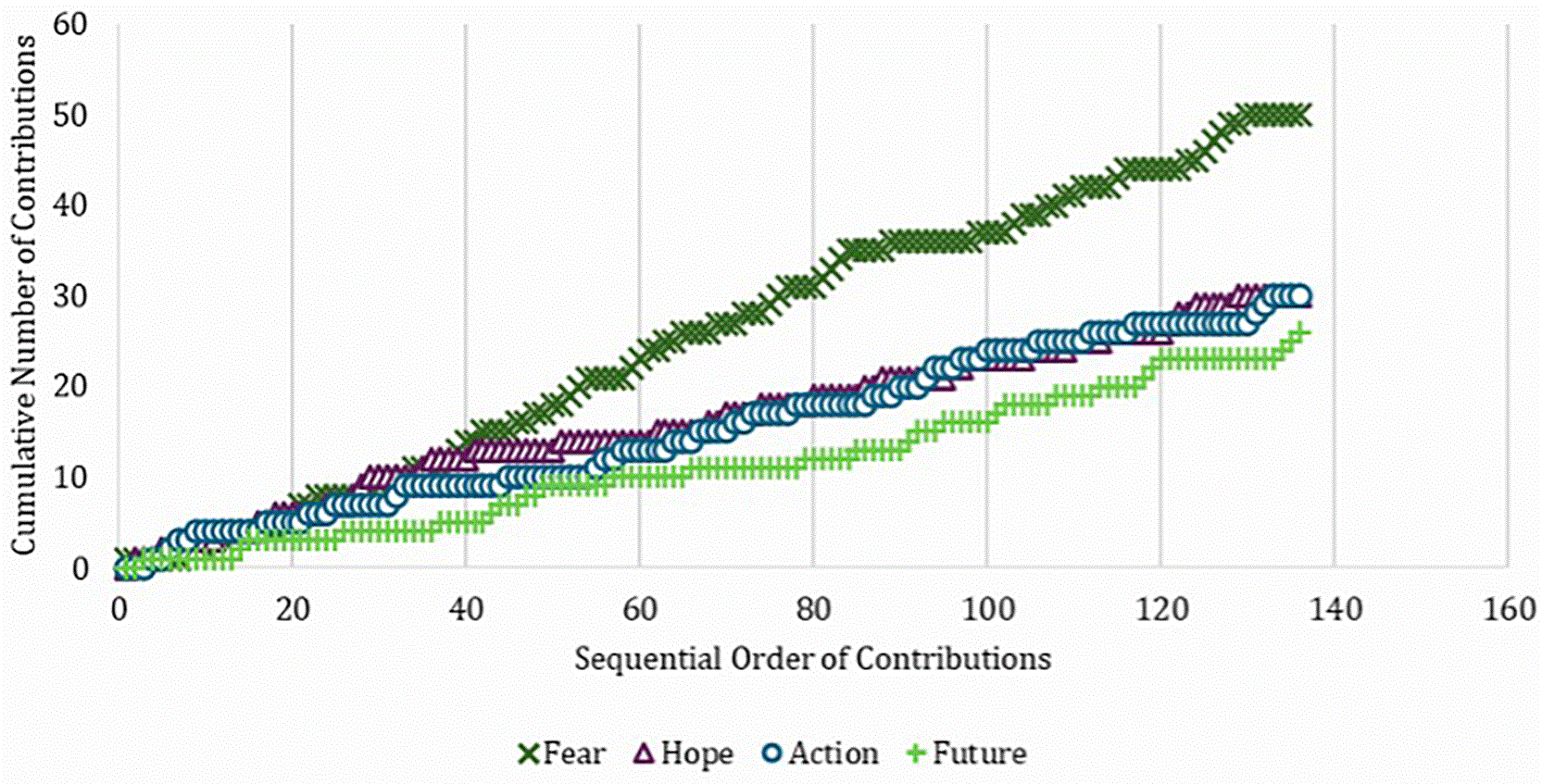
Figure 4. Cumulative temporal progression of thematic participation throughout the intervention.
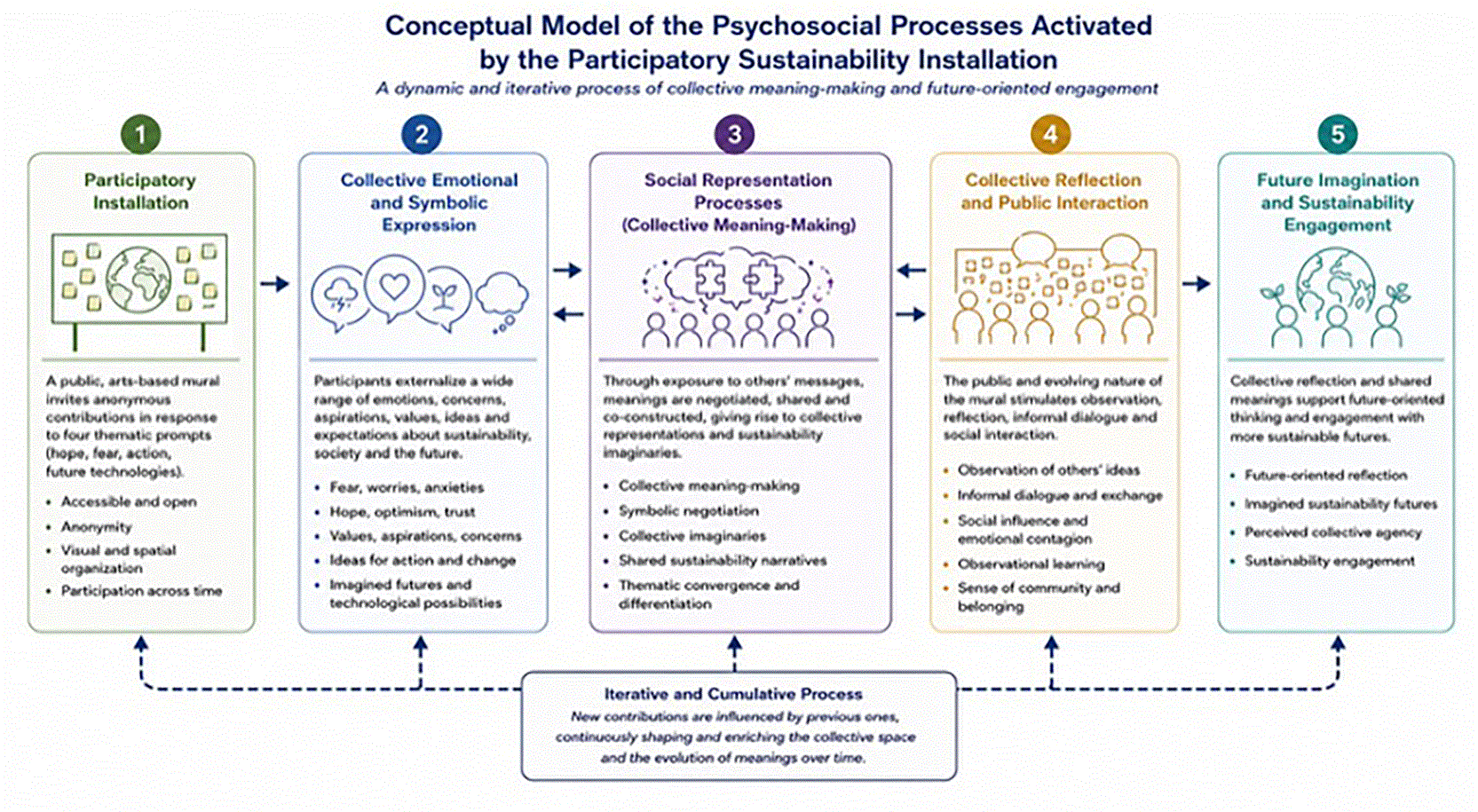
Figure 5. Conceptual model illustrating the psychosocial processes mobilized through the participatory sustainability installation.
Note. The model represents a dynamic and iterative process in which participation, emotions, social representations, and public interaction mutually influence one another, contributing to collective reflection, future imagination, and sustainability engagement within the academic community.
4. Discussion
The present case study examined how a participatory installation implemented within a university setting functioned simultaneously as a community engagement intervention and a qualitative research strategy for exploring social representations of sustainability, environmental futures, and technological change. Overall, the findings indicate that the participatory mural successfully fostered collective reflection and public engagement around sustainability-related issues while simultaneously generating psychosocial data concerning participants’ emotions, concerns, expectations, and imagined pathways for societal transformation.
One of the most salient findings emerging from the analysis was the predominance of fear-related contributions throughout the intervention. Fear-related themes constituted the largest thematic category and remained consistently prominent across the temporal evolution of participation. Participants frequently expressed concerns associated with sociopolitical instability, ecological collapse, technological loss of control, dehumanization, and structural inequality. These findings align with previous literature in environmental and social psychology documenting the increasing prevalence of climate anxiety, uncertainty, and perceptions of systemic instability linked to contemporary environmental crises (Clayton et al., 2015; Ojala, 2012). Importantly, many fear-related responses extended beyond narrowly environmental concerns and incorporated broader moral, political, and societal anxieties. This suggests that sustainability is represented not merely as an ecological issue, but as a multidimensional psychosocial phenomenon embedded within wider concerns regarding societal organization, justice, and the future of human coexistence. These findings are consistent with Social Representations Theory (Moscovici, 1961), supporting that sustainability functions as a socially constructed psychosocial object through which broader societal anxieties, moral concerns, collective identities, and imagined futures are negotiated. At the same time, the mural elicited substantial expressions of hope, collective agency, and technological optimism. Hope-related contributions frequently emphasized intergenerational responsibility, scientific innovation, social awareness, and the transformative potential of collective action. These findings reinforce previous research demonstrating that hope constitutes a central psychological resource for sustaining engagement with environmental challenges, particularly when individuals perceive the existence of viable pathways for change and collective efficacy (Ojala, 2012; Chadwick, 2015). The coexistence of fear and hope throughout the intervention reflects the emotional ambivalence that frequently characterizes public engagement with sustainability and climate-related issues. Rather than representing contradictory orientations, these emotional responses may coexist dynamically, with fear increasing the perceived urgency of environmental threats and hope supporting adaptive coping, engagement, and future-oriented motivation. These findings are also consistent with recent evidence suggesting that eco-fear and eco-anxiety frequently coexist with adaptive emotional responses such as eco-hope and collective efficacy, particularly among younger populations navigating climate uncertainty (Rana et al., 2026). The action-oriented and future-oriented prompts generated distinct participation patterns that provide additional support for the theoretical assumptions underpinning the intervention design. Action-related contributions demonstrated the highest average textual length, suggesting more elaborative cognitive processing and more complex reflections concerning possible societal responses to sustainability challenges. These responses frequently focused on education, governance, environmental awareness, behavioral change, and collective responsibility. Similar patterns have been observed in previous mixed-methods research on eco-anxiety, where different forms of reflection about environmental problems elicited distinct emotional, cognitive, and behavioural representations, including anxiety, risk perception, future-oriented awareness, and concerns regarding sustainability, pollution, and personal behavioural choices (Luís et al., 2025, Study 1). In contrast, future-oriented reflections emerged more gradually throughout the intervention and became increasingly prominent during later stages of participation. This delayed emergence may indicate that imagining future technological and societal solutions requires greater cognitive elaboration and prospective reasoning compared to more immediate emotional reactions such as fear or hope.
These findings are broadly consistent with Construal Level Theory (Trope & Liberman, 2010) and dual-process models of social cognition (Chaiken, 1980; Petty & Cacioppo, 1986). Emotionally charged prompts such as fear and hope appear to activate more immediate, affect-laden symbolic representations, whereas action- and future-oriented prompts encourage more reflective and deliberative reasoning concerning pathways for intervention, technological innovation, and societal transformation. In this sense, the mural functioned not only as a data collection strategy but also as a structured exercise in collective prospection, enabling participants to externalize, negotiate, and collectively construct imagined futures within a shared public space.
The findings concerning textual density further suggest that distinct thematic prompts elicited qualitatively different modes of psychological engagement and symbolic elaboration. Fear-related contributions tended to involve concise and emotionally condensed reactions, often articulated through brief statements concerning instability, ecological collapse, dehumanization, or loss of societal control. By contrast, action-oriented contributions typically involved more elaborated reflections regarding intervention strategies, social responsibility, education, governance, and behavioral transformation. Hope- and future-oriented responses occupied an intermediate position, combining affective expression with prospective reasoning regarding social change and technological development. From a psychosocial perspective, these differences may reflect the coexistence of distinct cognitive-emotional modes of engagement with sustainability-related issues. Whereas emotionally salient themes such as fear may activate rapid and affectively driven representations, action-oriented prompts appear to stimulate more deliberative, solution-focused, and future-oriented forms of reasoning. These patterns are consistent with dual-process approaches to social cognition (Chaiken, 1980; Petty & Cacioppo, 1986), which distinguish between more heuristic-affective and more systematic-deliberative forms of information processing. Similarly, Construal Level Theory (Trope & Liberman, 2010) suggests that psychologically proximal and emotionally salient concerns are more likely to elicit immediate symbolic responses, whereas future-oriented and action-based thinking generally requires greater abstraction and cognitive elaboration.
The temporal analyses further contribute to understanding engagement dynamics within participatory sustainability interventions. The sustained predominance of fear-related contributions throughout the activity may reflect the heightened salience and accessibility of threat-related representations within contemporary environmental discourse. Conversely, the progressive increase in future-oriented reflections during later stages of participation suggests that exposure to the evolving mural itself may have stimulated more constructive, imaginative, and solution-oriented forms of engagement over time. As participants observed the accumulation of previous contributions in a visible public space, the installation may have facilitated processes of social influence, symbolic interaction, emotional contagion, and collective sensemaking characteristic of participatory public interventions.
Figure 5 presents a conceptual model integrating the principal dynamics identified throughout the participatory installation. The model illustrates how the public nature of the mural facilitated collective emotional and symbolic expression, enabling participants to externalize fears, hopes, concerns, aspirations, and future-oriented imaginaries related to sustainability. Through processes of observation, interaction, and exposure to others’ contributions, these individual expressions progressively evolved into shared social representations and collective meaning-making processes. The figure additionally highlights the iterative and cumulative character of participation, suggesting that the evolving visibility of the mural itself contributed to reflection, dialogue, symbolic negotiation, and increasingly elaborated forms of sustainability engagement over time. In this sense, the installation functioned not only as a qualitative research strategy, but also as a psychosocial space for collective prospection and participatory sustainability communication and engagement within the academic community.
Importantly, the installation also demonstrated the potential of participatory approaches for fostering sustainability awareness and informal community dialogue within higher education contexts. The public visibility of the mural encouraged spontaneous interaction, observation, and discussion among participants, temporarily transforming the conference environment into a collective space for emotional expression, reflection, and social exchange concerning sustainability challenges. Rather than positioning participants as passive recipients of information, the intervention invited them to become active contributors to a shared symbolic construction concerning environmental futures and societal transformation. More broadly, the findings support growing calls within sustainability and environmental psychology research to humanize sustainability communication by incorporating emotions, perceptions, social representations, and collective imagination into approaches addressing sustainability transitions (Luís & Silva, 2022). The present case study suggests that participatory installations may constitute accessible and adaptable psychosocial tools capable of simultaneously promoting awareness, stimulating dialogue, facilitating collective reflection, and generating ecologically valid qualitative data within academic and community settings.
4.1 Limitations
Despite the contributions outlined above, the present case study is subject to several limitations that should be considered when interpreting the findings and their broader implications. First, the sampling strategy employed was one of convenience, as participants self-selected into the activity during the Psychology Conference at Lusófona University. This approach, while consistent with the participatory and naturalistic character of the intervention, necessarily limits the representativeness of the sample and precludes generalizations regarding the social representations of sustainability beyond the specific academic community studied. The predominantly university-based population, characterized by higher levels of education and engagement with psychological and scientific discourse, may have systematically shaped the types of responses elicited, potentially amplifying certain thematic dimensions — such as sociocultural awareness or techno-optimism — that may not be equally prominent in more heterogeneous or non-academic settings (Lozano et al., 2015; Arnett, 2000).
Second, the anonymous and voluntary nature of participation, although ethically appropriate and methodologically consistent with the participatory ethos of the intervention (Kindon et al., 2007; Reason & Bradbury, 2001), precluded the collection of demographic data regarding participants’ age, gender, disciplinary background, or prior engagement with sustainability-related issues. This absence of sociodemographic information limits the ability to examine potential differences in sustainability representations across participant subgroups and prevents more fine-grained analyses of how individual characteristics may moderate thematic patterns of engagement. Future implementations of similar interventions may benefit from the inclusion of optional and minimal demographic data collection strategies that preserve anonymity while enabling richer intersectional analyses.
Third, although inductive content analysis constitutes a well-established and epistemologically appropriate methodology for exploratory qualitative research (Kemmis et al., 2014), it necessarily involves interpretive decisions that may introduce analytical subjectivity. The coding framework was developed inductively from the data and iteratively refined through a collaborative consensus process; nevertheless, the final inter-coder agreement of 83%, while acceptable, indicates the presence of residual interpretive variability across coders. The inherently polysemous and emotionally layered nature of short written contributions on Post-it notes — frequently consisting of single words, brief phrases, or elliptical statements — may have introduced additional ambiguity in the coding process, as such formats may compress complex representational content into forms that resist clear-cut categorization.
Fourth, the observational analyses derived from the time-lapse video recording, while providing a valuable complementary perspective on participation dynamics, are subject to limitations inherent in indirect and non-reactive observational methodologies. The sequential order of Post-it note contributions could be determined from the video material; however, the recording did not allow for the direct identification of individual participants, the documentation of spontaneous verbal interactions occurring around the mural, or the capture of moments of deliberation, hesitation, or social influence that may have shaped the final written contributions. In this sense, the temporal analyses provide a partial and mediated representation of participation dynamics, which should be interpreted with appropriate caution. More comprehensive observational strategies, including ethnographic observation or experience sampling approaches, could complement future implementations of similar participatory installations and provide richer accounts of the social and interactional processes unfolding around them (Leavy, 2020).
Fifth, as a single-site case study implemented within a specific institutional and cultural context, the findings are inherently bounded by the particularities of the setting, the event format, and the socio-political moment in which the intervention took place. Social representations of sustainability are dynamic, culturally situated, and historically contingent constructions (Moscovici, 1961); as such, the thematic patterns identified in the present study may reflect specific concerns salient within a Portuguese university community during the period of implementation rather than stable or universal representational structures. Comparative studies conducted across different national, cultural, or institutional contexts would be necessary to assess the generalizability and cross-contextual validity of the findings. Similarly, the cross-sectional nature of the data collection prevents conclusions regarding the longer-term effects of the installation on participants’ sustainability awareness, attitudes, or behavioral intentions, dimensions that future longitudinal or pre–post intervention designs could more adequately address (Ojala, 2012; Clayton et al., 2015).
Finally, the present case study did not include systematic measures of the affective or psychological impact of participation on individual contributors. Although the intervention was designed to foster emotional engagement, collective reflection, and sustainability awareness (Steg & Vlek, 2009), no validated instruments assessing changes in climate emotions, pro-environmental intentions, or collective efficacy perceptions were administered before or after participation. The integration of such measures in future implementations would enable more rigorous evaluation of the psychological outcomes associated with participatory installations and would contribute to a stronger evidence base for the use of these approaches as psychosocial tools for environmental engagement and sustainability communication within higher education settings.
5. Conclusion
This case study demonstrated how a participatory sustainability installation implemented within a university context can function simultaneously as an awareness-raising intervention, a collective reflective space, and a qualitative research strategy for exploring social representations of sustainability and environmental futures. Through the integration of emotional and action-oriented prompts, the mural encouraged participants to externalize fears, hopes, expectations, and imagined solutions regarding contemporary environmental and societal challenges.
The findings revealed the central role of emotions, particularly fear and hope, in shaping participants’ representations of sustainability, while also highlighting the importance of collective agency, technological imagination, and sociocultural transformation in future-oriented thinking. The temporal dynamics observed throughout the intervention further suggest that participatory public installations may facilitate evolving forms of engagement, moving from immediate emotional reactions toward more elaborated reflections concerning action and future possibilities.
Beyond its empirical findings, the study contributes methodologically to emerging research on participatory sustainability communication and environmental engagement. The intervention illustrates how interactive public installations can transform institutional spaces into arenas for collective dialogue, symbolic negotiation, and shared imagination regarding sustainability transitions. In doing so, the mural not only generated valuable psychosocial data but also fostered visible and collaborative forms of sustainability engagement within the academic community.
Overall, the present study supports the potential of participatory methodologies as accessible psychosocial tools for promoting sustainability awareness, stimulating community discussion, and encouraging future-oriented reflection in higher education settings. Future research should continue exploring how collective participatory interventions may contribute to sustainability communication, environmental citizenship, and transformative engagement across diverse social and institutional contexts.
Ethics and consent
This study was carried out in accordance with the recommendations of the Portuguese Psychological Association (OPP) and the American Psychological Association (APA). The protocol was fully approved by the Lusófona University Ethics Committee (CEDIC) with the reference CEDIC-2024-2-24. Formal written informed consent was not obtained for this study because the research involved a voluntary, anonymous, low-risk participatory activity conducted in a public university setting. Instead, all participants were individually approached by a member of the research team at the activity site. Before participating, the researcher explained the purpose of the study, the voluntary nature of participation, the anonymous handling of the data, and participants’ right to decline or withdraw at any time. Verbal informed consent was obtained from all participants prior to participation. Participants were invited to contribute brief written reflections s through anonymous Post-it notes placed on a public mural. No personal data, special category data, identifying information, or contact details were collected at any stage of the activity. Furthermore, contributions could not be linked to individual participants. Participation was entirely voluntary and implied through the act of contributing to the installation after reading the information displayed on-site regarding the purpose of the activity. Participants were free to engage or refrain from participating without any consequences. The activity posed no more than minimal risk and addressed non-sensitive topics. The participation was considered to constitute informed implied consent, consistent with ethical standards for anonymous public participation activities and observational research conducted in public settings.







