Introduction
Group foraging evolved in vertebrate animals as it is beneficial for the fitness of individuals (Krause and Ruxton, 2002). Strategies involve various mechanisms of interactions (Hansen et al., 2023). For example, visually observing or eavesdropping on conspecifics can increase the probability of locating prey (Giraldeau, 2005), as demonstrated for the common starling Sturnus vulgaris (Templeton and Giraldeau, 1995) or the lesser bulldog bat Noctilio albiventris (Dechmann et al., 2009). When resources are patchily distributed and ephemeral, or when individuals directly benefit from the group to increase prey capture, they may intentionally inform conspecifics on the location of food (Clay et al., 2012; Giraldeau, 2005). To do that, the use of acoustic signals is particularly efficient and commonly used in birds and mammals as shown for house sparrows Passer domesticus (Elgar, 1986), chickens Gallus gallus domesticus (Evans and Evans, 1999), bottlenose dolphins Tursiops truncatus (Janik, 2000), humpback whales Megaptera novaeangliae, Pacific blue whales Balaenoptera musculus (Cade et al., 2021), red-billed tamarins Saguinus labiatus (Caine et al., 1995), and chimpanzees Pan troglodytes (Mine et al., 2022), among others.
The highly dynamic nature of the marine environment (Russell et al., 1992) resulted in marine predators developing morphological (Weimerskirch et al., 2003), physiological (Angelier et al., 2007) and behavioural (Thiebault et al., 2016) adaptations to efficiently acquire information on prey location. Seabirds, for example, rely on various sensory cues to navigate and locate prey. The ocean can be perceived as a seascape (Bost et al., 2009) containing sensory features such as visual, olfactory (Nevitt, 2008) and/or auditory (Patrick et al., 2021) cues. In addition, some species can use other predator species as cues of the presence of inconspicuous prey (Silverman et al., 2004). These transfers of social information have been revealed in flying seabirds which seem to rely mostly on visual cues (Hoffman et al., 1981). Visually spotting predators feeding aggregations is possible within a scale of 30 km, depending on the size of the aggregation (Collet et al., 2015; Haney et al., 1992; Thiebault et al., 2014), a mechanism known as ‘local enhancement’. Active coordination of individuals within a group can also take place in the form of a ‘foraging network’ (first suggested by (Wittenberger and Hunt, 1985)), whereby seabirds (individuals or small groups) stay within relatively short distance from each other (~500 m) to “rake” the ocean and effectively survey areas of up to ~50 km2 depending on the number of individuals involved in the network (Assali et al., 2020). Besides this earlier work, quantification of seabird foraging networks has been rare, despite information suggesting that this could be widespread in a number of species (Assali et al., 2020; Hoffman et al., 1981; Monier, 2024; Silverman et al., 2004). While seabirds are known to use calls in a foraging context (Choi et al., 2017; Thiebault et al., 2019a, 2019b), their function remain unknown. In particular, the potential use of vocal communication for maintaining contacts between distant groups or for long distance recruitment have never been demonstrated (Thiebault et al., 2019a, 2019b).
Penguins have often been observed feeding in groups (McInnes et al., 2017a; Sutton et al., 2015; Takahashi et al., 2004), but being flightless, it raises questions on the mechanisms they use to coordinate group foraging. Penguins have relatively good visual acuity (Coimbra et al., 2012) and the capacity to accommodate their vision at various distances both in air and under water (Hadden et al., 2022; Hadden and Zhang, 2023), suggesting they could use vision to coordinate activities within the group. However, their visual range at the sea surface is limited by swell and waves, preventing visually cueing on conspecifics over long distance as used by flying seabirds (Haney et al., 1992). Vocal communication is thus likely to be important for in-between group communication. For example, gentoo penguins (Pygoscelis papua) are known to emit sea-surface calls associated with grouping behaviours (Choi et al., 2017). Therefore, penguins could integrate information from visual (short-distance) and auditory (longer-distance) channels to navigate and coordinate group activities at sea. In this study, we examined the vocal communication in foraging African penguins, as a means to coordinate group activities at sea. The African penguin is the only known penguin species to actively coordinate group feeding behaviour by corralling fish schools (Ryan et al., 2012; Wilson et al., 1986), increasing an individuals’ feeding success compared to solitary foragers (McInnes et al., 2017a). Active transfers of information are therefore likely to exist, theoretically beneficial in this penguin species. Observations at sea revealed that African penguins regularly produce calls at the sea surface, when travelling or foraging. When an individual is separated from the group, even by only a couple of meters, a series of calls is produced by the isolated individual and vocal replies can be heard as the group reunites (pers. obs.).
By investigating the sea-surface calls used by foraging African penguins, we tested if these acoustic signals facilitated between group communication, i.e. long-distance contacts and recruitment (contact for group formation). We recorded wild penguins and conducted experiments at sea in their natural environment. We experimentally analysed the entire acoustic communication process: 1) the production of signals (i.e. the acoustic structure of calls), 2) their reception (i.e. behavioural responses of conspecifics to played-back calls), and 3) the degradation of signals with distance.
Materials and methods
All experiments were conducted in South Africa under permits from the BirdLife South Africa Animal Research Ethics Committee (number 2021/05/B), from the Department of Forestry, Fisheries and the Environment of the Republic of South Africa (numbers Res2021–87 and Res2022–18) and from South African National Parks (number TIEB-A/2021–35).
Acoustic analyses were conducted using Avisoft-SASLab Pro (version 5.3.01, Avisoft Bioacoustics, Germany). Statistical analyses were conducted in R software (R Core Team, 2023) (version 4.5.0).
Sea-surface calls
Following a study based on penguin-borne cameras (McInnes et al., 2020), we studied sea-surface calls distinguished by their physical acoustic properties: 1) a two-voice
call, when there is production of two voices, 2) a modulated call, with combined amplitude-frequency modulations, and 3) a flat call, without any of these properties. These calls resemble the contact call (similar to the flat call here) and agonistic call (similar to the modulated and two-voice
calls here) that were previously described as part of their vocal repertoire defined in a colony context (Favaro et al., 2014). We chose to study separately the calls with different acoustic properties, to test if they could elicit different responses from penguins, which would suggest different functions in a foraging context, and if they could present different degradation curves with the distance.
We recorded sea-surface calls directly at sea, to provide a complete acoustic description of these calls. This analysis is complementary to our previous study (McInnes et al., 2020) where acoustic analyses were limited because they were recorded using a camera in a waterproof casing. Calls emitted by penguins were recorded opportunistically from a semi-rigid boat, in False Bay (South Africa) during July 2021 (23.5 h across seven days spent at sea) and June 2022 (51.5 h across 12 days spent at sea, for both recording and playback experiments). The engine was turned off during recording sessions to ensure no motor noise was recorded with the calls. Calls were recorded using a directional microphone Sennheiser MKH70 (frequency response: 50–20,000 Hz) connected to a digital recorder, either a zoom H4N Pro or a Marrantz PMD 671, at a 22.05 kHz sampling frequency. The directional shotgun microphone was manually pointed towards the penguins, to maximise the quality of recordings of penguins situated at a distance of 30–150 m from the boat. To analyse the calls acoustic structure, recordings were resampled at 12 kHz to increase the accuracy of frequency measurements and a high-pass filter at 170 Hz was applied to remove background noise. Only calls of adequate quality (i.e. no overlap with wave sounds or other calls) were selected for further analyses. The duration of calls (in seconds) was measured on the oscillogram. The following spectral features were extracted from the average amplitude spectrum displayed between 180 Hz and 3,000 Hz. The fundamental frequencies (F01 and F02, Hz), which is the first frequency produced by the syrinx, was measured manually using the harmonic cursor in Avisoft. The dominant frequency or frequency of maximum amplitude (Fpeak, Hz) was measured automatically in the software. The first, second and third quartiles of energy distribution (Q25, Q50, Q75, Hz) measured the distribution of energy among frequencies and were also measured automatically. For calls displaying amplitude modulations (i.e. beats), the amplitude modulation rate (pulse rate, Hz) allowed us to quantify the temporal variation of amplitude in the calls, and was measured using the Pulse Train Analysis in Avisoft. Acoustic variables were tested for normality using the Shapiro-Wilk test and as not all were normally distributed, non-parametric tests were preferred to ensure consistency in the analysis. To compare the acoustic measurements of the calls, the distribution of measured acoustic variables was compared using a Kruskal-Wallis rank sum test, followed with a post-hoc pairwise Wilcoxon rank sum test when differences were found.
The data table with call measurements is provided on an online repository (Underlying data, Data file 01, Thiebault et al., 2026).
Playback experiment
The three acoustic structures (flat, modulated, two-voice
) of sea-surface calls were tested, to explore if penguins may respond differently, suggesting different biological functions of the calls. Previously recorded calls were used to build playback tracks, selecting calls of good quality and recorded in diverse situations (i.e. different days or different locations on the same day) thus assuming they were all from different individuals. Each playback track consisted of three repetitions of the same call, separated by silences of random duration (between 1.8 s and 3.5 s), mimicking the natural sequencing of the African penguin’s sea-surface calls (McInnes et al., 2020). The total duration of each playback track ranged from seven to ten seconds. To minimize pseudo-replication (McGregor et al., 1992), i.e. to avoid individuals responding to some specific unusual property of a single call recording, multiple tracks were used for each call structure: nine different tracks of flat calls, seven tracks of modulated calls and ten tracks of two-voice
calls. The control track used was a recording of a sound of sea waves (to comply with permit requirements), with three repetitions separated by silences of 1.8–3.5 s.
Experiments were conducted from a semi-rigid boat in False Bay during June 2022, on a total of 12 days (51.5 h spent at sea) with good weather conditions (wind speed <10 knots), between 7:48 and 13:15 (hours of the day when penguins are actively foraging). Playback tracks were broadcasted using a JBL Xtreme 2 loud speaker connected to a digital media player Roland R-07. The amplitude level of broadcast signals was calibrated using a Brüel & Kjaer 2250 sound meter. The level ranged from 82 to 86 dBSPL at 1 m to match recorded levels of contact calls of African penguins recorded on the shore nearby Boulders’ beach colony (84 ± 2 dBSPL at 1 m measured from several individuals using a Brüel & Kjaer 2250 sound level meter, A weighting, fast setting). The penguins’ behaviour was recorded with a video camera (Olympus Tough TG-6) and their vocal activity with a microphone Sennheiser MKH70 (frequency response: 50–20,000 Hz) connected to a digital recorder, either a zoom H4N Pro or a Marantz PMD 671, at a 22.05 kHz sampling frequency. Behaviour and vocal activity were recorded for one minute before the broadcast of the playback track (baseline behaviour) and for another one minute after the start of the playback (response behaviour).
Penguins were opportunistically encountered at sea in three foraging contexts: commuting (i.e. on their way to the foraging ground early in the day offshore of the Boulder’s Beach colony), searching (further out at sea, with a typical searching behaviour such as dipping their heads underwater), or resting after feeding (later in the day, usually floating and preening on the sea surface). Penguins were not tested during feeding activity because of confounding factors during this activity (such as intense activity in the area and potentially presence of several visual or auditory cues penguins could be responding to).
Penguins encountered at sea were sometimes solitary but most often in groups of size between 2 to 40 individuals (75% of tested groups <15 individuals, Extended data, Supplementary 1, Thiebault et al., 2026). These observations are consistent with previous observations of African penguin group sizes at sea (McInnes et al., 2017a; Wilson et al., 1986). A group of penguins was clearly identified as several individuals moving cohesively with distances of less than one meter between nearest neighbours (Extended data, Supplementary 2, Thiebault et al., 2026). Therefore, our unit of observation was the group of penguins. The distance at which the experiments were conducted ranged between five and 200 m from the birds (75% of experiments <100 m, estimated visually). Each group of penguins encountered was tested twice: once with a playback track (i.e. one of the three call structure) and once with the control track, randomly switching order from one experiment to the other. The playback track broadcasted to a group of penguins was randomly drawn without replacement, within each behavioural context. Only experiments for which we were able to test the same group with both signals (call and control) were used for analyses. On the same day, successive groups of penguins were tested, ensuring the new group was not in the vicinity (> 300 m) during previous playbacks. This was done either with the boat remaining on the same spot when a new group of penguins arrived in the vicinity (> 300 m and a minimum of 5 min between successive experiments), or changing location with the boat traveling to a different direction (> 1 km) taken by the previous group.
Three categories of behavioural responses were recorded: Heads up as a vigilance behaviour indicating detection of the broadcasted sound; Vocal activity as a vocal response to the broadcasted sound; and Approach as an attraction behaviour (
Table 1). For each category of response, the responses of the group of penguins were analysed using specific variables, measured during the 60 s following the onset of the playback. The “latency” to respond was measured as the time between the start of the playback and the first penguin in the group responding. “Duration” of response was quantified for Heads up and Approach as the time between the first penguin’s response and the end of the last penguin’s response (limited to the 60 s of observation). For Approach, the distance travelled when approaching was visually quantified in meters and the relative distance travelled was estimated as the ratio between the distance travelled divided by the initial distance between the penguins and the boat. For Vocal activity, the number of calls recorded within the 60 s of observation after the playback started was counted. The number of calls recorded 60 s before the playback was also recorded to control for vocal activity in the given experiment (included in the model, details below).
The data table with African penguins responses to playback experiment is provided on an online repository (Underlying data, Data file 02, Thiebault et al., 2026).
Table 1. Quantification of the behavioural response of African penguins to playback experiment.
Responses were quantified during the 60 s following the onset of the playback. The latency to respond was measured as the duration from the start of the playback to the first penguin of the group starting to respond. The duration of the response was measured from the first penguin of the group responding, to the last penguin stopping to respond (up to 60 s).
| Response | Definition | Material for quantification | Quantified variables | Potential call function |
|---|
| Heads up
| Penguins raising their heads up above the sea surface | Video recordings |
• Latency (s) • Duration (s)
| Vigilance behaviour |
| Vocal activity
| Penguins calling in response to the playback | Audio recordings |
• Number of calls during 60 s after playback • Number of calls during 60 s before playback • Latency (s) • Acoustic structure of first call
| Vocal response = Vocal contact with conspecifics |
| Approach
| Penguins swimming towards the speaker | Video recordings |
| Attraction = Recruitment |
Statistical analyses on the playback experiment
Penguins’ responses to playbacks were analysed for each category of response (Heads up, Vocal activity, Approach), to test the influence of each acoustic signal (flat call, modulated call, two-voice
call) and context (commuting, searching, after feeding) on the response of penguins, controlling for the experiments’ specific conditions (experiment identification as random factor). Generalized linear multilevel models were run within a Bayesian framework, with models fitted using the function “brm” from the brms package (Bürkner, 2021) in R software (R Core Team, 2023). Heads up duration was fit with a hurdle model (to deal with zero-inflated data) and a negative binomial distribution (over-dispersed data). Vocal activity was fit with a hurdle model and a Poisson distribution (count data). Hurdle models allowed to test (i) factors influencing the observation of a response (as a binomial variable) in the zero-inflation component, and (ii) factors influencing the intensity of response when a response was observed (i.e. Heads up duration and Number of responding calls). For these two models, the type of broadcasted sound (control, flat call, modulated call or two-voice
call) was included in the zero-inflation model (hurdle probability “hu”), using the control as a reference, to test if broadcasting calls were associated with significantly less zeros compared to broadcasting the control. The response Approach was fit with a binomial model because only 8% of positive responses (23 data points) were recorded overall thus preventing us from fitting a hurdle model on continuous data (convergence issues). In all three models, fixed factors included the foraging context (commuting, searching, after feeding) together with call structure (control, flat call, modulated call, two-voice
call) as interaction terms, the number of penguins in the group and the distance separating the boat to the group of penguins. In addition, for the model on Vocal activity, the number of calls recorded before the playback was added as a fixed factor in order to take into account the vocal activity of the group when the experiment was conducted. For models on Heads up duration and Vocal activity, the playback track nested in call structure and the identification number of the experiment were included as random factors to control for pseudo-replication and for the paired experiments, respectively. For the model on Approach, only the experiment identification was included as a random factor. The random factor playback track was not included in this model because of a quasi-complete separation (only 23 positive observations for 29 different playback tracks).
Models were run with weakly informative priors for fixed factors to improve model convergence. Normal priors, usually used as default and expressed as normal (mean, standard deviation) and student_t priors, more robust to outliers and expressed as student_t(degrees of freedom, mean, scale), were tested with a range of values and the prior resulting in the best fitted model was selected using the leave-one-out cross validation process from the package “loo” (Vehtari et al., 2017) (details in Extended data, Supplementary 3, Thiebault et al., 2026). This procedure led to the use of the prior student_t(1,0,1) for the model using Heads up as the response, the use of the prior normal(0,2) for the model using vocal activity as the response, and to the use of the prior student_t(1,0,1) for the model using Approach as the response. Default priors were used for the random factors. For all models, four chains were run with 20000 iterations each, including 5000 warmup iterations as burn-in, subsequently discarded. The parameter adapt_delta was set at 0.99 to reduce divergent transitions. All models converged successfully (Rhat <1.01 for all parameters) with adequate effective sample sizes (Bulk_ESS > 1000, Tail_ESS > 400). Visual inspection of Markov Chain Monte Carlo chains confirmed good mixing and stationarity (Extended data, Supplementary 3, Thiebault et al., 2026). Posterior predictive checks confirmed good model fit to observed data distributions.
To report on the effect size for each factor, the posterior mean (estimate) and the 95% credible interval (95% CI) were reported. A factor was considered to have a significant effect when the 95% CI did not include zero. Posterior estimates were also used to compare the relative influence of factors, with a higher absolute value showing a higher influence. For models using Heads up and Vocal activity as responses, the probability of observing a positive response was extracted from the estimates of the hurdle component using the “plogis” function (for control: (1-plogis (intercept))x100; for calls: (1-plogis (intercept+estimate))x100). In addition, the mean and 95% CI of the posterior distribution were extracted from models using the function “conditional_effects” to report on the estimated values of the intensity of the response (duration of penguins raising their head up and number of calls) for each call structure and context. For the model Approach, the estimated probabilities of approach were similarly extracted using the function “conditional_effects”.
The code for analyses on playback experiment is provided on an online repository (Underlying data, Code file 1, Thiebault et al., 2026).
Calls in response to playback
We assessed if specific call structures were used by penguins to respond to different broadcasted call structures, in each foraging context. Vocal responses of tested penguins were often composed of several calls, as previously described (McInnes et al., 2020). However, we chose to analyse only the first call emitted as a response to playback experiments because this ensured to assess the call produced first in response to the playback call (and not latter ones that could be influenced by the birds’ vocal response). Call structures were identified on spectrograms extracted from the audio recordings. Transition matrices were calculated as the number of occurrences of each type of response (e.g. the number of flat calls followed by flat calls, the number of flat calls followed by modulated calls, etc.), in each context.
Signal degradation estimation
We estimated how the acoustic signal of sea-surface calls degraded with distance when propagating over a water surface. Experiments were conducted at the Brandvlei Dam (80 km inland from False Bay) during December 2021 on a windless day. The objective was to conduct experiments in the wild and in the best conditions possible (no wind, no swell) in order to obtain an estimate of the signal degradation curves of the penguin calls, and to determine if different call structures may degrade differently with distance. Three examples of each of the three call structures recorded in July 2021 were used to create sound tracks composed of 10 repetitions of each call example, and merged into one single file (10 repetitions x 3 examples x 3 call structures, i.e. 90 calls). Soundtracks were broadcasted using a JBL Xtreme 2 loud speaker (frequency response: 60–16,000 Hz) connected to a cell phone using Bluetooth®. The broadcasted soundtrack was re-recorded using a microphone Schoeps CMIT 5 (frequency response: 40–20,000 Hz) connected to a digital recorder Zoom H4N Pro (44.1 kHz sampling frequency). The amplitude level of broadcast signals was calibrated using a Brüel & Kjaer 2250 sound meter. The level was set at 84 dBSPL at 1 m to match recorded levels of contact calls of African penguins recorded on the shore nearby Boulders’ beach colony (84 ± 2 dBSPL at 1 m measured from several individuals using a Brüel & Kjaer 2250 sound level meter, A weighting, fast setting). Both the loudspeaker and the microphone were hand-held between 10–20 cm above the water surface, to match the approximate height of a penguin’s head above the sea surface. The loudspeaker was held by an experimenter standing on the shoreline while the microphone was held by a second experimenter on a kayak at distances varying between one and 256 meters. At 1 m, 4 m and 8 m, the distance between the two experiments was fixed using a marked rope held on both end by the two persons. For greater distances, including 16 m, 32 m, 64 m, 128 m and 256 m, the distance from the person on the shoreline to the person on the kayak was measured using a hand-held Global Positioning System (Garmin GPSMAP, 3 m accuracy).
To quantify the modification of calls with distance, sound recordings were resampled at 12 kHz and acoustic measurements were extracted using the Avisoft SAS Lab Pro software with the Avisoft Correlator tool. The spectrogram cross correlation was used to assess the degradation of the frequency modulation pattern. This method simultaneously analyses all three acoustic components: temporal, amplitude and frequency. Measures on linear amplitude spectrum and envelopes were also conducted with results available in Extended data, Supplementary 4 (Thiebault et al., 2026). For each call sample recorded (10 repetitions x 3 examples x 3 call structures = 90 samples maximum recorded at each distance, removing samples showing overlap with parasitic sounds such as water splashing, another animal calling nearby, or anthropogenic sounds in the area), we extracted individual spectrograms (Hamming window, FFT size = 512 points, frame size = 100%, overlap = 96.87). The Avisoft correlator tool was then used to perform pairwise correlations (highpass cutoff = 0 Hz, tolerate frequency deviation = 0 Hz) between calls recorded at 1 m as the reference and calls recorded at further distances (10x10 repetitions x 3 examples = 300 correlation measures for each call structure at each distance). Correlation measures were averaged to obtain a single mean ± standard deviation for each call structure at each distance. Generalised Additive Models were fitted to all points (not averages) to fit a continuous curve on the discrete values measured, using the ‘geom_smooth’ function of ‘ggplot2’ package (Wickham, 2016). The fitted curves provided information on the signal degradation profile and allowed a comparison among the call structures.
The data tables with correlation measures, as well as the code for analyses on signal degradation are provided on an online repository (Underlying data, Data files 03-11 and Code file 2, Thiebault et al., 2026).
Results
Acoustic structure of sea-surface calls
The calls emitted by African penguins at the sea surface were of short duration, averaging 0.39 s ± 0.09 s (N = 108 recorded calls), with most energy ranging between 220 Hz and 1400 Hz. No difference in call duration was found among the three call structures (
Table 2).
Table 2. Acoustic measurements of African penguin sea-surface calls.
F01 = first fundamental frequency; F02 = second fundamental frequency (for two-voice
calls only); Fpeak = dominant frequency or frequency of maximum amplitude; Q25, Q50, Q75 = first, second and third quartile of the energy; NS = non-significant. Values are shown as mean ± standard deviation [min - max]. Kruskal-Wallis rank sum tests, followed with a post-hoc pairwise Wilcoxon rank sum test when relevant, were used to compare the acoustic structure of the different calls.
|
Acoustic variable |
Flat calls |
Modulated calls |
Two-voice
calls |
Kruskal-Wallis comparison | Post-hoc pairwise Wilcoxon rank sum test |
|---|
| N | 44 | 40 | 24 | | |
| Duration (s) | 0.37 ± 0.09 [0.19–0.53] | 0.40 ± 0.08 [0.18–0.58] | 0.41 ± 0.12 [0.21–0.65] | NS | |
| F01 (Hz) | 289 ± 27 [237–334] | 284 ± 22 [221–324] | 271 ± 18 [225–309] | p < 0.05
| TV ≠ Mod p < 0.05
TV ≠ Flat p < 0.05 |
| F02 (Hz) | | | 304 ± 18 [259–330] | | |
| Fpeak (Hz) | 869 ± 206 [231–1253] | 667 ± 316 [238–1271] | 676 ± 321 [205–1215] | p < 0.01
| Flat ≠ Mod p < 0.01
Flat ≠ TV p < 0.05 |
| Q25 (Hz) | 557 ± 150 [336–870] | 531 ± 127 [333–843] | 511 ± 141 [322–909] | NS | |
| Q50 (Hz) | 889 ± 103 [533–1107] | 866 ± 70 [738–1086] | 846 ± 79 [656–1013] | p < 0.05
| Flat ≠ TV p = 0.079 |
| Q75 (Hz) | 1089 ± 126 [834–1318] | 1089 ± 85 [927–1274] | 1075 ± 92 [925–1299] | NS | |
| Pulse rate (Hz) | | N = 34
29 ± 12 [7–53] | N = 20
33 ± 9 [18–60] | NS | |
Flat calls were characterised by a central flat part or plateau (
Figure 1) and a Fpeak significantly higher to the other calls (869 Hz on average, compared to 667 Hz and 676 Hz for the modulated and two-voice
calls,
Table 2). The higher Fpeak of flat calls is explained by energy being almost systematically on the third harmonic in flat calls (70% of calls, N = 44). For the other calls, while most energy was also on the third harmonic in the majority of the recordings (58% from N = 40 modulated calls; 59% from N = 24 two-voice
calls), a third of these calls showed the most energy on the first harmonic (37% and 33% respectively), thus lowering the value of the mean. No difference was found in the pulse rate of modulated and two-voice
calls (average 29 Hz and 33 Hz, respectively,
Table 2). Modulated and two-voice
calls were only different for their fundamental frequencies, the one of the modulated calls being slightly higher than the first one of the two-voice
calls (284 Hz vs 271 Hz on average, respectively).
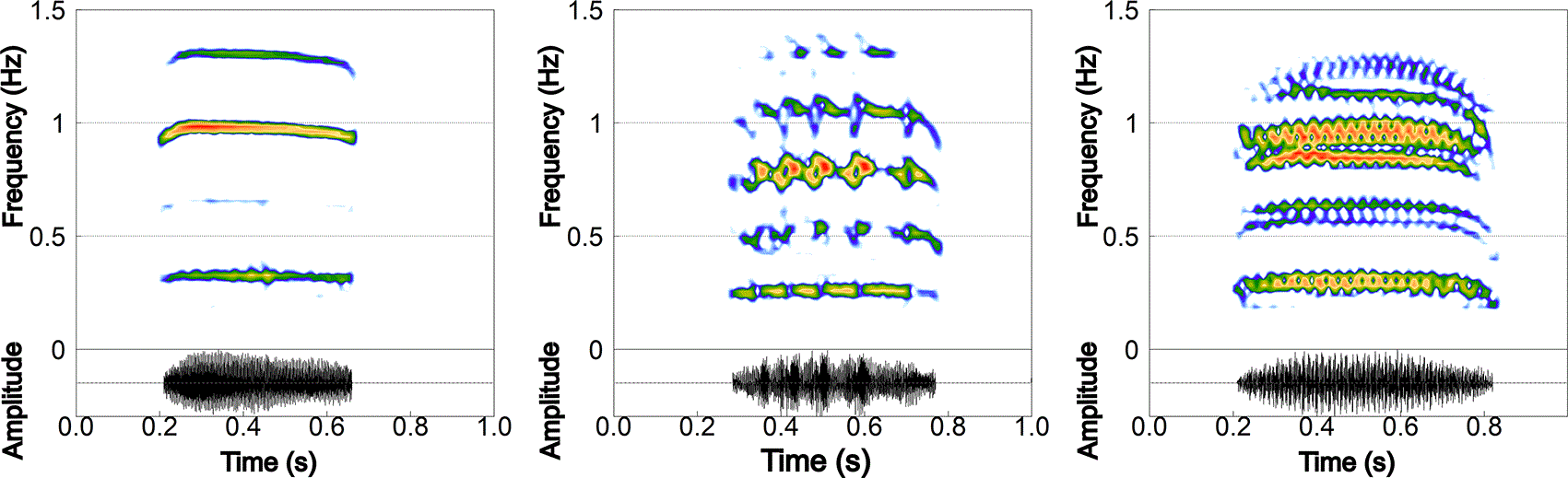
Figure 1. Graphical representations of the three call structures: flat call (left panel), modulated call (middle panel) and two-voice
call (right panel).
On each panel the top figure shows the spectrogram (frequency vs. time, Hamming window size: 512 points, 90% overlap) and the bottom figure shows the oscillogram (amplitude vs. time). Audio recordings are provided as Extended data, Supplementary 5 (Thiebault et al., 2026).
Responses to playbacks
African penguins responded to call playbacks in 90 of 139 (65%) experiments while they responded to controls in 18 of 139 (13%) experiments. When they responded, penguins often responded to call playbacks with Vocal activity (76 out of 90 experiments, 84%), to a lesser extent with Heads up (55/90 experiments, 61%), and rarely with an Approach (23/90 experiments, 26%). By contrast, the majority of penguins’ responses to controls included Heads up (13/18 experiments), a few included Vocal activity (5/18 experiments) and none included Approach.
The responses of penguins to call playbacks varied with the context, with a much higher proportion of responses recorded when the penguins were searching (
Figure 2). When searching, penguins responded to 95% of call playbacks (36 out of 38 experiments) whereas they responded to 54% (35/65) and 53% (19/36) when commuting and after feeding, respectively (
Table 3). All types of responses were recorded in all contexts, always with a higher proportion of responses including a Vocal response compared to the other types of responses (41% of responses including Vocal activity when commuting, 85% when searching and 47% after feeding). In contrast, the responses recorded when broadcasting the control did not vary with the context (Table 3) with a small proportion of responses in any context (<20% of response in all contexts).
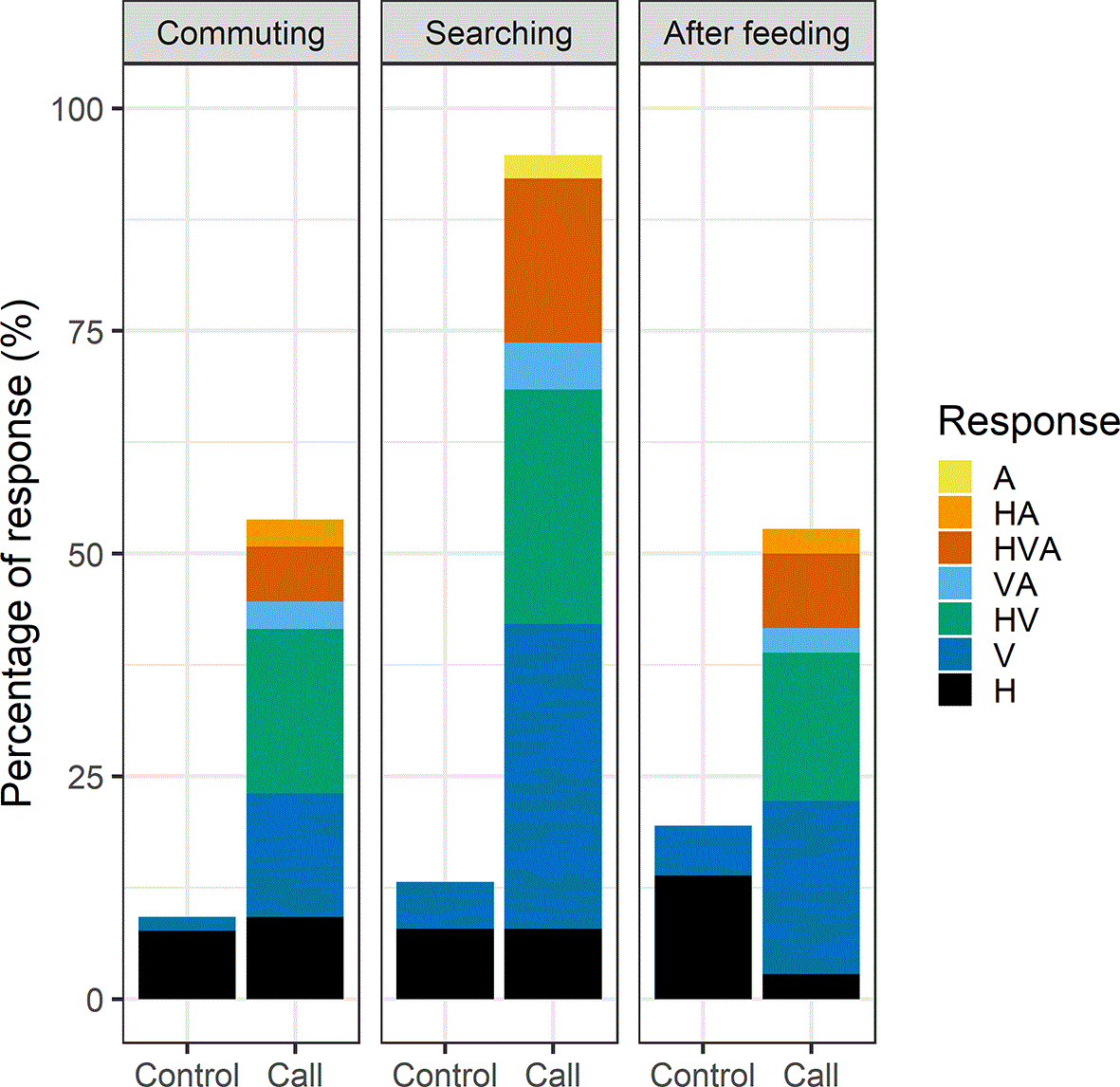
Figure 2. Percentage of the different types of responses of African penguins to playbacks.
Responses quantified on two conditions (control, call of any structure), in three different contexts (commuting, searching, after feeding). Abbreviations for responses: A = Approach, H = Heads up, V = Vocal activity, with all combinations.
Table 3. Penguins’ responses to playback experiments, including three categories of response (Heads up, Vocal activity and Approach).
Broadcasted signals included penguin sea-surface calls (flat calls, modulated calls and two-voice
calls) and control (sound of a wave).
Responses were studied in three foraging contexts (commuting, searching and after feeding).
| Foraging context | Playback | N exp. | N exp. with a response of any type | Heads up | Vocal Activity | Approach |
|---|
| N | Latency (s) | Duration (s) | N | Latency (s) | N calls | N | Latency (s) | Duration (s) |
|---|
| Commuting | Call | 65 | 35 | 24 | 3 ± 2
[0–10] | 21 ± 14
[7–54] | 27 | 4 ± 4
[1–18] | 3 ± 2
[1–9] | 8 | 10 ± 7
[4–23] | 35 ± 16
[18–60] |
| Control | 65 | 6 | 5 | 1 ± 1
[0–2] | 9 ± 5
[2–12] | 1 | 5 | 1 | 0 | NA | NA |
| Searching | Call | 38 | 36 | 20 | 2 ± 1
[0–4] | 30 ± 15
[8–60] | 32 | 4 ± 3
[1–18] | 4 ± 3
[1–14] | 10 | 9 ± 5
[2–17] | 41 ± 16
[18–60] |
| Control | 38 | 5 | 3 | 2 ± 1
[1–3] | 13 ± 6
[9–20] | 2 | 2 ± 1
[1–3] | 8 ± 8
[2–13] | 0 | NA | NA |
| After feeding | Call | 36 | 19 | 11 | 3 ± 2
[0–7] | 32 ± 19
[12–60] | 17 | 5 ± 4
[1–14] | 4 ± 5
[1–19] | 5 | 13 ± 12
[5–34] | 38 ± 21
[15–60] |
| Control | 36 | 7 | 5 | 2 ± 1
[1–2] | 22 ± 9
[15–37] | 2 | 27 ± 30
[6–48] | 1 | 0 | NA | NA |
The response latencies were generally longer after feeding than in other contexts (
Table 3). The shortest response latency to call playbacks was obtained for Heads up behaviour. The longest response latency was Approach, with penguins travelling 51% ± 23% (range 17% to 90%) of the initial distance to the boat. The response Vocal activity, considered from when at least one call was recorded in response, included usually more than one call with an average of 4 to 5 calls within the 60 s of observation.
The Bayesian multilevel models showed that the strongest effect (higher absolute value of estimates) among the measured variables on the penguin responses was the type of sound broadcasted, with sea-surface calls eliciting significantly more responses compared to the control for all three types of response recorded (measured in the hurdle component for models using Heads up and Vocal activity as a response,
Table 4). For the model using Approach as a response, only zeros were recorded for the control condition so that Approaches were only observed after broadcasting a penguin call.
Table 4. Mean and 95% CI of the posterior distribution (Bayesian model output) of factors that showed significant influence on the response of penguins to playbacks.
Three types of behavioural response were measured: the Heads up duration (fitted using a hurdle negative binomial), the Vocal activity (number of calls, fitted using a hurdle Poisson) and their Approach towards the source (fitted using a Bernouilli). Reference for context is after feeding. Reference for call structure is control. A higher estimate in absolute value indicates a higher influence of the factor. A negative estimate for the hurdle component corresponds to a reduced probability of observing zeros (no response). NS = not significant. NA = not applicable (factor not included in model).
| Heads up duration (s) | Vocal activity (n calls) | Approach (0/1) |
|---|
| Random factors
|
| Experiment | 0.35 [0.04 0.59] | 0.67 [0.43 0.95] | 1.81 [0.10 4.70] |
| Playback track | 0.15 [0.01 0.39] | 0.25 [0.01 0.64] | NA |
| Fixed factors
|
| Context | Commuting | NS | NS | NS |
| Searching | NS | 1.20 [0.06 2.36] | NS |
| Call structure | Flat | NS | 1.60 [0.20 2.92] | NS |
| Modulated | NS | 2.40 [0.92 3.86] | 3.15 [0.02 8.16] |
| Two-voice
| NS | NS | 3.57 [0.72 8.21] |
| Interaction Context * Call strucutre | NS | searching:modulated
−1.46 [−2.89–0.01] | NS |
| Number of penguins | −0.31 [−0.58–0.03] | NS | NS |
| Distance to the boat | NS | NS | NS |
| N calls before | NA | 0.18 [0.03 0.33] | NA |
| Hurdle
|
| Intercept (control) | 2.28 [1.74 2.89] | 2.96 [2.26 3.79] | NA |
| Flat | −2.03 [−2.86–1.23] | −3.14 [−4.15–2.22] | NA |
| Modulated | −2.10 [−3.02–1.21] | −2.91 [−3.98–1.90] | NA |
| Two-voice
| −1.56 [−2.36–0.77] | −3.47 [−4.46–2.58] | NA |
In the control condition of the Heads up model, penguins had a 9% probability of responding. In contrast, the probabilities of response was 44%, 46% and 33% after broadcasting flat, modulated and two-voice
calls, respectively. The number of penguins in the group influenced the intensity of only one type of response, Heads up, with a longer duration in this behaviour typically corresponding to smaller group sizes, although the estimate value was low suggesting a weak influence (
Table 4).
In the model using Vocal activity as the response, there was a 5% probability of recording a positive response in the control condition, compared to a 55%, 49% and 63% probability of a response after flat, modulated and two-voice
calls, respectively. In this model, not only the broadcasting of natural calls had an influence on the probability of observing a response (hurdle component), but it also significantly influenced the number of calls recorded in response (
Table 4). Broadcasting a penguin call resulted in an estimated 1–2 calls recorded in response on average, with the upper 95% CI reaching up to 5 calls (
Figure 3). In addition, the foraging context significantly influenced the intensity of the Vocal response (
Table 4). A higher number of calls was recorded when penguins were searching: posterior mean values ~2 calls after the broadcast of a call, with observed data even higher showing up to 4 calls recorded in response (
Figure 3). Even though the number of calls recorded before the playback had an effect on the Vocal response, the estimated value was lower than that of the other effects, suggesting a stronger effect of these other factors, i.e. the effect of call structure and context (
Table 4).
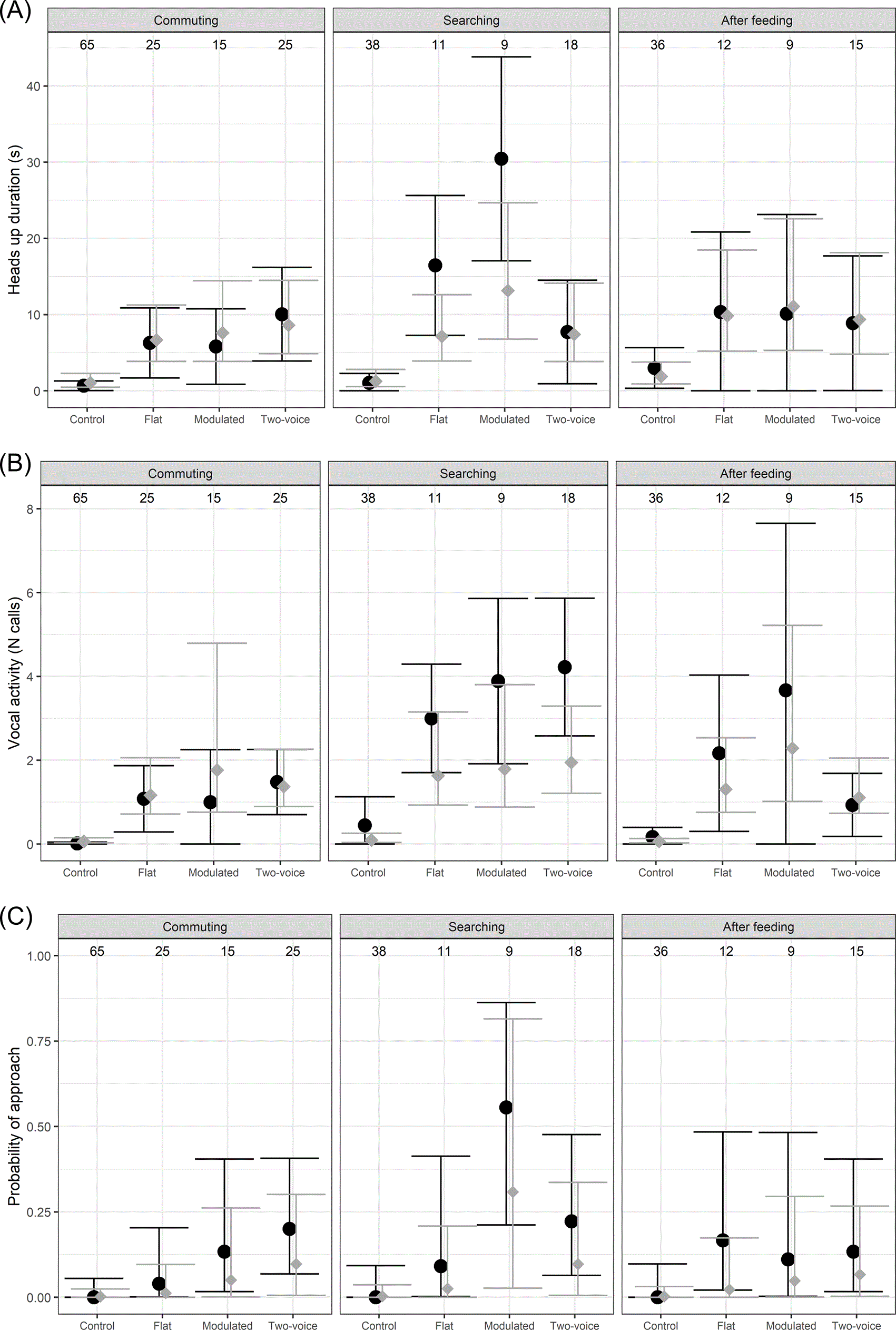
Figure 3. Response of African penguins to playbacks.
Three types of responses were measured: (A) Heads up, the duration of penguins raising their heads up above the sea surface (s), (B) Vocal activity, number of calls emitted by the group within the 60 s of observations) and (C) Approach, probability of approach towards the source of the playback. Paired experiments were conducted (each group tested with the control and one sea-surface call structure) but all controls were grouped as one for the figure. Grey diamonds: mean and 95% CI of the posterior distribution (model output). Black circles: mean and 95% confidence interval of the observed data. Numbers on top of each barplot show sample sizes.
The only factor influencing the Approach response was the call structure, with two-voice
and modulated calls resulting in significantly more Approach behaviour compared to the control (
Table 4). Penguins had a 5–30% probability and 7–10% probability of approaching, after the broadcast of modulated and two-voice
calls, respectively (
Figure 3). In comparison, these probabilities were at 1–3% after the broadcast of flat calls, and this was not significantly different than the control (
Table 4).
Variability among experiments was higher than among playback tracks (random effects,
Table 4), suggesting that playback track had a weak influence on the variability of responses.
Calls in response to playback
All types of call structures were recorded in response to all types of call structures and in all foraging contexts, with the modulated call being the most recorded response call structure in all contexts and the two-voice
call the least recorded one (
Figure 4). Penguins responded to two-voice
calls mostly with modulated calls, in all foraging contexts. The response to flat and modulated calls varied more depending on the foraging context. When commuting, flat calls were equally followed with a flat or a modulated call. Whereas when searching, flat calls were mostly followed with flat calls and modulated calls were mostly followed with modulated calls. After feeding, penguins responded to flat calls mostly with a modulated call and they responded to modulated calls to either modulated or two-voice
calls.
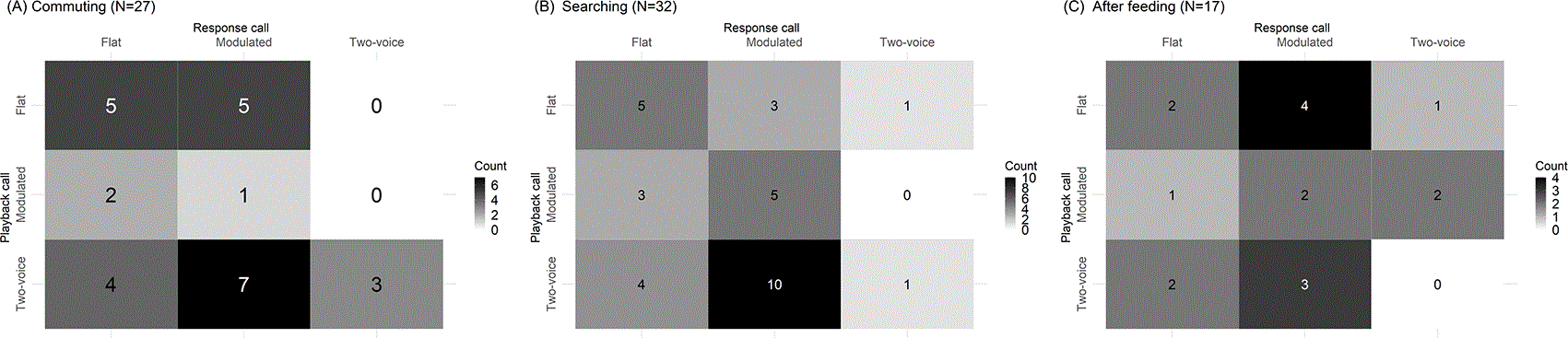
Figure 4. Call structures in response to playback.
Occurrence of each call structure emitted as a response (in columns) of each call structure played back (in rows), in each foraging context: (A) when commuting, (B) when searching and (C) after feeding.
Signal degradation estimation measured from spectrograms
The correlation between the signal recorded at 1 m and at higher distances decreased faster with distance for flat calls compared to modulated and two-voice
calls (
Figure 5). Correlation coefficients suggest that 50% of the acoustic properties were lost between 64 m and 128 m for flat calls and between 128 m and 256 m for modulated and two-voice
calls.
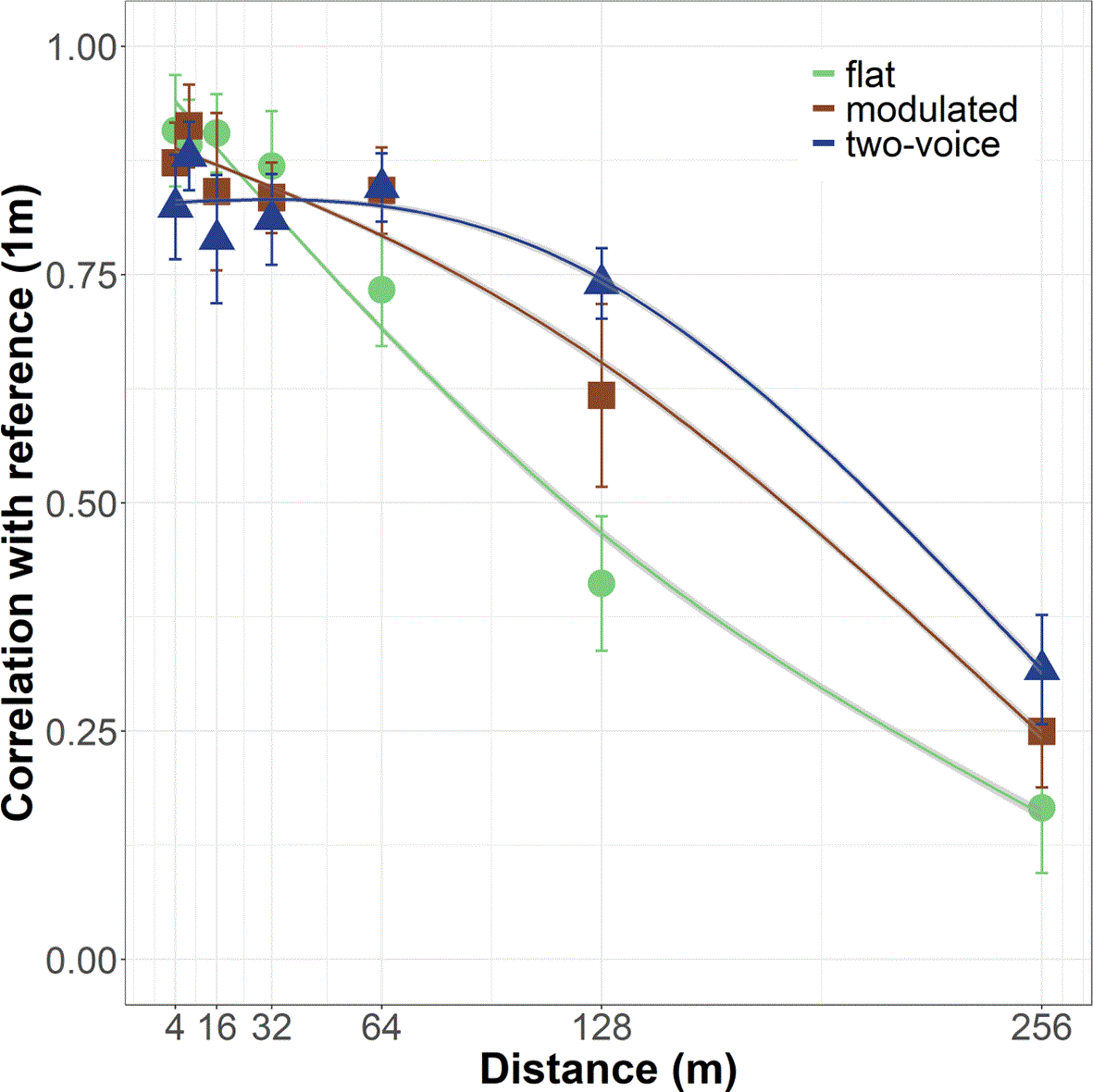
Figure 5. Estimation of the degradation of African penguin sea-surface calls with distance.
Calls were broadcasted and recorded above water from 4 m to 256 m: flat call (green circle points), modulated call (brown square points) and two-voice
call (blue triangle points). The graph shows the correlation of spectrograms between calls recorded at 1 m (reference) and those recorded at longer distances. Filled points represent the average of correlations, with standard deviation represented as error bars (N = between 190 and 300). Curves were fitted on all points using Generalised Additive Models, with 90% confidence intervals represented with grey shaded areas.
Discussion
Our results revealed that African penguins responded in two ways to sea-surface calls: vocally and more rarely with an approach towards the source of the call. This result suggests that calls may be used for “interindividual cohesion or movement coordination within groups” and thus meet the general definition of contact calls (Kondo and Watanabe, 2009; Marler, 2004). We observed differences in penguin responses to calls with different acoustic structures, suggesting nuances to be added to this general definition of contact calls. We propose that African penguins’ sea-surface calls may fulfil two functions: a contact function (Vocal response) and a recruitment function (Approach). The contact function can be carried by sea-surface calls of all acoustic structures, as playbacks from all call structures elicited a Vocal response by penguins and were used in all foraging contexts (i.e. commuting, searching and resting after feeding). Previous observations showed that African penguins produce sea-surface calls all along their foraging trip (McInnes et al., 2020). Together, these results demonstrate that vocal contacts are regularly used by penguins to communicate and maintain contact with distant conspecifics at sea. The recruitment function, however, was carried by modulated and two-voice
calls. Penguins are not known to approach boats at sea as they probably represent a disturbance and a potential threat to them. In this light, the approach response, although rare in our observations, constitute a strong behavioural response from penguins.
African penguins’ sea-surface vocal repertoire
We studied sea-surface calls displaying three distinct acoustic properties, following observations made in an earlier study based on penguin-borne video cameras (McInnes et al., 2020). All sea-surface calls were short in duration (< 1 s) and were relatively similar in terms of energy distribution, presenting a harmonic structure with energy between ca 200 and 1,000 Hz. The most notable distinction between calls was the presence of fast amplitude modulations in the modulated and two-voice
calls, resulting in a “rolling” sound (Extended data, Supplementary 5, Thiebault et al., 2026). These amplitude modulations could be generated by two different mechanisms: a linked amplitude and frequency modulation in the case of the modulated call (AM-FM linkage (Gaunt and Wells, 1973)), or the interaction between the two voices generating beats in the case of the two voices call (Aubin et al., 2000). The presence of modulations (from either mechanism) seemed to have provided an additional function of recruitment to these calls. In terms of acoustic properties, fast frequency and amplitude modulations in a call make the source easier to locate in space for penguins (Aubin et al., 2000; Aubin and Jouventin, 2002). This is thus consistent with our observations that modulated and two-voice
calls elicited responses Approach and could be used for recruitment.
We did not find significant differences in the temporal and frequency acoustic variables measured on modulated and two-voice
calls, and they elicited similar responses. However, since individual penguins are able to produce both modulated and two-voice
calls (pers. obs.), these may still have subtle differences in biological function that were not measured in this study, or reveal different emotional states that further studies would need to assess (Briefer, 2020; Osiecka et al., 2023). Additionally, African penguins can produce calls combining a flat component and a modulated or two-voice
component (pers. obs.). This shows flexibility in their call production.
We propose that all sea-surface calls in African penguins are contact calls. Variations in the acoustic structure of contact calls (i.e. modulated or two-voice components) may change the ability of penguins to locate the source, resulting in contact calls also serving for recruitment. Similarly, Japanese macaques may modify the acoustic structure of contact calls to help receivers locating the sound source (Sugiura, 2007).
Vocal communication as part of the foraging strategy
When searching for food, African penguins responded to 95% of the call playback experiments, while they responded to 54% and 53% of experiments when commuting and after feeding, respectively. Furthermore, we recorded the highest proportion of Vocal responses in this context compared to any other contexts (85% of experiments when searching vs 41% and 47% when commuting and after feeding, respectively), and the intensity of response (number of calls) was significantly higher when searching. The proportion of approaches was also higher in this context (26% vs 12% and 13% when commuting and after feeding, respectively). These observations suggest that the use of vocal communication is particularly relevant for locating prey. African penguins travel several tens of kilometres daily at our study site (Petersen et al., 2006), or several hundreds of kilometres in other locations (e.g. in Algoa bay (Pichegru et al., 2013)), in search for food. Their preferred prey are small pelagic fish, which have a patchy distribution due to dynamical biophysical oceanographic processes (McInnes et al., 2017b). Although penguins are not always near conspecifics when at sea they rely on forming groups to increase foraging efficiency (McInnes et al., 2017a). Communicating vocally would thus constitute an inherent part of their foraging strategy, enabling them to coordinate their movements at sea and to form foraging groups. Our observations are in accordance with previous hypotheses suggesting that group behaviours in African penguins would be adaptive both in terms of enhanced prey location and prey capture (McInnes et al., 2020; Wilson et al., 1986).
Penguins produce calls all along their foraging trip (McInnes et al., 2020), and here we show that they responded to playbacks throughout their foraging trip, including after feeding. This indicates that the use of vocal communication goes beyond the foraging phase. After feeding, we recorded higher proportions of modulated or two-voice
calls as a response to any call structure, suggesting that vocal communication would mostly serve to invite conspecifics to join the group in this context. Indeed, African penguins typically gather in larger groups after feeding (up to 40 individuals), forming rafts of birds resting and preening on the sea surface (McInnes et al., 2017a), before heading back to their colony in groups. As African penguins can be vulnerable to predation at sea by Cape fur seals Arctocephalus pusillus pusillus or by great white sharks Carcharodon Carcharias (Hockey et al., 2005), these larger groups may be useful to reduce individual risks through the dilution effect (Turner and Pitcher, 1986).
The fact that we observed a high response rate independently of the playback track suggests that the penguins maintain contacts with any other conspecifics encountered at sea. Studies in a colony context have shown that some acoustic variables of the contact calls of African penguins differ among individuals (Favaro et al., 2015) due to differences in the anatomy of their vocal tract (Favaro et al., 2023), suggesting that they could be able to identify individuals based on their calls. However, there is no information on the potential use of this individual signature in a foraging context. Indeed, it remains unknown if the small groups of African penguins traveling at sea are randomly formed or if they display specific social structure (e.g., depending on the age class of individuals, their sex, or affiliation). In any case, our observations suggest that these group formations are dynamic and that when forming groups for feeding or preening, penguins may gather indiscriminately with conspecifics encountered at sea.
Signal degradation and estimation of communication distances
African penguins responded to call playbacks within a range of 200 m (distances at which playback experiments were conducted), with no apparent influence of the distance on their response. Based on our experiment on signal degradation, 50% of the acoustic structure of sea-surface calls as measured from spectrograms was maintained to distances 100–200 m depending on the acoustic structure of calls. Flat calls degraded faster than modulated and two-voice
calls, suggesting that the recruitment function may be effective at greater distances (beyond 100 m) than the contact-only function. As some penguin species are efficient at extracting acoustic signals from background noise (Aubin and Jouventin, 1998), we could expect African penguins to be able to perceive signals from even longer distances. Indeed, empirical observations suggested that this species could communicate at sea beyond 200 m in optimal weather conditions (pers. obs.).
The use of vocal communication in the framework of seabird foraging networks
Due to the dynamic nature of foraging in the marine environment (Russell et al., 1992), some seabirds have developed strategies that enable a rapid transfer of information among connected individuals, i.e. a foraging network (Wittenberger and Hunt, 1985). Such a network allows to increase the size of the area explored in search of prey (i.e. “rake the ocean surface” (Assali et al., 2020)) and potentially gather rapidly when prey is found (recruitment). While it is often assumed that volant seabirds rely on visual cues to maintain contact with distant conspecifics at sea (Haney et al., 1992; Silverman et al., 2004; Thiebault et al., 2014), here we propose that penguins may use a similar foraging network but mediated by their vocal communication. This is supported by an observation using a recreational fish-finder on a sea kayak of a solitary African penguin finding a school of fish and immediately emitting modulated or two-voice calls (pers. obs.). The contact and recruitment function of sea-surface calls demonstrated in our study suggests that vocal communication could constitute the foundations for the implementation of an acoustic foraging network. Our results suggest that African penguins could effectively maintain acoustic contacts with conspecifics within ca 200 m distance. They might thus be able to form networks at sea up to several kilometres between the most distant nodes (when including the connection between several groups of penguins) depending on the number of birds in a given marine area. This network size appears to be smaller than foraging networks based on visual signals measured in flying seabirds (Assali et al., 2020, 2017; Thiebault et al., 2014). In the latter, groups of seabirds can maintain distances of ca 500 m (Assali et al., 2020), with feeding aggregations detectable from 10 km distances (Thiebault et al., 2014). An additional difference could lie in the functioning of the network. Empirical observations suggest that a potential network in African penguins could work on a nodal system, instead of a raking system as it has been shown in flying seabirds (Assali et al., 2020). Loose aggregations of birds could form in areas of higher productivity due to environmental cues (McInnes et al., 2017b; Wright et al., 2011) and/or memory, then once in this zone a nodal network would become profitable to rapidly and efficiently form foraging groups on ephemerous prey aggregations.
Potential generalisation to other penguin species
Diving and foraging associations have been described in a number of penguin species, although the nature of social interactions and the level of coordination may vary depending on the species and context. While some species benefit from the group for prey capture (e.g. African (McInnes et al., 2017a) or gentoo penguins (Harris et al., 2023)), such benefit is not evident in other species (e.g. in little penguins Eudyptula minor (Sutton et al., 2015)). In all cases however a certain level of behavioural coordination and synchronisation is apparent, with penguins synchronising dives (e.g. northern rockhopper penguins Eudyptes chrysocome moseleyi (Tremblay and Cherel, 1999), Adélie penguins Pygoscelis adeliae (Takahashi et al., 2004), gentoo penguins (Copeland, 2008), little penguin (Berlincourt and Arnould, 2014), macaroni penguins Eudyptes chrysolophus (Thiebault et al., 2019a) and king penguins Aptenodytes patagonicus (Pütz and Cherel, 2005; Thiebault et al., 2019a)), sometimes even synchronising prey strikes (e.g. chinstrap penguins Pygoscelis antarcticus (Hinke et al., 2021)). Hence, coordinated foraging behaviour seems common in penguins, if not always to increase prey capture at least to facilitate prey searching. As a consequence, the importance of sea-surface vocal communication in foraging strategies, as demonstrated in this study for African penguins, may also occur in other penguin species. Indeed, the production of sea-surface calls was also observed to be associated with group formation in gentoo penguins (Choi et al., 2017). Other species were observed calling at the sea surface, i.e. magellanic penguins Spheniscus magellanicus (Harris et al., 2023), king penguins or emperor penguins Aptenodytes forsteri (pers. obs.), but the function of these calls in other species have yet to be explored.
Implications for conservation
The importance of group foraging behaviour and vocal communication in penguins must be considered in conservation management strategies. First, the ability of penguins to recruit conspecifics to an area of relatively high prey biomass depends on the density of individuals in the marine area (Grunbaum and Veit, 2003). Therefore, the African penguin may be sensitive to an Allee effect, where below a certain population density, population growth is negative because birth rates decline (McInnes et al., 2017a; Ryan et al., 2012). The population of African penguins has been decreasing since the 1950s (Sherley et al., 2020), with a breeding population declining by almost 80% since the 1990s (Sherley et al., 2024). The species was classified as Endangered by the IUCN Red List in 2010 and was uplisted to Critically Endangered in 2024 (BirdLife International, 2024). The main driver of the population decline was identified to be a decrease in food availability (Crawford et al., 2011), with habitat change, oil spills and climate change being additional threats (Sherley et al., 2020). More recently, underwater noise pollution has been hypothesised as a contributed factor to their decline (Pichegru et al., 2022). Continuous decrease in penguin numbers constantly reduces their capacity to form groups at sea, thereby reducing their foraging efficiency (McInnes et al., 2017a), putting the species further at risk for extinction.
Their reliance on acoustic signals at sea renders penguins vulnerable to marine noise pollution, including both in-air and underwater components. The impact of anthropogenic noise has largely been studied in cetaceans that strongly rely on sound communication and coordination to forage (Erbe et al., 2019), but very few studies exist on seabirds (Pichegru et al., 2022, 2017). Noise pollution would mask calls and thus reduce their detection distance, affecting the ability of animals to perceive and identify them (Erbe et al., 2016; Sørensen et al., 2023). Studies on land have shown that airborne noise impacts penguins, leading to increased vigilance, the masking of their vocal communication or an escape behaviour (Giese and Riddle, 1999; Iasiello and Colombelli-Négrel, 2023; Mooney et al., 2019). In captivity, experiments have shown that penguins are able to detect and to react to under water sounds (Rasmussen et al., 2022; Sørensen et al., 2020). In the wild, evidence shows that African penguins avoid underwater noise which increases their foraging effort and reduces their foraging efficiency (Pichegru et al., 2017). Although the use of acoustic cues under water by penguins remains to be demonstrated, the recent discovery of some penguin species producing calls under water (Thiebault et al., 2019a) suggests an underwater communication system might also exist in these species. Thus, penguins could be sensitive to noise pollution both in air and under water. The consequences for the African penguins’ population may be dramatic since an increase in marine noise pollution is suspected to have been involved in the steep decline of the once largest global colony of African penguins in South Africa at St Croix Island (Pichegru et al., 2022). As human activities at sea and maritime traffic increase globally (Malakoff, 2010), a better integration of the effects of noise pollution on penguin populations should be considered in all conservation management plans.









