Introduction
Short food supply chains (SFSCs) have attracted increasing attention from researchers, policymakers, producers and consumers over the last three decades due to their potential to improve the sustainability, resilience and economic viability of local food systems (Marsden et al., 2000; Kneafsey et al., 2013; Chiffoleau & Dourian, 2020). SFSCs encompass a wide range of marketing channels, including direct farm sales, farmers’ markets, community-supported agriculture, farm shops and other forms of direct producer-to-consumer distribution, where the number of intermediaries is minimised (Marsden et al., 2000; Kneafsey et al., 2013).
Beyond reducing the physical distance between production and consumption, SFSCs strengthen trust and personal relationships between producers and consumers (Hinrichs, 2000; Sage, 2003). They enable producers to retain a greater share of the added value of their products, diversify their income sources, respond more flexibly to consumer demand and contribute to rural development (Ilbery & Maye, 2005; Chiffoleau, 2009). Consumers, in turn, increasingly associate local food with freshness, quality, food safety and environmental sustainability (Lappo et al., 2015). Recent disruptions of global food supply chains caused by the COVID-19 pandemic and the war in Ukraine have further highlighted the importance of resilient local food systems and strengthened interest in alternative distribution models (Barrett, 2020; Benedek et al., 2021).
From an economic perspective, local processing enables producers to increase the added value of agricultural commodities and retain a larger proportion of the final retail price by reducing the number of intermediaries. Although direct sales channels require marketing skills, greater investment, labour input and business risk, it also provides greater pricing flexibility, faster cash flow and opportunities to diversify farm income through a wider product portfolio. Such diversification contributes to the long-term resilience and economic stability of rural enterprises. “Farms in local food supply chains maintain a diverse portfolio of products and market outlets, which may help defray large and fixed costs across multiple revenue streams” (Hand, 2010).
Beyond economic benefits, local food processing supports broader sustainability objectives. By encouraging local production and consumption, SFSCs may reduce transport distances and associated greenhouse gas emissions while strengthening relationships between producers and consumers. Direct communication increases transparency and trust and allows producers to respond more effectively to consumer preferences. Previous studies have also highlighted the contribution of SFSCs to rural development, community cohesion, innovation and food system resilience (Chiffoleau, 2009; Chiffoleau & Dourian, 2020).
Despite these advantages, many farmers face significant barriers when attempting to enter direct marketing channels. Besides investment costs and administrative requirements, insufficient knowledge of food processing technologies, food legislation, labelling, hygiene regulations and marketing often limits the development of value-added products suitable for direct sale. Capacity building and knowledge transfer therefore represent important prerequisites for the successful implementation of SFSCs. Agricultural Vocational Training plays a crucial role in “ensuring the sustainability of local food systems and the long-term viability of smallholder farms, as these competencies help farmers adapt to rapidly changing economic and social environments” (Kiss, Khademi-Vidra and Bakos, 2025).
The contribution of the agricultural extension services to farmers decision-making and resilience is often narrowly conceptualized as technology transfer rather than a multidimensional process of capacity building (Ongachi et al., 2026). However, in recent years, various ways to the building farmers’ capacities and abilities have been tried and developed. For example, Common Interest Group approach has begun to be used to build farmers’ capacity to learn and adapt. Those interest groups of farmers have similar socio-economic background, are involved in similar farming practices and share common needs and interests. Rana, Kiminami and Furuzawa (2025) confirmed their effectiveness for capacity building of farmers in Bangladesh. Tahiru et al. (2019) explored the role of non-governmental organization and assessed how their interventions on climate change adaptation over the years have developed the adaptive capacity of farmers in Ghana. Li et al. (2024) found that participation of farmers in China-founded Science and Technology backyards increased their technology trust and adoption behaviour.
Ongachi et al. (2026) found that in South Asia and Latin America are among initiatives supporting farmer capacity development mostly reported Farmer field schools while digital platforms frequently complemented these efforts by improving access to information and markets. While these countries have low internet access, online learning is possible in Europe. Our approach also combines practical workshops with online courses, where farmers have the opportunity to either repeat the knowledge they have acquired, if they have attended the practical workshops, or learn the production processes step by step online.
The RURBANIVE project (Rural-uRBAN synergies emerged in an immersIVE innovation ecosystem) aims to improve the quality of life in rural communities through social and technological innovation while strengthening connections between rural and urban areas.
The RURBANIVE project is structured around six Rural-Urban Enablers (RUEs) – living test environments demonstrating how technological and social innovation can improve the quality of life in rural communities and strengthen rural-urban linkages, each addressing a specific domain of interaction between rural and urban environments (RURBANIVE, 2026). The Czech University of Life Sciences Prague (CZU) represents RUE #1, focused on Improving logistics, and shortening value chains, and operates within the Rural-Urban Co-creation Lab (RUCL) located in Praha-Suchdol.
CZU objective is to support shorter and more resilient food value chains by facilitating knowledge exchange between academia, farmers, food producers and other stakeholders. Within this framework, a series of practical food-processing workshops was organised to demonstrate technologies that local producers can adopt to diversify their product portfolio and increase opportunities for direct sales through farm shops, farmers’ markets or other local distribution channels. The series of practical workshops was complemented by creation of an on-line digital learning platform where five courses on food production and product marketing were available.
The objective of this study was to evaluate participants’ satisfaction with practical workshops and to assess their perceived usefulness as a knowledge-transfer tool supporting the development of short food supply chains and their potential for capacity building of relevant stakeholders.
Materials and methods
Under the Work Package 3, task 3.1of the RURBANIVE project eight practical workshops were organised at the food processing facilities (Food Pavilion) of the RUE #1: CZU in 2025 and 2026. The workshops focused on four food sectors that are highly relevant for small-scale and farm-based production: dairy products, bakery products, meat processing and brewing technology. First wave of the workshops took place between January to March 2025 and the second wave in January and February 2026.
Overall, 122 stakeholders participated in the workshops. Based on the attendance list, there were 68.2% of male and 31.8% of female participants. Participants represented a broad spectrum of actors involved in local food systems, including farmers and food producers, representatives of public authorities, researchers, university staff and other agri-food stakeholders. This multidisciplinary composition was intended to stimulate capacity building, knowledge exchange and encourage future collaboration among different stakeholders and sectors. The composition of workshop participants is shown in
Figure 1.
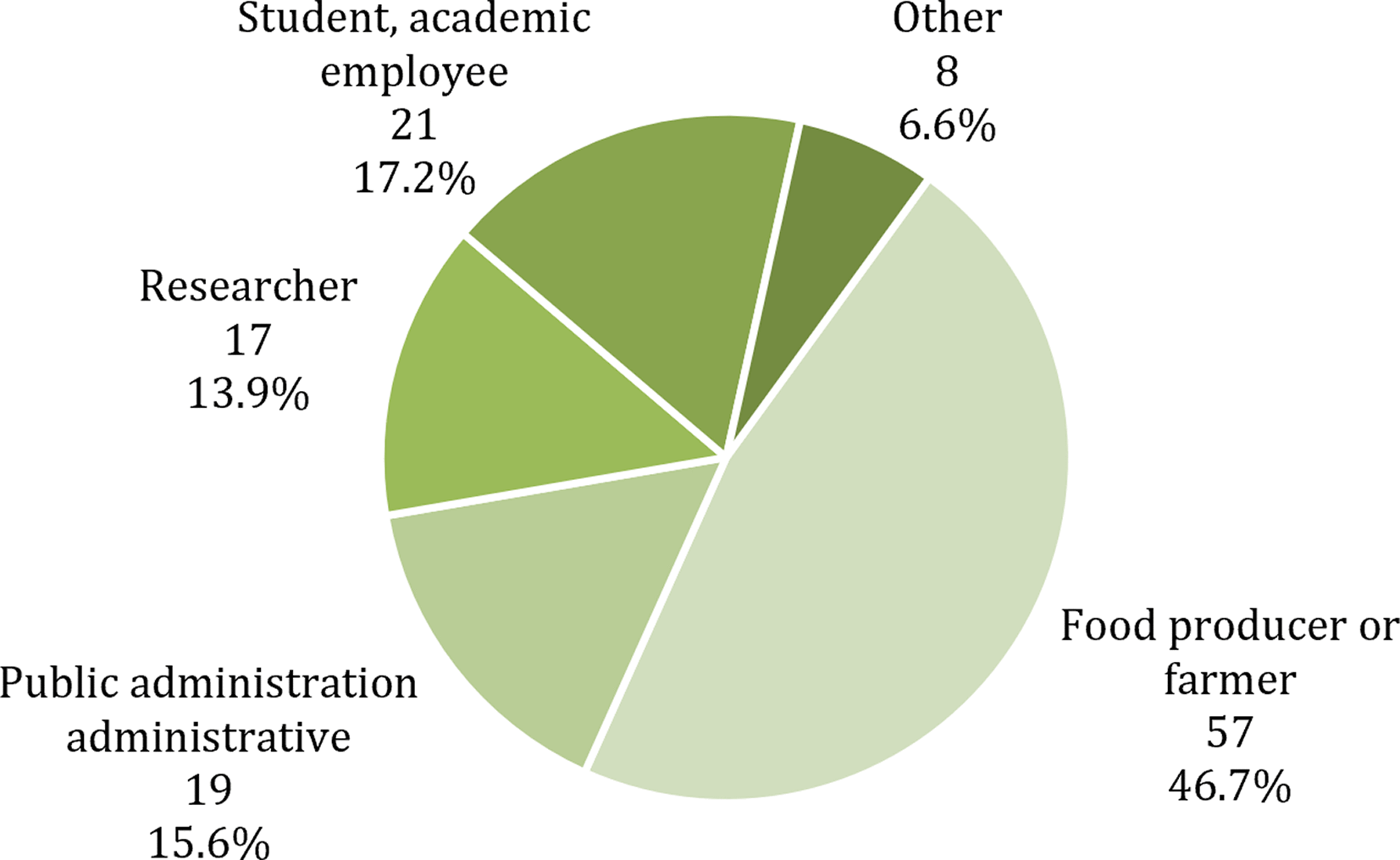
Figure 1. Composition of workshop participants.
Each workshop combined theoretical lectures with practical demonstrations performed on pilot-scale processing lines. Theoretical part of the workshop was devoted to the technology of particular raw material processing introducing the participants steps of the production process. Simplified technological flow diagrams of the individual production processes are presented in
Figures 2A-D. Additionally, also the global context or situation at a market was explained giving the participants broader overview of the sector potential. The practical sessions covered technologies directly applicable in small-scale food production, including production of enriched bakery products, Halloumi cheese manufacture, dry ageing of beef and beer brewing. The length of the workshop was approximately 6 hours starting usually with theory, continuing with practical processing (with technological pauses filled with discussion between the tutor and the participants and among the participants themselves about the given area) finishing with final product tasting and cleaning of the area. The workshops were scheduled to wintertime (January to March), because farmers and food producers’ seasonal workload often limits their availability to attend in-person events during other seasons.
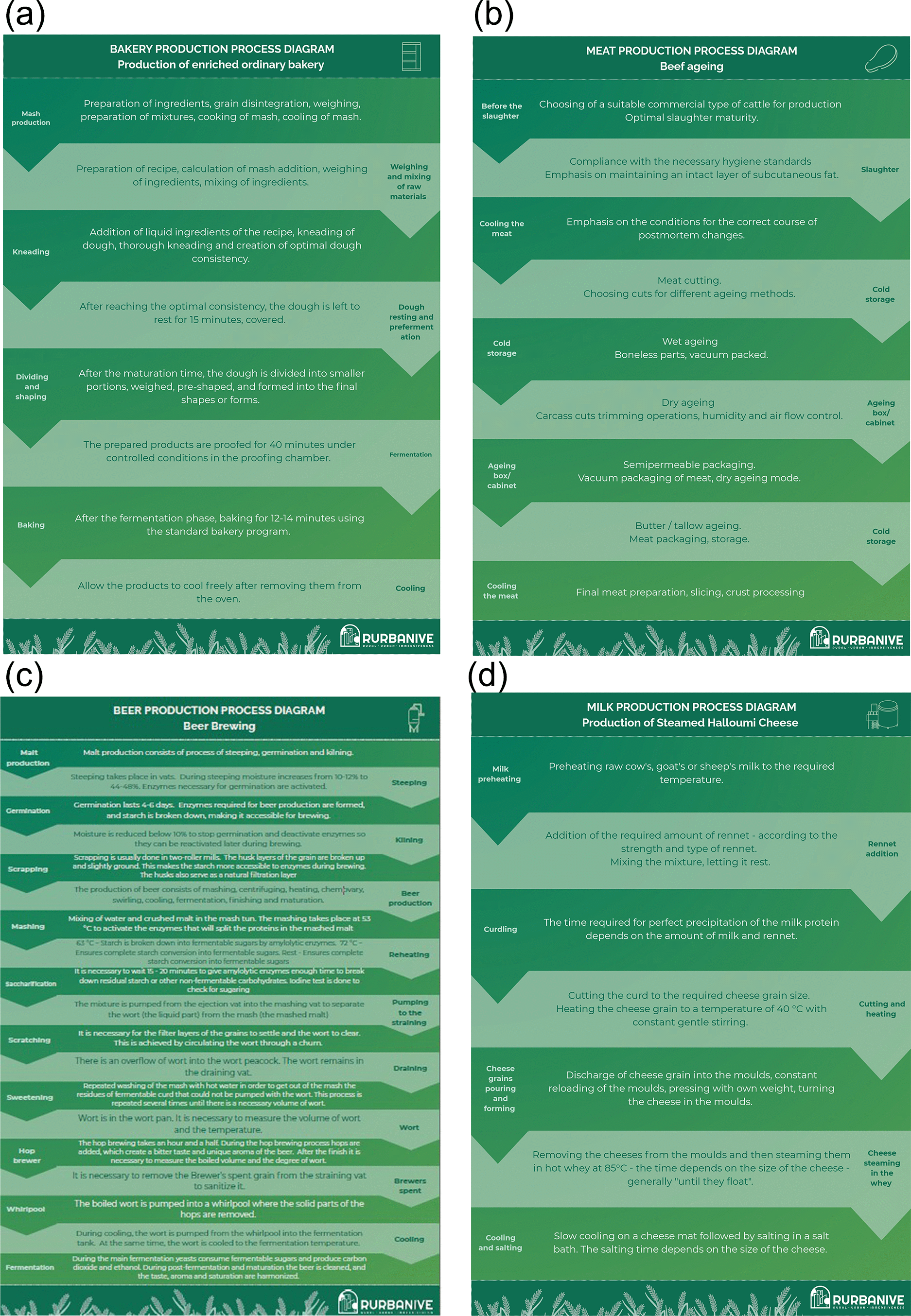
Figure 2. Simplified technological flow diagrams of the individual production processes.
2A – bakery production, 2B – beef production, 2C – beer production, 2D – milk production.
Whether the workshops fulfilled their aim of capacity building among participants was assessed by a questionnaire. Capacity building is understood here as the strengthening of farmers’ and food producers’ knowledge, skills and confidence to engage in value-added food processing and direct sale and marketing. At the end of each workshop, participants completed an anonymous evaluation questionnaire consisting of nine questions covering overall satisfaction, clarity of objectives, quality of lecturers, adequacy of teaching materials, organisation, workshop duration, balance between theoretical and practical activities and willingness to participate in similar events in the future. Participation in survey was anonymous, and no directly identifying information was collected. Before entering the questionnaire, participants received information about the purpose of the survey. The written informed consent was obtained before participation. Since not every participant answered every question, results are presented as both the number of responses and the corresponding percentages. From 122 participants, 92 answered the questionnaires, which means 75.4% response rate.
Five on-line courses that were created at digital learning platform Moodle and were available at https://kitmood.cz/rurbanive/ were based on the materials from the workshops. Despite that the courses include a feedback section; no questionnaires have been filled-in yet. Moodle courses have been tested and launched but are still in pilot regime with only first tens of users. Hence, its quantitative evaluation is still ahead.
Results and discussion
Overall participant satisfaction with the workshops was very high (
Table 1). All respondents except one indicated that they were either satisfied or very satisfied with the workshop. All participants considered the workshop objectives to be clearly explained, while only two respondents suggested that additional topics could have been included.
Table 1. Questionnaire form results.
| Question | Number of answers | Percentage share |
|---|
| Q1: How would you rate your overall satisfaction with the workshop?
| 92 | 100.0% |
| Very satisfied | 78 | 84.8% |
| Satisfied | 13 | 14.1% |
| Neutral | 1 | 1.1% |
| Dissatisfied | 0 | 0.0% |
| Very dissatisfied | 0 | 0.0% |
| Q2: Were the objectives of the workshop presented in a clear and understandable way?
| 92 | 100.0% |
| Very clear and understandable | 79 | 85.9% |
| Somewhat clear and understandable | 13 | 14.1% |
| Neutral | 0 | 0% |
| Not very clear and understandable | 0 | 0% |
| Not at all clear and understandable | 0 | 0% |
| Q3: Were any critical topics left uncovered?
| 88 | 100.0% |
| Yes | 2 | 2.3% |
| No | 86 | 97.7% |
| Q4: How well did the facilitator respond to questions or concerns?
| 62 | 100.0% |
| 1 – not well | 0 | 0.0% |
| 2 | 0 | 0.0% |
| 3 | 1 | 1.6% |
| 4 | 9 | 14.5% |
| 5 – very well | 52 | 83.9% |
| Q5: How engaging were the facilitators?
| 61 | 100.0% |
| 1 – not at all engaging | 0 | 0.0% |
| 2 | 0 | 0.0% |
| 3 | 0 | 0.0% |
| 4 | 5 | 8.2% |
| 5 – very engaging | 56 | 91.8% |
| Q6: Were the methods, materials and/or digital tools used during the workshop easy to follow?
| 92 | 100.0% |
| Very easy | 57 | 62.0% |
| Somewhat easy | 33 | 35.9% |
| Neutral | 1 | 1.1% |
| Somewhat difficult | 1 | 1.1% |
| Very difficult | 0 | 0.0% |
| Q7: Was the workshop length appropriate?
| 59 | 100.0% |
| Too short | 2 | 3.4% |
| Short | 2 | 3.4% |
| Just right | 54 | 91.5% |
| Long | 1 | 1.7% |
| Too long | 0 | 0.0% |
| Q8: How well did the workshop activities balance theory with practical skill application?
| 66 | 100.0% |
| 1 – not so well | 0 | 0.0% |
| 2 | 0 | 0.0% |
| 3 | 2 | 3.0% |
| 4 | 17 | 25.8% |
| 5 – very well | 47 | 71.2% |
| Q9: Would you attend a similar workshop in the future, for developing and testing the specific RUE (rural urban enabler)?
| 92 | 100.0% |
| Yes | 71 | 77.2% |
| Maybe | 19 | 20.7% |
| No | 2 | 2.2% |
The lecturers received consistently high evaluations, reflecting both their technical expertise and their ability to communicate practical knowledge applicable to small-scale food production. Only one respondent indicated difficulties with the methods, materials or equipment used during the practical demonstrations, suggesting that the workshops were generally accessible even for participants with limited previous experience.
The duration of the workshops and the balance between theoretical explanations and practical demonstrations were also evaluated positively by the majority of respondents. Finally, 77.2% of respondents expressed interest in attending similar workshops in the future, indicating a continuing demand for professionally delivered training activities in food processing.
These findings demonstrate that practical workshops can effectively support knowledge transfer between academia and practitioners. For many farmers, insufficient technological knowledge represents one of several barriers limiting the development of value-added products for direct sale. While financial investments, compliance with hygiene and veterinary legislation, traceability requirements, certification procedures and administrative burden remain significant challenges (Kiss, Khademi-Vidra and Bakos, 2025), improving producers’ technical competencies and capacity building is an essential first step towards establishing successful short food supply chains.
An important outcome of the workshops was the development of complementary digital educational resource. The platform offers five specialized courses covering different aspects of food processing and marketing: Milk processing, Bakery, Beef Ageing, Beer Brewing, and Marketing of Agricultural Products. Additionally, there is a RURBANIVE Project Outcomes section containing information about the overall project results and resources. Every course follows a consistent, user-friendly structure designed to guide the user through the learning process systematically: introduction, course annotations, learning targets, study guide, study materials, and assessment and testing. The core section of each courses contains all the learning resources in various formats: presentations, study texts, video tutorials, video presentations, and external links to additional materials such as articles or videos. Study materials in each course follow the production process’ steps that are pictured at the production process diagrams (
Figure 2) which enables the student fluent, smooth and logical progression through the course. Course on Marketing of Agricultural Products is divided into 2 parts. One part is focused on legislative requirements for product labelling and quality marks, the second part deals with online marketing on the web and social networks. Unlike other courses which are finished with the trial and final tests and with the certificate, this course serves as a support for the business start-up, so there is no testing at the end. Participants in food production courses can receive a certificate of completion after successfully passing the final test, but the courses are not yet certified by any authority. To develop the practical workshops and on-line courses and have them both certified by relevant authority is the further step of the RURBANIVE project. The participants in the courses can provide feedback at the end each course which shall lead to further development of the courses’ content.
The educational approach adopted in the RURBANIVE project is consistent with the broader European strategy of strengthening Agricultural Knowledge and Innovation Systems (AKIS), which emphasise the co-creation of knowledge and closer collaboration between researchers, farmers, advisory services and other stakeholders. Rather than relying solely on the one-way transfer of scientific knowledge, interactive learning environments encourage participants to exchange practical experience, discuss local challenges and jointly identify feasible solutions. Such participatory approaches have been recognised as essential for accelerating innovation uptake in agriculture and food systems, particularly among small-scale producers who often have limited access to specialised technical expertise. By combining hands-on training with digital educational resources, the RURBANIVE workshops demonstrate how research organisations can support the practical implementation of innovations within local food systems. Building of capacities of farmers to implement short food supply chains lead to higher sustainability.
The high levels of satisfaction, perceived clarity of objectives and willingness to attend future events (
Table 1) can be interpreted as indirect evidence of capacity building among workshop participants, understood here as the strengthening of farmers’ and food producers’ knowledge, skills and confidence to engage in value-added food processing and direct sale and marketing. This interpretation is consistent with the broader literature on capacity building through vocational and non-formal agricultural training. Farouque et al. (2024) examined how farmers participating in Common Interest Groups under Bangladesh’s National Agricultural Technology Program changed their capacity levels. A related study by Rana, Kiminami and Furuzawa (2025) linked group-based training to the accumulation of human and social capital as core mechanisms of farmer capacity building. Similarly, Li et al. (2024) demonstrated that participation in China’s Science and Technology Backyards increased farmers’ technology trust and subsequent adoption behaviour, suggesting that structured, practice-based learning environments can translate into measurable behavioural change beyond immediate satisfaction. Compared with these studies, the present evaluation captures participants’ short-term perceptions rather than longer-term adoption or livelihood outcomes; nevertheless, the consistently positive perception of workshop content, facilitator engagement and practical relevance suggests a similar underlying mechanism of experiential, hands-on learning as a driver of capacity building.
Beyond the face-to-face workshops, the digital learning platform Moodle is expected to contribute to capacity building through mechanisms distinct from, but complementary to, those associated with practical training. Structured self-paced courses allow participants to revisit theoretical content and production-process steps at their own convenience, which is particularly relevant for farmers and food producers whose seasonal workload often limits their availability to attend in-person events. The consistent course structure (introduction, learning targets, study materials in various forms, and a final assessment) mirrors principles of learning that have been associated with improved knowledge retention in agricultural vocational training. Furthermore, because access to the platform is not restricted to workshop participants, it has the potential to extend the reach of capacity-building activities to farmers and food producers who were unable to attend the workshops in person, thereby addressing one of the key limitations of one-off, location-bound training events. The certification offered upon completion of the food-production courses may additionally support participants’ confidence and credibility when engaging in direct marketing, although, as the courses are not yet accredited by an external authority, their formal recognition within capacity-building frameworks remains limited at this stage.
The combination of practical workshops and digital learning platform reflects the broader shift in the understanding of agricultural extension from a narrow technology-transfer function towards a multidimensional capacity-building process, as highlighted by Ongachi et al. (2026). This combination of structured practical training and asynchronous digital resources may help address a limitation frequently reported for one-off training events, namely that newly acquired knowledge is not retained or applied once the training ends.
Study limitations and future perspectives
The present study evaluated participants’ perceptions immediately after completion of the workshops and therefore primarily reflects short-term satisfaction with the educational activities. While participant feedback provides valuable information regarding the quality, relevance and perceived usefulness of the workshops, it does not demonstrate whether the acquired knowledge was subsequently translated into changes in production practices or business performance.
Future evaluation should therefore adopt a longer-term perspective by monitoring whether participants implement the demonstrated processing technologies, introduce new value-added products, expand direct sales through farm shops or farmers’ markets, or establish new collaborations with other stakeholders. Such follow-up studies would provide stronger evidence of the actual contribution of educational interventions to the development of short food supply chains and more resilient local food systems.
The online Moodle courses represent an additional component of the RURBANIVE capacity-building strategy; however, as the platform is still in its pilot phase, no evaluation data are currently available. A feedback mechanism has been embedded in each course, and once a sufficient number of users have completed it, this data will allow a systematic assessment of the courses’ perceived usefulness, usability and contribution to capacity building, complementing the findings obtained from the in-person workshops.
Formal recognition of the acquired competencies represents a further step towards strengthening the impact of the educational activities developed within RURBANIVE. In the Czech Republic, a national framework for micro-credentials is currently being established through a two-year project (2024–2026) led by the Ministry of Education, Youth and Sports in cooperation with the OECD and the European Commission. Micro-credentials are defined as records of learning outcomes that a learner has acquired following a short learning experience, assessed against transparent and clearly defined criteria. A pilot scheme has already been implemented at national level (MEYS CR, 2026). Certifying the RURBANIVE workshops and Moodle courses as micro-credentials would formally validate participants’ newly acquired competencies, increase the transferability and recognition of the training across institutions and the labour market, and strengthen the credibility of the acquired skills when producers engage in direct marketing and value-added food processing.
Conclusions
The practical workshops organised within the RURBANIVE project demonstrated that structured, hands-on knowledge-transfer activities can effectively contribute to capacity building among farmers and local food producers seeking to expand their product portfolio and develop direct marketing opportunities. High participant satisfaction and the strong willingness to attend future training events indicate considerable demand for practical education in food processing technologies.
By improving technological knowledge and strengthening interactions between academia, producers and public stakeholders, the workshops contribute to one of the key prerequisites for developing short food supply chains. Although technical training alone cannot eliminate barriers such as investment costs, legislative requirements or administrative complexity, it represents an important component of capacity building that enables producers to create value-added products suitable for direct sale. The online Moodle courses complement this process by allowing participants to revisit training content independently of the physical workshop setting and by extending the reach of capacity-building activities to producers who were unable to attend in person; their systematic evaluation, together with the planned certification of both the workshops and courses through the Czech national micro-credential framework, represents an important next step towards consolidating and formally recognizing the competencies gained.
Beyond improving individual technical competencies, the workshops strengthened communication between academia, farmers, food producers and public authorities, thereby fostering collaborative innovation within local food systems and reflecting the multi-actor, co-creation approach promoted through the RURBANIVE Rural-Urban Enablers. This approach aligns with current European strategies promoting sustainable agriculture, resilient food supply chains and lifelong learning in agri-food systems. While the present findings are based on short-term perceptions rather than longer-term behavioural or economic outcomes, the integration of face-to-face practical training with the digital learning platform offers a scalable and transferable model of capacity building that could be adapted by other regions and institutions seeking to strengthen local food production and shorten food supply chains.
Ethics and consent
The study was approved by the Ethics Committee of the Czech University of Life Sciences Prague, approval number 01/2024, approval date April 18, 2024.
Declaration of generative AI and AI-assisted technologies in the manuscript preparation process
During the preparation of this manuscript, the authors used Claude.ai LLM tool to assist with English language editing, literature search support and reference formatting. All content was reviewed, verified, and edited by the authors, who take full responsibility for the accuracy and integrity of the final manuscript.
Data availability statement
The data supporting this study (RURBANIVE – Results of workshop satisfaction surveys) are publicly available in the repository of the Czech University of Life Sciences Prague at https://doi.org/10.83124/szqdx-cr896 (Šimpachová Pechrová et al., 2026). The Workshop Consent Form is also publicly available in the Czech University of Life Sciences Prague repository at https://doi.org/10.83124/6ee9g-8rp07 (Johns, 2026). The questions included in the questionnaires are provided in the manuscript together with the corresponding results in
Table 1 and are also included in the above-mentioned detailed results dataset RURBANIVE – Results of workshop satisfaction surveys. No additional extended data or supplementary documents are available.
Acknowledgements
We acknowledge the support of the RURBANIVE project team members from the Czech University of Life Sciences Prague for their contribution to the development of practical workshops and on-line learning platform. Specifically, we thank Ing. Miroslav Chlumský, Ing. Veronika Legarová, Ph.D., doc. Ing. Daniel Bureš, Ph.D., Ing. et Ing. Lucie Jurkaninová, Ph.D., Ing. Vojtěch Chaloupka, doc. Ing. Michal Stočes, Ph.D., Ing. Václav Lohr, Ph.D., doc. Ing. Jan Jarolímek, Ph.D., Ing. Anna Šebová, Ing. Renata Kunstová, Ing. Michaela Kužniarová, Ing. Petra Nosáková, and Petr Kadlec. All individuals named in the Acknowledgements section have been informed of their inclusion and have provided their consent to be acknowledged in the manuscript.
References
- Barrett CB:
Actions now can curb food systems fallout from COVID-19.
Nat. Food.
2020; 1: 319–320. PubMed Abstract
| Publisher Full Text
- Benedek Z, Fertő I, Marreiros CG, et al.:
Farm diversification as a potential success factor for small-scale farmers constrained by COVID created lockdown.
PLoS ONE.
2021; 16: e0251715. PubMed Abstract
| Publisher Full Text
| Free Full Text
- Chiffoleau Y:
From politics to cooperation: The dynamics of embeddedness in alternative food supply chains.
Sociol. Rural.
2009; 49: 218–235. Publisher Full Text
- Chiffoleau Y, Dourian T:
Sustainable food supply chains: Is shortening the answer? A literature review for a research and innovation agenda.
Sustainability.
2020; 12: 9831. Publisher Full Text
- Farouque MG, Kabir KH, Roy D, et al.:
An assessment of capacity building activities for common interest farmer groups in Bangladesh.
Dev. Pract.
2024; 34(4): 491–511. Publisher Full Text
- Hand MS:
Local food supply chains use diverse business models to satisfy demand.
Amber Waves:
USDA Economic Research Service;
2010.
Reference Source
- Hinrichs CC:
Embeddedness and local food systems: Notes on two types of direct agricultural market.
J. Rural. Stud.
2000; 16: 295–303. Publisher Full Text
- Ilbery B, Maye D:
Alternative (shorter) food supply chains and specialist livestock products in the Scottish–English borders.
Environ Plan A.
2005; 37(5): 823–844. Publisher Full Text
- Kiss V, Khademi-Vidra A, Bakos IM:
The strategic role of agricultural vocational training in sustainable local food systems.
Open Agriculture.
2025; 10(1). Publisher Full Text
- Kneafsey M, Venn L, Schmutz U, et al.:
Short food supply chains and local food systems in the EU: A state of play of their socio-economic characteristics.
Joint Research Centre;
2013.
Reference Source
- Lappo A, Bjørndal T, Fernández-Polanco J:
Consumers' concerns and external drivers in food markets (FAO Fisheries and Aquaculture Circular).
FAO;
2015.
Reference Source
- Li Y, Zhang X, Huang O, et al.:
Improving smallholders' capacity building by creating an enabling environment for sustainable crop production.
Agricultural Systems.
2024; 220: 104083. Publisher Full Text
- Marsden TK, Banks J, Bristow G:
Food supply chain approaches: Exploring their role in rural development.
Sociol. Rural.
2000; 40: 424–438. Publisher Full Text
- Ministry of Education, Youth and Sports of the Czech Republic:
Mikrocertifikáty.2026.
Reference Source
- Ongachi W, Belinder I, Bhat B, et al.:
Strengthening agricultural extension services to enhance farmers' capacity and resilience for sustainable development: A systematic review.
BMC Agriculture.
2026; 2: 17. Publisher Full Text
- Rana MM, Kiminami L, Furuzawa S:
An analysis of factors affecting farmers' capacity building for sustainable rural and agricultural development in Bangladesh.
Reg. Sci. Policy Pract.
2025; 17: 100202. Publisher Full Text
- RURBANIVE Project:
Grant agreement ID: 101136597.2026.
Reference Source
- Sage C:
Social embeddedness and relations of regard: Alternative "good food" networks in south-west Ireland.
J. Rural. Stud.
2003; 19: 47–60. Publisher Full Text
- Šimpachová Pechrová M, Kouřimská L, Chlumský M, et al.:
RURBANIVE - Results of workshops satisfaction surveys. [Dataset].
Czech University of Life Sciences Prague;
2026. Publisher Full Text
- Tahiru AD, Sackey B, Owusu G, et al.:
Building the adaptive capacity for livelihood improvements of Sahel Savannah farmers through NGO-led adaptation interventions.
Clim. Risk Manag.
2019; 26: 100197. Publisher Full Text
- Johns Z:
RURBANIVE – survey. Workshop Consent Form. [Dataset].
Czech University of Life Sciences Prague;
2026. Publisher Full Text