Plain language summary
Iron requirements for haemoglobin synthesis and muscle growth in piglets are very high during their first weeks of life. To meet these requirements, piglets use the iron stored during their foetal life and ingest iron from their mother's milk, but this is not sufficient. In a study supported by an Era-Net CORE Organic project (Power project), researchers from the French research institute INRAE (Saint-Gilles France) and the veterinary school of Nantes (Oniris, France) explored the iron status of organic piglets raised in free-range or indoor conditions and receiving or not an iron treatment during their first week of life. Such treatment is problematic in organic farming due to a strong limitation of chemically synthetized drugs. About 600 piglets from 21 organic farms in the west part of France were submitted to a blood sample at about six weeks of age, near weaning. The results show signed of anaemia, low haemoglobin content and low red blood cell size in piglets kept indoors receiving a low dose of iron (100 mg) or no iron supplementation. Moreover, the haematologic status was better in outdoor piglets not receiving iron supplementation than in those reared indoors injected with 200 mg dextran or gleptoferron iron. Therefore, except when soils are deficient in bioavailable iron, outdoor piglets do not require iron supplementation unlike those reared indoors. A solution with a continuous supply of iron in a natural form should be developed for organic piglets reared indoors.
Introduction
The piglet's iron requirement is high during its first weeks of life, about 21 mg per kg of gain, i.e. 5 to 7 mg per day, to accompany its rapid growth (Braude et al., 1962; Mahan & Shields, 1998; Venn et al., 1947). Iron is used, in particular, for the synthesis of haemoglobin in red blood cells and myoglobin in muscle. To meet the iron requirement, the new born piglet mobilizes its reserves stored during foetal life, but they only cover a few days of life (Mahan et al., 2009; Venn et al., 1947). A second source of iron is maternal milk, but the intake of about 1 mg per day (Szudzik et al., 2018; Venn et al., 1947) is very low compared to the need. Piglets would therefore become anaemic very quickly if they do not have access to other sources of iron. When lactating sows are kept outdoors, the absence of iron supplementation does not seem to be a problem, probably because piglets ingest iron from the soil (Brown et al., 1996; Delbor et al., 2000). When sows are kept indoors, this ingestion of soil does not occur and iron supplementation is necessary (Svoboda et al., 2017; Svoboda & Pist'kova, 2018).
In conventional farms, farmers bring iron to piglets in the first few days of life by parenteral (intramuscular injection) or oral supplementation (Svoboda et al., 2017; Svoboda & Pist'kova, 2018; Szudzik et al., 2018). In organic farming this systematic supplementation is problematic since it breaks the principles of health (i.e. animal drugs should be avoided) and ecology (i.e. the production is to be based on ecological processes) (IFOAM, 2020). In accordance with these principles, the EU regulation for organic livestock farming limits strongly the use of chemically synthesised drugs (Regulation EC n°2018/848, 2018). For a pig to be certified as organic, only one drug treatment is allowed apart from parasite treatments, vaccines and compulsory treatments (e.g. mitigation of pain derived from male castration). Even if not systematic, iron preparations administered to piglets are considered, by some inspectors of certifying bodies in France, to be a drug treatment. In this case, the meat of a pig will be downgraded if it receives another treatment to treat a disease. This leads some farmers not to perform neonatal iron injections.
As little data are available on the risk of iron deficiency in organic pig farms, the main objective of this study was to measure haematological parameters as well as circulating concentrations of iron and ferritin in organic piglets raised outdoors or indoors and born from primiparous or multiparous mothers. Their inflammatory state was also assessed by measuring an inflammation protein (haptoglobin) and oxidative stress indicators because the inflammatory status can modulate the availability of iron for haemoglobin synthesis (Ganz & Nemeth, 2012).
Methods
Animals and sampling
All procedures were approved by the ethical committee for Clinical and Epidemiological Research from the Oniris Veterinarian School of Nantes in France (CERVO) and received the agreement # CERVO-2018–15-V. All efforts were made to minimise animal suffering. Farmers enrolled in the study were informed about the aims and content of the project and signed a letter of informed consent.
Twenty-one organic pig farms (11 outdoors, 10 indoors), located in the west part of France, were selected on a voluntary basis. The experiment was performed on domestic pigs (Sus scrofa domesticus) from various genetic lines (Table 1). It occurred in some farms that boars (one indoor and one outdoor farms) and sows (two indoor and one outdoor farms) were from two different genetic lines. Number of reproductive sows was also very variable between farms (Table 1). Weaning of piglets was performed around 6 weeks of age (Table 1). As indicated by the farmers, the average littersize at weaning in the farms was around 10, being slightly higher indoors than outdoors (Table 1). During lactation, piglets had access to a dry feed that could be the lactation diet of the dam or a diet for first- or second-age piglets (Table 1). According to farms, the dam’s lactation diet started to be available to piglets from birth to 4 weeks of age and the distribution of creep feed started between 1 and 4 weeks of age (Table 1). As far as we know, all these diets were supplemented with ferrous or ferric iron (carbonate or sulfate or oxide form) and contained bentonite which is rich in ferrous or ferric iron. Piglets were selected within litters so that males and females, low, medium and large piglets were equally represented. In addition, only males with both testes descended were selected. In each farm, 28.9 ± 2.6 [18, 30] piglets (average ± SD, [minimum, maximum]) from four to seven litters (sows of different parities) were sampled at 42.0 ± 3.2 [34, 57] days of age, 11.9 ± 3.0 [5, 23] kg live weight and -1.1 ± 1.6 [-6, +1] days from weaning (606 pigs in total). Live weight was measured individually with a portable scale (HDB 30 K-2XL, 2336 Balingen, Germany). Blood was drawn from the jugular vein to collect 5 ml on a dry tube and 5 ml on an EDTA tube. Each piglet was kindly caught by the farmer or a technician. It was firmly held on its back in order to prevent any movement and to have the forelegs spread. The second operator, previously trained to blood sampling in piglets, performed the sampling. Immediately after, the piglet was weighed and returned to its home pen. The whole procedure lasted less than two minutes. The samples were stored, for a maximum of four hours, in a refrigerated cooler until arrival at the laboratory.
Table 1. Main characteristics of indoor and outdoor farms.
Main characteristics of the farms where the experiment was performed. Means ± SD [minimal-maximal values] as well as number of farms between brackets are indicated.
| Indoor farms (n = 10) | Outdoor farms (n = 11) |
|---|
| Number of reproductive sows | 78 ± 53 [28–180] | 123 ± 130 [20–385] |
| Age at weaning, days | 42.9 ± 2.9 [34–50] | 43.2 ± 3.2 [41–57] |
| Littersize at weaning | 10.7 ± 1.0 [9.5–12.5] | 9.6 ± 1.2 [8.0–11.0] |
| Boar genetic lines | P (9), P + PxLW (1) | P (10), P + PxLW + Longué* (1) |
| Dam genetic lines | LWxLR (3), LW (2), Naima® (1),
Danbred® (1), Danbred® + LWxLR (2),
LWxBlanc de l’Ouest* (1) | LWxLR (7), LW (1),
LRxSaddle Back (1), LWxLRxP (1)
LWxLRx P + Longué* (1) |
| Type of feed during lactation1 | Dam’s lactation diet (2)2
Creep feed,1st and/or 2nd age (9)2 | Dam’s lactation diet (3)3,
Creep feed, 1st and/or 2nd age (7)3
|
Age from which dam’s diet available
Age at starting creep feed | 2 weeks of age (2)
~1 (2), 2 (1), 3 (6) weeks of age | birth (1), 3 (1), 4 (1) weeks of age
3 (4), 4 (2) weeks of age4
|
As far as possible, the identity of the mother, parity and date of birth were recorded. In order to link the piglets with their mother in outdoor farms, farmers were required to fix an identification tag on the ear of the piglets shortly after birth. When the exact date of birth was not known, a single date was recorded according to the farmer indication.
Laboratory analyses
On arrival at the laboratory, a complete haematological analysis was carried out on the blood collected on EDTA using a Procyte Dx Idexx automaton (Westbrook, Maine 04092, USA). Parameters measured included haemoglobin concentration (Hb), haematocrit, red blood cell and reticulocyte counts, mean Red Blood Cell Volume (RBCV), the mean Red Blood Cell Haemoglobin Concentration (RBCHb), the Reticulocyte Haemoglobin concentration (RetHb), the number of lymphocytes, monocytes, neutrophilic and eosinophilic granulocytes. These analyses were performed on the 606 piglets for all parameters except the leucocyte count for which three samples could not be analysed for technical reasons.
The remaining blood on EDTA was centrifuged before collecting the plasma. After clotting, the dry blood was centrifuged and the serum was collected. The aliquots were stored, for a maximum of four months, at -20°C until analysis. Haptoglobin was analysed on plasma, iron, ferritin, hydroperoxides (= oxidation products = dROM) and the antioxidant capacity of the blood (BAP) on serum. All analyses except for ferritin were performed in single assays with a laboratory robot (Konelab 20, Thermo Scientific, Waltham, MA USA) using commercial kits that are not species specific (total iron: Iron- 981236, Thermo Scientific, Finland; haptoglobin: T801, Tridelta Ltd, Maynooth, Ireland; dROM and BAP: Diacron, Grosseto, Italy). The intra-assay CV was 5.5%, 7%, 4% and 8%, respectively for iron, haptoglobin, dROM and BAP. Ferritin was measured in duplicates using an ELISA test specific for pigs (kit MBS741259, MyBioSource, San Diego, CA 92195–3308). The intra-assay CV was 3%.
These analyses were performed on 552, 566, 565, 563 piglets (18 to 30 piglets per farm), for iron, BAP, haptoglobin and dROM respectively, as they were not carried out in one outdoor farm (Farm U) and on a few pigs in eight other farms due to a lack of plasma or to a technical problem. Ferritin was measured in 200 piglets (10 piglets per farm selected to ensure a balanced sex ratio and diversity of weights within farms) from all farms except one outdoor farm (farm U).
Statistical analyses
All analyses were performed with the R software (version 4.0.2). Daily weight gain (DWG) was estimated by dividing the weight at the measure by the age at this measure since animals were not weighted at birth. This method overestimates slightly the real daily gain but overestimation occurs for all animals, even if it is slightly more marked in piglets that are heavier at birth. Mixed ANOVA (type 3) were carried using the lmerTest and Car packages. To analyse live weight and daily weight gain (DWG), sex (two modalities: Male vs Female) and housing (two modalities: Indoors vs Outdoors) were introduced as fixed effects and farm as a random effect. To analyse blood parameters, sex (two modalities: Male vs Female), housing (two modalities: Indoors vs Outdoors), live weight (quantitative variable) were introduced as fixed effects and farm as a random effect. In a subgroup of 13 farms where sow parity was known and piglets clearly linked to their dam, parity (two modalities: Primiparous vs Multiparous) was also included. A square root transformation was carried out before analysis for some parameters (number of lymphocytes, monocytes, neutrophils and eosinophils, iron, ferritin, haptoglobin and dROM concentrations, BAP) to normalise them and homogenise the variances. Pearson correlations between variables were calculated with the Hmisc package. Statistical levels were corrected for multiple comparison using the Holm method. Principal Component Analyses were performed with the FactoMineR package and missing values were imputed by the mean of each variable. Unless otherwise stated, the results presented in the text correspond to adjusted means ± SEM. P-values < 0.05 were considered statistically significant.
Results
In only one indoor farm (O), no iron supplementation was carried out. In the other indoor farms, piglets received: 100 (K) or 200 (A, B, C and R) mg dextran iron, 200 (E, F and J) or 400 (Q) mg gleptoferron iron (Figure 1). The injection was performed between one and four days of age except in the Q (on the day of birth) and C (four days of age) farms. Irrespective of the nature of the iron injected, descriptive statistics show that, indoors, the average haemoglobin concentration progressively increases between 0 (81.0 g/l), 100 (90.5 g/l) and 200 mg of iron (> 94.5 g/l), and between 200 (108.1 to 111.3 g/l) and 400 mg (116.7 g/l) of iron. In the outdoor farms, the piglets did not receive any iron supplementation except in one farm (S) where 200 mg gleptoferron iron was injected at seven days of age (Figure 1). In this farm, mean haemoglobin concentration was very close (124.8 g/l) to the mean measured in the four highest farms not injecting iron (121.2 to 124.6 g/l).
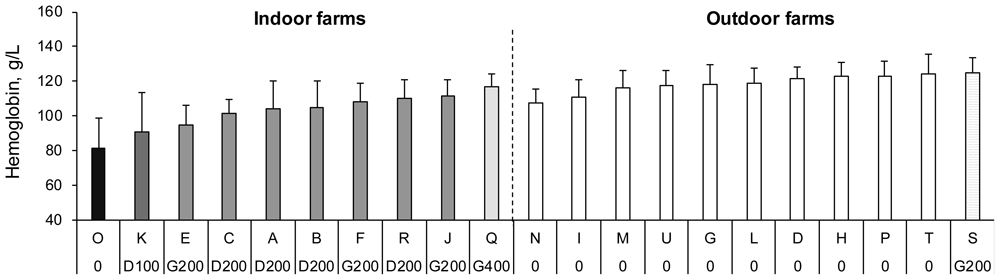
Figure 1. Mean blood haemoglobin concentration of piglets in 10 indoor and 11 outdoor organic farms.
Blood haemoglobin concentration in the 21 farms enrolled in the study (mean ± SD). 0: no iron injection, D100: injection of 100 mg iron dextran, D200: injection of 200 mg iron dextran, G200: injection of 200 mg gleptoferron iron, G 400: injection of 400 mg gleptoferron iron.
No statistical analysis was carried out to test the influence of the iron dose because only one farm injected 0, 100 or 400 mg of iron indoors and 200 mg of iron outdoors. Similarly, the number of farms was insufficient to statistically compare the two forms of iron when 200 mg iron were supplied.
Effects of housing, sex and live weight of piglets
Farms O, K, Q and S were excluded from the statistical analyses for the comparison of housing because of their particular practice of iron supplementation (no or 100 mg injection indoors, 200 mg outdoors, see above). Indoor farms supplementing with 200 mg iron using dextran or gleptoferron forms were grouped together in the same category. Finally, 7 indoor (206 piglets) and 10 outdoor (280 piglets) farms were compared.
Live weight (Indoors: 11.4 ± 0.6 kg, Outdoors: 12.7 ± 0.5 kg; P > 0.1), DWG (Indoors: 0.28 ± 0.01 kg/day, Outdoors: 0.29 ± 0.01 kg/day; P > 0.1) and age of the piglets (Indoors: 40.8 ± 0.2 days, Outdoors: 43.3 ± 0.2 days; P < 0.001) at sampling were close in both housing systems even if a significant difference was observed for the age.
Parameters of the erythrocyte lineage, serum iron and ferritin
Haemoglobin concentration, haematocrit, red blood cell count, RBCV, RBCHb and RetHb were significantly higher in piglets kept outdoors compared to piglets kept indoors (P < 0.05, Figure 2). The reticulocyte count, the concentrations of iron and ferritin did not differ significantly between the two housing systems (P > 0.1).
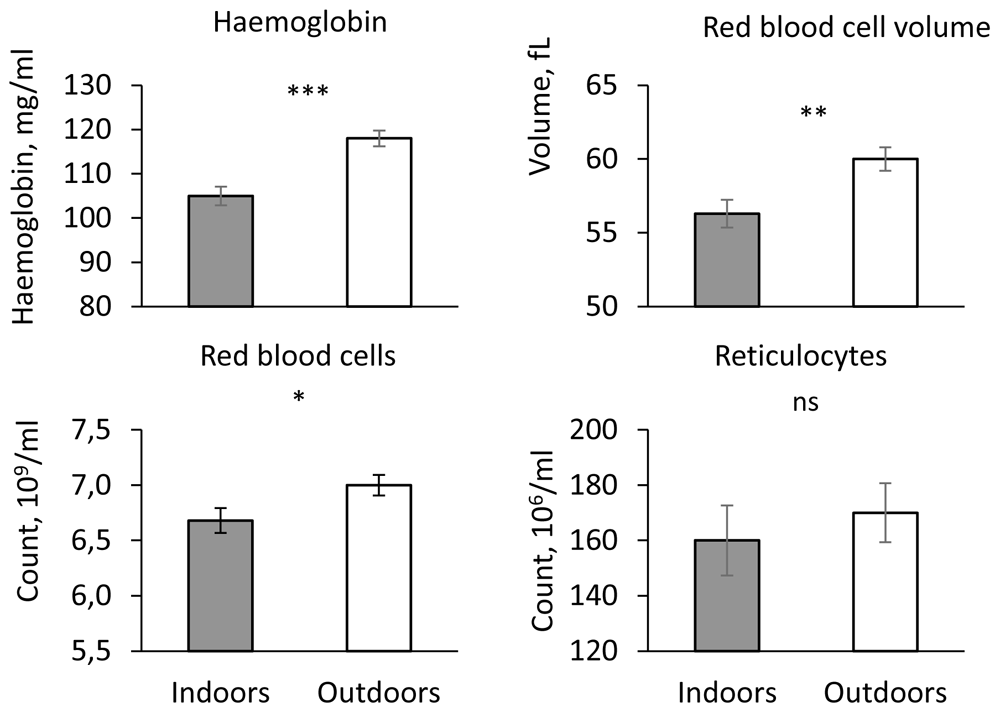
Figure 2. Haematologic indicators in indoor (200 mg iron supply) and outdoor piglets (no iron supply).
Influence of housing (Indoors vs. Outdoors) on blood haemoglobin concentration, Reb Blood Cell Volume (RBCV), red blood cell and reticulocyte counts (adjusted mean ± SE). *** P < 0.001, ** P < 0.01, * P < 00.05, ns P > 0.1.
There was a significant effect of sex only for RetHb and blood haemoglobin concentration, both parameters being significantly lower in males (haemoglobin: 110.0 ± 1.5 mg/ml; RetHb: 17.0 ± 0.2 µg/ml) than in females (haemoglobin: 113.0 ± 1.5 mg/ml; RetHb: 17.4 ± 0.2 10 µg/ml; P < 0.05). Live weight had a significant influence only on the reticulocyte count which increased with weight (P < 0.003).
Number of leukocytes and inflammatory status
The number of lymphocytes was significantly higher and the number of neutrophils lower indoors than outdoors (P < 0.05, Figure 3). The numbers of monocytes and eosinophils did not differ significantly between the two housing systems (P > 0.1). Serum haptoglobin concentration was higher in indoor than outdoor piglets (P < 0.05, Figure 3) whereas serum dROM and BAP were similar in both housing systems (P > 0.1, Figure 3).
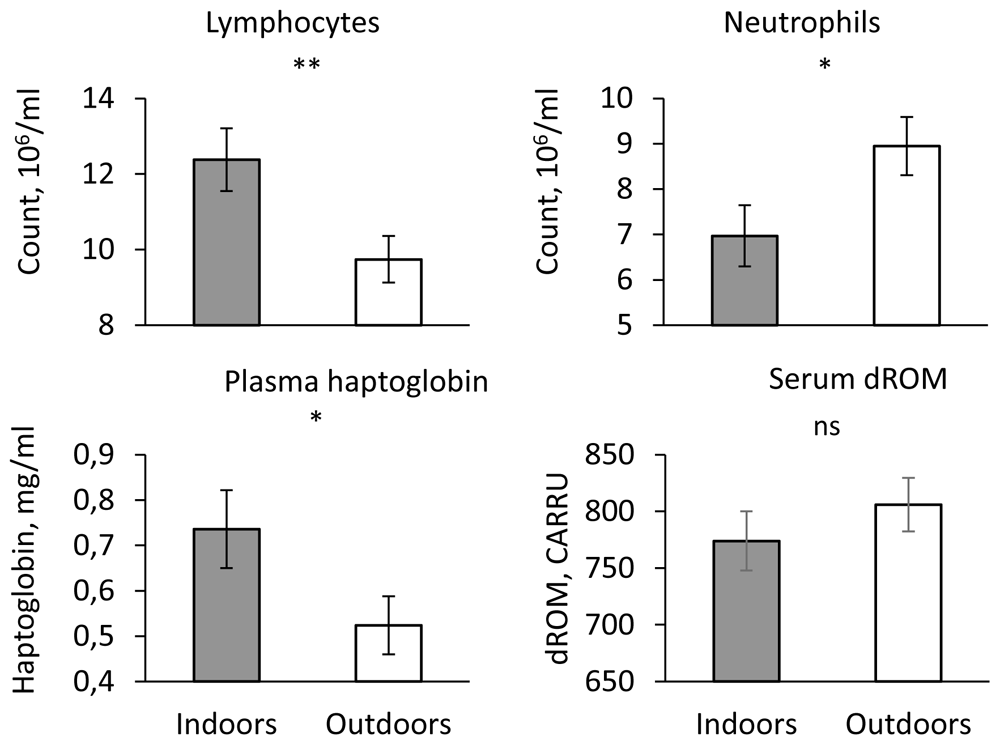
Figure 3. Health indicators in indoor (200 mg iron supply) and outdoor piglets (no iron supply).
Influence of housing (Indoors vs. Outdoors) on lymphocyte and neutrophil counts, plasma haptoglobin concentration and serum dROM concentration (adjusted mean ± SE). ** P < 0.01, * P < 0.05, ns P > 0.1.
A significant sex effect was only observed for neutrophils with a higher number in males than in females (8.21 ± 0.50 vs. 7.65 ± 0.48 106 cells/ml). Body weight had a significant effect only on the number of lymphocytes (P < 0.003), BAP (P <0.002), serum haptoglobin (P < 0.007) and dROM (P < 0.02). The number of lymphocytes and BAP increased with increasing body weight whereas serum haptoglobin and dROM decreased with increasing body weight.
Effects of parity
The comparison between primiparous and multiparous sows was only carried out in farms where parity was known and where at least two piglets of each sex and each type of sow had been measured. A total of five indoor and eight outdoor farms were included with 122 piglets from primiparous sows and 258 from multiparous sows (parities 2 to 9).
Parameters of the erythrocyte lineage, serum iron and ferritin
The influence of parity was significant for haemoglobin concentration, red blood cell count, RBCV (P < 0.05, Figure 4), haematocrit (Multiparous: 40.6 ± 0.7 %, Primiparous: 38.6 ± 0.7%, P < 0.05) and ferritin (Multiparous: 15.7 ± 1.1 pg/ml, Primiparous: 19.3 ± 1.1 ng/ml, P < 0.05) but not for RBCHb, reticulocyte count and RetHb (P > 0.1, data not shown).
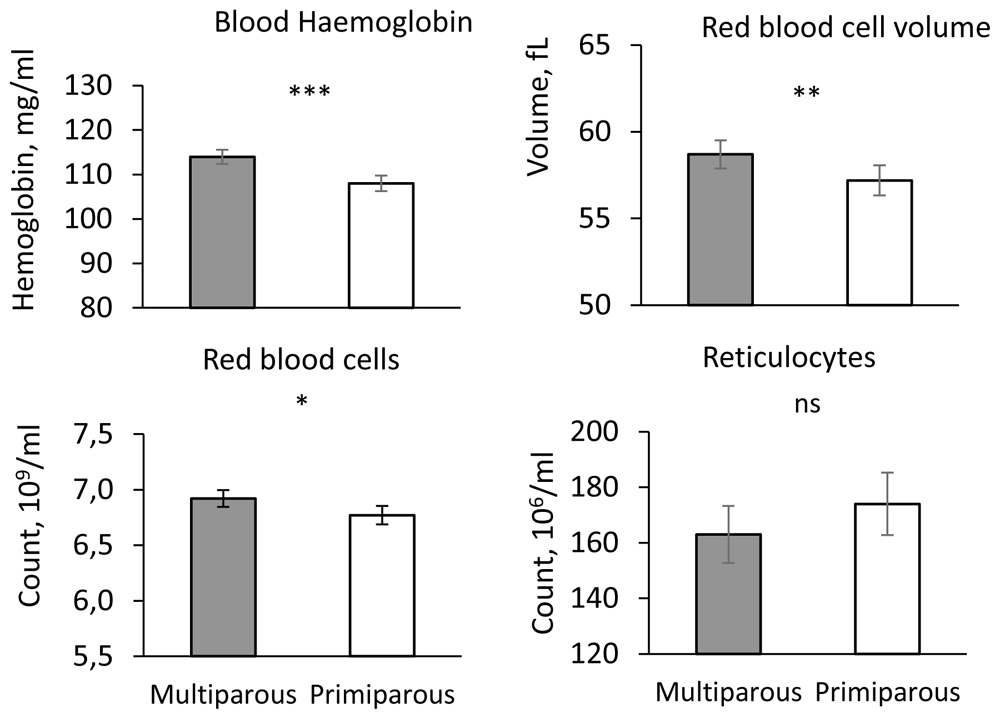
Figure 4. Haematologic parameters in piglets from primiparous and multiparous sows.
Influence of sow parity (Primiparous vs. Multiparous) on blood haemoglobin concentration, Red Blood Cell Volume (RBCV), red blood cell and reticulocyte counts (adjusted mean ± SE). *** P < 0.001, ** P < 0.01, * P < 00.05, ns P > 0.1.
Number of leukocytes and inflammatory status
Only the number of monocytes was significantly influenced by sow parity, piglets from primiparous sows (1.49 ± 0.11 106 cells/ml) having more monocytes than those from multiparous sows (1.31 ± 0.10 106 cells/ml; P > 0.004).
Relationships between parameters
Correlation analyses were carried out separately for the 7 indoor farms injecting 200 mg iron and for the 10 outdoor farms performing no supplementation. Only five correlations were consistent in both housing systems: positive between blood Hb and RBCV as well as between blood Hb and the red blood cell count (P < 0.001 for both correlations and systems), and between plasma haptoglobin and serum dROM (P < 0.001 for both systems) but negative between serum haptoglobin and the reticulocyte count (Outdoors: P < 0.03, Indoors: P < 0.001) or between serum haptoglobin and serum iron (Outdoors: P < 0.07, Indoors: P < 0.001) (Table 2). One correlation was opposite in the two housing systems, that between plasma haemoglobin and average daily gain (Outdoors: positive and P < 0.07, Indoors: negative and P < 0.03, Table 2). Four correlations were significant only Outdoors and sixteen only Indoors (Table 2). The most interesting ones were positive correlations between serum iron on one side and plasma Hb or RBCV on the other side in Indoor pigs (P < 0.001 for both correlations, Table 2).
Table 2. Correlations between haematologic and health indicators in outdoor and indoor pigs.
Pearson correlations between blood (haemoglobin concentration: Hb, red blood cell volume: RBCV, red blood cell count: nRBC, reticulocyte count: nRetic, square root of neutrophil count: rnNeutro, square root of lymphocyte: rnLympho), serum (square root of iron concentration: rIron, square root of hydroperoxide concentration: rdROM, antioxidant capacity: BAP) and plasma (square root of haptoglobin concentration (rHapto) characteristics, and daily weight gain (DWG). Values above the diagonal are calculated for Outdoor pigs (n = 242 to 280) and values below the diagonal are calculated for Indoor pigs (n = 188 to 203). Bold characters indicate that the correlation is significant (P < 0.05). Bold and Italic characters indicate that the correlation tends to be significant (P < 0.1). Levels of significance were corrected for multiple comparisons using the Holm method.
| | Outdoors |
|---|
| | Hb | RBCV | nRBC | nRetic | rnNeutro | rnLympho | rIron | rHapto | rdROM | BAP | DWG |
|---|
| Indoors | Hb | 1.00 | 0.53 | 0.75 | 0.00 | -0.09 | 0.07 | 0.10 | -0.10 | -0.05 | 0.15 | 0.19 |
| RBCV | 0.59 | 1.00 | -0.03 | 0.09 | -0.22 | 0.18 | -0.01 | -0.15 | -0.06 | 0.05 | 0.18 |
| nRBC | 0.48 | -0.37 | 1.00 | -0.04 | 0.04 | 0.05 | 0.10 | 0.05 | 0.00 | 0.22 | 0.09 |
| nRetic | 0.27 | 0.48 | -0.11 | 1.00 | 0.03 | 0.11 | 0.15 | -0.22 | 0.01 | 0.18 | 0.11 |
| rnNeutro | 0.13 | -0.09 | 0.25 | -0.15 | 1.00 | 0.12 | -0.24 | 0.06 | 0.02 | 0.04 | 0.09 |
| rnLympho | 0.14 | -0.14 | 0.38 | 0.02 | 0.17 | 1.00 | 0.01 | -0.09 | 0.04 | 0.08 | 0.17 |
| rIron | 0.57 | 0.52 | 0.05 | 0.32 | -0.04 | 0.10 | 1.00 | -0.20 | -0.07 | 0.04 | -0.06 |
| rHapto | -0.29 | -0.36 | 0.04 | -0.31 | 0.29 | -0.18 | -0.41 | 1.00 | 0.35 | -0.10 | -0.20 |
| rdROM | 0.09 | 0.16 | -0.05 | -0.10 | 0.26 | -0.12 | 0.00 | 0.48 | 1.00 | 0.31 | -0.07 |
| BAP | -0.13 | 0.07 | -0.13 | 0.10 | -0.23 | -0.03 | -0.14 | -0.07 | 0.10 | 1.00 | 0.12 |
| DWG | -0.23 | -0.17 | 0.02 | 0.27 | -0.22 | 0.02 | -0.16 | -0.13 | -0.30 | 0.25 | 1.00 |
Multivariate analysis (PCA) was performed across housing systems using the 486 piglets from the same 7 indoor and 10 outdoor farms. Three traits related to the haematologic status (blood Hb, red blood cell and reticulocyte counts), five traits related to the health and oxidant status (neutrophil and lymphocyte counts, plasma haptoglobin, serum dROM and BAP), average daily gain and serum iron were included. Red blood cell volume was not included since it was highly correlated to the reticulocyte count. The first three components (a component is a direction that maximizes the variance of the projected data) of the PCA explained respectively 20.8, 16.1 and 12.7%, i.e. a total of 49.5% of the total variance. The highest contributors to the first component were blood haemoglobin, plasma haptoglobin, serum iron and red blood cell count in decreasing order. The highest contributors to the second component were red blood cell count, neutrophil count and dROM in decreasing order. The highest contributors to the third component were serum BAP and daily weight gain in decreasing order. The correlation structure between the 10 traits showed that (a) plasma haptoglobin was opposite to serum iron, blood haemoglobin and blood cell count, (b) serum iron, blood haemoglobin and blood cell count were positively linked, (c) BAP and daily weight gain were positively linked (Figure 5A and 5B). Projection of the piglets on to the first (Figure 5C) and second (Figure 5D) plots showed that indoor piglets were much more dispersed than outdoor ones. The difference between housing systems was essentially related to the projection on the first component with some indoor piglets characterized by high plasma haptoglobin, low serum iron, blood haemoglobin and blood cell count.
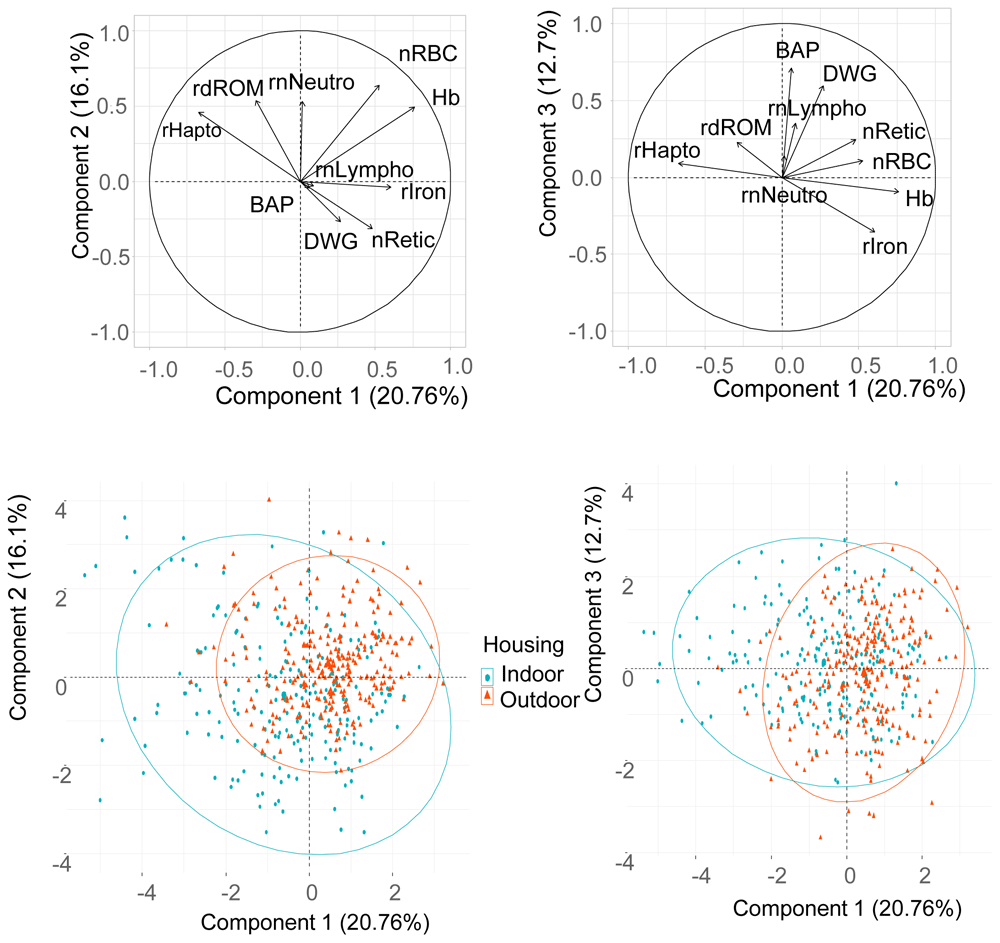
Figure 5. Representation of the links between haematologic and health indicators and projection of the piglets.
Overall pattern of correlations between blood (haemoglobin concentration: Hb, reticulocyte count: nRetic, square root of neutrophil count: rnNeutro, square root of lymphocyte: rnLympho), serum (square root of iron concentration: rIron, square root of hydroperoxide concentration: rdROM, antioxidant capacity: BAP) and plasma (square root of haptoglobin concentration (rHapto) characteristics, and daily weight gain (DWG), presented on the first (first and second components, A) and second (first and third components, B) plots. Projection of the piglets on to the first (first and second components, C) and second (first and third components, D) plots. Ellipses include 95% of the individuals.
Discussion
This study assessed the possible consequences of different iron intakes on the haematologic status and the inflammatory state of piglets reared in organic pig farms either indoors or outdoors. They show that iron supplementation is not necessary in the open air, in line with most previous results (Brown et al., 1996; Delbor et al., 2000; Kleinbeck & McGlone, 1999). It is most likely the supply of iron through the consumption of soil that explains why piglets reared outdoors do not suffer from anaemia even if they do not receive iron supplementation (Venn et al., 1947). In support of this, a three-week-old piglet reared outdoors was shown to have 513 mg of iron in its digestive contents (Venn et al., 1947). However, the risk of anaemia exists when soils have a very low content of bioavailable iron. Indeed, Brown et al. (1996) showed an abnormally low average haemoglobin concentration at 3–4 weeks of age in one farm among the eight investigated in their study in Scotland (84 mg/ml compared with 103–124 mg/ml), and this farm was the one with the lowest iron content in its soil. More markedly, Szabo & Bilkei (2002) showed an extremely low mean haemoglobin concentration at five weeks of age (54.1 mg/ml) in a Hungarian outdoor farm where piglets did not receive iron supplementation.
On the other hand, indoors, a dose of 200 mg of iron per piglet is a minimum to reach a sufficient level of haemoglobin. Without an iron injection or with a supplementation of 100 mg, the haemoglobin concentration measured in the indoor farms of the present study was respectively 81 and 90 mg/ml on average, which can be considered too low, even though the optimal haemoglobin concentration in piglets is still unclear as the literature is inconsistent on this issue (Svoboda et al., 2017). However, in their review, Svoboda et al. (2017) referring to the National Research Council (1979) values for haemoglobin in pigs indicated that a haemoglobin concentration of 100 mg/ml or more can be considered normal, 80 mg/ml as a sign of borderline anaemia and 60 mg/ml of severe anaemia. Furthermore, beyond the question of defining a threshold, there may still be a positive effect of values above the normal ones. Indeed, Gentry et al. (1997) showed better growth rate and energy retention in the group of suckling piglets having 119 mg/ml haemoglobin in average compared to the group having 100.4 mg/ml, the two groups differing by the amount of iron-dextran injected at 3 days of age. Our results are in line with the bibliography which shows that 100 mg are clearly too low whereas 200 mg of iron would cover the iron requirement up to three weeks of age but would be insufficient beyond that, unless the piglets have access to an iron source complementary to milk (Svoboda et al., 2017). Indeed, at three weeks of age, piglets would have consumed their prenatal reserve and the stock provided by the 200 mg neonatal supplementation, due to the very deficient balance between the high need for rapid growth and the relatively low intake from milk (Svoboda et al., 2017).
Our study shows that the iron status of outdoor piglets is better than that of indoor piglets receiving an iron injection of 200 mg. All measured parameters were in the same direction. Haemoglobin concentration, haematocrit, red blood cell count, mean corpuscular haemoglobin concentration, mean reticulocyte haemoglobin concentration, and red blood cell volume were lower in piglets raised indoors, suggesting an iron deficiency in those piglets compared to outdoor piglets. A priori, the iron intake from milk and solid feed did not differ between the two systems since piglets had comparable body weight and average daily gain. Thus, two hypotheses may explain this iron deficit in indoor pigs: iron sequestration due to a more pronounced inflammatory state or insufficient iron intake. Long lasting inflammation favours anaemia because it triggers the secretion of hepcidin, an hormone that reduces iron bioavailability by enhancing its sequestration in macrophages (Hentze et al., 2010). The more pronounced inflammatory state indoors is suggested by a significantly higher plasma haptoglobin concentration even though the lack of effect of the environment on oxidative stress indicators suggests that the severity of this inflammation was limited. A significant correlation was also identified between plasma haptoglobin and serum iron, which was more marked indoors than outdoors. This supports that high inflammation may have contributed to an anaemic status of indoor piglets.
The more marked inflammatory state of piglets kept indoors reveals a higher activity of their immune system. We also observed more lymphocytes but fewer neutrophils indoors than outdoors in agreement with previous results (Kleinbeck & McGlone, 1999). The origin of the inflammatory response and change in leucocyte counts was not determined as we did not measure any clinical parameters and data from the literature can hardly be used. Indeed, to our knowledge, there is no study comparing the health of organic piglets raised outdoors and indoors. However, studies performed in older pigs suggest that there are more digestive and respiratory health problems indoors than outdoors (Delsart et al., 2020; Leeb et al., 2019).
The second hypothesis is that iron intake, through soil licking or consumption, allowed an adequate iron intake throughout lactation in outdoor pigs whereas in indoor pigs pre and post-natal stock were probably depleted by three weeks of age (see above) and intake by milk and feed were not sufficient to meet the need (see above). The iron intake from soil in outdoor piglets would have "compensated" or even be higher than that due to the neonatal injection of 200 mg of iron in indoor pigs. This superiority of iron intake via the soil can be understood in terms of quantity but also in terms of quality. Indeed, the neonatal injection of a massive dose of iron is likely to induce oxidative stress and to promote inflammatory states, such as arthritis (Svoboda et al., 2017; Szudzik et al., 2018) that may in turn favour the sequestration of iron. In addition, iron dextran injection was shown to induce a high expression of hepcidin and a low expression of ferroportin in the duodenum (Pu et al., 2015) that may reduce iron absorption from milk and feed. The supply of iron from the earth is obviously very gradual and probably adapted to the needs of animals whose ancestral way of life, during which the species has evolved the longest, allowed the consumption of land.
A positive correlation between serum iron and blood haemoglobin was observed in indoor pigs (r = 0.57) in agreement with the literature in Human (Hinrichs et al., 2010; Mahiou et al., 1992) or cattle (Joerling & Doll, 2019). However, such a high correlation was not present in outdoor pigs (r =0.1) suggesting that the regulation of iron storage and the use of iron for haemoglobin synthesis were somewhat different in indoor and outdoor pigs. Interestingly, the results from the multivariate analysis indicated a greater heterogeneity regarding immune, inflammatory and red blood cell indicators among piglets raised indoors. This supports the hypothesis that piglets raised indoors are more at risk of developing anaemia and a health disorder whatever the cause.
Our results indicate a poorer haematologic status in piglets from primiparous sows than from multiparous sows, with a lower blood haemoglobin concentration and a lower average globular volume. This result cannot be compared with the bibliography as, to our best of knowledge, this is the first study to make this type of comparison. The difference could be explained by the fact that primiparous sows have not finished their growth so that the export of iron to the foetus or milk would compete with the sows' need for their own growth. Measurements in conventionally reared sows have shown a higher haemoglobin concentration in primiparous sows than in multiparous sows at different stages of gestation and lactation in France (Normand et al., 2012) and the USA (Castevens et al., 2020) and hence suggested iron deficiency in multiparous sows that may lead to iron deficiency in their progeny at the opposite of present results. However, they did not measure the iron stock at birth or the blood haemoglobin concentration in lactating piglets in the progeny to prove their hypothesis. In addition, it should be mentioned that these studies were carried out in conventional farms where lactation is significantly shorter (around four weeks in France and three weeks in the USA) than in our study (around six weeks) so that sows would have much less time to recover from iron transfer to their foetuses during gestation and blood loss at farrowing. This would result in a depletion of iron reserves over parities and, probably, lower transfer to their progeny in conventional multiparous sows which would not occur in organic farming.
Conclusion
This study shows that piglets reared outdoors find sufficient iron in their natural environment and do not need iron supplementation. Indoors, supplementation is necessary, but a single intramuscular injection of 200 mg of iron may be sub-optimal to prevent anaemia. Moreover, as this injection can be considered as a drug treatment in organic pig farming, alternative solutions need to be found to ensure a sufficient, natural and progressive iron supply to piglets kept indoors.
Acknowledgments
The authors would like to thank the farmers for their welcome as well as technicians from Biodirect for their help during the sampling, Raphaël Comte, Sophie Daré, Françoise Thomas (Inrae), Emmanuelle Blandin, Anne-Sophie Noël (Bioepar), Delphine Boucher, Léa Urffer, Maïlys Hilary (Laboniris) for their technical support.
Faculty Opinions recommendedReferences
- Braude R, Chamberlain AG, Kotarbinska M, et al.:
The metabolism of iron in piglets given labelled iron either orally or by injection.
Br J Nutr.
1962; 16: 427–449. PubMed Abstract
| Publisher Full Text
- Brown JME, Edwards SA, Smith WJ, et al.:
Welfare and production implications of teeth clipping and iron injection of piglets in outdoor systems in Scotland.
Prev Vet Med.
1996; 27(3–4): 95–105. Publisher Full Text
- Castevens K, Ferreira JB, Gillespie T, et al.:
Assessment of hemoglobin concentration in relation to sow reproductive stage and parity.
J Swine Health Prod.
2020; 28(5): 254–257. Reference Source
- Regulation (EU) 2018/848 of the European Parliament and of the Council of 30 May 2018 on organic production and labelling of organic products and repealing Council Regulation (EC) No 834/2007. Reference Source
- Delbor C, Beaudeau F, Berger F:
Production implications of teeth clipping and iron injection of piglets born in outdoor systems.
Journees de la Recherche Porcine en France.
2000; 32: 129–134. Reference Source
- Delsart M, Pol F, Dufour B, et al.:
Pig Farming in Alternative Systems: Strengths and Challenges in Terms of Animal Welfare, Biosecurity, Animal Health and Pork Safety.
Agriculture.
2020; 10(7): 261. Publisher Full Text
- Ganz T, Nemeth E:
Hepcidin and iron homeostasis.
Biochim Biophys Acta.
2012; 1823(9): 1434–1443. PubMed Abstract
| Publisher Full Text
| Free Full Text
- Gentry JL, Swinkels JW, Lindemann MD, et al.:
Effect of hemoglobin and immunization status on energy metabolism of weanling pigs.
J Anim Sci.
1997; 75(4): 1032–1040. PubMed Abstract
| Publisher Full Text
- Hentze MW, Muckenthaler MU, Galy B, et al.:
Two to Tango: Regulation of Mammalian Iron Metabolism.
Cell.
2010; 142(1): 24–38. PubMed Abstract
| Publisher Full Text
- Hinrichs T, Franke J, Voss S, et al.:
Total hemoglobin mass, iron status, and endurance capacity in elite field hockey players.
J Strength Cond Res.
2010; 24(3): 629–638. PubMed Abstract
| Publisher Full Text
- IFOAM:
The Principles of Organic Agriculture. IFOAM Organics International, Bonn, Germany. 2020. Reference Source
- Joerling J, Doll K:
Monitoring of iron deficiency in calves by determination of serum ferritin in comparison with serum iron: A preliminary study.
Open Vet J.
2019; 9(2): 177–184. PubMed Abstract
| Publisher Full Text
| Free Full Text
- Kleinbeck SN, McGlone JJ:
Intensive indoor versus outdoor swine production systems: Genotype and supplemental iron effects on blood hemoglobin and selected immune measures in young pigs.
J Anim Sci.
1999; 77(9): 2384–2390. PubMed Abstract
| Publisher Full Text
- Leeb C, Rudolph G, Bochicchio D, et al.:
Effects of three husbandry systems on health, welfare and productivity of organic pigs.
Animal.
2019; 13(9): 2025–2033. PubMed Abstract
| Publisher Full Text
- Mahan DC, Shields RG Jr:
Macro- and micromineral composition of pigs from birth to 145 kilograms of body weight.
J Anim Sci.
1998; 76(2): 506–512. PubMed Abstract
| Publisher Full Text
- Mahan DC, Watts MR, St-Pierre N:
Macro- and micromineral composition of fetal pigs and their accretion rates during fetal development.
J Anim Sci.
2009; 87(9): 2823–2832. PubMed Abstract
| Publisher Full Text
- Mahiou C, Frappaz D, Freycon MT, et al.:
[Iron deficiency in infants and children].
Pediatrie.
1992; 47(7–8): 551–555. PubMed Abstract
- Normand V, Perrin H, Auvigne V, et al.:
Anaemia in the sow: a cohort study to assess factors with an impact on haemoglobin concentration, and the influence of haemoglobin concentration on the reproductive performance.
Vet Rec.
2012; 171(14): 350. PubMed Abstract
| Publisher Full Text
- Pu Y, Guo BX, Liu D, et al.:
Iron Supplementation Attenuates the Inflammatory Status of Anemic Piglets by Regulating Hepcidin.
Biol Trace Elem Res.
2015; 167(1): 28–35. PubMed Abstract
| Publisher Full Text
- Svoboda M, Píšťková K:
Oral iron administration in suckling piglets - a review.
Acta Vet Brno.
2018; 87(1): 77–83. Publisher Full Text
- Svoboda M, Vaňhara J, Berlinská J:
Parenteral iron administration in suckling piglets - a review.
Acta Vet Brno.
2017; 86(3): 249–261. Publisher Full Text
- Szabo P, Bilkei G:
Iron deficiency in outdoor pig production.
J Vet Med A Physiol Pathol Clin Med.
2002; 49(7): 390–391. PubMed Abstract
| Publisher Full Text
- Szudzik M, Starzyński RR, Jończy A, et al.:
Iron Supplementation in Suckling Piglets: An Ostensibly Easy Therapy of Neonatal Iron Deficiency Anemia.
Pharmaceuticals (Basel).
2018; 11(4): 128. PubMed Abstract
| Publisher Full Text
| Free Full Text
- Venn JA, McCance RA, Widdowson EM:
Iron Metabolism in Piglet Anaemia.
J Comp Pathol Ther.
1947; 57(4): 314–325. PubMed Abstract
| Publisher Full Text