Plain language summary
Non-communicable diseases, specifically the burden of hypertension, have become a major public health threat to low- and middle-income countries, such as Myanmar. Inadequate knowledge of hypertension and its management among people may hinder its effective prevention and treatment. Socioeconomic and demographic factors, such as age and gender, have been suggested influencing level of knowledge, but evidence on this assumption lacks for Myanmar. Based on the findings in this research a training programme will be designed for community program volunteers and primary healthcare workers in Myanmar with special attention for informing vulnerable group members: people with low socioeconomic status and low health literacy. In the training programme, hypertension as chronic disease will be emphasised. In addition, the importance of adherence to treatment and how to influence that, will be high on the agenda. A cultural and contextual sensitive approach will be adopted for training in the community program, taking cognisance of local beliefs and customs. Health workers will be trained in motivational interviewing and counselling. Implementing these activities in the community programs, combined with training of healthcare staff, could lead to health gains and better cooperation and synergy between healthcare and community programs.
Introduction
Non-communicable diseases (NCDs) are the leading cause of morbidity and mortality worldwide, also in low- and middle-income countries (LMIC), such as Myanmar1. Myanmar is a country in transition with sociodemographic changes, urbanisation and industrialisation2,3. In Myanmar, unhealthy behaviour is becoming more common, i.e. smoking, eating processed foods, and a sedentary lifestyle, which are risk factors for developing NCDs4. Specifically, the burden of hypertension has become a major public health issue5,6. In Myanmar, in 2016, high blood pressure among adults was found in 22% of females and 23% aged 15 years and older7.
Healthy behaviour contributes to prevention and control of hypertension and other NCDs, and knowledge is one of the preconditions for healthy behaviour8. According to the Theory of Reasoned Action knowledge is complemented by intentions, attitudes, subjective norms and beliefs, leading to healthy behaviour9. Understanding the determinants of health behaviours, e.g. as described by the Theory of Reasoned Action9, may provide insights for targeting prevention. According to this theory, behaviour is predicted best by intentions, attitudes, subjective norms and beliefs. In turn, attitudes and subjective norms are established by behavioural, normative and control beliefs, which are based on knowledge. Critical health literacy, i.e. the capacity to obtain, process and understand basic health information and services needed to make appropriate health decisions, determines how well people are able to translate knowledge into appropriate (health-) behaviour10,11. According to the socioecological model, health behaviour is also determined by the social, physical and policy environment in which it occurs12,13. Socio-demographic factors influence the knowledge of diseases and risk factors, therefore behaviour14–17. Higher socioeconomic status and younger age are associated with a higher level of knowledge18,19. Having hypertension is also associated with improved knowledge of the disease20–22. In addition, if patients are aware of medication-use, physical activity and diet, they a more able to self-manage and prevent complications. It is also known that communication between physicians and hypertensive patients can improve knowledge of treatment and management of hypertension23. Moreover, diagnosis of a disease leads to health seeking behaviour, i.e. searching for additional information and help beyond the medical consultation24.
In Myanmar, community-based groups, known as Inclusive Self-help Groups (ISHGs) aim to improve the wellbeing of vulnerable groups, such as people at risk for hypertension or with diagnosed hypertension. Community members support each other in improving livelihoods, social welfare, protection, health and care25. There are over 150 of such groups in Myanmar and the research project Scaling-Up NCD Interventions in South East Asia (SUNI-SEA) investigates possibilities to strengthen prevention of hypertension and diabetes through these groups26. Understanding hypertension knowledge among community group-members can help adapt interventions in these groups in order to increase effective prevention and control of hypertension.
To date, research about factors that influence the level of knowledge about hypertension is scarce in Myanmar. In order to set priorities for strengthening knowledge of hypertension in Myanmar, this explorative study assesses: 1) the level of knowledge of risk factors, symptoms and complications of hypertension and 2) whether this knowledge differs between hypertensive patients and non-patients and between community group-members or non-members, and by sociodemographic and socioeconomic factors.
Methods
Study design and sample
We analysed cross-sectional survey data collected in Myanmar (n=660), from community group-members (n=102) and non-members (n=558). The survey was conducted before the recent political changes. The sampling method was a stratified random sampling in three regions: Yangon (nine ISHGs), Mandalay (32 ISHGs) and Ayeyarwaddy (34 ISHGs). All three regions are located in the centre of Myanmar. The Yangon region is most populated, with over seven million people. It is an ethnically diverse region, with different religions and the primary economical source of livelihood is trade. The Mandalay region is the second most populated region, with around 6.2 million people and over 95% of the population being Buddhists and with agriculture being the primary source of livelihood. The Ayeryarwady region is the most rural region, with 6.5 million people and 92% being Buddhists. Agriculture is the main source of livelihoods. Outside the main cities of Yangon and Mandalay educational opportunities are limited, with only 13% of the primary school students reaching high school. In Myanmar, 46% of women and 52% of men have attended secondary school at maximum and 10% of women and 7% of men have completed more than secondary education27. Per region, two villages, one with ISHGs and one without ISHGs, were included. Geographically, the Yangon region townships were urban, and the townships in Ayeyarwady and Mandalay were rural. Per village, 55 participants were included, aged 40 years and older, resulting in 220 participants per region and 660 participants in total. In villages with an ISHG, both members and non-members were included. The study population included both males and females, residing in the study area for at least six months.
Procedure
Data were collected in January 2020 door-by-door, by interviewers using tablets with data collection and processing software KoBo28. Trained enumerators collected data using structured questionnaires, including questions on lifestyle factors, knowledge and perception on hypertension, practices related to hypertension, and accessibility to healthcare services provided by ISHGs. The interviews started with open questions per topic. If the participant did not provide an answer, data collectors started probing, i.e. asking related questions, leading to better understanding of the questions and more relevant answers. Participation in the surveys was voluntary and informed consent was obtained from all participants before any data was collected. Ethical approval for the primary study was obtained from the Institutional Review Board (IRB) of the Department of Medical Research (DMR) of the Ministry of Health in Myanmar, under IRB number 2019-137 and approval number Ethics/DMR/2019/145.
Measures
Background, sociodemographic and socioeconomic variables regarded gender (male=0 and female=1), marital status (not married=0 and married=1), job status (not-working=0 and working=1), living area (rural=0 or urban=1) and age, which we recoded into younger (=0) and older (=1) using the median as cut-off point. We dichotomized age because it had a skewed distribution and dichotomizing provides more power. Education level was measured by asking the participants to indicate what the highest level of completed schooling was. Answers were categorised into no education (=0), consisting of no formal schooling, low/middle education (=1) consisting of primary school level and secondary school level and high education (=2), consisting of high school level, college/university level and graduate.
Knowledge of hypertension was measured with the ‘Knowledge’ part of a validated ‘Knowledge, Attitude and Practice’ questionnaire29 (see Extended Data file 1 for all knowledge questions). Respondents were asked to indicate whether an item concerning general knowledge of hypertension, risk factors, symptoms and complications was ‘true’ or ‘false’. For example, ‘risk factors for hypertension are the following: smoking, alcohol drinking, ageing, diabetes, high cholesterol, stress, pregnancy, sleep apnoea, poor diet, obesity or overweight, lack of physical exercise and family history of hypertension’. Knowledge was measured on four topics (see Figure 1 for the items per topic): general knowledge, risk factors, symptoms, and complications. All items (n=31) could be answered with true (=1) or false/do not know (=0). All items together created an overall knowledge variable for hypertension. A continuous variable on hypertension knowledge was created including scores from 0 to 31. A dichotomized variable was created based on cut-offs for knowledge level derived from similar other studies30,31, namely: reasonably to well-informed (number of correct answers ≥ mean) or ill-informed (else). For six items, the percentage missing was higher than 10%32. To obtain approximately unbiased estimates of all parameters, we performed multiple imputation, based on all variables used for the analysis.
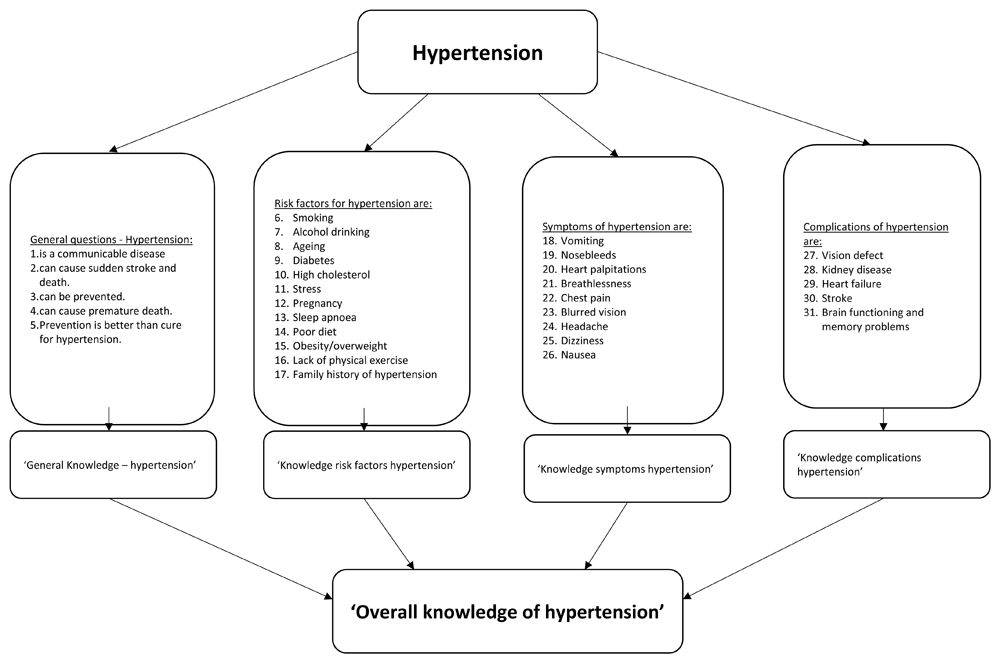
Figure 1. Illustration of recoding and development of knowledge variable.
Hypertension was measured by asking participants if they had hypertension (self-reported) and if they took medicines for hypertension. This was categorised as hypertensive patients with treatment (prescribed medicine), hypertensive patients without treatment and non-patients. Moreover, hypertensive patients indicating not taking prescribed medicine were asked to give reasons for not taking medicine in an open question. Community group-membership was asked straightforwardly (no=0 or yes=1).
Analysis
First, we described the background characteristics of the sample. Second, we assessed the level of knowledge for risk factors, symptoms and complications. Third, we explored if hypertension treatment status, community group-membership, sociodemographic and socioeconomic factors were significantly associated with level of knowledge, using linear regression analyses, crude (univariate) and mutually (multivariate) adjusted. We assessed the associations with the four topics of hypertension knowledge and the overall knowledge of hypertension. To minimise potential bias, analyses were performed with the multiple imputed dataset, consisting of 10 data imputations, based on the assumption that the data was missing at random. In the imputed dataset, e.g. a pooled dataset based on 10 different plausible imputed datasets, all cases are preserved by replacing missing data with an estimated value based on the available information. A p value of <0.05 (two-tailed) was considered statistically significant for all associations. All measurements and analysis were carried out with IBM SPSS Statistics 26.
Results
Background characteristics
Table 1 shows the results of the descriptive analysis of the background characteristics of the sample population. In total, 179 (27%) men were included in the study with an average age of 57.5 (±10.7) years. Most respondents had a low or middle education level (64%), lived in a rural area (62%), were married (71%), indicated no community group-membership (84%) and were working (76%). Forty-five percent reported that they had hypertension and 175 respondents indicated taking medicine for hypertension. The most mentioned reasons by hypertensive patients for not taking medicines were ‘feeling better’ and ‘not having access to medication’.
Table 1. Baseline characteristics of study population.
Characteristics study
population (n=660) | Categories | n (%) |
|---|
| Gender | Male | 179 (27) |
| Female | 481 (73) |
| Educational leveli | No education | 182 (28) |
| Low/Middle education | 424 (64) |
| High education | 54 (8) |
| Living area | Rural | 406 (62) |
| Urban | 254 (38) |
| Marital statusii | Married | 470 (71) |
| Not married | 188 (29) |
| Community group-members | Member | 102 (16) |
| Non- member | 558 (84) |
| Job status | Working | 501 (76) |
| Non-working | 159 (24) |
| Self-reported hypertension | No | 364 (55) |
| Yes | 296 (45) |
Taking medicine for
hypertensioniii | No | 121 (41) |
| Yes | 175 (59) |
Level of knowledge of risk factors, symptoms and complications for hypertension
Table 2 shows rates of knowledge about hypertension for the total group and separately for hypertensive patients with treatment, patients without treatment, non-patients, community group-members and non-members. The majority of participants seem reasonably to well-informed about hypertension (88.2%). The proportion of reasonably to well-informed participants is highest among the group patients with treatment (91.4%) and lowest in the non-patients’ group (86.5%).
Table 2. Distribution of ill-informed and reasonably to well-informed about hypertension among patients, non-patients, group-members and non-members.
Level of
knowledge | All n (%) | Patients with
treatment n (%) | Patients without
treatment n (%) | Non-patients
n (%) | Community
group-members
n (%) | Non-members
n (%) |
|---|
| Mean ± stdevi | 19.7±5.8 | 20.0±5.3 | 20.3±5.7 | 19.3±6.1 | 19.7±5.7 | 19.7±5.8 |
| Ill-informed | 78 (11.8) | 15 (8.6) | 13 (10.7) | 49 (13.5) | 11 (10.8) | 66 (11.8) |
Reasonably to
well-informed | 582 (88.2) | 160 (91.4) | 108 (89.3) | 315 (86.5) | 91 (89.2) | 492 (88.2) |
| Total | 660 (100) | 175 (100) | 121 (100) | 364 (100) | 102 (100) | 558 (100) |
The group patients with treatment scored on average highest on knowledge about risk factors for hypertension and the group of non-patients lowest (see Extended Data datafile 2 for the distribution of knowledge scores per subtopic). The group of hypertensive patients without treatment scored on average highest on knowledge about symptoms of hypertension and community group-members scored highest on general knowledge about hypertension.
Differences in the level of knowledge for hypertensive patients, community group-members and sociodemographic and socioeconomic factors
Hypertensive patients with and without treatment scored highest on knowledge of symptoms and complications. Community group-members scored lowest on knowledge of symptoms. Community group-members scored highest on knowledge of risk factors and non-patients the lowest without significant differences among groups.
The results of the linear regression analysis of the association of level of knowledge with sociodemographic and socioeconomic factors, hypertensive patients with treatment and without treatment and community group-members is shown in Table 3, in which model 1 shows results for crude and model 2 for mutually adjusted analyses. In model 1 three sociodemographic and socioeconomic factors were associated with the level of knowledge, i.e., job status (B=1.07; 95%-confidence interval 0.505 to 1.631), educational level (B=1.85; 1.009 to 2.681) and age (B=-0.83; -1.268 to -0.400). This indicates that employed, higher educated and younger people have more hypertension knowledge than unemployed, lower educated and older people. In the adjusted model 2, job status (B=0.68; 0.062 to 1.295) and educational level (B=1.78; 0.884 to 2.669) were associated with level of hypertension knowledge, whereas age was not.
Table 3. Differences in level of knowledgea: results of regression analyses leading to regression coefficients (B) and 95%-confidence intervals.
| Socio-demographic factors | Model 1b B(95% CI) | Model 2c B(95% CI) |
|---|
| Marital status (married vs. not married) | -0.51(-1.375;-0.365) | 0.40(0692;1.496) |
| Educational leveld | 1.85(1.009;2.681)** | 1.78(0.884;2.669)** |
| Gender (female vs. male) | 0,12(-0. 923;1.160) | 0,07(-1.005;1.135) |
| Living area (urban vs. rural) | -0.30(-1.285;0.695) | -0.77(-1.794;0.259) |
| Age (old vs. young) | -0.83(-1.268;-0.400)** | -0.42(-0.929;0.080) |
| Job-status (working vs not-working) | 1.07(0.505;1.631)** | 0.68(0.062;1.295)* |
Hypertensive and community
group-member | | |
| Patients with treatment | 0.73(-0.340;1.799) | 1.06(-0.046;2.170) |
| Patients without treatment | 1.12(-0.127;2.356) | 0.97(-0.272;2.206) |
| Community group-members | 0.01(-1.241;1.262) | -0.10(-1.575;1.368) |
No significant associations were found in the knowledge scores between hypertensive patients with or without treatment or non-patients. In addition, no significant differences were found for community group-members or non-members. Last, no significant differences were found per subtopic of hypertension knowledge between hypertensive patients with and without treatment, and non-patients, and between community members and non-members.
Discussion
Based on our findings, it seems that most respondents in this study were reasonably to well-informed of risk factors, symptoms and complications regarding hypertension. No differences were found in level of knowledge between hypertension patients with or without treatment and non-patients and between community group-members and non-members. Employment and higher education level were positively associated with the level of hypertension knowledge.
We found that the majority of participants in the survey seem reasonably to well-informed about hypertension, which contrasts with findings of similar studies on hypertension knowledge in other Asian countries that show mainly poor hypertension knowledge33,34. A possible explanation for this finding could be the adoption of the WHO Package of Essential Non-Communicable (PEN) Diseases Interventions in Myanmar35. As part of the National Strategic Plan for Prevention and Control of NCDs (2017-2021)36 the PEN was introduced in the whole country, aiming to strengthen health systems including health education among healthcare staff and citizens. The publicity around the PEN could have led to an improvement of hypertension knowledge in Myanmar.
Another explanation for finding that the majority of participants in this study was reasonably to well-informed about hypertension, might be that we dichotomized hypertension knowledge based on the mean score as a cut-off point. Although the cut-off was derived from similar studies, dichotomizing knowledge could have led to overestimation of knowledge levels. In Myanmar, no comparative results regarding hypertension knowledge exist and therefore no validated estimate could be drawn for our study.
We found no differences in knowledge between hypertensive patients and non-patients, and neither between patients that took hypertension medication and patients that did not. This contrasts with evidence from other research were patients showed to have more knowledge about their illness37. This may be explained by insufficient communication between health workers and patients in the research areas in this study in Myanmar38–41. It is known that the capacities of human resources for health in Myanmar are limited42. The training of health workers is not covering NCDs as a topic, and only since the introduction of the PEN programme on-the-job training was introduced. In rural areas in Myanmar, healthcare coverage is inadequate and healthcare workers do not have time for communication about NCDs and risk factors42.
Furthermore, we found that over 40% of the hypertensive patients reported not taking their prescribed medicines. Non-adherence to antihypertensive drugs can have adverse health outcomes, such as stroke and kidney damage43,44. Several factors may contribute to non-adherence. First, patients may not feel the urgency to adhere to treatment for a longer period of time45. Patients show poor treatment follow-up even after the initial consultation35. Long travelling times or unavailability of medicine may contribute to poor adherence35.
Community Inclusive Self-help Groups (ISHGs) members did not have better knowledge. This is not in line with previous research, which showed health promotion activities in community-based programs being effective in improving health-related knowledge and healthy behaviour46–48. An explanation for this finding may be that the community groups had not yet undertaken as many health activities in relation to prevention of NCDs.
Finally, we found that job-status and educational level were associated with the level of knowledge, which confirms evidence from other LMIC17,18. People with a lower socioeconomic status have a lower level of hypertension knowledge, which makes them more vulnerable to hypertension. Low educational level is also associated with limited health literacy49, which can result in disadvantageous health outcomes.
Strengths and limitations
Strengths of this study are the comprehensiveness of the data that was collected, including multiple sociodemographic and socioeconomic factors, variables about hypertension knowledge, covering different geographical areas in Myanmar. Another strength is the stratified random sampling method, which ensured each area was adequately represented within the whole sample population of this study.
A limitation of this study is the unknown response rates, combined with a reasonable number of missing values. We solved this by multiple imputation, creating several different plausible imputed datasets and combining the results. Another limitation of the present study is the method of measuring knowledge of hypertension in the questionnaire. All items for general knowledge, risk factors, symptoms and complications were positively formulated, which is commonly done in KAP-surveys. This could have resulted in response bias. Furthermore, in this study we used self-reported hypertension and use of medication for hypertension. Inadequate self-reporting could have led to underestimating the actual number of hypertensive patients and the medication adherence. Moreover, this is a relatively small size study, which may have resulted in finding mainly the strongest associations. Last, in this study selection bias may have occurred, taking into considering the inclusion of a vast majority of female participants. Because data was collected during the daytime, most men were working. Even with these limitations, this is one of the few studies, to our knowledge, that report on the level of hypertension knowledge and differences in hypertension knowledge between hypertensive patients, non-patients, community group-members and non-members in Myanmar.
Implications
The research was carried out in the context of project ‘Scaling Up Non-communicable diseases Interventions in South East Asia’ (SUNI SEA; 2019-2022). Based on the findings in this research a training programme will be designed for ISHG volunteers and primary healthcare workers. There will be special attention for informing vulnerable group members: people with low socioeconomic status and low health literacy. In the training programme, hypertension as chronic disease will be emphasised. In addition, the importance of adherence to treatment will be high on the agenda. A cultural and contextual sensitive approach will be adopted for training ISHGs, taking cognisance of local beliefs and customs. Health workers will be trained in motivational interviewing and counselling. Implementing these activities in the ISHGs, in combination of training healthcare staff, could lead to health gains and better cooperation and synergy between healthcare and community programs46–48.
The findings of this study require conformation in a larger study. With improved data collection tools, sensitivity and power problems can be limited. Follow-up studies after training ISHGs are planned in the SUNI-SEA project, which could measure differences in knowledge as result of the training.
Conclusion
This study showed that the majority of participants in the study in Myanmar seem reasonably to well-informed of risk factors, symptoms and complications concerning hypertension, with no differences between hypertensive patients and non-patients, and no differences between community group-members and non-members. Unemployed and lower educated people have less hypertension knowledge, indicating them as priority groups for health education. Increasing knowledge of hypertension and its management among people will enhance prevention and treatment. This study guides the interventions in this regard in Myanmar. Thus, we suggest implementing health-related activities at community level and improving health-related education at the primary healthcare level. In order to effectively lower the burden of hypertension, synergies between community programmes and primary healthcare should be implemented.
List of abbreviations
e.g.: exempli gratia, Latin phrase meaning "for example"
HL: health literacy
FHL: functional health literacy
i.e.: id est, Latin phrase meaning "that is".
ISHG: Inclusive Self-help Groups
NCD: non-communicable disease
Ethics and consent
Ethical approval for the primary study was obtained from the Institutional Review Board (IRB) of the Department of Medical Research (DMR) of the Ministry of Health in Myanmar, under IRB number 2019-137 and approval number Ethics/DMR/2019/145.
All patients gave written and oral informed consent to participate in the study before taking part.
Authors' contributions
Authors KHS and HHW were involved in the preparation and data collection. Authors ZP, JAL, CS and RL conceptualized the study. Author ZP led the protocol and data analysis with a significantly contribution of the authors JAK, JAL, RPF, HTMH and CS. Author ZP wrote the initial draft of the manuscript, produced the tables and incorporated contributing author feedback into the paper. JAL, SAR, RL, JAK and MJP contributed to all drafts and manuscript. All authors provided feedback on drafts. All authors read and approved the final manuscript.
Acknowledgments
The authors gratefully acknowledge the data provided by the University of Public Health in Myanmar and HelpAge Myanmar for their support in this research. The authors also gratefully thank the researchers and other professionals that were involved in the preparations of this study.
Faculty Opinions recommendedReferences
- 1.
Islam SM, Purnat TD, Phuong NTA, et al.:
Non-communicable Diseases (NCDs) in developing countries: a symposium report.
Global Health.
2014; 10: 81. PubMed Abstract
| Publisher Full Text
| Free Full Text
- 2.
Grundy J, Annear P, Ahmed S, et al.:
Adapting to social and political transitions - the influence of history on health policy formation in the Republic of the Union of Myanmar (Burma).
Soc Sci Med.
2014; 107: 179–188. PubMed Abstract
| Publisher Full Text
- 3.
Maung YM:
Myanmar in Transition. Asia-Pacific between Confl. Reconcil. 2016.
- 4.
Latt TS, Zaw KK, Ko K, et al.:
Report on National Survey of Diabetes Mellitus and Risk Factors for Non-Communicable Diseases in Myanmar (2014).
2014; 153. Reference Source
- 5.
Htet AS, Bjertness MB, Oo WM, et al.:
Changes in prevalence, awareness, treatment and control of hypertension from 2004 to 2014 among 25-74-year-old citizens in the Yangon Region, Myanmar.
BMC Public Health.
2017; 17(1): 847. PubMed Abstract
| Publisher Full Text
| Free Full Text
- 6.
Mohan V, Seedat YK, Pradeepa R:
The rising burden of diabetes and hypertension in southeast asian and african regions: need for effective strategies for prevention and control in primary health care settings.
Int J Hypertens.
2013; 2013: 409083. PubMed Abstract
| Publisher Full Text
| Free Full Text
- 7.
Bjertness MB, Htet AS, Meyer HE, et al.:
Prevalence and determinants of hypertension in Myanmar - a nationwide cross-sectional study.
BMC Public Health.
2016; 16: 590. PubMed Abstract
| Publisher Full Text
| Free Full Text
- 8.
World Health Organization: Global status report on noncommunicable diseases. World Heal Organ. 2010; 53: 1689–1699. Reference Source
- 9.
Ajzen I, Fishbein M:
Understanding attitudes and predicting social behavior. LK - TA - TT - Upper Saddle River, N.J. SE -x illustrations; 24cm: Prentice-Hall, 1980; 278. Reference Source
- 10.
Nutbeam D:
Health literacy as a public health goal: a challenge for contemporary health education and communication strategies into the 21st century.
Health Promot Int.
2000; 15(3): 259–267. Publisher Full Text
- 11.
Ghembaza MA, Senoussaoui Y, Tani MK, et al.:
Impact of Patient Knowledge of Hypertension Complications on Adherence to Antihypertensive Therapy.
Curr Hypertens Rev.
2014; 10(1): 41–48. PubMed Abstract
| Publisher Full Text
- 12.
Stokols D:
Translating social ecological theory into guidelines for community health promotion.
Am J Health Promot.
1996; 10(4): 282–298. PubMed Abstract
| Publisher Full Text
- 13.
Heine M, Badenhorst M, van Zyl C, et al.:
Developing a Complex Understanding of Physical Activity in Cardiometabolic Disease from Low-to-Middle-Income Countries-A Qualitative Systematic Review with Meta-Synthesis.
Int J Environ Res Public Health.
2021; 18(22): 11977. PubMed Abstract
| Publisher Full Text
| Free Full Text
- 14.
Taveira LF, Pierin AM:
Can the socioeconomic level influence the characteristics of a group of hypertensive patients?
Rev Lat Am Enfermagem.
2007; 15(5): 929–935. PubMed Abstract
| Publisher Full Text
- 15.
Veghari G, Sedaghat M, Joshaghani H, et al.:
The prevalence of obesity and its related risk factor in the north of iran in 2006.
J Res Health Sci.
2010; 10(2): 116–121. PubMed Abstract
- 16.
Leng B, Jin Y, Li G, et al.:
Socioeconomic status and hypertension: a meta-analysis.
J Hypertens.
2015; 33(2): 221–229. PubMed Abstract
| Publisher Full Text
- 17.
Silva-Tinoco R, Cuatecontzi-Xochitiotzi T, De la Torre-Saldaña V, et al.:
Influence of social determinants, diabetes knowledge, health behaviors, and glycemic control in type 2 diabetes: an analysis from real-world evidence.
BMC Endocr Disord.
2020; 20(1): 130. PubMed Abstract
| Publisher Full Text
| Free Full Text
- 18.
Grotto I, Huerta M, Sharabi Y:
Hypertension and socioeconomic status.
Curr Opin Cardiol.
2008; 23(4): 335–339. PubMed Abstract
| Publisher Full Text
- 19.
Ndungi FN, Tuitoek PJ, Aboud AA:
Socio-economic status, knowledge, awareness and attitudes of the Swahili community in relation to dietary habits, obesity and lifestyle diseases.
Afr J Food Agric Nutr Dev.
2017; 17(1): 11709–11726. Publisher Full Text
- 20.
Lugo-Mata ÁR, Urich-Landeta AS, Andrades-Pérez AL, et al.:
Factors associated with the level of knowledge about hypertension in primary care patients.
Med Univ.
2017; 19(77): 184–188. Publisher Full Text
- 21.
Li X, Ning N, Hao Y, et al.:
Health Literacy in Rural Areas of China: Hypertension Knowledge Survey.
Int J Environ Res Public Health.
2013; 10(3): 1125–1138. PubMed Abstract
| Publisher Full Text
| Free Full Text
- 22.
Busingye D, Arabshahi S, Evans RG, et al.:
Knowledge of risk factors for hypertension in a rural Indian population.
Heart Asia.
2019; 11(1): e011136. PubMed Abstract
| Publisher Full Text
| Free Full Text
- 23.
Tavakoly Sany SB, Behzhad F, Ferns G, et al.:
Communication skills training for physicians improves health literacy and medical outcomes among patients with hypertension: a randomized controlled trial.
BMC Health Serv Res.
2020; 20(1): 60. PubMed Abstract
| Publisher Full Text
| Free Full Text
- 24.
Gupta S, Virk A, Mittal A, et al.:
Patterns and determinants of healthcare-seeking behavior among hypertensive patients in a rural population of north India: A mixed-method study.
J Family Med Prim Care.
2020; 9(6): 2830–2836. PubMed Abstract
| Publisher Full Text
| Free Full Text
- 25.
Helpage International:
Strengthening social protection and building communities throught inclusive self-help groups. Yangon: HelpAge International Myanmar; 2010.
- 26.
Scaling-Up NCD Interventions in South-east Asia. 2019; 4. Publisher Full Text
- 27.
Ministry of Health and Sports, The DHS Program, ICF:
Myanmar Demographic and Health Survey 2015-16. 2017; 1–37. Reference Source
- 28.
KoBo Toolbox. Reference Source
- 29.
Bogale S, Mishore KM, Tola A, et al.:
Knowledge, attitude and practice of lifestyle modification recommended for hypertension management and the associated factors among adult hypertensive patients in Harar, Eastern Ethiopia.
SAGE Open Med.
2020; 8: 205031212095329. PubMed Abstract
| Publisher Full Text
| Free Full Text
- 30.
Kassahun CW, Mekonen AG:
Knowledge, attitude, practices and their associated factors towards diabetes mellitus among non diabetes community members of Bale Zone administrative towns, South East Ethiopia. A cross-sectional study.
PLoS One.
2017; 12(2): e0170040. PubMed Abstract
| Publisher Full Text
| Free Full Text
- 31.
Parmar P, Rathod GB, Rathod S, et al.:
Study of knowledge, attitude and practice of general population of Gandhinagar towards hypertension.
Int J Curr Microbiol App Sci.
2014; 3(8): 680–685. Reference Source
- 32.
Bennett DA:
How can I deal with missing data in my study?
Aust N Z J Public Health.
2001; 25(5): 464–469. PubMed Abstract
| Publisher Full Text
- 33.
Rajah R, Hassali MAA, Murugiah MK:
A systematic review of the prevalence of limited health literacy in Southeast Asian countries.
Public Health.
2019; 167: 8–15. PubMed Abstract
| Publisher Full Text
- 34.
Bagale A:
Awareness of Hypertensive Patients about Disease, Self Care and Complication Management.
Saudi J Med Pharm Sci.
2016; 2(4): 65–68. Reference Source
- 35.
Aye LL, Tripathy JP, Maung TM, et al.:
Experiences from the pilot implementation of the Package of Essential Non-communicable Disease Interventions (PEN) in Myanmar, 2017-18: A mixed methods study.
PLoS One.
2020; 15(2): e0229081. PubMed Abstract
| Publisher Full Text
| Free Full Text
- 36.
MoHS:
National Strategic Plan for Prevention and control of NCDs (2017–2021). 2016; 2–5. Reference Source
- 37.
Malik A, Yoshida Y, Erkin T, et al.:
Hypertension-related knowledge, practice and drug adherence among inpatients of a hospital in Samarkand, Uzbekistan.
Nagoya J Med Sci.
2014; 76(3–4): 255–263. PubMed Abstract
| Publisher Full Text
| Free Full Text
- 38.
Street RL Jr:
How clinician-patient communication contributes to health improvement: modeling pathways from talk to outcome.
Patient Educ Couns.
2013; 92(3): 286–291. PubMed Abstract
| Publisher Full Text
- 39.
Tavakoly Sany SB, Peyman N, Behzhad F, et al.:
Health providers' communication skills training affects hypertension outcomes.
Med Teach.
2018; 40(2): 154–163. PubMed Abstract
| Publisher Full Text
- 40.
Ha JF, Longnecker N:
Doctor-patient communication: a review.
Ochsner J.
2010; 10(1): 38–43. PubMed Abstract
| Free Full Text
- 41.
Rao JK, Anderson LA, Inui TS, et al.:
Communication interventions make a difference in conversations between physicians and patients: a systematic review of the evidence.
Med Care.
2007; 45(4): 340–349. PubMed Abstract
| Publisher Full Text
- 42.
Saw YM, Than TM, Thaung Y, et al.:
Myanmar's human resources for health: current situation and its challenges.
Heliyon.
2019; 5(3): e01390. PubMed Abstract
| Publisher Full Text
| Free Full Text
- 43.
Thomas D, Meera NK, Binny K, et al.:
Medication adherence and associated barriers in hypertension management in India.
CVD Prev Control.
2011; 6(1): 9–13. Publisher Full Text
- 44.
Karakurt P, Kaşikçi M:
Factors affecting medication adherence in patients with hypertension.
J Vasc Nurs.
2012; 30(4): 118–126. PubMed Abstract
| Publisher Full Text
- 45.
Rahman AR, Wang JG, Kwong GMY, et al.:
Perception of hypertension management by patients and doctors in Asia: potential to improve blood pressure control.
Asia Pac Fam Med.
2015; 14(1): 2. PubMed Abstract
| Publisher Full Text
| Free Full Text
- 46.
Lu CH, Tang ST, Lei YX, et al.:
Community-based interventions in hypertensive patients: a comparison of three health education strategies.
BMC Public Health.
2015; 15: 33. PubMed Abstract
| Publisher Full Text
| Free Full Text
- 47.
Wu MP, Wu SF, Wang TC, et al.:
Effectiveness of a community-based health promotion program targeting people with hypertension and high cholesterol.
Nurs Health Sci.
2012; 14(2): 173–181. PubMed Abstract
| Publisher Full Text
- 48.
Calano BJD, Cacal MJB, Cal CB, et al.:
Effectiveness of a community-based health programme on the blood pressure control, adherence and knowledge of adults with hypertension: A PRECEDE-PROCEED model approach.
J Clin Nurs.
2019; 28(9–10): 1879–1888. PubMed Abstract
| Publisher Full Text
- 49.
van der Heide I, Wang J, Droomers M, et al.:
The relationship between health, education, and health literacy: results from the Dutch Adult Literacy and Life Skills Survey.
J Health Commun.
2013; 18 Suppl 1(Suppl 1): 172–184. PubMed Abstract
| Publisher Full Text
| Free Full Text