Plain language summary
Autophagy or self-feeding is a process where cells survive starvation by enclosing and digesting part of their contents. Many organisms survive long-term starvation by differentiating into walled dormant cysts or spores. Social amoebas (Dictyostelia) display an early form of multicellularity where starving amoebas aggregate and form a fruiting body where stalk cells support a ball of spores. Like their ancestors, the solitary amoebas, many social amoebas can still form cysts individually. However, cysts have thinner walls than spores and lack frost resistance.
Because starving amoebas require 24 h to differentiate into cysts, spores or stalk cells, it is likely that autophagy is required for these processes. We deleted essential autophagy genes to investigate whether this is the case. Without autophagy, stalks and cysts were still formed, although the latter were less viable. However, no spores were formed at all, and, remarkably, the loss of autophagy already prevented the first step in sporulation, the expression of prespore genes.
Differentiating stalk cells contain many autophagic vesicles and eventually digest their entire contents. However, autophagic vesicles are rare in prespore cells, which mostly contain vesicles where the spore wall is prefabricated. We investigated whether the spores actually benefit from the autophagy in the stalk cells. We compared the properties of spores developed in fruiting bodies, to spores induced in isolation by treatment with spore-inducing stimuli, which are normally produced inside the fruiting bodies. The spores formed in isolation were smaller and non-viable after treatment with detergent, which has no effect on normal spores. These data support the hypothesis that in multicellular structures the autophagy of stalk cells is providing spores with nutrients for proper differentiation. The data more broadly suggest an important role for autophagy in the evolution of somatic (non-propagating) cells, which in animals came to form the largest part of the body.
Introduction
Macroautophagy (further called autophagy) is a deeply conserved survival strategy in eukaryotes, whereby starving cells gain nutrients by enclosing and digesting cytoplasm and/or organelles. Autophagy also acts in non-starved cells to digest and recycle damaged proteins and organelles, with defective autophagy causing major organ pathologies, metabolic and immune deficiencies and neurodegenerative diseases (Klionsky et al., 2021). Although long recognized as a cellular function (Deter et al., 1967), the identification of many conserved autophagy genes through yeast genetics (Ohsumi, 1999) greatly expanded mechanistic understanding of autophagy and its importance for cellular homeostasis in animals and plants. Briefly, autophagy is initiated by encircling of cytoplasm and/or organelles by a double membrane structure, the isolation body, that closes to form a vesicle, the autophagosome. Fusion with an acidic primary lysosome with digestive enzymes turns the autophagosome into an autolysome and initiates digestion of its contents. The autophagy (Atg) proteins act to sense nutrient status and to initiate and regulate the nucleation of the isolation body at the endoplasmic reticulum and its further expansion, closure and fusion with primary lysosomes (Nakatogawa, 2020). The majority of atg genes are also present in protists, such as the social amoeba Dictyostelium discoideum (Ddis) and its solitary ancestors. The experimental and genetic accessibility of Ddis has been useful to reveal novel genes and mechanistic insights into autophagy (Tornero-Écija et al., 2022; Xiong et al., 2018).
We investigate the evolution of multicellularity and cell-type specialization in dictyostelid social amoebas. These amoebas aggregate when starved to form multicellular fruiting bodies. In three out of four of the major dictyostelid taxon groups these structures consist of two cell types, dead stalk cells and dormant spores. However, group four species evolved two more cell types that form a basal disc to support the stalk, and an upper and lower cup to raise and bracket the spore mass (Schilde et al., 2014). Group four fruiting bodies are also larger than those in groups one to three and group four spores combine relatively large size with a thicker spore wall and higher state of dehydration (Lawal et al., 2020; Romeralo et al., 2013). These features are correlated with greater frost resistance and colonization of arctic and alpine habitats by group four species (Lawal et al., 2020).
Both spore and stalk cell maturation require activation of cAMP-dependent protein kinase (PKA) by cAMP (Harwood et al., 1992; Hopper et al., 1993), while spore differentiation additionally requires extracellular cAMP acting on surface cAMP receptors (cARs) (Schaap & Van Driel, 1985). Comparative studies across Dictyostelia and the ancestral solitary Amoebozoa showed that the roles of intracellular cAMP and PKA on spore and stalk maturation are evolutionary derived from roles as intermediates for starvation and drought-induced encystment in solitary amoebas (Kawabe et al., 2015; Ritchie et al., 2008). cAR mediated (pre) spore gene induction is however restricted to Dictyostelia (Kawabe et al., 2009). To gain insight into the mechanisms regulating sporulation, we performed a genetic screen for sporulation-deficient mutants in the group four species Ddis. This screen yielded a transcription factor, SpaA, as being essential for sporulation (Yamada et al., 2018), but also the autophagy gene atg7 (Yamada & Schaap, 2019) and two novel autophagy genes knkA and bcas3 (Yamada & Schaap, 2021). While it was expected that lack of autophagy would impact on spore viability, the autophagy-deficient mutants were specifically defective in cAR-mediated induction of prespore gene expression by cAMP. The same defect was displayed by knock-outs (KOs) in atg5 and atg9 (Yamada & Schaap, 2019).
To investigate whether this unexpected involvement of autophagy with cAMP signal transduction is conserved in Dictyostelia and whether loss of autophagy also impacts on encystation, we disrupted the autophagy genes atg7 and atg5 in Polysphondylium pallidum, a group two species that can both sporulate in multicellular fruiting bodies or encyst individually when starved. Group four species have lost this ancestral survival strategy. The P. pallidum strain PN500_J (Ppal) atg7 and atg5 KOs still formed cysts but both their number and ability to regrow was reduced. The mutants aggregated and extended short thick stalks, but no spores were formed and cAMP induction of prespore gene expression was lost. In both Ddis and Ppal, prestalk and stalk cells display much more autophagy than prespore cells. The relatively mild effect of defective autophagy on encystation and stalk cell differentiation led us to test a hypothesis that the spores require nutrients provided by autophagy of the prestalk/stalk population. This hypothesis found support in further experimentation showing that spores induced individually by incubation of cells with spore-inducing signals were almost completely non-viable compared to spores formed (by the same signals) in fruiting bodies. We developed these observations into a new model for dictyostelid evolution, whereby the somatic stalk cells do not only act to lift the spore mass, but to nurture the spores and render them more resilient to environmental stress than the individually developing cysts. This places autophagy at the forefront of ultimate causes for somatic cell evolution.
Methods
Cell culture
P. pallidum strain PN500_J (Ppal) was grown in association with Klebsiella aerogenes at 22°C on 0.1% lactose-peptone (LP) (1 g Lactose (BDH, UK), 1 g BactoTM Peptone (Gibco; Thermo Fisher Scientific, Inc.), 2.2 g KH2PO4 (VWR), 1.25 g Na2HPO4·2H2O (VWR) and 15 g agar in 1 L H2O) or 1/5th SM (Formedium) agar plates. PN500_J is an isolate of Ppal PN500 with more robust multicellular development. For multicellular development, Ppal cells were harvested in KK2 (20 mM K-phosphate, pH 6.2) and distributed on non-nutrient (NN) agar (1.5% agar in 8.8 mM KH2PO4 and 2.7 mM Na2HPO4) at 106 cells/cm2 and incubated at 22°C.
Plasmid constructs
atg7 and atg5 gene disruption. To disrupt Ppal atg7 (PPL_02507), two fragments, I and II, were amplified from Ppal genomic DNA by PCR using Phusion DNA polymerase (Thermo Fisher Scientific, Inc.) and primer pairs Atg7-I5’/Atg7-I3’ and Atg7-II5’/Atg7-II3’ (Table 1), respectively. These primers were based on the atg7 sequence of Ppal PN500_J (GenBank accession: ON758339), since the PN500 atg7 sequence archived in GenBank (Heidel et al., 2011) is of poor quality. Fragments I and II were digested with SacI/XbaI or XhoI/KpnI, respectively, using restriction sites included in the primer design, and sequentially inserted using T4 ligase into SacI/XbaI and XhoI/KpnI digested plasmid pLox-NeoIII (Kawabe et al., 2012) to flank the LoxP-neo selection cassette (Figure 1A). pLox-NeoIII contains both the AmpR gene for selection on ampicillin in Escherichia coli XL1-Blue (Agilent) and the NeoR gene for selection on G418 in Ppal.
Table 1. Oligonucleotide primers used in this work.
| Name | Sequence | Restriction
site |
|---|
| Atg7-I5’ | GATgagctcAAACAGGAAAAGAGGAG | SacI |
| Atg7-I3’ | GATtctagaACGATCCTAACGGTTGAC | XbaI |
| Atg7-II5’ | GATctcgagCAATCCTGGTTGGCCACT | XhoI |
| Atg7-II3’ | GATggtaccCAATCGATTGATACACCT | KpnI |
| Atg5-I5’ | GATtctagaCGCATACCTATCACTCTTTC | XbaI |
| Atg5-I3’ | GATggatccAGCATGTCAAAGAGTACA | BamHI |
| Atg5-II5’ | GATgtcgacCAAACCAATGAGTTATGGG | SalI |
| Atg5-II3’ | GATggtaccTTTGGGATATATCGGA | KpnI |
| Atg7neg5’ | ACTCCTATCACTACGGTTGG | |
| Atg7neg3’ | CTCAGTTGGGAGGTGTACAG | |
| Atg7pos | CATCGTCAGACGATGATTCT | |
| Atg5neg5’ | CAAGTGGCACATTCCAATCG | |
| Atg5neg3’ | ACCATCCCATAACTCATTGG | |
| Atg5pos | GTACATTGAGACCAGCGGTG | |
| Neo | GGGCAAATCTGTAATTTTCAG | |
| Atg7-g5’ | GATgaattcATGTCAAATAATGAAGAGATTT | EcoRI |
| Atg7-g3’ | GATctcgagTTATTCATCGTCAGACGATG | XhoI |
| Atg7-pro5’ | GATgctagcTTGGTGTTGTTGATCAGG | NheI |
| Atg7-pro3’ | GATggatccAAAATCTCTTCATTATTTGACAT | BamHI |
| Atg5-g5’ | GATggatccATGTCATTCTTTGATGAAGATG | BamHI |
| Atg5-g3’ | GATactagtCATGCCAATACAATATATAAA | SpeI |
| Atg5-pro5’ | GATgctagcGATGATATGATGTCTGAATG | NheI |
| Atg5-pro3’ | GATggatccTTTTATGGATATGATATACGC | BamHI |
| SP45P1 | GATGGTCAACAACGTTGCCA | |
| SP45P2r | TTGGCGATGGGAACTGGTGC | |
| PPL_04427 P1 | CTGTACCTACGACAGCTGCT | |
| PPL_04427 P2r | TGTTGTCCTTGCAGTAGTCG | |
| PPL_07209 P1 | TGGCTTGGATCAACACTCCA | |
| PPL_07209 P2r | ATGAACCACGGATGGTGTGA | |
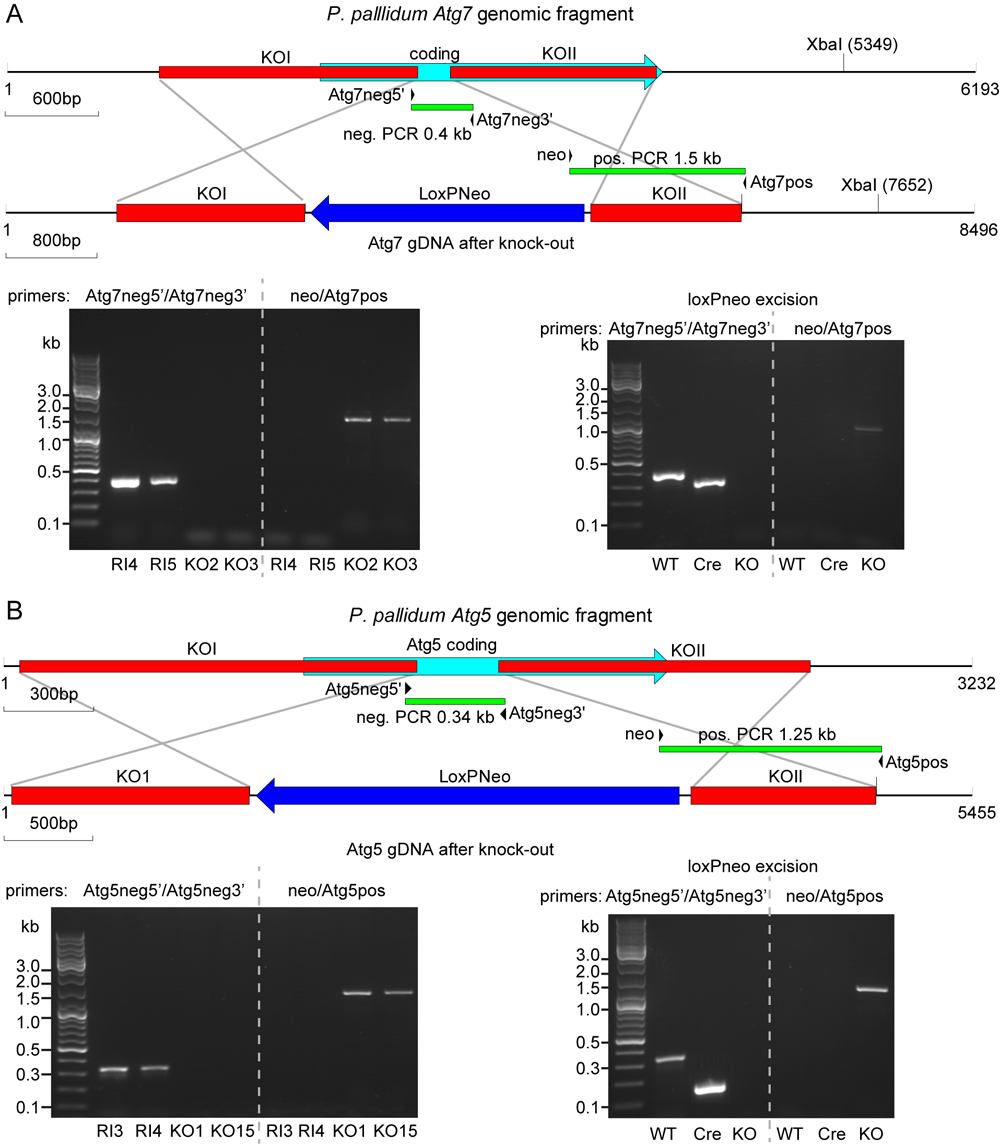
Figure 1. Disruption of the P. pallidum atg7 and atg5 genes.
A. Atg7. Top: schematic of the P. pallidum strain PN500_J (Ppal) Atg7 genomic region with the positions of the two fragments knock-out (KO)I and KOII before and after homologous recombination with the LoxPNeo KO construct. Primer pair Atg7neg5’/Atg7neg3’ amplifies a 0.4 kb fragment in wild-type (WT) and random integrant (RI) only, while primer pair neo/Atg7pos amplifies a 1.5 kb fragment in atg7 KOs only. Bottom left: Diagnostic PCRs of two RI and two KO clones. Bottom right: Diagnostic PCR of a KO clone after excision of LoxPNeo with Cre-recombinase (Cre) showing the expected 220 bp product after amplification with primer pair Atg7neg5’/Atg7neg3’, and absence of product with primer pair neo/Atg7pos. B. Atg5. Top: schematic of the Ppal Atg5 genomic region with the positions of the two fragments KOI and KOII before and after homologous recombination with the LoxPNeo KO construct. Primer pair Atg5neg5’/Atg5neg3’ amplifies a 0.34 kb fragment in WT and RI, while primer pair neo/Atg5pos amplifies a 1.25 kb fragment in atg5 KOs. Bottom left: Diagnostic PCRs of two RI and two KO clones. Bottom right: Diagnostic PCR of a KO clone after excision of LoxPNeo with Cre-recombinase (Cre) showing the expected 180 bp product after amplification with primer pair Atg5neg5’/Atg5neg3’, and absence of product with primer pair neo/Atg7pos.
To disrupt Ppal atg5 (PPL_04841), DNA fragments were amplified similarly as described above, using primer pairs Atg5-I5’/Atg5-I3’ and Atg5-II5’/Atg5-II3’, which contained XbaI/BamHI and SalI/KpnI restriction sites, respectively (Table 1), and inserted in pLox-NeoIII (Figure 1B). Restriction enzymes and T4 ligase were purchased from New England Biolabs (NEB). All reactions were performed with recommended buffers according to the manufacturer's instructions. All DNA constructs were validated by sequencing.
For transformation, the KO fragments were excised with SacI/KpnI and XbaI/KpnI for the atg7 and atg5 KO plasmids, respectively. Ppal cells were harvested from growth plates and starved for 5 h in HL5 (Formedium, UK) at 2.5 × 10⁶ cells/ml, followed by resuspension in ice-cold H-50 buffer (4.8 g HEPES (Formedium), 3.7 g KCl, 0.58 g NaCl, 0.25 g MgSO4, 0.42 g NaHCO3, 0.14 g NaH2PO4 in 1 L H2O). Cells (2.5 × 10⁶) were combined with 5 µg KO fragment and 2 nmol flanking primers in a total volume of 100 µl in 1 mm gap cuvettes (BTX) and transformed by electroporation with two pulses of 0.65 kV/25 µFd, separated by a 5 second interval, using a GenPulser2 (BioRad). Recovery and selection of transformants at 300 µg/ml G418 (Formedium) was performed as described before (Kawabe et al., 1999). Genomic DNAs were isolated from G418 resistant clones using the GenElute™ Mammalian Genomic DNA Miniprep Kit (Sigma) and screened for homologous recombination events by two PCR reactions, using primer pairs Atg7neg5’/Atg7neg3’ neo/Atg7pos (Table 1) for atg7 KO diagnosis and primer pairs Atg5neg5’/Atg5neg3’ and neo/Atg5pos (Table 1) for atg5 KO diagnosis (Figure 1).
Deletion of the Neo resistance cassette. To remove G418 resistance from atg7ˉ and atg5ˉ, cells were electroporated with plasmid pDM1483, which contains cre-recombinase (Paschke et al., 2018) and a Nourseothricin resistance gene, transferred to a petri dish containing autoclaved K. aerogenes in KK2 for 24 h and exposed to 300 µg/ml Nourseothricin (Jena Bioscience) for 2-4 days. Resistant clones were replica-plated onto LP agar with autoclaved K. aerogenes with and without 300 µg/ml G418 for negative selection of G418 sensitive clones. Loss of the Neo cassette was confirmed by two PCR reactions (Figure 1).
Expression constructs. To express atg7 from its own promoter, a 1.5 kb region upstream of the start codon was amplified from Ppal gDNA using primers Atg7pro5’/Atg7pro3’ (Table 1), which contain NheI and BamHI sites, respectively, and inserted into NheI/BamHI digested vector pExp5 (Meima et al., 2007). Next the 2.1 kb atg7 coding region was amplified from cDNA with primer pairs Atg7-g5’ and Atg7-g3’ (Table 1) that contain EcoRI and XhoI sites, respectively, and after digestion joined with the promoter fragment in the EcoRI/XhoI digested plasmid, creating pPpalAtg7pAtg7.
To express atg5 from its own promoter, the 963 bp atg5 coding region was amplified from Ppal cDNA using primer pair Atg5-g5’/Atg5-g3’ with BamHI and SpeI sites, respectively, and inserted into BamHI/SpeI digested vector pExp5(+) (GenBank: EF028664.1). Next the 620 bp 5’intergenic region was amplified from gDNA with primer pair Atg5-pro5’/Atg5-pro3’ with NheI and BamHI sites, respectively, and inserted into the NheI/BamHI sites of the same vector, creating pPpalAtg5pAtg5. pPpalAtg7pAtg7 and pPpalAtg5pAtg5 were electroporated into atg7- and atg5- cells, respectively, from which the loxPNeo cassette had been removed with cre-recombinase. Transformants were selected at 300 µg/ml G418.
The amplified atg7 and atg5 promoter fragments were also inserted into XbaI/BamHI digested vector pDdGal17 (Harwood & Drury, 1990), which places the promoters upstream of the LacZ reporter gene. The resulting pPpalAtg7-LacZ and pPpalAtg5-LacZ plasmids were transformed into wild-type (WT) Ppal and transformed cells were selected at 300 µg/ml G418.
β-galactosidase histochemistry. Ppal cells, transformed with promoter-lacZ constructs, were plated on nitrocellulose filters supported by NN agar at 106 cells/cm2 and incubated at 22°C until the desired developmental stages had been reached. Filters with developing structures were transferred to Whatman 3MM chromatography paper, soaked in 0.5% glutaraldehyde, and incubated in a sealed chamber for 6 min. Structures were next fully submersed in 0.5% glutaraldehyde for 3 min. After washing with Z-buffer (10 mM KCl, 1 mM MgSO4, 60 mM Na2HPO4 and 40 mM NaH2PO4, pH 7.0), structures were stained with X-gal staining solution (5 mM K3[Fe(CN)6], 5 mM K4[Fe(CN)6], 1 mM 5-bromo-4-chloro-3-indolyl β-D-galactopyranoside (X-gal) and 1 mM EGTA in Z buffer) (all reagents were from Sigma) as described previously (Dingermann et al., 1989). Staining times varied between genes, but different developmental stages of cells transformed with the same construct were stained for the same period.
Chimeric development
Ppal WT and atg5ˉ or atg7ˉ cells were harvested from growth plates and resuspended in KK2. WT and mutant cells were mixed to contain 5% or 20% WT cells and developed for 2 days on NN agar. Structures were imaged and then harvested, shaken for 5 min with 0.1% Triton X-100 in KK2 to lyse unwalled amoebas, and plated with autoclaved K. aerogenes on LP agar supplemented with or without 300 µg/ml G418.
Encystation and cyst germination
To induce encystation, Ppal WT and mutant cells were harvested from growth plates, resuspended in encystation medium (400 mM sorbitol in KK2) at 5x10⁶ cells/ml and incubated for 3 days until WT cells had formed mature cysts. Mature cysts were visualized by addition of Calcofluor (Sigma) to 0.001%. To induce cyst germination, mature cysts (2–3 days old) were harvested, shaken with 0.1% Triton X-100 and washed with KK2. Cells were counted in a hemacytometer and plated on 1/5th SM plates (14 cm Ø) with K. aerogenes at 500 cells/plate. The number of emerging plaques was counted after 4 days of incubation at 22°C.
Developmental and induced gene expression
To measure prespore and prestalk gene expression in early and late sorogens, WT and mutant Ppal cells were developed on NN agar for 10 h and 16 h at 22°C. Structures were gently dissociated and harvested for RNA isolation. To measure induction of prespore gene expression by cAMP, Ppal cells were developed for 4, 5 or 6 h on NN agar to reach a stage where cells were competent for induction but had not yet started to express prespore genes. After dissociation of aggregates by passage through a 21-gauge needle, cells were resuspended to 5×10⁶ cells/ml in 1 mM MgCl2 in KK2 and incubated for 4 h in the presence and absence of 1 mM cAMP. Total RNA was isolated from 107 cells using the RNAeasy mini kit (Qiagen), DNA contamination was removed using the Turbo DNA-free Kit (Ambion), the RNA concentration was determined using a Multiskan SkyHigh spectrophotometer (Thermo Fisher Scientific, Inc.) and 2 μg RNA was transcribed into cDNA with the sensiFAST cDNA synthesis kit (Bioline), according to the manufacturer's instructions. Using 60 ng of cDNA as template, transcript levels of the prespore gene sp45 (PPL_06034), the prestalk gene PPL_04427 and the constitutively expressed gene PPL_07209 were assessed by reverse transcription-quantitative PCR (RT-qPCR) on a LightCycler® 96 real-time PCR system (Roche) using PerfeCTa SYBR Green SuperMix (Quanta biosciences, USA) and the primers listed in Table 1. Data were normalized to quantification cycle (Cq) values of control samples (Livak & Schmittgen, 2001) as indicated in the figure legends.
Staining with anti-spore antibodies
Cells were allowed to attach to 8-well slide glass wells and fixed in ice-cold 85% methanol. After washing with 5% bovine serum albumen (BSA) in PBS, cells were incubated for 16 h at 4°C with 1:5000 diluted custom-made polyclonal antibody (Cambridge Research Biochemicals) raised in rabbit against a 1:1 mixture of Ppal and Ddis spores that had been pre-adsorbed to an equal volume pellet of methanol-fixed Ppal and Ddis vegetative cells (Schilde et al., 2014). After washing, cells were incubated with 1:2000 diluted polyclonal Alexa fluor 488-conjugated goat anti-rabbit IgG (Thermo Fisher Scientific Cat# A32731, RRID:AB_2633280) for 4 h at 21°C and imaged using a DMLB2 fluorescence microscope (Leica) and Micropublisher 3.3 camera (Qimaging).
In vitro spore induction and germination
WT Ddis Ax2 or Ax2/cotC-mRFP cells were harvested from growth plates and resuspended at 106 cells/ml in spore salts (20 mM KCl, 20 mM NaCl, 1 mM CaCl2 and 1 mM MgCl2), supplemented with 5 mM cAMP. Cells were incubated as 1 ml aliquots in 6-well plates (~105 cells/cm2) at 22°C without further additives (control) or with 15 mM 8Br-cAMP (8-bromoadenosine 3’:5’-monophosphate; Biolog, Germany). After 30 h, the cells were stained with 0.001% Calcofluor, photographed under phase contrast and epifluorescence illumination.
The cross-section area and length and width of Calcofluor positive spores were quantitated using ImageJ v1.53e (RRID:SCR_003070).
To test germination and regrowth, the induced spores and spores developed in fruiting bodies were shaken with 0.1% Triton X-100, washed and plated on 1/5th SM plates (14 cm Ø) with K. aerogenes at 500 cells/plate and emerging plaques were counted after 4 days at 21°C. As the recovery of growing amoebas from induced spores was poor, they were plated at 2,000 cells/plate in subsequent experiments.
Data analysis
For phylogenetic inference, protein sequences were aligned with Clustal Omega (Sievers & Higgins, 2014) (RRID:SCR_001591) and phylogenetic trees were inferred with MrBayes 3.2 (Ronquist & Huelsenbeck, 2003) (RRID:SCR_012067) using a mixed amino acid model. Trees were annotated with protein functional domain architectures as analysed with SMART (Schultz et al., 1998) (RRID:SCR_005026).
Experimental data were compiled in Microsoft Excel version 2108 (RRID:SCR_016137) for basic calculations and descriptive statistics (Means and SD). SigmaPlot v14.5 (RRID:SCR_003210; Systat Software, Inc.) was used to assess significant differences between measured parameters. For comparison between two datasets a t-test was used when the data were normally distributed and a rank sum test when they were not. For comparisons between three or more datasets one-way analysis of variance (ANOVA) or ANOVA on ranks were used.
Results
Identification, expression and disruption of P. pallidum autophagy genes
To investigate evolutionary conservation of the role of autophagy in dictyostelid sporulation and possible involvement in encystation, we searched for orthologs of the essential autophagy genes atg7 and atg5 in in taxon group representative dictyostelid genomes and three genomes of solitary Amoebozoa. Sequence alignments were used to infer phylogenetic trees, which were annotated with the functional domain architecture of the proteins (Figure 2A) (Schaap, 2022). Most of the Atg7 and Atg5 homologs combined into a single clade each and contained an ATG7_N or an APG5 domain, respectively. Some more distantly related homologs did not contain these domains. The analysis identified PPL_02507 and PPL_04841 as Ppal Atg7 and Atg5, respectively, and highlighted that atg7 and atg5 are conserved as single copy genes throughout Amoebozoa. To investigate the expression pattern of either gene, we transformed Ppal with a fusion construct of their promoter and the LacZ reporter and stained developing structures with Xgal. Both atg7 and atg5 were expressed throughout multicellular development, with reduced expression of atg7 in the tips of emerging sorogens (Figure 2B).
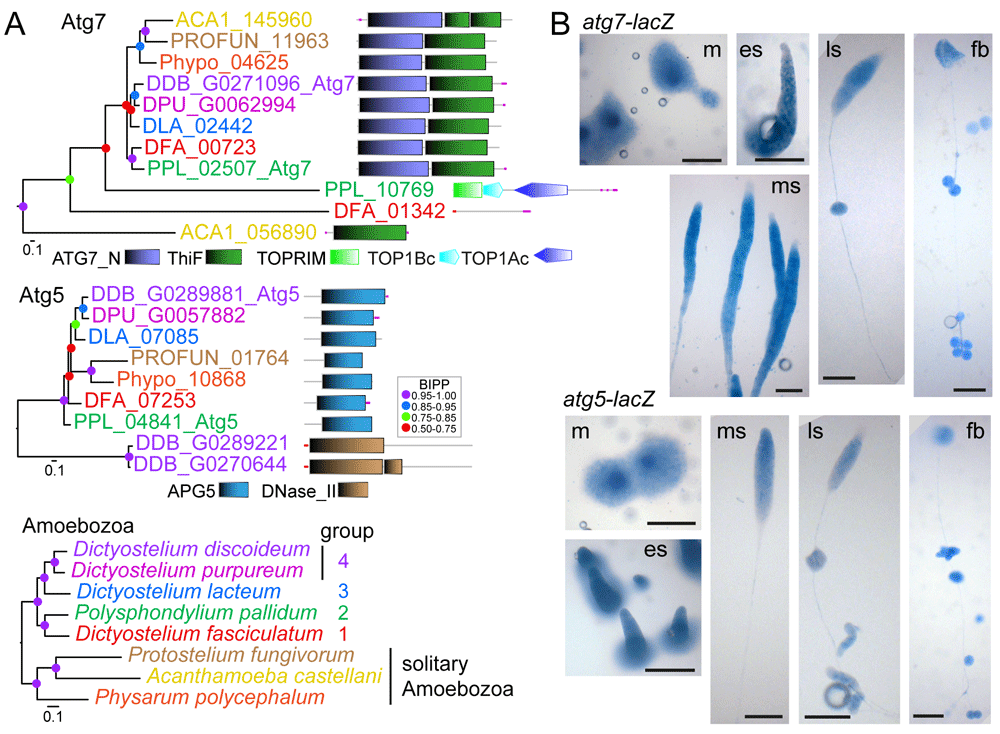
Figure 2. Identification and expression patterns of P. pallidum strain PN500_J (Ppal) atg7 and atg5.
A. Identification. The previously identified Dictyostelium discoideum (Ddis) atg7 and atg5 genes (Otto et al., 2003) were used as bait to identify homologs in well-annotated dictyostelid and solitary amoebozoan genomes. Protein sequences of all hits were aligned with the Ddis sequences and the alignment was used to infer phylogenies using MrBayes 3.2 (Ronquist & Huelsenbeck, 2003). Posterior probabilities of the nodes (BIPP) are indicated by coloured dots. Trees were annotated with the functional domain architecture of the proteins as analysed with SMART (Schultz et al., 1998). A multigene amoebozoan phylogeny (Schilde et al., 2019) is shown as reference. B. Expression. Ppal cells, transformed with gene fusions of the Ppal atg7 or atg5 promoters and Escherichia coli lacZ, were plated on nitrocellulose filters supported by non-nutrient (NN) agar. Developing structures were fixed in glutaraldehyde and stained with X-gal (Dingermann et al., 1989). m: mound; es, ms and ls: early, mid- and late sorogens; fb: fruiting body. Bar: 100 µm.
We next generated lesions in the Ppal atg7 and atg5 genes by homologous recombination. The KO constructs contained the loxP-neo selection cassette flanked by two ~1kb fragments of the atg7 or atg5 genes and transformation into Ppal yielded several KO and random integrant (RI) clones for each construct (Figure 1). KO, RI and WT Ppal cells were developed into multicellular fruiting bodies on agar plates and into unicellular cysts in suspension. Mature cells and structures were stained with Calcofluor to visualize cellulose cell walls (Figure 3).
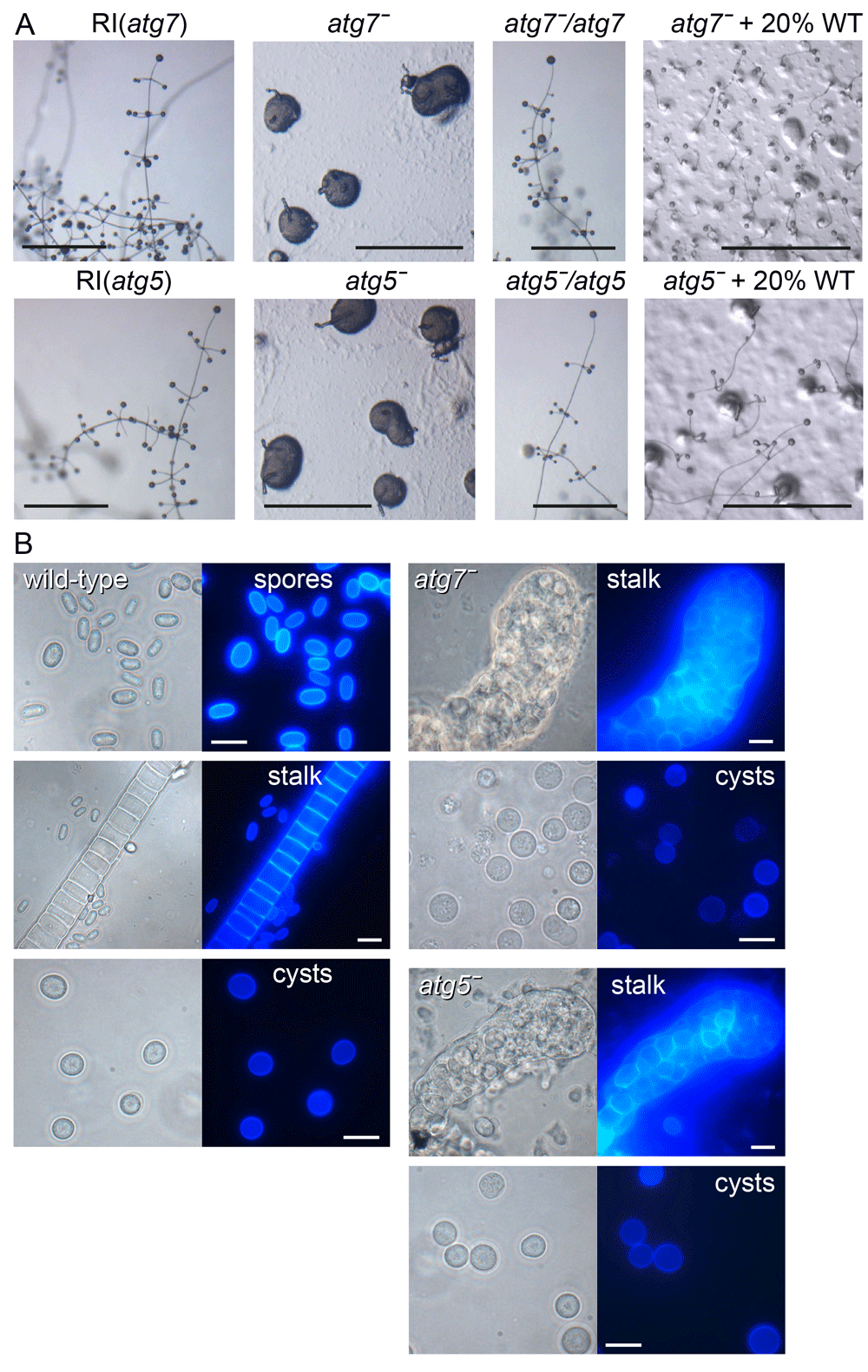
Figure 3. Phenotypes of P. pallidum strain PN500_J (Ppal) atg7 and atg5 mutants.
A. Ppal atg7ˉ and atg5ˉ knock-outs, random integrant (RI) and atg7ˉ and atg5ˉ cells complemented with atg7 or atg5, respectively, or mixed with 20% wild-type (WT) were plated on non-nutrient (NN) agar and incubated until mature terminal structures had formed. Bar: 100 µm. B. Terminal structures of WT, atg7ˉ and atg5ˉ were transferred to 0.001% Calcofluor on a slide glass. Stalks, spores and cysts were photographed under phase contrast (left panels) and UV (right panels). Bar: 10 µm.
The RI clones showed the same fruiting bodies as WT Ppal, but both the atg7ˉ and atg5ˉ KO clones showed severe defects. On agar, amoebas aggregated normally, and tips appeared on the aggregates (Figure 3A). However, most of the cell mass was never lifted off the substratum. Instead, small finger-like projections were formed that consisted almost entirely of vacuolated stalk-like cells, with cells in the basal mass remaining amoeboid. No spores differentiated at all, and the stalk-like structures were thicker and more irregular than WT stalks (Figure 3B). To confirm that the phenotypic abnormalities were due to loss of the atg7 and atg5 genes, we removed the loxPneo cassette from the atg7ˉ and atg5ˉ mutants by transformation with cre-recombinase and transformed each mutant with its missing gene expressed from its own promoter. Both the atg7ˉ/atg7 and the atg5ˉ/atg5 mutants reverted to the normal WT phenotype (Figure 3A). To investigate whether the atg7ˉ and atg5ˉ defects were cell-autonomous, we mixed either mutant with 5% or 20% WT cells. Only in the mixture with 20% WT were some small fruiting bodies detected. However, none of their spores were G418 resistant, indicating that neither atg7ˉ nor atg5ˉ had formed spores in the chimeras. Their sporulation defect is therefore cell-autonomous.
When starved in suspension at high osmolarity, all WT and atg7ˉ and atg5ˉ amoebas assumed the rounded cyst morphology (Figure 3B). However, compared to WT cells, fewer of the rounded atg7ˉ and atg5ˉ cells developed Calcofluor positive cell walls, suggesting that the encystation process was incomplete. Quantitation of the number of Calcofluor positive cysts formed by different KO and RI clones showed that after three days in encystation medium, over 81–87% of RI cells had formed Calcofluor positive cysts, while this was only the case for 22–26% of atg7ˉ or atg5ˉ KO cells (Figure 4A).
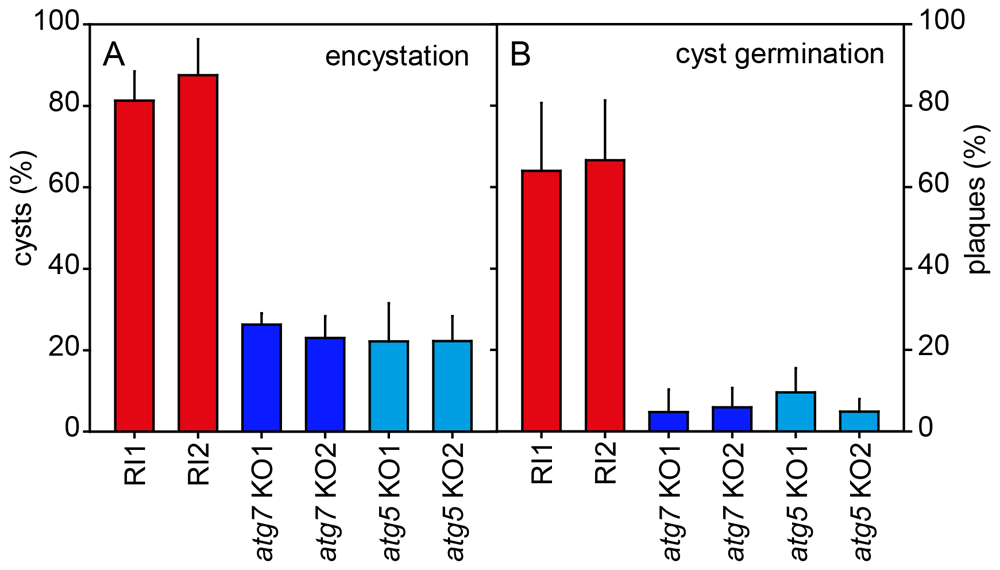
Figure 4. Encystation and cyst viability.
A. Encystation. Random integrant (RI) and two knock-out (KO) clones each of atg7ˉ and atg5ˉ were harvested from growth plates and incubated in 400 mM sorbitol in KK2 for three days. After addition of Calcofluor to 0.001%, total cells and fluorescent cysts were counted and the percentage of encysted cells was calculated. Means and SD of three experiments. B. Cyst viability. Cysts induced for four days, as described above, were treated with 0.1% Triton X-100 to lyse unencysted amoebas and then distributed on growth plates together with K. aerogenes at 500 cells/plate (Ø 14 cm). After four days of growth at 22°C, the emerging plaques were counted and calculated as percentage of the plated cells. Means and SD of two experiments with duplicate plates for each cell line. For both experiments the individual RI values were significantly different from the individual KO values at P<0.001 as tested by one-way ANOVA.
To test whether loss of atg7 or atg5 also affected cyst viability. RI and atg7ˉ and atg5ˉ cells, incubated for four days in encystation medium, were treated with 0.1% Triton-X100 to lyse unencysted amoebas and then counted and plated together with Klebsiella aerogenes on growth plates. Of the plated RI cysts 64–66% formed plaques of feeding amoebas, but this was only the case for 3–10% of atg7ˉ or atg5ˉ cysts (Figure 4B). Apparently, loss of atg7 or atg5 reduced the ability of amoebas to encyst and the cysts that were formed were less viable.
Ppal atg7- and atg5- mutants show defective prespore gene expression
To gain insight into the cell differentiation anomalies of the atg7ˉ and atg5ˉ mutants, we measured expression of the Ppal prespore gene sp45 (PPL_06034) and the prestalk gene PPL_04427 by RT-qPCR. Sp45 is a member of the spore coat (Cot) family of proteins (Fosnaugh et al., 1994) that typically harbour a signal peptide and Follistatin-N-terminal (FOLN) repeats. Its prespore-specificity was demonstrated by in situ hybridization and expression of GFP from the sp45 promoter (Gregg & Cox, 2000). PPL_04427 is a close relative of the Ddis prestalk/stalk markers ecmA and ecmB and its specificity for Ppal prestalk and stalk cells was shown by expression of LacZ from the PPL_04427 promoter (Schilde et al., 2014). To use as controls for standardization in qPCR we sought out well-expressed genes that were constitutively expressed in Ppal development in three RNAseq experiments. Because mature cell types in Ppal are either dormant or dead, there are only few candidates (SupdataRNAseq.xlsx, available as Underlying data (Schaap, 2022)). We selected PPL_07209, which also showed a reasonable level of read counts.
To compare prestalk and prespore gene expression in stages where WT Ppal forms mid- and late sorogens, we developed WT, atg7ˉ and atg5ˉ cells for 10 and 16 h on NN agar. RNA was isolated and reverse-transcribed and qPCR was performed on 60 ng cDNA with the primers listed in Table 1. Data for individual genes were normalized to Cq values obtained from WT samples at 10 h of development. Expression of the sp45 prespore gene was about 10-fold lower in atg7ˉ and atg5ˉ structures than in WT sorogens and showed no significant increase between 10 and 16 h (Figure 5A). The prestalk gene PPL_04427 increased at 16 h to 1.5x the level at 10 h and was at either time point about 20–30% lower in atg7ˉ and atg5ˉ than in WT. The "constitutively" expressed gene PPL_07209 decreased both between 10 h and 16 h in WT and in atg7ˉ and atg5ˉ, compared to WT. Standardization of the sp45 and PPL_04427 data on PPL_07209 massively inflated PPL_04427 expression. Since the RT-qPCR reactions are in effect already standardized by using the same amount of template as input and showed little variation between three individual experiments and between atg7ˉ and atg5ˉ, we consider the uncorrected data in Figure 5A to reflect the relative expression levels of sp45 and PPL_04427 more accurately.
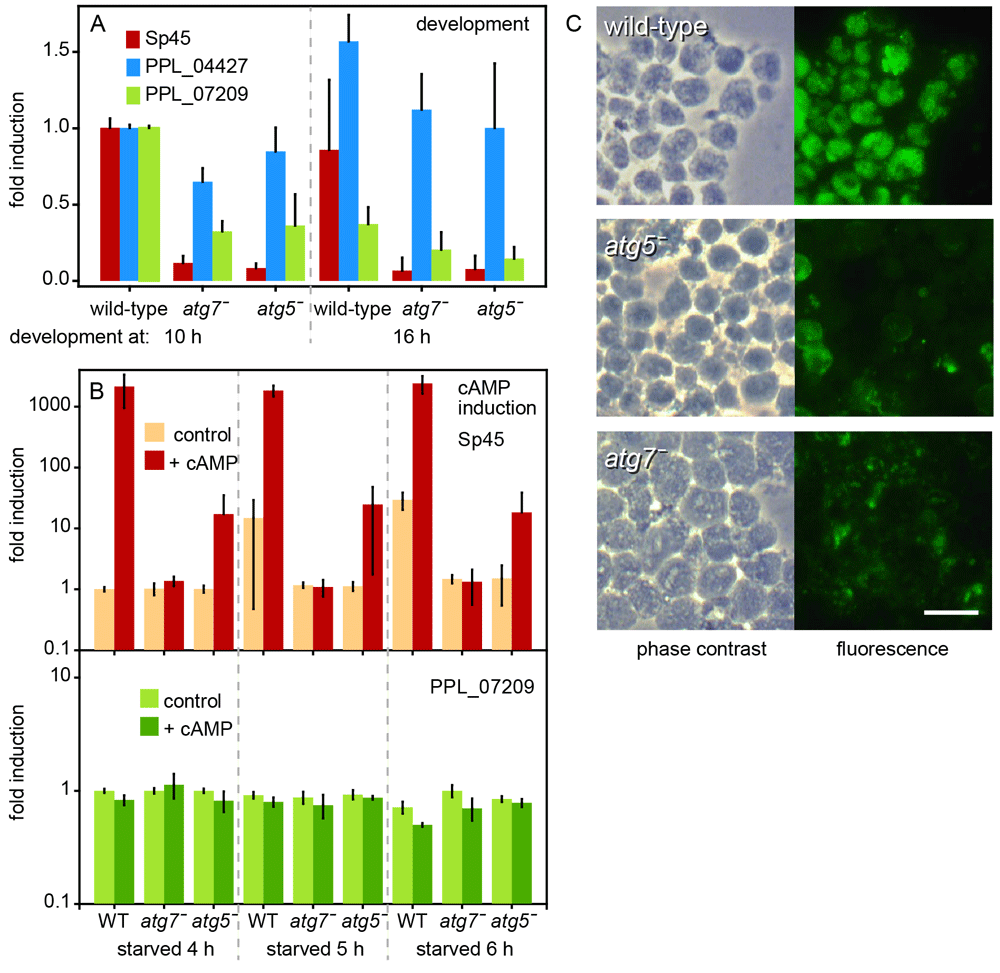
Figure 5. Developmental and induced gene expression.
A. Developmental expression. P. pallidum strain PN500_J (Ppal) wild-type (WT) cells and atg7ˉ and atg5ˉ mutants were developed on non-nutrient (NN) agar for 10 h and 16 h, when mid and late sorogens had formed. RNA was isolated and the expression of the prespore gene sp45, the prestalk gene PPL_04427 and the constitutive gene PPL_07209 were probed by reverse transcription-quantitative (RT-q)PCR. Data for each gene were normalized to expression in WT structures at 10 h. Means and SD of three experiments assayed with technical duplicates. B. cAMP induction of sp45. WT cells and atg7ˉ and atg5ˉ mutants were starved on agar for 4, 5 and 6 h until loose to tight aggregates had formed. Aggregates were dissociated and cells were incubated in suspension with and without 1 mM cAMP for 4 h. RNA was isolated and expression of sp45 and PPL_07209 was probed by RT-qPCR. Data were normalized to expression in 4 h starved WT cells, incubated for 4 h without cAMP and Sp45 data were standardized on expression of PPL_07209 in the same sample. Means and SD of three experiments assayed with technical duplicates. C. Spore antigens. WT and atg5ˉ and atg7ˉ mutants were developed for 15 h into sorogens, which were dissociated and stained with anti-spore antibodies and Alexa fluor 488 goat-anti-rabbit-IgG. Bar: 10 μm.
Prespore differentiation in both Ddis and Ppal requires stimulation of cell surface cAMP receptors (cARs) by secreted cAMP (Kawabe et al., 2009; Schaap & Van Driel, 1985; Wang et al., 1988). The diminished Sp45 expression and lack of spore differentiation in atg7ˉ and atg5ˉ mutants, prompted us to examine whether prespore gene induction by cAMP was impaired. Ppal cells were starved on NN agar for 4, 5 and 6 h, when loose to tight aggregates have formed, to reach a stage where cells are competent for prespore gene induction but have not started to express prespore genes. The aggregates were dissociated and cells were incubated for 4 h in suspension with 1 mM cAMP. RNA was isolated and expression of sp45 and PPL_07209 was determined by RT-qPCR. Data were normalized to sp45 or PPL_07209 Cq values in 4 h starved WT cells that were incubated without cAMP. In this experiment the PPL_07209 Cq values were almost unchanged between WT and mutant cells and between treatments (Figure 5B) and were therefore used to standardize the sp45 fold-change induction. In WT, cAMP increased sp45 expression over 2000-fold in 4 h starved cells. In 5 h and 6 h starved cells unstimulated sp45 expression was 15–30-fold higher than in 4 h starved cells, while cAMP-induced levels were the same as in 4 h starved cells. cAMP induction of sp45 was absent in atg7ˉ and reduced from 2,000 to 20-fold in atg5ˉ. Evidently, as is the case in Ddis (Yamada & Schaap, 2019), cAMP induction of prespore gene expression in Ppal requires autophagy genes.
Spore coat proteins such as Sp45 are in Dictyostelia synthesized at the inner membrane of Golgi-derived prespore vesicles. These vesicles are exocytosed during spore maturation bringing the first layer of the spore coat to the surface of the spore (West, 2003). Antibodies generated against intact spores have been widely used to visualize the prespore vesicles inside prespore cells (Schilde et al., 2014; Takeuchi, 1963). To appreciate the extent of the sporulation defect, we stained dissociated maturing sorogens of WT, atg7ˉ and atg5ˉ mutants with antibodies against a mixture of Ddis and Ppal spores (Schilde et al., 2014) to evaluate the presence of cells with prespore vesicles. Figure 5C shows that WT Ppal cells contained many vesicles lined with spore antigens. While atg5ˉ and atg7ˉ cells showed some reactivity to spore antibodies, this was mostly localized between cells or on the cell surface and is likely non-specific.
Together with the lack of prespore gene expression and induction in Ppal atg5ˉ and atg7ˉ, these data show that autophagy is required in Ppal for prespore gene induction by cAMP and spore differentiation.
Size and viability of spores formed in- and outside multicellular structures
As argued above, loss of autophagy is likely to affect spore viability. Without it, the starving cells would not be able to generate the compounds required for spore wall synthesis and energy storage. It is however unclear why loss of autophagy should specifically act at initial induction of prespore gene expression by cAMP. Autophagy, as measured by RFP-GFP-Atg8 containing vesicles (Yamada & Schaap, 2021) or the percentage of cytosol occupied by autophagosomes (Schaap, 1983), is much higher in prestalk than in prespore cells. Our present observation that encystation is less affected than sporulation by loss of autophagy, combined with low autophagy in prespore cells suggests that in multicellular development the spores depend on metabolites produced by autophagy in the prestalk/stalk population.
In Ddis, spores can be induced to differentiate from single amoebas in suspension by treatment with ≥10 mM 8Br-cAMP, a membrane-permeant PKA agonist, although the efficiency of induction varies between different strains (Kay, 1989; Richardson et al., 1991). In Ppal, 8Br-cAMP effectively and invariably induces encystation (Ritchie et al., 2008). Because group four species like Ddis have lost encystation (Romeralo et al., 2013), we used Ddis to compare the size and viability of spores developed inside the fruiting body with those of spores induced in cell suspension by 8Br-cAMP. To increase the efficiency of sporulation, we plated cells at a density of 105 cells/cm2, which allows some cell clumping and interaction of the tgrB1/tgrC1(lagC) adhesion proteins that induce competence for post-aggregative gene induction (Dynes et al., 1994; Hirose et al., 2011). Pilot experiments showed that spore induction was also improved when 5 mM cAMP was included with 15 mM 8Br-cAMP, but cAMP induced little spore encapsulation by itself (Figure 6B).
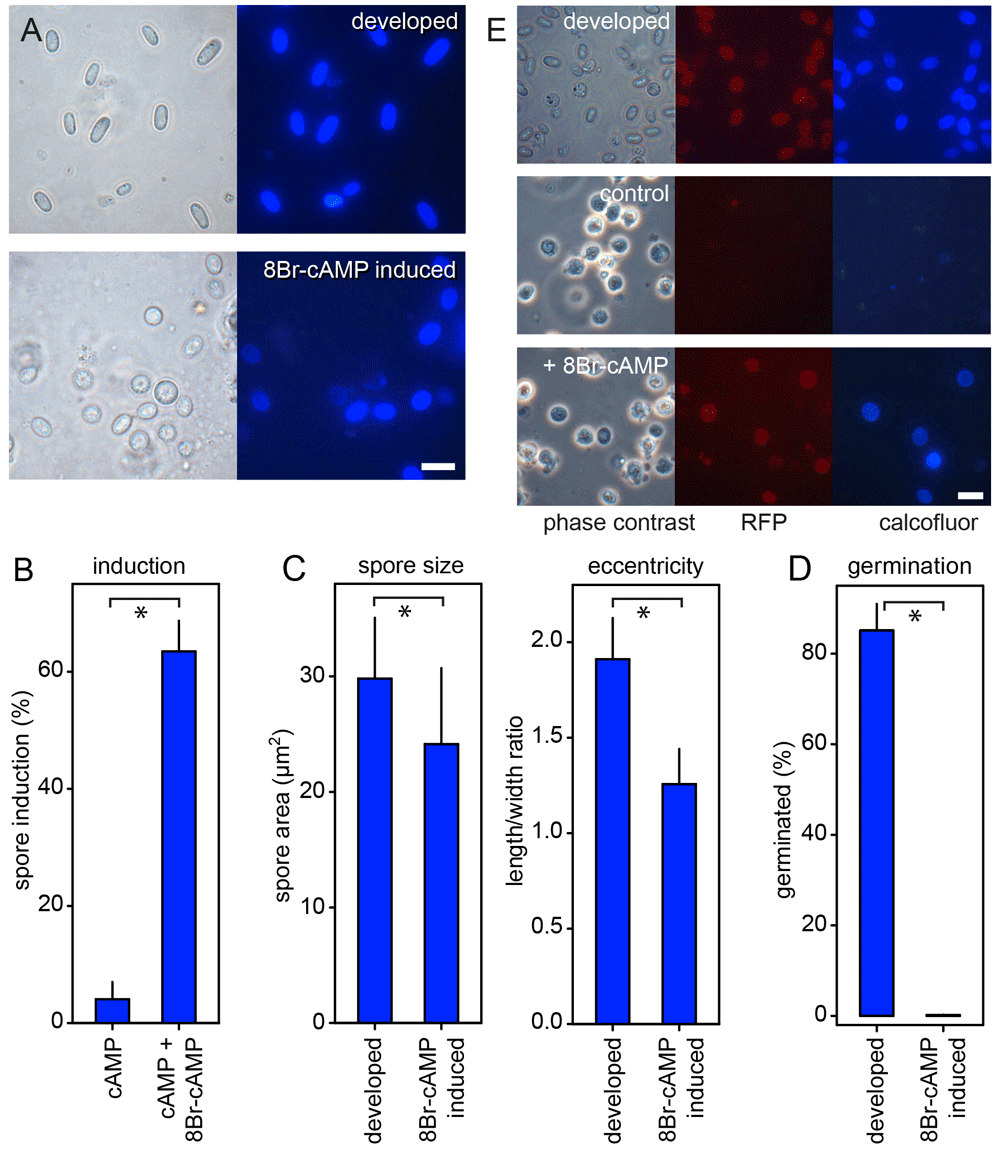
Figure 6. Features of naturally developed and 8Br-cAMP-induced Dictyostelium discoideum (Ddis) spores.
A. Microscopy. Wild-type (WT) Ddis Ax2 spores were isolated from mature fruiting bodies (developed) and harvested after 30 h of incubation with 5 mM cAMP and 15 mM 8Br-cAMP. The spores were stained with 0.001% Calcofluor and imaged under phase contrast and epifluorescence. Bar: 10 μm. B. Quantitation. Ddis cells were incubated for 30 h with 5 mM cAMP with and without 15 mM 8Br-cAMP, stained with Calcofluor. The numbers of total and Calcofluor stained cells were determined from phase contrast and fluorescence images, and the percentage of Calcofluor positive cells (spores) was calculated. Means and SD of three experiments. C. Size and eccentricity. The displayed area and the spore length and width of Calcofluor positive spores were measured using ImageJ (Collins, 2007) and spore eccentricity (length/width) was calculated. Means and SD of 100 spores for each condition are shown. D. Germination. Developed and induced spores were treated with 0.1% Triton to lyse unencapsulated amoebas, counted and plated with K. aerogenes at 500 cells/plate for developed and 2,000 cells/plates for induced spores. After three days the emerged plaques were counted, and the percentage of germinated spores was calculated. Means and SD of three independent experiments. *Significant differences (P<0.001) between the two datasets presented in each graph were determined by a rank sum test. E. Cotc-mRFP expression. Ddis Ax2 cells, transformed with a gene fusion of the mRFP gene and Ddis spore coat gene cotC inclusive of its promoter were developed into spores in fruiting bodies (top row) or incubated for 30 h with 5 mM cAMP (control) or 5 mM cAMP and 15 mM 8Br-cAMP. The cells were stained with Calcofluor and imaged in phase contrast and by epifluorescence. Bar: 10 μm.
About 64% of Ddis Ax2 amoebas incubated with 5 mM cAMP and 15 mM 8Br-cAMP differentiated into ellipsoid spores with cellulose-rich walls, as evaluated by staining with Calcofluor (Figure 6A and B). The eccentricity (length to width ratio) of the induced spores was 34% lower than that of spores developed in fruiting bodies, and their cross-section area was reduced by 20% (Figure 6C). The viability of 8Br-cAMP induced spores is usually assessed by their resistance to lysis by detergents (Kay, 1989). While the induced spores in our experiments were not lysed by detergent treatment, only 0.2% of the detergent-treated spores germinated when plated with bacteria on agar. For developed spores 85% germinated after detergent treatment (Figure 6D).
To confirm that the encapsulated cells were spores, we repeated the induction by 8Br-cAMP using Ddis expressing the spore coat gene cotC fused to red fluorescent protein (mRFP) (Yamada et al., 2018). While this strain showed less efficient induction of Calcofluor positive cells (17%) than its parent Ax2, most Calcofluor positive cells also showed mRFP expression indicating that they had entered the sporulation pathway (Figure 6E). In conclusion, compared to spores developed in the presence of prestalk and stalk cells, spores induced by 8Br-cAMP in isolation were rounder, smaller and non-viable after detergent treatment.
Discussion
Multicellular sporulation depends more on autophagy than unicellular encystation
Autophagy is very prominent in the prestalk and stalk population of Ddis and was initially considered to be required for stalk cell differentiation (Giusti et al., 2009; Schaap, 1983). However, a screen for sporulation-deficient mutants identified lesions in several autophagy genes as the cause of the sporulation defects. Such mutants had relatively normal stalks and overproduced the stalk-like basal disc cells but were specifically defective in cAMP-induced prespore gene expression (Yamada & Schaap, 2019; Yamada & Schaap, 2021).
To investigate whether this specific effect of autophagy is conserved in Dictyostelia and whether autophagy is also required for encystation, the ancestral survival strategy of solitary amoebas, we deleted two genes, atg7 and atg5 that are each essential for early autophagosome formation in Ppal, a distant relative of Ddis that can form both spores and cysts. The Ppal atg7ˉ and atg5ˉ mutants showed similar defects in multicellular development as their Ddis counterparts. They normally aggregated into mounds, but never formed normal sorogens (or slugs in Ddis). Instead, small finger-like structures projected from the mounds that consisted mostly of stalk cells, while the remaining cells stayed amoeboid (Figure 3).
No spores were formed at all and the amoeboid cells did not contain the characteristic prespore vesicles with spore antigens. Expression of the prespore gene sp45 was much reduced in the atg7ˉ and atg5ˉ multicellular structures. Prespore gene induction by cAMP was absent in atg7ˉ and 100-fold reduced in atg5ˉ cells. When starved as single cells in suspension Ppal atg7ˉ and atg5ˉ amoebas did form cysts, but the percentage of properly walled cysts was 3-fold lower than for WT and only 5–10% of the mutant cysts germinated into viable amoebas. Both encystation and sporulation are a response to starvation stress and it takes about 20-24 h for mature cysts or spores to form. Both require cell wall synthesis and likely deposition of energy stores for the emerging amoebas. It therefore stands to reason that the differentiation of viable spores or cysts requires turnover of existing macromolecules and organelles by autophagy. It is however unclear why this requirement is much more stringent for sporulation and why loss of autophagy should so specifically act on cAMP induction of prespore gene expression. Additionally, it is unclear why stalk cell differentiation, which involves fusion of acidic vacuoles into a large central vacuole and cell wall synthesis, does not require autophagy. In Ddis atg7ˉ and atg5ˉ mutants, the prespore population transdifferentiates into the stalk-like basal disc cells. This does not occur in Ppal, presumably because basal disc cells are a group 4 specific innovation (Romeralo et al., 2013). Recently, Ddis mutants lacking PIKfyve, a 1-phosphatidylinositol-3-phosphate 5-kinase, which is involved in fragmentation of late (auto)-lysosomes during normal endosome processing, were also shown to transdifferentiate prespore cells into basal disc cells (Yamada et al., 2021). Together with the phenotypes of the atg7ˉ and atg5ˉ mutants, this suggest that the extreme vacuolation and lysis of cell content that accompanies basal disc differentiation represents a dysregulation of lysosomal function rather than a dependence on autophagy.
cAMP as a signal for the aggregated state
In both Ddis and Ppal, prespore differentiation is induced by micromolar cAMP acting on cAMP receptors (Kawabe et al., 2009; Schaap & Van Driel, 1985) and also requires activation of PKA by increased intracellular cAMP (Hopper et al., 1993; Mann et al., 1994). The effect of PKA is however not specific for spore differentiation, since stalk cell differentiation also requires PKA (Harwood et al., 1992) and PKA activation is the only signal required for encystation (Kawabe et al., 2015). In Dictyostelids and solitary Amoebozoa stressors like starvation and high osmolarity increase intracellular cAMP, which by acting on PKA then induces encystation. This indicated that the role of PKA in spore and stalk cell encapsulation is evolutionary derived from its role in encystation (Du et al., 2014; Ritchie et al., 2008).
This notion was supported by the finding that Ppal cAR KOs formed cysts in their fruiting bodies instead of spores. The cAR KOs had lost cAMP induction of prespore gene expression, but since cAMP levels and therefore PKA activity were still elevated in the starving cells, encystation was their remaining option (Kawabe et al., 2009). Because Dictyostelids secrete most of the cAMP that they synthesize, it was hypothesised that accumulation of micromolar extracellular cAMP within aggregates acts as a signal for the aggregated state, inducing Ppal cells to form spores and not cysts when in aggregates.
This raised a further question into the fitness advantage of spores over cysts. Experiments measuring ultrastructural features and testing long term survival of spores over cysts showed that while spores and cysts of the same species showed similar long-time survival at 22°C, spores survived frost much better, which was correlated with spores having a thicker more structured cell wall and higher state of dehydration than cysts (Lawal et al., 2020). Compared to spores from groups one, two and three, group four spores combined the thickest cell walls with large spore size and high dehydration and showed the highest frost resistance. In contrast to species from groups one to three, which were mainly isolated from tropic to temperate zones, group four contains many species that were isolated from arctic and alpine regions, suggesting that the improved frost survival of their spores allowed group four species to colonize colder habitats (Lawal et al., 2020). How is this related to autophagy?
Are prestalk and stalk cells nursing the spores?
Ddis prestalk cells typically contain more neutral red stained acidic vesicles than prespore cells (Devine & Loomis, 1985) as well as vesicles with autophagy proteins like Atg8, KnkA and Bcas3 (Yamada & Schaap, 2021), indicating that autophagy is normally more active in prestalk than in prespore cells. To test a hypothesis that sporulation directly benefits from prestalk cell autophagy, we compared the overall size and fitness of Ddis spores formed in fruiting bodies with those induced to sporulate as solitary cells with 15 mM 8Br-cAMP and 5 mM cAMP. The induced spores were smaller and rounder than the spores from fruiting bodies and while they incorporated both spore coat proteins and cellulose in their cell walls, they lost the ability to germinate and resume feeding after detergent treatment, which is not the case for WT spores (Figure 6).
While other explanations like missing signals for full spore maturation remain possible, it is most likely that full spore maturation requires flow of metabolites from the prestalk/stalk to the prespore population. In such a scenario the dependence of prespore gene expression on micromolar extracellular cAMP that can only occur when cells are close together in aggregates, combined with the dependence of cAMP signal transduction on autophagy signifies that the starving amoebas use cAMP to test whether they are in a state (the aggregate) where they can benefit from the autophagy of others. If, as is the case in Ppal cAR KOs, the cAMP increase cannot be sensed, the cells opt to differentiate into the less resilient cysts (Kawabe et al., 2009).
Exploitation of the weak analogies between spores and sexual macrocysts
Sexual macrocysts are another heavily walled survival structure of Dictyostelia, which typically maintain dormancy for very long periods. Here, two starving cells of opposite mating type fuse and the zygote then secretes chemoattractant to lure other amoebas into an aggregate. The zygote then cannibalizes these amoebas and uses their metabolites to build its heavy wall (O'Day & Keszei, 2012).
The reliance of spores on nutrients from prestalk/stalk cells is analogous to the reliance of zygotes on co-aggregated haploid cells and provides insight into the early evolution of somatic cells. While starving proto-dictyostelia may originally have aggregated to protect their dormant cells from predation by larger starving protists, as was demonstrated for the Volvocales (Herron et al., 2019), the aggregated cells then exploited each other to improve their long-term survival. For the zygote, feeding on other amoebas is facilitated by it being twice as large. For asexual aggregates it is well-documented that cells that enter starvation while late in the cell cycle (and are thus relatively large) or cells fed in glucose-rich versus glucose-poor media preferentially differentiate into spores compared to cells that have just divided (Gomer & Firtel, 1987; Leach et al., 1973; Ohmori & Maeda, 1987; Weijer et al., 1984). The differentiating prespore cells then secrete compounds, such as DIF-1, that prevent other cells from differentiating as prespore cells, but to which they are less responsive (Kay & Thompson, 2001; Thompson & Kay, 2000). In short, the larger well-fed cells are predisposed to propagate the organism and then coerce the leaner cells to give up their resources through autophagy.
Size and complexity of soma correlates with improved hibernation
In Ddis and other group four species, prestalk cells occupy the anterior 20–30% of the sorogen, while the posterior prespore cells maintain a proportion of anterior-like cells by secretion of DIF-1 and other factors (Kay et al., 1999). Some anterior-like cells replenish the prestalk cells during formation of the stalk, which is several cells thick, while others either differentiate into basal disc or cup cells that respectively support the stalk and spore mass (Sternfeld, 1998; Sternfeld & David, 1982).
In groups one to three, stalks are one cell thick and the prestalk region only makes up the anterior 5–10% of the sorogen (Gregg & Cox, 2000). Prespore cells transdifferentiate into prestalk cells at this region, but scattered expression of (pre)stalk markers throughout Ppal sorogens suggests that group one to three species may have anterior-like cells (Schilde et al., 2014). Even if so, the ratio of somatic over spore cells is much lower in groups one to three than in group four and there is only one somatic cell type, the stalk cell.
As mentioned above, compared to group one to three spores, group four spores are more dehydrated and have thicker cell walls, factors that likely assist their surviving longer under frosty conditions than group one to three spores, and to group four species being common to arctic and alpine regions, where group one to three species are rarely found (Lawal et al., 2020). Fossil calibrated phylogenies date the split between the two major branches of Dictyostelia at 0.52 bya, just following the global Neoproterozoic glaciations. Because cysts combine good long-time survival above 20°C with poor frost survival, it was surmised that sporulation in multicellular fruiting bodies evolved in response to global cooling (Lawal et al., 2020). Partitioning ever larger numbers of cells to somatic fate, allowing increased nutrient flux to spores by autophagy, may have allowed group four to further increase the cold resistance of its spores and to inhabit the coldest regions of the planet. The increased size of the somatic cell pool also allowed the somatic cells to assume novel roles as basal disc and cup cells.
Additional work is needed to support this narrative. Spore wall thickness and spore compaction were relatively easy to determine for many species by electron microscopy (Lawal et al., 2020). However, spore fitness likely involves other factors that require more in-depth experimentation, such as spore wall composition and architecture as well as the size of their trehalose and lipid stores. Particularly trehalose, which accumulates in maturing spores (Rutherford & Jefferson, 1976) and acts both as an energy store utilized during spore germination (Jackson et al., 1982) and as a cryo- and desiccation protectant of proteins and membranes (Elbein et al., 2003) may be a major determinant for long term spore survival.
The role of sexual macrocysts in dictyostelid survival in different ecological niches is unknown. They are formed under dark and submerged conditions and induced by ethylene (Amagai et al., 2007). Unlike spores and cysts, macrocysts require long periods and as yet unknown stimuli to germinate. The latter property prohibited experimental studies, although progress was made in identification of genes required for macrocyst formation and genes that define the three mating types of Ddis (Bloomfield, 2019; Urushihara & Muramoto, 2006). Macrocysts are common throughout the dictyostelid phylogeny (Schaap et al., 2006) and their prolonged dormancy suggests a major role in long-term stress survival.
However, while the cannibalism that feeds the macrocyst seems an evolutionary dead-end towards developing multicellular complexity, autophagy as occurs in fruiting bodies does not exclude additional functionality of the soma. Autophagy is an ancient and well-conserved process across all eukaryote divisions (Zhang et al., 2021), with most divisions also giving rise to multicellular forms (Brown et al., 2012). The current work indicates that autophagy may have played a major role in the initial evolution and diversification of somatic cells.
Data availability
Underlying data
NCBI Gene: Heterostelium album strain PN500_J autophagy protein 7 (atg7) gene, complete cds. Accession number ON758339, https://www.ncbi.nlm.nih.gov/nuccore/ON758339
NCBI Gene: Cloning vector EXP5(+), complete sequence. Accession number EF028664.1, https://www.ncbi.nlm.nih.gov/nuccore/EF028664.1/
Open Science Framework: ExtendedData_Du_MS. https://doi.org/10.17605/OSF.IO/XCAZG (Schaap, 2022).
This project contains the following underlying data:
- SupdataRnaSeq.xlsx
- DNAconstructMaps_Sequences.zip (DNA constructs, gene sequences and plasmid maps)
- Fig1_uncropped_gel_images.zip (Uncropped gel images for Figure 1)
- atg5_atg7-lacZstaining_originals.zip (atg5-atg7 promoter_LacZ staining original images)
- atg5_7KOphenotype_originalimages.zip (atg5-atg7 KO phenotype original images)
- statistics.zip (Raw spreadsheet data of statistical analyses performed)
- RTqPCRexpCqvalues+calculation.zip (Standard curves and raw Cq values for all samples and replicates (qPCR))
- Spore-antibodyStaining_Originalimages.zip (Spore antibody staining original images)
- 8BrcAMPspore-Induction_original_images.zip (8Br-cAMP induced spores original images)
Data are available under the terms of the Creative Commons Zero "No rights reserved" data waiver (CC0 1.0 Public domain dedication).
Ethics and consent
Ethical approval and consent were not required.