Disclaimer
The views expressed in this article are those of the author(s). Publication in Open Research Europe does not imply endorsement of the European Commission.
Plain language summary
EU-funded and private projects have, over the last 10+ years, developed a lot of knowledge in the field of energy-efficient (EE) design and construction of new and refurbished buildings. In this text, state-of-the-art research on the best practice in the field of energy skills is presented. The research has identified over 500 sources of information relevant to EE skills and has been very comprehensive, as the content comes from various countries, projects, universities, training organizations and recruiters, among other sources. Key findings address the challenges related to the transition of EE skills from national to inter-regional level due to methodological differences, language barriers and organizational issues, development and advancement of opportunities for solving national problems through initiatives successfully tested elsewhere, appropriate alignment on the interregional level and taking the future EE agenda forwards.
In addition, we provide a base that has enabled us to evaluate the impact of existing initiatives on EE and digital skills management in the construction sectors through a survey conducted on an inter-regional level. The aim of the survey was to get a comprehensive insight into how we can help industry professionals the most.
Introduction
Striving for better future for all is humanity’s direction, nowadays more than ever. As the EU has recognized the building sector as a significant energy actor, actions toward building a firm strategy and sustainable energy skills have been taken since the EU BuildUpSkills initiative launched in 2011, which resulted in National reports on training needs and gaps (status quo analysis) and defined roadmaps for filling those gaps, in the frame of established National Qualification Platforms (NQP), created to enhance stakeholder engagement. Evaluation of BuildUpSkills pillar I resulted in identification of the need for upskilling of more than 4 million construction workers by 2020. Furthermore, following this good start, well defined roadmaps reached their realisation in the next actions under BuildUpSkills Pillar II, by supporting activities to establish new or upgrade existing large-scale qualification and training schemes based on the roadmaps’ recommendations. A tremendous amount of work was done on the national level across Europe, by developing a number of schemes for training, upskilling and qualification, covering a broad scope of occupations involved in construction. During these actions, the importance of non-formal training was considered, and the process of lifelong learning was recognized as a reliable path for keeping-up with the state-of-art development of the sector, although the EE and RES topics are usually coming in the school curricula (indeed with a delay). In the frame of 22 realized projects (each on national level), 805 training courses were developed involving more than 8500 trainees. These actions continued via the construction skills strand of the European Horizon 2020 research and innovation programme (H2020 EE4 Construction Skills) by developing additional schemes for upskilling and adding international components to the actions. But all this success has led to identification of the lack of a more international approach, which would be enabled only by mutual recognition of national achievements and making energy skills comparable and validated across different EU countries. Also the importance of use of information and communication technologies (ICT) to divulge and raise awareness of EE and RES solutions, to foster the delivering of courses on-line and to produce new media training resources, as well as to speed up the process of digitization of construction sector, is not to be avoided.
This paper presents the project activities of the H2020 action 101033743 — SEEtheSkills, toward identification of energy skills as a driver to sustainable construction. The project stands in front of the challenge for energy efficient construction of new and renovation of existing building stocks and aims to act at market level to stimulate the demand for existing and new/upgraded energy skills. It is based on the idea to build upon the good foundations of previous successful European actions, each of them notably successful on national level, to facilitate broader visibility and accessibility of energy skills and to enable their mutual recognition across partner countries, through their cross validation based on learning outcomes. The project aims to act through a novel 3V approach to tackle direct stimulation of demand of energy skills in construction, by acting on wide interregional level, to ensure easy uptake of project results not only in five partner countries (Spain, Netherlands, North Macedonia, Slovenia, and Slovakia), but also beyond. The 3V approach refers to: VISIBILITY of skills by creation of an on-line repository for skills registration i.e. Integrated SEEtheSkills register of skills to make the skills visible, accessible and available on an interregional level; then enabling interregional cross VALIDATION of energy skills by making them comparable for management of knowledge and skills, and through transferring and replication of training schemes between project partners; which as a final result will raise the VALUE of the skills and tackle their market demand internationally and globally, initiated by expressing the benefits of using energy skills in achieving sustainability of construction.
To explore and analyse the measures toward energy efficiency in different partner countries, as a first approach prior to taking further direct actions toward development of energy skills, extensive and comprehensive study research was undertaken. The methodology used comprised of desk research on the status of development of energy skills in construction, business, the status of demand, level of awareness, the current offer of training schemes and certification. Additionally, to evaluate the impact of existing initiatives on energy efficiency and digital skills management on the construction sectors, a survey conducted on an inter-regional level including five different European countries was conducted. This paper presents the overall conclusions toward the identification of energy skills and their driving potential to sustainable construction.
Methods
The methodology undertaken consists of continuous progressive filtering of data through five main stages, with iterations at each stage to the previous one (Figure 1).

Figure 1. Methodology for the conducted research.
Desk research
The goal of the desk research stage was to get a comprehensive overview of the information created in the Energy Efficiency (EE) and Renewable Energy Systems (RES) areas, going both wide, by trying to identify as many different examples as possible, and deep, by digging into the examples themselves1,2. The key areas the research focused on were: skills defined in national roadmaps; skills developed as part of previous BuildUpSkills (BUS) projects3,4; developed training schemes5; the number of trained workers and professionals; companies that design and produce EE materials; status of recognition of previous learning (RPL); status of demand for energy skills; level of awareness of energy skills; available certification schemes; legal obligations promoting use of energy skills and their timelines; and predictions for future development of energy skills.
Experts’ interviews
The goal of the expert interviews was to validate the information sources acquired in the desk research stage and to enhance the collection through the addition of information sources by the experts for their respective countries. The expert groups were formed on the national level, consisting of the group leaders from the representing project partners and a several representatives from the academy, training providers, companies, authorities etc. that were familiar with the topic of energy skills. The expert groups were mainly formed by inviting representatives from the national qualification platforms NQPs, in each of the countries. The first step was to ask the experts to review the central registry of information sources, located within the database on the Zotero platform, and conveniently accessible through a desktop application and a web browser. Their task was to add information sources and tag as “Not relevant” sources which they felt were not relevant for whatever reason.
World café workshop
The goal of the World café workshop was to integrate the thinking of partners from each country, through mixed team discussions. The experts were divided into three groups, consisting of three to four members, with each member of the group from a different country. Each of the groups was led by a facilitator, whose task was to lead the discussion and involve all group members. Two rounds of discussions were organized, aiming to answer the following questions:
How can we identify through the survey which initiatives had the most positive effect on construction industry professionals and why?
How can we identify many (both quantitative and qualitative) industry professionals and encourage them to participate in the survey?
The summarized conclusions have served in the next phase of the research to pinpoint the questions for the survey.
Pilot survey
As the next step, a pilot survey was designed with a goal to test the assumptions and the formulation of the survey questions on a dataset of industry professionals from Slovenia. This was the last-before-launch control point prior to enabling the survey in all partner countries. The pilot survey was conducted on a small representative number of respondents (20 respondents) that were individual professionals from construction industry. The pilot survey confirmed the clarity and the explicit nature of the survey questions. It also led to the conclusion that collecting answers form the company’s representatives and managers will give a broader insight into the status of energy skills from the organisations’ perspectives. Thus, the general survey was implemented with two different respondent groups: the individual professionals and the company’s owners and representatives.
General survey
The general survey will be implemented across all project countries. To collect data on the status of energy skills a survey in the form of an electronic questionnaire was used, due to ongoing regulations concerning coronavirus disease (COVID-19) in April 2022, when the survey was undertaken.
Two different respondent groups for data collection were considered. The first was a mass survey targeting the individual professionals in construction industry, in which an electronic questionnaire was sent to a large number of respondents belonging to several different occupations like building management, installations of systems, construction, engineering, design, architecture etc. The second group of respondents were the construction companies, aiming to collect more relevant and detailed data from a smaller sample of construction managers (owners, investors, decision makers etc.). The respondents were invited through an open call disseminated through the project website, but also through public channels of project partner’s organisations. In order to reach professionals in the construction industry, existing contact lists from professional associations were also used. This resulted in 367 respondents to the survey for individual professionals and 35 representatives from companies. The survey question loops for both versions of the survey are presented in Figure 2 and Figure 3, respectively.
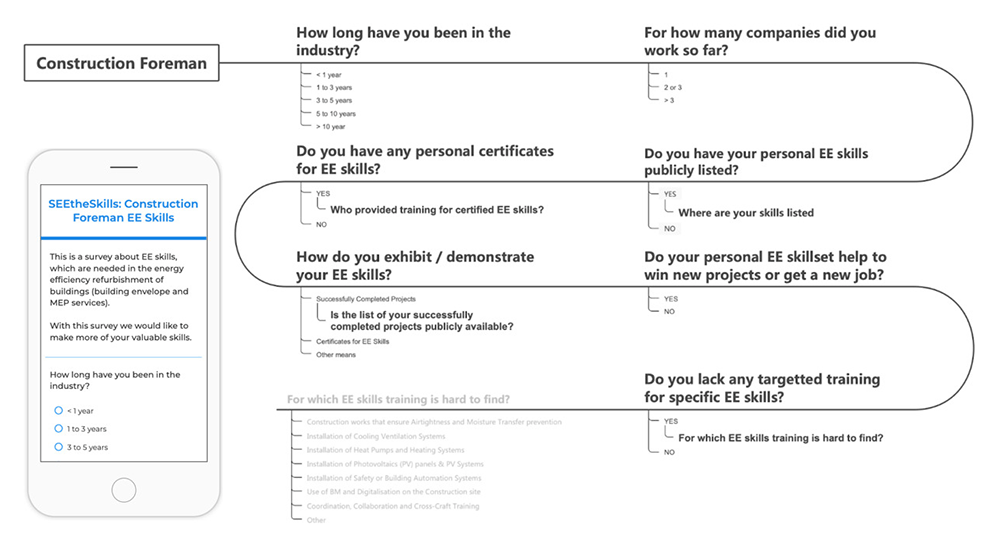
Figure 2. Survey’s question loop for the individual professionals.
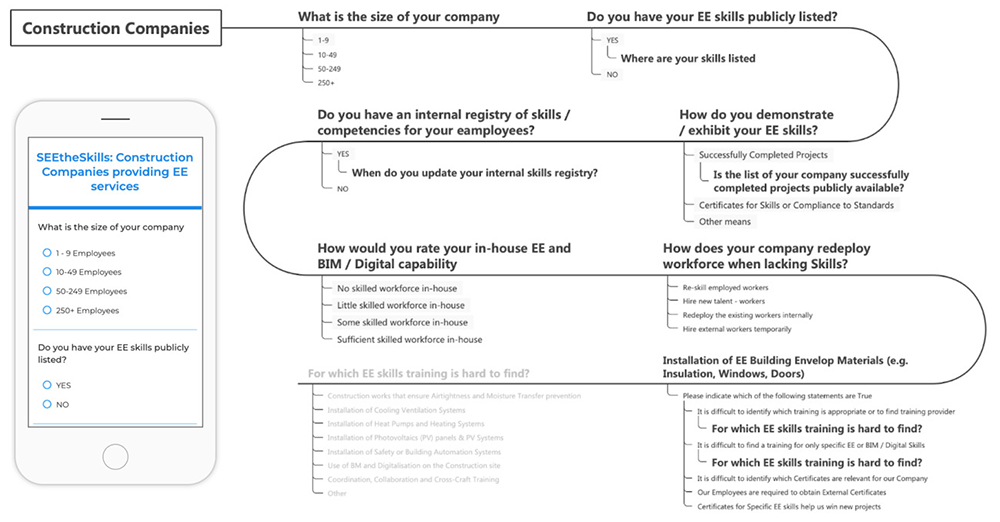
Figure 3. Survey’s question loop for the construction companies.
Major requirements for the execution of the survey were as follows:
- Include relevant individuals and organizations,
- Entropic information: reduce the number of questions as much as possible,
- Provide flexible approach to multi-lingual and multi-cultural environment,
- Support various forms of execution including mobile platforms.
The following “entry requirements” for the respondents were considered:
1. Individuals that cover:
- Lifecycle phases (design, construction, operations, maintenance)
- Various education level (lower, middle, higher)
- Seniority in organisation (specialists, mid-management, higher management)
2. For the survey targeting construction companies:
- Construction companies (designers general contractors)
- Public and private sector investors
- Industry bodies (chambers, professional organisations, centres of excellence, etc.)
Ethics requirements
This study was conducted according to the requirements of ethics and integrity defined in Article 14 of the Model Grant Agreement of Horizon Europe. It is regulated under the Article 34 of Grant Agreement No. 101033743 (SEEtheSkills) and in more detail in the section 5 Ethics and Security of project DoA (p.p. 213–219).
Specifically, the conduction of the survey was realized according to the EU GPDR, including the request for informed consent by the participants both by the software used for conducting the survey and analysis of the results, 1KA OneClickSurveys (https://www.1ka.si/d/en) and by the project, according to the project Privacy policy published on the project web site: https://seetheskills.eu/privacy-policy/. The content of the Informed consent for the specific project activity – Interregional survey on the status of energy skills is predefined in the project Grant Agreement No. 101033743 — SEEtheSkills, under the section Ethics requirements.
Results
The scope of the energy skills
Through our desk research we collected over 500 sources of information for all partner countries on the key topics, as defined within the methodology, from which we extracted the related necessary information. The data sources were organized within the database on Zotero platform (Figure 4)6. It included data organized in different sections for each of the participating country: Spain, Netherlands, North Macedonia, Slovenia, and Slovakia.
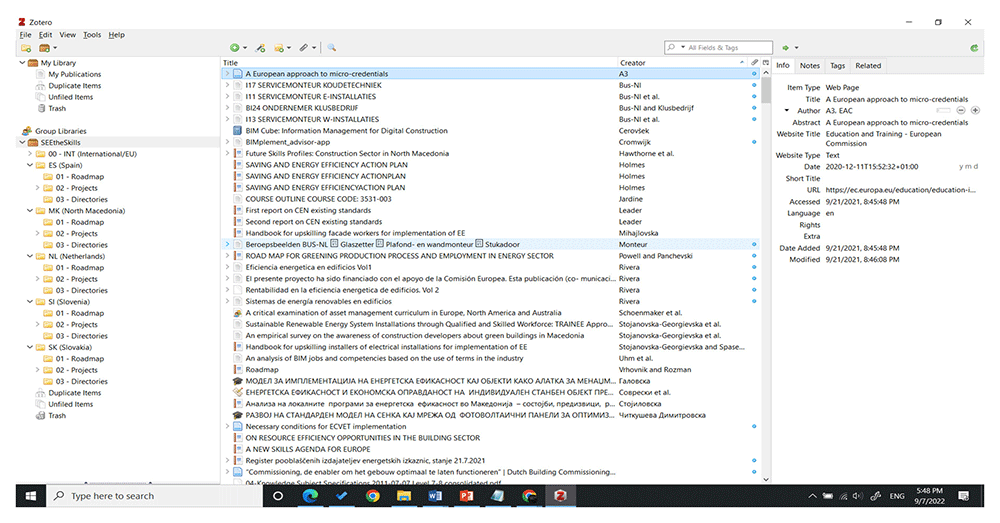
Figure 4. Zotero desktop application interface.
The first issue met when researching energy skills was defining the scope of the energy skills. From the study it was determined that energy skills cover a very broad scope of different disciplines, including interdisciplinary occupations. We have summarized and grouped all different energy related skills in construction into the following categories:
- Building fabric (façade workers/plasterers, roofers, carpenters, bricklayers, concrete workers, window installers, craftsmen, glazier, flooring, carpentry, chimney builders etc.),
- Building services (electrical installers, duct fitters installation, ventilation, air conditioning installation, lighting installation, control systems, heating systems installation, (heat ventilation air-conditioning - HVAC installers),
- Energy sources (skills in energy efficiency, installation of renewable energy systems [RES])
- Building management (foremen), and
- Miscellaneous (skilled across-the-craft workers).
Skills defined in national roadmaps
Roadmaps for development of the construction sector, with some exceptions, focused on professionals carrying out the work on-site, i.e., blue collar workers. In North Macedonia, however, they have also identified the need for architectural design, and thus professions connected to that. In subsequent waves of projects, others have also expanded their profiles to white-collar workers.
While many of the professions in need of upskilling have been identified in all countries, there are others which are country specific. The reasons for this may be numerous, from work profiles which cover different areas, to different contexts, such as climate, which need different professional profiles. Some countries acknowledged that all professions need some level of upskilling on the topics of EE and RES.
Skills developed as part of previous BUS projects
The skills defined in the national roadmaps have been developed through various national and international projects under the umbrella of BUS and Horizon 2020. These were enhanced with later defined skills for digitalisation and expanded to include higher education professions. In most of these cases, digitalisation is incorporated under the topic of building information modelling (BIM)7. In parallel, many other projects have been taking place as a part of Interreg and Erasmus, and other initiatives, many of which were also focusing on various aspects of green skills. Often, these enriched the spectrum of skills available, and directly impacted the drive of professionals in the built environment industry, to acquire EE and RES skills6. These projects were often working on the bigger picture initiatives, such as on the level of municipalities, to increase their drive towards sustainability targets, services, financing, etc.
Whilst the BUS and Horizon2020 projects often publish the competencies developed as part of the projects, some of the other projects do not. Hence it is hard to identify what kind of knowledge, skills and competencies are needed to successfully perform tasks related to EE and RES.
Status of RPL
We live in an ever-changing World, where new megatrends, such as demographic trends, digitalisation, etc., disrupt different parts of, and even whole, industries on a regular basis. Along with these, our environment is changing, adapting to human influence on it. Combining those changes with sudden, societal disasters, such as COVID-19 or the the current energy crisis that provokes financial disruptions in world markets means we need to adapt to new circumstances continuously.
People are gaining knowledge every day, and this happens always and everywhere. Experience gained leads to new skills, knowledge and/or competencies. Although learning usually takes place through formal education, which is always organized, planned and with clearly defined goals, much of the knowledge is acquired through non-formal or informal education. Informal knowledge is often equated with the experience gained from everyday life. For people, especially adults who are outside the formal or non-formal education systems, the knowledge and skills acquired at home, in the workplace or in everyday experience are more important, relevant, and meaningful, sometimes even more than the knowledge acquired in formal education. However, learning that takes place outside the formal education system is not sufficiently understood, nor visible, and therefore not valued sufficiently. There is a growing awareness (especially in EU countries) that informal knowledge is a rich source of human values, i.e. capital. Most people are not even aware of their own value, i.e. for the capital they possess through their knowledge, or are unable to fully utilize it because they cannot prove their abilities and knowledge. Therefore, recognizing and validating the results of non-formal and informal learning makes human values more visible and therefore more valuable.
The process of recognition of previous learning is a legal path for obtaining qualification as defined in the European qualification framework. Thus, using this procedure for validation of informal and non-formal learning as a legal path for the certification of skilled workers is enabling the consideration of knowledge and skills that workers usually obtain at workplace and during life. It supports the lifelong learning process and acknowledges its achievements. As pioneering work, the methodology for the process of recognition of previous learning was developed and piloted by the University Ss Cyril and Methodius (UKIM) in previous BUS pillars, achieving a huge success and acceptance by workers and companies. This methodology is to be replicated across the project countries to take the advantage of validation of the non-formally acquired knowledge and skills.
Status of demand for EE skills
The status of demand for EE skills is driven by several direct and indirect factors, some of them focused on individuals and others at companies. It is the investment in the improvement of energy efficiency of the built environment which ultimately drives the need for companies who can perform such work and thus for the professionals who have/need the skills. Several projects and other organisations have worked on mechanisms to support and increase the investment.
Financing is the most direct option here. In the Netherlands they have a financing guide which is periodically updated. Several funds exist which offer financing of investment, such as the EBRD Green Economy Financing Facility in North Macedonia, Building Energy Efficiency Facilities (BEEFs) in Slovakia and Spain (ESBEEF), and Eko Sklad in Slovenia. To reduce reliance on grants and subsidies, the EuroPACE project looks to develop an on-tax financing mechanism. The Energy Efficiency Mortgage Initiative helps grow multi-stakeholder energy efficient mortgage ecosystems, which aim to facilitate the transition to green mortgages.
There are other mechanisms which attract investment, such as certification of buildings. Project CEC5 has focused on the implementation of a common certification procedure for RES and EE public buildings in Slovenia and Slovakia. In Spain, the BES office certification certifies that an office is sustainable, healthy, and comfortable working space. Certification of projects is also offered, in some cases, to raise investor confidence, by certifying that they are investor ready, through the Investor Ready Energy Efficiency Certification by ICP, and the BREEAM-NL certificate.
Anticipating skills needs is extremely important as it helps prepare the capacity of the training community (Figure 5). The construction blueprint has developed a big data-based methodology to anticipate skills needs at a national and regional level in Spain.
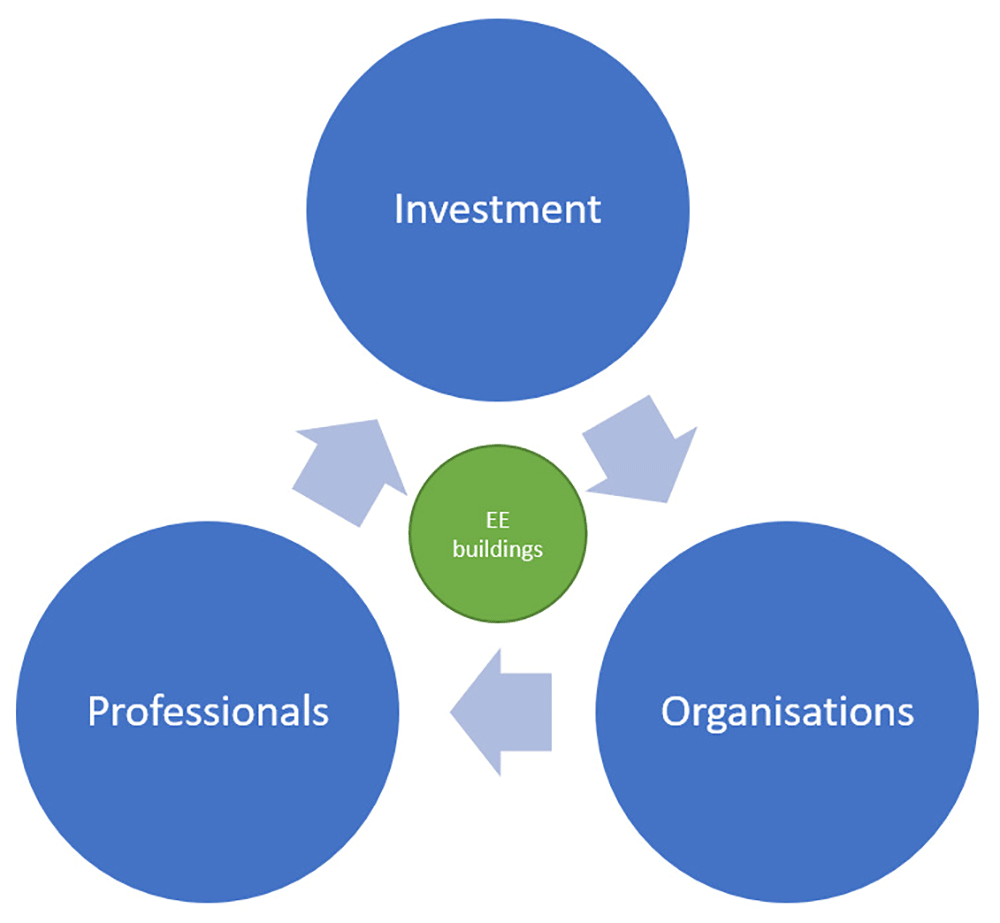
Figure 5. The energy efficient circle of demand, centred on the successful delivery of energy efficient buildings.
Results from general survey
While conducting the general survey in all five partner countries, collectively we gained over 400 respondents from individuals and representatives of companies that operate in the field of EE. The overview of the structure of the respondents supports the reliability of the obtained results as they come from experienced representatives from the industry. This is indicated in the structure of the respondents, showing that 85% of the respondents are highly experienced professionals with more than 10 years of working experience in the sector (Figure 6).
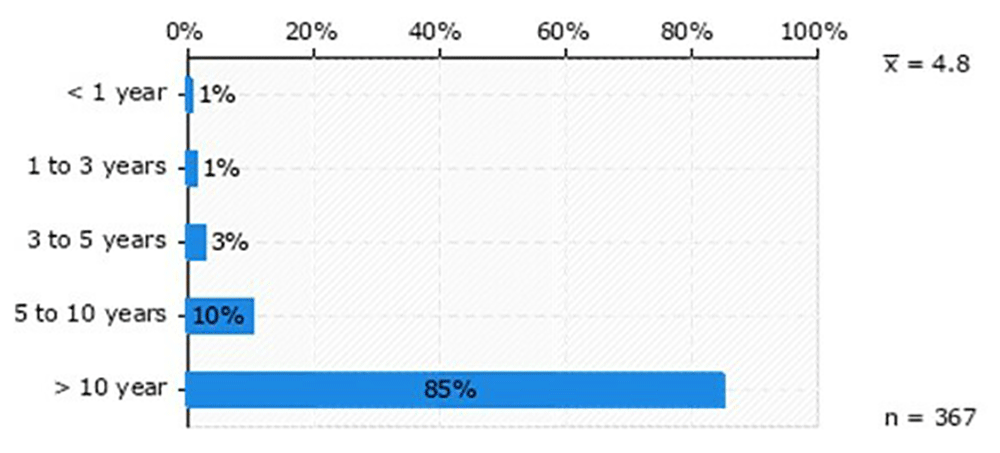
Figure 6. The structure of the respondents by experience.
Regarding the visibility of skills, important feedback that proves the need to better manage available skillsets is that less than 25 % of respondents have some form of published (announced, visible) information about their EE skills. Regarding the public visibility of the skillsets of employees, the company’ owners have confirmed that less than 1/3 of employees have publicly listed skills, and this is mainly on the companies’ web page in more than 80% of cases.
The “origin” of skills is very useful information obtained from the survey. A very significant share of 82% of the respondents have declared that have achieved their skills through training organized by professional organisations (Figure 7). This channel for skilling and upskilling is therefore the most significant one and should be further supported and developed.
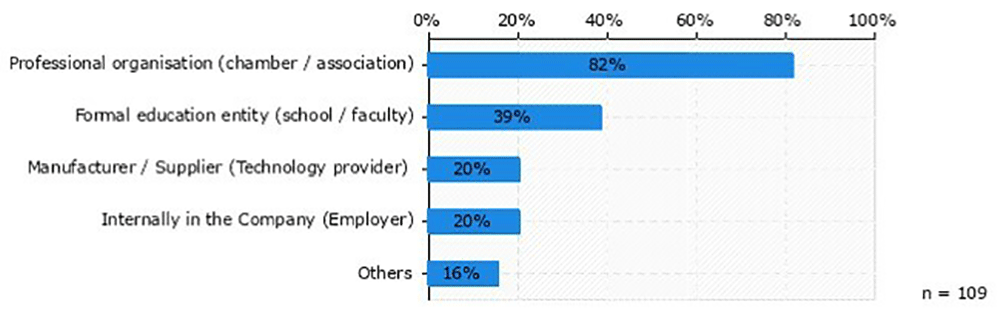
Figure 7. The provider of the training and certification.
Only 30 % of respondents have formal documents that certify their skills. Most usually they use their completed projects as a reference list to prove their professional competences in terms of being competitive in job search. Regarding the visibility of the reference list of the completed successful projects, the results show that only 50% have publicly listed this list, while the other half is providing the list on the request of the clients. Regarding the results that are stressing the need for the creation of a registry of skilled professionals, only 25% of the companies have such a registry, while the others have no record nor a public listing of skilled employees.
Maybe the most important information obtained from the survey is the identification of the training gap. Regarding lack of training, the respondents have identified a need for better coordination and collaboration and the creation and offering of cross-craft training as most required, identified in almost half of the responses both by individual professionals and construction companies (Figure 8). According to the results obtained by the survey, between 40–50 % of the respondents have marked the organisation of training for installers of photovoltaic (PV) systems, heat pumps and HVAC systems, as a priority in order to bridge the skills gap and keep pace with technology development. However, the need for training in the use of BIM on construction sites is at the top-level position on the list of most required training, identified by more than 40% of individual professionals, but this number is even higher regarding the answers of the company owners, reaching almost 70% of answers. BIM training for construction workers is the area where action is most necessary.
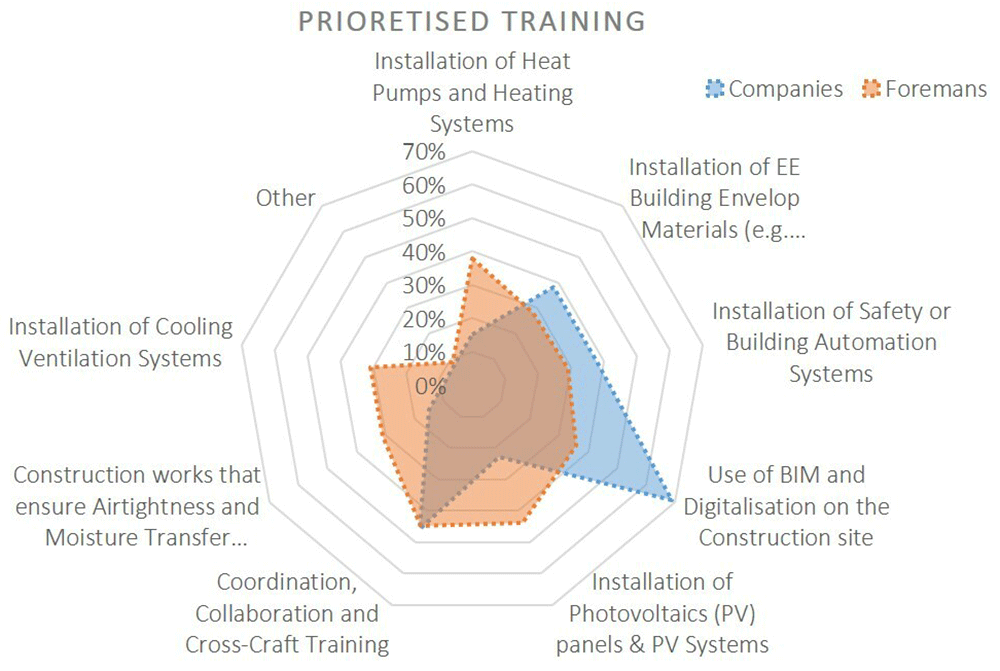
Figure 8. The need for training as identified by the survey respondents (individuals and companies).
There was a specific question regarding BIM skills and digital competence of the employees. The company owners have provided answers that specify that only around 30% of the employees are digitally capable. But the companies usually decide to employ external BIM skilled professionals, rather than to reskill the existing workforce. Here the conclusions are a little bit different than those obtained by the individual respondents. The most commonly expressed need is for BIM and digital skills, then cross-craft skills, after which are skills for proper installation of the envelop materials and automaton systems.
Conclusions/discussion
The overall study on energy skills conducted encompassed several different approaches, providing a very comprehensive overview of the status of energy skills in the project countries.
The obtained results will serve in the next phases of the project to create corresponding actions to provide the necessary environment and to enable upskilling and reskilling of building workforce in accordance with the identified needs, gaps, and technology advancements.
Some general conclusions are toward:
- The actions to provide the visibility of skills are more than necessary, as identified in both the desk research and the survey results. This will serve to adequately support the creation of the integrated repository of skills.
- The survey has identified the existing training schemes and the skills gap, so this will be used to define the content and scope of the new training schemes to be developed within the project and that will be a part of the BUS advisor app, to serve for the purpose of validation of skills.
- The most important work in the next project phases should be focused on the VALUE of the skills and finding mechanisms to express the value and to raise the demand for skills. This is very much expressed from the survey results.
More specific conclusions go towards:
- The lack of registers of skilled persons confirms the need for higher visibility of energy skills and is in favour of the project’s current activities toward creation of an integrated register of energy skills that will contain three databases: training schemes, certified professionals and EE companies and database of EE materials.
- The lack of formal certification of skills supports the need for validation and certification of the existing skills of building professionals. The developed procedure and methodology for validation and mutual recognition of skills will be beneficial not only for the individual professionals, but also for raising the value of the companies that employ skilled professionals.
- Crucial actions are needed to increase the awareness of the value of skills and supporting the long-term vision for supplying skills and skilled professionals.
Ethics and consent
This study was conducted according to the requirements of ethics and integrity defined in Article 14 of the Model Grant Agreement of Horizon Europe. It is regulated under the Article 34 of Grant Agreement No. 101033743 (SEEtheSkills) and in more detail in the section 5 Ethics and Security of project DoA (p.p. 213–219).
Specifically, the conduction of the survey was realized according to the EU GPDR, including the request for informed consent by the participants both by the software used for conducting the survey and analysis of the results, 1KA OneClickSurveys (https://www.1ka.si/d/en) and by the project, according to the project Privacy policy published on the project web site: https://seetheskills.eu/privacy-policy/. The content of the Informed consent for the specific project activity – Interregional survey on the status of energy skills is predefined in the project Grant Agreement No. 101033743 — SEEtheSkills, under the section Ethics requirements.
Data availability
Underlying data
The data obtained through the survey contains personal data (including e-mail, IP addresses, geographical region, profession etc.) and according to the survey's GDPR that was announced prior to surveying we are not allowed to transfer the data to third parties, nor make it available publicly, which is regulated within ethics policy defined in project Grant Agreement No. 101033743 (SEEtheSkills) and the project Privacy policy published on the project website https://seetheskills.eu/privacy-policy/. Also the dataset cannot be de-identified in a form that can be deposited as a public dataset, to a bigger extent than it is already presented as summarised survey results in the paper. For individual data requests, the responsible contact is prof. Lihnida S.Georgievska, lihnida@feit.ukim.edu.mk. The interested parties should explain the nature of their research and the type of information requested, along with their data request.
Acknowledgments
The authors acknowledge the contribution of the whole project consortium team of SEEtheSkills in the realization of the survey, especially to MSc. Dejan Papic, who as a team member of the University of Ljubljana was directly involved in the designing of the survey questions and the organization of the whole study research, and to Igor Pancevski, as a team member from Kreacija, North Macedonia, who as responsible partner for promotion and dissemination of project results, have enabled dissemination of the survey through project dissemination channels.
Faculty Opinions recommendedReferences
- 1.
Barbosa F, Woetzel J, Srdhar M, et al.:
Reinventing Construction: A Route to Higher Productivity. McKinsey Global Institute: New York, USA, 2017. Reference Source
- 2.
de Almeida PR, Solas MZ, Renz A, et al.:
Shaping the Future of Construction: A Breakthrough in Mindset and Technology. Future of Construction, World Economic Forum: Geneva, Switzerland, 2016. Publisher Full Text
- 3.
Stojanovska-Georgievska L, Spasevska H, Ivanov R:
Beyond the numbers—Result oriented report of the project TRAINEE.
Zenodo.
2020; 1: 11. Publisher Full Text
- 4.
Stojanovska-Georgievska L, Sandeva I, Krleski A, et al.:
A Brief Report on the Actions towards the Introduction of BIM in the Macedonian Construction Sector.
Environ Sci Proc.
2021; 11(1): 8. Publisher Full Text
- 5.
Stojanovska-Georgievska L, Sandeva I, Krleski A, et al.:
Sustainable renewable energy system installations through qualified and skilled Workforce: TRAINEE approach.
IOP Conf. Series: Earth and Environmental Science.
IOP Publishing, 2020; 464: 012007. Publisher Full Text
- 6.
Cerovsek T:
SEEtheSkills resources database from the Interregional research on the status of energy skills. (v1.0) [Data set],
Zenodo.
2022. http://www.doi.org/10.5281/zenodo.7278110
- 7.
Stojanovska-Georgievska L, Sandeva I, Krleski A, et al.:
BIM in the Center of Digital Transformation of the Construction Sector—The Status of BIM Adoption in North Macedonia.
Buildings.
2022; 12(2): 218. Publisher Full Text