Introduction
The geographic movements of people across nation-state borders – have increasingly diversified in terms of the countries of origin, routes, destinations, and socio-demographic characteristics of the individuals involved (Brettell & Hollifield, 2023; Castles & Miller, 1993; Vertovec, 2007). These movements can be described as “transnational”, as they stem frequently from non-institutional actors’ initiatives and sustained efforts “across national borders” and take place most often “outside the pale of state regulation and control” (Portes, 2001, 186). The global COVID-19 pandemic, which started at the end of 2019, has affected the dynamics of transnational migrations, slowing it down by 27 per cent in 2020 (UN DESA, 2019). Despite this effect, the overall population of transnational migrants has continued to rise: from 272 million in 2019 to 281 million in 2020 (McAuliffe & Triandafyllidou, 2021, 3). The way in which this fast-growing phenomenon has been unfolding despite global challenges underlines the need to further conceptualise transnational migration to fully understand why some people move and others not.
Several decades of theorisation have produced a wide array of analytical frameworks that aim to uncover what drives people to migrate, remigrate, or stay where they are. Migration theories, notably classical ones, focus on individuals’ rationality to uncover the logics behind their spatial mobility, thereby neglecting other important dimensions of human lives. Consequently, such theories can only grab a fraction of the whole picture and miss equally significant triggers to migration. An increasing number of migration theories in the past three decades have taken into account the different dimensions of human lives, notably in relational, experiential, and perceptual terms. Nonetheless, the temporal and psychological dimensions, including emotions as well as other cognitive processes, have remained largely overlooked as recent works point out (e.g., Griffiths et al., 2013; Koikkalainen & Kyle, 2016). To capture the whole picture, the present paper delves into individuals’ (non-)migration decision-making and proposes a “humanising” framework highlighting the different life dimensions of individual decision-makers. The adjective “humanising” is used here to depart from the qualifiers “humanist” and “humanistic” that have acquired problematic connotations due to their links to humanism and humanistic psychology, respectively (see Graumann, 1981). Drawing from the field of pedagogy at the crossroad of psychology and sociology, “humanising” appears appropriate to employ when the focus includes individual’s voices and experiences. As Kerr (2007) remarks, “humanising’ means ‘making better’ or ‘improving’” (Kerr, 2007, 6). In this sense, its usage avoids dichotomic thinking in terms of good and bad or humane and inhumane. As regards the term “(non-)migration decision-making”, it refers to the process during which individuals “come to a decision not just as after-the-fact listing of good or rational reasons” (Koikkalainen & Kyle, 2016, 759) to migrate or not. It is employed in this paper to recognise that an individual’s decision to move can change over time. Aware that decision-making is a long and fluid process that is susceptible to changes, this paper pays attention to both voluntary and “involuntary immobility” (Carling, 2002) in which people aspiring to move may not be able to do so due to the lack of mobility options (De Haas, 2021). In other words, it considers migration and immobility as part of a socially, temporally, and psychologically situated continuum.
This paper builds its proposed framework by drawing from existing migration theories and perspectives in different disciplines, namely sociology, anthropology, geography, and psychology. By doing so, it situates the framework within the vast literature of migration theorisations to which it intends to contribute fresh insights. The resulting framework focuses on the “drivers” of migration aspiration and intention. “Drivers” pertain to the “external material forces that influence mobility” (Van Hear et al., 2018, 928) and to the internal and relational processes in which individuals are enmeshed. The term “aspiration” is understood in this paper as one’s “wish” to migrate or not, whereas “intention” means the individual’s “preparation to migrate” or, in short, the “ultimate step of an individual migration project” (Migali & Scipioni, 2019, 182). Including intention to migrate in the paper’s proposed framework can allow scholars to “capture future migrants” (ibid., 192) in their respective studies and understand the “involuntary immobility” (Carling, 2002) of others. Heeding the recent call to include time in the analysis of migration (Griffiths et al., 2013; King et al., 2006), this paper integrates the time dimension in its analytical framework.
Before introducing its proposed framework to humanise research on (non-)migration decision-making, the paper starts by revisiting the existing theories of migration. This exercise aims to identify the lacunae in migration theorisations, which provides the ground from which to build its analytical framework. The core of the paper presents the constitutive elements of the framework: its decolonising and engendering approaches as well as its concrete analytical ways to emphasise the human aspects of (non-)migration decision-making. The paper also suggests some methodological directions in how to pursue humanised research on the topic. It ends with reflections on the scientific strengths and possible social impact of the framework.
Revisiting theories of migration
Since the advent of migration studies, scholars in different disciplines have explained human spatial mobility in many ways. The frameworks they crafted can be generally understood based on their disciplinary embeddedness, dimensional orientation, level of analysis, and the way they perceive migration.
In terms of disciplinary embeddedness, widely utilised migration theories as shown in Figure 1 have been designed in the field of economics: for example, the relative deprivation theory (Stark, 1984), neoclassical economics (Todaro, 1989), and the dual labour market theory (Pryor, 1979), among others. These classical theories emphasise the economic benefits that migration brings to households, communities, and nations. They explain migration as resulting from a disequilibrium between labour demand and supply and underline the rationality of individuals. Their fixed focus on the economic aspects has been criticised by scholars for neglecting the non-economic determinants of migration and the individual’s “agency” – the ability “to make independent choices and to impose these on the world and, hence, to alter the structures that shape and constrain people’s opportunities or freedoms” (De Haas, 2021, 14). Theories of migration in other disciplines provide alternative lenses. For instance, sociological theories go beyond the economics of migration (Richmond, 1988) by scrutinising the impact of societal changes (Massey, 1990), social networks/capital (Choldin, 1999; Massey et al., 1998), and global systems on the individual’s migration decision (Sassen, 1988; Wallerstein, 1974). Geographical theories explain migratory phenomena through the analysis of spatial patterns of human mobility (Ravenstein, 1885), as well as the individual’s aspiration (i.e., wish to move or stay) and ability to move (Carling, 2002; Carling & Collins, 2018) situated in its social contexts. Anthropological theories pay attention to multifaceted social links, power asymmetries in the local and transnational arena, as well as tangled forms of mobilities (Fresnoza-Flot & Liu-Farrer, 2022; Glick Schiller et al., 1992; Mahler & Pessar, 2001; see also the reviews by Brettell, 2000 and Horevitz, 2009). These frameworks encompass different levels of analysis, but many of them pay limited attention to the temporal and psychological dimensions of individual’s migration decision-making.
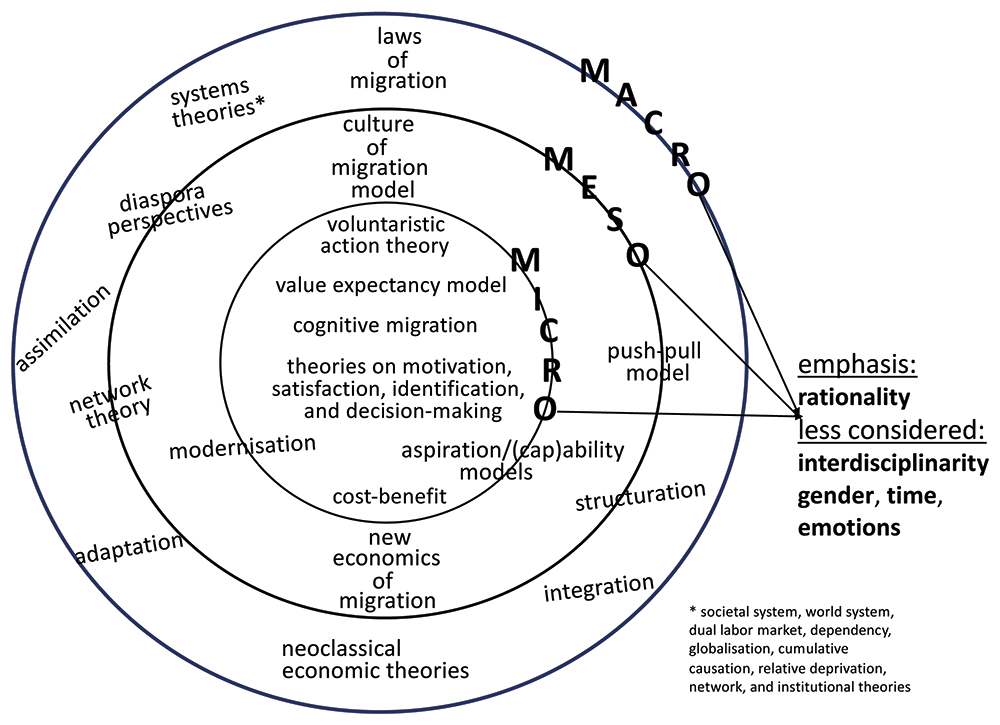
Figure 1. State of mainstream migration theorisations.
Regarding dimensional orientation, migration theories focus mostly on the role of social networks and the impact of the individual’s immediate entourage on his/her migration decision. Concerning the latter, individuals who have children or ageing parents may opt to stay in their country of birth or, if they are migrants, they may decide to return to their country of origin (Achenbach, 2017). The rise of the “Gender and Migration” scholarship has reinforced this focus on the relational dimension of migration by critically analysing power relations in which migrants and non-migrants, women and men, as well as children and parents, are involved in the realm of home and workplace. This engendering of migration studies has accompanied the emergence of gender-focused migration theories. The term “gender” refers to a socially constructed institution that prescribes roles and behaviour to men and women (Lorber, 1994). Gender can also be considered as a process that requires “performance” (Butler, 1990). For example, the perspectives of the “new international division of reproductive labour” (Parreñas, 2000), the “global care chains” (Hochschild, 2000), the “feminisation of survival” (Sassen, 2000), and the “gender geographies of power” (Mahler & Pessar, 2001) have all helped scholars unveil the (re)production of unequal power relations in gender terms in which migrants (notably women) experience and participate. These theories have emerged at the same time as others focusing on “transnational families” and households (Bryceson & Vuorela, 2002; Le Gall, 2005), in which members are physically separated from one another due to migration but maintain a sense of solidarity across national borders (Baldassar & Merla, 2014). This specific literature on transnational families/households documents the way in which gender norms and expectations, as well as the normative ideals of “good” mothering and fathering, influence an individual’s decision to migrate or stay. Despite the rich literature on families/households and gender and migration, gender-focused theories remain at the fringe of the mainstream migration theorisations and are most often forgotten in reviews of analytical frameworks explaining migration. Mainstream migration theories continue to be either gender neutral or to treat gender as a variable like social class, age, ethnicity, and nationality.
Another dimension most often overlooked in existing theories of migration concerns emotions and other cognitive processes, which is partly due to the scholarly emphasis on an individual’s rationality during migration decision-making. The emotional process involves feelings such as fear, sadness, and guilt, whereas the cognitive process refers to individual’s imaginaries, memories, and “cognitive map” (Gärling & Golledge, 2000). For the last few years, certain theories and empirical works have pointed out how imaginaries and emotions affect an individual’s decision-making process (Boccagni & Baldassar, 2015; Carling & Collins, 2018; Wang & Chen, 2021). Despite this development, the internal processes (cognitive and emotional) of individuals remain rarely treated together in the analysis. In addition, scholars increasingly criticise the neglect of the temporal dimension in the analysis of migration (Griffiths et al., 2013). A few studies that do so locate migration decision-making within the past and present situations, which underplays the future and the change(s) that may arise for aspiring (re)migrants.
As regards level of analysis (see Figure 1), macro-level migration theories unravel the socio-political and economic forces driving migration and identify the demographic characteristics of migrants (Pryor, 1981; Richmond, 1988). These theories have been criticised for neglecting individual agency. Meso-level migration theories have examined so far the role of social networks and ties, specifically social capital (Bourdieu, 1986) based on kinship, household, ethnic, and diaspora affiliations, among others (Boyd, 1989; Faist, 2020; Massey, 1988; Van Praag et al., 2021). This focus overlooks the structuring influence of larger societal forces such as restrictive migration policies on an individual’s choice of which social ties to tap into, reinforce, or set aside during migration decision-making. Contrary to macro- and meso-level theories, micro-level analytical frameworks underline individual agency, psychological factors, and social identities (e.g., gender, age, social class) to explain migration. Their individual-focused analysis is often viewed as insufficient to capture macro- and meso-level structuring factors such as the impact of gender norms and social networks on migration decisions. Whereas macro-level theories have been widely adopted in migration studies for their generalising power, meso- and micro-level frameworks, specifically their combination and articulation with macro-level lenses, remain scarce (e.g., Carling’s aspiration/ability model and De Haas’ aspirations-capabilities framework).
Finally, based on how they view migration, theories can be functionalist, historical-structural, or agency-focused (De Haas, 2021). Functionalist theories perceive migration “as a way to create more equality within and between countries”, whereas historical-structural theories see migration “as a way to maintain and reinforce existing inequalities between and within countries” (Van Praag et al., 2021, 19; see also Morawska, 2015). These conventional perspectives fail to fully grasp how individuals and groups “exert agency within broader structural constraints” (De Haas, 2021, 14), a limitation that agency-focused theories address. This latter set of theories highlights micro- and meso-level factors by examining individual social networks at local, transnational, and diasporic spaces (e.g., Faist, 2004); migration systems (Massey, 1988); and culture of migration (Timmerman et al., 2014), among others (e.g., Van Praag et al., 2021). Nonetheless, in their analysis, these theories do not pay sufficient attention to the power of emotions and cognitive processes.
The above review highlights the major lacunae in migration theories, which Figure 1 above summarises. First, there is the need for migration theorisation to be more interdisciplinary (Fresnoza-Flot, 2022; Hondagneu-Sotelo, 2011; Koikkalainen & Kyle, 2016) to address its limited attention to the temporal and psychological dimensions of individual’s migration decision-making. Drawing from disciplines in which these dimensions have been widely considered in the analysis can further enrich migration theorisation. For instance, Koikkalainen and Kyle (2016) underline the potential contributions that “social psychology or cognitive social sciences” can provide, as “(t)he interdisciplinarity of migration research has not fully extended” to these disciplines “where a dynamic research agenda has examined human decision-making processes” (759). Although several migration theories adopts an interdisciplinary approach, they mostly remain within their respective disciplines. This multidisciplinarity in migration theorisation, in which scholars draw from different disciplines but remain within their “disciplinary boundaries” (Choi & Pak, 2006, 359), echoes the compartmentalisation in migration studies itself and underlines the need for more interdisciplinarity (i.e., “the reciprocal interaction between […] disciplines […] in order to generate new common methodologies, perspectives, knowledge, or even new disciplines”: ibid.). For example, in the research field of gender and migration, Hondagneu-Sotelo (2011) observes that researchers in different spheres of studies “are mostly not in conversation with one another” due “to the increasingly specialized and balkanized nature of social science research today” (277). In migration and integration research, Dahinden (2016) proposes “to link migration research issues more closely with social science and theory in general” as one of several strategies to “de-migrantize” the said field (2214). Second, migration theories focus either on a single level of analysis (as in the case of classical theories focusing on the macro level) or on two levels of analysis but very rarely articulates the micro and meso levels with the macro one. When the three levels are taken into account, scholars most often examine them separately, during which some nuances of the analysed data may elude their critical gaze. Third, multidimensional perspective appears less attractive than unidimensional approach. For instance, classical migration theories tend to focus on the rational and systemic dimensions (see Figure 1), whereas more recent theories highlight most often in separate ways dimensions such as the relational and gender ones (as explored in Gender and Migration research). In other words, several theories in the past three decades have extensively addressed the human dimensions of migration. Nonetheless, as scholars observe (e.g., Griffiths et al., 2013; Koikkalainen & Kyle, 2016), not all dimensions are taken into account, notably internal processes (emotional and cognitive), time (stages and timing), and individual’s social locations “within interconnected power hierarchies” (Pessar & Mahler, 2003, 816). Rationality persists in being central to the analysis, which overlooks other life dimensions, which needs to be rethought in the present context where a call for a more reflexive migration studies is on the rise (Fresnoza-Flot, 2024). To sum up, the lacunae above suggest the critical importance of increased interdisciplinarity, as well as multilevel perspectives and multidimensionality, in theorising migration. When considered together, these epistemological stances form a framework highlighting the human aspects of individuals’ (non-)migration decision-making as the next section unveils.
Framing (non-)migration decision-making using a humanising lens
By adopting an interdisciplinary, multidimensional stance based on multilevel perspectives this paper provides a framework that views individuals in holistic way as persons with internal processes in cognitive, emotional, and relational terms; subjectivity or sense of self; agency; social world; and lived experiences.
The proposed framework is called here “humanising migration decision-making” (see Figure 5) for three reasons. First, it avoids a dichotomic approach by considering rationality and emotionality as part of the same internal process of individuals. Rationality and emotionality are mutually reinforcing psychological mechanisms and favouring one over the other in the analysis de-humanises individuals. Second, the proposed framework underlines that the individuals’ decision to migrate or not is a “social fact” (Durkheim, 1894), reflecting not only the psychological processes they underwent and/or are experiencing but also the broader structural situations in which they are enmeshed. It emphasises the importance of identifying from different angles the drivers of individuals’ aspiration or intention to migrate. Third, building from gender and migration scholarship, it calls for the “engendering” (Mahler & Pessar, 2006) of the mainstream migration theories in which gender remains at the fringe. It recognises the importance of gender in the study of migration decision-making to deeply understand what drives people to migrate or to stay. To highlight the human aspects of (non-)migration decision-making, it offers three concrete analytical ways: thick contextualisation, life dimensions-focused analysis, and time-situated inquiry.
Thick contextualisation
Since “macro-level factors” can shape “the contexts that affect meso- and micro-level factors” (Van Praag et al., 2021, 28), it is crucial to grasp what factors are through thick contextualisation. Inspired by Geertz’s (1973) “thick description”, thick contextualisation means providing detailed information about the specific social world an individual inhabits. It implies paying critical attention to societal drivers (see Figure 2) that motivate individuals to migrate or to stay.
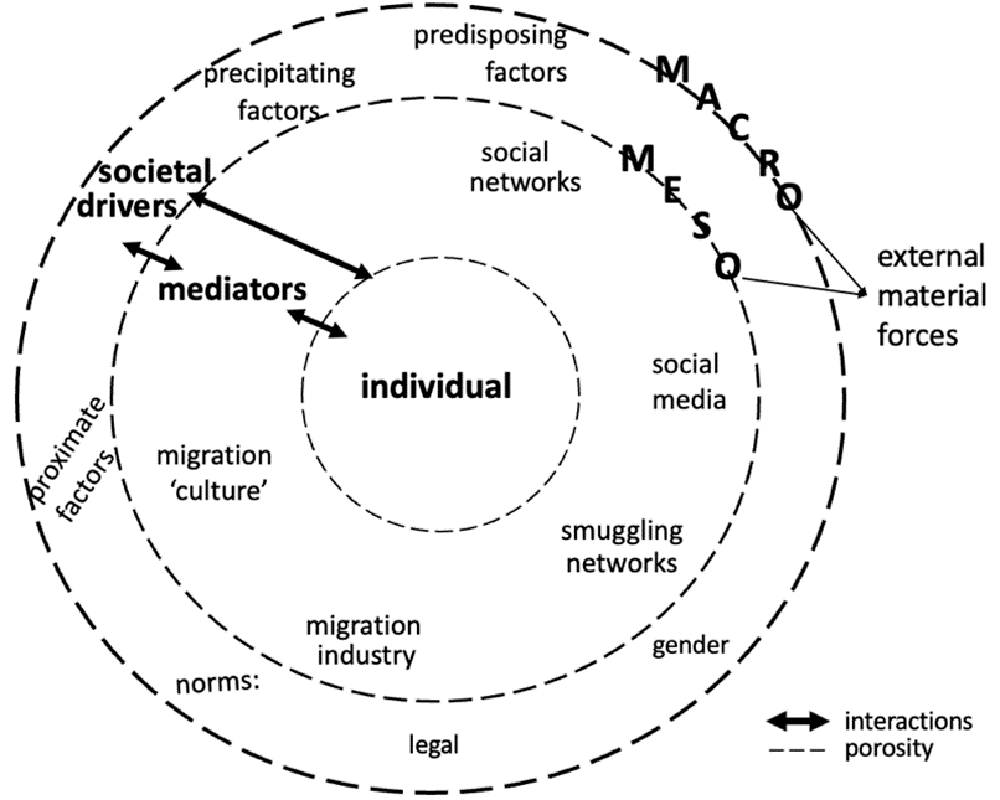
Figure 2. Thick contextualisation of individual aspiring to (re)migrate or stay.
Societal drivers are akin to what Van Hear and colleagues call “external material forces” and can take four forms: “predisposing” (structural gaps between two countries stemming from the “global macro-political economy”), “proximate” (factors emanating from “deep-seated structural features”), “mediating” (meso-level factors that “enable, facilitate, constrain, accelerate”, consolidate or diminish migration), and “precipitating” (“identifiable event or events” directly affecting families and households) (2018, 931–932).
At the macro level, predisposing (e.g., economic disparity between countries) and proximate factors (e.g., effects of climate change and new employment opportunities) appear to be powerful societal drivers. For example, the disparity in terms of affordability between healthcare services in Thailand and those in foreign countries drive Western retirees to migrate to the former (Sunanta & Jaisuekun, 2022). Likewise, employment opportunities drive people to move first across transnational and then local borders (Ng, 2023). Other important societal drivers are legal and gender norms. Legal norms concern “regimes of mobility” (Glick Schiller & Salazar, 2013) in the country of residence of aspiring re/migrants and their desired country of destination. They are the reflections and direct results of states’ “governmentality”, that is, the management of their people through “institutions, procedures, analyses and reflection” (Foucault, 1991, 102). Legal norms in the form of state policies on human spatial mobility are an instrument to manage, regulate, and control people’s movements. These norms influence individuals’ strategies to attain their migration project for themselves and/or for reuniting family members through the help of membership intermediaries (Bonizzoni & Fresnoza-Flot, 2023). For example, mobility policies with strong social class or economic capital criteria incite elite migratory movement, such as that of people with Chinese citizenship in Portugal thanks to the golden visa scheme in this country (Gaspar & Ampudia de Haro, 2020). Since gender is part and parcel of broader social processes, gender roles and expectations on men and women in the family and larger society should be taken into account as they may motivate these individuals to migrate or to stay. For instance, whereas Vietnamese parents migrate “because of their kids” (Souralová, 2014, 175), Filipino lone mothers leave abroad to be “good” mothers to their children (Asis & Ruiz-Marave, 2013). Gender ideology – “a set of attitudes about the appropriate roles, rights, and responsibilities of men and women in a given society” (Lucas-Thompson & Goldberg, 2015, 13) – shaped by religion and/or other dominant societal perspectives may also act as a strong driver for individuals’ migration aspiration. At the meso level, gender ideology mediates factors that are essential societal drivers. They have various forms, namely social media, smuggling networks, migration culture, and the migration industry. These factors provide individuals with information about possible ways to migrate and to reach their destination country. At the micro level, precipitating drivers (e.g., insufficient welfare services, economic crisis, sudden unemployment) can directly affect individuals’ well-being and motivate them to aspire to migrate.
Figure 2 illustrates the articulation of the micro- (the individual), meso-, and macro-level structural factors with one another, which can reveal the porosity of the supposed boundaries between them. Thick contextualisation may be descriptive, but it is indispensable to comprehend what an individual undergoes in psychological and relational terms when thinking, imagining, feeling, or planning to migrate.
Life dimension-focused analysis
The framework “humanising migration decision-making” entails a rigorous analysis of individuals’ internal processes, that is, their different cognitive, emotional, and relational life dimensions as shown in Figure 3. It can show that rationality and emotions are mutually reinforcing dimensions and that social relations play a key role in decision-making.
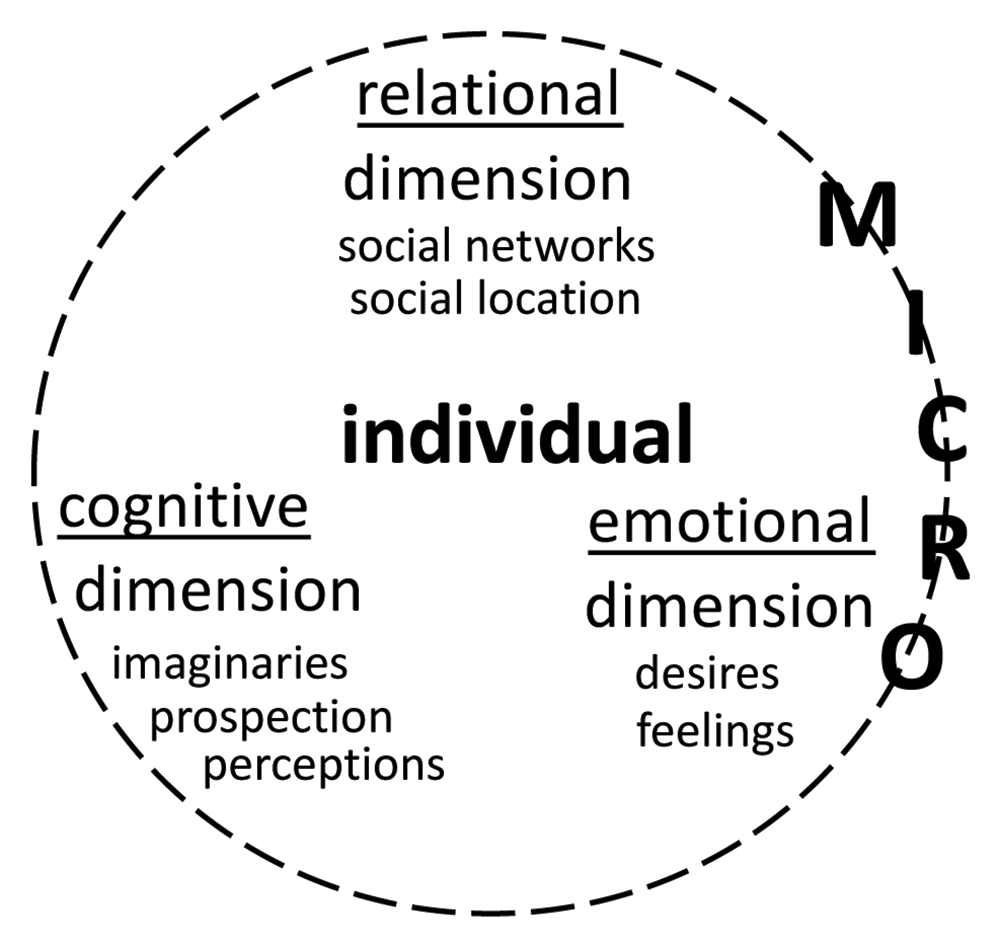
Figure 3. Internal processes at the micro level.
To examine the cognitive dimension, it is important to build on several perspectives exploring the mind and consciousness. Koikkalainen and Kyle’s “cognitive migration” framework that underlines the “role of imagination and prospective thinking in migration decision-making” (2016, 769) appears useful in this regard. Two other frameworks offer innovative insights: first “legal consciousness”, which unveils how ordinary people view the law and talk about it in their everyday lives (Ewick & Silbey, 1998); and second, “transnational consciousness”, which uncovers migrant’s “abstract awareness of one’s self, diaspora and multiple belonging” (Ghosh & Wang, 2003, 278). These frameworks bring attention to individuals’ imaginaries, that is, their mental images, visions, ideas, thoughts, stereotypes, fantasies, memories, and clichés (Salazar & Graburn, 2014). They also emphasise the need to consider individuals’ prospective thinking, notably the way they view and plan the future. Perceptions of macro (cultural, historical, economic, political, and environmental) and meso structural factors, as well as their embeddedness in broader social networks, can help pinpoint which societal drivers play an active or passive role in individuals’ (non-)migration decision-making.
As regards the emotional dimension, the fast-growing literature on emotion and migration highlights the importance of focusing on individuals’ desires and feelings (e.g., guilt, fear, sadness, excitement, satisfaction, dissatisfaction) as they envision and imagine migrating or staying. For instance, what impede Asian highly skilled migrants to leave Japan are their affective and social ties developed from staying longer in the country and/or marrying a Japanese citizen (Liu-Farrer, 2023). By considering emotions, the analysis avoids over-simplification and brings the psychology of migration directly in dialogue with existing migration scholarships in which migrants and individuals aspiring to migrate or stay are viewed as rational actors.
Concerning the relational dimension of an individual’s psychology, the privileged focus is on interpersonal ties that individuals view, consider, or believe as composing their social universe. This dimension encompasses the realm of the family and household, the public realm where individuals construct social ties, and the work environment (Achenbach, 2017). Drawing from the aspiration/ability model (Carling & Collins, 2018) and the aspirations-capabilities framework model (De Haas, 2021), this paper accentuates the need to scrutinise how individuals’ local and transnational social networks (family, household, community, friendship, migrant traffickers) affect their ability/capability to aspire to migrate or not. Social networks are important to include in the analysis as they shape people’s imaginaries and expectations regarding migration (Hernández-Carretero & Carling, 2012; see also Ryan, 2023).
In addition, it should be noted that the relational dimension of human life is amplified by interpersonal interactions, during which individuals’ social locations (i.e., different social identities based on gender, social class, age, and so on) intersect with one another, making it easy or difficult to “access […] resources and mobility” (Pessar & Mahler, 2003, 817). This articulation of various social identities is important to understand as they shape, discipline, and position individuals within power hierarchies (Mahler & Pessar, 2001). In this case, Crenshaw’s “intersectionality” (1989) perspective appears useful to highlight the social mechanisms behind the (non-)migration decision-making of social minorities, notably women. This perspective unpacks how the simultaneous interaction of social identities (e.g., gender, social class, age, among others) (re)creates individuals’ marginality and precarity.
The internal processes described above and exposed in Figure 3 need to be thickly contextualised in order to grasp their dynamics and the factors shaping them. Nonetheless, locating them within macro- and meso-level social situations appears incomplete without situating them in time that shapes cognitive and emotional processes during decision-making.
Time-situated inquiry
Drawing from time-sensitive studies on (non-)migration decision-making (Achenbach, 2017; Griffiths et al., 2013; Kley, 2011; Van der Velde & van Naerssen, 2011), the proposed framework in this paper focuses on two aspects: the stages of (non-)migration decision-making, and its timing. Whereas stages refer to the evolution over time or the successive phases of an individual’s aspiration and/or intention to (re)migrate or not, timing refers to the turning points or the specific moment(s) of change(s) in individuals’ decision about whether to (re)migrate or stay. Given the unpredictability of individuals’ behaviour, these temporal aspects of decision-making take place in a circular way, as Figure 4 shows, rather than in a linear fashion.
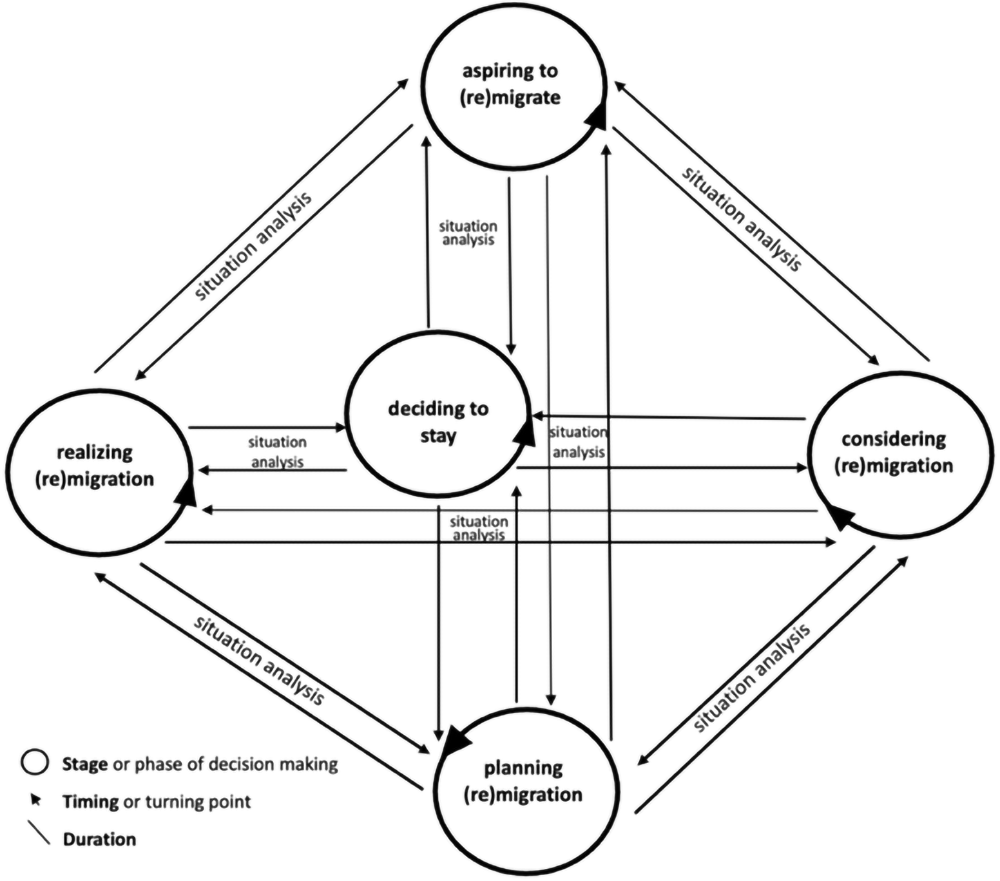
Figure 4. Temporality of migration (non-)migration decision-making inspired from existing models.
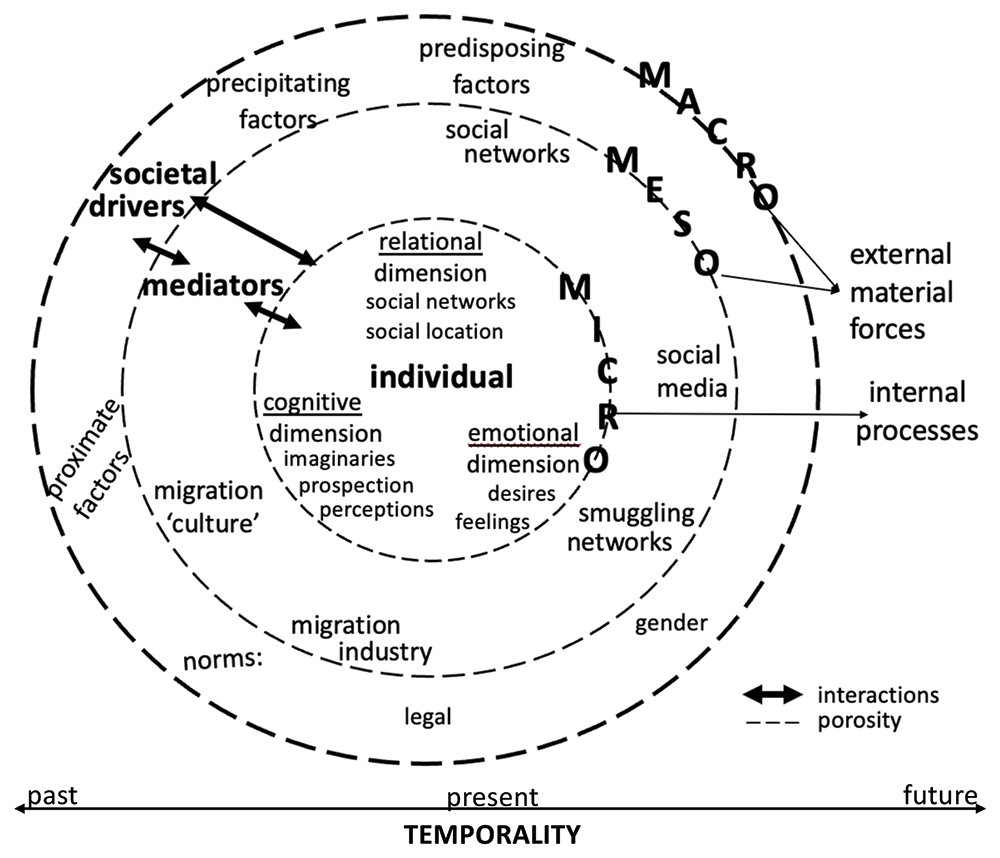
Figure 5. The “humanising migration decision-making” framework.
Decision-making may start with a wishful thinking of migrating, or in other words, “aspiring to migrate”. After this stage, the individual may embark on “situation analysis” (Achenbach, 2017), weighing up the pros and cons of as well as the resources available for (re)moving or staying. The result of this analysis may either be the state of “considering migration” (Kley, 2011) (i.e., “mental threshold” or individual’s mindset: Van der Velde & van Naerssen, 2011) or the decision not to pursue migration. This stage may also include a “locational threshold” (Van der Velde & van Naerssen, 2011), during which an individual chooses a destination country. Once an option is chosen, the next stage may be the evaluation (i.e., situation analysis) of such a choice (Achenbach, 2017). If the final choice is migration, the individual concerned may embark on “planning migration” (Kley, 2011) or a “trajectory threshold” (Van der Velde & van Naerssen, 2011), during which specific migration routes are identified to reach the target destination. This stage can also be called the phase of “preparation to migrate” (Migali & Scipioni, 2019). The final stage of decision-making would be the act itself of migrating, i.e., “realizing migration” (Kley, 2011). These stages appear limited as they may overlook the “on-going complex and often opportunistic rather than planned” individual’s decision-making (Griffiths et al., 2013, 16). They may neglect intermediary phases during which several temporalities may arise, such as “waiting” and “being still” (ibid.).
To address this limitation and to capture all the stages of the decision-making process of aspiring (re)migrants, it is essential to consider the timing of the individual’s aspiration and/or intention that is shaped by his/her past life, present situation, and imagined or desired future (McCormack & Schwanen, 2011). Since individuals experience time differently depending on their social locations, social capital, and available financial resources, the duration of each stage and intermediary step of their (non-)migration decision-making may vary from one moment to another. Duration also refers to the time frame of a particular external driver of migration (see Figure 4), such as political crisis and economic turmoil (Van Hear et al., 2018), and the way in which individuals experience such a duration is important to note to understand the link between time and the aspiration/intention to move or not. Besides, mobility involves discontinuities or ruptures not only in emotional terms but also temporalities (see Korpela, 2023).
A time-situated analysis can facilitate the identification of the specific stage in which societal drivers such as spatial mobility policies of the target country of destination matter in the decision-making of aspiring (re)migrants. As Figure 5 suggests, it is an integral part of a humanising approach to migration decision-making as it provides an interesting ground on which thick contextualisation and life dimensions-focused analysis can be fully carried out.
Humanising methodologies
The framework “humanising migration decision-making” aims at “decolonizing” (Lincoln & Gonzalez y Gonzalez, 2008; Smith, 2021) methodological approaches by putting emphasis on emic perspectives (i.e., individual’s points of view) and diversity of voices, discourses, and experiences. Decolonisation as a “psychological project” (Bhatia, 2020) involves disruption of conventional research approaches to embrace ethical, reflexive, and empirically grounded ways of knowledge production in which the voices of marginalised people are valorised and those of the socially visible are decentred (Smith, 2021). In other words, it brings to the fore “vernacular knowledge”, that is, mostly “orally transmitted knowledge” (Tilley, 2010, 112). In the context of research, this form of knowledge can be wholly captured through a triangulation approach combining qualitative and participatory methodologies. This approach does not completely exclude the possibility of adding quantitative methods into the equation, but for a framework that adopts a “decolonising” stance, qualitative and participatory methods appear sufficiently effective to access “orally transmitted knowledge” (ibid.).
Whereas qualitative methods value the depth and critical analysis of empirical data, participatory methods include the active involvement of study participants in data collection, thereby promoting the co-production of knowledge. Both methods promote participants’ voices and agency, allowing the researchers to capture aspiring individuals’ decision dynamics regarding (re)migration and stasis. There are several possible data collection techniques that can be qualified as qualitative and/or participatory. Considering the analytical ways of humanising research on (non-)migration decision-making exposed in the previous section, this paper provides some examples of techniques that can highlight the human aspects of (non-)migration decision-making. These examples represent a pool of methodological possibilities from which researchers can choose the most appropriate data-collection technique(s) for their respective studies.
To pursue thick contextualisation of aspiring or intending migrants’ decision-making, researchers need to provide detailed information about the social world these individuals live in. This means exploring the possible pertinent contexts of their social world: for instance, its (colonial or post-colonial) historical embeddedness and its “external material forces” in all their forms (Van Hear et al., 2018). Aside from the social world, the natural environmental contexts should be given critical attention as they also strongly shape individuals’ everyday lives. Archival and other forms of documentary research, as well as content analysis of selected documents (e.g., texts of laws and policies, historical accounts, journalistic and government reports, or statistical data), appear heuristic approaches to produce thick data and a solid analysis. Nonetheless, having thick data at hand is insufficient if they are not empirically grounded. This means establishing a link between the empirical data collected from study participants and the contextual data at hand. Doing so allows researchers to determine which specific contextual data are pertinent to and should be highlighted in their respective studies.
The empirical data that will be used as the ground of contextualisation can be obtained in several ways. One example is the participatory technique called “focus group discussion” (Seal et al., 1998), during which researchers provide the setting for a dynamic dialogue around specific topics among informed consenting participants. As Bergold and Thomas (2012) remark, focus group discussion ranks second after interviews as the most frequently used instrument in participatory research. It creates a “communicative space”, where “participants are given the opportunity to enter into conversation with each other in a safe setting” (ibid., 209). It also a site of meeting between the researchers’ perspectives and the participants’ insights (see Bloor et al., 2001). To reinforce the decolonising aspect of focus group discussion, researchers should take into account its ethical dimension. For example, there is a need for a transparent research protocol and a thorough reflection on how to address the questions of who will be invited to take part in the discussion, how their participation be compensated, or how their personal data will be protected. Another data collection technique that can yield rich insights is to conduct individual semi-structured interviews revolving around issues concerning migration or non-migration decisions. This technique is also effective in gathering data about different life dimensions of aspiring or intending migrants, allowing to obtain data about the reasons behind their migration aspiration and to generate narratives replete with emotions. Regarding the relational dimension of human lives, although semi-structured interviews can gain information about aspiring migrants’ social networks, the technique called “social network analysis” (Froehlich et al., 2020) remains to date the most widely employed method. It can be carried out in many ways: for example, through “concentric circles method” (Van Waes & Van den Bossche, 2020) or through participatory social-network mapping using online tools or specific software.
To situate (non-)migration decision-making in its temporality effectively, a life course perspective (Kley, 2011) relying on biographical interviews appears useful. Nonetheless, since this data collection technique is mostly retrospective and much less prospective, it can benefit from integrating a prospective dimension. Biographical-prospective interviews can capture the intersecting effects of an individual’s (non-)migration decision past, present, and imagined future. These interviews yield insights into both retrospection and “prospection” (Seligman et al., 2013). Such an approach allows researchers to identify the different emotions, imaginations, and expectations that come out during each narrative of study participants and, most importantly, to determine at what stage of the decision-making process these individuals are situated: at the beginning when they are aspiring to move, in the process of preparing their voyage, or about to change their decision? Another data gathering technique that can capture the temporality of (non-)migration decision-making is the collection of solicited diaries – “diaries that people have been asked to keep for a particular reason, notably for research purposes” (Bartlett & Milligan, 2021, 3). They can be in one of the following formats: written (Rauch & Ansari, 2022), audio (Monrouxe, 2009), video (Zundel et al., 2018), or photographic (Swallow et al., 2015). Such technique allows researchers to observe the evolution of participants’ migration aspiration over a given period of time, specifically the transition from one stage to another and the timing of their decision-making. It can be short-term (e.g., during one year) or longitudinal, spanning several years. It can also unveil the stage(s) during which specific societal drivers and mediators affect or influence the participants’ decision to move or to stay.
Like other qualitative and participatory methods, the data collection techniques described above, when adopted, require dynamic reflexivity of the researchers to be aware of and to try to reduce inequalities between them and the participants during the research process. As Smith argues in her work Decolonizing methodologies (2021), researchers working with marginalised groups need to “pay particular attention to matters that impact on the integrity of research and the researcher, continuously develop their understandings of ethics and community sensibilities, and critically examine their research practices” (261).
Conclusion
This paper proposes a framework that aims to humanise research on (non-)migration decision-making. Its focus is the individual who is aspiring or intending to migrate, remigrate, or stay. To capture the dynamics of people’s (non-)migration decision-making, it underlines the importance of viewing individuals as persons embedded in their social world and with cognitive and emotional processes, as well as multiple social links. This framework has potential analytical and methodological contributions, as well as possible social impact.
In analytical terms, unlike most mainstream migration theories, the framework advanced in this paper adopts an interdisciplinary, multi-level perspective, and multidimensional posture. It does so by building from different theories and perspectives on migration in various disciplines; by articulating the micro-, the meso-, and macro-level structural factors with one another; and by considering the rationality, emotions, and relational dimension of aspiring migrants. Through its epistemological stances, the framework offers three concrete ways to humanise research on (non-)migration decision-making, which will allow scholars to identify the specific drivers of individuals’ aspiration or intention to migrate or not. First, it calls for thick contextualisation of the individuals’ lives by inquiring into the characteristics of their social world and by empirically grounding this inquiry by putting emphasis on the link between individuals’ lived experiences and the contexts they live in. Second, it encourages an analysis focused on life dimensions by delving into individuals’ internal processes in cognitive and emotional terms and their social relations while paying a critical attention to their intersecting identities such as gender, social class, and other parameters. And third, it promotes time-situated inquiry by paying attention to the stages and timing of (non-)migration decision-making, which remain largely neglected in mainstream migration theories. Through these analytical ways, the framework proposed in this paper provides a holistic approach to the study of (non-)migration decision-making, highlighting an individual’s agency and situating it in broader social contexts and temporalities. Across the analysis, it also integrates a gender approach, specifically calling for the “engendering” (Mahler & Pessar, 2006) of the study at the macro, meso, and micro levels. By doing so, the framework can provide more nuances in the way (non-)migration decision-making has been understood, thereby avoiding generalising discourses regarding transnational migrations.
Regarding its methodological contributions, in line with its engendering approach and inspired from “decolonising methodologies” (Smith, 2021), the framework brings further to the fore what qualitative researchers and critical feminist scholars have been doing – valorising the voices and perspectives of socially invisible groups. It does so by endorsing a triangulation approach combining several qualitative and participatory data collection techniques, which can facilitate step-by-step thick contextualisation, life dimension-focused analysis, and time-situated inquiry. It prioritises methodological techniques that bring out the human aspects of individuals by treating them wholly as persons with rationality, emotions, and changing behaviour situated in time and social contexts. It also emphasises the importance of researchers’ reflexivity when engaging in humanising methodologies to ensure ethical and respectful knowledge (co-)production. In other words, the paper’s proposed humanising methodologies can provide rich contextual and empirical data, which can further clarify the whole picture of (non-)migration decision-making and therefore reduce the risk of a biased portrayal of the said process.
Considering its scientific contributions, the framework proposed in this paper will be particularly useful to studies inquiring into the causes of a specific migratory phenomenon (such as migration or remigration) and aiming to influence policymaking. Its holistic approach to individual (non-)migration decision-making is a response to several calls to make scientific inquiries more humane, inclusive, and grounded. A human approach to (non-)migration decision-making is critically important to understand not only migration dynamics but also voluntary and “involuntary immobility” (Carling, 2002) against the backdrop of nation-states’ control of transnational migrations in which individuals are often treated as void of “bare life” (Agamben, 1998). When treated as filled with life, these individuals are “primarily considered as either productive workers (with skills of varying desirability in different sectors of the economy) or reproductive laborers (with character traits suitable for marriage partners)” void of emotions (Liu-Farrer & Fresnoza-Flot, 2022, 252). The insights resulting from the use of the framework proposed here will inform policymakers and migration agents on the indispensability of viewing and treating migrants not just as rational, objective persons but also as emotionally sensitive social beings.
As a review essay, the present paper presents some limitations. First, it stems from a corpus of works it mobilised and not from first-hand empirical data. This highlights the need for a follow-up article that will be empirically grounded and will provide insights into the analytical power of the proposed framework. Second, given the vastness of the migration literature, there are certainly works, written in English as well as in other languages, that escaped the analytical gaze of the paper. International collaborations with scholars of different countries and regions of the world appear an effective way to address this limitation in the future. And third, given the number of disciplines involved in migration studies, the paper could not bring them all at once to the fore in its present format. This gap represents an interesting track to address in future reviews of migration theorisations.
Ethics and consent
Ethical approval and consent were not required.
Data availability
No data are associated with this essay as it is the fruit of the author’s analysis of existing literature.
Acknowledgments
This paper draws from the research project AspirE funded by the Horizon Europe Programme 2021–2027. The author is grateful to Frederik Ponjaert of the Institute of European Studies and all AspirE consortium members for making the project possible. She also thanks the two reviewers for their comments and suggestions that contributed to the improvement of the initial version of the paper.
Faculty Opinions recommendedReferences
- Achenbach R:
Return migration decisions: A study on highly skilled Chinese in Japan. Springer, 2017. Publisher Full Text
- Agamben G:
Homo sacer, Sovereign power and bare life. Stanford California Press, 1998. Reference Source
- Asis MM, Ruiz-Marave C:
Leaving a legacy: parental migration and school outcomes among young children in the Philippines.
Asian Pac Migr J.
2013; 22(3): 349–375. PubMed Abstract
| Publisher Full Text
| Free Full Text
- Baldassar L, Merla L:
Transnational families, migration and the circulation of care. Understanding mobility and absence in family life. Routledge, 2014. Reference Source
- Bartlett R, Milligan C:
Diary method. Research methods. Bloomsbury Publishing, 2021.
- Bergold J, Thomas S:
Participatory research methods: A methodological approach in mo-tion.
Hist Soc Re/Histo Soz.
2012; 37(4): 191–222. Publisher Full Text
- Bhatia S:
Decolonizing psychology: Power, citizenship and identity.
Psycho Self Cont.
2020; 15(3): 257–266. Publisher Full Text
- Bloor M, Frankland J, Thomas M, et al.:
Focus groups in social research. Thousand Oaks, 2001. Publisher Full Text
- Boccagni P, Baldassar L:
Emotions on the move: Mapping the emergent field of emotion and migration.
Emot Space Soc.
2015; 16: 73–80. Publisher Full Text
- Bonizzoni P, Fresnoza-Flot A:
Membership intermediaries: a study of pluri-generational mixed-status families in Italy and France.
Comp Migr Stud.
2023; 11: 13. Publisher Full Text
- Bourdieu P:
The forms of capital. In: J. G. Richardson (Ed.), Handbook of theory and research for the sociology of education. Greenwood Press, 1986; 241–258. Reference Source
- Boyd M:
Family and personal networks in international migration: Recent developments and new agendas.
Int Migr Rev.
1989; 23(3): 638–670. Publisher Full Text
- Brettell CB:
Theorizing migration in anthropology: The social construction of networks, identities, communities, and globalscapes. In: C. Brettell & J. F. Hollifield (Eds.), Migration theory. Talking across disciplines. Routledge, 2000; 97–135.
- Brettell CB, Hollifield JF:
Migration theory. Talking across disciplines. Routledge, 2023. Reference Source
- Bryceson DF, Vuorela U:
The transnational family. New European frontiers and global networks. Berg, 2002. Reference Source
- Butler J:
Gender trouble: Feminism and the subversion of identity. Routledge, 1990. Reference Source
- Carling J:
Migration in the age of involuntary immobility: Theoretical reflections and Cape Verdean experiences.
J Ethn Migr Stud.
2002; 28(1): 5–42. Publisher Full Text
- Carling J, Collins F:
Aspiration, desire and drivers of migration.
J Ethn Migr Stud.
2018; 44(6): 909–926. Publisher Full Text
- Castles S, Miller MJ:
The age of migration International population movements in the modern world. Macmillan, 1993. Publisher Full Text
- Choldin HM:
Kinship networks in the migration process. In: S. Vertovec & R. Cohen (Eds.), Migration, diasporas and transnationalism. Edward Elgar, 1999; 3–15. Reference Source
- Choi BCK, Pak AWP:
Multidisciplinarity, interdisciplinarity and transdisciplinarity in health research, services, education and policy: 1. Definitions, objectives, and evidence of effective-ness.
Clin Invest Med.
2006; 29(6): 351–364. PubMed Abstract
- Crenshaw K:
Demarginalizing the intersection of race and sex: A black feminist critique of antidiscrimination doctrine, feminist theory and antiracist politics.
University of Chicago Legal Forum.
1989; 1(8): 139–167. Reference Source
- Dahinden J:
A plea for the ‘de-migranticization’ of research on migration and integration.
Ethnic Racial Stud.
2016; 39(13): 2207–2225. Publisher Full Text
- De Haas H:
A theory of migration: The aspirations-capabilities framework.
Comp Migr Stud.
2021; 9(1): 8. PubMed Abstract
| Publisher Full Text
| Free Full Text
- Durkheim É:
Les règles de la méthode sociologique. Presses universitaires de France, 1894. Reference Source
- Ewick P, Silbey SS:
The common place of law: Stories from everyday life. University of Chicago Press, 1998. Reference Source
- Faist T:
Towards a political sociology of transnationalization: The state of the art in migration research.
European Journal of Sociology.
2004; 45(3): 331–366. Publisher Full Text
- Faist T:
The crucial meso-level. In: T. Hammar, G. Brochmann, K. Tomas, & T. Faist (Eds.), International migration, immobility and development: Multidisciplinary perspectives. Routledge, 2020; 187–217.
- Foucault M:
Governmentality. In: G. Burchell, C. Gordon, P. Miller (Eds.), The Foucault Effect: Studies in Governmentality. Harvester Wheatsheaf, 1991; 87–104.
- Fresnoza-Flot A:
Gender gaps in migration studies: Recent developments and prospects. In: E. Fornalé (Ed.), Gender equality in the mirror. Reflecting on power, participation and global justice. Brill, 2022; 110–137. Publisher Full Text
- Fresnoza-Flot A:
Pursuing social justice in gender and migration research.
Int Migr.
2024; 62(1): 347–351. Publisher Full Text
- Fresnoza-Flot A, Liu-Farrer G: Tangled mobilities. Places, affects, and personhood across social spheres in Asian migration. Berghahn, 2022. Publisher Full Text
- Froehlich DE, Rehm M, Rienties BC: Mixed methods social network analysis. Theories and methodologies in learning and education. Routledge, 2020.
- Gärling T, Golledge RG:
Cognitive mapping and spatial decision-making. In: R. Kitchin & S. Freundschuh (Eds.), Cognitive mapping: Past, present and future. Routledge, 2000; 44–65. Reference Source
- Gaspar S, Ampudia de Haro F:
Buying citizenship? Chinese golden visa migrants in Portugal.
International Migration.
2020; 58(3): 58–72. Publisher Full Text
- Geertz C:
The interpretation of cultures. Selected essays. Basic Books, 1973. Reference Source
- Ghosh S, Wang L:
Transnationalism and identity: A tale of two faces and multiple lives.
The Canadian Geographer/Le Géographe canadien.
2003; 47(3): 269–282. Publisher Full Text
- Glick Schiller N, Basch L, Blanc-Szanton C:
Transnationalism: A new analytic framework for understanding migration.
Ann N Y Acad Sci.
1992; 645(1): 1–24. PubMed Abstract
| Publisher Full Text
- Glick Schiller N, Salazar NB:
Regimes of mobility across the globe.
J Ethn Migr Stud.
2013; 39(2): 183–200. Publisher Full Text
- Graumann CF:
Psychology. Humanistic or human? In: J. R. Royce & L. P. Mos (Eds.), Hu-manistic psychology. Concepts and criticisms. Plenum Press, 1981; 3–18. Reference Source
- Griffiths M, Rogers A, Anderson B:
Migration, time and temporalities: Review and prospect.
COMPAS Research Resources Paper.
2013; (3): 1–31. Reference Source
- Hernández-Carretero M, Carling J:
Beyond “kamikaze migrants”: Risk taking in West African boat migration to Europe.
Human Organization.
2012; 71(4): 407–416. Publisher Full Text
- Hochschild AR:
Global care chains and emotional surplus value. In: W. Hutton & A. Giddens (Eds.), On the edge: Living with global capitalism. Jonathan Cape, 2000; 130–146. Reference Source
- Hondagneu-Sotelo P:
Gender and migration scholarship: An overview from a 21st century perspective.
Migraciones Internacionales.
2011; 6(1): 219–233. Publisher Full Text
- Horevitz E:
Understanding the anthropology of immigration and migration.
J Hum Behav Soc Environ.
2009; 19(6); 745–758. Publisher Full Text
- Kerr P:
‘Humanising’ - what’s in a word?
Humanising Language Teaching.
2007; (3). Reference Source
- King R, Thomson M, Fielding T, et al.:
Time, generations and gender in migration and settlement. In: R. Penninx, M. Berger, & K. Kraal (Eds.), The dynamics of international migration and settlement in Europe. A state of the art. Amsterdam University Press, 2006; 233–267. Publisher Full Text
- Kley S:
Explaining the stages of migration within a life-course framework.
European Sociological Review.
2011; 27(4): 469–486. Publisher Full Text
- Koikkalainen S, Kyle D:
Imagining mobility: The prospective cognition question in migration research.
J Ethn Migr Stud.
2016; 42(5): 759–776. Publisher Full Text
- Korpela M:
International lives and Finnish rhythms: Mobile professionals’ children, time and agency.
Glob Stud Child.
2023; 20436106231182152. Publisher Full Text
- Le Gall J:
Familles transnationales: Bilan des recherches et nouvelles perspectives.
Diversité Urbaine.
2005; 5(1): 29–42. Reference Source
- Lincoln YS, Gonzalez y Gonzalez EM:
The search for emerging decolonizing methodologies in qualitative research: Further strategies for liberatory and democratic inquiry.
Qualitative Inquiry.
2008; 14(5): 784–805. Publisher Full Text
- Liu-Farrer G:
The logics of staying for highly skilled Asian migrants in Japan.
Asian Pac Migr J.
2023; 32(1): 105–128. Publisher Full Text
- Liu-Farrer G, Fresnoza-Flot A:
Conclusion: Empirical insights, policy implications, and COVID-19 influences. In: A. Fresnoza-Flot & G. Liu-Farrer (Eds.), Tangled Mobilities. Places, Affects, and Personhood Across Social Spheres in Asian Migration. Berghahn, 2022; 248–256. Publisher Full Text
- Lorber J:
Paradoxes of gender. Yale University Press, 1994. Reference Source
- Lucas-Thompson RG, Goldberg WA:
Gender ideology and work-family plans of the next generation. In: M. J. Mills (Ed.), Gender and the Work-Family Experience: An Intersection of Two Domains. Springer, 2015; 3–19. Publisher Full Text
- Mahler SJ, Pessar PR:
Gendered geographies of power: Analyzing gender across transnational spaces.
Identities.
2001; 7(4): 441–459. Publisher Full Text
- Mahler SJ, Pessar PR:
Gender matters: Ethnographers bring gender from the periphery toward the core of migration studies.
Int Migr Rev.
2006; 40(1): 27–63. Publisher Full Text
- Massey DS:
Economic development and international migration in comparative perspective.
Popul Dev Rev.
1988; 14(3): 383–413. Publisher Full Text
- Massey DS:
Social structure, household strategies, and the cumulative causation of migration.
Popul Index.
1990; 56(1): 3–26. PubMed Abstract
| Publisher Full Text
- Massey D, Joaquín A, Hugo G, et al.:
Worlds in motion: International migration at the end of the millennium. Oxford University Press, 1998.
- McAuliffe M, Triandafyllidou A:
World migration report 2022. International Organization for Migration (IOM), 2021. Reference Source
- McCormack DP, Schwanen T:
Guest editorial: The space—times of decision making.
Environ Plan A.
2011; 43(12): 2801–2818. Publisher Full Text
- Migali S, Scipioni M:
Who’s about to leave? A global survey of aspirations and intentions to migrate.
International Migration.
2019; 57(5): 181–200. Publisher Full Text
- Monrouxe LV:
Solicited audio diaries in longitudinal narrative research: A view from inside.
Qualitative Research.
2009; 9(1): 81–103. Publisher Full Text
- Morawska E:
Historical-structural models of international migration. In: M. Martiniello & J. Rath (Eds.), An Introduction to International Migration Studies. European perspectives. Amsterdam University Press, 2015; 57–77.
- Ng I:
An unusual refuge: A case study of a South Asian and African multi-ethnic cluster in a Hong Kong rural walled village.
J Rural Stud.
2023; 98: 1–10. Publisher Full Text
- Parreñas RS:
Migrant Filipina domestic workers and the international division of reproductive labor.
Gender & Society.
2000; 14(4): 560–580. Reference Source
- Pessar PR, Mahler SJ:
Transnational migration: Bringing gender in.
Int Migr Rev.
2003; 37(3): 812–846. Reference Source
- Portes A:
Introduction: The debates and significance of immigrant transnationalism.
Glob Netw.
2001; 1(3): 181–193. Publisher Full Text
- Pryor RJ:
South-East Asia: Migration and development. In: R. J. Pryor (Ed.), Migration and development in South-East Asia: A demographic perspective. Oxford University Press, 1979; 3–16.
- Pryor RJ:
Integrating international and internal migration theories.
Int Migr Rev.
1981; 15(1): 110–129. Publisher Full Text
- Rauch M, Ansari SS:
Diaries as a methodological innovation for studying grand challenges. In: A. A. Gümüsay, E. Marti, H. Trittin-Ulbrich, & C. Wickert (Eds.), Organizing for Societal Grand Challenges. Emerald Publishing Limited, 2022; 205–220. Publisher Full Text
- Ravenstein EG:
The laws of migration.
Journal of the Statistical Society of London.
1885; 48(2): 167–235. Publisher Full Text
- Richmond AH:
Sociological theories of international migration: The case of refugees.
Curr Sociol.
1988; 36(2): 7–25. PubMed Abstract
| Publisher Full Text
- Ryan L:
Social networks and migration: Relocations, relationships and resources. Bristol University Press, 2023. Publisher Full Text
- Salazar NB, Graburn NHH:
Tourism imaginaries: Anthropological approaches. Berghahn, 2014. Reference Source
- Sassen S:
The mobility of labor and capital: A study in international investment and labor flow. Cambridge University Press, 1988. Publisher Full Text
- Sassen S:
Women's burden: Counter-geographies of globalization and the feminization of survival.
Journal of International Affairs.
2000; 53(2): 503–524.
- Seal DW, Bogart LM, Ehrhardt AA:
Small group dynamics: The utility of focus group discussions as a research method.
Group Dyn: Theory, Research, and Practice.
1998; 2(4): 253–266. Publisher Full Text
- Seligman MEP, Railton P, Baumeister RF, et al.:
Navigating into the future or driven by the past.
Perspect Psychol Sci.
2013; 8(2): 119–141. PubMed Abstract
| Publisher Full Text
- Smith LT:
Decolonizing methodologies: Research and indigenous peoples.Bloomsbury Publishing, 2021. Reference Source
- Souralová A:
The Czech nanny as a “door to the majority” for children of Vietnamese immigrants in the Czech Republic.
Studia Migracyjne-Przegląd Polonijny.
2014; 40(3): 171–186. Reference Source
- Stark O:
Discontinuity and the theory of international migration.
KYKLOS.
1984; 37(2): 206–222. Publisher Full Text
- Sunanta S, Jaisuekun K:
Care as a right and care as commodity: Positioning international retirement migration in Thailand’s old age care regime. In: C. Schweppe (Ed.), Retirement Migration to the Global South. Global Inequalities and Entanglements. Palgrave Macmillan, 2022; 209–227. Publisher Full Text
- Swallow D, Petrie H, Power C, et al.:
Using photo diaries to elicit user requirements from older adults: A case study on mobility barriers. In: J. Abascal, S. Barbosa, M. Fetter, T. Gross, P. Palanque, & M. Winckler (Eds.), IFIP Conference on Human-Computer Interaction. Springer, 2015; 147–164. Publisher Full Text
- Tilley H:
Global histories, vernacular science, and African genealogies; or, is the history of science ready for the world?
Isis.
2010; 101(1): 110–119. PubMed Abstract
| Publisher Full Text
- Timmerman C, Hemmerechts K, De Clerck HML:
The relevance of a "culture of migration" in understanding migration aspirations in contemporary Turkey.
Turk Stud.
2014; 15(3): 496–518. Publisher Full Text
- Todaro MP:
Economic development in the third world (4th edition). Longman, 1989.
- UN DESA: International migrant stock 2019. Wall chart, 2019. Reference Source
- Van der Velde M, van Naerssen T:
People, borders, trajectories: An approach to cross-border mobility and immobility in and to the European Union.
Area.
2011; 43(2): 218–224. Publisher Full Text
- Van Hear N, Bakewell O, Long K:
Push-pull plus: Reconsidering the drivers of migration.
J Ethn Migr Stud.
2018; 44(6): 927–944. Publisher Full Text
- Van Praag L, Ou-Salah L, Hut E, et al.:
Migration and environmental change in Morocco: In search for linkages between migration aspirations and (perceived) environmental changes. Springer Nature, 2021. Publisher Full Text
- Van Waes S, Van den Bossche P:
Around and around. The concentric circles method as a powerful tool to collect mixed method network data. In: D. E. Froehlich, M. Rehm, & B. C. Rienties (Eds.), Mixed Methods Social Network Analysis. Theories and Methodologies in Learning and Education. Routledge, 2020; 159–174. Reference Source
- Vertovec S:
Super-diversity and its implications.
Ethnic Racial Stud.
2007; 30(6): 1024–1054. Publisher Full Text
- Wallerstein I:
The modern world-system I: capitalist agriculture and the origins of the world-economy in the sixteenth century, 1450–1600. Academic Press, 1974.
- Wang B, Chen J:
Emotions and migration aspirations: Western scholars in China and the navigation of aspirational possibilities.
J Ethn Migr Stud.
2021; 47(15): 3437–3454. Publisher Full Text
- Zundel M, MacIntosh R, Mackay D:
The utility of video diaries for organizational research.
Organ Res Methods.
2018; 21(2): 386–411. Publisher Full Text