Introduction
As stressed in several research agendas1 Information and Communication Technologies (ICT) and in particular, software technologies, are more and more pervasive. Actually, software is not only affecting human life, but also business, manufacturing, agriculture, health, in a way that could have never been anticipated. Moreover, current and future key emerging technologies, e.g. quantum computing, augmented human, advanced artificial intelligence (AI), sensing and mobility, are all linked by software technologies that hold them together. Software is spanning across a huge number of diverse application domains, as it links and connects to different digital infrastructures. Software opens up relevant challenges related to security and privacy, as well as needs e.g., in terms of behavioural optimisation, self-adaptation, reliability. These new technological paradigms open up several new research and innovation opportunities that impact the software technology arena. The study “The Economic and Social Impact of Software and Services on Competitiveness and Innovation”2 by the European Commission identifies ten barriers for software industry that could decrease the growth for the upcoming years, which are: (1) lack of skills, (2) lack of specialised Information, technology (IT) and internet experts, (3) lack of entrepreneurial spirit, (4) missing supporting services, (5) market fragmentation, (6) status-quo orientation of companies, including existing rules and governance structures in IT-using sectors, trust, privacy, security, (7) policy strategies not suited to support ICT innovations, (8) not enough research and development, (9) not enough broadband access, and (10) not enough support for open source software. SWForum.eu3 intends to support the European Commission to resolve these constrains through a set of complementary measures to their policy agenda. This article presents the research and innovation roadmaps produced by SWForum.eu, a Coordination and Support Action (CSA), funded by the European Commission in October 2020. SWForum.eu has as a main objective to enhance the visibility and increase the competitiveness of research and innovation in the field of software technologies, digital infrastructure and cybersecurity, especially European funded Research and Innovation Action (RIA) projects. Moreover, the project aims to introduce best practices and technology transfer opportunities to cross-synergise European excellence. To reach this objective one of the main activity has been focused on the implementation of a multi-factor methodology presented in this paper to develop the research and innovation roadmaps for software technologies. The article also presents the main outcome of this activity, which is the selection and prioritisation of the research and innovation challenges and topics on software technologies, cybersecurity and digital infrastructures. The article is structured in 5 sections: the introduction presents the article and its structure, then the methodology developed to create the roadmaps and the multi-factor scoring approach used for the analysis and prioritisation of the topics is presented. Both subsections: "Categorisation and prioritisation of research challenges in Software technologies" and "Prioritisation of research challenges towards the defined factors: A multi level analysis" provide the outcomes of the analysis resulting from the prioritisation and the initial findings from the open consultation. The article is then concluded with the lessons learnt and suggests future work to be performed.
Roadmapping approach and multi-factor methodology
The SWForum.eu project emphasises that software is spanning across a huge number of diverse application domains, as it links and connects to different digital infrastructures. Software opens up relevant challenges related to security and privacy, as well as needs e.g., in terms of behavioural optimisation, self-adaptation, reliability. Software is more and more ubiquitous, and combined with other technologies such as artificial intelligence or cybersecurity is able to resolve complex challenges. The three step methodology followed in SWForum.eu for the road map is presented in Figure 1. This methodology demonstrates adequateness, repeatability, and scientific soundness as this same approach has been already used by other European projects such as HUB4CLOUD4. As a result, SWForum.eu has prioritised six research and innovation challenges and topics for further research in the upcoming years and in the field of software technologies, cybersecurity and digital infrastructures as shown in Figure 5 aligned with the SWForum.eu project objectives and vision.
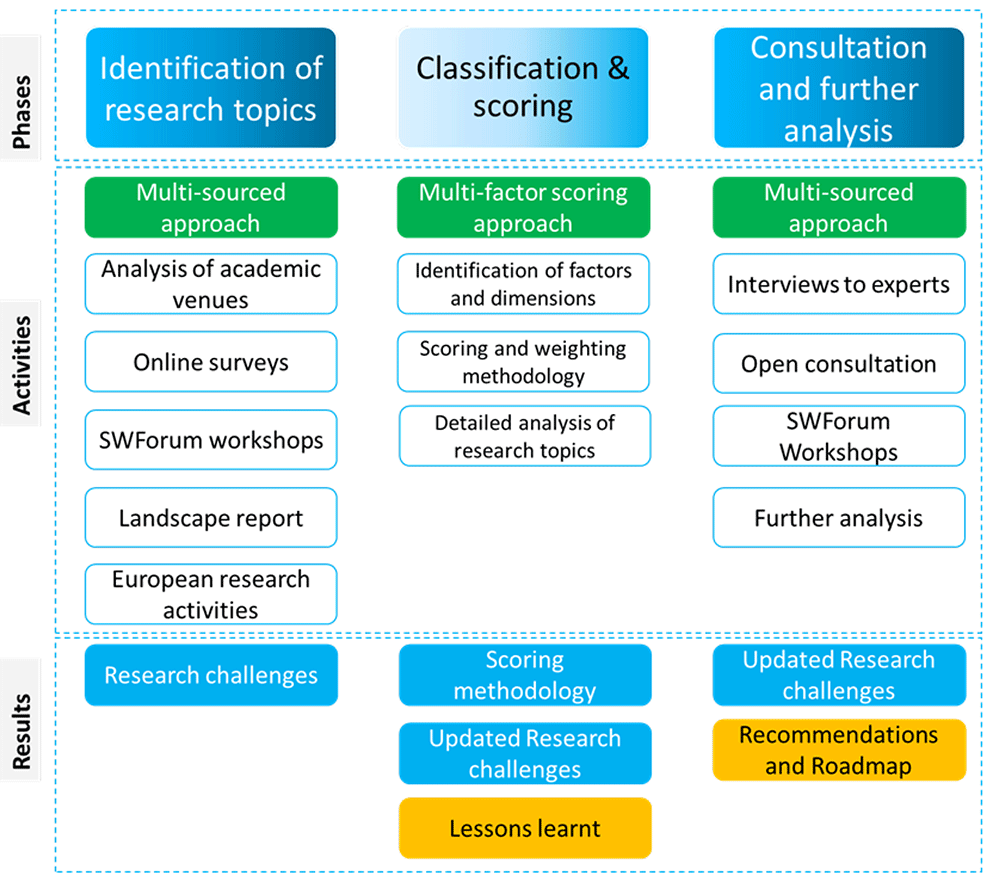
Figure 1. Methodology followed in SWForum.eu for the roadmapping.
Multi-phase and Multi-factor methodology
A targeted Methodology has been defined based on a multi-phase, multi- sourced and multi factor scoring approach. The multi-sourced approach has permitted to identify the 6 research challenges and related topics that are further assessed by means of the multi scoring methodology. This approach embraces the 1) pinpointing the research topics, 2) sorting them out and rating and 3) an additional inquiry with experts. This is completed by the analysis as feedback loops to complete the research process. This scoring methodology captures:
the essence and key elements of the project e.g., objectives, impacts, and outcomes for the selected challenges;
experts’ insights for each of the challenges;
the opinions of researchers from projects under the umbrella of SWForum.eu Coordination and Support Action (CSA).
This methodology has been implemented following three differentiated logical steps as summarised in Figure 2. Five factors have been chosen to evaluate the challenges that point to the scope and impact of the SWForum.eu project:
Factor 1- Framework conditions: Digital Decade that sets a vision and avenues for Europe’s digital transformation by 2030, boosting a sustainable, prosperous and human-centred digital transformation5; and the Digital Compass1 that suggests digital targets for the next 10 years using four cardinal points on skills, infrastructure, businesses, and public services. This factor represents the level of alignment of the challenge with the framework conditions’ priorities.
Factor 2- Technology readiness. This factor intends to bring experts views on the technology and market according to the specific readiness for each of the challenges and topics.
Factor 3- Competitiveness of EU industry and SMEs (small and medium enterprise). SMEs are key to boost software related industries. This factor measures the competitiveness of the EU industry for each of the challenges and topics.
Factor 4- Ecosystem development and interaction. This factor evaluates the level and degree of maturity of the software-related ecosystem, namely public and private stakeholders in cooperations, e.g. citizens, governments, industry and universities. European Digital Innovation Hubs (EDIHs)6 are a key stakeholder in the EU, that support companies through their digital transformation path and competitiveness. EDIHs supply different services to companies such as test before invest, support to find investments, skills and training as well as ecosystem and networking. Together with EDIHs, EU partnerships and platforms can also support e.g. AI Data Robotics Partnership7 and the European CyberSecurity Organisation8.
Factor 5- Cross-fertilization for added value. It assesses the possibilities for cross-fertilisation, promoting cooperation among different expertise and stakeholders from different sectors and communities e.g., universities, businesses, governments. Therefore, generating added value for industry.
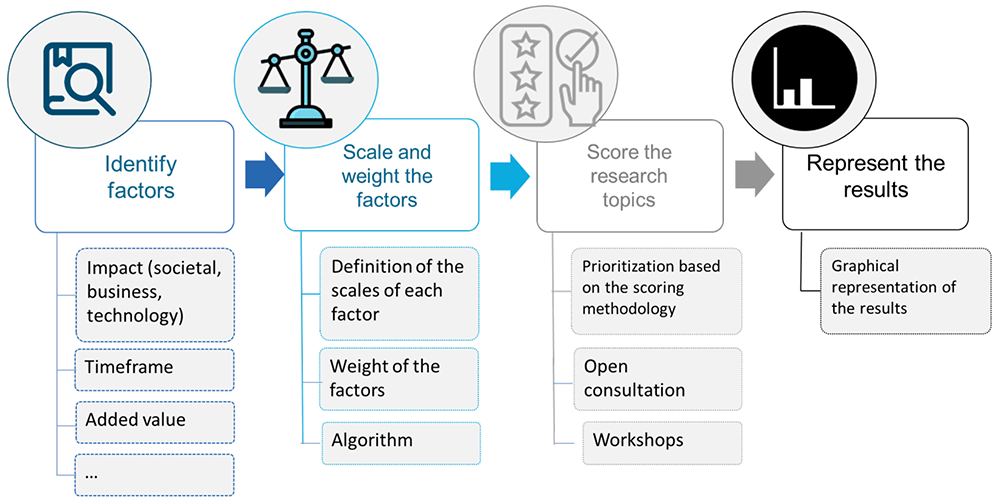
Figure 2. SWForum.eu Multi-factor methodology’s steps.
The scoring process is organised in a frame that structures the topics associated to the six challenges and the five factors with the given criteria. A Likert type scoring scale9 has been applied following the 1–5 values (where 1- strongly disagree, 2- disagree, 3- neither agree nor disagree, 4- agree, 5- strongly agree) following a logical and objective way. Then, the total values obtained per challenge are weighted, following the results from each factor appraisal and pertinence to reach SWForum.eu project impacts and objectives (see Table 1). The assessment process has been conducted by a set of multi-disciplinary experts on each of the topics from the SWForum.eu network, who have assessed the challenges against the selected factors. With the initial results (presented in "Prioritisation of research challenges towards the defined factors: A multi level analysis" ), an open-consultation process has been launched to get feedback and review the initial assessments. This process is currently being implemented, therefore the preliminary results and insights are presented in "Prioritisation of research challenges towards the defined factors: A multi level analysis" section.
Table 1. Factors, criteria and weights used in SWForum.eu multi-factor methodology.
| Factors | Criteria and values | Weight |
|---|
| F1. Framework conditions | C1.1. Digital Decade 2030 alignment | 10 |
| C1.2. Contribution to Digital Compass | |
| F2. Technology Readiness | C2.1. Projects tackling the challenge | |
| C2.2. Best practices. if Best Practices have been
identified or not | 20 |
F3. Competitiveness of EU industry
and SMEs | C3.1. SMEs and industry working in Research
projects in the topic | 30 |
F4. Competitiveness of EU industry
and SMEs | C3.1. SMEs and industry working in Research
projects in the topic | |
| C4.2. Degree of established ecosystem of
software engineering, security, and digital infrastructure
practitioners | |
| C4.3. Potentiality to create a self-sustainable
forum of researchers and practitioners in software
technologies and related areas | |
| F5. Competitiveness of EU industry and SMEs | C5.1. The projects under the umbrella of the
SWForum.eu CSA, previously classified in clusters
according to the challenges will be checked
in terms of technologies to assess their potentiality
for cross-fertilisation | 20 |
Consultation and further analysis
The Software Forum research and innovation road maps result from a dynamic collaborative work among different software technologies and cyber security European experts, that have aligned research results to identify key challenges and topics in the field, including lessons learnt and recommendations for future action. Three types of consultation processes are currently being performed:
Group of TECNALIA experts: A survey has been developed with specific questionnaires for each of the six research and innovation challenges. Each challenge questionnaire has been answered by three experts from TECNALIA. Before the actual consultation, the experts participated in a presentation session on the project SWForum. Each expert was assigned from 4–6 hours to review the assigned challenge and assess the challenge and associated topics to the multi-factor methodology defined. Eighteen TECNALIA experts participated in the process.
Projects under the umbrella of SWForum CSA: a survey has been sent to the projects’ coordinators (ICT 50, ICT 40 calls) requesting them to answer the questionnaire for the corresponding challenges on which they have expertise. Each project coordinator could answer more than one questionnaire depending on their expertise.
General audience. Three questions related to the future challenges on software technologies were launched to the general audience attending the event on “Concertation and Consultation on Computing Continuum: From Cloud to Edge to IoT” on the 10th and 11th of May. Note that during this public consultation no personal data (laid down to GDPR) have been requested in the questionnaires to be completed nor published in the outcomes generated. The participation was voluntary and anonymous, therefore no written consent was requested.
Categorisation and prioritisation of research challenges in Software technologies
Identified research challenges in software technologies
The initial identification of research and innovation challenges has been based on the multi-sourced analysis, as explained in "Roadmapping approach and multi-factor methodology" section. Figure 3 that represents the main four sources, which have been used to determine the software related challenges: a literature review10, the landscape reports and surveys carried out as part of SWForum.eu project11 and, the SWForum.eu workshops with relevant current on-going and past European initiatives (from the last three years)12. Due to the large scope of software engineering and cybersecurity topics, a traditional systematic literature review (SLR) approach using methodologies like PRISMA13, where keywords are used to search the most relevant publications has proven to be not useful in the scope of SWForum. To reduce the scope, a following criteria have been established to perform the analysis of academic and research venues:
Identify trends, gaps and challenges in software engineering and cybersecurity.
Identify research topics uncovered or covered in a limited way in the literature.
– The top 20 academic venues in software and systems engineering.
– The 5 most cited papers from these top 20 venues.
– In a time frame of 2016 – 2021.
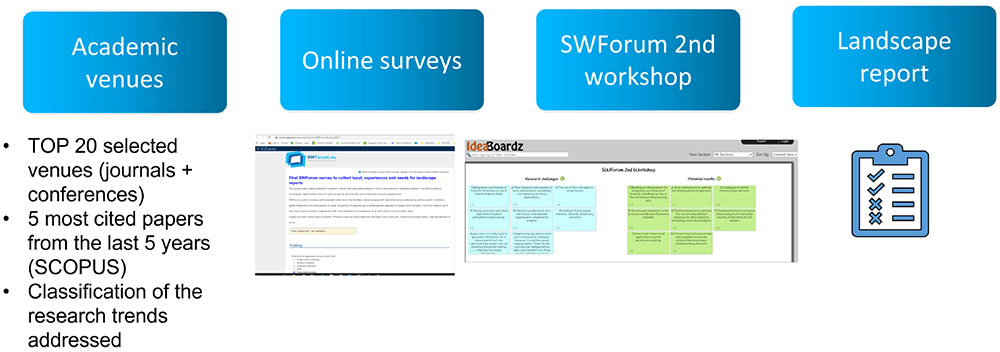
Figure 3. Methodology followed in SWForum.eu for the analysis of academia venues (adapted from 14).
The analysis of the above inputs from the academia has been implemented following the approach summarised in Figure 4. From this analysis, a set of initial findings have been reported, namely the first five challenges of the Figure 5 and a sixth generic challenge, initially named “Specific Technology Domains”. In the next iteration, an internal review of the topics was performed by experts in TECNALIA and from the SWForum.eu project. Resulting from this, the challenge 6, “Specific Technology Domains”, evolved to a new challenge entitled “Software Engineering for Quantum computing” which is of increasing relevance and impact for software technology, cybersecurity and infrastructure in the recent years. The final list of selected challenges is:
Challenge 1: Open source software.
Challenge 2: Self-repairing and self-healing: defect prediction and fault localisation using artificial intelligence.
Challenge 3: Continuous software engineering.
Challenge 4: Requirements, architecture and development.
Challenge 5: Cybersecurity and privacy, and
Challenge 6: Software engineering for quantum computing.
The above challenges are described following the next common structure:
Description of the Research challenge.
Research objectives and outcomes to overcome in the next years.
Current practice limitation.
Research topics to overcome the limitations of current practices and to achieve the proposed objectives and outcomes.
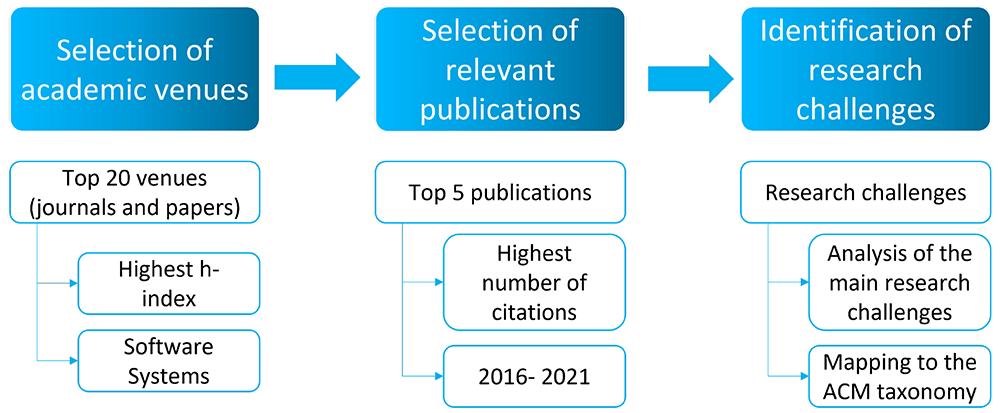
Figure 4. Methodology used in SWForum.eu for the analysis of the academic publications.
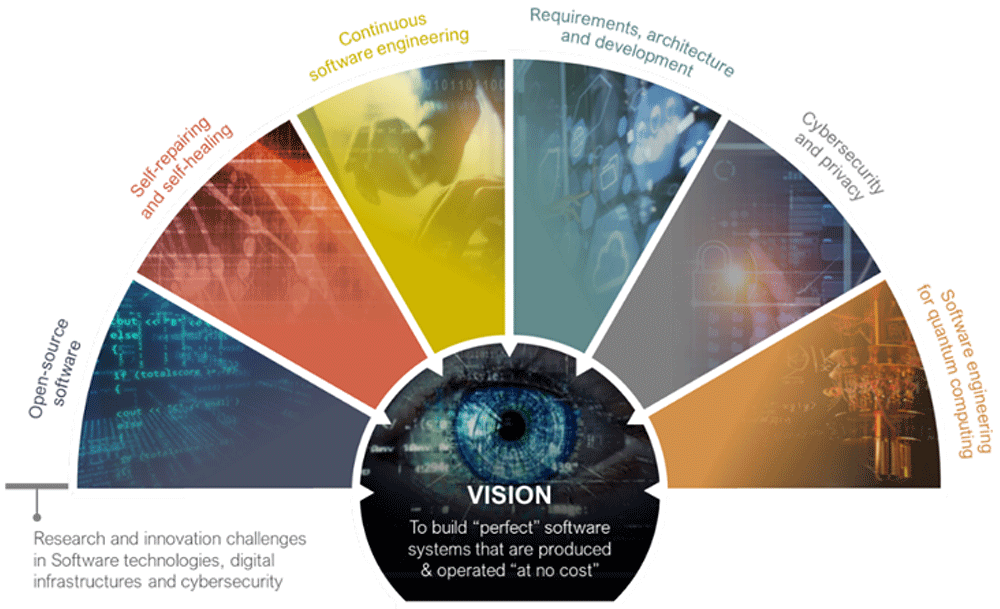
Figure 5. SWForum.eu Research and Innovation challenges on Software Technologies.
Challenge 1: Open Source software
Open-source Software (OSS) has emerged as a reliable alternative to proprietary software. It is integrated into our daily systems and utilized in the industrial sector. OSS is publicly accessible, akin to a public service (as seen by the European Commission). This aspect makes it a worthwhile investing of public funds, while also preventing dependency on a single vendor. Moreover, it simplifies the adoption and adaptation of software solutions, providing benefits that extend to all users due to its easy of modification and free availability. Furthermore, it facilitates collaborative problemsolving for complex technological issues. By eliminating licensing costs and fostering shared research, development, and collaboration among programmers, OSS enables smaller players to enter the market where proprietary licensing processes have previously constrained profit margins. The specific topics selected inside challenge 1 are:
Open-source software for artificial intelligence.
Open-source Hardware and Open-Source Processors.
Open-source software for quantum computing.
Open-source software sustainability and interoperability with private software.
Trusted and secure open-source software and open-source hardware.
Open source for the computing continuum.
Challenge 2: Self-repairing and self-healing software: defect prediction and fault localisation using artificial intelligence
Despite the many approaches developed to automatically fix bugs in software in the last decade (i.e. model based software engineering, DevSecOps tools), many of these defects remain unsolved in even commercial software for long period of time. AI based technologies can help to prevent the defects of the systems increasing their self-repairing and self-healing capabilities. In the next years, AI approaches will allow us to rethink the way programming goals are achieved by providing improved capabilities such as the elimination of trivial and repetitive mistakes that later become hard to detect and fix. Topics selected under this challenge are:
AI enabled code repair; code error detection, predictions and solution proposals.
AI enabled execution configuration proposal and supervision.
AI enabled cybersecurity threats detection.
AI enabled automatic evolution and adaptation through the Computing Continuum.
Challenge 3: continuous software engineering
The objective of this challenge is to reduce the gaps and barriers that impede the complete realization of continuity in software engineering processes by minimizing the disconnections between disciplines and activities. By embracing this ideal agility, companies will unlock unprecedented levels of competitiveness. Continuous software engineering encompasses various techniques such as DevOps, Agile software development, continuous deployment, continuous delivery, continuous testing, and continuous integration, all aligned with the continuous delivery model. Assurance and re-assurance of systems (e.g., adherence to standards, regulations) is identified as a major concern for maximizing the advantages offered by the continuity of previous phases. Topics selected under this challenge are:
Challenge 4: Requirements, architecture and development
Requirements engineering is the fundamental starting point within the software development life-cycle, and the employment of Natural Language Processing (NLP) techniques can help in generating conceptual models that ensure the traceability between requirements and subsequent phases. In various domains like cloud computing, edge computing, and distributed computing, systems complexity is increasing and the adoption of microservices is gaining popularity. The application of deep learning and machine learning techniques, for instance in programming languages, abstractions, and semantic representations of programming language syntax, can facilitate the identification and resolution of code smells and faults in a more streamlined manner. This challenge is linked to the following two disciplines and topics:
AI-Augmented Software Development
Re-envisioned software development life cycle.
Development of scalable, secure and private safe, performance and standardised reference architectures and compliant platforms at European and international level (technology and domain specific e.g., IoT platforms).
NLP and heuristics applied to requirements engineering and conceptual models.
Identification new forms of evidence of quality.
Communication and performance related issues in loosely coupled architectures and how to migrate from traditional to loosely coupled architectures.
Automate design, evolution, and analysis tools.
Scalable auto code generation and repair.
Collection of evidences demonstrating developers’ acceptance and efficiency of AI assistance.
AI-Enabled Software Systems
AI-enabled system specification methods.
Testing practices for AI-enabled systems.
Design and analysis methods for AI-enabled system.
Data management in support of AI-enabled systems.
Uncertainty management methods.
Continuous monitoring and sustaining approaches for AI-enabled systems.
Challenge 5: Cybersecurity and privacy
In the context of complex IT systems, ensuring the security of individual components does not automatically guarantee the overall security of the entire system. Security should be acknowledged as the collective responsibility of all stakeholders, encompassing not just technical aspects but also organizational considerations. Following the selected topics under this challenge are listed:
Definition of a common European reference security framework (that will enable the possibility to automate security tests) to automatically express and manage security requirements in an effective and unambiguous way.
Task allocation and authorisation constraints.
New and advanced architectures, technologies and methodologies to protect sensitive data in computing continuum (from cloud data centers through fog nodes to end devices).
Vulnerability free code correctors.
Safety verification tools to assess safety in an automatic or semi-automatic way.
AI applied to detection, prevention and reaction to system failure.
Continuous analysis of third party libraries to detect security and privacy issues.
Tools to assess security risk assessment in containerised clouds.
Security in APPs and services.
(Cloud) Secure Posture Management.
Development kit for the automatising of IaC-Infrastructure as Code secure solutions for cloud paradigms (i.e., containers) and associated modelling languages (e.g., DOML from PIACERE project12).
Secure adaptive edge/cloud compute and network continuum over a heterogeneous sparse edge infrastructure to support next generation applications
Challenge 6: Software Engineering for quantum computing
Quantum software engineering is the use of sound engineering principles for the development, operation, and maintenance of quantum software and the associated practices to obtain economically quantum software that is reliable and works efficiently on quantum computers. The rapid development of quantum hardware and the signature of the Talavera Manifesto15 have contributed to the current quantum software explosion phase. There is an increased need of applications with quantum computing capabilities which can solve complex business problems not resolved currently with traditional computing techniques. Topics selected under this challenge:
Quantum software viability studies.
Quantum software architecture.
Quantum DevOps.
Quantum testing.
Quantum software interoperability. The following chart summarises the challenges and the project vision (Figure 5).
Prioritisation of research challenges towards the defined factors: A multi level analysis
One of the main objectives of the SWforum.eu research and innovation roadmaps is to produce recommendations to implement actions on research priorities for the European Commission policy officers and stakeholders (i.e. which challenges to address with different instruments, when to adress them, etc.) . To this end, the approach used to prioritise the challenges and topics allows different levels of analysis, from higher level and generic ones, to more specific and detailed analysis (see Figure 1, phase 3). This section provides examples of the different analysis with the current data that derive in a set of actions and recommendations. Figure 6 illustrates the high-level results from the application of the scoring methodology and results per challenge. As described in section 2, overall, the different challenges are in line and support the SWForum.eu project pillars’. It also highlight the challenges that have more chances to progress towards their line up with the given factors. Thus, three type of challenges based on their overall maturity with respect to the factors assessed are highlighted:
High mature Research and Innovation Challenges (red star). In this category we can find both CH4-Requirements, architecture and development and CH5-Cyber security and privacy. These topics are overall well aligned with the objectives of SWForum.eu and they are widely covered by the defined factors.
Partially Mature Research and Innovation Challenges (yellow star). These are the challenges that partially contribute to the defined factors. They are CH1-Open Source Software and CH2:Self-repairing and self-healing software. For these challenges, while some areas are well covered, actions towards increasing the maturity on the other factors need to be taken. As an example, in the Open Source arena, whereas open source software is widely supported and adopted paradigm, open source hardware (i.e., open source processors and RISC-V, cloud computing open source stack, open source computing continuum, etc.) needs to be fostered.
Low Mature Research and Innovation Challenges (green star). The challenges under this category, are the ones which need larger development towards the objectives of SWForum.eu. As expected, these challenges cover cutting edge technologies (such as CH6-Quantum Software Engineering) or software related subjects highly impacted by the technologies paradigm shift. This is the case of CH3-Continuous Software Engineering, which needs to be adapted to the upcoming technologies, such as DevOps for AI systems, Software Engineering Techniques for the computing continuum, or new CI/CD approaches covering the metaverse needs.
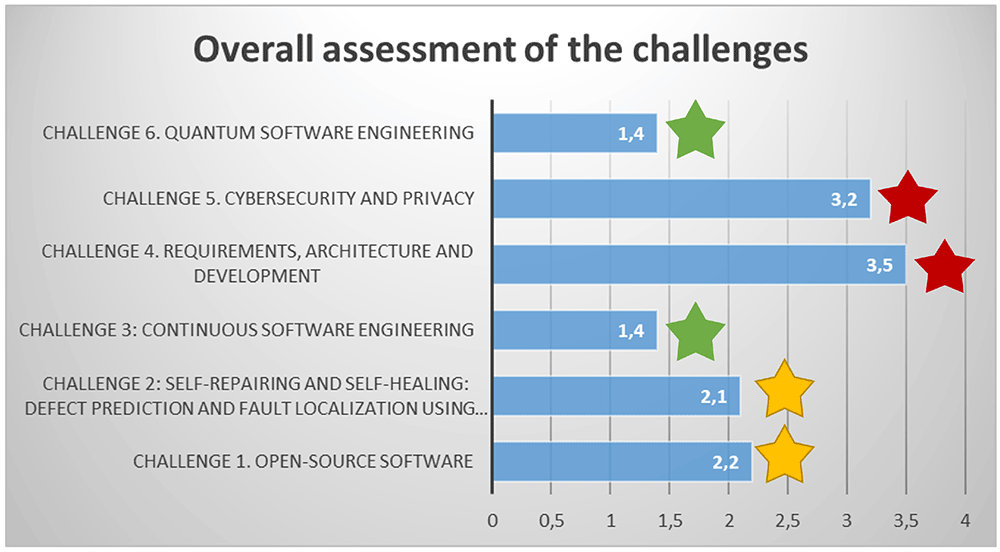
Figure 6. Overall assessment of the challenges based on the scoring results.
With the aim of being able to provide more specific and focused recommendations, the initial high level analysis has been narrowed down to the individual assessment of each challenge towards the specific factors (see Figure 7 as an example of this analysis for challenge 2). Considering "CH2- Self-repairing and self-healing software", Framework conditions (F1), it can be concluded that both Digital Decade and Digital Compass are well known and have an impact on the challenge and topics. Nevertheless there are not fully addressed yet and two factors have been assessed with lower value: F4-Ecosystem development and F5-Cross fertilization. As a result, the need of the creation and support of hubs and forums around the topic of self-repairing software can be still enhanced. To this end, it can be concluded that incorporating AI capabilities to the Software Development Life-Cycle (SLDC) and Software Operation Life-Cycle (SOLC) can provide advanced and intelligent capabilities to the software towards the achievement of the Cognitive Software paradigm. Also from this mid level analysis (see Figure 8) aggregated results per challenge and factor can be represented supporting the identification of gaps or improvement paths in both dimensions, from the challenge perspective and from the factor perspective, helping stakeholders to derive the corresponding actions. Taking as an example "F4-Ecosystem development and interaction" it can be seen the great difference between the different challenges, concluding that more support is needed to boost these ecosystems for quantum software engineering and self repairing software than for the other challenges.
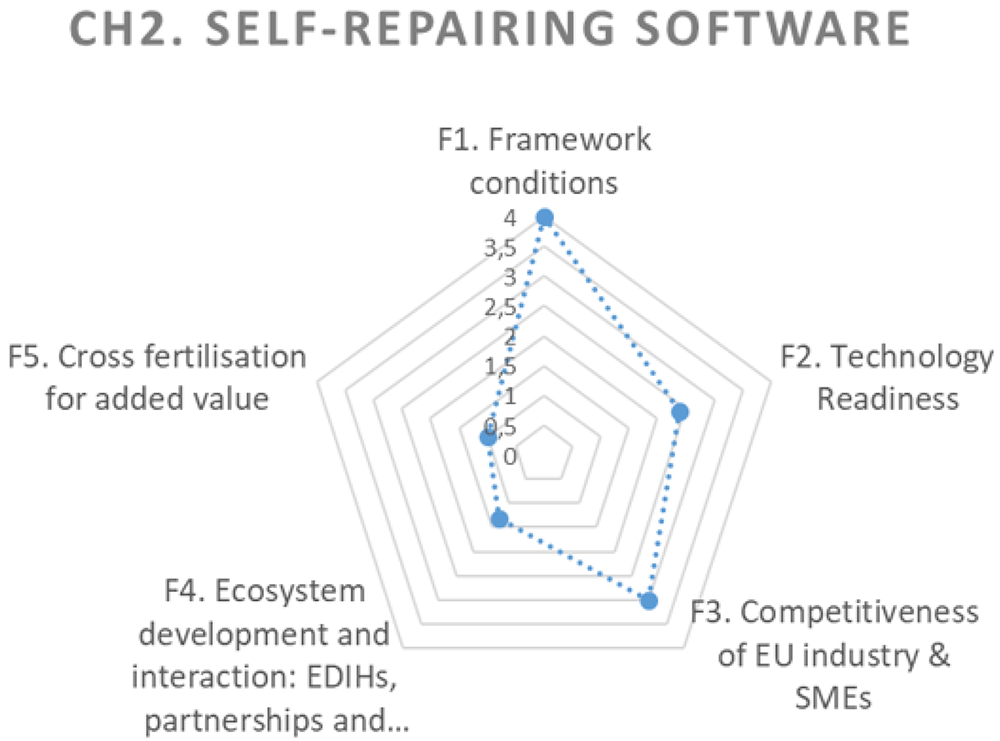
Figure 7. Assessment of CH2 towards the selected factors.
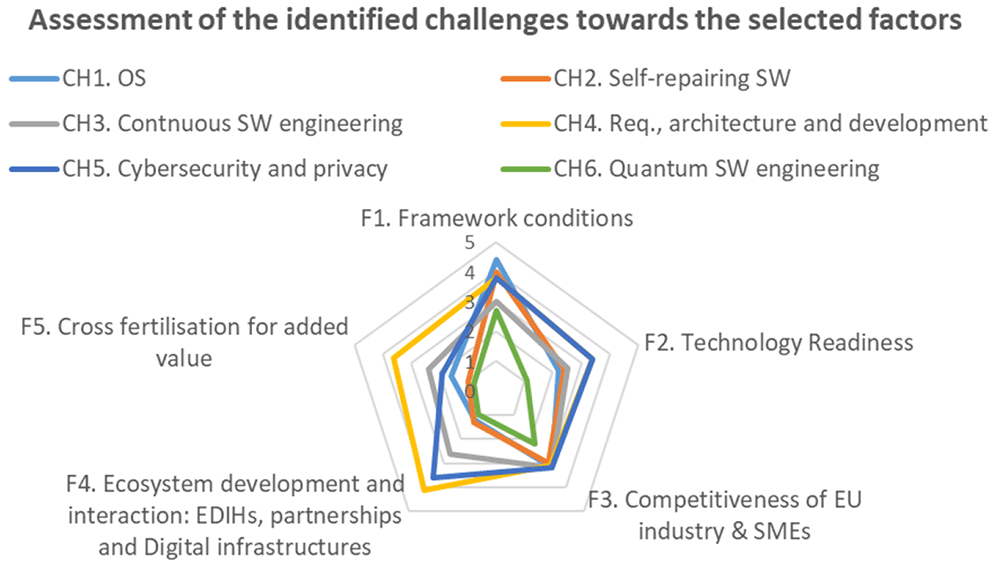
Figure 8. Assessment of the identified challenges towards the selected factors.
Figure 9 shows an even more detailed analysis on the challenges and topics prioritisation. In this case, some topics have been clustered into related areas so that visualisation of the analysis can be enhanced, i.e., for open source software topics, open-source software for artificial intelligence and open-source software for quantum computing have been merged into the "OS for advanced technologies" topic. In this picture, the topics are coloured depending on the score reached on the assessment against the factors. Green represents high scores, yellow represents intermediate scores and orange represents low scores. At a glance, Figure 9 offers and eyes’ bird view on the topics assessment towards the factors providing more concrete insights that can derive on specific recommendations. Based on this analysis, preliminary recommendations are provided in the form of lessons learnt in the next section.
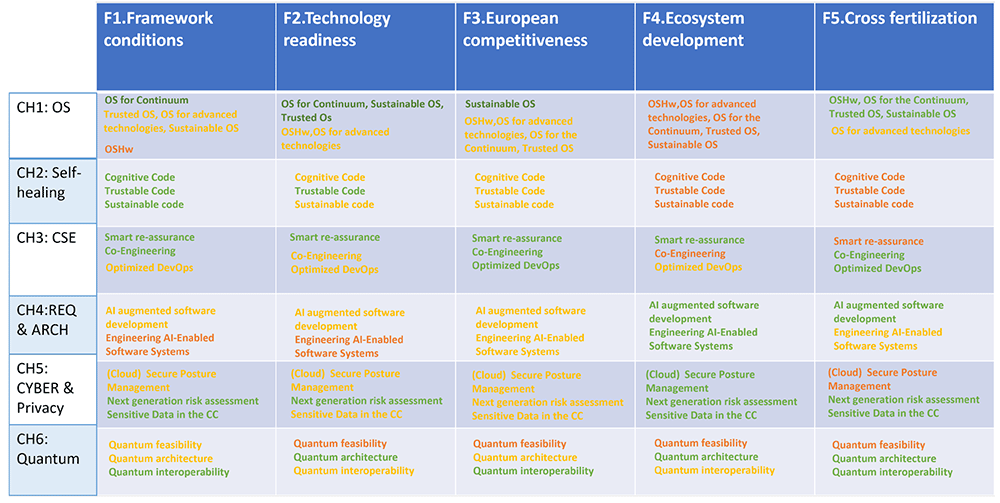
Figure 9. Overview of cluster of challenges and topics assessment towards the selected factors.
Initial consultation and lessons learnt
The second version of the SWForum.eu roadmap16 has been submitted to the consultation process described previously, which corresponds to the third phase of the methodology (see Figure 1). The final version of the road map, based on the feedback from this consultation phase, will be published in a future SWFroum.eu report. Nevertheless, initial insights from the ongoing consultation processes reveal that:
The community believes that it is relevant to create a European forum and a software research community covering software technology, cybersecurity, and digital infrastructure.
All the experts agree on the relevance of the six challenges identified. Two reviewers suggested the inclusion of two new challenges: "High Performance Computing" and "Software reusability".
Most of the reviewers did not miss any topic among the ones proposed per challenge. Only few reviewers proposed additional topics. Namely, “Model Based Software Engineering” for challenge 3 and “Information integrity and sovereignty” for challenge 5.
All the reviewers agreed that “Advanced Software Engineering research should be promoted”.
From the analysis of the challenges, the prioritisation and the initial findings on the open consultation process, the following set of eight lessons learnt are proposed in the area of software technologies, cybersecurity and digital infrastructures that will derive into policy related recommendations in the final version of the project road map.
Policy alignment for software needs to be fostered: The analysis done in SWForum.eu through the application of the multi-factor scoring methodology results on the identification of a degree of misalignment of the software challenges defined and the topics addressed under the EU framework programs such as the Digital Decade and the Digital Compass. Some challenges are well covered by these current EU programs (open-source softwarechallenge 1, or self-repairing and self-healing - challenge 2), while others need further alignment and space for development (quantum software engineering- challenge 6).
Targeted awareness for software is not enough and needs to be focused to businesses needs. Software as explained is a horizontal discipline, running on top of a large variety of infrastructures, which incorporates complexity both to practitioners and researchers, ending up on increased reluctance on the application of innovative practices and tools related to software technologies. On the other hand, the incorporation of software technologies in the industrial value chain needs to be promoted and the benefits and added value to be obtained highlighted towards the adoption of European-based software technology projects outcomes in the industry.
Skills development programs and training activities around software need to be promoted. One of the main cornerstones to successfully address digital transformation is the incorporation of qualified professionals. Initiatives such as the European Digital Skills and Jobs Platform17 launched under the Connecting Europe Facility Programme can be promoted specially in the context of SMEs. Also, programs to teach and train advanced software engineering experts need to be developed to create a qualified work force of IT professionals of the future, towards European digital sovereignty and autonomy. To achieve this, software engineering teams need to be trained in advanced technology paradigms (i.e., software engineering for advanced technologies (AI, quantum, etc), self-repairing software, quantum DevOps, development of open-source technologies, IAOps, etc.), from the academia to the industry.
Digital infrastructures, platforms and EDIHs should be more visible. The usage of available digital infrastructures can support businesses to increase cross fertilization and cooperation in the software ecosystem. Connections and cooperation with initiatives such as European Digital Innovation Hubs (EDIHs), the European Networks and platforms (i.e., ADRA, ECSO) and Testing and Experimentation Facilities (TEFs) can foster the collaboration and networking between the areas of software, digital infrastructures, and cybersecurity as well as understand, support and reply to the ecosystem needs
Good practices should be identified in the context of Software Engineering and also promoted. Lessons learnt, experiences, success stories need to be collected and shared to show the impact of software technologies in business activities, presenting the positive and challenging aspects as a way towards the improvement of the productivity and competitiveness of the European industry.
More Advanced Software Engineering research is needed. Software is pervasive as it is impacting every industrial domain, societal challenge or business operation. Software technologies are supporting important advances on many other disciplines. Therefore, there is also a need to keep on researching on software engineering to address new challenges such as generative AI, quantum, Edge and constrained resources, security in complex software supply chains, etc. As any other scientific domain, research software engineering needs to be promoted to be able to tackle future challenges and advance in the domain.
Technology readiness regarding software technologies needs to be fostered. Form the analysis done, it can be stated that the more research is needed towards the support of the discovered research and innovation challenges. Three challenges have achieved lower ranks in this sense (quantum software engineering -challenge 6, opensource software -challenge 1, and Self-repairing and self-healing -challenge 2).
Competitiveness of EU industry and SMEs should be better targeted. The results obtained shows that the involvement of companies on the projects supported by SWForum.eu is leaded by big companies and SMEs have not such a relevant role. This lack of impact in of the outcomes of research and innovation projects SMEs is even more relevant for the challenges related to technologies less mature i.e., quantum computing.
Conclusions
Software and software technologies are the glue that holds together current and future key emerging technologies, such as quantum computing, post-classical computing and communications, augmented human activity, advanced AI, sensing and mobility, and the computing continuum, among others. All these trends will significantly impact the way software is designed, built, developed and consumed, opening a set of research challenges to be addressed in the coming years by the European software community. As shown through the work presented in this article, software community will need to address in the upcoming years a set of relevant challenges that will have significant impacts at societal, technological and economic level. To enable the establishment of priorities and correct and targeted mechanisms to address these challenges a holistic analysis of the future research challenges is needed. This article proposes a multi-factor scoring methodology to prioritise the research and innovation challenges and discusses the different level of analysis that can be made. It also provides the initial findings with the preliminary results from the open consultation phase within the community and the derived lessons learnt. The future work will be focused on the consolidation of the feedback coming from the community and will re-prioritise the challenges and topics accordingly. Also enlarged policy related recommendations will be derived from the lessons learnt.
Data availability
There is no data associated with this article.
Acknowledgements
We appreciate the assistance of SWForum.eu community volunteers and TECNALIA’s experts group from the DIGITAL division who provided feedback on the selection and prioritisation of the research challenges in Software Technologies.
Faculty Opinions recommendedReferences
- 1.
European Commission: 2030 digital compass: the european way for the digital decade.
2021. Reference Source
- 2.
European Commission, Content Directorate-General for Communications Networks, Technology, Beckert K, et al.:
The economic and social impact of software services on competitiveness and innovation: final report. Publications Office, 2017. Publisher Full Text
- 3.
SWForum.eu Consortium: SWForum.eu project.
2021. Reference Source
- 4.
HUB4Cloud Consortium: Hub4cloud project.
2021. Reference Source
- 5.
European Comission: Digital decade targets 2030.
2021. Reference Source
- 6.
European Comission: European digital innovation hubs network.
2021. Reference Source
- 7.
ADRA: The ai, data and robotics association.
2023. Reference Source
- 8.
ECSO: European cybersecurity organisation.
2019. Reference Source
- 9.
Wikipedia: Liker scale.
2023. Reference Source
- 10.
Alonso J, Orue-Echevarria L:
D3.3 software forum research roadmap – v1. December, 2021. Reference Source
- 11.
Miller M, Menezes-Miller V:
D3.1 landscape reports - v1. June, 2021. Publisher Full Text
- 12.
Di Nitto E, Plebani P, Nedeltcheva GN:
D2.1 cross-fertilization workshop report – v1. August, 2021. Publisher Full Text
- 13.
Moher D, Liberati A, Tetzlaff J, et al.:
Preferred reporting items for systematic reviews and meta-analyses: the prisma statement.
BMJ.
2009; 339: b2535. PubMed Abstract
| Publisher Full Text
| Free Full Text
- 14.
HUB4Cloud consortium: D1.4 contributing to the european cloud computing strategic research and innovation agenda. September, 2021. Reference Source
- 15.
Piattini M, Nodarse GP, Pérez-Castillo R, et al.:
The talavera manifesto for quantum software engineering and programming.
2020. Reference Source
- 16.
Alonso J, Ostolaza E, Sanchez B:
D3.4 software forum research roadmap – v2. December, 2022. Reference Source
- 17.
European Commission: European digital skills and jobs platform.
2023. Reference Source