Introduction
The coronavirus disease 2019 (COVID-19) pandemic has significantly affected societies and economies across the world. The social distancing and lockdown measures applied in most countries have potentially influenced one particular aspect prominent in many research projects: stakeholder involvement. With the growing importance of stakeholder interaction in research, the tie between science and practice has improved, but science has also become vulnerable to the availability and readiness of stakeholders to interact with researchers. Hence, it is important to understand the impacts of the pandemic on stakeholder involvement and the satisfaction of coping measures to draw implications for funders and researchers.
In this paper, we investigate the effects of the COVID-19 crisis on the stakeholder work in European energy research, during the first wave of the coronavirus in spring and summer 2020. We address three research questions: (i) how large are the problems caused by the coronavirus containment measures for stakeholder engagement in European energy research projects?, (ii) how have researchers responsible for stakeholder engagement coped with the situation?, and (iii) how do researchers evaluate the coping measures (if undertaken)? We report and discuss the findings of a survey distributed to all running European Union (EU) funded energy projects with stakeholder components, carried out in June-August 2020, investigating the effects of coronavirus containment measures on stakeholder involvement in European energy research. On the one hand, the findings are relevant for funding bodies and researchers beyond the energy field, who have to make decisions about how to deal with the pandemic. On the other hand, our study can have broader implications for designing adequate measures, which could contribute to the economic recovery after the crisis and at the same time lead to climate neutrality (Stagl, 2020).
Background: stakeholder engagement in research projects and COVID-19
In recent years, the importance of stakeholder involvement and transdisciplinarity in sustainability research has grown quickly, and especially in energy research (Fazey et al., 2018; Lutz & Bergmann, 2018; Mielke et al., 2016): where values are contested (Funtowicz & Ravetz, 2006), transformations are conflicting (Renn, 2019) and decisions are urgent, transdisciplinarity is an answer for developing societally relevant solutions to complex, real-world problems (Lang et al., 2012; Lutz & Bergmann, 2018; Scholz & Steiner, 2015). Furthermore, stakeholder involvement can increase the relevance of research, bring higher acceptability and accountability of the problem, and increase legitimacy and societal ownership of the research. Given these potential benefits of engaging stakeholders, funding bodies also now encourage, and oftentimes require, the involvement of stakeholders in research (e.g., European Commission, 2020b).
Stakeholder involvement is today much more than a social-scientific add-on: these engagement activities shape the projects themselves, often including co-creation of both research questions and project aims, and the projects often seek to influence the societal processes with which they engage (Bracken et al., 2015; Klenk et al., 2015). Stakeholders can be involved in research to different degrees, encompassing information, consultation, cooperation, collaboration and empowerment (Schneider & Buser, 2018; Stauffacher et al., 2008). Although the degrees of engagement depend on research-project phases (Bruhn et al., 2019) and involvement formats (Mielke et al., 2017), many of them are based on the physical presence of stakeholders in one location – and these are strongly affected by the COVID-19 crisis.
Academia responded to the coronavirus pandemic and its containment measures in various ways: normatively, by encouraging the promotion of a culture of care and the redefinition of excellence in teaching or research, e.g., by focusing more on inequalities in academic institutional environments (Corbera et al., 2020), but also pragmatically, by quickly adapting to the distancing measures and moving academic interactions, like lectures, seminars and conferences, online (Leal Filho et al., 2020; Schwarz et al., 2020). Similarly, funding bodies also reacted to the coronavirus outbreak. For example, the European Commission announced that the “force majeure” clause can be invoked in Horizon 2020 projects, if the grant beneficiaries are not able to fulfil their obligations due to coronavirus restrictions (European Commission, 2020a), including in stakeholder engagement activities. This is very important, because in more stakeholder-dependent projects, the COVID-19 crisis certainly has the potential to make entire projects unfeasible. Recent research (Corbera et al., 2020; Leal Filho et al., 2020) provides important findings on how academia and sustainability researchers have been impacted and have dealt with the crisis, but did not address the impact on stakeholder engagement. We contribute to the closing of this gap by investigating the impacts on stakeholder engagement in energy research and providing insights into how the research community copes with the restrictions, as well as what has worked best in the first months after the coronavirus pandemic started.
Methods
To identify the impact of the COVID-19 crisis and containment measures on stakeholder involvement in energy research projects, we performed an online survey study among people responsible for stakeholder engagement who work in energy research projects across Europe. The survey was designed as a collaboration between researchers for the projects SENTINEL (Horizon2020; energy), TRIPOD (European Research Council; energy), and PANDORA (Horizon2020; fisheries)1 as an explorative, semi-quantitative, self-completion online questionnaire (cf. Bryman 2012), using the online tool “LimeSurvey” (LimeSurvey, 2020). Survey questions were structured around five blocks:
- A. general questions concerning the stakeholder engagement activities in the projects;
- B. COVID-19 impacts on stakeholder engagement;
- C. coping strategies and alternative formats implemented in response to coronavirus restrictions;
- D. evaluation of the implemented alternative formats; and
- E. demographic data.
The survey contained independent questions as well as questions that built on previous answers. We used different question formats, from Likert-like scales to multiple choice and free text boxes, depending on the variables to be addressed. We pre-tested the survey with our project partners and adapted it in response. The questionnaire is available as extended data (Süsser et al., 2021).
For data collection, we identified 195 Horizon 2020 energy research projects relevant to our study. The CORDIS database brought 365 hits of projects using the search keywords ‘energy’ and ‘stakeholder’, which started no later than January 2020 and ran at least until the end of 2020. We contacted only 195 out of the 365 projects, as the rest of the projects did not focus on energy questions, were rather technological/industry-focused without a clear stakeholder component, and/or did not provide any contact details. We distributed the survey widely via email to projects identified in the CORDIS research database, and existing networks (e.g. partner projects). In addition, the European Commission Directorate-General of Research & Innovation helped with the distribution of the survey. We also promoted the survey via social media channels, such as ResearchGate, Twitter and LinkedIn, specifying that the survey should be completed only by project coordinators or partners responsible for stakeholder engagement activities. The survey was online for twelve weeks during the period June-August 2020. We allowed for responses from multiple researchers from one project, because different stakeholder activities are often performed in different temporal and geographical contexts, each with a different containment situation. We treated multiple responses from single projects as individual responses.
We analysed the statistical results in three steps: first, we compiled and compared the quantitative responses; the resulting descriptive analysis is the core of the results below (Creswell & Creswell, 2018). Second, we complemented the results on the basis of the written replies. Third, we applied a logistic regression analysis (Spyridaki et al., 2020). In particular, we used two different discrete choice models to assess the correlation of i) “very negatively” and ii) “not at all” in terms of the impact of COVID-19 on stakeholder engagement with other categories.
Methodological details of the logistic regression analysis
Using a logistic regression analysis, our study focused on modelling the probability of stakeholder engagement in the energy research projects surveyed to be affected (or to not be affected) by the first COVID-19 pandemic wave. In particular, the probability that the stakeholder engagement activities of each project are affected (or are not affected) is modelled as:
where:
○ yi is the dependent variable describing if the stakeholder activities of a project i are affected, or are not affected;
○ xi is the vector of independent/explanatory variables for the ith project;
○ β is the parameter vector to be estimated; and
○ Λ is the logistic distribution.
The logistic cumulative distribution function is defined as:
where P is the probability of y occurring. The maximum likelihood (ML) estimation method is used to estimate the parameter vector β.
Our goal was to reflect on potential factors that could explain the very negative impacts of COVID-19 on the stakeholder engagement activities of the energy research projects, but also on factors that could explain the zero effect of the pandemic on stakeholders’ involvement. To do so, we implemented two different discrete choice models (see Table 1 and Table 2) to investigate the effect of different explanatory variables from our rich set of survey data. Given the format that the online survey took, the collected responses do not allow for the development of one theoretical prediction model that could include all the different categorical responses from our observational data. For that reason, we run two different regression models for the two dependent variables of interest (i.e., 1. “Impact of COVID-19 on stakeholder engagement of energy research projects – Not at all”, 2. “Impact of COVID-19 on stakeholder engagement of energy research projects – Very negatively”) exploring two different sets of explanatory variables according to their relevance to the dependent variable under study.
Table 1. Logistic regression model I.
Dependent variable: “Impact of COVID-19 on stakeholder engagement of energy research projects – Not at all ”.
| Explanatory variables | Prediction
model |
|---|
| Category | Name | Coefficient |
|---|
| Stakeholder groups engaged | Policymakers | -11.824 (6.787)* |
| Civil Society Organizations | -9.133 (4.800)* |
| Geographical/spatial focus | Non-EU | -8.448 (5.098)* |
| Importance of stakeholder engagement for the success of the project | Not very important | 25.546 (13.188)* |
| Year of stakeholder engagement according to project plan/proposal | 2021 | 3.084 (2.814) |
| Engagement activities according to the project plan/proposal (year 2020) | Online survey | 4.834 (4.365) |
| Purpose of stakeholder engagement | Access to data and information to
understand a research problem | -3.660 (2.223)* |
| Disseminate research results | 10.459 (6.826) |
| Priority of stakeholder engagement changed due to COVID-19 | Priority unchanged | 4.116 (2.231)* |
| Change in relationship to stakeholders | No change | -8.377 (5.058)* |
Impact of changes in your stakeholder engagement activities on
proceedings and results of your overall project | Overall workflow is not impacted | 4.882 (2.910)* |
| No negative impact | 4.328 (3.172) |
| The project will be carried out
as planned, with the envisioned
results | 6.973 (3.686)* |
| Constant | | -17.752 (9.453)* |
Table 2. Logistic regression model II.
Dependent variable: “Impact of COVID-19 on stakeholder engagement of energy research projects – Very negatively ”.
| Explanatory variables | Prediction
model |
|---|
| Category | Name | Coefficient |
|---|
| Stakeholder groups engaged | Policymakers | -3.224 (2.333) |
| Energy industry | -3.726 (2.076)* |
| Geographical/spatial focus | EU | -11.974 (5.945)** |
| COVID-19 cases | 7.116 (3.194)** |
| Frequency of engagement | Weekly | -5.075 (4.310) |
Importance of stakeholder engagement for the success of
the project | Crucial | 9.043 (4.083)** |
Year of stakeholder engagement according to project plan/
proposal | 2021 | -9.139 (4.033)** |
| 2022 | 5.058 (2.893)* |
Engagement activities according to the project plan/proposal
(year 2020) | Face-to-face workshops | 6.999 (3.579)** |
| Information events for stakeholders | -6.269 (3.009)** |
| Face-to-face interviews | 1.920 (1.745) |
| Purpose of stakeholder engagement | Disseminate research results | 0.917 (1.895) |
| Priority of stakeholder engagement changed due to COVID-19 | Priority decreased | 6.768 (3.736)* |
| Change in relationship to stakeholders | Stakeholders priority has shifted away from
the project | -3.719 (2.497) |
| It is harder to reach stakeholders | 4.886 (3.708) |
Impact of changes in your stakeholder engagement activities
on proceedings and results of your overall project | Delays in the flow of data to other work
packages | 5.366 (2.683)** |
The project duration will need to be
extended | 6.037 (3.045)** |
| Deliverables’ submission has been/will be
delayed | 3.548 (2.288)* |
| Constant | | -2.336 (6.257) |
Note that the scope of our study is to identify preliminary, insightful correlations between the variables under study to complement the explanatory analysis of the descriptive statistics of the survey data, rather than performing a complete econometric analysis (e.g. best-fitting model information criteria, evaluation of parameter estimates using quasi standard errors, etc.). Thus, the final selection of the variables to be included in the theoretical model specifications was made through multiple runs, examining in parallel the correlation matrix to test for collinearity issues among the covariates, until no significant collinearities are observed.
Sample description
We received 84 complete responses from 72 different energy projects: 62 different EU Horizon 2020-funded projects (31% of the stakeholder-engaging EU-funded energy research projects running at the time), and 10 projects with other funding sources. For most projects, we received only one response; for eight projects we received two responses2, and from one project five responses. Most projects started in 2018/19 and will end in 2021/22; practically all are three-year projects. The important demographic sample data of surveyed respondents is summarised in Figure 1.
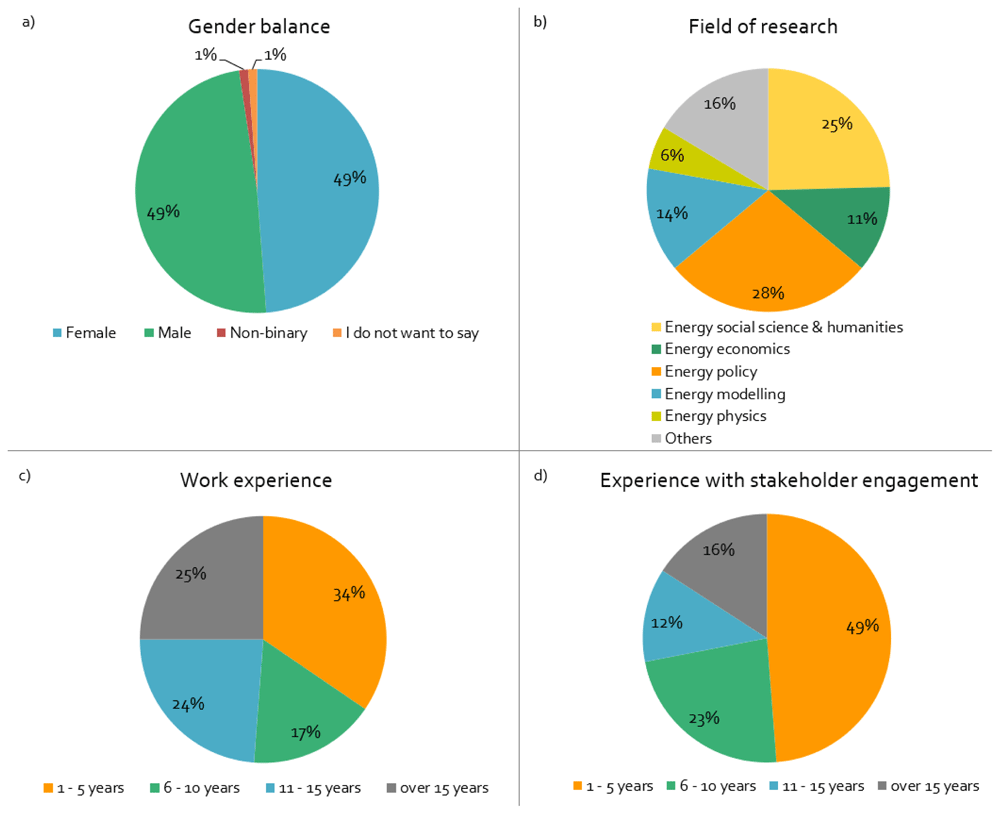
Figure 1.
Demographics of surveyed respondents: a) What is your gender?, b) What is your main field of research?, c) How long have you worked in this field?, d) How long have you been engaging with stakeholders in European Union projects?, n = 84.
Ethics requirements
The research has been conducted under the ethics requirements and guidelines of the SENTINEL project (Deliverables 11.1 and 11.2), which follows the guidelines of the European Commission. We have applied an ethically-robust methodology for the data collection and processing in the context of this study, under the guidance of the IASS data protection service. This has been supported by bilateral data protection agreements. The participant agreed to our data protection standards via a GDPR disclaimer, and by participating in the survey.
Results
Stakeholder engagement in energy research projects
Stakeholder engagement is a crucial or important component of by far most projects in our sample (Figure 2a). The researchers mainly engage with stakeholders periodically in specific phases of the project (Figure 2b). The majority of the respondents engage with EU stakeholders; about one third of the projects also work with non-European stakeholders, for example in the US, China or Indonesia.
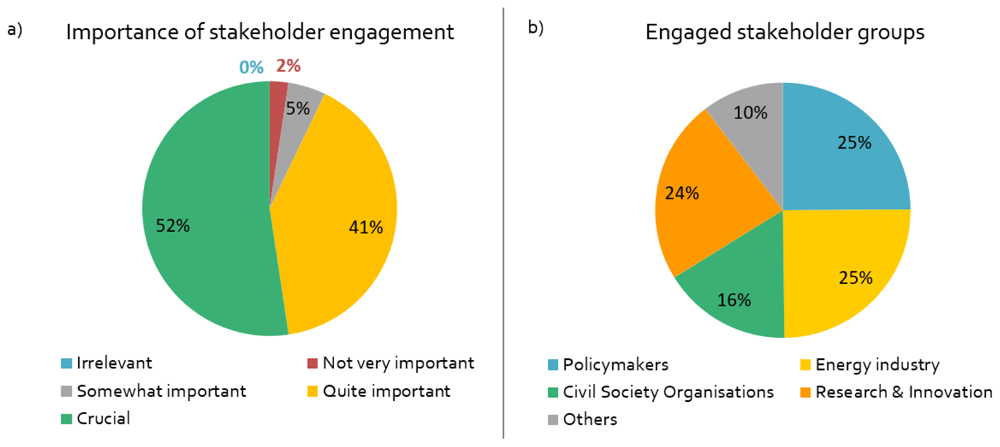
Figure 2.
Importance of stakeholder engagement and engaged stakeholder groups: a) How important is stakeholder engagement for the success of your project?, b) What stakeholder groups are being engaged in your project?, n = 84.
According to the original project plans, 2020 was supposed to be a major year for stakeholder engagement for almost all respondents; hence almost every project was affected in some way by the coronavirus containment measures in Europe. A variety of physical and online activities were planned – mainly workshops, information events and conferences. Almost half of the respondents had planned online interaction formats, such as webinars.
The respondents have different motives for engaging with stakeholders. As shown in Figure 3, the linear research mode is dominant, in which stakeholders are either viewed as the target audience for results (“dissemination”), or as research subjects (“access stakeholders”). However, more transdisciplinary and co-creative motives are also high on the agenda, including research question identification and implementation of findings/technologies.
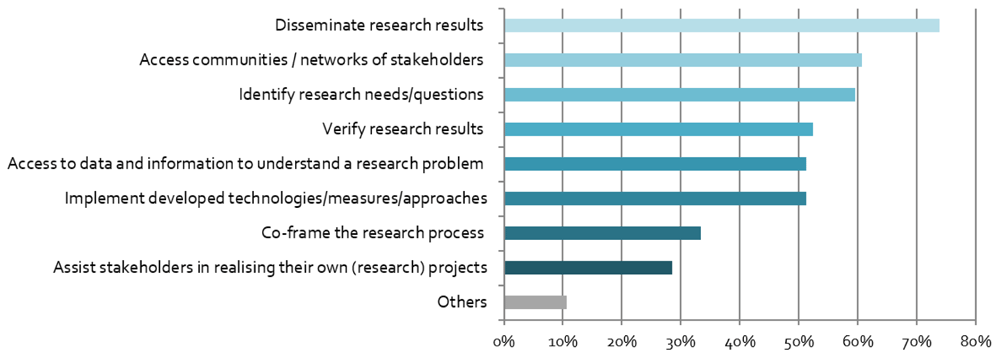
Figure 3. Motives for stakeholder engagement: What is the purpose of your stakeholder engagement? (multiple responses possible), n = 84.
The impacts of the coronavirus containment measures on stakeholder engagement activities and outcomes
The first wave of the coronavirus and its containment measures affected stakeholder activities in energy research projects mainly negatively: almost nine of ten respondents perceive somewhat or very negative effects (Figure 4). Furthermore, projects planning face-to-face workshops in 2020 are more negatively affected by the crisis, which is not surprising, as such events were more strongly affected – de facto banned in most countries – by social distancing measures. The same applies to projects that interact with stakeholders to access data and understand the research problem, as these activities tend to rely on physical meetings with societal actors. In addition, projects that focused on engaging with policymakers were more affected: we find a negative correlation between no influence (‘not at all’) and projects engaging with policymakers, but not for those engaging with other stakeholder groups. Table 1 shows the detailed results of the regression analysis.
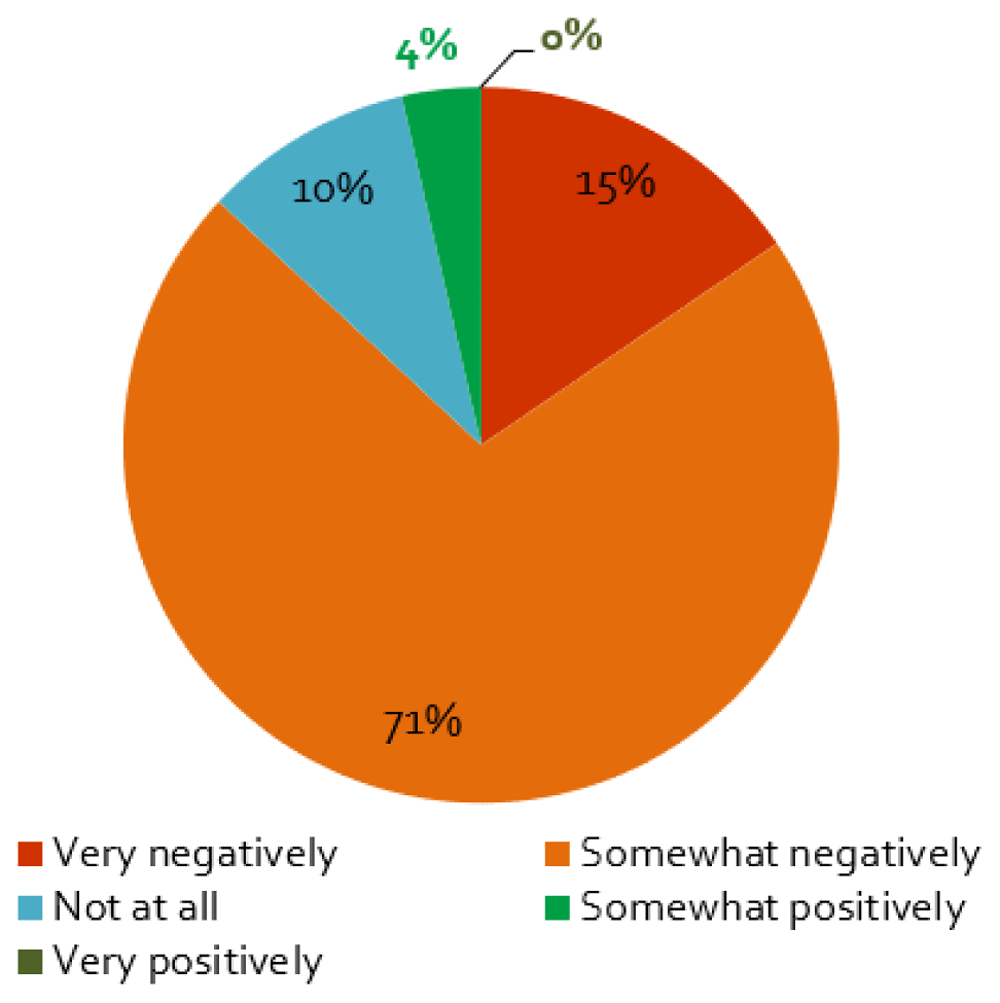
Figure 4. Impact of the coronavirus disease 2019 (COVID-19) pandemic on stakeholder activities and its outcomes: a) Does the COVID-19 pandemic influence your stakeholder activity/engagement negatively or positively?, n = 84.
Only 10% of the respondents saw no influence of the COVID-19 measures on the stakeholder engagement at all (Figure 4). As expected, these responses are correlated with the importance of the engagement activities for the project: if the interaction is ‘not very important’ for the project, the effect is also smaller (cf. Table 1). Additionally, a small percentage assessed the influence of the pandemic to be positive (Figure 4), which is possibly related to the better response of stakeholders to online formats (Figure 5), enabling more frequent exchange with stakeholders or access to stakeholders living further away.
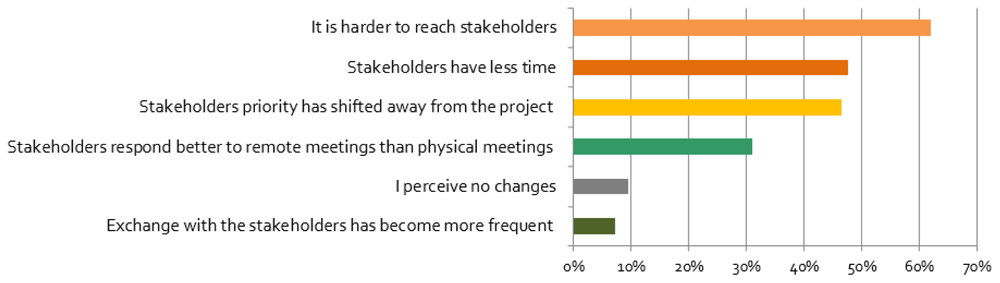
Figure 5. Perceived changes of relationship with stakeholders (multiple responses possible): Please tick the boxes if you agree with the following statements, n = 84.
In contrast, for many respondents it became harder to reach stakeholders (Figure 5). Respondents underlined that stakeholders’ life was negatively affected by the crisis: stakeholders “experienced an increase in stress and workload”, had “difficult[ies] to perform the work foreseen due to the closure or reduction of activities”, experienced dropped incomes, were “unable to work”, or may even have become unemployed. It is not surprising that these impacts have led to a shifting of stakeholders’ priorities away from the projects (Figure 5). In contrast, the priorities for stakeholder engagement of most researchers did not change, but for some they decreased or increased. Respondents that were personally more affected are especially more likely to report that their stakeholder engagement priority has changed ‘very much’ (cf. Table 2).
More than half of the researchers expect a negative influence on the outcomes of the overall stakeholder engagement process (Figure 6), not only in terms of engagement frequency and similar quantitative aspects, but also in the quality of interactions and stakeholder-based input for the projects. One responded explained:
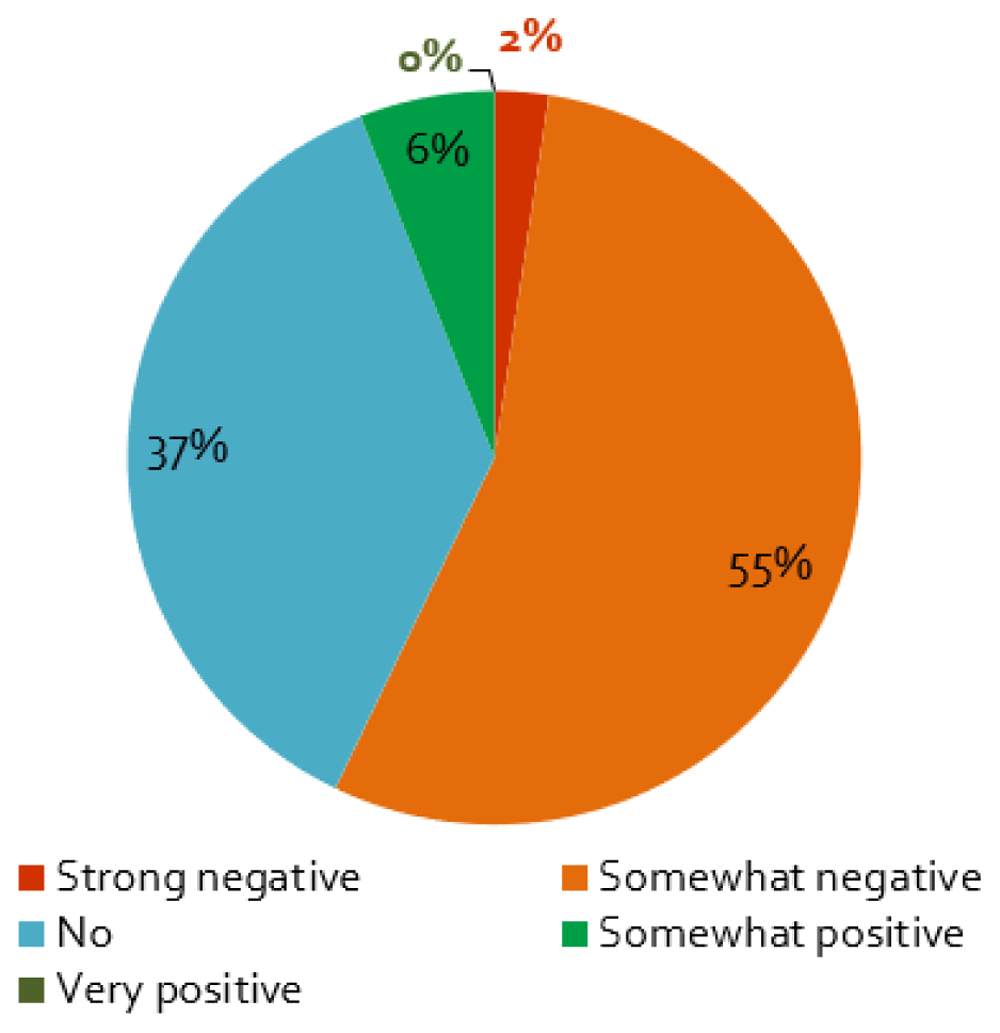
Figure 6. Impact of the coronavirus disease 2019 (COVID-19) pandemic on outcomes of the stakeholder engagement process: Do you think that the COVID-19 situation will influence the outcomes of your stakeholder engagement process?, n = 84.
I think the COVID-19 restrictions on in-person community engagement will limit the value of stakeholder feedback. We have just completed the Comprehensive Plan update, and the four community engagement workshops created a bonding among the community that had great value. The participants felt ownership to the results and support the implementation actions. This attribute will be even more critical in the Climate Action Plan, as some of the actions are a bit more controversial. Lacking the interactive discussions and bonding over shared outcome is a weakness of the COVID-imposed process.
This quote underlines that the more co-creative processes may also suffer from reduced possibilities for co-designing research questions, co-owning the results and co-agreeing on its implications – the very aim of transdisciplinary research.
The impact of the COVID-19 crisis on project workflows and outcomes
The coronavirus restrictions have negative impacts on the workflow of most projects, mainly leading to delays in the flow of data between work packages, as shown in Figure 7a. These delays have led to a stronger feeling by researchers’ that their stakeholder activities are negatively affected by the pandemic, as shown in the Table 2 of the detailed results from the regression analysis.
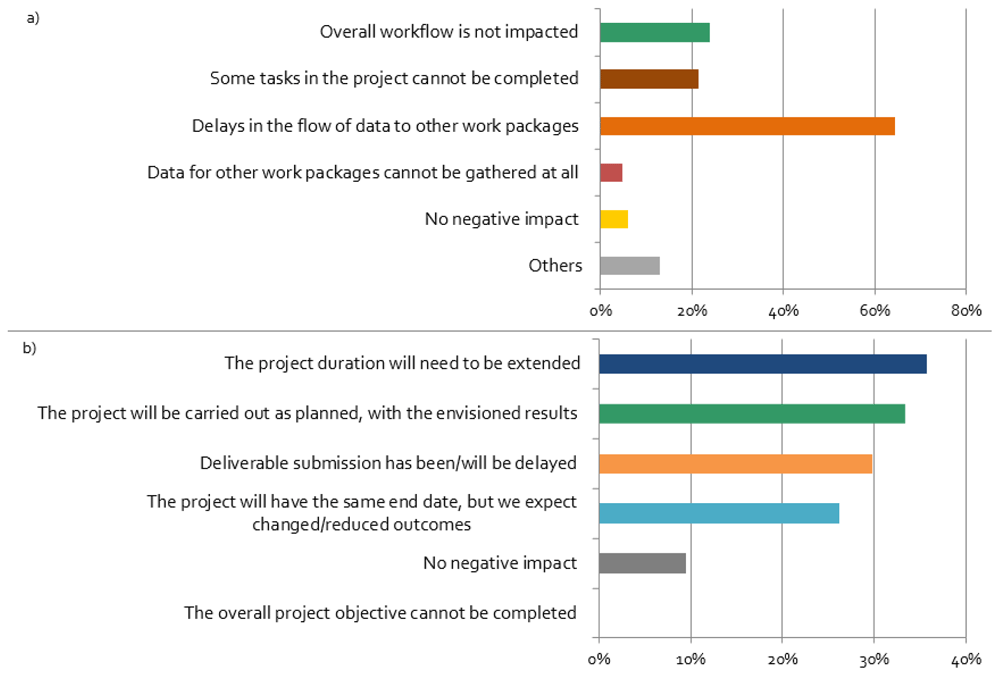
Figure 7.
Impacts of the coronavirus disease 2019 (COVID-19) crisis on the projects: a) Do you think that the COVID-19 situation will have a negative impact on the workflow within your project?; b) How do you think the changes in your stakeholder engagement activities will affect the proceedings and results of your overall project? (multiple choices possible), n = 84.
Most respondents expect that changes in stakeholder engagement activities will affect the proceedings and results of the overall project (Figure 7b). Although all respondents believe that the overall project objectives can be still completed, the majority of the projects will not be carried out as planned, and, thus, results will be different than planned. Furthermore, more than one third of the respondents expect that they will need to extend the project duration, which leads to their perception of stakeholder activities being ‘very negatively’ affected by the crisis (cf. Table 2). This is not only related to the challenge of involving stakeholders, but also because researchers had to “adapt […] to this format[s] and approach[es that] require[d] a learning curve for [their] teams”. This capacity building for dealing with online communication tools has been an important step for most of the respondents as few activities took place as physical, socially distanced events (Table 3).
Table 3. Overview of engagement activities and impacts of the coronavirus disease 2019 (COVID-19) crisis on the implementation (numbers), multiple choices possible, n = 84.
| Type of activity | Planned | Implemented
as planned | Socially
distanced | Delayed | Cancelled | Format
changed | Other |
|---|
Information events
for stakeholders | 46 | 0 | 7 | 24 | 11 | 27 | 2 |
Face-to-face
workshops | 64 | 0 | 9 | 29 | 10 | 45 | 7 |
| Conferences | 39 | 1 | 2 | 20 | 10 | 28 | 4 |
| Focus groups | 24 | 1 | 5 | 17 | 5 | 19 | 1 |
Face-to-face
interviews | 28 | 1 | 1 | 14 | 6 | 16 | 2 |
| Online interviews | 14 | 8 | - | 8 | 0 | 3 | 1 |
| Face-to-face survey | 9 | 0 | 1 | 1 | 6 | 4 | 0 |
| Online survey | 24 | 18 | - | 7 | 1 | 0 | 0 |
| Webinars | 29 | 21 | - | 5 | 1 | 3 | 3 |
| % of strategy applied: | | 18% | 9% | 45% | 18% | 52% | 7% |
Coping strategies of researchers to deal with containment measures
Researchers adapted their involvement activities to the restrictions: only one of six stakeholder engagement activities were implemented as planned – almost all of which were already planned to be online – whereas two thirds were either cancelled or delayed. The most common coping strategies were delays, presumably hoping for looser restrictions in the future, and changes in formats – and often a combination of the two measures (Table 3).
Among the alternative engagement formats (if formats were changed), online workshops and webinars are the most common (Table 4). Conferences, face-to-face interviews and focus groups were often directly replaced by the respective online format. Information events, as well as face-to-face workshops, were mainly replaced by webinars and online workshops. Interestingly, respondents often performed more than one alternative engagement activity, suggesting that the online formats are not seen as perfect complements to physical meetings.
Table 4. Overview of alternative online engagement activities performed, if ‘format changed’ (numbers), multiple choices possible, n = 84.
| Type of activity | Webinar | Online
workshop | Online
conference | Online focus
groups | Online
interviews | Online
survey | Other |
|---|
Information
events | 15 | 14 | 6 | 5 | 2 | 3 | 1
Online content, e.g.,
videos |
| Face-to-face workshops | 17 | 32 | 5 | 7 | 6 | 3 | 5
Mailed survey, online
group, not decided |
| Conference | 10 | 7 | 18 | 1 | 1 | 2 | 4
Blogs, not decided |
| Focus groups | 2 | 6 | 1 | 11 | 6 | 4 | 2
Not decided |
| Face-to-face interviews | 1 | 1 | 0 | 1 | 14 | 1 | 2
Online meetings,
telephone survey |
| Face-to-face survey | 1 | 1 | 0 | 0 | 2 | 2 | 0 |
| Online interviews | 3 | 1 | 0 | 1 | 0 | 0 | 0 |
| Webinar(s) | 2 | 0 | 0 | 0 | 0 | 0 | 1
Not decided |
Assessment of alternative stakeholder engagement formats
Our results show that many alternative, online formats – although not the researchers’ first choice − have been useful for projects: in particular, webinars, online interviews and online surveys are widely seen as suitable online engagement formats (Figure 8). In contrast, experiences with online focus groups, online conferences and workshops were more mixed. Interactive workshops and networking formats seem to be challenging, and respondents recommended rather short online conferences, because as one wrote “online concentration span and endurance of people is limited”. However, shorter events may lead “sometimes to very superficial results because [there is] no time to deepen certain aspects”, as one researcher reported. In addition, respondents suggested the splitting up of participants in “smaller targeted online events (workshop, focus group, interviews), where not too many people are present”, as well as “break-out groups coupled with interactive polling tools, appeared to increase stakeholder retention and participation over the course of a small 1-day workshop.”
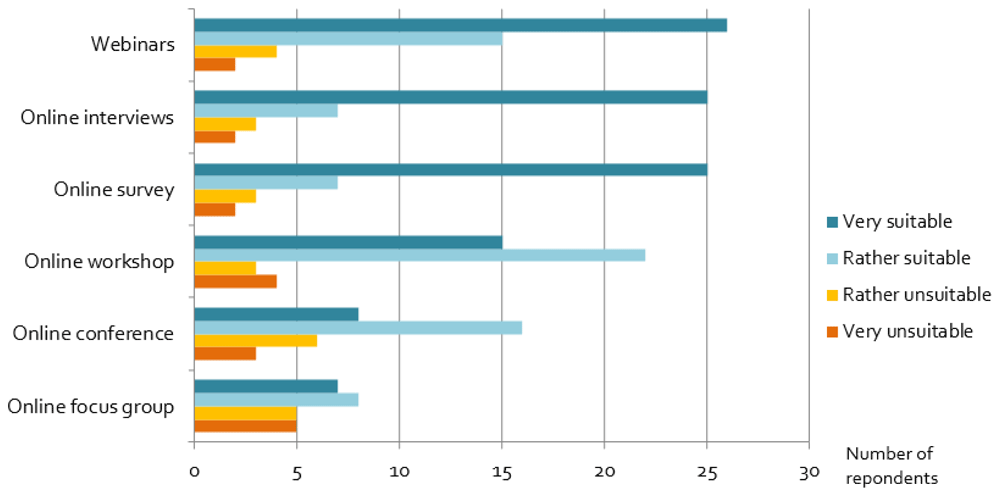
Figure 8. Assessment of alternative, online engagement methods: Considering the goals of the stakeholder activity you wanted to perform originally, how suitable were the following formats as a replacement?
For some projects it became easier to engage stakeholders online, especially “policymakers appear to be easier to engage in short online meetings than longer physical meetings”. In contrast, other stakeholders left the projects, as a consequence to the social distancing measures, as one respondent explained:
Not all stakeholders […] wanted to continue meeting online. Many stakeholders found the planned in-person meeting of their peers in another city as a motivation to join the project in the first place.
In addition, one quarter of the respondents stated that they could not reach stakeholders via digital tools, which concerns mainly citizens, local authorities, and locally-based businesses. One respondent expressed their concern: “Many of our target stakeholders are elderly, and many have limited computer access.”
Nevertheless, the majority (55 out of 66 respondents, free text reply) plans to continue online engagement activities after the contact restrictions are lifted; some were unsure about it yet, while a few expressed their scepticism – “hopefully not”. Researchers agreed that online formats cannot replace face-to-face meetings, as they are “essential to engage with stakeholders to allow for clearer communication and networking”.
Discussion
Effects of the COVID-19 pandemic on current and future stakeholder engagement activities
The COVID-19 crisis challenged stakeholder engagement in energy research, but it did not stop it. Adding to Leal Filho et al. (2020), we find that the pandemic has rearranged the work environment and the private life of energy researchers but also stakeholders, and, thus, it is not surprising that planning of, and participation in, engagement activities has moved down on professional agendas. We demonstrate that, especially in the case of projects that rely more on involvement with stakeholders, these projects were harder affected by the impacts of the pandemic. Delays and cancellations are not only common among scientific meetings (Leal Filho et al., 2020), but as we find this was also the case for stakeholder engagement activities.
Coping strategies and format changes have different advantages and drawbacks. Almost half of the projects decided to delay stakeholder engagement activities, likely in the hope that in-person communication will become possible soon. While this might be a good strategy at a first glance, to benefit from a deeper in-person engagement later on, delays may accumulate within a project. Regarding the formats, some formats, such as webinars and online interviews, which are based either on one-to-one interaction or unidirectional communication, seem to work well online and provide satisfying results. Offering such formats online makes them easily accessible to a potentially larger audience of stakeholders and saves travel times. Contrary to this, formats requiring group activities, a higher level of stakeholder involvement and multidirectional communication (cf. Späth & Scolobig, 2017) appear to be less suitable, which poses a huge challenge on projects that rely on collaboration and co-creation with stakeholders.
The COVID-19 crisis may prove to be a window of opportunity for digitalisation in stakeholder-involving research. Social distancing measures enforced a shift towards unforeseen online engagement activities in five of six cases. This verifies findings by Schwarz et al. (2020) for the academic context: researchers are willing to also use digital tools for science-stakeholder interactions. Researchers quickly built up new capacities to involve stakeholders online and showed a high openness in trying new engagement formats instead of resigning. We find that most energy researchers plan to continue using online formats for stakeholder engagement. Although some stakeholders decreased their engagement in research projects, most stakeholders also showed openness for new online engagement activities: to varying degrees, but generally at least satisfactorily, the online formats worked too.
Nevertheless, adding to previous insights for the academic context (Schwarz et al., 2020), we find that online engagement activities seem unsuitable to replace physical interactions with stakeholders completely. This is because of reduced depths of interaction, but also because of different levels of stakeholders’ commitment to contribute to research projects: participation in physical events requires dedicating more time and other resources than switching on the computer; hence, there is a risk of reduced commitment to online-only engagement processes. Furthermore, we agree with Beaunoyer, Dupéré, and Guitton (2020) that not all stakeholders are used to online technologies, which may lead to technology-related inequalities and digital exclusion of particular stakeholder groups. Hence, researchers must be aware of the stakeholder groups that cannot be easily reached digitally and adapt their approaches accordingly. As a result, we expect a shift towards a combination of online and offline activities at different times as well as hybrid formats that combine both forms.
Stakeholder engagement relies on social relationships between researchers and stakeholders, which have been challenged by the containment measures. Thus, researchers, stakeholders and funding institutions need to recognise the current situation. The crisis requires all parties to be flexible with their approaches, and we hope that all these actors will take some valuable lessons from our research to maintain a strong and fruitful relationship during the COVID-19 pandemic.
Limitations and future research
Measures against the COVID-19 pandemic are constantly changing, and so are the framework conditions for stakeholder interactions. Situations that respondents experienced in spring 2020 during the first wave of the pandemic may not necessarily be the same in the winter of 2020/2021 and the following months. Moreover, as coronavirus restrictions also vary between countries, there are different possibilities for stakeholder interactions in different places. In this research, we could account neither for specific phases of the pandemic, nor for situations in specific country-based contexts; as a result, future research could investigate these changes and differences over space and time.
Since many activities were ongoing at the time of the survey, we could only identify initial lessons on the coping strategies and the success of implemented measures. Although we received insights on the expected impacts of coping strategies on the project outcomes, since the stakeholder engagement processes are ongoing, the actual impacts will likely materialise towards the end of the projects. To this end, we plan to carry out an updated version of the same survey again in summer 2021.
Finally, only energy research projects were within the scope of this study. It would be relevant to see similar studies also in other specific fields, to potentially monitor and compare how different research areas respond and adapt their approaches, so as to enable cross-disciplinary learning and an exchange of experiences.
Implications on the future funding of research projects
Whereas stakeholder involvement is a crucial component of many research projects funded today, the COVID-19 crisis revealed that this requirement has made these projects vulnerable to changes in stakeholder input. Thus, it raises questions of how resilient transdisciplinary research is: access to stakeholders can only partially be influenced by the researchers themselves, and to some extent, they are simply exposed to the risk of failing engagement activities due to external factors. Consequently, the COVID-19 crisis can also be seen as a resilience test for the participatory aspirations of the research funding bodies. While the European Commission’s response has been generally sympathetic in that context, not all researchers were met with open ears when requesting for a project extension due to coronavirus restrictions. This issue may need to be addressed by funders, especially because coronavirus restrictions seem to continue for a longer time.
Conclusions
We conclude that the coronavirus social distancing and lockdown measures have a mainly negative influence on stakeholder engagement in energy research projects, especially by interrupting the exchange between researchers and involved actors, causing delays in the project workflow, and changing outcomes of stakeholder engagement processes. Given this difficult situation, researchers have been able to quickly adapt by finding new ways of engaging with stakeholders, switching especially to online workshops and webinars. Almost exclusively, activities that were planned as online formats in the first place could be implemented as planned. Researchers have had good experiences with online engagement formats, in particular one-to-one formats − webinars, online surveys and interviews – but not really with online group activities, such as workshops and conferences. Online engagement will likely continue after the crisis, but only to complement and not to replace physical meetings in energy research. The long-term effects on energy research remain to be seen, but given the large amount of hope put into postponing events, there is a clear risk that projects will not be able to finish on time or with the intended contents, depending on the duration of the coronavirus-related restrictions.
Although the COVID-19 crisis is a monumental challenge for all, and in our profession as researchers, positive changes can be triggered. When forced to adapt, researchers and stakeholders quickly started experimenting with new formats – and developed several solutions that were found useful and attractive. Quite possibly, after the pandemic ends, we will find that more of our work has moved into the online space – and we will know why personal contacts are irreplaceable, after all.
Data availability
Underlying data
The survey data underlying this study are not openly available to protect the anonymity of participating individuals and projects. Given that we asked for many details of the projects, like funding source, duration etc., we cannot guarantee anonymity. For further COVID-19 research and the replicability of the research in another study context, access to semi-anonymised data can be granted. For further information on the data please contact Diana Süsser (diana.suesser@iass-potsdam.de).
Acknowledgments
We thank Vera Köpsel (University Hamburg, project PANDORA) for designing together with us the survey underlying the results presented in this paper. We thank Jeremias Herberg and Stephen Gary Williams (IASS) for their feedback on the survey design. We also thank all our participants of the survey for taking the time for participating in our research.
Faculty Opinions recommendedReferences
- Beaunoyer E, Dupéré S, Guitton MJ:
COVID-19 and digital inequalities: Reciprocal impacts and mitigation strategies.
Comput Human Behav.
2020; 111: 106424. PubMed Abstract
| Publisher Full Text
| Free Full Text
- Bracken LJ, Bulkeley HA, Whitman G:
Transdisciplinary research: understanding the stakeholder perspective.
J Environ Plan Manag.
2015; 58(7): 1291–1308. Publisher Full Text
- Bruhn T, Herberg J, Molinengo G, et al.:
Grounded action design – Transdisciplinary co-creation for better transformative processes. Frameworks for transdisciplinary research #9.
Gaia - Ecological Perspectives for Science and Society.
2019; 28(4): 336. Publisher Full Text
- Bryman A:
Social Research Methods. Fourth edi. ed. Oxford: Oxford Univ. Pr. 2012. Reference Source
- Corbera E, Anguelovski I, Honey-Rosés J, et al.:
Academia in the Time of COVID-19: Towards an Ethics of Care.
Plan Theory Pract.
2020; 21(2): 191–199. Publisher Full Text
- Creswell JW, Creswell JD:
Research Design: Qualitative, Quantitative, and Mixed Methods. fifth edit. ed. SAGE Publications, Los Angeles. 2018. Reference Source
- European Commission: Public Engagement in Responsible Research and Innovation. [WWW Document]. 2020a. Reference Source
- European Commission: Can the clause on “force majeure” in the Horizon 2020 grant agreement be invoked in relation to the COVID-19 outbreak? [WWW Document]. 2020b. Reference Source
- Fazey I, Schäpke N, Caniglia G, et al.:
Ten essentials for action-oriented and second order energy transitions, transformations and climate change research.
Energy Res Soc Sci.
2018; 40: 54–70. Publisher Full Text
- Funtowicz S, Ravetz J:
Values and Uncertainties. In: Handbook of Transdisciplinary Research. Springer Netherlands, Dordrecht, 2006; 361–368. Publisher Full Text
- Klenk NL, Meehan K, Pinel SL, et al.:
GLOBAL CHANGE SCIENCE. Stakeholders in climate science: Beyond lip service?
Science.
2015; 350(6262): 743–4. PubMed Abstract
| Publisher Full Text
- Köpsel V, de Moura Kiipper G, Peck MA:
Stakeholder engagement vs. social distancing—how does the Covid-19 pandemic affect participatory research in EU marine science projects?
Marit Stud.
2021. Publisher Full Text
- Lang DJ, Wiek A, Bergmann M, et al.:
Transdisciplinary research in sustainability science: Practice, principles, and challenges.
Sustain Sci.
2012; 7: 25–43. Publisher Full Text
- Leal Filho W, Azul AM, Wall T, et al.:
COVID-19: the impact of a global crisis on sustainable development research.
Sustain Sci.
2020; 1–15. PubMed Abstract
| Publisher Full Text
| Free Full Text
- LimeSurvey: An Open Source survey tool /LimeSurvey GmbH.
2020.
- Lutz LM, Bergmann M:
Transdisziplinarität: Forschungsansatz für die Energiewende. In: Holstenkamp, L., Radtke, J. (Eds.), Handbuch Energiewende Und Partizipation. Springer VS, Wiesbaden,
2018; 43–56. Publisher Full Text
- Mielke J, Vermaßen H, Ellenbeck S:
Ideals, practices, and future prospects of stakeholder involvement in sustainability science.
Proc Natl Acad Sci USA.
2017; 114(50): E10648–E10657. PubMed Abstract
| Publisher Full Text
| Free Full Text
- Mielke J, Vermaßen H, Ellenbeck S, et al.:
Stakeholder involvement in sustainability science—A critical view.
Energy Res Soc Sci.
2016; 17: 71–81. Publisher Full Text
- Renn O:
The function(s) of transdisciplinary research in conflicting transformations.
Gaia.
2019; 28(1): 44–51. Publisher Full Text
- Schneider F, Buser T:
Promising degrees of stakeholder interaction in research for sustainable development.
Sustain Sci.
2018; 13(1): 129–142. PubMed Abstract
| Publisher Full Text
| Free Full Text
- Scholz RW, Steiner G:
The real type and ideal type of transdisciplinary processes: part I—theoretical foundations.
Sustain Sci.
2015; 10: 527–544. Publisher Full Text
- Schwarz M, Scherrer A, Hohmann C, et al.:
COVID-19 and the academy: It is time for going digital.
Energy Res Soc Sci.
2020; 68: 101684. PubMed Abstract
| Publisher Full Text
| Free Full Text
- Späth L, Scolobig A:
Stakeholder empowerment through participatory planning practices: The case of electricity transmission lines in France and Norway.
Energy Res Soc Sci.
2017; 23: 189–198. Publisher Full Text
- Spyridaki NA, Stavrakas V, Dendramis Y, et al.:
Understanding technology ownership to reveal adoption trends for energy efficiency measures in the Greek residential sector.
Energy Policy.
2020; 140: 111413. Publisher Full Text
- Stagl S:
Opportunities of post COVID-19 European recovery funds in transitioning towards a circular and climate neutral economy.
2020. Reference Source
- Stauffacher M, Flüeler T, Krütli P, et al.:
Analytic and dynamic approach to collaboration: A transdisciplinary case study on sustainable landscape development in a swiss prealpine region.
Syst Pract Action Res.
2008; 21: 409–422. Publisher Full Text
- Süsser D, Ceglarz A, Stavrakas V, et al.:
Questionnaire related to Süsser et al. (2021) on the impact of COVID-19 on stakeholder engagement in European energy research. (Version 1).
Zenodo.
2021. http://www.doi.org/10.5281/zenodo.4765630