Introduction
Noncommunicable diseases (NCDs) are responsible for more than 70% of the deaths worldwide, three-quarters of which occur prematurely1. NCDs have a dramatic impact in low- and middle-income countries, where 86% of these diseases occur2. It is estimated that physical inactivity and unhealthy diets account for up to 50% of the main NCDs3. Thus, some of the major strategies for the prevention and control of NCDs are to increase physical activity4 and shift to healthier diets5. Increased physical activity has a positive effect on cardiovascular diseases, several types of cancers, chronic respiratory diseases, diabetes, and mental health3,6. Furthermore, changing to a healthy diet could prevent approximately 11 million deaths per year, which represents 19–24% of total adult deaths5. Despite this clear link, there continues to be an alarming upward trend of obesity worldwide, lives continue to become more sedentary, and access to unhealthy food continues to grow at a global level7,8.
While individual behaviors are important risk factors, unhealthy diets and physical inactivity are strongly influenced by the physical and social surroundings of individuals9. The environment is made up of the “physical and social characteristics in which people live” and it represents one of the factors that most influences people’s lives. The environment can affect people’s health in subtle ways, affecting their behaviours and activities through complex and sometimes indirect pathways10,11, where one's socioeconomic position plays a major role12,13. Studies predominantly from Australia, the UK, and the USA have demonstrated that living in close proximity to open public spaces is associated with greater physical activity and improved health, and poorer access to supermarkets may be linked to a higher body mass index9.
In recognition of the importance of the environment for shaping one’s individual behaviors, we must also acknowledge the role of public policies in modifying that environment14,15. In this way, we can presume that premature deaths resulting from NCDs could be largely prevented by public policies that tackle shared risk factors, mainly unhealthy diets and physical inactivity, many of which may be outside the remit of the health sector itself. Many people affected by NCDs live in settings where they experience barriers to physical activity and/or follow a healthy diet, which are mediated by the social determinants of health16. That said, many of the interventions to increase physical activity or to promote a healthy diet remain focused on individual behaviour change through motivational or educational means. As Geoffrey Rose stated in his seminal work17,18, a more rational approach is to reduce risk factors in the general population through policy actions rather than by acting on the behaviour of individuals. One of the objectives of the Global Action Plan for the Prevention and Control of NCDs 2018–20304 is to reduce modifiable risk factors and underlying social determinants of NCDs through the creation of health-promoting environments.
Significant policy efforts have been made to support the global targets for NCD reduction. A recent study mapped evidence supporting national policies regarding physical activity and sedentary behavior19 and the nutrition policies of members of the Organisation for Economic Cooperation and Development were analyzed as part of a scoping study20. Action at the national level, such as implementing a new fiscal policy that places higher taxes on unhealthy products, is one way to change the environment; however, it is not the only way. Action at the local level can have a significant impact; for example, urban planning policies can promote sustainable and healthy mobility with easy access to local markets, schools, or workplaces, and the director can choose to use price incentives to promote healthier options in canteens. Thus, local action can be critical to creating environments conducive to good health21. While there is no doubt that there is a wealth of published research on how to increase physical activity and improve diet, the extraordinary diversity of studies and the methodological problems that may compromise their validity make it advisable to look for recognized sources of evidence that have been previously synthesized using standardized methods. Our aim was to map evidence-based policy actions to promote physical activity and healthy diet by modifying the social and/or physical environment at the local level.
Methods
We conducted a scoping review to identify relevant evidence-based policy actions proposed by public health institutes or organizations to promote physical activity or a healthy diet, which were focused on modifying the environment and could be led by actors at the local level. Policy actions were considered evidence-based if they were proposed by government agencies or closely networked groups of agencies that provide science-based leadership, expertise, and coordination for a country’s public health activities22,23. These agencies have many different names, such as public health agencies, institutes of public health, public health centers, centers for disease control and prevention or health protection, and are typically designated as politically neutral, semi-autonomous governmental agencies subordinate and supportive of Ministries of Health that are science-based (i.e., data-driven) and undergirded by a legal framework22,23. For the purpose of this manuscript, we refer to them generically as “public health institutes.”
The scoping review was guided by the methodology proposed by the Joanna Briggs Institute Scoping Reviews24 and based on the methodological framework of Arksey and O’Malley25. This study is part of a wider mixed-methods project (anonymized).
Search strategy
Selection process for public health institutes and organizations. We used a two-step strategy to identify government-supported public health institutes or organizations that generate evidence-based recommendations for policy actions.
With this aim, we first selected the three most internationally recognized institutes: the UK’s National Institute for Health and Care Excellence (NICE), the Community Preventive Services Task Force (CPSTF) in the USA, and the World Health Organization (WHO) and its regional offices.
The second step involved identifying additional public health institutions. We established a list of potentially relevant national public health institutes using the International Association of National Public Health Institutes22, which had 115 members in 98 countries by the end of June 2023, when the most recent revision of the list was completed. Furthermore, we conducted a directed online search of evidence-based policy documents to identify further public health institutes not identified in the previous steps, using the following search equations in Google (“physical inactivity” OR “physical activity” OR sitting OR sedentar*) AND (policy and policies), (Diet OR “healthy diet” OR Nutrition OR obesity) AND (policy and policies) in English and Spanish. Two researchers independently assessed each agency to identify whether they had generated evidence-based recommendations. We defined that an agency generated evidence-based recommendations if it incorporated a systematic search for evidence, explicitly evaluated the quality of that evidence, and then espoused recommendations based on the best available evidence, even when that evidence was not of high quality26. Discrepancies were resolved by a third researcher. We then consecutively extracted policy actions from each identified public health institute.
Selection criteria of the policy actions. We included policy actions if they 1) aimed at increasing physical activity or improving diet; 2) focused on modifying the physical or social environments; 3) were implemented at the local or community level; 4) were expressed as concrete actions (e.g., establish cycle lanes) rather than a general aim (e.g., encourage active transport); and 5) were described explicitly as being based on evidence.
We excluded policy actions if they: 1) were policies that needed to be implemented at the international or national level; 2) focused solely on changing individual behaviors through motivational and/or educational means; 3) described the development process of the action only (e.g., training of professionals); and 4) were limited to populations with a specific disease (for example,. individuals diagnosed with diabetes).
Data extraction
We develop an ad-hoc form to collect the main characteristics of each policy action. This form was independently piloted by all researchers in a sample of five policy actions to determine if the extracted information was consistent with the review aim. Through a discussion of each individual action, we reached a consensus and established a definitive form for extracting data from the remaining actions. Two researchers assessed each policy action and any discrepancies were resolved by a third researcher.
From each included guideline, we extracted the following: year of publication; source (agency); general scope of the intervention (e.g., promoting active travel to school or promoting healthy food in schools); specific policy action (e.g., building cycle paths or favoring healthier food and beverage choices in vending machines); target setting (e.g., schools, workplaces, or community); target population (e.g., young people, elderly people, people with disabilities, overweight or obese people); the intended audience (e.g., local authorities, health authorities, education authorities, urban planners, employers, school workers, directors, and others); and the link to the website where each guideline was published.
Data analysis and presentation
We conducted a descriptive analysis of the variables extracted from each policy action by target-setting. Finally, after revising all the extracted information and identifying similarities and differences, we synthesized the information into a list of recommendations to increase physical activity and improve diet by modifying physical and/or social environments. Three researchers then worked together with a graphic designer to create visual representations of the actions in an infographic format according to the different settings where they could be implemented. A significant proportion of the actions were recommended for implementation in schools; therefore, one infographic was dedicated to schools. There were a series of actions that were recommended for specific settings, such as schools, shops, restaurants, and workplaces, and these were grouped into one infographic representing action for indoor settings. Finally, actions proposed to modify the outdoor environment with green spaces, improved connectivity, etc., were grouped into one infographic for outdoor settings. We sought to represent the need to attend to accessibility issues and potential equity concerns by including people of different abilities, gender, and ethnicities throughout the design process.
Results
The policy actions identified came from at least one of the eight institutes that issued evidence-based recommendations using standardized procedures for quality assurance. These institutes were Academia Nacional de Medicina from México, CPSTF from the United States, Institut National de santé publique du Quebec and Public Health Agency from Canada,(PHAC) NICE from the United Kingdom, Pan-American Health Association, World Cancer Research Fund International, and WHO. We reviewed 63 guidelines (or other reports that included evidence-based recommendations), of which 18 included actions on diet and 46 on physical activity (six guidelines referred to both). We identified 540 actions included in the guidelines on diet; 47 met the selection criteria, and from the 358 actions on physical activity, 74 met the inclusion criteria (Figure 1). A list of identified institutes of public health and reviewed guidelines is presented in Supplementary Files 1 and 2.
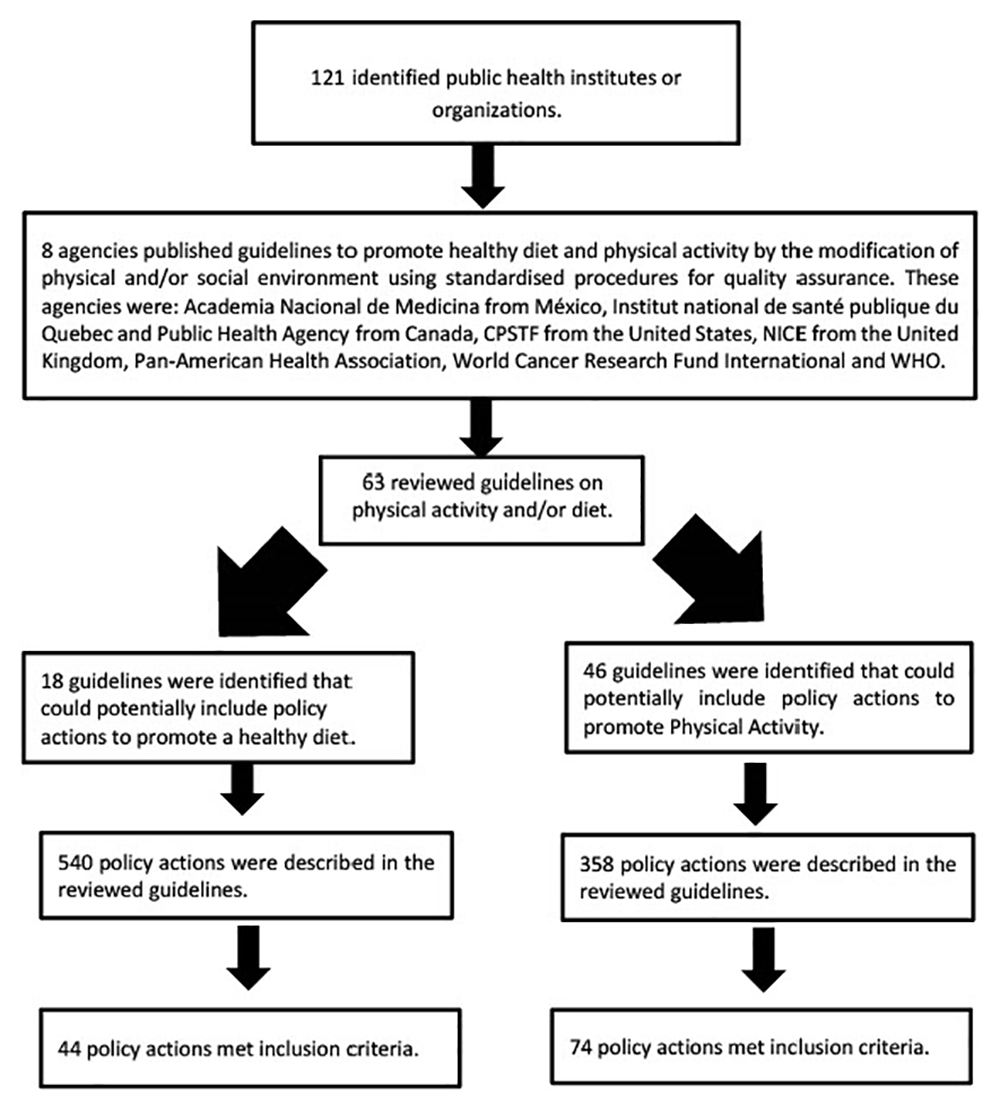
Figure 1. Flow diagram for identification of evidence-based policy actions to promote healthy diet and physical activity by the modification of physical and/or social enviroment.
After applying the inclusion criteria and synthesizing the information extracted from different guidelines and institutes, we included 118 actions published between 2001 and 2019 (74 to promote physical activity and 44 to promote a healthy diet) by six public health institutes. Of these, 56 were actions recommended by NICE, 17 by Academia Nacional de Medicina de México, 18 by CPSTF, 9 by Institut National de Santé Publique du Qébec (Canada), 13 by the PHAC, and 16 by the WHO. Table 1 shows the guidelines that included evidence-based policy actions proposed by public health institutes or organizations to promote healthy diets and physical activity, which were focused on modifying the environment and could be led by actors at the local level27–52, their target population and environment, and intended audience.
Table 1. Guidelines that included evidence-based policy actions to promote healthy diets and physical activity which were focussed on modifying the environment and could be led by actors at the local level, their target population and environment and intended audience.
| Guideline | Target Population | Target Environment | Intended audience |
|---|
| ANMM (Academia Nacional de Medicina de México) |
|---|
| Obesidad en México. Recomendaciones para una política de estado (Obesity in Mexico. Recommendations for a state policy) (2013)27 | General | Community | Local authorities |
| Children and young people | School | School directors, health/education authorities |
| CPSTF (Community Preventive Services Task Force) |
|---|
| Physical Activity: Social Support Interventions in Community Settings (2001)28 | General population | Community | Local authorities |
| Physical Activity: Creating or Improving Places for Physical Activity (2001)29 | General population | Community | Local authorities |
| Physical Activity: Point-of-Decision Prompts to Encourage Use of Stairs (2005)30 | Children and young people | Community
Schools | Local authorities
School staff
Families |
| Obesity: Worksite Programs (2007)31 | Workers | Workplaces | Employers in organisations of all sizes (in larger organisations this might include their representatives, for example, HR directors and senior managers)
Public health professionals, occupational health professionals, workplace health promoters
Trades unions, other employee representatives, employees. |
| Physical Activity: Enhanced School-Based Physical Education (2013)32 | Children and young people | Schools
Community | Local authorities
School staff
Families |
| Physical Activity: Built Environment Approaches Combining Transportation System Interventions with Land Use and Environmental Design (2016)33 | General population | Community | Local authorities |
| Obesity Prevention and Control: Meal or Fruit and Vegetable Snack Interventions Combined with Physical Activity Interventions Provided by Schools (2016)34 | Children and young people | School | School directors, health/education authorities |
| Obesity prevention: Meal or Fruit and Vegetable Snack Interventions to Increase Healthier Foods and Beverages in Schools (2018)35 | Children and young people | School | School directors, health/education authorities |
| Physical Activity: Interventions to Increase Active Travel to School (2018)36 | Children and young people | Community
Schools | Local authorities
School staff
Families |
| Institut National de Santé Publique du Quebec |
|---|
| Built environment and physical activity among young people (2013)37 | Children and young people | School | School directors, health/education authorities |
| Children and young people | Community | Local authorities |
| NICE (National Institute for Health and Care Excellence) |
|---|
| Physical Activity: Community-Wide Campaigns (2001)38 | General population | Community | Local authorities |
| Mental wellbeing in over 65s: occupational therapy and physical activity interventions [PH16] (2008)39 | Older people and their carers |
Community | Physiotherapists, fitness instructors and other health, social care, leisure services and voluntary sector staff who have the qualifications, skills and experience to deliver exercise programmes appropriate for older people. |
| Physical activity for children and young people [PH17] (2009)41 | Children and young people | Community
School
Parks and outdoors (non-traditional spaces; for example, car parks) | Directors of children's services, leisure and cultural services, planning and regeneration; Governors and heads of schools and college
Office managers and other decision-makers involved with buildings and outdoor spaces within the public, voluntary, community and private sectors
Planning and regeneration service managers and project managers
Representatives from crime and disorder reduction partnerships. |
| Girls and young women | Community | Public, voluntary, community and private sector managers and decision-makers able to influence physical activity facilities, opportunities and programmes for girls and young women. |
| Cardiovascular disease prevention [PH25] (2010)42 | General | Museums
Sports centres
Cinemas
Fun parks | Parents and carers of children and young people; Local authorities (providers of cultural and leisure services); Schools (governors and teachers); Catering staff; Nursery nurses and workers in pre-school day care settings; Managers of children's centres. |
| General | Take-away and food outlets, particularly those near schools | Environmental health officers; Local government planning departments; Public health nutritionists; Trading standards officers. |
| Children and young people | Venues frequented by children and young people like fun parks or museums. | Parents and carers of children and young people under the age of 16; Local authorities (providers of cultural and leisure services); Schools (governors and teachers); Catering staff; Nursery nurses and workers in preschool day care; Managers of children's centres. |
| Workers of the public sector | Workplaces | Education authorities; Government departments and agencies; Local authorities; NHS organisations; Prison services; The armed forces; The emergency services. |
| Type 2 diabetes prevention: population and community-level interventions (2011)43 | General | Community | Food retailers, food outlets; Local caterers |
| Families with children | Community | Health authorities |
| Workers | Workplaces | Local authorities and NHS employees |
| Vulnerable families | Community | Local authorities |
| Physical activity: walking and cycling [PH41] (2012)44 | People with impairments | Community | Adult and child disability services. Clinical commissioning groups. Local authority transport leads, transport planners and other transport department staff. Local education services. Organisations with an interest in cycling. Public health practitioners. Public transport operators. |
| Children and young people | Community | School staff
Local authorities (urbanism authorities)
Police traffic officers and neighbourhood policing teams. Road danger reduction and/or road safety officers. |
| Workers | Workplaces | Employers.
Directors and senior staff |
| Weight management: lifestyle services for overweight or obese adults [PH4753] (2014)45 | Obese and overweight adults | Community | Clinical commissioning groups; health and wellbeing boards; local authorities |
| Obesity prevention: Clinical guideline [CG43] (2015)46 | General | Community | Local authorities (senior managers and budget holders) together with local shops, supermarkets and caterers through local partnerships |
| Workers | Workplaces
Healthcare facilities | Senior managers, health and safety managers, occupational health staff, unions and staff representatives, employers' organisations and chambers of commerce, health professionals working with businesses. NHS managers and budget holders |
| Children and young people | Schools | Local authorities and school directors, in collaboration with families |
| Physical activity and the environment [NG90] (2018)47 | People with limited mobility | Community - specifically roads and crossings. | Local authorities (including urban planners) |
| Children and young people, and their families | Community | Local authorities (including urban planners) |
| General population | Parks and other blue and green spaces | Local authorities (including urban planners) |
| Workers | Workplaces | Local authorities (including urban planners) |
| Children and young people | School | Local authorities, school staff and arents’ associations |
| Physical activity in the workplace [PH13] (2019)48 | Workers | Workplaces | Employers in organisations of all sizes (in larger organisations this might include their representatives, for example, HR directors and senior managers)
Public health professionals, occupational health professionals, workplaces health promoters
Trades unions, other employee representatives, employees. |
| QS183: Physical activity: encouraging activity in the community (2019)49 | General population | Community | Local authorities |
| Workers | Workplaces | Employers |
| PHAC (Public Health Agency of Canada) |
|---|
| Designing healthy living (2017)50 | General | Community | Local authorities |
| WHO (World Health Organization) |
|---|
| A guide for population-based approaches to increasing levels of physical activity: implementation of the WHO global strategy on diet, physical activity and health (2007)51 | General population | Community | Local authorities |
| Interventions on diet and physical activity: what works: summary report (2009)52 | Children and young people | Schools | School directors, health/education authorities |
| General population | Community | Local authorities |
| Workers | Workplaces | Employers |
The intended audience members were frequently local authorities (46), school directors, and education authorities (31). Fifteen of the actions mentioned urban planners and four health and public health authorities as intended audiences. Other audiences mentioned were food retailers and food outlets (4), employers and staff representation (7), parents and caregivers of children and young people, child disability services, nursery nurses, and workers in preschool day care settings (2).
Hereafter, we present the results according to the setting in which they can be implemented (outdoor settings, indoor settings, and schools).
We included 118 policy actions that were published between 2001 and 2019. The general population was the target of 55 of 118 policy actions. The remaining were targeted to the following specific populations: children and young people (31), one of which included their parents and caregivers and their school staff, and another particularly targeted girls and young women; workers (11); public sector workers (1); older adults (4); healthcare workers (1); obese and overweight adults (2); vulnerable families (1); and families with children (1) and people with limited mobility (2).
The policy actions addressed the following settings: the community (77), schools and childcare settings (36), workplaces (16), take-away restaurants and other food outlets (2), venues frequented by children and young people, and those outside the direct control of the public sector, such as museums, sports centers, cinemas, and theme parks (2).
Evidence-based policy actions that can be implemented at local level to improve diet and promote physical activity: Outdoor settings (Figure 2)
Given that many of the actions were recommended by multiple institutes or in multiple guidelines but directed at different target populations, we synthesized the information to describe 16 recommendations that can be implemented in outdoor settings.
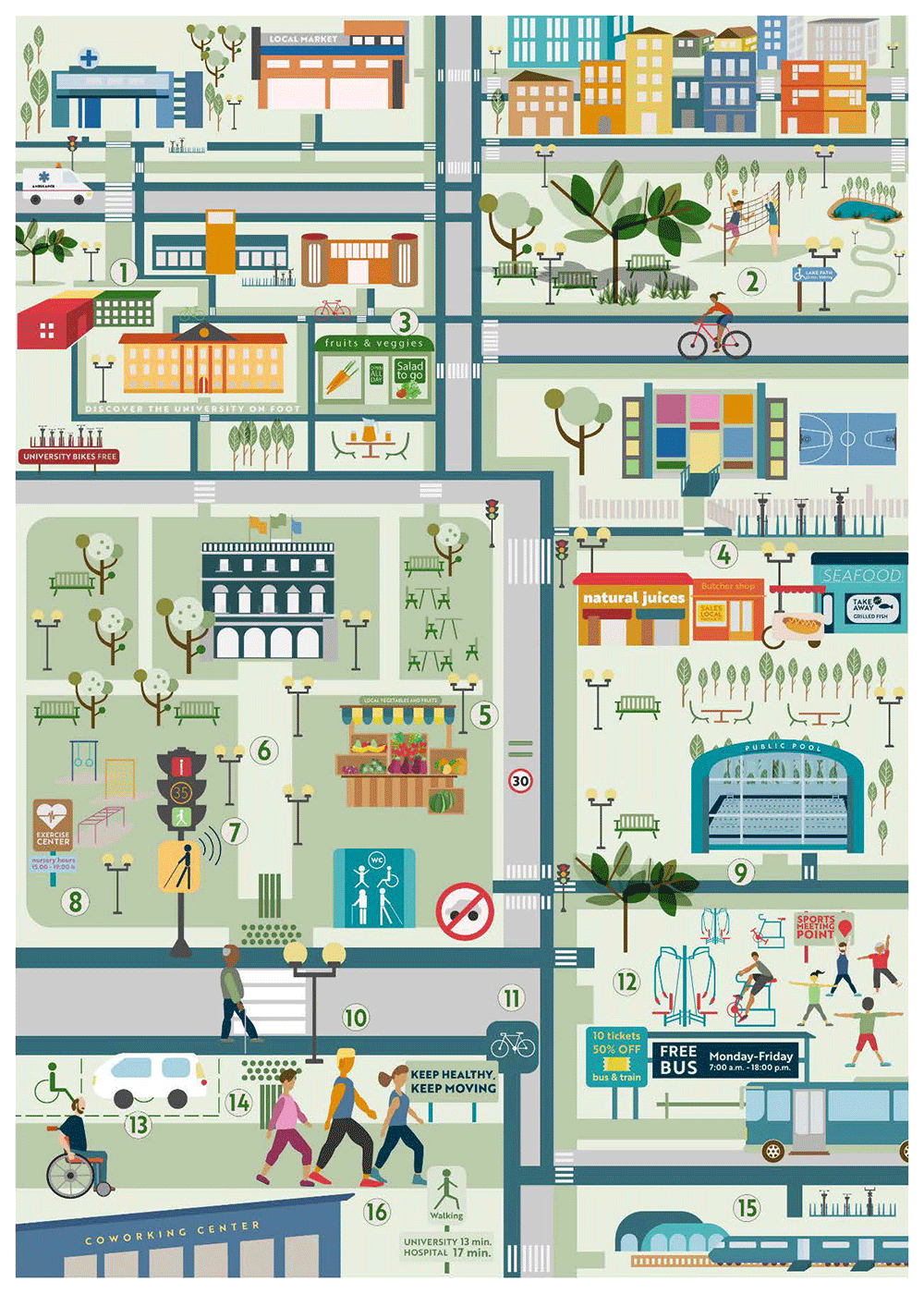
Figure 2. Evidence-based policy actions that can be implemented at local level to improve diet and promote physical activity: Outdoor settings.
1. Improve connectivity and promote active mobility between residential areas, workplaces, colleges, schools, healthcare services and leisure sites, including connecting facilities in the same setting or organization (e.g., hospitals, university campuses etc.)27,33,44,49,52. 2. Ensure footpaths, cycle routes and open spaces are convenient, safe, accessible, appealing to users, and built and maintained to a high standard. Consider adequate lighting, seating, provision of play areas, or picnic facilities and promote recreational walking by identifying attractive local resources27,32,37,41,45,47,50. 3. Ensure retailers that stock affordable healthy food and beverages are readily accessible locally, either on foot or via public transport, including in rural communities27,43. 4. Set limits for the number of take-away and junk food outlets in a given area and systematically consider healthier eating options when reviewing applications for new food outlets42,43,50. 5. Promote food sharing networks, community gardens/greenhouses and farmers’ markets to help address food insecurity and improve access to locally grown healthy food34,50. 6. Provide seating at regular intervals in open spaces, and, if necessary, shelter and shade, as well as well-maintained and accessible toilets44. 7. Ensure availability of sufficient pedestrian-controlled crossings with accessibility features (e.g., audible beep)45,47,50. 8. Ensure the spaces and facilities used for physical activity meet recommended safety standards for design, installation and maintenance. Improve accessibility by reducing fees, varying operating hours, including childcare facilities27,37,38,41,45,47,50. 9. Provide sport amenities and equipment at outdoor and indoor environments27,34,41,47. 10. Use community-wide campaigns to promote activity and raise awareness of benefits of physical activity (including local media, action groups undertaking advocacy activities)51,52 11. Prioritise pedestrians, cyclists and other forms of active transport though the re-allocation of road space, improving security, restricting motor vehicle access and speed, and providing free or low-cost public transport. Use signage to show the distance and/or walking time between public transport facilities and key destinations27,29,33,37,44,47,49,50,52. 12. Offer group-based community physical activity programs run by people with relevant training or experience such as dancing, walking, cycling, and swimming. In addition, implement regular mass-participation initiatives in public spaces with free access29,31,39,44,52. 13. Install disabled parking spaces in public places and at public transport stops47. 14. Ensure public footpaths are correctly designed and maintained, e.g., without obstructions, with anti-glare surfaces, tactile paving at relevant access points and step-free access35,44,46,47. 15. Facilitate the transport of bicycles in public transport and install secure cycle parking facilities in public places and at public transport stops. Use mandatory bus stops and prohibit picking up passengers in places other than the established stops27,33,44,47,49,52. 16. Involve relevant people in the community to lead informal walking groups, bicycle groups, buddy systems, workplace challenges and promotional competitions27,35,39,52 Cross-sectional: Design multi-purpose public spaces, public transport and physical activity programs that are accessible, specifically considering people with different impairments, all ages, gender, low-income communities, minority ethnic communities and communities in rural or remote areas27,41,47. Actively promote public parks and facilities as well as more non-traditional spaces (for example, car parks outside working hours) as places where children and young people can be physically active35,37,41,47.
Most of the proposed actions have focused on active transport. In that sense, proposals advocated for the improvement of connectivity between both routes and public transport, linking strategic settings such as residential areas, workplaces, colleges, schools, healthcare services, and leisure sites, including those facilities in the same setting or organization (hospitals, universities, etc.). In order to increase active transport by walking and/or cycling, actions also asked for re-allocating road space in order to prioritize pedestrians, cyclists, and active users, providing outdoor environments with sports amenities and equipment, as well as increasing the attractiveness of spaces to practice physical activity, for example by providing shelter and shade, well-maintained and accessible toilets, and seating. The proposals highlighted the importance of the design and signposting, convenience, safety, and maintenance of spaces.
Actions may also involve relevant people in the community to increase the visibility of the proposed actions as competitions or informal walking/cycling groups. To increase the participation of people with disabilities, the proposed actions included proposals such as step-free access, ensuring paths had no obstructions, tactile paving in strategic settings, and audible beeps in controlled crossings. Actions included community-wide campaigns and advocacy activities to promote physical activity.
Actions focused on the importance of affordability and availability (by foot or via public transport) of healthy foods and beverages, including the promotion of food gardens and food sharing networks. Similarly, other proposals included the regulation of the number of takeaway restaurants and other food outlets in a given area, particularly near schools, to disincentivize their consumption.
Evidence-based policy actions that can be implemented at local level to improve diet and promote physical activity: Indoor settings (Figure 3).
Policy actions have proposed the promotion of healthy food and drink choices by different means, such as lower pricing or incentives, verbal prompts, attractive displays for children and young people, posters or positioning of products in food retailers, vending machines, and restaurants in strategic settings (e.g., staff restaurants, hospitals, or venues frequented by children and young people). The proposals also covered information issues such as nutritional information on recipes, the development of nutritional standards, and the implementation of a labelling system that is simple and easy to understand.
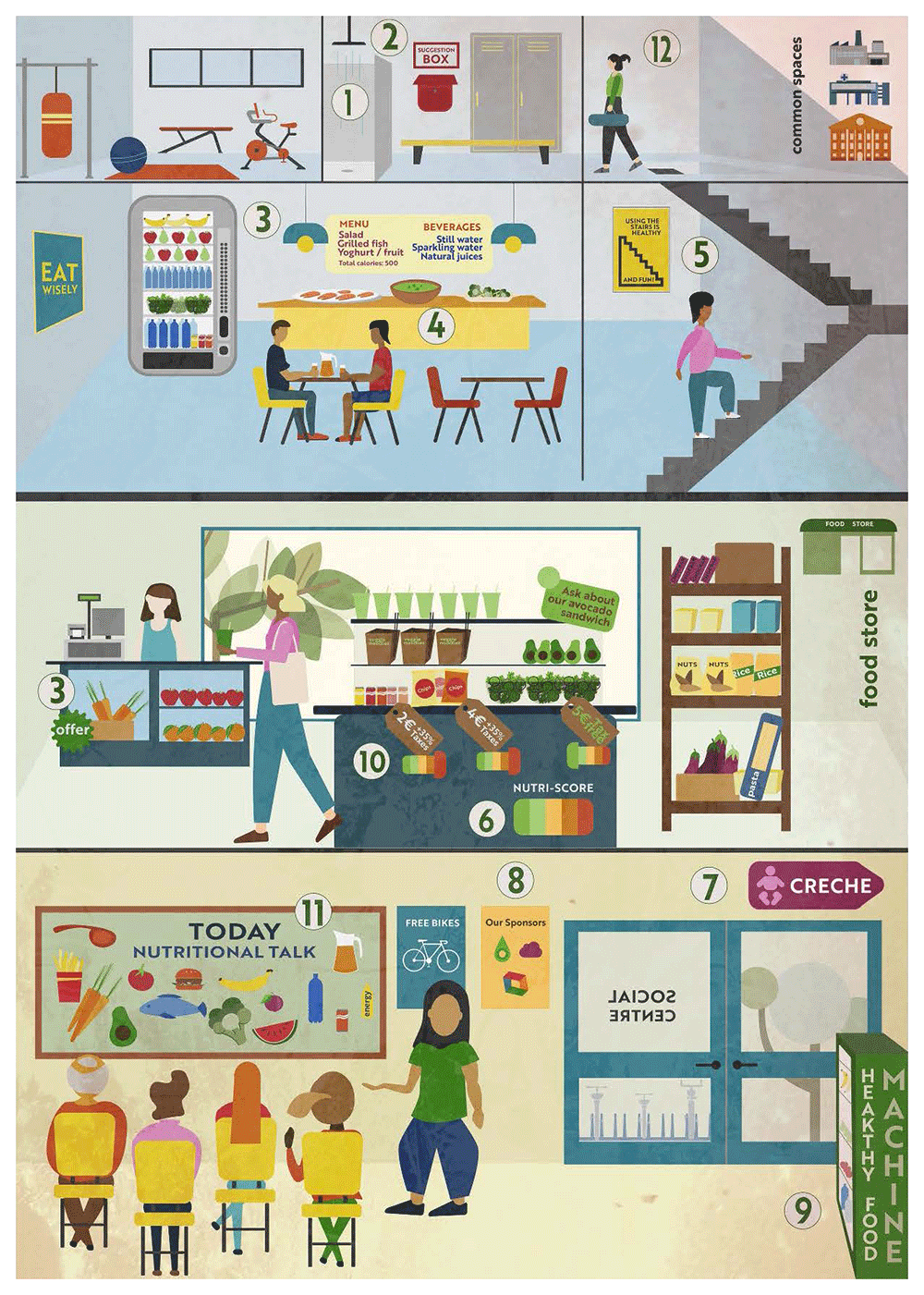
Figure 3. Evidence-based policy actions that can be implemented at local level to improve diet and promote physical activity: Indoor settings.
1. Promote physical activity in workspaces by providing accessible facilities or programmes. This may involve changing infrastructures such as stairs, providing facilities to employees such as changing rooms and showers, health club memberships or access to a gym area27,31,40,41,47,49,52. 2. Remove locally identified barriers to participation at infrastructures, facilities and programmes that promote physical activity, by integrating proposals from users and relevant stakeholders (e.g. addressing lack of privacy in changing facilities, inadequate lighting, poorly maintained facilities, and a preference for non-competitive or single-gender activities)41,50,51. 3. Use posters, verbal prompts, lower pricing, incentives (such as promotional offers) and product positioning to promote healthier food and drink choices, in workspaces and other daily environments, including in vending machines27,34,35,42,43,46. 4. Include details in menus on the calorie content of meals to help consumers make an informed choice. If the nutritional value of recipes is not known, they should list ingredients and describe the cooking methods used43. 5. Ensure that stairs in workplaces are well-designed and well-signposted, including placing signs underlining the health benefits associated with their use47. 6. Introduce a simple front labelling system for packaged foods, with one single and easy to understand label, established independently of the food industry. Where possible, include in the regulation sanctions for companies that do not comply with the standards50. 7. When public nutritional education programmes are offered, ensure they are scheduled at times that suit people with children (or provide a crèche), fit with diverse working hours and take place in socially acceptable venues (such as community centres) that are accessible locally, either on foot or via public transport43. 8. Ensure publicly funded venues (e.g., museums, recreational centres) frequented by children and young people resist sponsorship or product placement from companies associated with foods and beverages high in fat, sugar, or salt42. 9. Ensure that places using public money to procure food and beverages provide a range of healthier and more affordable options (even in vending machines). E.g., school visits to museums, sports centres, cinemas, and themes parks42. Cross-sectional: Introduce taxes on sugary drinks and products high in fat and sugar27,43. Incorporate beverage recommendations into nutritional standards to serve as a guide for the development of healthier foods by the food industry, as well as to guide government nutrition programs27. In future urban interventions, design buildings with functions that create opportunities for daily physical activity and reduce sedentary behaviour by increasing stair use and by providing facilities such as changing rooms and showers.
The proposed actions considered that buildings, particularly workplaces, can also facilitate physical activity by ensuring that stairs are accessible and signposted, and that they have access to gyms and/or changing rooms and showers. Actions also called for the elimination of barriers to participation and stressed the need to consider the opinions and proposals of relevant users.
Evidence-based policy actions that can be implemented in schools to improve diet and promote physical activity (Figure 4)
Actions called for facilitating healthy dietary choices through menus in schools, breaktime options (attractive displays of fruits and vegetables at lower prices), and affordable menus for vulnerable families. Recommended actions also limited the number of takeaway and junk food establishments near schools. One proposal aimed directly to avoid the sponsorship and influence of the food industry in settings frequently visited by children and young people.
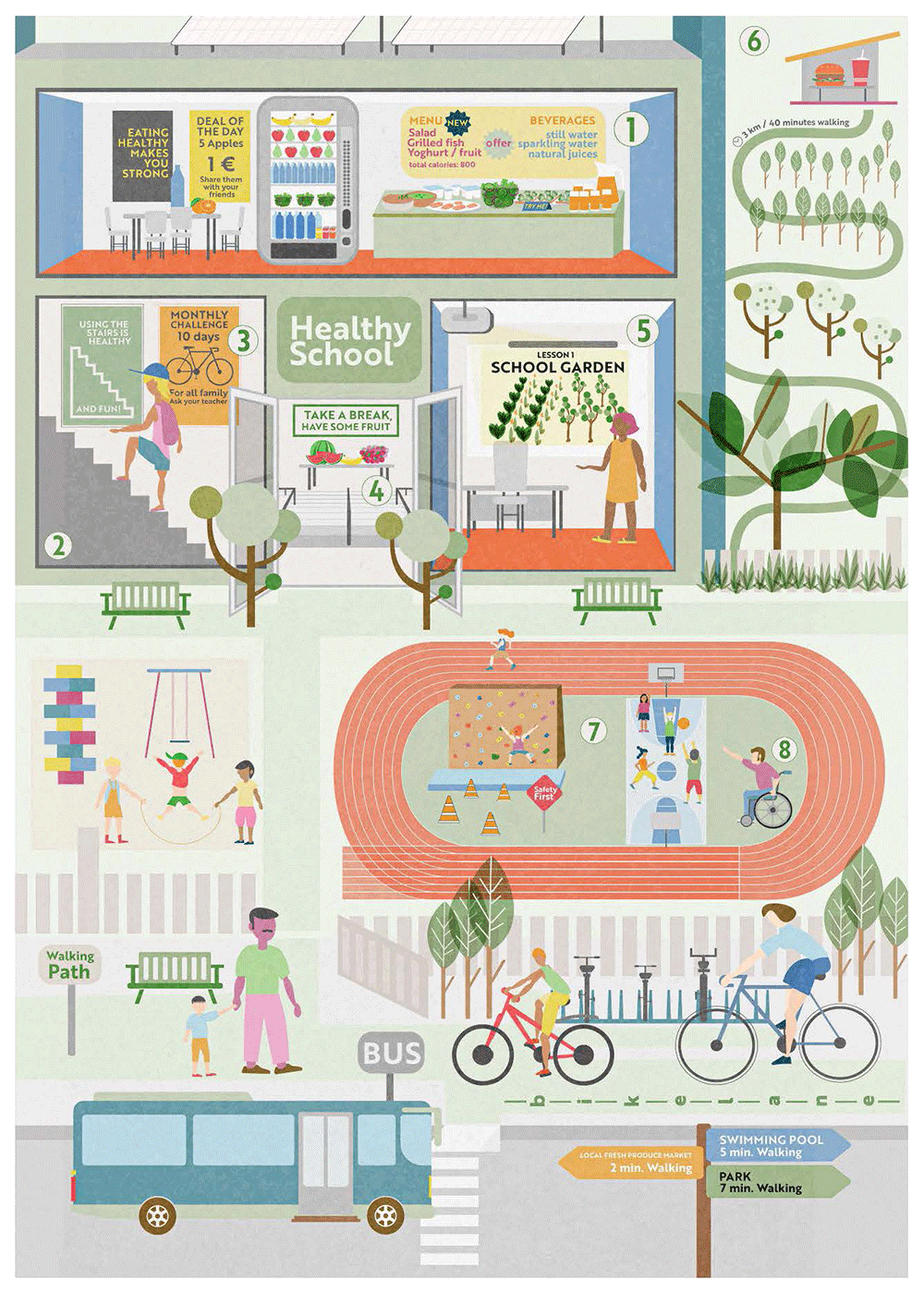
Figure 4. Evidence-based policy actions that can be implemented in schools to improve diet and promote physical activity.
1. Adopt school meal policies that meet specific nutrition requirements, offer taste tests of new menu items, set up attractive displays of fruits and vegetables, use posters, verbal prompts, lower pricing and product positioning to promote healthier food and drink choices27,35,43,45,46,52. 2. Ensure that stairs are well-designed and well-signposted, including placing signs underlining the health benefits associated with their use47. 3. Involve staff, students and families to lead informal walking groups, bicycle groups and promotional competitions27,35,39,52. 4. Introduce programs that provide fruit and vegetables to pupils during breaktime27,35,45. 5. Use class time to encourage healthy eating and physical activity27,37. 6. Limits the number of take-away and junk food outlets in areas near schools, and regular their distance from the schools and their opening hours42,43,50. 7. Encourage students to spend their recess time actively by providing outdoor and indoor environments with sport amenities and equipment. Ensure the spaces and facilities meet recommended safety standards in terms of design, installation and maintenance27,35,41,47. 8. Provide physical activity programmes at schools consisting of educational classes and extracurricular activities27,32,36,41,44,52. 9. Encourage walking, cycling and other forms of active transport to and from schools by improving connectivity, accessibility, and safe access points. Use signage to show the distance and/or walking time to key destinations27,29,41,45,47,50. Cross-sectional: Ensure school infrastructure, transport, sports facilities and physical activity programs are accessible, specifically considering people with different impairments, gender, low-income communities, minority ethnic communities and communities in rural or remote areas27,41,47.
The proposals encouraged healthy eating and physical activity by providing educational sessions in schools, families with children, and extracurricular activities. In addition, it is important to provide outdoor and indoor environments with sports amenities and equipment, and to improve connectivity, accessibility, and safe access points to encourage active transport to and from schools. These actions highlighted the importance of ensuring that infrastructure, transport, facilities, and programs meet safety standards and are accessible to people with different impairments, men and women, minorities, and rural or remote communities.
Discussion
Our scoping review has shown that there is a wide range of evidence-based recommendations for promoting healthy diets and physical activity by modifying the physical and social environments that can be implemented in local settings. These recommendations may have stimulated action, but the figures and trends in health problems resulting from physical inactivity and unhealthy diets are not encouraging. Public health actors need to pay more attention to barriers to implementation and analyze the determinants of local policy decisions.
According to our results, the targets of policy action are clear: the main goals of policy actions related to physical activity focused on the improvement of infrastructure to facilitate active transport and participation in physical activity programs or active recreation activities. When it comes to diet, policy actions focused on the availability and affordability of healthy options, zoning of fast-food outlets and providing nutritional information through different means. In terms of both physical activity and diet, a large proportion of the proposed actions targeted schools, children, and young people.
Our study has some limitations. First, we did not attempt to review the evidence base used to generate the policy actions proposed in the reviewed guidelines, and as such, we did not evaluate the quality of the evidence. Nevertheless, these policy actions were elaborated upon by prestigious public health institutes that have previously analyzed the quality of evidence. Second, we did not include scientific publications that analyzed the implementation or impact of these actions. However, our main objective was to retrieve all proposed policy actions, independent of their implementation in different contexts, to build a catalogue of potential actions at the local level. Additionally, deciding whether an organization produces evidence-based recommendations is not always straightforward. We had difficulties identifying public health institutes in low- and middle-income countries, which may be due to our search strategy on the internet.
Local policymakers can promote or discourage behaviors associated with chronic diseases through policies addressing physical activity and access to healthy foods, local policy makers can promote or discourage behaviours associated with chronic diseases53. Local governments and public health authorities can rely on laws promulgated by national or regional governments, but they can also exercise their legislative power to innovate at the local level to modify social and physical environments to improve health21. To achieve this, actions recommended by public health institutes and supported by evidence are of great relevance. Public health professionals have increasingly come to realize that neighborhood design has the potential to make a powerful contribution towards addressing health concerns. However, as our scoping review showed, other actors may play an important role in making health an easier choice. These actors are part of the health (i.e., hospital staff and health authorities) and non-health sectors (i.e., food retailers and food outlets, employers, and school authorities).
Policymakers must pay special attention to vulnerable populations in order to ensure fair benefits for all community members. In this sense, the proposed policy actions also addressed the affordability of healthy options and the use of tools to supplement families’ food budgets, the accessibility of infrastructure to increase physical activity (e.g., public transport accessible to people with different impairments), and their safety (e.g., lighting of footways and cycle routes, particularly important for women). However, in order to protect vulnerable populations, policy makers should consider that interventions that modify the environment to increase physical activity and the availability of healthier food also increase the attractiveness of neighborhoods to high-income populations and lead to displacement of low-income residents54.
Many of the recommendations that we reviewed were generated by public health institutes in high-income countries, and little is known about the applicability of recommendations to increase physical activity or improve diet in low-resource settings, which could jeopardize their implementation in these settings55. It is necessary to analyze how contextual factors may affect their relevance and explore the process by which new policies might be adopted and/or received by stakeholders. In addition, it is imperative to focus on the prevention of childhood obesity because of its dramatic rise over the last few years. In that sense, it is positive that a vast number of proposed actions were proposed, shifting the responsibility of tackling health risks from the individual (in this case, children and their families) to local authorities, thereby acknowledging how the social determinants of health contribute strongly to this problem.
Local policymakers must understand that no single policy intervention will have a major impact on disease rates. The complex origins of health problems and the many areas that can contribute to tackling them require an intersectoral public health response at all levels from local to global. On the other hand, as noted above, public health research needs to pay more attention to the determinants of local public policy decisions and describe successful experiences that provide insights for public health practitioners and public health advocates to facilitate the adoption of healthy local policies.