Introduction
Gestational Diabetes Mellitus (GDM) is a complex and multifactorial metabolic disorder characterized by glucose intolerance that first manifests or is recognized during pregnancy1,2. This condition poses risks to both the mother and the developing foetus, necessitating careful monitoring and management throughout the gestational period3,4. The term ‘gestational diabetes’ was first used by Carrington in 19575, but it was not until John O’Sullivan’s publications in 1961 and 1964 that it became well-known6. GDM holds significant importance for several key reasons. Firstly, it presents immediate risks to mothers both during pregnancy and in the long term7–9. Secondly, it impacts infants born to mothers with GDM, manifesting risks during pregnancy and later in life, including a heightened susceptibility to obesity and Type 2 Diabetes Mellitus (T2DM)4,10–12. Thirdly, GDM contributes to a growing public health challenge, as its escalating prevalence parallels the global surge in obesity rates13. This places strain on healthcare systems and underscores the urgent need for effective prevention strategies. Lastly, GDM can exert inter-generational effects, elevating the risk of metabolic diseases not only in offspring but also in subsequent generations2,10,14.
Different diagnostic criteria are used depending on the organization, but all rely on specific blood sugar thresholds exceeding normal levels. The most widely accepted guidelines are provided by two different health organizations, the International Association of Diabetes and Pregnancy Study Groups (IADPSG) and the American Diabetes Association (ADA). The IADPSG recommends a universal screening approach, typically conducted between 24 and 28 weeks of gestation, utilizing a 75g oral glucose tolerance test (OGTT)15. According to their criteria, GDM is diagnosed when any of the following plasma glucose values are met or exceeded: fasting plasma glucose ≥92 mg/dL, 1-hour plasma glucose ≥180 mg/dL, or 2-hour plasma glucose ≥153 mg/dL15. The ADA, in its Standards of Medical Care in Diabetes, similarly recommends a two-step screening approach involving a non-fasting 50g glucose challenge test, followed by a 100g OGTT for those who screen positive. GDM is diagnosed if two or more plasma glucose values meet or exceed the following thresholds: fasting ≥95 mg/dL, 1-hour ≥180 mg/dL, 2-hour ≥155 mg/dL, and 3-hour ≥140 mg/dL16. These data are summarized in Table 1.
Table 1. Comparison of Diagnostic Strategies for Gestational Diabetes Mellitus: One-Step vs. Two-Step Approach.
Diagnostic
Strategy | Procedure | Timing | Diagnostic
Criteria | Advantages | Disadvantages | References |
|---|
One-Step
Strategy | 75-g OGTT | 24–28 weeks
of gestation,
morning after
overnight fast of
at least 8 h | Fasting: ≥92 mg/
dL (5.1 mmol/L)
1 h: ≥180 mg/dL
(10.0 mmol/L)
2 h: ≥153 mg/dL
(8.5 mmol/L) | • Increased
identification of
GDM cases
• Enhanced Screening
for Diabetes and
Prediabetes post-
pregnancy
• Improved
Understanding of
Long-Term risks | • Potential for
Overdiagnosis and
medicalization of
pregnancies
• Controversies
regarding treatment
impact
• Concerns about
unanticipated
suboptimal
engagement | 17
18
19
20
21
22
6
23 |
Two-Step
Strategy | Step 1: 50-g
GLT
Step 2:
100-g OGTT | 24–28 weeks
of gestation,
nonfasting
Fasting | If 1 h glucose
level is ≥130, 135,
or 140 mg/dL (7.2,
7.5, or 7.8 mmol/
L, respectively),
proceed to Step 2.
Fasting: ≥95 mg/
dL (5.3 mmol/L)
1 h: ≥180 mg/dL
(10.0 mmol/L)
2 h: ≥155 mg/dL
(8.6 mmol/L)
3 h: ≥140 mg/dL
(7.8 mmol/L) | • More trial data
support compared
to the one-step
method
• Reduced
consequences of
overdiagnosis
• Easier
implementation
• Reduced rates of
adverse outcomes | • Increased Likelihood of
GDM Diagnosis
• Limited Support for
One Elevated Value
• Varied Diagnostic
Thresholds
• Controversies in
Threshold Selection | 24
25
26
27
28
29
30
31
32
33
34 |
The divergent suggestions put forth by expert groups highlight the existence of supporting data for each respective approach. The one-step approach appeared to be more likely to be cost-effective than the two-step strategy, and it also identified more cases of GDM, according to a systematic assessment of economic evaluations of GDM screening35. Therefore, the chosen methodology should not only be clinically effective but also mindful of the potential stressors associated with the testing process, as this can influence the overall well-being of both the pregnant individual and the developing foetus.
The prevalence of GDM has witnessed a noticeable rise in recent years, paralleling the global surge in T2DM and obesity rates36,37. While estimates can vary regionally and are influenced by population demographics, lifestyle factors, and diagnostic criteria. Several epidemiological studies consistently underscore the increasing burden of GDM1,38. Thus, according to data from various countries, GDM affects a substantial proportion of pregnancies, with prevalence rates ranging from 5% to 25%31,39. This variation is influenced by different diagnostic strategies and subpopulations, making direct comparisons challenging39,40. Nowadays, the International Diabetes Federation (IDF) estimates that approximately 21 million live births are affected by GDM globally each year41 (Figure 1). Evidence shows that the global prevalence of GDM is on the rise, potentially influenced by factors like increasing maternal age, rising body mass index (BMI), and improved screening practices41,42. These issues, coupled with the recognition of GDM as a risk factor for adverse maternal and foetal outcomes, underscore the need for more targeted and effective diabetes prevention and management strategies globally39. Furthermore, some authors have suggested that many cases of GDM could be in reality undiscovered cases of hyperglycaemia before pregnancy2.
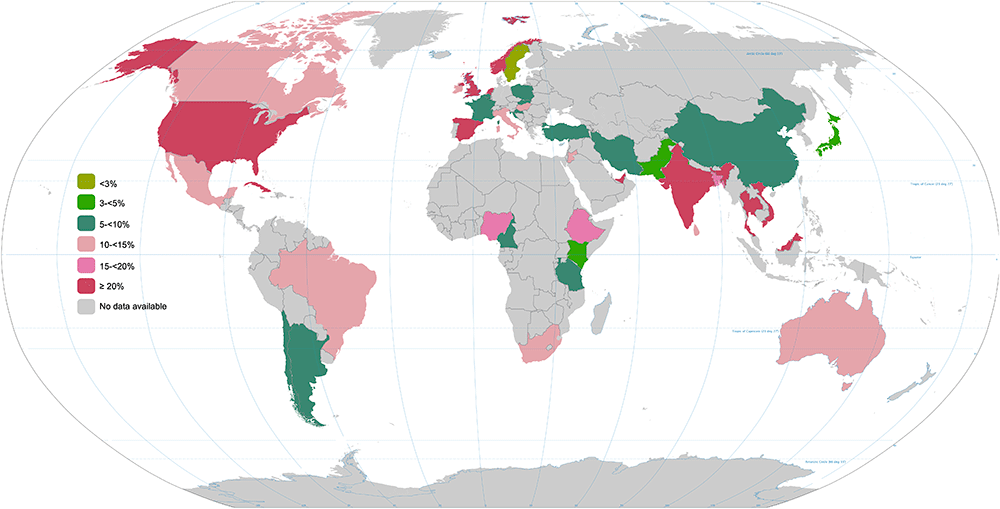
Figure 1. Global prevalence of GDM in 2021.
This map has been generated with the data facilitated by the International Diabetes Federation (IDF) https://diabetesatlas.org/data/en/indicators/14/. It considers women between 20 and 49 years old. The data is presented in percentages.
Here, we explore the definition and prevalence of GDM, examining the risk factors associated with its onset. Additionally, we delve into the established pathophysiology of GDM, including the molecular biomarkers identified as predictive tools for diagnosing GDM and anticipating post-pregnancy complications. Furthermore, we review current medical approaches to managing GDM. Next, we categorize post-pregnancy complications as short- and long-term issues, with particular attention to maternal health. Finally, we outline future perspectives and emphasize the most pressing knowledge gaps that require further investigation.
A comprehensive exploration of the risk factors shaping susceptibility to GDM
GDM is influenced by a complex interplay of various risk factors, each contributing to the overall susceptibility of pregnant women to develop glucose intolerance during gestation. While the exact cause of GDM remains under investigation, several well-established risk factors contributed to its development, shedding light on the multifactorial nature of GDM. One of the most relevant risk factors is advanced maternal age, which has been consistently identified as a significant determinant for GDM31,39 (Table 2). This is due to the physiological changes associated with ageing, including decreased insulin sensitivity, which may contribute to an increased likelihood of developing GDM43–45. For example, in a previous study women over 40 years old had a prevalence of 9.8% of GDM, while women who were under 30 years old had 4.1%46.
Table 2. Factors Influencing Gestational Diabetes Mellitus (GDM).
| Categories | Risk Factors | Description | References |
|---|
| Maternal Factors | Advanced Maternal Age | Increased risk due to ageing, and
decreased insulin sensitivity. | 31,39,43–45 |
| Elevated BMI (Obesity) | Obesity-related insulin resistance, and
impaired glucose metabolism. | 37,47,48 |
Previous GDM and Preeclampsia
History | Higher risk for those with a history of GDM
or preeclampsia. | 49–51 |
| Family History of Type 2 Diabetes | Genetic predisposition and familial
clustering of diabetes. | 10,52–54 |
Genetic Predisposition and Type 2
Diabetes Risk Gene Variants | Presence of specific gene variants linked to
increased risk. | 52 |
| Polycystic Ovary Syndrome (PCOS) | Hormonal imbalances, hyperinsulinemia,
insulin resistance. | 55–58 |
Environmental and
Lifestyle Factors | Ethnicity | Varied risk among different ethnic groups. | 59–61 |
| Socio-economic Status | Lower socio-economic status linked to increased risk. | 62–64 |
| Dietary Habits and Physical Activity | High refined carbohydrates linked to risk;
physical activity may reduce risk. | 65–71 |
| Emerging Factors | Gestational Weight Gain | Excessive weight gain during pregnancy as
a risk factor. | 72 |
| Sleep Disturbances | Sleep disturbances (e.g., Sleep Apnea)
associated with increased GDM risk. | 73,74 |
Elevated BMI is another well-documented and modifiable risk factor for GDM37,47,48 (Table 2). Obesity, often characterized by insulin resistance, is associated with impaired glucose metabolism during pregnancy, contributing to the development of GDM in women47,48. Particularly, a BMI over ≥ 25kg m-2 has been identified as one of the most significant risk factors75. Furthermore, women who have had GDM in a previous pregnancy are at increased risk for developing it again in subsequent pregnancies49,50. This risk is further heightened by the presence of preeclampsia in the first pregnancy51. Similarly, a family history of type 2 diabetes in a first-degree relative (parent, sibling) significantly increases the risk of GDM10,52,53. This risk is particularly high when the family history shows that both parents have type 2 diabetes54. This score is further heightened by the presence of type 2 diabetes risk gene variants52, highlighting the impact of genetic predisposition to impaired insulin action or secretion. Finally, women with Polycystic Ovary Syndrome (PCOS) have a significantly higher probability of developing GDM55–57. This may be due to the hormonal imbalances associated with PCOS, including hyperinsulinemia (elevated insulin levels) and insulin resistance. This high probability is further exacerbated by the presence of hyperandrogenism, ovulatory dysfunction, and polycystic ovarian morphology, which are key features of PCOS58.
In addition to individual-related factors like maternal age or obesity, other factors highlight the broader contextual influences shaping susceptibility to GDM. For example, some studies have highlighted that ethnicity is a risk factor predisposing towards GDM. It has been reported that women of South Asian, Hispanic, African, and Middle Eastern descent are at an increased risk59–61. These ethnic disparities highlight the importance of considering diverse demographic factors in risk assessment; however, it is complicated to extract conclusive information from these disparities due to the confounding differences in socio-economic status. Indeed, socio-economic factors have been consistently associated with an increased probability of GDM. For example, studies in China62 and Australia63 found that lower socioeconomic status was a significant predictor of GDM. This was further supported by Cullinan (2012), who identified a strong socioeconomic gradient in GDM prevalence13. However, Khan (2013) found no significant difference in GDM prevalence based on socioeconomic status in Pakistan64. These findings suggest that while socioeconomic factors may play a role in GDM risk, the relationship may be influenced by other factors such as cultural and regional differences.
Moreover, wealth disparities may contribute to differential access to healthcare resources and lifestyle factors, influencing the risk profile for gestational diabetes. Some of the most prevalent lifestyle factors are dietary habits and physical activity. Scientific literature has extensively shown that a high intake of refined carbohydrates and sugary drinks has been linked to an increased risk of diabetes, including GDM65,66. Conversely, a healthy diet rich in fruits, vegetables, and whole grains may offer some protective effects67,68. Similarly, sedentary lifestyles and insufficient physical activity are associated with an increased risk of GDM69–71. Finally, there are some emerging risk factors, which are gestational weight gain and sleep disturbances such as sleep apnea and other sleep disorders, which have been linked to an increased risk of GDM, possibly due to their impact on insulin regulation72–74 (Figure 2).
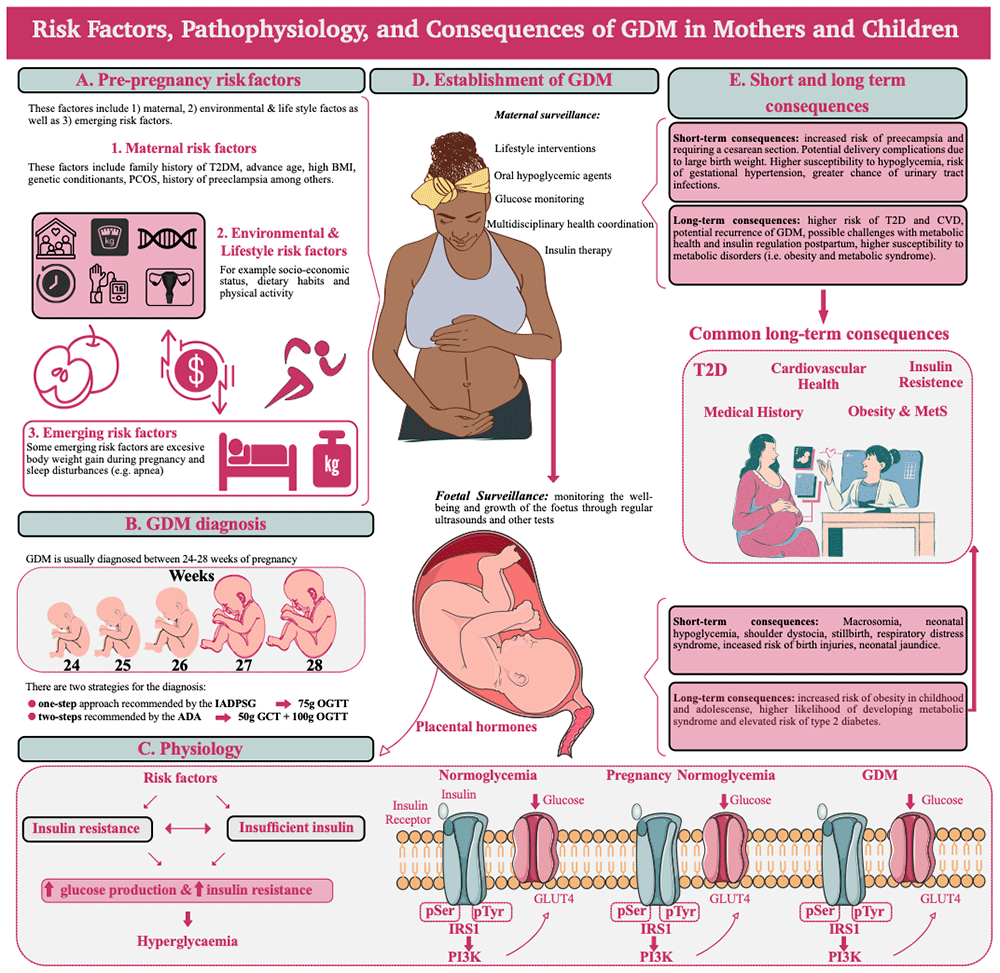
Figure 2. Overview of GDM risk factors, pathophysiology, and consequences for the mother and the children.
A) There are several risk factors influencing GDM, the maternal risk factors consider for example family history of T2DM, advanced age, and high BMI among others. However, there are also lifestyle risk factors such as socio-economic status, dietary habits, and physical activity, these are interconnected. Finally, some researchers are considering emerging risk factors such as weight gain during pregnancy and sleep disturbances like apnoea. B) GDM is usually diagnosed between the 24 and 28 weeks of pregnancy, this is between the end of the second trimester and the beginning of the third one. The diagnosis is usually carried out following the one-step or two-step methods, recommended by the IADPSG or ADA respectively, which make comparison across studies complicated. C) The beginning of the GDM is linked with metabolic modulations which include insulin resistance from the maternal cells and excessive demand for B-cell activity, insulin is then inefficient in blocking endogenous glucose production and glucose uptake by the adipose tissue and skeletal muscle, producing generalized hyperglycaemia in the mother. This increased level of glucose in the mother impacts the glucose transfer through the placenta. During pregnancy in women with normal glucose tolerance, insulin signalling necessitates the tyrosine autophosphorylation of the insulin receptor within skeletal muscle. This marks the initial phase in the insulin signalling pathway, facilitating the recruitment and activation of downstream effectors like IRS1 and PI3K. Consequently, GLUT4 translocates to the plasma membrane, enhancing glucose uptake into skeletal muscle. Towards late pregnancy, the content of IRS1 in skeletal muscle diminishes compared to non-pregnant women. D) Once GDM is established, maternal surveillance involves actions such as lifestyle recommendations, glucose monitoring, and oral hypoglycaemic agents. In the case of the foetus, regular ultrasounds will monitor the growth. E) There are short- and long-term consequences for both, the mother and the foetus. Furthermore, there are common long-term consequences such as T2DM, insulin resistance, and problems of GDM incidence for both, the mother, and the female children, who will have a higher probability to develop GDM themselves. Furthermore, both sides are exposed to higher issues of obesity and metabolic syndrome.
Understanding the risk factors for GDM is crucial for early identification and management. Modifiable lifestyle factors like diet and exercise can play a significant role in reducing the risk. Therefore, implementing effective screening programs and interventions targeted at high-risk populations are essential strategies to ensure optimal maternal and foetal health outcomes.
Beta-Cell Dynamics, Insulin Resistance, and Hormonal Perturbations Role in the Pathophysiology of GDM
The pathophysiology of GDM results from pregnancy-related changes, which are primarily marked by beta-cell malfunction, insulin resistance, and hormonal imbalances caused by the placenta-foetal unit76 (Figure 3, Table 3). These changes exceed the body’s ability to preserve glucose levels, however, the exact molecular mechanisms behind this process are not completely understood11,77. According to earlier research, women who are normoglycemic but will develop GDM have a pre-existing degree of insulin resistance as a result of minor abnormalities like excessively high levels of immature insulin synthesis or unusual pulsatile insulin patterns78,79. These women’s pancreatic ß-cells can sustain normoglycemia during the first trimester by responding more strongly to insulin. However, around the end of the second and beginning of the third trimester, these adaptative mechanisms go out of balance, and it is during this time that hyperglycaemia is established that GDM is identified during ordinary medical appointments80.
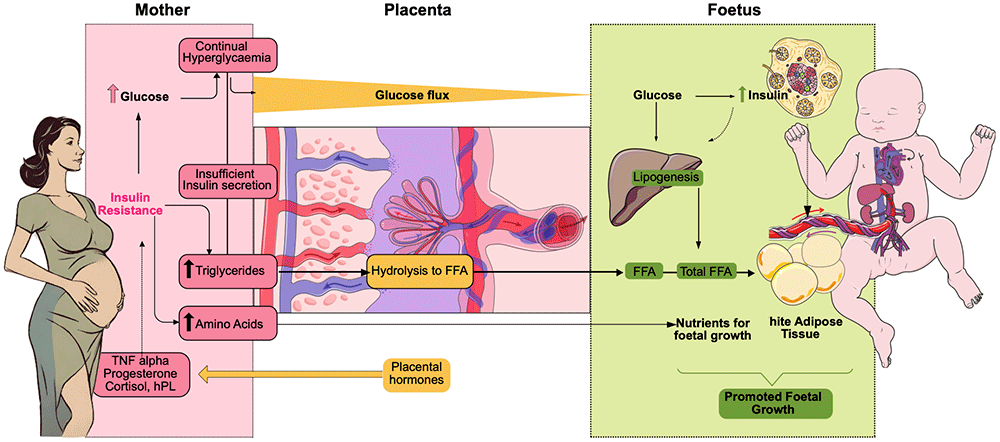
Figure 3. Pathophysiology of GDM.
The primary macronutrient supporting foetal development maternal glucose, in women with GDM the total quantity of glucose crossing the placenta is increased. Insulin levels rise when the foetus is exposed to high blood sugar for an extended period, along with certain amino acids such as arginine and leucine. This increase in foetal insulin promotes lipogenesis in the liver and white adipose tissue production, which contributes to foetal development. This foetal growth is further enhanced in the case of women with GDM. Besides, free fatty acids (FFAs) from maternal are not abundant, but they also contribute to the total foetal FFA pool, predominantly composed of FFAs synthesized in the foetal liver from excess maternal glucose. In turn, placental hormones stimulate insulin resistance in the mother through the release of cortisol, TNF α and progesterone among others. This insulin resistance will further increase hyperglycaemia in the mother.
Table 3. Differences between normal physiological changes in pregnancy and changes in GDM.
| System | Normal Physiological Changes in
Pregnancy | Changes in Gestational Diabetes Mellitus
(GDM) | References |
|---|
| Endocrine System | - Increased insulin resistance in late
pregnancy due to placental hormones
(e.g., human placental lactogen, cortisol,
progesterone). | - Exaggerated insulin resistance.
- Pancreas fails to compensate with increased
insulin production, leading to hyperglycemia. | 80 |
| Glucose Metabolism | - Maternal glucose levels remain controlled
with increased insulin secretion from the
pancreas. | - High blood glucose levels (hyperglycemia) due
to insufficient insulin production relative to insulin
resistance. | 80 |
| Carbohydrate Metabolism | - Maternal body becomes more insulin
resistant to ensure glucose availability for
the fetus, especially in the third trimester. | - Poor glucose tolerance, higher fasting and
postprandial glucose levels.
- Higher risk of macrosomia (large baby) due to
excessive glucose. | 81 |
| Pancreas Function | - Increased beta-cell hypertrophy and
hyperplasia, resulting in higher insulin
secretion to overcome insulin resistance. | - Pancreatic beta cells do not produce enough
insulin to overcome the heightened insulin
resistance, resulting in hyperglycemia. | 79,80 |
| Weight Gain | - Normal weight gain of about 11.5–16 kg
(25–35 pounds) based on pre-pregnancy
BMI. | - Excessive maternal weight gain is common in
GDM due to poor glucose control.
- Increased risk of fetal macrosomia (larger baby). | 72,74 |
| Fetal Development | - Normal fetal growth supported by placental
glucose transfer. | - Higher glucose transfer to the fetus leads to
excessive growth (macrosomia).
- Risk of neonatal hypoglycemia after birth due to
insulin overproduction. | 82–84 |
The primary macronutrient supporting foetal development is maternal glucose; however, in women with GDM the total quantity of glucose crossing the placenta is increased. Insulin levels rise when the foetus is exposed to high blood sugar for an extended period, along with certain amino acids such as arginine and leucine. This increase in foetal insulin promotes lipogenesis in the liver and white adipose tissue production, which contributes to foetal development. This foetal growth is further enhanced in the case of women with GDM. Besides, maternal free fatty acids (FFAs) are not abundant, but they also contribute to the total foetal FFA pool, predominantly composed of FFAs synthesized in the foetal liver from excess maternal glucose. In turn, placental hormones stimulate insulin resistance in the mother through the release of cortisol, TNF α and progesterone among others. This insulin resistance will further increase hyperglycaemia in the mother. By the end of gestation, the mother needs to increase glucose production by approximately 30%, primarily through hepatic gluconeogenesis. This increase is essential to meet the elevated fasting energy demands of pregnancy, ensuring a continuous supply of glucose to both maternal tissues and the growing fetus81. Despite this increase in glucose production, maternal plasma glucose concentrations are typically lower, likely due to the expanded plasma volume and the increased glucose utilisation by the feto-placental unit during late gestation. Even in healthy pregnancies, there is a reduction in insulin sensitivity of approximately 50% by the end of gestation. In women without GDM, this reduced insulin sensitivity is compensated by a 2- to 3-fold increase in insulin secretion. As a result, euglycaemia is maintained2.
Conversely, the pathophysiology of GDM is characterised by heightened insulin resistance and impaired β-cell function. Indeed, some studies suggest that these β-cell defects are present prior to conception but only become apparent due to the metabolic stress imposed by pregnancy79,80. In normal pregnancies, even with a natural and non-pathological increase in glucose production of about 30% to meet energy demands, endogenous glucose production is almost completely suppressed in women who had normal blood sugar levels before conception when subjected to an insulin infusion in a controlled setting known as a hyperinsulinaemic-euglycaemic clamp. This suppression is critical, as it indicates that, under normal circumstances, the body can effectively regulate glucose production in response to increased insulin levels.
In contrast, women who develop GDM exhibit significantly less suppression of endogenous glucose production—around 80-85%—compared to the nearly complete suppression (close to 100%) seen in women with normal glucose tolerance. This reduced suppression contributes to postprandial hyperglycaemia in women with GDM79.
In the case of healthy pregnancies, the insulin receptor that is located on the cell surface enables the body to absorb glucose by triggering a series of events that eventually lead to the rearrangement of the glucose transporter type 4 (GLUT4), which in turn enables the body to absorb glucose. As a general rule, pregnant women have a less effective mechanism than non-pregnant ones, but women with GDM have an even less effective mechanism; as a result, more glucose stays in the blood and is not taken up by the cells85. Furthermore, pregnant women have a smaller amount of the insulin receptor substrate 1 (IRS1) than non-pregnant women. IRS1 is likewise implicated in glucose uptake. In addition, GDM causes a 25% reduction in the total amount of glucose that can be potentially absorbed by the cells due to a decrease in the autophosphorylation of IRß over healthy pregnancies86.
Formerly, hormones connected to the placenta have been credited for the insulin resistance issues that occur in pregnant mothers. Progesterone, cortisol, pregnancy-associated plasma protein-A (PAPP-A), and human placental lactogen (hPL), are essential for the growth of the foetus; however, in certain cases, they can simultaneously cause peripheral tissues of mothers to become insulin resistant12,87,88. These aforementioned hormones were linked, respectively, to a rise in maternal food intake, a post-binding impairment in insulin action, and the enlargement of maternal beta cells. They are also linked to the start of GDM and control islet alterations throughout gestation12,87,88. Insulin resistance, which mostly affects skeletal muscle and adipose tissue, reduces the body’s ability to absorb glucose, which causes the mother’s blood glucose levels to rise. Although the placenta is properly provided with transporter compounds that aid in the absorption of amino acids, lipids, and glucose, it is not made to stop an overabundance of glucose, which is what happens in the case of GDM89. When the differential glucose concentration between the maternal and foetal circulation reaches 25mmll-1, transplacental glucose transport hits the sensitive saturation point90. Therefore, the delivery of glucose is unaffected in the event of GDM; thus, the mother’s glucose concentration is the primary factor controlling the amount of glucose that reaches the foetus89. When there is GDM and high glucose arrival, the foetus also experiences hyperinsulinemia, allowing the foetus’s cells to enter glucose89. Furthermore, the mother’s elevated glucose level is partially caused by the 30% rise in maternal glucose that results from the hepatic glucose release91. Therefore, the admission of glucose across the placenta will be facilitated by both, maternal and foetal hyperinsulinemia. On the other hand, effective transfer is not necessary for fatty acids since the foetus may synthesise non-essential fatty acids on its own by using glucose as a precursor. The placental transfer system does, in fact, allow only around 3% of the mother’s fatty acids to reach the developing foetus; this is far less efficient than for glucose92,93.
Although placental-derived hormones have historically been associated with the occurrence of maternal insulin resistance, the exact processes by which these compounds cause insulin resistance are still unclear. Some authors have proposed that the typical reproductive hormones could not be the main drivers of the change in insulin susceptibility occurring during GDM, as Tumour Necrosis Factor-alpha (TNF-α), a cytokine implicated in immune regulation and inflammation produced by the placenta, is a significant marker of insulin resistance in advanced pregnancy94. Kirwan and colleagues (2002) investigated the relationship between alterations in the sensitivity to insulin during pregnancy and modulations in TNF-α, placental hormones, leptin, and cortisol, with a small cohort of 15 women (5 with GDM and 10 with normal glucose tolerance). Interestingly, among all the hormonal shifts evaluated, the only significant predictor of the change in insulin sensitivity was the modulation of TNF-α from pre-gravid to advanced pregnancy (r = -0.60, P < 0.02). In contrast, cortisol and placental reproductive hormones did not significantly correlate with late-pregnancy insulin sensitivity94. This is corroborated by the discovery that GDM promotes placental genes linked to inflammatory and chronic stress pathways, which are linked to the mother’s insulin resistance95. Additionally, by increasing insulin production, the compensatory mechanism carried out by beta cells within the pancreatic islets aims to offset maternal insulin resistance96–99. Although this adaptive response operates well at first, it puts a lot of stress on beta cells96,97. Pregnancy can increase the body’s need for insulin beyond what beta cells can produce, which can result in insufficient insulin production and the subsequent development of GDM96–99. The complex interactions between metabolic, hormonal, and placental variables highlight the complex pathophysiology of GDM and highlight the need for thorough research into its molecular underpinnings to improve the disease’s management and prevention.
Short-term and long-term complications derived from GDM in the mothers and children
Issues related to gestational diabetes mellitus have noteworthy consequences for both the expectant mother and the growing foetus during the gestational period and postpartum82,100,101. Moreover, GDM can lead to short-term pregnancy complications, including high blood pressure, the need for a cesarean section and preeclampsia. In the long term, it may recur in future pregnancies and raises the mother's likelihood of developing T2DM later in life102.
Preeclampsia and an increased risk of caesarean section are the most significant maternal problems103. For example, Catalano and colleagues employed the HAPO prospective observational study, which included 25,000 pregnant women from 10 different countries, to examine the connection between preeclampsia and GDM. The volunteers of this study followed a 75-g oral glucose tolerance test (OGTT) ranging from 24 to 32 weeks, and GDM was identified based on the IADPSG criteria. Finally, the scientists concluded that GDM patients had a noticeably higher incidence of preeclampsia104–106.
However, it remains debated whether GDM and preeclampsia are independently related or share common risk factors, particularly obesity. Additionally, concerns about macrosomia, foetal distress, and other GDM-related complications may contribute to the increased risk of caesarean sections83,84. On the other hand, neonatal hypoglycaemia, macrosomia, shoulder dystocia, respiratory distress syndrome and stillbirth are typically associated with foetal and neonatal problems (RDS)82. Macrosomia, a common problem in GDM-affected pregnancies marked by abnormal foetal growth, is caused by the mother's elevated insulin resistance, which can result in a larger amount of blood glucose entering the foetal circulation across the placenta84. Increased insulin synthesis in the foetus can be caused by elevated maternal glucose levels, which could speed up the child’s growth14,83. As such, macrosomic babies are more likely to experience birth trauma and require caesarean sections84,107,108. Ensuring rigorous glycaemic management, specifically aiming for a mean blood glucose level of 5.3 mmol/l, can considerably lower the incidence of macrosomia109. In addition, strict metabolic control — which involves a diet restricted in fat and oligosaccharides, and insulin treatment when needed—, can reduce neonatal morbidity in GDM110. Indeed, babies delivered to moms with GDM may have hypoglycaemia, which is concerning since it causes an abrupt decrease in blood glucose levels after delivery77,111. Higher adipose mass and/or larger newborns as well as those with greater cord serum C-peptide levels carry a higher risk112. In these cases, effective care of newborns requires regular glucose monitoring and early breastfeeding111,113. Furthermore, babies born to GDM moms may have a higher chance of developing respiratory distress syndrome (RDS), which is a disorder marked by a pulmonary surfactant shortage114. Therefore, macrosomia, altered surfactant production, and prematurity are some of the multifactorial variables that contribute to the link between RDS and GDM114.
GDM may raise the risk of long-term repercussions for the mother and the child, such as an increased risk of T2DM, metabolic syndrome, and obesity, in addition to pregnancy-related problems10. Furthermore, long-term consequences for the moms also include a higher chance of cardiovascular health issues and a possible chance of GDM recurrence in subsequent pregnancies8,115. Thus, women who suffered from GDM previously have a considerably greater probability of developing T2DM later in life115. According to longitudinal studies such as the Diabetes Prevention Program Outcomes Study, up to 70% of mothers with a previous diagnosis of GDM will have T2DM within ten years of giving birth116. Interestingly, research suggests a beneficial relationship between breastfeeding and glycemic control in postpartum women with gestational diabetes mellitus (GDM). Exclusive breastfeeding is associated with reduced fasting glucose levels compared to non-exclusive breastfeeding in women with a history of GDM117,118. Higher breastfeeding intensity correlates with improved fasting glucose, lower insulin levels, and reduced prevalence of diabetes or prediabetes at 6–9 weeks postpartum119. In addition, long-term benefits include a decreased risk of developing type 2 diabetes, with breastfeeding for ≥3 months delaying its onset by up to 10 years compared to <3 months120,121. Despite these advantages, women with GDM are less likely to breastfeed or do so for shorter durations than women without GDM120. These findings underscore the importance of promoting breastfeeding as a potential intervention for improving long-term health outcomes in women with GDM. Encouraging and supporting breastfeeding not only offers immediate glycemic benefits but may also play a crucial role in reducing the future risk of type 2 diabetes. By fostering a supportive postpartum environment and addressing barriers to breastfeeding, healthcare providers can help women with GDM maximize these significant health advantages for both themselves and their children.
Similarly, an elevated risk of cardiovascular disease (CVD) in subsequent years has been linked to GDM122,123. Adverse cardiovascular risk profiles, such as dyslipidaemia, endothelial dysfunction, and hypertension are present in women with a history of GDM124,125. In addition, previous research, such as the Nurses' Health Study II, indicates a significant rise in the probability of reoccurring GDM, with likelihood ratios ranging from 2 to 10126. This return highlights the ongoing impact of metabolic dysfunction and highlights the need for close observation and prompt management in future pregnancies. The possible intergenerational effects of recurrent GDM are another long-term effect; this is still a poorly studied field. Furthermore, women who have experience GDM could be more exposed to postpartum stress127. The postpartum period is commonly associated with elevated stress levels, often driven by physical recovery, sleep deprivation, and the demands of infant care128. For women with a history of GDM, these stressors are compounded by ongoing health monitoring, which often includes dietary restrictions, glucose testing, and follow-up assessments for diabetes. While there is growing interest in understanding the psychological impacts of GDM, current research on postpartum stress remains limited and inconclusive. The existing findings are mixed, likely influenced by individual factors such as coping strategies, social support, and the severity of GDM complications, highlighting the need for more comprehensive research in this area. For example, a study carried out in China reported that nearly half of rural women with a history of GDM had increased stress compared to those without a previous GDM129. Similarly, a Danish study showed that women experienced insufficient access to healthcare provides to help to cope with all the requirements following the GDM and the childcare130. In the same way, a study carried out in USA detailed that fear of receiving a T2DM diagnosis was a key barrier in the mental health of women who have experienced GDM127. Conversely, another study showed not differences in anxiety scores between women with GDM and the control group during the postpartum period131. Stress and anxiety can lead to chronic stress, which is a well-known risk factor for both physical and mental health complications132; therefore, it will be necessary to conclude the extent to which women with GDM are particularly vulnerable to these issues and how tailored interventions can mitigate their long-term health risks.
On the other hand, long-term problems in children include a greater incidence of T2DM, obesity and metabolic syndrome133–135. Children and adolescents born to moms with GDM have a higher chance of growing up obese and having metabolic syndrome134,135. Studies using a longitudinal design, such as the “Hyperglycaemia and Adverse Pregnancy Outcomes (HAPO)” cohort, show a correlation between maternal hyperglycaemia during pregnancy and a higher risk of metabolic disorders and juvenile obesity25,31. Similarly, Children who experienced their mother's hyperglycaemia during pregnancy are more likely to grow up to have T2DM. For instance, long-lasting research, like the Helsinki Birth Cohort Study, has demonstrated that adult levels of insulin resistance and intolerance to glucose are higher in those who were exposed to GDM during pregnancy136. This highlights the impact of hyperglycaemia in utero on the offspring. It is noteworthy that there remains a gap in research, and insufficient exploration of the long-term complications calls for a more extensive investigation into the enduring health implications for both mothers and their offspring, particularly in this current scenario of childhood obesity.
Biomarker signatures in GDM
Previous studies have identified genetic biomarkers associated with GDM, illustrating its multifactorial nature involving hormonal changes, insulin resistance, and inadequate insulin secretion137–139. For instance, Shaat et al. (2007) reported an association between genetic variants and GDM risk, particularly a variant in the transcription factor 7-like 2 (TCF7L2) gene140. MicroRNA-375 levels and single nucleotide polymorphisms (SNPs) in microRNA-375 have also been linked to GDM141–144. Beyond genetics, biomarkers like dietary patterns and hormonal levels have been investigated in relation to GDM. Dietary factors, including high advanced glycation end product (AGE) consumption, have shown associations with GDM risk145–148. Additionally, hormonal biomarkers like prolactin, progesterone, and thyroid-stimulating hormones have demonstrated potential for early GDM detection149.
Recent studies have associated the presence of specific metabolites with the progression and incidence of GDM. These investigations have primarily utilized metabolomics-based techniques, chromatography (such as HPLC-MS), and immunolabeling methods (particularly ELISA). The main characteristics are summarized in Table 4.
Table 4. Metabolites that could conditionate GDM.
| Metabolite(s) | Location | Determination
technique (s) | Sample | Main results | Reference |
|---|
| HbA1c | New York City,
USA | Chromatography | Blood | Preconception levels of HbA1c
Levels could predict the risk of
GDM in adolescents and young
adults | 150 |
The ratio of triglycerides to
phosphoglycerides (TG_by_PG) | Norfolk, UK | Metabolomic | Blood | TG_by_PG is causally associated
with an increased risk of GDM | 151 |
-Methyltetrahydrofolate (5-MTHF)
-Plasma homocysteine (HCY)
-Unmetabolised folic acid (UMFA)
-5, 10-methylene-tetrahydrofolate
(5,10-CH2-THF)
-5- formyltetrahydrofolate
(5-CHO-THF) | Beijing, China | Immunoassay | Blood | Elevated levels of UMFA and HCY
during early pregnancy, along
with elevated red blood cells
5-MTHF and 5,10-CH2-THF and
plasma 5-MTHF during mid-
pregnancy, are associated with
GDM | 152 |
| microRNA-125b | Chennai, India | Quantitative Real-
time PCR | Blood | microRNA-125b
conditionated the progression
of GDM. It was downregulated
in GMD | 153 |
| Mannose | Finland | Metabolomic | Serum | High levels of mannose were
found to be causally associated
with increased risks of GDM | 154 |
Folate
5-MTHF | Beijing, China | Chromatography | Plasma and
red blood
cells | Folates and metabolites were
diversely associated with GDM
development | 155 |
| Up to 32, mainly Allantoic acid | Shanghai,
China | Metabolomic | Serum | 32 metabolites, which were
clustered into three distinct
patterns, were associated with
GDM throughout pregnancy | 156 |
| Pentose metabolites | South Korea | Chromatography | Orine | Urinary pentose metabolites
were identified as biomarkers of
particulate matter 2.5 which is
related to GDM | 157 |
Polycyclic aromatic hydrocarbons
(PHAs) | Region of
Zunyi, China | Chromatography | Orine | PHAs were associated with
an increased risk of GDM and
gestational hypertension | 158 |
-Ursodeoxycholic acid -
Docosahexaenoic acid
-8,11,14-eicosatrienoic acid | Guangzhou,
China | Metabolomic | Umbilical
cord | These metabolites was associated
with well-controlled GDM | 159 |
Metabolomics is a powerful high-throughput technique that enables the study of the complete set of metabolites within biological systems. One of its primary advantages is its broad specificity, allowing for the simultaneous detection and analysis of a wide range of small molecules. This feature is especially valuable for comprehensive studies, such as biomarker discovery or assessing metabolic responses to diseases or environmental changes. Furthermore, metabolomics offers excellent sensitivity, enabling researchers to detect subtle variations in metabolic profiles that may indicate disease progression or other physiological processes. Using metabolomics, distinct metabolic differences have been identified that may influence the incidence and progression of GDM. For instance, elevated levels of hemoglobin A1c (HbA1c) have been linked to an increased incidence of GDM in young individuals and adolescents, as well as adverse birth outcomes150. HbA1c serves as an indicator of average blood glucose levels over time. Additionally, variations have been reported in other metabolites, such as lipids (including triglycerides and phosphoglycerides), specific oligosaccharides like mannose, and vitamins such as folate.
Some authors proposed that in women with GDM, lipid metabolism is notably affected, which can lead to impaired lipid metabolism and increased triglyceride levels compared to non-diabetic pregnant women. These alterations influence cellular membrane structure and function and affect overall lipid metabolism. Elevated triglyceride levels in GDM are also associated with a higher risk of cardiovascular disease and metabolic complications. Moreover, GDM induces changes in carbohydrate metabolism due to insulin resistance, potentially altering levels of certain monosaccharides, such as mannose. In the context of GDM, folate levels may be impacted by increased metabolic demands and changes in the absorption and utilization of this vitamin. Insulin resistance can also disrupt folate metabolism, while mannose is implicated in inflammatory processes and the body's response to metabolic stress. Increased levels of metabolites associated with inflammatory processes have also been observed157,160. For instance, women with GDM exhibited higher levels of IL-10, TNF-α, IL-6, lipopolysaccharide (LPS), and TLR4 compared to non-diabetic women, as measured by ELISA160. These same metabolites were also elevated in GDM umbilical cord samples, indicating that oxidative stress and inflammation may mediate the release of pro-inflammatory cytokines associated with diabetes161.
Additional studies in umbilical cord samples have revealed that metabolic differences between diabetic and non-diabetic women may be linked to pathways involving linoleic acid (LA) and alpha-linolenic acid (ALA)159. These essential fatty acids play crucial roles in diabetes due to their involvement in various metabolic pathways and their influence on inflammation, lipid metabolism, insulin resistance, glucose homeostasis, and insulin signaling162.
Furthermore, insulin resistance and glucose intolerance seen in GDM seem linked with adipose tissue dysfunction, which is characterized by altered adipokine production, poor lipid metabolism, and elevated inflammation7. Additionally, research has shown certain biomarkers linked to GDM, for example, women with GDM have modified levels of leptin, an adipokine involved in regulating appetite, which may indicate an imbalance in the function of adipose tissue94. The role of leptin in GDM is complex163, and scientific literature is not clear yet about its modulation in the context of this disease. By stimulating signals produced from the hypothalamus, leptin plays a significant role in controlling energy expenditure and food intake. Previous studies showed that in cases of GDM without hypertension, the levels of leptin are lower than in regular conditions. However, when GDM occurs together with obesity, the overall levels of leptin increase, which has been mainly attributed to fat tissue production164–166. In addition, when the person has high levels of free fatty acids in blood, the leptin production is further exacerbated, which was attributed to the difficulty of the adipose tissue to use energy properly165,166. Furthermore, in patients with insulin resistance the levels of leptin have been shown to rise up regardless of the body fat of the patient165,166. Women who develop GDM early in their pregnancy might have higher levels of leptin compared to those who develop it later, which is attributed to inflammation and oxidative stress as a result of the imbalance between free radicals and antioxidants165,166. In addition, a study that looked at nearly 1,700 patients found that the levels of leptin in the umbilical cord are higher in pregnancies with GDM167, suggesting that the baby is also producing more leptin167. This same study also found that there are more soluble leptin receptors in the placenta of women with GDM, which are proteins that can bind to leptin and influence its effects. Although leptin is known to be involved in GDM, researchers have not yet fully grasped the ways in which it influences the condition.
In addition to leptin modulation, reduced levels of adiponectin, another adipokine with insulin-sensitizing effects, have also been observed in GDM, indicating a potential involvement in the development of insulin resistance124. Moreover, the adipose tissue of women with GDM has been shown to have pro-inflammatory markers such as interleukin-6 (IL-6) and TNF-α, providing more evidence that adipose tissue inflammation plays a role in the pathophysiology of GDM168,169. These biomarkers offer information on the underlying biological processes of GDM as well as prospective targets for additional research and treatment treatments. However, the intricacy of GDM—which is influenced by both genetics and environment—highlights the need to research the interaction between genetic susceptibility and modifiable risk factors146. Knowledge of these indicators and how they interact with genetic and environmental variables can help control GDM and understand the molecular alterations seen after pregnancy ends by assisting in early identification, prevention, and treatment. There is currently little information in the literature on these interactions, and further study is required to fully comprehend the function of genetic biomarkers in GDM both during and after pregnancy.
Current approaches to GDM
GDM management considers i) lifestyle interventions, ii) medical therapies, and iii) vigilant monitoring throughout pregnancy to optimize maternal and foetal outcomes. It is worth mentioning that lifestyle modifications, including dietary adjustments and increased physical activity, play a pivotal role in glycaemic control and reducing the risk of complications. On the one hand, prospective and interventional studies have highlighted the need to balance carbohydrate intake, emphasizing whole grains, fruits, vegetables, and lean proteins while limiting sugary and processed foods in GDM71,170. For example, the DiGest study, a randomized controlled trial, assessed the impact of a reduced-calorie diet on pregnant women with GDM, underscoring the importance of dietary interventions in managing this condition170. Despite the known association between pregnancy complications such as GDM and an elevated risk of obesity in offspring, as well as the widely recognized significance of dietary intervention, primarily gleaned from general studies on obesity and T2DM, the scientific literature reveals a paucity of interventional studies addressing this issue. Therefore, it is crucial to emphasize the need for additional studies to comprehensively understand this issue and determine the most effective strategies to address it.
On the other hand, regular physical activity, tailored to individual capabilities, promotes glucose utilization and insulin sensitivity, through the activation of AMP-activated protein kinase (AMPK), and is consequently recommended for women at risk of GDM171–173. However, the effectiveness of this approach is still under debate, possibly due to the scarcity of studies on the topic. For example, the FitFor2 study, a randomized controlled trial carried out in the Netherlands with 121 women, determined that the exercise programme followed by the volunteer women twice a week had no effects on blood glucose, insulin sensitivity, or birthweight174. Similarly, another study involving 32 women found no significant effects from walking, although it acknowledged that the accumulation of short walks after meals was comparable to continuous walking for the same duration175. Altogether, this suggests that there is a lack of original studies examining the effectiveness of physical activity in controlling GDM. It seems necessary to advocate for further research in this field to better understand the role and effectiveness of physical activity in GDM.
Lifestyle interventions, as mentioned above, are typically the first-line treatment for GDM176,177. However, if these lifestyle changes are insufficient to maintain maternal glycemia at a safe level, medical treatments such as insulin therapy may be required178. Additionally, lifestyle modifications or medications used to treat T2D have been successful in preventing or delaying the development of diabetes in women after GDM179. However, in cases where insulin is not feasible or preferred, oral hypoglycaemic agents such as metformin or glyburide may be considered under close medical supervision9,180. Finally, monitoring and follow-up during pregnancy involve regular glucose monitoring, foetal surveillance, and multidisciplinary care coordination to adjust treatment as needed and mitigate complications. Recent studies have shown that telemedicine interventions have been found to effectively decrease glycaemic levels in patients with GDM and reduce the risk of complications, highlighting the need for close monitoring of the patients181,182.
Further directions in research and conclusions
The rising incidence of GDM and its associated complications reflects the increasing prevalence of obesity among pregnant women. It could be debated that overweight women should strive for weight loss before conception. However, population-based surveys conducted in the UK have revealed that around half of pregnancies are unplanned183. Similarly, a comparable proportion of women who actually planned their pregnancies fail to appropriately supplement, indicating that in many instances, adequate medical advice is neither sought nor provided during the pre-conceptional period184. Furthermore, disparities in screening and diagnostic methodologies make it difficult to compare different studies between them. Therefore, the cost of the diagnosis of GDM can vary depending on the screening approach used, with some methods involving more expensive tests than others185. Furthermore, debates persist regarding the appropriateness of subjecting pregnant women to such a substantial glucose challenge as the proposed in the 1 Step or 2 Steps approaches. An alternative could be the potential use of biomarkers that could offer a more cost-effective and less invasive means of diagnosis. However, research around this area is still insufficiently developed and it is not widely implemented in the routine clinical practice.
Following the confirmation of GDM, initial management typically involves lifestyle modifications. If these interventions prove ineffective, medical interventions may be considered as the next step. Unfortunately, evidence regarding interventions with lifestyle strategies for preventing GDM in pregnant women with and without risk factors is conflicting186. This discrepancy likely stems from the considerable heterogeneity across trials in terms of cohort demographics and diagnostic criteria used to define the condition186. Population-based studies investigating dietary or combined lifestyle measures have not consistently demonstrated improvements in GDM risk186–188. Similarly, trials involving physical activity strategies have yielded conflicting results, with some showing no significant impact on GDM incidence186.
When lifestyle interventions fail to yield desired results, medical interventions may be deemed necessary. In cases where insulin administration is not feasible or preferred, the consideration of oral hypoglycemic agents such as metformin or glyburide may be considered, under meticulous medical supervision189,190. As for other medical interventions, Myoinositol supplementation has demonstrated potential in mitigating GDM risk, yet additional confirmatory studies are necessary191,192.
Beyond the management of GDM during pregnancy, recognizing the long-term health implications is crucial. Both mother and child face an elevated risk of developing type 2 diabetes (T2D), obesity, and metabolic syndrome (MetS) in the postnatal period. Thus, addressing the knowledge gaps regarding the metabolic pathways altered during GDM and the enduring metabolic imprint post-pregnancy is paramount. The identification of predictive biomarkers for T2D development in women with a history of GDM could guide preventive care. Moreover, advanced omics technologies, such as genomics, transcriptomics, and metabolomics, hold promise in elucidating the molecular signatures and biomarkers pivotal to the onset and progression of GDM. To improve maternal and offspring health outcomes and guide future research, several strategies should be prioritized. For example, research into novel biomarkers, which may offer a more precise and less invasive diagnostic alternative, should be encouraged. Given the inconsistency in lifestyle intervention outcomes, more tailored and culturally appropriate dietary and exercise interventions are needed. These interventions should be extended into the postpartum period to mitigate the elevated risk of T2D development, which is an aspect of GDM generally neglected by research. Postpartum glucose screening is essential but underutilized193. Developing strategies to improve adherence to screening, such as digital health tools or structured follow-up programs, could reduce the long-term risk of T2DM194. Longitudinal studies are also necessary to track the health outcomes of both mothers and their offspring, providing data that could inform future preventive measures. Psychological support for women with GDM is often overlooked, despite evidence suggesting that mental health integration into GDM management protocols can enhance both emotional well-being and glycemic control195. Integrating mental health services within GDM management protocols, including counseling and stress management, could enhance both emotional well-being and glycemic control. Finally, educational campaigns directed at both healthcare providers and the public are critical to improving pre-conception health, increasing GDM screening, and promoting postpartum follow-up care196. By integrating these strategies, we can address the rising incidence of GDM and improve both short- and long-term outcomes for mothers and their offspring.
List of abbreviations
ADA - American Diabetes Association
AGE - Advanced Glycation End Product
ALA - Alpha-Linolenic Acid
AMPK - AMP-activated Protein Kinase
BMI - Body Mass Index
CVD - Cardiovascular Disease
GDM - Gestational Diabetes Mellitus
GCT - Glucose Challenge Test
GLUT4 – Glucose Transporter Type 4
FFAs - Free Fatty Acids
HAPO - Hyperglycemia and Adverse Pregnancy Outcomes
HbA1c - Hemoglobin A1c
HCY - Plasma homocysteine
hPL - Human Placental Lactogen
IADPSG - International Association of Diabetes and Pregnancy Study Groups
IDF - International Diabetes Federation
IL-6 - Interleukin-6
IRS1 - Insulin Receptor Substrate 1
LA - Linoleic Acid
LPS – Lipopolysaccharide
OGTT - Oral Glucose Tolerance Test
PAPP-A- Pregnancy-Associated Plasma protein-A
PCOS - Polycystic Ovary Syndrome
PI3K - Phosphatidylinositol 3-Kinase
PHAs - Polycyclic aromatic hydrocarbons
RDS - Respiratory Distress Syndrome
SNP - Single Nucleotide Polymorphism
TCF7L2 - Transcription Factor 7-like 2
TG_by_PG - Ratio of Triglycerides to Phosphoglycerides
T2DM - Type 2 Diabetes Mellitus
TNF-α - Tumor Necrosis Factor-alpha
UMFA - Unmetabolised folic acid
5,10-CH2-THF - 5, 10-methylene-tetrahydrofolate
5-CHO-THF - 5- formyltetrahydrofolate
5-MTHF - Methyltetrahydrofolate
Data availability
No data are associated with this article.
Authors contributions
MMO conceived the idea and design of the review, conducted the literature search, and drafted the initial manuscript. LRG critically reviewed and provided valuable insights for refining the manuscript. Both authors contributed to the intellectual content, approved the final version for publication, and agreed to be accountable for all aspects of the work, ensuring the accuracy and integrity of the review.
Faculty Opinions recommendedReferences
- 1.
ElSayed NA, Aleppo G, Aroda VR, et al.:
15. Management of diabetes in pregnancy: standards of care in diabetes—2023.
Diabetes Care.
2023; 46(Suppl 1): S254–66. PubMed Abstract
| Publisher Full Text
| Free Full Text
- 2.
McIntyre HD, Catalano P, Zhang C, et al.:
Gestational Diabetes Mellitus.
Nat Rev Dis Primers.
2019; 5(1): 47. PubMed Abstract
| Publisher Full Text
- 3.
Buchanan TA, Xiang AH, Page KA:
Gestational Diabetes Mellitus: risks and management during and after pregnancy.
Nat Rev Endocrinol.
2012; 8(11): 639–49. PubMed Abstract
| Publisher Full Text
| Free Full Text
- 4.
Farahvar S, Walfisch A, Sheiner E:
Gestational diabetes risk factors and long-term consequences for both mother and offspring: a literature review.
Expert Rev Endocrinol Metab.
2019; 14(1): 63–74. PubMed Abstract
| Publisher Full Text
- 5.
Carrington ER, Shuman CR, Reardon HS:
Evaluation of the prediabetic state during pregnancy.
Obstet Gynecol.
1957; 9(6): 664–9. PubMed Abstract
| Publisher Full Text
- 6.
O’sullivan JB, Mahan CM:
Criteria for the Oral Glucose Tolerance Test in pregnancy.
Diabetes.
1964; 13: 278–85. PubMed Abstract
- 7.
Catalano PM, Kirwan JP, Haugel-de Mouzon S, et al.:
Gestational diabetes and insulin resistance: role in short- and long-term implications for mother and fetus.
J Nutr.
2003; 133(5 Suppl 2): 1674S–1683S. PubMed Abstract
| Publisher Full Text
- 8.
Henry OA, Beischer NA:
11 Long-term implications of gestational diabetes for the mother.
Baillière’s Clin Obstet Gynaecol.
1991; 5(2): 461–83. PubMed Abstract
| Publisher Full Text
- 9.
Alfadhli EM:
Gestational Diabetes Mellitus.
Saudi Med J.
2015; 36(4): 399–406. PubMed Abstract
| Publisher Full Text
| Free Full Text
- 10.
Damm P, Houshmand-Oeregaard A, Kelstrup L, et al.:
Gestational Diabetes Mellitus and long-term consequences for mother and offspring: a view from Denmark.
Diabetologia.
2016; 59(7): 1396–9. PubMed Abstract
| Publisher Full Text
- 11.
Kaaja R, Rönnemaa T:
Gestational diabetes: pathogenesis and consequences to mother and offspring.
Rev Diabet Stud.
2008; 5(4): 194–202. PubMed Abstract
| Publisher Full Text
| Free Full Text
- 12.
Lacroix M, Kina E, Hivert MF:
Maternal/fetal determinants of insulin resistance in women during pregnancy and in offspring over life.
Curr Diab Rep.
2013; 13(2): 238–44. PubMed Abstract
| Publisher Full Text
- 13.
Cullinan J, Gillespie P, Owens L, et al.:
Is there a socioeconomic gradient in the prevalence of Gestational Diabetes Mellitus?
Ir Med J.
2012; 105(5 Suppl): 21–3. PubMed Abstract
- 14.
Alberico S, Montico M, Barresi V, et al.:
The role of gestational diabetes, pre-pregnancy Body Mass Index and gestational weight gain on the risk of newborn macrosomia: results from a prospective multicentre study.
BMC Pregnancy Childbirth.
2014; 14(1): 23. PubMed Abstract
| Publisher Full Text
| Free Full Text
- 15.
International Association of Diabetes and Pregnancy Study Groups Consensus Panel, Metzger BE, Gabbe SG, et al.:
International association of diabetes and pregnancy study groups recommendations on the diagnosis and classification of hyperglycemia in pregnancy.
Diabetes Care.
2010; 33(3): 676–82. PubMed Abstract
| Publisher Full Text
| Free Full Text
- 16.
American Diabetes Association Professional Practice Committee:
2. Diagnosis and classification of diabetes: standards of care in diabetes—2024.
Diabetes Care.
2024; 47(Suppl 1): S20–42. PubMed Abstract
| Publisher Full Text
| Free Full Text
- 17.
Vandorsten JP, Dodson WC, Espeland MA, et al.:
NIH consensus development conference: diagnosing Gestational Diabetes Mellitus.
NIH Consens State Sci Statements.
2013; 29(1): 1–31. PubMed Abstract
- 18.
ACOG practice bulletin no. 190: Gestational Diabetes Mellitus.
Obstet Gynecol.
2018; 131(2): e49–64. PubMed Abstract
| Publisher Full Text
- 19.
Khalafallah A, Phuah E, Al-Barazan AM, et al.:
Glycosylated haemoglobin for screening and diagnosis of Gestational Diabetes Mellitus.
BMJ Open.
2016; 6(4): e011059. PubMed Abstract
| Publisher Full Text
| Free Full Text
- 20.
Horvath K, Koch K, Jeitler K, et al.:
Effects of treatment in women with Gestational Diabetes Mellitus: systematic review and meta-analysis.
BMJ.
2010; 340: c1395–c1395. PubMed Abstract
| Publisher Full Text
| Free Full Text
- 21.
Carpenter MW, Coustan DR:
Criteria for screening tests for gestational diabetes.
Am J Obstet Gynecol.
1982; 144(7): 768–73. PubMed Abstract
| Publisher Full Text
- 22.
National Diabetes Data Group:
Classification and diagnosis of diabetes mellitus and other categories of glucose intolerance.
Diabetes.
1979; 28(12): 1039–57. PubMed Abstract
| Publisher Full Text
- 23.
Harper LM, Mele L, Landon MB, et al.:
Carpenter-coustan compared with national diabetes data group criteria for diagnosing gestational diabetes.
Obstet Gynecol.
2016; 127(5): 893–8. PubMed Abstract
| Publisher Full Text
| Free Full Text
- 24.
Brown FM, Wyckoff J:
Application of one-step IADPSG versus two-step diagnostic criteria for gestational diabetes in the real world: impact on health services, clinical care, and outcomes.
Curr Diab Rep.
2017; 17(10): 85. PubMed Abstract
| Publisher Full Text
| Free Full Text
- 25.
Lowe WL Jr, Scholtens DM, Lowe LP, et al.:
Association of gestational diabetes with maternal disorders of glucose metabolism and childhood adiposity.
JAMA.
2018; 320(10): 1005–1016. PubMed Abstract
| Publisher Full Text
| Free Full Text
- 26.
Landon MB, Spong CY, Thom E, et al.:
A multicenter, randomized trial of treatment for mild gestational diabetes.
N Engl J Med.
2009; 361(14): 1339–48. PubMed Abstract
| Publisher Full Text
| Free Full Text
- 27.
Crowther CA, Hiller JE, Moss JR, et al.:
Effect of treatment of Gestational Diabetes Mellitus on pregnancy outcomes.
N Engl J Med.
2005; 352(24): 2477–86. PubMed Abstract
| Publisher Full Text
- 28.
Hillier TA, Pedula KL, Ogasawara KK, et al.:
A pragmatic, randomized clinical trial of gestational diabetes screening.
N Engl J Med.
2021; 384(10): 895–904. PubMed Abstract
| Publisher Full Text
| Free Full Text
- 29.
Coustan DR, Dyer AR, Metzger BE:
One-step or 2-step testing for gestational diabetes: which is better?
Am J Obstet Gynecol.
2021; 225(6): 634–44. PubMed Abstract
| Publisher Full Text
- 30.
National Institute of Diabetes and Digestive and Kidney Diseases: Diabetes in America. 3rd Edition - NIDDK, [cited 2024 Jun 25]. Reference Source
- 31.
Lowe WL Jr, Scholtens DM, Kuang A, et al.:
Hyperglycemia and Adverse Pregnancy Outcome Follow-up Study (HAPO FUS): maternal Gestational Diabetes Mellitus and childhood glucose metabolism.
Diabetes Care.
2019; 42(3): 372–80. PubMed Abstract
| Publisher Full Text
| Free Full Text
- 32.
Josefson JL, Scholtens DM, Kuang A, et al.:
Newborn adiposity and cord blood C-peptide as mediators of the maternal metabolic environment and childhood adiposity.
Diabetes Care.
2021; 44(5): 1194–202. PubMed Abstract
| Publisher Full Text
| Free Full Text
- 33.
Landon MB, Rice MM, Varner MW, et al.:
Mild Gestational Diabetes Mellitus and long-term child health.
Diabetes Care.
2015; 38(3): 445–52. PubMed Abstract
| Publisher Full Text
| Free Full Text
- 34.
Tam WH, Ma RCW, Ozaki R, et al.:
In utero exposure to maternal hyperglycemia increases childhood cardiometabolic risk in offspring.
Diabetes Care.
2017; 40(5): 679–86. PubMed Abstract
| Publisher Full Text
| Free Full Text
- 35.
Mo X, Gai Tobe R, Takahashi Y, et al.:
Economic evaluations of Gestational Diabetes Mellitus screening: a systematic review.
J Epidemiol.
2021; 31(3): 220–30. PubMed Abstract
| Publisher Full Text
| Free Full Text
- 36.
Sacks DA, Hadden DR, Maresh M, et al.:
Frequency of Gestational Diabetes Mellitus at collaborating centers based on IADPSG consensus panel-recommended criteria: the Hyperglycemia and Adverse Pregnancy Outcome (HAPO) Study.
Diabetes Care.
2012; 35(3): 526–8. PubMed Abstract
| Publisher Full Text
| Free Full Text
- 37.
Buckley BS, Harreiter J, Damm P, et al.:
Gestational Diabetes Mellitus in Europe: prevalence, current screening practice and barriers to screening. A review.
Diabet Med.
2012; 29(7): 844–54. PubMed Abstract
| Publisher Full Text
- 38.
Hirst JE, Tran TS, Do MAT, et al.:
Women with gestational diabetes in Vietnam: a qualitative study to determine attitudes and health behaviours.
BMC Pregnancy Childbirth.
2012; 12(1): 81. PubMed Abstract
| Publisher Full Text
| Free Full Text
- 39.
Zhu Y, Zhang C:
Prevalence of gestational diabetes and risk of progression to Type 2 Diabetes: a global perspective.
Curr Diab Rep.
2016; 16(1): 7. PubMed Abstract
| Publisher Full Text
| Free Full Text
- 40.
Jiwani A, Marseille E, Lohse N, et al.:
Gestational Diabetes Mellitus: results from a survey of country prevalence and practices.
J Matern Fetal Neonatal Med.
2012; 25(6): 600–10. PubMed Abstract
| Publisher Full Text
- 41.
Carolan M, Davey MA, Biro MA, et al.:
Maternal age, ethnicity and Gestational Diabetes Mellitus.
Midwifery.
2012; 28(6): 778–83. PubMed Abstract
| Publisher Full Text
- 42.
Ferrara A:
Increasing prevalence of Gestational Diabetes Mellitus: a public health perspective.
Diabetes Care.
2007; 30(Suppl 2): S141–146. PubMed Abstract
| Publisher Full Text
- 43.
Preuss HG:
Effects of glucose/insulin perturbations on aging and chronic disorders of aging: the evidence.
J Am Coll Nutr.
1997; 16(5): 397–403. PubMed Abstract
| Publisher Full Text
- 44.
Scheen AJ:
Diabetes mellitus in the elderly: insulin resistance and/or impaired insulin secretion?
Diabetes Metab.
2005; 31(Spec No 2): 5S27–34. PubMed Abstract
| Publisher Full Text
- 45.
Møller N, Gormsen L, Fuglsang J, et al.:
Effects of ageing on insulin secretion and action.
Horm Res.
2003; 60(Suppl 1): 102–4. PubMed Abstract
| Publisher Full Text
- 46.
Solomon CG, Willett WC, Carey VJ, et al.:
A prospective study of pregravid determinants of Gestational Diabetes Mellitus.
JAMA.
1997; 278(13): 1078–83. PubMed Abstract
| Publisher Full Text
- 47.
Sanada H, Yokokawa H, Yoneda M, et al.:
High Body Mass Index is an important risk factor for the development of Type 2 Diabetes.
Intern Med.
2012; 51(14): 1821–6. PubMed Abstract
| Publisher Full Text
| Free Full Text
- 48.
Mirabelli M, Tocci V, Donnici A, et al.:
Maternal preconception Body Mass Index overtakes age as a risk factor for Gestational Diabetes Mellitus.
J Clin Med.
2023; 12(8): 2830. PubMed Abstract
| Publisher Full Text
| Free Full Text
- 49.
Coustan DR:
Recurrent GDM and the development of Type 2 Diabetes have similar risk factors.
Endocrine.
2016; 53(3): 624–5. PubMed Abstract
| Publisher Full Text
- 50.
Getahun D, Fassett MJ, Jacobsen SJ:
Gestational diabetes: risk of recurrence in subsequent pregnancies.
Am J Obstet Gynecol.
2010; 203(5): 467.e1–467.e6. PubMed Abstract
| Publisher Full Text
- 51.
Lee J, Ouh YT, Ahn KH, et al.:
Preeclampsia: a risk factor for Gestational Diabetes Mellitus in subsequent pregnancy.
PLoS One.
2017; 12(5): e0178150. PubMed Abstract
| Publisher Full Text
| Free Full Text
- 52.
Lauenborg J, Grarup N, Damm P, et al.:
Common Type 2 Diabetes risk gene variants associate with gestational diabetes.
J Clin Endocrinol Metab.
2009; 94(1): 145–50. PubMed Abstract
| Publisher Full Text
- 53.
Papazafiropoulou AK, Papanas N, Melidonis A, et al.:
Family history of Type 2 Diabetes: does having a diabetic parent increase the risk?
Curr Diabetes Rev.
2016; 13(1): 19–25. PubMed Abstract
| Publisher Full Text
- 54.
Wagener DK, Sacks JM, LaPorte RE, et al.:
The Pittsburgh study of Insulin-Dependent Diabetes Mellitus: risk for diabetes among relatives of IDDM.
Diabetes.
1982; 31(2): 136–44. PubMed Abstract
| Publisher Full Text
- 55.
Qin JZ, Pang LH, Li MJ, et al.:
Obstetric complications in women with Polycystic Ovary Syndrome: a systematic review and meta-analysis.
Reprod Biol Endocrinol.
2013; 11(1): 56. PubMed Abstract
| Publisher Full Text
| Free Full Text
- 56.
Toulis KA, Goulis DG, Kolibianakis EM, et al.:
Risk of Gestational Diabetes Mellitus in women with Polycystic Ovary Syndrome: a systematic review and a meta-analysis.
Fertil Steril.
2009; 92(2): 667–77. PubMed Abstract
| Publisher Full Text
- 57.
Boomsma CM, Eijkemans MJC, Hughes EG, et al.:
A meta-analysis of pregnancy outcomes in women with Polycystic Ovary Syndrome.
Hum Reprod Update.
2006; 12(6): 673–83. PubMed Abstract
| Publisher Full Text
- 58.
Azziz R, Carmina E, Chen Z, et al.:
Polycystic Ovary Syndrome.
Nat Rev Dis Primers.
2016; 2(1): 16057. PubMed Abstract
| Publisher Full Text
- 59.
Berkowitz GS, Lapinski RH, Wein R, et al.:
Race/ethnicity and other risk factors for gestational diabetes.
Am J Epidemiol.
1992; 135(9): 965–73. PubMed Abstract
| Publisher Full Text
- 60.
Bandyopadhyay M, Small R, Davey MA, et al.:
Lived experience of Gestational Diabetes Mellitus among immigrant South Asian women in Australia: GDM among immigrant South Asian women.
Aust N Z J Obstet Gynaecol.
2011; 51(4): 360–4. PubMed Abstract
| Publisher Full Text
- 61.
Girgis CM, Gunton JE, Cheung NW:
The influence of ethnicity on the development of Type 2 Diabetes Mellitus in women with gestational diabetes: a prospective study and review of the literature.
ISRN Endocrinol.
2012; 2012: 341638. PubMed Abstract
| Publisher Full Text
| Free Full Text
- 62.
Carroll X, Liang X, Zhang W, et al.:
Socioeconomic, environmental and lifestyle factors associated with Gestational Diabetes Mellitus: a matched case-control study in Beijing, China.
Sci Rep.
2018; 8(1): 8103. PubMed Abstract
| Publisher Full Text
| Free Full Text
- 63.
Anna V, Van Der Ploeg HP, Cheung NW, et al.:
Sociodemographic correlates of the increasing trend in prevalence of Gestational Diabetes Mellitus in a large population of women between 1995 and 2005.
Diabetes Care.
2008; 31(12): 2288–93. PubMed Abstract
| Publisher Full Text
| Free Full Text
- 64.
Khan R, Ali K, Khan Z:
Socio-demographic risk factors of Gestational Diabetes Mellitus.
Pak J Med Sci.
2013; 29(3): 843–6. PubMed Abstract
| Publisher Full Text
| Free Full Text
- 65.
Sturt J:
Higher consumption of sugar-sweetened beverages is associated with increased risk of developing Type 2 Diabetes or metabolic syndrome.
Evid Based Nurs.
2011; 14(2): 35. PubMed Abstract
| Publisher Full Text
- 66.
Chen L, Hu FB, Yeung E, et al.:
Prospective study of pre-gravid Sugar-Sweetened Beverage consumption and the risk of Gestational Diabetes Mellitus.
Diabetes Care.
2009; 32(12): 2236–41. PubMed Abstract
| Publisher Full Text
| Free Full Text
- 67.
Schoenaker DAJM, Mishra GD, Callaway LK, et al.:
The role of energy, nutrients, foods, and dietary patterns in the development of Gestational Diabetes Mellitus: a systematic review of observational studies.
Diabetes Care.
2016; 39(1): 16–23. PubMed Abstract
| Publisher Full Text
- 68.
Liu S:
Intake of refined carbohydrates and whole grain foods in relation to risk of Type 2 Diabetes Mellitus and Coronary Heart Disease.
J Am Coll Nutr.
2002; 21(4): 298–306. PubMed Abstract
| Publisher Full Text
- 69.
Yong HY, Mohd Shariff Z, Mohd Yusof BN, et al.:
High Physical Activity and high sedentary behavior increased the risk of Gestational Diabetes Mellitus among women with excessive gestational weight gain: a prospective study.
BMC Pregnancy Childbirth.
2020; 20(1): 597. PubMed Abstract
| Publisher Full Text
| Free Full Text
- 70.
Bao W, Tobias DK, Bowers K, et al.:
Physical Activity and sedentary behaviors associated with risk of progression from Gestational Diabetes Mellitus to type 2 Diabetes Mellitus: a prospective cohort study.
JAMA Intern Med.
2014; 174(7): 1047–55. PubMed Abstract
| Publisher Full Text
| Free Full Text
- 71.
Zhang C, Schulze MB, Solomon CG, et al.:
A prospective study of dietary patterns, meat intake and the risk of Gestational Diabetes Mellitus.
Diabetologia.
2006; 49(11): 2604–13. PubMed Abstract
| Publisher Full Text
- 72.
Facco F:
Sleep duration, sleep timing, and sleep disordered breathing—associations with obesity and gestational diabetes in pregnancy.
Clin Obstet Gynecol.
2021; 64(1): 196–203. PubMed Abstract
| Publisher Full Text
| Free Full Text
- 73.
Izci Balserak B, Pien GW, Prasad B, et al.:
Obstructive sleep apnea is associated with newly diagnosed Gestational Diabetes Mellitus.
Ann Am Thorac Soc.
2020; 17(6): 754–61. PubMed Abstract
| Publisher Full Text
| Free Full Text
- 74.
Wu Q, Meng Z, Liu Q, et al.:
Sleep quality in women with diabetes in pregnancy: a single-center retrospective study.
BMC Pregnancy Childbirth.
2023; 23(1): 597. PubMed Abstract
| Publisher Full Text
| Free Full Text
- 75.
Zhang C, Ning Y:
Effect of dietary and lifestyle factors on the risk of gestational diabetes: review of epidemiologic evidence.
Am J Clin Nutr.
2011; 94: 1975S–1979S. PubMed Abstract
| Publisher Full Text
| Free Full Text
- 76.
Moyce BL, Dolinsky VW:
Maternal β-cell adaptations in pregnancy and placental signalling: implications for gestational diabetes.
Int J Mol Sci.
2018; 19(11): 3467. PubMed Abstract
| Publisher Full Text
| Free Full Text
- 77.
Plows JF, Stanley JL, Baker PN, et al.:
The pathophysiology of Gestational Diabetes Mellitus.
Int J Mol Sci.
2018; 19(11): 3342. PubMed Abstract
| Publisher Full Text
| Free Full Text
- 78.
Kahn SE, Cooper ME, Del Prato S:
Pathophysiology and treatment of type 2 diabetes: perspectives on the past, present, and future.
Lancet.
2014; 383(9922): 1068–83. PubMed Abstract
| Publisher Full Text
| Free Full Text
- 79.
Catalano PM, Huston L, Amini SB, et al.:
Longitudinal changes in glucose metabolism during pregnancy in obese women with normal glucose tolerance and Gestational Diabetes Mellitus.
Am J Obstet Gynecol.
1999; 180(4): 903–16. PubMed Abstract
| Publisher Full Text
- 80.
Buchanan TA:
Pancreatic B-cell defects in gestational diabetes: implications for the pathogenesis and prevention of type 2 diabetes.
J Clin Endocrinol Metab.
2001; 86(3): 989–93. PubMed Abstract
| Publisher Full Text
- 81.
Catalano PM, Tyzbir ED, Wolfe RR, et al.:
Longitudinal changes in basal hepatic glucose production and suppression during insulin infusion in normal pregnant women.
Am J Obstet Gynecol.
1992; 167(4 Pt 1): 913–9. PubMed Abstract
| Publisher Full Text
- 82.
Yogev Y, Visser GHA:
Obesity, gestational diabetes and pregnancy outcome.
Semin Fetal Neonatal Med.
2009; 14(2): 77–84. PubMed Abstract
| Publisher Full Text
- 83.
Jolly MC, Sebire NJ, Harris JP, et al.:
Risk factors for macrosomia and its clinical consequences: a study of 350,311 pregnancies.
Eur J Obstet Gynecol Reprod Biol.
2003; 111(1): 9–14. PubMed Abstract
| Publisher Full Text
- 84.
Kc K, Shakya S, Zhang H:
Gestational Diabetes Mellitus and macrosomia: a literature review.
Ann Nutr Metab.
2015; 66 Suppl 2: 14–20. PubMed Abstract
| Publisher Full Text
- 85.
DeFronzo RA, Ferrannini E, Groop L, et al.:
Type 2 Diabetes Mellitus.
Nat Rev Dis Primers.
2015; 1(1): 15019. PubMed Abstract
| Publisher Full Text
- 86.
Friedman JE, Ishizuka T, Shao J, et al.:
Impaired glucose transport and Insulin Receptor tyrosine phosphorylation in skeletal muscle from obese women with Gestational Diabetes.
Diabetes.
1999; 48(9): 1807–14. PubMed Abstract
| Publisher Full Text
- 87.
Newbern D, Freemark M:
Placental hormones and the control of maternal metabolism and fetal growth.
Curr Opin Endocrinol Diabetes Obes.
2011; 18(6): 409–16. PubMed Abstract
| Publisher Full Text
- 88.
Ryan EA, Enns L:
Role of Gestational Hormones in the induction of insulin resistance.
J Clin Endocrinol Metab.
1988; 67(2): 341–7. PubMed Abstract
| Publisher Full Text
- 89.
Desoye G, Shafrir E:
Placental metabolism and its regulation in health and diabetes.
Mol Aspects Med.
1994; 15(6): 505–682. PubMed Abstract
| Publisher Full Text
- 90.
Hauguel S, Desmaizieres V, Challier JC:
Glucose uptake, utilization, and transfer by the human placenta as functions of maternal glucose concentration.
Pediatr Res.
1986; 20(3): 269–73. PubMed Abstract
| Publisher Full Text
- 91.
Catalano PM, Tyzbir ED, Roman NM, et al.:
Longitudinal changes in insulin release and insulin resistance in nonobese pregnant women.
Am J Obstet Gynecol.
1991; 165(6 Pt 1): 1667–72. PubMed Abstract
| Publisher Full Text
- 92.
Lewis RM, Wadsack C, Desoye G:
Placental fatty acid transfer.
Curr Opin Clin Nutr Metab Care.
2018; 21(2): 78–82. PubMed Abstract
| Publisher Full Text
- 93.
Haggarty P, Page K, Abramovich DR, et al.:
Long-chain polyunsaturated fatty acid transport across the perfused human placenta.
Placenta.
1997; 18(8): 635–42. PubMed Abstract
| Publisher Full Text
- 94.
Kirwan JP, Hauguel-De Mouzon S, Lepercq J, et al.:
TNF-α is a predictor of insulin resistance in human pregnancy.
Diabetes.
2002; 51(7): 2207–13. PubMed Abstract
| Publisher Full Text
- 95.
Radaelli T, Varastehpour A, Catalano P, et al.:
Gestational Diabetes induces placental genes for chronic stress and inflammatory pathways.
Diabetes.
2003; 52(12): 2951–8. PubMed Abstract
| Publisher Full Text
- 96.
Rieck S, Kaestner KH:
Expansion of β-cell mass in response to pregnancy.
Trends Endocrinol Metab.
2010; 21(3): 151–8. PubMed Abstract
| Publisher Full Text
| Free Full Text
- 97.
Araujo TG, Oliveira AG, Saad MJA:
Insulin-resistance-associated compensatory mechanisms of pancreatic beta cells: a current opinion.
Front Endocrinol (Lausanne).
2013; 4: 146. PubMed Abstract
| Publisher Full Text
| Free Full Text
- 98.
Regazzi R, Dalle S, Abderrahmani A:
Compensatory mechanisms of pancreatic beta cells: insights into the therapeutic perspectives for diabetes.
J Diabetes Res.
2014; 2014: 217387. PubMed Abstract
| Publisher Full Text
| Free Full Text
- 99.
Irles E, Ñeco P, Lluesma M, et al.:
Enhanced glucose-induced intracellular signaling promotes insulin hypersecretion: pancreatic beta-cell functional adaptations in a model of genetic obesity and prediabetes.
Mol Cell Endocrinol.
2015; 404: 46–55. PubMed Abstract
| Publisher Full Text
- 100.
Alia S, Pugnaloni S, Borroni F, et al.:
Impact of Gestational Diabetes Mellitus in maternal and fetal health: an update.
Diabetes Updates.
2019; 5(3). Publisher Full Text
- 101.
Araújo JR, Keating E, Martel F:
Impact of Gestational Diabetes Mellitus in the Maternal-to-Fetal transport of nutrients.
Curr Diab Rep.
2015; 15(2): 569. PubMed Abstract
| Publisher Full Text
- 102.
Nakshine VS, Jogdand SD:
A comprehensive review of gestational diabetes mellitus: impacts on maternal health, fetal development, childhood outcomes, and long-term treatment strategies.
Cureus.
2023; 15(10): e47500. PubMed Abstract
| Publisher Full Text
| Free Full Text
- 103.
Saadat M, Nejad SM, Habibi G, et al.:
Maternal and neonatal outcomes in women with preeclampsia.
Taiwan J Obstet Gynecol.
2007; 46(3): 255–9. PubMed Abstract
| Publisher Full Text
- 104.
Conde‐Agudelo A, Belizán JM:
Risk factors for pre‐eclampsia in a large cohort of Latin American and Caribbean women.
BJOG.
2000; 107(1): 75–83. PubMed Abstract
| Publisher Full Text
- 105.
Yang Y, Wu N:
Gestational Diabetes Mellitus and preeclampsia: correlation and influencing factors.
Front Cardiovasc Med.
2022; 9: 831297. PubMed Abstract
| Publisher Full Text
| Free Full Text
- 106.
Catalano PM, McIntyre HD, Cruickshank JK, et al.:
The hyperglycemia and adverse pregnancy outcome study: associations of GDM and obesity with pregnancy outcomes.
Diabetes Care.
2012; 35(4): 780–6. PubMed Abstract
| Publisher Full Text
| Free Full Text
- 107.
Spellacy WN, Miller S, Winegar A, et al.:
Macrosomia--maternal characteristics and infant complications.
Obstet Gynecol.
1985; 66(2): 158–61. PubMed Abstract
- 108.
Boulet SL, Alexander GR, Salihu HM, et al.:
Macrosomic births in the united states: determinants, outcomes, and proposed grades of risk.
Am J Obstet Gynecol.
2003; 188(5): 1372–8. PubMed Abstract
| Publisher Full Text
- 109.
Langer O:
5 Prevention of macrosomia.
Baillieres Clin Obstet Gynaecol.
1991; 5(2): 333–47. PubMed Abstract
| Publisher Full Text
- 110.
Drexel H, Bichler A, Sailer S, et al.:
Prevention of perinatal morbidity by tight metabolic control in Gestational Diabetes Mellitus.
Diabetes Care.
1988; 11(10): 761–8. PubMed Abstract
| Publisher Full Text
- 111.
Cornblath M, Ichord R:
Hypoglycemia in the neonate.
Semin Perinatol.
2000; 24(2): 136–49. PubMed Abstract
| Publisher Full Text
- 112.
Metzger BE, Persson B, Lowe LP, et al.:
Hyperglycemia and adverse pregnancy outcome study: neonatal glycemia.
Pediatrics.
2010; 126(6): e1545–52. PubMed Abstract
| Publisher Full Text
- 113.
Sweet CB, Grayson S, Polak M:
Management strategies for neonatal hypoglycemia.
J Pediatr Pharmacol Ther.
2013; 18(3): 199–208. PubMed Abstract
| Publisher Full Text
| Free Full Text
- 114.
Jo HS:
Genetic risk factors associated with Respiratory Distress Syndrome.
Korean J Pediatr.
2014; 57(4): 157–63. PubMed Abstract
| Publisher Full Text
| Free Full Text
- 115.
Kim KS:
Cardiovascular risk of Gestational Diabetes Mellitus.
J Korean Diabetes.
2020; 21(2): 75–80. Publisher Full Text
- 116.
Bernstein JA, Quinn E, Ameli O, et al.:
Follow-up after gestational diabetes: a fixable gap in women’s preventive healthcare.
BMJ Open Diabetes Res Care.
2017; 5(1): e000445. PubMed Abstract
| Publisher Full Text
| Free Full Text
- 117.
Shub A, Miranda M, Georgiou HM, et al.:
The effect of breastfeeding on postpartum glucose tolerance and lipid profiles in women with Gestational Diabetes Mellitus.
Int Breastfeed J.
2019; 14(1): 46. PubMed Abstract
| Publisher Full Text
| Free Full Text
- 118.
Tarrant M, Chooniedass R, Fan HSL, et al.:
Breastfeeding and postpartum glucose regulation among women with prior gestational diabetes: a systematic review.
J Hum Lact.
2020; 36(4): 723–38. PubMed Abstract
| Publisher Full Text
- 119.
Gunderson EP, Hedderson MM, Chiang V, et al.:
Lactation intensity and postpartum maternal glucose tolerance and insulin resistance in women with recent GDM: the SWIFT cohort.
Diabetes Care.
2012; 35(1): 50–6. PubMed Abstract
| Publisher Full Text
| Free Full Text
- 120.
Much D, Beyerlein A, Roßbauer M, et al.:
Beneficial effects of breastfeeding in women with Gestational Diabetes Mellitus.
Mol Metab.
2014; 3(3): 284–92. PubMed Abstract
| Publisher Full Text
| Free Full Text
- 121.
Ziegler AG, Wallner M, Kaiser I, et al.:
Long-Term protective effect of lactation on the development of type 2 diabetes in women with recent Gestational Diabetes Mellitus.
Diabetes.
2012; 61(12): 3167–71. PubMed Abstract
| Publisher Full Text
| Free Full Text
- 122.
Goueslard K, Cottenet J, Mariet AS, et al.:
Early cardiovascular events in women with a history of Gestational Diabetes Mellitus.
Cardiovasc Diabetol.
2016; 15: 15. PubMed Abstract
| Publisher Full Text
| Free Full Text
- 123.
Kramer CK, Campbell S, Retnakaran R:
Gestational diabetes and the risk of cardiovascular disease in women: a systematic review and meta-analysis.
Diabetologia.
2019; 62(6): 905–14. PubMed Abstract
| Publisher Full Text
- 124.
Retnakaran R, Qi Y, Sermer M, et al.:
β-Cell function declines within the first year postpartum in women with recent glucose intolerance in pregnancy.
Diabetes Care.
2010; 33(8): 1798–804. PubMed Abstract
| Publisher Full Text
| Free Full Text
- 125.
Parikh NI, Cnattingius S, Dickman PW, et al.:
Parity and risk of later-life maternal cardiovascular disease.
Am Heart J.
2010; 159(2): 215–221.e6. PubMed Abstract
| Publisher Full Text
- 126.
Zhang C, Tobias DK, Chavarro JE, et al.:
Adherence to healthy lifestyle and risk of Gestational Diabetes Mellitus: prospective cohort study.
BMJ.
2014; 349(sep30 1): g5450. PubMed Abstract
| Publisher Full Text
| Free Full Text
- 127.
Bennett WL, Ennen CS, Carrese JA, et al.:
Barriers to and facilitators of postpartum follow-up care in women with recent Gestational Diabetes Mellitus: a qualitative study.
J Womens Health (Larchmt).
2011; 20(2): 239–45. PubMed Abstract
| Publisher Full Text
| Free Full Text
- 128.
Walker LO, Murry N, Becker H, et al.:
Leading stressors and coping strategies associated with maternal physical and mental health during the extended postpartum period.
J Midwifery Womens Health.
2024; 69(5): 746–54. PubMed Abstract
| Publisher Full Text
- 129.
Long Q, Guo J, Zhong Q, et al.:
General self‐efficacy and social support as mediators of the association between perceived stress and quality of life among rural women with previous Gestational Diabetes Mellitus.
J Clin Nurs.
2021; 30(7–8): 1026–36. PubMed Abstract
| Publisher Full Text
- 130.
Svensson L, Nielsen KK, Maindal HT:
What is the postpartum experience of Danish women following gestational diabetes? A qualitative exploration.
Scand J Caring Sci.
2018; 32(2): 756–64. PubMed Abstract
| Publisher Full Text
- 131.
Daniells S, Grenyer BFS, Davis WS, et al.:
Gestational Diabetes Mellitus: is a diagnosis associated with an increase in maternal anxiety and stress in the short and intermediate term?
Diabetes Care.
2003; 26(2): 385–389. PubMed Abstract
| Publisher Full Text
- 132.
Sawchuk CN, Olatunji BO:
Anxiety, health risk factors, and chronic disease.
Am J Lifesty Med.
2011; 5(6): 531–41. Publisher Full Text
- 133.
Zou J, Yang Y, Wei Q, et al.:
Longitudinal association of maternal pre-pregnancy BMI and third-trimester glycemia with early life growth of offspring: a prospective study among GDM-negative pregnant women.
Nutrients.
2021; 13(11): 3971. PubMed Abstract
| Publisher Full Text
| Free Full Text
- 134.
Shafaeizadeh S, Harvey L, Abrahamse-Berkeveld M, et al.:
Gestational Diabetes Mellitus is associated with age-specific alterations in markers of adiposity in offspring: a narrative review.
Int J Environ Res Public Health.
2020; 17(9): 3187. PubMed Abstract
| Publisher Full Text
| Free Full Text
- 135.
Davis JN, Gunderson EP, Gyllenhammer LE, et al.:
Impact of Gestational Diabetes Mellitus on pubertal changes in adiposity and metabolic profiles in latino offspring.
J Pediatr.
2013; 162(4): 741–5. PubMed Abstract
| Publisher Full Text
| Free Full Text
- 136.
Pirkola J, Pouta A, Bloigu A, et al.:
Risks of overweight and abdominal obesity at age 16 years associated with prenatal exposures to maternal prepregnancy overweight and Gestational Diabetes Mellitus.
Diabetes Care.
2010; 33(5): 1115–21. PubMed Abstract
| Publisher Full Text
| Free Full Text
- 137.
Dias S, Pheiffer C, Rheeder P, et al.:
Screening and diagnosis of Gestational Diabetes Mellitus in South Africa: what we know so far.
S Afr Med J.
2019; 109(7): 457. Publisher Full Text
- 138.
Zhao M, Yang S, Hung TC, et al.:
Association of pre- and early-pregnancy factors with the risk for Gestational Diabetes Mellitus in a large Chinese population.
Sci Rep.
2021; 11(1): 7335. PubMed Abstract
| Publisher Full Text
| Free Full Text
- 139.
Jia G, Gao Y, Li C, et al.:
Effects of MTNR1B genetic variants on individual susceptibility to Gestational Diabetes Mellitus: a meta-analysis.
Am J Perinatol.
2020; 37(6): 607–612. PubMed Abstract
| Publisher Full Text
- 140.
Shaat N, Lernmark A, Karlsson E, et al.:
A variant in the Transcription Factor 7–Like 2 (TCF7L2) gene is associated with an increased risk of Gestational Diabetes Mellitus.
Diabetologia.
2007; 50(5): 972–9. PubMed Abstract
| Publisher Full Text
- 141.
Seyhan AA:
microRNAs with different functions and roles in disease development and as potential biomarkers of diabetes: progress and challenges.
Mol BioSyst.
2015; 11(5): 1217–34. PubMed Abstract
| Publisher Full Text
- 142.
Wu X, Li Y, Man B, et al.:
Assessing MicroRNA-375 Levels in Type 2 Diabetes Mellitus (T2DM) patients and their first-degree relatives with T2DM.
Diabetes Metab Syndr Obes.
2021; 14: 1445–1451. PubMed Abstract
| Publisher Full Text
| Free Full Text
- 143.
Wang Q, Huang Z, Ni S, et al.:
Plasma miR-601 and miR-760 are novel biomarkers for the early detection of Colorectal Cancer.
PLoS One.
2012; 7(9): e44398. PubMed Abstract
| Publisher Full Text
| Free Full Text
- 144.
Wojciechowska A, Braniewska A, Kozar-Kamińska K:
MicroRNA in cardiovascular biology and disease.
Adv Clin Exp Med.
2017; 26(5): 865–874. PubMed Abstract
| Publisher Full Text
- 145.
Bo S, Signorile A, Menato G, et al.:
C-Reactive Protein and Tumor Necrosis Factor-α in gestational hyperglycemia.
J Endocrinol Invest.
2005; 28(9): 779–86. PubMed Abstract
| Publisher Full Text
- 146.
Yang J, Qian F, Chavarro JE, et al.:
Modifiable risk factors and long term risk of type 2 diabetes among individuals with a history of Gestational Diabetes Mellitus: prospective cohort study.
BMJ.
2022; 378: e070312. PubMed Abstract
| Publisher Full Text
| Free Full Text
- 147.
Vlassara H, Cai W, Crandall J, et al.:
Inflammatory mediators are induced by dietary glycotoxins, a major risk factor for diabetic angiopathy.
Proc Natl Acad Sci U S A.
2002; 99(24): 15596–601. PubMed Abstract
| Publisher Full Text
| Free Full Text
- 148.
Wolf M, Sandler L, Hsu K, et al.:
First-trimester C-Reactive Protein and subsequent gestational diabetes.
Diabetes Care.
2003; 26(3): 819–24. PubMed Abstract
| Publisher Full Text
- 149.
Ahmed A, Bashir S, Lqbal H, et al.:
Serum prolactin as an early biomarker for detection of Gestational Diabetes Mellitus-an experience at CMH Quetta.
Pak Armed Forces Med J.
2023; 73(1): 119–22. Publisher Full Text
- 150.
McCarthy KJ, Liu SH, Kennedy J, et al.:
Preconception HbA1c Levels in adolescents and young adults and adverse birth outcomes.
JAMA Netw Open.
2024; 7(9): e2435136. PubMed Abstract
| Publisher Full Text
| Free Full Text
- 151.
Dong Y, Hu AQ, Han BX, et al.:
Mendelian randomization analysis reveals causal effects of blood lipidome on Gestational Diabetes Mellitus.
Cardiovasc Diabetol.
2024; 23(1): 335. PubMed Abstract
| Publisher Full Text
| Free Full Text
- 152.
Zheng W, Zhang Y, Zhang P, et al.:
Gestational Diabetes Mellitus is associated with distinct folate‐related metabolites in early and mid‐pregnancy: a prospective cohort study.
Diabetes Metab Res Rev.
2024; 40(4): e3814. PubMed Abstract
| Publisher Full Text
- 153.
Milan KL, Jayasuriya R, Harithpriya K, et al.:
MicroRNA-125b regulates vitamin D resistance by targeting CYP24A1 in the progression of Gestational Diabetes Mellitus.
J Steroid Biochem Mol Biol.
2024; 239: 106475. PubMed Abstract
| Publisher Full Text
- 154.
Shen HH, Zhang YY, Wang XY, et al.:
Potential causal association between plasma metabolites, immunophenotypes, and female reproductive disorders: a two-sample Mendelian randomization analysis.
Biomolecules.
2024; 14(1): 116. PubMed Abstract
| Publisher Full Text
| Free Full Text
- 155.
Xu Z, Li Y, Liu Y, et al.:
Diverse associations observed between pregnancy complications and RBC or plasma folates determined by an in-house developed LC-MS/MS method.
Ann Med.
2023; 55(2): 2265381. PubMed Abstract
| Publisher Full Text
| Free Full Text
- 156.
Lu Q, Li Y, Ye D, et al.:
Longitudinal metabolomics integrated with machine learning identifies novel biomarkers of Gestational Diabetes Mellitus.
Free Radic Biol Med.
2023; 209(Pt 1): 9–17. PubMed Abstract
| Publisher Full Text
- 157.
Agarwal NR, Kachhawa G, Oyeyemi BF, et al.:
Urine metabolomics reveals overlapping metabolic associations between preeclampsia and gestational diabetes.
Indian J Clin Biochem.
2024; 39(3): 356–364. PubMed Abstract
| Publisher Full Text
| Free Full Text
- 158.
Liao D, Xiong S, An S, et al.:
Association of urinary polycyclic aromatic hydrocarbon metabolites with Gestational Diabetes Mellitus and gestational hypertension among pregnant women in Southwest China: a cross-sectional study.
Environ Pollut.
2024; 343: 123206. PubMed Abstract
| Publisher Full Text
- 159.
Ma J, Luo J, He M, et al.:
Umbilical cord blood metabolomics: association with intrauterine hyperglycemia.
Pediatr Res.
2022; 91(6): 1530–1535. PubMed Abstract
| Publisher Full Text
- 160.
Chen Q, Li W, Deng Y, et al.:
Correlation analysis of umbilical cord blood metabolic phenotype and inflammation in patients with Gestational Diabetes Mellitus complicated with overweight and obesity.
Evid Based Complement Alternat Med.
Liu X, editor, 2022; 2022: 6072286. PubMed Abstract
| Publisher Full Text
| Free Full Text
- 161.
Donate-Correa J, Ferri CM, Sánchez-Quintana F, et al.:
Inflammatory cytokines in Diabetic Kidney Disease: pathophysiologic and therapeutic implications.
Front Med (Lausanne).
2021; 7: 628289. PubMed Abstract
| Publisher Full Text
| Free Full Text
- 162.
Liang H, Mu HB, Zhang FH, et al.:
Causal relationship between linoleic acid and type 2 diabetes and glycemic traits: a bidirectional Mendelian randomization study.
Front Endocrinol (Lausanne).
2023; 14: 1277153. PubMed Abstract
| Publisher Full Text
| Free Full Text
- 163.
Elgazzaz M, Woodham PC, Maher J, et al.:
Implications of pregnancy on cardiometabolic disease risk: preeclampsia and gestational diabetes.
Am J Physiol Cell Physiol.
2024; 327(3): C646–60. PubMed Abstract
| Publisher Full Text
| Free Full Text
- 164.
Peltokorpi A, Irina L, Liisa V, et al.:
Preconceptual leptin levels in gestational diabetes and hypertensive pregnancy.
Hypertens Pregnancy.
2022; 41(1): 70–77. PubMed Abstract
| Publisher Full Text
- 165.
Liu Y, Li DY, Bolatai A, et al.:
Progress in research on biomarkers of Gestational Diabetes Mellitus and preeclampsia.
Diabetes Metab Syndr Obes.
2023; 16: 3807–3815. PubMed Abstract
| Publisher Full Text
| Free Full Text
- 166.
Wu XY, Song HB, Wang JW:
The association between leptin and diabetes: a meta-analysis.
J Obstet Gynaecol Res.
2024; 50(7): 1126–1131. PubMed Abstract
| Publisher Full Text
- 167.
Roca-Rodríguez MDM, Ramos-García P, López-Tinoco C, et al.:
Significance of umbilical cord leptin profile during pregnancy in Gestational Diabetes Mellitus—a systematic review and meta-analysis.
J Clin Med.
2023; 12(14): 4756. PubMed Abstract
| Publisher Full Text
| Free Full Text
- 168.
Kern PA, Ranganathan S, Li C, et al.:
Adipose tissue tumor necrosis factor and interleukin-6 expression in human obesity and insulin resistance.
Am J Physiol Endocrinol Metab.
2001; 280(5): E745–751. PubMed Abstract
| Publisher Full Text
- 169.
Sivan E, Homko CJ, Whittaker PG, et al.:
Free fatty acids and insulin resistance during pregnancy.
J Clin Endocrinol Metab.
1998; 83(7): 2338–42. PubMed Abstract
| Publisher Full Text
- 170.
Jones D, De Lucia Rolfe E, Rennie KL, et al.:
Antenatal determinants of childhood obesity in high-risk offspring: protocol for the DiGest follow-up study.
Nutrients.
2021; 13(4): 1156. PubMed Abstract
| Publisher Full Text
| Free Full Text
- 171.
Duclos M, Gautier JF:
Activité physique et diabète de type 2: physical activity and type 2 diabetes mellitus.
Médecine des Maladies Métaboliques.
2009; 3(1): 31–38. Publisher Full Text
- 172.
Koivisto VA, Yki-Järvinen H, DeFronzo RA:
Physical training and insulin sensitivity.
Diabetes Metab Rev.
1986; 1(4): 445–81. PubMed Abstract
| Publisher Full Text
- 173.
Borghouts LB, Keizer HA:
Exercise and insulin sensitivity: a review.
Int J Sports Med.
2000; 21(1): 1–12. PubMed Abstract
| Publisher Full Text
- 174.
Oostdam N, van Poppel MN, Eekhoff EM, et al.:
Design of FitFor2 study: the effects of an exercise program on insulin sensitivity and plasma glucose levels in pregnant women at high risk for gestational diabetes.
BMC Pregnancy Childbirth.
2009; 9(1): 1. PubMed Abstract
| Publisher Full Text
| Free Full Text
- 175.
Christie HE, Chang CR, Jardine IR, et al.:
Three short postmeal walks as an alternate therapy to continuous walking for women with gestational diabetes.
Appl Physiol Nutr Metab.
2022; 47(10): 1031–1037. PubMed Abstract
| Publisher Full Text
- 176.
Li HY, Liu YX, Harvey L, et al.:
A mouse model of gestation-specific transient hyperglycemia for translational studies.
J Endocrinol.
2020; 244(3): 501–10. PubMed Abstract
| Publisher Full Text
- 177.
Yamamoto JM, Kellett JE, Balsells M, et al.:
Gestational Diabetes Mellitus and Diet: a systematic review and meta-analysis of randomized controlled trials examining the impact of modified dietary interventions on maternal glucose control and neonatal birth weight.
Diabetes Care.
2018; 41(7): 1346–1361. PubMed Abstract
| Publisher Full Text
- 178.
Moholdt T, Hayman M, Shorakae S, et al.:
The role of lifestyle intervention in the prevention and treatment of gestational diabetes.
Semin Reprod Med.
2020; 38(6): 398–406. PubMed Abstract
| Publisher Full Text
- 179.
Metzger BE:
Long-term outcomes in mothers diagnosed with Gestational Diabetes Mellitus and their offspring.
Clin Obstet Gynecol.
2007; 50(4): 972–9. PubMed Abstract
| Publisher Full Text
- 180.
Blumer I, Hadar E, Hadden DR, et al.:
Diabetes and pregnancy: an endocrine society clinical practice guideline.
J Clin Endocrinol Metab.
2013; 98(11): 4227–49. PubMed Abstract
| Publisher Full Text
| Free Full Text
- 181.
Xie W, Dai P, Qin Y, et al.:
Effectiveness of telemedicine for pregnant women with Gestational Diabetes Mellitus: an updated meta-analysis of 32 randomized controlled trials with trial sequential analysis.
BMC Pregnancy Childbirth.
2020; 20(1): 198. PubMed Abstract
| Publisher Full Text
| Free Full Text
- 182.
Eberle C, Stichling S:
Telemedical approaches to managing Gestational Diabetes Mellitus During COVID-19: systematic review.
JMIR Pediatr Parent.
2021; 4(3): e28630. PubMed Abstract
| Publisher Full Text
| Free Full Text
- 183.
Wellings K, Jones KG, Mercer CH, et al.:
The prevalence of unplanned pregnancy and associated factors in Britain: findings from the third National Survey of Sexual Attitudes and Lifestyles (Natsal-3).
Lancet.
2013; 382(9907): 1807–16. PubMed Abstract
| Publisher Full Text
| Free Full Text
- 184.
Inskip HM, Crozier SR, Godfrey KM, et al.:
Women’s compliance with nutrition and lifestyle recommendations before pregnancy: general population cohort study.
BMJ.
2009; 338: b481. PubMed Abstract
| Publisher Full Text
| Free Full Text
- 185.
Larijani B, Hossein-nezhad A, Rizvi SWH, et al.:
Cost analysis of different screening Strategies for Gestational Diabetes Mellitus.
Endocr Pract.
2003; 9(6): 504–9. PubMed Abstract
| Publisher Full Text
- 186.
Agha-Jaffar R, Oliver N, Johnston D, et al.:
Gestational Diabetes Mellitus: does an effective prevention strategy exist?
Nat Rev Endocrinol.
2016; 12(9): 533–46. PubMed Abstract
| Publisher Full Text
- 187.
Asbee SM, Jenkins TR, Butler JR, et al.:
Preventing excessive weight gain during pregnancy through dietary and lifestyle counseling: a randomized controlled trial.
Obstet Gynecol.
2009; 113(2 Pt 1): 305–12. PubMed Abstract
| Publisher Full Text
- 188.
Cordero Y, Mottola MF, Vargas J, et al.:
Exercise is associated with a reduction in Gestational Diabetes Mellitus.
Med Sci Sports Exerc.
2015; 47(7): 1328–33. PubMed Abstract
| Publisher Full Text
- 189.
Refuerzo JS:
Oral hypoglycemic agents in pregnancy.
Obstet Gynecol Clin North Am.
2011; 38(2): 227–34, ix. PubMed Abstract
| Publisher Full Text
- 190.
Ryu RJ, Hays KE, Hebert MF:
Gestational Diabetes Mellitus management with oral hypoglycemic agents.
Semin Perinatol.
2014; 38(8): 508–15. PubMed Abstract
| Publisher Full Text
| Free Full Text
- 191.
Sobota-Grzeszyk A, Kuźmicki M, Szamatowicz J:
Myoinositol in the Prevention of Gestational Diabetes Mellitus: is it sensible?
J Diabetes Res.
2019; 2019(1): 3915253. PubMed Abstract
| Publisher Full Text
| Free Full Text
- 192.
Werner EF, Froehlich RJ:
The potential role for myoinositol in the prevention of Gestational Diabetes Mellitus.
Am J Perinatol.
2016; 33(13): 1236–1241. PubMed Abstract
| Publisher Full Text
- 193.
De Gennaro G, Bianchi C, Aragona M, et al.:
Postpartum screening for type 2 diabetes mellitus in women with gestational diabetes: is it really performed?
Diabetes Res Clin Pract.
2020; 166: 108309. PubMed Abstract
| Publisher Full Text
- 194.
Angeliki B, Kleanthi G:
The use of eHealth and health coaching in postnatal diabetes prevention, in women with history of gestational diabetes.
World J Adv Res Rev.
2024; 21(3): 1318–22. Publisher Full Text
- 195.
Jung S, Kim Y, Park J, et al.:
Psychosocial support interventions for women with Gestational Diabetes Mellitus: a systematic review.
Korean J Women Health Nurs.
2021; 27(2): 75–92. PubMed Abstract
| Publisher Full Text
| Free Full Text
- 196.
Thayer SM, Lo JO, Caughey AB:
Gestational diabetes: importance of follow-up screening for the benefit of long-term Health.
Obstet Gynecol Clin North Am.
2020; 47(3): 383–96. PubMed Abstract
| Publisher Full Text
| Free Full Text