1. Introduction
1.1. Background
Overweight and obesity, consisting of an excessive fat accumulation1 and defined by body mass index (BMI) between 25 and 29,9 or larger than 30, respectively2, are serious threats for public health3. Obesity has nearly tripled worldwide since 1975, reaching pandemic proportions in 2016, with 39% of adults being overweight and 13% obese. By 2020, 39 million children under the age of 5 were overweight or obese. It is estimated that the recent COVID-19 outbreak has further increased obesity prevalence (https://www.who.int/news-room/fact-sheets/detail/obesity-and-overweight). These data clarify the impact that overweight, and obesity have on health care systems which is further compounded by the fact that they represent fundamental risk factors for cardiovascular diseases, diabetes, musculoskeletal disorders and cancer, posing further pressure on health care systems and planetary health. This evidence justifies further investigation to address more thoroughly other impacts of overweight and obesity.
Obesity is a complex multifactorial disorder linked to genetic, epigenetic as well as lifestyle factors including the imbalance of energy intake, consumption of ultra processed foods and physical inactivity4. These behaviours, generally referred to as “obesogenic behaviours''5, are typical of a wide proportion of world population in both high-and low-income countries (https://www.who.int/news-room/fact-sheets/detail/obesity-and-overweight). Evidence accumulating over the last two decades suggests that the global spread of obesogenic behaviours is linked with climate change. In particular, obesity, overweight, and their associated habits have been proposed to increase greenhouse gas emissions (GHG)6. It has been estimated that obesity is associated with 20% greater GHG emissions compared to the normal weight state, mainly due to greater oxidative metabolic demands and increased fossil fuel use for transportation, contributing to climate change7–9. Furthermore, it has been shown how metabolic food waste (food consumed above the nutritional requirements, and its ecological impact), leading to obesity, has a tremendous impact on the environment10. Importantly, there is a feed-back mechanism in which, changes in the climate, such as increased heat exposure and heatwaves, trigger overweight and obesity by reducing the desire for physical exercise and work11.
Growing literature has recently investigated the relationship between obesity and its associated habits and climate change. However, this relation remains poorly understood. A comprehensive analysis of the potential effects of obesogenic behaviours and obesity on climate change and its environmental footprint will reveal possible windows of action to improve public health and modulate the impact on the environment.
1.2 Description of the intervention
Obesity is a major threat to public health12 as it is correlated with the onset of various severe and life-threatening diseases such as type 2 diabetes, liver steatosis, cardiovascular diseases, heart attack, hypertension, sleep apnoea, breathing problems, and several cancers (breast, ovary, bladder, liver, colorectal, kidney and prostate)13,14. Obesity is a complex, inheritable trait influenced by the interplay of genetics, epigenetics, microbiota, the environment15. A strict cross-talk between environment16, unhealthy diets and obesogenic behaviours has been described. The environment influences the food intake, the physical activity, acting on overweight and eventually obesity on the other hand obesogenic behaviours, associated with overweight and obesity, impact the environment, increasing GHG emissions16. Indeed, obesity has been recently associated with 20% greater GHG emissions compared with the normal weight state8. This results from oxidative metabolism due to genetic alteration, greater metabolic demands as well as from exogenic factors such as the food production and the transportation industries8,9. The high-calorie diets and the preference for high-footprint ultra-processed foods, typical characteristics of the obesogenic dietary behaviour17,18. Of note, it is estimated that diets with the highest carbon footprint present a significant amount of GHGs produced19. Additional GHGs may derive from the food supply chain of high-calorie diets, which needs high fossil energy inputs (1,800–3,500 kcal/cap/day). Almost 1 kcal of fossil energy per kcal consumed is required20. A typical obesogenic behaviour is using the car instead of a bicycle or walking to cover short distances, a choice that increases GHG emissions by 5%21. Also, automobile and air transportation environmental impacts are increased, due to greater body weight, thus resulting again in more fossil fuel use22,23. Obesity alone is responsible for approximately 700 megatons of extra carbon dioxide equivalent emissions per year8, while the total contribution of obesity and obesogenic behaviours to GHG emissions is estimated as 1.6%8. While this estimate may seem rather small compared to other climate change drivers, it is nonetheless of pivotal importance because it can have a significant impact on the environment as the number of obese people increases. Thus, more emissions will lead to more climate change events, affecting a larger part of the global population regardless of their weight or habits. Importantly, obesogenic behaviour is linked to obesity, but it is not exclusive to obese people, as it may be also prevalent in overweight and normal weight individuals24. Therefore, it is crucial to evaluate the available evidence on the effects of obesity and obesogenic behaviour on GHGs and the associated environmental impacts.
1.3. Description of the outcome
A GHG is a gas fuelling climate change by the so-called “greenhouse effect”. The most present anthropogenic GHGs in the atmosphere are carbon dioxide (CO2), methane (CH4), and nitrous oxide (N2O)25. They have different global warming potential and persistence in the atmosphere. To compare the emissions from various GHGs, a new unit of measure was introduced: the CO2 equivalent (CO2eq)8. This metric is based on GHG global warming potential, by converting amounts of other gases to the equivalent amount of CO2 with the same level of global warming26.
The global GHG emissions are principally caused by five economic sectors: energy, industry, buildings, transport, and agriculture27. Anthropogenic GHG emissions lead to adverse climate changes that could possibly disrupt modern society28. For example, abnormal rain patterns, causing drought or flood, could disrupt agriculture, wasting crops, and cause famines in the affected areas29 (https://www.fao.org/3/X0262E/x0262e15.htm).
Climate change is associated with increasing temperatures and more extreme weather events; it alters relationships among crops, pests, pathogens, and weeds, and it exacerbates several trends including decline in pollinating insects, water scarcity, increasing ground-level ozone concentrations, and fishery decline26,30. The CO2 levels in the atmosphere have increased since the industrial revolution and the human responsibility for the observed temperature warming has been widely demonstrated, mainly caused by the burning of fossil fuels31. Importantly, climate change-induced warming will not be balanced across the globe and is likely to be intensified over land compared with oceans, toward the poles, and in arid regions32. Adverse climate change is also responsible for the transmission of diseases previously contained in certain geographical areas33, as well as for food and water scarcity34. Therefore, every action taken to prevent or counteract GHG emissions is highly desirable to slow down climate change and meet by 2030 the goal 13 “Climate Action” of the Sustainable Development Goals defined by the United Nations. In this context, understanding more thoroughly the environmental footprint of obesogenic behaviours and obesity could help to reach this goal.
1.4. Rationale for a systematic review
Addressing behaviours contributing to climate change and obesity-inducing behaviours is an important challenge the world must face to avoid dire consequences for the environment and public health. Despite their importance, their association has not been analysed thoroughly. To our knowledge, the only systematic review addressing it is the one done by An and colleagues16. Being performed in 2017 there are more than six years of new research to be considered at the time this protocol has been written. The temporal factor, coupled with their work focusing solely on obesity gives leave for new research on a wider subject (obesogenic behaviours AND obesity), since there is the chance of relevant works being not included in their work because they did not fit the inclusion criteria. Finally, and connected to the previous point, their algorithm is different from ours, again because of the different scope of their systematic review. Thus, we aim to write a new systematic review, by evaluating systematically the available evidence on the impact of obesity/obesogenic behaviours on GHG emissions and climate change.
2. Objectives
In the present paper, we describe a protocol for a systematic review and meta-analysis of primary studies on adverse climate change outcomes caused by GHG emissions from obesogenic behaviours and obesity, compared with emissions derived from non-obesogenic behaviours and normal weight state. Obesogenic behaviours are those causing obesity, although a person displaying these types of behaviours may not have the condition yet. Obesity-inducing behaviours are commonly associated with food and lack of physical exercise, at least in the western society35. A description of the types of obesogenic behaviours considered is outlined in Section 3.1.2.
The objective of the review is to expand our understanding on the relation between GHG emissions derived from obesogenic behaviours/obesity and adverse climate change, by addressing the following PICO (Population, Intervention, Comparators, Outcome) question: what is the effect of obesogenic behaviours and obesity (I) on GHGs and their environmental impact (O) compared to non-obesogenic behaviour and normal body weight state (C) in humans (P)?
3. Methods
The review will be written in accordance with the Preferred Reporting Items for Systematic Reviews and Meta-Analyses (PRISMA) guidelines36 (see https://doi.org/10.17605/OSF.IO/XAHC8). The protocol has been submitted for registration in the International Prospective Register of Systematic Reviews (PROSPERO submission ID CRD42023473107). In case any changes or modifications to this protocol are made during the review process, changes and related reasons will be reported in the final article. An overview of the procedures involved is illustrated in Figure 1.
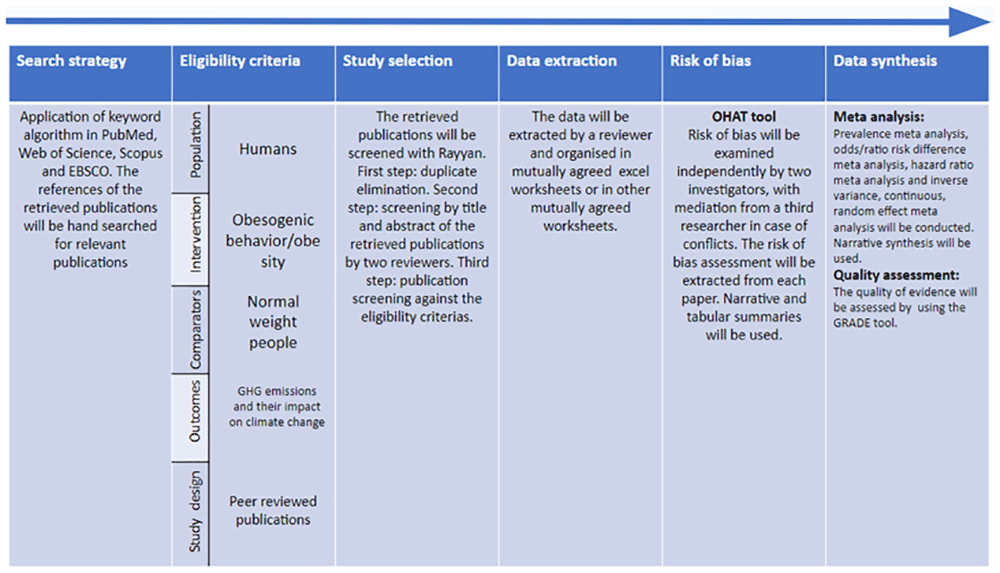
Figure 1. Workflow of the planned study.
Graphical representation of the protocol for a planned systematic review about the effects of obesogenic behaviours on greenhouse gases emission and climate change.
3.1 Eligibility criteria
The PICO criteria37 are outlined in the following sections. The records considered eligible to be included, will be evaluated within the risk of bias assessment (described in detail in the “Risk of bias assessment” section below).
3.1.1. Population. We will consider as population: the general population (people displaying an obesogenic behaviour and/or obesity, people non displaying obesogenic behaviour as well as people with normal weight). We will consider studies featuring the aforementioned categories regarding the level of GHG emissions recorded as concerns food production, food processing, food transportation, human transportation, energy production and consumption.
3.1.2. Types of intervention. A description of the types of obesogenic behaviours considered for this study is outlined in the following sections.
3.1.2.1. Obesogenic behaviours associated with food
Diet is a fundamental tool to maintain a healthy body. Lots of healthy diets have been codified and there are plenty of studies showing the importance of a balanced diet38–40. A common obesogenic behaviour is the unregulated consumption of certain food types or an abnormal food intake41. Indeed, the most common cause of obesity is an excess calorie intake, since an energetic imbalance is directly associated with weight gain42. Quality of food and drinks is pivotal in maintaining a healthy lifestyle, and the consumption of ultra processed foods, “junk foods”, energetic drinks or sugar drinks, nowadays widely spread, can be considered an obesogenic behaviour.
3.1.2.2. Obesogenic behaviours associated with lack of physical exercise and sedentariness
Lack of physical exercise is a key factor in maintaining a normal weight condition43, thus, lack of physical exercise can be considered as an obesogenic behaviour. Physical inactivity can be due to an unbalanced ratio between job and personal life or a lack of adequate infrastructures44. A sedentary lifestyle is a medical term used to define living habits lacking physical exercise45. Sedentariness can be caused by excessive screen time due to work (for ex. sitting at a desk working with a computer) or recreational activities (for ex. sitting at a desk playing video games or watching TV or “scrolling” with the smartphone). Both inactivity and sedentariness are common in developed or high-income countries.
3.1.3. Comparators. To be eligible for inclusion, studies must compare the effects of obesogenic behaviours and obesity by any type on GHG emissions to the effects of non-obesogenic behaviours and normal weight state on GHG emissions.
3.1.4. Types of outcome. We will assess the effect of the intervention on GHG emissions and adverse climate change, by considering CO2 emissions related to the energy usage/expenditure regarding food production, processing, transportation, people transportation, and motor vehicle emissions.
3.1.4.1 CO2 related to food production and transport
Obesogenic behaviour related to food consumption is often correlated with food that is unhealthy. Indeed, unhealthy foods have a higher footprint than healthy ones46.
3.1.4.2 CO2 related to people transportation
As stated in Section 1.2 we will consider passive transportation (e.g., car usage for walkable or cyclable distances) as an obesogenic behaviour.
3.1.5. Types of studies. The inclusion criteria for the planned systematic review are outlined in Figure 1 and are in accordance with the PICO statement in Section 2. Briefly, according to our outcomes, we will consider only studies that have measured GHG emissions, and their environmental impact, of CO2 or CO2 equivalent regarding obesogenic behaviours/obesity taken into consideration (see Section 3.1.2). Models that meet these criteria will be also included.
3.1.5.1 Inclusion criteria
We will consider papers published in scientific journals, describing the effects of an obesogenic behaviour and obesity on the outcome of interest, any type of observational study (cohort studies; case-control studies) or intervention study (pre-post studies; non-randomized trials; randomised controlled trials; crossover randomised controlled trials; controlled trials; and single group studies). Models too will be included albeit, due to their possible inaccuracy, they will be analysed separately.
3.1.5.2. Exclusion criteria
We will exclude case reports, editorials, letters to editors, conference abstracts, proceedings, master thesis, PhD thesis. We will exclude studies involving animals or in vitro studies. We will not consider retracted paper.
3.1.5.3 Years considered
The selected scientific databases (see “Information sources and search strategy” section below) will be searched without a limiting date. All searches will be updated prior to submission of the final manuscript, in case the date of the initial searching is older than 12 months from the date of submission47,48. New records will be evaluated according to the aforementioned inclusion and exclusion criteria.
3.1.5.4 Publication language
The search will be performed using English terms and will be limited to articles written in English.
3.1.5.5 Publication types
We will include only peer reviewed publications.
3.1.5.6 Types of effect measures
In case that dichotomous data are available (i.e., exposure events, non-events), we will calculate odds, hazard, and risk ratios as measures of effect. We will assume that odds ratios and hazard ratios are similar to risk ratios when the prevalence of the outcome is below 10%. With higher prevalence we will transform odds ratios to risk ratios. In case that continuous data are available (i.e., mean values of relevant variables of exposed and non-exposed populations), we will calculate mean differences or when the outcome is measured on a different scale but measures the same concept, we will calculate standardised mean differences.
3.2 Information sources and search strategy
We will perform a keyword algorithmic search in the follow scientific databases:
The search algorithm will be built according to the PICO approach previously described and will be adjusted in the environment of each database. In the algorithmic searching we will use truncations as well as wildcards (*, ?). The reference lists of included studies will be manually searched for unidentified relevant publications that did not appear in the initial search approach. We will also use Booleans (i.e., AND, OR). We will use a calibration approach to achieve sufficient sensitivity of the keyword algorithm49. The databases will be searched without a limiting date. An example of the search strategy and search terms is shown in Annex 150.
3.3 Study selection
The retrieved publications from the searching procedure will be managed using the Rayyan software51. Two reviewers will independently screen the retrieved publications for eligibility according to titles and abstracts. A third reviewer will act as a referee, and he will solve potential conflicts. All reviewers will share their work with the other team members to confirm and finalise the selection of studies. All reviewers will perform a pilot testing of the systematic review selection procedures on a subset of the retrieved papers. The methodology of the selection process is as follows:
1. Remove duplicated papers arising from the searching procedure.
2. Check publications against the eligibility criteria according to titles and abstracts. Exclude papers that are not relevant and that do not fulfil one or more of the inclusion criteria.
3. Check full texts of the remaining publications against the eligibility criteria. This will result in the final list of the eligible papers.
A PRISMA flow-diagram will be created to describe in detail the procedures of searching and selection publications36,52. A full list of the excluded articles will be provided in the final review paper.
3.4 Data extraction
From each paper included in the search, we will extract the following information:
▪ First author and publication year, as study ID.
▪ Type.
▪ Characteristics of design.
▪ Location (country, region, state, etc.).
▪ Dates of study and sampling time frame.
▪ Demographics (age, sex, ethnicity, occupation, health status, socio-economic status, body mass index, body surface area).
▪ Definition and measurement of the outcome.
▪ Intervention assessment (measurements).
▪ Main outcome.
▪ Confounders.
▪ Funding source.
The relevant data of each eligible study will be extracted and recorded in mutually agreed excel worksheets or in another mutually agreed worksheet for data extraction. In cases where data required for extraction are missing, inadequately reported, or reported differently, we will contact the authors of the article to retrieve the missing information.
3.5 Risk of bias assessment
The risk of bias of the eligible publications will be assessed using the Office of Health Assessment and Translation (OHAT) tool53. Risk of bias will be examined independently by two investigators, with mediation from a third researcher in case of conflicts. To address inconsistencies and questions, all assessors will be trained in the approach used to assess the risk of bias, during a pilot study performed after completion of the study selection. The risk of bias assessment will be extracted from each article and will be presented in narrative and tabular summaries.
3.6 Synthesis of results
If the available data are not suitable for a meta-analysis, we will synthesise results with a narrative method. If data for a meta-analysis will be available, we will perform the meta-analysis as follows:
1. For prevalence meta-analysis, incidence of the intervention divided by the overall sample size of each study [a (incidence)/b (sample size)], will be used. Standard errors will be calculated using the following formula: a (incidence) /[a (incidence) *b (sample size)]. Standard errors will be then used for weighted proportions and a random effect model to calculate prevalence49.
2. For odds ratio/risk and ratio/risk difference meta-analyses, a random effect model dichotomous, inverse variance method will be employed, referring to intervention incidence of the individuals displaying obesogenic behaviour against incidence of individuals not displaying obesogenic behaviour.
3. For a hazard ratio meta-analysis, a generic inverse variance random effect model will be used.
4. For continuous outcomes, an inverse variance, continuous, random-effect model meta-analysis will be used.
All meta-analyses will be conducted using the ‘metafor’ and ‘meta’ packages for R language (Rstudio, Version 1.3.1093, PBC, Boston, Massachusetts, United States)49,54,55. Funnel plots will only be generated if meta-analyses include more than 10 studies49.
3.7 Quality of evidence assessment
To assess the quality of evidence we will use the Grading of Recommendations Assessment, Development and Evaluation (GRADE) tool, following existing guidelines56.
4. Discussion
Obesity, obesogenic behaviours and climate change are XXI century challenges humanity must face. To date policies aimed at solving the problem have not been successful (https://iris.who.int/handle/10665/353747). A systematic review18 found that exist a cross talk between obesity and climate change and that the two phenomena act one on the other, with obesity generating emissions fuelling climate change and with climate change favouring the adoption of obesogenic behaviours and increasing obesity13. To our knowledge this is the first systematic review to examine data on the effect of obesity/obesogenic behaviour on climate change. It will provide an overview on the existing data and assess the strengths and limitations of available evidence. It will be guided by PRISMA guidelines to achieve the highest level of quality as possible in reporting and methodology. A PRISMA checklist has been prepared and it is shown in Annex 250. Moreover, the selection and the critical appraisal of studies will be performed by two reviewer using predefined inclusion and exclusion criteria, with a third reviewer with the role of resolving potential issues. Any amendments made to this protocol when conducting the review will be outlined in PROSPERO and reported in the final manuscript.
Ethics and consent
Ethical approval and consent were not required.
List of abbreviations
BMI: body mass index
COVID-19: Corona virus 2019
GHG/s: greenhouse gas/es
Kcal/cap: kilocalories per capita
CO2: carbon dioxide
CH4: methane
N2O: nitrous oxide
CO2eq: carbon dioxide equivalent
PRISMA: Preferred Reporting Items for Systematic Reviews and Meta-Analyses
PROSPERO: International Prospective Register of Systematic Reviews
PICO: Population Intervention Comparator Outcome
OHAT: Office of Health Assessment and Translation
GRADE: Grading of Recommendations Assessment, Development and Evaluation
Data availability
Underlying data
No data are associated with this article.
Extended data
Open Science Framework: Protocol for a systematic review on the effects of obesogenic behaviours on climate change. https://doi.org/10.17605/OSF.IO/XAHC850.
This project contains the following extended data:
- Annex 1, doc.x document, example of the search strategy and search terms
- Annex 2, doc.x document, PRISMA-P checklist
Data are available under the terms of the Creative Commons Zero "No rights reserved" data waiver (CC0 1.0 Public domain dedication).
Authors’ contributions
Author roles: D'Agostino F: Conceptualization, Formal Analysis, Investigation, Writing – Original Draft Preparation; Vliora M: Formal Analysis, Investigation, Writing – Original Draft Preparation; Grillo E: Conceptualization, Supervision, Writing – Review & Editing; Corsini M: Formal Analysis; Ravelli C: Formal Analysis; Simonetto A: Conceptualization, Formal Analysis, Writing – Original Draft Preparation; Gilioli G: Conceptualization, Supervision; Mitola S: Conceptualization, Formal analysis, Funding Acquisition, Investigation, Writing – Review & Editing; Flouris AD: Conceptualization, Formal Analysis, Funding Acquisition, Investigation, Supervision, Writing – Review & Editing
Guarantor of the review: Professor Andreas D. Flouris
Faculty Opinions recommendedReferences
- 1.
Bray GA:
Evaluation of obesity. Who are the obese?
Postgrad Med.
2003; 114(6): 19–27, 38. PubMed Abstract
| Publisher Full Text
- 2.
Romero-Corral A, Somers VK, Sierra-Johnson J, et al.:
Accuracy of Body Mass Index in diagnosing obesity in the adult general population.
Int J Obes (Lond).
2008; 32(6): 959–66. PubMed Abstract
| Publisher Full Text
| Free Full Text
- 3.
Fruh SM:
Obesity: risk factors, complications, and strategies for sustainable long-term weight management.
J Am Assoc Nurse Pract.
2017; 29(S1): S3–S14. PubMed Abstract
| Publisher Full Text
| Free Full Text
- 4.
Romieu I, Dossus L, Barquera S, et al.:
Energy balance and obesity: what are the main drivers?
Cancer Causes Control.
2017; 28(3): 247–58. PubMed Abstract
| Publisher Full Text
| Free Full Text
- 5.
Trübswasser U, Verstraeten R, Salm L, et al.:
Factors influencing obesogenic behaviours of adolescent girls and women in Low- and Middle-Income Countries: a qualitative evidence synthesis.
Obes Rev.
2021; 22(4): e13163. PubMed Abstract
| Publisher Full Text
| Free Full Text
- 6.
Koengkan M, Fuinhas JA:
Does the obesity problem increase environmental degradation? Macroeconomic and social evidence from the European countries.
Economies.
2022; 10(6): 131. Publisher Full Text
- 7.
Edwards P, Roberts I:
Population adiposity and climate change.
Int J Epidemiol.
2009; 38(4): 1137–40. PubMed Abstract
| Publisher Full Text
- 8.
Magkos F, Tetens I, Bugel SG, et al.:
The environmental foodprint of obesity.
Obesity (Silver Spring).
2020; 28(1): 73–9. PubMed Abstract
| Publisher Full Text
- 9.
Koch CA, Sharda P, Patel J, et al.:
Climate change and obesity.
Horm Metab Res.
2021; 53(9): 575–87. PubMed Abstract
| Publisher Full Text
| Free Full Text
- 10.
Toti E, Di Mattia C, Serafini M:
Metabolic Food Waste and ecological impact of obesity in FAO world's region.
Front Nutr.
2019; 6: 126. PubMed Abstract
| Publisher Full Text
| Free Full Text
- 11.
Obradovich N, Fowler JH:
Climate change may alter human physical activity patterns.
Nat Hum Behav.
2017; 1(5): 0097. Publisher Full Text
- 12.
Fincham JE:
The expanding public health threat of obesity and overweight.
Int J Pharm Pract.
2011; 19(3): 214–6. PubMed Abstract
| Publisher Full Text
- 13.
Pi-Sunyer FX:
The medical risks of obesity.
Obes Surg.
2002; 12 Suppl 1: 6S–11S. PubMed Abstract
| Publisher Full Text
- 14.
Pati S, Irfan W, Jameel A, et al.:
Obesity and cancer: a current overview of epidemiology, pathogenesis, outcomes, and management.
Cancers (Basel).
2023; 15(2): 485. PubMed Abstract
| Publisher Full Text
| Free Full Text
- 15.
Venkatesan R, Mohan V:
Obesity – are we continuing to play the genetic “blame game”?
Advances in Genomics and Genetics.
2016; 6: 11–23. Publisher Full Text
- 16.
An R, Ji M, Zhang S:
Global warming and obesity: a systematic review.
Obes Rev.
2018; 19(2): 150–63. PubMed Abstract
| Publisher Full Text
- 17.
Harb AA, Shechter A, Koch PA, et al.:
Ultra-processed foods and the development of obesity in adults.
Eur J Clin Nutr.
2023; 77(6): 619–27. PubMed Abstract
| Publisher Full Text
| Free Full Text
- 18.
Anastasiou K, Baker P, Hadjikakou M, et al.:
A conceptual framework for understanding the environmental impacts of ultra-processed foods and implications for sustainable food systems.
J Clean Prod.
2022; 368: 133155. Publisher Full Text
- 19.
Heller MC, Willits-Smith A, Meyer R, et al.:
GreenHouse Gas Emissions and energy use associated with production of individual self-selected US diets.
Environ Res Lett.
2018; 13(4): 044004. PubMed Abstract
| Publisher Full Text
| Free Full Text
- 20.
Pradhan P, Reusser DE, Kropp JP:
Embodied GreenHouse Gas Emissions in diets.
PLoS One.
2013; 8(5): e62228. PubMed Abstract
| Publisher Full Text
| Free Full Text
- 21.
Neves A, Brand C:
Assessing the potential for carbon emissions savings from replacing short car trips with walking and cycling using a mixed GPS-travel diary approach.
Transportation Research Part A: Policy and Practice.
2019; 123: 130–46. Publisher Full Text
- 22.
Jacobson SH, McLay LA:
The economic impact of obesity on automobile fuel consumption.
Eng Econ.
2006; 51(4): 307–23. Publisher Full Text
- 23.
Jacobson SH, King DM:
Measuring the potential for automobile fuel savings in the US: the impact of obesity.
Transportation Research Part D: Transport and Environment.
2009; 14(1): 6–13. Publisher Full Text
- 24.
Rennie KL, Johnson L, Jebb SA:
Behavioural determinants of obesity.
Best Pract Res Clin Endocrinol Metab.
2005; 19(3): 343–58. PubMed Abstract
| Publisher Full Text
- 25.
Lopez JC, Quijano G, Souza TS, et al.:
Biotechnologies for greenhouse gases (CH4, N2O, and CO2) abatement: state of the art and challenges.
Appl Microbiol Biotechnol.
2013; 97(6): 2277–303. PubMed Abstract
| Publisher Full Text
- 26.
IPCC, Stocker TF, Qin D, et al.:
Summary for policymakers. In: Climate Change 2013: The Physical Science Basis. Contribution of Working Group I to the Fifth Assessment Report of the Intergovernmental Panel on Climate Change.
2014; 1–30. Publisher Full Text
- 27.
Lamb WF, Wiedmann T, Pongratz J, et al.:
A review of trends and drivers of greenhouse gas emissions by sector from 1990 to 2018.
Environ Res Lett.
2021; 16(7): 073005. Publisher Full Text
- 28.
Wheeler N, Watts N:
Climate change: from science to practice.
Curr Environ Health Rep.
2018; 5(1): 170–178. PubMed Abstract
| Publisher Full Text
| Free Full Text
- 29.
Gornall J, Betts R, Burke E, et al.:
Implications of climate change for agricultural productivity in the early twenty-first century.
Philos Trans R Soc Lond B Biol Sci.
2010; 365(1554): 2973–89. PubMed Abstract
| Publisher Full Text
| Free Full Text
- 30.
Myers SS, Smith MR, Guth S, et al.:
Climate change and global food systems: potential impacts on food security and undernutrition.
Annu Rev Public Health.
2017; 38: 259–277. PubMed Abstract
| Publisher Full Text
- 31.
Wheeler T, von Braun J:
Climate change impacts on global food security.
Science.
2013; 341(6145): 508–13. PubMed Abstract
| Publisher Full Text
- 32.
IPCC, Solomon S, Qin D, et al.:
Climate change 2007: the physical science basis. Contribution of Working Group I to the Fourth Assessment Report of the Intergovernmental Panel on Climate Change, 2007. Reference Source
- 33.
Booth M:
Climate change and the neglected tropical diseases.
Adv Parasitol.
2018; 100: 39–126. PubMed Abstract
| Publisher Full Text
| Free Full Text
- 34.
Ejaz Qureshi M, Hanjra MA, Ward J:
Impact of water scarcity in Australia on global food security in an era of climate change.
Food Policy.
2013; 38: 136–145. Publisher Full Text
- 35.
Swinburn B, Egger G:
The runaway weight gain train: too many accelerators, not enough brakes.
BMJ.
2004; 329(7468): 736–9. PubMed Abstract
| Publisher Full Text
| Free Full Text
- 36.
Page MJ, McKenzie JE, Bossuyt PM, et al.:
The PRISMA 2020 statement: an updated guideline for reporting systematic reviews.
Int J Surg.
2021; 88: 105906. PubMed Abstract
| Publisher Full Text
- 37.
Morgan RL, Whaley P, Thayer KA, et al.:
Identifying the PECO: a framework for formulating good questions to explore the association of environmental and other exposures with health outcomes.
Environ Int.
2018; 121(Pt 1): 1027–1031. PubMed Abstract
| Publisher Full Text
| Free Full Text
- 38.
Landaeta-Diaz L, Fernandez JM, Da Silva-Grigoletto M, et al.:
Mediterranean diet, moderate-to-high intensity training, and health-related quality of life in adults with metabolic syndrome.
Eur J Prev Cardiol.
2013; 20(4): 555–64. PubMed Abstract
| Publisher Full Text
- 39.
Di Daniele N, Noce A, Vidiri MF, et al.:
Impact of Mediterranean diet on metabolic syndrome, cancer and longevity.
Oncotarget.
2017; 8(5): 8947–8979. PubMed Abstract
| Publisher Full Text
| Free Full Text
- 40.
Cena H, Calder PC:
Defining a healthy diet: evidence for the role of contemporary dietary patterns in health and disease.
Nutrients.
2020; 12(2): 334. PubMed Abstract
| Publisher Full Text
| Free Full Text
- 41.
McCrickerd K:
Cultivating self-regulatory eating behaviours during childhood: the evidence and opportunities.
Nutr Bull.
2018; 43(4): 388–99. Publisher Full Text
- 42.
Hill JO, Wyatt HR, Peters JC:
The importance of energy balance.
Eur Endocrinol.
2013; 9(2): 111–115. PubMed Abstract
| Publisher Full Text
| Free Full Text
- 43.
Elj NE, Lac G, Tabka Z, et al.:
Effect of physical exercise on reducing food intake and weight gain.
Procedia Soc Behav Sci.
2011; 30: 2027–2031. Publisher Full Text
- 44.
Fennell C, Barkley JE, Lepp A:
The relationship between cell phone use, physical activity, and sedentary behavior in adults aged 18–80.
Comput Human Behav.
2019; 90: 53–59. Publisher Full Text
- 45.
Tremblay MS, Colley RC, Saunders TJ, et al.:
Physiological and health implications of a sedentary lifestyle.
Appl Physiol Nutr Metab.
2010; 35(6): 725–40. PubMed Abstract
| Publisher Full Text
- 46.
Rippin HL, Cade JE, Berrang-Ford L, et al.:
Variations in greenhouse gas emissions of individual diets: associations between the greenhouse gas emissions and nutrient intake in the United Kingdom.
PLoS One.
2021; 16(11): e0259418. PubMed Abstract
| Publisher Full Text
| Free Full Text
- 47.
Whaley P, Aiassa E, Beausoleil C, et al.:
Recommendations for the conduct of systematic reviews in toxicology and environmental health research (COSTER).
Environ Int.
2020; 143: 105926. PubMed Abstract
| Publisher Full Text
- 48.
Higgins JPT, Lasserson T, Chandler J, et al.:
Methodological expectations of cochrane intervention reviews. 2016. Reference Source
- 49.
Higgins JPT, Thomas J, Chandler J, et al.:
Cochrane handbook for systematic reviews of interventions version 6.4. 2023. Reference Source
- 50.
D’Agostino F:
Protocol for a systematic review on the effects of obesogenic behaviours on climate change. 2024. Publisher Full Text
- 51.
Ouzzani M, Hammady H, Fedorowicz Z, et al.:
Rayyan-a web and mobile app for systematic reviews.
Syst Rev.
2016; 5(1): 210. PubMed Abstract
| Publisher Full Text
| Free Full Text
- 52.
Liberati A, Altman DG, Tetzlaff J, et al.:
The PRISMA statement for reporting systematic reviews and meta-analyses of studies that evaluate health care interventions: explanation and elaboration.
J Clin Epidemiol.
2009; 62(10): e1–34. PubMed Abstract
| Publisher Full Text
- 53.
Rooney AA, Boyles AL, Wolfe MS, et al.:
Systematic review and evidence integration for literature-based environmental health science assessments.
Environ Health Perspect.
2014; 122(7): 711–8. PubMed Abstract
| Publisher Full Text
| Free Full Text
- 54.
Balduzzi S, Rucker G, Schwarzer G:
How to perform a meta-analysis with R: a practical tutorial.
Evid Based Ment Health.
2019; 22(4): 153–60. PubMed Abstract
| Publisher Full Text
| Free Full Text
- 55.
Viechtbauer W:
Conducting meta-analyses in R with the meta for package.
J Stat Softw.
2010; 36(3): 1–48. Publisher Full Text
- 56.
Schumemann H, Brożek J, Guyatt G, et al.:
GRADE handbook. Grading of Recommendations Assessment, Development and Evaluation, Grade Working Group. 2013. Reference Source









