Introduction
Siphonophores are marine worldwide distributed hydrozoans (Cnidaria) characterized by a complex colonial structure (Mapstone, 2014). Although a few species float in the sea surface or are attached to the seafloor, most siphonophores inhabit the water column, from epipelagic to bathypelagic depths (Mapstone, 2014). This is a morphologically diverse group classified in three different suborders, mainly differentiated by morphological features: Calycophorae have nectophores (swimming bell-like zooids for propulsion), Cystonectae have pneumatophores (gas-filled floats used to maintain orientation in the water and flotation) and Physonectae have both features (Bidigare & Biggs, 1980).
Knowledge of siphonophore diversity has significantly improved recently due to advances in deep-sea exploration and increased scientific interest (Hetherington et al., 2022); to date, 190 species have been described (WoRMS, 2023), the latest in 2023 (Bolstad et al., 2023). One of the reasons for the growing interest in understanding siphonophores is their unmeasured contribution to acoustic backscatter, since the pneumatophores of siphonophores and the swim bladders of teleost fish are targeted with the same frequencies and, thus, might be acoustically undistinguishable (Barham, 1963; Barham, 1966; Kloser et al., 2016; Warren et al., 2001). Therefore, mesopelagic fish biomass estimates might be biased by siphonophores (Proud et al., 2019). Despite these efforts, and as for most gelatinous organisms, siphonophores still constitute an understudied fraction of the deep-sea gelatinous zooplankton and yet they represent up to 25% of the total pelagic biomass with and important role in trophic webs (Hetherington et al., 2022; Robison, 2004).
As such, most of the research on siphonophores has been performed at regional scales, has considered a few of the described species, and has not deepen into the vertical distribution of some groups, which could be key to understand the different trophic niches they occupy in pelagic ecosystems (Hetherington et al., 2022). Knowledge gaps in siphonophore diversity, distribution and abundance can be attributed to the difficulty in sampling and identifying them. Siphonophores are fragile and easily broken when caught with nets, meaning that caught individuals are often damaged and almost impossible to classify to species or genus level by visual methods (e.g. (Fernández de Puelles et al., 2019)). The use of in situ video has contributed to understand distribution and abundance but does not provide accurate taxonomy (Robison et al., 1998).
In this context, the combination of oceanographic expeditions with molecular taxonomic approaches could be key to study siphonophore diversity, abundance and diet (Damian-Serrano et al., 2022; Govindarajan et al., 2021). Indeed, oceanographic campaigns gather massive sample collections and datasets that usually are underutilized. Considering the cost of these surveys, unprocessed data use or cross-disciplinary reanalysis is a source of potentially relevant information given different research perspectives and promotes outcome maximization, as well as the best use of resources (Kennicutt et al., 2016). Bulk samples and, in recent years, environmental samples (water or sediment) are among the most collected material in research vessels. Regardless of the specific purpose for which these samples are collected, these samples can be analyzed through DNA metabarcoding, a technique that has demonstrated its utility for siphonophore detection, although most of the studies have aimed to characterize the general planktonic community (Bucklin et al., 2010; Di Capua et al., 2021; Govindarajan et al., 2021; Parry et al., 2021). To our knowledge, a single study has applied this technique to siphonophores, in particular, to the study of their diets (Damian-Serrano et al., 2022). Yet, although little used, this technique has the potential to fill knowledge gaps about diversity, distribution and abundance of these organisms at a global scale.
Here, we have used siphonophore molecular data from samples collected during the MALASPINA-2010 circumnavigation expedition to increase knowledge about siphonophore horizontal and vertical distribution patterns along the global ocean. For some species, this study provides new records and suggests wider horizontal and vertical distributions than previously described. Also, we provide insights into the intraspecific variation of widely distributed siphonophores.
Methods
Siphonophore datasets compilation
Data used in the present study was extracted from the molecular dataset compiled in Canals et al. (2024), where details on the sample processing, DNA extraction, library preparation, and taxonomic assignment are provided. Canals et al. analyzed 77 bulk zooplankton samples collected during the Malaspina circumnavigation expedition (Duarte, 2015) (Figure 1a, b) covering 34 different stations across the Atlantic, Indian, and Pacific oceans, from the surface down to 3000 m depth. For this study, the mlCOIint (313 bp-long region from the cytochrome oxydase I gene; Leray et al. (2013)) sequences assigned to Siphonophorae (Cnidaria, Hydrozoa) were selected. Although metabarcoding data for another marker (mac18S from the 18S rRNA gene) was also available from (Canals et al., 2024), only mlCOIint was considered due to its higher potential to classify sequences at the species level and to detect intraspecific variability (Turon et al., 2020).
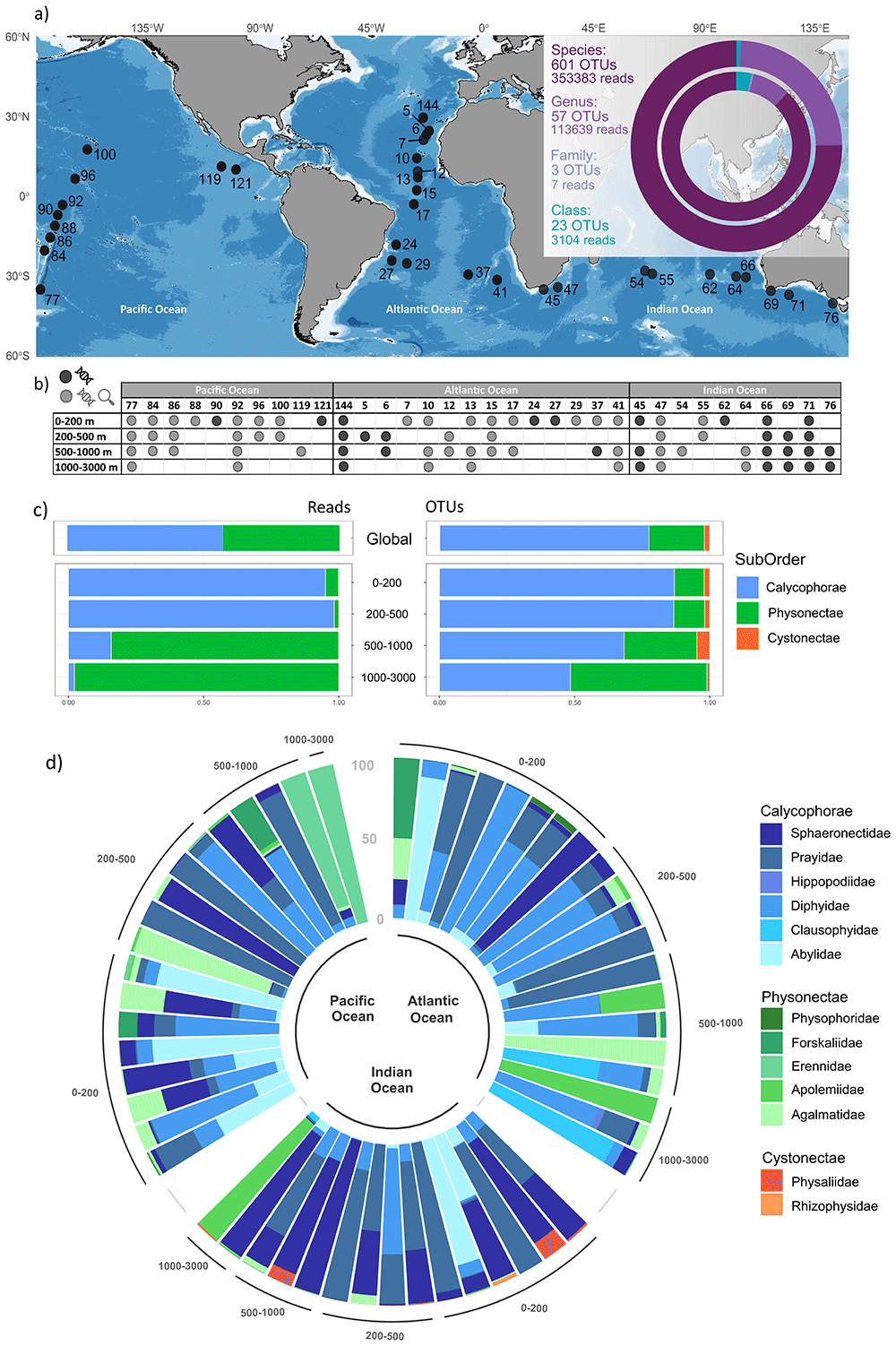
Figure 1. Global overview of siphonophore diversity and distribution.
a) Location of the sampling stations and taxonomic depth obtained for siphonophores, showing the proportion of reads (outer doughnut) and OTUs (inner doughnut) assigned to class, family, genus, and species level. b) Depth ranges from where samples were analyzed in this study. Black dots represent samples with only DNA data and grey dot with both DNA and morphological data. c) Global relative read abundance (left) and proportion of OTUs (right) of siphonophore suborders by depth ranges. d) Relative read abundance plot representing distribution of siphonophore families by depth ranges. Only samples with more than 100 siphonophore reads are represented.
Diversity descriptors and statistical analysis
All statistical analyses were performed in R environment 4.2.2 (www.r-project.org). Alpha-diversity analysis was based on the richness (number of taxa detected in each sample) and Shannon diversity index (calculated using the diversity function, vegan v2.6-4 R package) (Oksanen et al., 2022) on samples rarefied to 500 reads (rrarefy function, vegan R package) to avoid biases due to different sequencing effort. Beta-diversity analysis was based on Bray-Curtis dissimilarity between pairs of samples (vegdist function, vegan R package). The proportion of dissimilarity attributed to balanced variation in species abundances (equivalent to turnover for incidence-based indices) and abundance gradient (equivalent to nestedness) (Baselga, 2013) was assessed using the beta.pair.abund function of the betapart R package (version 1.6; (Baselga & Orme, 2012)). Ordination analysis was performed by nonmetric multidimensional scaling (NMDS; metaMDS function, vegan R package) on log transformed data, and ANOSIM test (anosim function, vegan R package) was applied to test the significance of ordination of communities according to predefined groups.
Results
Overview of siphonophore diversity
Overall, 470,133 siphonophore reads (4,5% of total metazoan reads) were retrieved. These reads were clustered into 666 Operational Taxonomic Units (OTUs) from which 88% were taxonomically assigned to species level, 8.5% to genus, 0.5 to family, and about 3% remained as Siphonophorae (Figure 1a). Calycophorae appeared as the most abundant and diverse suborder (26 species representing 64% of the siphonophore reads), followed by Physonectae (14 species, 35% of reads) and Cystonectae (only 2 species and <1% of reads). Some species such as Nectadamas diomedeae or Sphaeronectes koellikeri had a high number of OTUs assigned (>65 OTUs) whereas other species had a single OTU, such as Lensia exeter.
Distribution patterns
Siphonophores were detected at all oceanic basins and depth ranges under study. Calycophores, represented by Abylidae and Diphydae families, were clearly dominant in epipelagic (from surface to 200 m depth) and upper mesopelagic (from 200 to 500 m depth) layers. Yet, a sharp increase in Physonectae reads was detected below 500 m (Figure 1c), including species in the Apolemidae and Erennidae families. Cystonectae displayed low read abundances along the whole water column, mainly located in the Indian Ocean. Although some species were found in all the water column, they were mainly present in a certain depth range (refer to extended data: Figure S1; Claver et al., 2024).
In the horizontal gradient, both proportion of reads and OTUs corresponding to Cystonectae were small globally (0.01% and 2%, respectively) (Figure 1c). Within Calycophores, Prayidae and Sphaeronectidae were the most distributed families in all three ocean basins. Among Cystonectae, the Physaliidae family was primarily detected in the Indian Ocean (Figure 1d). The Atlantic Ocean was the ocean basin with the highest number of assigned species and OTUs followed by the Pacific and the Indian Ocean (Table 1). About half of the species were present in all ocean basins, 12 species were shared only by two ocean basins and 10 were exclusively found in the Atlantic or Pacific Ocean (refer to extended data: Figure S2; Claver et al., 2024). Although most of the species were shared by the different ocean basins 85% of the OTUs were found exclusively in a single ocean basin, being the Pacific Ocean the ocean basin with highest number of OTUs not classified to species level (36 OTUs), followed by the Atlantic (18 OTUs) and the Indian Ocean (14 OTUs) (Figure 2). For some widely distributed species with high intraspecific variation (>10 OTUs) we identified biogeographical patterns and basin-exclusive OTUs (Figure 3).
Table 1. Taxonomic assignments, represented percentage and number of siphonophore OTUs found in each ocean basin.
| SubOrder | Family | Genus | Species | OTUs
(%) | Pacific
Ocean | Atlantic
Ocean | Indian
Ocean |
|---|
| Calycophorae | Abylidae | Abylopsis | Abylopsis eschscholtzii | 4.1 | 19 | 6 | 12 |
| Calycophorae | Abylidae | Abylopsis | Abylopsis tetragona | 0.4 | 2 | 1 | 1 |
| Calycophorae | Abylidae | Bassia | Bassia bassensis | 0.9 | 3 | 3 | 3 |
| Calycophorae | Abylidae | Ceratocymba | Ceratocymba
sagittata | 0.4 | 1 | 1 | 1 |
| Calycophorae | Clausophyidae | Chuniphyes | Chuniphyes
multidentata | 0.9 | | 6 | 3 |
| Calycophorae | Diphyidae | Dimophyes | Dimophyes arctica | 0.1 | | | 1 |
| Calycophorae | Diphyidae | Diphyes | Diphyes bojani | 8.8 | 3 | 57 | 1 |
| Calycophorae | Diphyidae | Diphyes | Diphyes dispar | 6.4 | 6 | 38 | 3 |
| Calycophorae | Diphyidae | Diphyes | unclassified | 2.2 | 14 | 2 | |
| Calycophorae | Diphyidae | Eudoxoides | Eudoxoides mitra | 4.1 | 12 | 12 | 13 |
| Calycophorae | Diphyidae | Eudoxoides | Eudoxoides spiralis | 1.8 | | 12 | 3 |
| Calycophorae | Diphyidae | Lensia | Lensia achilles | 0.6 | 3 | 3 | 1 |
| Calycophorae | Diphyidae | Lensia | Lensia campanella | 6.9 | 22 | 26 | 4 |
| Calycophorae | Diphyidae | Lensia | Lensia conoidea | 0.6 | 2 | 2 | 2 |
| Calycophorae | Diphyidae | Lensia | Lensia exeter | 0.1 | | 1 | 1 |
| Calycophorae | Diphyidae | Lensia | Lensia fowleri | 1.2 | 5 | 4 | 4 |
| Calycophorae | Diphyidae | Lensia | Lensia hotspur | 1.5 | 4 | 5 | 3 |
| Calycophorae | Diphyidae | Lensia | Lensia multicristata | 0.6 | 1 | 2 | 1 |
| Calycophorae | Diphyidae | Lensia | unclassified | 1.8 | 6 | 4 | 6 |
| Calycophorae | Diphyidae | Sulculeolaria | Sulculeolaria
quadrivalvis | 0.1 | 1 | 1 | |
| Calycophorae | Diphyidae | unclassified | unclassified | 0.4 | 3 | | |
| Calycophorae | Hippopodiidae | Hippopodius | Hippopodius
hippopus | 0.1 | | 1 | |
| Calycophorae | Hippopodiidae | Vogtia | Vogtia spinosa | 0.1 | 1 | | |
| Calycophorae | Prayidae | Amphicaryon | Amphicaryon acaule | 1.2 | 5 | 2 | 2 |
| Calycophorae | Prayidae | Amphicaryon | unclassified | 0.4 | 1 | 1 | 2 |
| Calycophorae | Prayidae | Lilyopsis | Lilyopsis medusa | 0.3 | 2 | | |
| Calycophorae | Prayidae | Nectadamas | Nectadamas
diomedeae | 18.9 | 29 | 66 | 52 |
| Calycophorae | Prayidae | Praya | Praya reticulata | 0.1 | 1 | | |
| Calycophorae | Prayidae | Rosacea | Rosacea flaccida | 0.1 | 1 | | 1 |
| Calycophorae | Sphaeronectidae | Sphaeronectes | Sphaeronectes
koellikeri | 9.6 | 36 | 29 | 31 |
| Physonectae | Agalmatidae | Agalma | Agalma elegans | 1.0 | 6 | 2 | |
| Physonectae | Agalmatidae | Athorybia | Athorybia rosacea | 1.9 | 7 | 4 | 4 |
| Physonectae | Agalmatidae | Frillagalma | Frillagalma vityazi | 0.3 | | 2 | |
| Physonectae | Agalmatidae | Halistemma | Halistemma cupulifera | 0.1 | | 1 | |
| Physonectae | Agalmatidae | Halistemma | Halistemma rubrum | 1.0 | 7 | 1 | |
| Physonectae | Agalmatidae | Halistemma | unclassified | 1.3 | 1 | 9 | 1 |
| Physonectae | Agalmatidae | Marrus | Marrus claudanielis | 0.1 | 1 | | |
| Physonectae | Agalmatidae | Marrus | unclassified | 0.7 | 1 | 2 | 2 |
| Physonectae | Agalmatidae | Nanomia | Nanomia bijuga | 1.3 | 3 | 4 | 1 |
| Physonectae | Apolemiidae | Apolemia | Apolemia lanosa | 5.7 | 4 | 29 | 2 |
| Physonectae | Apolemiidae | Apolemia | Apolemia rubriversa | 0.1 | | 1 | |
| Physonectae | Apolemiidae | Apolemia | unclassified | 1.8 | 2 | 1 | 4 |
| Physonectae | Erennidae | Erenna | Erenna cornuta | 0.3 | | 2 | |
| Physonectae | Erennidae | Erenna | Erenna laciniata | 1.0 | 7 | 1 | 1 |
| Physonectae | Erennidae | Erenna | unclassified | 0.1 | 1 | | |
| Physonectae | Forskaliidae | Forskalia | Forskalia asymmetrica | 0.3 | 1 | 2 | |
| Physonectae | Forskaliidae | Forskalia | Forskalia tholoides | 1.6 | 1 | 7 | |
| Physonectae | Physophoridae | Physophora | Physophora
hydrostatica | 1.0 | 2 | 3 | 2 |
| Cystonectae | Physaliidae | Physalia | Physalia physalis | 1.3 | 1 | 1 | 9 |
| Cystonectae | Rhizophysidae | Rhizophysa | Rhizophysa filiformis | 0.6 | 2 | | 2 |
| unclassified | unclassified | unclassified | unclassified | 3.4 | 8 | 1 | 1 |
| | Total | Species
OTUs | 42
666 | 34
238 | 36
358 | 24
180 |
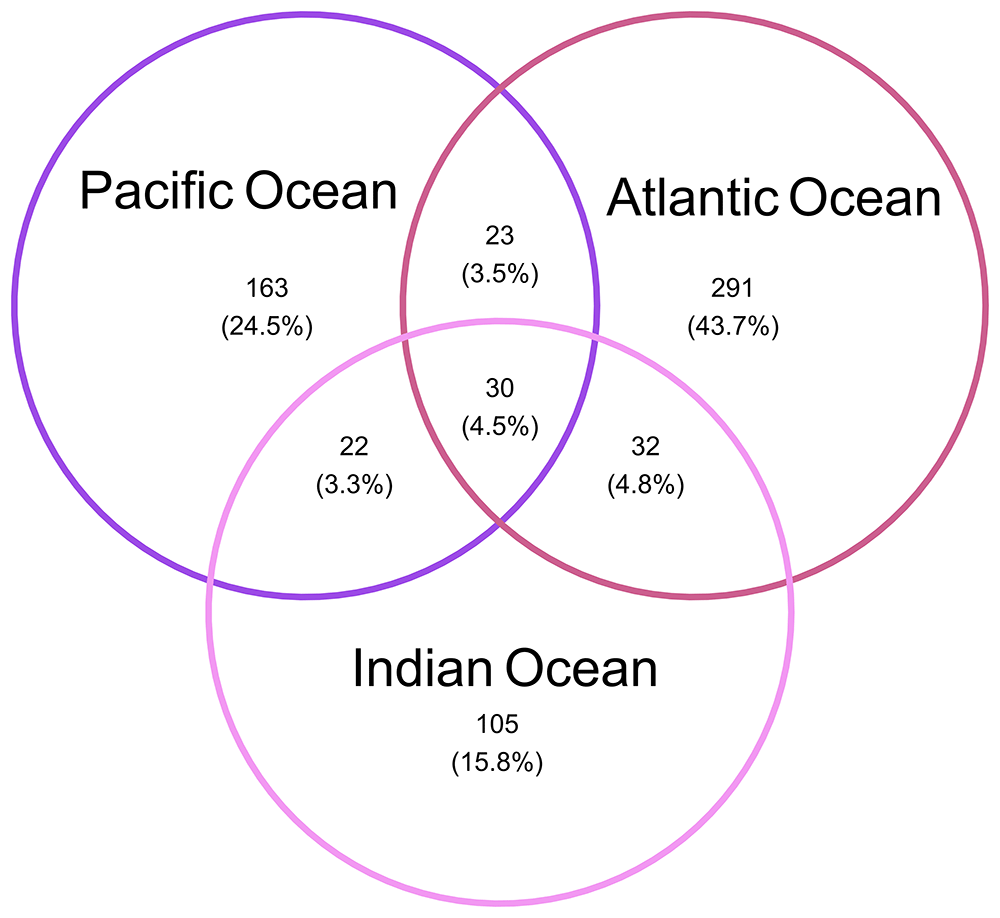
Figure 2. Venn diagram representing the siphonophore OTUs that are detected in the three ocean basins.
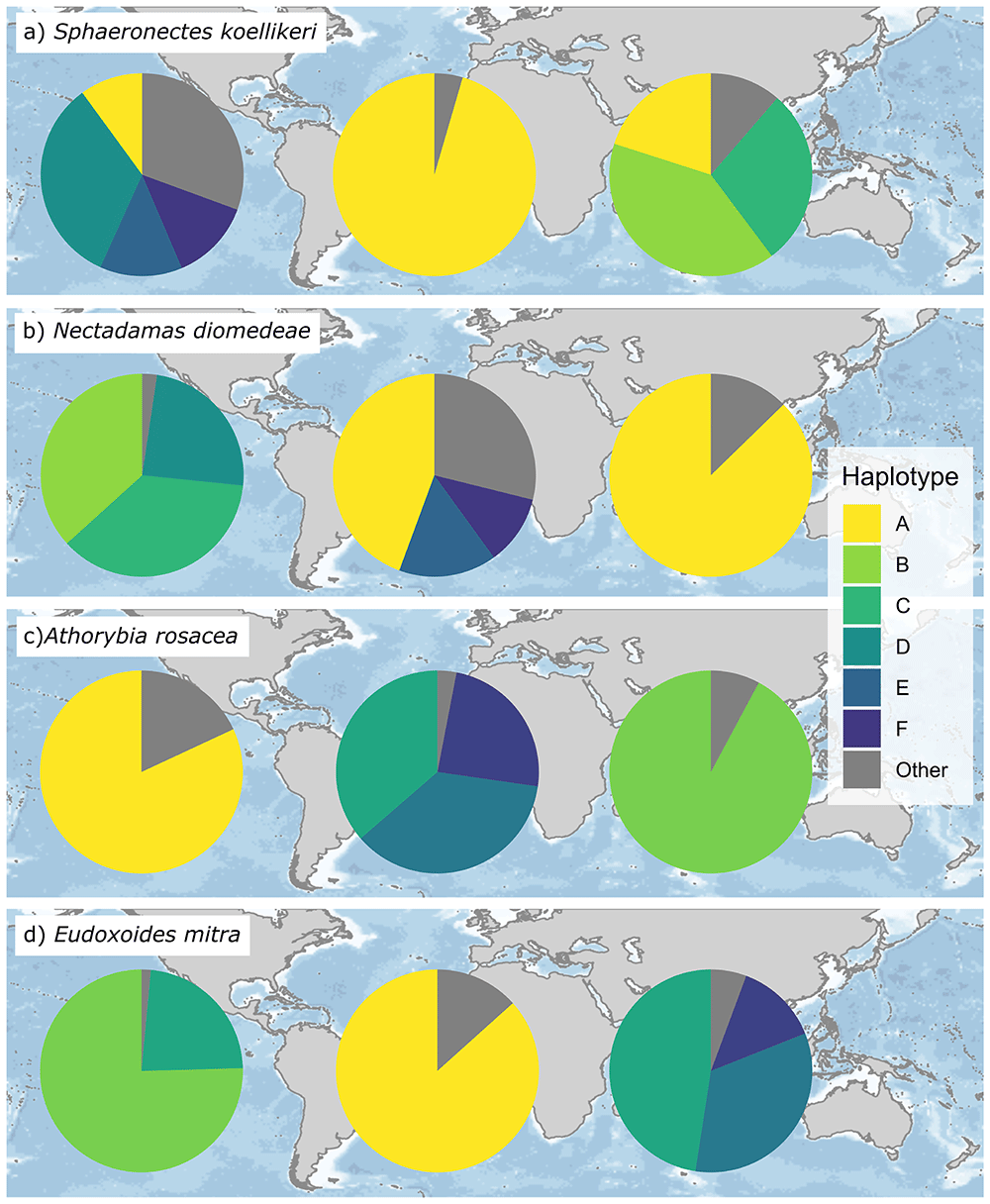
Figure 3. Intraspecific variability of four siphonophore species across the Pacific, Atlantic and Indian Oceans.
The pie graphs represent the relative abundance of different haplotypes in each ocean basin. The grey section of the pies comprises haplotypes representing less than 10% of the abundance in that basin.
Alpha- and beta-diversity patterns of siphonophores
Alpha-diversity measurements did not show horizontal patterns across all the three ocean basins because siphonophore communities showed similar number of OTUs (Figure 4a; refer to extended data: Figure S3a; Claver et al., 2024). However, a progressive decreasing pattern in siphonophore richness was observed with depth, with the highest number of OTUs occurring in the epipelagic zone (Figure 4b; refer to extended data: Figure S3b; Claver et al., 2024). Accordingly, all ocean basins showed similar diversity values (Figure 4c; refer to extended data: Figure S3c; Claver et al., 2024) whereas epipelagic samples showed the highest diversity among depth ranges (Figure 4d; refer to extended data: Figure S3d; Claver et al., 2024). Beta-diversity patterns were not consistent across oceans because samples by ocean basin presented low dissimilarities (Figure 4e; refer to extended data: Figure S3e,g; Claver et al., 2024), whereas a vertical pattern was more evident and epipelagic samples showed smallest dissimilarities between them than the bathypelagic samples (Figure 4f; refer to extended data: Figure S3f,h; Claver et al., 2024). The components of the dissimilarity were broken down and the proportion of dissimilarity attributed to balanced variation in species abundances (equivalent to turnover) resulted to be the major component, with some minor proportion of abundance gradient (equivalent to nestedness) in the epipelagic and upper mesopelagic layers (refer to extended data: Figure S4; Claver et al., 2024). The ordination analysis of the communities weakly supported a horizontal structuring based on ocean basin (Figure 4g), whereas the vertical structuring was statistically supported to be the main factor determining the siphonophore community (Figure 4h). These patterns became more evident when vertical samples where split into ocean basin and vice versa (refer to extended data: Figure S5; Claver et al., 2024).
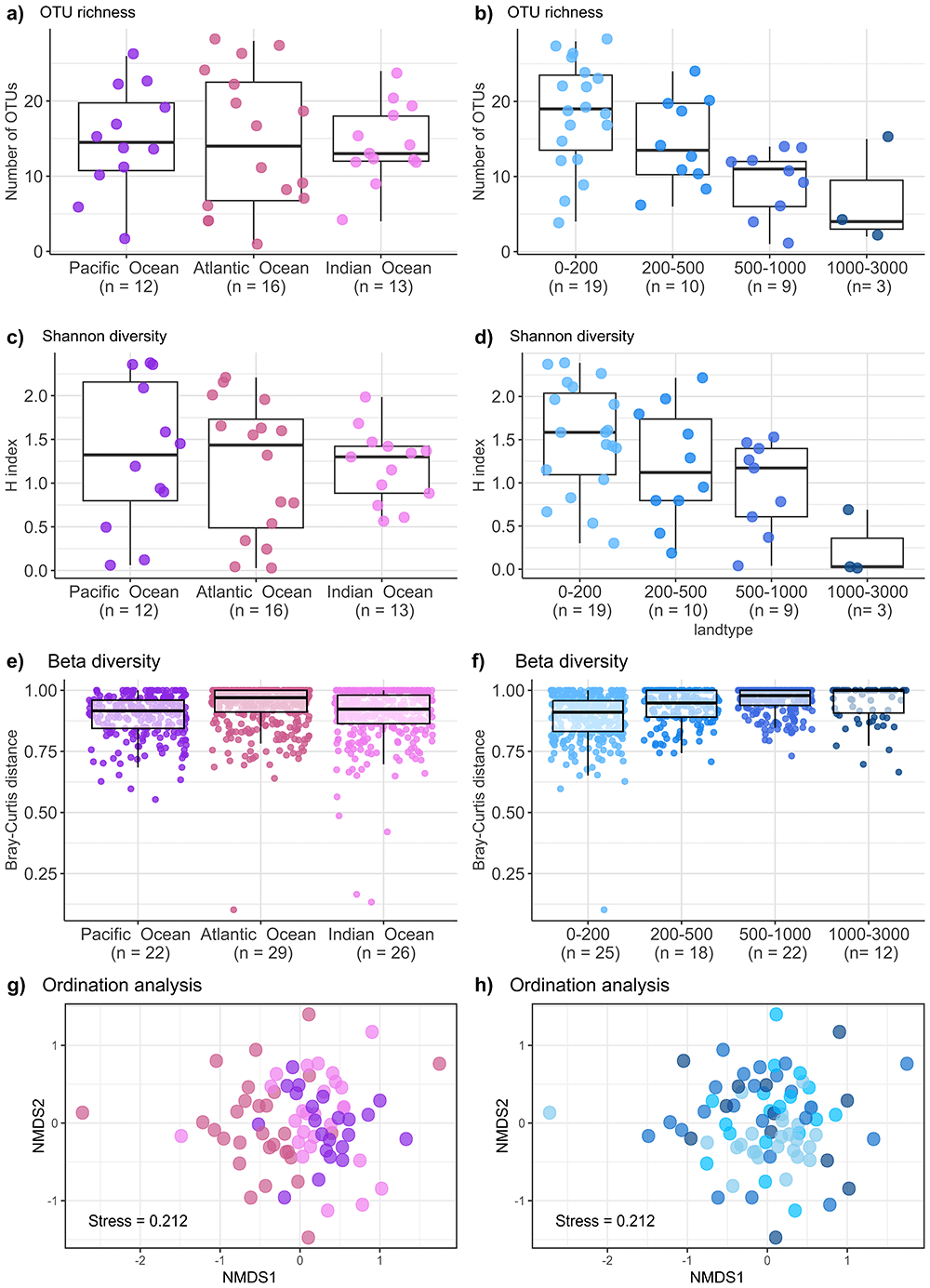
Figure 4. Alpha- and beta-diversity analyses of Siphonophores.
Samples are grouped by ocean basin (left) or by depth (right), indicating the number of samples included in each category (n). Boxplots show different measurements: OUT richness (a,b), Shannon diversity (c,d) and Bray-Curtis distances (e,f). Non-metric multidimensional scaling (NMDS) analysis of siphonophores based on Bray-Curtis distances, colored f) by ocean (ANOSIM R= 0.117, p = 0.0001) and h) depth (ANOSIM R = 0.021, p = 0.45).
Discussion
Filling knowledge gaps in siphonophore ecology
Siphonophores constitute an understudied taxa of the gelatinous plankton, and their role in oceanic biogeochemical processes is barely understood due to lack of global estimates of horizontal and vertical distribution patterning (Hetherington et al., 2022). The study of siphonophores at community level has recently been highlighted to become a priority in view of their correlations with hydrographical features (such as water temperature and salinity) and the changes that the oceans are undergoing (Park et al., 2023).
To our knowledge, this is the most extensive original work on siphonophores and one of the studies that describes more diversity. Here, we provide insights into global diversity and distribution of siphonophores across the water column in tropical and subtropical regions. For some species, this study provides new records and suggests wider horizontal and vertical distributions than previously described. Also, the occurrence of certain siphonophore species in this study surpasses the number of records gathered in the last century (see Extended data Figure S2; Claver et al., 2024). Our results indicate that the siphonophore community composition is vertically structured, which is in line with previous knowledge (Mapstone, 2014). The decrease of the alpha-diversity with depth is consistent with whole mesozooplankton patterns (Canals et al., 2024), although its decrease through the mesopelagic zone is minimal and suggests a high diversity in the mesopelagic layers, where most of the species are found (Mapstone, 2014). The increase of the beta-diversity with depth indicates that the highest dissimilarities in siphonophore communities are found in the deepest layers, where low connectivity for mesozooplankton communities has already been found (Canals et al., 2024).
Although most of the siphonophores are cosmopolitan (Mapstone, 2014), preferred latitudinal ranges have been described for some species (Mackie et al., 1988) as well as allopatric relations within genus (Uribe-Palomino et al., 2019). Thus, the sampling area has potentially limited the coverage of species diversity because most of the sampling points included in this study are in tropical and subtropical regions (35 ºN – 40 ºS), resulting in a broad but not complete detection of siphonophore diversity. Species that have not been detected in this study may be more abundant in other ranges such as temperate zones or polar regions. Also, sampling points in the Indian Ocean cover a significantly narrow latitudinal range compared to the other two ocean basins. This could explain the lower number of species and OTUs identified in that basin.
Future siphonophore research requires methodological advances
Molecular approaches have revolutionized marine ecosystem monitoring in the last decades by providing a cost-effective additional tool (Danovaro et al., 2016; Suter et al., 2021). Specially, bulk DNA metabarcoding has identified more species than morphological methods and provided higher taxonomical resolution for hydrozoans (Deagle et al., 2018). This is the first time that DNA metabarcoding data is retrieved to study siphonophore distribution patterns, identifying more than 20 percent of the siphonophore species described in the world, some of which have been found in previously unrecorded ocean basins.
Referring to an elusive and understudied taxa such as siphonophores, the application of genetics can also provide exclusive valuable information (Schwartz et al., 2007). For instance, the choice of a region of the COI gene has allowed to determine intraspecific variability within the identified species, information not obtainable with morphological analyses. We have identified several species with a high number of OTUs, such as Nectadamas diomedeae or Sphaeronectes koellikeri, among others. Although these species are found in all three basins, some of the most abundant OTUs are exclusively found in one ocean, suggesting that they might correspond to regional variations (Turon et al., 2020). Interestingly, although the Indian Ocean does not include any species unique to that area, more than half of the OTUs in the Indian Ocean are unique to that basin (see Figure 3) which supports the existence of phylogeographic patterns derived from evolutionary adaptations. Moreover, a vertical OTU distribution across the water column was identified for some siphonophore species such as Eudoxoides mitra and Nectadamas diomedeae (see extended data Figure S6; Claver et al., 2024). Indeed, intraspecific variability has been shown to have a positive effect in the ecology of some marine invertebrates (Gamfeldt et al., 2005; Jacobs & Podolsky, 2010), and may also be relevant for these taxa. The assignment of multiple OTUs to the same species can also be explained by the existence of hidden diversity (Etter et al., 1999) or due to lack of completeness of the genetic reference databases (Claver et al., 2023). Other authors have identified cryptic diversity among some of the siphonophores detected in this study, such as Physalia genus (Pontin & Cruickshank, 2012), for which we found 9 different OTUs. Finally, some of the very low-abundant OTUs might not represent real biological variability. In our data, the species with most OTUs assigned are also the ones with the highest number of reads. While it is logical to observe greater variability in larger populations, it could also be the case that abundant sequences accumulate more sequencing errors and chimeric sequences. Still, biogeographic patterns derived from the most abundant OTUs are expected to represent biologically meaningful variability.
A benefit from metabarcoding studies is that sequencing data can be re-analyzed unlimitedly. Even if the target taxa of the original study are different, information about siphonophores can be retrieved from broad-range markers as described in this study. Initiatives such as the Tara Oceans project (Sunagawa et al., 2020), in which molecular data is publicly shared and openly accessible, represent a valuable source of information that can revolutionize the field of siphonophore research in the coming years. In our case, sampling characteristics of the original study were not fit for siphonophores but for mesozooplankton in general (see Canals et al., 2024) which limits the detection of certain siphonophore species. Because sampling was carried out in the water column with plankton nets, neustonic and benthic siphonophores are much likely underrepresented; indeed, no benthic siphonophore species was detected. However, within Cystonectae, which are epipelagic or neustonic siphonophores, two species (Physalia physalis and Rhizophysa filiformis) were detected in more than two ocean basins (Table 1; refer to extended data Figure S2; Claver et al., 2024) across the water column. Although adult individuals float, early stages develop in deep waters (Munro et al., 2019), meaning that it is likely that detections below the epipelagic layer correspond to eggs or larvae. Also, a prefiltering mesh was used to collect the planktonic samples, which might avoid capturing large siphonophores. Still, fragments of big siphonophores can enter the net when breaking the colonies. Here, we have identified species such as Apolemia lanosa, which lengths 2 meters (WoRMS, 2023). So, considering that it is an opportunistic analysis, the effectiveness is quite reasonable.
Our results are consistent with previous studies that, for these fragile taxa, molecular tools may outperform traditional methodologies (Govindarajan et al., 2021). However, the potential of metabarcoding assessment can be limited by the completeness and accuracy of genetic refence databases used for the taxonomic assessment (Claver et al., 2023). To date, more than half of the described siphonophore species have available reference sequences in GenBank (64 out of 110 Calycophorae, 38 out of 75 Physonectae and 4 out of 5 Cystonectae). For an understudied group, 56% of completeness is a high value, considering that reference databases of other more extensively studied taxa have similar coverages (Weigand et al., 2019). Overall, Calycophorae had less unclassified reads (5%) than Physonectae (26%), which suggest that the reference database is most likely incomplete for the latter. Indeed, Physonectids are the most abundant siphonophores below the mid mesopelagic (>500 m), depths reported to be the most unknown by other authors (Canals et al., 2024; Sommer et al., 2017). Interestingly, although for some genus all species were represented in the database, we detected OTUs assigned to the genus, suggesting certain level of hidden diversity. This is the case of Amphicaryon genus, for which all the described species have reference sequences but 3 OTUs are assigned to Amphicaryon sp, being 2 of the OTUs exclusive from one ocean basin. It is worth mentioning that effort is being made for improving genetic resources for siphonophore research. For instance, reference libraries for taxonomic assignments are being completed by barcoding new species (Ortman et al., 2010) and metabarcoding markers that amplify siphonophores are being developed (Jarman et al., 2013). These advances are making it possible to carry out genetic studies such as the one described here.
Since metabarcoding does not provide absolute values, compositional data only allows to compare variations in siphonophore proportion among different depths, which represents the importance of a certain group across the water column. These limitations in terms of abundance or biomass estimates preclude the direct use to determine how much siphonophores contribute to acoustic uncertainty in fish biomass estimations, which is partly attributed to the presence of siphonophores with pneumatophore (gas-filled structure also giving acoustic signal) from the suborders Physonectae and Cystonectae (Proud et al., 2019). However, a combination of simple estimates of abundance (image analysis) or biomass (wet weight) with metabarcoding approaches could result in an effective way to study the distribution of different taxonomic groups at global scales.
Data and software availability
Extended data
Additional material is publicly available in Zenodo under the repository entitled: Data from: Global distribution of siphonophores across horizontal and vertical oceanic gradients https://doi.org/10.5281/zenodo.12720803 (Claver et al., 2024)
This repository contains the following supplementary data:
Figure S1. Vertical distribution of siphonophore species identified in this study.
Figure S2. Global distribution of siphonophore species identified in this study.
Figure S3. Alpha-diversity and beta-diversity measurements of Siphonophorae by ocean basin and by depth.
Figure S4. Breakdown of beta-diversity by depth.
Figure S5. Breakdown of ordination analysis by ocean basin for epipelagic, upper mesopelagic, low mesopelagic and bathypelagic samples.
Figure S6. Horizontal and vertical interspecific variability found in two siphonophore species.
Data are available under the terms of the Creative Commons Attribution 4.0 International license (CC-BY 4.0).
Acknowledgements
We thank Luis Ferrer for his encouraging enthusiasm about this paper and his useful input about siphonophores. This paper is contribution n° 1230 from AZTI, Marine Research, Basque Research and Technology Alliance (BRTA). We thank Xabier Lekunberri for his help with informatic issues.
Faculty Opinions recommendedReferences
- Barham EG:
Siphonophores and the deep scattering layer.
Science.
1963; 140(3568): 826–828. PubMed Abstract
| Publisher Full Text
- Barham EG:
Deep scattering layer migration and composition: observations from a diving saucer.
Science.
1966; 151(3716): 1399–1403. PubMed Abstract
| Publisher Full Text
- Baselga A:
Separating the two components of abundance-based dissimilarity: balanced changes in abundance vs. abundance gradients.
Methods Ecol Evol.
2013; 4(6): 552–557. Ecography, 36, 124-128. Publisher Full Text
- Baselga A, Orme CDL:
betapart: an R package for the study of beta diversity.
Methods Ecol Evol.
2012; 3(5): 808–812. Publisher Full Text
- Bidigare RR, Biggs DC:
The role of sulfate exclusion in buoyancy maintenance by siphonophores and other oceanic gelatinous zooplankton.
Comp Biochem Physiol A Physiol.
1980; 66(3): 467–471. Publisher Full Text
- Bolstad K, Amsler M, Broyer CD, et al.:
In-situ observations of an intact natural whale fall in Palmer deep, Western Antarctic Peninsula.
Polar Biol.
2023; 46(2): 123–132. Publisher Full Text
- Bucklin A, Ortman BD, Jennings RM, et al.:
A “Rosetta Stone” for metazoan zooplankton: DNA barcode analysis of species diversity of the Sargasso Sea (Northwest Atlantic Ocean).
Deep Sea Res 2 Top Stud Oceanogr.
2010; 57(24–26): 2234–2247. Publisher Full Text
- Canals O, Corell J, Villarino E, et al.:
Global mesozooplankton communities show lower connectivity in deep oceanic layers. 2024; e17286. PubMed Abstract
| Publisher Full Text
- Claver C, Canals O, de Amézaga LG, et al.:
An automated workflow to assess completeness and curate GenBank for environmental DNA metabarcoding: the marine fish assemblage as case study.
Environmental DNA.
2023; 5(4): 634–647. Publisher Full Text
- Claver C, Rodriguez-Ezpeleta N, Irigoien X, et al.:
Data from: global distribution of siphonophores across horizontal and vertical oceanic gradients. [Data set]. En Open Research Europe. Zenodo.
2024. http://www.doi.org/10.5281/zenodo.12720803
- Damian-Serrano A, Hetherington ED, Choy CA, et al.:
Characterizing the secret diets of siphonophores (Cnidaria: Hydrozoa) using DNA metabarcoding.
PLoS One.
2022; 17(5): e0267761. PubMed Abstract
| Publisher Full Text
| Free Full Text
- Danovaro R, Carugati L, Berzano M, et al.:
Implementing and innovating marine monitoring approaches for assessing marine environmental status.
Front Mar Sci.
2016; 3: 213. Publisher Full Text
- Deagle BE, Clarke LJ, Kitchener JA, et al.:
Genetic monitoring of open ocean biodiversity: an evaluation of DNA metabarcoding for processing Continuous Plankton Recorder samples.
Mol Ecol Resour.
2018; 18(3): 391–406. PubMed Abstract
| Publisher Full Text
- Di Capua I, Piredda R, Mazzocchi MG, et al.:
Metazoan diversity and seasonality through eDNA metabarcoding at a Mediterranean Long-Term Ecological Research site.
ICES J Mar Sci.
2021; 78(9): 3303–3316. Publisher Full Text
- Duarte CM:
Seafaring in the 21st century: the Malaspina 2010 circumnavigation expedition.
2015; 24(1): 11–14. Publisher Full Text
- Etter RJ, Rex MA, Chase MC, et al.:
A genetic dimension to deep-sea biodiversity.
Deep Sea Research Part I: Oceanographic Research Papers.
1999; 46(6): 1095–1099. Publisher Full Text
- Fernández de Puelles ML, Gazá M, Cabanellas-Reboredo M, et al.:
Zooplankton abundance and diversity in the tropical and subtropical ocean.
Diversity.
2019; 11(11): 203. Publisher Full Text
- Gamfeldt L, Wallén J, Jonsson PR, et al.:
Increasing intraspecific diversity enhances settling success in a marine invertebrate.
Ecology.
2005; 86(12): 3219–3224. Publisher Full Text
- Govindarajan AF, Francolini RD, Jech JM, et al.:
Exploring the use of environmental DNA (eDNA) to detect animal taxa in the mesopelagic zone.
Front Ecol Evol.
2021; 9: 574877. Publisher Full Text
- Hetherington ED, Damian-Serrano A, Haddock SHD, et al.:
Integrating siphonophores into marine food-web ecology.
Limnol Oceanogr Lett.
2022; 7(2): 81–95. Publisher Full Text
- Jacobs MW, Podolsky RD:
Variety is the spice of life histories: comparison of intraspecific variability in marine invertebrates.
Integr Comp Biol.
2010; 50(4): 630–642. PubMed Abstract
| Publisher Full Text
- Jarman SN, McInnes JC, Faux C, et al.:
Adélie penguin population diet monitoring by analysis of food DNA in scats.
PLoS One.
2013; 8(12): e82227. PubMed Abstract
| Publisher Full Text
| Free Full Text
- Kennicutt MC, Kim YD, Rogan-Finnemore M, et al.:
Delivering 21st century Antarctic and Southern Ocean science.
Antarct Sci.
2016; 28(6): 407–423. Publisher Full Text
- Kloser RJ, Ryan TE, Keith G, et al.:
Deep-scattering layer, gas-bladder density, and size estimates using a two-frequency acoustic and optical probe.
ICES J Mar Sci.
2016; 73(8): 2037–2048. Publisher Full Text
- Leray M, Yang JY, Meyer CP, et al.:
A new versatile primer set targeting a short fragment of the mitochondrial COI region for metabarcoding metazoan diversity: Application for characterizing coral reef fish gut contents.
Front Zool.
2013; 10(1): 34. PubMed Abstract
| Publisher Full Text
| Free Full Text
- Mackie GO, Pugh PR, Purcell JE:
Siphonophore biology. In: Adv Mar Biol. Elsevier, 1988; 24. : 97–262. Publisher Full Text
- Mapstone GM:
Global diversity and review of Siphonophorae (Cnidaria: Hydrozoa).
PLoS One.
2014; 9(2): e87737. PubMed Abstract
| Publisher Full Text
| Free Full Text
- Munro C, Vue Z, Behringer RR, et al.:
Morphology and development of the Portuguese man of war, Physalia physalis.
Sci Rep.
2019; 9(1): 15522. PubMed Abstract
| Publisher Full Text
| Free Full Text
- Oksanen J, Blanchet FG, Friendly M, et al.:
vegan: Community Ecology Package. R package version 2.64. In. 2022. Reference Source
- Ortman BD, Bucklin A, Pages F, et al.:
DNA barcoding the Medusozoa using mtCOI.
Deep Sea Res Pt II: Top Stud Oceanogr.
2010; 57(24–26): 2148–2156. Publisher Full Text
- Park N, Choi H, Shin KH, et al.:
Distribution of siphonophores in the Northwest Pacific Ocean and links to environmental conditions.
Front Mar Sci.
2023; 10: 1223477. Publisher Full Text
- Parry H, Atkinson A, Somerfield P, et al.:
A metabarcoding comparison of taxonomic richness and composition between the water column and the benthic boundary layer.
ICES J Mar Sci.
2021; 78(9): 3333–3341. Publisher Full Text
- Pontin D, Cruickshank R:
Molecular phylogenetics of the genus Physalia (Cnidaria: Siphonophora) in New Zealand coastal waters reveals cryptic diversity.
Hydrobiologia.
2012; 686(1): 91–105. Publisher Full Text
- Proud R, Handegard NO, Kloser RJ, et al.:
From siphonophores to deep scattering layers: uncertainty ranges for the estimation of global mesopelagic fish biomass.
ICES J Mar Sci.
2019; 76(3): 718–733. Publisher Full Text
- Robison BH:
Deep pelagic biology.
J Exp Mar Biol Ecol.
2004; 300(1–2): 253–272. Publisher Full Text
- Robison BH, Reisenbichler KR, Sherlock RE, et al.:
Seasonal abundance of the siphonophore, Nanomia bijuga, in Monterey Bay.
Deep Sea Res Pt II: Top Stud Oceanogr.
1998; 45(8–9): 1741–1751. Publisher Full Text
- Schwartz MK, Luikart G, Waples RS:
Genetic monitoring as a promising tool for conservation and management.
Trends Ecol Evol.
2007; 22(1): 25–33. PubMed Abstract
| Publisher Full Text
- Sommer SA, Van Woudenberg L, Lenz PH, et al.:
Vertical gradients in species richness and community composition across the twilight zone in the North Pacific Subtropical Gyre.
Mol Ecol.
2017; 26(21): 6136–6156. PubMed Abstract
| Publisher Full Text
- Sunagawa S, Acinas SG, Bork P, et al.:
Tara Oceans: towards global ocean ecosystems biology.
Nat Rev Microbiol.
2020; 18(8): 428–445. PubMed Abstract
| Publisher Full Text
- Suter L, Polanowski AM, Clarke LJ, et al.:
Capturing open ocean biodiversity: comparing environmental DNA metabarcoding to the continuous plankton recorder.
Mol Ecol.
2021; 30(13): 3140–3157. PubMed Abstract
| Publisher Full Text
- Turon X, Antich A, Palacín C, et al.:
From metabarcoding to metaphylogeography: separating the wheat from the chaff.
Ecol Appl.
2020; 30(2): e02036. PubMed Abstract
| Publisher Full Text
| Free Full Text
- Uribe-Palomino J, López R, Gibbons MJ, et al.:
Siphonophores from surface waters of the Colombian Pacific Ocean.
J Mar Biol Ass UK.
2019; 99(1): 67–80. Publisher Full Text
- Warren J, Stanton T, Benfield M, et al.:
In situ measurements of acoustic target strengths of gas-bearing siphonophores.
ICES J Mar Sci.
2001; 58(4): 740–749. Publisher Full Text
- Weigand H, Beermann AJ, Čiampor F, et al.:
DNA barcode reference libraries for the monitoring of aquatic biota in Europe: gap-analysis and recommendations for future work.
Sci Total Env.
2019; 678: 499–524. PubMed Abstract
| Publisher Full Text
- WoRMS Editorial Board:
World Register of Marine Species.
2023; Accessed 2023-11-01. Publisher Full Text








