Introduction
In the rapidly evolving field of robotics, a novel paradigm is surfacing—one that goes beyond anthropocentric design and embraces the innate ingenuity of the natural world. This article endeavors to unveil ecocentric and more-than-human approaches, along with innovative materialities, in the creation of nonhuman-robot scenarios within an artistic framework. Building upon the foundations set by anthropomorphic concepts depicted in science fiction, this article seeks to showcase cutting-edge experiments and material applications that envision potential more-than-human scenarios in a robotic context. By proposing an alternative concept to anthropomorphism, this article aims to present a summary of scientific efforts, experimental projects, and state-of-the-art material explorations, all converging towards the realization of nonhuman-inspired robotic scenarios.
Sci-fi and the inspiration for human-centered anthropomorphic robotics
The development of human-centered anthropomorphic robotics, a multidisciplinary field merging science, engineering, and psychology, has been consistently influenced by works of science fiction. These works, in turn, have acted as catalysts for the advancement of more sophisticated anthropomorphic robots. The worlds created by science fiction writers have often anticipated and inspired real-world technological advancements, especially when it comes to the concept of humanoid robots. In this chapter, we will explore the significant role science fiction has played in inspiring anthropomorphic robotics and how cinematic works have popularized the notion of human-like robots, sparking fascination and research in this field.
The influence of science fiction. The fascination with the creation of artificial entities in the image and likeness of human beings has always captured the human imagination. This fascination has been amplified by speculative narratives that delve into the moral, psychological and social ramifications of such constructs. Works such as Karel Čapek's “Rossum's Universal Robots” (RuR)1 and Isaac Asimov's “I, Robot”2 pioneered the fundamentals of robotics and artificial intelligence, sparking ethical debates and reflections on the implications of human-machine interaction. However, it was the world of cinema that translated these concepts into visually appealing experiences. Works such as "Blade Runner", adapted from Philip K. Dick's novel3, and Alex Garland's “Ex-Machina”4, have brought the notion of anthropomorphic robots to the forefront, while also inspiring the world of science and development in the field of robotics. A case in point is the anthropomorphic design of Sophia, currently the most sophisticated android, which bears remarkable similarities to Ava, the android featured in Garland's “Ex-Machina” (Figure 1).
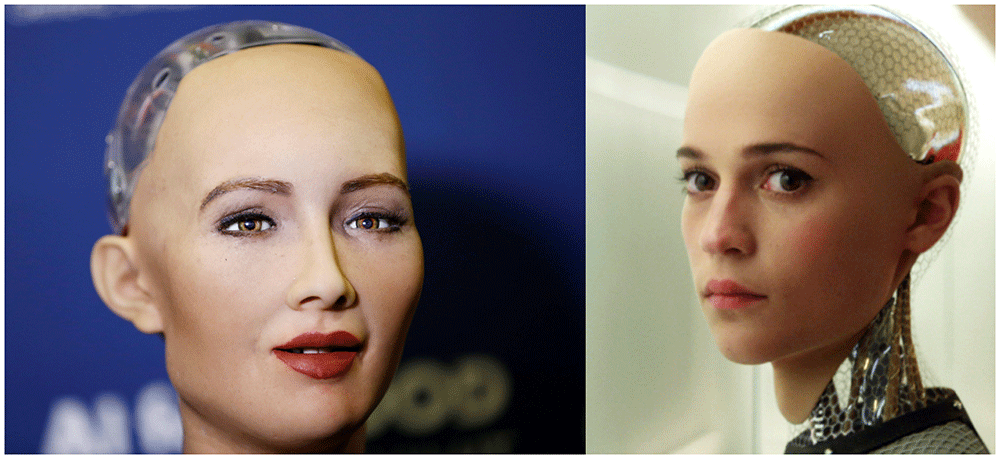
Figure 1. Sophia and Ava.
Figure 1 has been reproduced with permission from Reuters/Denis Balibouse and Stephen Cave.5 6
Anthropomorphism and the attempt to integrate robots into the real world. The aim of anthropomorphic robotics is to enhance interactions between humans and robots, particularly within complex human environments such as homes, hospitals, and workplaces. This approach seeks to minimize the gap between human understanding and machine communication, facilitating the adoption of advanced technologies. Beyond physical resemblance, anthropomorphism involves replicating human behaviors, communication patterns, and interactions. Anthropomorphic robots imitate facial expressions, gestures, and even human emotions, creating a familiar and comfortable user experience. This strategy is pivotal in overcoming psychological and cognitive barriers that might otherwise hinder the acceptance of machines in human contexts. However, the dominance of anthropomorphism has, at times, overshadowed potential directions in scientific exploration that could have considered more-than-human intelligences and strategies present in the natural world.
Limits of anthropomorphism
Anthropomorphic robotics, while captivating and promising in its pursuit of creating machines that mimic human attributes, also faces its set of limitations. This chapter explores the boundaries of anthropomorphism and delves into the challenges and missed opportunities that arise from a sole focus on human-like design and functionality.
Complex realism in movement and dexterity. The quest to develop robots with realistic human-like movements and dexterity is a daunting task. While science fiction has often portrayed robots that perfectly emulate human actions, translating such intricate movement into reality is complex and resource-intensive. Human movement involves an intricate interplay of muscles, tendons and neural coordination. Replicating this complexity in robots requires advanced engineering, sophisticated control algorithms, and a significant investment of time and resources. The pursuit of hyper-realistic motion may divert attention from more efficient alternatives that might be better suited to the robot's intended tasks.
Design limitations and material considerations. The endeavor to design anthropomorphic robots frequently faces constraints that impede efficiency and adaptability. The aspiration to mimic human form may result in designs that are suboptimal for certain tasks. The structural robustness necessary to sustain a humanoid structure might curtail flexibility, speed, or other attributes essential for specialized functions. Furthermore, the materials essential for replicating anthropomorphic characteristics introduce cost and complexity to the construction of the robot. These design and material limitations may inadvertently curtail the robot's potential and its appropriateness for particular applications. Moreover, the materials currently employed in robot design, often produced through digital fabrication technologies reliant on plastics and metals, frequently fall short in terms of sustainability and environmental compatibility.
Beyond human imitation: Overlooking nature's wisdom. Focusing exclusively on imitating human characteristics can lead one to overlook the rich strategies that the natural world offers. Nature has developed an incredible diversity of forms and solutions in the animal and plant kingdoms, each adapted to specific ecological niches and tasks. Emulating these strategies could lead to more efficient and effective robotic designs. An example is the development, in recent years, of bioinspired robotic tools that have drawn inspiration and benefit from animal strategies implemented by octopuses7 and elephants8, leading to experimentation and testing of new materialities. It is therefore reasonable to say that sticking strictly to human-like attributes may inadvertently deprive us of the source of bioinspired solutions.
Nonhuman ecocentric robotics
In an era of growing concerns about environmental sustainability, it is proper to think and experiment with new paradigms that can lead to the development of sustainable, robotic artifacts. In this sense, experimentation and research in new disciplines, such as the nonhuman ecocentric robotics. This chapter explores the transformative potential of robot and additive manufacturing technologies that draw inspiration from nonhuman intelligences and embrace sustainable materiality.
Robotics and “Other Intelligences”. Advancements in robotics are opening avenues to tap into the intelligence of the natural world. By adopting strategies seen in animals and plants, robots can achieve heightened adaptability across diverse environments and tasks. This mirrors the efficiency and resilience observed in natural organisms. From mastering various movement skills, both on and below ground, to embodying natural abilities like “self-growing”, these robots embrace non-anthropocentric approaches to excel at specific tasks. An illustration of scientific progress in this direction is the Plantoid Project, spearheaded by researcher Barbara Mazzolai. The project's aim is to draw insight from the intelligent, efficient strategies employed by plant roots, thereby advancing a novel generation of robots and sensor technologies designed for distributed adaptive intelligence, actuation, and soil exploration and monitoring tasks9. The project reached its culmination in the creation of various bioinspired robots, beginning with a plant-like robot named “Plantoid” (Figure 2) and progressing to the development of robotic roots featuring structures akin to natural roots, capable of replicating the self-growing capabilities observed in their natural counterparts. Engineered to penetrate the soil, these robotic roots adeptly adapt to subterranean environments. Powered by an extruder placed on the root tip, they extend their growth by printing Fused Deposition Modeling (FDM) material that elongates the apex, soaking into different soils (Figure 3). FDM is a widely-used technique where thermoplastic material is melted and extruded through a nozzle to create three-dimensional objects10.
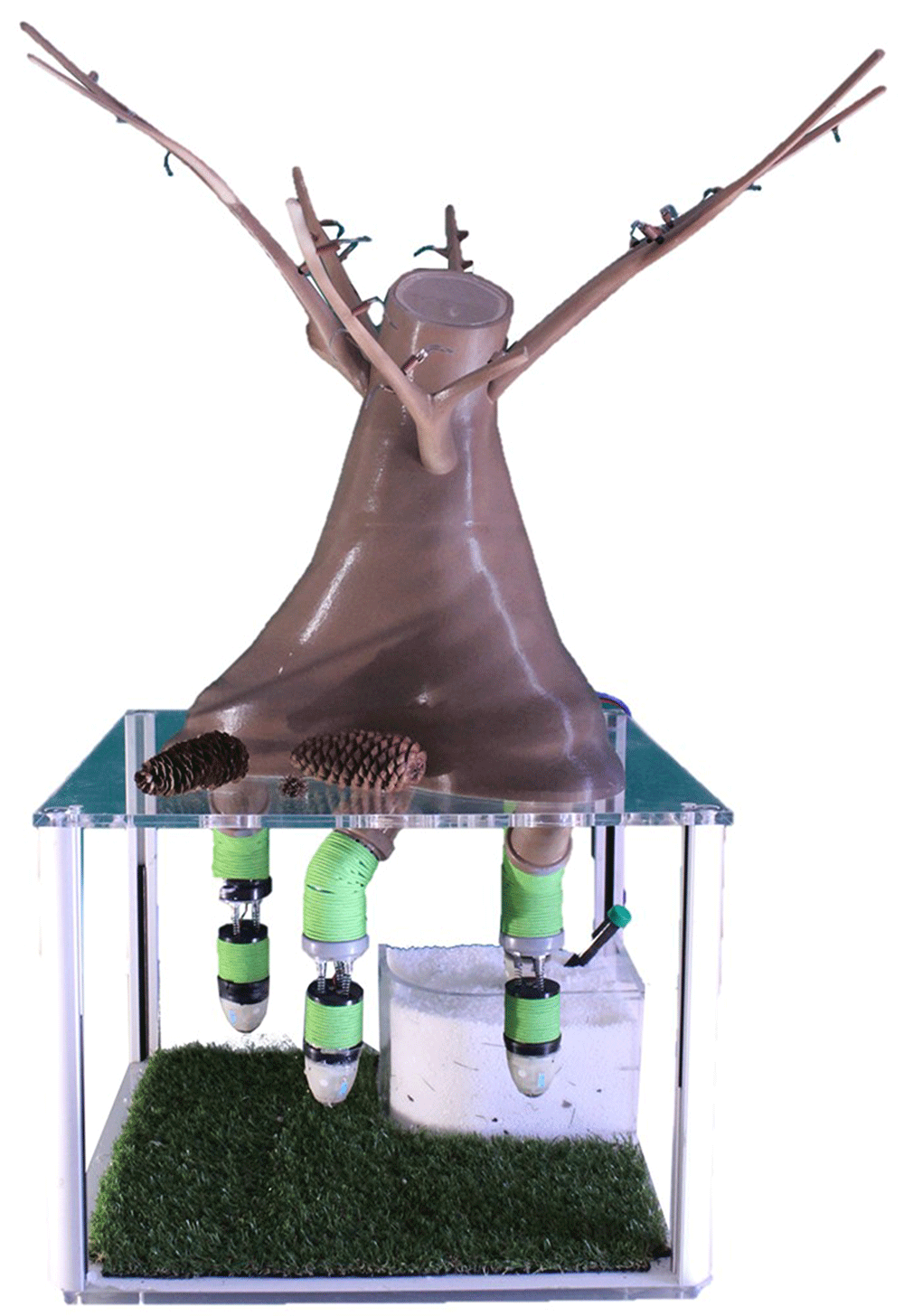
Figure 2. A “Plantoid” developed during the Plantoid project.
Figure 2 has been reproduced with permission from Barbara Mazzolai.11
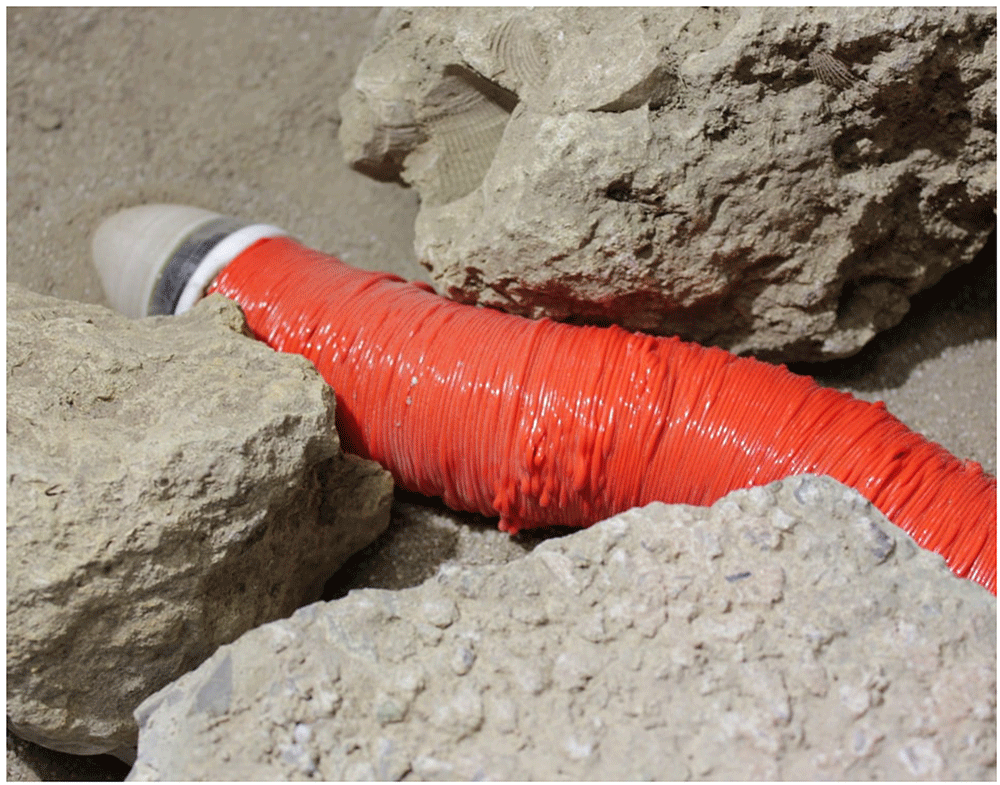
Figure 3. Self-growing robotic roots developed by Sadeghi et al.
Figure 3 has been reproduced with permission from Barbara Mazzolai.12 13
Robotics and ecological design. In the realm of ecological design, 3D printing with natural materials stands out as a sustainable alternative to conventional manufacturing techniques. This approach minimizes reliance on synthetic and non-renewable resources. A project that is experimenting and researching with materiality and fabrication technologies in this field is Urban Reef. The project's goals include allowing ecological processes to flourish and self-balance. Research focuses on bio-receptive design; biomaterials for urban design and biodiversity; and design for ecological interaction14. These investigations have led to the development of additive manufacturing technologies capable of printing with sustainable materials like mycelium (Figure 4). Mycelium, the intricate network of fungal filaments, serves as a fundamental vegetative part of fungi, playing a vital role in growth and nutrition. Thriving within substrates such as soil or decomposed wood, mycelium functions as an absorptive system drawing nutrients from the surroundings. Mycelium can be processed in order to obtain a consistency that can be used to be printed through the aid of additive manufacturing technologies. When 3D printed, this material offers both structural robustness and leverages the natural self-growing process of roots (Figure 5). Mycelium-based 3D printing presents a biodegradable solution that not only reduces plastic waste during prototyping but also in the production of final artifacts. This sustainable characteristic contributes to the development of more adaptable and eco-friendly robots that have a minimal impact on the environment.
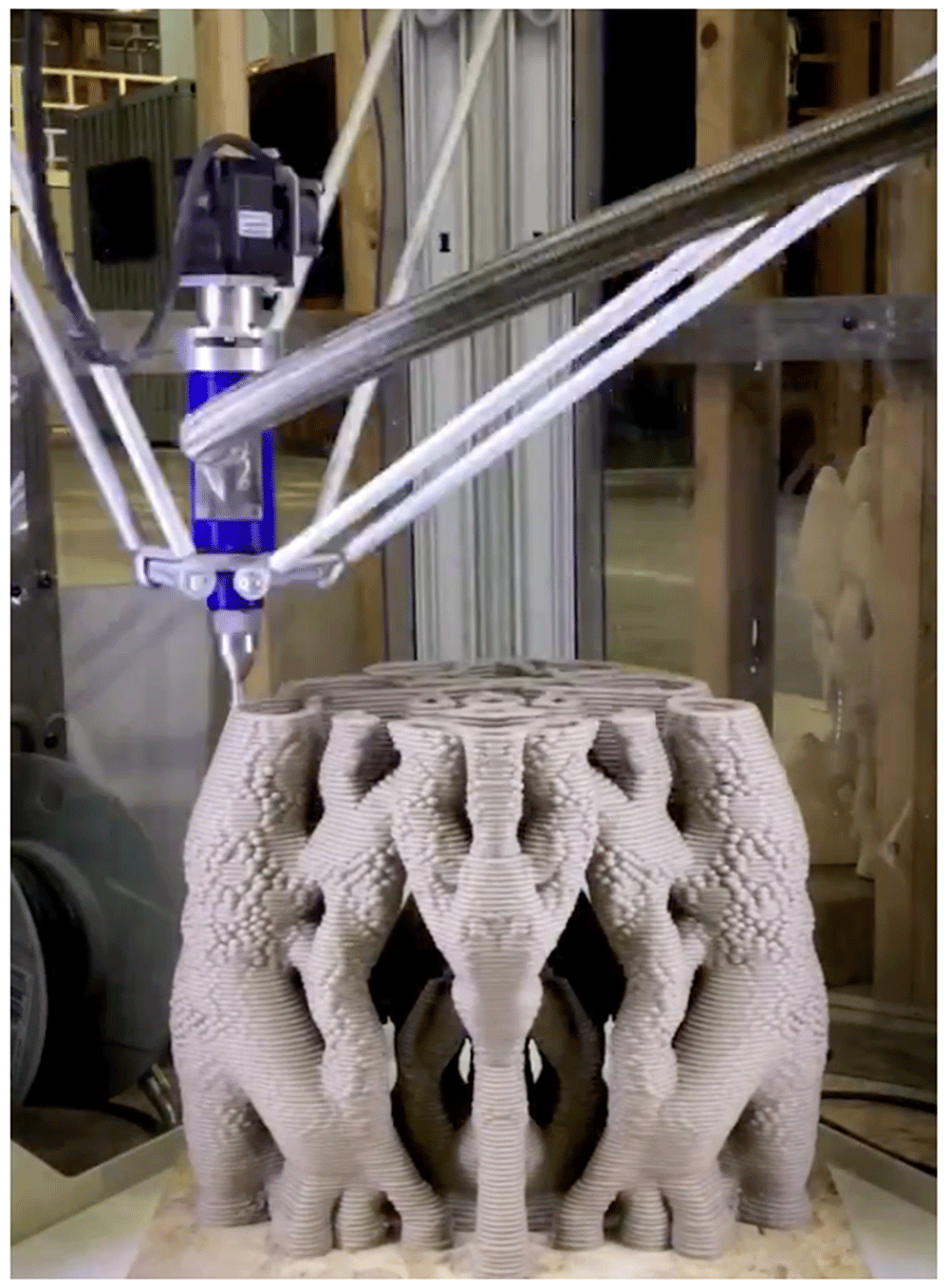
Figure 4. Additive manufacturing techniques using mycelium for 3D printing.
Figure 4 has been reproduced with permission from Urban Reef 2023.15
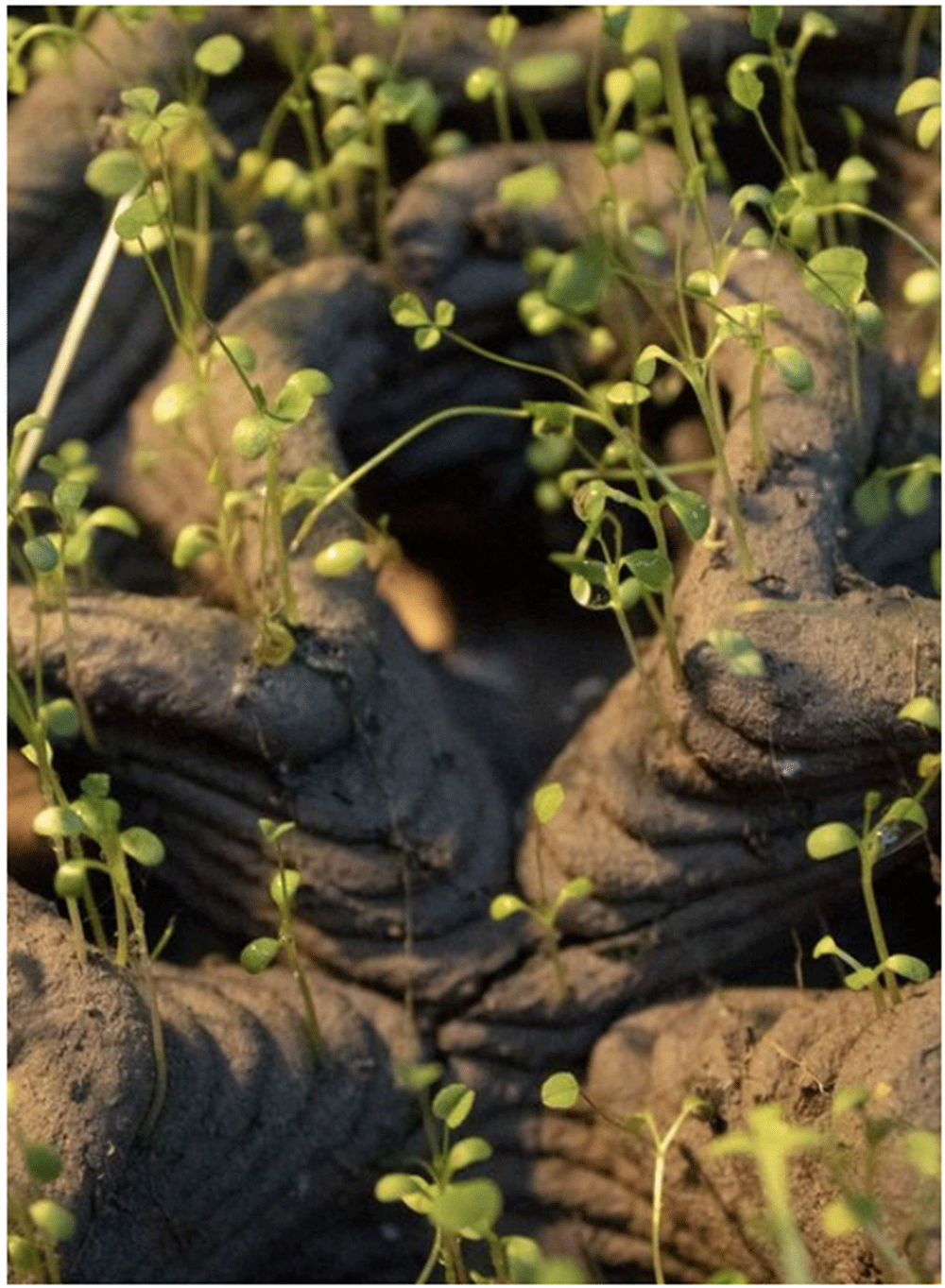
Figure 5. A 3D printed germinating mycelium structure.
Figure 5 has been reproduced with permission from Urban Reef 2023.16
More-than-human strategies and sustainable materiality: Connecting the dots. The fusion of nonhuman strategies and sustainable materiality opens the door to a new era of robotics in harmony with the environment. By embracing these two aspects, robotics can bridge the gap between artificial and natural systems, paving the way for technologies that are not only functional but also ecological and adaptive. A project that intersects these two domains is one pursued by Valentin et al. from Brown University. The endeavor revolves around harnessing the natural polymer, called hydrogel, and its potential in 3D printing for crafting self-responsive and self-adhesive soft robotic entities17. Valentin et al. engineered a hydrogel-based fabrication capable of enacting survival strategies observed in salamanders in the natural world. The outcome was a creation resembling a salamander, endowed with the ability to shed and reattach its tail, employing the stimuli-responsive and self-adhesive attributes of the hydrogel (Figure 6).
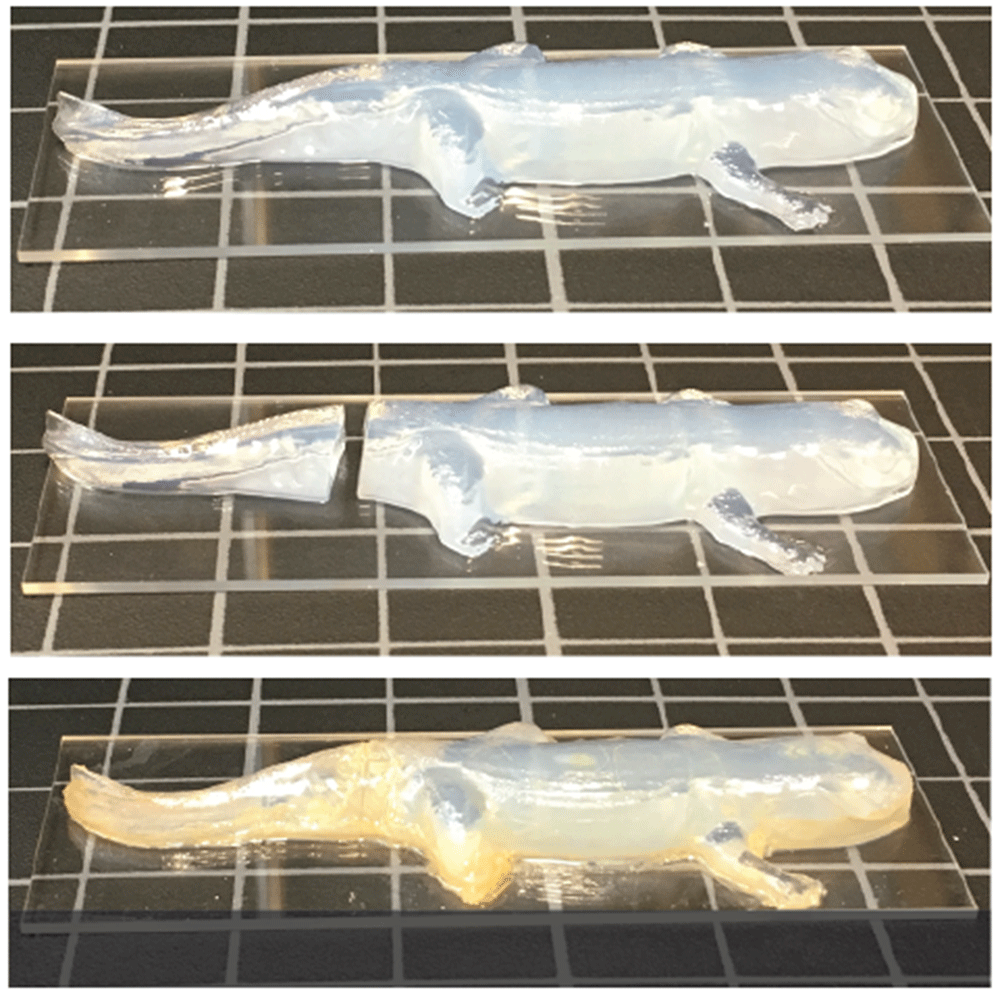
Figure 6. 3D printed hydrogel salamander with self-adherent behavior.
Figure 6 has been reproduced with permission from Wong Lab at Brown University.18
This marks a significant shift from human-centered design principles to an approach that encompasses the broader ecosystem. Natural materials, ranging from robust mycelium-based structures to soft hydrogels derived from natural polymers, offer a spectrum of attributes that suit various robotic applications. This versatility ensures that robots can excel in a range of functions while adhering to the principles of sustainability and ecological sensitivity.
Artistic approach in creating novel nonhuman scenarios
In the realm of robotics and additive manufacturing, a distinct artistic approach is emerging that embraces non-human perspectives and seeks to create novel scenarios inspired by the wisdom of nature. This chapter explores how the fusion of artistic creativity and technological innovation can lead to the development of robots that transcend human-centric design, drawing on more-than-human strategies and sustainable materials.
Bridging the gap between technical state of the art and creative robotic. The convergence of artistic expression and robotics offers a unique avenue for imagining non-anthropocentric robotic artifacts. Inspired by the remarkable strategies found in nature, these creations go beyond imitation of human form and function. By drawing on more than human strategies, artists and engineers can come together to create entirely new scenarios. The use of natural and biodegradable materials presented earlier, such as mycelium and hydrogels, allows nonhuman strategies to be seamlessly integrated into robotics. These materials can not only be used in conjunction with more-than-human strategies that can be reproduced in a robotic context, but also contribute from a sustainability point of view. This harmonious amalgamation aligns with ecological design principles and paves the way for a symbiotic relationship between technology and the environment.
Artistic creation and technical advancement. Artistic creation plays a central role in the genesis of nonhuman speculative scenarios. By imagining robotic forms and functionalities that transcend human limits, artists provide a platform to stimulate innovation and discussions in both artistic and technical fields. These speculative scenarios that aim to challenge conventional assumptions could be the driving force in exploring new possibilities in robotics. The interplay between artistic imagination and technical research is a two-way street. As artists engage in the creation of nonhuman narratives, the demand and need for using sustainable and biodegradable materials increases. This demand, in turn, stimulates technical research into sustainable materiality, thereby contributing to the development of greener robotic technologies. In this sense, a symbiotic relationship would be created between the artistic and technical communities that would lead to encouraging the exploration of more-than-human strategies in robotics.
The confluence of art and technology. Artistic creativity in the realm of robotics transcends aesthetics and delves into the heart of innovation. Drawing on the wisdom of nature and exploring nonhuman speculative scenarios, artists and engineers are collectively pioneering an era of robotics that embraces sustainability, adaptability, and creativity. The artistic approach in creating new nonhuman scenarios in robotics could be a catalyst for change, igniting innovation and promoting research on sustainable materials and more-than-human strategies.
Conclusion
This essay took an interdisciplinary path, merging the frontiers of art, robotics, and ecological design to imagine a new paradigm of robotics that goes beyond traditional anthropomorphic designs. We demonstrated innovative approaches that draw on the resilience and adaptability of natural and more-than-human strategies, leveraging advances in materials science to propose alternative and sustainable solutions in the creation of robotic artifacts. The discussion highlighted the significant influence of science fiction in inspiring human-centered robotics and the transformative potential of nonhuman ecocentric robotics that borrows ingenuity from the natural world. Through cutting edge artistic-scientific projects, we explored how robots can emulate the efficient strategies of plant roots or use biodegradable materials such as mycelium for ecological applications. We have seen how artistic endeavors can push the boundaries of conventional robotics, opening new avenues for non-anthropocentric robotic projects in harmony with the environment. Looking to the challenges of the future, the interaction of art and technology, supported by a commitment to sustainability, will be key to creating robotic systems that are not only functional but also ecological and adaptive.
Ethics and consent
Ethical approval and consent were not required.