Photovoice results
From the captured photos and the participants’ statements answering the PHOTO questions, four major themes emerged (Table 1).
Table 1. The codebook summary.
| Theme | Examples of the related codes | Definition | Example (from the participants statements) |
|---|
I adapt to the new
situation to get
back to normal. | Routine, feel home, modify
Habitats to continue,
restart, being normal,
understanding
culture, understanding
environment, again, after a
while, back to normal | Refers to any activity,
practice, or attitude
addressing a normal
life in the new
environment, regardless
of all the challenges and
uncertainties. | “As an adolescent girl, one of my most
important self-care routines is taking
care of my skin and hair, which helps me
a lot to have a better feeling of myself
and increase my self-confidence. ….
Like back to normal after a very hard
journey”. |
I start to learn
again. |
progress, plan; setting
goals, new experiences,
reaching my goals, step
forward, progress, learning
new language |
Refers to the adolescents’
perceptions of starting any
kinds of learning process,
including new behaviors
related to their SC and SD. |
“My small, colorful world of stationeries.
It gives me such a beautiful feeling
and helps me to take a step for my
own development ... With this positive
energy, I can communicate better with
the new environment I entered recently,
and I can progress in my work”. |
I find new
opportunities |
new opportunities, learning
a new language, resource,
access, not possible, hard
to reach |
Considering the
uncertain situation in a
new environment, the
participants highlighted
the new SC and SD
opportunities they could
find in Germany. |
“Four years ago, if someone told me that
I could read a book in German, I would
have laughed at him. Now I know that
new opportunities can be found even in
difficult and unstable conditions”. |
I love myself |
favorite, unique, forget,
feel better, enjoy, happy,
improve mood, calm down,
fate, satisfied, relax |
Refers to any photo or
explanation to show the
participants self-awareness
and self-love as well as the
specific SC and SD activities. |
“I think self-care can be helping others
or care for others, if it makes us feel
good. I feel very good when I feed
the birds in winter. I think it is a good
example of self-care or even self-
development”. |
1. I adapt to the new situation to get back to normal.
2. I start to learn again.
3. I find new opportunities.
4. I love myself.
These themes illustrate how the refugee adolescents visualized their perspective, attitude, and practices toward SC and SD.
1. I adapt to the new situation to get back to normal
Considering the backdrop of their uncertain circumstances, participants directed their focus toward diverse facets of SC practices. A prevalent theme that emerged was the "adaptation to the new situation," which was prominently depicted in their captured images. This adaptation pertains to any endeavor, routine, or mindset that strives to establish a semblance of normalcy in the new environment, irrespective of the challenges and uncertainties that abound. Notably, the photographs predominantly showcased how these refugee adolescents ingeniously restructured their habits, undertakings, and behaviors to align with their novel circumstances, all in the pursuit of heightened efficacy or functionality (Figure 1–Figure 8). In a remarkable display of resilience and determination, participants demonstrated their resolve to reestablish a sense of everyday normalcy, irrespective of the profound changes that had taken place in their lives. The focal point of their accounts often revolved around seemingly modest adjustments (deemed potent in their perspectives) and ingenious adaptations, all serving the ultimate goal of "rekindling the feeling of home."
“I tried to stay on my skin care routine, having my own homemade skincare recipes, using very cheap and available ingredients. So, I still can have my treatments without spending lots of money for the products to save more money. I am so happy with my recipes and even my family tells me that my skin starts to glow again.” (Figure 1, Female, 17)
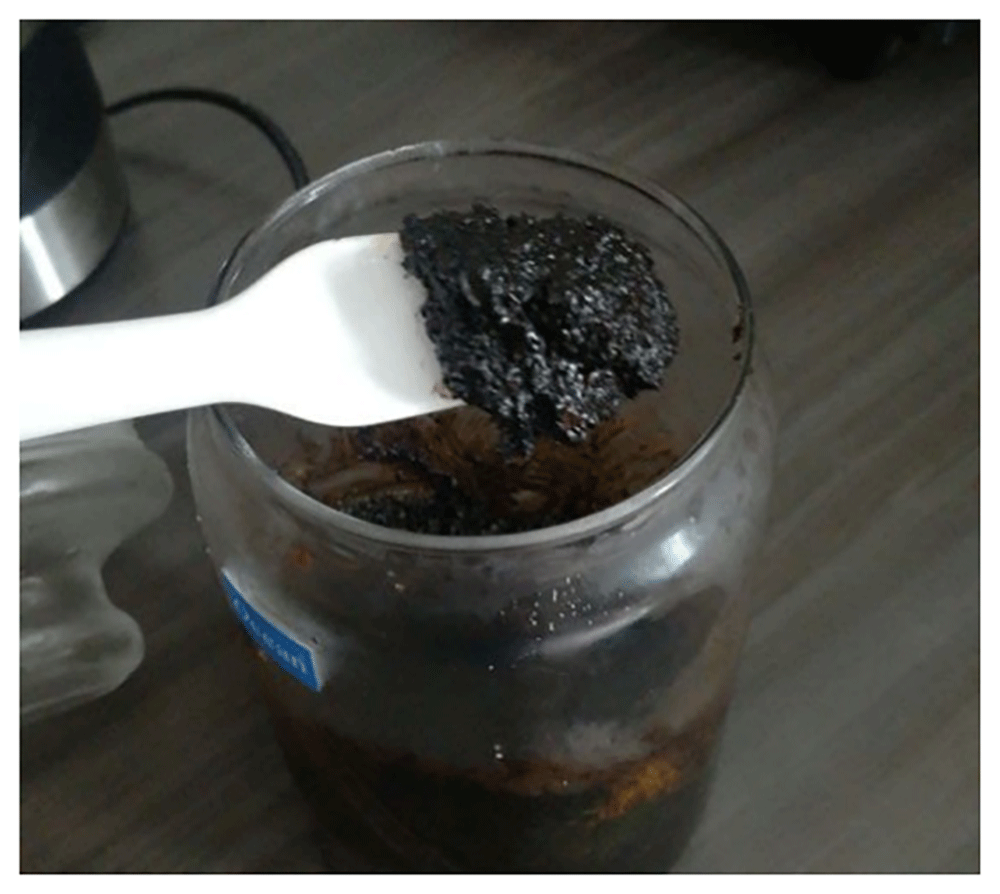
Figure 1. A perfect homemade facemask.
Furthermore, the participants also prominently showcased an array of activities linked to SC and SD, encompassing practices like skincare routines, physical exercises, maintaining a wholesome diet, engaging in hobbies, and more.
“Watching the sunrise and sunset is one of my cheapest and most enjoyable hobbies. I try not to think about any of my problems while watching the sun. By the way, there is always another time to fight with the problems.” (Figure 2, Female, 16)
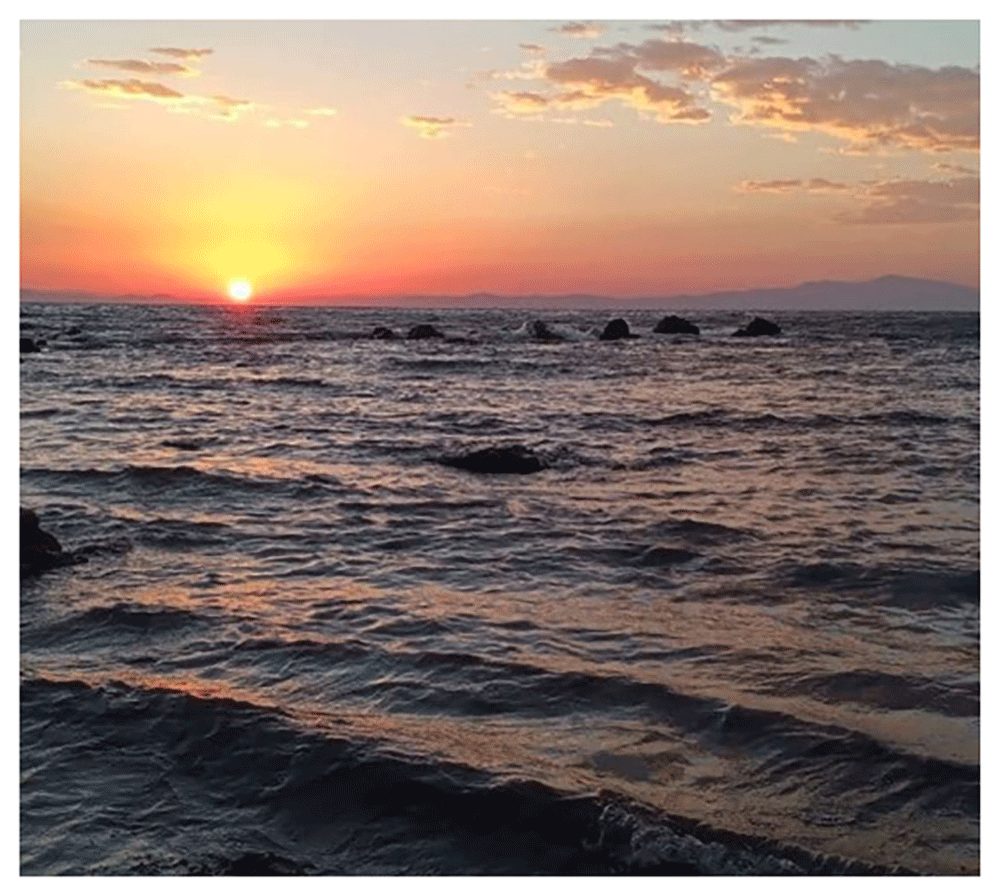
Figure 2. The calm of a sunset/sunrise.
Additionally, participants emphasized that initiating a new routine played a significant role in enhancing their mental and physical well-being, fostering a sense of improved health and positivity. “As an adolescent girl, one of my most important self-care routines is taking care of my skin and hair, which helps me a lot to have a better feeling of myself and increase my self-confidence. …. Here, I have my own collection of skin care products after a while and I´m so happy about it. It makes me feel home again. Like back to normal after a very hard journey” (Figure 3, Female, 17)

Figure 3. A personal set of skin and hair products.
Furthermore, two other participants documented their engagement in coloring activities, elucidating how such a simple practice effectively reduces their stress levels by providing a mental clarity and relief.
“Coloring makes me think of nothing for a while. I can relax and focus more. I especially like working on children's designs. It helps me when I am stressed.” (Figure 4, Female, 15)
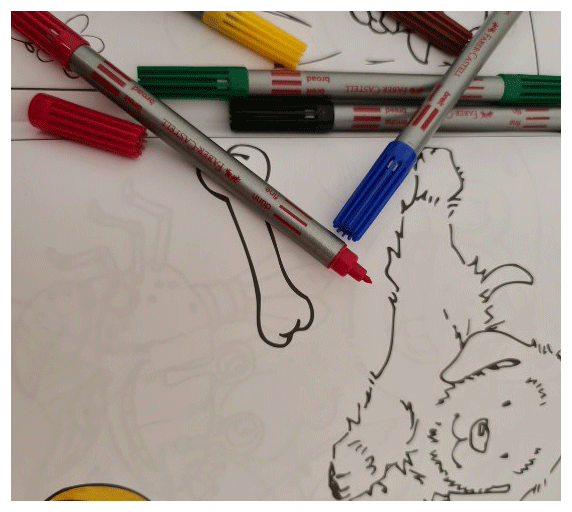
Figure 4. Kids color books are fun! Even for a teen!.
A 19-year-old female participant described experiencing a sense of tranquility by dedicating some time to herself and her mother. She shared how they set up a tea table after a particularly taxing week marked by her mother's illness and challenges related to their refugee journey.
“An autumn weekend evening with a delicious tea that gives a good aroma of cinnamon and the smell of roses. It removes the tiredness of the body and causes a good feeling and positive energy, after a very stressful and challenging week. After all, I need to recharge myself for the challenges of our next week. Our situation is hard, but I should be strong for me and my mother.” (Figure 5, Female, 18)
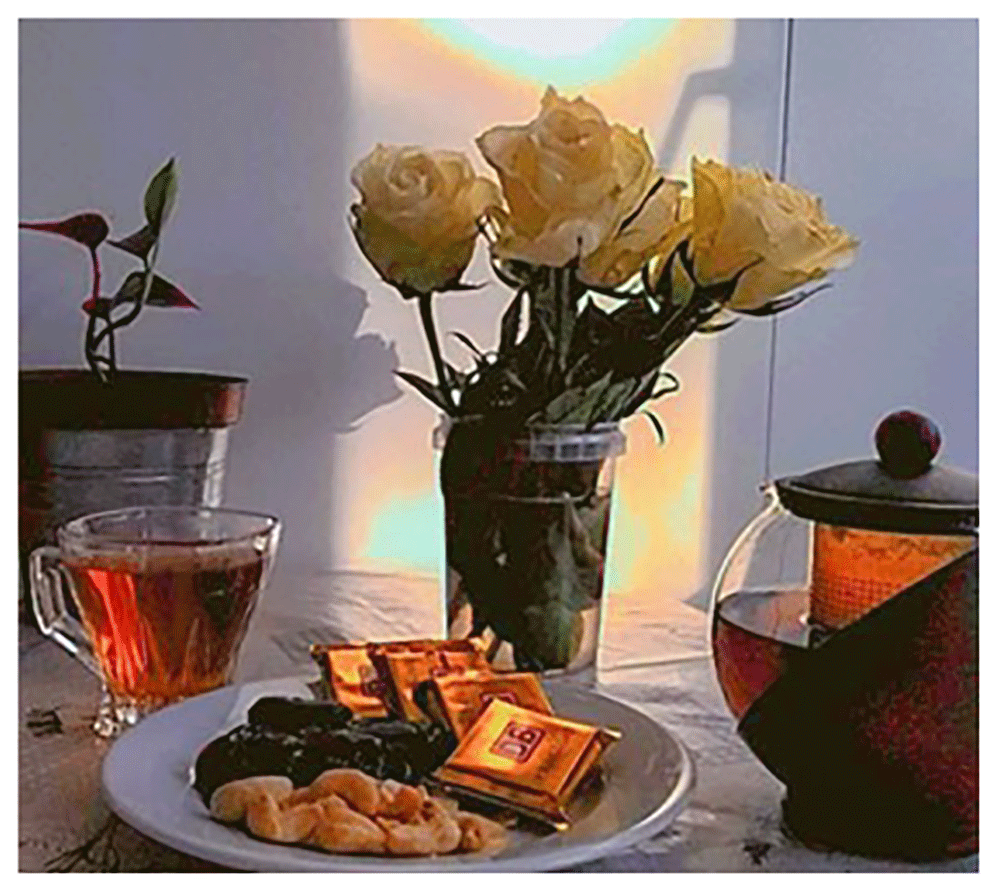
Figure 5. The aroma of tea and roses.
In their captured photos, participants also recognized the significance of engaging in new social activities as an avenue for learning and better acclimatization to their unfamiliar surroundings. They portrayed various social engagements as means of discovering and establishing connections with friends and peers at their new school and within community organizations. These activities encompassed "group activities" like hiking and "organized sports" such as basketball, as well as casual interactions like having a coffee with a friend. Participants articulated how such activities played a pivotal role in alleviating negative emotions like stress, while also fostering a deeper understanding of the new culture and environment they found themselves in.
“One of my classmates introduced me to a social group, after I told her I am looking for a good group activity. The group members go hiking in one of the forests around town on weekends. This was very exciting for me because I love nature so much and I really need to feel to belong to a group. Here, I found new friends. … Being in this environment contributes to both my physical and mental health” (Figure 6 and 7, Female, 15).
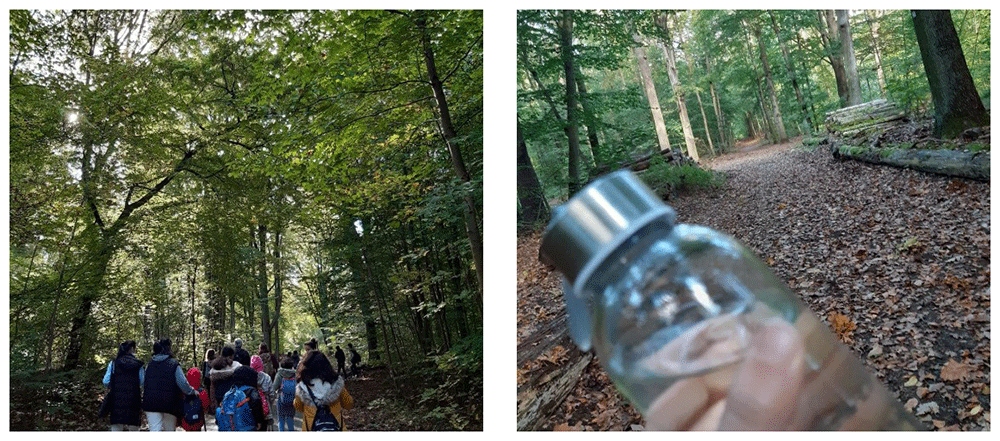
Figure 6 and 7. A day in the nature.
2. I start to learn again
The subsequent theme, "I start to learn again," pertains to the adolescents' viewpoints on initiating various learning processes, encompassing novel behaviors associated with their SC and SD. Illustrative images (Figure 8–Figure 13) were submitted by participants, depicting their commitment to sustaining and mastering their preferred skills or activities. While the majority of participants regarded acquiring a new skill or behavior as integral to their SD aspirations, instances of SC were also evident. Notably, the participants' photos and statements frequently illustrated a confluence of persisting in the learning journey while capitalizing on the resources available in their new environment. The following examples elucidate this perspective:
“I was always obsessed with the art of origami. It increases my concentration and reduces my stress. Especially these days, when I'm waiting for important news or an update about my refugee case, working on my handcrafts makes my waiting time much easier. In my own country, I learned this art by using free internet tutorials. But here, since the internet access is faster and easier, I have made very good progress in a short period of time. I plan to have a YouTube channel for myself soon. Access to YouTube was not easy in my country, but I am glad that the conditions are good here.” (Figure 8, Female, 16)
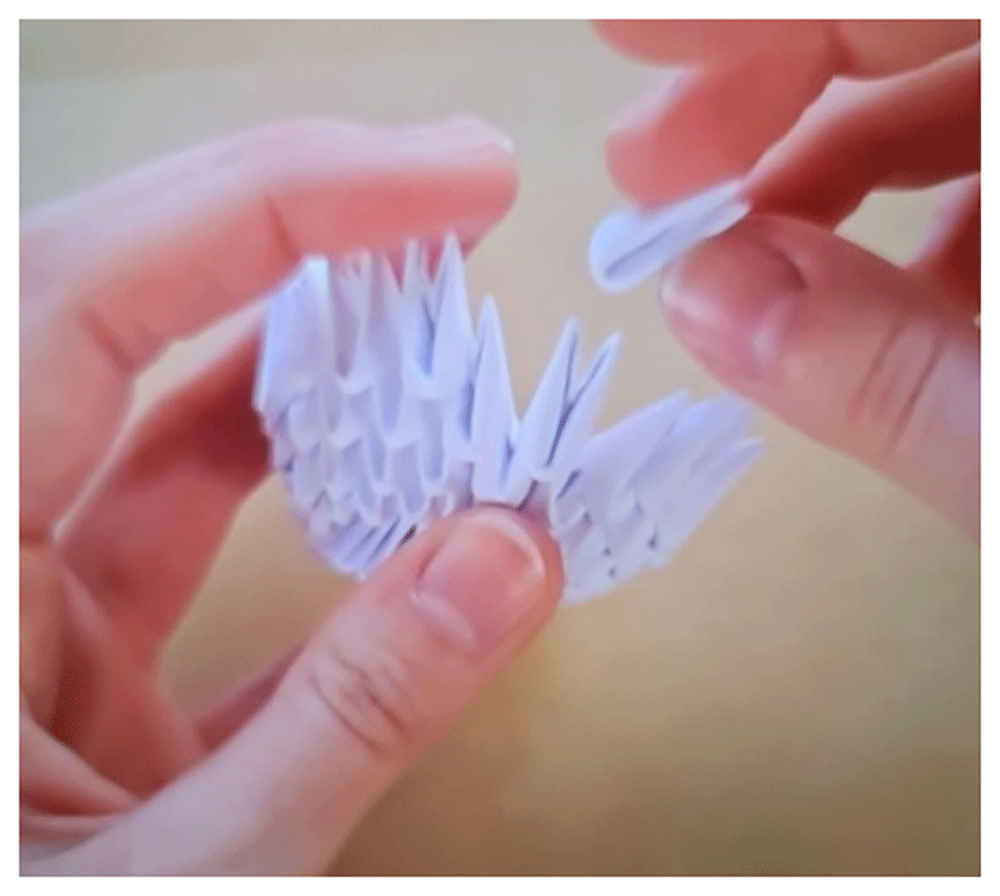
Figure 8. Me and origami.
Another participant interprets the photo she took as follows:
“I have a list of my daily tasks for every day. Writing daily plans and setting goals, are new experiences for me that surprisingly works so well. They help me to always know what I want to do next, so time will not be wasted. Since I have started to write down my plans, I feel that I am closer to reaching my goals. I am extremely satisfied with this new routine in my life.” (Figure 9, Female, 14)
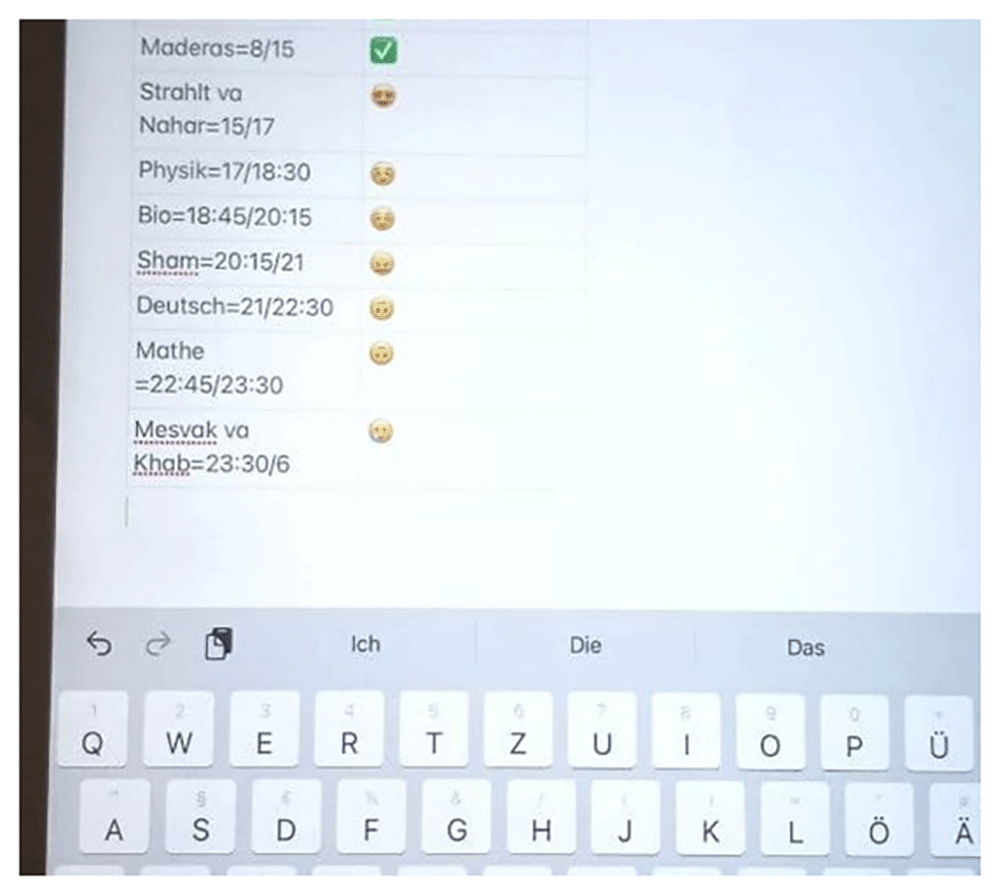
Figure 9. My daily TO DO list.
Another participant underscored their sense of joy upon embarking on an internship, elaborating on the novel work environment they encountered:
“My small, colorful world of stationeries. It gives me such a beautiful feeling and helps me to take a step for my own development ... With this positive energy, I can communicate better with the new environment I entered recently, and I can progress in my work.” (Figure 10, Male, 17)
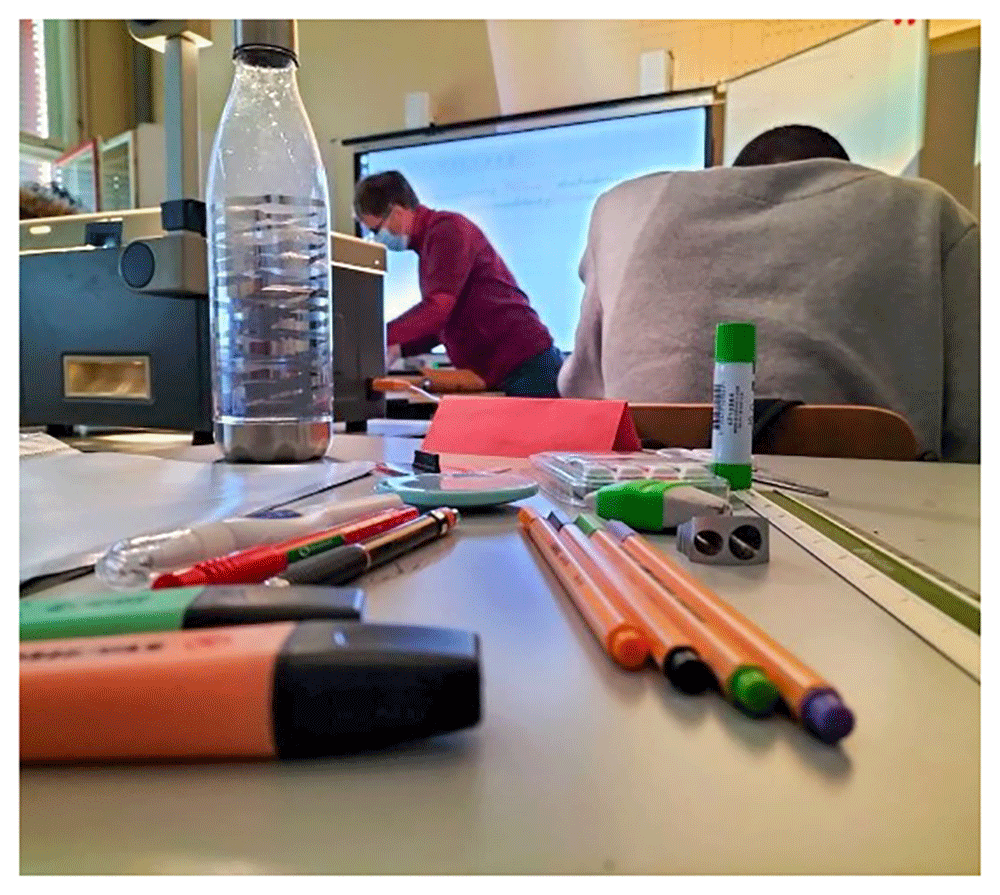
Figure 10. Ready to work.
The participants predominantly highlighted the significance of learning the German language as a central aspect. Learning German was underscored as a primary priority by the participants, given its pivotal role in their educational and subsequent professional growth. As all study participants were students, the emphasis lay on language acquisition for effective academic engagement, communication with educators and peers, and bolstering self-confidence.
“These days most of my focus is on learning the [German] language. Without it, I could not go to school, get good grades, have a good relationship with my teachers and classmates, or make new friends. Of course, I have new friends here [speaking] in my own language, but I prefer to make new German friends, which is not possible without learning the language. I must go to university soon and I must know the language so well that I can continue my studies in my favorite field.” (Figure 11, Male, 16)
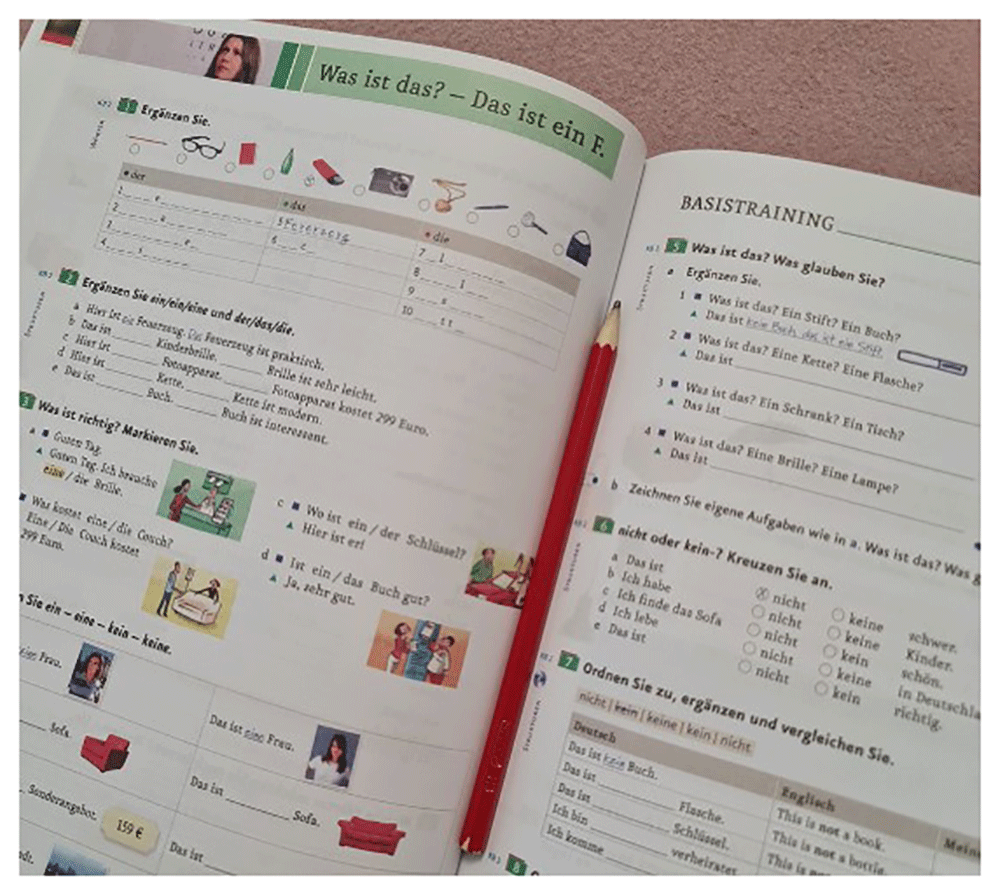
Figure 11. Time to learn a new language.
Several participants acknowledged the essential role of learning the German language in their self-development endeavors, recognizing it as a vital prerequisite for their future career aspirations.
“I must start an internship soon, which is very important for the career I want to have in the future. But it is necessary to learn German before joining this course.” (Female, 16)
Furthermore, the participants highlighted the importance of acquiring or enhancing various life skills, such as communication skills, self-awareness, and emotional coping strategies, as reflected in their submitted photos and statements. Particularly, the theme of managing emotions, specifically stress, stood out prominently, with its relevance to both SC and SD perspectives.
“I use this octopus stuffed toy to show my emotions. Every time the little octopus is sad (or angry), I try to find a way to cheer it up again. This is a new way I recently use to cope with my bad emotion.” (Figure 12, Female, 14)

Figure 12. My cute reversible octopus.
3. I find new opportunities
Another significant theme that emerged from the participants' photos and statements was the concept of "New Opportunities," as illustrated by Figure 13. Given the uncertainties associated with their new environment, the participants emphasized the newfound possibilities for both SC and SD that they encountered in Germany. Learning a new language, particularly German, was a salient aspect of this theme. However, the emphasis here was on the advantage of learning a new language within the native environment, where access to learning materials and books was more accessible. Many participants had already acquired proficiency in speaking and reading German, which could potentially unlock various new opportunities for them in their adopted country.
“Four years ago, if someone told me that I could read a book in German, I would have laughed at him. Now I know that new opportunities can be found even in difficult and unstable conditions.” (Female, 17)
Additionally, participants underscored the opportunities tied to forging new friendships, immersing themselves in a new culture, cultivating fresh hobbies, and becoming part of new social groups. These opportunities held significant importance for enhancing their capacity to manage the stress and anxiety that often accompanied their arduous and, in some instances, perilous journey to Germany. Furthermore, they emphasized the prospects presented by their new environment for engaging in activities they now held dear, activities that were previously unattainable or constrained by political, cultural, or personal restrictions in their countries of origin. This new-found sense of freedom and possibility further contributed to their holistic well-being and development.
“I love group sports. But some sports in my country were not possible or very difficult for girls to do. Here I found the opportunity to do my favorite sports.” (Figure 13, Female, 15)

Figure 13. I love basketball!.
4. I love myself
The final theme, "I love myself," encapsulates the instances where participants demonstrated self-awareness and self-compassion, often intertwined with specific SC and SD activities. This theme finds expression in a variety of ways within the participants' contributions. Their photos (depicted in Figure 14–Figure 21) capture elements of their lives that they actively pursue, driven by an inherent enjoyment and sense of self-value. Notably, each participant in this study conveyed at least one photo that aligns with the essence of this theme and shared it with the research team.
“A cozy corner on the balcony of my house with a cup of coffee and my favorite book .... all I need to get rid of the tiredness of a busy and stressful day… Everyone can create a place that is unique to him. Make a coffee for yourself and read a few pages of your favorite book and forget about all the uncertainties surrounding you. You will see that you can think better and make much better decisions”. (Figure 14, Female, 18)
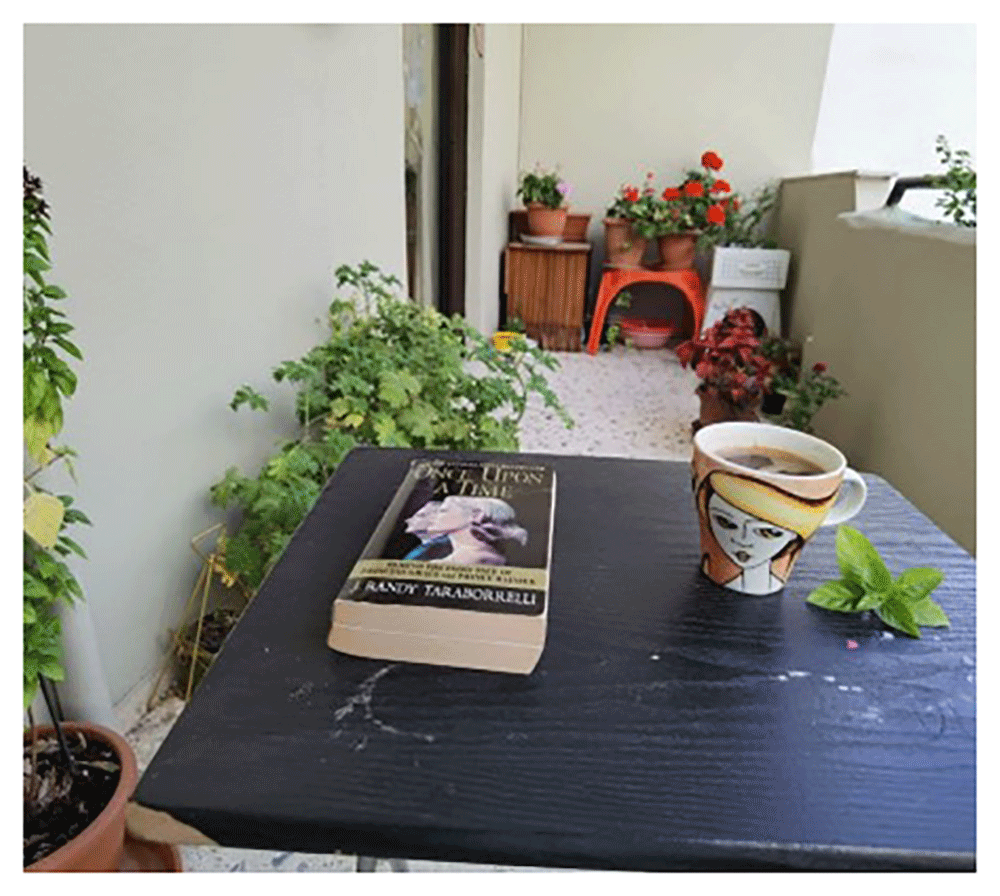
Figure 14. A cozy corner on the balcony.
Numerous photos within the collection simply manifest the participants' delight in or efforts to enhance their well-being, fostering a healthier, more content, and productive life. These endeavors are often characterized by simplicity, accessibility, and affordability, reflecting the participants' resourceful engagement even amid their uncertain circumstances. The array of photos captures various SC and SD activities, while the accompanying statements underscore the efficacy of these endeavors in enhancing their overall quality of life.
“I love fruits more than foods. And of course, fruit designing… eating fruit helps a lot to strengthen the immune system and the health of blood circulation and many other good things. While fruit designing is a fun and colorful activity.” (Figure 15, Female, 15)
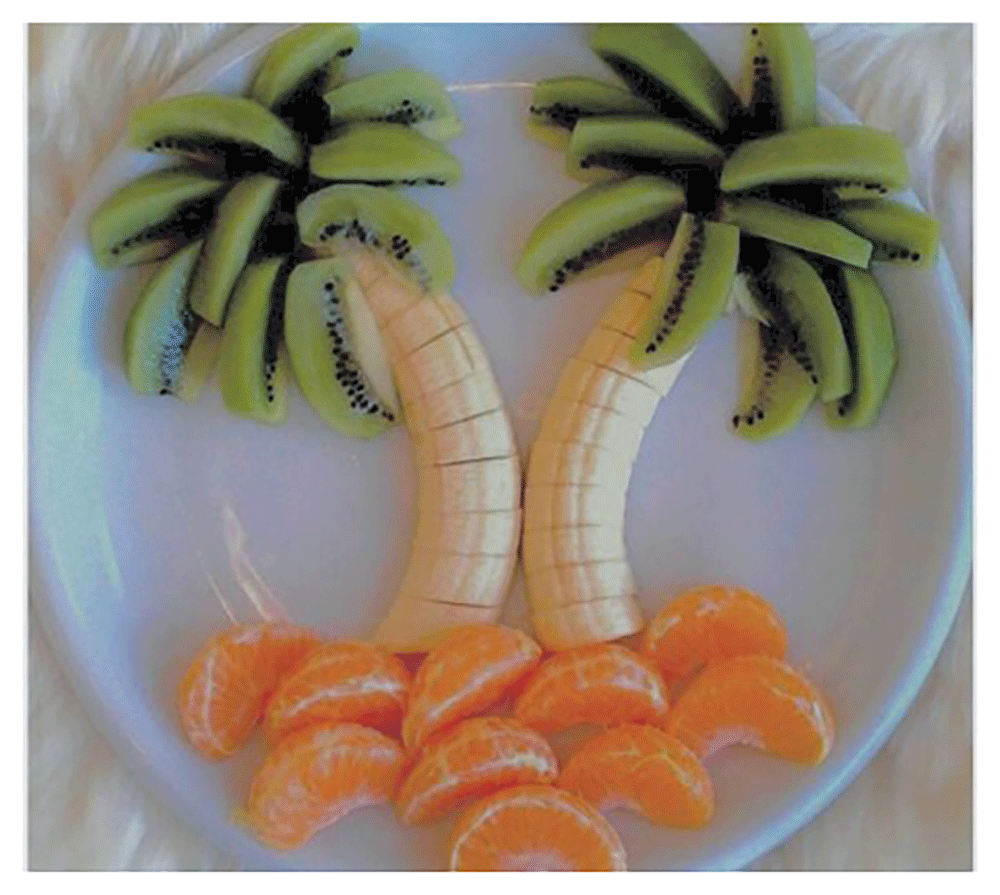
Figure 15. Fruit art.
The images also demonstrate the participants' keen awareness of their positive and negative emotions, along with their proactive efforts to nurture their emotional well-being.
“Since I have a deep relationship with myself, I try to do a little for myself every day. I get a flower for myself, or I invite myself to a coffee or ice cream to remind myself that I am the greatest asset for me. I took this picture after a very hard day receiving bad news. But still, I have fate that I can make it at the end.” (Figure 16, Female, 17)
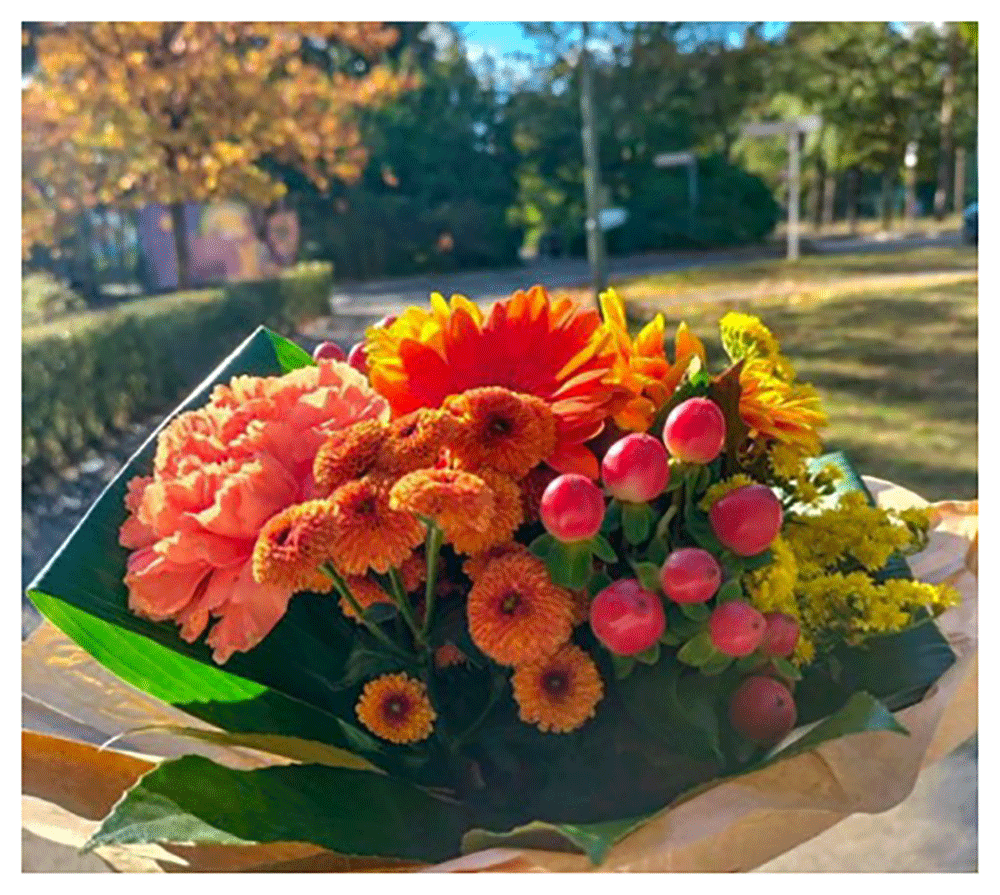
Figure 16. A bouquet for myself because I deserve it.
“I think praying and reading our holy book the Qur'an can also help to improve my mood. Personally, when I feel very, very tired and I have no hope, I pray. It really gives me a special sense of peace, and I feel that this is a very good example of self-care.” (Figure 17, Female, 16)
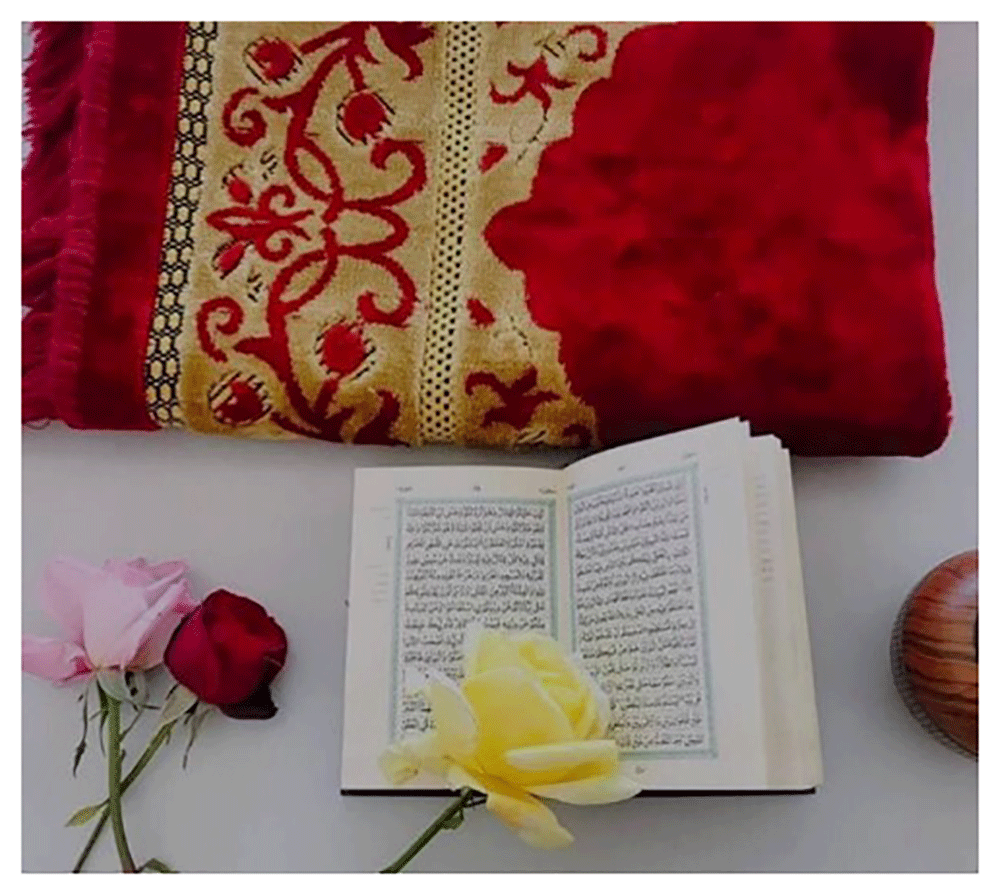
Figure 17. Time to spiritual self-care.
And from another participant:
“These are my candles. When I need to calm down, I turn off the lights and light the room with candlelight. I take a few deep breaths and try not to think about anything for a few minutes.” (Figure 18, Female, 15)
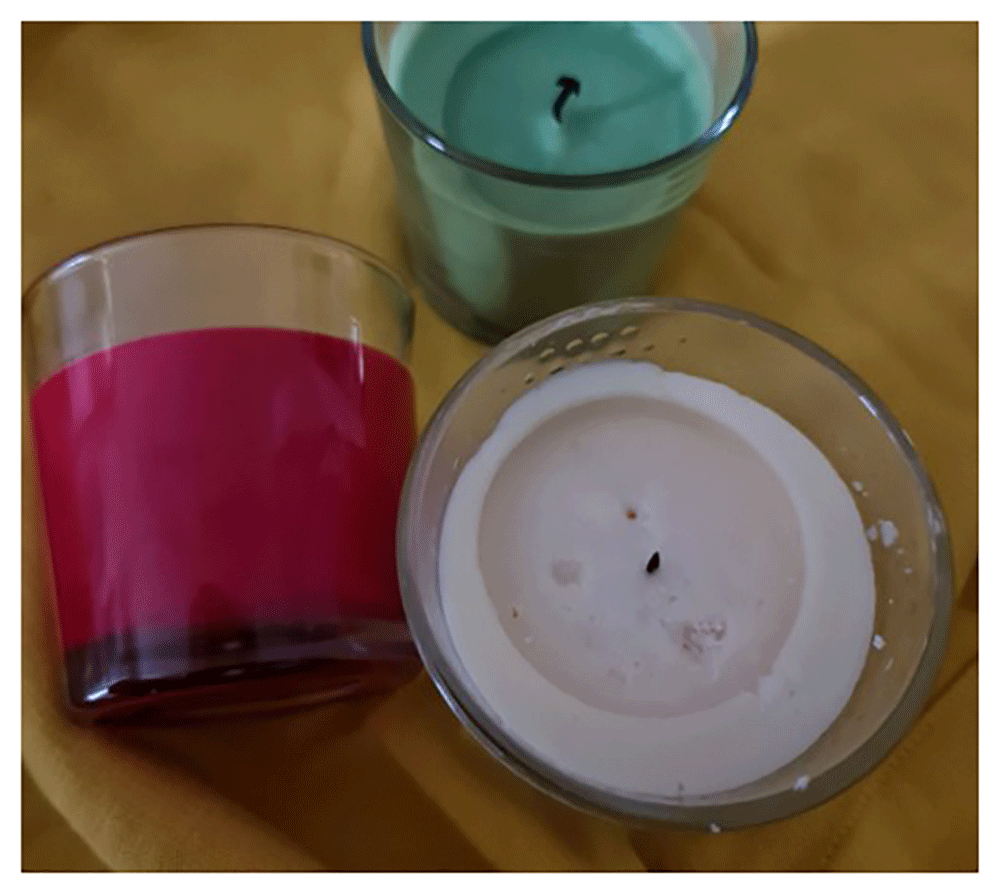
Figure 18. A source of positive energy.
A 15-year-old female participant, on the other hand, held a distinct perspective on SC. She believed that assisting others (in her case, animals) could also be viewed as a valuable SC practice, particularly when it brings happiness, contentment, or an improved sense of well-being.
“I think self-care can be helping others or care for others, if it makes us feel good. I feel very good when I feed the birds in winter. I think it is a good example of self-care or even self-development.” (Figure 19, Female, 15)
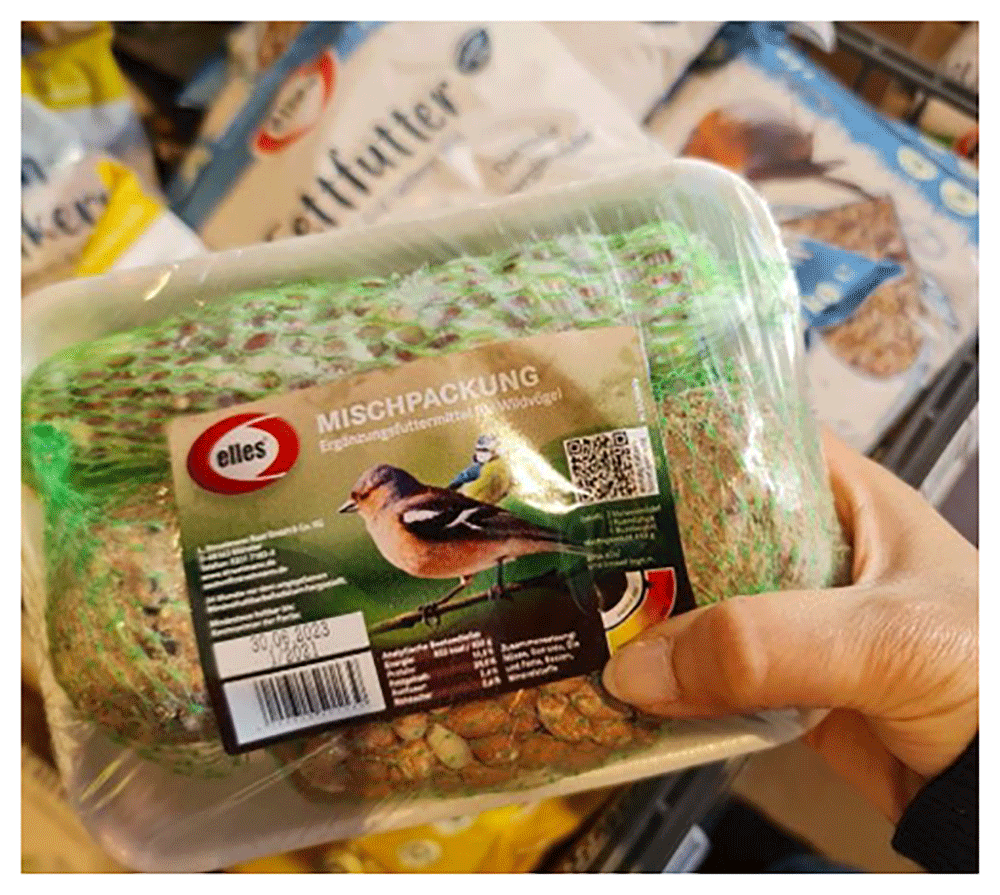
Figure 19. Sometimes “others-care” is self-care.
Sharing an image of a delectable breakfast and dinner, a male participant conveyed to us that:
Having a good breakfast could be a perfect start for a busy day. For all I want to go through today, I need energy, right?!....I also love to cook for myself, when I have time. Actually, I find cooking very relaxing. (Figures 20 and 21, male, 18)
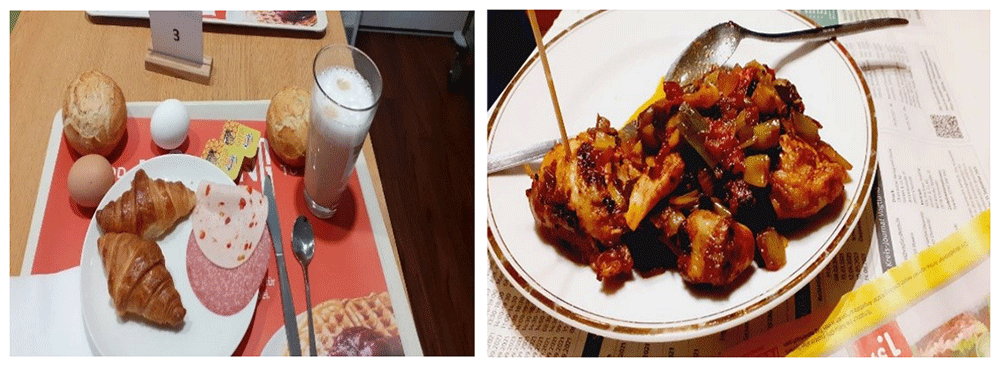
Figures 20 and 21. Fuel for my body, homemade or fast food?
Results of the photo-elicitation study
Out of the 16 participants involved in the photovoice study, 12 participated in the subsequent group discussion session to deliberate on the shared photos. During this meeting, the three photos (Figure 22) that garnered the highest scores were brought into focus and analyzed. In response to why these photos received elevated ratings, participants put forth an array of justifications for their scoring, which were then collectively discussed. A prevailing consensus emerged among participants that the chosen images evoked positive and serene sentiments within them. They expressed the view that the photographers effectively conveyed their intended concepts to the audience.
“Photo number six conveys the good feeling of the person when taking the photo. In my opinion, the photographer really believes what he says in the description of the photo. I can even inhale the aroma of tea from this photo, as the photographer mentioned.” (Male, 17)
And from two other participants:
“Well, I agree with the photographer (Figure 2). Watching the sunrise and sunset is enjoyable and relaxing. Of course, I do not think any place in the world is as suitable as the beach to show the beauty and sense of calm of sunrise and sunset.” (Female, 16)
“It is a clever choice for subject-related photo (Figure 6). The aroma of tea reminds me of my childhood days at my grandmother's house when we all got together. I must admit I had forgotten its good feelings.” (Female, 17)
Here is another opinion from our 15-year-old participant:
“This image (Figure 18) gives me a true sense of calm. It reminds me to stay on my beliefs and culture, while I am trying to integrate to my new environment. This combination makes me a unique person.” (Female, 15)
The ease of comprehending the message conveyed by the chosen photos, regardless of the accompanying photo descriptions, was another aspect deemed significant by the participants in the photo selection process. Conversely, three participants noted that certain photos appeared more coherent when viewed alongside their respective descriptions, as the photographs alone could not entirely encapsulate the intended significance. An additional participant acknowledged that they were initially unable to grasp the concept behind a few photos until the accompanying descriptions provided clarity.
“I gave high score to photo number six because without a word, I could understand and feel the photographer's purpose and message.” (Male, 18)
“This photo depicts the concept of self-care in a creative way. For me, nature in general has a sense of stress and anxiety after all the journeys I have taken in the forest and at sea to get here. But this photo is full of good feeling for me.” (Female, 19)
“Simply beautiful. I can see one of the most important aspects of my life in this picture (Figure 18). The massage is also simple to capture. You may leave many things behind when you immigrate, but it doesn’t mean that you should leave your relationship with your God, even if you pass horrible experiences.” (Female, 17)
As per the participants' perspectives, the selected photos, coupled with the broader collection encompassing diverse subjects, served as a poignant reminder that despite the arduous journeys they have traversed and their existing circumstances, they possess the capacity to uncover moments of joy and renewal, enabling them to distance themselves from stressful surroundings. Crucially, this does not mandate the need for specialized spaces or intricate facilities. The participants also underscored the importance of engaging in self-care-related activities with intentionality and foresight. They accentuated that when executed conscientiously, these actions not only provide a profound sense of solace but also serve as an effective avenue for upholding physical well-being amidst volatile conditions.









