Introduction
One of the most crucial aspects of a democratic South African government is the provision of basic services, as highlighted by the Constitution, and everyone has the right to have access to sufficient food and water (South African Act 108 of 1996). This is through the National Water Act (National Water Act 36 of 1998), which promotes the provision of water as a basic service, including equitable access to water resources, and the Water Service Act (Water Services Act 108 of 1997), which provides access to basic water supplies and basic sanitation. Considerable focus and resources have been invested in providing water to several areas that still lack access to clean drinking water. The lack of laws regarding the disposal and reuse (management) of greywater has resulted in a number of challenges predominantly faced by rural communities and informal urban settlement residents.
Informal settlements in a South African context are areas where residents have illegally invaded vacant land, in which there are shortages of basic services, particularly to provide a connection to the reticulation system. The greywater management issues in the most densely populated informal settlements in South Africa pose significant health and environmental risks to its residents, as mentioned by (Wood et al., 2001) and cited in (Carden et al., 2007b).
The informal settlement of Monwabisi Park is what (Carden et al., 2007c) refer to as a ‘non-sewered area’ due to the absence of waterborne sanitation facilities. For this reason, the starting point of this research was to classify the sources of greywater found in households for domestic use. The greywater from households predominantly originates from the kitchen, baths, laundry, and washing basins. The quality of greywater is further characterized by its chemical, physical, biological, nutrient, ground element, and heavy metal properties (Edwin et al., 2014). Such aspects require that the greywater be disposed properly and any possible treatment options that can facilitate reuse be explored, which can be adopted to reduce water demand, health, and environmental challenges. According to Ludwing & Art (1997), as cited in Carden et al. (2007a), greywater is wastewater produced from household processes (e.g., washing kitchen utensils, laundry, and bathing), excluding any input from toilets. Greywater management options are dependent on the amount of greywater effluent produced by each household, the physical or locational settings, and the type of settlement because dense settlements need to dispose greywater to off-site disposal mechanisms as there are high health and environmental risks.
Furthermore, innovative and cost-effective treatment technologies for greywater produced in households in informal settlements need to be investigated and proposed. Presently, there is no clear solution that can be used, but nonetheless, it needs to be developed and to get buy-in by the community; thus, their involvement is crucial. Consequently, this study aimed to determine sustainable methods for the disposal of greywater effluent while reusing it. This will, in turn, reduce the pressure on the provision of clean drinking water while promoting water conservation, especially in Cape Town, which has experienced severe drought conditions in the past.
Methods
Study area
The Monwabisi Park informal settlements are located in the greater Khayelitsha, a peri-urban township found in the southeastern part of the city of Cape (Figure 1). Khayelitsha was formed in 1984 when apartheid laws slowly lost power, which subsequently allowed a huge number of black migrant workers to the urban landscape (Herries et al., 2009). Monwabisi Park is one of 534 areas classified as informal settlements in the City of Cape Town. This settlement is further divided into four sections: A, B, C, and M.
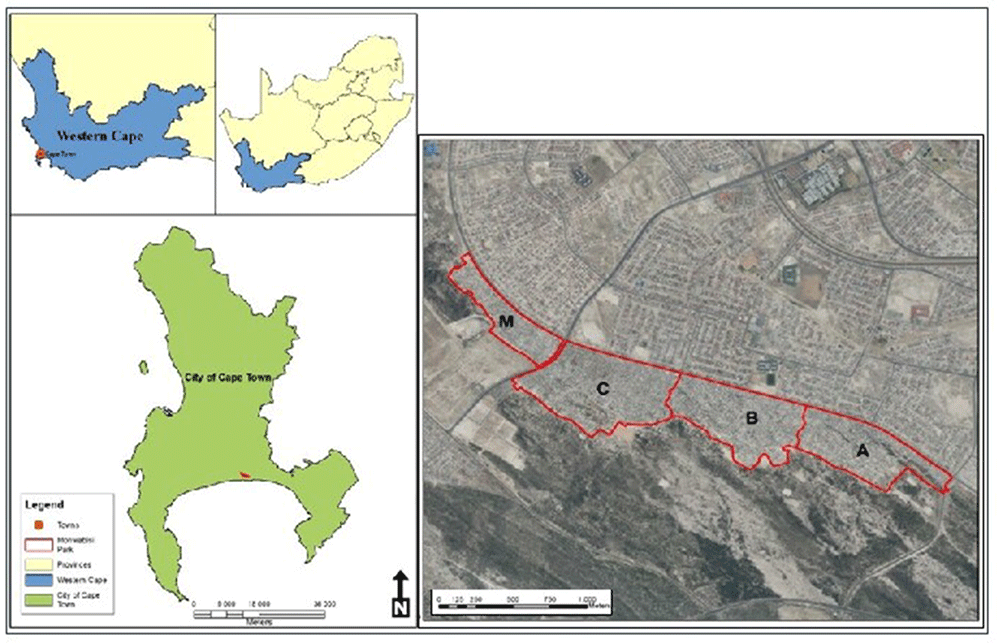
Figure 1. Map of the Monwabisi Park Settlements indicating the different sections (Modified from Google Earth imagery, 2023).
According to the 2011 census, the area can be divided into the following population groups and percentages: Black African amounts for 97.99%; colored amounts for 0.67%; Indian/Asian, 0.09%; and other, 1.19% (Statistics South Africa, 2011). Furthermore, the Monwabisi Park informal settlement had an estimated roof count of approximately 7 700 individual shacks, covering an area of 66.32 Ha (). The area has a population of over 25 000 people of which 11% of this are children (Social Justice Coalition, 2016).
To date, the area has been equipped with 174 standpipes with 307 taps. The sanitation facilities in the area predominantly include approximately 360 pour flushes and 866 portable flush toilets in individual households. Settlement is highly congested and poses a challenge when it comes to the provision of engineering services that will first require densification.
The provision of water as a basic service faces several challenges centered on the sustainable use and disposal of wastewater, particularly for such settlements. The current study area has a minimal reticulation connection for sewers, as the toilets that are present in the area are pour flush, PFTs, and containers that are not connected to a reticulation system. Although there are standpipes to provide water in the settlement, there are very few wastewater collection systems, such as gullies/drains, that feed into a reticulation system. These standpipes are installed on a communal basis and are distributed throughout the settlement, where one tap has a ratio of 25 households. The sanitation facilities distributed in this area have a pour flash toilet type as top structures that have conservancy tanks to which fecal matter is flushed. These conservancy tanks are pumped over a planned periodic timeframe on a weekly basis, and they have a ratio of one toilet to five households.
The current study is based on a primary survey by the researchers to understand information about water access and the consumption and general use of clean drinking water for various household activities, which subsequently deduces the generation of greywater effluent as a rippling effect of a non-sewered informal settlement. Furthermore, respondents’ responses and perceptions of greywater disposal and reuse were assessed. Sewer-related matter, stormwater, soil texture, and water sampling of the various greywater categories were not included in the study.
A semi-structured, self-administered questionnaire was used to collect information directly from the respondents. A total of 69 questionnaires were administered to investigate greywater management practices, including recycling and sustainable disposal of greywater effluent. This was performed for all four sections of Monwabisi Park. Furthermore, general field observations consisted of the physical environment, topography, and climate, including the behavior of people in their environment regarding the generation, usage, and disposal of greywater. The lack of greywater management systems was noted, as it was evident that there was daily disposal of greywater on the streets. Consequently, the patterns of that behavior and perceptions of the sample population complemented the qualitative data produced by the participants.
To understand the volume of greywater generated from a household in a settlement, a model was proposed in this study. This equation considers the various components of greywater generation and calculates their contributions based on given inputs. In the context of the study area, greywater is wastewater generated from sources such as bathing, kitchen, house cleaning, and laundry that does not contain sewage from toilets or highly toxic chemicals.
Results
Socioeconomic characteristics
A total of 69 respondents from each household participated in this study. A total of 51% of the respondents were females, while 49% were males, and which the majority of both genders were between the ages of 25 and 34 years old (Table 1). The results showed that most of the population found in the study area was unemployed, represented by 68.1% of the surveyed population (Figure 2). Overall, Socioeconomic Status (SES) indicators were low in the study area.
Table 1. Demographic characteristics of the respondents.
| Age | Percentage | Gender | Percentage |
|---|
| 18 – 24 | 25 | | |
| 25 – 34 | 30 | | |
| 35 – 44 | 22 | Male | 49 |
| 44 – 54 | 10 | Female | 51 |
| 55 and Over | 9 | | |
| Prefer not to say | 4 | | |
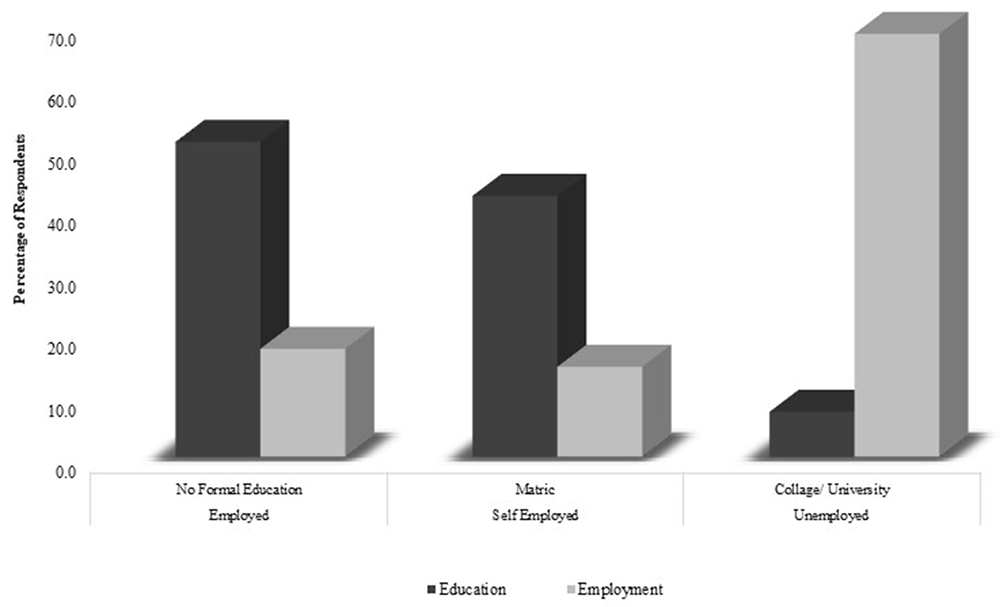
Figure 2. Education versus employment rate of the respondents.
Water access
Most of the residents in the settlement receive water from communal standpipes, as shown in Figure 3a and b. A total of population of 92.9% of their water from communal taps , while 7.1% of the population had taps connected to their houses (Figure 3c). The number of household standards attached to standpipes set out by the national government is 1:25 whereby 1 stand pipe is used by 25 households.
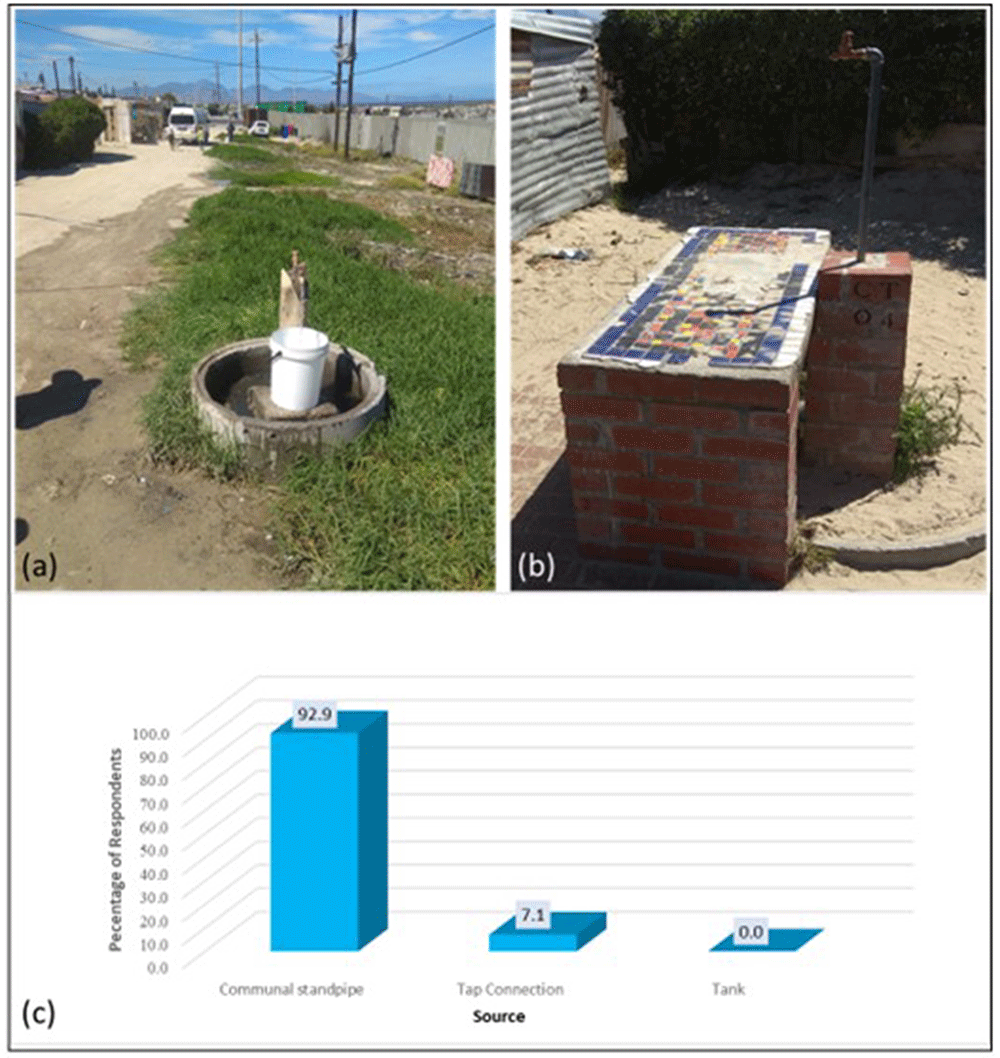
Figure 3. Sources of water access for the respondents.
Domestic water usage and loss
It is vital to obtain more details regarding the general usage of freshwater systems from an informal settlement perspective. This is important because the patterns, frequency, and manner in which water is used by households in informal settlements can be controlled by various factors that are different from their formal settlement counterparts. The most common uses of freshwater in the municipality are washing, cleaning, cooking, drinking, and laundry (Figure 4 and Figure 5). Moreover, for non-sewers or settlements that do not have a reticulation system, there is no mechanism to collect and direct wastewater to a treatment facility in large volumes that can be treated for reuse. The informal settlements in this study can be classified as non-sewer settlements. During the data collection in this study, the general notion observed was that communities are aware of wastewater resources from a basic perspective. However, they are not adequately informed of their types and the extent to which they can be utilized as resources or inputs for other uses.
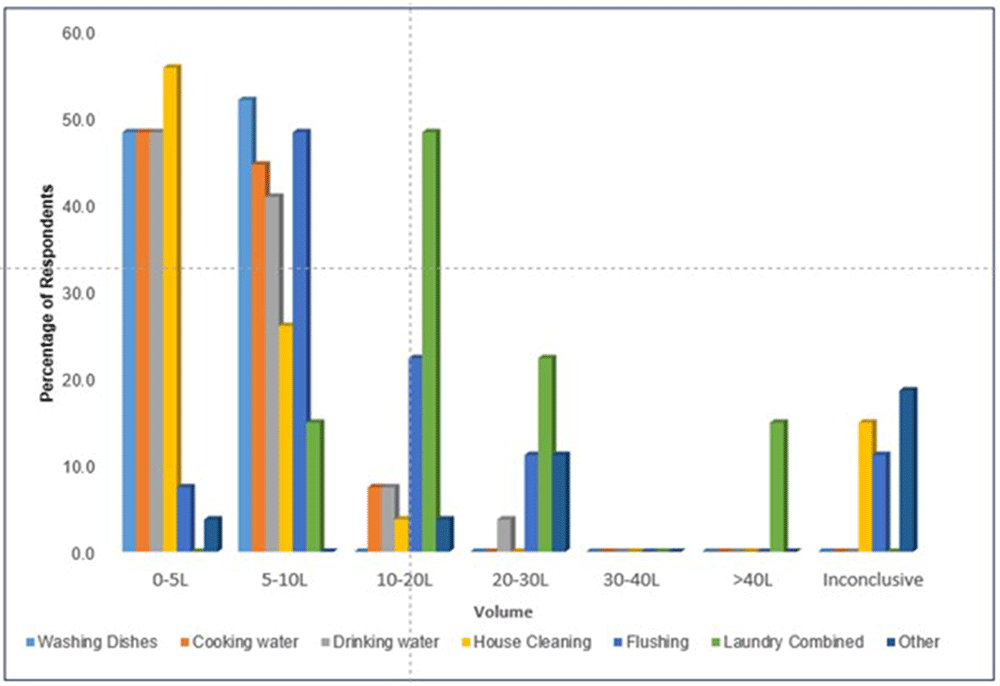
Figure 4. Domestic water usage and loss per household in the study area in litres (L).
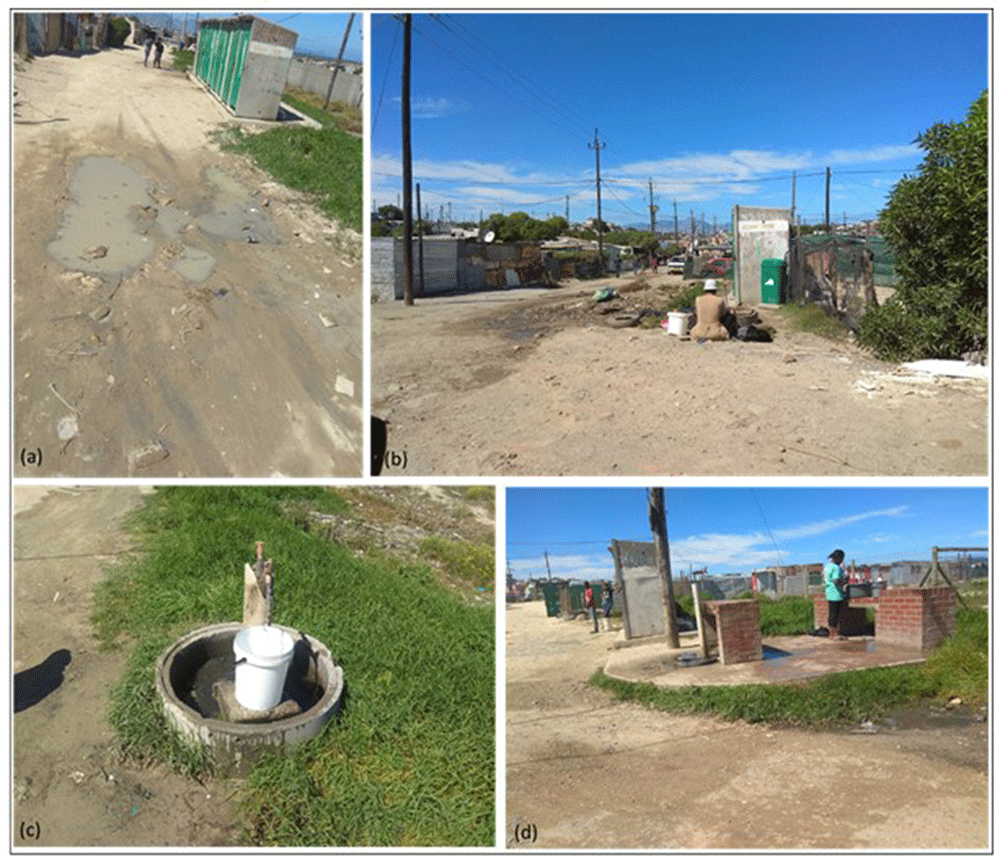
Figure 5.
(a) Water used for flushing in community toilets; (b) Standpipe next to communal toilets and waste bins; (c) Residents fetching water for cooking and cleaning and (d) A resident doing laundry.
Communal taps and toilets for residents in the area.
Classification of greywater sources
The greywater produced in the households of informal settlements for domestic purposes was categorized according to their use and thus their source. The sources of greywater found in the households of the study area include class 1 and class 2 as light greywater and class 3 and class 4 as dark greywater, as follows:
Class 1: Bathing greywater -Greywater sourced from bathing using washing basins.
Class 2: Laundry greywater -Greywater sourced from laundry using washing basins.
Class 3: Kitchen greywater -Greywater sourced from washing kitchen utensils using washing basins.
Class 4: Cleaning greywater – Greywater sourced from cleaning floors using cleaning buckets.
The other water usage in the study area is lost through cooking and drinking, and other activities such as irrigation and washing of vehicles. The water used for cooking, drinking, irrigation, and washing vehicles in a household can only be classified as lost, as there is no output from these activities (Figure 6).
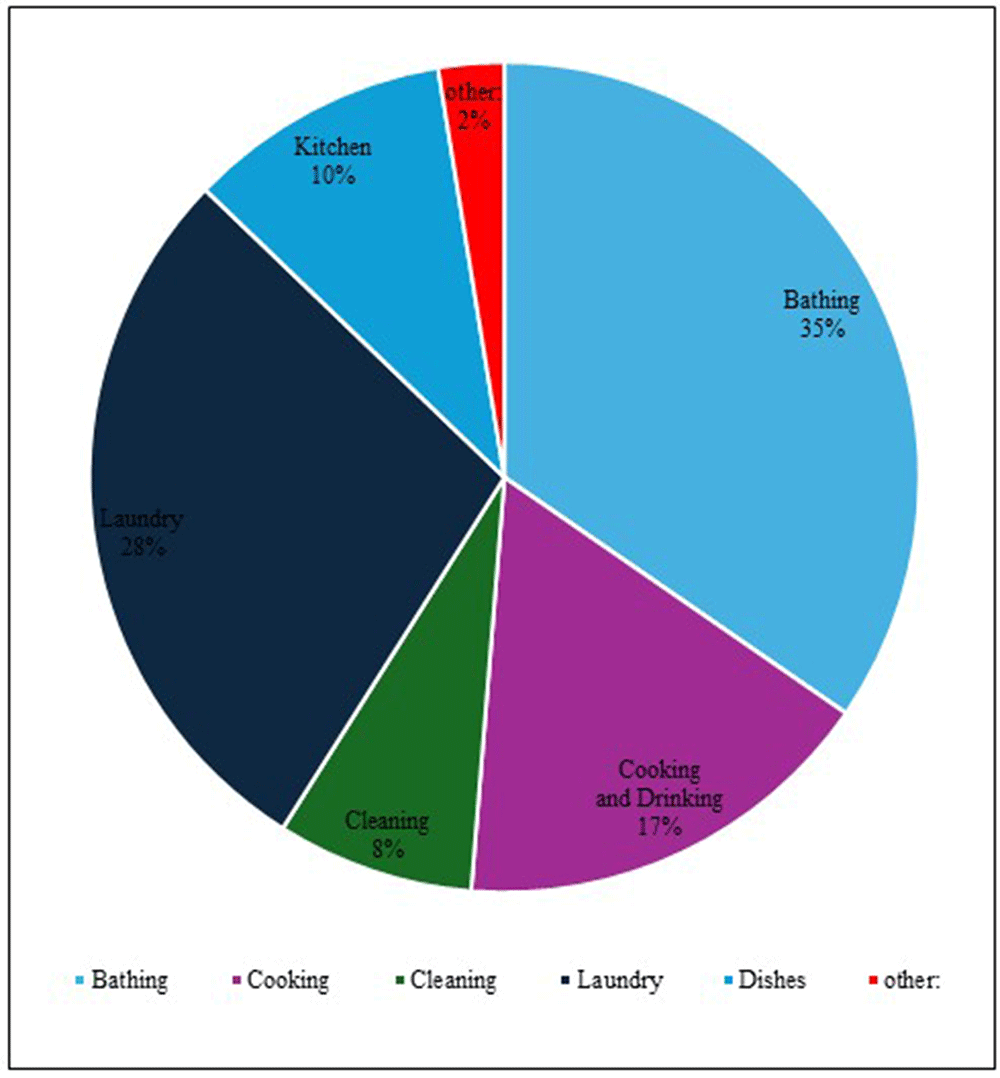
Figure 6. Average main usage of water in a household per respondent.
Public perception of greywater usage
To establish attitudes towards the usage of greywater produced in a household, a question on the reuse of greywater by respondents was posed. A total of respondents represented by 30% indicated that they would like and already do use greywater around their households (Figure 7a). The most common reuse of generated greywater includes the reuse of laundry rinse water for rewashing, irrigation/watering of plants, and flushing of toilets for those respondents who live very close to communal pour flush toilets. A total of 22% of the respondents indicated that they immediately disposed it by throwing it away just outside their yards or against their fences. The remaining 48% of respondents were inconclusive. This means that 70% of the population who took part in the study had no interest or bearing in any greywater management matters.
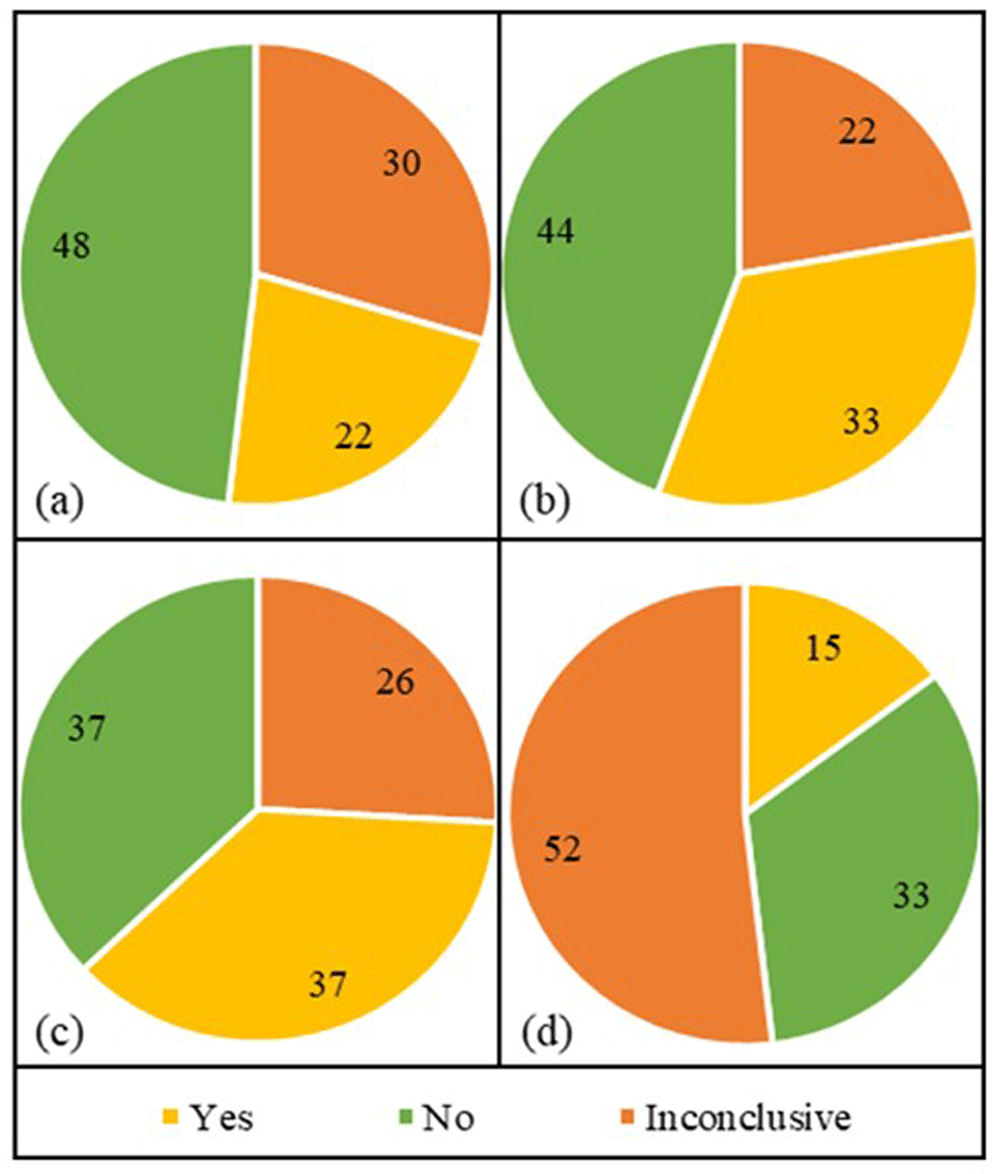
Figure 7.
Reflections on greywater perceptions; (a) Usage. (b) Recycling. (c) Environmental health and safety issues. (d) Disposal.
Perception of greywater recycling
An insight into the benefits of greywater recycling for households was also provided in this study. During the semi-structured interviews, the survey captured 22% of the participants who thought that greywater recycling would benefit them or their communities (Figure 7b). This has been justified by some respondents that because of recent drought conditions, the recycling of their greywater effluent can contribute to alleviating the pressures attached to the demand and use of freshwater for items around their households that do not require the use of clean municipal water.
A total of 33% of the participants felt that such an idea could never work in their community because of various reasons. Their disagreement or lack of support for the matter was based on the justification that ‘water must be free. ’ Other respondents indicated that their reasoning for this was because people are uneducated and unemployed, and they generally do not care about such matters. One respondent indicated that people in his community may need to be educated about the subject so that they can feel the need to support any interventions associated with greywater recycling by the authorities.
Environmental health issues of greywater
Acceptance of the use of greywater by the respondents is associated with public acceptance and is also related to public health issues from using the kind of water. A total of 26% of respondents thought that the generation of greywater entails major health problems in the community. (Figure 7c). Some residents have substantiated their answer that it causes ‘infections.’ Another resident pointed out that the soaps, particularly from any first-wash effluent, have dangerous chemicals that cause rash in their children who play with the disposed greywater that has ponded around their houses. Other respondents have indicated that greywater is not good for them when it comes to watering plants with it, because it inhabits plant growth.
On the contrary, 37% of the respondents have mentioned that they personally feel that greywater does not have many environmental health issues; nonetheless, these respondents do not even use the greywater based on their responses to the usage of household greywater. Another respondent indicated that greywater does not cause health issues if it has been treated. Some mentioned that when it is used to flush toilets, it can assist the community not to have any environmental health problems associated with pondering where children like to play with accumulated water. Lastly, a couple of respondents highlighted that only rinsing water from laundry is safe to use and can be applied in a few other activities such as rewashing, cleaning floors, and flushing. The remaining 37% was inconclusive, making 74% of the population not to have an idea about issues associated with greywater but in essence they did however expressed that they do not want to use it for anything.
Disposal of greywater
Respondents were asked if they had any suggestions for managing greywater disposal issues in their communities. From their response, 15% percent of the respondents were people who already made use of greywater, and their suggestions were that some greywater effluent could be reused around the household for cleaning floors, flushing toilets, rewashing, etc. A total of 33% did not have any suggestions for the disposal of greywater. The final percentage 52% was inconclusive (Figure 7d). This means that 85% of the community has no interest in the management of greywater in terms of how it is disposed currently by the community.
Figure 8 shows community reflections on the disposal of greywater, and Figure 9 shows photographs of the water being disposed of around the settlement.
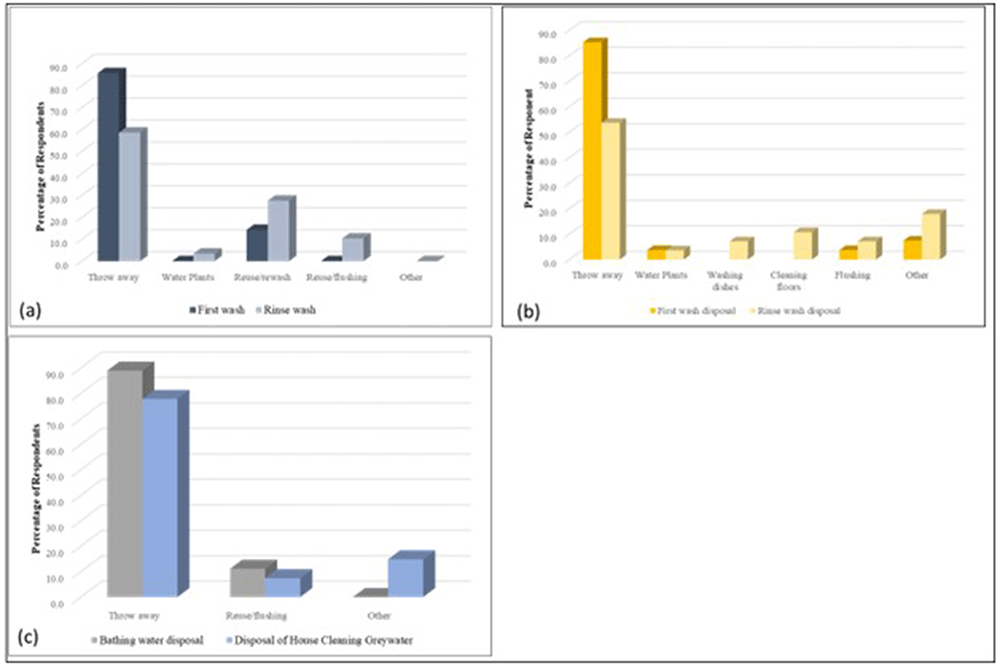
Figure 8. Reflections on disposal of greywater.
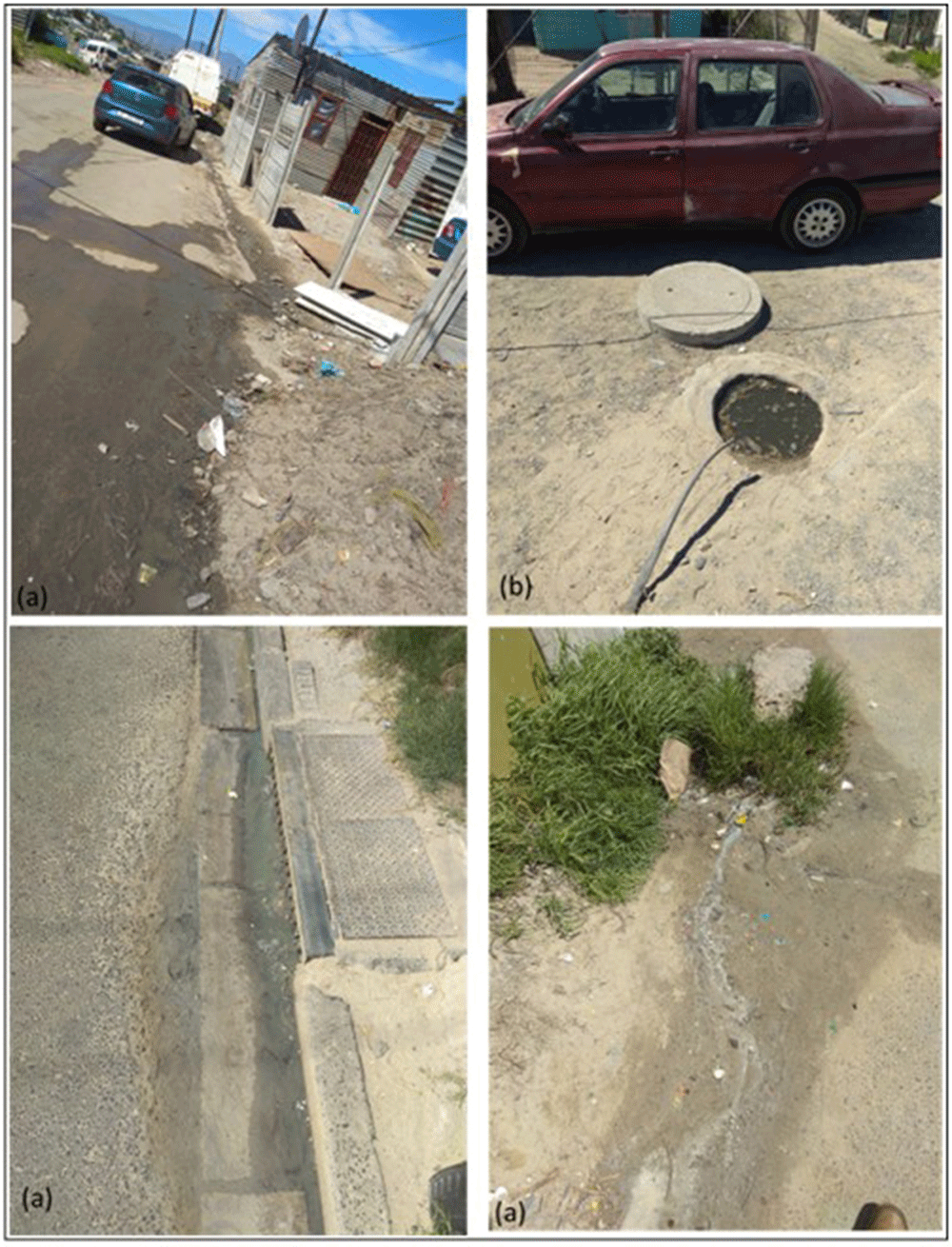
Figure 9. Disposal of greywater in the study area.
Discussions
Main sources of greywater in the household
In the current study, it was determined that bathing (washing basin), laundry (washing/bathing basin and buckets), washing kitchen utensils (dish washing basin), and cleaning the house (using buckets) are the main sources of greywater generated from households under study. The other water collected is used for drinking and cooking, which has no outcome and can only be counted as water lost (Carden et al., 2007c). Based on the frequency and number of respondents per household, bathing generates most of the greywater effluent produced, followed by the water used for laundry. This is followed by washing the kitchen utensils and cleaning water (mopping of floors). The choice of ‘which sources to include is a balance between the water available and the level of pollution contained within it’ (Jefferson et al., 2004).
Volume of greywater produced per household
The type and level of service provision, particularly for informal settlements, the positioning of standpipes in accordance with the occupants’ households, influences the amount of water collected daily, and thus the amount of water consumed. The consumption of water in particularly, ‘is influenced by factors such as the number of occupants, the age distribution of the occupants and their lifestyle characteristics, water-usage patterns, the cost of water and the climatic conditions’ (Jordan, 2006).
In this study, it was observed that households with more people/occupants, including infants, toddlers, and young children, use more water than households dominated by adults. This is because children less than 10 years old are frequently bathed twice a day, and their laundry is done more frequently, which has been noted twice a week or at least weekly compared to households with only and mostly adults who have pointed out that they do their laundry in a two-week cycle or once a month.
Thus, it can be assumed that all water used in non-sewered areas ends up as greywater effluent, with the exception of cooking, drinking water, and water left on the surfaces of washed items, owing to the absence of proper measuring mechanisms that will be able to properly account for water usage if there are water meters in place (Bakare et al., 2016). During the collection of data using survey questionnaires, it was found that a majority of people use between 20 L and 50 L of water per day; however, in the general absence of a metering system, this cannot be accurately a true reflection of the total water used from the reticulation system and taking into consideration that leaks/ spillage is not accounted for.
Disposal of greywater sources
The research also focused on obtaining a background on the disposal of each of the greywater sources generated within the household of the study area. From the observations made and the data collected, the current disposal of greywater is achieved by throwing it out on the streets. In some areas, stormwater channels with a kerb inlet are able to convey and transfer greywater into an underground channel that should feed into the municipal system. The drawback is that such mechanisms are not widely available in the study; hence, people prefer to simply dispose of water anywhere and anyhow. Even the present stormwater systems were noted to have been blocked and overflowing during the data-collection phase. Only a few people practice sustainable ways of disposing of greywater, and it has been established that some respondents do use greywater to flush the toilet, and such people are found in proximity to the toilets.
From the open-ended questions in the survey questionnaire, it was found that people preferred to throw away their bathing and laundry water. As a result, it has been evident that in order to offset freshwater use, to promote reuse of greywater, and to properly dispose of greywater, people need to be educated more about the different types of greywater effluent and the extent to which they can be re-used instead of simply disposing it on the streets. The random disposal of greywater raises a concern thus ‘that greywater disposal in densely settled non-sewered areas is likely to result in significant health and environmental impacts, particularly in urban environments where large volumes of greywater are generated’ (Carden et al., 2007a). Greywater, which excludes toilet wastewater (black water), refers to greywater from showers, baths, washing basins, hand basins, laundry, kitchen, and house cleaning.
Sustainably reuse of greywater around the household
The study also asked questions about how to reuse greywater effluent sustainably in informal settlement households for domestic purposes. This is because the reuse of greywater effluent offers another means of relieving pressure on freshwater supplies. Global water reuse is mostly promoted in arid/semi-arid regions, such as Cape Town. This is also because greywater reuse has the ability not only to offset freshwater but also to provide a reliable water service for remote or environmentally sensitive areas, assists in the mitigation of rising costs of meeting drinking water treatments and waste discharge standards, lowers sewage discharge to water bodies, assists with the recovery of nutrients for agriculture, groundwater recharge, sustainable water resource management, and lower water tariffs (Bakare et al., 2016; Ilemobade et al., 2013).
Residents of the study area do not seem to be well informed about the reuse of greywater and its benefits. Only a handful of people make use of the greywater within the settlement. Particularly, it has been observed that education and socio-economic statuses are one of the biggest elements that play a significant role in this regard. From a broad perspective, several factors guide the reuse of greywater effluents. Such factors include the volume of greywater produced, organic strength, energy requirements, reuse applications, socioeconomic factors, geographic location, and acceptability by the public (Edwin et al., 2014). Thus, the quality of greywater is highly variable and depends largely on the household in which it is generated, the number of people living in that particular household, their lifestyle, and age.
This means that if the volume of greywater generated exceeds the reuse, the amount of reuse that can lower the consumption of freshwater is significantly lower, as people prefer to use clean drinking water for functions that do not necessarily need it. Such functions vary according to the type of greywater; for instance, laundry rinse water can be kept for flushing toilets, cleaning houses, watering gardens (irrigation), and car washing facilities (Edwin et al., 2014). It has been noted that greywater reuse for flushing toilets and irrigation in South Africa can reduce the consumption of clean water for those activities by up to 50% (Kotze, 2018). In an international context, it has been mentioned that the most commonly prescribed application for greywater reuse is toilet/urinal flushing, which can reduce water demand within a dwelling by up to 30% (Karpiscak et al., 1990). The success of reusing greywater in the household for the area generally depends on the resident’s acceptance. The role of the public is an important aspect in the development and implementation of any reuse mechanism and technologies innovated in the area.
In the presence of sophisticated means, greywater can be treated as there have been scientific developments that allow the treatment of greywater for use in non-portable water reuse applications such as gardening, irrigation, and toilet flushing from a broader perspective, taking into consideration that there should be a reticulation system that collects all wastewaters to a wastewater treatment plant or devising some form of on-site treatment where possible and/or allowed (Edwin et al., 2014). Another important point to consider in the greywater reuse sphere is that greywater cannot be stored for a longer period, as it can lead to changes in its chemical and microbiological composition, which generally entails an increase in its pollution load (Carden et al., 2007c). This fact is well documented, as it was also supported by Winward et al. (2008), who stressed that one thing that is well established is the fact that greywater intended for treatment and reuse should not be stored for longer periods of time as this encourages the growth of microbial population present in it. It has been found that greywater, when stored, must be at least used within two–three days to avoid the development of pathogens before it reaches the anaerobic stage (Ghunni et al., 2008). Bathing greywater from households with children is not safe because there is the potential of it consisting of higher counts of coliforms from fecal matter, and this also applies to laundry water associated with washing children’s clothes (Rose et al., 1991). Therefore, residents must avoid reusing greywater effluents. Thus, in households that have infants and small children, the greywater generated is said to contain high counts of feces and urine. Such greywater content is not safe for reuse as it poses the potential for contaminants that can compromise the health of the occupants of that household (Kotze, 2018).
The greywater effluent produced from kitchen-related activities, especially washing kitchen utensils and food, also contains organic material, oils, and fats, which require complex and expensive biological treatment to meet reuse standards (Morel & Diener, 2006; Ottoson & Stenstrom, 2003; Palmquist & Hanaeus, 2005; Paulo et al., 2013 as cited in Shafiquzzaman et al., 2018). Thus, kitchen greywater is not suitable for reuse, as it is considered to have high organic strength. Greywater can be used for the irrigation of certain plants, but it must be noted that not all plants can be irrigated with greywater as it can have an effect in reducing its yields, and it is not recommended for plants with vegetables and fruits that may encounter greywater. Moreover, the long-term use of greywater irrigation for soil conditions is unknown, and further research is required in this particular area. The application of greywater above plant requirements and/or changing greywater irrigation events with freshwater watering events has the potential to increase the leaching of salts found in greywater (Lubbe et al., 2016). Nevertheless, the active promotion of greywater use for irrigation in gardens and small-scale agriculture would have the potential not only to maximize the use of limited water supplies but also to improve food security in low-income settlements.
Estimated daily greywater generation: Model proposed for the study
In this equation, each component of greywater generation was calculated and summed to obtain the total estimated daily greywater generation in an urban informal settlement. The model considers the following variables and inputs:
Variables
(Gb): Gray water from bathing (liters per day)
(Gk): Greywater from washing kitchen utensils (litres/day)
(Gl): Greywater from laundry (litres/day)
(Ghc): Greywater from cleaning floors of houses (liters per day)
(Gx): unknown greywater source (litres/day)
The equation for estimated daily greywater generation (G total generation) (Gg) can be formulated as follows:
Where:
Gg is the total greywater generation in the household.
n is the index of summation ranging from 1 to x
Gn is the term in each index (e.g., G1=Gb)
Negative impacts of unmanaged greywater
Improper greywater management can lead to a variety of health concerns, including mosquito breeding (from ponding of greywater), contamination of drinking water supplies, and odors from stagnant water. There is also a risk of transmitting waterborne diseases if the greywater has been cross-contaminated with fecal waste’ (Carden et al., 2007c). As greywater effluent is represented by the majority of wastewater streams in informal settlements, it needs to be managed in an environmentally friendly and responsible way to minimize any negative health impacts on the surroundings. The idea in this instance is to adopt ecologically sustainable development principles that will ensure that greywater effluent will not pose any threat to human health and simultaneously contribute to offsetting the use of clean/portable drinking water that will promote a sustainable water supply (Jordan, 2006). It is well known that unmanaged greywater effluent that creates pondering attracts flies and mosquitoes, has a bad odor, and is generally a nuisance (Carden et al., 2007b). In the study area, there is no real provision for the disposal of greywater; thus, the occupants opted to throw water on the streets.
The study area is characterized by the disposal of greywater effluent on the streets. The sight of such activities generally does not have a good appearance or aesthetic value in the area. Moreover, the continuous disposal and lack of greywater management facilities creates pondering in the streets and poses an environmental health risk, particularly for children. Kotze (2018) indicated that greywater pathogens have the potential to cause disease when people come in direct contact with the water, or when the water is utilized for irrigation of home food gardens with the consumption of those products that were irrigated by it. This has also been supported by Carden et al. (2007b), that ‘it must be noted that greywater has the potential to transmit diseases specifically to children and residents with a compromised defense system such as HIV/AIDS patients. The pondering of greywater poses a health risk because of its ability to attract flies and mosquitoes. Moreover, during wet seasons, such pondering is mixed with stormwater, creating a bad odor. The pondering of greywater also has the ability to contaminate groundwater resources, especially in areas with poorly grained soils where the water table is close to the surface (Carden et al., 2007a).
However, little is known about the use of greywater for irrigation because the pollution effects of various detergents are still yet to be properly established, especially in areas where people do not have waterborne services (non-sewered) settlements (Carden et al., 2007c). Greywater is generally considered to be harmful to certain species of plants in that one of the other negative effects of greywater effluent used for irrigation is that it inhibits plant growth and has been said to have the ability to change soil characteristics. Therefore, the use of greywater poses significant potential risks to both human health and the environment (Kotze, 2018). Thus, the reuse of greywater is subject to strict guidelines obtained from individual states.
Benefits of household greywater reuse in informal urban settlements
Household greywater reuse in informal urban settlements can provide several benefits to both residents and the environment. Reusing greywater can lead to significant savings in water bills and pressure from municipalities. Informal settlements often have limited access to clean water, and reusing greywater can reduce the demand for freshwater and save money for residents. Greywater reuse promotes sustainable water management by reducing strain on local water sources. This is particularly important in areas with water scarcity or unreliable water supply, such as the Western Cape Province, which is dominated by an arid Mediterranean region. These regions are prone to droughts, and greywater reuse can help informal settlements become more resilient to water shortages and provide a backup water source during dry periods. By reusing greywater, the amount of wastewater discharged into water bodies or the environment can be reduced. This can help prevent pollution, protect local ecosystems, reduce the spread of diseases, and improve sanitation. The treatment and distribution of freshwater require energy. Using treated greywater for non-potable purposes, such as irrigation or flushing toilets, can save energy and reduce the carbon footprint of water-supply systems. Finally, implementing greywater reuse systems provides an opportunity to educate residents about water conservation, sustainable practices, and the importance of environmental protection.
Challenges to sustainable use of greywater for households in informal urban settlements
While there are several benefits of reusing greywater in informal urban settlements, there are also several challenges that can make the sustainable use of greywater more difficult in these settings. Rodda et al. (2011) cited that the legal status of greywater use from a South African perspective in terms of the National Water Act (NWA) and National Building Regulations and Building Standards Act (NBR) needs to be clarified at the national level. Currently, greywater use falls outside the framework of existing laws governing water and wastewater. There is also a lack of awareness and capacity among municipalities with respect to greywater (Rodda et al., 2011). The challenges associated with greywater management in informal urban settlements can be attributed to the institutional functions of water service delivery and an ambiguous greywater policy. Informal settlements often lack the infrastructure necessary to collect, treat, and distribute greywater. Residents in informal settlements may not have the technical knowledge or resources to implement and maintain greywater-reuse systems. Proper treatment and maintenance are crucial to ensuring the safety and quality of reused water. Greywater can contain contaminants such as pathogens, chemicals, and organic matter. Without proper treatment, using untreated greywater can pose health risks, particularly when it encounters people or food. Cultural norms and practices may influence residents’ acceptance of and willingness to adopt greywater reuse. Perceptions of water quality, hygiene, and privacy may affect the use of greywater for various purposes by households in settlements, as noted in the study. Effective community engagement and education are essential to the success of greywater reuse initiatives. However, mobilizing and educating residents in informal settlements can be challenging for governments and municipalities, as noted in a study on perceptions of participants regarding the use of greywater. Greywater use has the greatest potential, including greywater collection, treatment, and use in the planning of new settlements or alterations to existing housing developments (Rodda et al., 2011).
Conclusion
This study revealed that residents of the settlement do not necessarily care about greywater management. To promote the reuse and sustainable disposal of greywater, the event must be threefold. First, local authorities need to invest in mechanisms that will be able to manage greywater effluent, which includes mobilizing and educational initiatives. Second, the planning and implementation of greywater initiatives must be on a local scale, supported by municipalities and governments. In return, this will change the attitudes of the people who are meant to make use of such initiatives for better water sustainability. Changing perceptions is the starting point in which both the residents and local authorities can cooperate with the management of a successful greywater management mechanism to alleviate greywater disposal problems in a specific settlement. Thus, there is no greywater management initiative that can be taken elsewhere and applied universally. Lastly, the challenges associated with greywater management in informal urban settlements can be attributed to the institutional functions of water service delivery and an ambiguous greywater policy.
The study has demonstrated that socio-economic status and education level have reciprocal effects on communities’ understanding of environmental issues, that is, greywater management aspects. Moreover, this study has shown that education can clearly transfer a good image to the community and may also assist in altering the community’s way of thinking. It is very important to enforce and kick-start an initiative to avoid any risks that are associated with health of the residents and the environment they are currently living in, thus eliminating inappropriate disposal, and providing means to sustainably reuse greywater effluent is the key. Consequently, municipalities must endorse such initiatives and incorporate the community into their successful operations and maintenance. Addressing the challenges of greywater management requires a multifaceted approach involving technical solutions, community involvement, capacity building, and policy support. It is crucial to tailor greywater reuse systems to the specific needs and conditions of informal settlements and promote sustainable practices that are culturally and socially acceptable. Partnerships with NGOs, government agencies, and local organizations can play a significant role in overcoming these challenges and promoting the sustainable use of greywater in informal urban settlements.
Ethics and consent statement
This study was conducted in accordance with the ethical standards of the Cape Peninsula University of Technology (CPUT) Ethical Review Committee and City of Cape Town Municipality. Ethical approval for this study was obtained from the CPUT Ethics Committee (reference number: 217034721/08/2019 dated 28/8/2019).
Informed consent was obtained from all the participants. Participants were provided with detailed information about the purpose of the research, procedures involved, potential risks and benefits, and their rights as participants.
Data availability statement
Zenodo: Remarks on sustainable disposal and potential reuse of greywater in an informal urban settlement, Cape Town, South Africa, https://doi.org/10.5281/zenodo.13220435 (Malaza et al., 2024)
This project contains the following underlying data:
The Dataset contains: 1 Excel file providing the results of the questionnaire.
Creative Commons Attribution 4.0 International
Extended data
Dataset related to the report “Remarks on sustainable disposal and potential reuse of greywater in an informal urban settlement, Cape Town, South Africa”.
https://doi.org/10.5281/zenodo.13220435 (Malaza et al., 2024)
This project contains the following extended data:
Acknowledgements
The authors acknowledge the support received from the Cape Peninsula University of Technology, Cape Town, South Africa, and appreciate the participants of this study for their time. Mfundo Masuku, Lindelani Qwabe, and Lawrence Madikizela are acknowledged for their time reviewing the article.
Faculty Opinions recommendedReferences
- Bakare BF, Mtsweni S, Rathilal S:
A pilot study into public attitudes and perceptions towards greywater reuse in a low cost housing development in Durban, South Africa.
J Water Reuse Desalin.
2016; 6(2): 345–354. Publisher Full Text
- Carden K, Armitage N, Winter K, et al.:
The use and disposal of greywater in the non-sewered areas of South Africa: part 1 - quantifying the greywater generated and assessing its quality.
Water SA.
2007a; 33(4): 425–432. Publisher Full Text
- Carden KA, Sichone O, Winter K:
The use and disposal of greywater in the non-sewered areas of South Africa: part 2 - greywater management options.
Water SA.
2007b; 33(4): 433–442. Publisher Full Text
- Carden K, Armitage N, Winter K, et al.:
Understanding the use and disposal of greywater in the non-sewered areas in South Africa. Cape Town: Water Research Commission. WRC Report No. 1524/1/07, 2007c. Reference Source
- Edwin GA, Gopalsamy P, Muthu N:
Characterization of domestic Gray Water from point source to determine the potential for urban residential reuse: a short review.
Appl Water Sci.
2014; 4: 39–49. Publisher Full Text
- Ghunni A, Zeeman L, van Lier G, et al.:
Quantitative and qualitative characteristics of grey water for reuse requirements and treatment alternatives: the case of Jordan.
Water Sci Technol.
2008; 58(7): 1385–1396. PubMed Abstract
| Publisher Full Text
- Herries E, Schutte K, Silvia J, et al.:
Economic redevelopment in Monwabisi Park, Cape Town. BSc thesis. Worcester Polytechnic, USA, 2009. Reference Source
- Ilemobade AA, Olanrewaju OO, Griffioen ML:
Greywater reuse for toilet flushing at a university academic and residential building.
Water SA.
2013; 39(3): 351–360. Publisher Full Text
- Jefferson B, Palmer A, Jeffrey P, et al.:
Grey water characterisation and its impact on the selection and operation of technologies for urban reuse.
Water Sci Technol.
2004; 50(2): 157–164. PubMed Abstract
| Publisher Full Text
- Jordan A:
Overview of greywater management: health considerations. Egypt: World Health Organization. WHO-EM/CEH/125/E, 2006. Reference Source
- Karpiscak MM, Foster KE, Schmidt N:
Residential water conservation.
Water Resour.
1990; 26(6): 939–948.
- Kotze P:
Water reuse: guidelines pave the way for safe use of greywater.
The Water Wheel.
2018; 17(5): 20–23. Reference Source
- Lubbe E, Rodda N, Sercshen N:
Effects of greywater irrigation on germination, growth and photosynthetic characteristics in selected African leafy vegetables.
Water SA.
2016; 42(2): 203–212. Publisher Full Text
- Ludwing A:
Grey water central. Santa Barbara, Califonia: Oasis Design Press. 1997. Reference Source
- Morel A, Diener S:
Greywater management in low and middle-income countries, review of different treatment systems for households or neighbourhoods. Dübendorf, Switzerland: Swiss Federal Institute of Aquatic Science and Technology, 2006. Reference Source
- Ottoson J, Stenstrom TA:
Faecal contamination of greywater and associated microbial risks.
Water Res.
2003; 37(3): 645–655. PubMed Abstract
| Publisher Full Text
- Palmquist H, Hanaeus J:
Hazardous substances in separately collected grey- and blackwater from ordinary Swedish households.
Sci Total Environ.
2005; 348(1–3): 151–163. PubMed Abstract
| Publisher Full Text
- Paulo PL, Azevedoc C, Begosso L, et al.:
Natural systems treating greywater and blackwater on-site: integrating treatment, reuse and landscaping.
Ecol Eng.
2013; 50: 95–100. Publisher Full Text
- Republic of South Africa: The Constitution of the Republic of South Africa, 1996 (Act No. 108 of 1996). Pretoria: Government Printer, 1996. Reference Source
- Republic of South Africa (RSA):
National Water Act, Act No. 36 of 1998. Pretoria, South Africa: Government Printer, 1998. Reference Source
- Rodda N, Carden K, Armitage N, et al.:
Development of guidance for sustainable irrigation use of greywater in gardens and small-scale agriculture in South Africa.
Water SA.
2011; 73(5): 727–737. Publisher Full Text
- Rose JB, Sun GS, Greda CP, et al.:
Microbial quality and persistence of enteric pathogens in graywater from various household sources.
Water Res.
1991; 25(1): 37–42. Publisher Full Text
- Shafiquzzaman M, Haider H, AlSaleem SS, et al.:
Development of consumer perception index for assessing greywater reuse potential in arid environments.
Water SA.
2018; 44(4): 771–781. Publisher Full Text
- Social Justice Coalition:
Monwabisi Park (Endlovini) social audit. 2016; (assessed 16 July 2020). Reference Source
- Statistics South Africa:
Census. Pretoria: Government Printer: Statistics South Africa, 2011. Reference Source
- Winward GP, Avery LM, Stephenson T, et al.:
Chlorine disinfection of grey water for reuse: effect of organics and particles.
Water Res.
2008; 42(1–2): 483–491. Publisher Full Text
- Wood A, Uchranska W, Valashiya G:
Greywater management in dense, informal settlements in South Africa. Pretoria, South Africa: WRC Report No 767/1/01, 2001.