Introduction
The digitalization of small and medium sized enterprises (SMEs) has been recognized as a crucial tool towards their economic growth and competitiveness in the global market (Thrassou et al., 2020). SMEs are recognized as the backbone of economies, contributing significantly to employment, innovation, and overall economic stability. The acceptance and integration of digital technologies, known as digitalization, have the potential to transform SMEs operations and enable them to effectively compete globally (Priyono et al., 2020). For emerging market countries, and especially those categorized as rapidly growing such as Malaysia and Poland, digitalization represents a powerful tool for SMEs; however, the argument for SME digitalization has faced significant challenges such as slow urbanization, limited internet accessibility (Kuczewska et al., 2023).
Despite the significant opportunity evidenced for SMES, the link evidenced between academic research and research impact through varied platforms (Jordan, 2023; Penfield et al., 2014), and the need for research on digitalization being highlighted in both countries (Klein & Todesco, 2021), there is a clear discrepancy in the research outputs of both countries (Kuczewska et al., 2023; Mieszajkina & Mysliwiecka, 2022).
By conducting a bibliometric analysis, researchers aim to establish a solid foundation for policymakers, industry practitioners, and researchers interested in SMEs digitalization in Malaysia and Poland (Khalil et al., 2022). The analysis also aims to raise awareness of the challenges and opportunities in the dynamic landscapes of SMEs digital transformation in these countries, stimulating future initiatives.
The structure of the paper is as follows. First, the literature is reviewed. Then, we present the research method and materials used in the paper. In the next section the results are drawn both for Malaysia and Poland. At the end of the paper, we deliver the discussion and conclusions of our research.
Research and theoretical background
Research on digitalization of SMEs
Digitalization is recognized as one of the most critical trends impacting both society and business. It involves the adaptation or expansion of digital technology across organizations, industries and countries. In addition, digitalization has become the hallmark of the modern era, influencing economy, environment and culture (Shpak et al., 2019). Digitalization represents shifts related to the use of digital technology in all aspects of human society (Parviainen et al., 2017). Digitalization also entails transforming existing products or services into digital formats, thereby offering benefits over tangible products (Henr Henriette et al., 2015).
The digitalization of SMEs has gained noteworthy attention in recent years due to its potential for economic growth and competitiveness (Thrassou et al., 2020). SMEs play a crucial role in driving employment, innovation, and overall economic stability (Stouraitis, 2017; Thrassou et al., 2020). The COVID-19 pandemic has further emphasized the significance of digital transformation for SMEs resilience and survival. SMEs that were able to adapt and leverage digital technologies were better prepared to circumnavigate the challenges posed by the crisis (Rahim et al., 2022). Understanding the role of digital transformation in enhancing SME resilience in Malaysia and Poland can provide valuable insights for future crisis preparedness (Bollweg et al., 2020; Kuczewska et al., 2023). Moreover, aligning SMEs with megatrends and global market demands is crucial for their long-term sustainability and growth. Malaysian SMEs, for example, need to align their policies and strategies with megatrends to provide value-added services, innovative products, and high-quality offerings (Tsanis & Stouraitis, 2022).
Research context
Malaysia and Poland are both emerging economies with a growing SME sector. STATS Understanding the digitalization efforts in these countries can provide insights into the challenges and opportunities faced by SMEs in similar contexts (Kumar et al., 2020).
Malaysia and SMEs
The definition for SMEs approved by the National SME Development Council (NSDC) has been adopted across ministries, financial institutions and regulatory agencies engaged in SME development efforts since 2013. According to the 11th Malaysia Plan 2016, SMEs in Malaysia have historically comprised 98.5% of all establishments, primarily within the Services Industry (89.2%), Manufacturing Industry (5.3%) and Construction Industry (4.3%). In addition, Malaysia’s National E-Commerce Strategic Roadmap seeks to enhance SMEs contribution to the GDP, with a target of reaching RM211 billion by 2020. The roadmap focuses on accelerating e-commerce adoption among sellers promoting national brands to boost more exports.
In Malaysia, the government has recognized the importance of digitalization for SMEs and has implemented initiatives such as the Digital Free Trade Zone (DFTZ) to facilitate SMEs' global expansion (Chin et al., 2023). Malaysia is classified as an “emerging” economy by most analysts — from the IMF to the Dow Jones index ranking 21st in Nominal GDP with an expected incremental GDP on the rise (Amoah et al., 2022). The perceived importance of SMEs to the growth of Malaysia’s economy is evidenced by the sheer amount of supporting mechanisms and policies that exist for entrepreneurs, including funding, physical infrastructure, and business advisory services (Ariff & Abubakar, 2003; United Nations Development Programme, 2020).
Poland and SMEs
Poland is classified both as an “emerging” economy by most analysts — from the IMF to the Dow Jones index ranking 21st in Nominal GDP with an expected incremental GDP on the rise (Amoah et al., 2022) but also an “Emerged” economy by others recently (Lee et al., 2023). SMEs represents the largest business segment in both Poland and the European Union. Furthermore, their number has been progressively rising in recent years. In Poland, their recent share in the entire number of enterprises is 99.8%, in line with the EU average. However, the structure of this sector in Poland shows a greater prevalence of smaller, micro-level firms compared to the EU average, with 94.9%of Polish firms falling into this category versus 93.0% across the EU. In contrast, Poland has slightly lower proportion of small (4.2% compared to 5.9%) and medium-sized firms (0.7% versus 0.9%) (PARP, 2022).
This can show that numerous SMEs do not grow and fail to convert into medium and large enterprises (Fundacja Warsaw Enterprise Institute, 2017). This is particularly true of small businesses employing 10 to 49 staff. These firms, marked by low innovations, contribute the least to GDP generation and job creation among all enterprise categories. The transition of enterprises from the small to medium scale is obstructed by multiple obstacles of an exogenous and endogenous nature (Mieszajkina, 2020).
Digital activity in Malaysia
The 2017/2018 annual report by SME Corp Malaysia (2018) acknowledges the critical role of digitalization in enhancing the business landscape. SMEs specifically fosters opportunities for skill development, expanding employment prospects, and accelerating innovation.
Digital activity in Poland
Polish SME demonstrate relatively low levels of digital engagement. While it is evident that the use of ICT is essential, their application predominantly involves basic operational and business tools that do not necessitate advanced digital. Overall local digital competences are at a low level and in need of enhancement. Similar to SMEs worldwide, there is a clear lack of funding among Polish SMEs for investments in ICT and computer equipment, employee training, recruitment of highly qualified IT specialists, and engagement with IT and consulting services. SMEs recognize that they stand to gain significant benefits through digitalization, have no major concerns and comprehend that this is an unavoidable process (Mieszajkina & Mysliwiecka, 2022).
Exploring the digitalization efforts in Malaysia and Poland can provide insights into how SMEs can align with these megatrends and enhance their competitiveness. The role of leadership, entrepreneurial orientation and organizational alignment in driving digital transformation in SMEs is another important aspect to consider (Stouraitis et al., 2022). E-leadership and strategic alignment have been identified as critical factors for successful digital transformation in SMEs. Understanding the role of leadership and organizational alignment in the digitalization efforts of SMEs in Malaysia and Poland can provide guidance for effective implementation strategies.
Furthermore, studying the impact of digitalization on the sustainability and performance of SMEs in Malaysia and Poland is crucial (Broccardo et al., 2023; Dana et al., 2022). The COVID-19 pandemic has had a significant impact on SMEs, with many facing challenges and discontinuing their operations (Jaish et al., 2023). Exploring the relationship between digitalization and sustainability can provide insights into how SMEs can adapt and thrive in the face of disruptions. Additionally, understanding the factors influencing the adoption and implementation of digital technologies in SMEs is essential. Critical success factors, such as managerial competencies, organizational culture, and technological readiness, play a crucial role in the successful implementation of digitalization initiatives. Examining these factors in the context of SMEs in Malaysia and Poland can provide insights into the barriers and enablers of digitalization. The digitalization of SMEs also has implications for market orientation (Shaltoni et al., 2018), stakeholder engagement, and supply chain collaboration (Liu et al., 2022). SMEs need to leverage digital technologies to enhance their market orientation, engage stakeholders effectively, and collaborate with supply chain partners. Exploring these aspects in the context of SMEs in Malaysia and Poland can provide insights into the strategies and practices that can drive digitalization and improve business performance (Yuen, 2023).
In conclusion, studying the digitalization of SMEs in Malaysia and Poland is important due to the unique challenges and opportunities faced by SMEs in these countries. Understanding the impact of digitalization on SMEs resilience, sustainability, performance, and internationalization can provide valuable insights for policymakers, researchers, and practitioners.
Furthermore, examining the factors that influence the adoption and implementation of digital technologies can inform the development of effective strategies and initiatives to support SMEs in their digital transformation efforts.
Research questions
RQ1: How has the literature on Malaysia and Poland developed in terms of publication volume, methodologies, and leading journals, and where are the research gaps that warrant further exploration?
RQ2: What are recurring themes within SMEs digitalization that are considered significant for Polish and Malaysian research?
RQ3: What can we theorize from the themes in terms of the state of the Polish and Malaysian digital SME ecosystem?
Methods
To examine the distribution patterns of research publications in specific themes and time periods, this investigation employed bibliometric, quantitative, and statistical as in by Lim and Kumar (2023), Caputo et al. (2021) and Bužavaitė et al. (2019). This investigation applied bibliometric, quantitative, and statistical analyses to assess the distribution patterns of research publications across specific themes and time periods. Following methodologies adapted from Lim and Kumar (2023), Caputo et al. (2021), and Bužavaitė et al. (2019), the study involved citation analysis and keyword grouping, with careful attention to controlling bias through data validation and timeframe selection. Bibliometric techniques, including citation analysis and keyword grouping, can provide a comprehensive overview of the scholarly literature on the digitalization of SMEs in Malaysia and Poland (Lim & Kumar, 2023). These techniques can identify prevailing research themes and trends over time, as well as influential authors, institutions, and publications in the field. Clustering techniques can also be employed to identify closely related terms, offering a nuanced understanding of the multifaceted nature of SMEs digitalization in these countries. Citation analysis can assess the impact of seminal publications and identify the most influential papers that have shaped subsequent research in the field. Bibliometric analysis has been extensively employed in various business studies, encompassing business strategy, electronic commerce, finance, human resources, management, and marketing, to evaluate the intellectual structure of a specific subject, track trends in article and journal performance, and scrutinize research attributes (Goyal & Kumar, 2020). The data utilized in this study was sourced from the open-source database Lens.org, which consolidates information from multiple primary sources and includes persistent identifiers from the original data sources to ensure transparency and facilitate integration and amalgamation with other data. This approach guarantees the dependability and accessibility of the data employed in the analysis (van Eck & Waltman, 2010).
Used databases and search engines
The selected studies were subsequently analyzed using open-access software programs such as VOSviewer (https://www.vosviewer.com/) and Lens.org (https://www.lens.org/) as in similar work on SMEs (e.g., Bužavaitė et al., 2019). VOSviewer is a valuable instrument for visualizing bibliometric networks and assessing their interconnectedness (van Eck & Waltman, 2017). The adoption of bibliometric analysis and quantitative methodologies permits a methodical and objective exploration of the distribution patterns of research publications within the specified themes and time periods. By utilizing these methodologies, this investigation guarantees a comprehensive and rigorous analysis of the literature on digitalization in SMEs in Malaysia and Poland.
Data analysis
On September 14, 2023, an exhaustive search was conducted, resulting in 162 entries with the phrase "(digitalization OR digitalisation) AND (SME OR small firm) AND Malaysia" and 42 entries with the phrase "(digitalization OR digitalisation) AND (SME OR small firm) AND Poland".
Descriptive results: mapping the state of the literature
Number of publications
When making a comparison between the total number of publications (Table 1), it is evident that Malaysia greatly surpasses Poland. Specifically, Malaysia has a substantial total of 162 publications, indicating a strong output in research. On the other hand, Poland only has 42 publications. This notable difference suggests that Malaysia possesses a significantly larger volume of research publications, which may be indicative of a more extensive and diverse research community, higher levels of research funding, or broader research interests. Gaining an understanding of this contrast in the total number of publications can offer valuable insights into the research landscapes and priorities of these two countries. In terms of journal articles, both Malaysia and Poland exhibit a noteworthy commitment to academic research. Specifically, Malaysia contributes 91 articles, accounting for 56% of its total publications, while Poland offers 24 articles, representing 57% of its total publications. These figures underscore the significance of journal articles in the scholarly endeavors of both nations.
Table 1. Number of publications in Malaysia and Poland (by document and source type).
| Malaysia | Poland |
|---|
| Journal Article | 91(56%) | 24 (57%) |
| Book Chapter | 26 (16%) | 6 (14%) |
| Conference Proceedings | 4 (2%) | 1 (2%) |
| Others | 41 (24%) | 11 (27%) |
| Total Publications (TP) | 162 | 42 |
Distribution of publications overtime
In the examination of the table illustrating the total number of publications in Malaysia and Poland from 2000 to 2023 (Table 2), a multitude of noteworthy patterns and disparities come to light. Firstly, it is evident that both countries have experienced a consistent upward trajectory in the quantity of publications, indicating the presence of active research communities in these regions. However, a notable discrepancy becomes apparent when comparing the total number of publications, as Malaysia consistently surpasses Poland.
Table 2. Total number of publications in Malaysia and Poland by year.
| Year | Malaysia
Total
Publication
(TP) | Poland
(Total
Publication) |
|---|
| 2000 -2010 | 11 | 5 |
| 2011 | 3 | 0 |
| 2012 | 3 | 0 |
| 2013 | 2 | 5 |
| 2014 | 4 | 1 |
| 2015 | 2 | 0 |
| 2016 | 4 | 1 |
| 2017 | 8 | 4 |
| 2018 | 7 | 3 |
| 2019 | 21 | 2 |
| 2020 | 18 | 2 |
| 2021 | 24 | 5 |
| 2022 | 24 | 9 |
| 2023 | 30 | 5 |
Malaysia's research output, though relatively modest in the earlier years (with only 11 publications from 2000 to 2010), has demonstrated significant growth starting from 2011, with particularly remarkable increases observed from 2017 onwards. By the year 2023, Malaysia has recorded a substantial 30 publications, which serves as an indication of a flourishing research environment and potentially heightened investment in research and development. On the contrary, Poland's publication trends display sporadic variations. The country exhibited relatively few publications in the earlier years, with no contributions observed in 2011 and 2012. Despite some slight increments in the subsequent years, Poland continued to experience periods with limited or no publications. However, a noticeable surge occurred in 2022, with a total of nine publications, suggesting the possibility of improvements in research output.
Distribution in main journals
Table 3 highlights the most active publishing sources in Malaysia and Poland. In Malaysia, the "Asian Journal of Accounting and Governance," "Digitalization and Development," "International Journal of Academic Research in Business and Social Sciences," and "Journal of Petroleum Technology" each have three publications. On the other hand, in Poland, "Emerald Publishing Limited eBooks," "OECD Economics Department Working Papers," and "SSRN Electronic Journal" each contribute two publications. This data showcases the sources that have been particularly productive in terms of publications in both countries.
Table 3. Top active publishing.
| Malaysia | Poland |
|---|
| Source title | Total
Publication
(TP) | Source title | Total
Publication
(TP) |
|---|
| Asian Journal of Accounting and Governance | 3 | Emerald Publishing Limited eBooks | 2 |
| Digitalization and Development | 3 | OECD Economics Department
Working Papers | 2 |
International Journal of Academic Research
in Business and Social Sciences | 3 | SSRN Electronic Journal | 2 |
| Journal of Petroleum Technology | 3 | | |
| Social Science Research Network | 3 | | |
Citation analysis
In the field of citation analysis, we find the top highly cited articles from Malaysia (Table 4) and Poland (Table 5). In Malaysia, the most influential publications include "Digital technology, digital capability and organizational performance" by Sabai Khin and Theresa Cf Ho with 224 citations, "Bridging the Digital Divide in Southeast Asia" by Frank B Tipton with 44 citations, and other notable works. On the other hand, in Poland, top citations are associated with articles like "The digitalization in EMAS-registered organizations" by Rossella Canestrino and others with 8 citations, "Do clusters matter for foreign subsidiaries in the Era of industry 4.0?" by Barbara Jankowska and colleagues, and several more. These highly cited articles showcase the significant impact of research in the digitalization and innovation domains in both countries.
Table 4. Top highly cited articles (Malaysia).
| No. | Authors (Year) | Title Source | Source | TC |
|---|
| 1. | Sabai Khin, Theresa Cf Ho
(2019) | Digital technology, digital capability and
organizational performance | International Journal of
Innovation Science, | 224 |
| 2. | Frank B Tipton (2002) | Bridging the Digital Divide in Southeast
Asia Pilot Agencies and Policy
Implementation in Thailand, Malaysia,
Vietnam, and the Philippines | ASEAN Economic Bulletin | 44 |
| 3. | Sabai Khin, Daisy Mui
Hung Kee | Factors influencing Industry 4.0 adoption | Journal of Manufacturing
Technology Management | 29 |
| 4. | Yan Yin Lee, Mohammad
Falahat, Bik Kai Sia | Drivers of digital adoption: a multiple
case analysis among low and high-tech
industries in Malaysia | Asia-Pacific Journal of
Business Administration | 22 |
| 5. | Farzana Parveen Tajudeen,
Noor Ismawati Jaafar, Ainin
Sulaiman | External Technology Acquisition and
External Technology Exploitation: The
Difference of Open Innovation Effects | Journal of Open
Innovation: Technology,
Market, and Complexity, | 20 |
Table 5. Top highly cited articles (Poland).
| No. | Authors (Year) | Title Source | Source | TC |
|---|
| 1. | Rossella Canestrino, Marek Ćwiklicki,
Piotr Kafel, Magdalena Wojnarowska,
Pierpaolo Magliocca (2020) | The digitalization in EMAS-registered
organizations: evidences from Italy and
Poland | The TQM Journal,, | 8 |
| 2. | Barbara Jankowska, Eleonora Di Maria,
Joanna Cygler (2021) | Do clusters matter for foreign subsidiaries
in the Era of industry 4.0? The case of the
aviation valley in Poland | European Research on
Management and Business
Economics, | 8 |
| 3. | Rahim Sadigov Rahim Sadigov (2022) | Impact of Digitalization on Entrepreneurship
Development in the Context of Business
Innovation Management | Marketing and
Management of
Innovations | 5 |
| 4. | Marcin Suder, Joanna Duda, Rafał Kusa,
Alexandra Mora-Cruz (2022) | At the crossroad of digital and tourism
entrepreneurship: mediating effect of
digitalization in hospitality industry | European Journal of
Innovation Management, | 3 |
| 5. | Wojciech Dyba, Valentina De Marchi
(2022) | On the road to Industry 4.0 in manufacturing
clusters: the role of business support
organisations | Competitiveness Review:
An International Business
Journal, | 2 |
Most active authorship
When examining active authorship in Malaysia (Table 6), several researchers have emerged as notable contributors. Mohammad Falahat, Daisy Mui Hung Kee, MFI Mohd Nor, and Sabai Khin have all made significant contributions, with four and three publications, respectively. These authors have demonstrated their active involvement in research within their respective fields, indicating their expertise and dedication to advancing knowledge in the area of digitalization in SMEs. In contrast, in the context of Poland, no single researcher has published more than two papers in the area. This suggests that there is no dominant author or a single researcher who has significantly contributed to the research on digitalization in SMEs in Poland. This may indicate a more distributed research landscape in Poland, with multiple researchers making valuable contributions to the field. Understanding the active authorship patterns in Malaysia and Poland provides insights into the research community's engagement and expertise in the area of digitalization in SMEs. It highlights the presence of prolific researchers in Malaysia and the need for further exploration and collaboration among researchers in Poland to enhance the research output in this field.
Table 6. Most active authorship in Malaysia.
| Author | Total
Publication
(TP) |
|---|
| Mohammad Falahat | 4 |
| Daisy Mui Hung Kee | 3 |
| MFI Mohd Nor | 3 |
| Sabai Khin | 3 |
| Yan Yin Lee | 3 |
Research publication: co-occurrence analysis
Method
Following from the previous section, co-occurrence analysis was then performed. It focuses on analyzing counts of co-occurring entities within a collection of unit (Zhou et al., 2022). In bibliometrics, co-occurrence analysis is employed to investigate the potential relationship between two bibliographic items that are found within the same dissertation (Lim & Kumar, 2023).
Malaysia Co-occurrence analysis
The bibliometric co-occurrence analysis for Malaysia identifies three major thematic clusters: Digital Transformation and Technology, Digitalization and Business in Emerging Technologies, and Digital Economy and Online Business (Figure 1). These clusters illustrate key areas of focus within Malaysia's SME digitalization landscape.
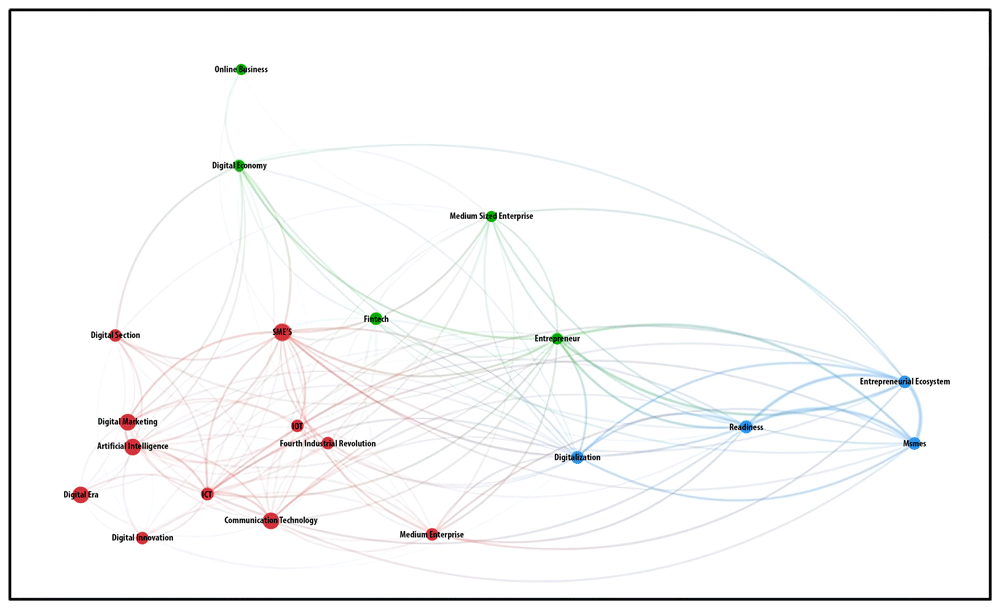
Figure 1. Co-occurrence Analysis for Malaysia.
Cluster 1: Digital Transformation and Technology (red)
Cluster 1 encompasses research on the broad theme of digital transformation and technology. Scholars within this cluster explore various aspects related to the digital era, digital innovation, digital marketing, digitalization, and information, communication technology and ICT. In the realm of digital transformation, researchers investigate the applications, advancements, and societal impacts of Artificial Intelligence (AI). They explore how AI is transforming industries, shaping society, and influencing culture. The Digital Era is another area of interest, examining the pervasive influence of digital technologies on different sectors, including business, education, healthcare, and governance. Scholars delve into the implications of the digital era and how organizations and individuals adapt to this rapidly changing landscape. Digital innovation research focuses on how technology drives innovative practices across industries. Scholars explore how organizations leverage digital technologies to foster creativity, develop new products and services, and enhance operational efficiency. Digital marketing is another key area within this cluster, where researchers examine how businesses utilize digital platforms and strategies to connect with and engage customers. They explore topics such as social media marketing, online advertising, and customer relationship management in the digital context. Digitalization, as a central concept, is scrutinized to understand the process of converting analog information into digital form and its implications for various sectors. Researchers investigate the benefits, challenges, and strategies associated with digitalization efforts in organizations. Additionally, ICT research explores the role of information and communication technology in modern society. Scholars examine topics such as digital infrastructure, communication networks, and ICT services, analyzing their impact on individuals, organizations, and society as a whole.
Cluster 2: Digitalization and Business in Emerging Technologies (green)
Cluster 2 focuses on the intersection of digitalization and business, particularly in the context of emerging technologies. Scholars within this cluster investigate digital transformation across industries, with a specific emphasis on the adoption and integration of digital technologies in organizations. They explore the challenges, opportunities, and strategies associated with digitalization efforts. Fintech, or Financial Technology, is a significant area of exploration within this cluster. Researchers examine innovations in the financial sector, such as digital payment systems, blockchain technology, and online banking. They investigate the impact of fintech on traditional financial institutions, consumer behavior, and regulatory frameworks. The Fourth Industrial Revolution is another key theme within this cluster. Scholars explore the implications of emerging technologies, including AI, Internet of Things (IoT), and automation, on industries and societies. They analyze the transformative effects of these technologies on business models, workforce dynamics, and economic systems. Internet of Things (IoT) research focuses on the applications and implications of IoT devices and networks. Scholars investigate how IoT technologies are being utilized in various sectors, such as healthcare, transportation, and manufacturing. They explore the challenges and opportunities associated with the widespread adoption of IoT. Medium-sized Enterprises (MSEs) receive attention within this cluster, with researchers examining their role in the digital economy. They explore how MSEs adapt to digital technologies, compete in the digital age, and contribute to economic growth and innovation. Scholars investigate the unique challenges and opportunities faced by MSEs in the digital era.
Cluster 3: Digital Economy and Online Business (blue)
Cluster 3 revolves around the digital economy and its interactions with medium-sized enterprises and online business. Scholars within this cluster focus on the multifaceted economic aspects of digital transformation, including e-commerce, online services, and the digital labor market. E-commerce research explores the dynamics of online marketplaces, consumer behavior in online shopping, and the strategies employed by businesses to succeed in the digital marketplace. Scholars investigate topics such as online retailing, digital payment systems, and the impact of e-commerce on traditional brick-and-mortar businesses. Online services research examines the growth and impact of digital platforms that provide various services, such as ride-sharing, food delivery, and accommodation booking. Scholars analyze the economic implications of these platforms, including their effects on traditional service industries and employment patterns. The digital labor market is another area of interest within this cluster. Researchers investigate the gig economy, remote work, and the role of digital platforms in connecting workers with job opportunities. They explore the benefits and challenges of the digital labor market, including issues related to job security, income inequality, and worker rights. Medium-sized enterprises (MSEs) receive attention within this cluster, with scholars examining their contributions to the digital economy. They investigate how MSEs navigate the digital landscape, leverage digital technologies, and adapt their business models to remain competitive. Researchers explore the strategies employed by MSEs to succeed in the online business environment.
Poland Co-occurrence analysis
The bibliometric co-occurrence analysis for Poland reveals two prominent thematic clusters: The Intersection of the Digital Economy and Digital Technology and Technology Parks (Figure 2).
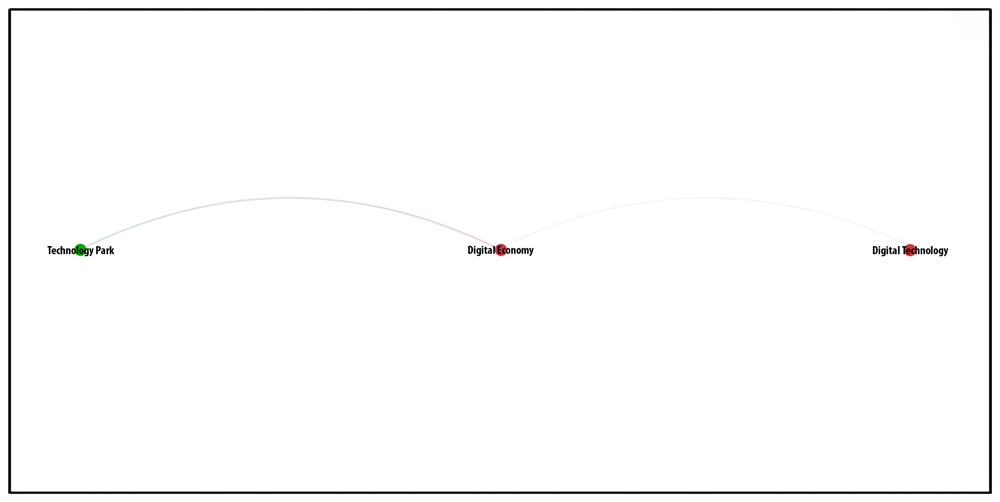
Figure 2. Co-occurrence Analysis for Poland.
Cluster 1: The Intersection of the Digital Economy and Digital Technology (red)
This cluster delves into the interdependent relationship between the digital economy and digital technology in Poland. Scholars within this cluster explore the multifaceted interactions and ramifications of these two fundamental components. The digital economy serves as a central theme within this cluster, where researchers examine the economic aspects of the digital transformation. Studies in this domain encompass an analysis of e-commerce, online services, and the digital labor market. Scholars research subjects such as online marketplaces, consumer behavior in online shopping, and the techniques employed by businesses to thrive in the digital marketplace. This underscores the economic influence of digital technologies on business models, consumer behavior, and employment trends. Digital technology, as the second component of this cluster, assumes a crucial role in comprehending the digitalization of SMEs in Poland. Researchers delve into the applications, advancements, and societal implications of digital technology, including Artificial Intelligence (AI). The study emphasizes the profound effect of AI and digital innovation in multiple sectors, encompassing business, education, healthcare, and governance. Scholars analyze the consequences of the digital era and how organizations and individuals adapt to this rapidly changing technological landscape.
Cluster 2: Technology Parks (green)
The second cluster in Poland's research landscape focuses on the concept of technology parks. This cluster represents a specific area of interest within the digitalization of SMEs. Scholars within this cluster investigate the role and impact of technology parks on SMEs in Poland. Technology parks serve as critical ecosystems that provide support, resources, and infrastructure for businesses, particularly SMEs, to prosper in the digital era. Researchers explore the services offered by technology parks, including mentorship, networking opportunities, and access to funding. The emphasis lies in understanding how technology parks foster innovation and facilitate the growth of SMEs.
Thematic results of the qualitative content analysis
The findings reveal a striking disparity in the number of publications between Malaysia and Poland, implying underlying factors that contribute to these discrepancies. Malaysia's dominance in publication output can be attributed to its extensive and diverse research community, which may also indicate higher levels of research funding, enabling researchers to undertake and publish more studies. Additionally, Malaysia's broad research interests highlight a robust academic and scientific ecosystem across various fields of study. Both Malaysia and Poland demonstrate a shared commitment to academic research, particularly evident in the fact that more than half of their total publications fall into the category of journal articles. This reflects their emphasis on disseminating research findings through recognized and peer-reviewed platforms, underscoring their dedication to rigorous and scholarly research practices (Jordan, 2023).
An analysis of publication trends over time reveals consistent upward trajectories in the quantity of publications for both Malaysia and Poland. Malaysia's research output experiences significant growth starting from 2011, with particularly notable increases observed from 2017 onwards. The substantial number of publications in 2023, totaling 30, signifies a flourishing specific research landscape and potentially increased investments in research and development (Penfield et al., 2014; Stremersch et al., 2006). In contrast, Poland's publication trends exhibit sporadic variations, with fewer publications in earlier years and noticeable surges in 2022. This intermittent pattern suggests that Poland's research landscape could benefit from more consistent research activity. However, the significant surge in 2022 is promising, indicating a possible upward trend in research productivity that should be nurtured and sustained. The existence of highly active publishing sources in both countries highlights the preferred platforms researchers choose for sharing their findings (Stremersch et al., 2006). These sources play a vital role in disseminating knowledge and facilitating scholarly discussions. Citation analysis serves as a crucial metric for assessing the impact of research. In Malaysia, the study "Digital technology, digital capability, and organizational performance" by Sabai Khin and Theresa Cf Ho, which has garnered a substantial 224 citations, exemplifies the profound influence of research in this area. It suggests that this particular study has made a substantial impact on the field and has received widespread recognition from other researchers.
The presence of prolific authors in Malaysia, such as Mohammad Falahat, Daisy Mui Hung Kee, MFI Mohd Nor, and Sabai Khin, underscores the critical role of individual researchers in advancing knowledge. Their contributions not only demonstrate their expertise but also their dedication to exploring the intricate domain of digitalization in SMEs. In contrast, the absence of a dominant author in Poland with more than two publications signifies a more dispersed research landscape. This can be viewed as both an opportunity and a challenge. On one hand, it indicates a diverse pool of contributors, fostering a rich and varied perspective. Conversely, it implies that additional collaboration and shared expertise might be necessary to build upon the current research output.
Gaps in existing research
Country focus of research and the problem of transferability
Most of the authors focus on their own country, both in Malaysia and Poland. It seems to be quite reasonable, however, it limits the transferability of the conclusions. Therefore, it is recommended to use the qualitative methods more often in order to generalization (Maxwell, 2021). These methods enable to answer the research questions such as why or under what circumstances we observe a relation between variables (Ton, 2012). That makes a gap in research about SMEs’ engagement with digitalization.
Lax definitions of SMEs
Another gap is connected with different definitions of small and medium-sized enterprises in Malaysia and Poland. Poland as a member of the European Union implemented the definition created by the European Commission. There are three criteria: the number of employees, and turnover or balance sheet. They are shown in the Table 7 below:
Table 7. SMEs definition in Poland.
| Company category | Staff headcount | Turnover | Balance sheet total |
|---|
| Medium-sized | < 250 | ≤ € 50 m | ≤ € 43 m |
| Small | < 50 | ≤ € 10 m | ≤ € 10 m |
| Micro | < 10 | ≤ € 2 m | ≤ € 2 m |
Comparison of these thresholds suggests that some companies considered as medium-sized in Poland are not included into SMEs in Malaysia (Figure 3). These gap should be taken into consideration in the research.
Summary and conclusion
The concentration of articles in a small number of leading journals adversely affects the dissemination of a topic within the broader scientific discourse (Oler et al., 2016). In analyzing the articles, those published in recent rears seem to hold greater significance. The present research contributes to the literature on SMEs digital tool with an all-encompassing overview of the research landscape and map of the knowledge base concerning the digitalization of SMEs in two distinct settings such as Malaysia and Poland. The findings underscore the growing interest in digital transformation and the diverse themes and trends within this realm.
The research has revealed the significance of digital technologies, in propelling innovation and augmenting organizational performance in SMEs. It has underscored the imperative for SMEs to identify strategic opportunities and capitalize on digitalization to attain sustainable firm performance. The findings have also underscored the import of digital marketing, stakeholder engagement, and the digital economy in the context of SMEs. The analysis has illuminated the role of the entrepreneurial ecosystem in fostering the growth of MSMEs. It has underscored the import of supportive environments, access to funding, and resources in enabling the success of MSMEs in the digital age. In both countries, digital transformation serves as a common thread, albeit with variations in the specific research areas. Malaysia's focus spans societal and economic impacts, emerging technologies, and entrepreneurial ecosystems. Meanwhile, Poland's research revolves around the digital economy and the pivotal role of technology parks in supporting SMEs. These insights offer valuable guidance for policymakers and enterprises, empowering them to align their strategies with the existing research trends and capitalize on the potential of digitalization for economic growth and innovation. Researchers can also utilize these clusters to identify collaborative opportunities within their areas of interest.
The findings of this study can apprise policymakers, researchers, and industry practitioners in formulating strategies and initiatives to bolster SMEs in their digitalization endeavors. By comprehending the research landscape and the emerging trends, stakeholders can make well-informed decisions and implement evidence-based approaches to promote sustained growth and innovation in SMEs. Future research in this field should concentrate on addressing the challenges identified in this study and exploring the potential of digital technologies in enhancing the competitiveness and sustainability of SMEs. Further investigation into specific industries, like manufacturing, services, and retail, can provide valuable insights into industry-specific challenges and opportunities in the digitalization of SMEs.
Overall, this study contributes to the advancement of knowledge on the digitalization of SMEs in Malaysia and Poland. It provides a groundwork for further research, policy development, and industry practices to bolster SMEs in their digital transformation journeys. By rejecting digital technologies and ignoring the opportunities they offer, SMEs can hinder their competitiveness, worsen operational efficiency, and risk long-term failure in the digital era.
Ethics and consent
Ethical approval and consent were not required.
Author contributions
Mior Harris Mior Harun Conceptualization, Formal Analysis, Funding Acquisition, Investigation, Methodology, Supervision, Writing – Original Draft Preparation, Writing – Review & Editing
Vasilios Stouraitis Conceptualization, Writing-Original Draft Preparation
Rafal Kusa Conceptualization, Formal Analysis
Maciej Wozniak Formal Analysis, Investigation, Writing-Review & Editing
Azlina Haniff Funding Acquisition, Methodology, Writing-Original Draft
Arlinah Abd Rashid Formal Analysis, Writing - Review & Editing
Acknowledgments
This paper was prepared with the support of the No. 101086381. We would like to extend our gratitude to all individuals and organizations who helped make this research a success. Their advice and support have been vital throughout the project.
Faculty Opinions recommendedReferences
- Amoah YSA, Tiew FNH, Yap CS:
Internationalisation strategies of emerging market firms: evidence from Sarawak, Malaysia.
Review of International Business and Strategy.
2022; 32(4): 655–676. Publisher Full Text
- Ariff M, Abubakar SY:
Strengthening entrepreneurship in Malaysia. Malaysian Institute of Economic Research. 2003. Reference Source
- Bollweg T, Lücker S, Möller A:
Digital transformation as a means of achieving SME resilience: the case of the COVID-19 pandemic. In: Proceedings of the 2020 IEEE 8th International Conference on Cloud Computing and Intelligence Systems. (CCIS), 2020; 168–175.
- Broccardo L, Truant E, Dana LP:
The interlink between digitalization, sustainability, and performance: an Italian context.
J Bus Res.
2023; 158: 1–9. Publisher Full Text
- Bužavaite M, Šceulovs D, Korsakiene R:
Theoretical approach to the internationalization of SMEs: future research prospects based on bibliometric analysis.
Entrepreneurship and Sustainability Issues.
2019; 6(3): 1497–1511. Publisher Full Text
- Caputo A, Cillo V, Gallo M:
Digitalization of SMEs: a review of opportunities and challenges. In: Advances in Business Marketing and Purchasing. Emerald Publishing Limited. 2021; 30. : 1–21.
- Chin M, Foo L, Falahat M:
Digital free trade zone in facilitating small medium enterprises for globalisation: a perspective from Malaysia small and medium enterprises.
Business and Economic Research.
2023; 13(2). Publisher Full Text
- Dana LP, Truant E, Broccardo L:
Sustainability Performance of SMEs: key factors and their interrelationships.
Sustainability.
2022; 14(12): 7348.
- Fundacja Warsaw Enterprise Institute: Report on the state of small and medium-sized enterprises in Poland. Warsaw Enterprise Institute, 2017.
- Goyal R, Kumar S:
Bibliometric analysis of business research: a global perspective.
J Bus Res.
2020.
- Henr Henriette E, FG KB:
The role of digitalization in the development of products and services.
J Bus Res.
2015; 68(7): 1394–1399.
- Jaish A, Murdipi R, Razak D, et al.:
The effect of digitalization on the sustainability of Malaysian SMEs.
International Journal of Academic Research in Business and Social Sciences.
2023; 655–668. Publisher Full Text
- Jordan K:
Examining pathways for impact: academic research and broader social outcomes.
Social Science Journal.
2023; 60(3): 245–263.
- Khalil A, Abdelli M, Mogaji E:
Do digital technologies influence the relationship between the COVID-19 crisis and SMEs' resilience in developing countries?
Journal of Open Innovation Technology Market and Complexity.
2022; 8(2): 100. Publisher Full Text
- Klein V, Todesco J:
COVID-19 crisis and SMEs responses: the role of digital transformation.
Knowledge and Process Management.
2021; 28(2): 117–133. Publisher Full Text
- Kuczewska J, Garbin Pranicevic D, Borowicz A, et al.:
The digital transformation process in the small and medium enterprise (SME) sector in the era of the COVID-19 pandemic: a study in Poland and Croatia.
Management: Journal of Contemporary Management Issues.
2023; 28(2): 27–41. Publisher Full Text
- Kumar R, Singh RK, Dwivedi YK:
Application of industry 4.0 technologies in SMEs for ethical and sustainable operations: analysis of challenges.
J Clean Prod.
2020; 275: 124063. PubMed Abstract
| Publisher Full Text
| Free Full Text
- Lee ES, Liu W, Yang JY:
Neither developed nor emerging: dual paths for outward FDI and home country innovation in emerged market MNCs.
Int Bus Rev.
2023; 32(2): 101925.
- Lim WM, Kumar S:
Guidelines for interpreting the results of bibliometric analysis: a sensemaking approach.
Global Business and Organizational Excellence.
2023; 43(2): 17–26. Publisher Full Text
- Liu Y, Zhang J, Zhang Y:
Enhancing supply chain collaboration through digital transformation: a study of SMEs.
Int J Prod Econ.
2022; 245: 108335.
- Maxwell JA:
Why qualitative methods are necessary for generalization.
Qual Psychol.
2021; 8(1): 111–118. Publisher Full Text
- Mieszajkina E:
Barriers to growth of small and medium enterprises in Poland.
J Econ Issues.
2020; 54(3): 417–432.
- Mieszajkina E, Mysliwiecka A:
Digital activity of polish small enterprises: current state and future prospects.
Scientific Papers of Silesian University of Technology.
Organization and Management Series. 2022; 166: 565–579. Reference Source
- Oler DK, Harrison JS, Allen MR, et al.:
What do we know about the capital structure of small firms? Small Business Finance and Valuation.
Financial Review.
2016; 51(2): 215–236.
- Parviainen P, Kääriäinen JTH, VA:
Tackling the digitalization challenge: How to transform your organization.
J Bus Strategy.
2017; 38(2): 12–20.
- Polish Agency for Enterprise Development (PARP): Raport o stanie sektora małych i średnich przedsiębiorstw w Polsce 2022 [Report on the state of the small and medium-sized enterprises sector in Poland 2022]. 2022. Reference Source
- Penfield T, Baker MJ, Scoble R, et al.:
Assessment, evaluations, and definitions of research impact: a review.
Research Evaluation.
2014; 23(1): 21–32. Publisher Full Text
- Priyono A, Moin A, Putri V:
Identifying digital transformation paths in the business model of SMEs during the COVID-19 pandemic.
J Open Innov Technol Mark Complex.
2020; 6(4): 104. Publisher Full Text
| Free Full Text
- Rahim H, Shariff S, Ngah R, et al.:
The resilience of SMEs in fighting COVID-19 through online business acceleration.
Int J Appl Econ Finance Account.
2022; 13(1). Publisher Full Text
- Shaltoni A, West D, Alnawas I, et al.:
Electronic marketing orientation in the small and medium-sized enterprises context.
Eur Bus Rev.
2018; 30(3). Publisher Full Text
- Shpak SDS, HD:
Digitalization and its influence on the society and economy.
International Journal of Economics and Business Administration.
2019; 7(1): 18–27.
- SME Corp Malaysia:
Annual Report 2017/2018. SME Corporation Malaysia,
2018. Reference Source
- Stouraitis A:
The role of small and medium-sized enterprises in economic development.
J Small Bus Enterp Dev.
2017; 24(4): 659–675.
- Stouraitis V, Harun MHM, Kyritsis M:
Exploring individual entrepreneurial orientation through education in emerging market conditions: the case of Malaysia and Thailand.
Int J Entrep Small Bus.
2022; 45(4): 489–517. Publisher Full Text
- Stremersch S, Van Der Veen G, Wuyts S:
The impact of new product development on the evolution of a market: a case study in the business-to-business environment.
J Mark.
2006; 70(3): 62–78.
- Thrassou A, Uzunboylu N, Vrontis D, et al.:
Digitalization of SMEs: a review of opportunities and challenges. In: Thrassou A, Vrontis D, Weber Y, Shams R, & Tsoukatos E: (Eds.). The changing role of SMEs in global business: Contextual evolution across markets, disciplines, and sectors. Palgrave Macmillan, 2020; 179–200. Publisher Full Text
- Ton Z:
Why “good jobs” are good for retailers.
Harv Bus Rev.
2012; 90(1–2): 124–131, 154. PubMed Abstract
- Tsanis K, Stouraitis V:
Global fintech market: recent performance and the effect of COVID-19–Investigating the Impact of the pandemic in the financial technology sector. In: External Events and Crises That Impact Firms and Other Entities. IGI Global, 2022; 1–23. Publisher Full Text
- United Nations Development Programme: Small and medium enterprises in Malaysia: the role and contributions to the economy. 2020.
- van Eck NJ, Waltman L:
Citation-based clustering of publications using CitNetExplorer and VOSviewer.
Scientometrics.
2017; 111(2): 1053–1070. PubMed Abstract
| Publisher Full Text
| Free Full Text
- van Eck NJ, Waltman L:
Software survey: VOSviewer, a computer program for bibliometric mapping.
Scientometrics.
2010; 84(2): 523–538. PubMed Abstract
| Publisher Full Text
| Free Full Text
- Yuen T:
Going digital for SMEs: adapting business model and seizing opportunities to achieve sustainable business performance.
International Journal of Academic Research in Business and Social Sciences.
2023; 437–439. Publisher Full Text
- Zhou X, Zhou M, Huang D, et al.:
A probabilistic model for co-occurrence analysis in bibliometrics.
J Biomed Inform.
2022; 128: 104047. PubMed Abstract
| Publisher Full Text