Background
The Emergency Medical Services (EMS) and emergency service sectors are constantly facing new and emerging threats. Looking back to the last couple of years, emergencies faced by Europe and third countries, such as forest fires, flooding, storms, earthquakes, and terrorist attacks, or attacks associated with chemical, biological, radiological, nuclear, and explosive materials, pose a real challenge for EMS and emergency practitioners (Beyramijam et al., 2021). This study aims to present the method and steps of determining emergency medical services' gaps, challenges, and innovation needs, and to guide future projects in the idea of Pre-Commercial Procurement (PCP) as a method and practice.
According to the Centre of Research on the Epidemiology of Disasters, since the 1980s, there has been a sharp rise in the reported occurrence of disaster events, including their human and economic consequences (Ogbu et al., 2022), and in today’s interconnected world, disasters have an increasingly cascade-effect across geographies and sectors (Naqvi & Monasterolo, 2021) as the events and threats faced at a national level have an immediate direct or indirect impact on a European and international level, as clearly shown by the COVID-19 pandemic. European first responders have to be equipped now more than ever, not only with the necessary skills, know-how, and advanced technologies to better address the systemic risks of the future, but also with a strong capacity in cross-border cooperation activities. Indeed, one of the most relevant components to properly face and react to new emerging disaster events is cooperation among first responders and pre-hospital care services. Pre-hospital care is provided by EMS responders, who are the initial healthcare providers at the scene of a Mass Casualty Incident (MCI). EMS personnel are, in most cases, the first to arrive onsite during disaster incidents. They must evaluate the situation immediately to ensure that the needed support and medical resources can be provided effectively and efficiently (Crisis Standards of Care, 2012). EMS plays a critical role in managing disaster events, particularly in cases of time-sensitive emergencies such as trauma, cardiac failure, stroke, bleeding, breathing difficulties, and systemic infections. Indeed, the main goal of EMS in disaster response is the continuity of medical services through triage, life-saving support, rapid diagnosis and treatment, or the transfer of casualties to emergency departments (Tourani et al., 2018).
Every country in the European Union has its own Emergency Medical Services System (EMSS). Europeans rely on these systems to respond with timely and high-quality care when a health emergency or disaster event occurs. However, despite similarities, there is no common European system, joint professional standards, or common organizational structures; therefore, coordination mechanisms vary widely across European Union (EU) Member States. The EU-funded project “Strategic Partnership of Emergency Medical Service Practitioners for Coordination of Innovation Procurement” (iProcureSecurity), a Coordination and Support Action (CSA), has examined the significant challenges that system diversity creates when EU Member States must work together. It has also identified capability gaps and challenges, and promoted Research & Innovation to increase the standardization of emergency operations across Europe.
The project engaged in several exchange cycles with practitioners and other stakeholders in the innovation landscape to prepare for major R&I activities as part of a follow-up Pre-Commercial Procurement (PCP) action.
What is Pre-Commercial Procurement (PCP)?
PCP is a type of public innovation procurement, which happens when public procurement is used to drive innovation from the demand side. This enables the public sector to speed up the development and adoption of innovative solutions that can improve the quality and efficiency of public services or address wider societal challenges while opening concrete business opportunities for companies in Europe to bring innovations to the market (EU Grants: Horizon Europe Programme Guide, 2023).
The next chapter presents the methodology and steps implemented for the identification of gaps, challenges, and innovation needs in Emergency Medical Services.
Methods
This study was based on a mixed-method approach that combines both qualitative and quantitative research. The method mix included an in-depth literature review, detailed surveys, comprehensive workshops, and a collaborative elaboration of case studies with EMS practitioners and managers. All activities were conducted to ensure that the most pressing capability gaps and innovation needs could be identified for the EMS ecosystem as a whole. All gaps and innovation needs were collected from a long list. This list was finally reduced to a short list of innovation needs that fit a potential follow-up PCP project.
The flow chart below (Figure 1) summarises the steps conducted.
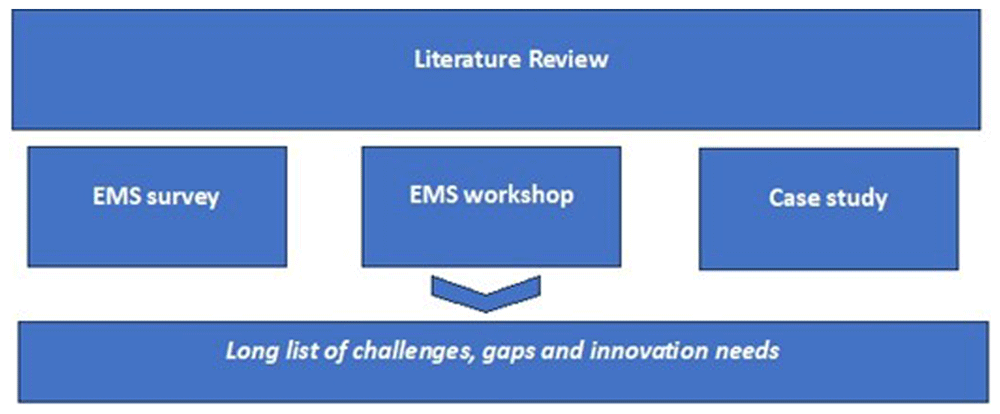
Figure 1. Methodology Flow Diagram.
Below the individual methods applied during the project are briefly presented:
Literature review
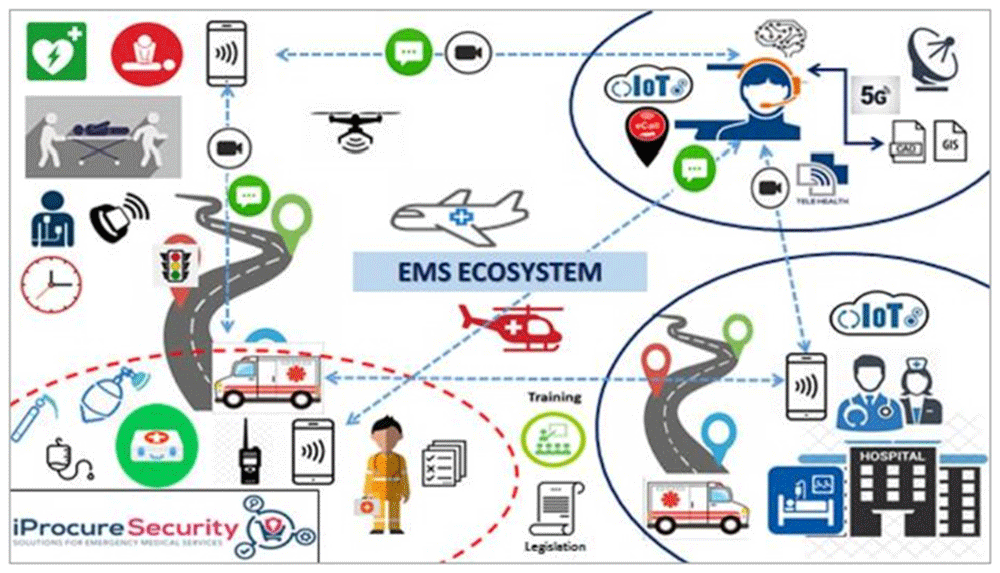
The project started with a review of the existing literature and primary sources, shedding light on the EMS ecosystem and discussing identified discrepancies. The task helped structure the EMS Ecosystem (Figure 2) in key areas and collect information from the literature on capability gaps and innovation needs within these areas. Reports, theses, survey books, scholarly articles, and other sources relevant to this aim were collected. Finally, more than 250 scientific sources were identified as relevant and analyzed.
In addition to a general literature analysis, the consortium also decided to extend desk research based on joint keyword collection. Relevant keywords were collected to begin with desk research on innovation and innovation procurement related to EMS. The keywords were used for a structured search of scientific online databases and open data repositories (e.g., Zenodo). The extensive keyword list included terms and phrases such as EMS Ecosystem; EMS Market; EMS Overuse; Pre-hospital Outcome; EMS Innovation Procurement; Public / EMS Training; Innovation in First Aid; Next Generation Technologies for EMS; New Challenges for EMS; SMART Ambulances; Telemedicine for EMS; Communication Technologies EMS; IoTs EMS; AI EMS; Big Data EMS; Data Mining EMS; Blockchain EMS; Wearable Technologies EMS; and Future of EMS.
The collection of materials continued until the end of the project, and the available and relevant resources were included in a dedicated library connected to the iProcureSecurity Open Information Hub (https://www.iprocuresecurity.eu/ https://www.zotero.org/groups/2496919/iprocuresecurity/library) (Sofuoglu et al., 2020a).
The identified EMS areas as well as the initial gaps and innovation needs found through the literature analysis built the baseline for all further activities and helped structure follow-up tasks, such as surveys and workshops, as well as the case study analysis.
Surveys
Following the literature analysis, the project conducted surveys with core practitioner groups and stakeholders, including quantitative online questionnaires and qualitative interviews, to initiate knowledge exchange among them and collect insights on issues, challenges, and needs of practitioner organizations in the field of medical emergency services throughout Europe. The task consisted of setting up a questionnaire with standardized and open questions, letting it run online, and analyzing the results in order to feed them in the upcoming stages of the project. The surveys were designed for two main target groups: EMS practitioners and EMS management staff members.
Surveys dedicated to the EMS Practitioners: Through surveys, the strengths and weaknesses of Emergency Medical Services were determined by analyzing the specific regional and national conditions in which the selected EMS was operating. It consisted of 57 multiple-choice questions in six different languages (English, French, German, Greek, Spanish, and Turkish) that assessed personal capacity, level of technologies applied, working conditions, and team composition in EMS systems.
Surveys dedicated to the EMS Management Staff: This survey consisted of 15 questions aimed at assessing the personnel structure, training standards, applied technologies, decision-making process, and bureaucracy related to specific EMS organizations.
Workshops
In total, nine workshops were held by the consortium to deepen the understanding of the EMS ecosystem and its structure, and to gather additional feedback on gaps and needs in conjunction with the literature analysis and surveys. Four workshops were conducted by the Italian Resuscitation Council (IRC) and five by the Association of Emergency Ambulance Physicians (AAHD). The workshops were organized based on the inputs received within the surveys. They focused on the assessment of different practitioner capabilities with regard to research and innovation uptake, and the involvement of procurers in the innovation cycle. The workshops included topics covering various aspects of emergency management and EMS system organization, including a detailed analysis of the pre-hospital medical care provided in several European countries. An important part of the workshop agenda was the discussion between members of the EMS management and representatives of the private sector on the future implementation of innovative technologies and solutions.
Case studies
The data obtained from the surveys and workshops, as well as from the literature review process, allowed the definition of nine dedicated case studies inspired by real-life EMS operations. These include heart attack, road traffic accident, diabetes, paragliding accident, blast in the subway, stroke, foreign body obstruction, elderly fall, and interhospital transfer.
Additionally, a questionnaire was prepared for case studies. The case study questionnaires were distributed to foster a common understanding among the recipients of the capability gaps and challenges of the EMS Ecosystem in Europe and the contextual background of use cases to be elaborated on. The questionnaire completed by EMS experts within the iProcureSecurity Consortium was divided into two main parts:
Part A: The aim was to make a “situational assessment” by transferring existing practices and determining what is needed for EMS to become more effective based on participants’ experiences. There were 13 questions in total. Assumptions on the current status of EMS systems in Europe were made based on the analysis of Part A. The analysis outlined the European-level similarities and differences. Part A consisted of questions such as: rate the frequency or likelihood of the occurrence of this specific case in your country; what technologies are used to support the EMCC / What type of ambulance and ambulance personnel are assigned for the use case; what kind of equipment (medical, technical) is used at the scene; and how are the patient records kept at the scene, ambulance, and EMCC?
Part B: Participants were asked to brainstorm and reflect on the needs assessed. Additionally, participants were asked to respond according to the characteristics of the EMS Ecosystem, considering local, regional, and international levels. Part B consisted of the following two questions: (1) What are the gaps in Emergency Medical Services (in your country) for this specific case? 2. What new technologies (communication, software, clothing, medical and technical tools, equipment, etc.) may help or enhance management and response to this specific case?
Results
The research activities created a significant number of outcomes and insights into capability gaps and innovation needs in the EMS domain. This chapter highlights some of the main findings.
Structuring the EMS ecosystem
Before collecting the actual gaps and challenges, it is essential to understand the parts of the EMS ecosystem. Based on the initial insights found in desk research and expert feedback, the consortium decided to create a set of key areas that built the underlying structure for the collection and mapping of gaps and challenges. The following main areas were initially defined.
EMS Models. The delivery of emergency medical services in pre-hospital settings can be broadly categorized into Franco-German or Anglo-American models, according to the philosophy of pre-hospital treatment delivery. The area deals with gaps and challenges that are based on issues in and between EMS organizational structures and procedures.
Scene. The components of the scene mainly affect the response time, and the effectiveness is the number of causalities, number of patients, bystanders, communication model, accessibility, location information, scene safety, mechanism of injury, and medical history. Gaps and challenges in this area generally focus on victims and bystanders, including preventative measures.
Ambulance Services. This area focuses on different ambulance vehicles, including land, air, and water. Furthermore, it also includes gaps and challenges of different types of ambulances, such as patient transport, emergency ambulances, and mobile intensive care units.
Safety and Situational Awareness. Emergency response is dynamic by nature, in every step from taking the call to responding to the scene. During the initial phase of information gathering, ensuring the EMS team’s safety and caring for the patient requires situational awareness. Situational awareness can be explained as follows: responders understand their environment / can determine what is happening around them / can predict what could occur / can respond to or withdraw from it.
Medical Treatment. Before transporting a patient to the hospital, diagnosis and medical treatment at the scene is one of the most relevant EMS tasks in the field. The gaps and challenges collected in this area are mainly based on limited information for quick and correct diagnosis or missing availability of relevant skills, knowledge, or authorization for particular treatments.
Emergency Call Center. Emergency medical dispatch is a vital link in any medical treatment chain. Gaps and challenges in this area focus, for instance, on missing information, different channels of communication, call prioritization, and avoidance of the misuse of emergency numbers.
In Hospital EMS. Emergency department (ED) demands continue to rise in almost all high-income countries, including those with universal coverage and a strong primary treatment network (Mason et al., 2014). The area mainly deals with gaps and challenges concerning the communication and preparation of hospitals in emergency cases, as well as patient handover procedures.
EMS Work Force. The number, type, and level of training for ambulances are not standardized in European countries. There are differences in the training programs, working hours, and responsibilities of these personnel. The characteristics and colors of employees’ clothing also differ across Europe. This area focuses on issues that arise from these differences, especially on limitations based on current training.
Medical equipment. Medical equipment and its location inside ambulances are not standardized in European countries. There are also differences in the technical characteristics of medical equipment used in ambulances. In addition, the size of the medical equipment carried by the patient and the use of wearable technology are different in each country. This area focuses on gaps and challenges owing to the lack of equipment and tools that would be needed to improve the current situation.
Triage Systems. Triage can be defined as “the sorting of patients into priority groups according to their needs and available resources”. This standard procedure ensures the efficient use of available resources, such as personnel, supplies, equipment, means of transportation, and medical facilities; thus, it affects the extent and quality of care delivered by the EMS system, which (World Health Organization, 2008) deals with gaps and challenges based on prioritization of patients and systems that allow quicker, better, and more informed decisions, especially in disaster scenarios.
Legislation and Finance. The area focuses on issues arising from unstandardized or unclear legal situations and missing financial support.
Other. This section subsumes all additional gaps and challenges that were not fully fitting in one of the other areas, were too general, or were horizontally relevant for all areas.
It is obvious that allocations of gaps and challenges to these areas overlap in many cases, meaning that one gap can play a role in several areas. However, the project consortium did its best to make clear and concise allocations. Finally, the gathered data were analyzed and connected to create an extensive overview of the capability gaps and challenges in the EMS field.
EMS practitioner and manager insights
Practitioners. To obtain the latest insights into the EMS domain, first-hand feedback from practitioners was gathered through a comprehensive survey. In total, 245 EMS practitioners completed the 57 survey questions. The survey participants were from 15 different countries (Austria, Belgium, Cyprus, Finland, France, Germany, Greece, Italy, Norway, Portugal, Slovenia, Spain, Switzerland, Turkey, and Ireland). The individual positions included physicians (26%), nurses (53%), paramedics (24%), volunteers (18%), and ambulance drivers (18%) (Tucci & Nikolov, 2020).
73% of the respondents stated that EMS organizations work to cover mainly “City” areas, where 53% claimed that they were responsible for rural regions. Of the surveyed EMS practitioners, 66% stated that the EMS system in which they work is organized at the regional level, while 28% pointed out a nationwide organizational structure. 26% of the surveyed EMS practitioners claimed that the EMS systems in their countries were organized at the country and multiplicity levels.
Next, a question was asked regarding the professional protocols, structures, training, composition, and careers of EMS in the survey participants’ countries. The intention was to clarify the extent to which these elements of EMS systems vary at regional, local, and organizational levels (Figure 3). Of the respondents, 53% answered that they varied regionally or locally, while 28% claimed that they were typical of the entire country. Fifteen% of the surveyed EMS practitioners affirmed that these standards vary depending on the organization, institution, or company.
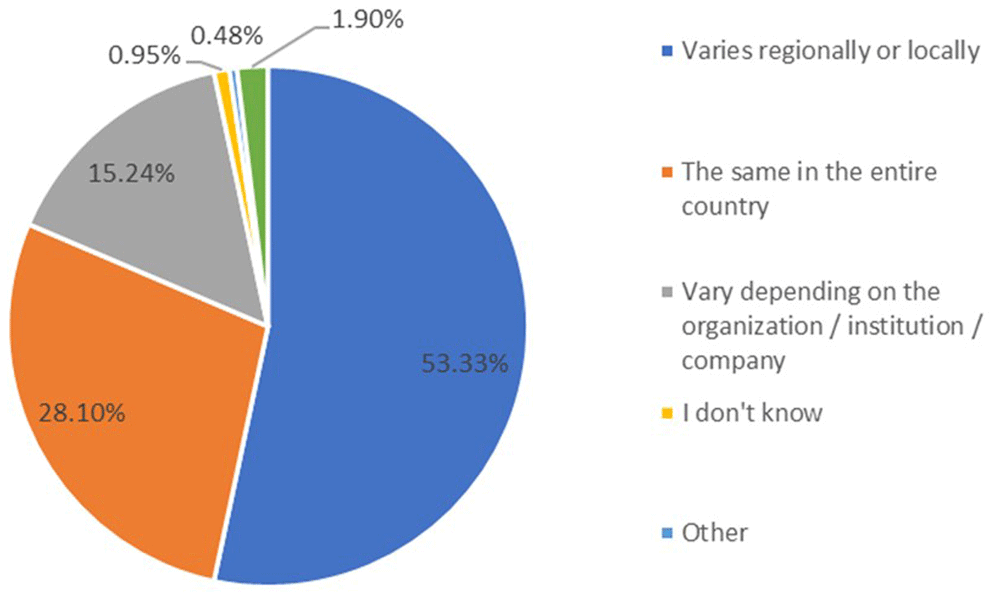
Figure 3. Professional standards, organizational structures, and coordination mechanisms of EMS (n=245) (Tucci & Nikolov, 2020).
Among the organizations where triage protocols are used, 47% stated that they are established at the national level, while 44% confirmed that they vary locally (Figure 4).
The survey delivered many additional insights on the current practise of EMS staff across Europe (Tucci & Nikolov, 2020)
Managers. In total, 30 EMS management participants answered all the survey questions. These participants came from 29 organizations and ten different countries, covering all countries represented in the project consortium. (Austria, Belgium, Denmark, Germany, Greece, Italy, Estonia, Spain, Turkey, and Ireland). The individual positions included medical directors (20%), general managers (16%), heads of emergency services (17%), medical transport managers (10%), chief nurses (10%), rescue service organizational commanders (7%), and regional rescue commanders (7%), general inspection officer (7%), head of transport service (3%) and nursing service manager (3%).
In addition to a set of organization-related questions, respondents were asked about their current strengths and weaknesses within the EMS system and their opinions on innovative equipment and technologies to be used in the future.
The participants were asked to define the strengths of their Emergency Medical Services. Slightly more than half of the respondents (56%) stated that “educated, highly experienced and motivated staff” define the strengths of their organizations while 43% claimed that “applied technology, equipment and good facilities” are factors that make their workplace advantageous in their perception. “Good organizational structure that meets the demand for universal and good quality health care, flexible working time models and satisfying remuneration” were reported by 40% from the survey participants (Figure 5).
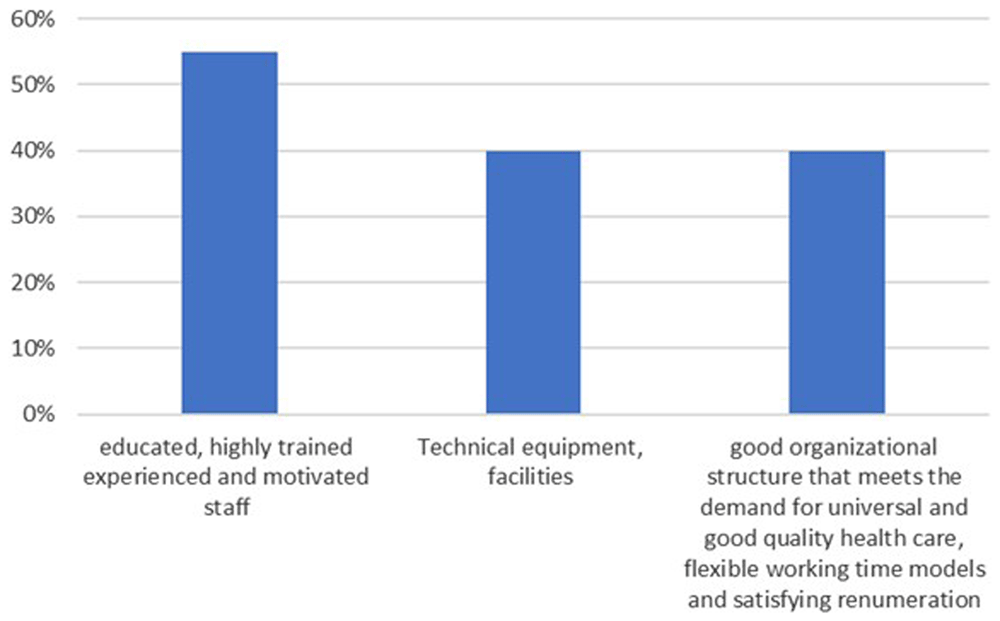
Figure 5. Strengths of Emergency Medical Services organizations (n=30, Multiple-choice question) (Tucci & Nikolov, 2020).
An important part of the survey focused on the weaknesses of Emergency Medical Services organizations. The results showed that “response times lag in remote environments and during times of high demand” are perceived by 47% of the respondents as a weakness of their Emergency Medical Services organizations. This statement reaffirms the assumption that the changing rural environment affects the delivery of quality emergency medical services. Further weaknesses which according to the respondents need to be urgently tackled to ensure a better quality of the Emergency Medical Services are, “Poor EMS representation in disaster planning at regional and governmental level,” “Lack of equity in resource distribution,” “Insufficient funding” and “No nationally agreed-upon measures of EMS quality” which were all chosen by 43% of the surveyed EMS management staff.
“Ineffective Communication between EMS personnel” and “Unsatisfactory remuneration for the EMS personnel compared to similar positions” were perceived by 6% of the surveyed members of EMS management staff as rather less demanding for the quality of the Emergency Medical Services in their organizations (Figure 6).
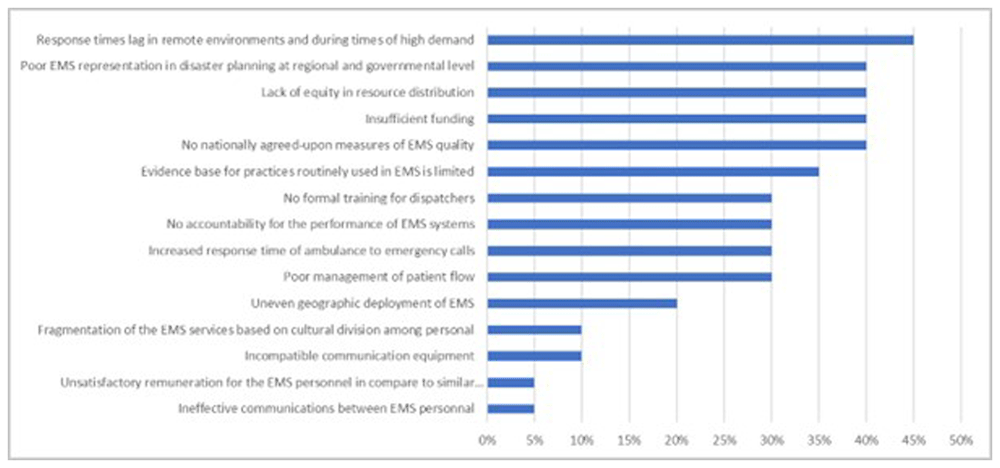
Figure 6. Weaknesses of Emergency Medical Services organizations (n=30, Multiple-choice question) (Tucci & Nikolov, 2020).
Participants were further asked to define the strengths of the personnel structures of their Emergency Medical Services organizations. Based on these results, the factors can be divided into two major groups. The first relates to the structural and organizational factors in the observed emergency medical service organizations. “Allocation of competences,” “Team composition,” “Training and education standards” were mentioned by 33% of the respondents. 28% of the survey participants have stated that human factors such as “motivation,” “flexibility,” “professionalism and enthusiasm” belong to the strengths of the personal structures of their EMS organizations. Therefore, one can state that effective treatment in the event of a medical emergency depends not only on well-designed equipment but also on decision-making based on trained routines, teamwork, and dual competency.
Next, the survey participants were asked, What type of medical equipment and new technologies do you use in your Emergency Medical Services? According to the analysis of this particular question, there are three types of technologies that are most commonly used by the surveyed pre-hospital medical professionals. With 63% response rate “Geographic Information System (GIS)” is in first place, followed by” Data enabled technologies” (53%) and Consumer Medical Monitoring Devices (43%). The least used technologies at the workplace of the respondents are “Consumer Health App” with 10% response rate and “EMT wearable, voice activated devices” with only 7%. Based on these results and the fact that tools applied in the EMS field constantly change and become more sophisticated, there is an urgent need for the promotion and incorporation of mobile solutions into the equipment of EMS personnel. Currently, one of the most powerful devices available in every ambulance is the smartphone. Many apps concentrate on interactions with patients and are designed for operational improvement. The ever-growing mobile ecosystem in the EMS field favors the development of new business niches and markets as a whole. However, most smartphones are privately owned and are not accessible to employers for the purpose of improving the overall quality of emergency healthcare (Figure 7).
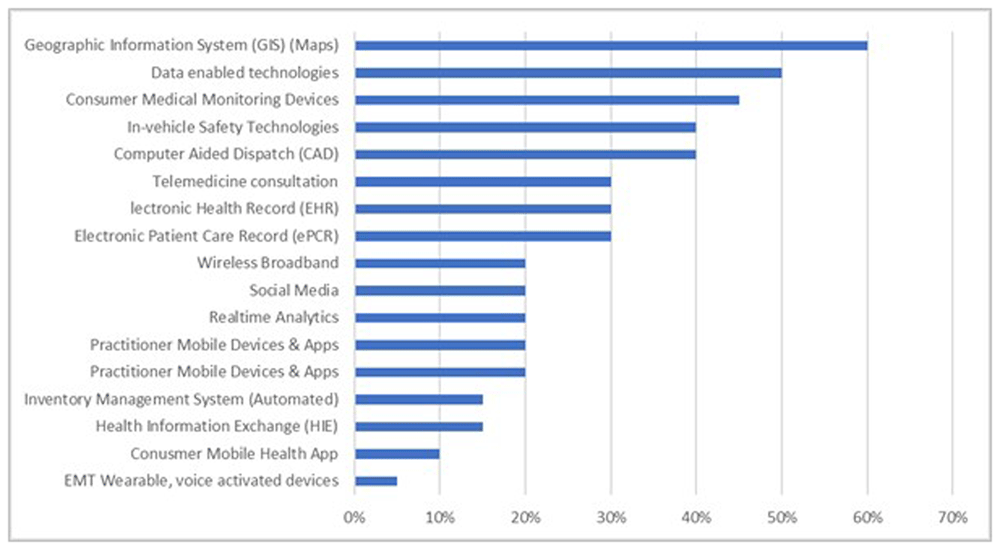
Figure 7. Equipment and new technologies used in Emergency Medical Services (n=30, Multiple-choice question) (Tucci & Nikolov, 2020).
Participants were asked to describe the regular decision process in their emergency medical service (EMS) systems and bureaucracy for the purchase of vehicles and medical equipment. The opinion that purchasing new vehicles and medical equipment is “long”, “tiring, and even sometimes “not transparent” resonates with most of the participants’ opinions in this survey. Another characteristic of the decision-making process according to the surveyed EMS professionals is that autonomy lies at regional and national levels, where the budget is agreed upon and consequently allocated to the different EMS organizations. Purchases are carried out through open public bidding, where EMS organizations do not participate independently, but through affiliated bodies.
Another important question in the survey was related to the training process of the EMS personnel. Based on the analysis of the answers provided, a lack of uniformity regarding the modules and types of training available in the different EMS systems across Europe was identified. In countries such as Germany, training is organized at the national level with a concrete number of training hours and course modules. These are also obligatory per laws for EMS professionals. Training is held in recognized organizations where the courses are defined by the task and category of EMS personnel. In other participant countries such as Spain, for example, training is held independently from the framework of the health care system covering high-fidelity simulation modules and more basic first aid courses. Concerning the improvement of the training standards and methods, most of the participants agreed that providing the conditions of real-life scenarios through the application of virtual reality, as well as continuous provision of education and training in and out of the classroom. Consequently, this would lead to an improvement in the training process and qualification of EMS personnel.
The next question relates to the use of artificial intelligence as a support software for medical intervention and the use of wearable technologies by emergency medical service personnel. Based on the evaluation of the provided free-text answers, it can be assumed that there is generally a positive attitude towards the application of AI and wearables in the pre-hospital emergency field. This resonates with the opinions of 47% of the surveyed participants. Both technologies are necessary to overcome complicated decision-making processes and avoid human error. 12% of the surveyed members of EMS management staff are rather sceptical towards the use of AI and Wearables in their daily professional life arguing that there is a risk of wasting time in the “golden hour” and both technologies are superfluous and highly prone to errors. Finally, 15% of the respondents claimed that AI and wearables were not part of their technical equipment; therefore, they were not familiar with the benefits of their use. 26% of the participants did not comment (Figure 8).
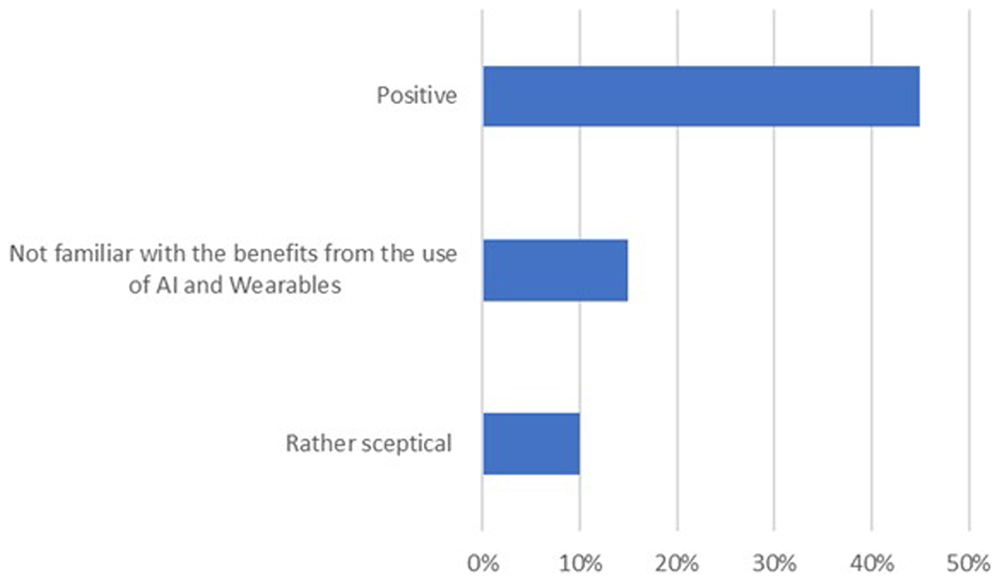
Figure 8. Opinion on the use of AI and wearables to support medical intervention and decision making in the dispatch center (n=30) (Tucci & Nikolov, 2020).
Further, the participants were asked to list three current Emergency Medical Services (EMS) knowledge gaps on which they thought research should focus. As a result, the knowledge gaps that were collected can be split into three main groups, reflecting the current state of EMS systems. The first group relates to the technological gaps highlighted by the respondents. Based on the analysis, there is a need for homogenization and improvement of ambulance equipment, taking into account current technological trends such as telemedicine and AI. Next, to better fulfil their tasks, the effectiveness of the communication systems being used needs to be improved by allowing access to a computer network for patient data exchange and implementing uniform standards. Training and education for EMS personnel was perceived by the participants as a second main group of capability gaps that needed to be tackled to ensure better responsiveness in the event of an emergency. Here, the importance of uniformity of training standards on national and international levels was stressed, as well as investment in research and resource efficiency. The provision of specialized medical personnel for patients with psychiatric disorders is also seen as an element of the modern Emergency Medical Service system and is therefore highly favored by the survey participants. Finally, the interaction between EMS professionals and communication means applied in their daily professional life is seen as an area where technological improvements are urgently needed.
Finally, the respondents were asked which areas they could invest in to improve their EMS systems. According to the respondents, priority areas where investment could potentially improve the overall quality of the EMS are staff supervision and rationalization, application of new technologies such as telemedicine, and electronic patient documentation. Vehicle equipment, protective clothing, education, and training are neglected areas in which issues can be tackled through better funding. Finally, better infrastructure of the EMS stations and their connection to areas with higher population density were mentioned by the survey participants as a field with potential for improvement.
The analysis of the practitioner and manager surveys’ results revealed that gaps and challenges such as uneven geographic deployment of EMS, long response times in remote rural environments and during times of high demand (e.g., during an MCI), and long and hardly transparent process of purchasing new equipment affect the provision of high-quality emergency medical care with different degrees of importance. The variety of these factors implies the tremendous responsibility of EMS staff in accurately diagnosing medical problems and preventing fatal outcomes for patients during emergency events, especially during Mass Casualty Incidents. Acknowledging and attempting to address these challenges is important for EMS, as limiting the time spent on-scene is not only clinically desirable but may also lead to improved efficiency and availability of resources. Providing, for example, members of EMS management staff with adequate technical, informational, financial, and educational support can help facilitate their staff’s decision-making and reduce their workload. The application of innovative technologies such as AI, wearables, and telemedicine will not only enhance EMS practitioners’ education, but also improve communication and medical direction in the field, thus contributing to the improvement of patients’ treatment during life-threatening emergencies. Another aspect to be considered by policymakers across Europe is the standardization and unification of EMS personnel composition, educational and training modules, and EMS equipment. EMTs across Europe do not demonstrate equal levels of disaster preparedness or access to innovative technologies, which, once implemented, would make their work more effective and save resources.
Workshop insights
The workshops organized by the Italian Resuscitation Council (IRC) focused on EMS organizations. During the events, the survey and the open questionnaire were shared with the attendees to obtain practitioners and stakeholders’ descriptions of local EMS and their point of view on current gaps, technological implementation, and R&D procurements.
The first workshop (A System to Save Lives) was based on a roundtable, where all speakers discussed legislative proposals to facilitate community engagement in the early emergency response in the instance of cardiac arrest by providing cardiopulmonary resuscitation and early defibrillation under the supervision of the local dispatch center. The second workshop (Lay People and Healthcare Professionals, a Link to Rescue) was based on a roundtable and sought to analyze the connection between non-professional rescuers and the EMS systems, with an emphasis on the need for primary centralization of patient flow management. The third workshop (A Format to Train for Basic Mass Casualty Triage) was held as an interactive simulation incorporating the characteristics of a sociopsychological experiment in which a mass casualty incident, a docked boat in the harbor, and a damaged cruise ship. At the fourth workshop, “State of Art of EMS,” the EMS systems of Denmark, Switzerland, and Italy were presented by the directors of the respective organizations. The topics of the discussion were the different EMS organizational structures, response to emergencies in terms of timing, staff composition, available equipment, and innovative projects implemented in the three countries.
Five workshops were organized by the Association of Emergency Ambulance Physicians (AAHD). Two workshops were prepared to cover important topics from the EMS field: Pre-hospital Cardiac Arrest Management, “mass causality incidents, and disaster medical response. Three workshops “EMS Organization,” “Personnel, vehicles and Equipment of EMS” and “Communication Technologies for EMS” took place during the 4th Next Generation Technologies for Emergency Services Symposium.
Based on the findings from the workshop analysis, one can conclude that qualified personnel and up-to-date equipment are the basis for a successful EMS system. Innovative technology has a positive effect on various service areas in the EMS field. However, technologies must be applied in accordance with existing needs, and are always subject to further development. The application of Artificial Intelligence and patient data sharing software will play an important role in the delivery of exact information on the number of available ambulances and the location and distance to emergency medical stations. Furthermore, the use of interoperable equipment and similar vehicles in time-competing situations will ensure that medical emergency care is of high quality and is provided in a unified way across Europe. However, based on the findings collected in the workshops, it can be stated that there are still many different models regarding management, digital infrastructure, and communication among EMS. For example, the latter represents huge potential for innovation in different areas of the EMS ecosystem, such as EMCCs, ambulances, and hospitals. The use of next-generation technologies will enable remote monitoring of emergency patients, video calls, clear identification of searched addresses, and sharing data between all components of the EMS ecosystem, which is essential during everyday work, especially to tackle Mass Casualty Incidents.
Case study insights
To conduct research on the capability gaps in the European Medical Emergency ecosystem, multiple scenarios based on questionnaire feedback were created. Each scenario consisted of 15 questions. Participants were asked to perform a “situational assessment” of Emergency Medical Services in Europe. In addition, information on gaps, challenges, and innovation needs linked to the scenarios was collected. All questions were open-ended to allow participants to provide comprehensive answers.
The case studies were defined according to the prioritization of response (time-sensitive, not time-sensitive), probability of occurrence (frequent, infrequent, very rare), added challenges, and EMS operation duration at the scene (regular, medium, and longer), as shown in Table 1 (Sofuoglu et al., 2020b).
Case-Study
Topic | Prioritisation | Probability | Added Challenges | EMS Operation
Duration at the
Scene | Number of
collected
responses |
|---|
| Heart Attack | Time sensitive | Frequent | Being alone in a
park | Regular - Medium | 18 |
Road Traffic
Accident | Time sensitive | Frequent | Children with Down
Syndrome and
Mass Casualty
Incident | Longer | 6 |
| Diabetes | Non-time
sensitive | Frequent | Hearing Impairment | Regular | 9 |
Paragliding
Accident | Time sensitive | Infrequent | No added
challenges | Longer | 6 |
Blast in The
Subway | Time sensitive | Very rare | No added
challenges | Longer | 12 |
| Stroke | Time sensitive | Frequent | Being alone at home | Regular | 15 |
Foreign Body
Obstruction | Time sensitive | Infrequent | No added
challenges | Regular | 11 |
| Elder Fall | Time sensitive | Frequent | Being alone at home | Longer | 8 |
Inter-hospital
Transfer | Non-time
sensitive | Frequent | Neonate that
requires | Longer | 7 |
In total ninety-two cases were filled out by EMS practitioners and other relevant stakeholders from 11 European countries (Austria, Cyprus, Germany, Greece, Hungary, Italy, Ireland, Spain, Turkey, and the United Kingdom) and one from South America (Brazil). The participants mostly responded to Heart Attack and Stroke cases. Although the scenario “Blast in the Subway” is relatively complicated, it resonates with the experience of 12 EMS providers. Six participants responded to the questions regarding road traffic accidents and paragliding accidents. Answers from the same country were grouped together. Qualitative data were interpreted by an experienced EMS management team, and the (Sofuoglu et al., 2020b) following insights were identified based on the case study analysis:
Cardiac arrest, diabetes, road traffic accidents, falls, and inter-hospital transfer cases showed the highest probability of occurrence. Patients mostly use their smartphones to communicate with the EMS, and in a few countries, there are applications available that help patients initiate emergency calls.
112 Emergency Number is used in all European Countries. Nevertheless, some of countries still keep their national emergency numbers.
The caller's address can be seen on a digital map of the EMCC in many European countries. However, incoming calls via fixed telephone lines in some countries, such as Turkey, show the exact addresses of incoming calls. Furthermore, the accuracy of the location varies according to the density of mobile phone base stations.
Trained citizens can provide first aid until the ambulance arrives. However, there are different types of first aid in Europe.
There are different types of ambulance in Europe. Advanced life support, basic life support, mobile intensive care units, and helicopter emergency medical services (EMS) ambulances are generally available.
The position of EMS professionals varies in Europe. There are major differences in personal clothing in terms of color, model, and protection.
Pre-hospital EMS needs to coordinate with other emergency services, such as the police and firefighters (depending on the type of health emergency). In general, radios and smartphones are used for communication.
The medical equipment used by the EMS differs according to the situation. Differences exist at the national, regional, and local levels.
Records from the scene and treatment in the ambulance are generally filled on paper.
Generally, Advanced Life Support and Advanced Trauma Life Support algorithms are used in many countries. Special algorithms have been used in some European countries.
Conclusion
The iProcureSecurity Coordination and Support Action (CSA) project has provided significant insights into the current state and future needs of Emergency Medical Services (EMS) across Europe, thus being a well-grounded basis for iProcureSecurity PCP (Pre-Commercial Procurement). Through an extensive literature review, comprehensive surveys, targeted workshops, and an in-depth case study analysis, the project identified more than 340 gaps, challenges, and innovation needs within the EMS ecosystem. (Jager et al., 2020)
These findings underscore the critical role of well-trained personnel, up-to-date equipment, and advanced technologies in enhancing EMS effectiveness. The project highlighted the necessity for clear training standards, improved communication systems, and integration of next-generation technologies, such as Artificial Intelligence and Geographic Information Systems, to address the dynamic and complex nature of emergency medical scenarios.
One of the primary conclusions of this project is the need for increased cooperation and standardization across European EMS systems. Discrepancies in training, equipment, and management practices among different countries reveal a substantial opportunity for harmonization. Establishing common protocols and investing in interoperable technologies could significantly enhance cross-border collaboration and the overall efficiency in responding to emergencies.
Moreover, the project identified several priority areas for innovation, including the development of a Triage Management System that was selected for follow-up Pre-Commercial Procurement (PCP) action. This focus on triage highlights the importance of rapid and accurate assessment and decision-making in emergency situations, which is crucial for saving lives and optimizing resource allocation. In addition, climate change and the increasing number of conflicts will likely increase the number and complexity of mass casualty incidents managed by Emergency Medical Services.
The project also emphasized the potential of mobile and wearable technologies in improving EMS response. These technologies can facilitate real-time data sharing and remote patient monitoring, thus enabling EMS personnel to provide informed and timely care. However, the integration of such technologies must be approached cautiously to ensure that they complement rather than complicate the decision-making process.
In conclusion, the iProcureSecurity CSA project laid a robust foundation for future advancements in EMS. By addressing the identified gaps and leveraging innovative solutions, the European EMS can become more resilient, efficient, and capable of meeting the challenges posed by both routine and large-scale emergency situations. Continued collaboration, investment in technology, and commitment to standardized training and procedures are essential for achieving these goals.
Ethics and consent
All activities within the project were guided by the ethics committees of the participating partners. Partners that don’t have an inhouse ethic committee declared to fulfill all obligations in a way that fully complies with the highest ethical standards, in particular applying the principles set out in the ALLEA European Code of Conduct for Research Integrity.
All participants that were involved during the data gathering process gave written informed consent to participate in the study (between May 2019 to June 2020). The study is in line with the European General Data Protection Regulation - social research standards and has been approved by the project’s Data Protection Officer DI Leopold Weninger. The participation in the workshops/surveys was voluntary and that the participants were aware.