Introduction
The Association of Southeast Asian Nations (ASEAN) was founded in 1967 in Bangkok, Thailand, through the signing of the ASEAN Declaration (also known as the Bangkok Declaration) by the five founding member countries: Indonesia, Malaysia, the Philippines, Singapore, and Thailand. Almost 20 years later, it was joined by Brunei, followed by Vietnam in 1995, Laos and Myanmar in 1997, and Cambodia in 1999, to complete the grouping comprised of 10-member states. The aims of ASEAN are centered on economic growth, social progress, and cultural development in Southeast Asia through collective efforts based on equality and partnership. The organization seeks to promote regional peace and stability by adhering to justice, the rule of law, and the principles of the United Nations Charter. In addition, ASEAN encourages active collaboration in economic, social, cultural, technical, scientific, and administrative fields while providing mutual assistance in education, research, and professional development. The association also prioritizes agricultural and industrial growth, improving transportation and communication, and promoting Southeast Asian studies. Moreover, ASEAN works closely with international and regional organizations to enhance cooperation in line with its objectives (ASEAN, n.d.).
To ensure regional prosperity, ASEAN is focused on sustainable economic growth for the ten-member states. However, the economic growth and development of the member states differ as natural resource endowments, institutional framework, physical and human capital as well as technology levels are somewhat varied. Table 1 shows the economic growth trend from 2013 to 2022 for ASEAN member states and ASEAN as a regional group.
Table 1. Rate of Economic Growth1 in ASEAN 2013–2022 (%).
| Country | 2013 | 2014 | 2015 | 2016 | 2017 | 2018 | 2019 | 2020 | 2021 | 2022 | Avg annual growth 2013–2022 |
|---|
| Brunei | -2.1 | -25 | -0.4 | -2.5 | 1.3 | 0.1 | 3.9 | 1.1 | -1.6 | -1.6 | -0.4 |
| Cambodia | 7.5 | 7.1 | 9 | 6.9 | 7.2 | 7.5 | 6.8 | -3.1 | 3 | 4.8 | 5.7 |
| Indonesia | 5.6 | 5 | 4.9 | 5 | 5.1 | 5.2 | 5 | -2.1 | 3.7 | 5.3 | 4.3 |
| Lao PDR | 8 | 7.6 | 7.3 | 7 | 6.9 | 6.3 | 5.5 | 3.3 | 3.5 | 4.4 | 6 |
| Malaysia | 4.7 | 6 | 5 | 4.4 | 5.8 | 4.8 | 4.4 | -5.5 | 3.3 | 8.7 | 4.2 |
| Myanmar2 | 7.3 | 8.4 | 8 | 7.3 | 0.8 | 6.4 | 6.8 | 3.2 | -5.9 | 2.8 | 5 |
| Philippines | 6.8 | 6.3 | 6.3 | 7.1 | 6.9 | 6.3 | 6.1 | -9.5 | 5.7 | 7.6 | 5 |
| Singapore | 5.1 | 3.9 | 22 | 3.6 | 4.5 | 3.6 | 1.3 | -3.9 | 8.9 | 3.6 | 3.3 |
| Thailand | 2.7 | 1 | 3.1 | 3.4 | 4.2 | 4.2 | 2.1 | -6.1 | 1.5 | 2.6 | 1.9 |
| Vietnam | 5.4 | 6 | 6.7 | 6.7 | 6.9 | 7.5 | 7.4 | 2.9 | 2.6 | 8 | 6 |
| ASEAN | 5.1 | 4.7 | 4.9 | 4.9 | 5.4 | 5.2 | 4.5 | -3.7 | 3.8 | 5.6 | 4.1 |
The economic growth trend across ASEAN countries from 2013 to 2022 shows significant variation. Cambodia, Lao PDR, and Vietnam displayed consistently high growth rates, with average annual growth rates of 5.7%, 6%, and 6%, respectively. Indonesia and the Philippines also maintained relatively stable growth, averaging around 4.3% and 5% per year. In contrast, countries like Brunei and Thailand experienced weaker or negative growth, with Brunei averaging -0.4% and Thailand at 1.9%. Notably, the impact of the COVID-19 pandemic in 2020 is evident, as all countries reported negative growth, but many rebounded by 2022, particularly Malaysia (8.7%) and Vietnam (8%). ASEAN as a whole averaged 4.1% annual growth during this period. In 2023, the IMF reported that the top 5 countries in terms of GDP per capita are Singapore, Brunei, Malaysia, Thailand, and Indonesia (see Table 2 below).
Table 2. GDP and GDP per capita for ASEAN (ASEAN, 2023).
| Rank | Country | Population in million | GDP Nominal millions of USD | GDP Nominal per capita USD | GDP (PPP) millions of USD | GDP (PPP) per capita USD |
|---|
| - | ASEAN | 685.567 | 3,862,060 | 5,633 | 11,094,938 | 16,183 |
| 1 | Indonesia | 277.534 | 1,417,418 | 5,108 | 4,393,415 | 15,830 |
| 2 | Thailand | 71.801 | 512,190 | 7,298 | 1,578,214 | 22,491 |
| 3 | Singapore | 5.660 | 497,351 | 87,889 | 757,081 | 133,759 |
| 4 | Philippines | 117.337 | 435,671 | 3,859 | 1,270,364 | 11,326 |
| 5 | Vietnam | 100.401 | 433,643 | 4,316 | 1,434,226 | 14,284 |
| 6 | Malaysia | 34.308 | 430,895 | 13,034 | 1,226,241 | 37,083 |
| 7 | Myanmar | 54.210 | 74,860 | 1,381 | 277,770 | 5,123 |
| 8 | Cambodia | 16.944 | 30,943 | 1,916 | 98,319 | 6,087 |
| 9 | Brunei | 0.447 | 15,988 | 33,387 | 35,103 | 75,583 |
| 10 | Laos | 7.581 | 14,244 | 1,879 | 74,205 | 9,787 |
In recent years, the economic growth of ASEAN member states has increasingly been shaped by the expanding digital economy. Digital technologies, including information and communication technologies (ICT), e-commerce, and fintech, have not only transformed traditional sectors but also created new avenues for productivity and innovation. Numerous studies have highlighted the significant impact of digitalisation on economic performance. For instance, Sedik et al. (2019) describe innovation in Asia as increasingly focused on the digital sector, emphasizing its potential to drive future growth. Ha and Chuah (2023) conclude that the digital economy in Southeast Asian countries has been growing at a fast pace and contributing a great deal to their economies, in their analysis of various reports on ASEAN’s usage of digitalization index, ICT value-added volumes, ICT investment and the e-commerce markets. Southeast Asia's digital economy was initially forecasted to achieve a gross merchandise value of $200 billion by 2025, yet this milestone was reached three years earlier than expected (Google, Temasek, & Bain & Company, 2023). In fact, the ASEAN digital economy is now projected to expand by 6% annually, potentially reaching $1 trillion by 2030 (Yang, 2023), indicating that the growth of the digital sector will unlock unprecedented opportunities for the region. As such, the digital economy is becoming an indispensable component of overall economic growth strategies within the region.
Table 3 presents a compilation of the digital economy's contribution to GDP for Malaysia, Indonesia, Brunei, Thailand, and Singapore, along with trends observed over recent years. Some data points are projections, and historical data availability varies across countries, with some gaps over the past decade.
Table 3. Digital Economy Contribution to GDP (various sources).
| Country | 2015 | 2020 | 2025 |
|---|
| Malaysia | 17% | 22.60% | 25.50% |
| Indonesia | 2.9% | 4% | 10% |
| Brunei | No data | -5% | 5-7%* |
| Thailand | 9.90% | 13.50% | 25%* |
| Singapore | 12% | 16% | 22% |
These figures reflect the growing importance of the digital economy across the region as countries continue to focus on digital transformation. Over a span of 10 years, the contribution of digital economy for Malaysia, Thailand and Singapore exceeded 20% to GDP while that of Indonesia and Brunei are lagging behind, with Brunei in the last position among the ASEAN five members. These countries have implemented distinct yet ambitious digitalization plans to strengthen their economies and enhance digital inclusivity. For instance, Brunei is leveraging digital platforms to diversify its economy beyond oil and gas, with a focus on smart cities and digital literacy. Indonesia, the largest ASEAN economy, aims to boost its global competitiveness through initiatives like Making Indonesia 4.0 and by empowering digital industries, e-commerce, and fintech. Malaysia’s MyDIGITAL blueprint envisions the country as a regional leader in digital adoption, with strong investments in 5G, AI, and SME digitalization. Singapore’s Smart Nation initiative positions it as a global hub for tech innovation, with a regulatory environment conducive to digital health, fintech, and e-commerce. Thailand’s Cloud First Policy and AI Agenda aim to establish it as a Southeast Asian cloud hub and promote inclusive digital literacy through community centers and talent visas.
Despite these advances, digital readiness across ASEAN remains uneven, as disparities in internet accessibility, digital skills, and infrastructure persist. While countries like Singapore and Malaysia lead in digital adoption and global digital skills rankings, other ASEAN nations struggle with limited digital infrastructure and uneven internet penetration. Such disparities underscore the region’s digital divide, impacting access to digital services, such as finance and insurance, which only 21% of ASEAN’s population currently uses. These challenges highlight the need for coordinated efforts within ASEAN to bridge the digital divide, ensuring all citizens benefit from the ongoing digital transformation (ASEAN Digital Generation Report, 2022; Ing & Markus, 2023; Lin, 2023) Within each ASEAN member country itself, there remains challenges in digital transformation despite progress. For example, Indonesia, which experienced successful growth in ICT is however faced with the uneven diffusion of technology across the country's vast territory, highlighting a persistent digital divide. While headway has been made in urban and industrial sectors, rural and underserved areas continue to face limited access to the internet and digital tools. According to Ramadhanti and Astuti (2022a), this disparity challenges the broader national goal of digital inclusion and equality in access to technological resources. Malaysia too, despite making significant progress in digitalisation efforts, still grapples with a widening digital divide, particularly affecting the B401 group. Broadband subscription rates among the lower-income population stand at just 49.3%, compared to 90.7% for the M40 and 99.7% for the T20, creating disparities in access to essential online resources (New Straits Time, 2021, September 29). Although the government’s 12th Malaysia Plan (12MP) sets an ambitious target of 100% internet access for all households, insufficient telecommunications infrastructure and the high costs of digital devices and broadband services hinder this goal. Singapore, which is the ASEAN’s forerunner in digital economy size and growth, is not without potential challenges. Due to its small size, Singapore may encounter substantial challenges unless it adopts a more proactive strategy to promote digital integration with other economies, particularly within ASEAN, as well as with China and India (The New Tech, 2024, January 24).
Meanwhile Brunei’s ICT sector is still in its early stages, contributing just around 2% to GDP in 2023. The government aims to raise this to 3.2% by 2025, but several challenges persist such as heavy reliance on government demand, particularly for e-services, a small domestic market that raises sustainability concerns, low digital literacy and awareness, difficulties integrating ICT into traditional sectors and small businesses, and attracting and retaining talent in the labor market (Khut, 2024). Thailand on the other hand faces several challenges in fully capitalizing on the digital economy even though it has an advantage in digital talent. Small and medium enterprises (SMEs) struggle to implement new innovations, especially those with traditional operations, while larger companies with more resources benefit disproportionately. Additionally, Thailand's digital communities are weak due to unclear strategies for digital transformation and limited incentives to retain or attract digital talent. The country also faces a lack of critical digital infrastructure, such as data centres and connectivity, which hampers overall progress in digital transformation (Krisanaraj, 2024).
The rapid spread of new technology is widely acknowledged to be accompanied by its unequal distribution (Lechman, 2013). Given the uneven digital development among ASEAN economies as discussed earlier, the level of digital technology in each country and the level and speed of convergence among these economies must be determined. The digital divide is not only a result of economic inequality, but it is also a driver. Therefore, it is imperative that solutions to this technology dualism, viewed as an important issue, be discovered. This could consequently reduce the possibility of widening economic inequality among the ASEAN nations. The first step is to identify whether the gap exists and the second is to determine the state of convergence or divergence among the ASEAN countries.
As the digital economy plays a pivotal role in economic growth, the present study contributes to the body of knowledge by providing an analysis of the digital transformation by focusing on the more developed ASEAN economies. Within this subgroup, the study can measure the extent of the digital divide. Furthermore, convergence clubs exist i.e. strong convergence among high-income economies, unconfirmed catching-up hypothesis for the middle-income economies, and hardly apparent convergence among the low-income nations (Baumol, as cited in Lechman, 2013). It would be interesting to verify if this is similar for technology convergence, particularly for the top five ASEAN economies which are categorized as relatively high-income ASEAN economies. The objective of the present study is primarily to determine if there is convergence or divergence of digitalization among the high-income ASEAN economies, namely Singapore, Malaysia, Indonesia, Thailand and Brunei. Two indicators are used to represent digitalization i.e. internet use and fixed broadband subscription. The study describes the digitalization trend for each of the five country as manifested by the growth in the two indicators over time to be followed by convergence analysis.
Literature review
Various concepts of the digital economy were developed. According to Han, Song, and Chen (2024), Tapcott in 1996 initiated the concept by proposing that the digital economy is an economic system where the use of ICT technology is extensive. Following this, many entities have come up with new and refined meanings of the digital economy (OECD, US Bureau of Economic Analysis, and G20 to name a few). When the issue of the digital divide gained prominence in the early 2000s, governments began focusing on its causes and potential solutions. Rath (2016) noted that the digital divide has become a key concern for national policymakers and international organizations such as the World Bank, ITU, UNCTAD, and OECD). This focus has spurred researchers to investigate the convergence hypothesis and explore how ICT contributes to economic growth (Castellacci, 2008; Castellacci, 2011; Park et al., 2015).
The theory of convergence is widely known in the circle of economists to be derived from the convergence of economic growth among countries. The convergence in this respect is deemed as the growing cohesion of economic indicators such as national income per capita of the countries examined. A negative correlation is expected between initial GDP per capital level and the GDP per capita growth rates. However, few studies examine the convergence of per capita ICT development. Instead, most have considered whether technology indicators or ICT development leads to divergence or convergence in economic growth (Rath, 2016).
Researchers often use several approaches for convergence analysis, and they typically begin with sigma convergence before moving to beta convergence. Sigma convergence is usually employed as an initial approach to observe the overall trend of convergence, but it lacks insights into why convergence occur or what specific factors are driving it. As such, in addition to sigma convergence, researchers conduct beta convergence analysis as the latter provides a more causal understanding of convergence dynamics, indicating whether less developed countries are catching up to more developed ones, and under what conditions. In essence, researchers begin with sigma convergence to see if disparities are decreasing, and then use beta convergence to explore the factors and dynamics behind this process. This process is also evident among researchers studying the digitalization development among countries.
In the context of digitalization, sigma convergence refers to the reduction of disparities in digital development, such as access to ICT infrastructure, digital literacy, or internet usage, across regions or countries over time. A decline in the dispersion of these digital indicators suggests that regions are becoming more similar in their adoption and integration of digital technologies. Sigma convergence in digitalization implies that gaps in access to and utilization of digital tools are narrowing, which is crucial for promoting inclusive economic growth and reducing the digital divide (Quah, 2002). As digitalization is diffused more evenly, it enables regions to reap the benefits of technology more equally, contributing to balanced socio-economic development.
Meanwhile, beta convergence in digitalization refers to the concept that regions or countries with lower levels of digital development (e.g., ICT infrastructure, internet access, or digital literacy) will experience faster rates of digital growth compared to more developed regions. Over time, this leads to a catching-up effect, where less digitally advanced areas close the gap with more developed ones. In the context of digitalization, beta convergence suggests that the digital divide may narrow as less developed regions adopt and integrate digital technologies at a faster speed, given that they have more space for growth. This process highlights the potential for reducing digital inequalities through targeted investments in ICT and digital infrastructure, particularly in underdeveloped regions (Barro & Sala-i-Martin, 1992). The club convergence hypothesis further indicate that convergence can only be realized across groups of countries (or regions) that share some common characteristics (Bera, 2019). Using a principal component analysis (PCA) and utilizing Phillips and Sul (2007) PS log t-test, Park et al. (2015) indicate that digitalization divergence exists among countries as a whole, while digitalization convergence occurs in subgroups.
Lechman (2013) used beta convergence, sigma convergence and quantile convergence in the analysis of convergence among 145 economies over a period spanning between 2000 and 2010. The researcher found that there is unconditional technology convergence among the 145 economies due to the negative beta coefficients obtained. It was also observed that countries with low level of ICT adoption in 2000 tended to grow at a fast pace in the following decade. From the quantile regression (2nd step), findings reveal that in countries with relatively low initial level of ICTs adoption, the elasticity of ICTs implementation is also relatively lower. Based on sigma-convergence tests conducted, massive changes in variation coefficients for selected ICTs indicators were discovered. These results suggest that in the 2000–2010 period, fast and dynamic process of ICTs diffusion across countries took place.
Rath (2016) analysed ICT convergence across 47 developed and emerging nations using data from 2000 to 2012. Through principal component analysis, an ICT development index was created, revealing significant disparities in ICT trends. The study identified two main factors driving digitalization gaps: per capita income growth and the urban-to-rural population ratio, with the divergence more pronounced in emerging economies. ICT infrastructure, like the Internet and mobile telephony, showed the fastest convergence, while innovation and human capital converged mainly in middle-income, not low-income, nations. Conditional convergence analysis highlighted that initial ICT levels, income, and urbanization significantly influence ICT development gaps. Sigma convergence indicated a narrowing digital divide over the decade. However, no evidence of absolute or conditional convergence was found between developed and emerging nations.
An analysis on quantile regression was used in a bibliographic analysis study by Kuzior et al. (2022). In determining the sigma convergence to the indicator of digitization i.e. the number of internet service users for 104 economies, the coefficient of variation is analysed. If this indicator falls over time, it could be concluded that there is sigma convergence. Results yielded a decline in the coefficient of variation in 2009–2010 which indicated a high level of convergence in the economies examined. The top five ASEAN economies which were included in the sample was Malaysia, Thailand, Singapore and Indonesia, with the exception of Brunei.
Another method for assessing the level of digital development among countries, consequently the ability to determine the existence or absence of a digital divide is by use of the Data Envelopment Analysis. This method was used by Mitrovic (2020), specifically to examine the extent of digital economy development where the Malmquist productivity index (MI) was used to analyse the effectiveness of ICT applications in 40 European countries for the duration 2002–2017. Internet users (%), international Internet flow per Internet user (bit/s), number of fixed broadband Internet subscribers per 100 people, number of mobile cellular subscribers per 100 people, and annual investments in telecommunication services (% of GDP) are all indicators used to identify digital convergence. The DEA model was utilized in generating the MI coefficient which is defined as the product of the change in relative input use efficiency (catch-up effect) and the change (shift) in technological efficiency. The study found that there was digital convergence by CEE countries towards the developed EU economies. Instead, Western Balkan (WB) countries diverged from the EU countries, especially compared to the EU15, indicating the presence of a digital gap until 2017. The author pointed to several factors explaining the digital gap among which are an insufficient allocation of public and private R&D expenditures in GDP and, an inadequate amount of human capital investments particularly relating to ICT skills. Furthermore, the digital gap is attributed to the failure of WB countries to sufficiently enforce national strategies and action plans regarding the digital economy.
In China, Han, Song, and Chen (2024) examined whether digital economy convergence existed among its cities between 2011 and 2019, using the coefficient of variation and spatial panel model. The sigma, beta, and club convergences were analysed in the study. The study was conducted to provide findings that could contribute to China’s sustainable country and population development. The study took a spatial approach as there is a lack of studies that examine the spatial variations in China’s digital economy. From 2011 to 2019, the digital economy across four regions and nine city clusters showed significant sigma convergence, indicating a reduction in the "digital divide" and the emergence of a "digital dividend." The beta convergence coefficients for both the overall city clusters and the nine individual clusters were significantly negative at the 1% level, suggesting that cities within each cluster are reaping the benefits of the digital dividend. The overall convergence speed of the city clusters was 11.74%, with a half-life of 5.90 years, meaning it would take around 5.9 years to narrow the gap between the city clusters' digital economies and their steady-state levels. However, the speed of convergence varied across the nine clusters. A club convergence test also showed significant absolute β convergence in three levels of Chinese cities, indicating that cities in each level benefit from the digital dividend, though convergence speeds differed among them.
Chang, Jeon and Shamba (2020) chose three ICTs, mobile-cellular, Internet, and fixed broadband technologies to measure the size and the dynamic changes of the digital divide over 15 years (2000 to 2015) for 44 African countries. These countries were separated into two subgroups based on the World Bank’s income level categorization. The researchers found the digital divide to be closing at an accelerated rate, ranging annually between 11.3% and 3.53%. Additionally, the convergence analysis method used reveals a statistically significant catch-up process within both subgroups across all three technologies. Notably, the low-income subgroups exhibited speedier catch-up rates in all instances. By consolidating the findings on the narrowing digital gap and the pace of catch-up, the researchers observed a positive correlation across all three technologies. This suggests that as the digital gap diminishes, there is a concurrent acceleration in the catch-up process among less developed countries.
Using a more comprehensive method via the ICT Development Index, Ramadhanti and Astuti (2022b) focused on the factors that drive convergence in Indonesia’s provinces based on the annual data from 2015 to 2019. The study was motivated due to substantial disparities in ICT development that persist across Indonesia’s regions, contributing to the digital divide in the nation. Employing spatial panel regression models, the study findings reveal the existence of both absolute and conditional beta convergence in regional ICT development. The study highlights that in the case of conditional convergence, the convergence process accelerates when considering various control factors such as output in the ICT sector, foreign direct investment (FDI), and government spending on education. These factors are found to play a crucial role in shortening the half-time needed for regional convergence. Moreover, the spatial correlation between neighbouring provinces indicates that the development of ICT in one province positively influences its surrounding regions, thus facilitating the convergence process.
The study by Ramadhanti and Astuti (2022b) is in line with Tobler’s first law of Geography (1970) that “everything is related to everything else, but near things are more related than distant things”. Given this law, it is also only natural to discover if the digital transformation within the ASEAN region is going through convergence and if so, how fast is the speed of convergence. This becomes the overarching goal of the present study. Nevertheless, the scope of the present study is only on convergence of the top five ASEAN economies based on their reported GDP per capita in 2023 (ASEAN, 2023).
Method
As mentioned in the preceding section, according to the club convergence hypothesis, convergence can only be realized across groups of countries (or regions) that share some common characteristics (Bera, 2019). Hence, the ASEAN top 5 countries are considered as one group in the present study. Lechman (2013) learned about the convergence tendencies – or lack of them, through a 3-step analysis. The traditional beta-convergence as the first step, the quantile–c–convergence was the second, and sigma-convergence as the third step. In each step, five separate regressions were estimated. In the regression analysis, the dependent variables are the growth rates of the selected ICT indicators in the period 2000–2010, while the explanatory variables are the initial levels (in the year 2000) of the respective indicators (5 indicators, 5 regressions). If the beta coefficient is negative and significant, the existence of convergence can be concluded.
Following in the footsteps of Lechman (2013) and Rath (2016), the present study estimates the presence or absence of digitalization convergence through the sigma and beta convergence. Two ICT indicators representing digitalization in the five ASEAN countries are used, from the period 2003–2022 and 1995–2022 for fixed broad subscription and internet usage, respectively. In particular, the fixed broad subscription (FBS) data is per 100 people was obtained from International Telecommunication Union (ITU) and refers to fixed subscriptions to high-speed access to the public Internet (a TCP/IP connection), at downstream speeds equal to, or greater than, 256 kbit/s divided by population and multiplied by 100. The internet usage data (IU) was also obtained from ITU and refers to individuals using the internet (%) i.e. the proportion of individuals who used the Internet from any location in the last three months in which access can be via a fixed or mobile network.
In the present study, sigma convergence is estimated using the coefficient of variation (CV), which assesses the relative dispersion of the FBS and IU as digitalization indicators across the five selected ASEAN members. The periods 1995–2022 for IU and 2003–2022 for FBS were selected based on the availability of consistent and comparable data across all five ASEAN countries during these time spans. The CV is calculated annually for each indicator by dividing the standard deviation of these digital development metrics by their mean. A declining CV over time suggests that regional or national disparities in digital adoption and usage are narrowing, indicating that less developed areas are catching up with more advanced ones. This method provides a way to measure whether the digital divide is narrowing and if digitalization is becoming more equitable across regions. When the CV decreases, it signals that digital inequalities are reducing, thus supporting the notion of sigma convergence in digitalization.
Beta convergence is examined to see if the digital development of a poorer economy tends to catch up to richer economies. The panel regression models are implemented in Stata (version 17). If the beta coefficient is negative, it implies convergence exists. Beta can be estimated as a linear or non-linear parameter. The equation to estimate beta convergence is as follows:
i and t represent cross-state and time-series, (y)i,t-1 represents the initial period’s per capita ICT development, and εi,t depicts the standard error. The beta convergence is operationalized based on this equation:
where Yi,t is the ICT development index in country i at period t
In the present study, the beta convergence will be obtained through the model in (3).
where β1 = the coefficient for the lagged digitalization level. If β1 is negative, it indicates convergence (countries with higher initial levels grow slower). β2 refers to the coefficient for the initial level of digitalization. If β2 is negative, it also indicates convergence. β3 refers to the time trend coefficient. A significant β3 captures the overall trend in digitalization growth over the period.
The dependent variable as modelled in (3) is the annual growth rate of digitalization, calculated as the difference in the values of the digitalization indicator (FBS and IU, respectively) across consecutive years. The independent variables include the lagged digitalization indicator (one-year lag), the initial level of digitalization, and a time trend variable to capture the overall progression of digitalization over the study period. As growth rates and lagged variables are generally stationary by construction, the stationarity of these variables was assumed without conducting unit root tests. This assumption is consistent with prior studies on convergence analysis, which commonly treat growth rates as inherently stationary (Lechman, 2013; Rath, 2016). Furthermore, the time trend variable represents a deterministic component and does not require stationarity testing.
The panel regression was conducted using pooled Ordinary Least Squares (OLS), fixed-effects, and random-effects models. To select the most appropriate model, the Hausman specification test was conducted. This test evaluates the consistency of the random-effects estimator by comparing it with the fixed-effects estimator. Based on the test results, the study adopted the model that provided the most reliable estimates of the beta convergence coefficients. Diagnostic tests to check if multicollinearity and heteroscedasticity problems exist were omitted due to the model's simplicity and alignment with existing convergence literature.
Findings and discussion
In general, there is an increasing trend in fixed subscriptions to high-speed access to the public internet for all the five ASEAN economies over the period under study. Singapore is the leader of the pack, with Malaysia coming in second. However, from 2015 onwards, Thailand and Brunei both surpassed Malaysia’s digitalization with respect to FBS. Indonesia is the last among the five consistently trailing behind the rest over this period. For Singapore, the upward trend in fixed broadband subscription plateaued from 2011 to 2021, before dramatically increasing from 2021. ITU in its 2021 publication, reported that Singapore reached fixed broadband subscriptions rates of more than 15 subscriptions per 100 inhabitants in 2020. This could explain the spike in FBS for Singapore in Figure 1. Moreover, FBS in Brunei and Thailand were also reported to grow by 10.8 and 12.5 percent respectively. According to ITU (2021), Malaysia on the other hand experienced a declining trend reflecting a shift away from fixed broadband to mobile broadband services among existing subscribers, while new subscribers prefer mobile broadband services. Hence, this explains why Brunei and Thailand’s FBS overtook that of Malaysia from 2016 and beyond.
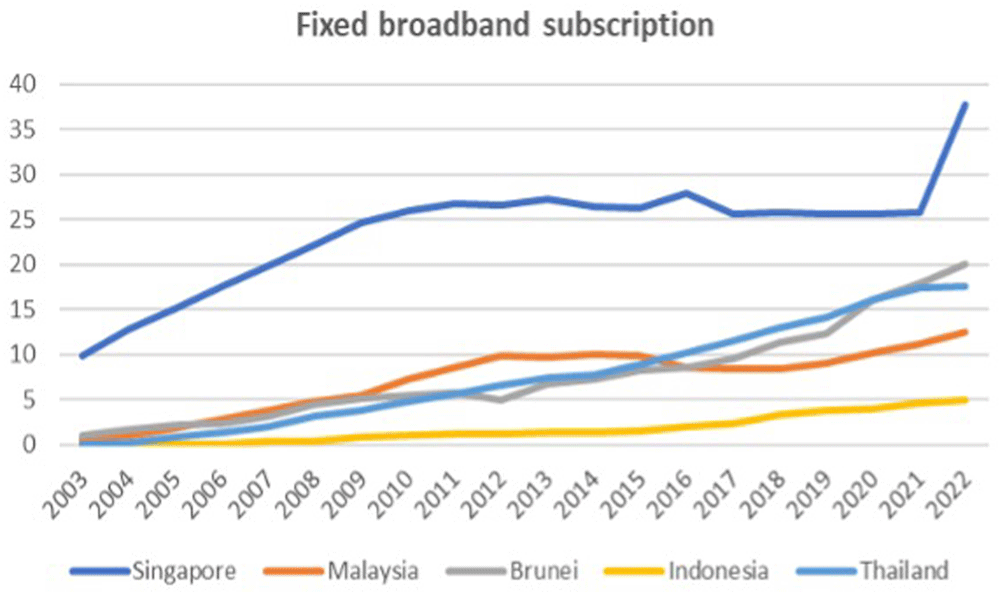
Figure 1. FBS for ASEAN Top Five economies (2003–2022).
For the proportion of individuals who used the Internet from any location in the last three months (access via a fixed or mobile network) seen in Figure 2, again all five countries experience an upward trend. Singapore leads the pack until 2015 before its first place was taken over by Brunei. However, internet usage in Brunei, Malaysia and Singapore seemed to converge in 2021. Indonesia, like the FBS indicator, lags behind. The ITU publication in 2021 reported that in four countries, namely the Republic of Korea, Brunei, Japan and New Zealand, more than 90 per cent of individuals used the Internet, and in three countries, namely Singapore, Australia and Malaysia, individual internet use was in excess of 80 per cent. This explains why Brunei, Singapore and Malaysia in Figure 2 are the highest three economies in terms of IU.
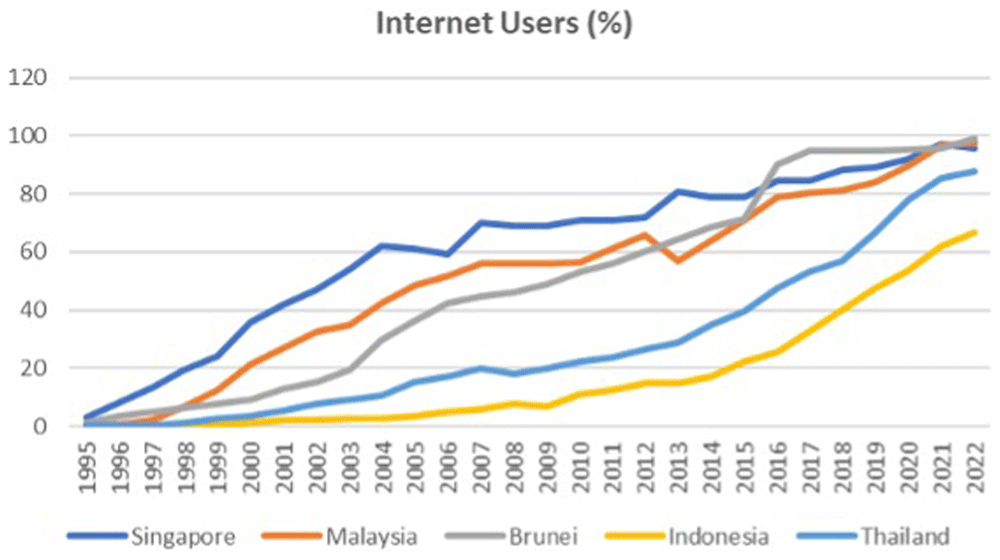
Figure 2. IU (% of population) for ASEAN Top Five economies (1995–2022).
Sigma convergence
The graphical depiction of the coefficient of variation statistics derived for the ASEAN five selected countries are shown in Figure 3 and Figure 4 for FBS and IU, respectively.
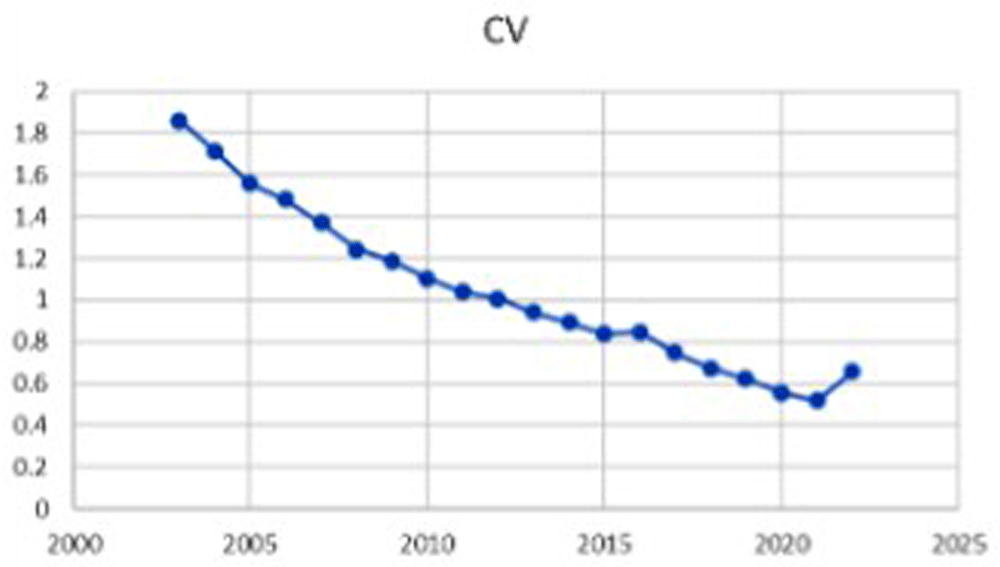
Figure 3. Coefficient of Variation for FBS.
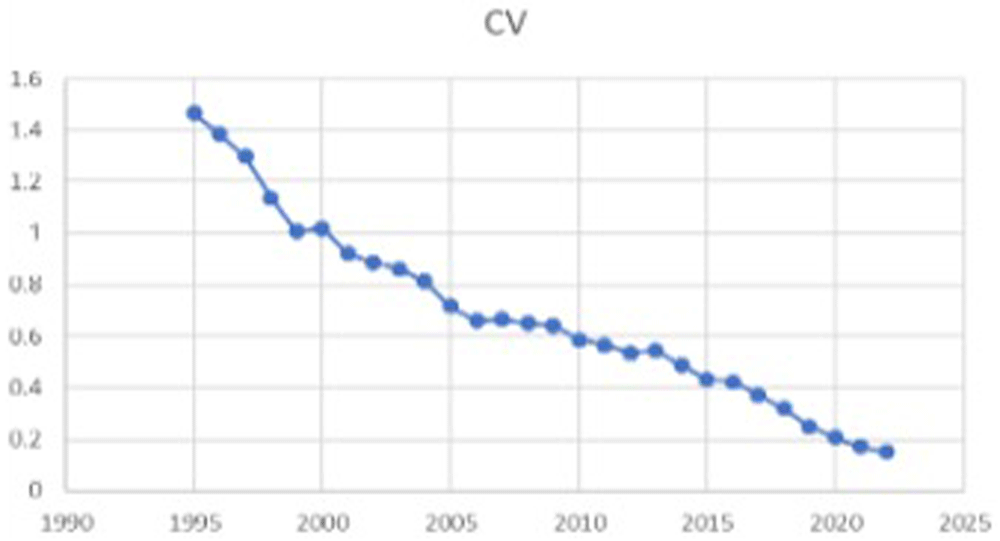
Figure 4. Coefficient of Variation for IU.
From both figures, it is apparent that the CV is generally decreasing over time, signifying there is sigma convergence among Singapore, Malaysia, Brunei, Thailand and Indonesia. This implies that the countries are becoming more similar. Nevertheless, there's slight increase in the dispersion for FBS (2021–2022). This could be attributed to the spike in fixed broad subscription in Singapore in 2021 and beyond, whose statistic was reported by ITU (2021), relative to the other ASEAN members. As for IU, all the five countries are becoming more similar in their digitalization based on the percentage of the population using the internet. In other words, the less developed economies among the five are catching up to the more developed ones. This finding is similar to that found by Kuzior et al. (2022) whose research included four of the five ASEAN economies.
Beta convergence
In both Table 4 and Table 5, the panel regression analysis conducted show insignificant chi-square statistics from the Hausman tests which imply that there is no systematic difference between the fixed effects and random effects estimates. In this case, the random effects model is preferred because it is more efficient while still being consistent. In both tables, the beta coefficients for lagged FBS and lagged IU would portray if there is convergence or divergence in digitalization for the five ASEAN economies. Since beta coefficient for lagged FBS is insignificant, it can be concluded that there is divergence from the initial level of FBS. The five countries are becoming less similar over the years.
Table 4. Beta convergence – panel regression (FBS), n = 95.
| Pooled OLS | Fixed Effects | Random Effects |
|---|
| Coeff. | t | Findings | Coeff. | t | Findings | Coeff. | z | Findings |
|---|
| Lagged FBS | -.014 | -0.78 | Insig. | -.0378 | -0.62 | Insig. | -.0134 | -0.78 | Insig. |
| Initial FBS | 0.059 | 2.17** | Diverg. | (omitted) | | | 0.059 | 2.17** | Diverg. |
| Time | -0.063 | -2.33** | | -.0473 | -1.01 | Insig | -.0630 | -2.33** | |
| Constant | 0.948 | 3.20*** | | 1.1922 | 3.70*** | | 0.9478 | 3.20*** | |
| R2 | 0.139 | | | 0.0880 | | | 0.1391 | | |
| F(3,91) | 4.90
(p=0.003) | | | F(2,88) | 4.43
(p=0.015) | | Wald
Chi2(3) | 14.7
(p-chi2=0.0021) | |
| | | | Hausman test:
Chi2(2)=0.17 | | | | |
| | | | Prob>chi2=
0.9193 | | | | |
Table 5. Beta convergence – panel regression (IU), n=135.
| Pooled OLS | Fixed Effects | Random Effects |
|---|
| Coeff. | t | Findings | Coeff. | t | Findings | Coeff. | z | Findings |
|---|
| Lagged IU | -.005 | -1.84* | Converg. | -0.001 | -0.22 | Insig. | -.005 | -1.84* | Converg. |
| Initial IU | 0.047 | 1.35 | Insig. | (omitted) | | | 0.047 | 1.35 | Insig. |
| Time | -0.030 | -2.61*** | | -0.039 | -2.35** | | -0.027 | -2.61*** | |
| Constant | 0.796 | 6.42*** | | 0.916 | 9.52*** | | 0.796 | 6.42*** | |
| R2 | 0.309 | | | 0.296 | | | 0.309 | | |
| F(3,131) | 19.55
(p=0.000) | | | F(2,128) | 27.21
(p=0.000) | | Wald
Chi2(3) | 58.64
(p-chi2=0.0) | |
| | | | Hausman test:
Chi2(2)=0.89 | | | | |
| | | | Prob>chi2=
0.6422 | | | | |
Meanwhile, in Table 5, the lagged IU variable has a negative and significant beta coefficient albeit at 10% level. This implies that if IU is used to represent digitalization, we can claim there is some kind of convergence among the five top income earners in ASEAN. Thus, the result signals that countries with higher initial digitalization levels grow slower while countries whose digitalization levels were lower initially are catching up by growing faster. Previous studies with similar results of convergence albeit analysed under different time period and scope are that of Lechman (2013), Ramadhanti and Astuti (2022b), Chang et al. (2020), and Han et al. (2024). Mitrovic (2020) found mixed results depending on the regions analysed while Rath (2016) found sigma convergence but no evidence of beta convergence in his analysis.
Conclusion
In a nutshell, the study finds evidence of sigma convergence in the level of digitalization across the five ASEAN countries, indicating a reduction in digital disparities over time. However, beta convergence analysis using two different indicators of digitalization (FBS and IU) reveals mixed results. Using FBS as indicator shows divergence, while IU confirms convergence. These findings suggest that while overall digitalization trends are positive and increasing across the region, the pace and pathways of digital transformation differ depending on the indicator used. Nevertheless, the study successfully meets its objectives by identifying these trends and highlighting the progress in digitalization across ASEAN.
The practical implications of these results are significant for policymakers and stakeholders in the region. The divergence identified (when FBS is used) suggests that certain aspects of digital development may require targeted interventions to ensure that the countries can keep pace with digital advancements. ASEAN policymakers could create a better digital ecosystem by focusing on strengthening digital infrastructure and implementing inclusive digital policies, to narrow the existing digital gaps. In addition, businesses and industries can benefit from these findings by customizing their digital strategies to the different levels of digital readiness and varying digitalization growth rates in different ASEAN countries.
A limitation of this study is its focus on only five selected ASEAN economies, which restricts the generalizability of the findings across the entire region. Additionally, the analysis relies solely on sigma and beta convergence methods, using only two digitalization indicators—fixed broadband subscriptions and internet usage—without considering other potentially relevant metrics. Future research could broaden the scope by including a more extensive set of ASEAN countries, particularly lower-income economies, and incorporating additional digitalization indicators such as mobile broadband penetration and digital infrastructure quality to offer a more comprehensive view of convergence trends. Furthermore, conducting a more disaggregated, country-by-country analysis could yield more specific insights, enabling targeted solutions tailored to each country’s unique digital development challenges. The use of panel regression analysis in the current study limits the ability to capture these country-specific details.
Ethics and consent
Ethics and consent were not required.
Since this dataset is publicly available and does not contain personally identifiable information, no explicit ethical approval or individual consent was required for its use. However, the ODDEA Horizon Europe-MSCA-SE project (Project No. 101086381) has an appointed ethical expert, Professor Dr. Durgesh Tripathi, who serves as an independent ethics advisor. Dr. Tripathi, who is a Professor and Dean at the University School of Mass Communication, Guru Gobind Singh Indraprastha University, New Delhi, India, reviewed and analyzed all datasets published on Zenodo by the ODDEA project researchers, including the dataset used in this study, to ensure compliance with ethical standards for secondary data usage.
Data availability statement
The dataset utilized in this research was sourced from the International Telecommunication Union (ITU) and is publicly available for use under open access terms. It was collected and processed as part of the ODDEA (Overcoming Digital Divide Between Europe and Southeast Asia) EU research project (Project ID: HORIZON MSCA-SE 101086381) and published in the Zenodo open repository with the link https://doi.org/10.5281/zenodo.13856768., with the citation: Hanif et al. (2024). ASEAN Data on ICT [Data set]. Zenodo. https://doi.org/10.5281/zenodo.13856768
The dataset is held under the Creative Commons Attribution 4.0 International (CC BY 4.0) license, which permits use, sharing, and adaptation with proper attribution. Two indicators from the dataset, namely Internet Usage and Fixed Broadband Subscription, were used as proxies for digitalization for sigma and beta convergence analysis of ASEAN top 5 countries.
Faculty Opinions recommendedReferences
- ASEAN: What we do. n.d. Retrieved August 10, 2024. Reference Source
- ASEAN: ASEAN statistical yearbook 2023. ASEAN Secretariat, 2023. Reference Source
- ASEAN Digital Generation Report: Digital financial inclusion. ASEAN, 2022. Reference Source
- Barro RJ, Sala-i-Martin X:
Convergence.
J Polit Econ.
1992; 100(2): 223–251. Publisher Full Text
- Bera S:
Club convergence and drivers of digitalization across Indian states.
Telecomm Policy.
2019; 43(8): 101822. Publisher Full Text
- Castellacci F:
Technology clubs, technology gaps and growth trajectories.
Struct Chang Econ Dyn.
2008; 19(4): 301–314. Publisher Full Text
- Castellacci F:
Closing the technology gap?
Rev Dev Econ.
2011; 15(1): 180–197. Publisher Full Text
- Chang YS, Jeon S, Shamba K:
Speed of catch-up and digital divide: convergence analysis of mobile cellular, internet, and fixed broadband for 44 African Countries.
J Global Inf Technol Manage.
2020; 23(3): 217–234. Publisher Full Text
- Google, Temasek, & Bain & Company: e-Conomy SEA 2023: reaching new heights – Navigating the path to profitable growth. 2023. Reference Source
- Ha H, Chuah CKP:
Digital economy in Southeast Asia: challenges, opportunities, and future development.
Southeast Asia: A Multidisciplinary Journal.
2023; 23(1): 19–35. Publisher Full Text
- Han J, Song Y, Chen J:
Reducing the ‘digital divide’ to reap the ‘digital dividend’: spatial differences and convergence of the digital economy in cities of China.
Front Sustain Cities.
2024; 6: 1283604. Publisher Full Text
- Hanif A, Abd Rashid A, Roselan MH:
ASEAN Data on ICT [Data set]. Zenodo. 2024. http://www.doi.org/10.5281/zenodo.13856768
- Ing LY, Markus I:
ASEAN digital community 2040 (Policy Brief No. 2022-11).
Economic Research Institute for ASEAN and East Asia.
2023. Reference Source
- International Telecommunication Union (ITU): Digital trends in Asia and the Pacific 2021: information and communication technology trends and developments in the Asia Pacific region, 2017–2020. 2021. Reference Source
- Khut V:
Brunei: challenges and opportunities in becoming a ‘smart nation’.
The Scoop.
June 24, 2024. Reference Source
- Krisanaraj J:
Measures to boost the digital economy explained.
The Nation.
2024. Reference Source
- Kuzior A, Vasylieva T, Kuzmenko O, et al.:
Global digital convergence: impact of cybersecurity, business transparency, economic transformation, and AML efficiency.
J Open Innov Technol Mark Complex.
2022; 8(4): 195. Publisher Full Text
- Lechman E:
Technology convergence and digital divides: a country-level evidence for the period 2000–2010.
GUT FME Working Paper Series A.
Gdańsk University of Technology, Faculty of Management and Economics, 2013; 3(3). Reference Source
- Lin C:
Southeast Asia's internet economy growth to slow in 2023.
Reuters.
2023; Retrieved February 6, 2024. Reference Source
- Mitrović Đ:
Measuring the efficiency of digital convergence.
Econ Lett.
2020; 188: 108982. Publisher Full Text
- New Straits Times:
NST leader: the digital divide.
New Straits Times. September 29, 2021. Reference Source
- Park SR, Choi DY, Hong P:
Club convergence and factors of digital divide across countries.
Technol Forecast Soc Change.
2015; 96: 92–100. Publisher Full Text
- Quah D:
Technology dissemination and economic growth: some lessons for the new economy. In: C. Shavanth (Ed.), Understanding the digital economy: data, tools, and research. MIT Press, 2002; 95–142. Reference Source
- Ramadhanti Y, Astuti R:
Digital transformation and the role of ICT in Indonesia’s national development agenda.
J Dev Stud.
2022a; 45(2): 100–115.
- Ramadhanti HD, Astuti ET:
Digital divide and a spatial investigation of convergence in ICT development across provinces in Indonesia.
Jurnal Aplikasi Statistika & Komputasi Statistik.
2022b; 12(3): 69–84. Publisher Full Text
- Rath BN:
Does the digital divide across countries lead to convergence? New international evidence.
Econ Model.
2016; 58: 75–82. Publisher Full Text
- Sedik TS, Chen S, Feyzioglu T, et al.:
The digital revolution in Asia and its macroeconomic effects (ADBI Working Paper Series No. 1029). Asian Development Bank Institute, 2019. Reference Source
- The New Tech:
Decoding Singapore’s digital economy. Lee Kuan Yew School of Public Policy, National University of Singapore, January 24, 2024. Reference Source
- Yang ATH:
ASEAN’s splintering digital economy governance.
East Asia Forum.
2023. Reference Source









