Introduction
Individuals frequently exposed to Plasmodium falciparum infections develop semi-protective naturally acquired immunity (NAI), which reduces the risk of severe and symptomatic malaria disease1. However, pregnancy-associated malaria (PAM) remains a significant contributor to maternal and fetal morbidity and mortality in these malaria endemic areas, making pregnant women a considerable exception to the accrued benefits of the NAI2. According to WHO’s 2023 World malaria report3, various issues including climate change are impeding the global effort to eradicate malaria in pregnancy (MiP) with estimated cases standing at 12.7 million as of 2022. PAM is characterized by placental accumulation of infected red blood cells (iRBCs) which bind to chondroitin sulfate A (CSA)4. The pathogenesis of PAM is facilitated by a 350 kDa variant protein, VAR2CSA, expressed on the surface of infected red blood cells. VAR2CSA is a member of the P. falciparum erythrocyte membrane protein 1 (PfEMP1) family and promotes parasite sequestration in the placenta by binding to placental chondroitin sulfate A5–8. Exposure to VAR2CSA triggers production of antibodies that prevent iRBCs adhesion to placental CSA and marking them for clearance by the immune system9–11. Antibodies specific to VAR2CSA are typically low in primigravid women but levels increase with gravidity12–14. Thus, PAM is less severe in subsequent pregnancies, suggesting that VAR2CSA remains a potential PAM vaccine candidate15. The ongoing VAR2CSA-based vaccine candidates (PAMVAC and PRIMVAC) for PAM are significant milestones for mitigating the adverse effects of placental malaria infection16–18. While both vaccine candidates illicited anti-VAR2CSA antibodies that effectively inhibited homologous VAR2CSA-expressing IRBCs from adheing to CSA, the antibody response was ineffective against parasite strains that were heterologous19,20.
Emerging evidence suggests that the pathogenesis of PAM may involve parasite proteins beyond VAR2CSA. This is supported by the upregulation of multiple invariant genes in placenta infecting parasites21–24. Indeed, Keitany et al. identified a protein, P. falciparum chondroitin sulfate A ligand (PfCSA-L; PlasmoDB: PF3D7_1001000), co-expressed with VAR2CSA on the surface of infected red blood cells25. Notably, PfCSA-L exhibits nanomolar affinity for both placental CSA and VAR2CSA. Furthermore, they demonstrated that antibodies to this antigen may provide protection especially in multigravida women. Despite this reported immunological protection, acquisition of anti-PfCSA-L antibodies during gestation and in malaria exposed women of different gravidity remain inconclusive. Moreover, the mechanisms and timing of protective immunity conferred by antibodies targeting iRBC surface proteins, including PfCSA-L, in the context of placental malaria are poorly understood26. This knowledge, as well as the genetic diversity of any target molecule27,28, will be critical for development of effective PAM vaccines.
This study aimed to characterize the antigenicity of PfCSA-L in the context of naturally acquired immunity against P. falciparum infection in pregnant women residing in a malaria-endemic region. By longitudinally assessing PfCSA-L IgG antibody responses across pregnancy trimesters, we demonstrated a progressive increase in antibody levels in the majority of study participants. Furthermore, our findings indicate a high degree of sequence conservation within the pfcsa-l gene among circulating parasite isolates (https://www.ebi.ac.uk/ena/browser/view/PRJEB46180).
Methods
Study design and ethics statement
This longitudinal cohort study was conducted among pregnant women aged 18–40 years undergoing routine antenatal care at Webuye County Hospital, Bungoma County, western Kenya between 2020 and 2021. Participants were enrolled in week 12–20 of gestation and followed approximately every 4 weeks until delivery. Venipuncture was performed with serum tubes (Becton Dickinson, Franklin Lakes, NJ) to collect 4 ml blood samples, which were subsequently centrifuged to obtain serum. Serum samples were stored at -80°C. Additionally, duplicate blood samples were collected on Whatman 903 filter paper (GE Healthcare, Cardiff, UK) as dried blood spots (DBS), desiccated, and stored at -80°C for future analysis29. The women who tested malaria positive with rapid diagnostic testing were treated in line with Kenya national malaria management guidelines30,31. Out of a total of 300 pregnant women enrolled at this site, samples from 80 randomly selected participants were analyzed in the current study.
Ethical clearance to conduct the study was obtained from the scientific and institutional review committee of Mount Kenya University (approval number 083 and 1099 dated 20th Aug 2019 and 10th Dec 2021, respectively). All study participants provided written informed consent before donating samples. Regarding the P. falciparum parasites sequencing, the study's approval was obtained from the Kenyatta National Hospital - University of Nairobi (KNH-UoN) ethical review committee (P609/10/2014 dated 21st Jun 2019). Written consent was obtained from all the participants or guardians, and malaria cases were treated per the national malaria guidelines.
DNA extraction
DNA extraction from DBS on filter paper was carried out according to the protocol by Simon et al.32. Briefly, 3 mm diameter size punched filters were soaked in 1 ml of phosphate-buffered saline (PBS, catalog number 20012027, Thermo Fisher ScientificTM), incubated for 40 min at room temperature in a 1.5-ml tube and centrifuged at 10,600g for 3 minutes. After centrifugation, the supernatant was discarded, and 50 µl of chelex 20% (catalog number 11139-85-8, Sigma-AldrichTM) was added. The mixture was first incubated at 99 °C for 10 min, and centrifuged at 5000g for 2 minutes. The genomic DNA supernatant was transferred into a 1.5 ml tube and kept at −20 °C for further analysis.
Polymerase chain reaction (PCR) for Plasmodium species identification
Nested PCR was performed using rPLU5/ rPLU6, and rFAL1/ rFAL primer pairs (Table 1) to determine the Plasmodium genus and P. falciparum species, respectively. In both cases, the PCR mixture had a total volume of 25 µl, containing 1X buffer, 200 μM dNTPs, 10 µM of each primer, 2.5 mM MgCl2, 1 unit of Taq DNA polymerase (Invitrogen, Carlsbad, CA) and 2 μl of DNA solution. The thermo-profile consisted of an initial denaturation step at 94 °C for 5 min, followed by 25 cycles at 94 °C for 45 s, 58 °C for 45 s, and 72 °C for 1 min, and a final extension step at 72 °C for 5 min. Amplicons were subjected to electrophoresis for approximately 40 min at 100 V on standard 2% agarose gels (catalog number 1613102, Bio-RadTM).
Table 1. Primers for nested PCR of 18S rRNA and pfcsa-l gene in malaria parasites.
| Species | Primer | Sequence (5'-3') | Product size |
|---|
| 18S rRNA _outer | rPLU5 | CTTGTTGTTGCCTTAAACTTC | 1200 bp |
| | rPLU6 | TTAAAATTGTTGCAGTTAAAACG | |
| 18S rRNA inner | rFAL 1 | TTAAACTGGTTTGGGAAAACCAAATATATT | 205 bp |
| | rFAL 2 | ACACAATGAACTCAATCATGACTACCCGTC | |
| Pfcsa-l | Pfcsal_F | GGCGGATATCTCGATGTTGTTCTCTTTCAAATATATATATTTTTCGTC | 693bp |
| Pfcsal_R | CGGTACCCGGGGTTATATATCTATCTTCGTATTTTAAAAAATAAAAAGAATC | |
Production of PfCSA-L recombinant protein
Recombinant full-length PfCSA-L protein was synthesized using wheat germ cell-free system (WGCFS) as described33. Briefly, PfCSA-L sequence was amplified from P. falciparum 3D7 parasite isolates using specific primers (Table 1). The amplified DNA was restricted with XhoI and NotI restriction enzymes, ligated into the pEU-E01-HIS vector, and expressed as an N-terminal HIS fusion protein using WGCFS. The proteins were affinity purified using the nickel sepharose columns, separated in a 12.5% SDS-polyacrylamide gel, and stained with Coomassie brilliant blue R-250 (CBB) (catalog number 6104-59-2, Sigma-Aldrich).The protein resolved at 27 kDa position relative to the protein marker), which was consistent with the expected band size as described elsewhere25. The protein was used for enzyme-linked immunoassays (ELISAs) assays.
Quantification of IgG levels by ELISA
Measurement of antibodies against PfCSA-L was performed as previously described with slight modification34. Briefly, 96-well enzyme-linked immunosorbent assay plates were coated with 50µl of 100 times diluted antigen per well in coating buffer (20 mM boric acid, pH 8.9, catalog number 10043-35-3, Sigma-Aldrich) and incubated at 4°C overnight. The plates were blocked with 2% casein (catalog number 9005-46-3, Sigma-Aldrich) in the coating buffer. The sera were diluted (1:600) in phosphate-buffered saline with 0.1% Tween 20 (PBS-T, pH =7.2) in duplicates and incubated for 1 h at 37°C. After the plates were washed, they were incubated with 100µl of 1:3000-diluted HRP-conjugated goat anti-human IgG (catalog number A18805, Thermofisher, polyclonal) in PBS-T for 1 h at 37°C. After that, they were incubated with 100µl of azino-bis-3-ethylbenthiazoline-6-sulfonic acid (catalog number 002024, Thermofisher TM). The reaction was stopped with 0.1 M citric acid (catalog number 110450050, Thermofisher) and optical densities (ODs) were measured at 415 nm against a reference wavelength of 490nm using a precision microplate reader (Molecular Devices, Sunnyvale, CA).
B-Cell epitope prediction
Linear B-cell epitopes of the PF3D7_1001000 PfCSA-L protein were predicted using BepiPred 2.0 in IEDB (http://www.cbs.dtu.dk/services/BepiPred/; BepiPred 2.0, Immune Epitope Database and Analysis Resource, National Institute of Allergy and Infectious Diseases, Bethesda, MD, USA) with a threshold of 0.55 (corresponding specificity > 0.817 and sensitivity < 0.292). Only the epitopes with more than 5 residues were considered for subsequent antigenicity analysis. Antigenicity was evaluated via the VaxiJen v2.0 (https://www.ddg-pharmfac.net/vaxijen/VaxiJen/VaxiJen.html) server online tool (The Jenner Institute, Oxford, UK).
Genetic diversity
The samples analyzed here for genetic diversity, involving pfcsa-l, pfama-1, pfadsl and var2csa genes, were a subset of samples obtained in a previous study in western Kenya35,36. These sequences are archived at the DDBJ BioProject, Accession number PRJDB12148, where up to 26 sequences of field isolates were analyzed. The isolates had passed quality checks as previously described elsewhere35. Briefly, the parasite DNA was extracted from archived whole blood samples from patients recruited for a drug resistance surveillance study in local hospitals on four selected islands (Mfangano, Takawiri, Kibuogi, and Ngodhe) in Lake Victoria, a coastal mainland (Ungoye) between July 2014 and July 201637,38.
Variant calling and analysis
The VCF file containing twenty-six samples that passed the quality test from read mapping analysis was used as the input file in VCF tools for variant analysis. High-quality SNPs in pfcsa-l were functionally annotated in the SNPEFF tool42. ARTEMIS software further analyzed Called variants43. MUSCLE tool was used to perform multiple sequence alignment and translation of nucleotide sequences to amino acid sequences. Gene variants were identified by aligning the amino acid sequence reads to their corresponding 3D7 reference gene sequence. To test the sensitivity of the above approach, the sequences were analyzed at different variant calling parameters to assess the impact of these settings on downstream analysis. Additionally, before variant calling, base quality score recalibration was performed to adjust the base quality scores of sequences reads as well as local realignment around indels to reduce false-positive variant calls resulting from alignment artifacts. The aligned sequences by MUSCLE software were subjected to genetic diversity determined by parameters, such as segregating sites (S), the average number of nucleotide differences at each position between two sequences (Pi), the number of haplotypes and TajimaD values. Tajima D and Pi (π) values were calculated in AlignStatPlot software44. D and π values were plotted against the mid-point of the window length. AlignStatPlot, An R package and online tool for robust sequence alignment
Results
Characteristics of study population
The recruited and sampled participants (n=78) were either primigravida (46%), secundigravida (44%), or tertigravida (10%) women (Table 2). All deliveries were term at 39–40 weeks of gestation. All neonates were born alive and in good health. Serum samples assayed were those collected at three time points, each approximately coinciding with a trimester. The number of assays performed varied by visit and gravidity, depending on the availability of sufficient sample volume. Malaria infection was detected in 23% of the pregnant women by PCR with previous history of malaria exposure.
Table 2. The demographic characteristics of the assessed samples.
| Characteristics | Primigravid
(n=36) | Secundigravid
(n=34) | Tertigravid
(n=8) | P value* |
|---|
| Age, years median (IQR) | 25(6) | 24.5 (7.25) | 27 (3) | 0.5033 |
| PCR (x/n) positive | 7/25 | 5/26 | (1/5) | |
| Hemoglobin, median (IQR), g/dL | 13.2 (1.1) | 12.6 (3.125) | 14.6 (2.25) | 0.07757 |
| Anti- PfCSA-L at enrolment (Mean, sd*) | 0.5501 (0.3757) | 0.6788 (0.3932) | 0.6577 (0.7782) | 0.3409 |
Anti-PfCSA-L antibodies levels increased with developing pregnancy
To assess if PfCSA-L was naturally immunogenic in the study population, we evaluated the immunoreactivity of human antibodies to recombinant PfCSA-L using serum samples from the study region. In general, antibodies to PfCSA-L were significantly (P<0.05) elevated in pregnant women as the pregnancy developed (Figure 1). There was a significant increase in anti- PfCSA-L antibodies in all periods corresponding to first, early second and third trimesters of pregnancy, respectively, (P<0.05) suggesting that there was an increased exposure to parasites expressing this protein.
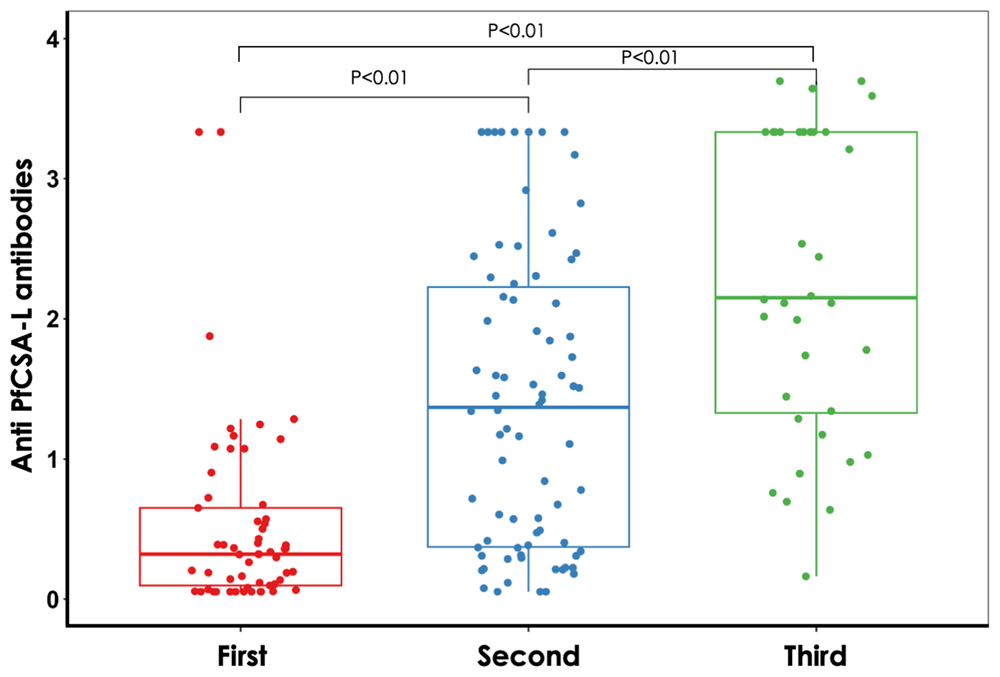
Figure 1. Levels of antibodies to PfCSA-L across trimester 1, 2 and 3 in the gestation period.
To further understand how immunoreactivities to PfCSA-L associated with gravidity, antibodies levels in women of different gravida across the follow up period were assessed. In the first visit (representing first trimester), we observed high levels of antibodies in secundigravida women compared to primigravida women (P>0.05), with non-significant lower levels in tertigravida (Figure 2A). On the second visit, primigravida women exhibited non-significantly higher antibody levels compared to other populations, while no difference was observed among all groups in the third visit (Figure 2B, C). This suggested that, although all women responded to possible exposure the PfCSA-L, primigravida women had a stronger humoral response as compared to other groups.
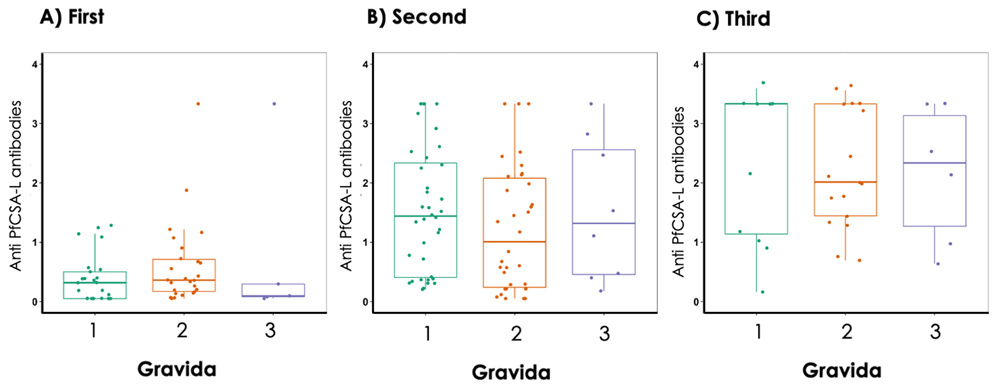
Figure 2. PfCSA-L antibody levels in first-, second-, and third-time pregnant women during each pregnancy trimester.
Trends in IgG levels per visit, individual, and gravidity
To understand acquisition or boost of immunity during PAM, we assessed the kinetics of PfCSA-L IgG antibody responses. The analysis revealed a general pattern of increasing immunoreactivity during the first, second and third visits for all the gravida (P<0.05) except for the tertigravida women (P>0.05) (Figure 3). This could suggest immune boost effect following natural infections.
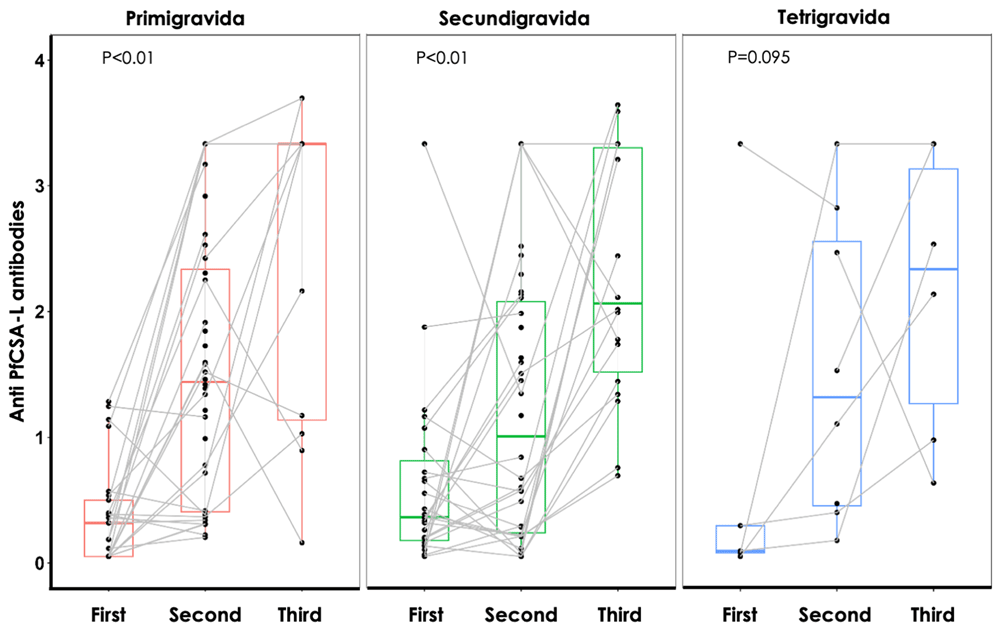
Figure 3. Antibody response trends in primigravida, secundigravida, and tertigravida women across pregnancy trimesters.
pfcsa-l is highly conserved as compared to var2csa
Since PfCSA-L is immunogenic, with antibodies potentially offering protection, making it a suitable target for vaccine development25, we investigated the genetic polymorphism of pfcsa-l in parasites circulating within Western Kenya, a region highly endemic for malaria. Field isolate sequences of pfcsa-l and other control genes were successfully mapped to the reference genome of P. falciparum 3D7. Following quality control, 26 nucleotide sequences were analyzed for genetic polymorphisms. To assess diversifying selection, the neutrality measure was calculated using a sliding window approach for nucleotide diversity (π) and Tajima's D. We observed a negative neutrality summary statistic for pfcsa-l, with a Tajima's D of -1.73363 and a π of 0.00033 (Table 3) with only 2 singleton mutations across its 696bp sequence. This indicates that the pfcsa-l gene is well conserved compared to the highly polymorphic gene pfama1 and the target of the most advanced PAM vaccine candidate, var2csa. In comparison to pfcsa-l, and pfads-l, a conserved house-keeping gene, var2csa displayed the least conservation, with a Tajima's D summary value of 0.27733 and a π of 0.06084 (Figure 4 and Figure 5). While Fu & Li's statistics were significant for the pfcsa-l gene (p<0.05), they were not significant for var2csa. These findings suggest that PfCSA-L is either not under strong immune pressure from the human host or is conserved due to its essential role as a ligand for parasite development. Analysis of secondary sequences retrieved from the PlasmoDB database (https://plasmodb.org/plasmo/app) using predefined selection criteria identified no single nucleotide polymorphisms (SNPs) within the 349 deposited Plasmodium isolates.
Table 3. Fu & Li's neutrality tests statistics based on the Lake Victoria sample population.
| Gene | No. of
samples | S | Fu and Li's D* | Fu and Li's F* |
|---|
| pfcsa-l | 26 | 3 | -2.58495* | -2.70880* |
| Pfadsl | 26 | 3 | - 0.2162* | 3.98709 |
| var2csa | 26 | 530 | 0.53538 | 0.53259 |
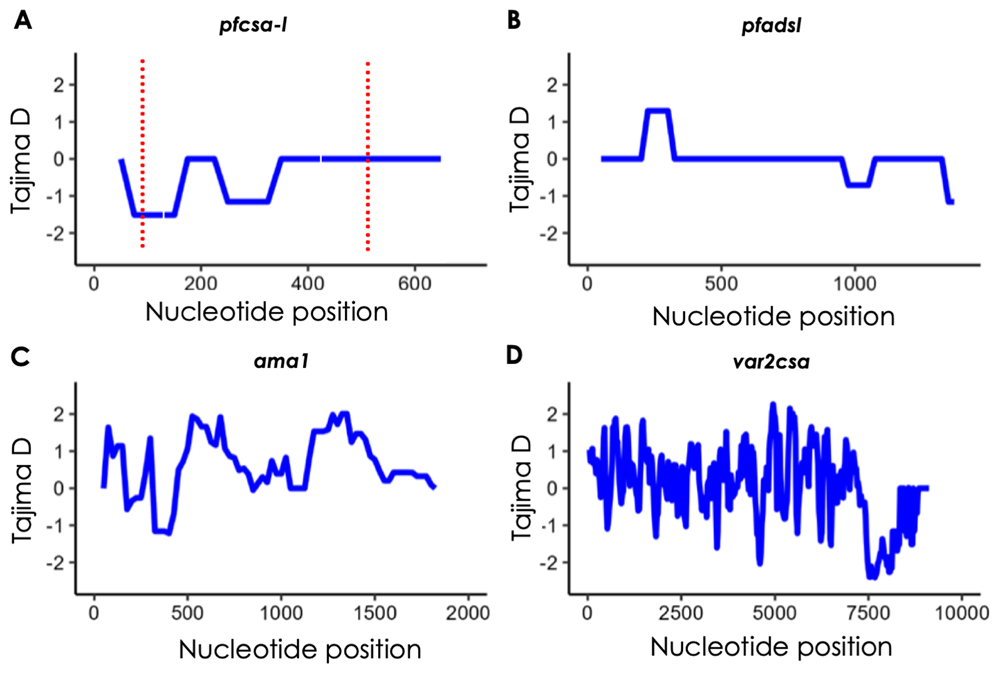
Figure 4. Tajima's D sliding window analysis of study genes.
PfCSA-L: highlighted region indicates identified epitope.
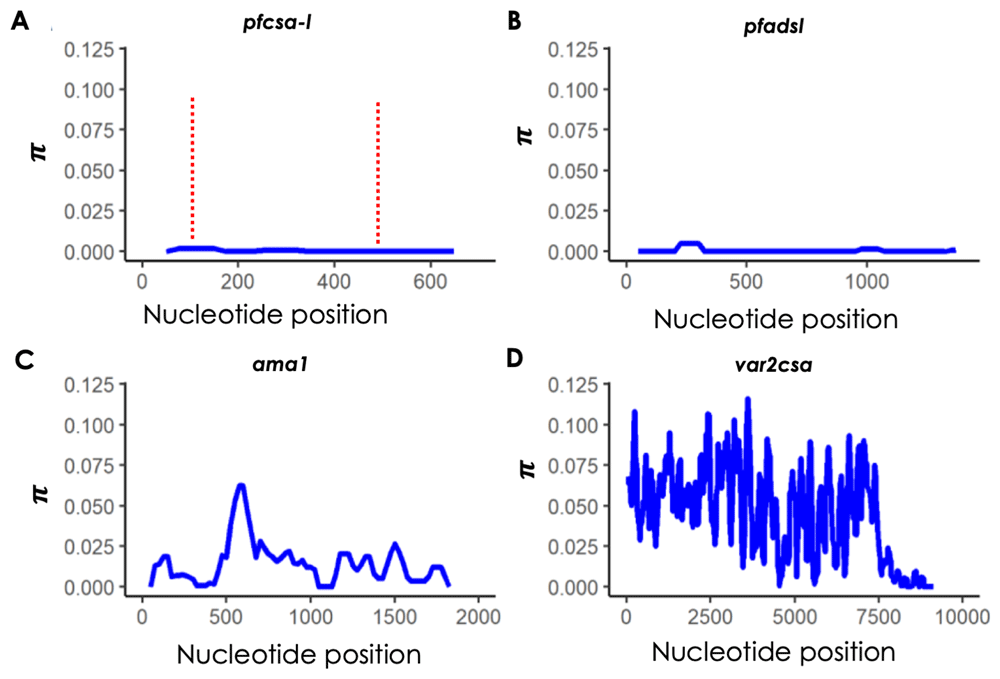
Figure 5. Nucleotide diversity (π) analysis comparing genetic diversity of three genes in Lake Victoria samples.
B cell epitope prediction and antigenicity
Following the observation that PfCSA-L induces a strong IgG response and is highly conserved in field parasite isolates, suggesting its importance in naturally acquired immunity, we sought to identify B-cell epitopes that can be targeted for vaccine development. An exploratory in silico analysis was conducted using online open-source software bepiPred v2.0 () with a threshold score of 0.55 to predict the B cell linear epitopes; the generated peptides with higher scores above the threshold were considered. The input file was a FASTA file sequence of PF3D7_1001000 strain of PfCSA-L. Leveraging the software capabilities, this study only predicted linear epitopes, acknowledging that antibodies can react with both linear and conformational epitopes. Those that met the threshold and had more than five (5) amino acid residues were considered for further antigenicity analysis as described elsewhere45. Six (6) epitopes that resided within the conserved region of the gene were predicted with their corresponding positions in the protein sequence shown in Table 4. The antigenicity of these epitopes was predicted using vaxijen v2.0 http://www.jenner.ac.uk/VaxiJen, and a default 0.5 threshold setting yielded two epitopes (Table 4).
Table 4. B cell epitope prediction/Antigenicity.
Protein
position | Epitope | Antigenicity |
|---|
| 25–30 | KYIQNF | -0.5663 |
| 38–63 | NEKCSSKYIRLISEQTSDESTSKSIK | 0.8129 |
| 66–165 | KCVNKRNNKNEDNHELQSKSRSLKGTELDVTSYNKSKHTQQNNLGDSLK
RTKNNITNISSKKNETYLFDENTNEYKLRNTLRLMNERYADSIVDTMDLND | 0.7173 |
| 182–193 | ENPDKQRKLYEQ | 0.3859 |
| 198–203 | IEKYKK | 0.2006 |
| 215–227 | NIYDSFYFLKYED | 0.4868 |
Discussions
Despite multiple studies demonstrating acquisition of immunity against malaria during pregnancy, the specific mechanisms against adverse pregnancy outcomes, and the key targets of protective antibodies remain unresolved46–48. Emerging evidence suggests that the pathogenesis of PAM may involve parasite proteins beyond the classical VAR2CSA. Recently, a ligand PfCSA-L was identified as co-expressed with VAR2CSA on the surface of infected red blood cells with anti-PfCSA-L antibodies blocking parasite cyto-adherence. This puts PfCSA-L as potential vaccine candidate. This study, aimed at understanding, the critical gap as to when and how acquisition of anti- PfCSA-L antibodies occur during gestation and in women of different gravidity. Consistent with previous studies, we observed that PfCSA-L is highly immunogenic in malaria natural infections. We also observed a significant increase in antibodies against PfCSA-L in primigravidae during the second visit corresponding to the second trimester. Consistent with other studies targeting PfEMP1 domains49, primigravida women had a robust humoral response as compared to other groups. Other studies have also shown that both primigravidae and multigravidae have antibodies at term, though levels increases with increasing gravidity, a phenomena which has been attributed to the gravidity-dependent protection against the development of severe placental malaria50–52. A further comparison of this data50–53, however, showed that a significant number of primigravidae had high levels of anti-C4S adhesion antibodies. This might escalate the unknown reason why primigravidae are more susceptible to placental malaria.
Polymorphisms in vaccine candidates have been a major hurdle in developing effective malaria vaccines. This has consistently resulted in strain-specific immune protection and failed field trials54. Here, PfCSA-L is demonstrated as a highly conserved, with only limited polymorphisms observed in Kenya field isolates here and other settings. Specifically, pfcsa-l gene displayed low nucleotide diversity and a negative Tajima's D value, suggesting an excess of rare variants and potential balancing selection against polymorphisms55. Similar negative values were observed for Fu and Lis' D* statistics. These findings are consistent with previous observations investigating leading and conserved blood-stage vaccine targets, PfP113 and PfRipr55. This makes the molecule highly susceptible to cross-strain neutralizing naturally acquired and vaccine-induced antibodies. The population-specific investigations reported here, with other studies from different malaria transmission settings, will inform design of effective vaccine for Kenyan population.
When selecting an antigen for inclusion in a multi-component malaria vaccine, it is crucial to consider the location of epitopes within the protein, particularly in conserved regions or intrinsically unstructured regions (IURs), as IURs are key targets for the host immune system, including antibody recognition56,57. A significant finding of this study is the identification of B-cell epitopes within PfCSA-L conserved regions. Future studies are therefore needed to assess the inhibitory activity of antibodies to these epitopes through functional assays to determine their biological and immunological relevance or as potential candidates for a PfCSA-L-associated multi-component vaccine. Estimating the decay rates of antimalarial antibody responses especially before and during pregnancy need to assessed58.
In summary, the data presented herein demonstrate the high conservation of PfCSA-L among field isolates, the presence of multiple B-cell epitopes within conserved regions, and its immunogenicity in natural malaria infections, particularly during the first trimester of pregnancy. These findings suggest that PfCSA-L could be a promising vaccine candidate for protecting primigravid women, who are at heightened risk of malaria-related complications. While further research is needed to validate its efficacy and safety, the results of this study support the continued investigation of PfCSA-L for inclusion in malaria vaccine strategies aimed at preventing maternal and fetal morbidity.
Data availability
Underlying data
Zenodo: Targeting Plasmodium falciparum chondroitin sulfate a ligand: A highly conserved malaria antigen with potential for pregnancy-associated malaria vaccine development, https://doi.org/10.5281/zenodo.13868368
This project contains following data:
PfCSA-L_Raw_Data.xlsx
Data is available under the license CC4.0
Software availability
All statistical analyses were performed with R version 4.3.3. Optical densities (ODs) were normalized with a 5-parameter logistic curve relative to the standard curve generated on the same plate. Continuous variables were compared using the non-parametric Kruskal–Wallis test.
Author contributions
BK and JG conceived and designed the study; JG provided the analyzed whole genome sequences, facilitated and supervised the design of protocols for participants’ enrollment; AR performed the experiments, including the bioinformatics and statistical analysis. ET provided the recombinant proteins, other reagents and technical advice. AR and BK wrote the first draft of the manuscript, and the final version accommodated edits from all authors. All authors read and approved the final manuscript.
Acknowledgements
We wish to acknowledge the Mount Kenya University research team for their insights into the improvement of this work. We sincerely thank the volunteers at Webuye County Hospital who participated in the study.
Faculty Opinions recommendedReferences
- 1.
Gonzales SJ, Reyes RA, Braddom AE, et al.:
Naturally acquired humoral immunity against Plasmodium falciparum malaria.
Front Immunol.
2020; 11: 594653. PubMed Abstract
| Publisher Full Text
| Free Full Text
- 2.
Farhan K, Saeed N, Khan SR, et al.:
Malaria prevention during pregnancy: implications for maternal and neonatal health in East Africa.
New Microbes New Infect.
2023; 55: 101186. PubMed Abstract
| Publisher Full Text
| Free Full Text
- 3.
WHO:
World malaria report. 2023. Reference Source
- 4.
McLean ARD, Ataide R, Simpson JA, et al.:
Malaria and immunity during pregnancy and postpartum: a tale of two species.
Parasitology.
2015; 142(8): 999–1015. PubMed Abstract
| Publisher Full Text
| Free Full Text
- 5.
Tuikue Ndam NG, Salanti A, Bertin G, et al.:
High level of var2csa transcription by Plasmodium falciparum isolated from the placenta.
J Infect Dis.
2005; 192(2): 331–335. PubMed Abstract
| Publisher Full Text
- 6.
Duffy MF, Caragounis A, Noviyanti R, et al.:
Transcribed var genes associated with placental malaria in Malawian women.
Infect Immun.
2006; 74(8): 4875–4883. PubMed Abstract
| Publisher Full Text
| Free Full Text
- 7.
Salanti A, Staalsoe T, Lavstsen T, et al.:
Selective upregulation of a single distinctly structured var gene in Chondroitin Sulphate A-adhering Plasmodium falciparum involved in Pregnancy-Associated Malaria.
Mol Microbiol.
2003; 49(1): 179–191. PubMed Abstract
| Publisher Full Text
- 8.
Walter PR, Garin Y, Blot P:
Placental pathologic changes in malaria: a histologic and ultrastructural study.
Obstet Gynecol Surv.
1983; 38(8): 469–471. Publisher Full Text
- 9.
Hviid L, Salanti A:
VAR2CSA and protective immunity against pregnancy-associated Plasmodium falciparum malaria.
Parasitology.
2007; 134(Pt 13): 1871–1876. PubMed Abstract
| Publisher Full Text
- 10.
Rogier E, Moss DM, Chard AN, et al.:
Evaluation of immunoglobulin g responses to Plasmodium falciparum and Plasmodium vivax in Malian school children using Multiplex Bead Assay.
Am J Trop Med Hyg.
2017; 96(2): 312–318. PubMed Abstract
| Publisher Full Text
| Free Full Text
- 11.
Duffy PE, Fried M:
Antibodies that inhibit Plasmodium falciparum adhesion to Chondroitin Sulfate A are associated with increased birth weight and the gestational age of newborns.
Infect Immun.
2003; 71(11): 6620–6623. PubMed Abstract
| Publisher Full Text
| Free Full Text
- 12.
Ataíde R, Mayor A, Rogerson SJ:
Malaria, Primigravidae, and antibodies: knowledge gained and future perspectives.
Trends Parasitol.
2014; 30(2): 85–94. PubMed Abstract
| Publisher Full Text
- 13.
Ricke CH, Staalsoe T, Koram K, et al.:
Plasma antibodies from malaria-exposed pregnant women recognize variant surface antigens on Plasmodium falciparum-infected erythrocytes in a parity-dependent manner and block parasite adhesion to Chondroitin Sulfate A.
J Immunol.
2000; 165(6): 3309–3316. PubMed Abstract
| Publisher Full Text
- 14.
Oleinikov AV, Rossnagle E, Francis S, et al.:
Effects of sex, parity, and sequence variation on seroreactivity to candidate pregnancy malaria vaccine antigens.
J Infect Dis.
2007; 196(1): 155–164. PubMed Abstract
| Publisher Full Text
- 15.
McGregor IA, Wilson ME, Billewicz WZ:
Malaria infection of the placenta in the Gambia, West Africa; its incidence and relationship to stillbirth, birthweight and placental weight.
Trans R Soc Trop Med Hyg.
1983; 77(2): 232–244. PubMed Abstract
| Publisher Full Text
- 16.
Gamain B, Chêne A, Viebig NK, et al.:
Progress and insights toward an effective placental malaria vaccine.
Front Immunol.
2021; 12: 1–8, 634508. PubMed Abstract
| Publisher Full Text
| Free Full Text
- 17.
Mordmüller B, Sulyok M, Egger-Adam D, et al.:
First-in-human, randomized, double-blind clinical trial of differentially adjuvanted PAMVAC, a vaccine candidate to prevent Pregnancy-Associated Malaria.
Clin Infect Dis.
2019; 69(9): 1509–1516. PubMed Abstract
| Publisher Full Text
| Free Full Text
- 18.
Tornyigah B, d’Almeida T, Escriou G, et al.:
Plasmodium falciparum VAR2CSA-Specific IgG subclass responses reflect protection against low birth weight and Pregnancy-Associated Malaria.
Front Immunol.
2021; 12: 610305. PubMed Abstract
| Publisher Full Text
| Free Full Text
- 19.
Mitran CJ, Higa LM, Good MF, et al.:
Generation of a peptide vaccine candidate against falciparum placental malaria based on a discontinuous epitope.
Vaccines (Basel).
2020; 8(3): 392. PubMed Abstract
| Publisher Full Text
| Free Full Text
- 20.
Sirima SB, Richert L, Chêne A, et al.:
PRIMVAC vaccine adjuvanted with alhydrogel or GLA-SE to prevent placental malaria: a first-in-human, randomised, double-blind, placebo-controlled study.
Lancet Infect Dis.
2020; 20(5): 585–597. PubMed Abstract
| Publisher Full Text
- 21.
Fried M, Hixson KK, Anderson L, et al.:
The distinct proteome of placental malaria parasites.
Mol Biochem Parasitol.
2007; 155(1): 57–65. PubMed Abstract
| Publisher Full Text
- 22.
Bertin GI, Sabbagh A, Guillonneau F, et al.:
Differential protein expression profiles between Plasmodium falciparum parasites isolated from subjects presenting with Pregnancy-Associated Malaria and Uncomplicated Malaria in Benin.
J Infect Dis.
2013; 208(12): 1987–1997. PubMed Abstract
| Publisher Full Text
- 23.
Francis SE, Malkov VA, Oleinikov AV, et al.:
Six genes are preferentially transcribed by the circulating and sequestered forms of Plasmodium falciparum parasites that infect pregnant women.
Infect Immun.
2007; 75(10): 4838–4850. PubMed Abstract
| Publisher Full Text
| Free Full Text
- 24.
Ndam NT, Bischoff E, Proux C, et al.:
Plasmodium falciparum transcriptome analysis reveals pregnancy malaria associated gene expression.
PLoS One.
2008; 3(3): e1855. PubMed Abstract
| Publisher Full Text
| Free Full Text
- 25.
Keitany GJ, Jenkins BJ, Obiakor HT, et al.:
An invariant protein that colocalizes with VAR2CSA on Plasmodium falciparum-Infected Red Cells binds to Chondroitin Sulfate A.
J Infect Dis.
2022; 225(11): 2011–2022. PubMed Abstract
| Publisher Full Text
| Free Full Text
- 26.
Cutts JC, Agius PA, Lin Z, et al.:
Pregnancy-specific malarial immunity and risk of malaria in pregnancy and adverse birth outcomes: a systematic review.
BMC Med.
2020; 18(1): 14. PubMed Abstract
| Publisher Full Text
| Free Full Text
- 27.
Bordbar B, Tuikue Ndam N, Renard E, et al.:
Genetic diversity of VAR2CSA ID1–DBL2Xb in worldwide Plasmodium falciparum populations: impact on vaccine design for placental malaria.
Infect Genet Evol.
2014; 25: 81–92. PubMed Abstract
| Publisher Full Text
- 28.
Neafsey DE, Juraska M, Bedford T, et al.:
Genetic diversity and protective efficacy of the RTS,S/AS01 malaria vaccine.
N Engl J Med.
2015; 373(21): 2025–2037. PubMed Abstract
| Publisher Full Text
| Free Full Text
- 29.
Grüner N, Stambouli O, Ross RS:
Dried Blood Spots -- preparing and processing for use in immunoassays and in molecular techniques.
J Vis Exp.
2015; (97): 52619. PubMed Abstract
| Publisher Full Text
| Free Full Text
- 30.
Nyandigisi A, Memusi D, Mbithi A, et al.:
Malaria case-management following change of policy to universal parasitological diagnosis and targeted Artemisinin-Based combination therapy in Kenya.
PLoS One.
2011; 6(9): e24781. PubMed Abstract
| Publisher Full Text
| Free Full Text
- 31.
Betram H, Thomas WB, Forest KG, et al.:
Guidelines for the treatment of malaria. 2008; 344. : 215–221, (accessed May 14, 2024). Reference Source
- 32.
Simon N, Shallat J, Williams Wietzikoski C, et al.:
Optimization of Chelex 100 resin-based extraction of genomic DNA from dried blood spots.
Biol Methods Protoc.
2020; 5(1): bpaa009. PubMed Abstract
| Publisher Full Text
| Free Full Text
- 33.
Tsuboi T, Takeo S, Iriko H, et al.:
Wheat germ cell-free system-based production of malaria proteins for discovery of novel vaccine candidates.
Infect Immun.
2008; 76(4): 1702–1708. PubMed Abstract
| Publisher Full Text
| Free Full Text
- 34.
Reed ZH, Kieny MP, Engers H, et al.:
Comparison of immunogenicity of five MSP1–based malaria vaccine candidate antigens in rabbits.
Vaccine.
2009; 27(10): 1651–1660. PubMed Abstract
| Publisher Full Text
- 35.
Waweru H, Kanoi BN, Kuja JO, et al.:
Limited genetic variations of the Rh5-CyRPA-Ripr invasion complex in Plasmodium falciparum parasite population in selected malaria-endemic regions, Kenya.
Front Trop Dis.
2023; 4: 1102265. PubMed Abstract
| Publisher Full Text
| Free Full Text
- 36.
Li H, Handsaker B, Wysoker A, et al.:
The Sequence Alignment/Map format and SAMtools.
Bioinformatics.
2009; 25(16): 2078–2079. PubMed Abstract
| Publisher Full Text
| Free Full Text
- 37.
Idris ZM, Chan CW, Kongere J, et al.:
High and heterogeneous prevalence of asymptomatic and sub-microscopic malaria infections on Islands in Lake Victoria, Kenya.
Sci Rep.
2016; 6: 36958. PubMed Abstract
| Publisher Full Text
| Free Full Text
- 38.
Gitaka JN, Takeda M, Kimura M, et al.:
Selections, frameshift mutations, and copy number variation detected on the surf 4.1 gene in the western Kenyan Plasmodium falciparum population.
Malar J.
2017; 16(1): 98. PubMed Abstract
| Publisher Full Text
| Free Full Text
- 39.
Li H, Durbin R:
Fast and accurate short read alignment with Burrows-Wheeler Transform.
Bioinformatics.
2009; 25(14): 1754–1760. PubMed Abstract
| Publisher Full Text
| Free Full Text
- 40.
Van der Auwera GA, Carneiro MO, Hartl C, et al.:
From FastQ data to high confidence variant calls: the Genome Analysis Toolkit best practices pipeline.
Curr Protoc Bioinformatics.
2013; 43(1110): 11.10.1-11.10.33. PubMed Abstract
| Publisher Full Text
| Free Full Text
- 41.
Danecek P, Auton A, Abecasis G, et al.:
The variant call format and VCFtools.
Bioinformatics.
2011; 27(15): 2156–2158. PubMed Abstract
| Publisher Full Text
| Free Full Text
- 42.
Cingolani P, Platts A, Wang LL, et al.:
A program for annotating and predicting the effects of Single Nucleotide Polymorphisms, SnpEff: SNPs in the genome of Drosophila melanogaster strain w1118; iso-2; iso-3.
Fly (Austin).
2012; 6(2): 80–92. PubMed Abstract
| Publisher Full Text
| Free Full Text
- 43.
Carver T, Harris SR, Berriman M, et al.:
Artemis: an integrated platform for visualization and analysis of high-throughput sequence-based experimental data.
Bioinformatics.
2012; 28(4): 464–469. PubMed Abstract
| Publisher Full Text
| Free Full Text
- 44.
Alsamman AM, El Allali A, Mokhtar MM, et al.:
AlignStatPlot: an R package and online tool for robust sequence alignment statistics and innovative visualization of big data.
PLoS One.
2023; 18(9): e0291204. PubMed Abstract
| Publisher Full Text
| Free Full Text
- 45.
Agarwal V, Tiwari A, Varadwaj P:
Prediction of suitable T and B cell epitopes for eliciting immunogenic response against SARS-CoV-2 and its mutant.
Netw Model Anal Health Inform Bioinform.
2022; 11(1): 1. PubMed Abstract
| Publisher Full Text
| Free Full Text
- 46.
Duffy PE, Fried M:
Antibodies that inhibit Plasmodium falciparum adhesion to chondroitin sulfate A are associated with increased birth weight and the gestational age of newborns.
Infect Immun.
2003; 71(11): 6620–6623. PubMed Abstract
| Publisher Full Text
| Free Full Text
- 47.
Salanti A, Dahlbäck M, Turner L, et al.:
Evidence for the involvement of VAR2CSA in pregnancy-associated malaria.
J Exp Med.
2004; 200(9): 1197–1203. PubMed Abstract
| Publisher Full Text
| Free Full Text
- 48.
Tuikue Ndam NG, Salanti A, Le-Hesran JY, et al.:
Dynamics of anti-VAR2CSA immunoglobulin G response in a cohort of senegalese pregnant women.
J Infect Dis.
2006; 193(5): 713–720. PubMed Abstract
| Publisher Full Text
- 49.
Guitard J, Cottrell G, Magnouha NM, et al.:
Differential evolution of anti-VAR2CSA-IgG3 in primigravidae and multigravidae pregnant women infected by Plasmodium falciparum.
Malar J.
2008; 7: 1–6. PubMed Abstract
| Publisher Full Text
| Free Full Text
- 50.
Gysin J, Pouvelle B, Fievet N, et al.:
Ex vivo desequestration of Plasmodium falciparum-infected erythrocytes from human placenta by chondroitin sulfate A.
Infect Immun.
1999; 67(12): 6596–6602. PubMed Abstract
| Publisher Full Text
| Free Full Text
- 51.
Maubert B, Fievet N, Tami G, et al.:
Development of antibodies against chondroitin sulfate A-adherent Plasmodium falciparum in pregnant women.
Infect Immun.
1999; 67(10): 5367–5371. PubMed Abstract
| Publisher Full Text
| Free Full Text
- 52.
Ricke CH, Staalsoe T, Koram K, et al.:
Plasma antibodies from malaria-exposed pregnant women recognize variant surface antigens on Plasmodium falciparum-infected erythrocytes in a parity-dependent manner and block parasite adhesion to Chondroitin sulfate A.
J Immunol.
2000; 165(6): 3309–3316. PubMed Abstract
| Publisher Full Text
- 53.
Fried M, Nosten F, Brockman A, et al.:
Maternal antibodies block malaria.
Nature.
1998; 395(6705): 851–850. PubMed Abstract
| Publisher Full Text
- 54.
Palacpac NMQ, Horii T:
Malaria vaccines: facing unknowns [version 1; peer review: 2 approved].
F1000Res.
2020; 9: 296. PubMed Abstract
| Publisher Full Text
| Free Full Text
- 55.
Ndwiga L, Osoti V, Ochwedo KO, et al.:
The Plasmodium falciparum Rh5 invasion protein complex reveals an excess of rare variant mutations.
Malar J.
2021; 20(1): 278. PubMed Abstract
| Publisher Full Text
| Free Full Text
- 56.
Atcheson E, Cabral-Miranda G, Salman AM, et al.:
Discovery of four new B-cell protective epitopes for malaria using Q beta virus-like particle as platform.
NPJ.
2020; 5: 92. PubMed Abstract
| Publisher Full Text
| Free Full Text
- 57.
Lee D, Redfern O, Orengo C:
Predicting protein function from sequence and structure.
Nat Rev Mol Cell Biol.
2007; 8(12): 995–1005. PubMed Abstract
| Publisher Full Text
- 58.
Wu L, Van Den Hoogen LL, Slater H, et al.:
Comparison of diagnostics for the detection of asymptomatic Plasmodium falciparum infections to inform control and elimination strategies.
Nature.
2015; 528(7580): S86–S93. PubMed Abstract
| Publisher Full Text